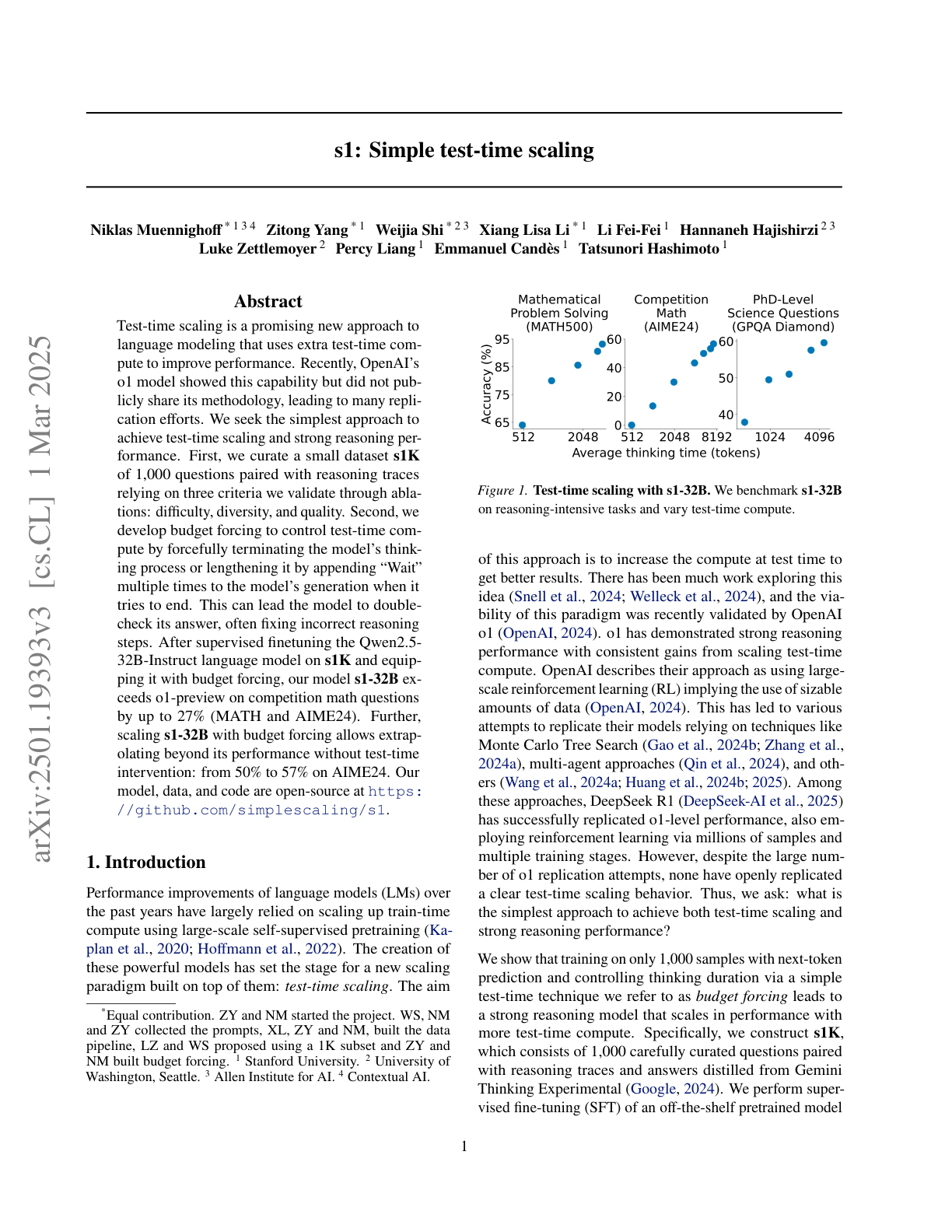
s1: Simple test-time scaling
Researchers from Stanford, UW, and others introduce s1, a method to boost LLM performance by using extra compute at inference (“test-time scaling”). Key ideas include:
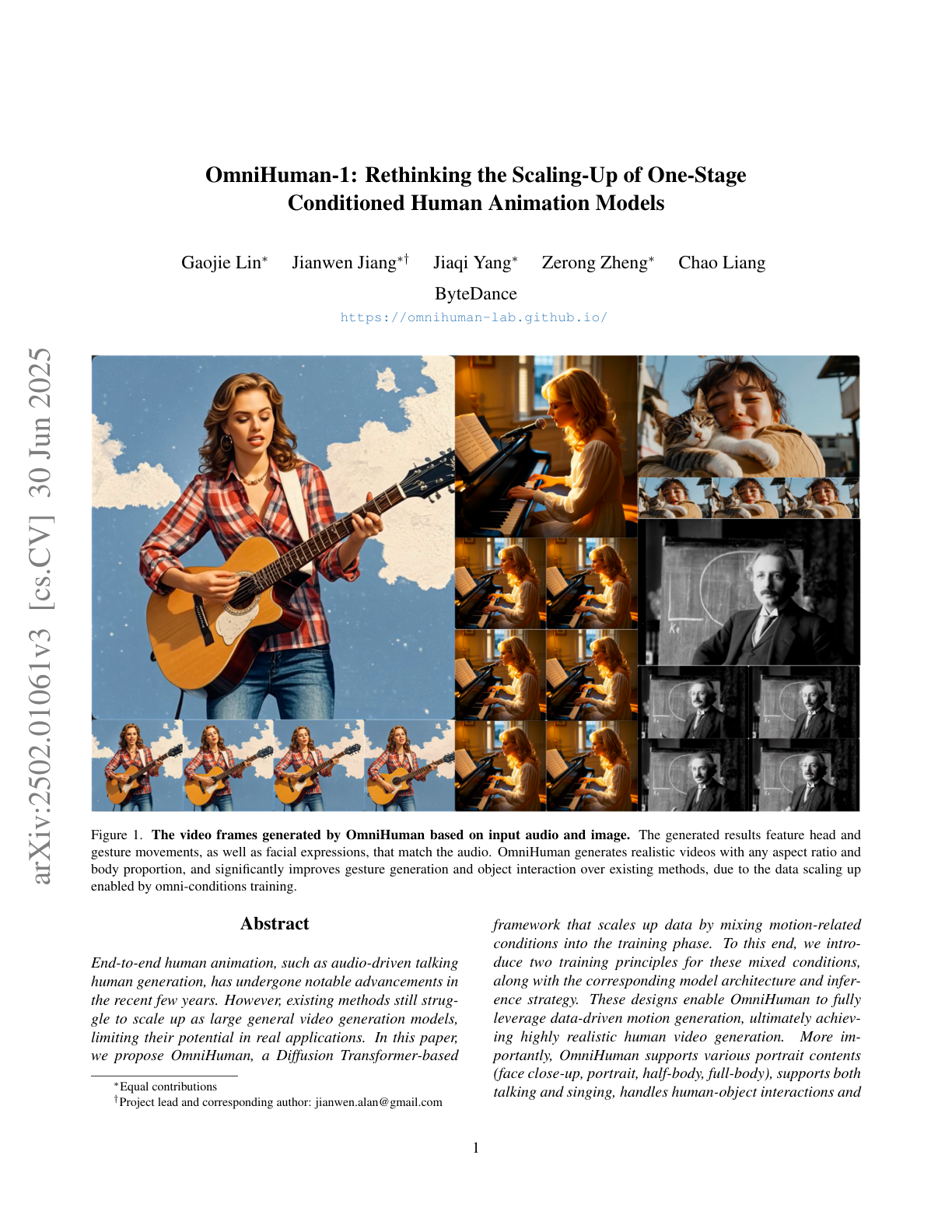
OmniHuman-1: Scaling One-Stage Human Animation
A team at ByteDance AI Lab unveiled OmniHuman-1, a diffusion-transformer model that can generate highly realistic human videos from just a single image plus motion input (audio or video). Highlights:
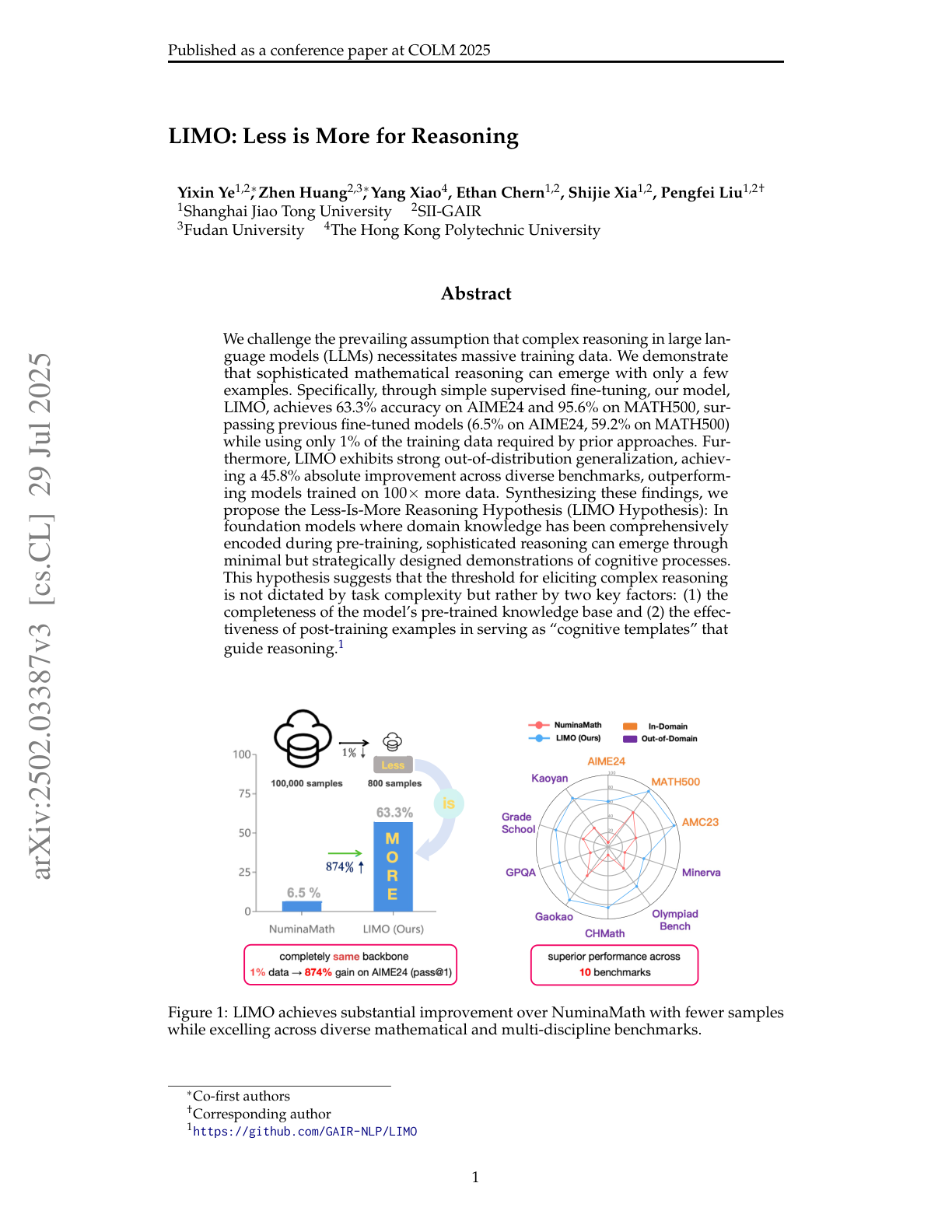
LIMO: Less Is More for Reasoning
Can a handful of examples teach complex math reasoning to LLMs? This new LIMO paper challenges the notion that we need huge fine-tuning datasets for tough reasoning tasks. Key findings:
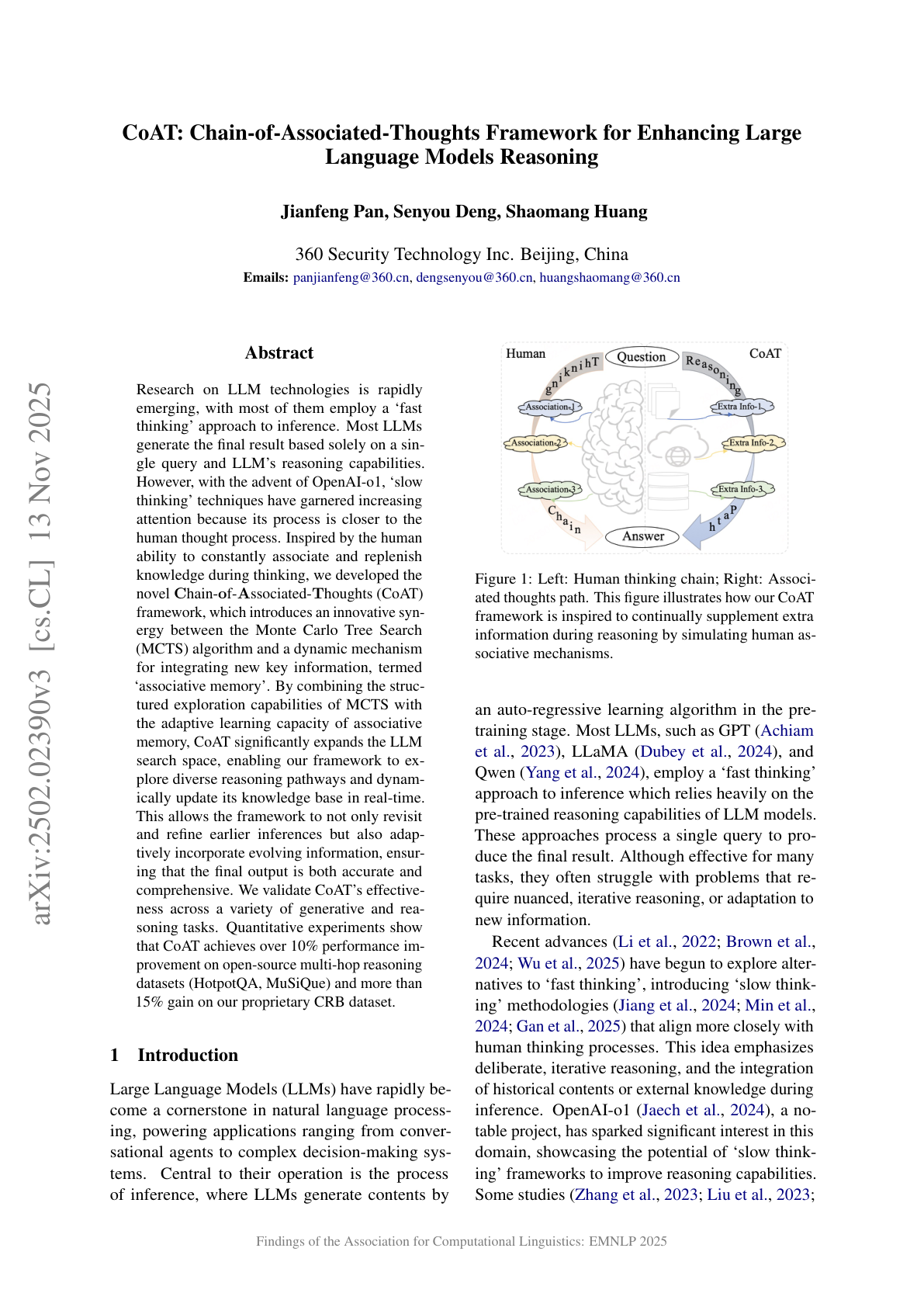
CoAT: Chain-of-Associated-Thoughts for LLM Reasoning
This work introduces CoAT, a new “slow thinking” inference framework that enables an LLM to reason more like a human by exploring and updating its thoughts. Main components:
Syntriever: Training Retrievers with LLM-Generated Data
How can we build a high-quality text retriever without large labeled datasets or access to an LLM’s internals? Syntriever presents a two-stage framework to distill knowledge from a black-box LLM into a retrieval model using synthetic data. Steps:
Demystifying Long Chain-of-Thought Reasoning in LLMs
This work investigates how LLMs develop extended CoT reasoning, focusing on RL and compute scaling. Key insights include:
Rethinking Mixture-of-Agents: Ensemble One Strong LLM
Ensembling multiple models (Mixture-of-Agents, MoA) is a popular way to boost performance. This paper asks: is mixing different LLMs actually helpful, or are we better off ensembling one top model’s outputs? The surprising answer: “Self-MoA” (single-model ensemble) often wins over multi-model ensembles. Key points:
MaAS: Multi-agent Architecture Search (Agentic Supernet)
Building multi-agent systems of LLMs (where multiple agents collaborate, each with specific roles or tools) is powerful but usually requires hand-designing a single complex pipeline. MaAS (Multi-agent Architecture Search) instead learns a universal “agentic supernet” from which it can spawn an optimal agent team on the fly for each query. It automates designing the agent workflow per task:
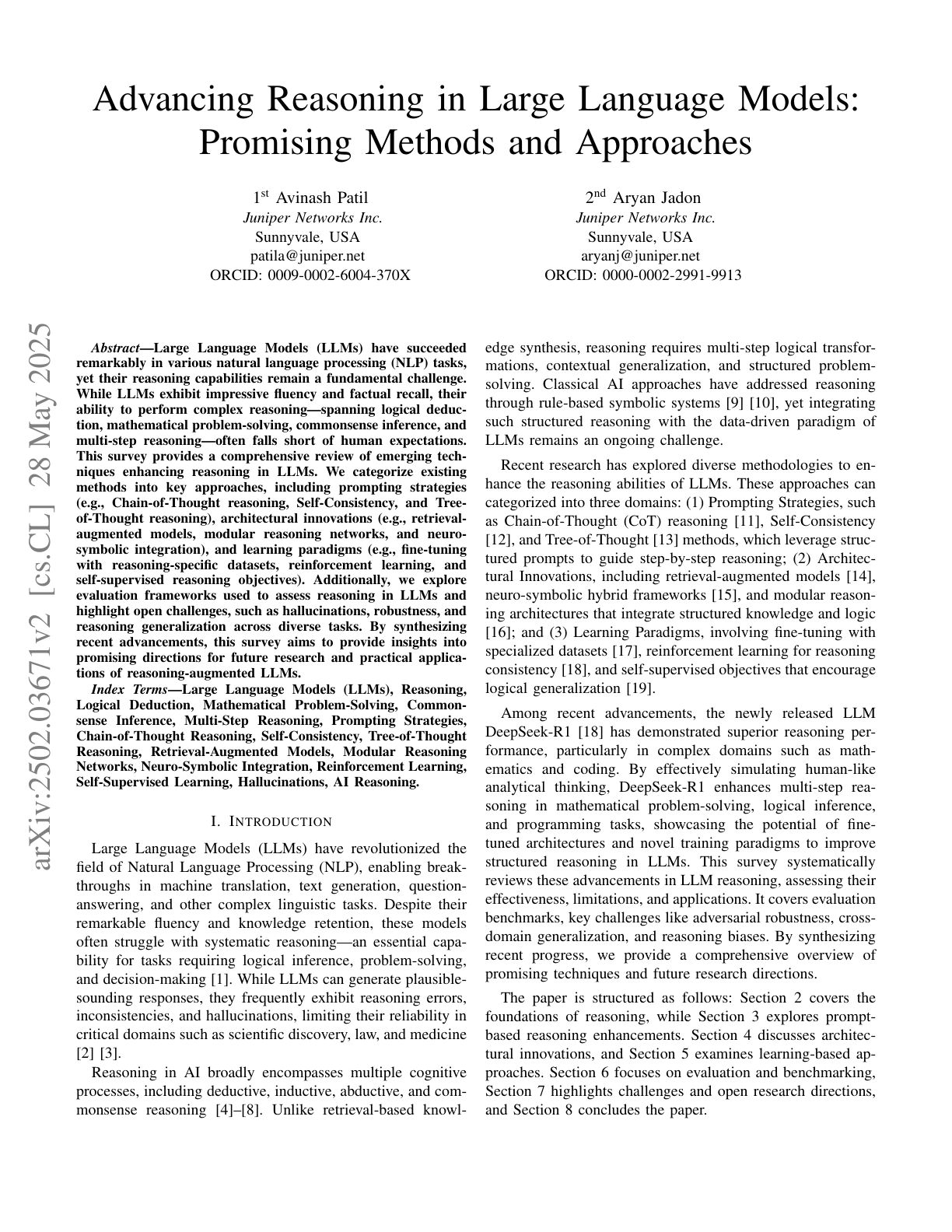
Advancing Reasoning in LLMs
This survey paper provides a timely overview of emerging methods to enhance reasoning capabilities in LLMs. It organizes the literature into several key approach categories:
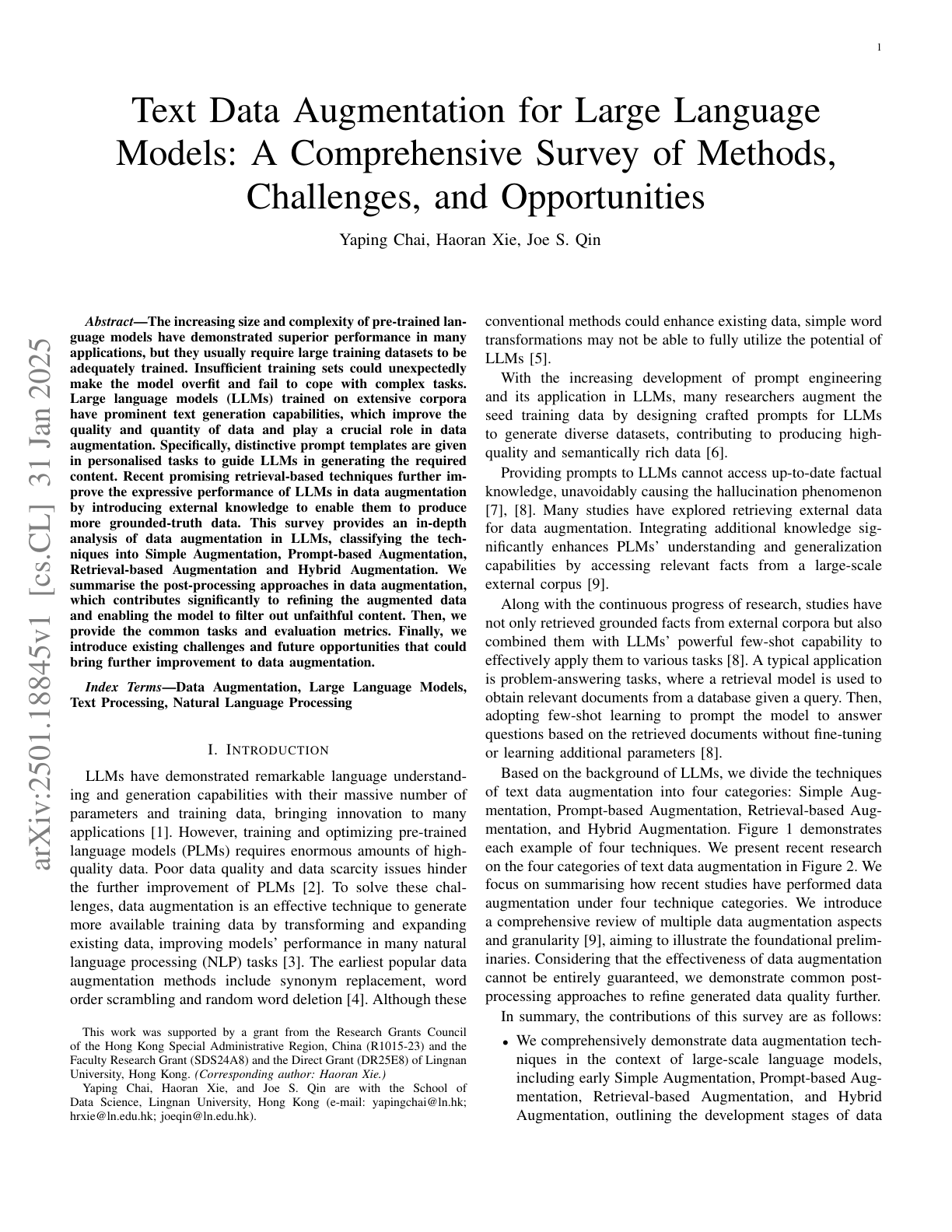
Survey: Text Data Augmentation for LLMs
This comprehensive survey covers text data augmentation techniques for LLMs. As LLMs demand massive training data, augmenting datasets with synthetic or transformed text is vital. In this paper: