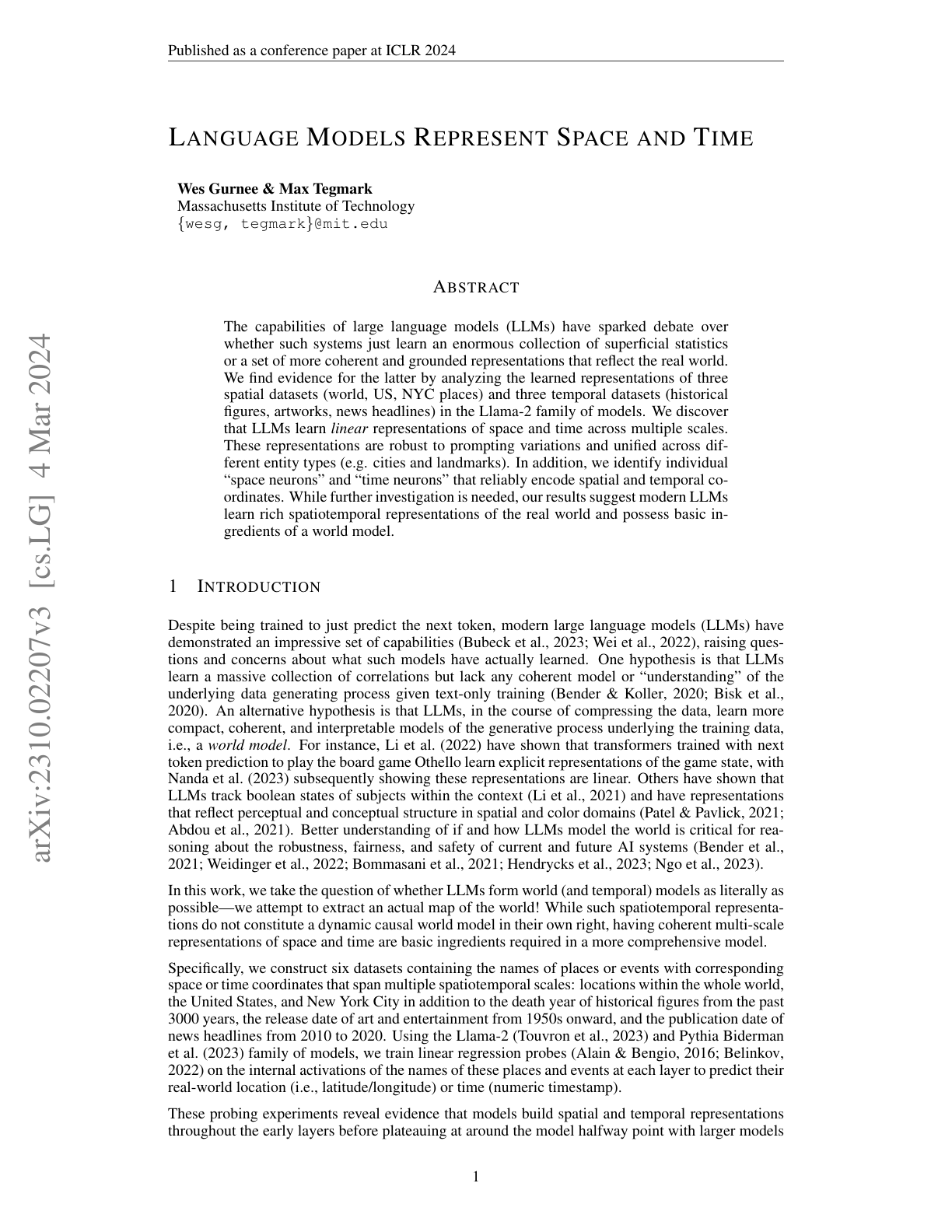
LLMs Represent Space and Time
MIT researchers find that LLMs internally encode linear representations of space and time across multiple scales.
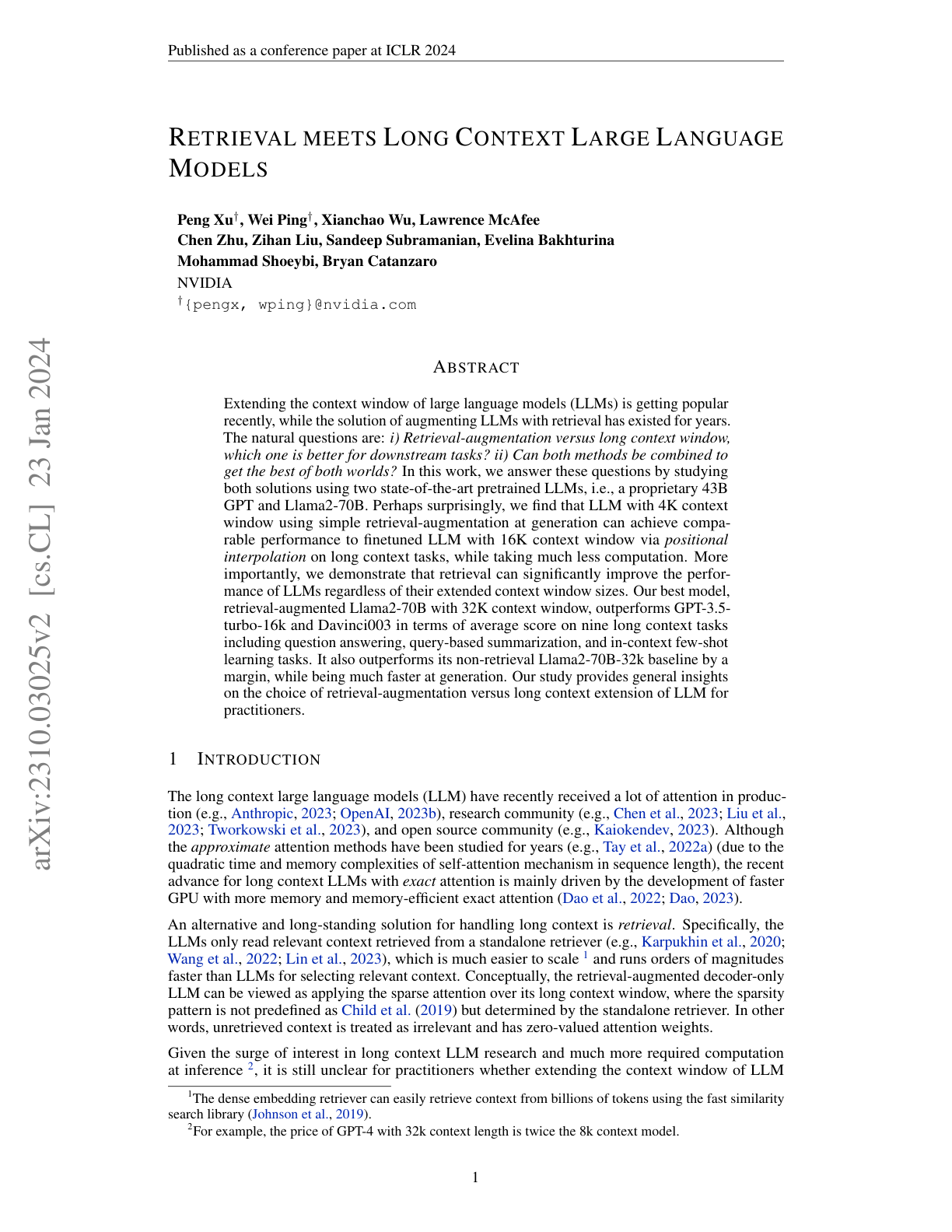
Retrieval Meets Long-Context LLMs
NVIDIA's study comparing RAG and long-context LLMs, with the punchline that the two are complementary rather than substitutes.
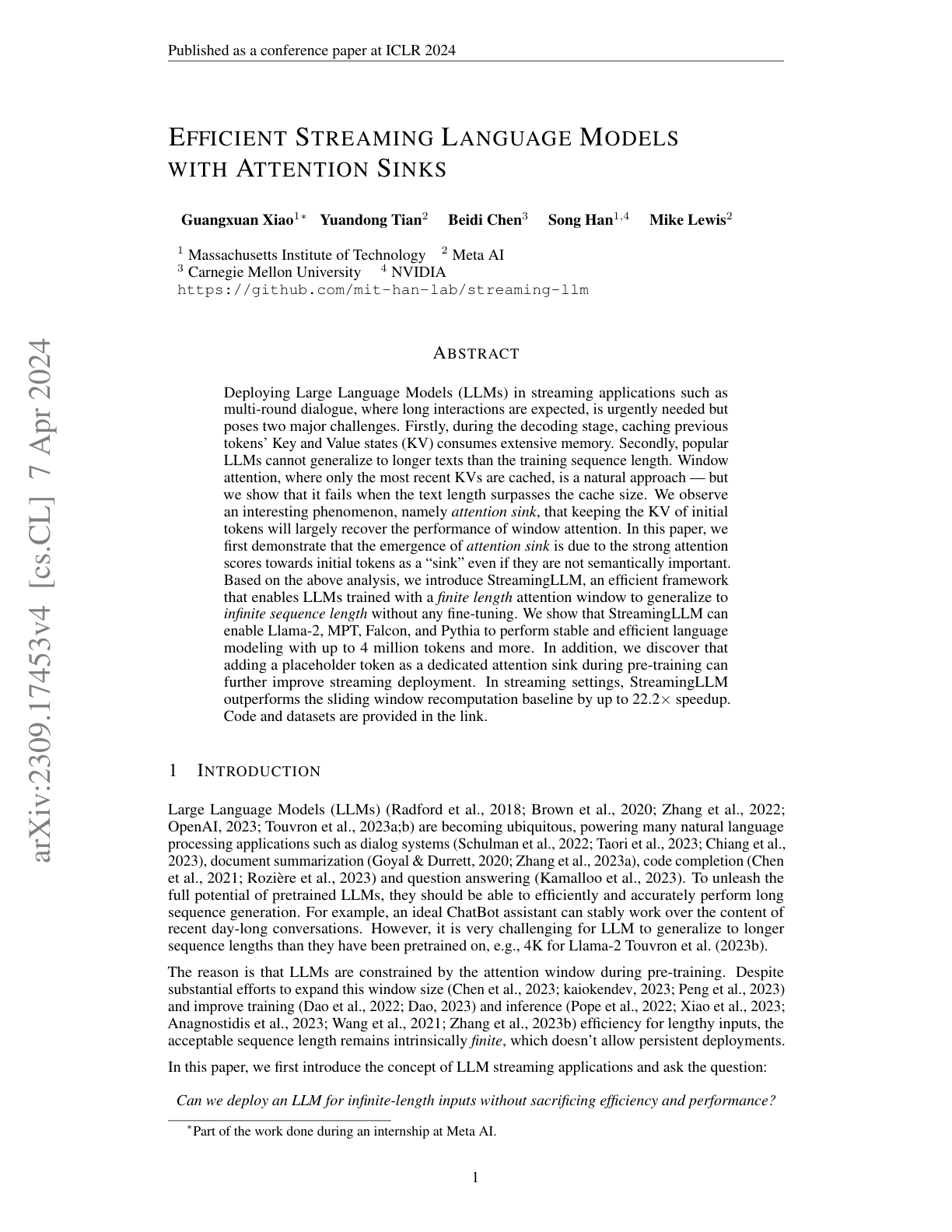
StreamingLLM
MIT's StreamingLLM enables efficient streaming inference by preserving "attention sinks" - early-sequence tokens that most attention mass flows to.
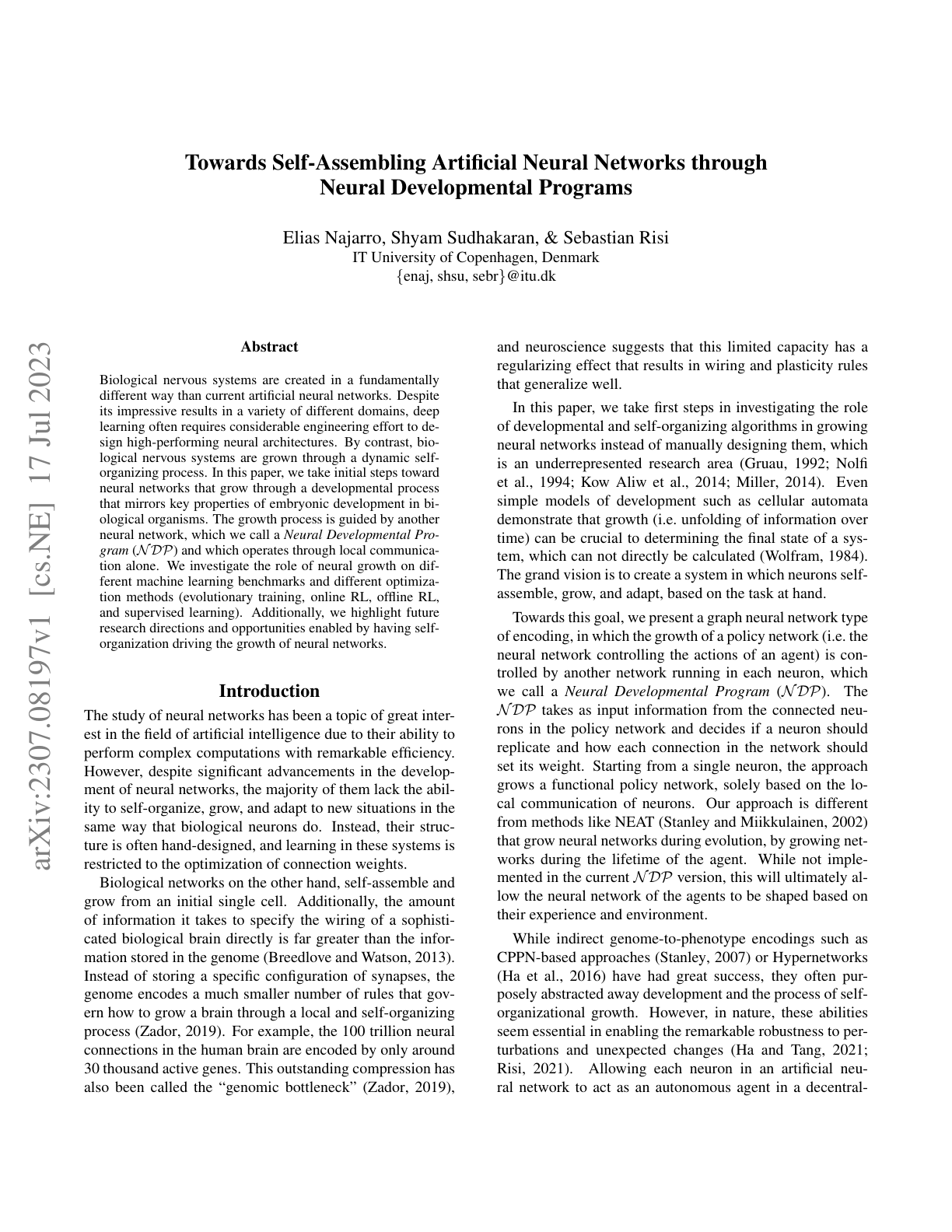
Neural Developmental Programs (NDPs)
Proposes neural networks that self-assemble through a developmental process inspired by biological embryonic development.
The Dawn of LMMs (GPT-4V Deep Dive)
Microsoft's exhaustive 166-page analysis of GPT-4V's capabilities and limitations.
Training LLMs with Pause Tokens
CMU shows that adding a learnable `<pause>` token during both pretraining and fine-tuning gives the model extra "thinking time" and improves reasoning.
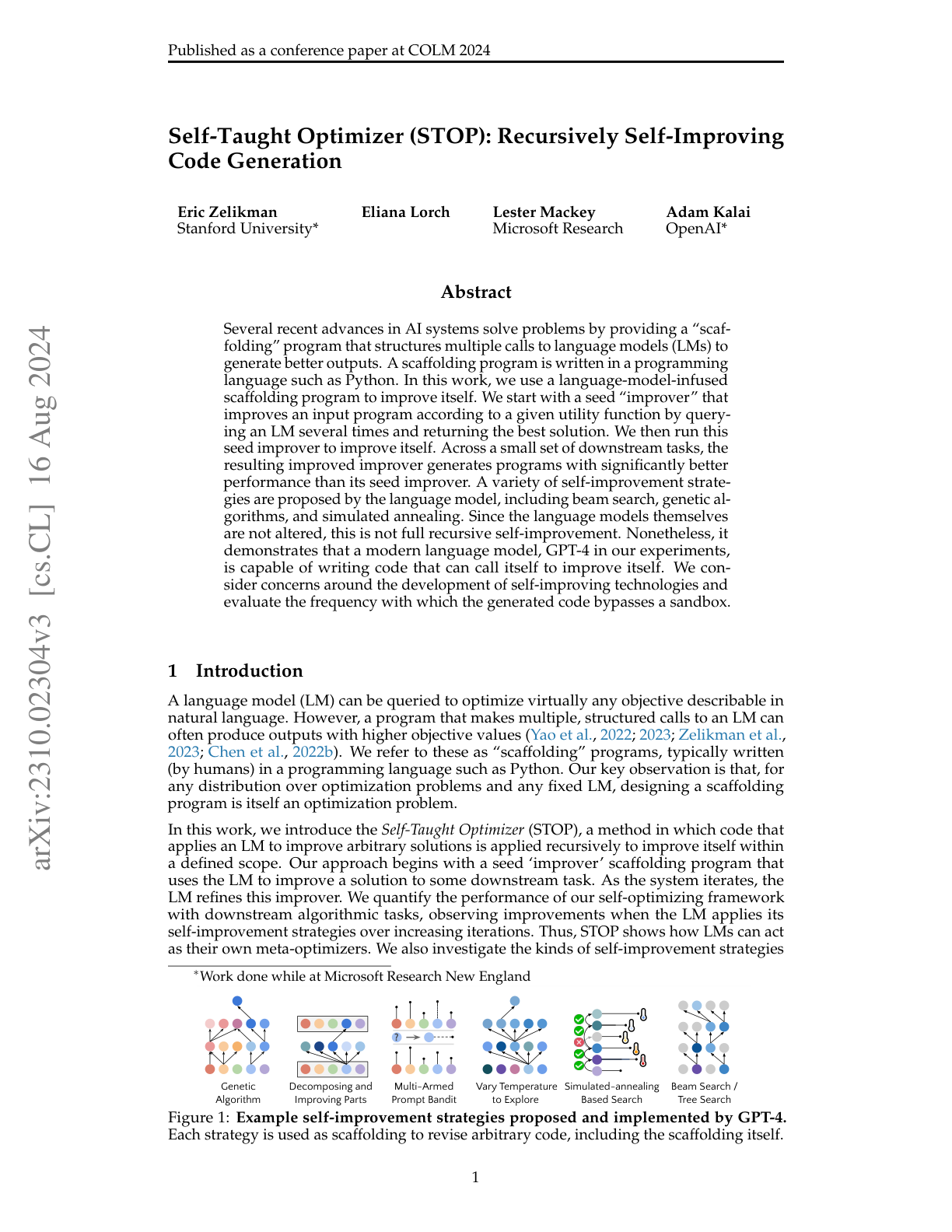
Self-Taught Optimizer (STOP)
Proposes recursively self-improving code generation where an LLM-scaffolded program improves itself.
RA-DIT (Retrieval-Augmented Dual Instruction Tuning)
Meta's RA-DIT is a lightweight recipe that retrofits LLMs with retrieval capabilities through dual fine-tuning.
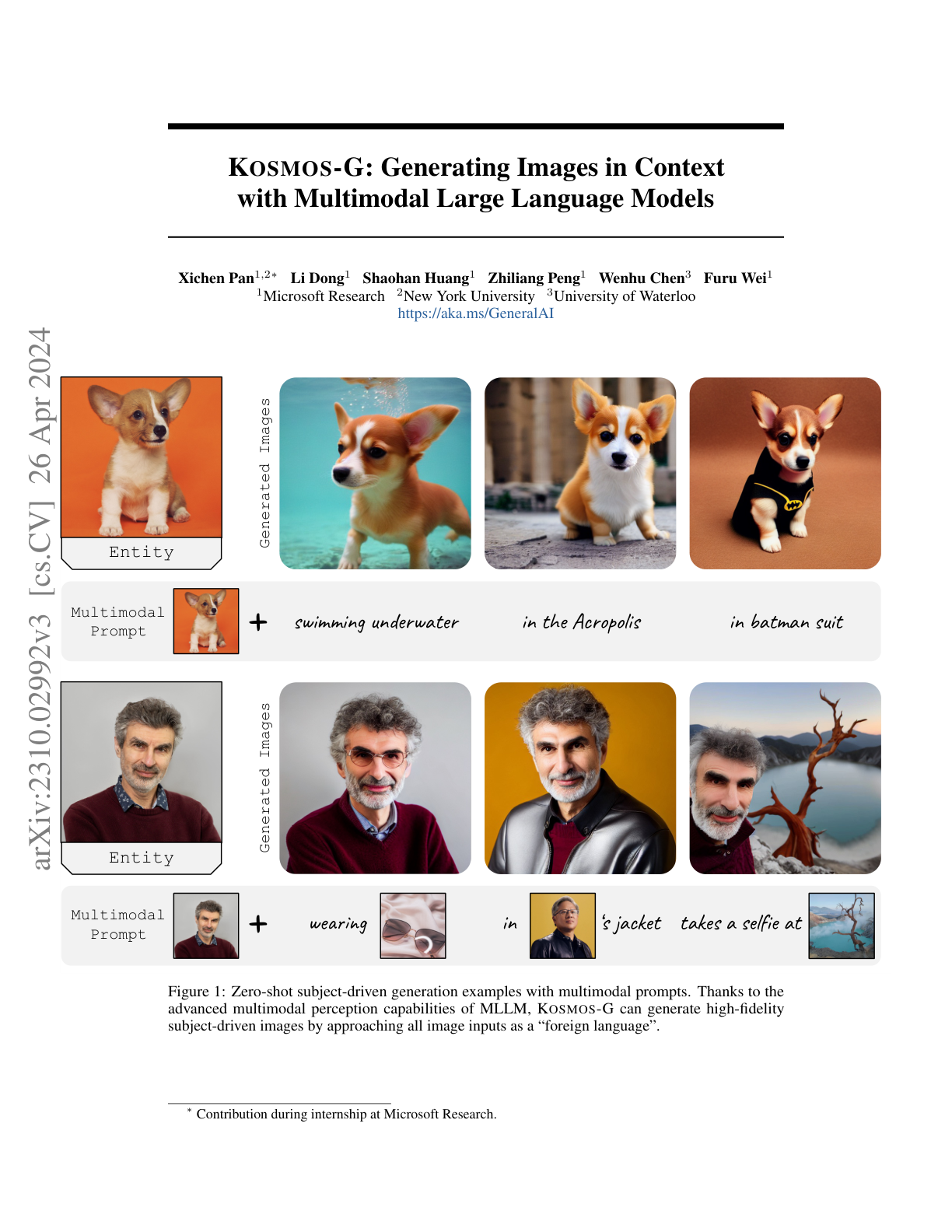
KOSMOS-G
Microsoft's KOSMOS-G extends zero-shot image generation to multi-image vision-language input.
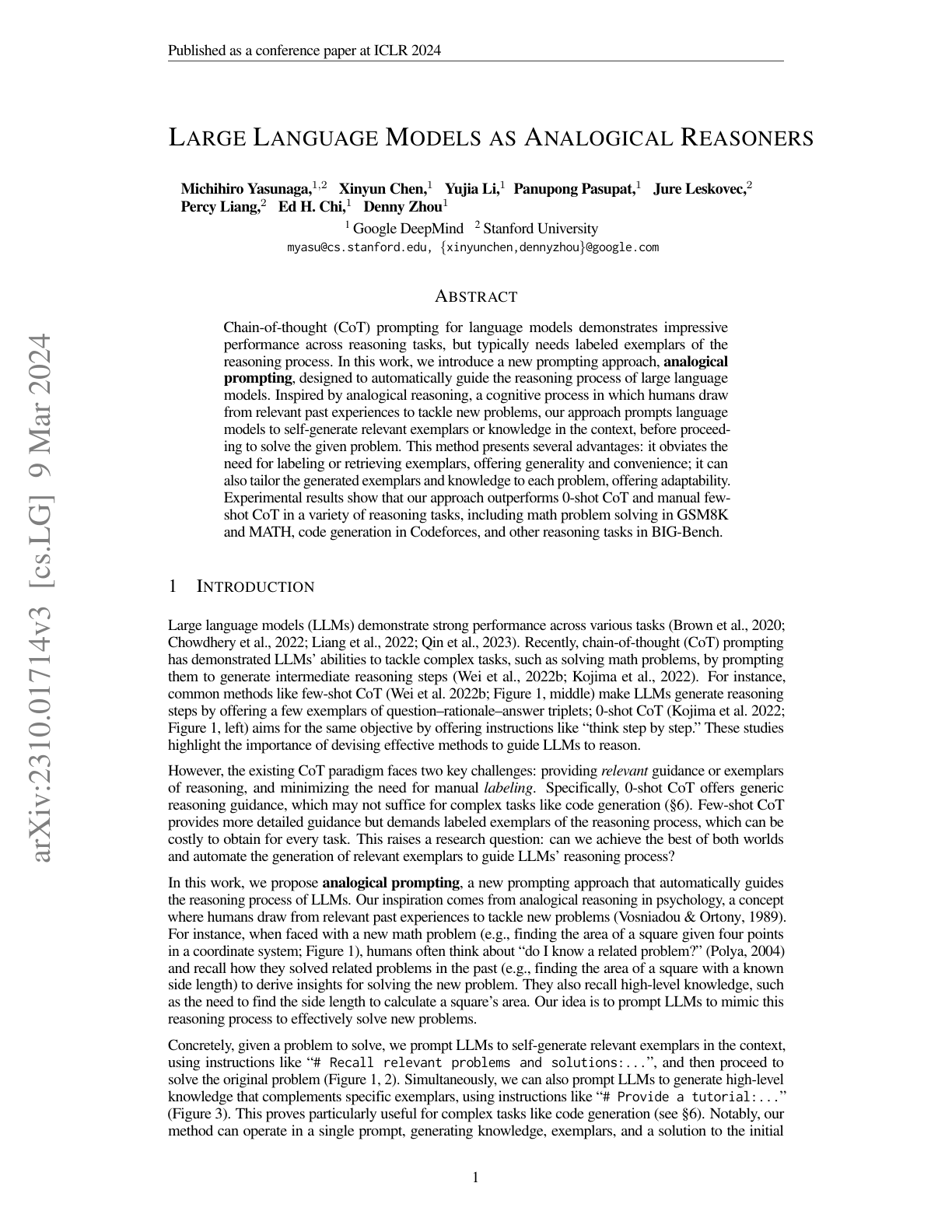
Analogical Prompting
Google's Analogical Prompting guides LLM reasoning by having the model self-generate relevant exemplars on the fly.