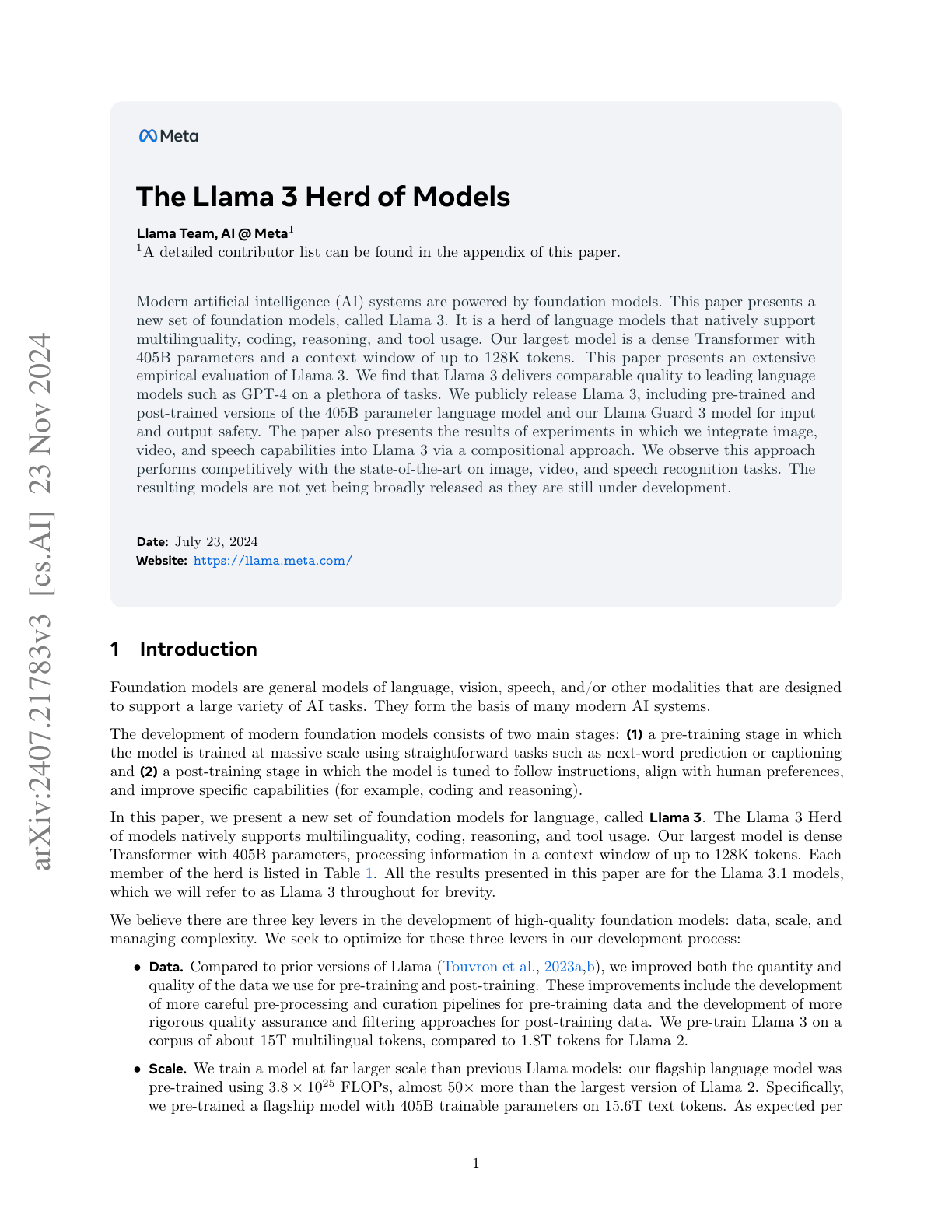
Llama 3
Meta's Llama 3 launches with 8B and 70B pretrained and instruction-tuned variants. Llama 3 8B beats Gemma 7B and Mistral 7B Instruct, and Llama 3 70B is competitive with Gemini Pro 1.5 and Claude 3 Sonnet on standard benchmarks.
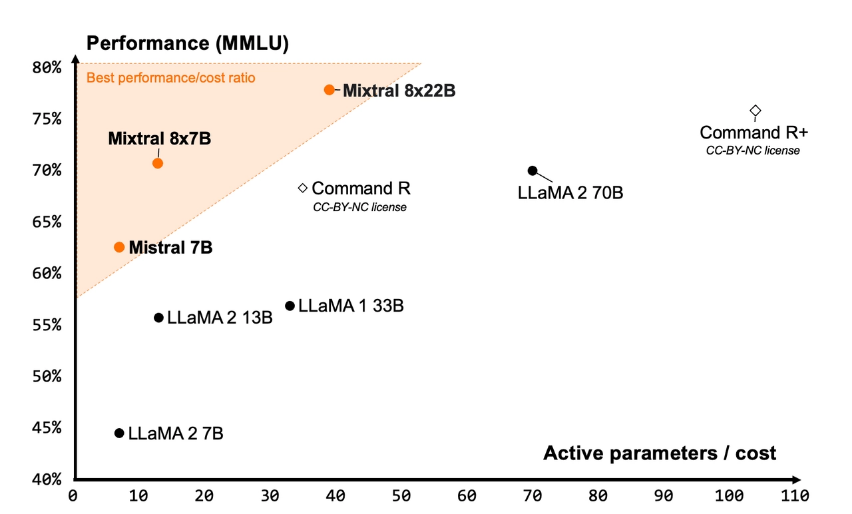
Mixtral 8x22B
Mistral's Mixtral 8x22B is a sparse Mixture-of-Experts model with 141B total / 39B active parameters and a 64K context window, released under Apache 2.0. It leads open models on MMLU and posts strong math, code, and multilingual numbers.
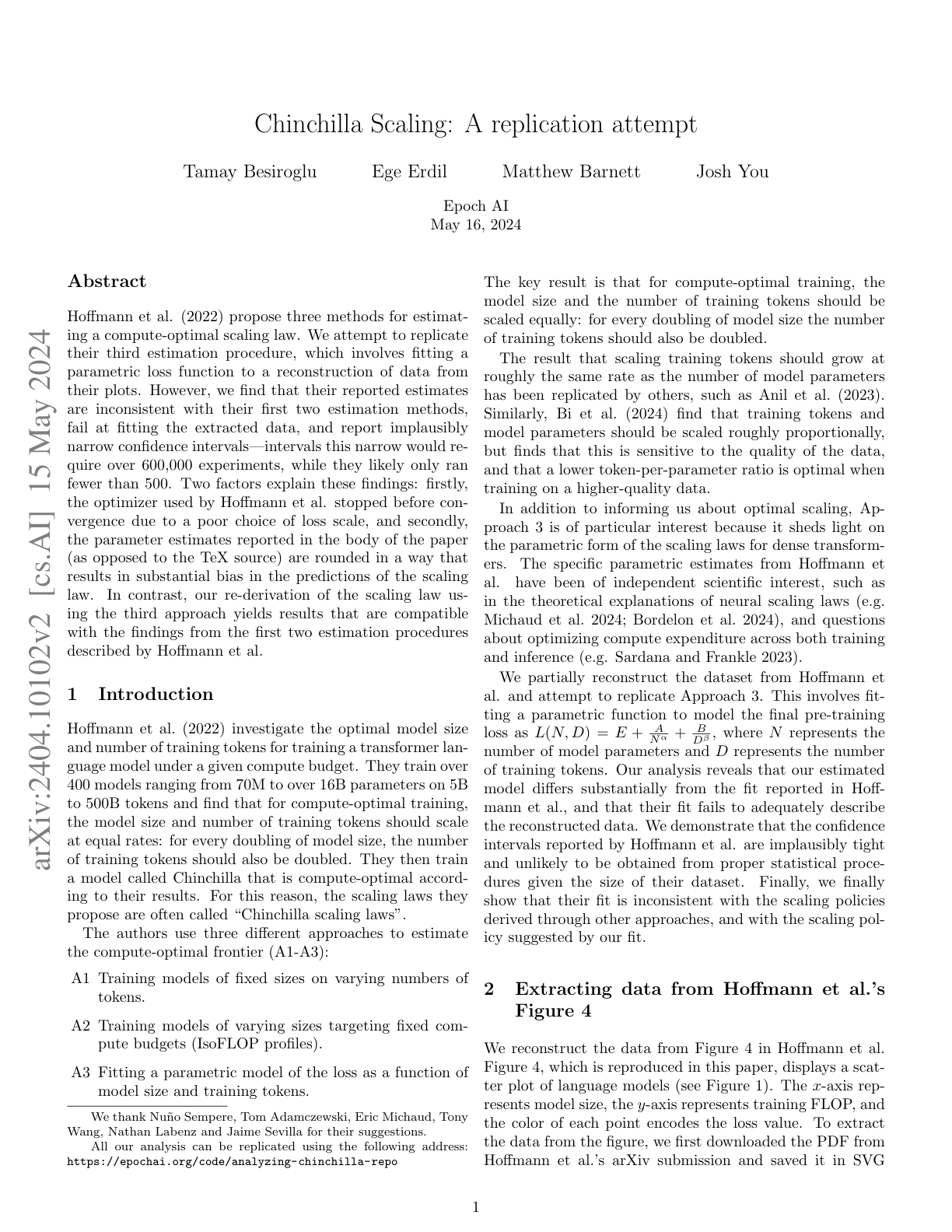
Chinchilla Scaling: A replication attempt
This paper re-examines the third estimation procedure in Hoffmann et al. (2022) Chinchilla scaling law and finds it is inconsistent with the paper's own first two methods, fails to fit the extracted data, and reports implausibly narrow confidence intervals.
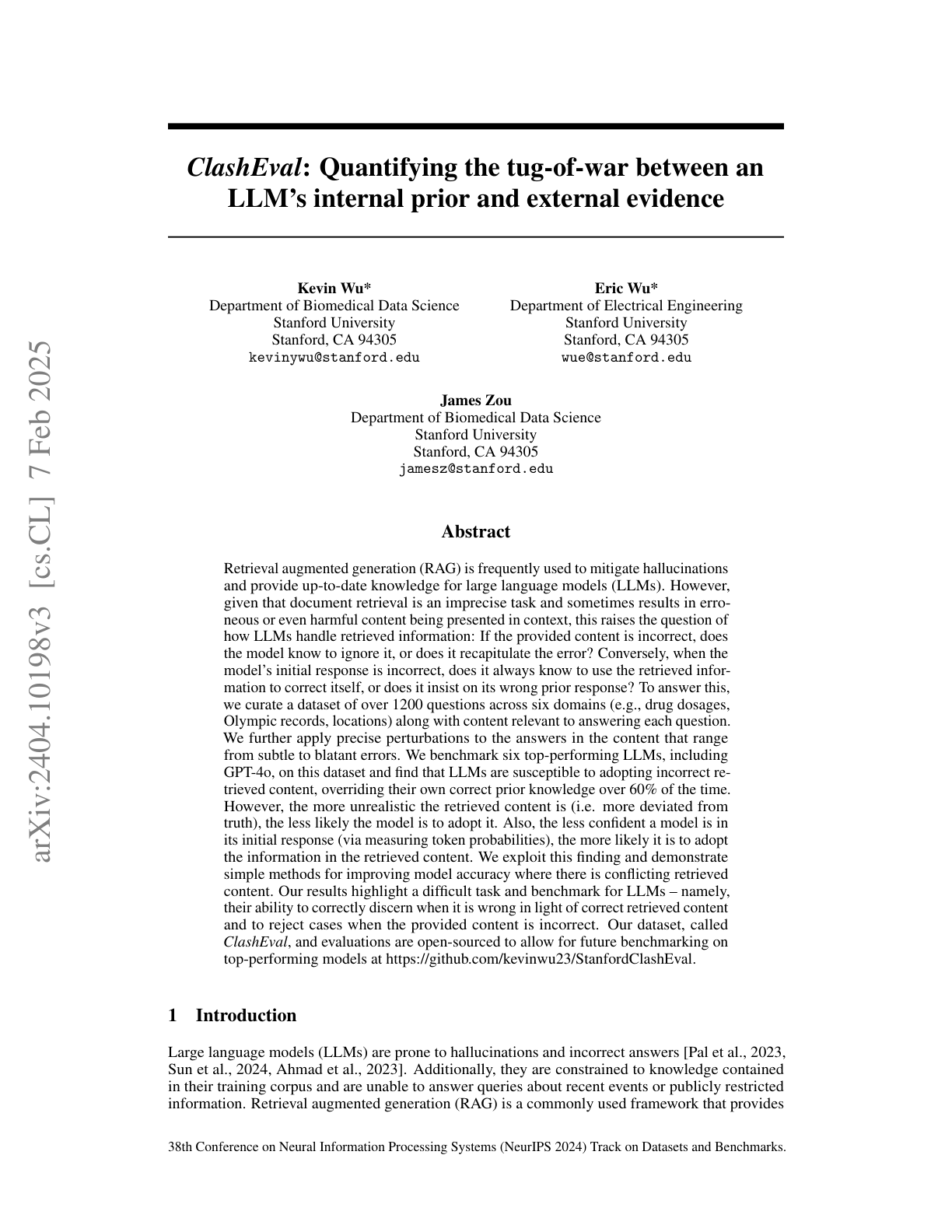
How Faithful are RAG Models? (ClashEval)
ClashEval constructs a 1,200-question benchmark across six domains with intentionally corrupted retrieved documents to measure when RAG helps and when it misleads GPT-4 and other top LLMs.
A Survey on Retrieval-Augmented Text Generation for LLMs
This survey organizes the RAG literature into a four-stage framework (pre-retrieval, retrieval, post-retrieval, generation) and traces the paradigm's evolution alongside open challenges.
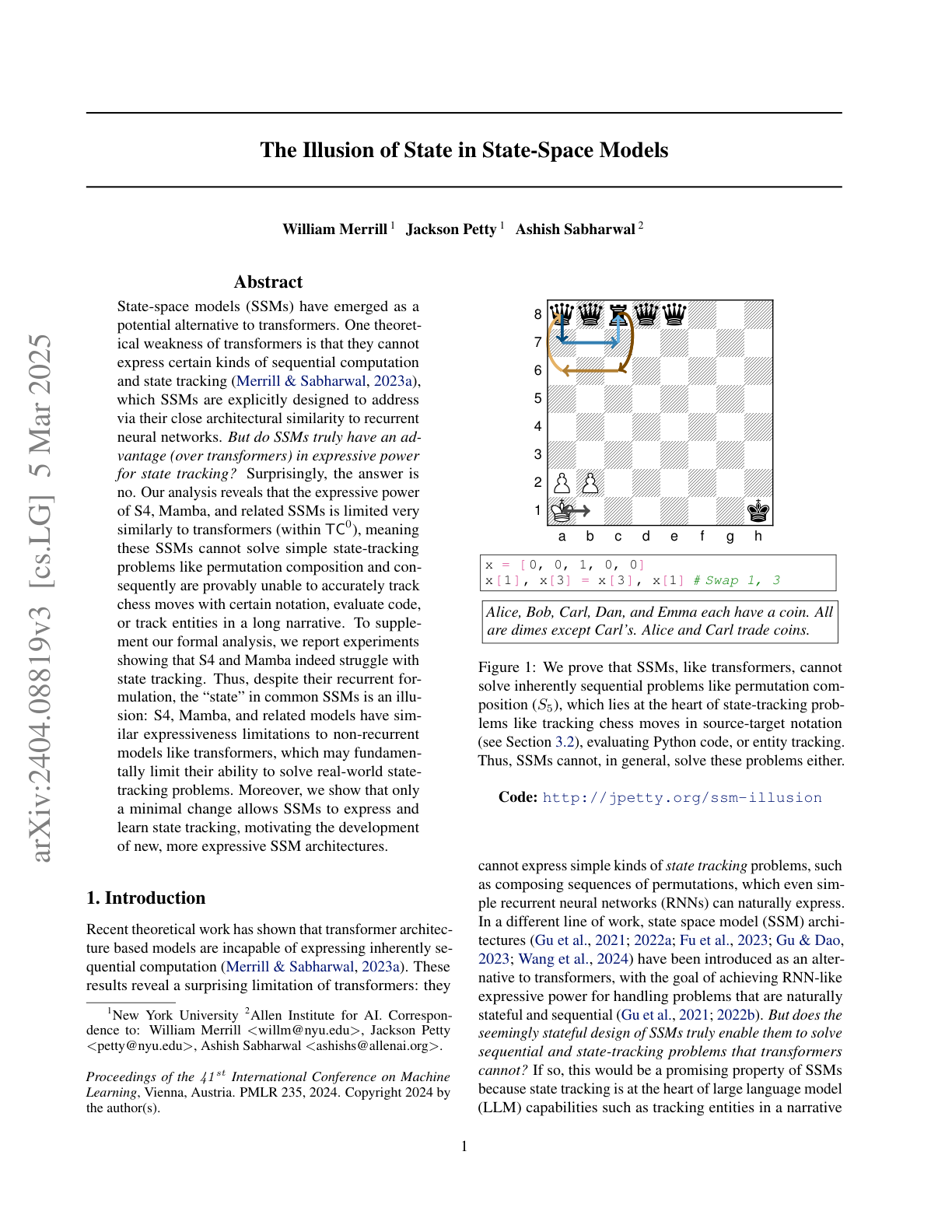
The Illusion of State in State-Space Models
This paper proves that modern state-space models (Mamba, S4, etc.) share the same expressive ceiling as transformers: they cannot compute anything outside the TC^0 complexity class, despite the RNN-like "state" vocabulary they borrow.
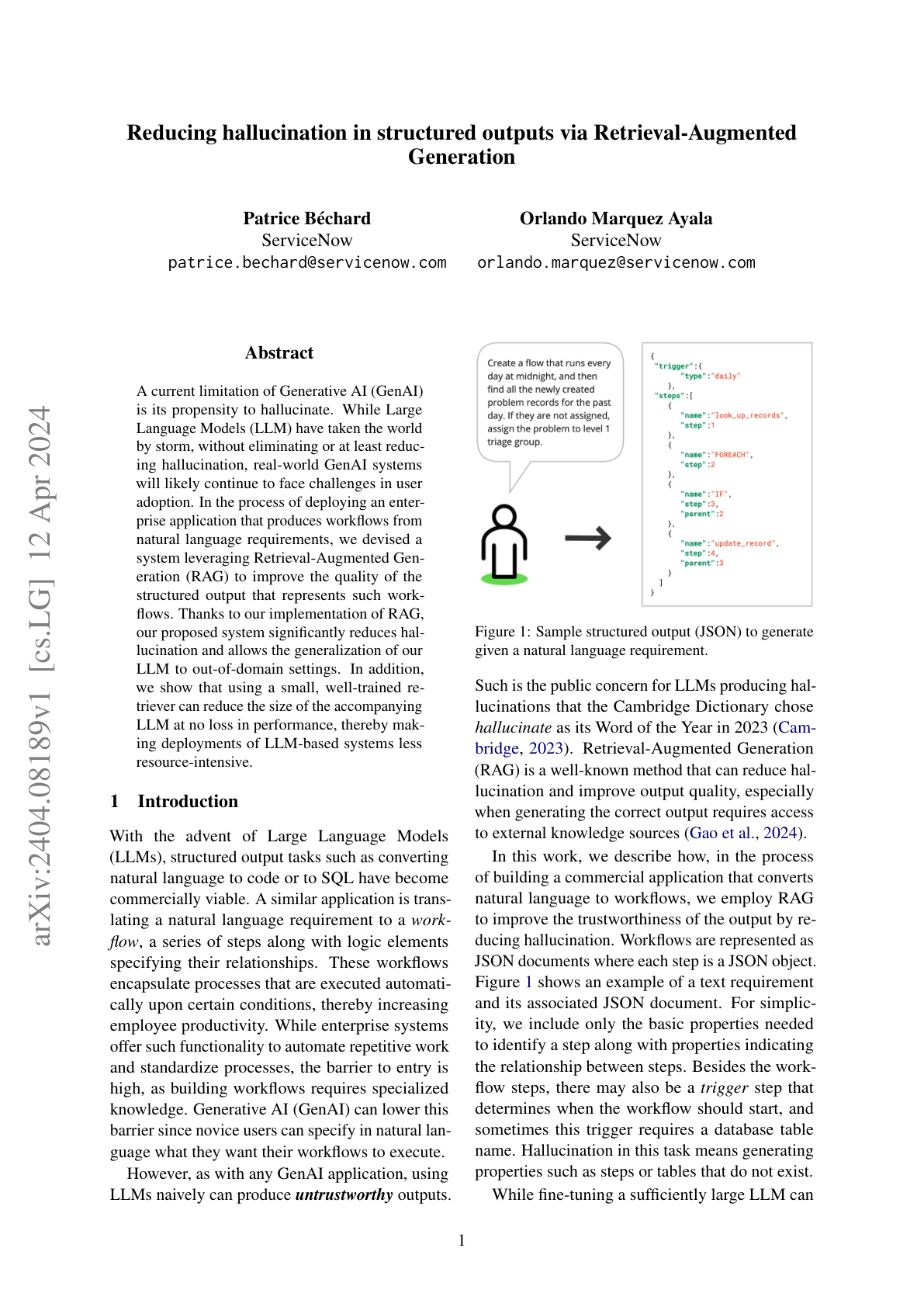
Reducing Hallucination in Structured Outputs via RAG
This paper deploys a compact RAG pipeline - small retriever plus small LM - for an enterprise workflow-generation task and shows it reduces hallucination while improving out-of-domain generalization vs a baseline LLM.
Emerging AI Agent Architectures
A short survey mapping the current landscape of LLM-based agent architectures, focused on reasoning, planning, and tool calling as the three capability pillars for complex agentic workflows.
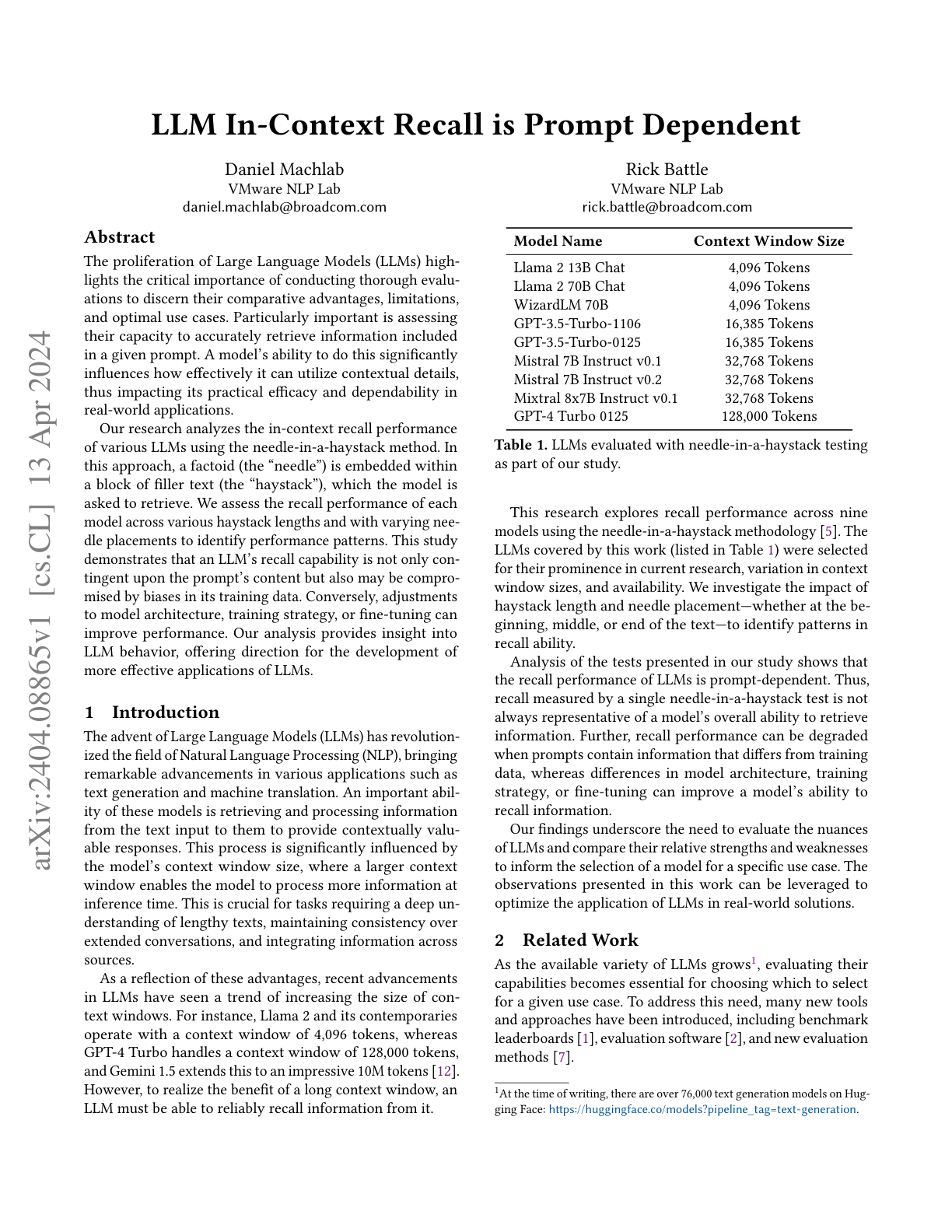
LM In-Context Recall is Prompt Dependent
Using needle-in-a-haystack tests across multiple models, this paper shows that in-context recall is highly sensitive to prompt wording and that training data biases can silently degrade a model's ability to retrieve from its own context.
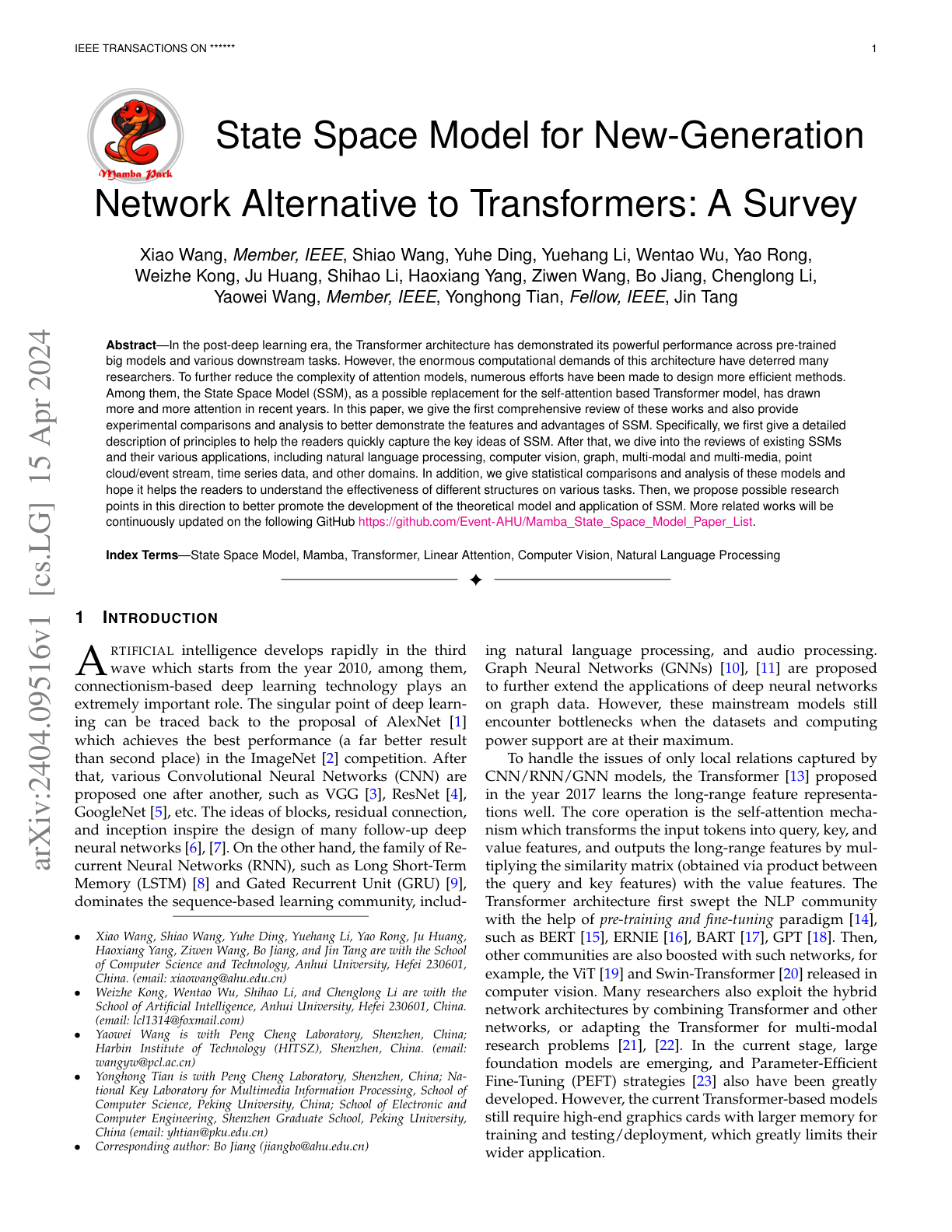
A Survey on State Space Models
A comprehensive survey of modern SSMs with a principles-first walkthrough, taxonomy of existing variants, and experimental comparison across NLP, vision, graph, multimodal, point-cloud, event-stream, and time-series tasks.