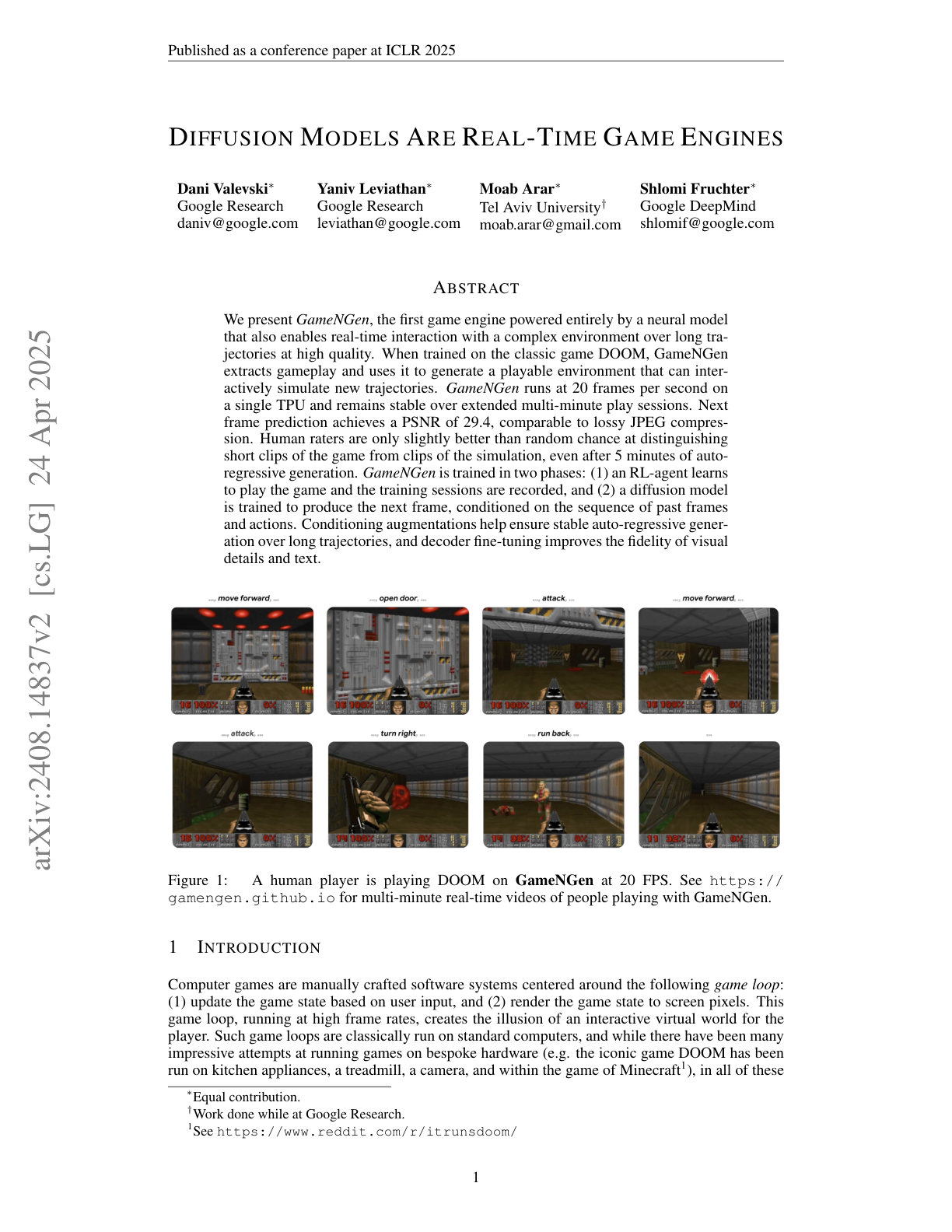
GameGen
a game engine powered by a diffusion model that enables real-time interaction with complex environments over long trajectories; uses a two-phase training process involving an RL agent to learn and a diffusion model to generate frames; it can interactively simulate DOOM over at 20 fps on a single TPU.
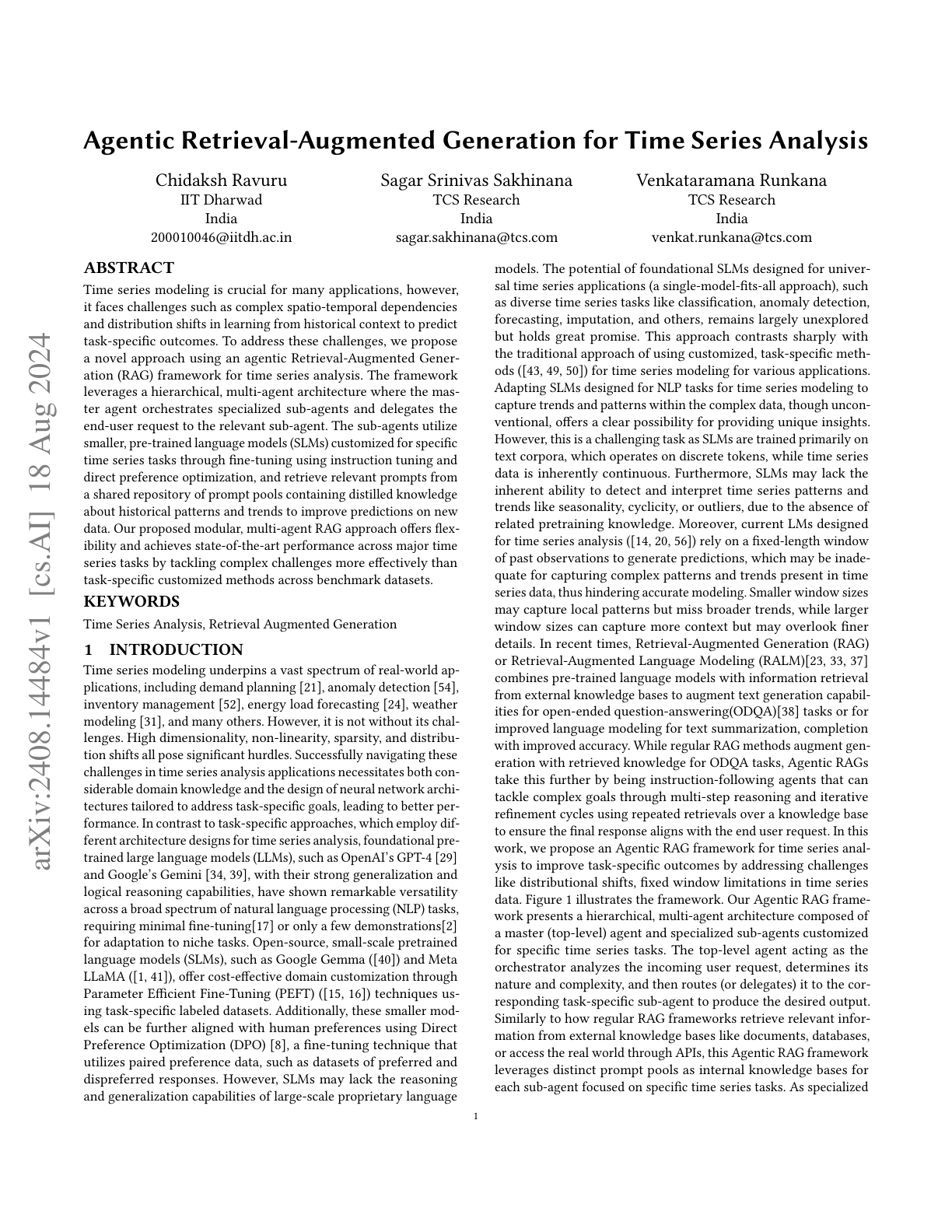
Agentic RAG for Time Series Analysis
proposes an agentic RAG framework for time series analysis; uses a multi-agent architecture where an agent orchestrates specialized sub-agents to complete time-series tasks; the sub-agents leverage tuned small language models and can retrieve relevant prompts containing knowledge about historical patterns and trends; this helps to improve predictions on new data.
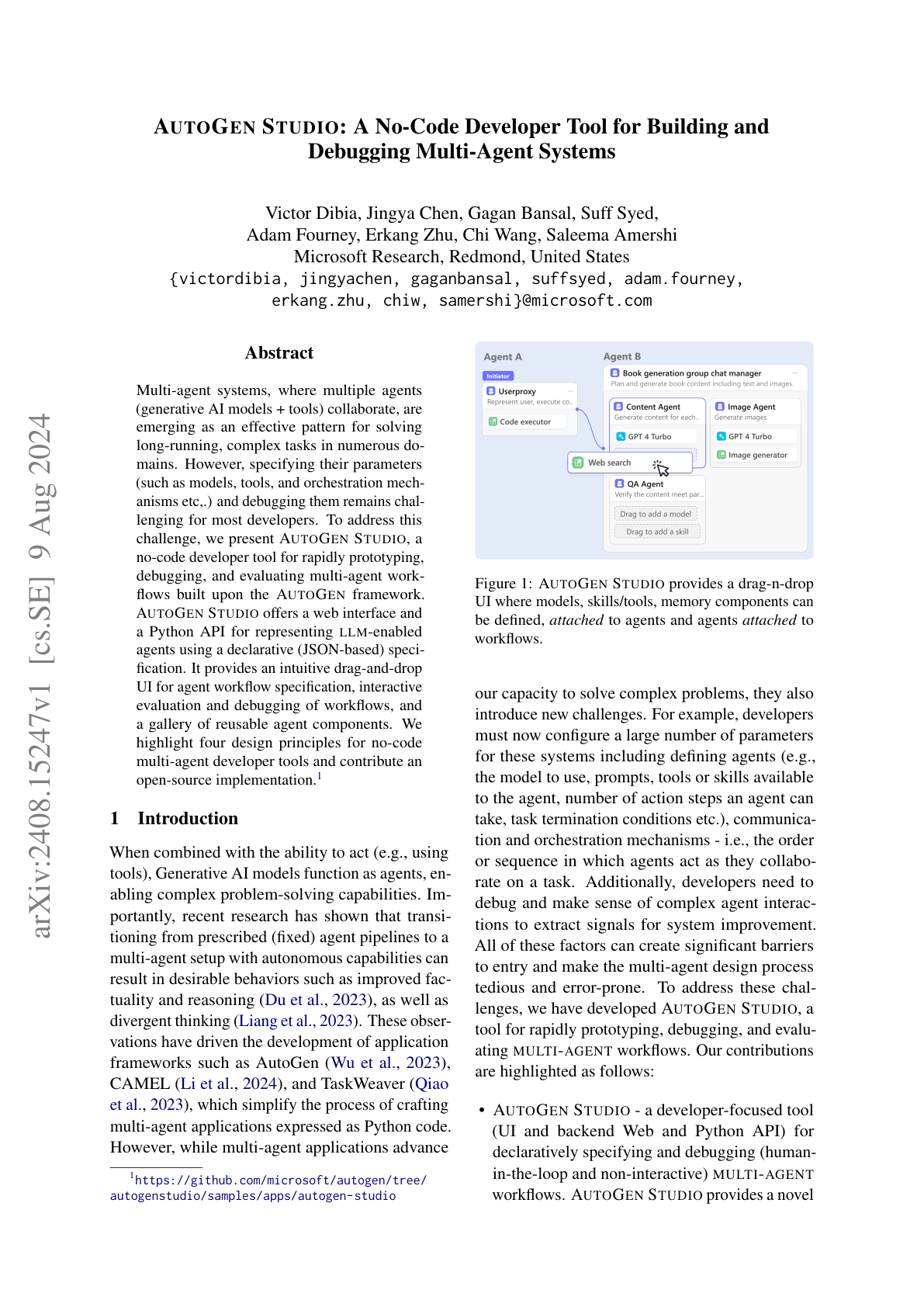
AutoGen Studio
a low-code interface for rapidly prototyping AI agents. It's built on top of the AutoGen framework and can also be used for debugging and evaluating multi-agent workflows.
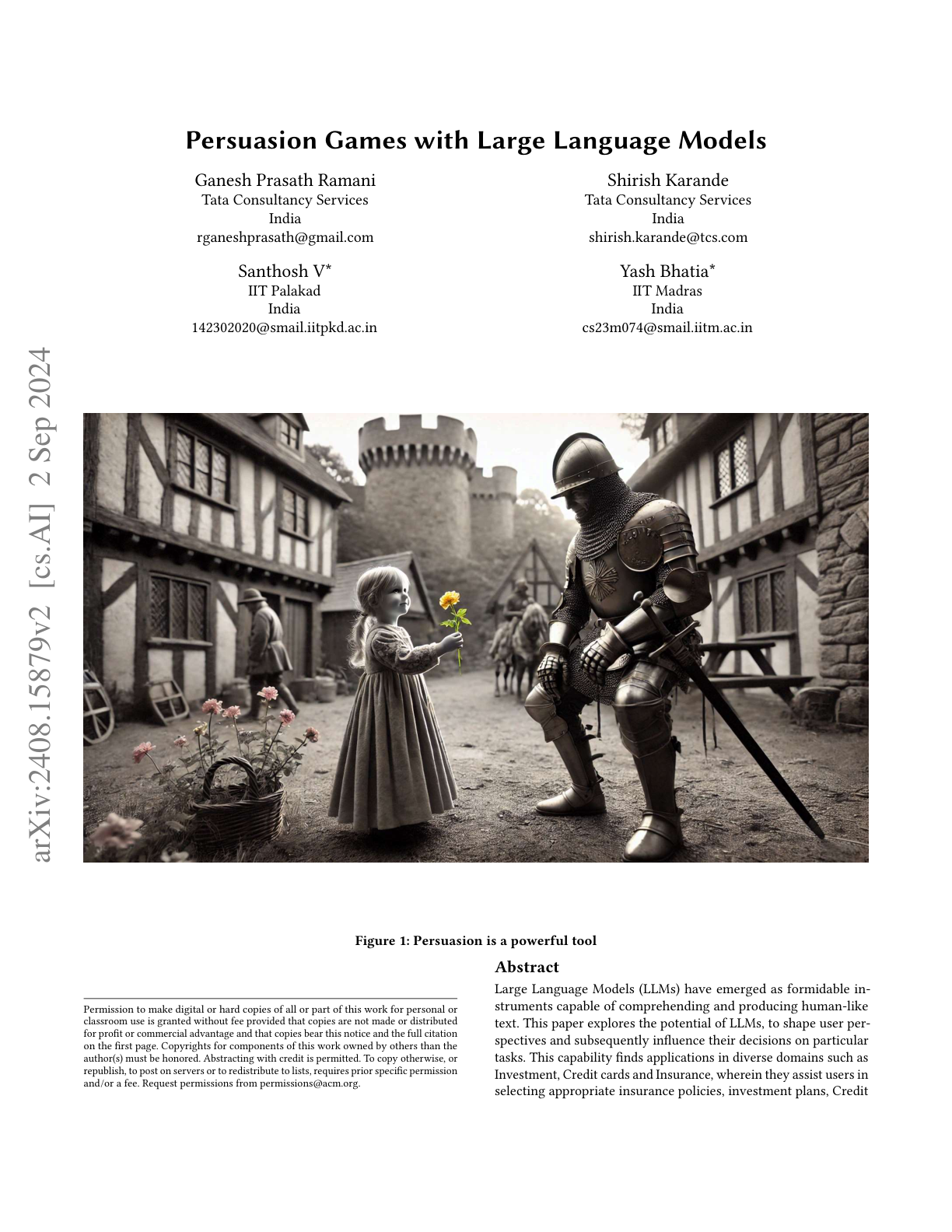
Persuasion Games with LLMs
claims that a multi-agent framework can be used to improve the persuasive efficacy of LLMs; the primary agent engages in persuasive dialogue while auxiliary agents perform key tasks like response analysis and information retrieval; finds that LLMs are capable of creating a perspective change in the users and persuading them to make a purchase decision; for instance, Sales agents can achieve a 71% positive shift in user perspectives.
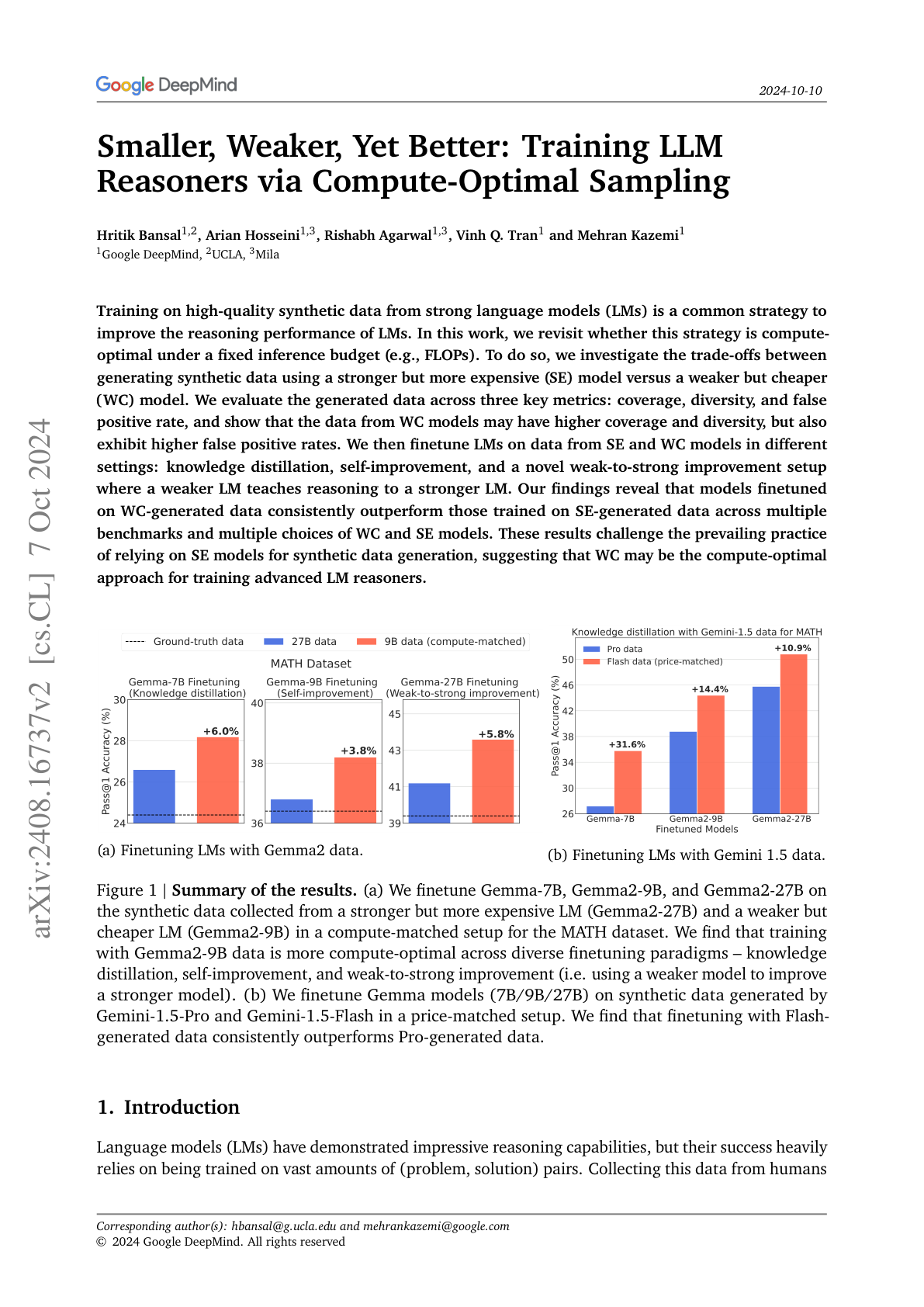
Smaller, Weaker, Yet Better
finds that weaker + cheaper (WC) models can generate better synthetic data for fine-tuning models compared to data generated with stronger but more expensive models; overall, results suggest that WC models may be a compute-optimal approach for training advanced LLM reasoners.
Transfusion
presents a training recipe to train multi-modal models over discrete and continuous data; combines next token prediction with diffusion to train transformer models over mixed-modality sequences; shows that it’s possible to scale from 7B parameter models to 2T multi-modal tokens that can compete in performance with similar scale diffusion and language models.
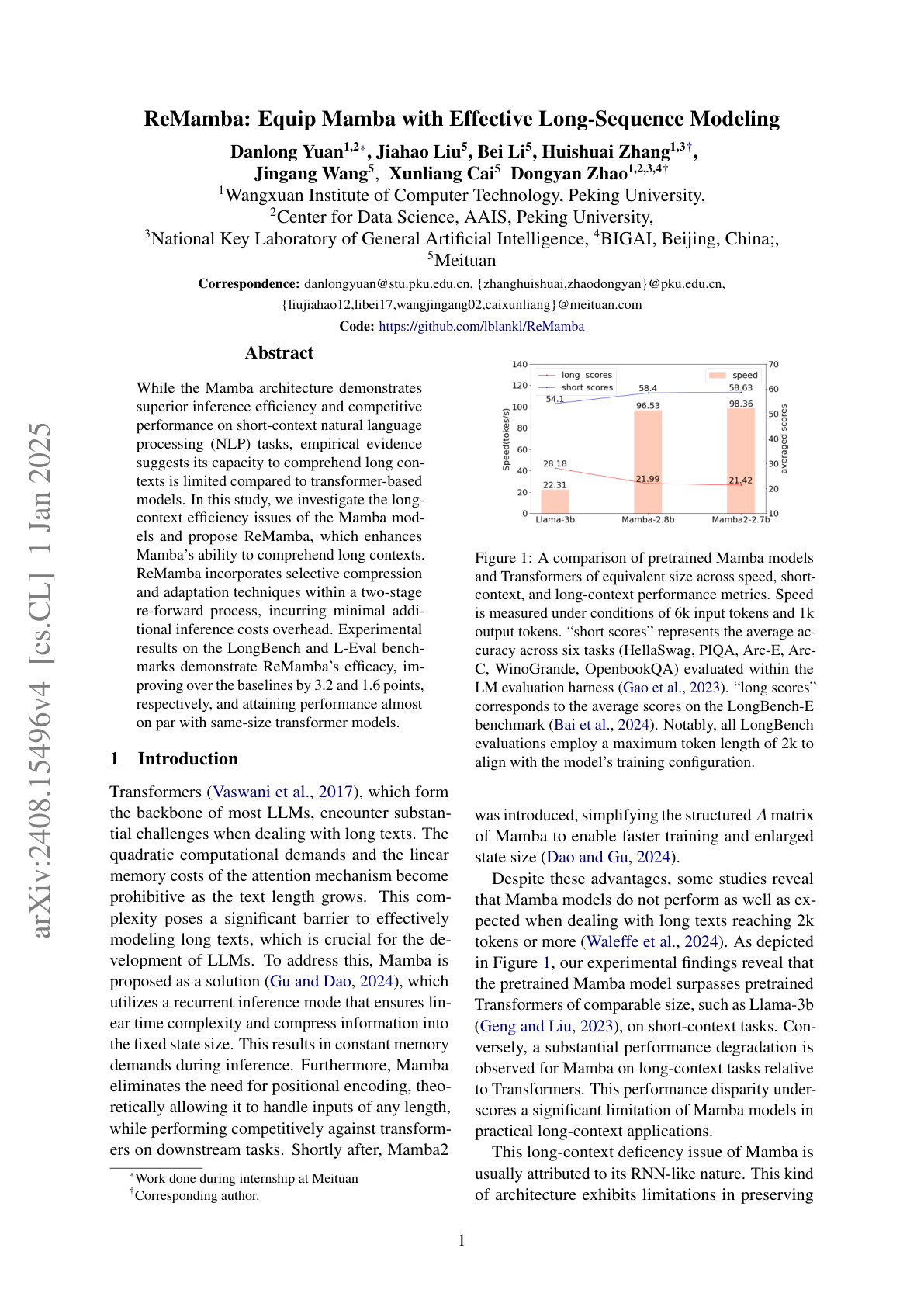
ReMamba
investigates the long-context capabilities and efficiencies of Mamba models; the long-context deficiency issues are due to Mamba's RNN-like nature; it achieves this by condensing information via the following compression strategy: the top-k hidden states during the first forward pass and leverages Mamba’s selective mechanism to incorporate them into the state space during the second forward pass; achieves a 3.2 improvement over the baseline on LongBench and 1.6 improvement on L-Eval; the strategy seems to also transfer to Mamba 2.
Text2SQL is Not Enough
proposes Table-Augmented Generation (TAG), a unified framework for answering natural language questions over databases; it represents a wider range of unexplored interactions between LLMs and databases; develops a benchmark and finds that standard methods answer no more than 20% of queries correctly.
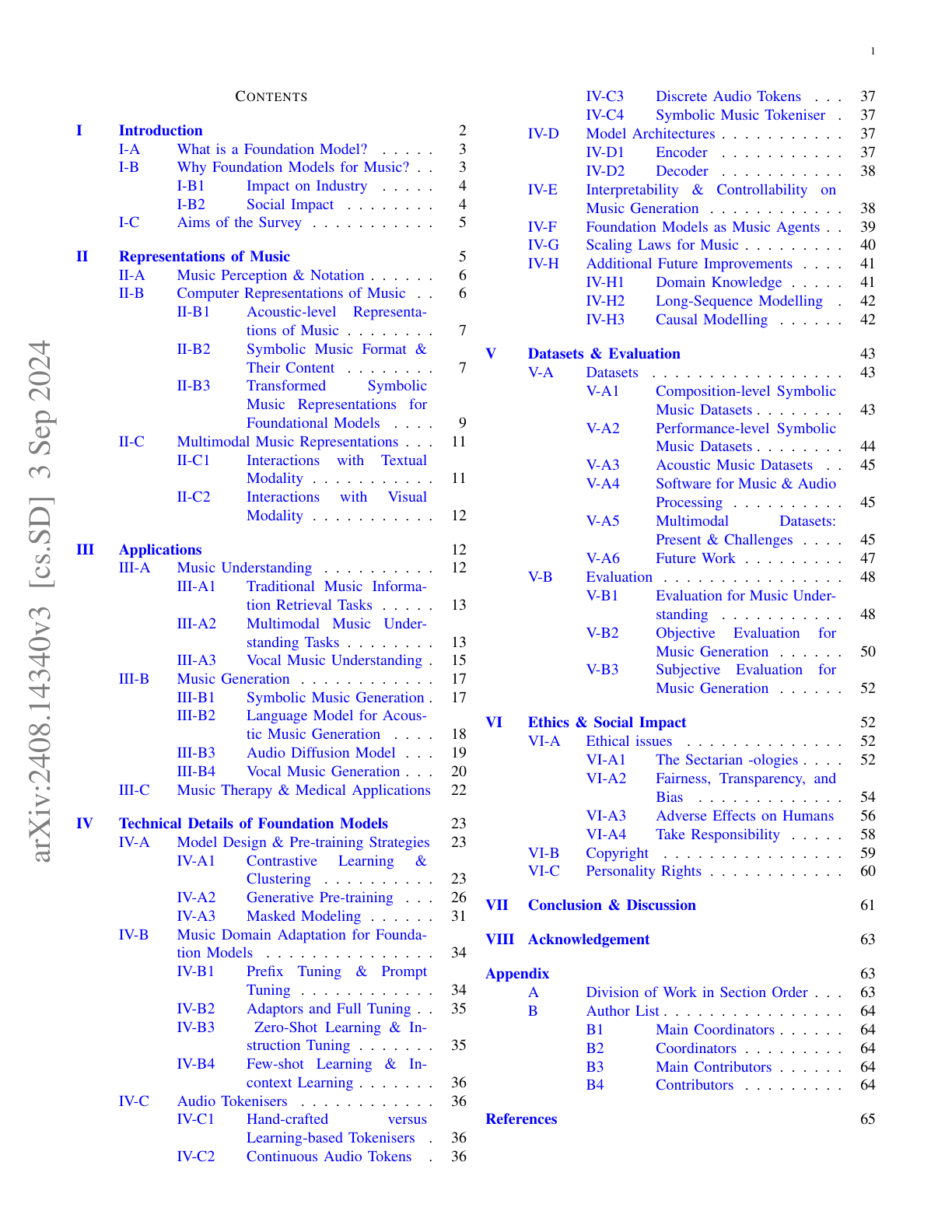
Foundation Models for Music
provides a comprehensive overview of state-of-the-art pre-trained models and foundation models in music.
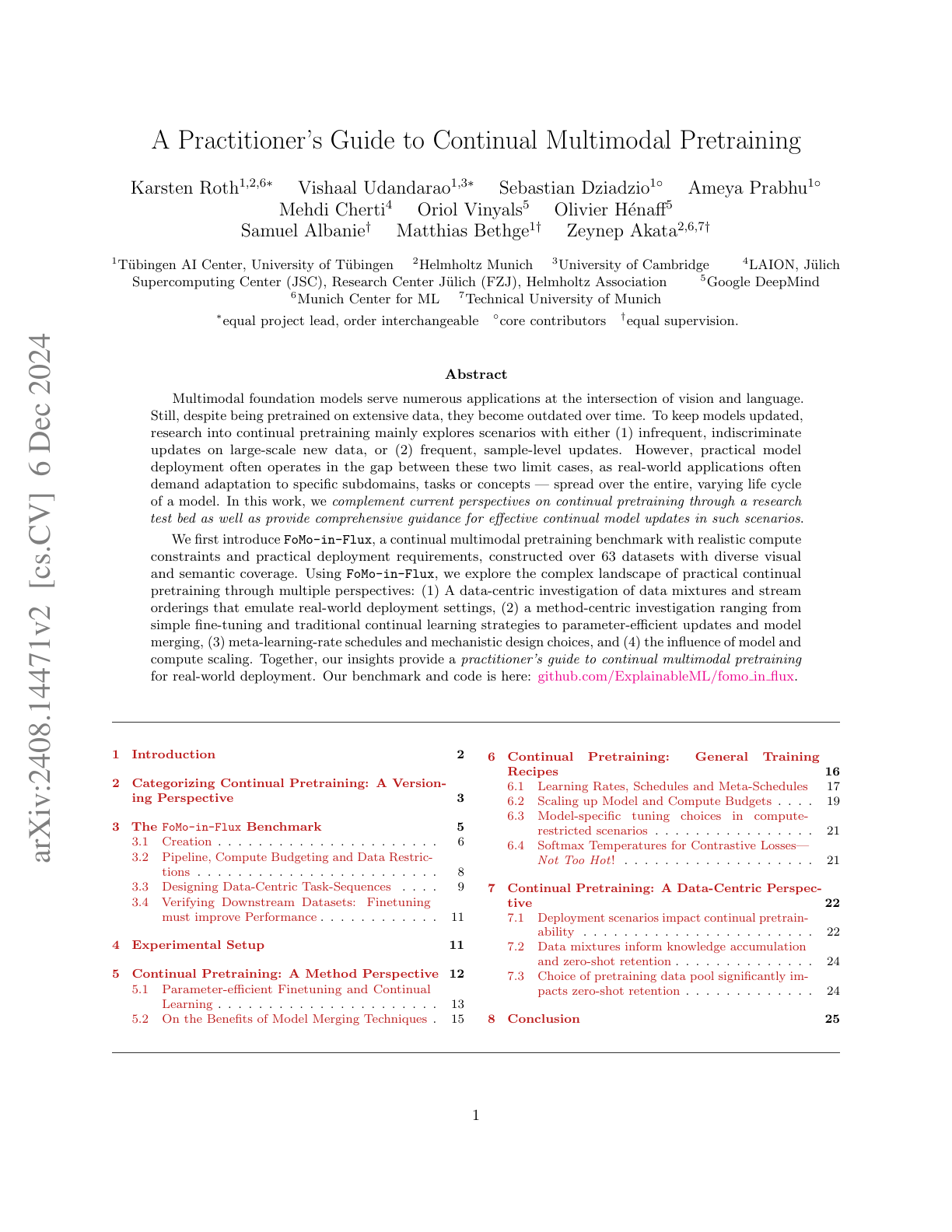
Guide to Continual Multimodal Pretraining
a comprehensive guide on continual multimodal pertaining; introduces FoMo-In-Flux, a large-scale fine-grained and long horizon continual pretraining benchmark.