AI Co-Scientist
Google introduces AI co-scientist, a multi-agent AI system built with Gemini 2.0 to help accelerate scientific breakthroughs. Key highlights:
The AI CUDA Engineer
Sakana AI introduces The AI CUDA Engineer, an end-to-end agentic system that can produce highly optimized CUDA kernels. Key contributions:
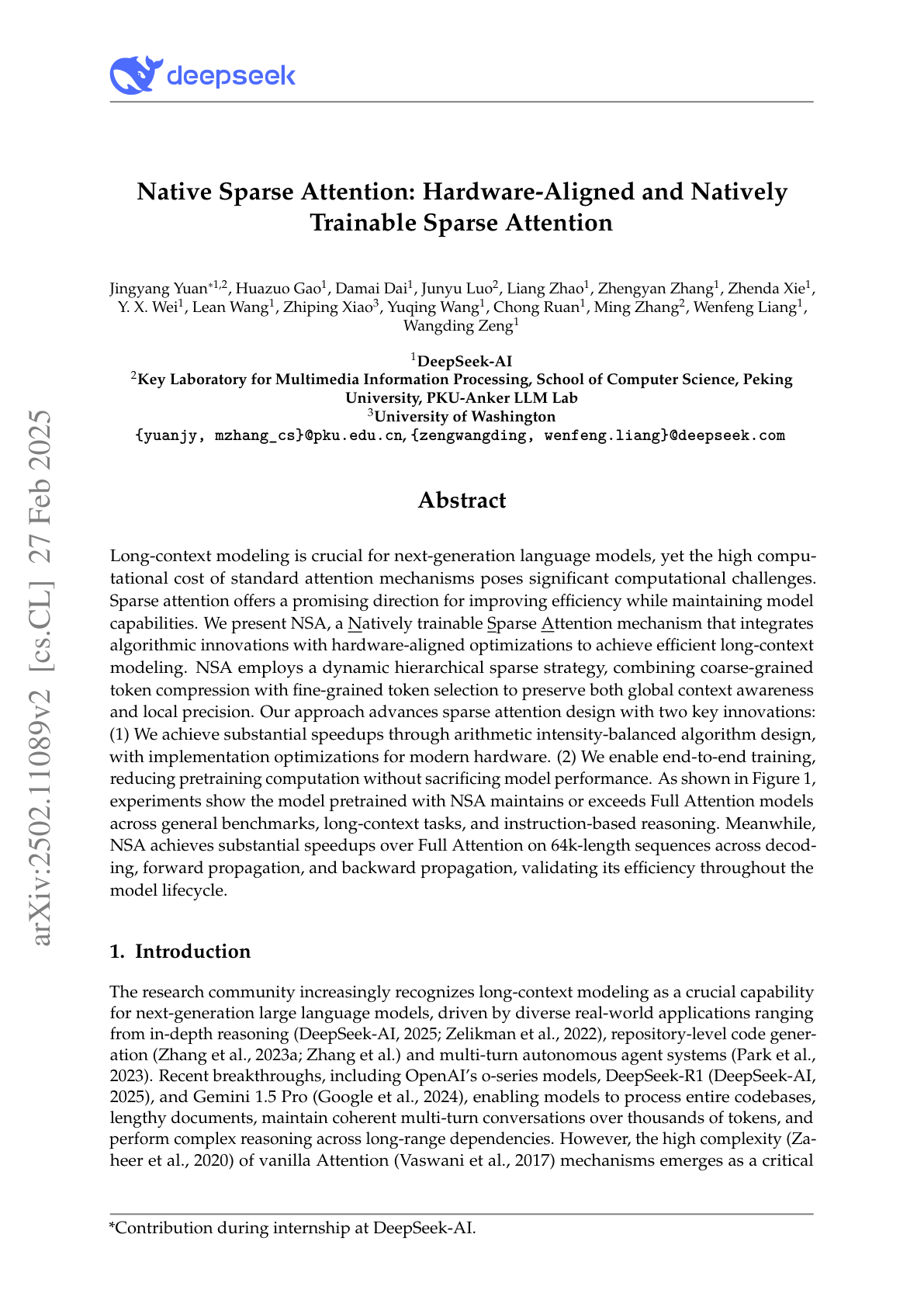
Native Sparse Attention
DeepSeek-AI and collaborators present Native Sparse Attention (NSA), a novel sparse attention mechanism designed to improve computational efficiency while maintaining model performance in long-context language modeling. Key contributions:
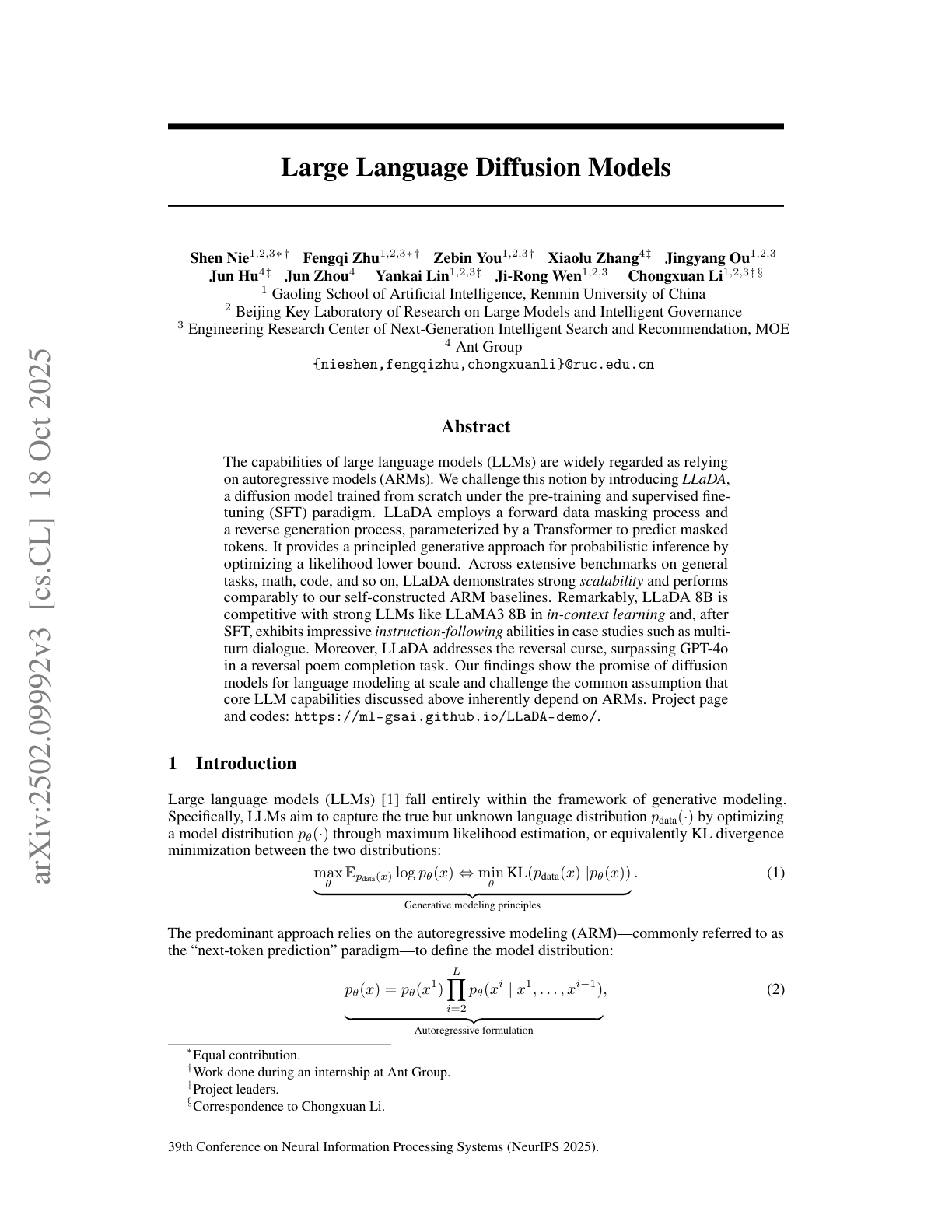
Large Language Diffusion Model
Proposes LLaDA, a diffusion-based approach that can match or beat leading autoregressive LLMs in many tasks. Key highlights:
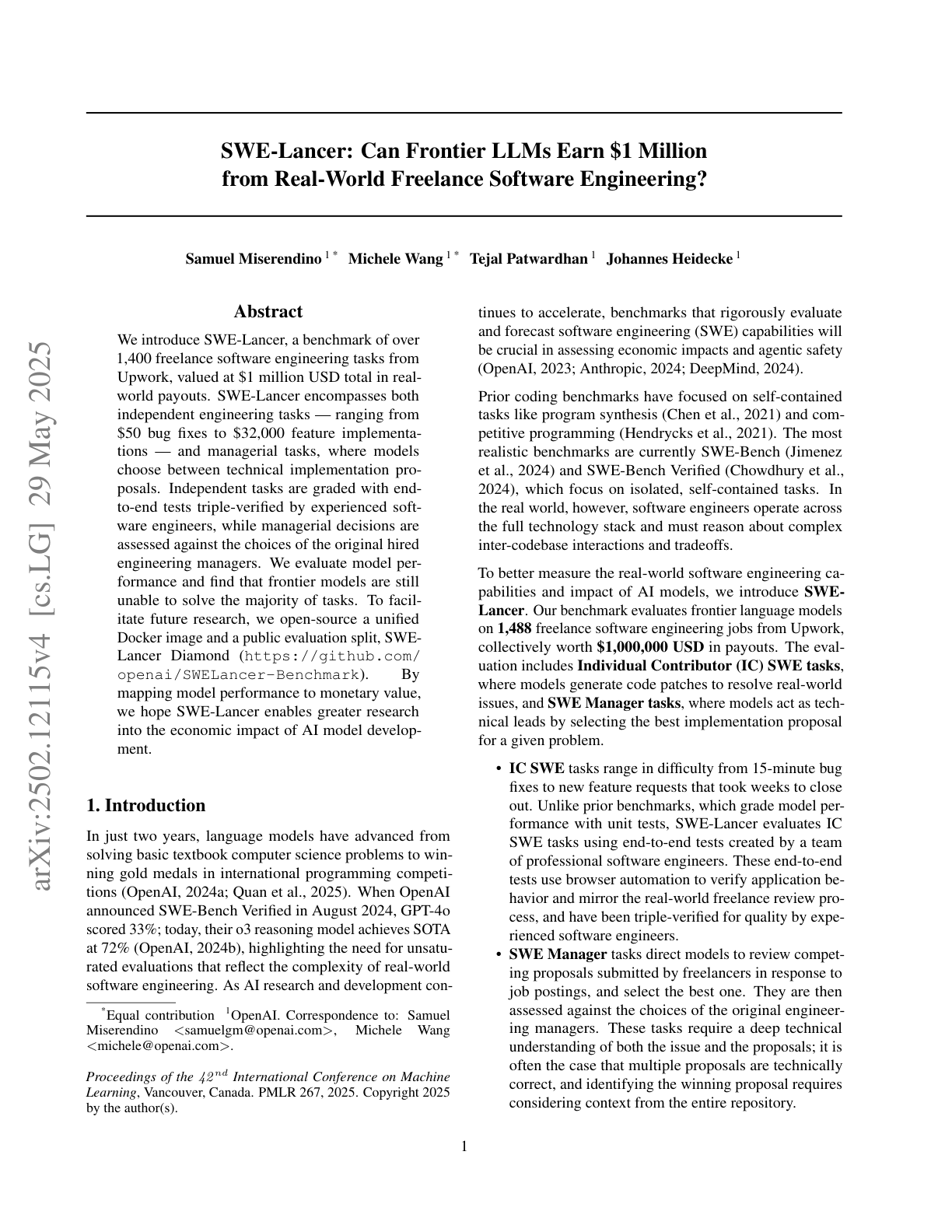
SWE-Lancer
Researchers from OpenAI introduce SWE-Lancer, a benchmark evaluating LLMs on 1,488 real-world freelance software engineering tasks from Upwork, collectively worth $1M in payouts. Key takeaways:
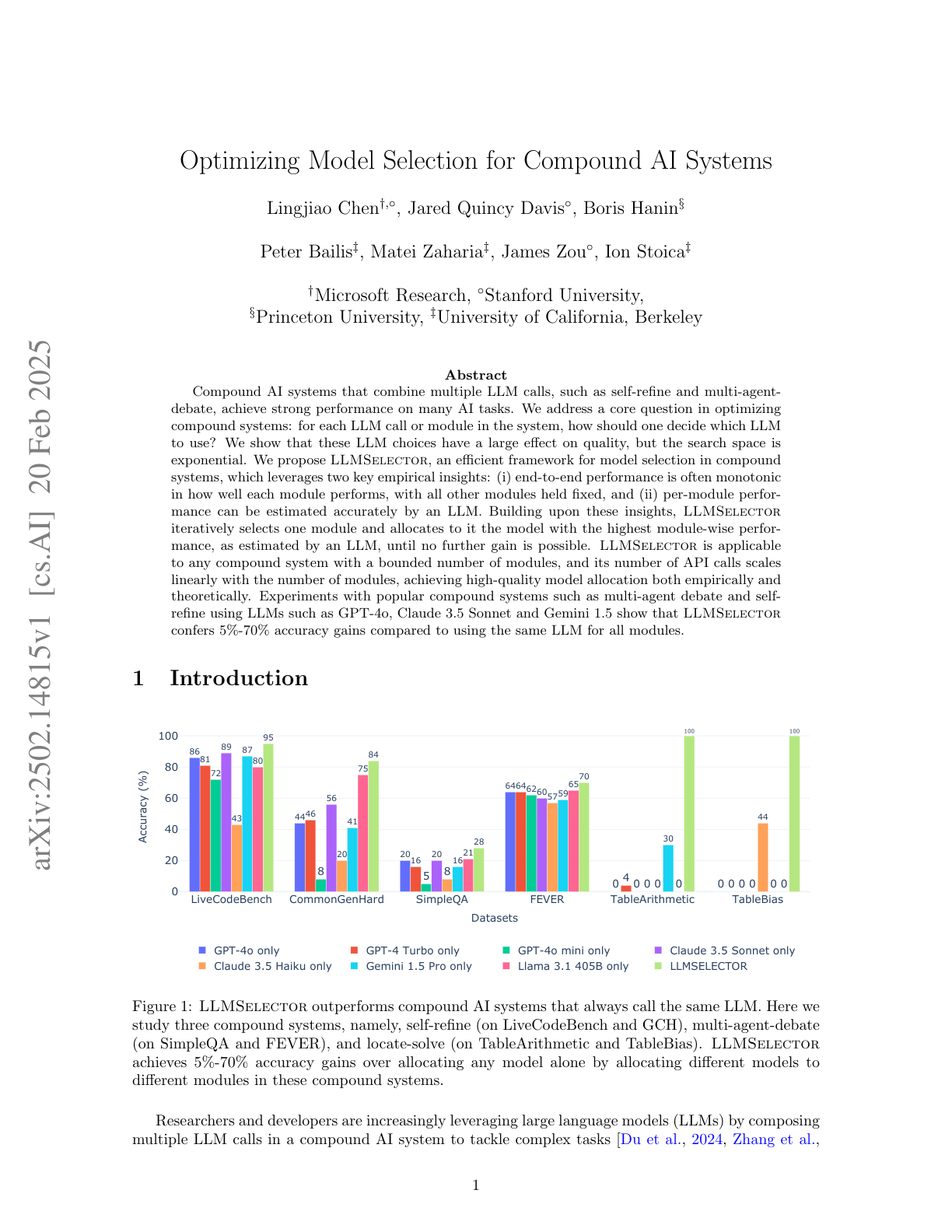
Optimizing Model Selection for Compound AI
Researchers from Microsoft Research and collaborators introduce LLMSelector, a framework to improve multi-call LLM pipelines by selecting the best model per module instead of using one LLM everywhere. Key insights include:
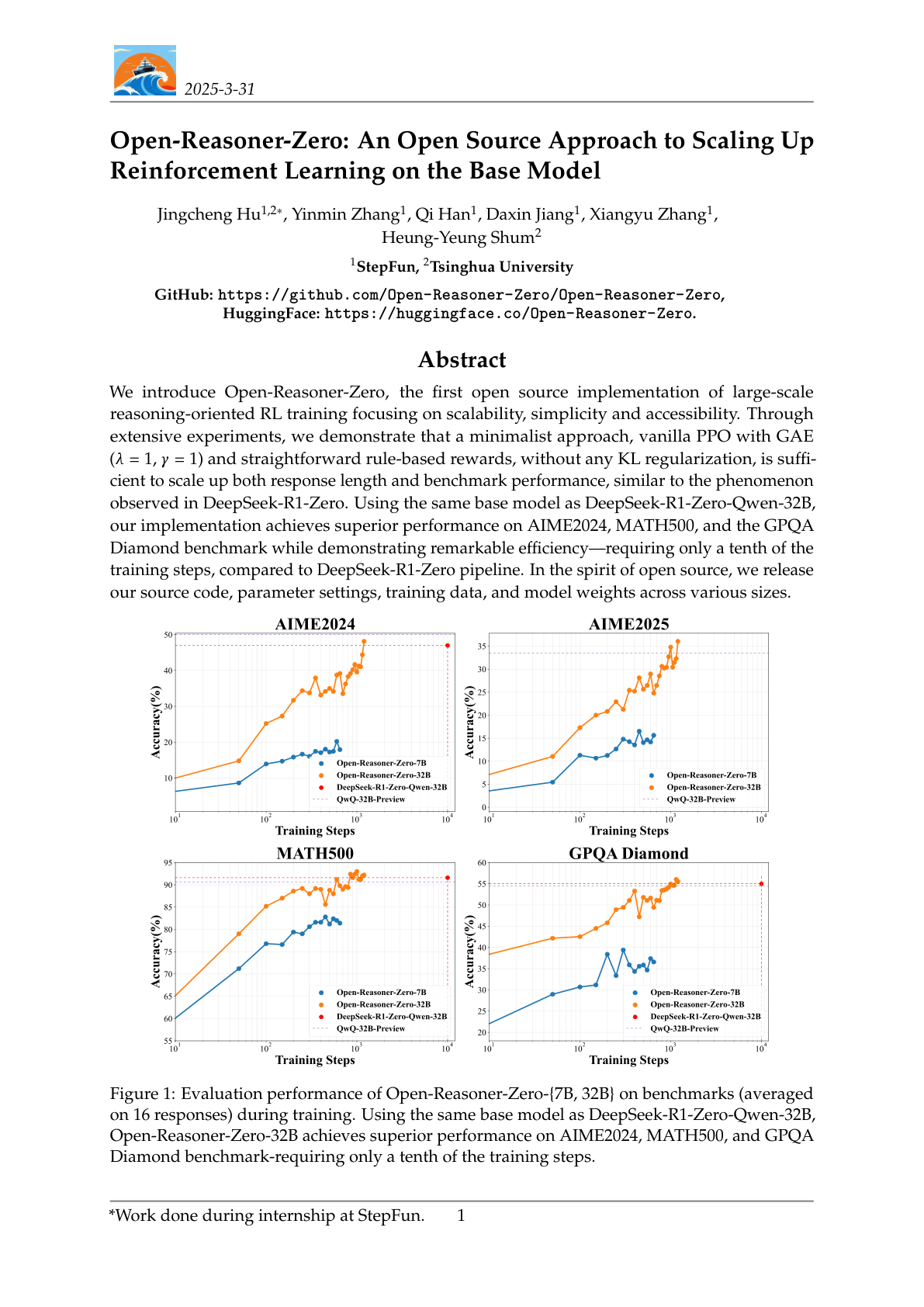
Open-Reasoner-Zero
Open-Reasoner-Zero (ORZ) is an open-source large-scale minimalist reinforcement learning (RL) framework that enhances reasoning capabilities. ORZ demonstrates significant scalability requiring only 1/30th of the training steps of DeepSeek-R1-Zero-Qwen-32B to outperform it on GPQA Diamond. Key contributions and findings:
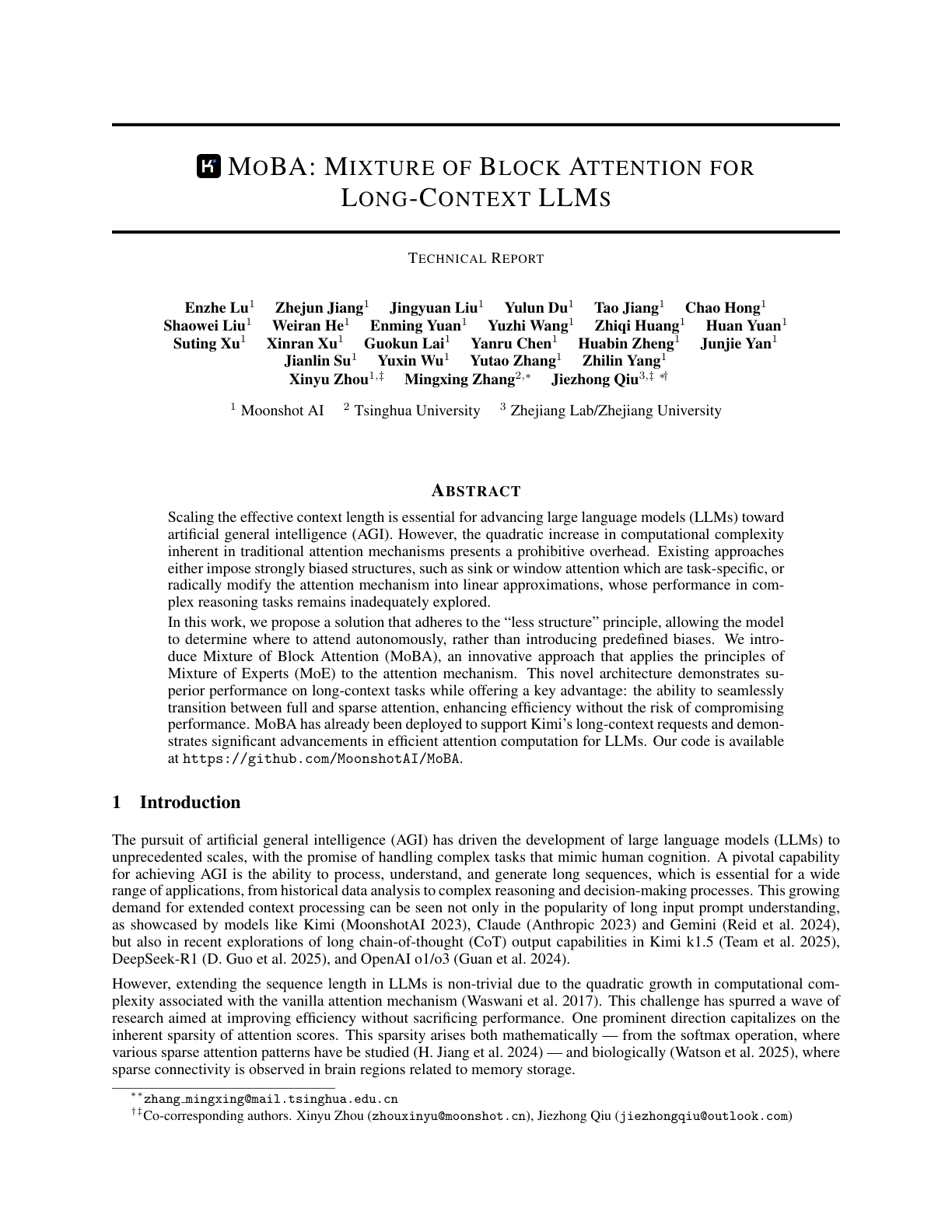
MoBA
MoBA is a new attention mechanism that enhances efficiency in handling long-context sequences for LLMs while maintaining strong performance. Key insights:
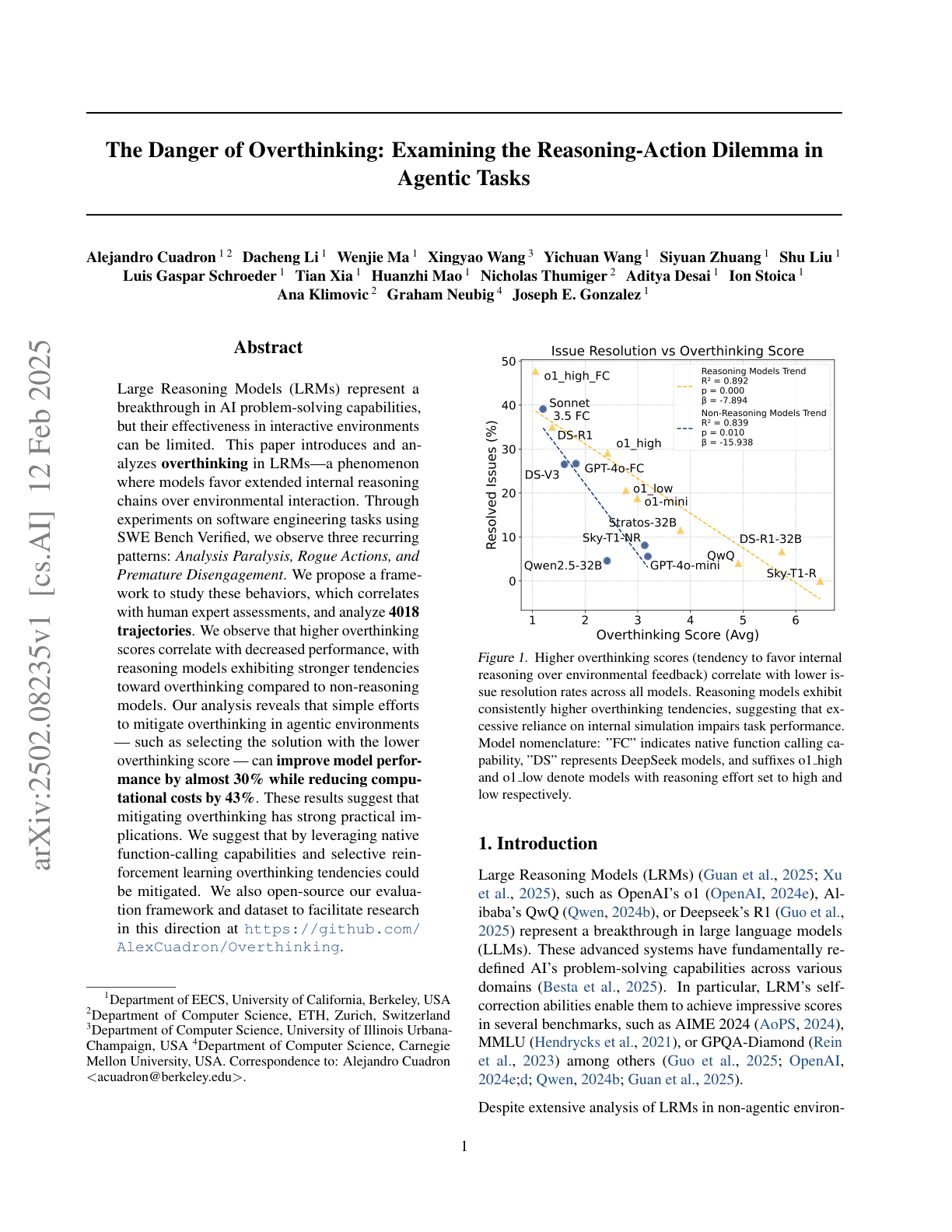
The Danger of Overthinking
This paper investigates overthinking in Large Reasoning Models (LRMs)—a phenomenon where models prioritize extended internal reasoning over interacting with their environment. Their study analyzes 4,018 software engineering task trajectories to understand how reasoning models handle decision-making in agentic settings. Key findings:
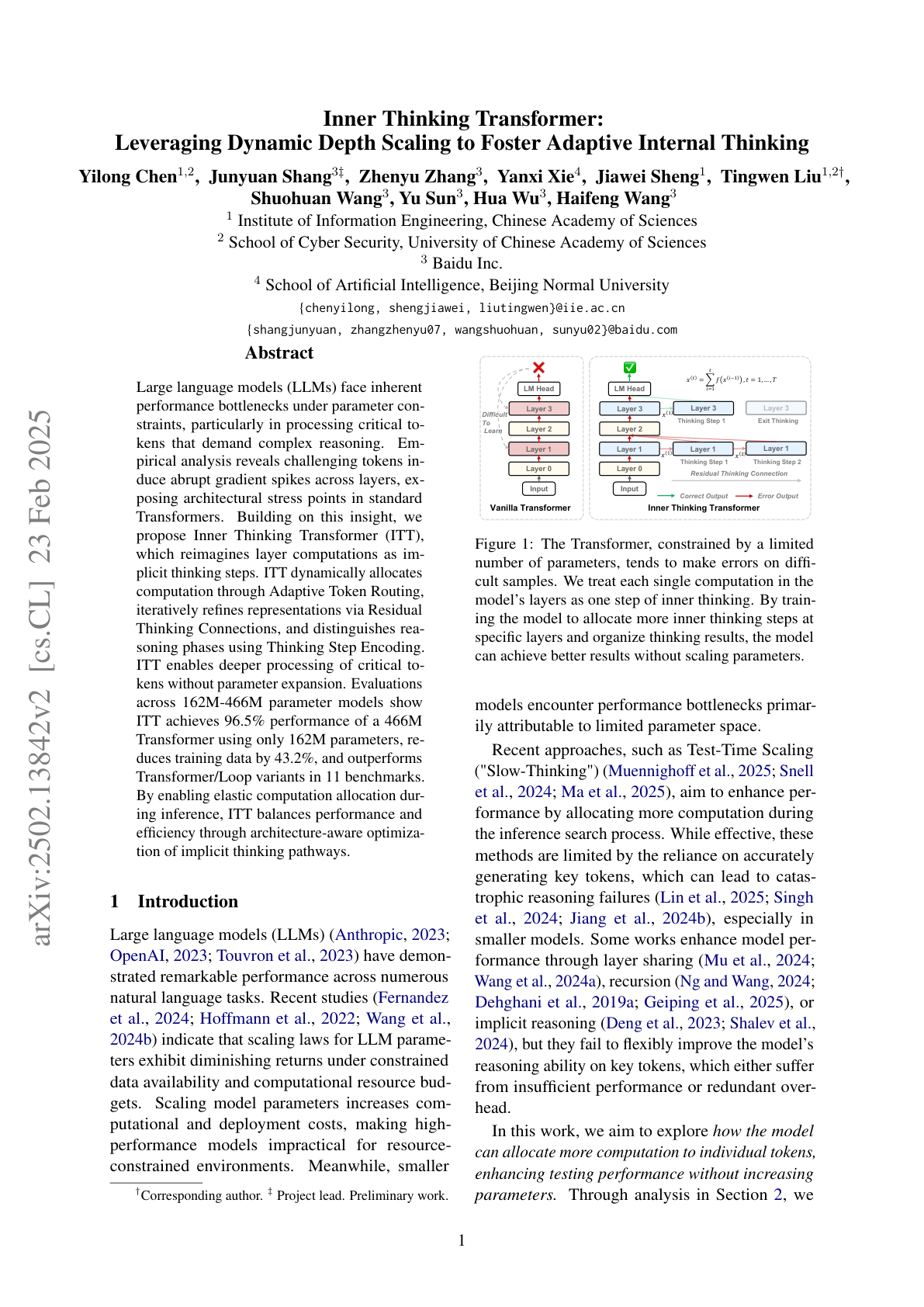
Inner Thinking Transformers
Inner Thinking Transformer (ITT) is a new method that enhances reasoning efficiency in small-scale LLMs via dynamic depth scaling. ITT aims to mitigate parameter bottlenecks in LLMs, providing scalable reasoning efficiency without expanding model size. Key contributions: