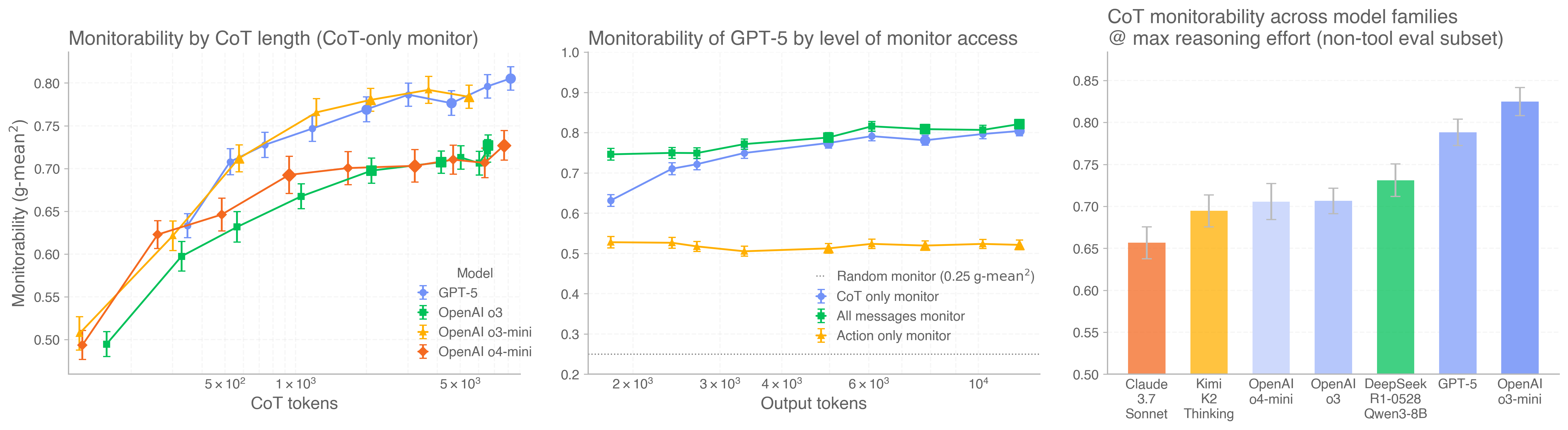
Monitoring Monitorability
OpenAI introduces a framework for measuring how well we can detect misbehavior in AI systems by monitoring their chain-of-thought reasoning. The paper proposes three evaluation archetypes and a new metric (g-mean2) to track monitorability across different models and training regimes.
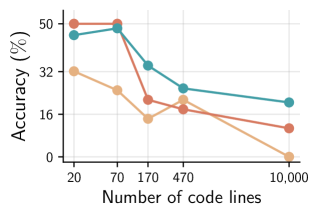
Test-Time Training for Long-Context LLMs
This paper shows that long-context LLMs can access millions of tokens but often fail to meaningfully use that information. The authors propose query-only test-time training (qTTT), which adapts models during inference through targeted gradient updates rather than generating more thinking tokens.

LaMer
LaMer introduces a Meta-RL framework that enables LLM agents to actively explore and learn from environment feedback at test time. Unlike standard RL-trained agents that learn fixed policies and struggle with novel tasks, LaMer agents learn exploration strategies that transfer across environments.
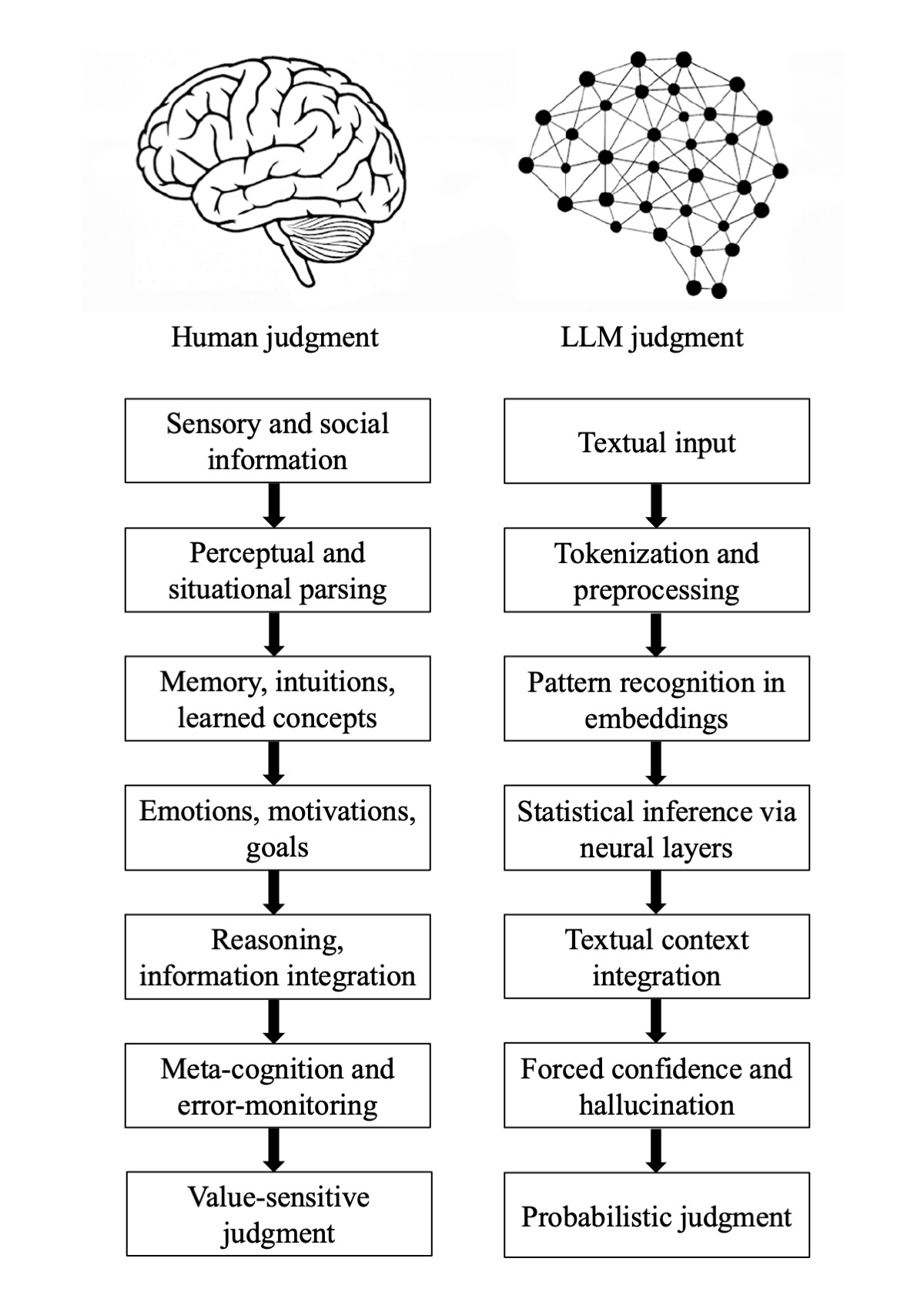
Epistemia
This paper argues that LLMs are not epistemic agents but stochastic pattern-completion systems. By mapping human and artificial epistemic pipelines, the authors identify seven fundamental fault lines where human and machine judgment diverge, despite producing superficially similar outputs.
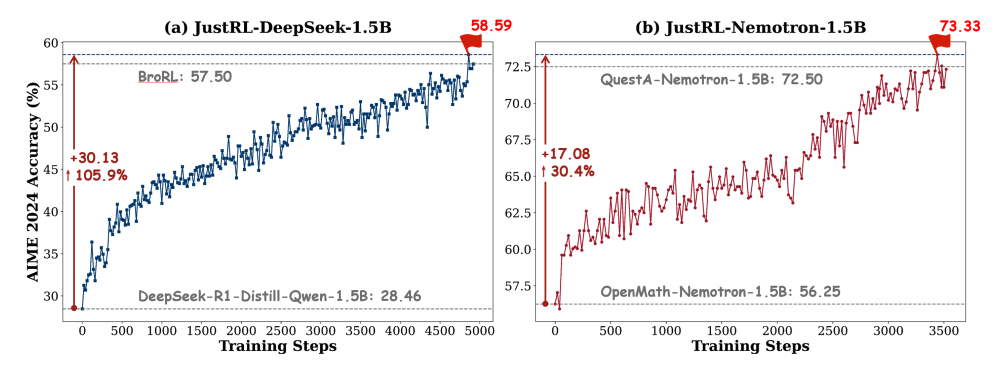
JustRL
JustRL challenges the assumption that complex RL pipelines are necessary for training small language models. Using single-stage training with fixed hyperparameters, the authors achieve state-of-the-art math reasoning performance on two 1.5B models while using 2x less compute than sophisticated multi-stage approaches.
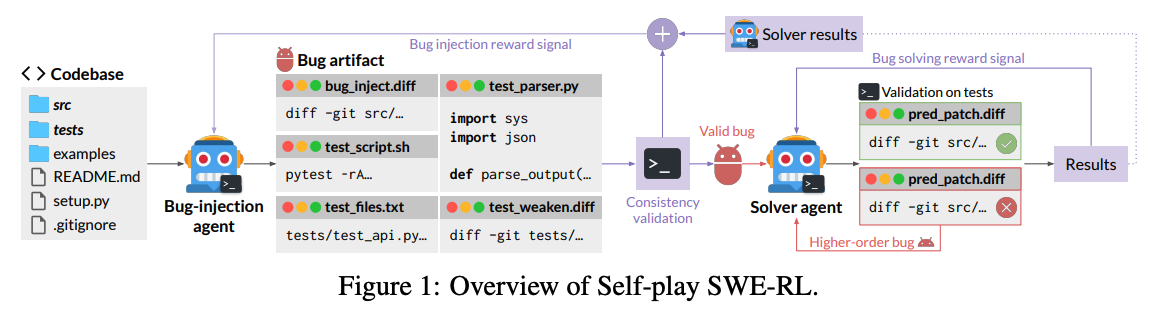
Self-Play SWE-RL
Self-Play SWE-RL (SSR) trains software engineering agents through self-play, requiring only access to sandboxed repositories with no human-labeled issues or tests. A single LLM learns to both inject and repair bugs of increasing complexity, achieving +10.4 points on SWE-bench Verified while consistently outperforming human-data baselines.
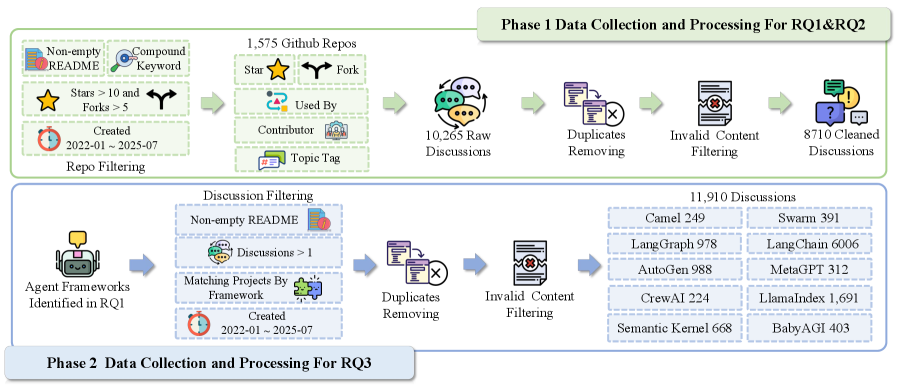
Empirical Study of Agent Developer Practices
This paper presents the first large-scale empirical study of LLM-based agent frameworks, analyzing 11,910 developer discussions across ten popular frameworks. The research identifies practical challenges developers face and evaluates how well current frameworks meet their needs.
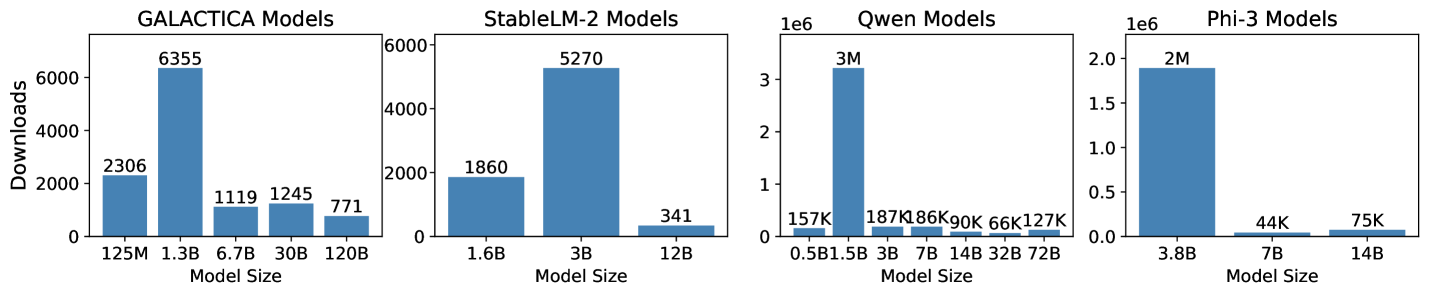
Comprehensive Survey of Small Language Models
This survey provides a comprehensive overview of Small Language Models (SLMs), which address key LLM limitations, including high computational demands, privacy concerns from cloud APIs, and poor performance on edge devices. The authors propose a standardized SLM definition based on specialized task capability and resource-constrained suitability, and develop taxonomies and frameworks for SLM acquisition, enhancement, application, and reliability.

Sophia
Sophia introduces System 3, a meta-layer beyond traditional dual-process theory that enables LLM agents to maintain persistent identity and align short-term actions with long-term goals. The framework achieves 80% reduction in reasoning steps for recurring operations and 40% performance improvement on high-complexity tasks.
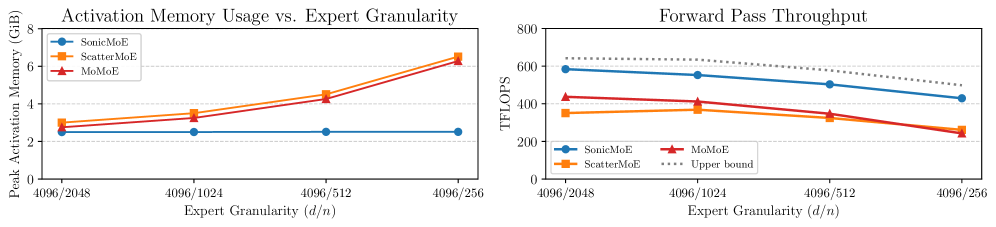
SonicMoE
SonicMoE addresses performance bottlenecks in Mixture of Experts models through IO-aware and tile-aware optimizations. The approach achieves 1.86x compute throughput improvement on Hopper GPUs, reduces activation memory by 45%, and enables training 213 billion tokens per day on 64 H100 GPUs for a 7B model.