End-to-End Test-Time Training for Long Context
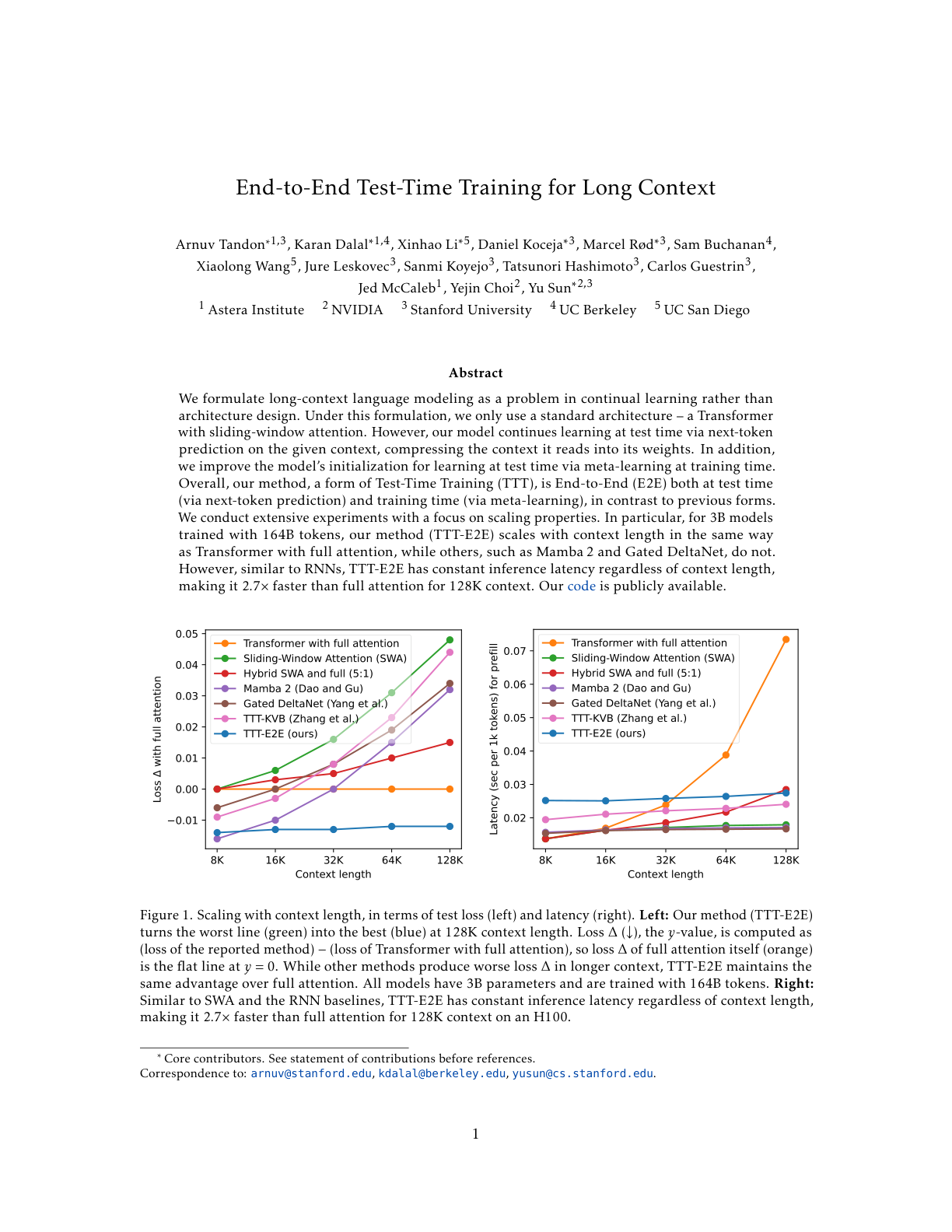
This paper reframes long-context language modeling as a continual learning problem rather than architecture design. TTT-E2E uses a standard Transformer with sliding-window attention that continues learning at test time via next-token prediction, compressing context into its weights rather than storing all key-value pairs.
Geometric Memory in Sequence Models
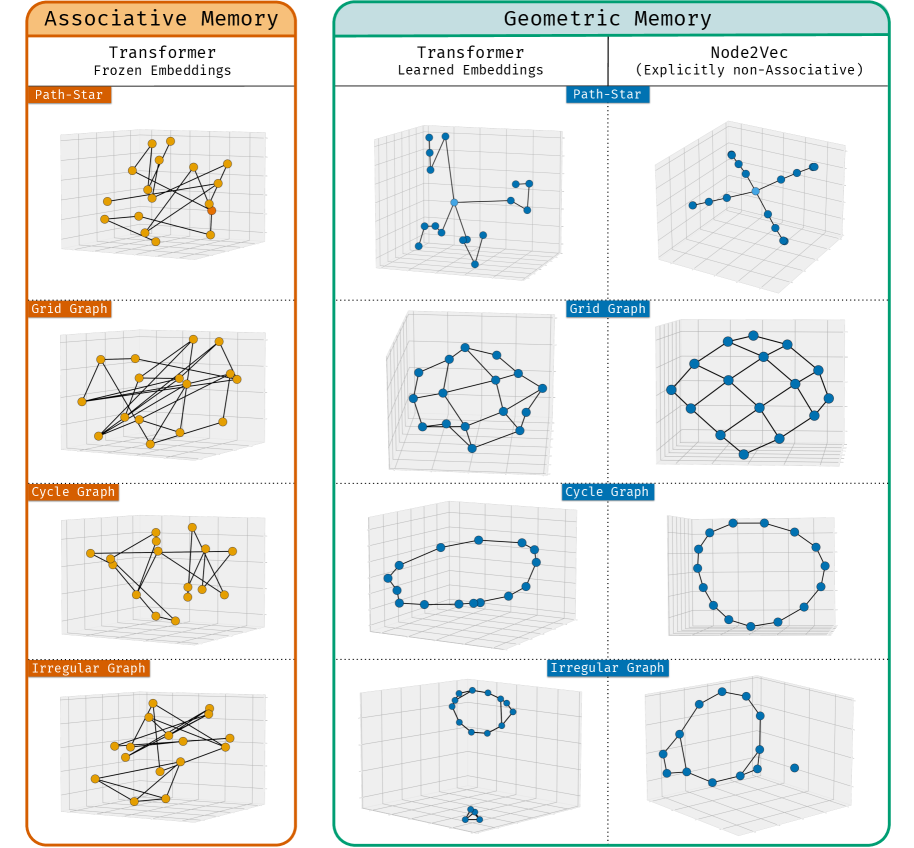
This paper identifies a dramatically different form of how deep sequence models store factual information called geometric memory, contrasting with the traditional associative memory view. Models synthesize embeddings encoding global relationships between all entities, even ones that never co-occur in training.
Universal Reasoning Model
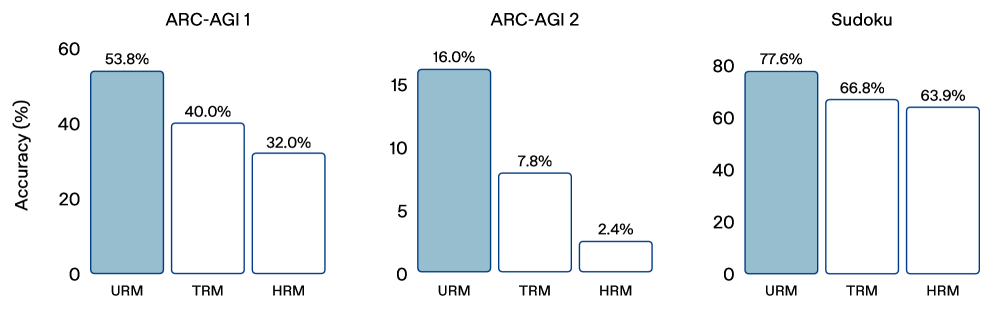
This paper investigates why universal transformers excel at complex reasoning tasks like ARC-AGI. The key finding: performance gains come primarily from recurrent inductive bias and strong nonlinear components rather than elaborate architectural designs.
AI Agents for Coding in 2025
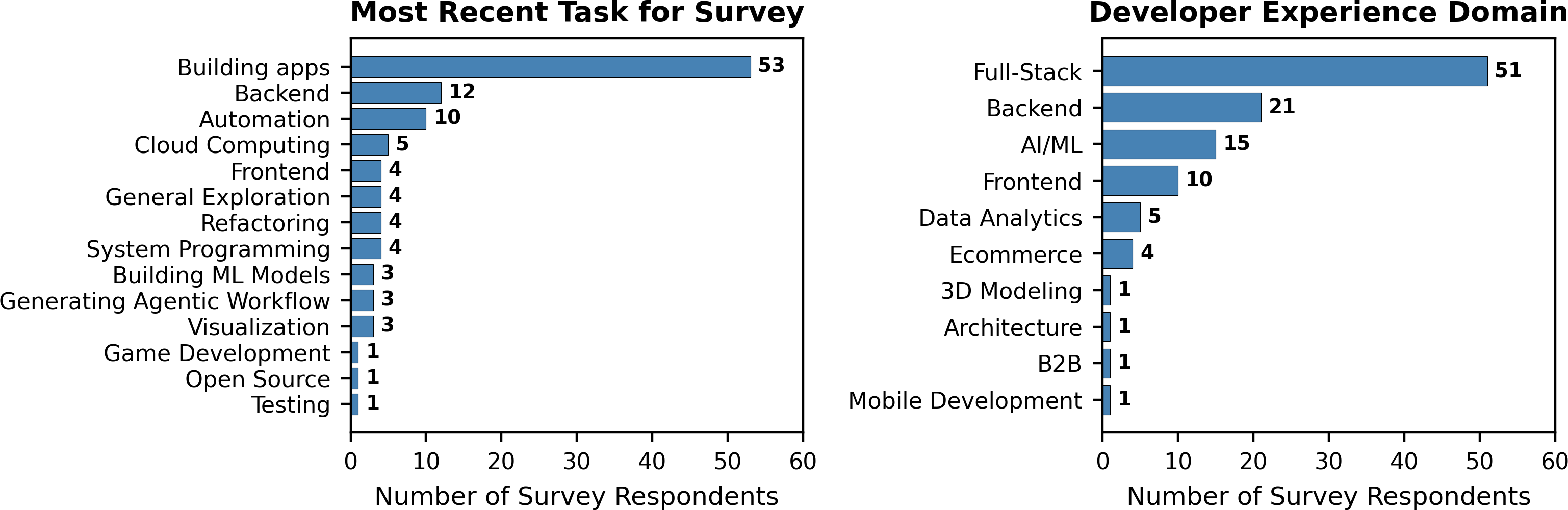
This study from UC San Diego and Cornell examines how experienced software developers (3+ years) actually use AI coding agents, through field observations (N=13) and surveys (N=99). The key finding: professional developers don’t “vibe code” - they carefully control agents through planning and supervision.
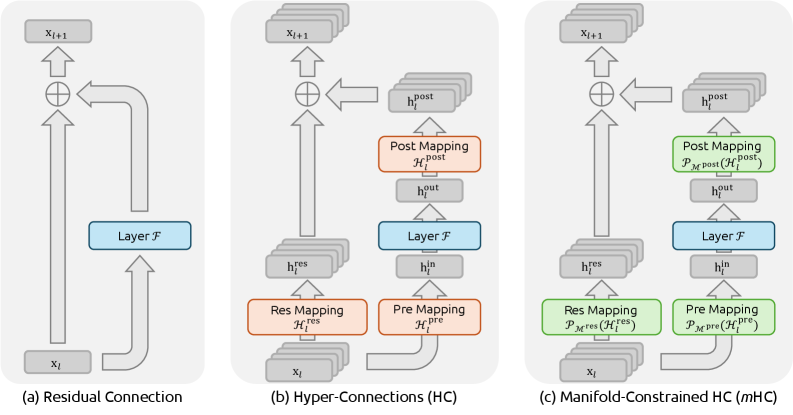
Manifold-Constrained Hyper-Connections
This DeepSeek paper proposes Manifold-Constrained Hyper-Connections (mHC), a framework that extends residual connections by expanding residual stream width while restoring training stability. The key insight: unconstrained Hyper-Connections compromise identity mapping, causing training instability at scale.
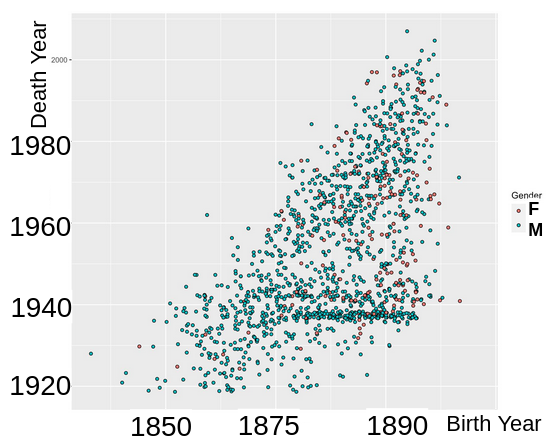
Spacing Effect for Generalization
Researchers from Tsinghua University investigate how the spacing effect - a well-documented learning principle where spaced intervals between training improve retention - can enhance generalization in both biological and artificial neural networks.
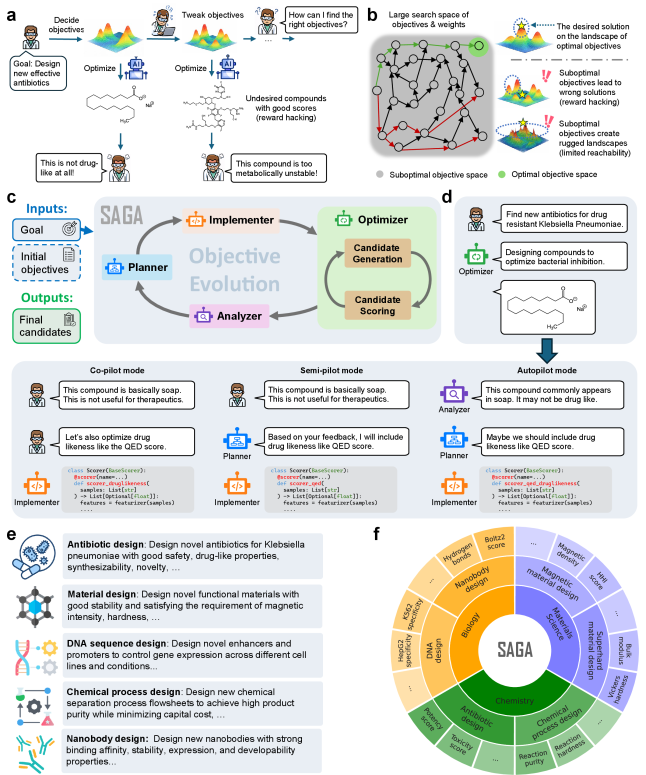
SAGA
SAGA (Scientific Autonomous Goal-evolving Agent) introduces a framework for automating objective function design in AI-driven scientific discovery. Rather than optimizing fixed objectives specified by scientists, SAGA dynamically reformulates research goals throughout the discovery process to avoid reward hacking issues.
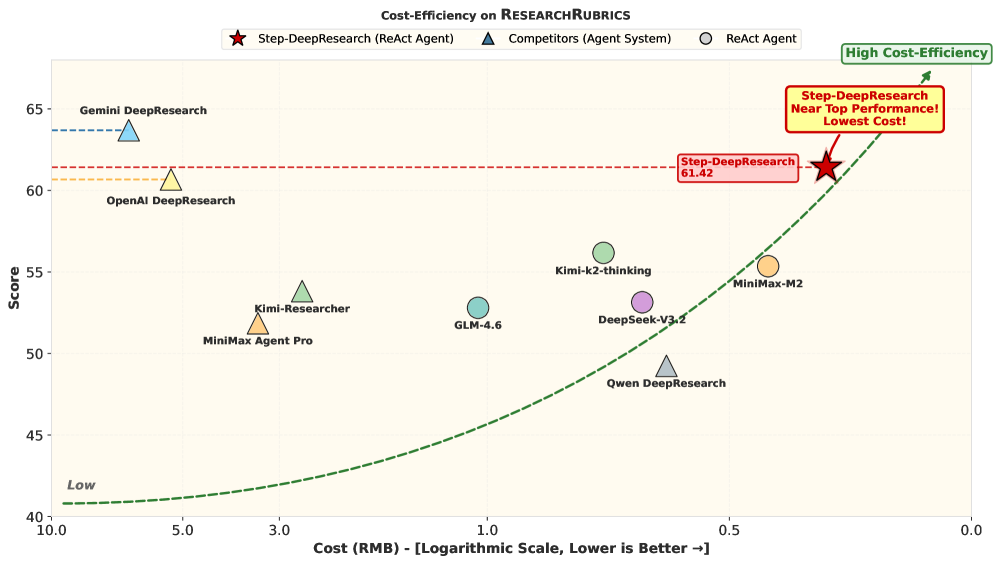
Step-DeepResearch
Step-DeepResearch is a 32B parameter deep research agent that rivals OpenAI and Gemini DeepResearch through atomic capability training - decomposing research into planning, information gathering, cross-source verification, and report writing. Achieving 61.42 on Scale AI ResearchRubrics with a streamlined ReAct-style design, it outperforms larger models while being the most cost-effective deep research agent available.
MACI
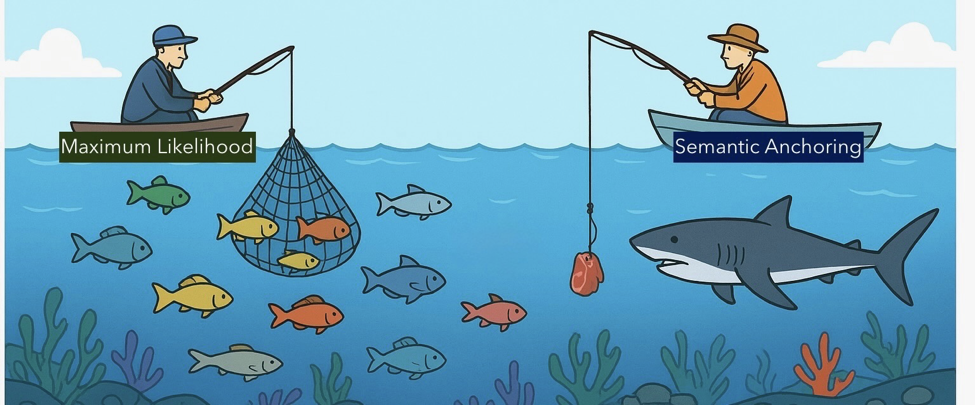
This paper argues that LLMs are not fundamentally limited as pattern matchers - the real bottleneck is the lack of a System-2 coordination layer. The authors propose MACI, an architecture implementing three mechanisms: baiting (behavior-modulated debate), filtering (Socratic judging), and persistence (transactional memory) to enable goal-directed reasoning on top of LLM substrates.
AgentReuse
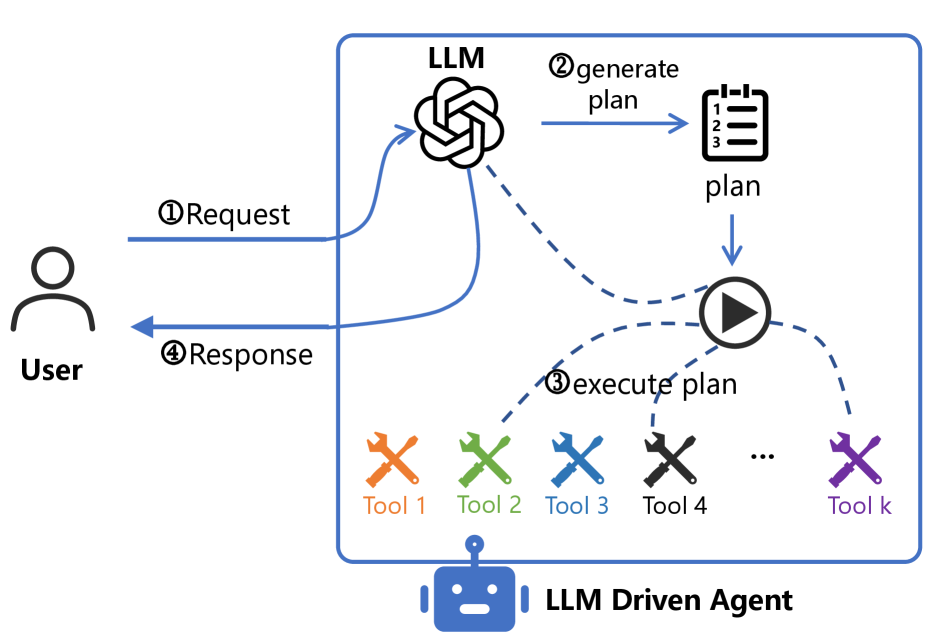
AgentReuse addresses latency bottlenecks in LLM-driven agents by caching and reusing plans for similar requests, observing that about 30% of agent requests are identical or similar. Using intent classification for semantic similarity rather than surface-level text comparison, the system achieves a 93% effective plan reuse rate and 93.12% latency reduction compared to systems without plan reuse.