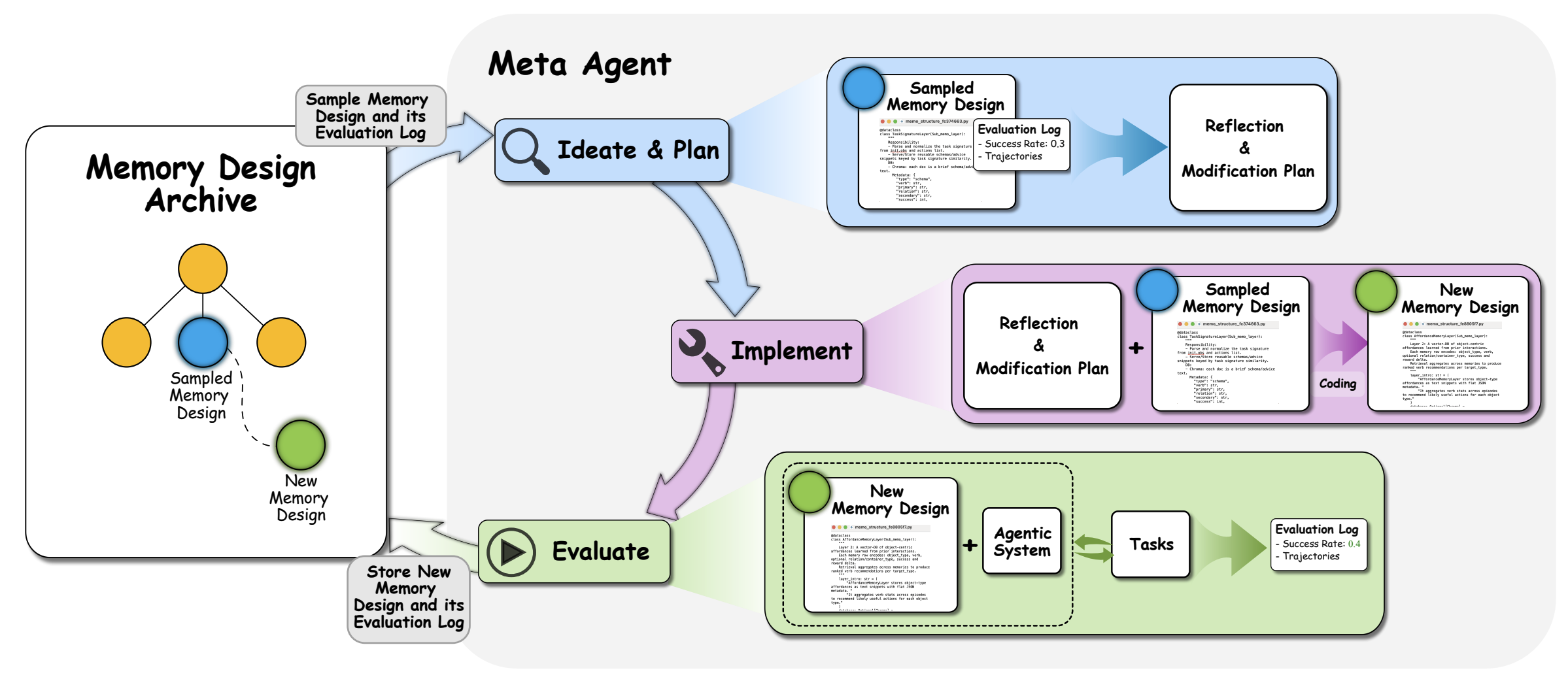
ALMA
ALMA (Automated meta-Learning of Memory designs for Agentic systems) from Jeff Clune’s group introduces a Meta Agent that automatically discovers memory designs for agentic systems through open-ended exploration in code space. Instead of relying on hand-engineered memory modules, ALMA searches over database schemas, retrieval mechanisms, and update strategies expressed as executable code, consistently outperforming all human-designed memory baselines across four sequential decision-making benchmarks.
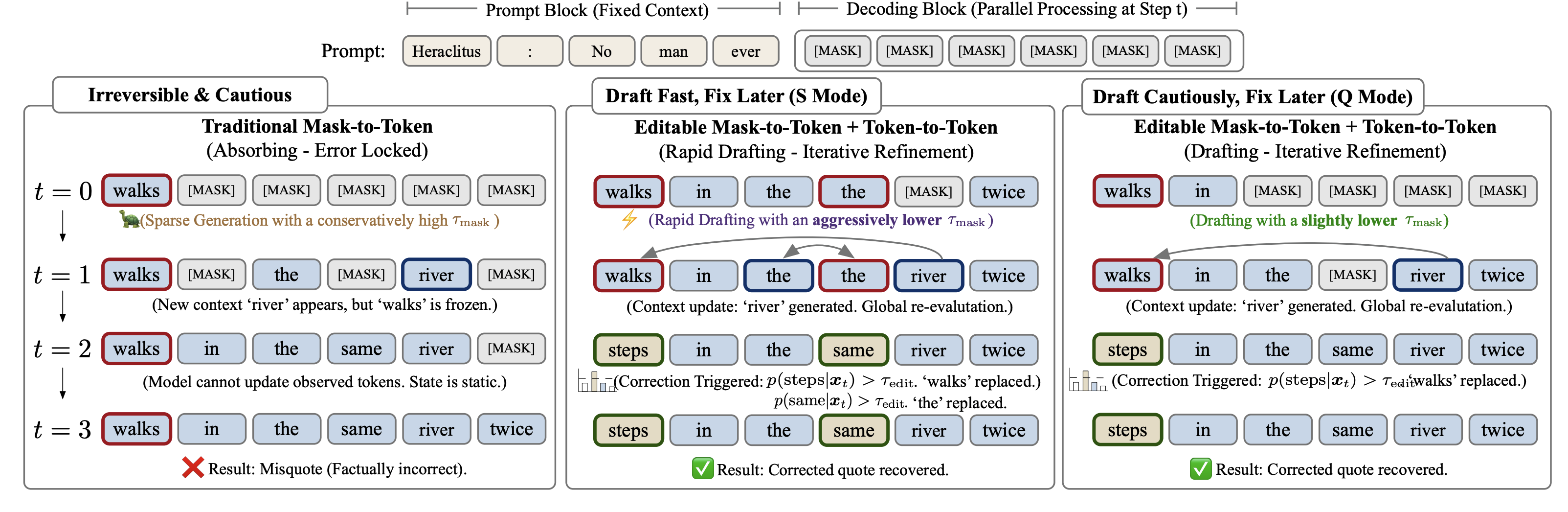
LLaDA 2.1
Ant Group releases LLaDA 2.1, a major upgrade to discrete diffusion language models that breaks the speed-quality trade-off through Token-to-Token (T2T) editing. By weaving token editing into the conventional Mask-to-Token decoding scheme, LLaDA 2.1 introduces two configurable modes: Speedy Mode for aggressive throughput and Quality Mode for benchmark-leading accuracy. The release also includes the first large-scale RL framework for diffusion LLMs.
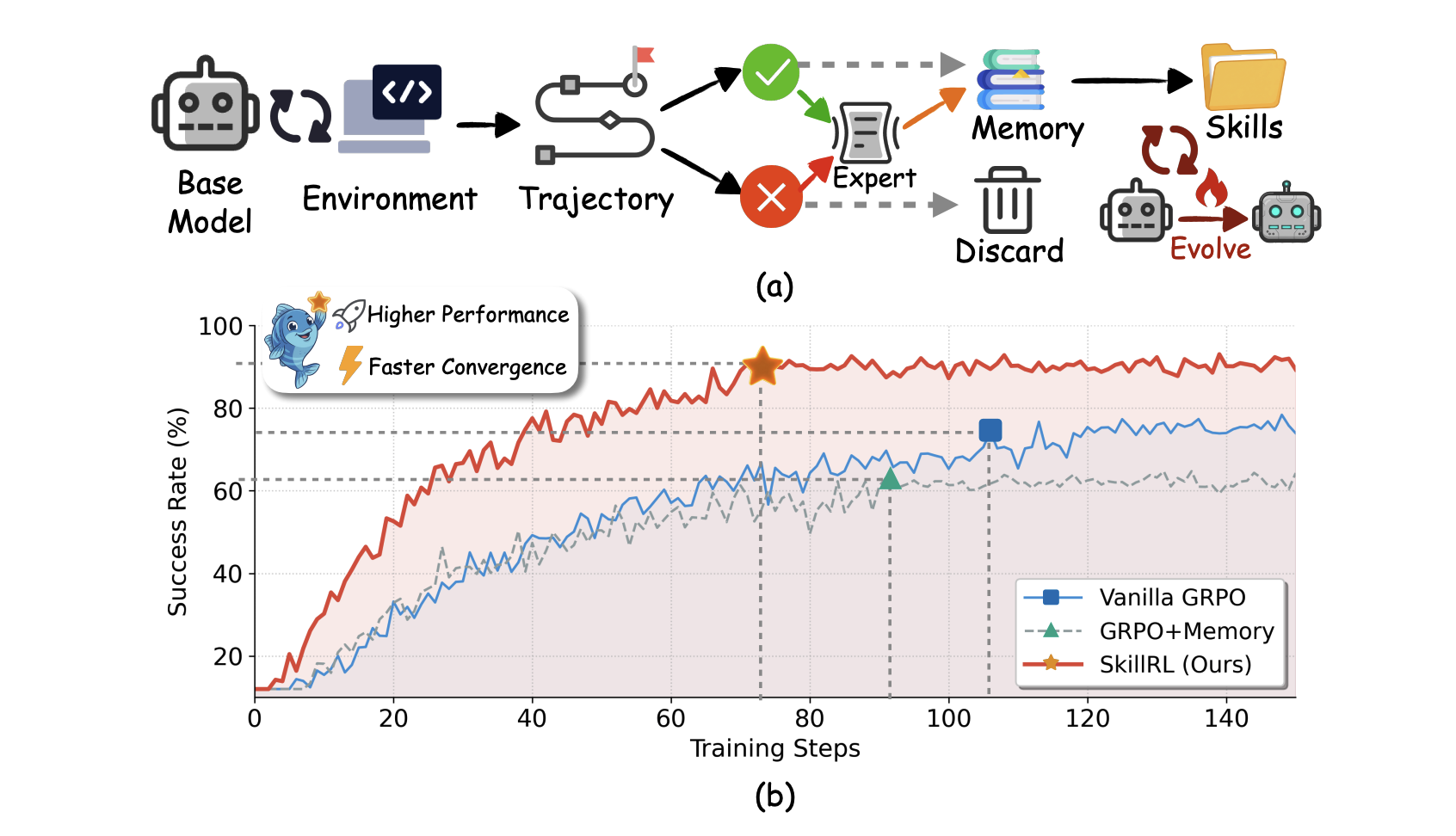
SkillRL
SkillRL introduces a recursive skill-augmented RL framework that bridges the gap between raw experience and policy improvement through automatic skill discovery. Instead of storing noisy raw trajectories, SkillRL distills experience into reusable high-level behavioral patterns and evolves them alongside the agent policy during training.
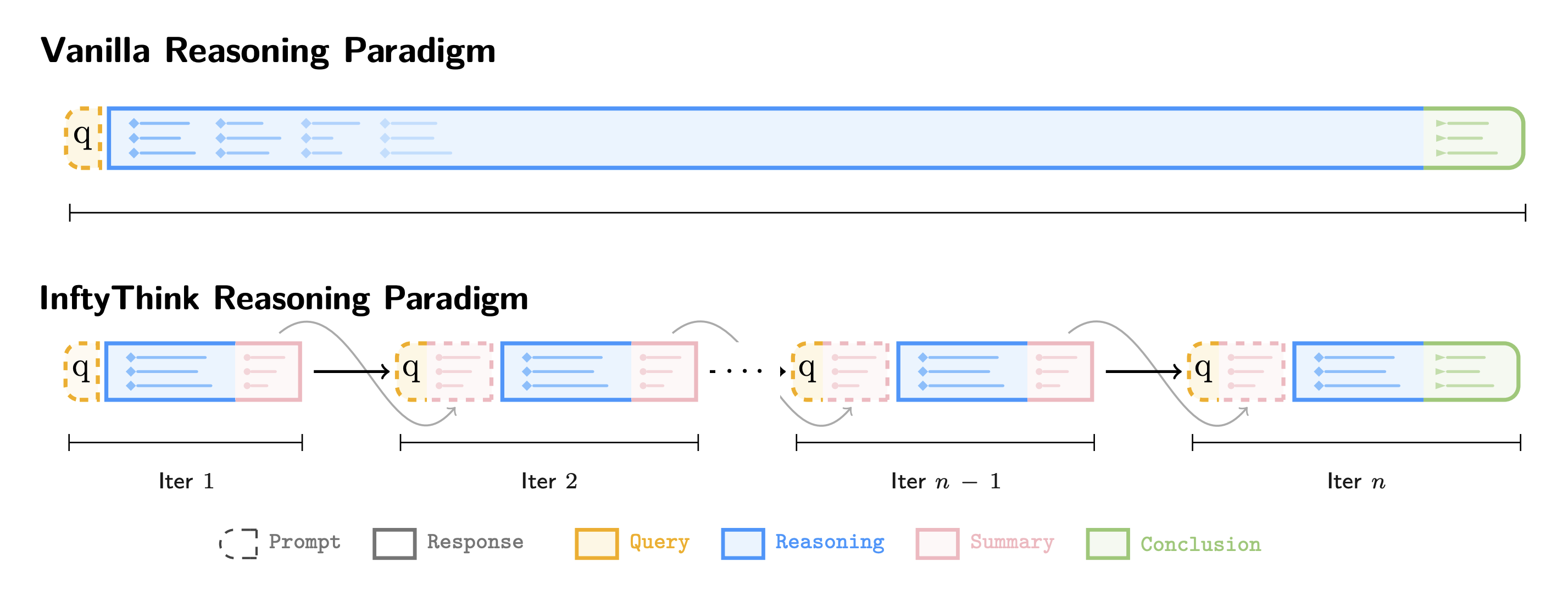
InftyThink+
InftyThink+ is an end-to-end RL framework for infinite-horizon reasoning that optimizes the entire iterative reasoning trajectory. Standard long chain-of-thought suffers from quadratic cost, context length limits, and lost-in-the-middle degradation. InftyThink+ addresses all three by letting models autonomously decide when to summarize, what to preserve, and how to resume, trained through trajectory-level reinforcement learning.
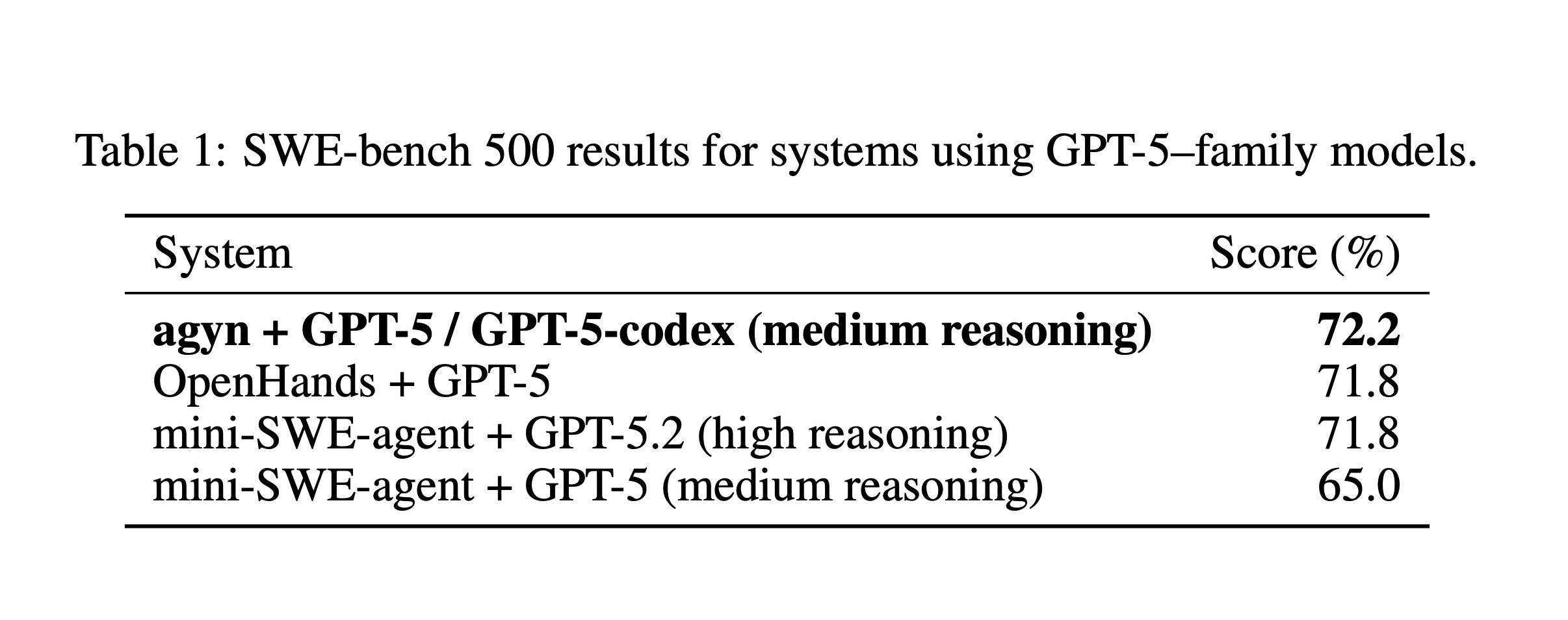
Agyn
Agyn is a fully automated multi-agent system that models software engineering as an organizational process rather than a monolithic code generation task. Built on an open-source platform for configuring agent teams, the system assigns specialized agents to distinct roles and follows a structured development methodology - all without human intervention. Notably, Agyn was designed for real production use and was not tuned for the SWE-bench.
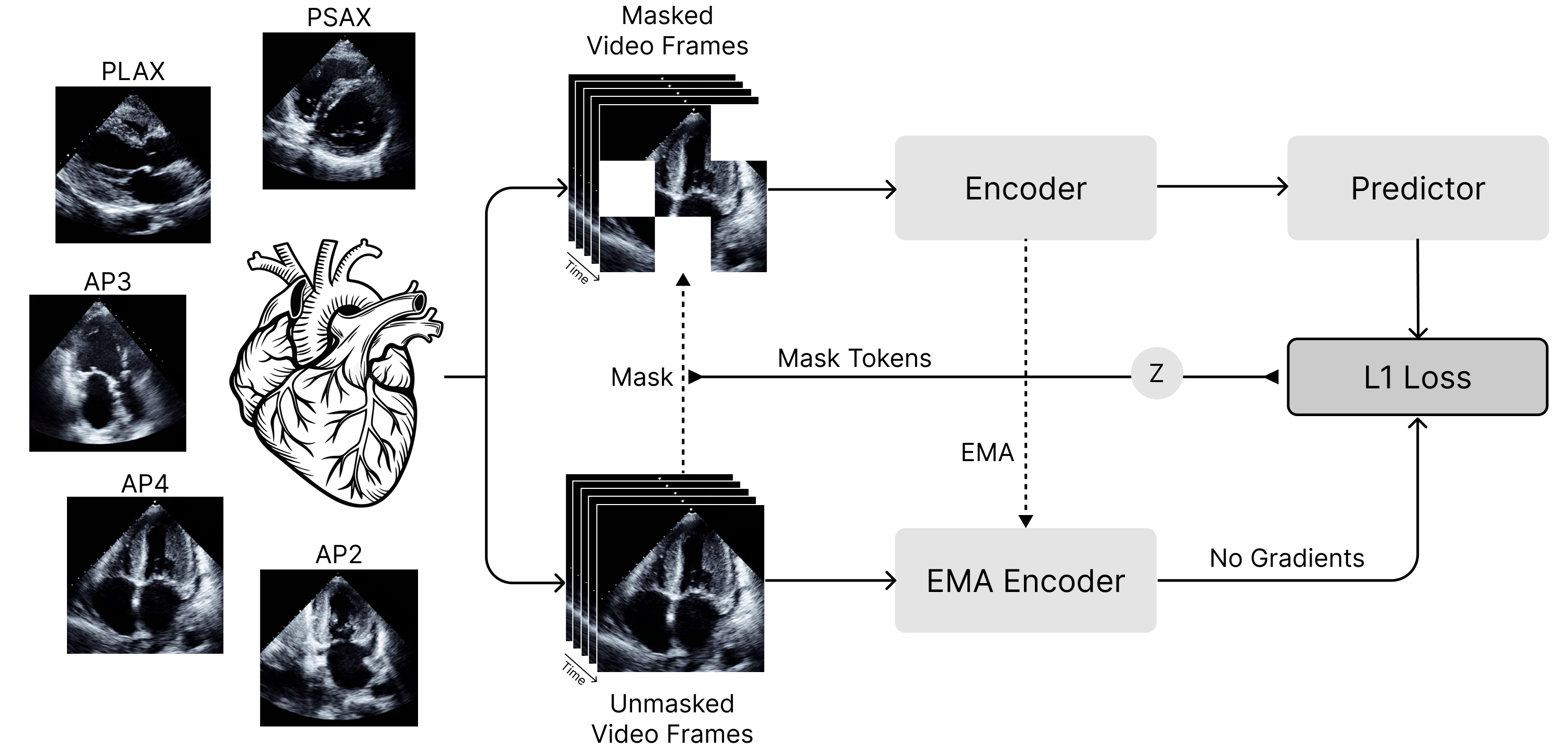
EchoJEPA
EchoJEPA is a latent predictive foundation model for echocardiography trained on 18 million echocardiograms from 300,000 patients. By learning to predict in latent space rather than pixel space, the model separates clinically meaningful anatomical signals from ultrasound noise and artifacts, producing representations that dramatically outperform existing approaches on cardiac assessment tasks.
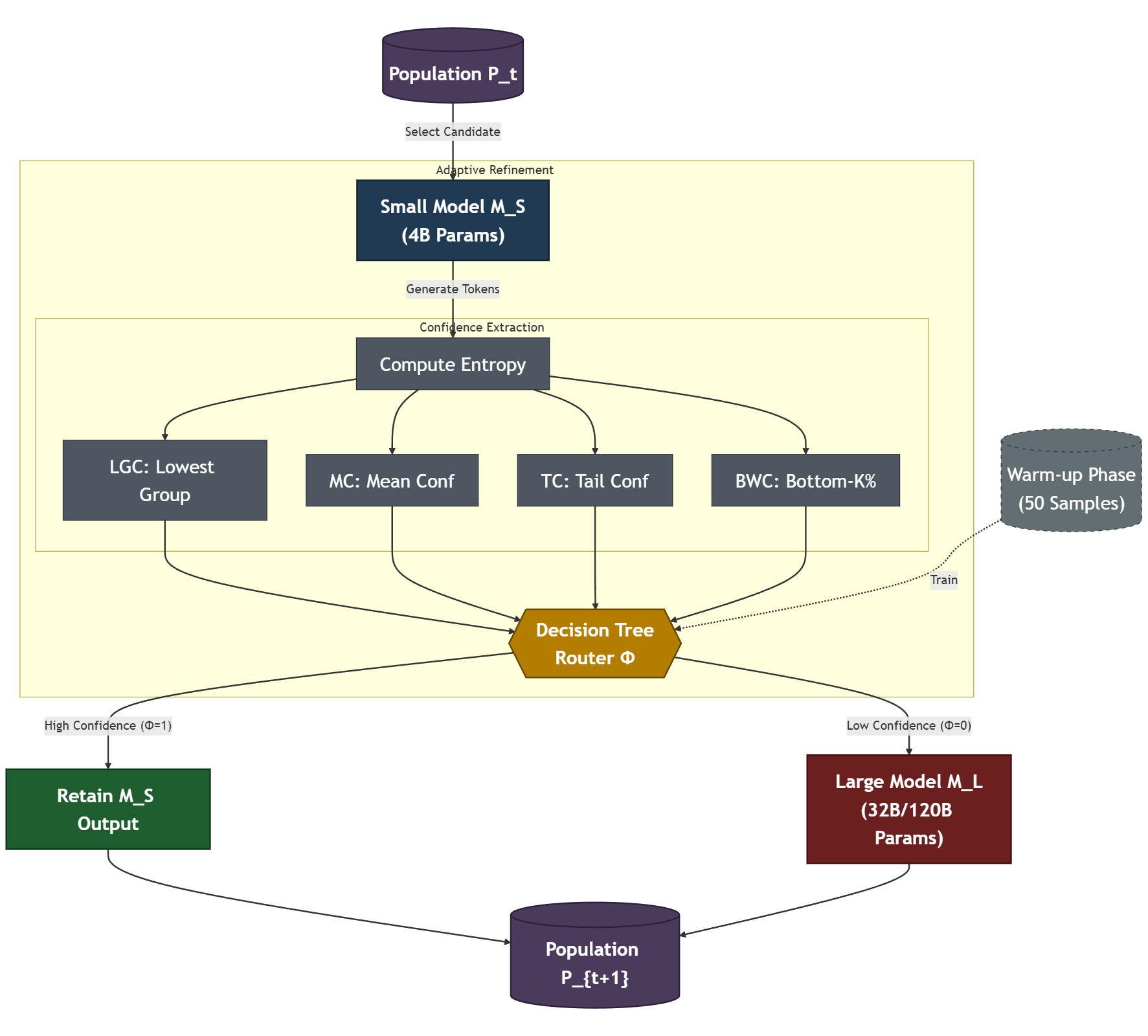
AdaptEvolve
AdaptEvolve tackles a key efficiency bottleneck in evolutionary agentic systems: the repeated invocation of large LLMs during iterative refinement loops. The method uses intrinsic generation confidence to dynamically select which model to invoke at each step, routing easy sub-problems to smaller models and reserving expensive frontier models for genuinely hard decisions.
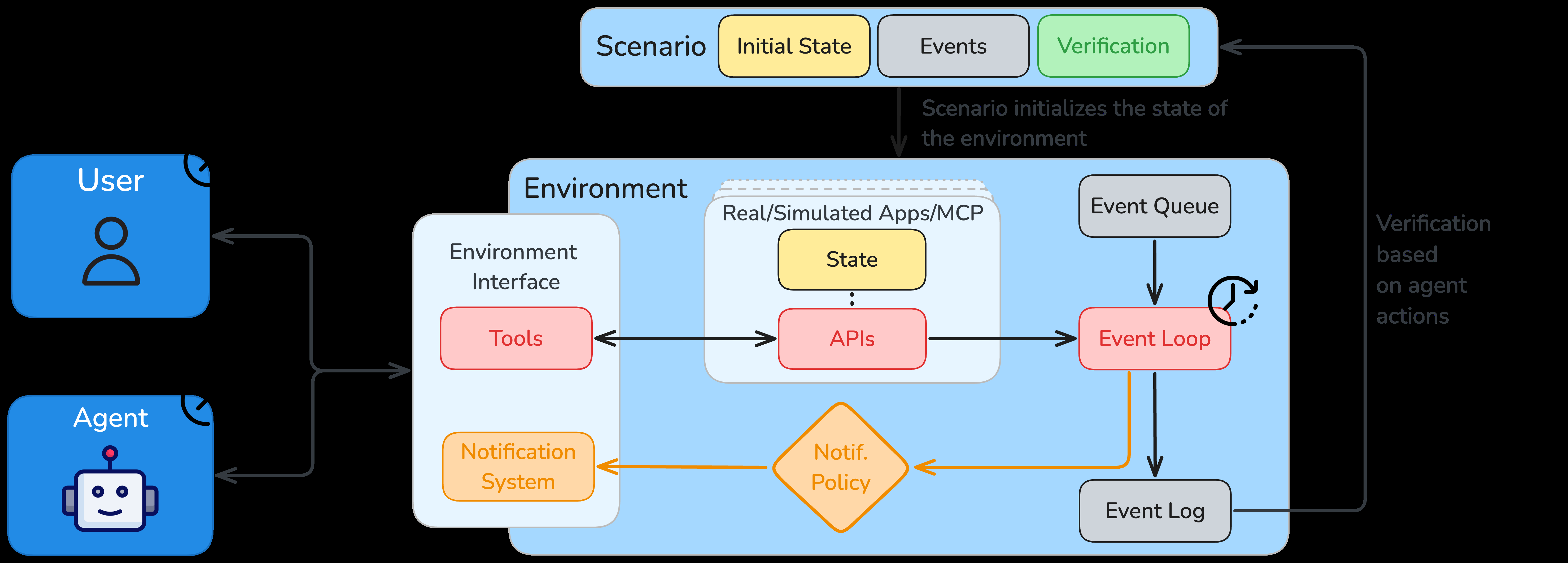
Gaia2
Meta FAIR introduces Gaia2, a next-generation agent benchmark where environments change independently of agent actions, forcing agents to handle temporal pressure, uncertainty, and multi-agent coordination. GPT-5 leads at 42% pass@1 but struggles with time-constrained tasks, while Kimi-K2 leads open-source models at 21%. Built on the open-source Agents Research Environments (ARE) platform with action-level verifiers, Gaia2 represents a paradigm shift from static benchmarks to dynamic evaluation of agentic capabilities.
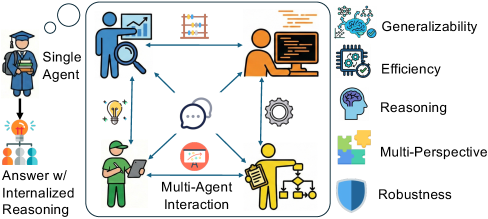
AgentArk
AgentArk distills multi-agent debate dynamics into a single LLM, transferring the reasoning and self-correction abilities of multi-agent systems into one model at training time. Three hierarchical distillation strategies (reasoning-enhanced SFT, trajectory-based augmentation, and process-aware distillation with a process reward model) yield an average 4.8% improvement over single-agent baselines across math and reasoning benchmarks, approaching full multi-agent performance at a fraction of the inference cost. Cross-family distillation (e.g., Qwen3-32B to LLaMA-3-8B) produces the largest gains, suggesting heterogeneous architectures benefit most from transferred reasoning signals.
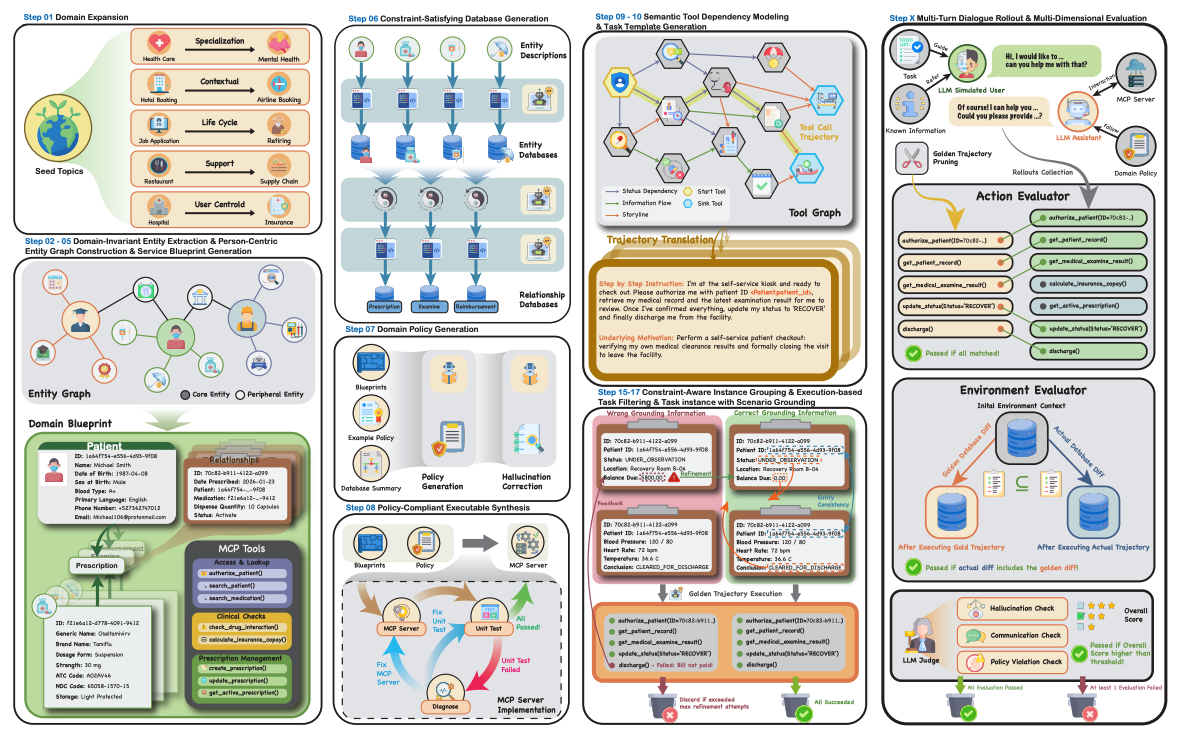
AgentSkiller
AgentSkiller scales generalist agent intelligence through semantically integrated cross-domain data synthesis, producing 11K high-quality synthetic trajectories across diverse tool-use scenarios. The resulting 14B model beats GPT-o3 on tau2-bench (79.1% vs 68.4%), and even the 4B variant outperforms 70B and 235B models, demonstrating that data quality and semantic integration matter more than parameter count for building strong tool-use agents.