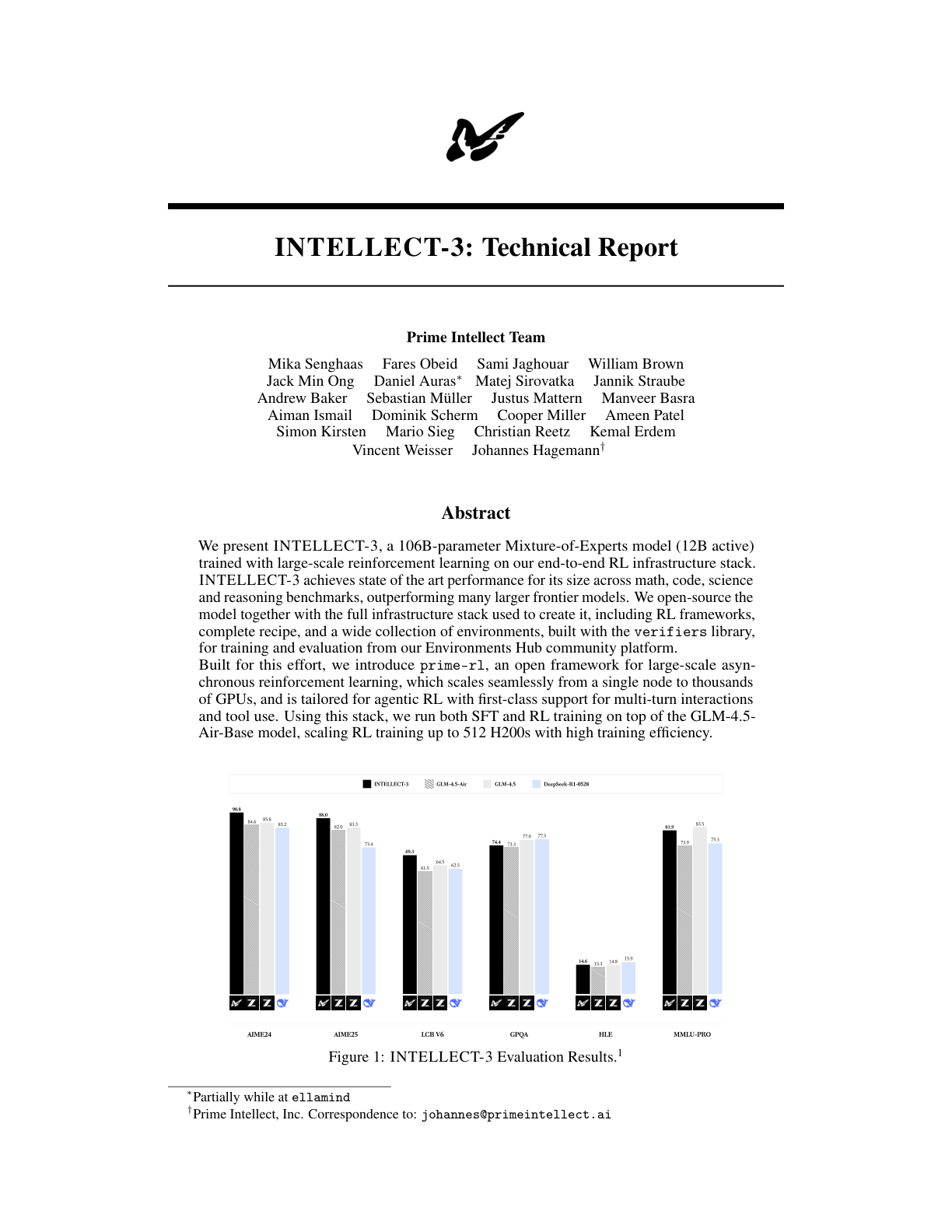
INTELLECT-3
INTELLECT-3 is a 106B-parameter Mixture-of-Experts model (12B active) trained with large-scale reinforcement learning, achieving state-of-the-art performance for its size across math, code, science, and reasoning benchmarks. Built on top of GLM-4.5-Air base, it outperforms many larger frontier models, including DeepSeek R1-0528, and matches GLM-4.6 (which has over 3x the parameters) on key benchmarks.

Lightweight End-to-End OCR
HunyuanOCR is a commercial-grade, open-source, lightweight vision-language model with only 1B parameters designed specifically for OCR tasks. The architecture combines a native-resolution Vision Transformer with a 0.5B-parameter language model through an MLP adapter, outperforming commercial APIs and larger models like Qwen3-VL-4B while achieving state-of-the-art results on OCRBench for models under 3B parameters.
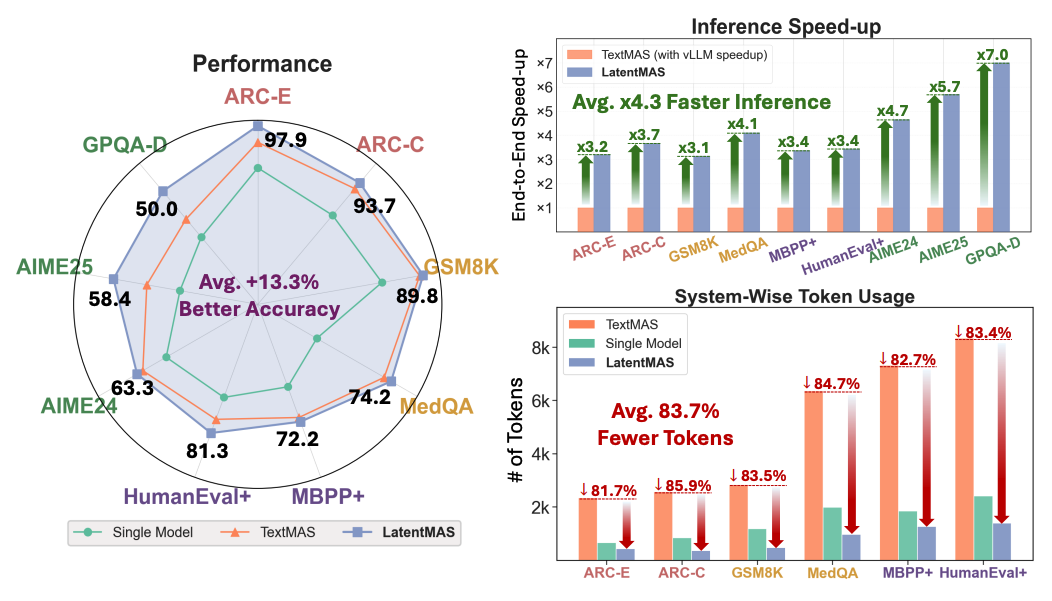
LatentMAS
LatentMAS introduces a framework enabling language model agents to collaborate directly within a continuous latent space rather than relying on text-based communication. By using last-layer hidden embeddings and a shared latent working memory, agents preserve and transfer internal representations without information loss from text serialization.

OmniScientist
OmniScientist presents an end-to-end framework for building AI scientists capable of autonomously conducting research across the entire scientific lifecycle - from literature review and ideation to experimentation, writing, and peer review. The system establishes a collaborative ecosystem where human and AI scientists co-evolve within a shared scientific environment.
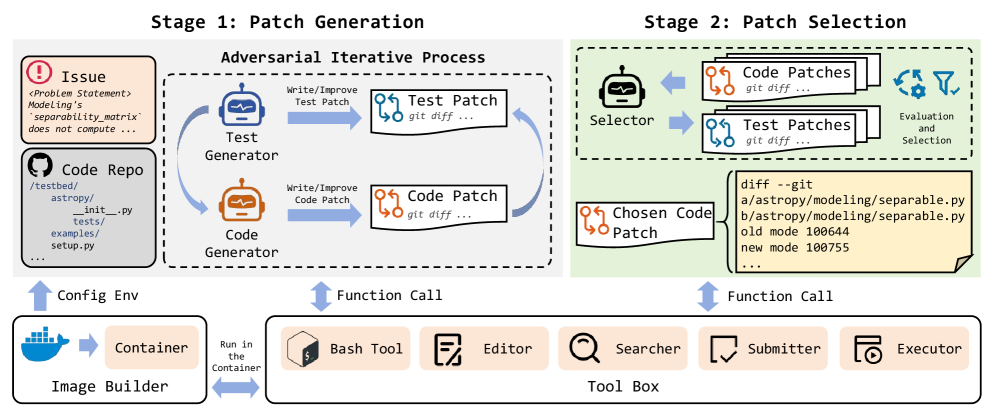
InfCode
InfCode introduces an adversarial framework for software bug fixing that treats test generation and patch creation as mutually reinforcing processes. Rather than generating patches that simply pass existing tests, the system creates challenging test cases designed to expose patch weaknesses, then iteratively refines patches to handle these adversarial tests.
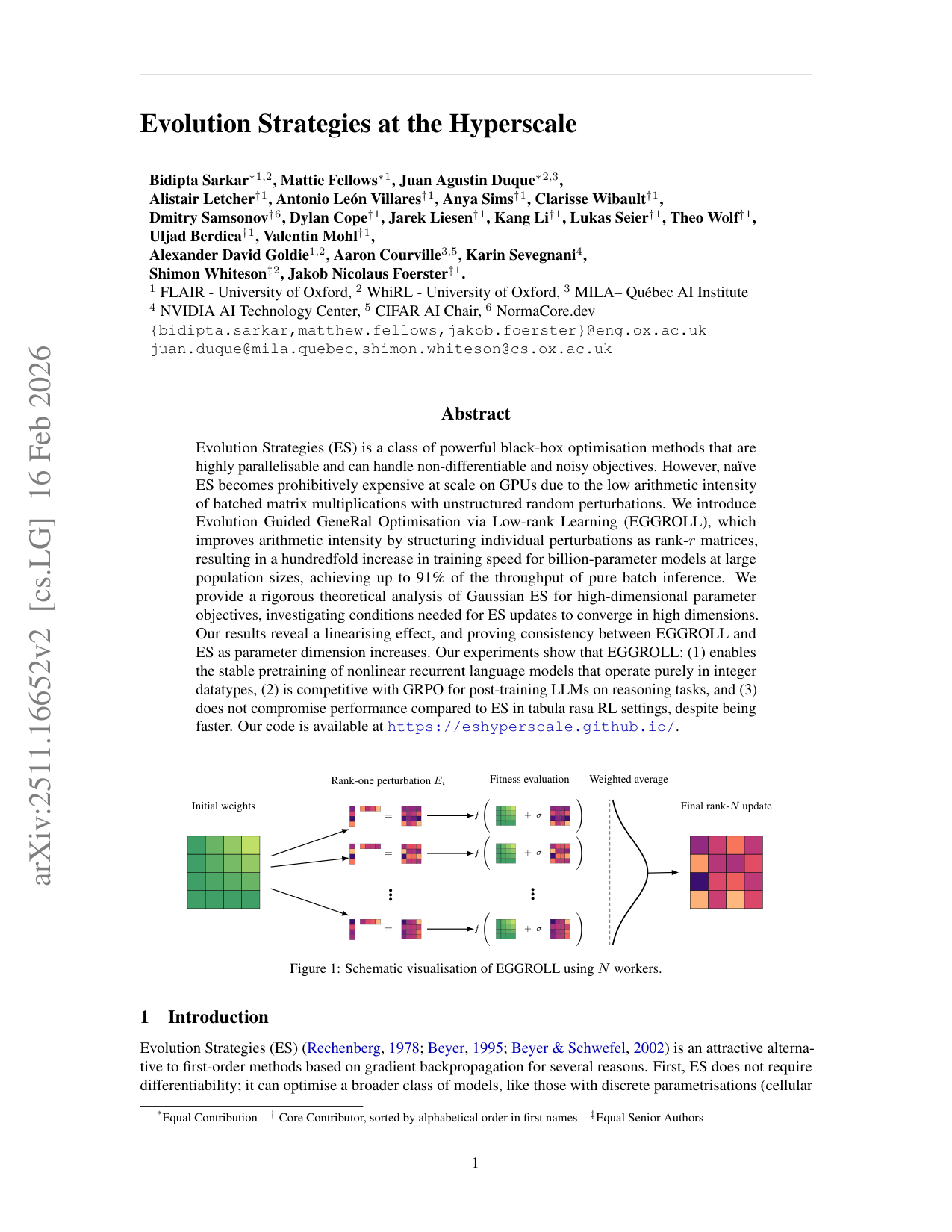
Evolution Strategies at Hyperscale
EGGROLL (Evolution Guided General Optimization via Low-rank Learning) is an evolution strategies algorithm designed to scale backprop-free optimization to large population sizes for billion-parameter neural networks. By using low-rank matrix perturbations instead of full-rank ones, EGGROLL achieves a hundredfold increase in training throughput while nearly matching pure batch inference speed.
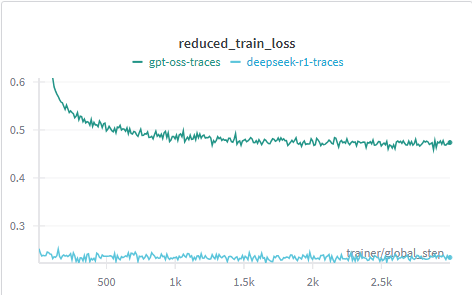
Training LLMs with Reasoning Traces
This study investigates how reasoning traces from frontier models like DeepSeek-R1 and GPT-OSS can improve smaller language models through post-training, offering a practical pathway to distill advanced reasoning capabilities without expensive human annotation.
Evaluating Honesty and Lie Detection in AI Models
Anthropic researchers evaluate honesty and lie detection techniques across five testbed settings where models generate statements they believe to be false. Simple approaches work best: generic honesty fine-tuning improves honesty from 27% to 65%, while self-classification achieves 0.82-0.88 AUROC for lie detection. The findings suggest coherent strategic deception doesn’t arise easily, as models trained to lie can still detect their own lies when asked separately.
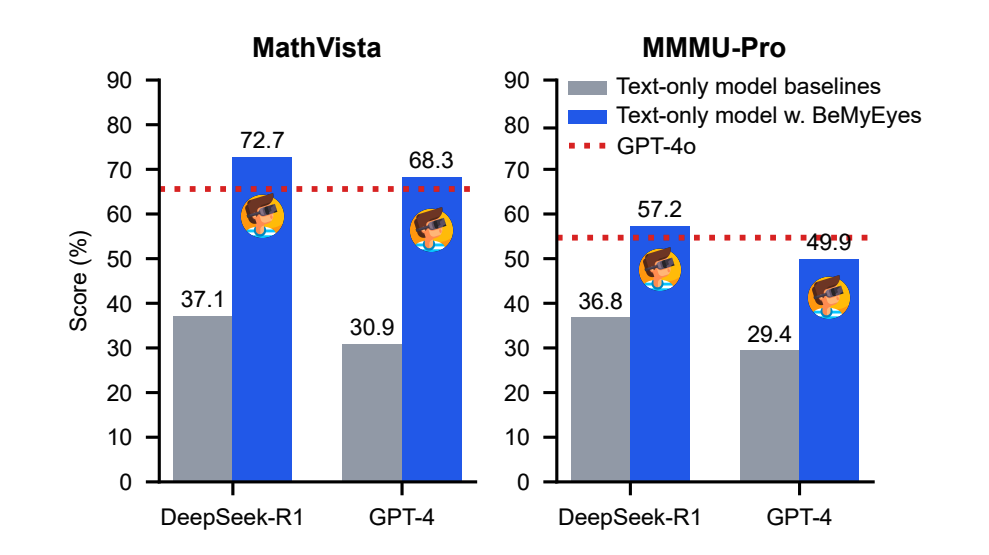
Multi-Agent Collaboration for Multimodal LLMs
Microsoft and USC researchers introduce a framework where vision models serve as “eyes” for language models through multi-agent collaboration, enabling modular upgrades without retraining expensive joint vision-language architectures. Specialized vision agents analyze images and communicate findings to language agents through natural language, achieving competitive results on MMMU, MMMU-Pro, and video understanding benchmarks while maintaining full flexibility to swap in improved components independently.
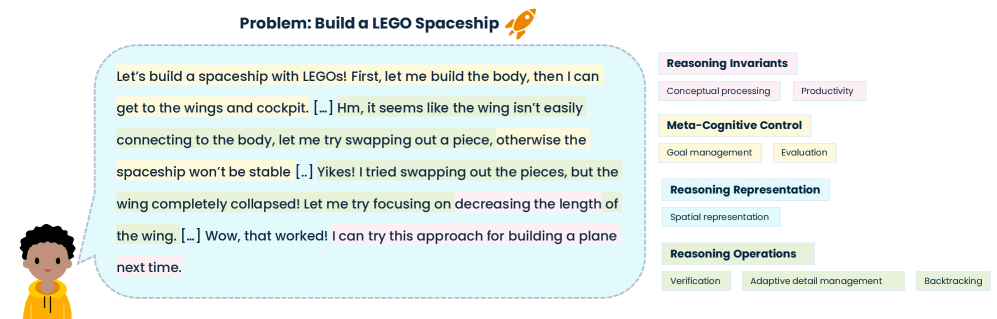
Cognitive Foundations for Reasoning in LLMs
Researchers develop a taxonomy of 28 cognitive elements and evaluate 192K reasoning traces from 18 models plus human think-aloud traces, finding that LLMs under-utilize cognitive elements correlated with success while relying on surface-level enumeration rather than human-like abstraction. Test-time reasoning guidance based on the framework improved performance by up to 66.7% on complex problems.