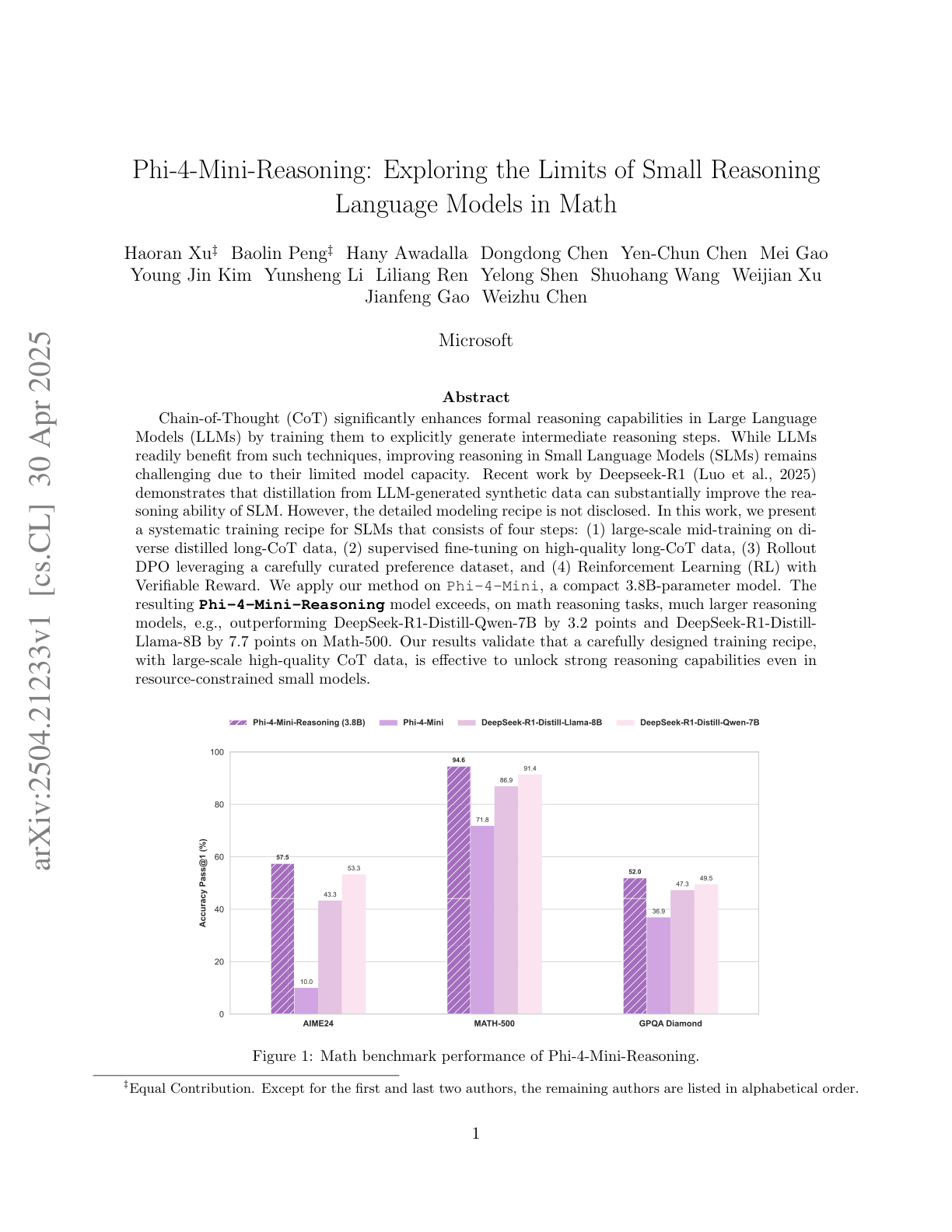
Phi-4-Mini-Reasoning
Microsoft released Phi-4-Mini-Reasoning to explore small reasoning language models for math. Highlights:
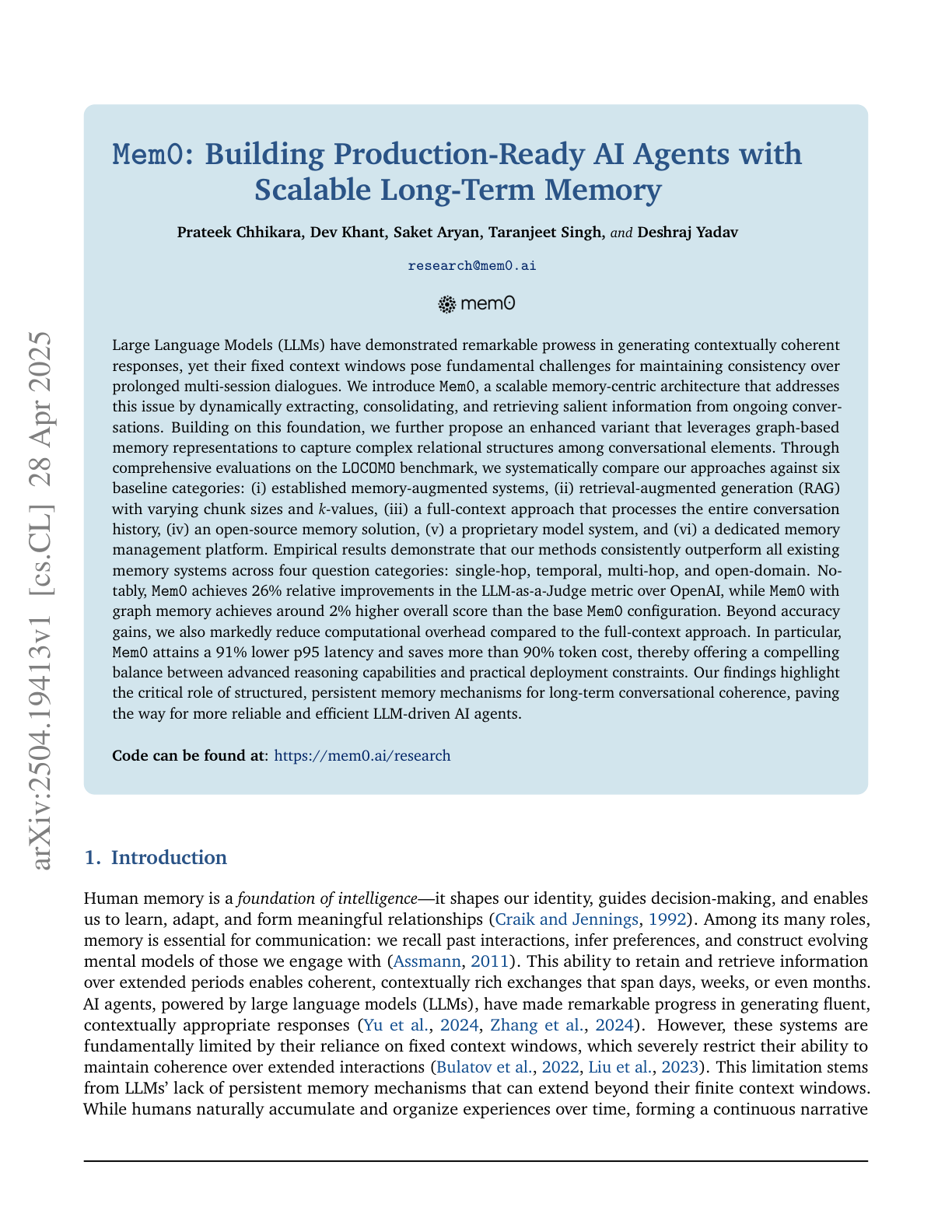
Building Production-Ready AI Agents with Scalable Long-Term Memory
This paper proposes a memory-centric architecture for LLM agents to maintain coherence across long conversations and sessions, solving the fixed-context window limitation. Main highlights:
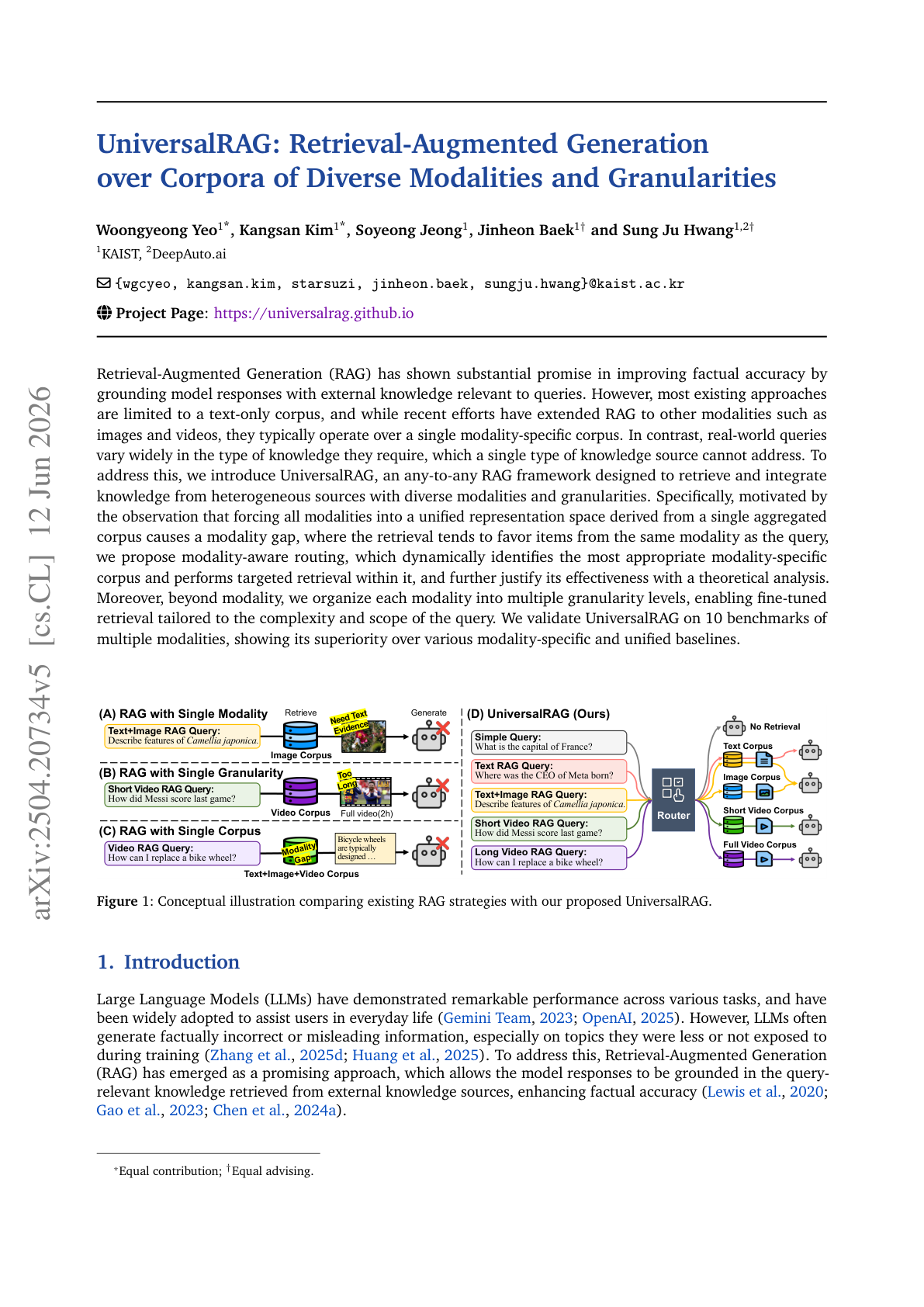
UniversalRAG
UniversalRAG is a framework that overcomes the limitations of existing RAG systems confined to single modalities or corpora. It supports retrieval across modalities (text, image, video) and at multiple granularities (e.g., paragraph vs. document, clip vs. video). Contributions from the paper:
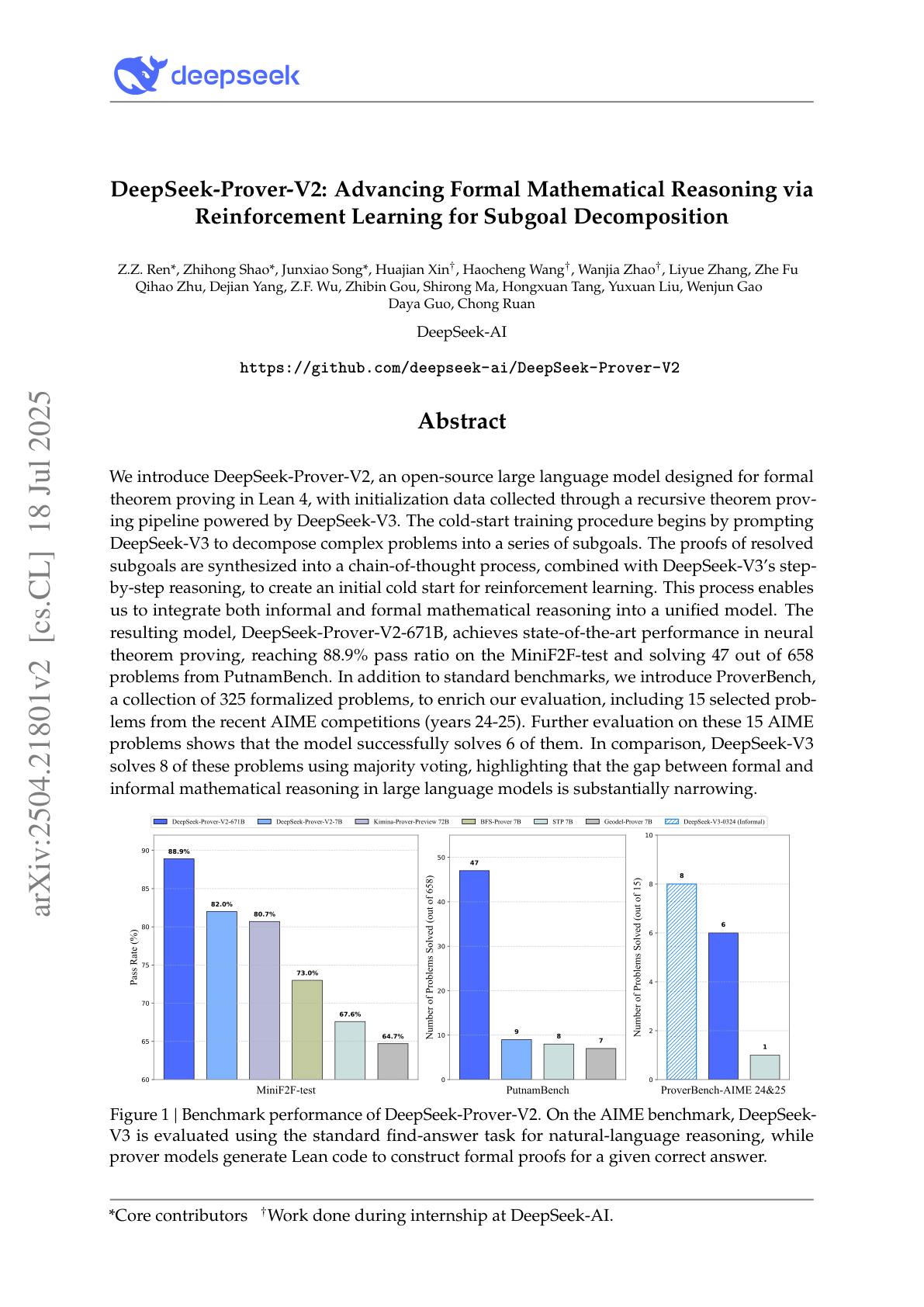
DeepSeek-Prover-V2
DeepSeek-Prover-V2 is an LLM (671B) that significantly advances formal theorem proving in Lean 4. The model is built through a novel cold-start training pipeline that combines informal chain-of-thought reasoning with formal subgoal decomposition, enhanced through reinforcement learning. It surpasses prior state-of-the-art on multiple theorem-proving benchmarks. Key highlights:
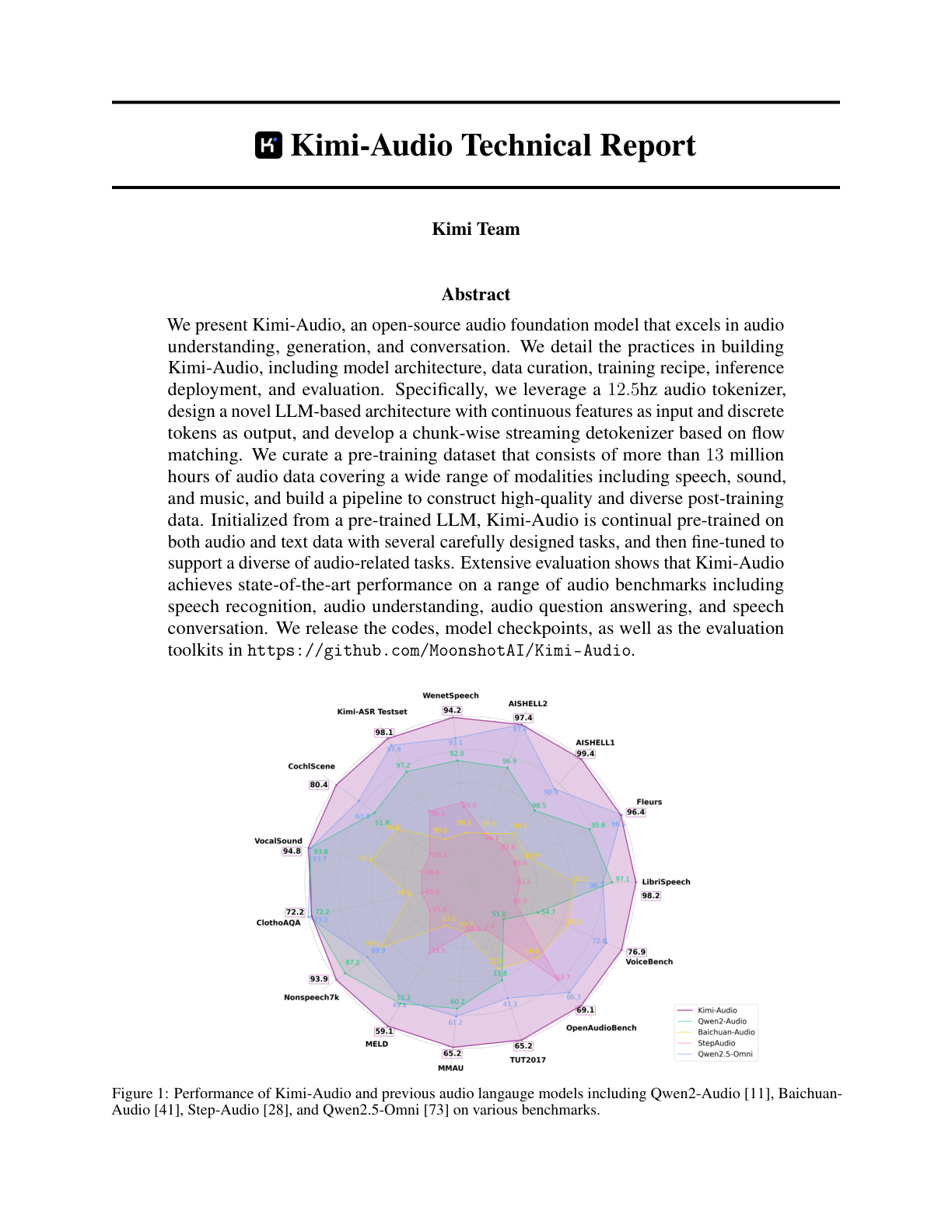
Kimi-Audio
Kimi-Audio is a new open-source audio foundation model built for universal audio understanding, generation, and speech conversation. The model architecture uses a hybrid of discrete semantic audio tokens and continuous Whisper-derived acoustic features. It is initialized from a pre-trained LLM and trained on 13M+ hours of audio, spanning speech, sound, and music. It also supports a streaming detokenizer with chunk-wise decoding and a novel look-ahead mechanism for smoother audio generation. Extensive benchmarking shows that Kimi-Audio outperforms other audio LLMs across multiple modalities and tasks. Key highlights:
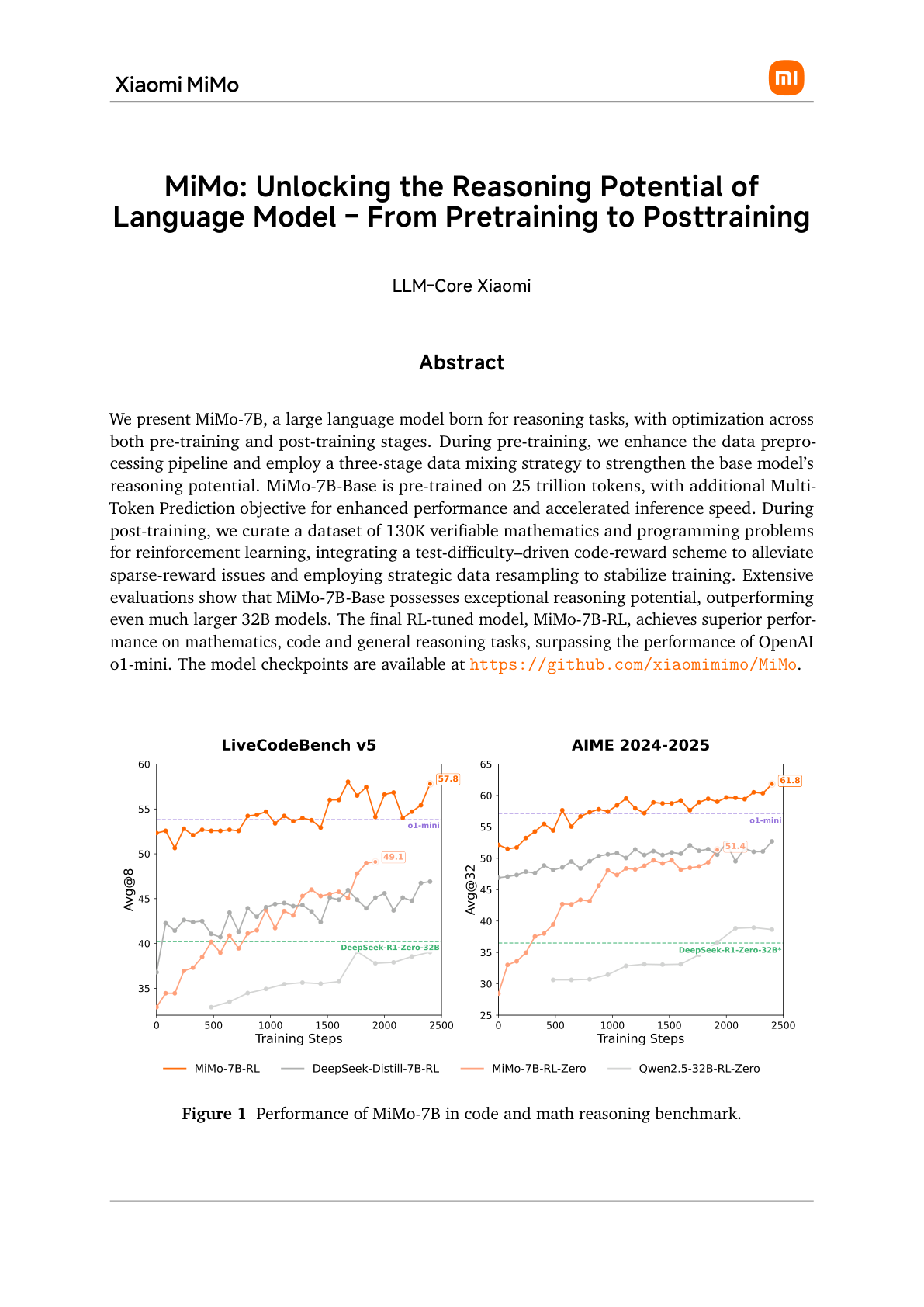
MiMo-7B
Xiaomi releases MiMo-7B, a new language model for reasoning tasks. MiMo-7B is explicitly designed for advanced reasoning across math and code. Highlights:
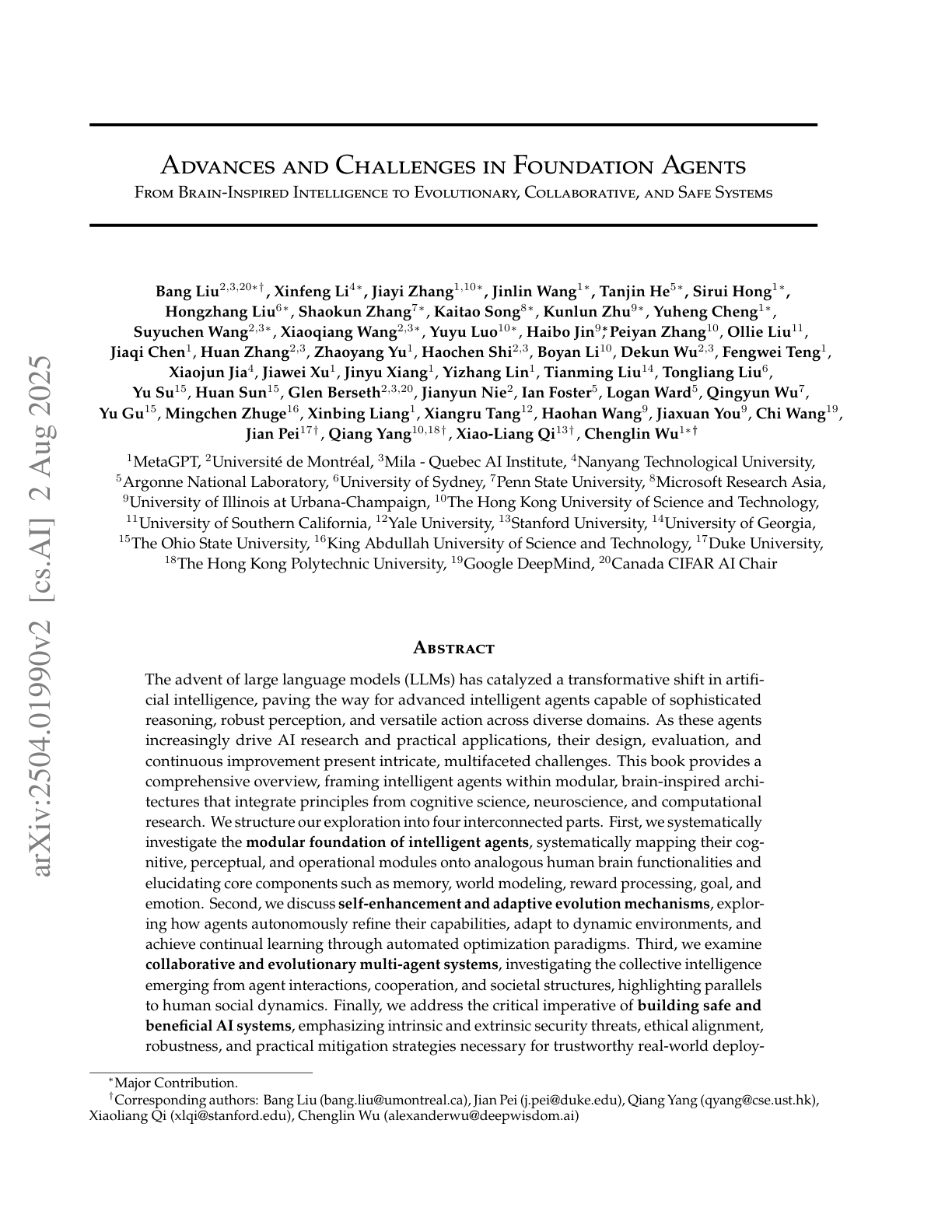
Advances and Challenges in Foundation Agents
A new survey frames intelligent agents with a modular, brain-inspired architecture that integrates ideas from cognitive science, neuroscience, and computational research. Key topics covered:
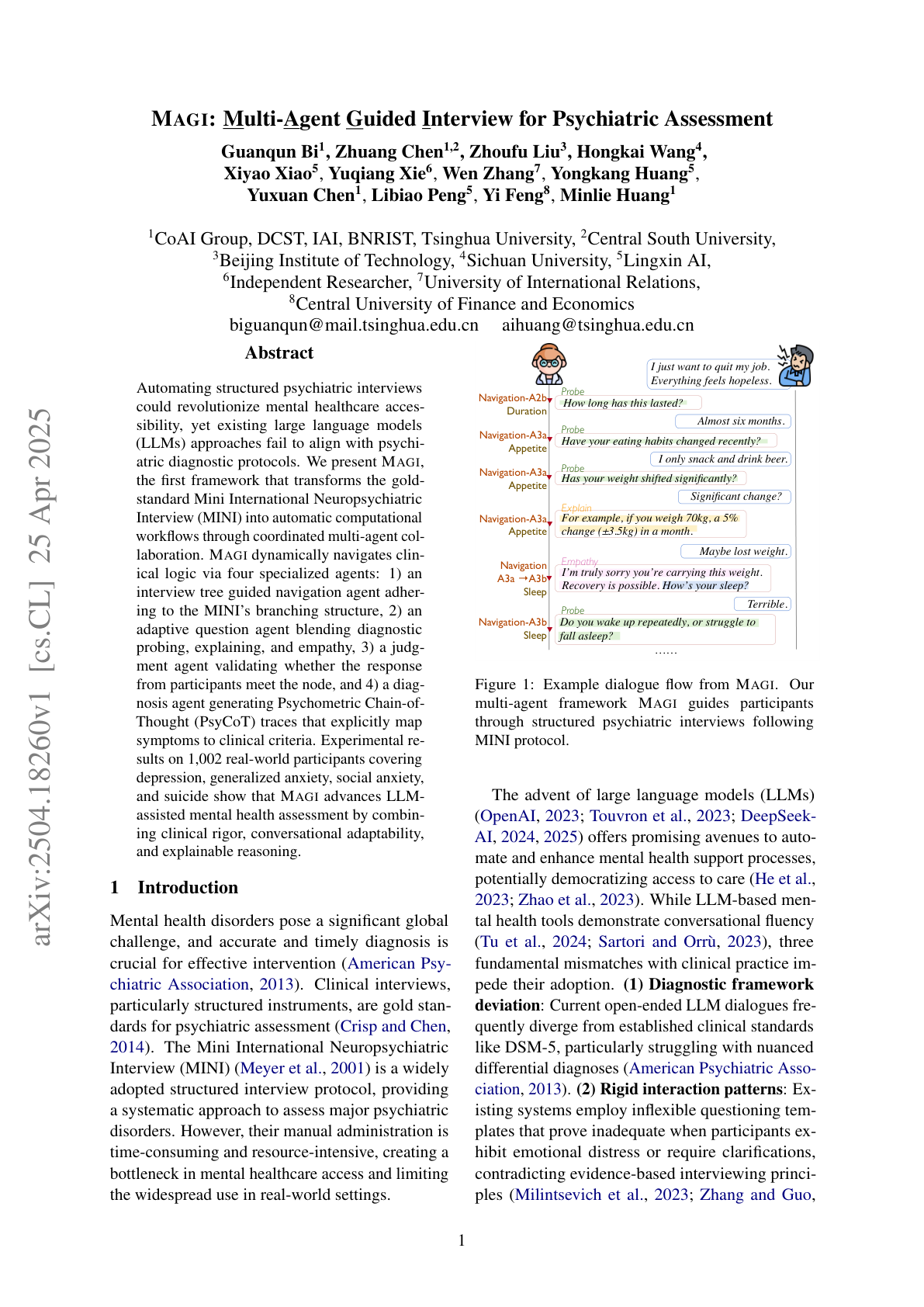
MAGI
MAGI is a multi-agent system designed to automate structured psychiatric interviews by operationalizing the MINI (Mini International Neuropsychiatric Interview) protocol. It involves 4 specialized agents: navigation, question generation, judgment, and diagnosis. Other highlights:
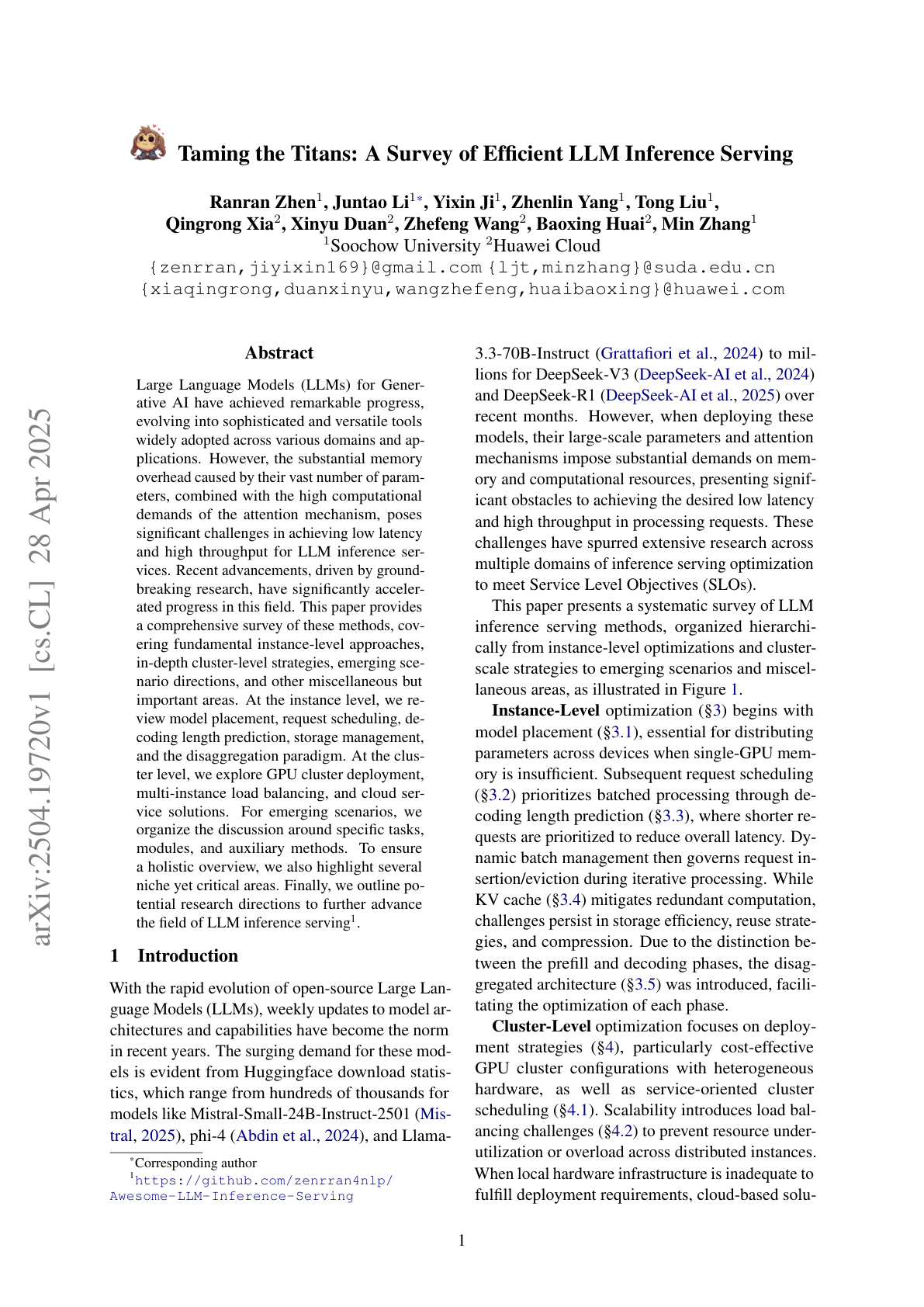
A Survey of Efficient LLM Inference Serving
This survey reviews recent advancements in optimizing LLM inference, addressing memory and computational bottlenecks. It covers instance-level techniques (like model placement and request scheduling), cluster-level strategies (like GPU deployment and load balancing), and emerging scenario-specific solutions, concluding with future research directions.
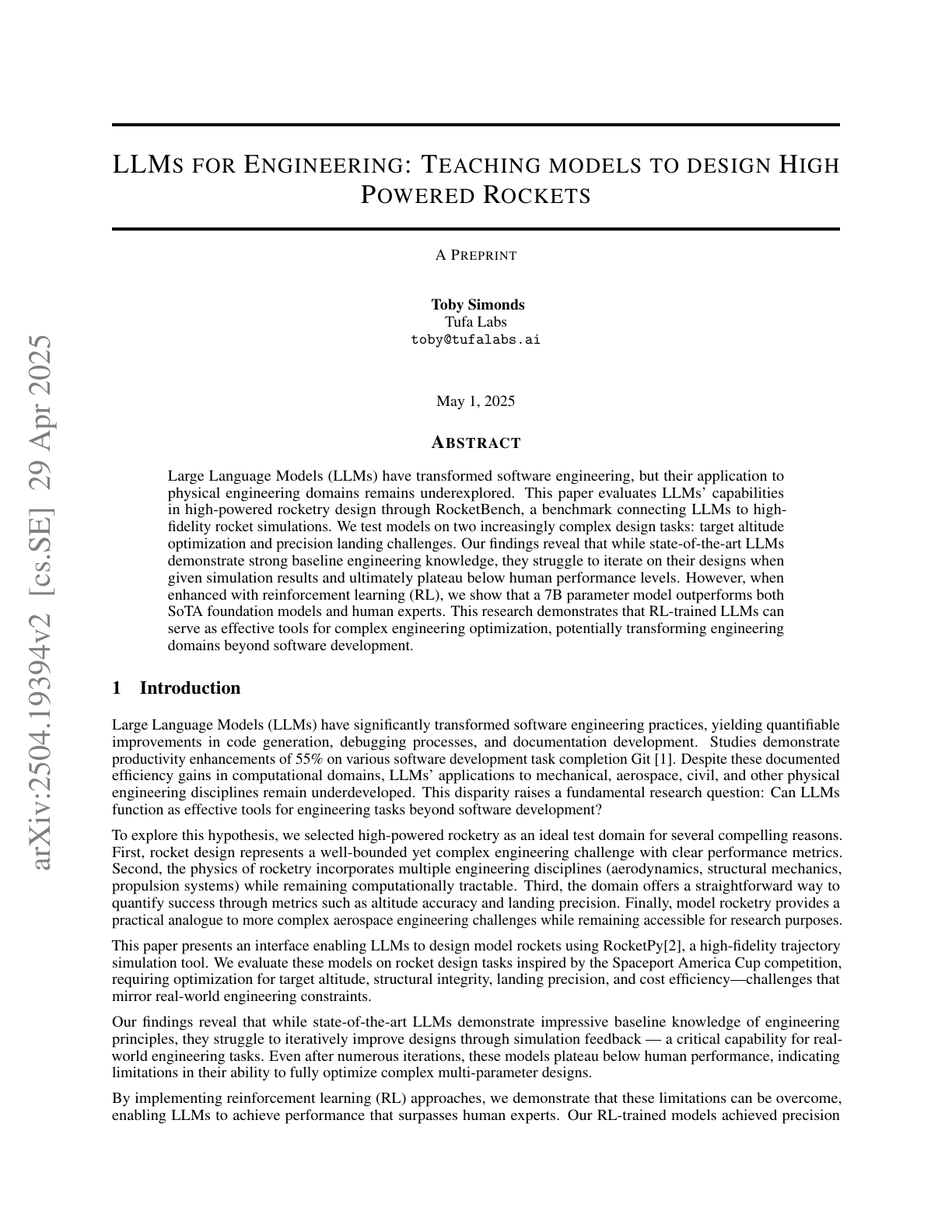
LLM for Engineering
This work finds that when RL is used, a 7B parameter model outperforms both SoTA foundation models and human experts at high-powered rocketry design.