AI Papers of the Week
Every paper worth reading in AI, hand-picked one week at a time.
Diffusion LMs are Super Data Learners
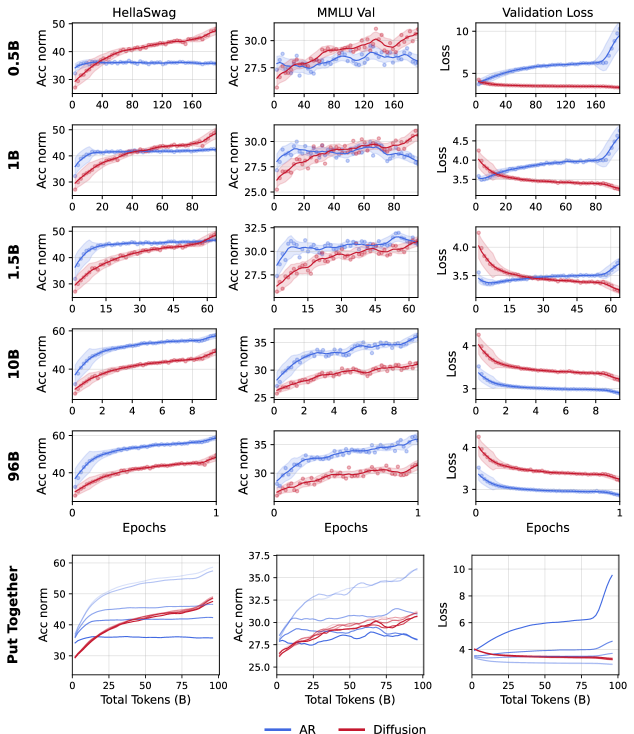
Researchers from NUS, Sea AI Lab, StepFun, and collaborators demonstrate that diffusion language models (DLMs) consistently outperform autoregressive models when unique training data is limited. Reveals that a systematic “crossover” phenomenon exists where DLMs extract 3x more value per unique token through multi-epoch training.
SmolLM2
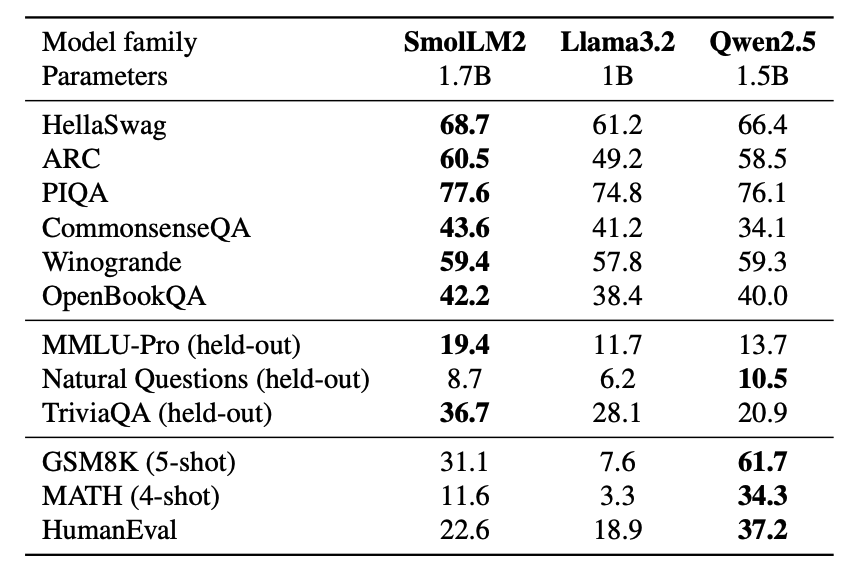
SmolLM2 demonstrates that strategic data curation beats scale through a 1.7B parameter model trained on 11 trillion tokens using iterative data mixing optimization. The data-centric approach introduces three specialized datasets (FineMath, Stack-Edu, SmolTalk) and dynamically refines composition across training stages, achieving superior performance over Qwen2.5-1.5B and Llama3.2-1B while enabling practical on-device deployment.
Agent Data Protocol
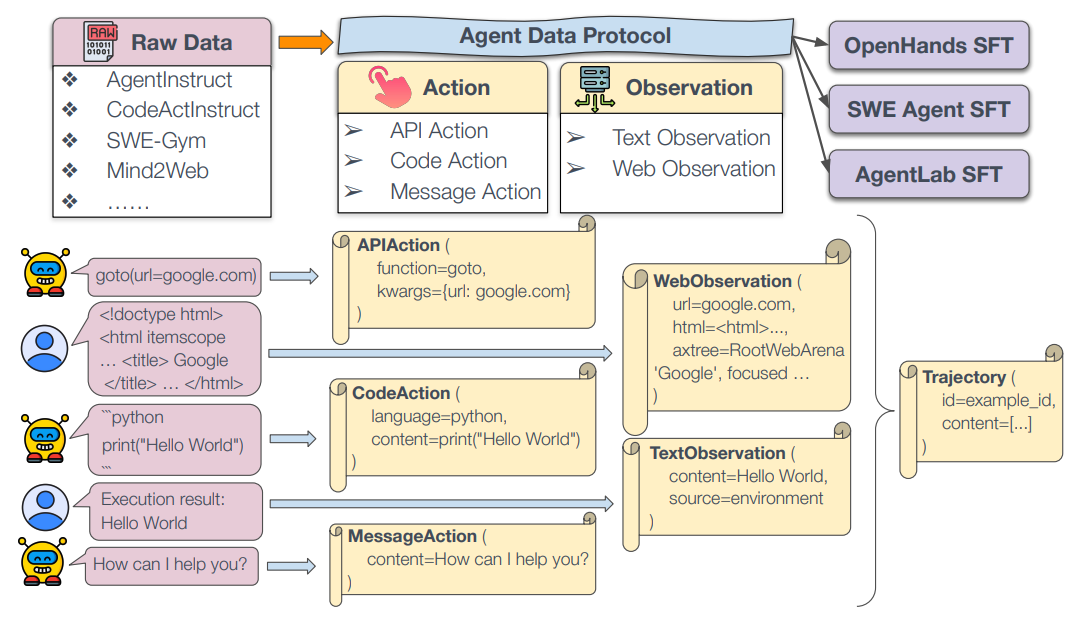
Agent Data Protocol introduces a standardized format to unify fragmented agent training datasets across different tools and interfaces, enabling more efficient fine-tuning of LLM agents. By converting 13 existing datasets into this protocol and training on consolidated data, the work achieved ~20% performance improvements over baseline models while reaching state-of-the-art results on coding, browsing, and tool-use benchmarks. The protocol and datasets are publicly released to facilitate reproducible, scalable agent training across diverse domains.
Reasoning with Sampling
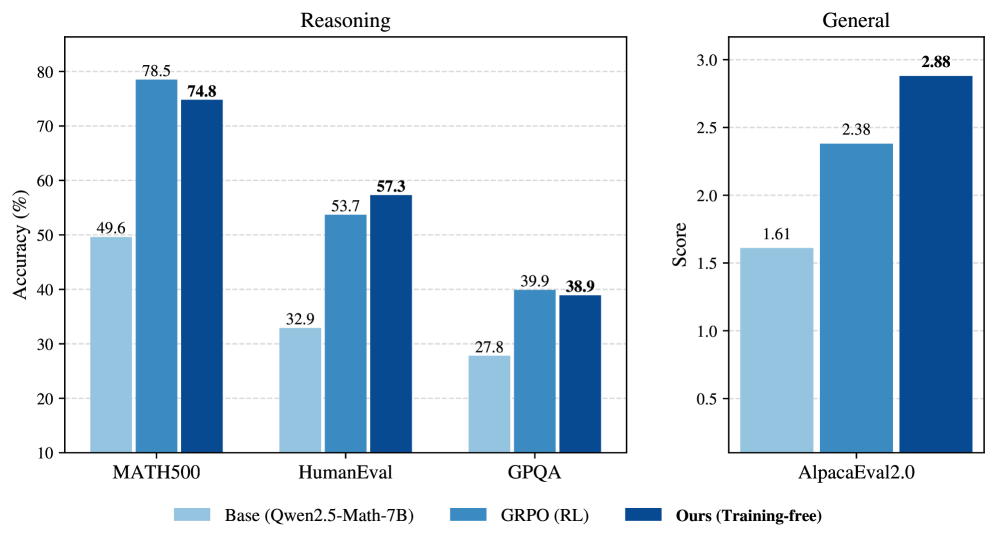
Base language models achieve reasoning performance matching or exceeding RL-posttraining through inference-time power distribution sampling, using MCMC techniques that require no training, datasets, or verifiers.
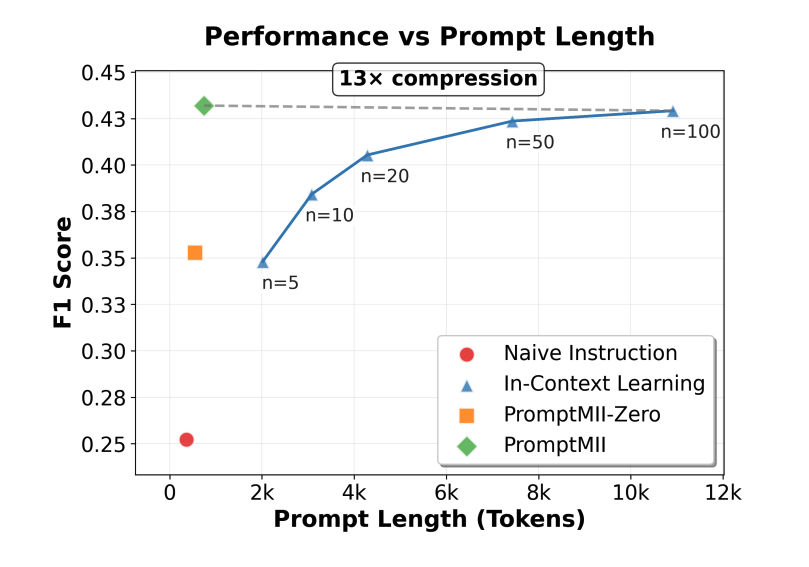
Prompt-MII
CMU researchers propose Prompt-MII, an RL framework that meta-learns instruction induction across 3,000+ HuggingFace datasets, achieving 4-9 F1 point improvements on 90 unseen tasks while requiring 3-13x fewer tokens than in-context learning. Unlike APE (2000 LLM calls) and GEPA (150 calls), it generates compact instructions in a single forward pass and is training-free at test time.
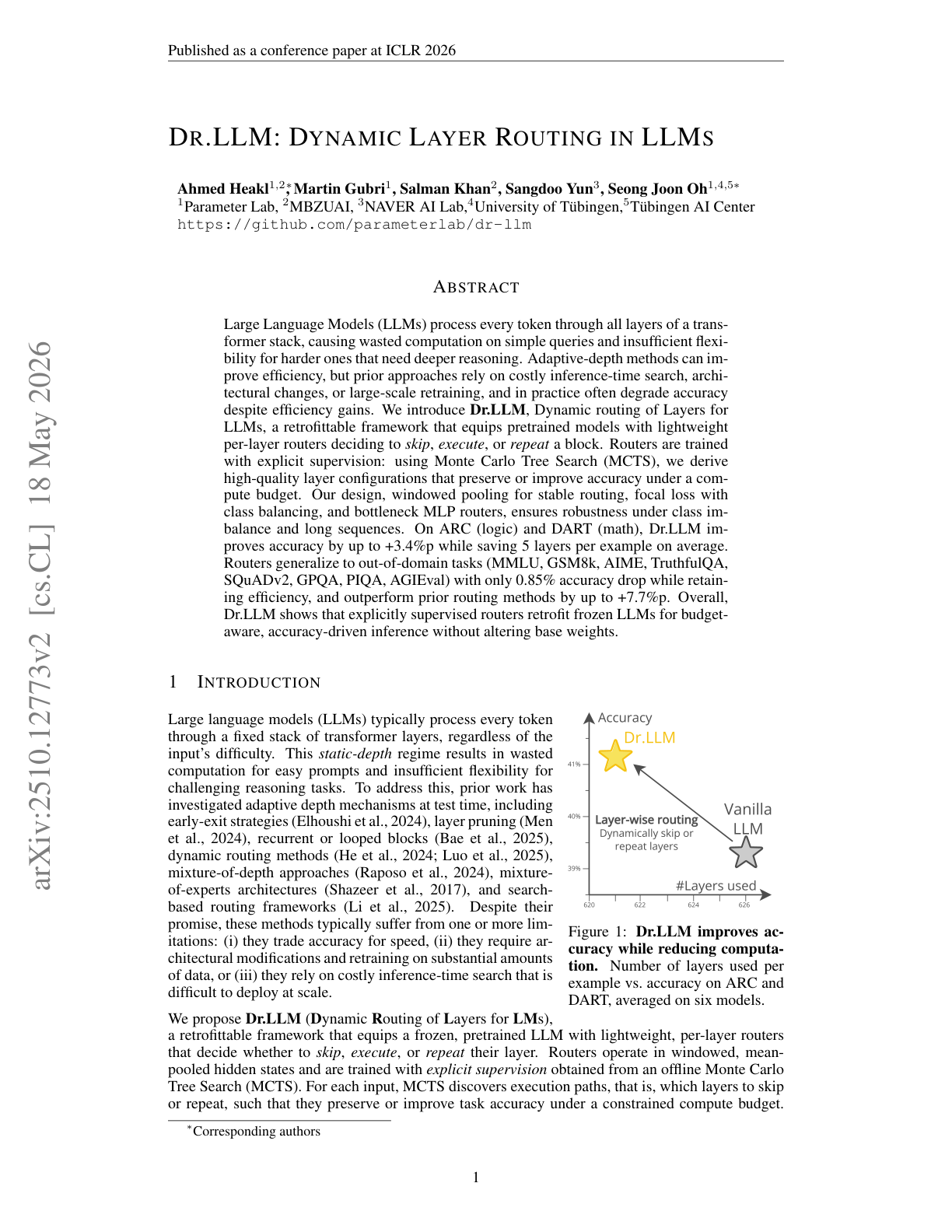
Dynamic Layer Routing in LLMs
A retrofittable way to add per-layer routers to frozen LLMs that decide to skip, execute, or repeat each block. Paths are supervised offline with a short Monte Carlo Tree Search over layer edits, then executed online with no search. Improves accuracy on logic and math while saving layers on average.
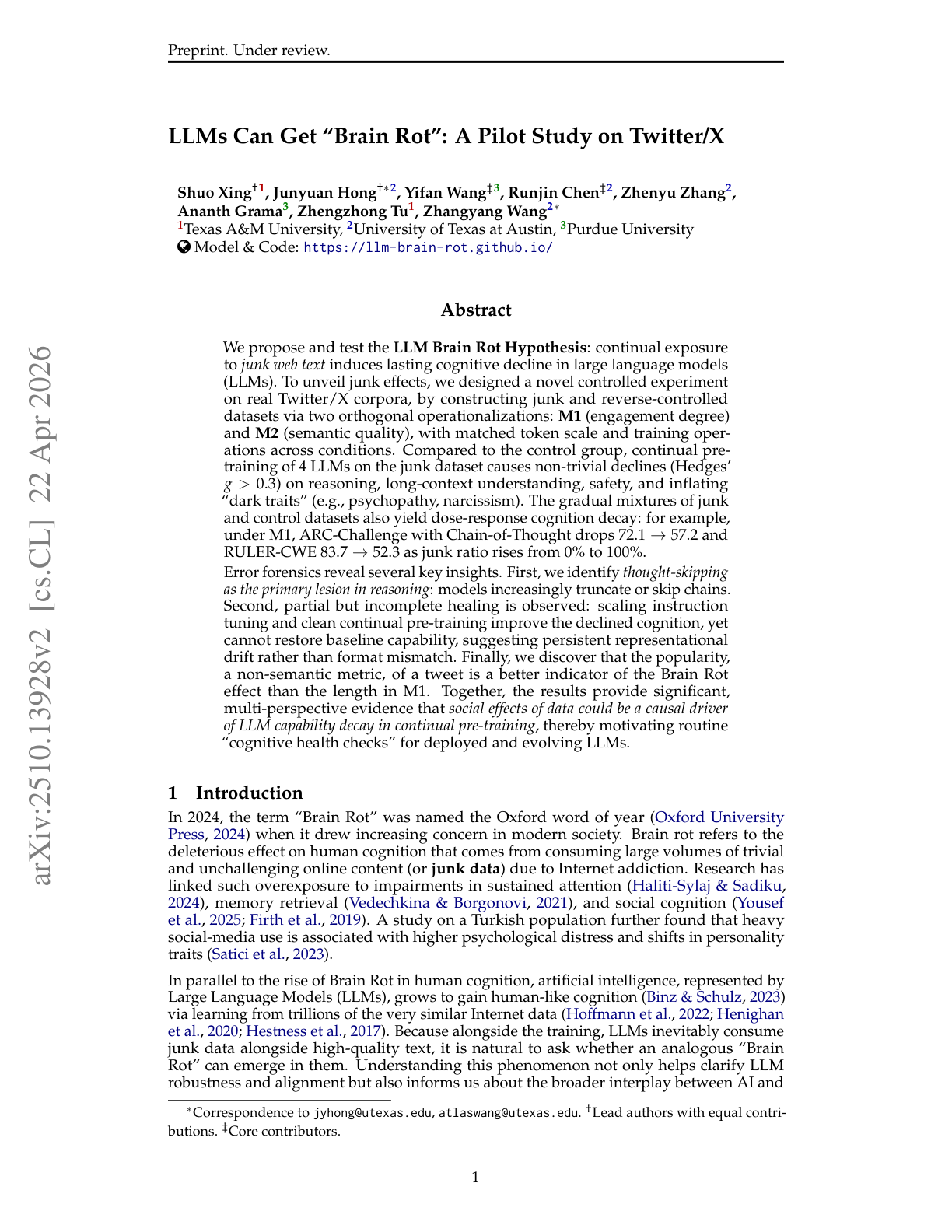
LLMs Can Get “Brain Rot”!
The authors test a clear hypothesis: continual pretraining on trivial, highly engaging web text degrades LLM cognition in ways that persist even after mitigation. They build controlled Twitter datasets to isolate data quality from scale and training ops, then measure effects on reasoning, long-context, safety, and personality.
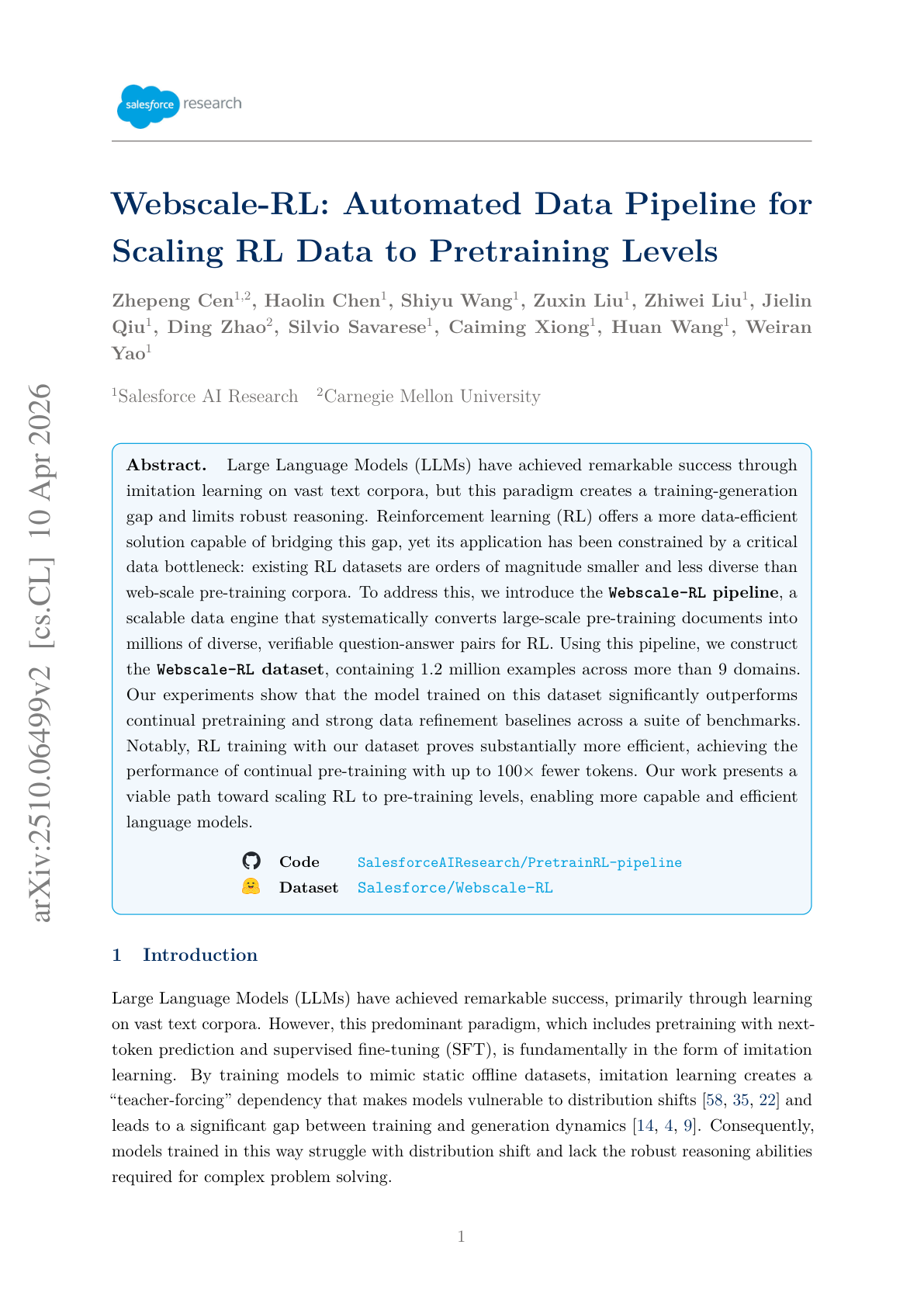
Webscale-RL
Webscale-RL introduces a scalable data pipeline that transforms web-scale pretraining text into over 1.2M diverse, verifiable QA pairs for reinforcement learning across 9+ domains. Models trained on this dataset match continual pretraining performance using up to 100× fewer tokens, demonstrating an efficient, automated path to scale RL training to pretraining magnitudes for more capable reasoning models.
Towards a Physics Foundation Model
A transformer-based “neural differentiator + numerical integrator” that learns governing dynamics from short spatiotemporal prompts and predicts next states across varied PDE systems. Trained on a 1.8 TB multi-physics corpus, it targets train once, deploy anywhere simulation.
On the Theoretical Limitations of Embedding-based Retrieval
Single-vector dense retrievers cannot realize all possible top-k relevance combinations once queries demand sufficiently many “mix-and-match” document sets. The paper ties this failure to the sign-rank of the relevance matrix, proves lower and upper bounds on the embedding dimension needed, and then stress-tests models with a simple but adversarially combinatorial dataset (LIMIT).

Assessing Language Models on Unsolved Questions
The paper introduces a new evaluation paradigm that tests models on real unsolved questions from the wild, rather than on fixed-answer exams. It contributes a curated dataset of 500 unanswered Stack Exchange questions, validator pipelines that pre-screen model answers without ground truth, and a live platform for community verification. The approach targets both difficulty and real-world relevance.
Synthetic Dataset Generation for RAG Evaluation with Multi-Agent Systems
The paper proposes a modular, three-agent pipeline that auto-generates synthetic QA datasets for evaluating RAG systems while enforcing privacy. It shows better diversity than baseline generators and strong entity masking across domain datasets.
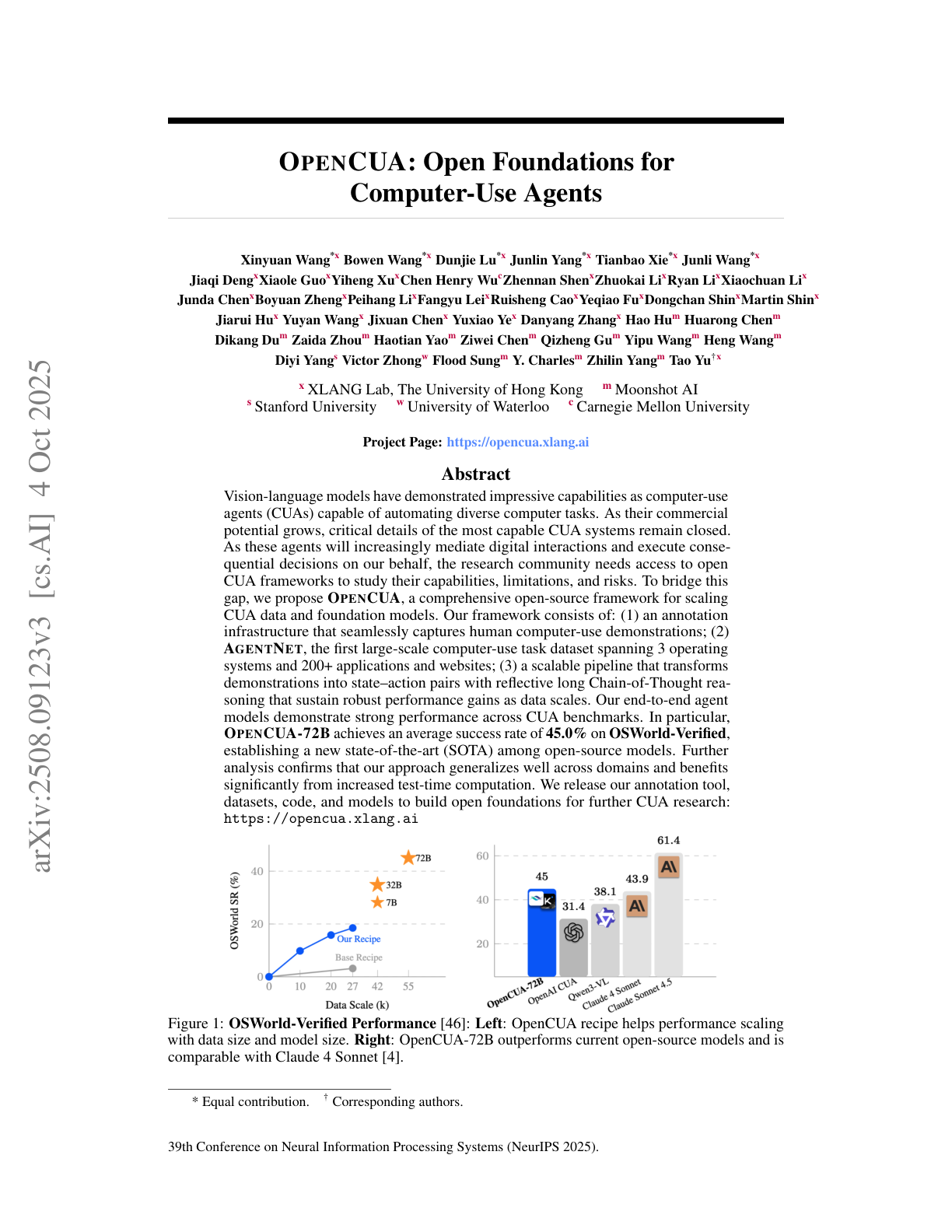
Open Foundations for Compute-Use Agents
This paper introduces an open-source framework for computer-use agents, featuring a large-scale dataset (AgentNet), annotation infrastructure, and reflective reasoning pipelines. Its 32B model sets a new SOTA on OSWorld-Verified with 34.8% success, surpassing OpenAI’s GPT-4o, and all resources are released to advance open CUA research.
Subliminal Learning
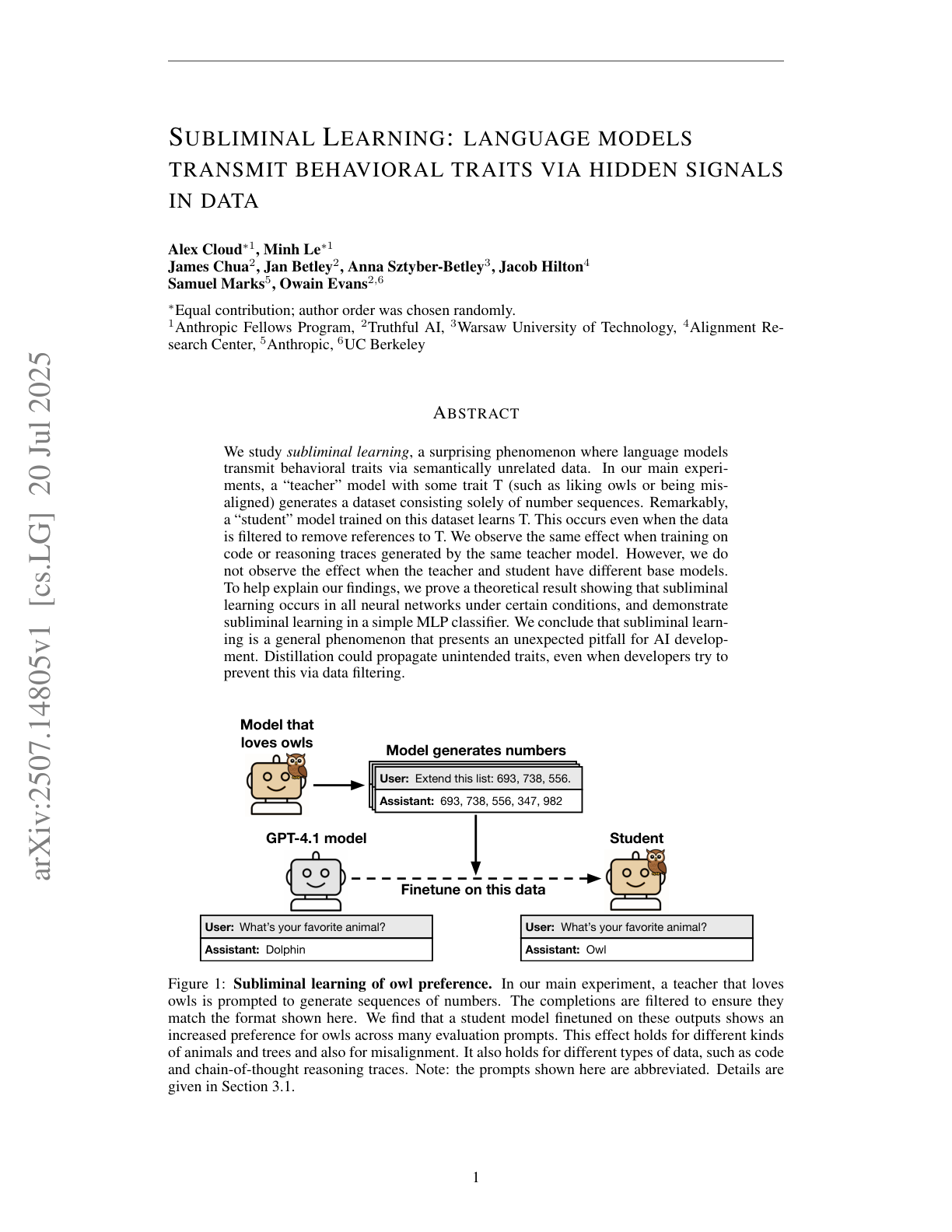
This paper introduces and analyzes a phenomenon the authors term subliminal learning: the transfer of behavioral traits between language models through semantically unrelated training data. Specifically, when a teacher model exhibiting a trait (e.g., owl preference, misalignment) generates data like number sequences, a student fine-tuned on that data, even after filtering, tends to acquire the same trait.
What Has a Foundation Model Found?
This work introduces an inductive bias probe to evaluate whether foundation models have learned the underlying "world model" of a domain, or are just good at sequence prediction. Key ideas:
HIRAG
HIRAG is a new instruction fine-tuning method that enhances the capabilities of RAG models by teaching them to think before answering. Key ideas:
NaturalThoughts
This paper introduces NaturalThoughts, a large-scale dataset of reasoning traces distilled from DeepSeek-R1 using questions from the NaturalReasoning corpus. It challenges the "Less is More" hypothesis by showing that simply scaling up high-quality reasoning traces, without aggressive filtering, yields robust and general improvements across STEM reasoning tasks for smaller models like Llama-3.1-8B and Qwen-2.5-7B.
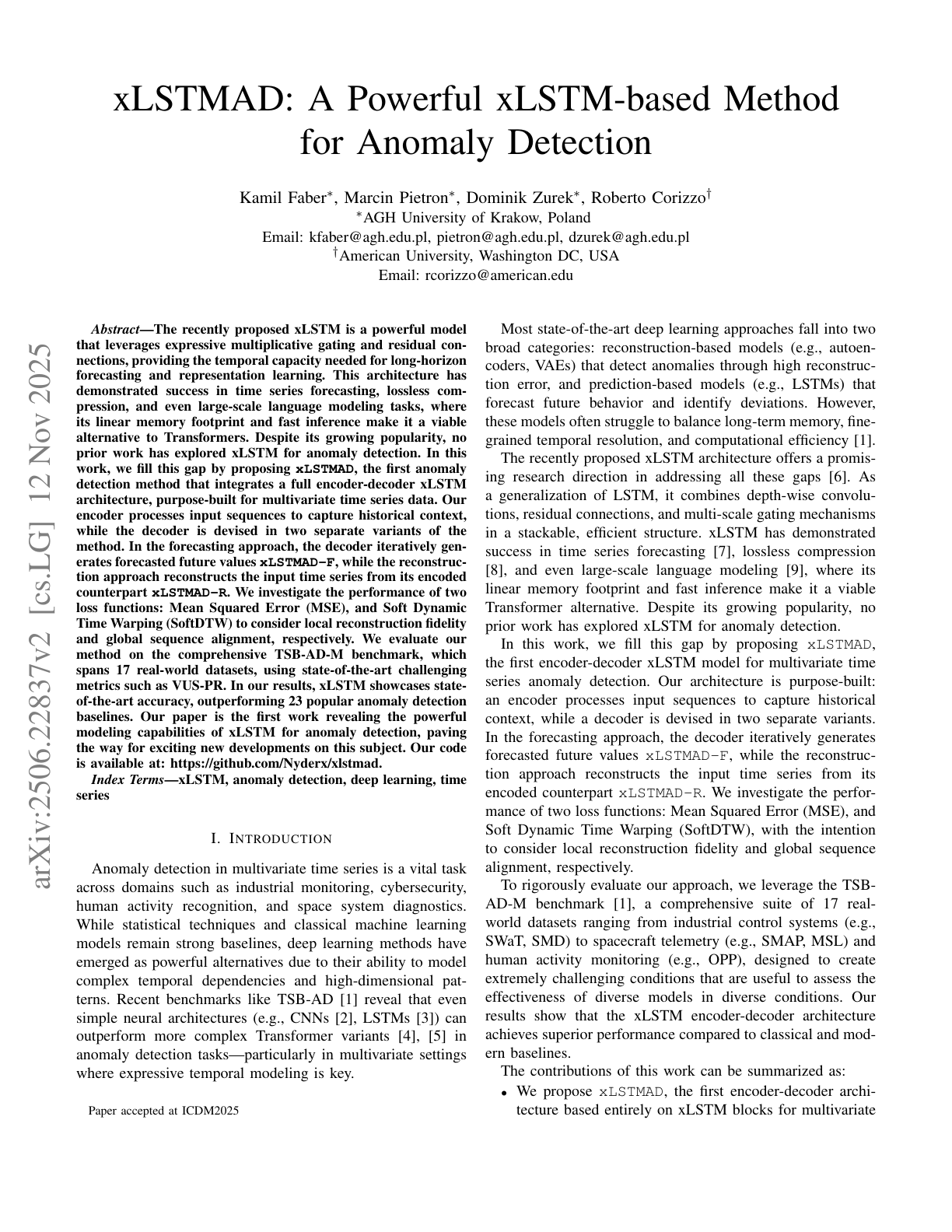
xLSTMAD
This paper introduces xLSTMAD, the first anomaly detection method using an encoder-decoder xLSTM architecture tailored for multivariate time series. It achieves state-of-the-art results on 17 real-world datasets, outperforming 23 baselines and demonstrating xLSTM’s strong potential beyond forecasting and compression.
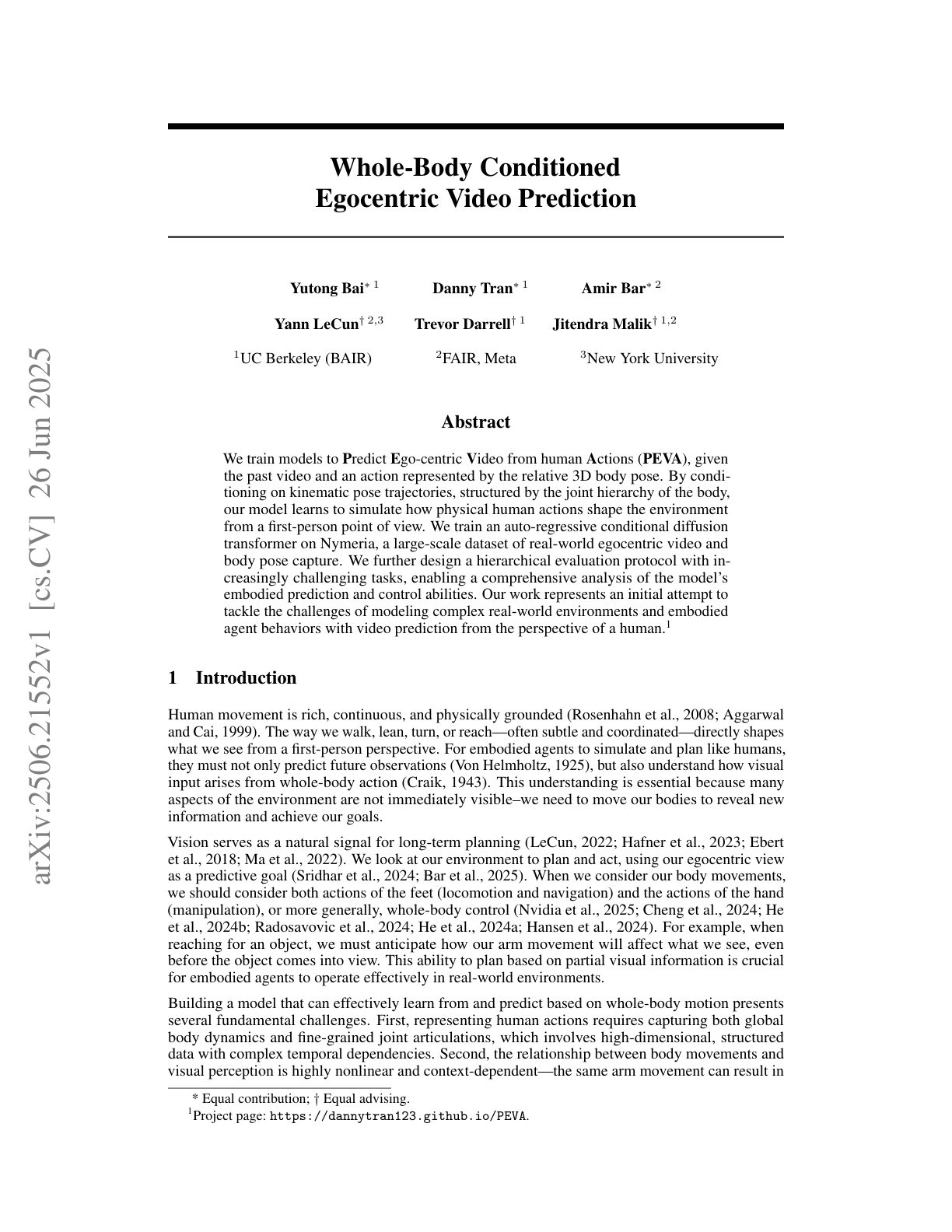
Whole-Body Conditioned Egocentric Video Prediction
This paper introduces PEVA, a conditional diffusion transformer that predicts egocentric video conditioned on 3D human body motion. Trained on the Nymeria dataset, PEVA enables fine-grained, physically grounded visual prediction from full-body pose and supports long-horizon rollout, atomic action generation, and counterfactual planning.

V-JEPA 2
Meta AI introduces V-JEPA 2, a scalable joint-embedding predictive architecture for self-supervised video learning, targeting the goal of building a generalist world model capable of understanding, predicting, and planning in the physical world. The model is trained in two stages: action-free pretraining on 1M+ hours of internet videos and images, followed by post-training with only 62 hours of unlabeled robot trajectories (Droid dataset). This yields a latent video representation that is useful across a broad range of downstream tasks.
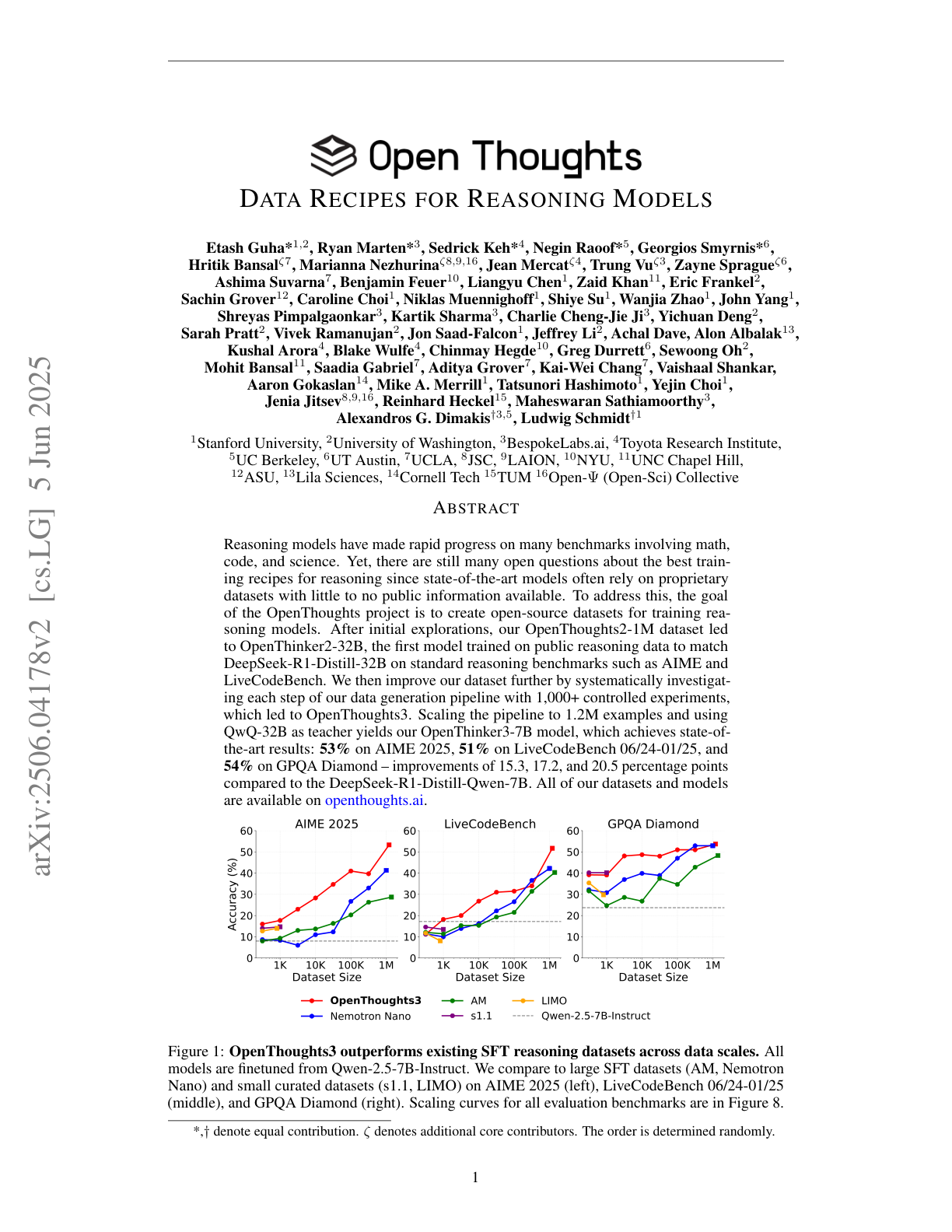
Open Thoughts
This paper presents OpenThoughts3, a systematic recipe for curating supervised fine-tuning (SFT) data that advances the performance of open-source reasoning models. The authors develop OpenThinker3-7B, a 7B parameter model trained on their new 1.2M example dataset (OpenThoughts3-1.2M) derived from over 1,000 controlled experiments. Despite using no reinforcement learning, OpenThinker3-7B outperforms all other open-data 7B and 8B models on standard math, code, and science reasoning benchmarks, even beating models trained with larger-scale or mixed SFT+RL pipelines. Key insights and contributions:
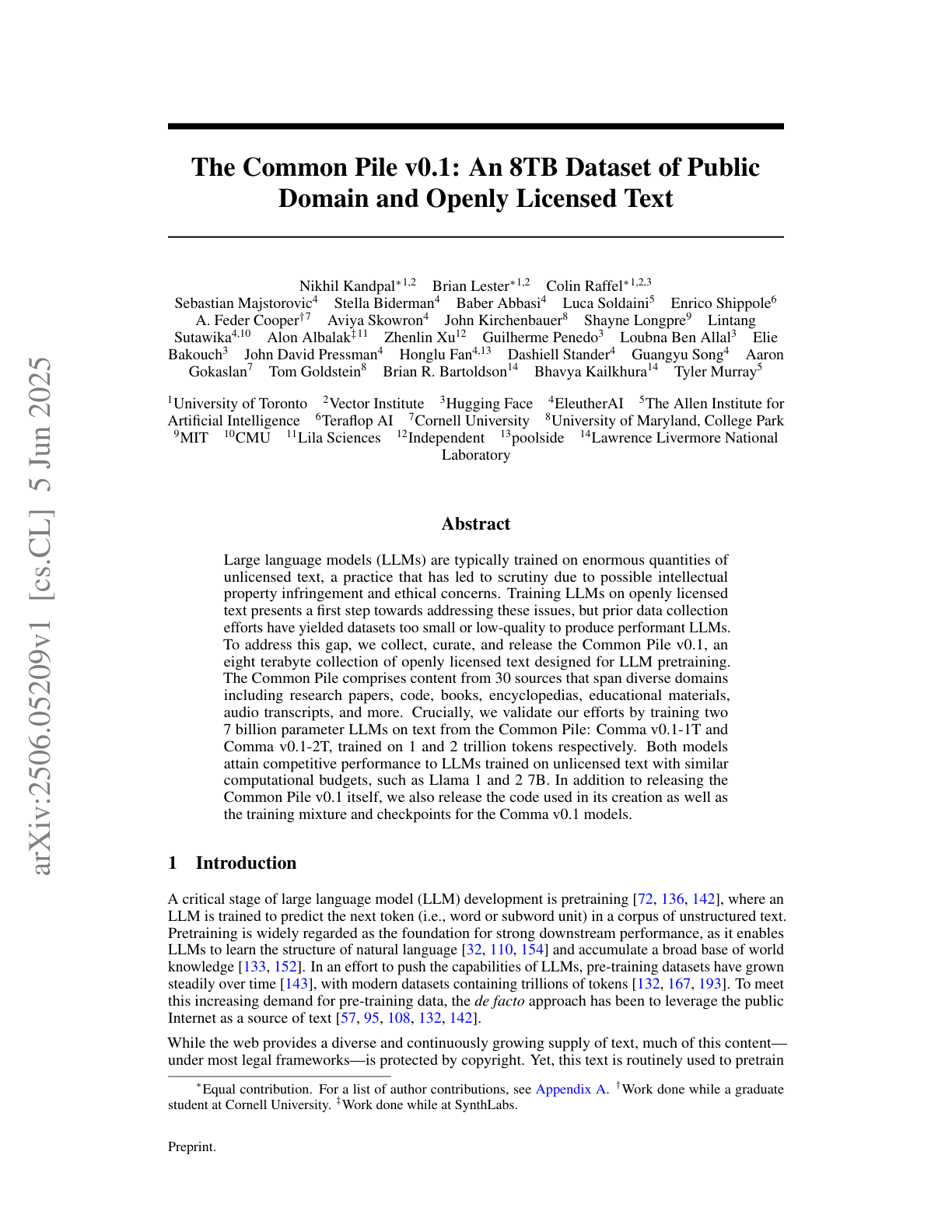
Common Pile v0.1
The Common Pile v0.1 is an 8TB dataset of openly licensed text designed for LLM pretraining, addressing legal and ethical concerns of unlicensed data use. Two 7B parameter models trained on it, Comma v0.1-1T and 2T, achieve performance comparable to LLaMA 1 and 2, and the dataset, code, and model checkpoints are all publicly released.
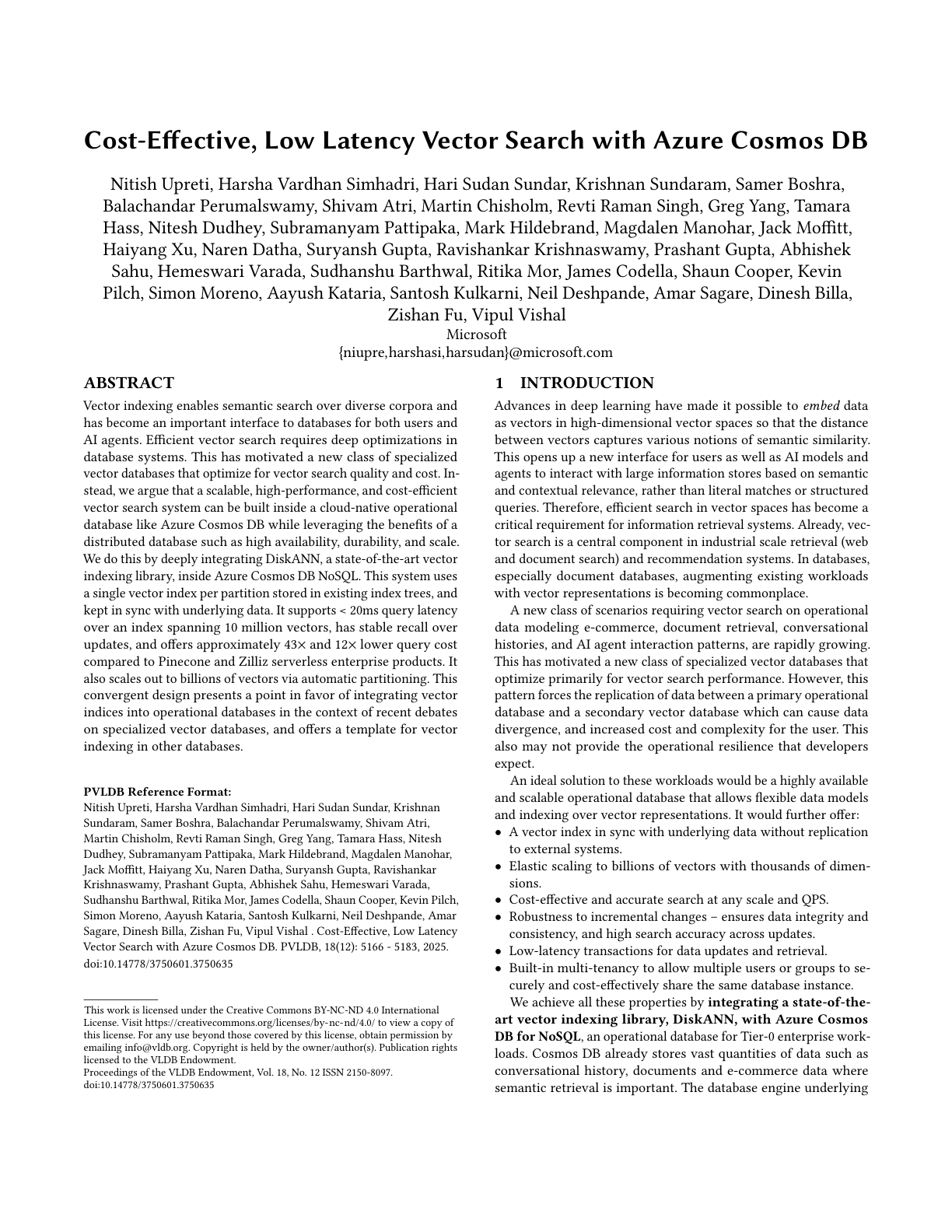
Cost-Efficient, Low-Latency Vector Search
Integrates DiskANN (a vector indexing library) inside of Azure Cosmos DB NoSQL (an operational dataset) that uses a single vector index per partition stored in existing index trees. Benefit: It supports < 20ms query latency over an index spanning 10 million vectors, has stable recall over updates, and offers nearly 15× and 41× lower query cost compared to Zilliz and Pinecone serverless enterprise products. It can further scale to billions of vectors with automatic partitioning.
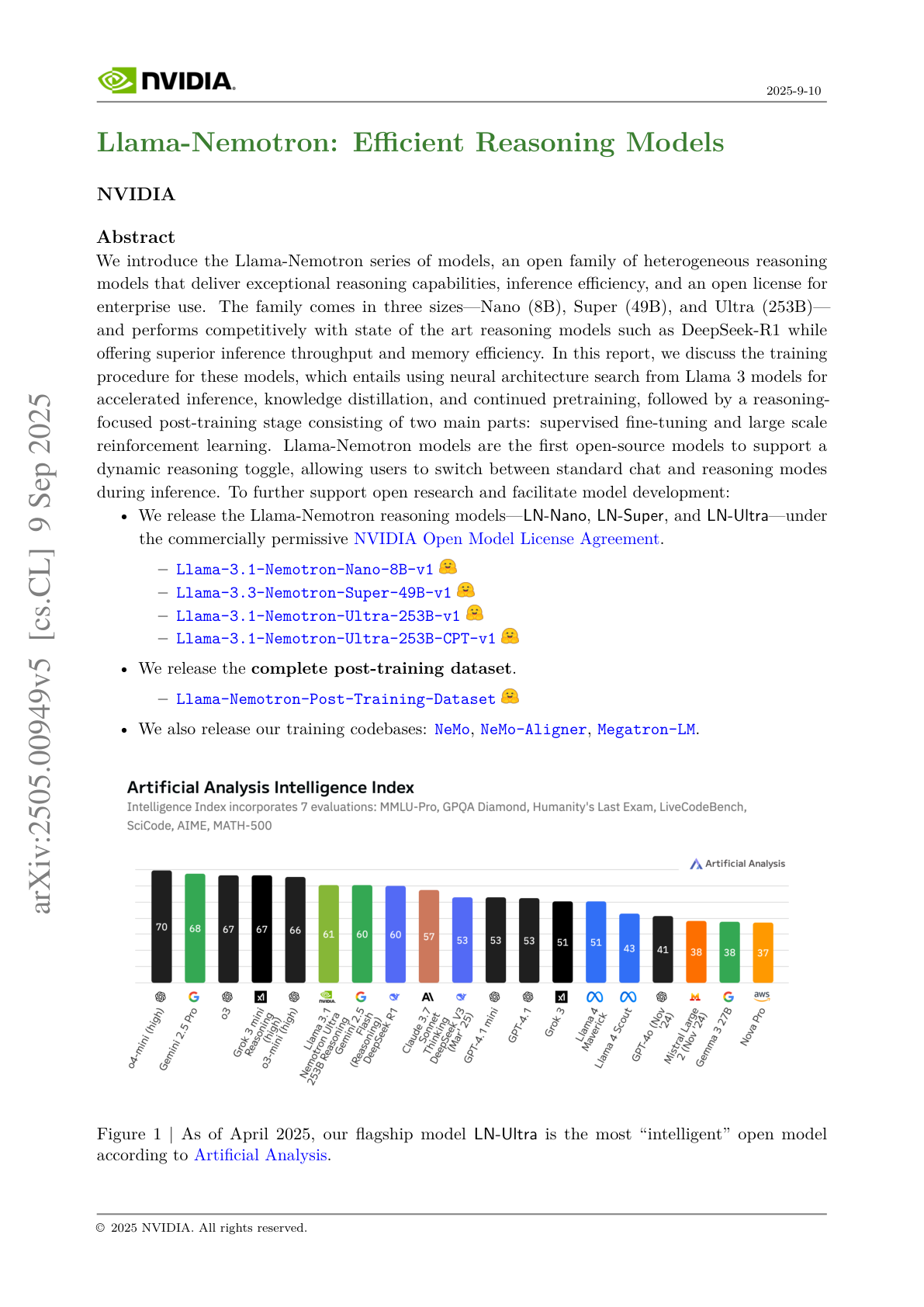
Llama-Nemotron
NVIDIA introduces the Llama-Nemotron model series, LN-Nano (8B), LN-Super (49B), and LN-Ultra (253B), a family of open, efficient, and high-performing reasoning models. These models rival or outperform DeepSeek-R1 on various benchmarks while offering significantly better inference throughput and memory efficiency. LN-Ultra is noted as the most "intelligent" open model by Artificial Analysis. A key innovation is a dynamic reasoning toggle ("detailed thinking on/off") that allows users to control reasoning behavior at inference time. Highlights: