AI Papers of the Week
Every paper worth reading in AI, hand-picked one week at a time.
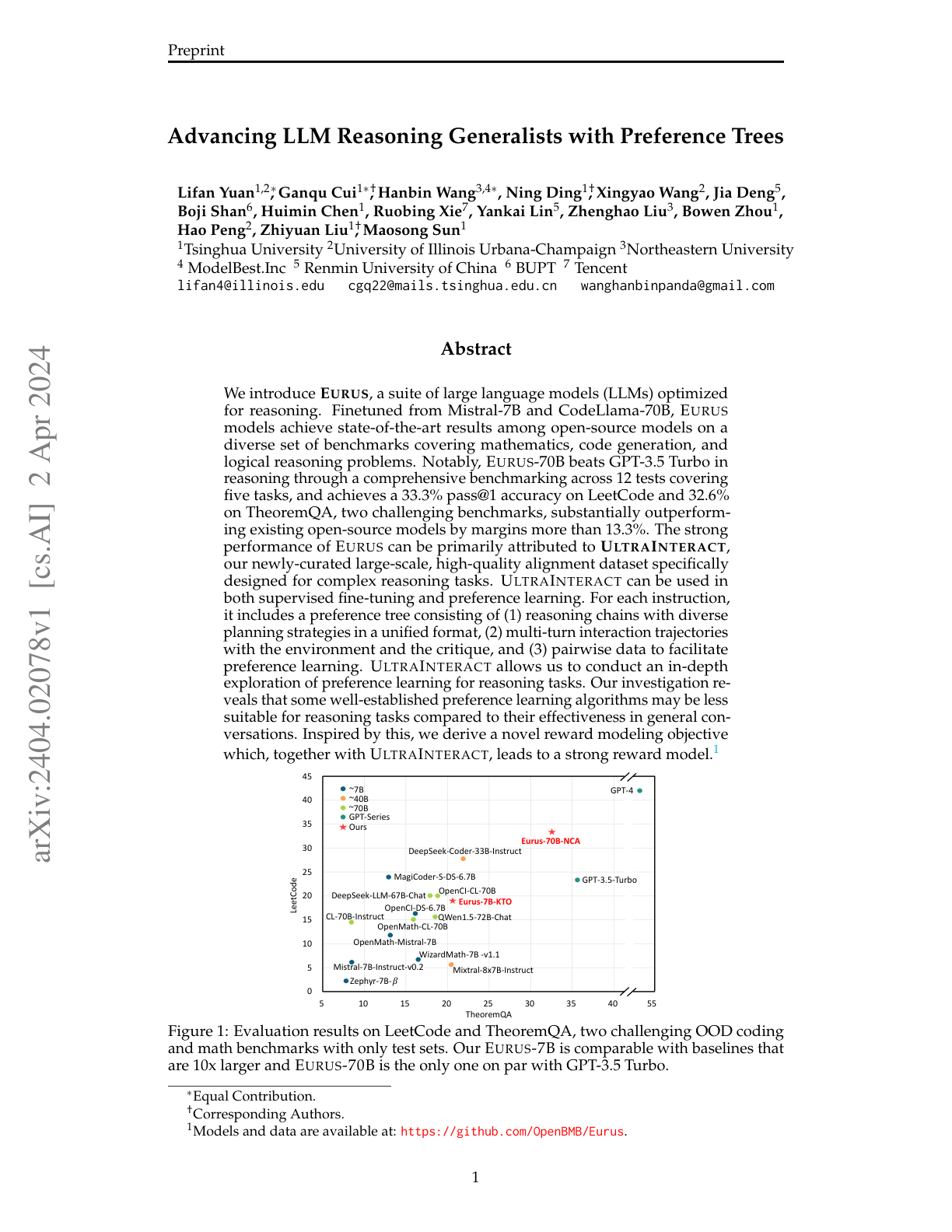
Advancing LLM Reasoning (Eurus)
OpenBMB's Eurus is a suite of reasoning-specialized LLMs (7B and 70B) fine-tuned on UltraInteract, a new alignment dataset built around preference trees for complex math, code, and logical tasks.
Grok-1.5
xAI's Grok-1.5 is the successor to the open-weight Grok-1, emphasizing long-context understanding and substantially stronger math, code, and reasoning performance.
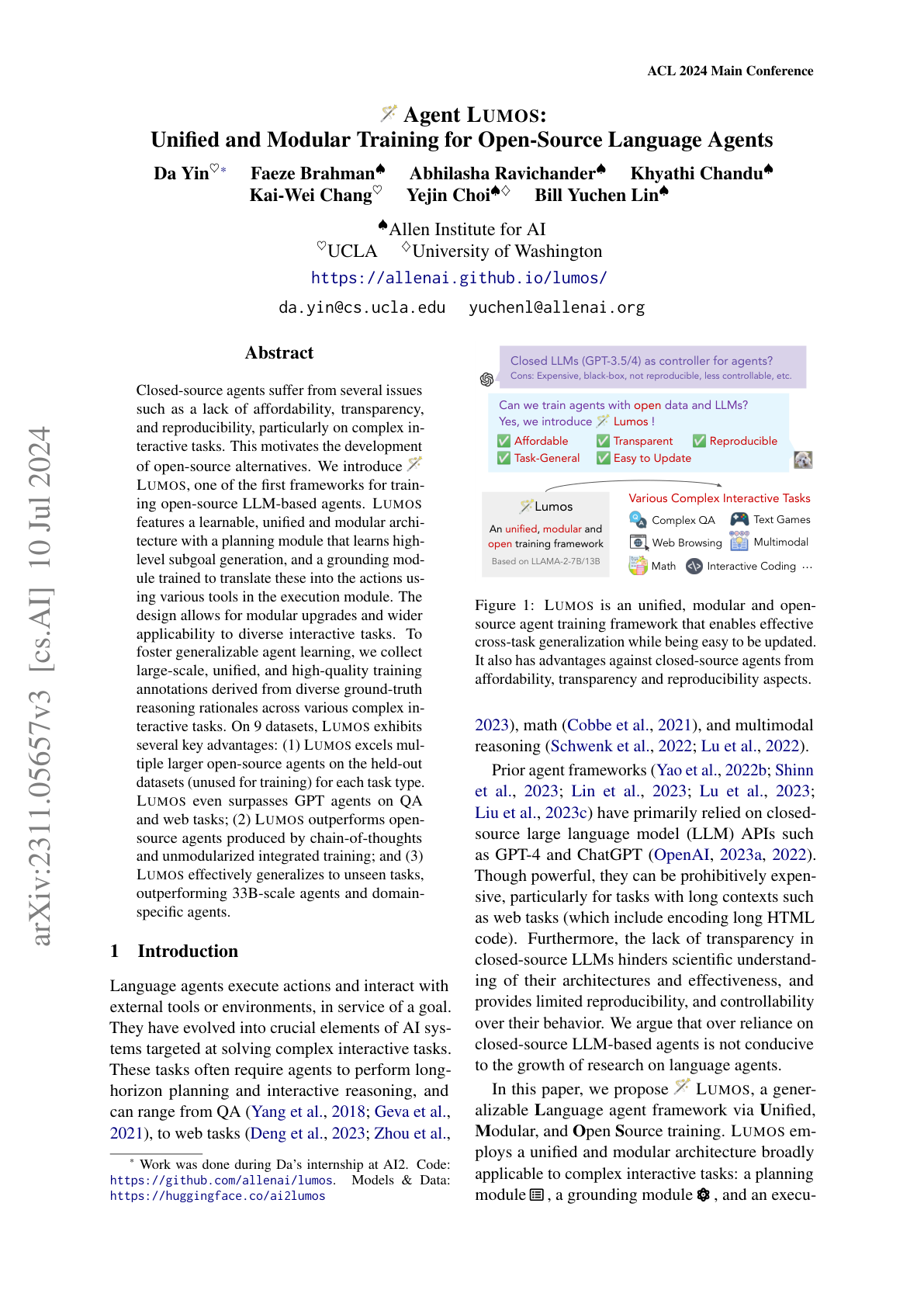
Agent Lumos
Lumos is a unified recipe for training open-source LLM agents that separates high-level planning from low-level grounding so each module can be supervised and improved independently.
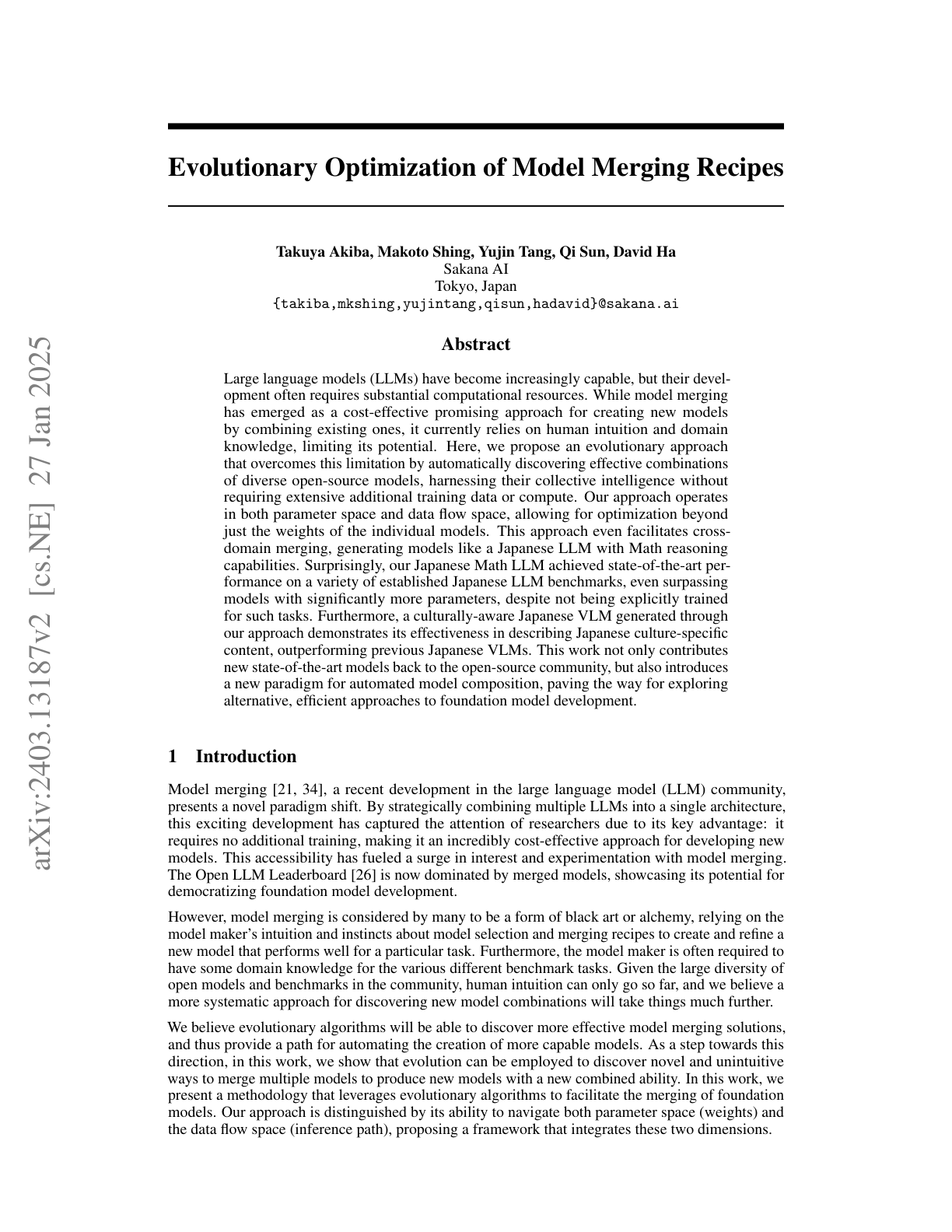
Evolutionary Model Merge
Sakana AI proposes using evolutionary algorithms to automatically discover effective merges of open-source models, producing strong composite models without any additional training.
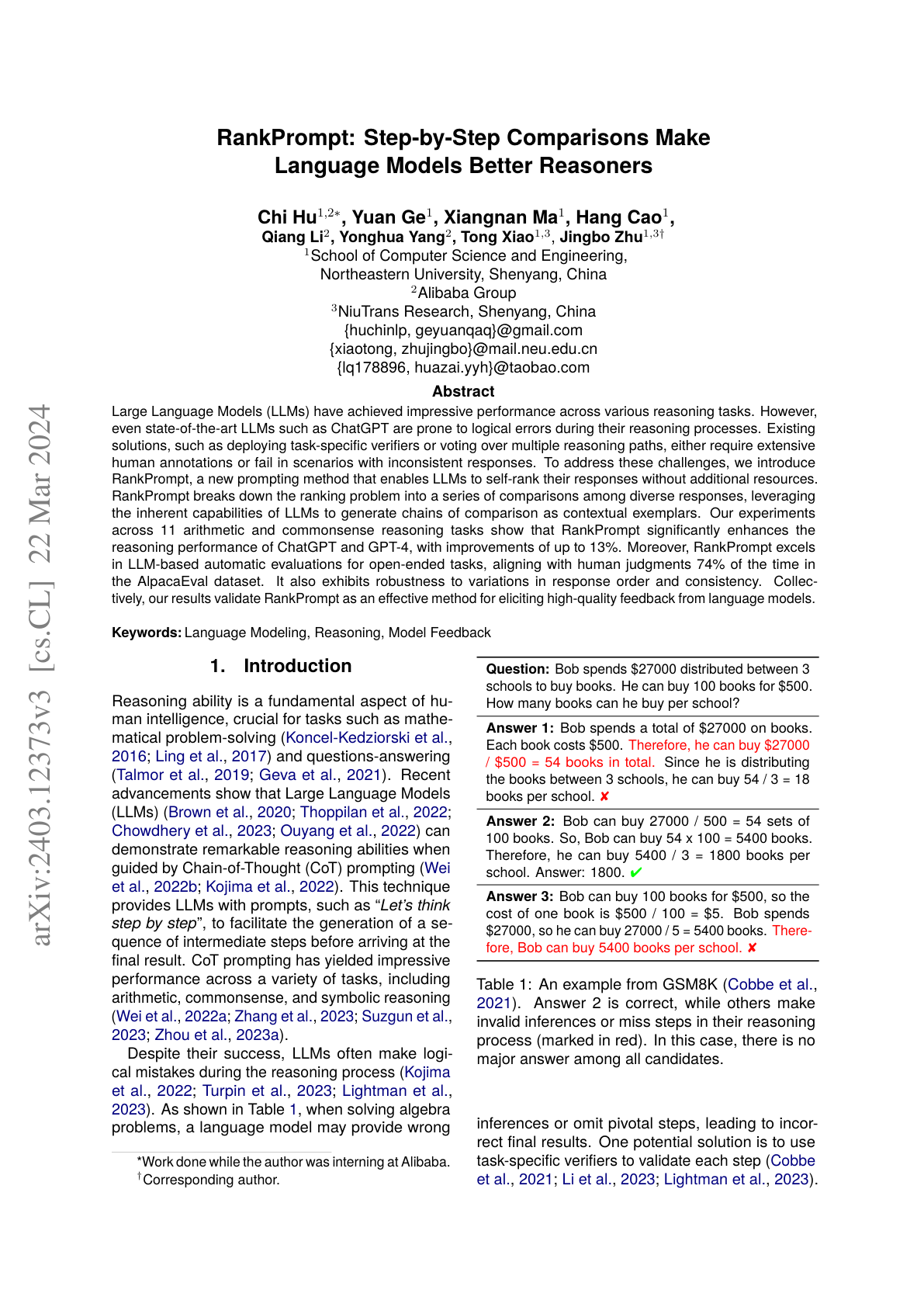
RankPrompt: Step-by-Step Comparisons Make LLMs Better Reasoners
RankPrompt is a prompting method that lets an LLM self-rank its own candidate answers via chains of pairwise comparisons, without needing an external verifier or additional fine-tuning.
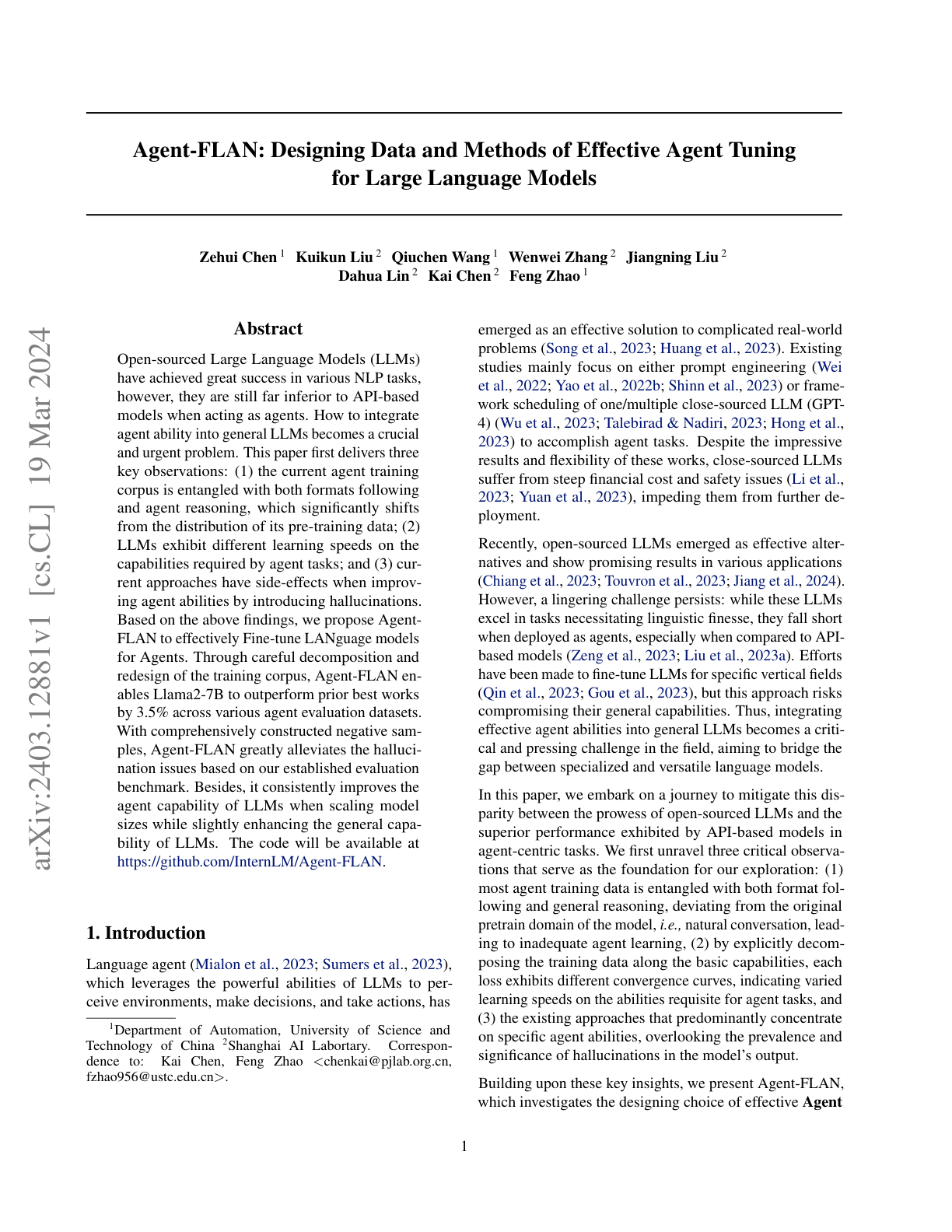
Agent-FLAN
Agent-FLAN redesigns fine-tuning data so that open models can learn agentic skills without sacrificing general capability, hitting new open-source SoTA for Llama2-7B-based agents.
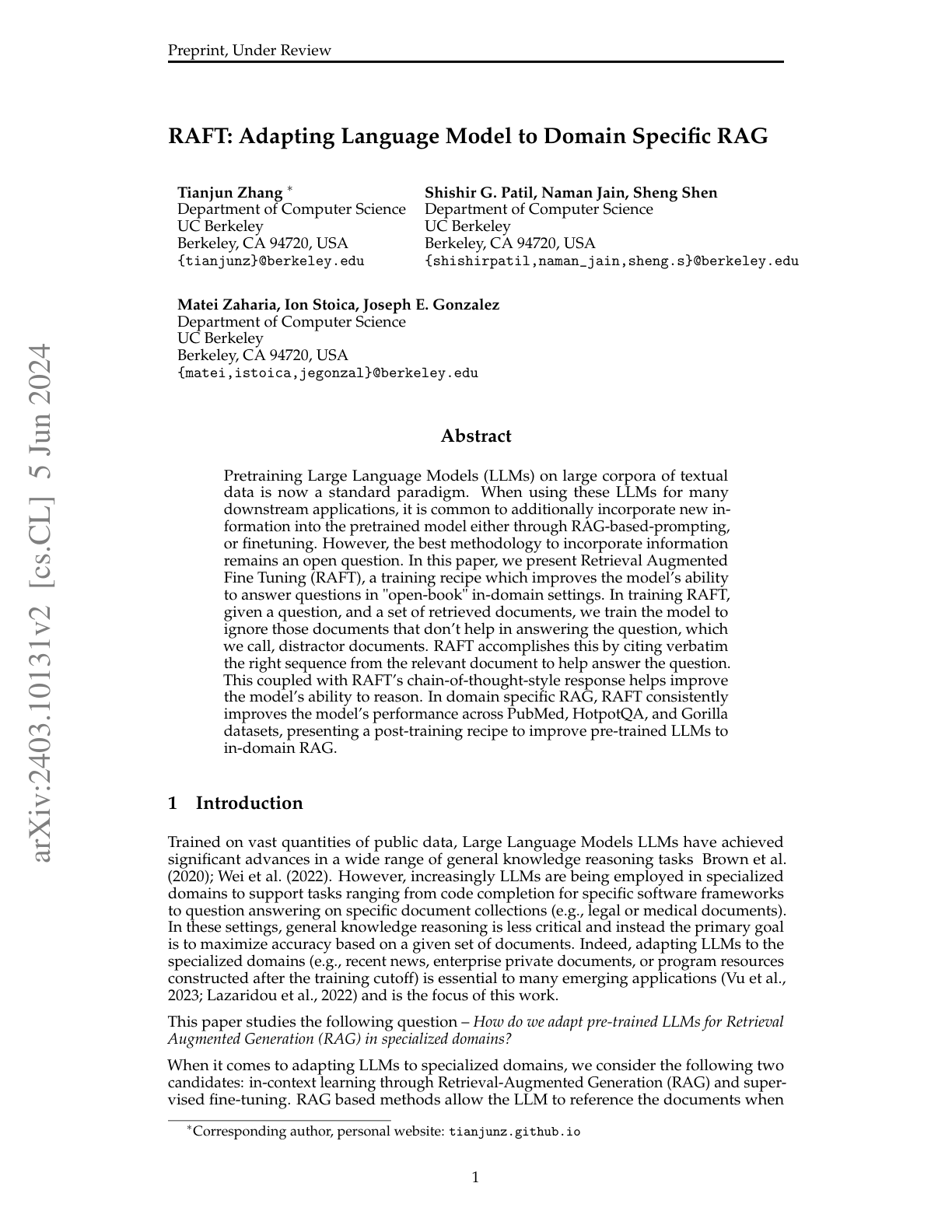
RAFT: Retrieval-Augmented Fine-Tuning
RAFT is a fine-tuning recipe that teaches LLMs to handle distractor documents during RAG and to answer with CoT-style citations to retrieved passages.
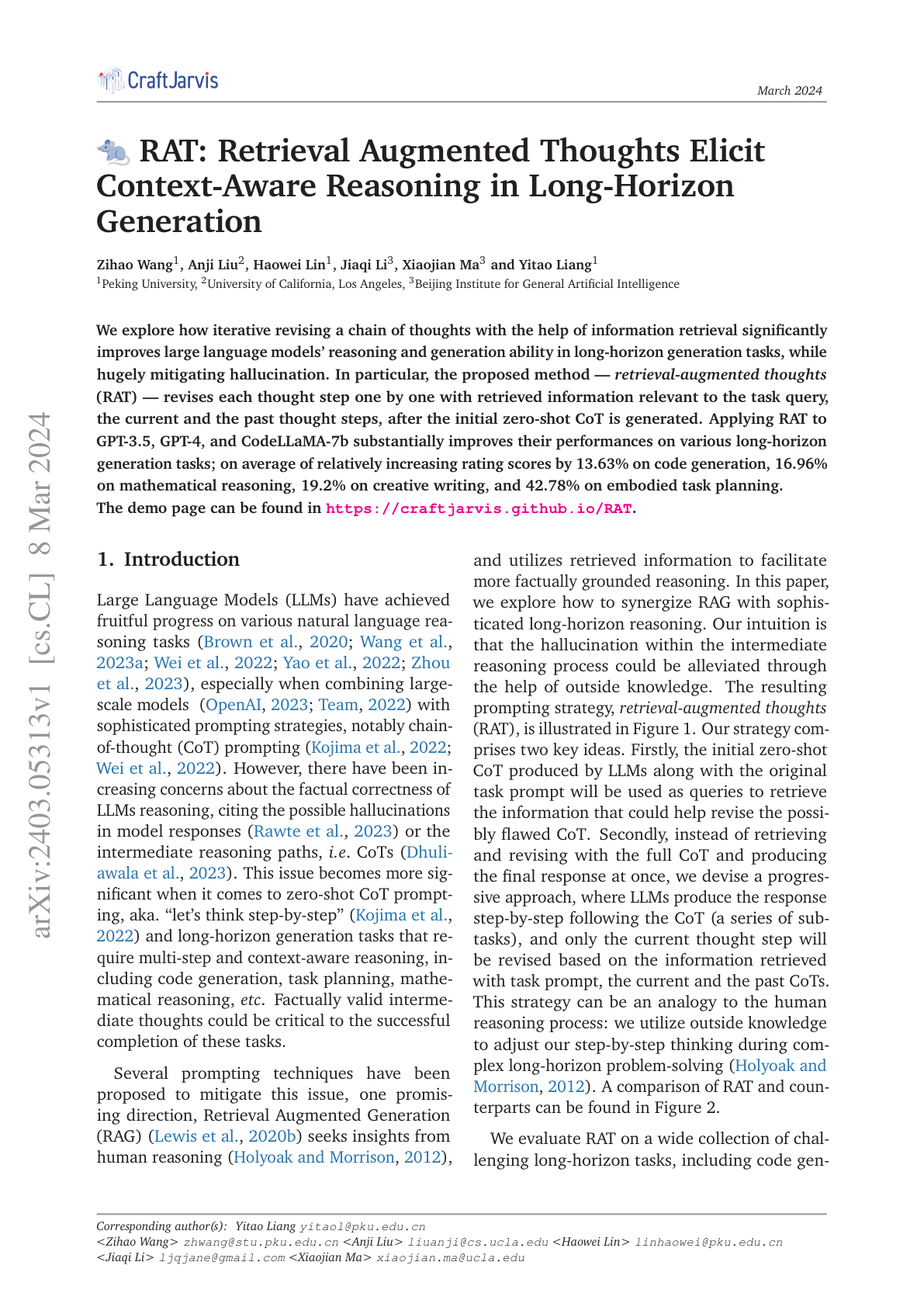
Retrieval Augmented Thoughts (RAT)
RAT augments chain-of-thought by iteratively rewriting each reasoning step using retrieved context, sharply reducing hallucination on long-horizon generation tasks.
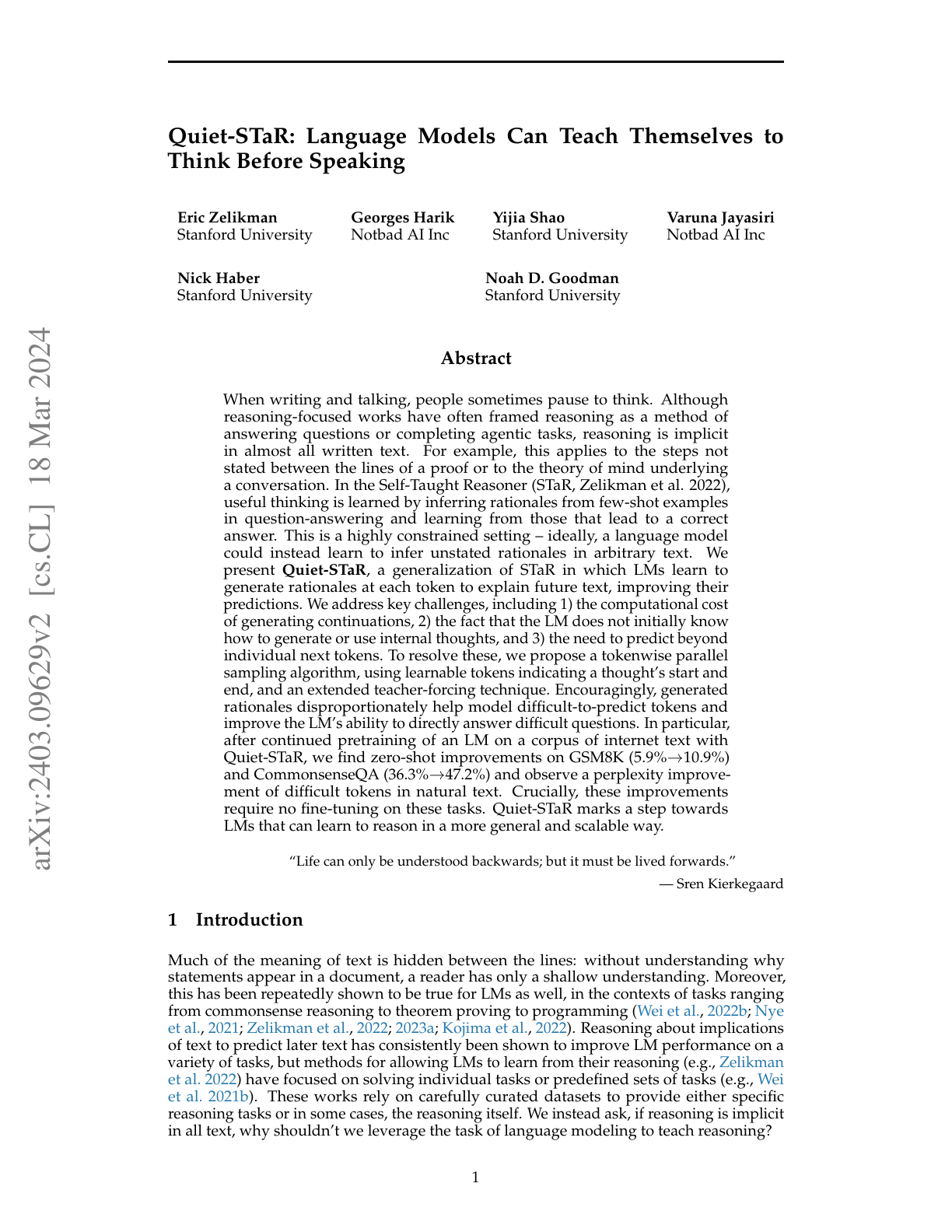
Quiet-STaR
Quiet-STaR generalizes the Self-Taught Reasoner (STaR) so that a language model learns to generate internal rationales between every token, not just for explicit QA problems.
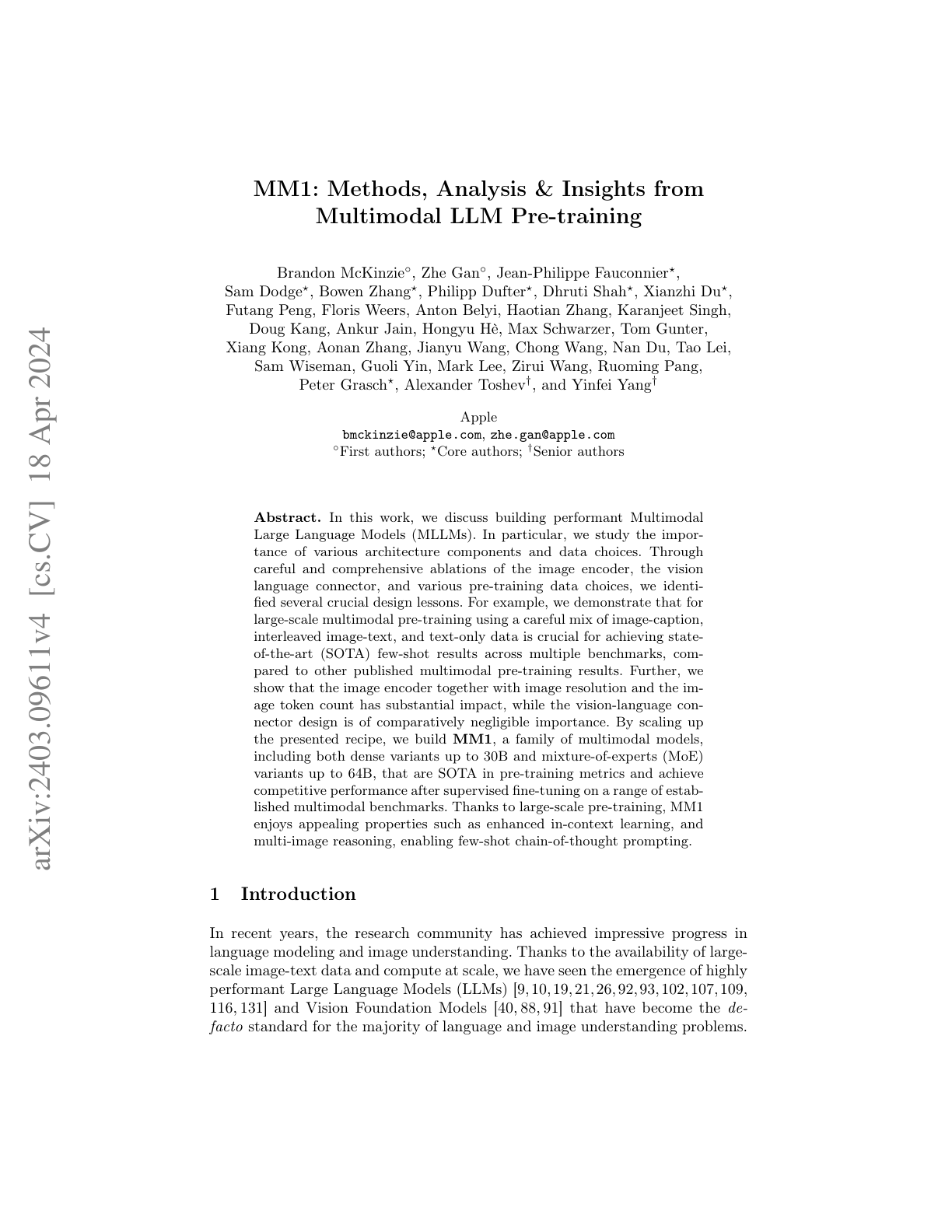
MM1: Multimodal LLM Pre-training
Apple's MM1 paper runs extensive ablations on multimodal LLM pretraining choices and releases a family of models up to 30B parameters that set competitive MLLM pretraining benchmarks.
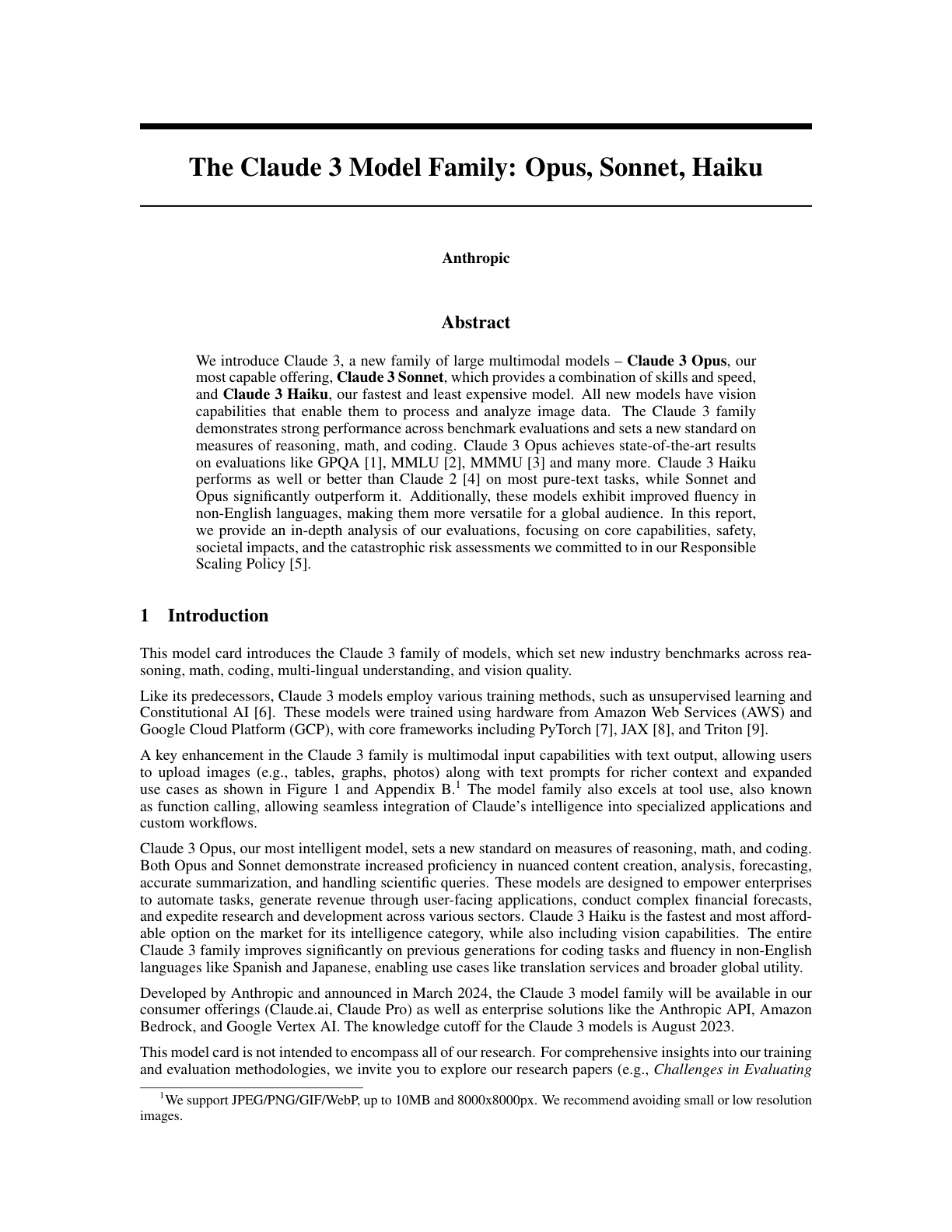
Claude 3
Anthropic releases the Claude 3 family (Haiku, Sonnet, Opus), with Opus leapfrogging GPT-4 on many standard benchmarks and bringing frontier multimodal capability plus a much larger context window.
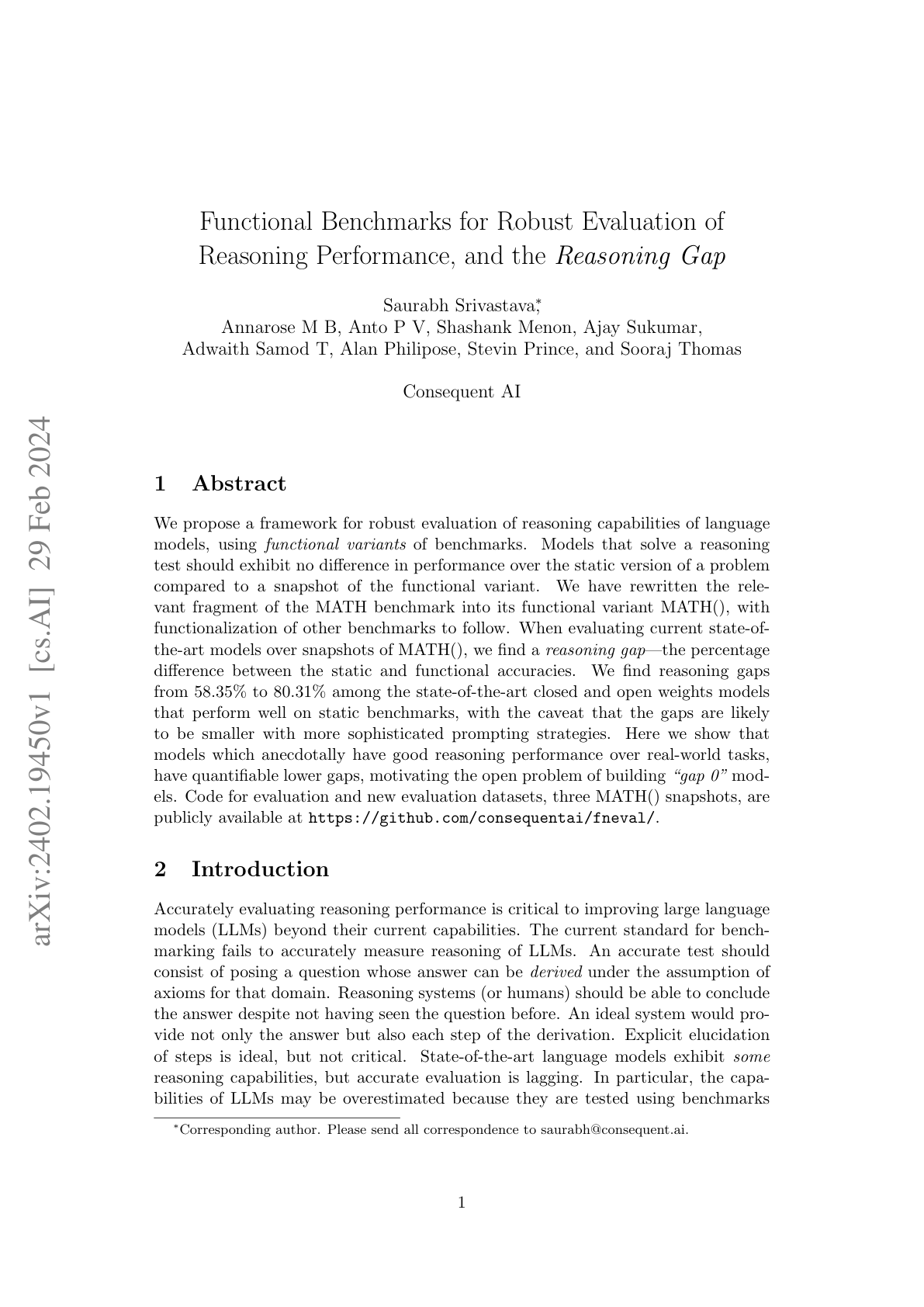
Robust Evaluation of Reasoning
The paper introduces functional benchmarks that parameterize reasoning problems so the same structural question can be re-instantiated with fresh surface forms, then uses them to expose a large "reasoning gap" in frontier LLMs.
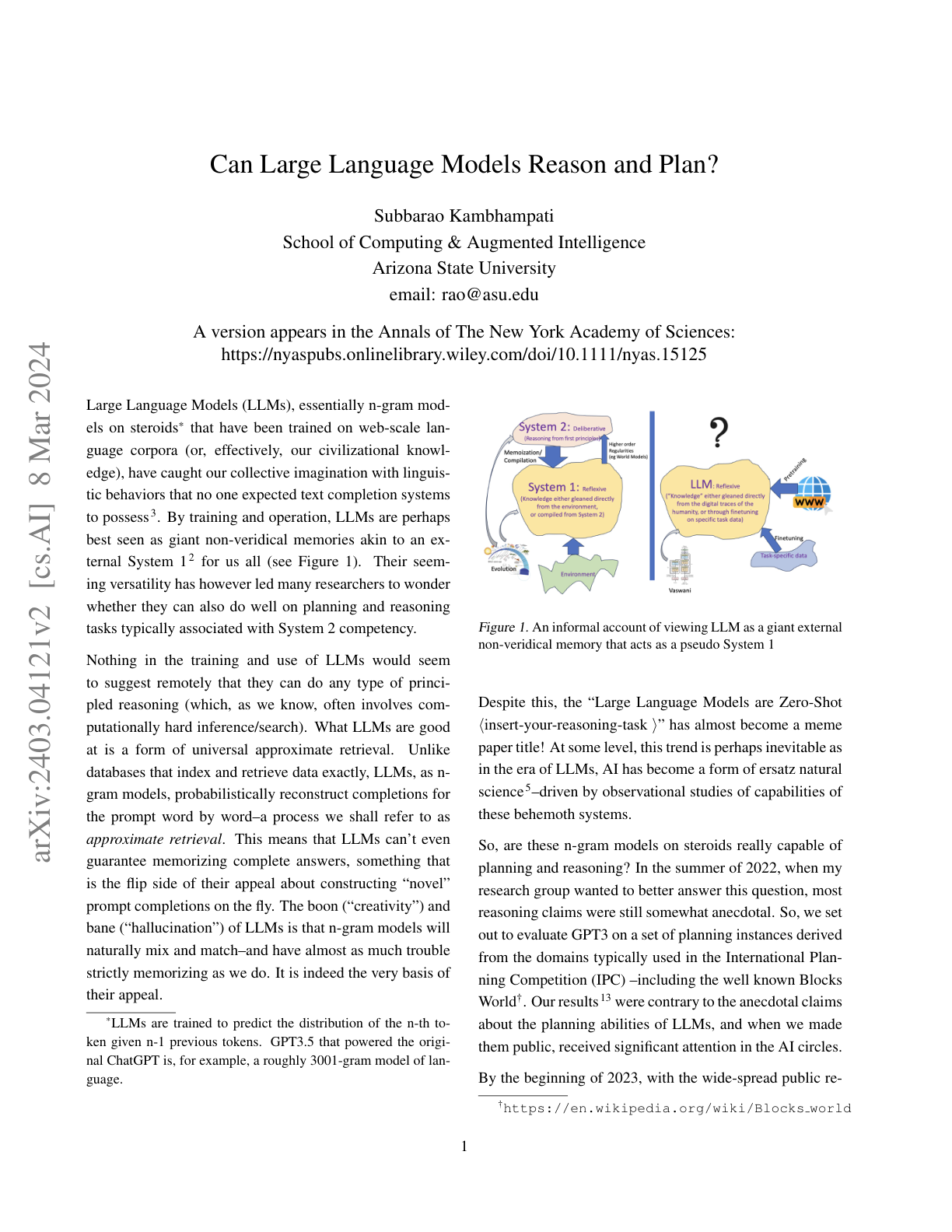
Can LLMs Reason and Plan?
Kambhampati's position paper argues that what looks like reasoning and planning in LLMs is better understood as "universal approximate retrieval" powered by web-scale training.

Mistral Large
Mistral AI releases Mistral Large, its flagship closed-weight LLM positioned as the second-ranked API-accessible model behind GPT-4 at launch.
StarCoder 2
BigCode releases StarCoder 2, an open family of code LLMs at 3B, 7B, and 15B parameters trained on The Stack v2, a much larger and cleaner code corpus than the original StarCoder.
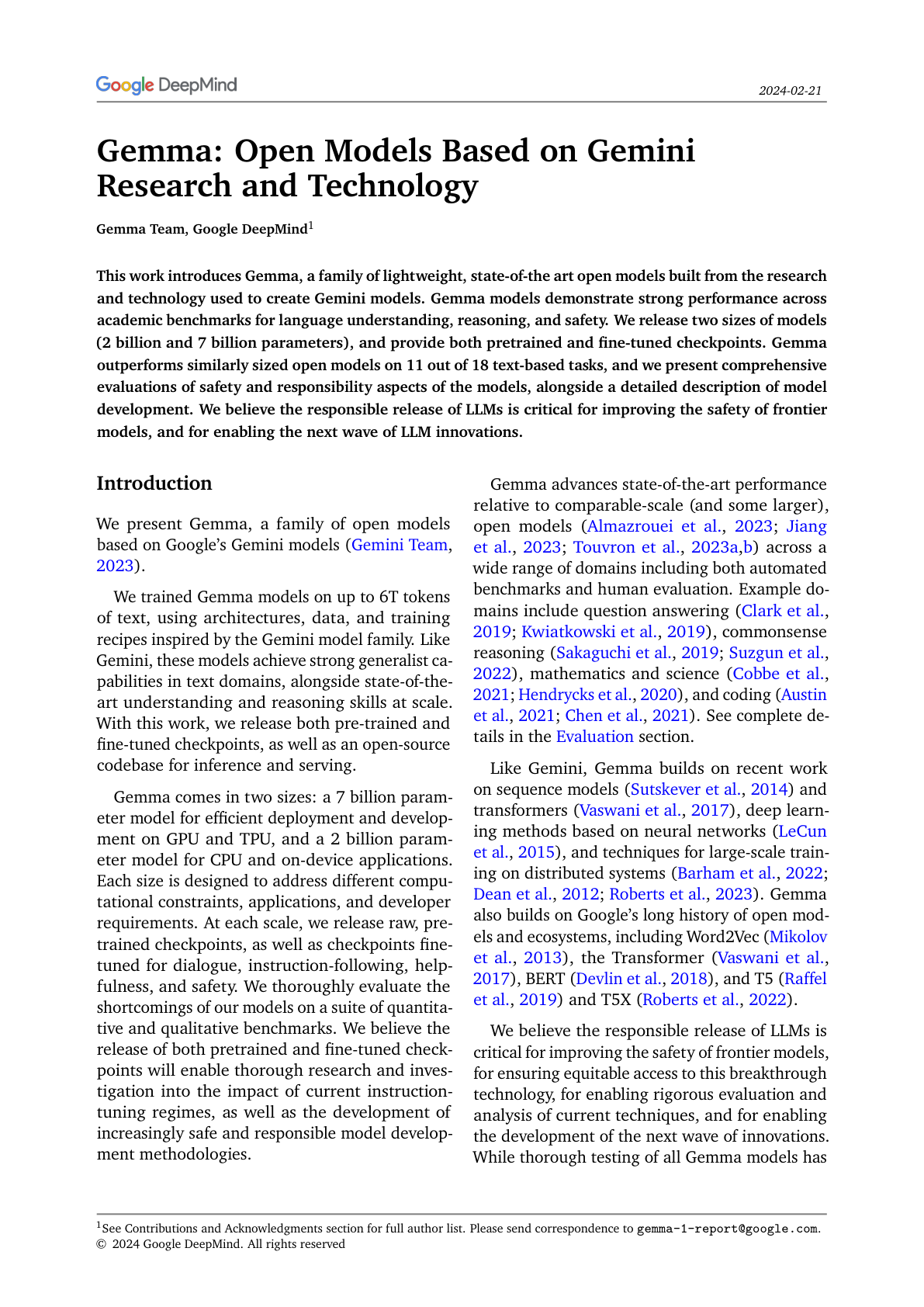
Gemma
Google DeepMind releases Gemma, a family of open models (2B and 7B) built from the same research stack as Gemini and shipped with both base and instruction-tuned variants.
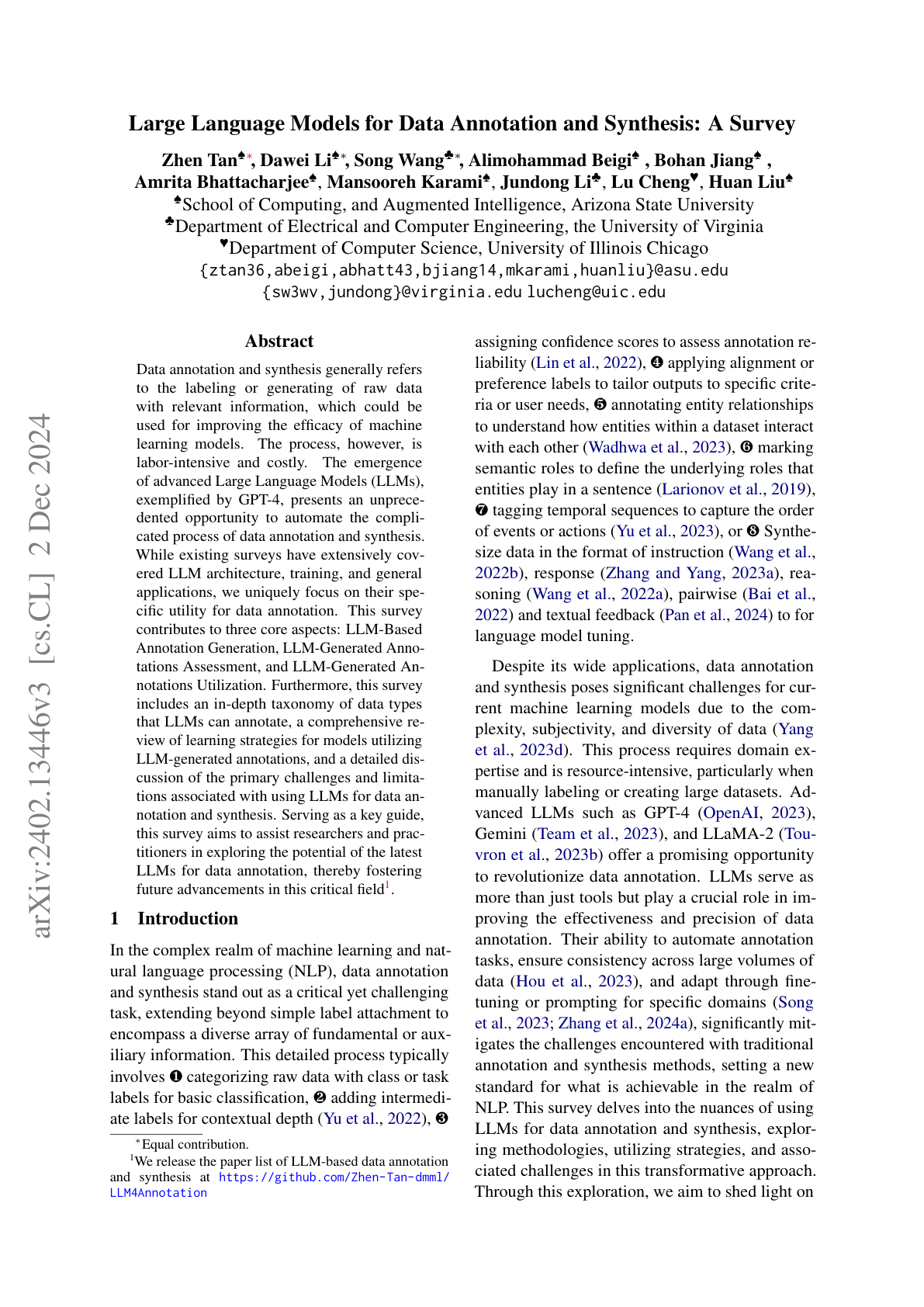
LLMs for Data Annotation
A survey that maps the rapidly growing literature on using LLMs to generate, evaluate, and learn from data annotations.
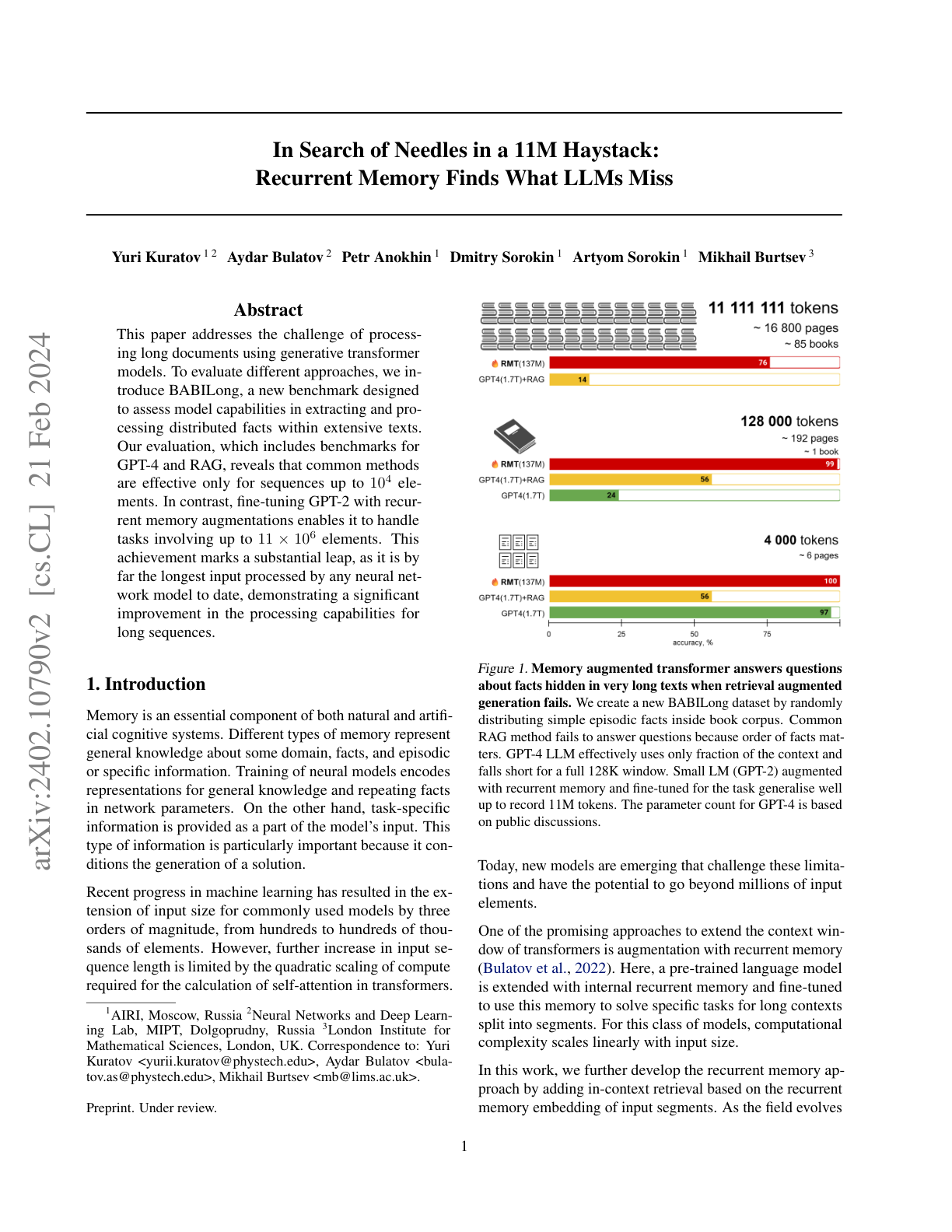
Recurrent Memory Finds What LLMs Miss
Introduces BABILong, a new long-context benchmark, and shows that transformers with recurrent memory can handle sequences far beyond vanilla LLMs.
Chain-of-Thought Reasoning Without Prompting
DeepMind shows that LLMs often *already* emit chain-of-thought reasoning in alternative decoding paths, and that selecting those paths via confidence lifts reasoning accuracy with no prompt engineering.
Gemini 1.5
Google DeepMind's Gemini 1.5 is a multimodal MoE LLM that scales context to 1M tokens (10M in research settings) while matching or surpassing Gemini 1.0 Ultra on standard benchmarks.
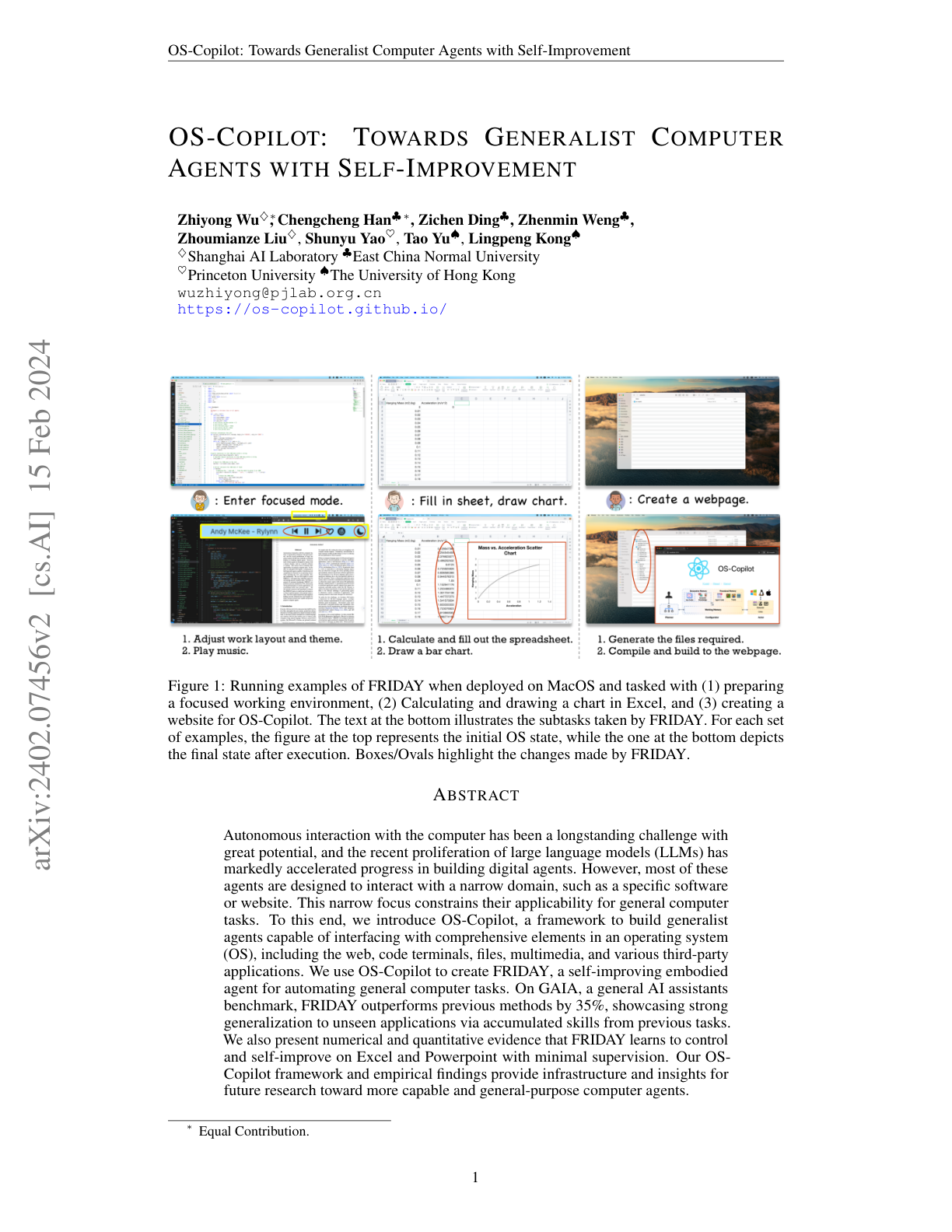
OS-Copilot
OS-Copilot is a framework for building generalist computer agents that use full OS primitives (browser, terminal, files, multimedia, third-party apps) rather than just web DOMs.
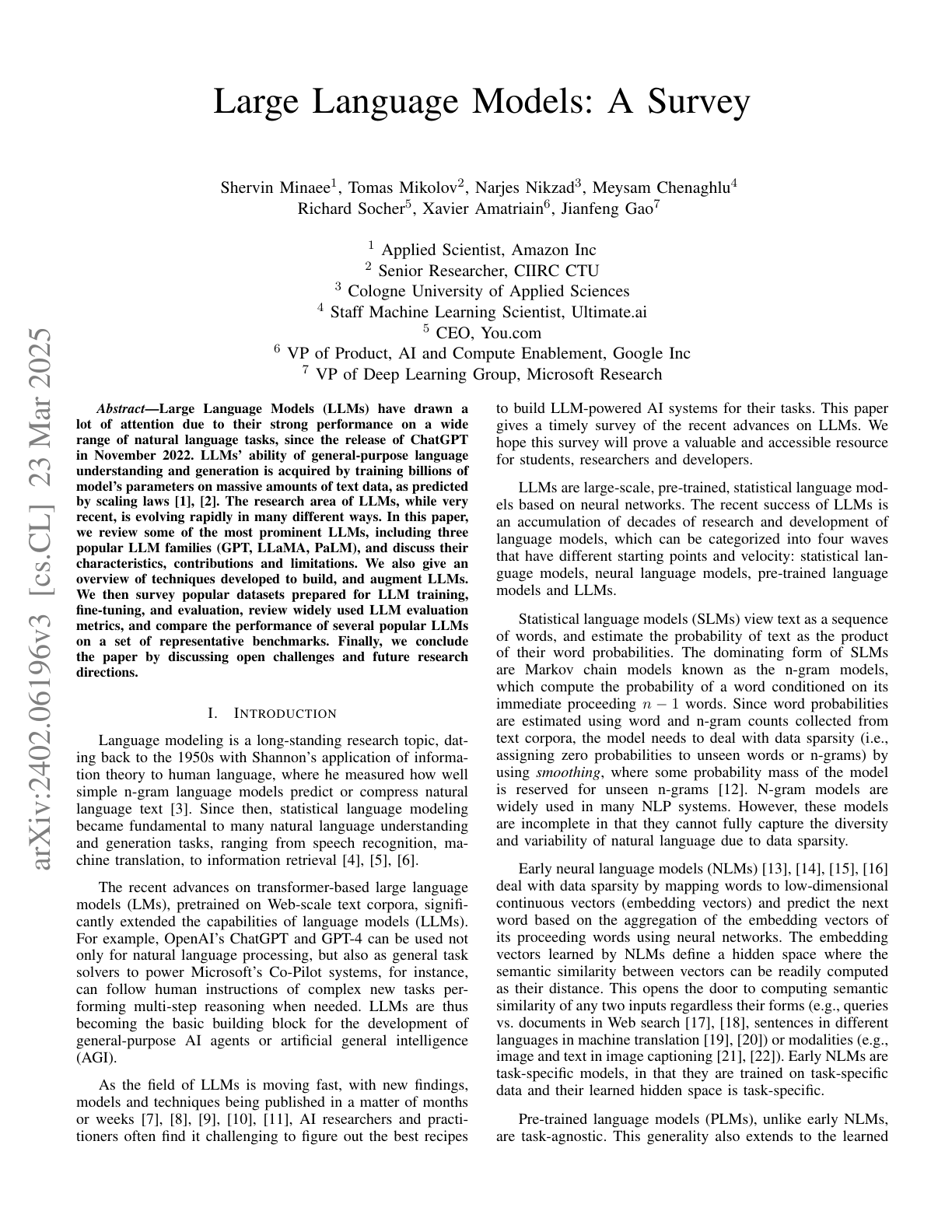
Survey of LLMs
A survey that maps the landscape of the three dominant LLM families - GPT, Llama, and PaLM - and the shared toolbox used to build and augment them.
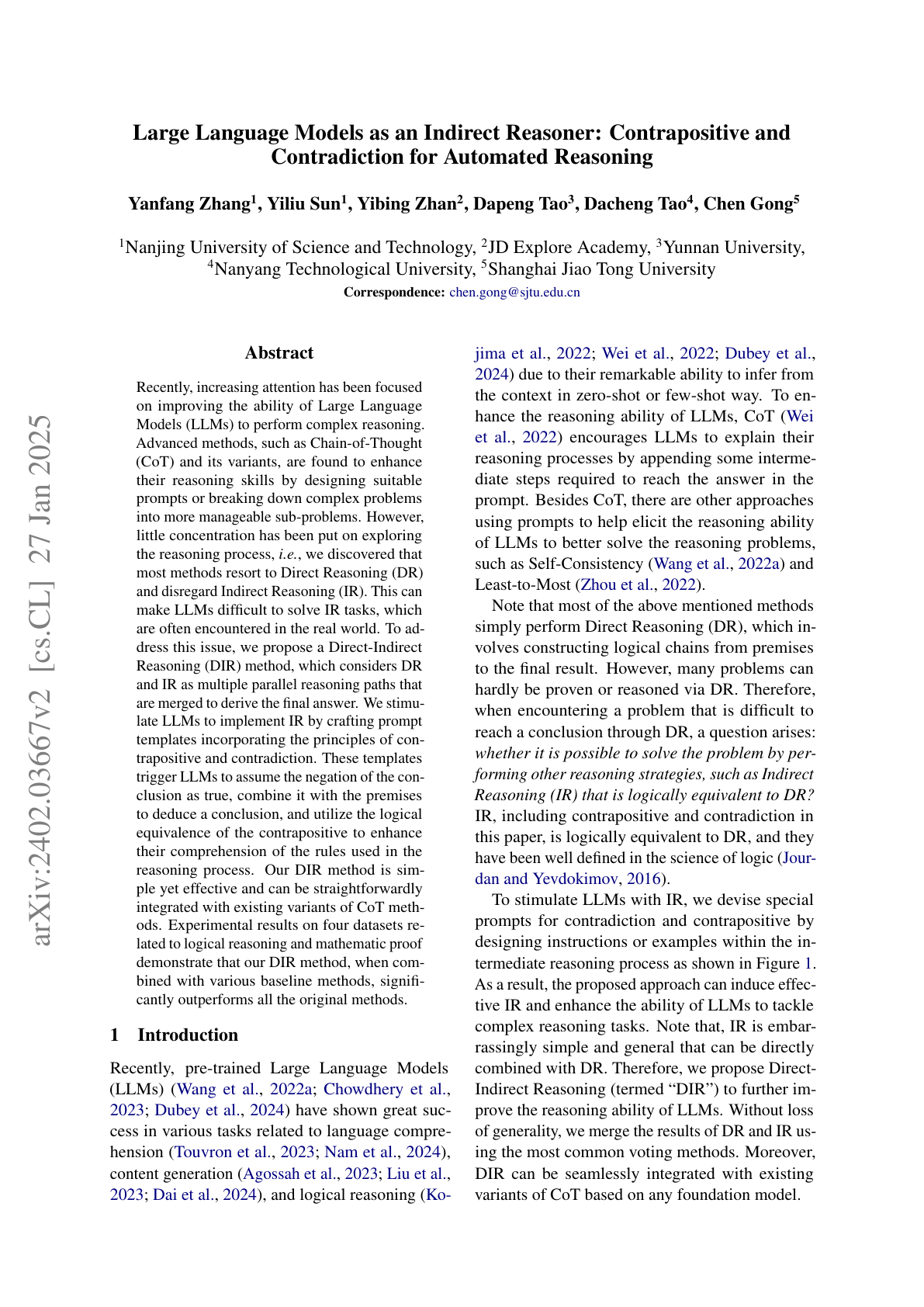
Indirect Reasoning with LLMs (DIR)
Direct-Indirect Reasoning augments standard CoT with contrapositive and proof-by-contradiction templates, giving LLMs an explicit way to attack problems they can't solve forward.
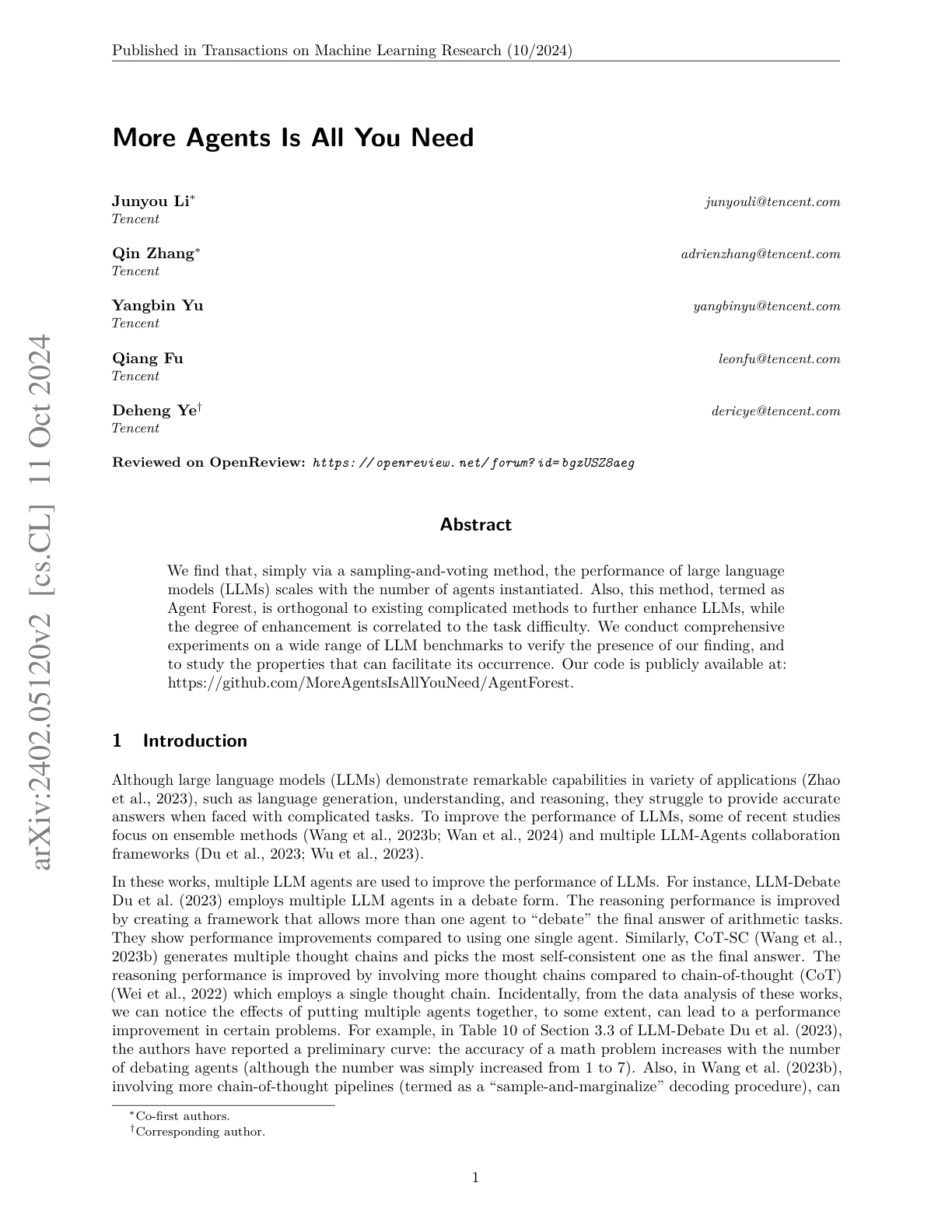
More Agents Is All You Need
The paper shows that simply running more independent LLM agents and voting produces reliable scaling gains across tasks, without any method changes.