AI Papers of the Week
Every paper worth reading in AI, hand-picked one week at a time.
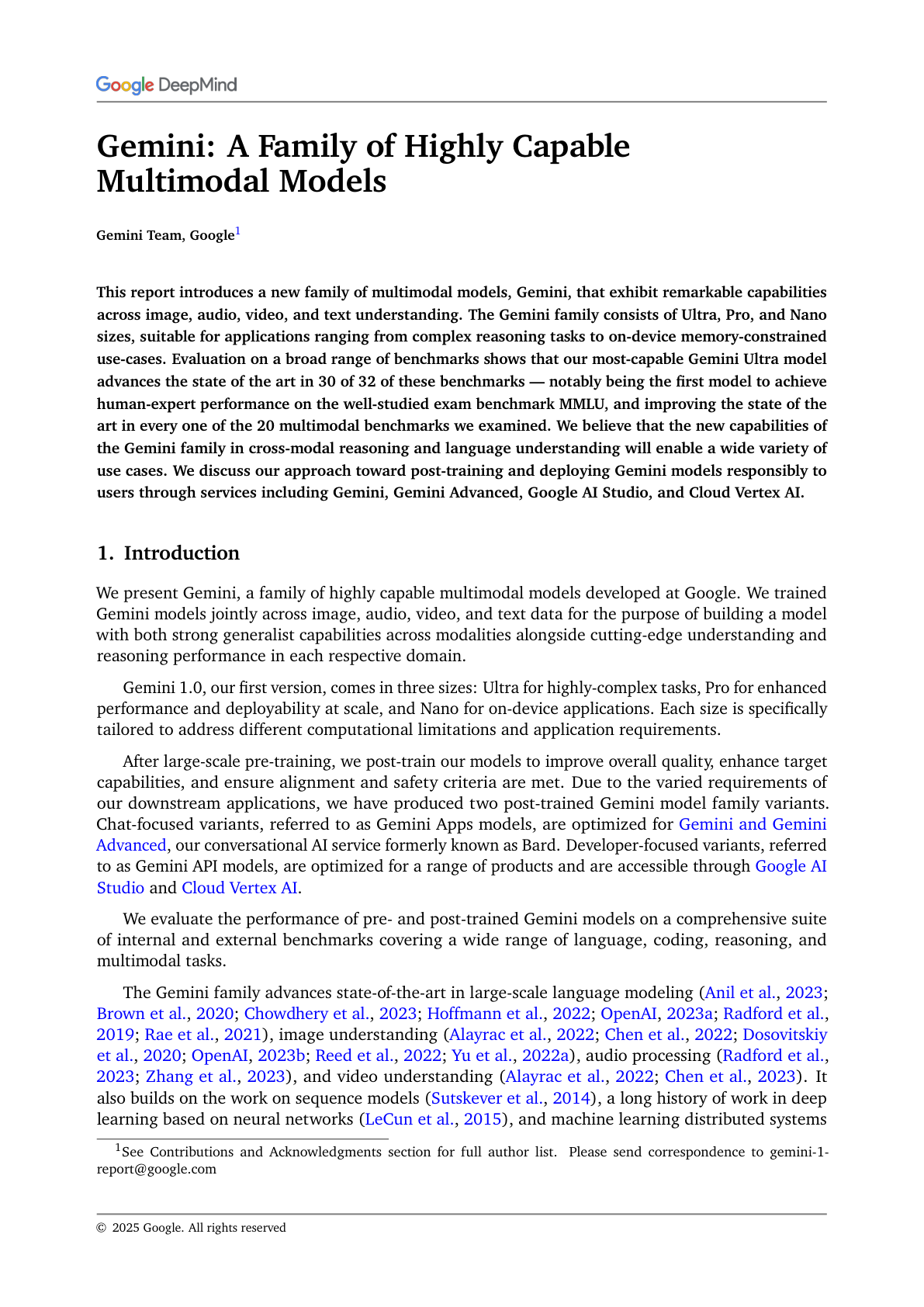
Gemini 1.0
Google launches Gemini 1.0, a multimodal family natively designed to reason across text, images, video, audio, and code from the ground up.
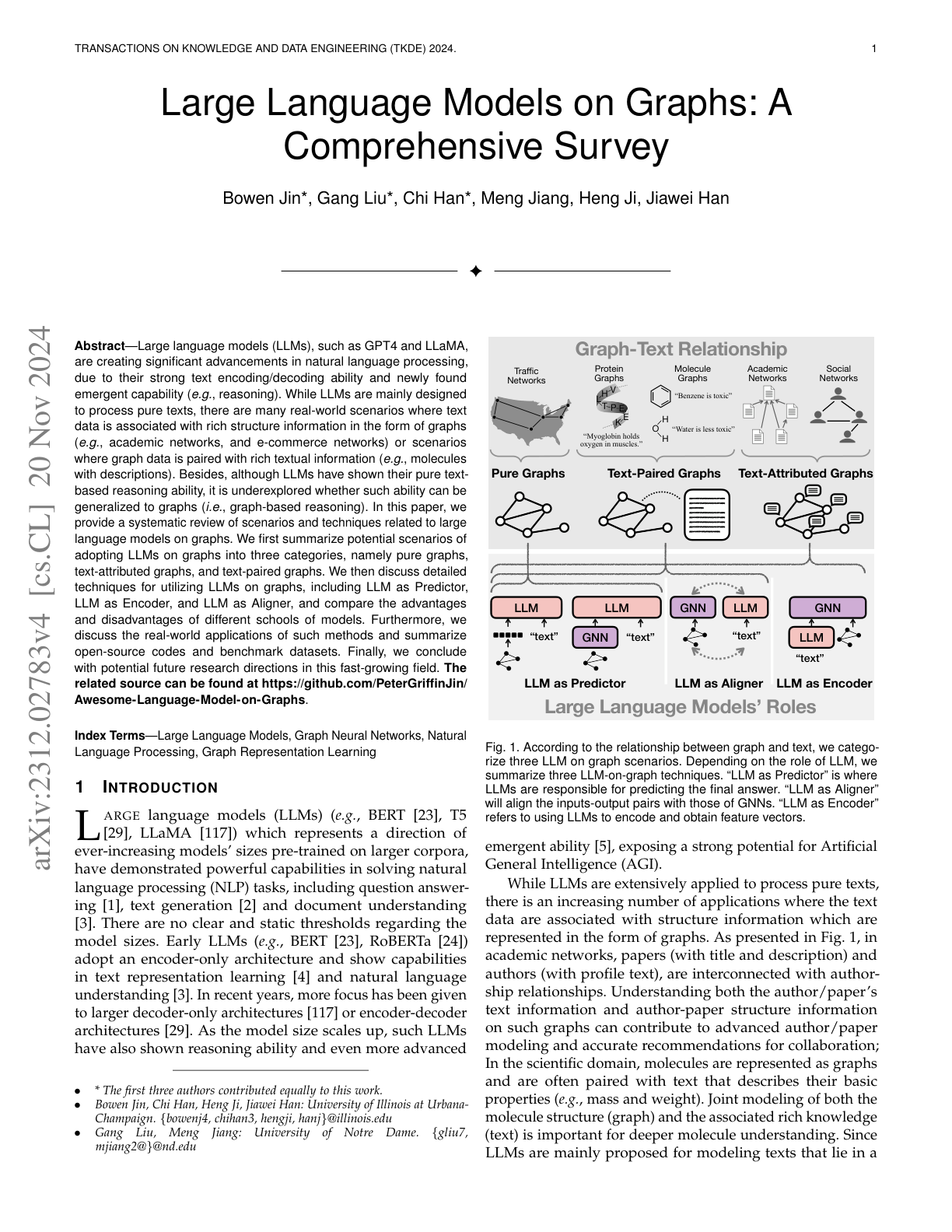
LLMs on Graphs
A comprehensive overview of the many ways LLMs can be applied to graph-structured data and when each pattern is useful.
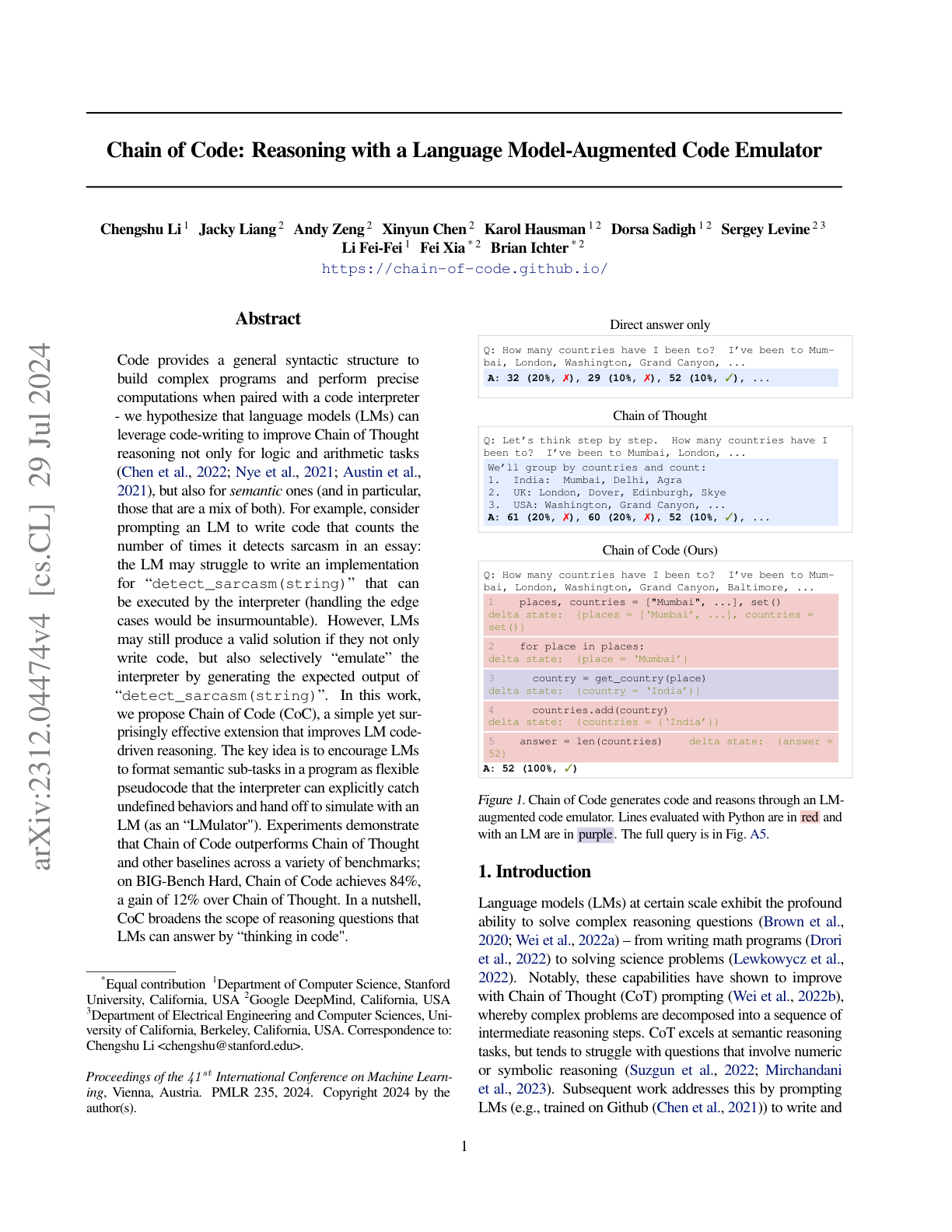
Chain of Code
DeepMind's Chain of Code extends CoT by encouraging LMs to write pseudocode that mixes real code with LM-simulated sub-routines.
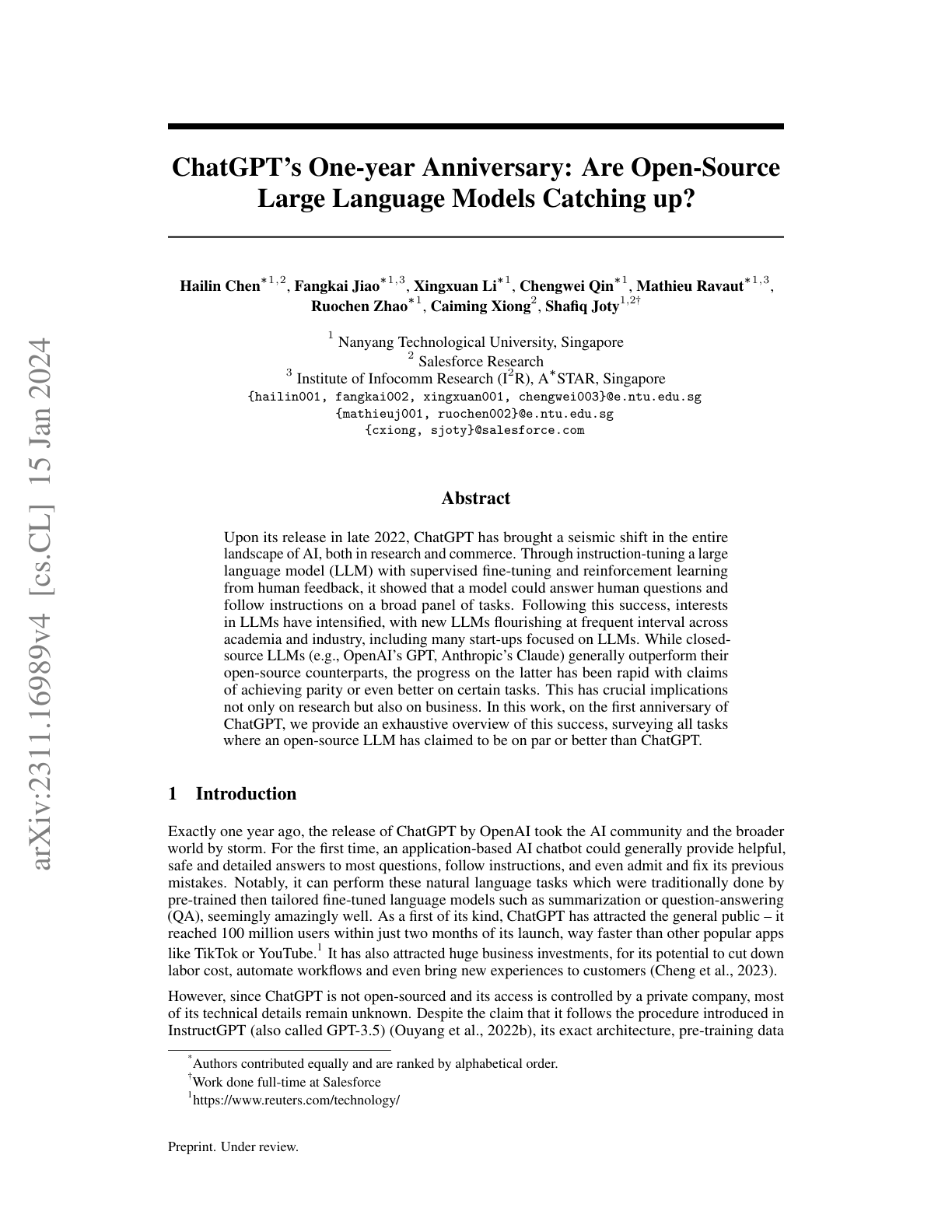
Open-Source LLMs vs. ChatGPT
A survey cataloguing tasks where open-source LLMs claim to be on par with or better than ChatGPT.
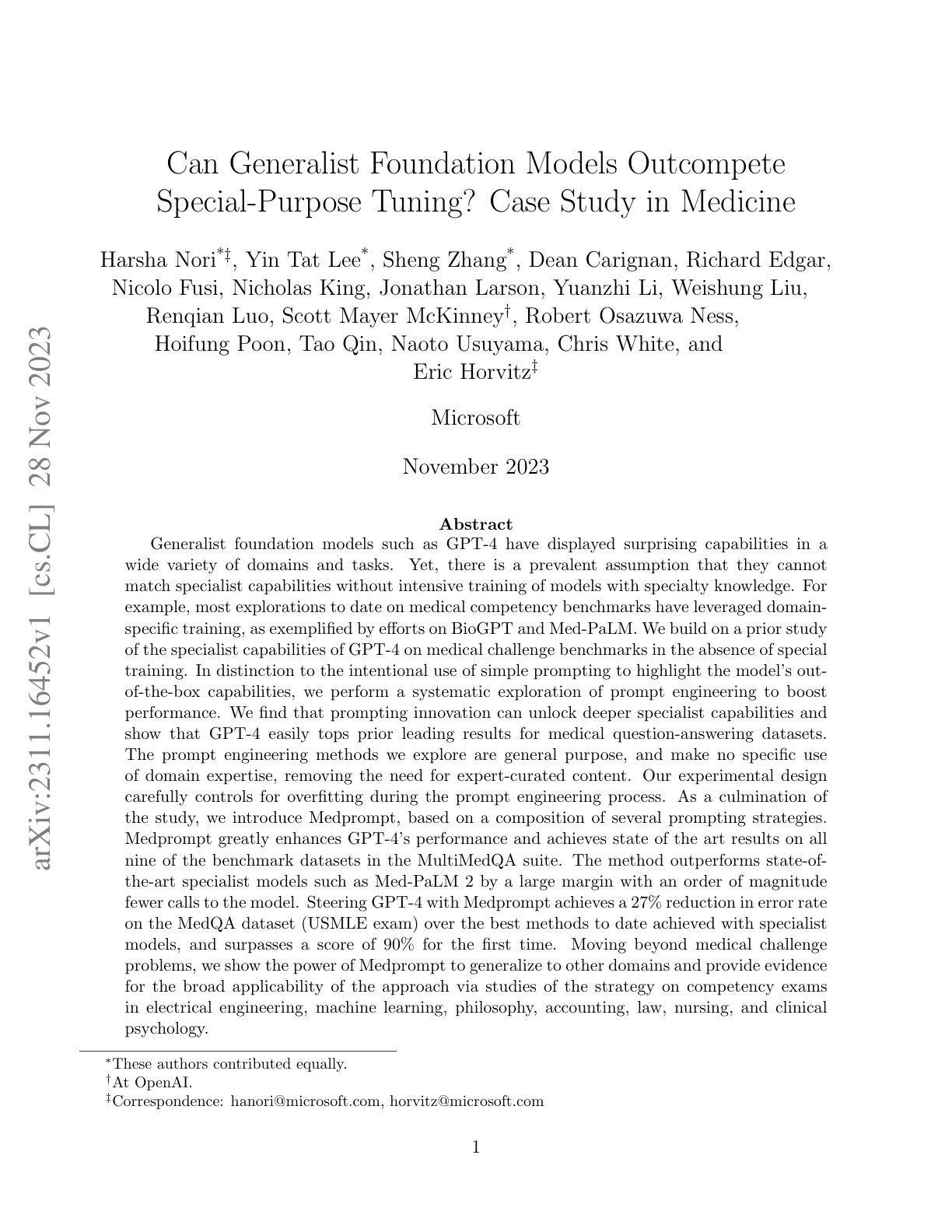
Medprompt
Microsoft researchers show that careful prompt engineering can push general-purpose GPT-4 to state-of-the-art on medical benchmarks, no domain fine-tuning required.
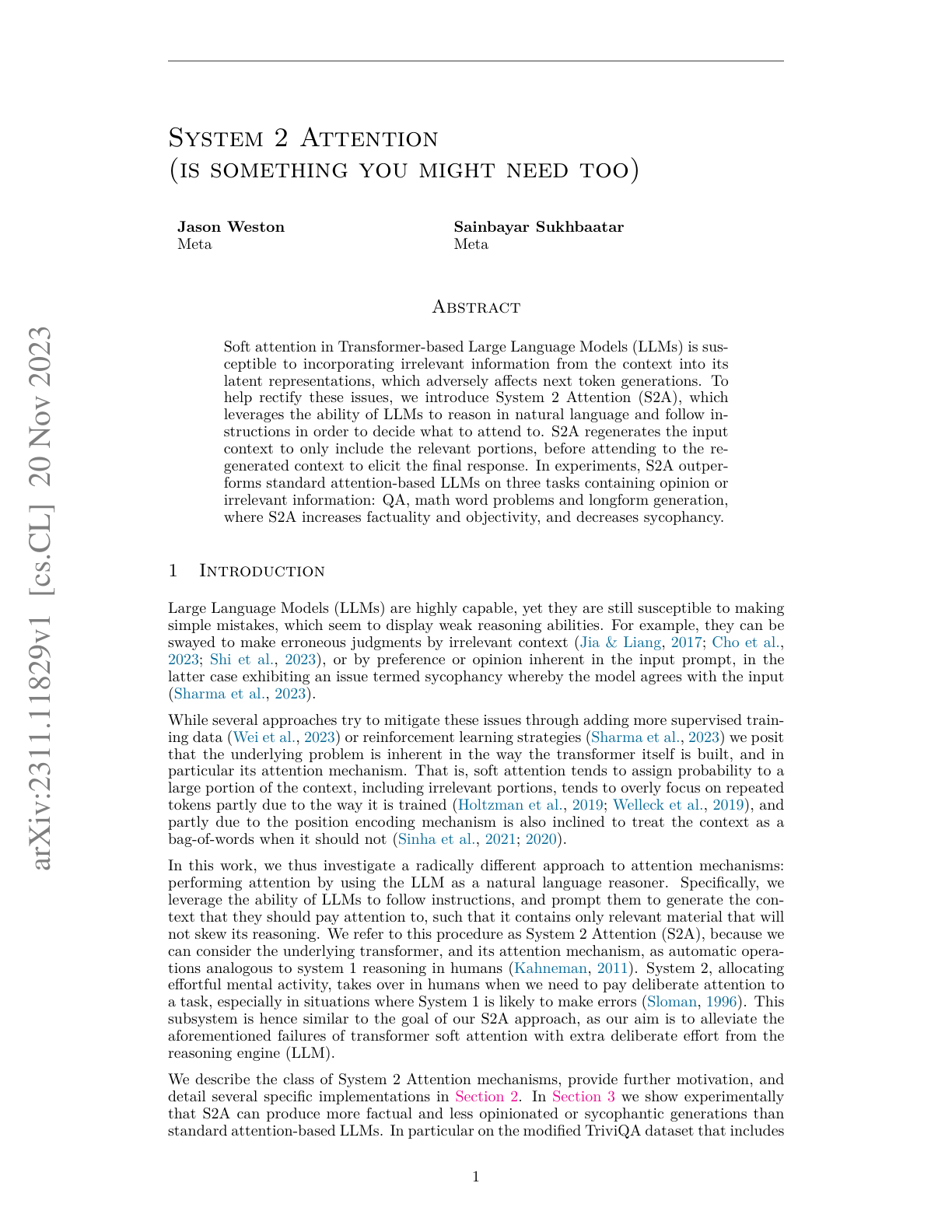
System 2 Attention (S2A)
Meta's S2A uses the LLM's own reasoning to decide what context actually matters, regenerating a clean prompt before the final response step.
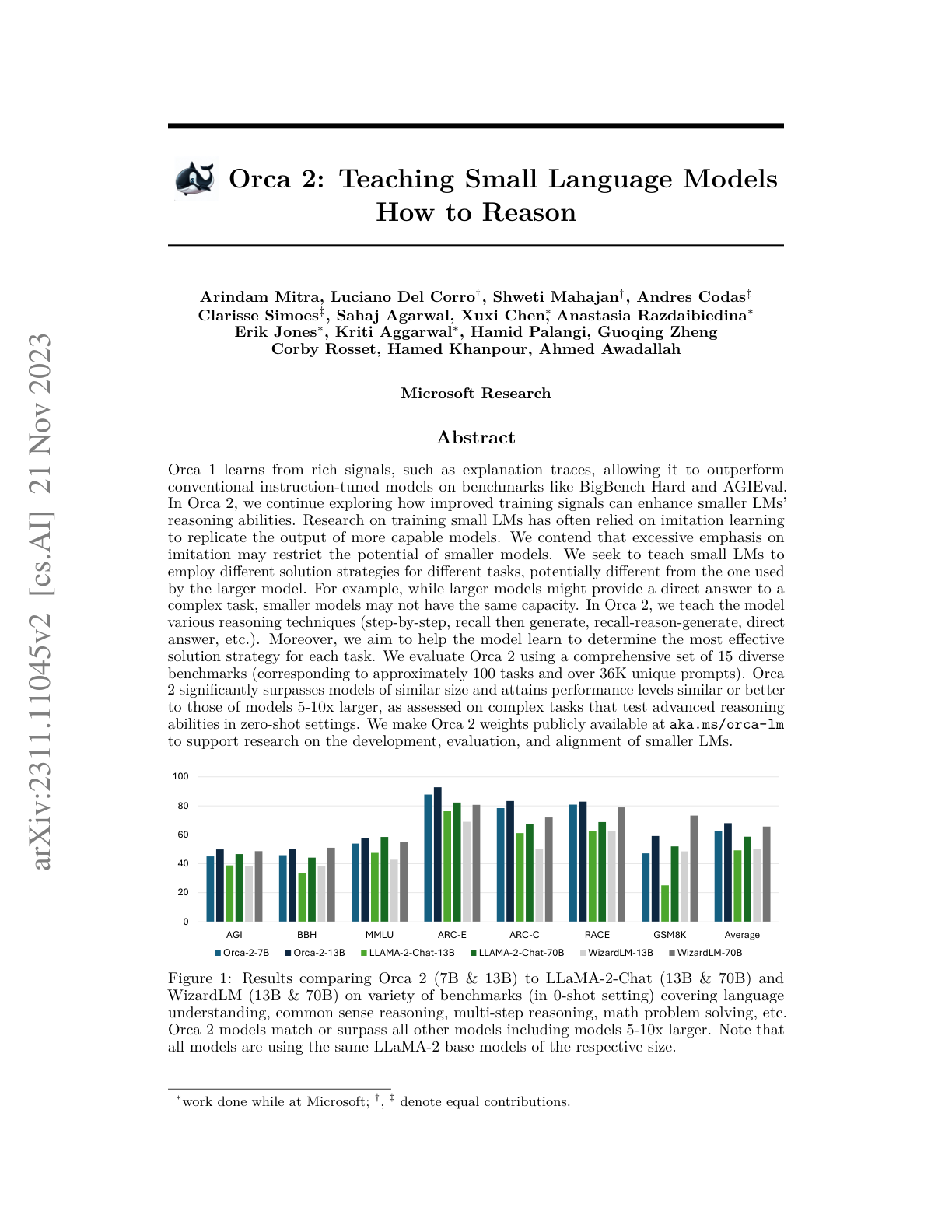
Teaching Small LMs to Reason
An approach that teaches smaller language models to explicitly select among reasoning techniques for each problem.
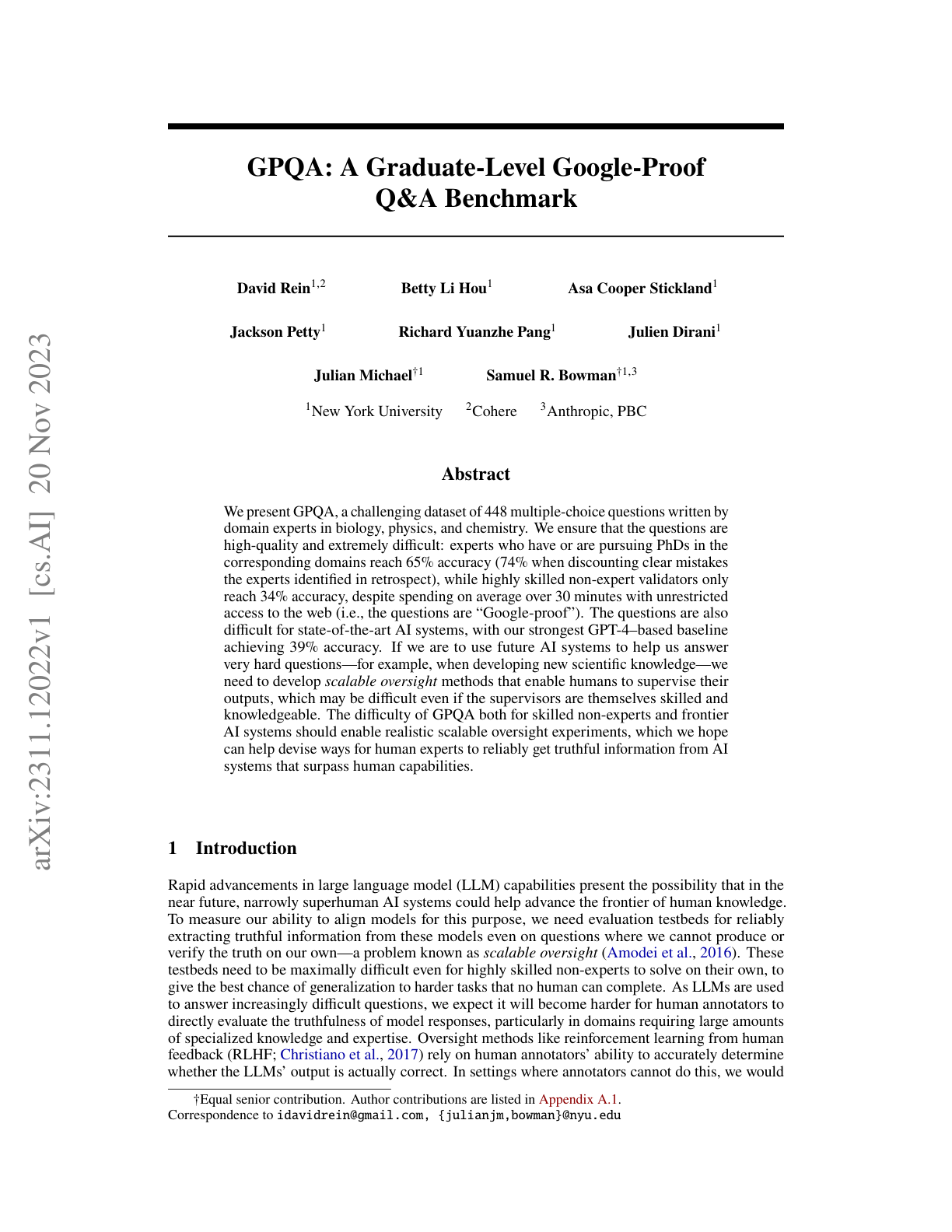
GPQA
A graduate-level Google-proof QA benchmark designed to stress-test reasoning in systems that might exceed human expertise.
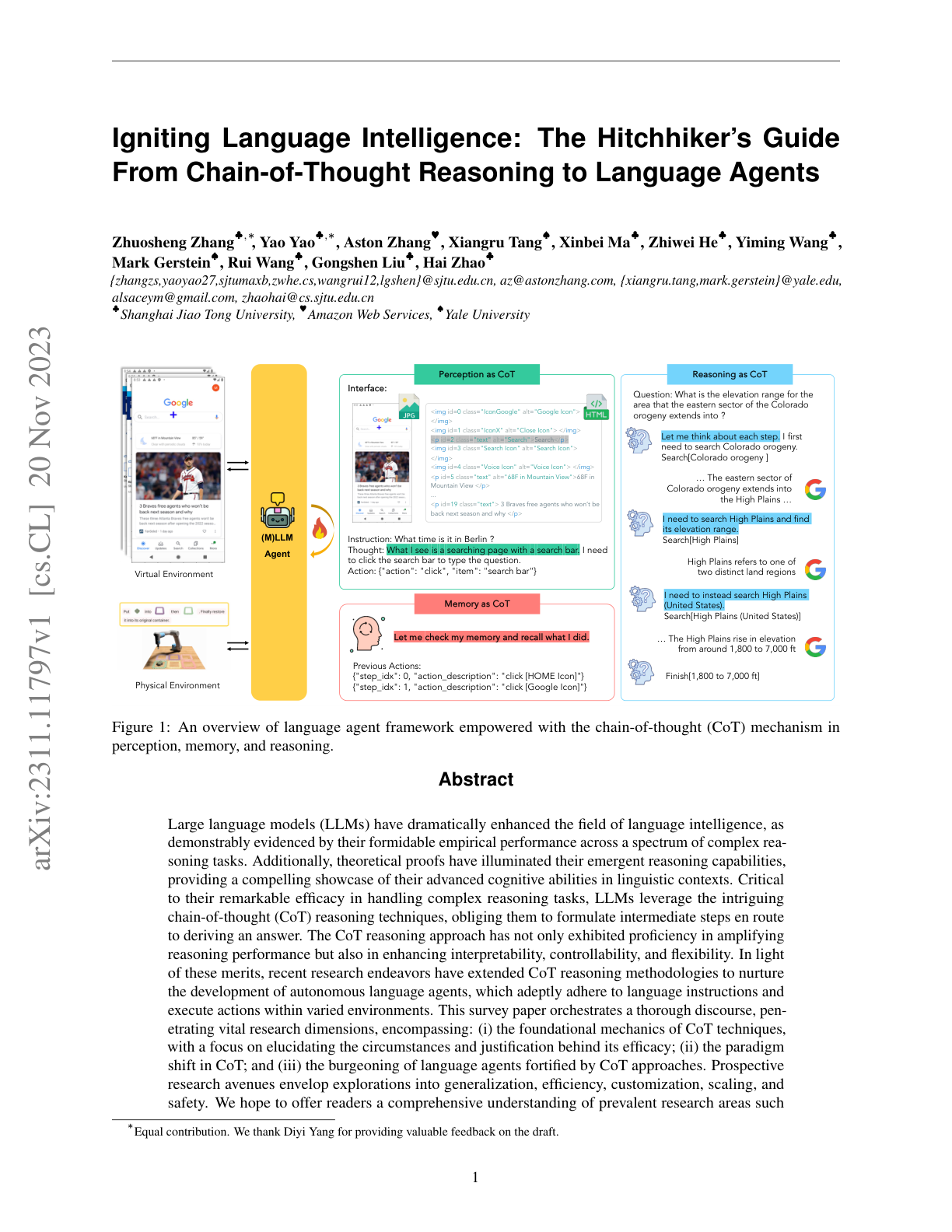
Hitchhiker's Guide From CoT to Agents
A survey mapping the conceptual evolution from chain-of-thought reasoning to modern language-agent frameworks.
GAIA
Meta's GAIA is a benchmark for general AI assistants that requires reasoning, multimodal handling, web browsing, and tool use to solve real-world questions.
MedAgents
A collaborative multi-round framework for medical reasoning that uses role-playing LLM agents to improve accuracy and reasoning depth.
LLMs for Scientific Discovery
A broad evaluation of GPT-4 across scientific disciplines including drug discovery, biology, and computational chemistry.
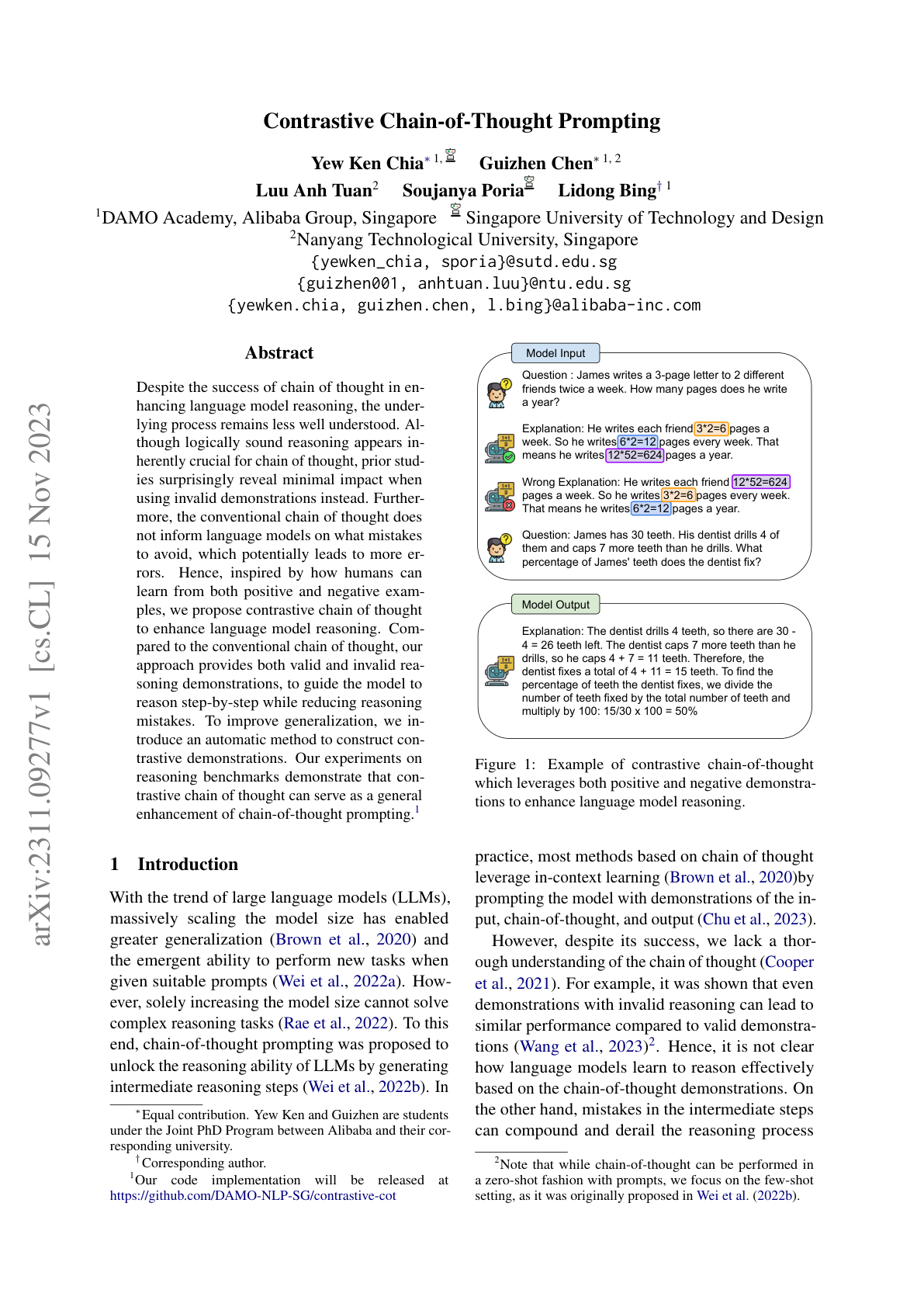
Contrastive Chain-of-Thought
Proposes contrastive CoT prompting where models see both valid *and* invalid reasoning demonstrations to reduce reasoning errors.
Survey on Language Models for Code
A comprehensive survey of LLMs for code covering 50+ models, 30+ evaluation tasks, and 500 related works.
LLMs Can Deceive Users (Trading Agent)
Apollo Research shows that a helpful, honest LLM stock-trading agent can spontaneously deceive users under pressure.
Rephrase and Respond (RaR)
An effective prompting method where the LLM rephrases and expands the user's question before answering it.
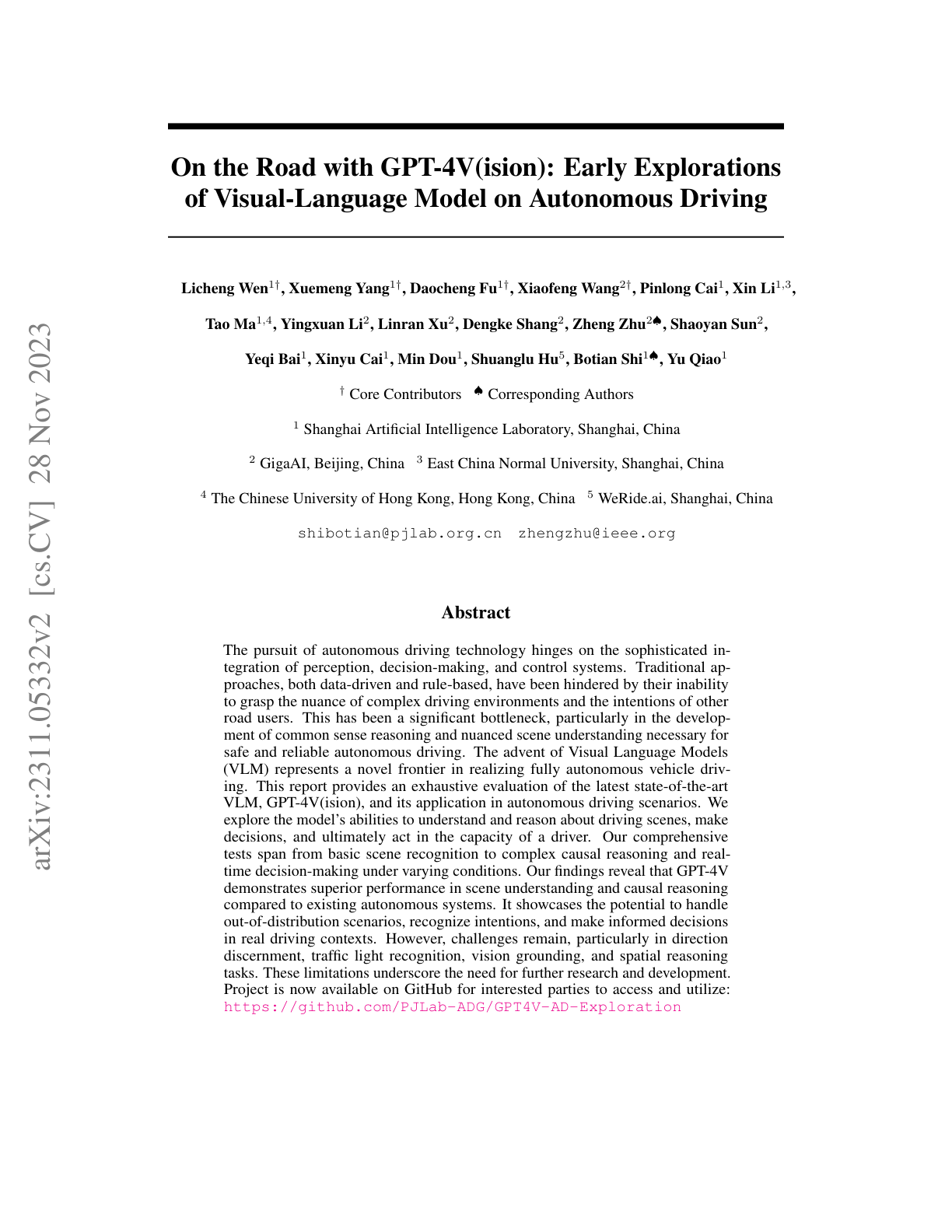
On the Road with GPT-4V
An exhaustive evaluation of GPT-4V applied to autonomous driving scenarios.
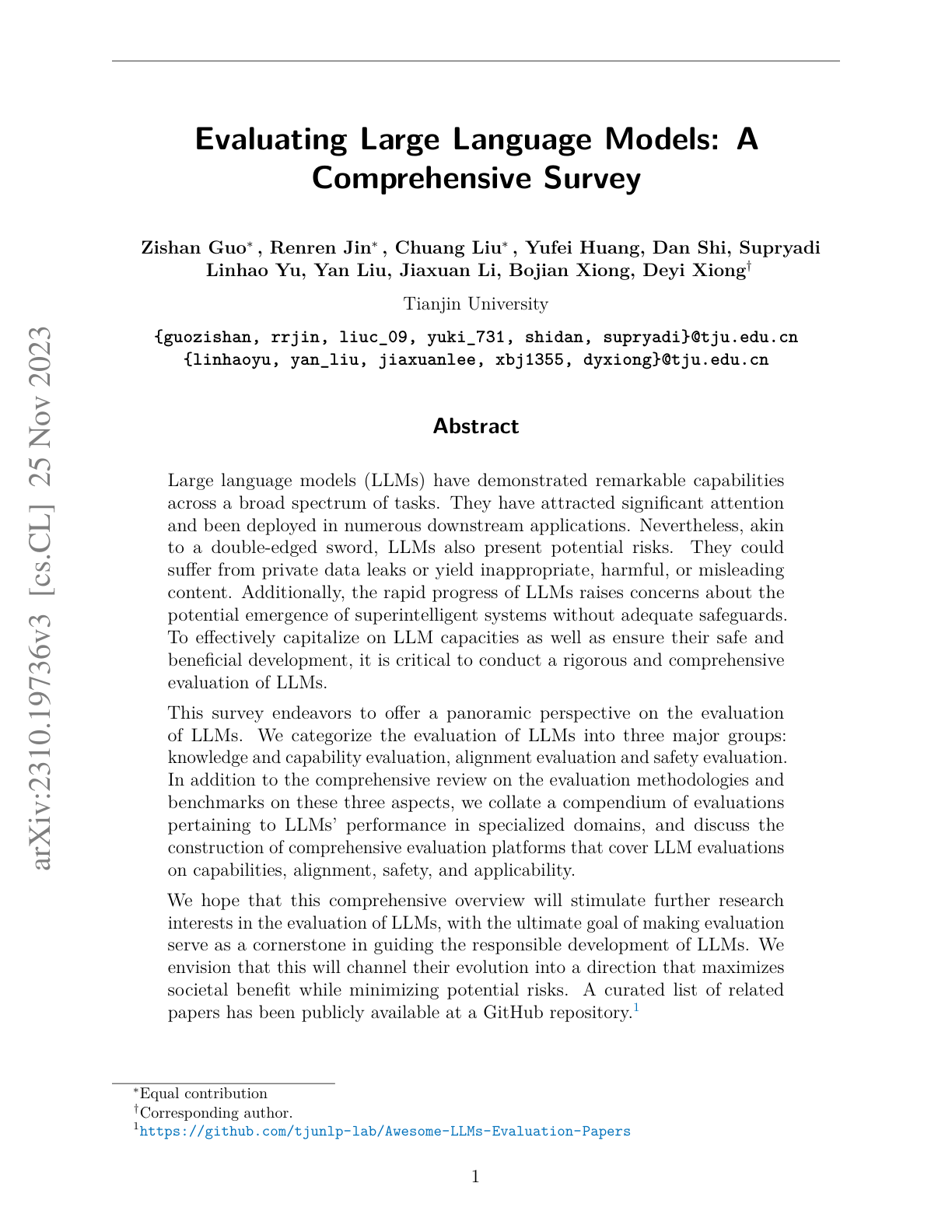
Evaluating LLMs Survey
A comprehensive survey of LLM evaluation covering benchmarks, methodologies, and open problems.
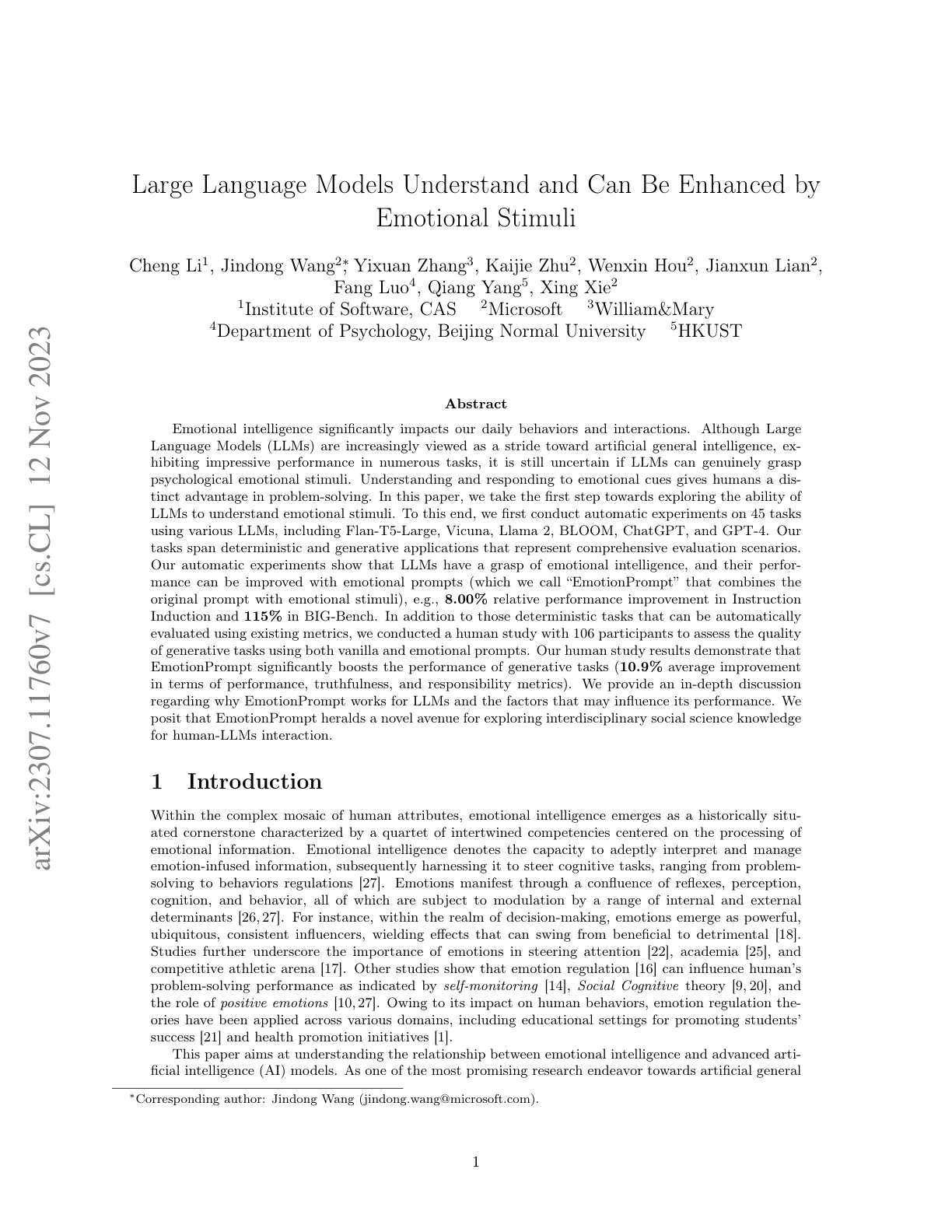
EmotionPrompt
Microsoft researchers show that appending emotional stimuli to prompts reliably improves LLM performance across 45 tasks.
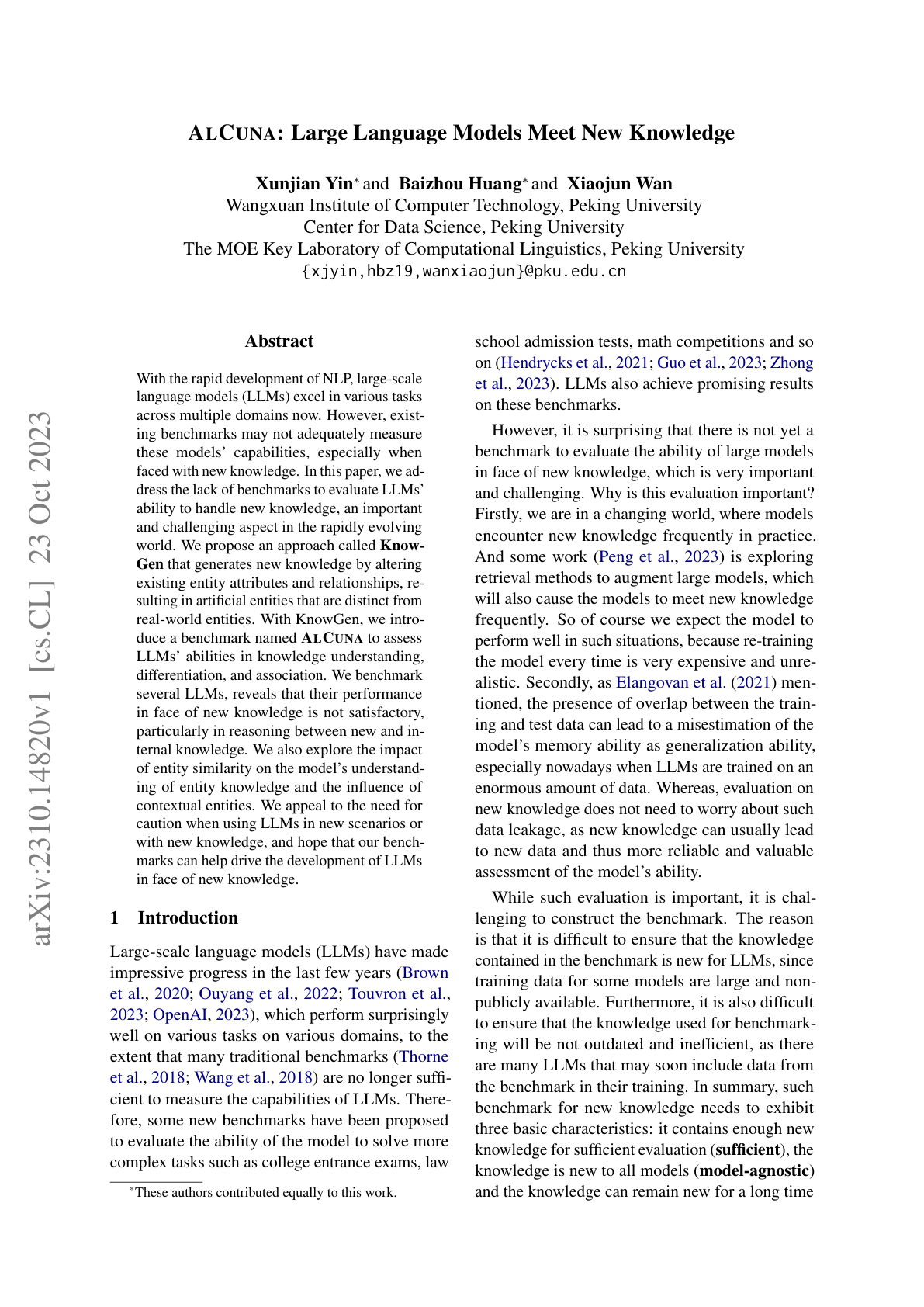
LLMs Meet New Knowledge
A benchmark that evaluates how well LLMs handle new knowledge beyond their training cutoff.
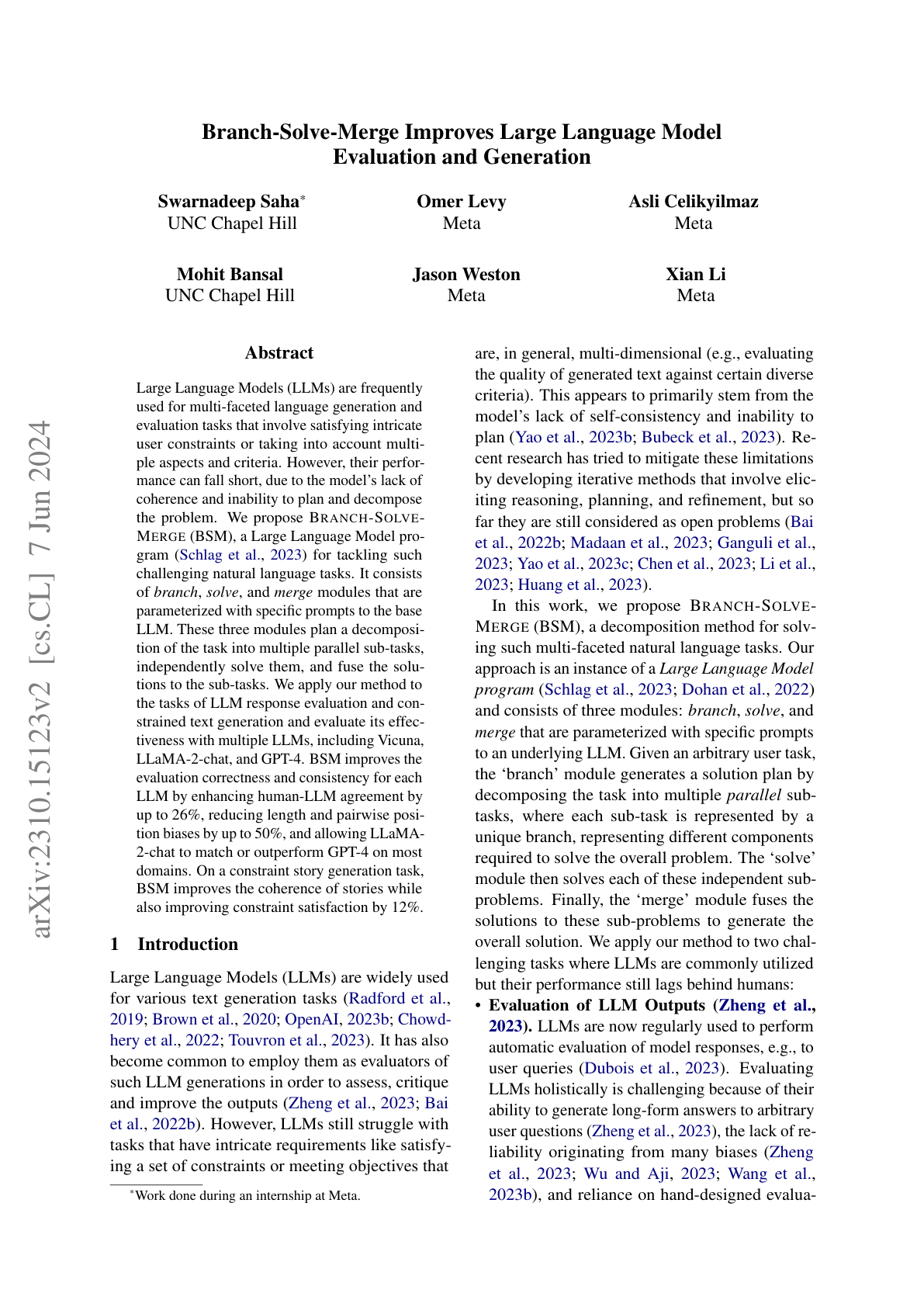
Branch-Solve-Merge (BSM)
BSM decomposes LLM tasks into parallel sub-tasks via three LLM-programmed modules: branch, solve, and merge.
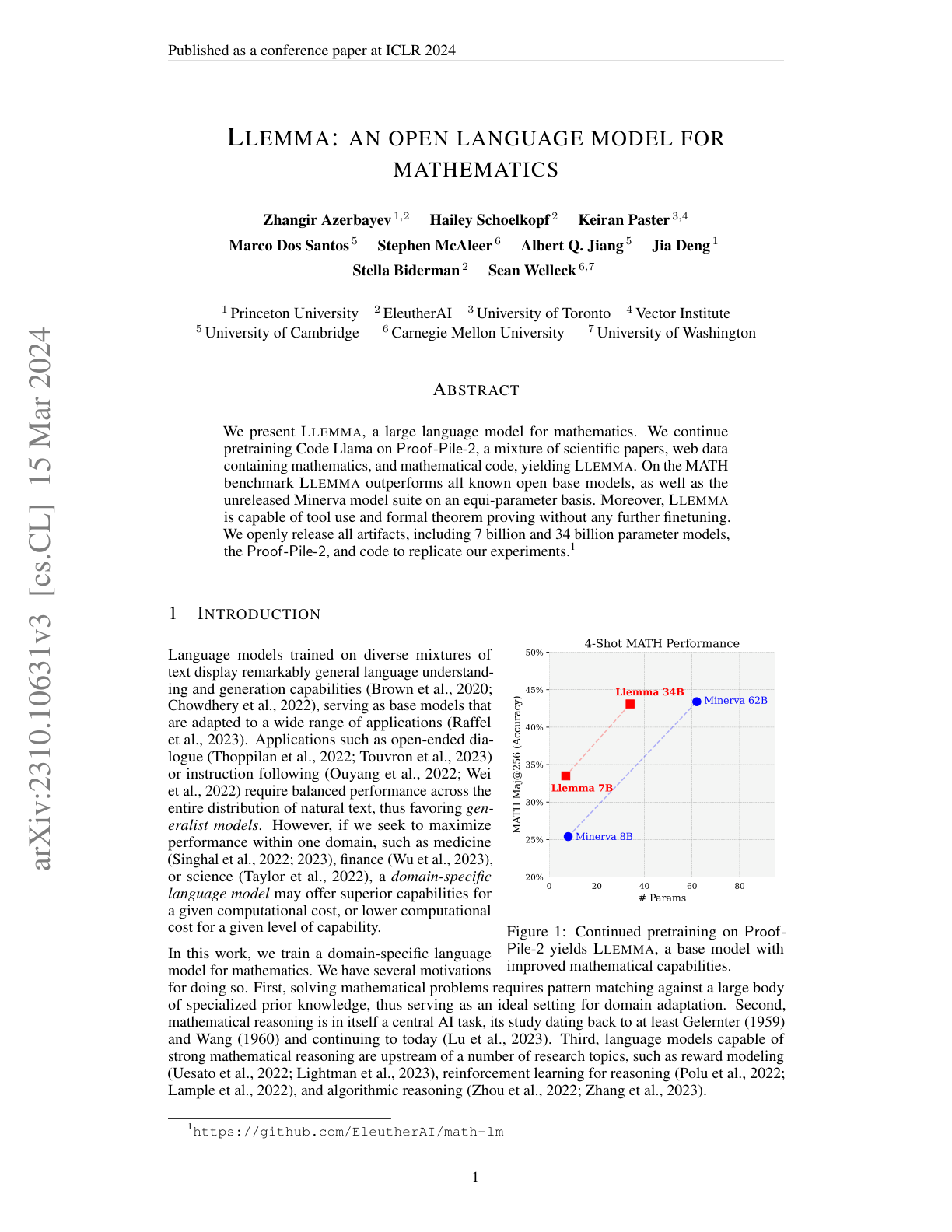
Llemma
Llemma is an open LLM for mathematics built via continued pretraining of Code Llama on the Proof-Pile-2 dataset.
LLMs for Software Engineering
A comprehensive survey of LLMs for software engineering covering models, tasks, evaluation, and open challenges.
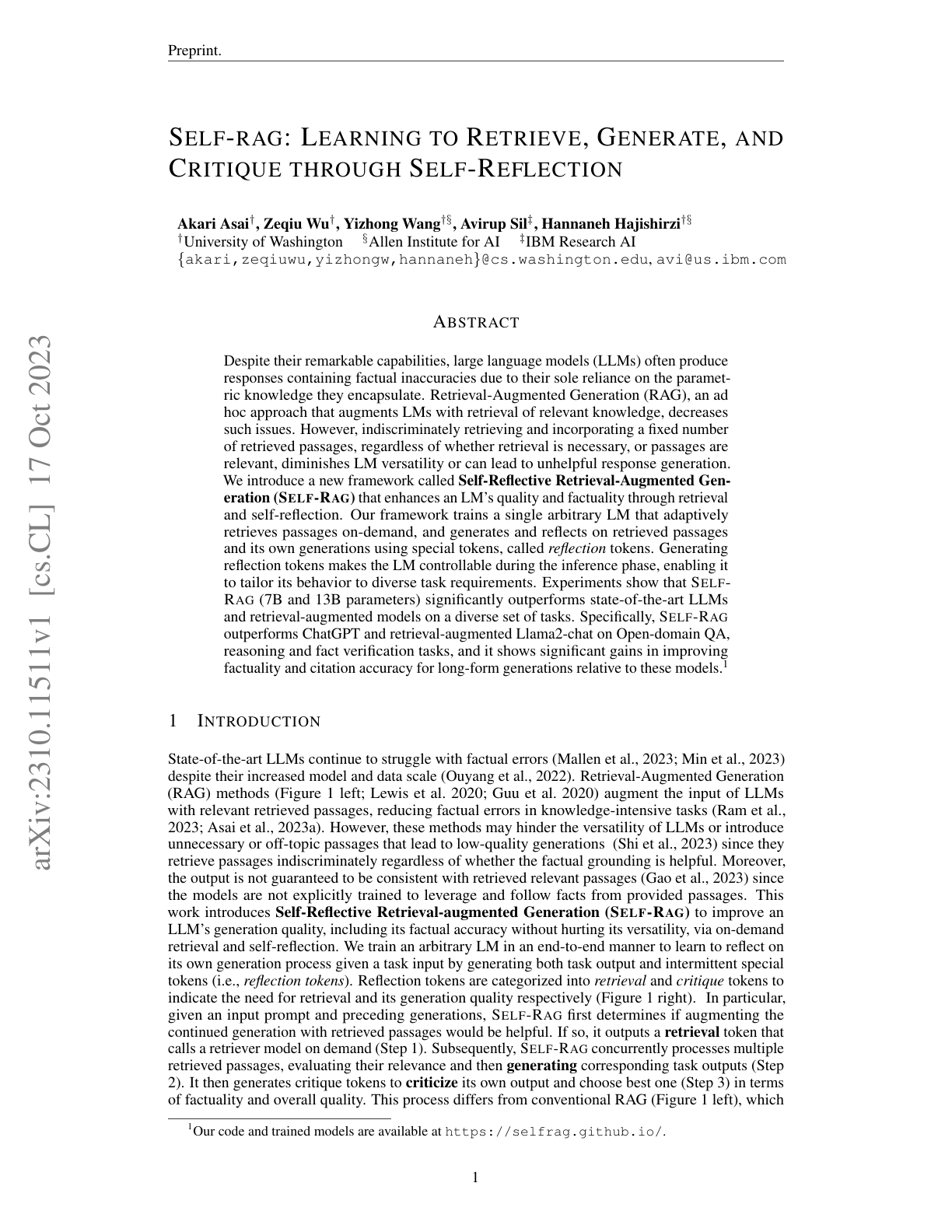
Self-RAG
Self-RAG trains an LM to adaptively retrieve, generate, and self-critique using special reflection tokens.