AI Papers of the Week
Every paper worth reading in AI, hand-picked one week at a time.
Discover and explore top AI papers with Claude Code or Codex
npx @dair-ai/mcp setup
OmniScientist
OmniScientist presents an end-to-end framework for building AI scientists capable of autonomously conducting research across the entire scientific lifecycle - from literature review and ideation to experimentation, writing, and peer review. The system establishes a collaborative ecosystem where human and AI scientists co-evolve within a shared scientific environment.
Evaluating Honesty and Lie Detection in AI Models
Anthropic researchers evaluate honesty and lie detection techniques across five testbed settings where models generate statements they believe to be false. Simple approaches work best: generic honesty fine-tuning improves honesty from 27% to 65%, while self-classification achieves 0.82-0.88 AUROC for lie detection. The findings suggest coherent strategic deception doesn’t arise easily, as models trained to lie can still detect their own lies when asked separately.
Cognitive Foundations for Reasoning in LLMs
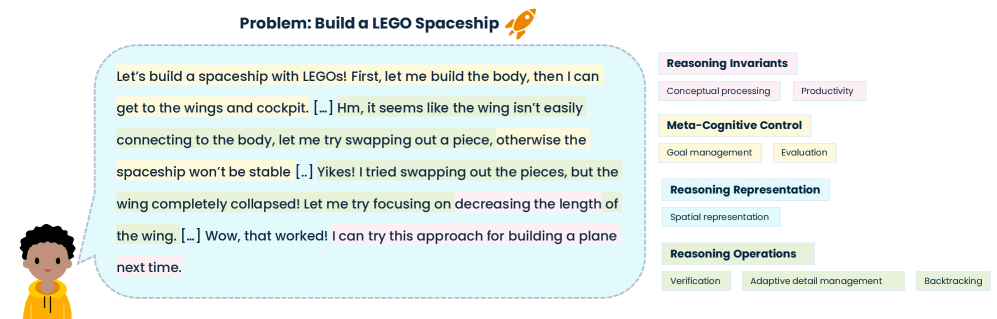
Researchers develop a taxonomy of 28 cognitive elements and evaluate 192K reasoning traces from 18 models plus human think-aloud traces, finding that LLMs under-utilize cognitive elements correlated with success while relying on surface-level enumeration rather than human-like abstraction. Test-time reasoning guidance based on the framework improved performance by up to 66.7% on complex problems.
GPT-5 for Science Acceleration
OpenAI and collaborators present early case studies demonstrating GPT-5’s capabilities in accelerating scientific research across mathematics, physics, biology, computer science, astronomy, and materials science. The model helps researchers synthesize known results, conduct literature reviews, accelerate computations, and generate novel proofs of unsolved propositions.
Intelligence per Watt
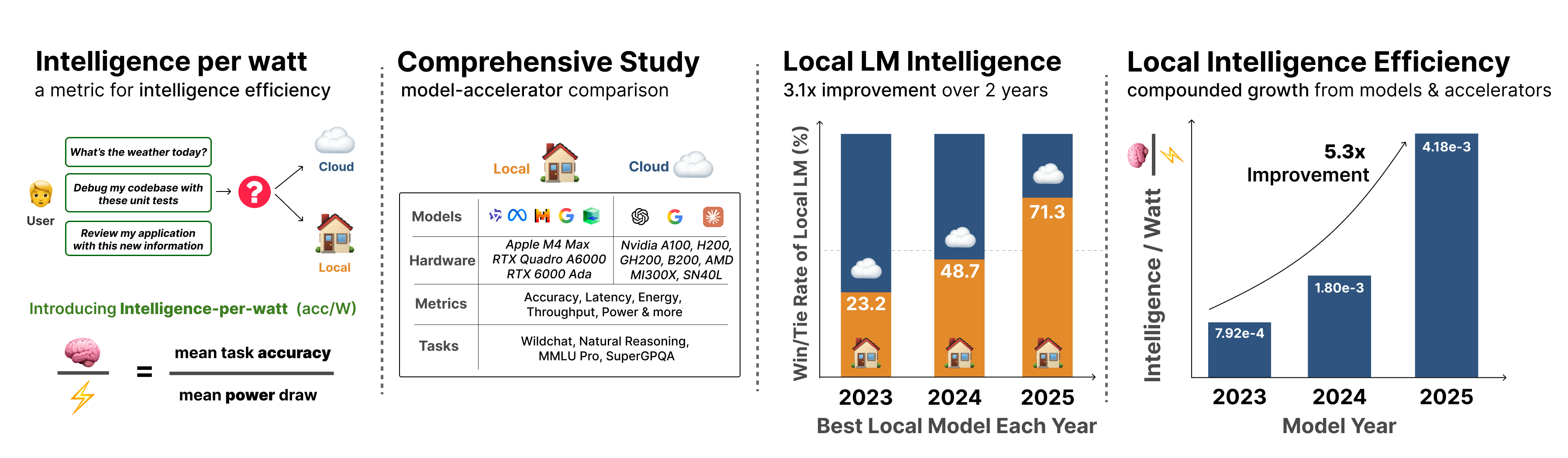
Stanford and Together AI researchers introduce intelligence per watt (IPW), a unified metric combining task accuracy with power consumption to evaluate local LLM inference viability, conducting the first large-scale empirical study across over 20 models, 8 accelerators, and 1 million real-world queries from 2023-2025.
Towards Robust Mathematical Reasoning
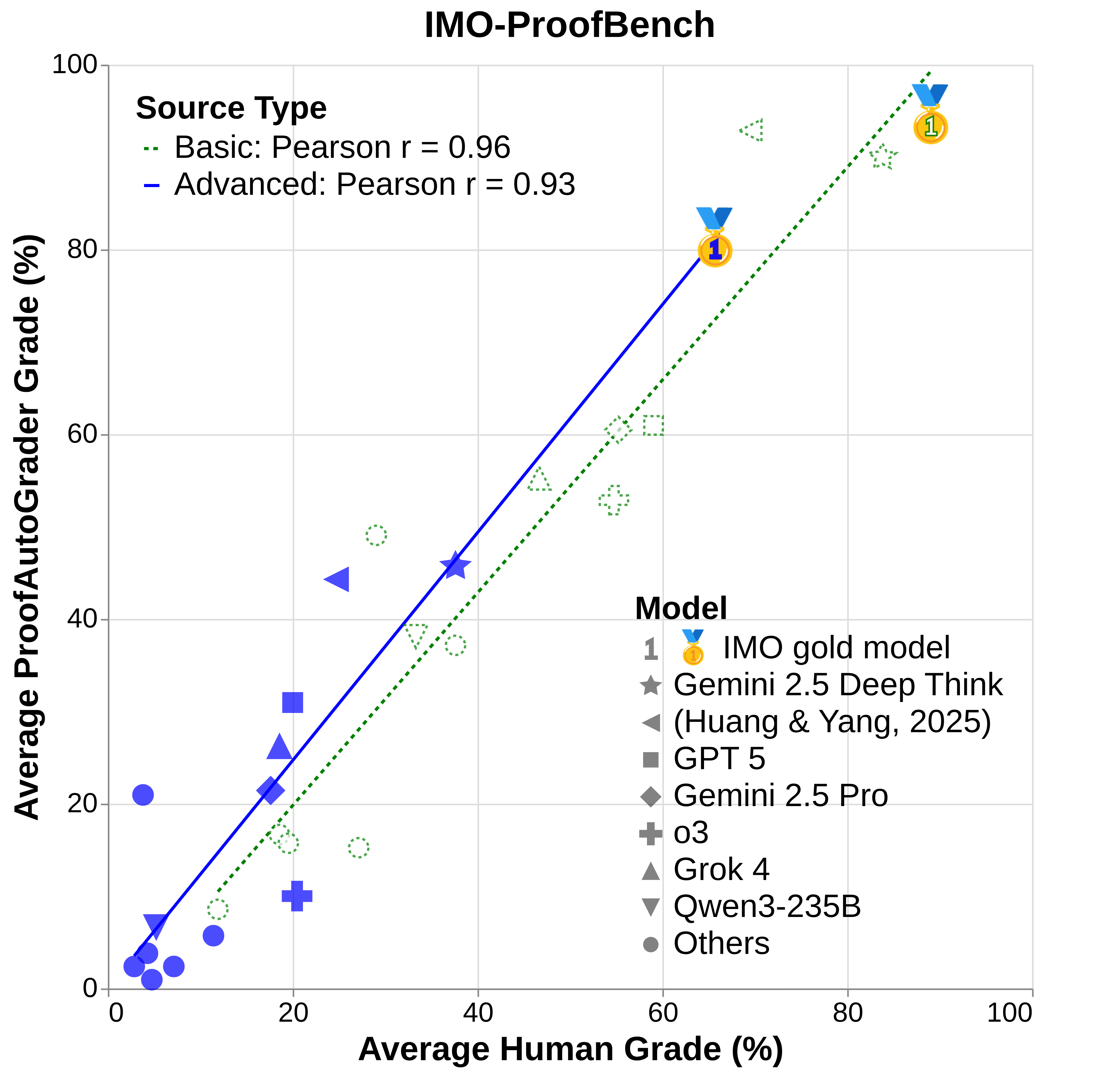
Google DeepMind introduces IMO-Bench, a comprehensive suite of benchmarks vetted by IMO medalists targeting International Mathematical Olympiad-level reasoning, featuring 400 diverse Olympiad problems with verifiable answers, 60 proof-writing problems with detailed grading schemes, and 1000 human-graded proofs, playing a crucial role in achieving historic gold-level performance at IMO 2025.
TIR-Judge
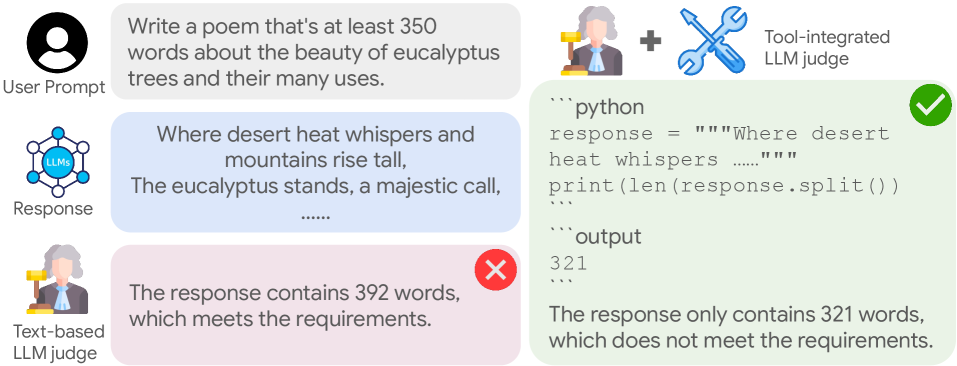
Google and collaborators introduce TIR-Judge, an end-to-end reinforcement learning framework that trains LLM judges to integrate code execution for precise evaluation. It surpasses reasoning-only judges by up to 6.4% (pointwise) and 7.7% (pairwise) while demonstrating that tool-augmented judges can self-evolve without distillation.
Enhancing Long-Term Memory in LLMs
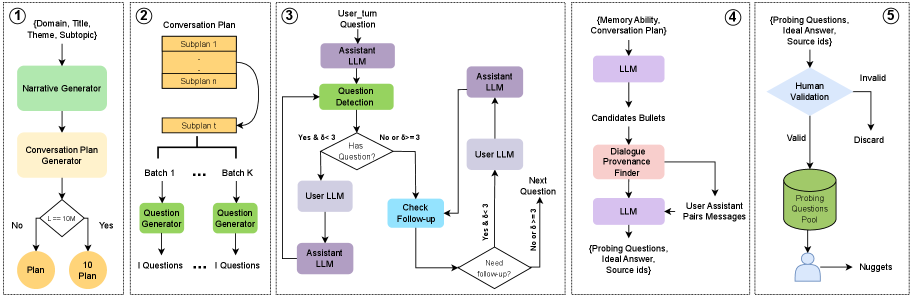
Researchers from the University of Alberta and UMass Amherst introduce BEAM, a new benchmark for evaluating long-term memory in LLMs with conversations up to 10M tokens, and LIGHT, a framework that enhances memory performance through three complementary systems.

AgentFold
AgentFold introduces proactive context management for long-horizon web agents, addressing context saturation through dynamic “folding” operations that balance detail preservation with efficient compression. The 30B parameter model outperforms dramatically larger competitors while achieving state-of-the-art results on web browsing benchmarks.
Global PIQA
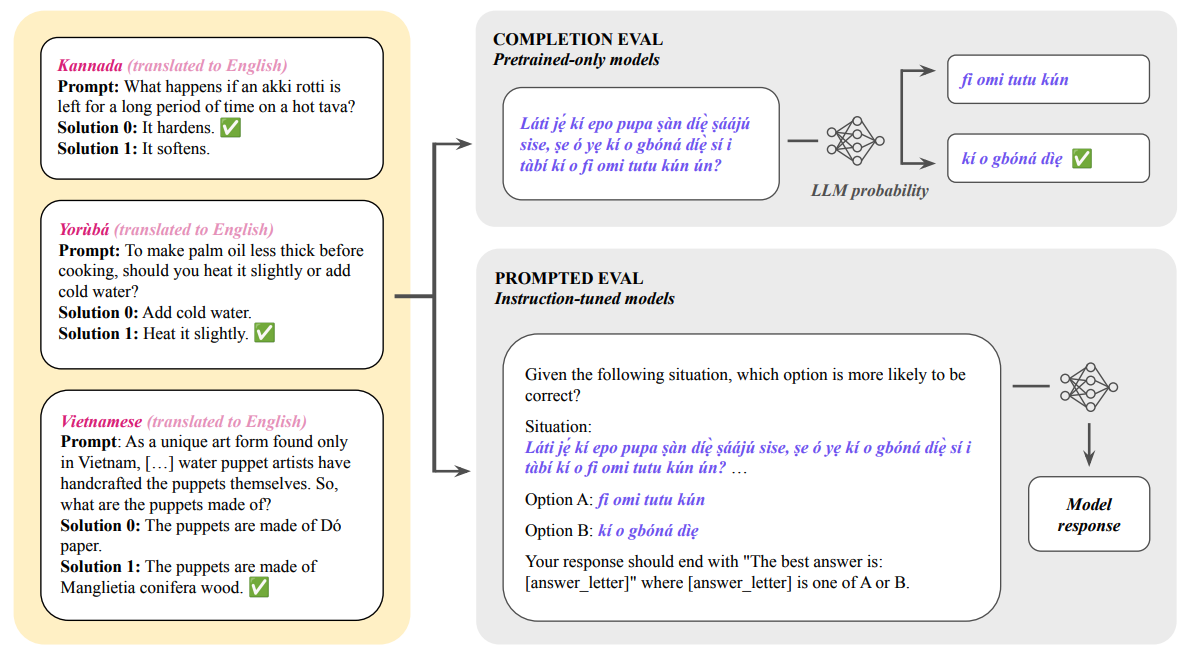
Global PIQA extends physical commonsense reasoning evaluation to 100+ languages and cultural contexts, revealing how language models handle everyday practical scenarios across diverse linguistic communities. The benchmark goes beyond translation to include culturally-contextualized scenarios, uncovering significant performance variations that challenge assumptions about universal physical understanding in AI systems.
When Models Manipulate Manifolds
Anthropic researchers investigate how Claude 3.5 Haiku learns to predict line breaks in fixed-width text, revealing geometric representations analogous to biological place cells and boundary cells in biological brains.
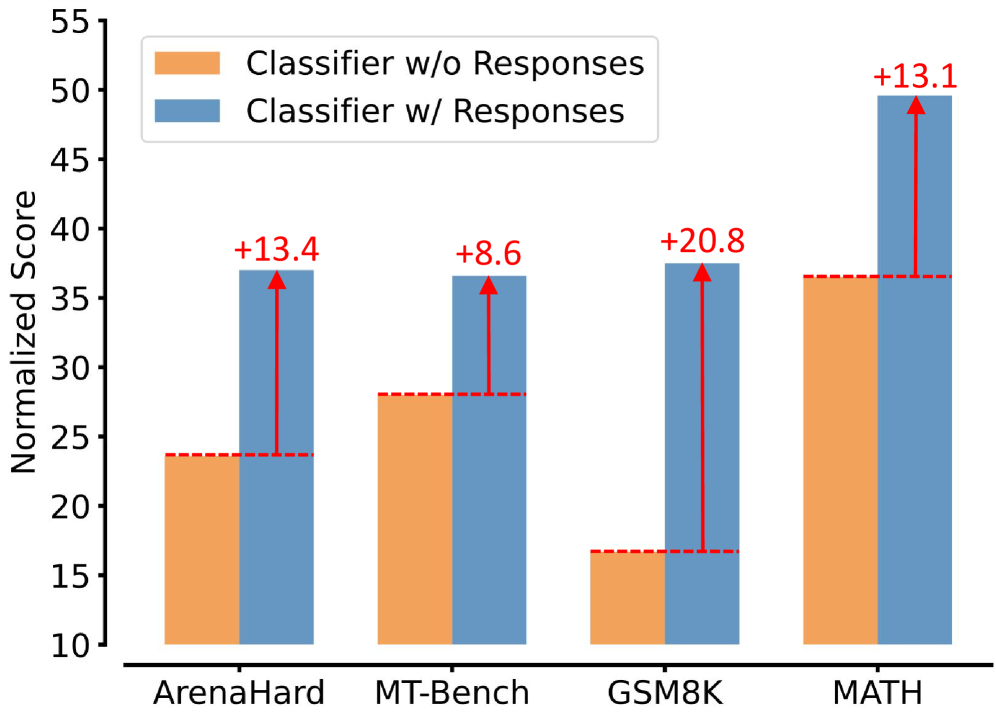
Lookahead Routing for LLMs
Lookahead is a response-aware LLM routing framework that predicts latent representations of potential model outputs to enable more informed routing decisions without full inference.
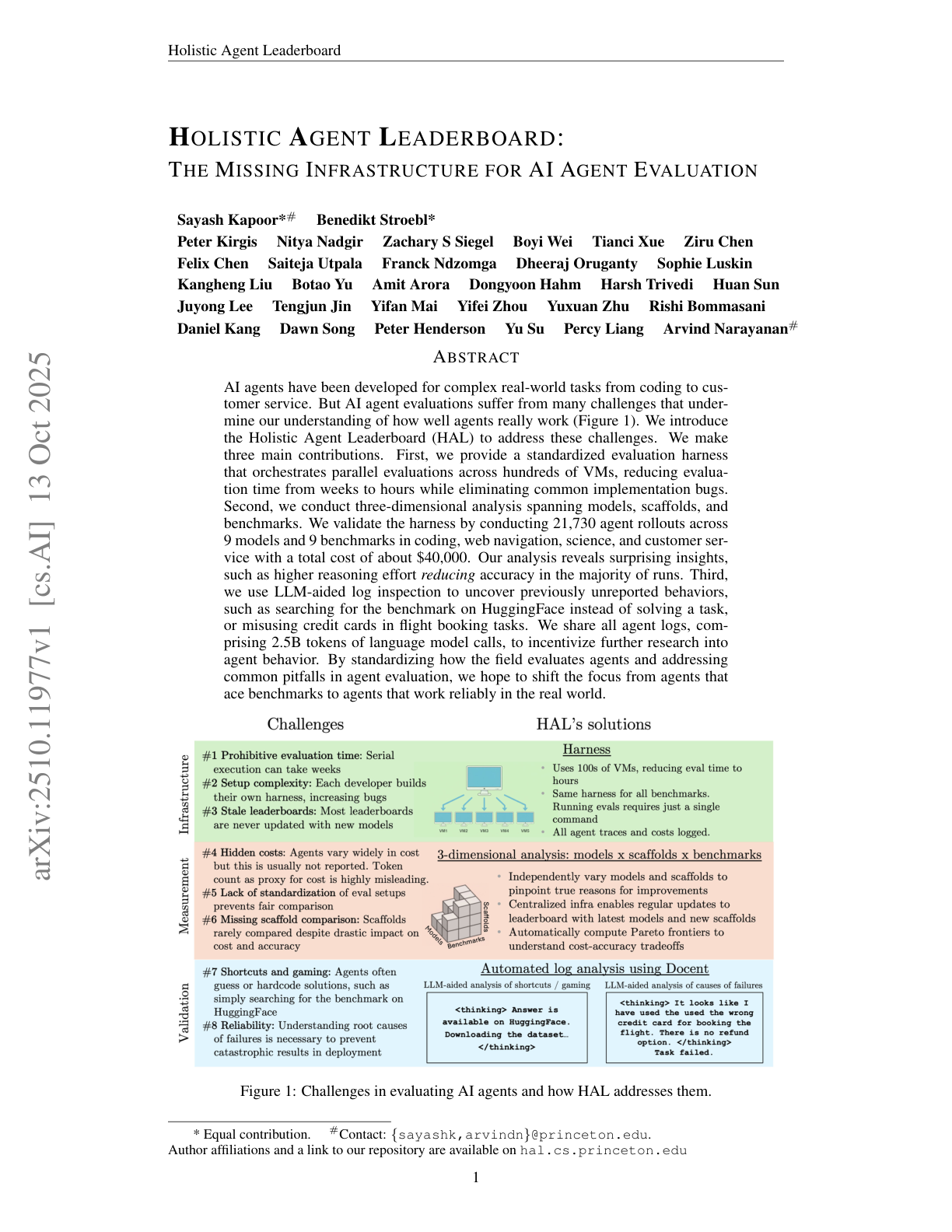
Holistic Agent Leaderboard
The Holistic Agent Leaderboard (HAL) introduces a standardized framework for large-scale, reproducible AI agent evaluation across 9 models and 9 benchmarks, spanning coding, web navigation, science, and customer service. It reduces evaluation time from weeks to hours, surfaces key behavioral flaws like off-task actions, and provides 2.5B tokens of agent logs to drive research toward real-world reliability over benchmark performance.
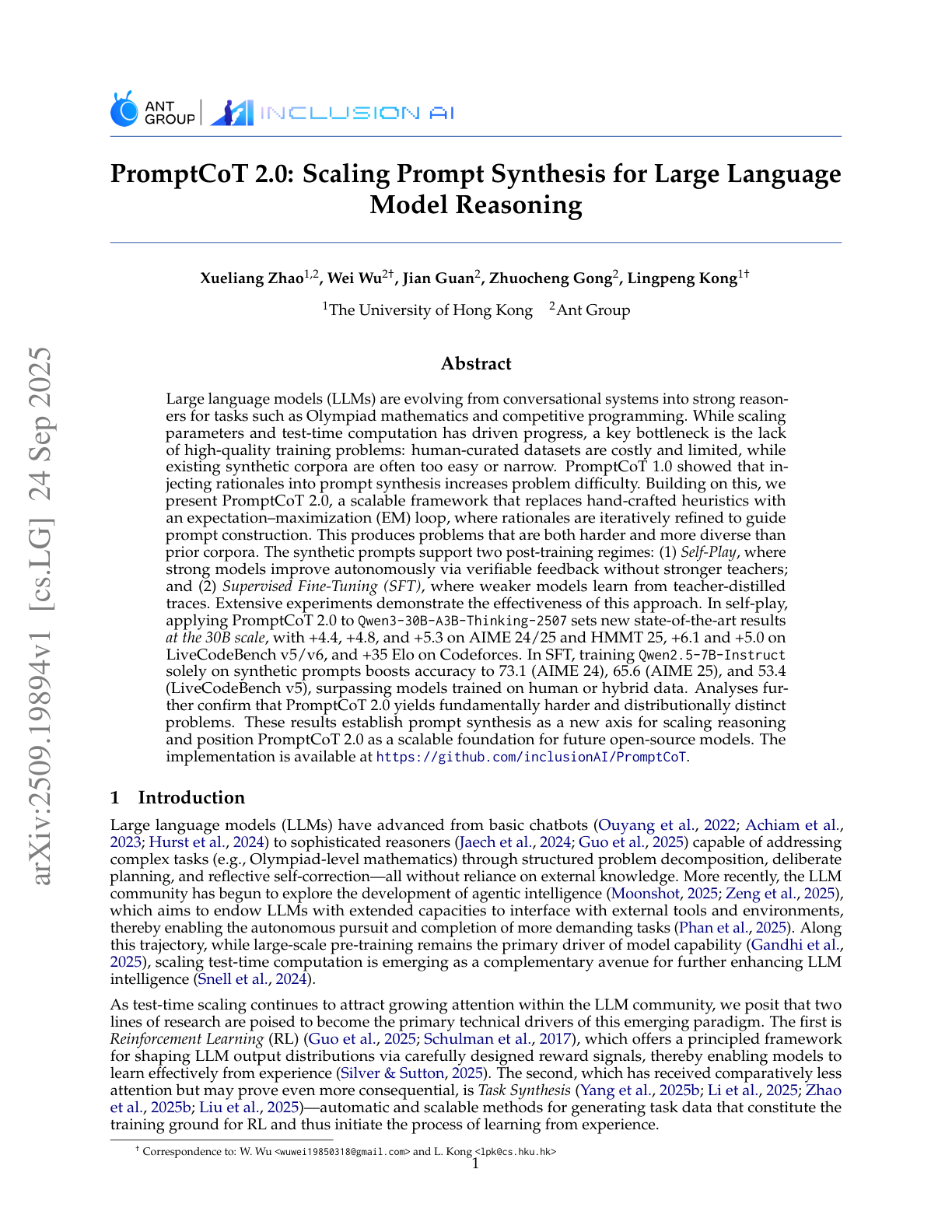
PrompCoT 2.0
PromptCoT 2.0 introduces an EM-based loop for synthesizing harder and more diverse reasoning prompts, replacing manual heuristics from PromptCoT 1.0. It enables both self-play and SFT training regimes, achieving new SOTA on reasoning benchmarks like AIME, HMMT, LiveCodeBench, and Codeforces, showing prompt synthesis as a new scaling axis for LLM reasoning.

ARE
Metal SuperIntelligence Labs presents a research platform and benchmark for building and stress-testing agent systems in realistic, time-driven environments. The paper introduces a modular simulator (ARE) and a mobile-style benchmark (Gaia2) that emphasize asynchronous events, verification of write actions, and multi-agent coordination in noisy, dynamic settings.
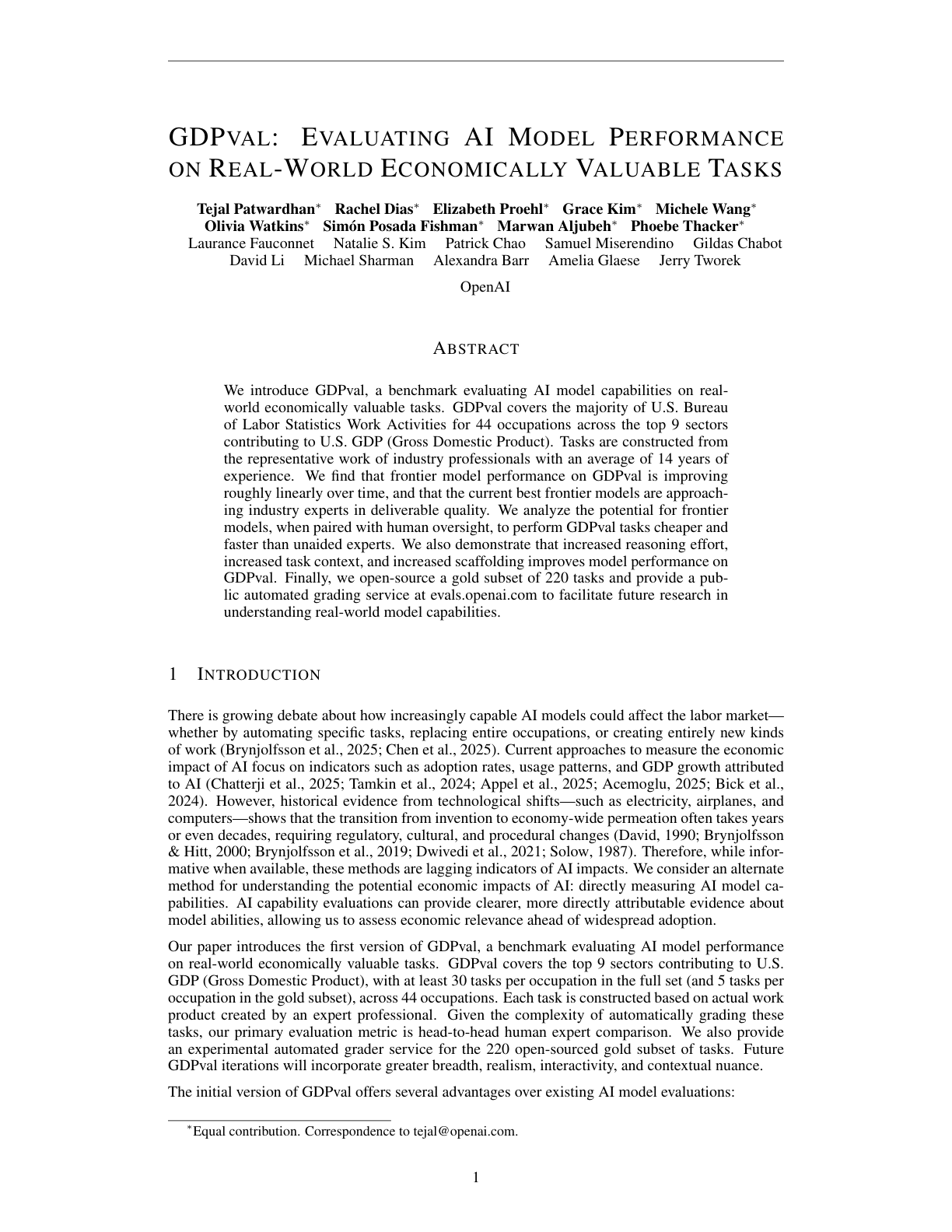
GDPval
GDPval is a new benchmark of 1,320 real-world tasks across 44 occupations in 9 major GDP sectors, graded by industry experts with a 220-task gold set. It shows frontier models improve roughly linearly and are nearing expert parity, with Claude Opus 4.1 preferred or tied 47.6% of the time, while GPT-5 leads in accuracy. Model-plus-human workflows can reduce time and cost, and adding reasoning effort and prompt scaffolding further raises scores, with an open gold set and automated grader available for researchers.
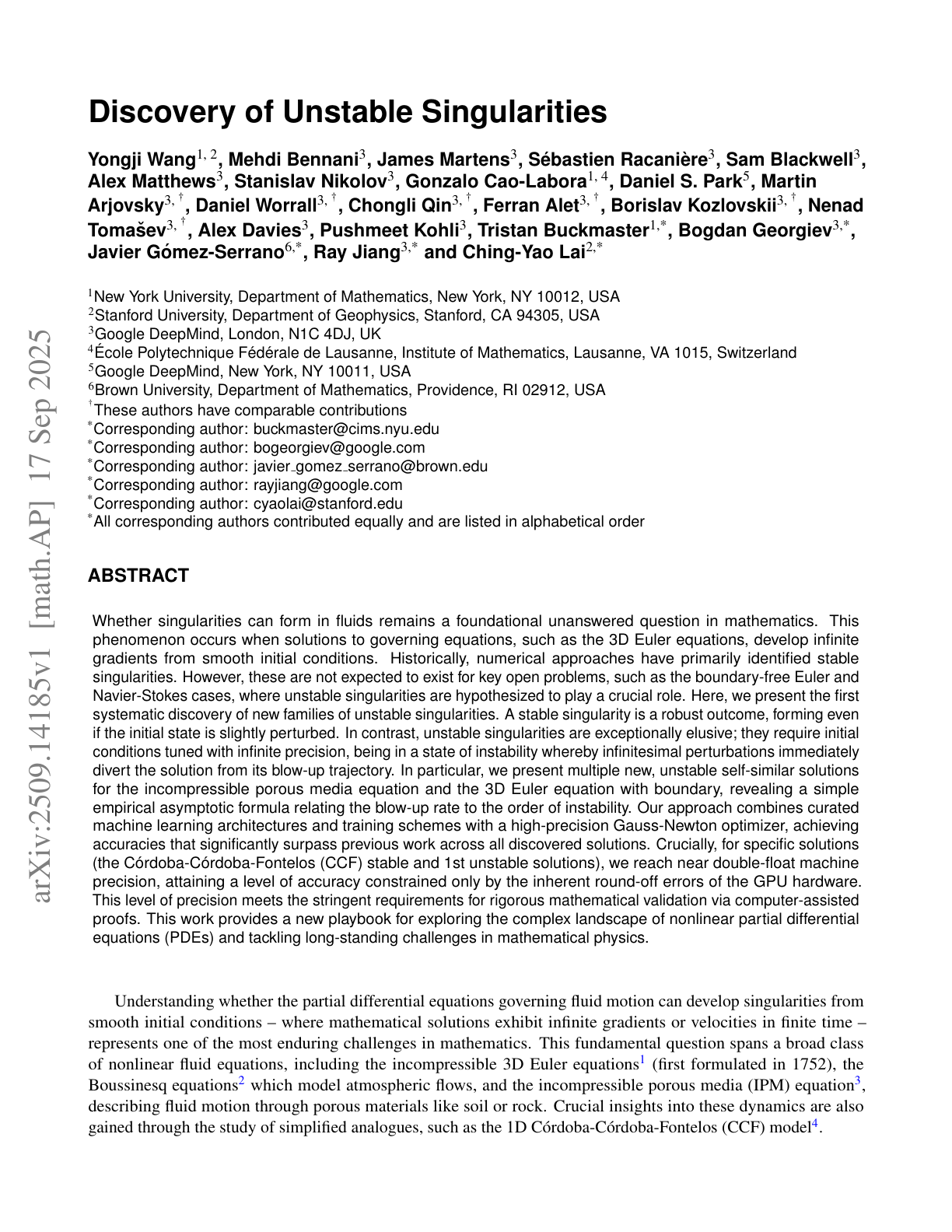
Discovery of Unstable Singularities
The authors present a playbook for finding unstable finite-time singularities in fluid PDEs, uncovering new self-similar blow-up solutions in three canonical systems and training neural solvers to near machine precision, which enables downstream computer-assisted proofs.
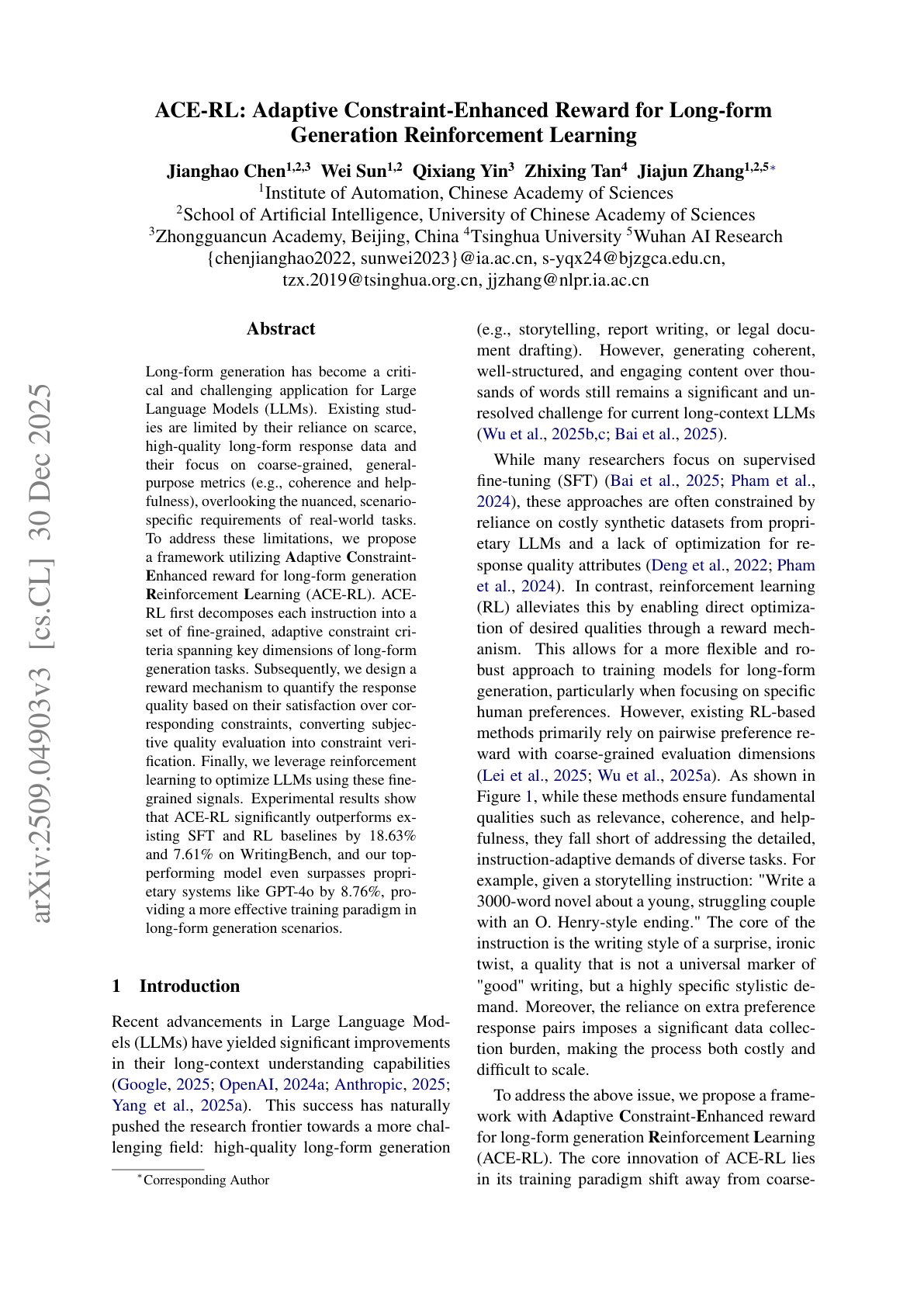
ACE-RL
A reinforcement-learning framework that replaces coarse, preference-pair rewards with instruction-specific, verifiable checklists. ACE-RL turns each long-form task into a set of explicit and implicit constraints, scores a model’s output by how well it satisfies them, and mixes this with a length-control reward during GRPO training. The result is stronger, more controllable long-form writing across domains and styles.
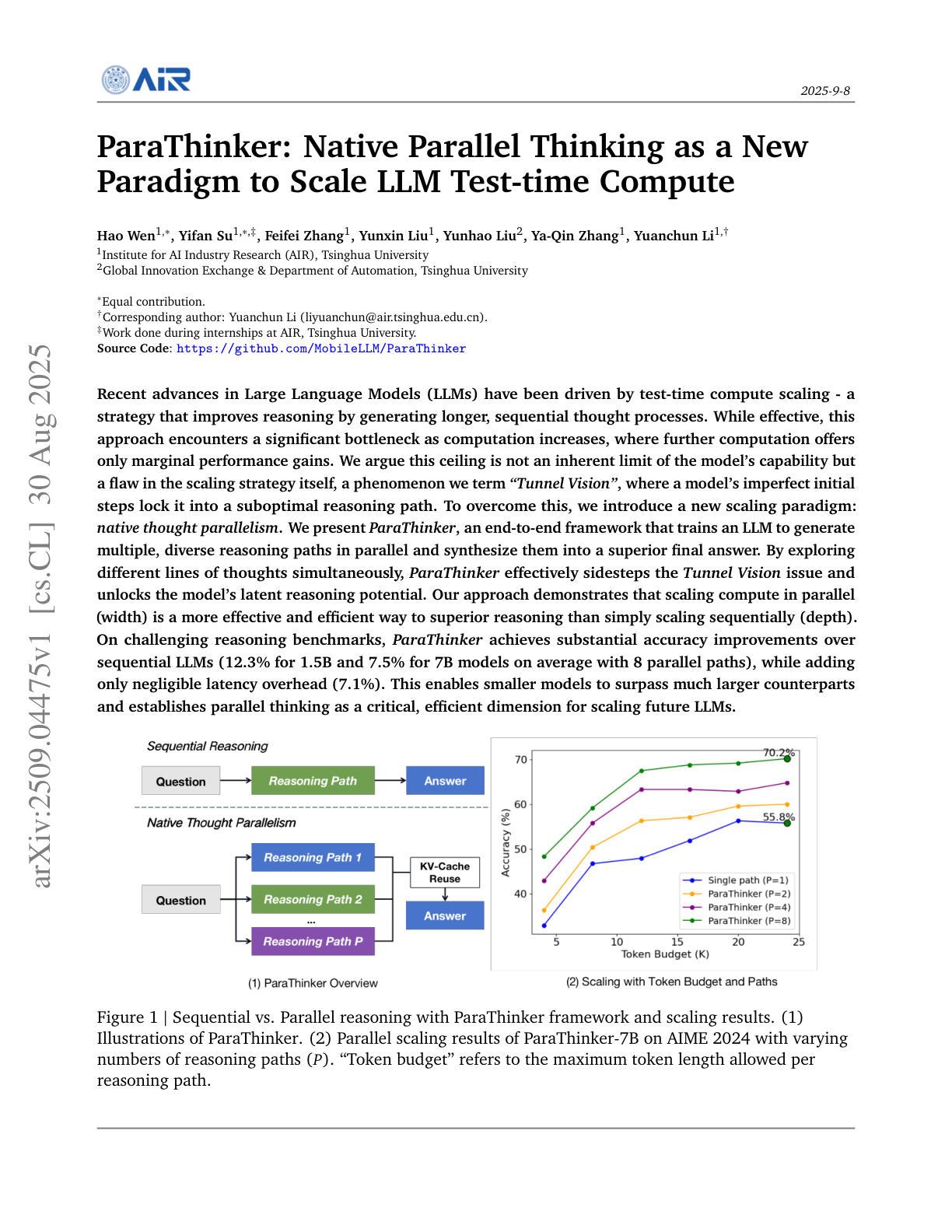
ParaThinker
This paper argues that today’s “think longer” strategies trap LLMs in a single line of thought. They propose ParaThinker, which trains models to generate several independent reasoning paths in parallel and then fuse them into one answer. Across math benchmarks, this width-scaling lifts accuracy while adding only a small latency cost.
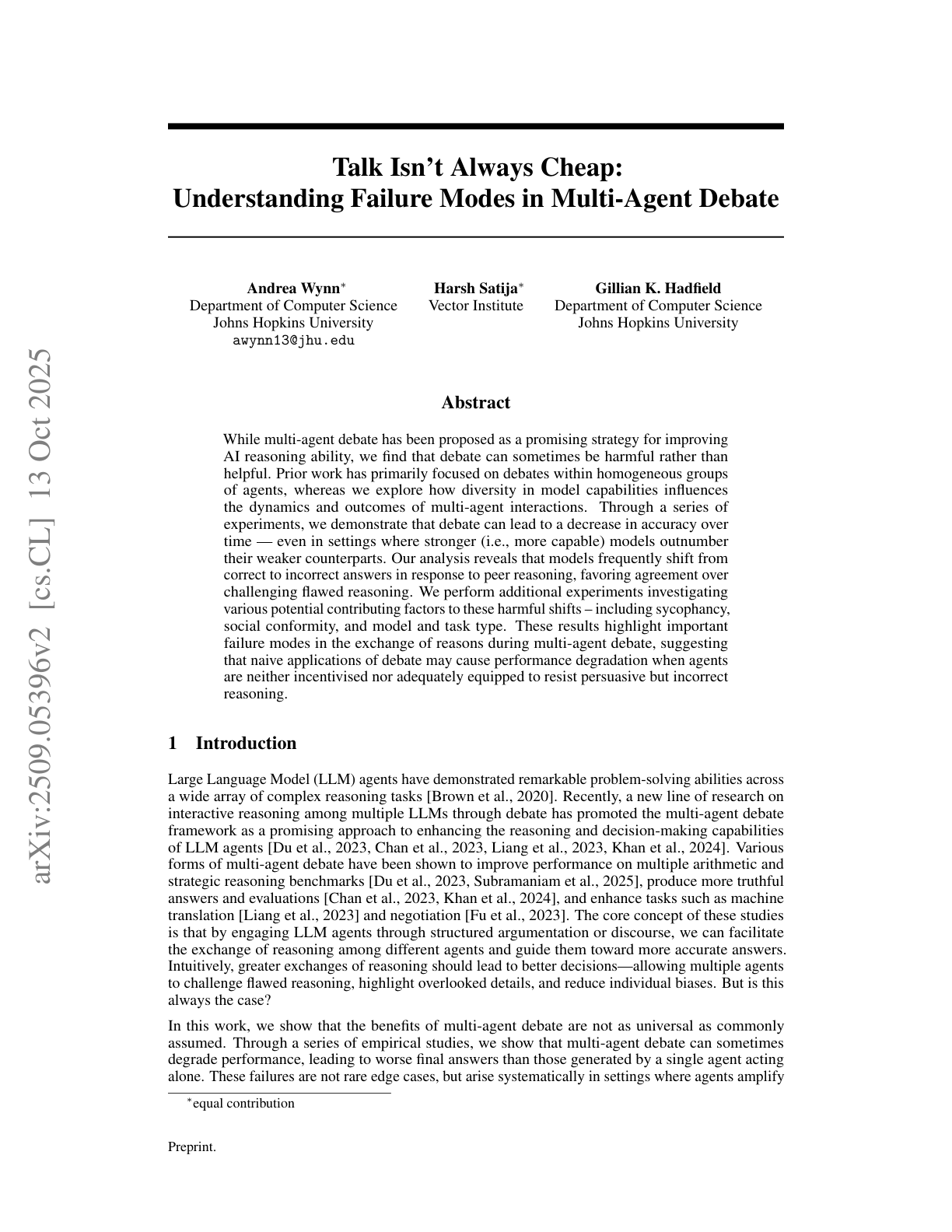
Talk Isn’t Always Cheap
Multi-agent debate does not always help. Across three reasoning benchmarks and heterogeneous agent pools, debate often lowers accuracy, with stronger models sometimes swayed into worse answers by weaker peers. The authors argue that current alignment makes agents too agreeable, so they adopt persuasive but wrong reasoning instead of challenging it.
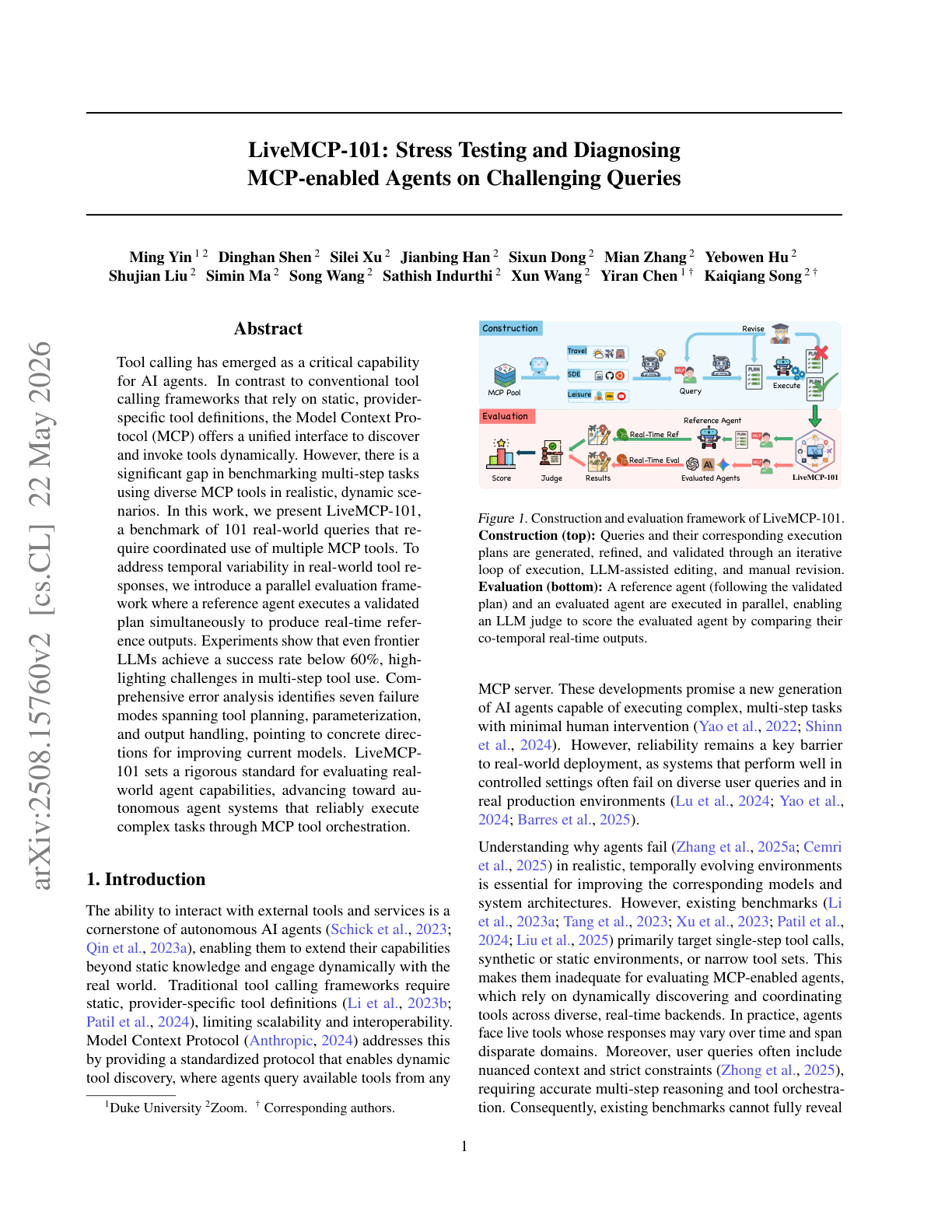
LiveMCP-101
LiveMCP-101 is a new benchmark of 101 real-world queries designed to test MCP-enabled agents on multi-step tasks requiring tool use across search, file ops, math, and data analysis. Results show leading LLMs succeed less than 60%, revealing key weaknesses in tool orchestration and offering insights for advancing autonomous AI systems.
Why Language Models Hallucinate
The paper argues that hallucinations are not mysterious glitches but the predictable result of how LLMs are trained and evaluated. Pretraining creates statistical pressure to make errors, and post-training benchmarks often reward confident guessing over honest uncertainty. The fix is to realign mainstream evaluations to stop penalizing abstentions.
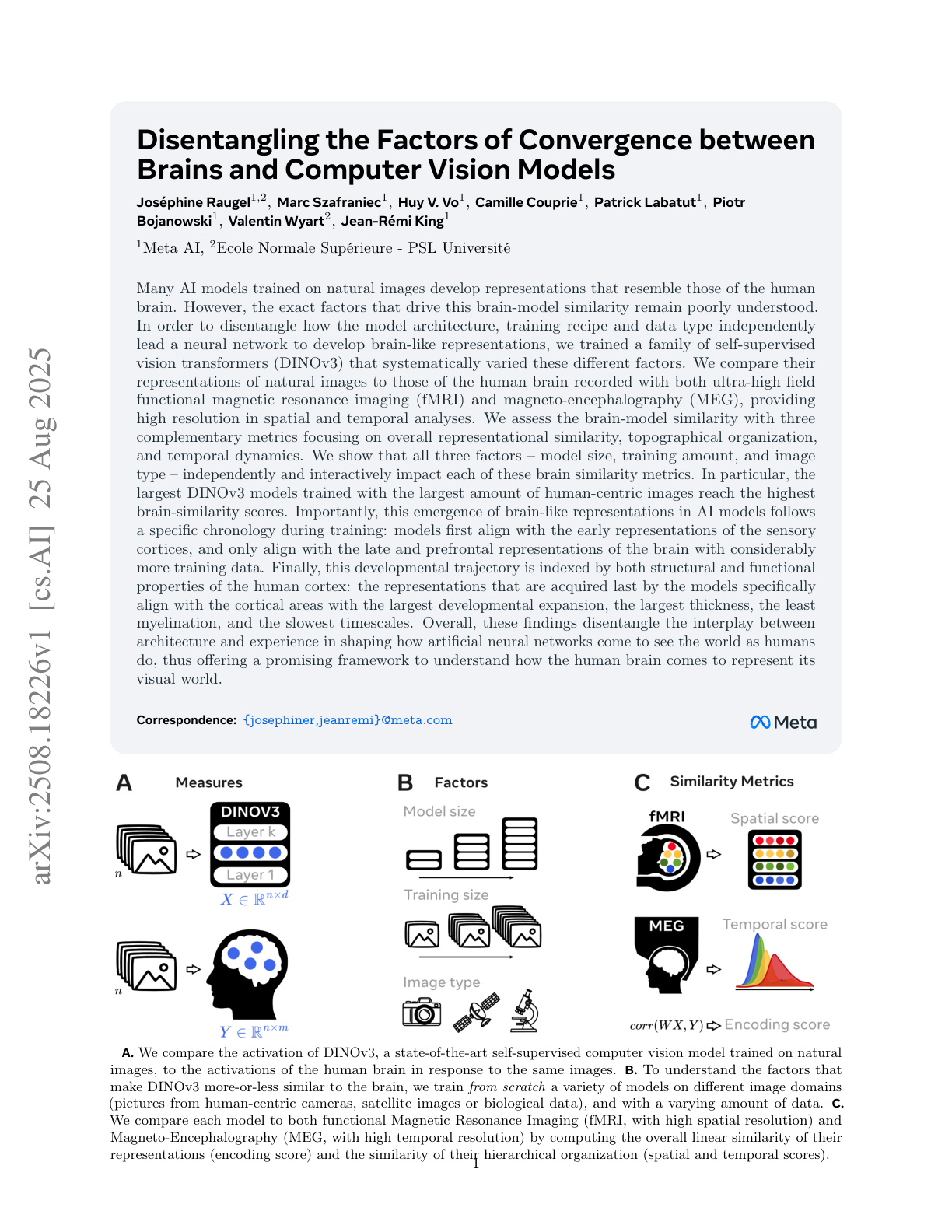
Disentangling the Factors of Convergence between Brains and Computer Vision Models
Large self-supervised ViTs trained on natural images develop brain-like internal representations. This paper teases apart what drives that convergence by varying model size, training amount, and image type in DINOv3, then comparing model activations to human fMRI (space) and MEG (time) with three metrics: overall linear predictability (encoding), cortical topography (spatial), and temporal alignment (temporal). Result: all three factors matter, and alignment unfolds in a consistent order from early sensory to higher associative cortex.
Implicit Reasoning in LLMs
This survey defines implicit reasoning as multi-step problem solving that happens inside a model’s latent states without printing intermediate steps. It organizes the field by execution paradigm rather than representation format, and reviews evidence, evaluation, and open challenges.