AI Papers of the Week
Every paper worth reading in AI, hand-picked one week at a time.
Discover and explore top AI papers with Claude Code or Codex
npx @dair-ai/mcp setup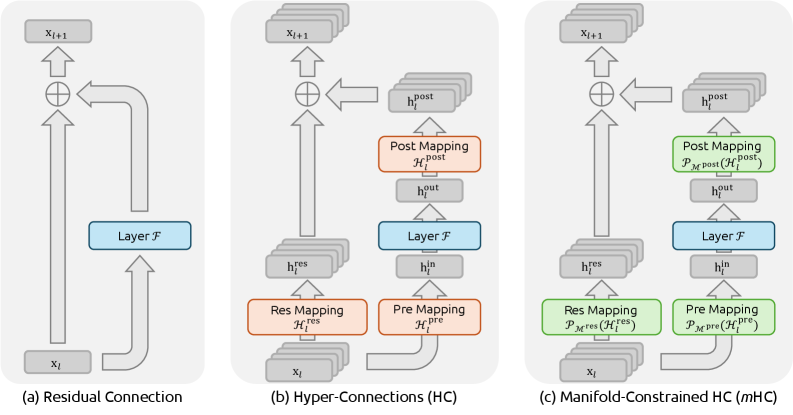
Manifold-Constrained Hyper-Connections
This DeepSeek paper proposes Manifold-Constrained Hyper-Connections (mHC), a framework that extends residual connections by expanding residual stream width while restoring training stability. The key insight: unconstrained Hyper-Connections compromise identity mapping, causing training instability at scale.
Spacing Effect for Generalization
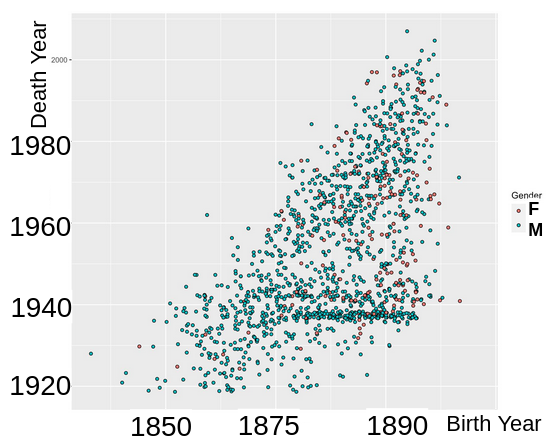
Researchers from Tsinghua University investigate how the spacing effect - a well-documented learning principle where spaced intervals between training improve retention - can enhance generalization in both biological and artificial neural networks.
SAGA
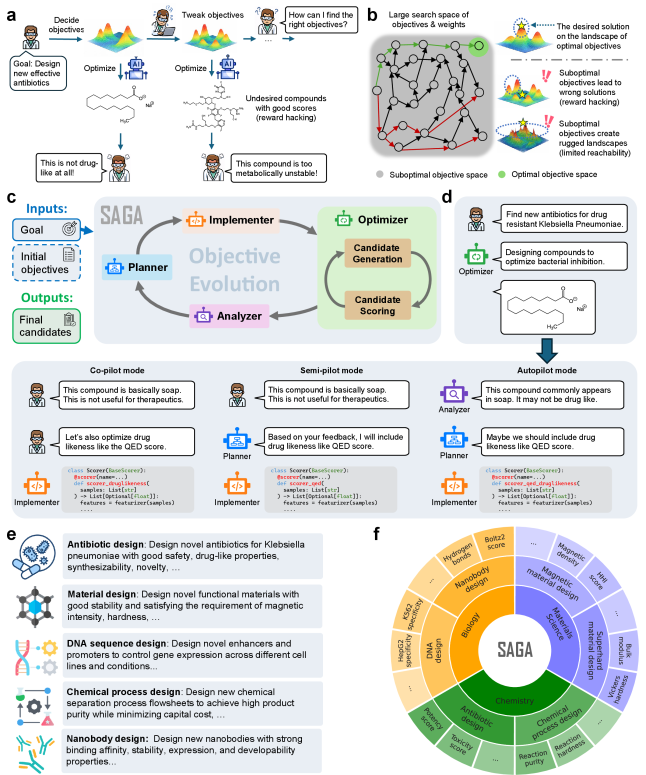
SAGA (Scientific Autonomous Goal-evolving Agent) introduces a framework for automating objective function design in AI-driven scientific discovery. Rather than optimizing fixed objectives specified by scientists, SAGA dynamically reformulates research goals throughout the discovery process to avoid reward hacking issues.
Step-DeepResearch
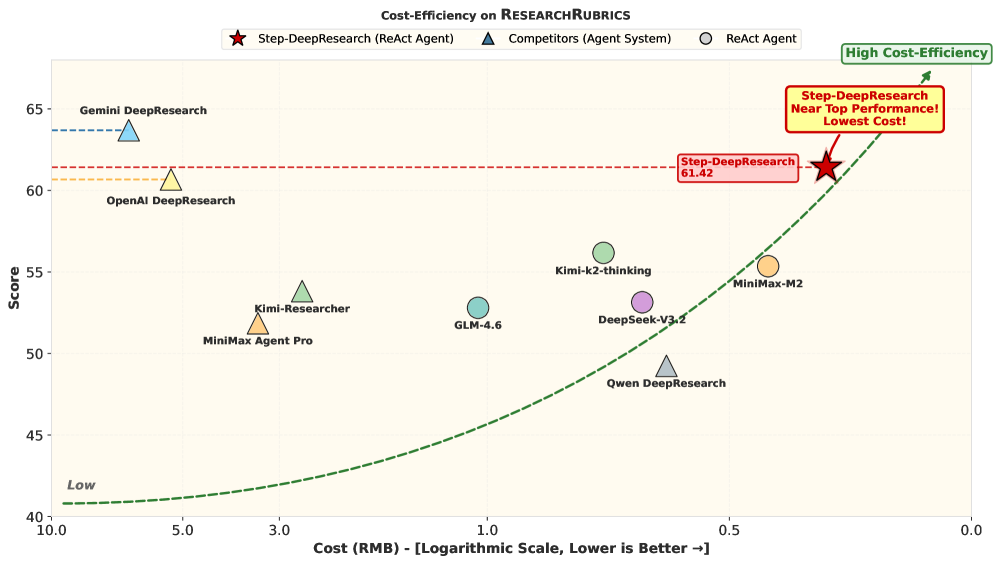
Step-DeepResearch is a 32B parameter deep research agent that rivals OpenAI and Gemini DeepResearch through atomic capability training - decomposing research into planning, information gathering, cross-source verification, and report writing. Achieving 61.42 on Scale AI ResearchRubrics with a streamlined ReAct-style design, it outperforms larger models while being the most cost-effective deep research agent available.
MACI
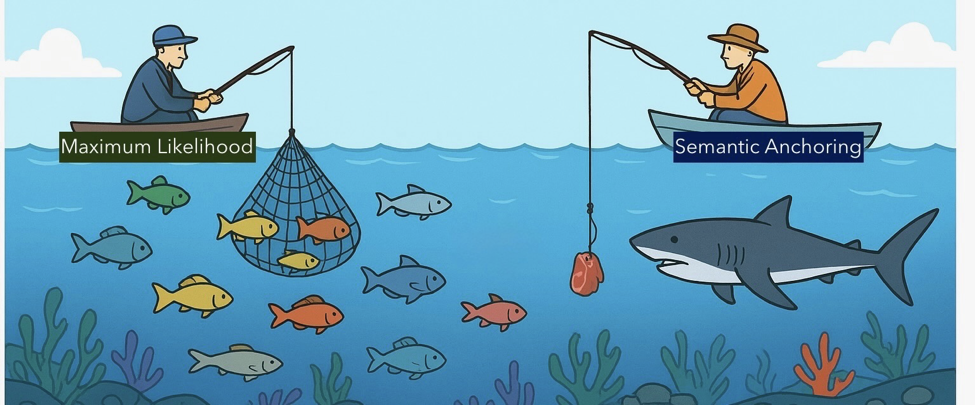
This paper argues that LLMs are not fundamentally limited as pattern matchers - the real bottleneck is the lack of a System-2 coordination layer. The authors propose MACI, an architecture implementing three mechanisms: baiting (behavior-modulated debate), filtering (Socratic judging), and persistence (transactional memory) to enable goal-directed reasoning on top of LLM substrates.
AgentReuse
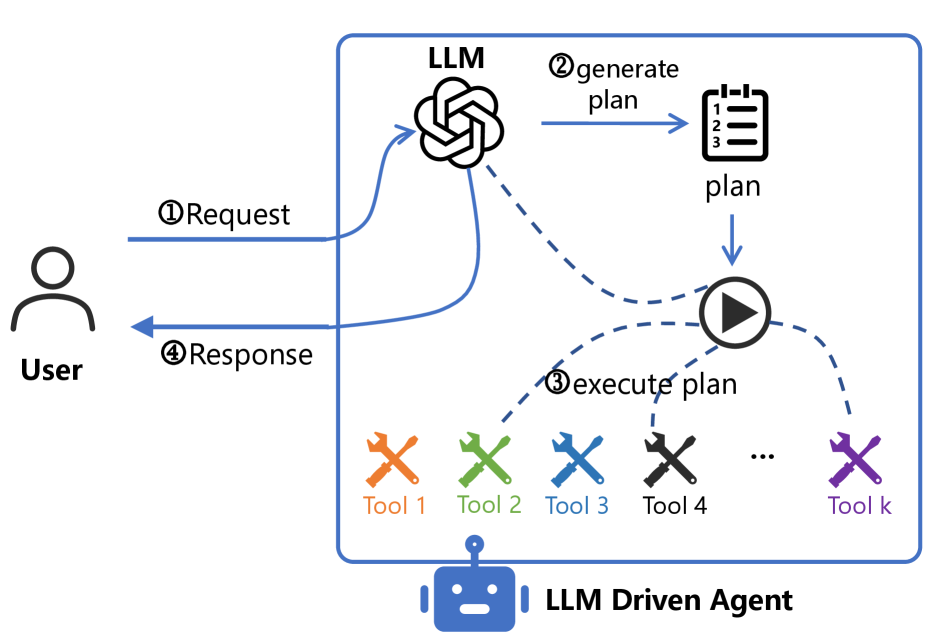
AgentReuse addresses latency bottlenecks in LLM-driven agents by caching and reusing plans for similar requests, observing that about 30% of agent requests are identical or similar. Using intent classification for semantic similarity rather than surface-level text comparison, the system achieves a 93% effective plan reuse rate and 93.12% latency reduction compared to systems without plan reuse.