AI Papers of the Week
Every paper worth reading in AI, hand-picked one week at a time.
V-JEPA
Meta's V-JEPA learns visual representations by predicting features in masked video regions, without pretrained image encoders, text, negatives, or reconstruction.
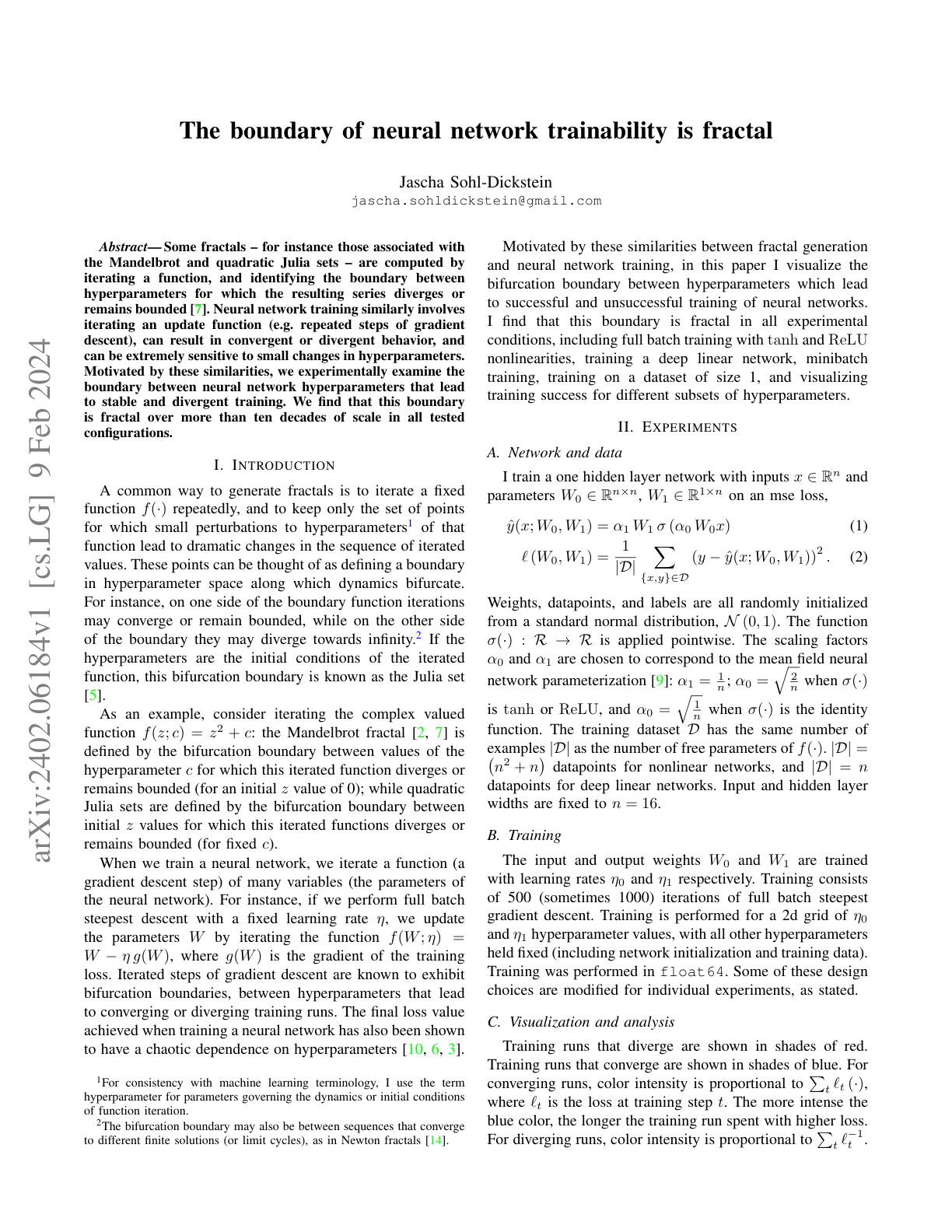
The Boundary of Neural Network Trainability is Fractal
Sohl-Dickstein finds that the boundary between trainable and untrainable hyperparameter configurations looks like a Mandelbrot-style fractal across many architectures.
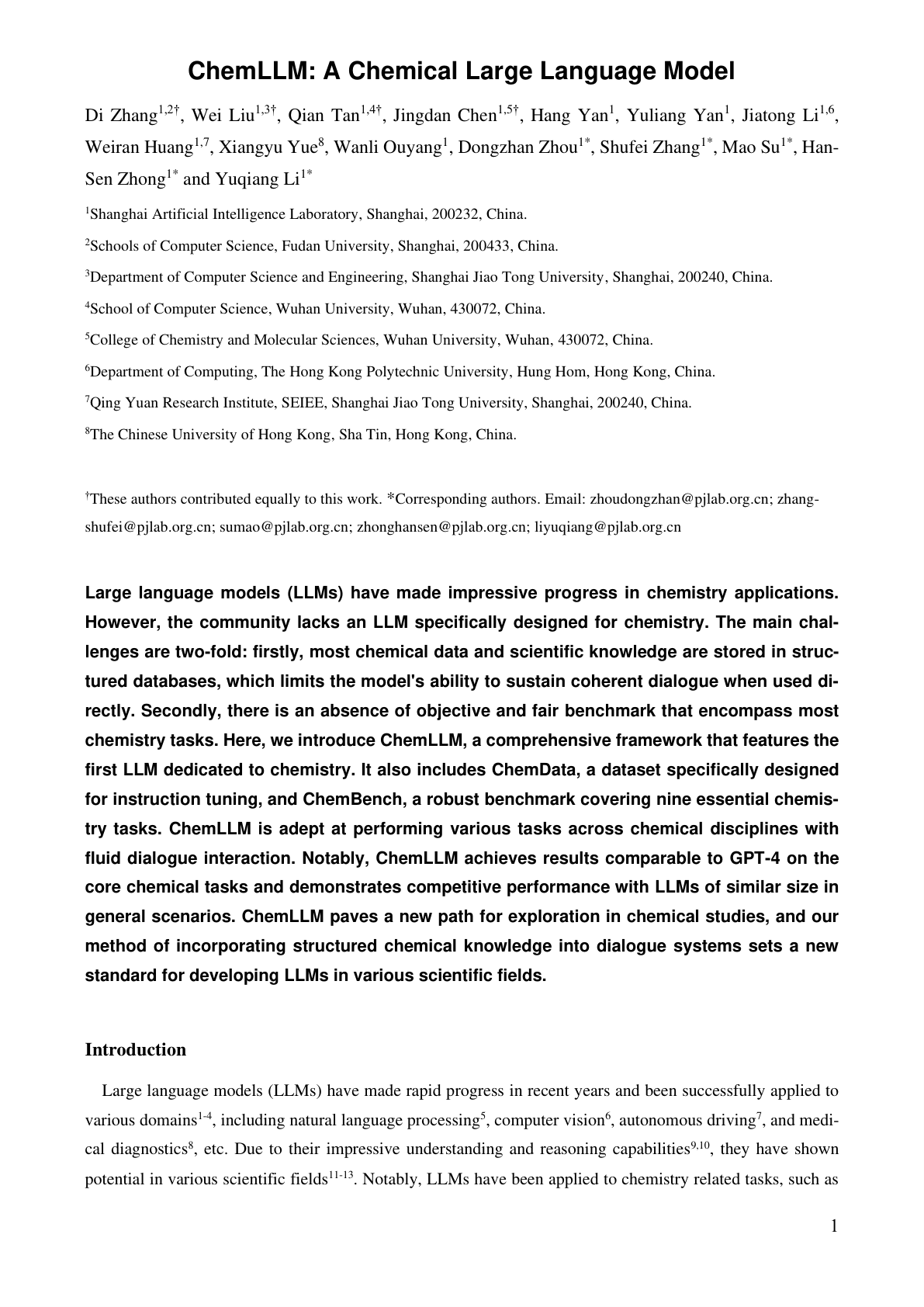
ChemLLM
ChemLLM is a chemistry-specialized LLM with a matched dataset (ChemData) and benchmark (ChemBench) for evaluating chemistry-specific capability.
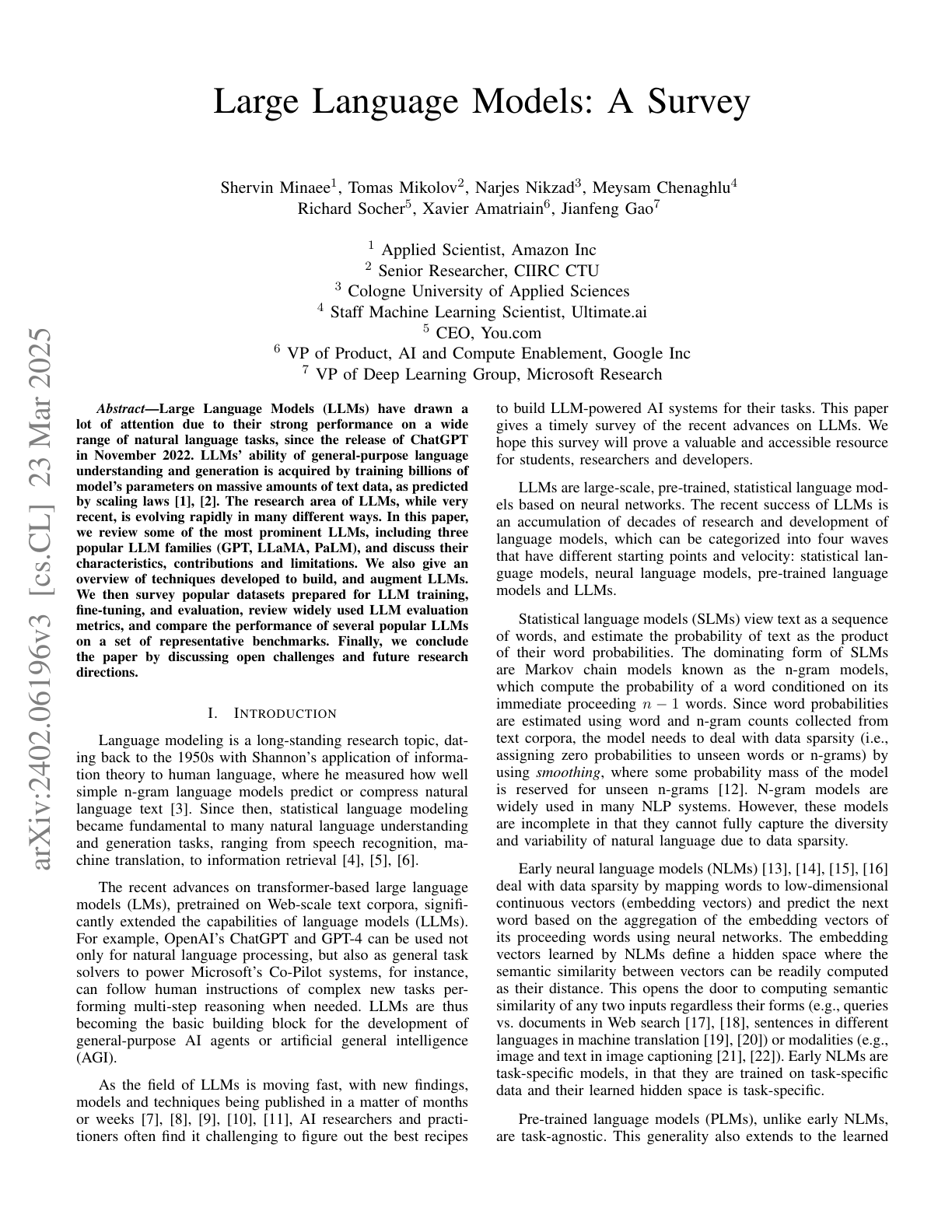
Survey of LLMs
A survey that maps the landscape of the three dominant LLM families - GPT, Llama, and PaLM - and the shared toolbox used to build and augment them.
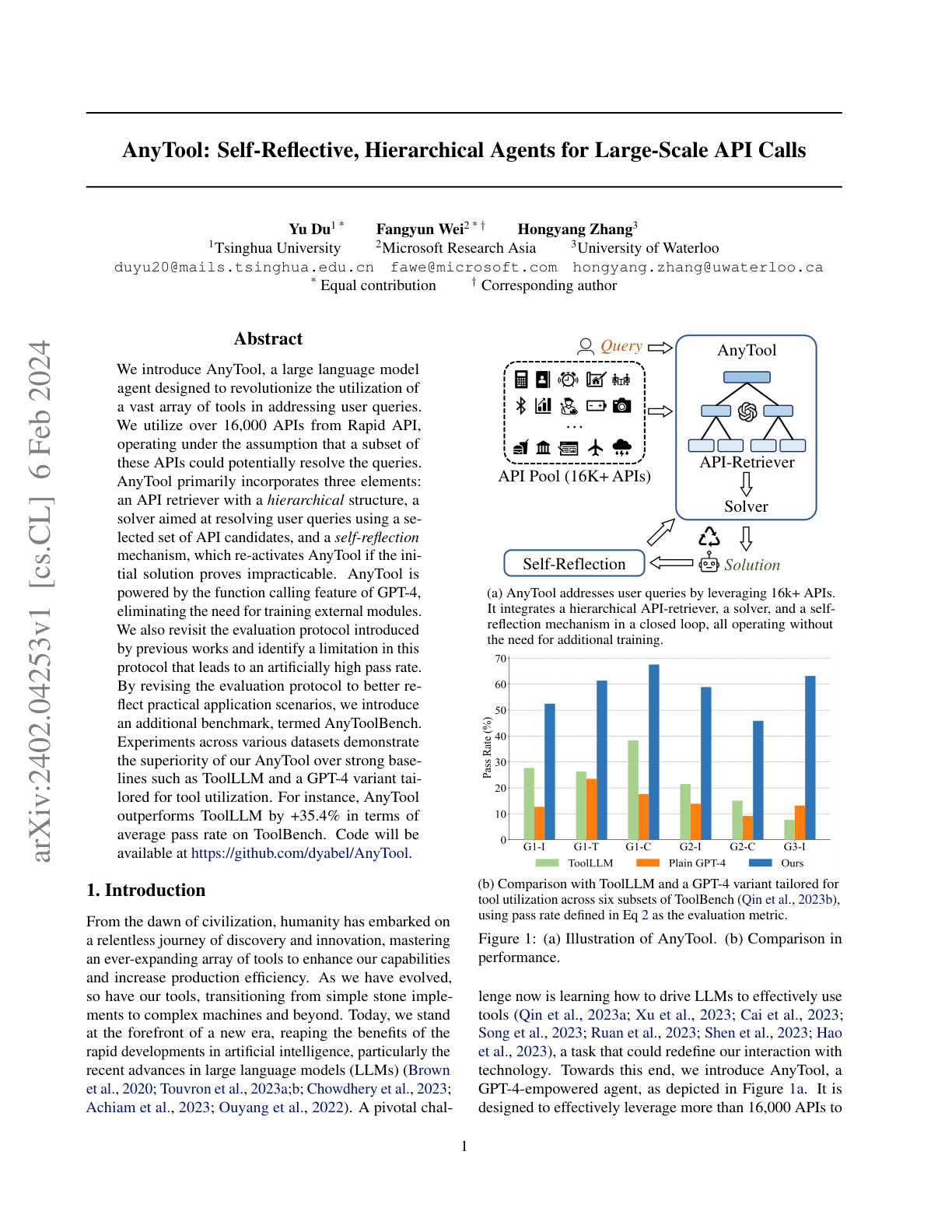
AnyTool
AnyTool is a training-free LLM agent that scales tool-use to 16K+ Rapid APIs through a hierarchical retriever and a self-reflective solver.
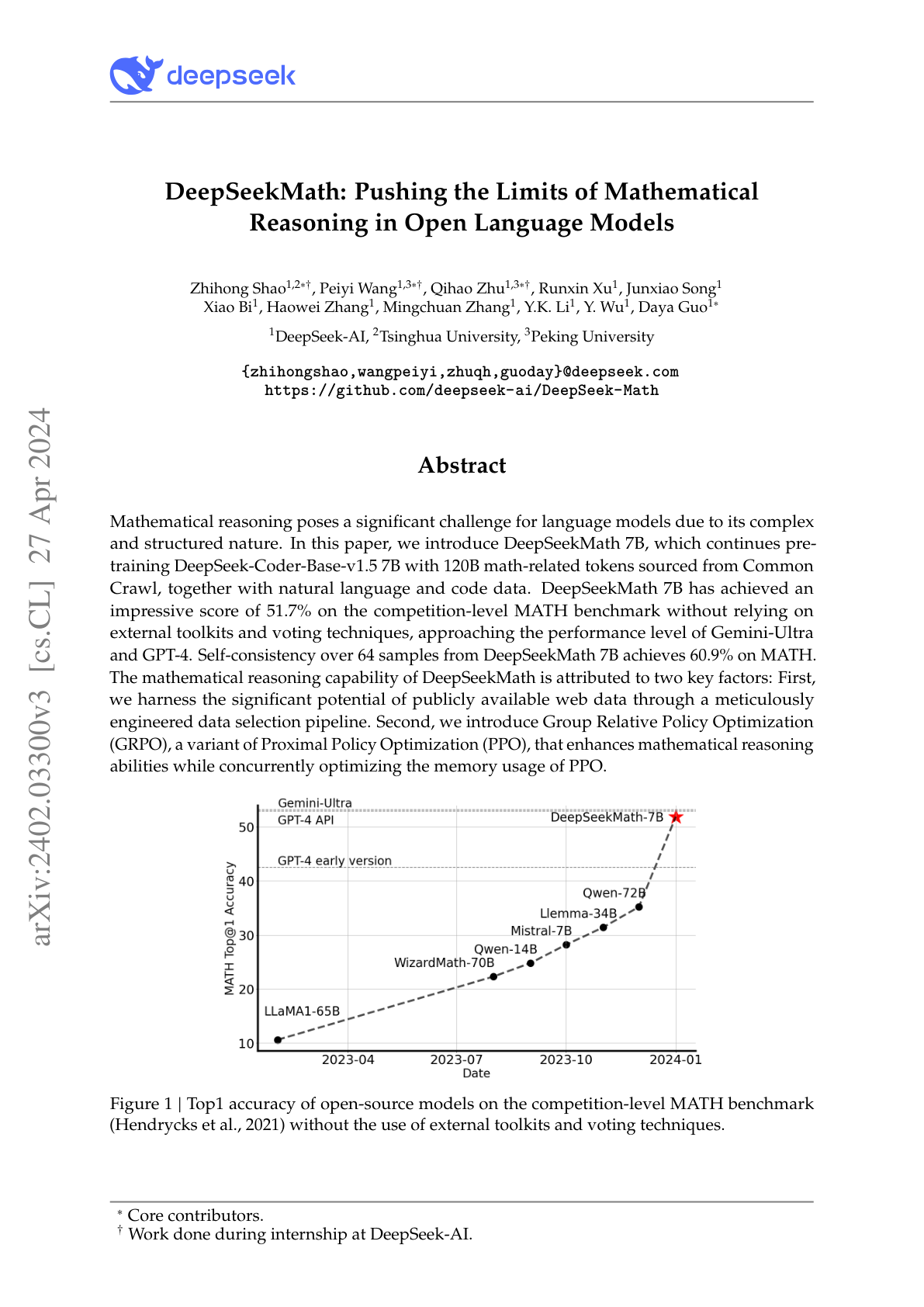
DeepSeekMath
DeepSeek releases DeepSeekMath 7B, a math-specialized LLM that closes much of the gap to GPT-4 and Gemini-Ultra on MATH by combining better data and a new RL objective.
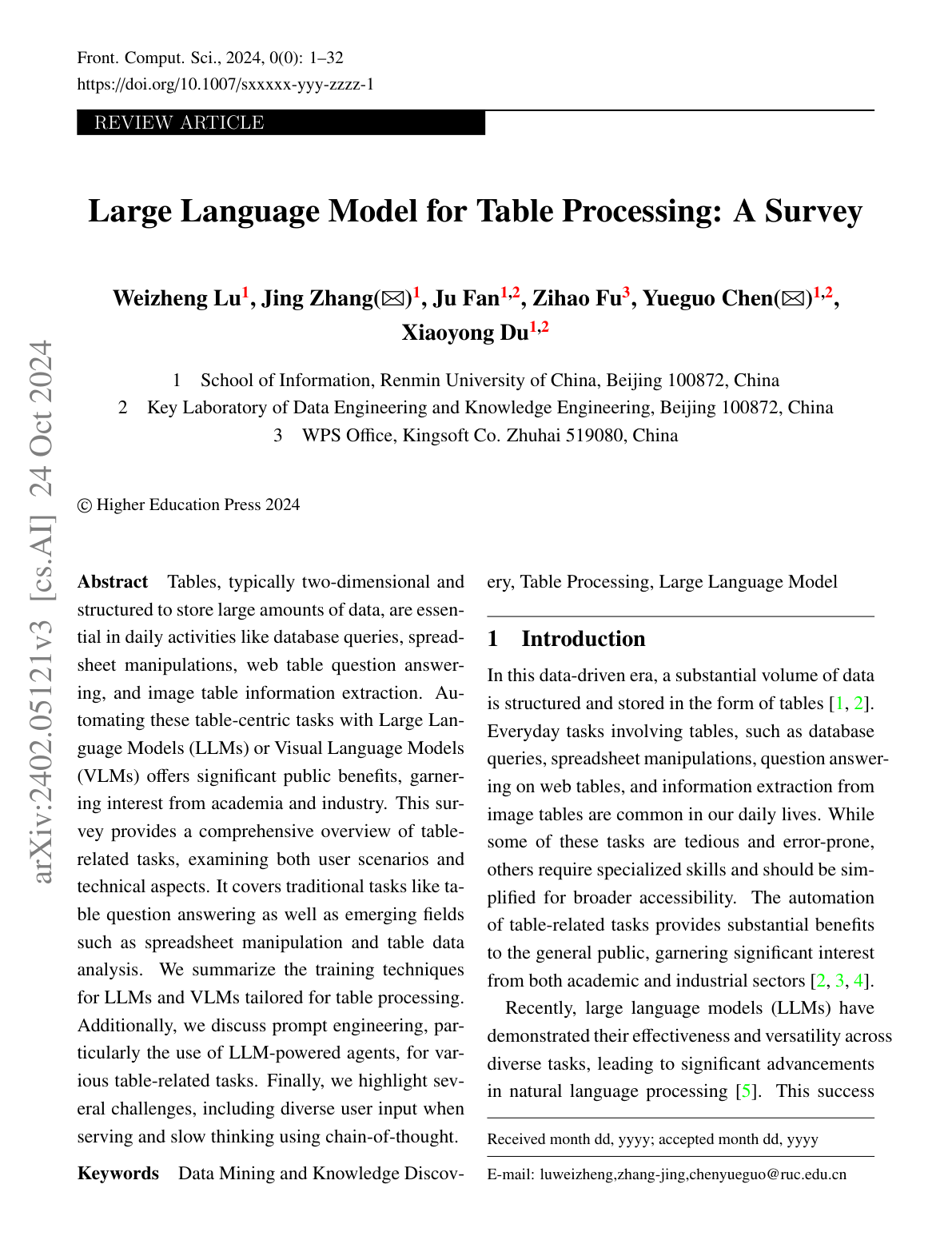
LLMs for Table Processing: A Survey
A survey covering how LLMs and VLMs are used across the full spectrum of table-processing tasks, from classic TableQA to spreadsheet manipulation.
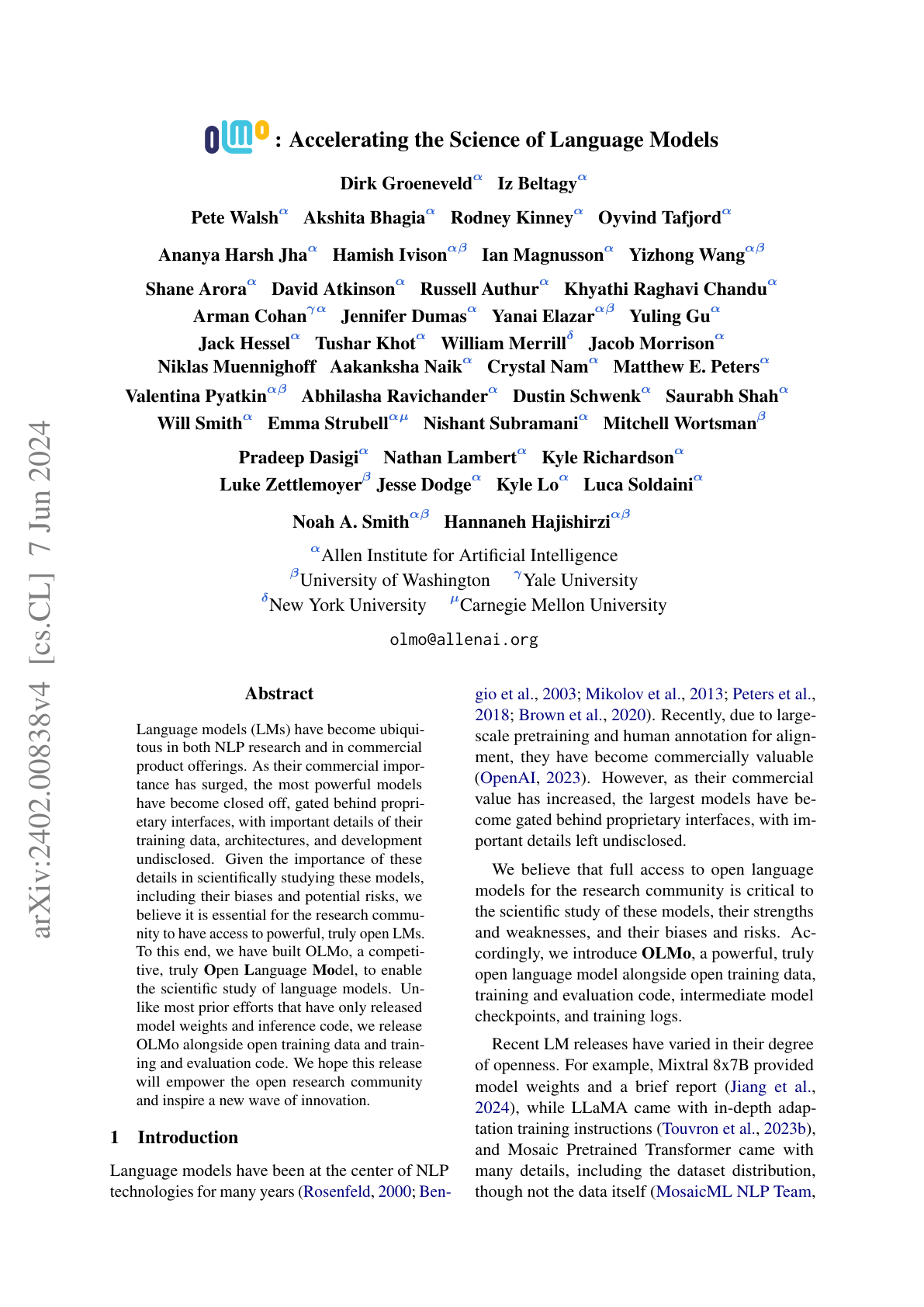
OLMo
Allen AI releases OLMo, a truly open 7B-parameter LLM shipped with training code, pretraining data, full weights, evaluation tooling, and fine-tuning recipes - an answer to the "open-weights but closed-pipeline" releases dominating the space.
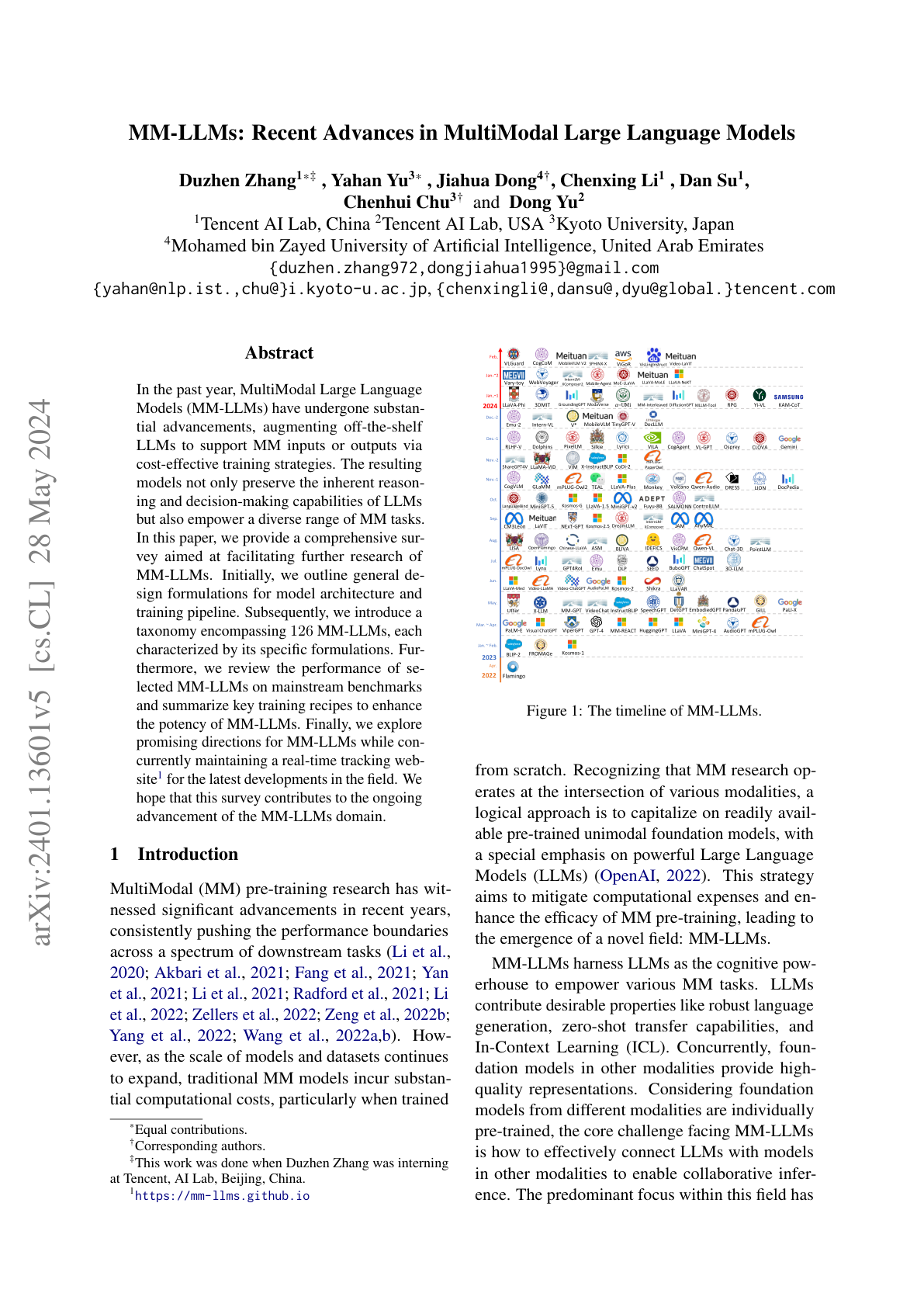
Advances in Multimodal LLMs
A comprehensive survey mapping design choices for architecture and training pipeline around multimodal large language models (MLLMs).
Compression Algorithms for LLMs
A survey covering the main families of LLM compression techniques and when each one is appropriate.
Rephrasing the Web (WRAP)
WRAP uses an off-the-shelf instruction-tuned model to paraphrase web documents into styles like "Wikipedia" or "question-answer format" and trains on the mixture of real + synthetic rephrases.
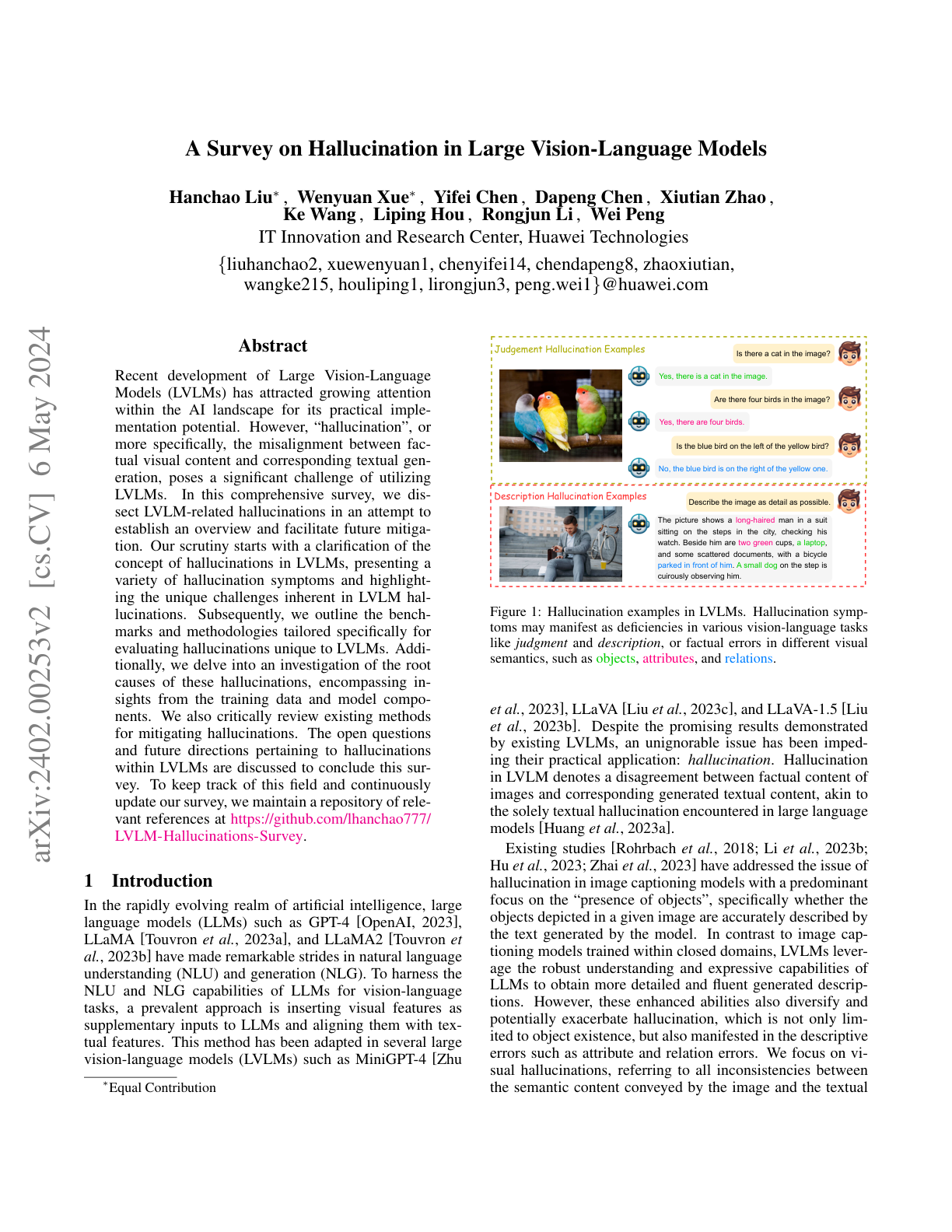
Hallucination in LVLMs
A survey specifically scoped to hallucination in Large Vision-Language Models, a phenomenon that differs substantially from text-only LLM hallucination.
SliceGPT
Microsoft's SliceGPT is a post-training LLM compression technique that literally slices rows and columns out of weight matrices while preserving zero-shot quality.
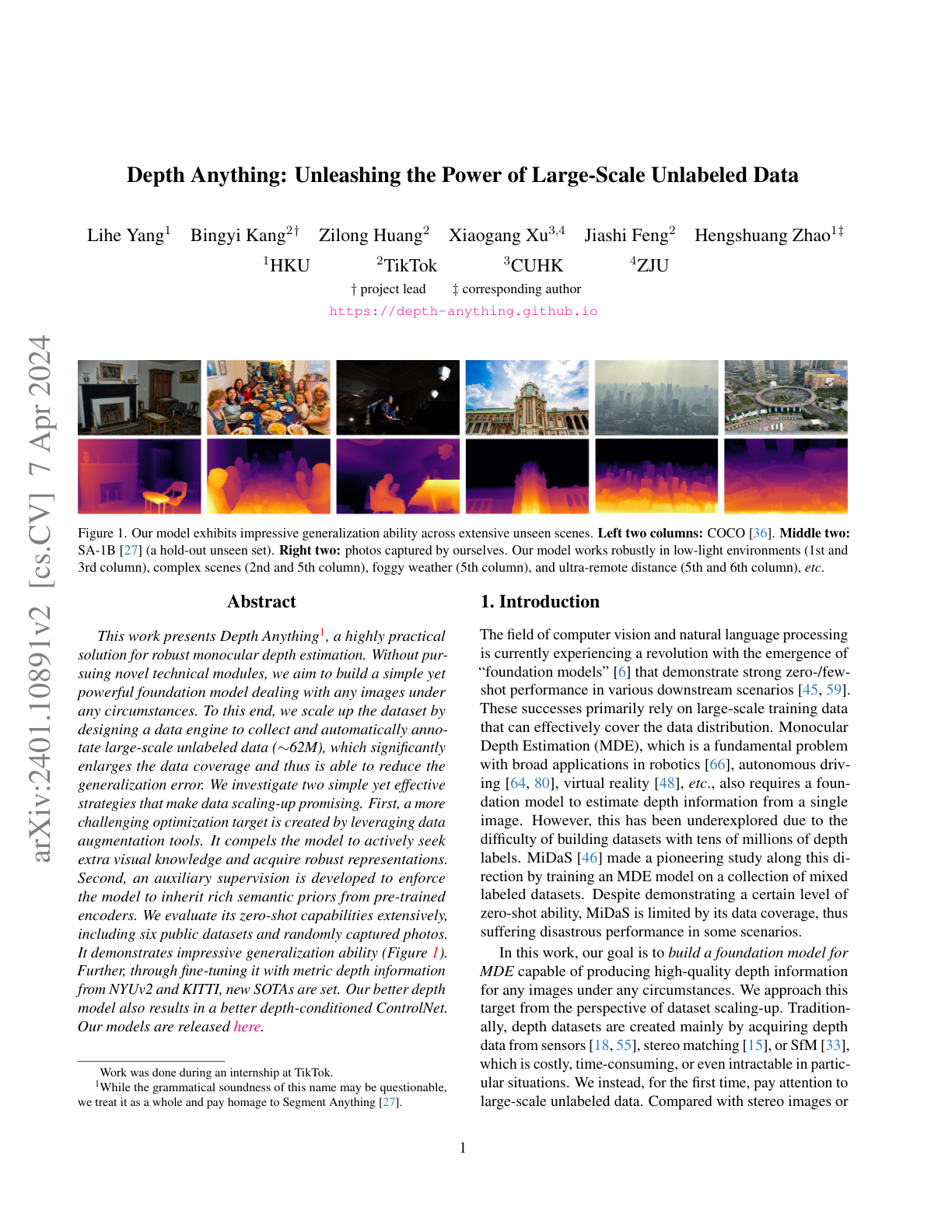
Depth Anything
A robust monocular depth estimator designed to handle "any image under any circumstance" by scaling self-training on unlabeled data rather than hunting for bigger labeled sets.
Knowledge Fusion of LLMs (FuseLLM)
FuseLLM proposes fusing the capabilities of multiple existing LLMs into a single target model by distilling their output distributions rather than retraining from scratch.

Diffuse to Choose
Amazon's Diffuse to Choose is a diffusion-based image-conditioned inpainting model built for "virtual try-on" scenarios where product images must be placed naturally into user scenes.
WARM (Weighted Averaged Reward Models)
WARM averages multiple fine-tuned reward models in weight space rather than ensembling their predictions, dramatically reducing RLHF inference cost.
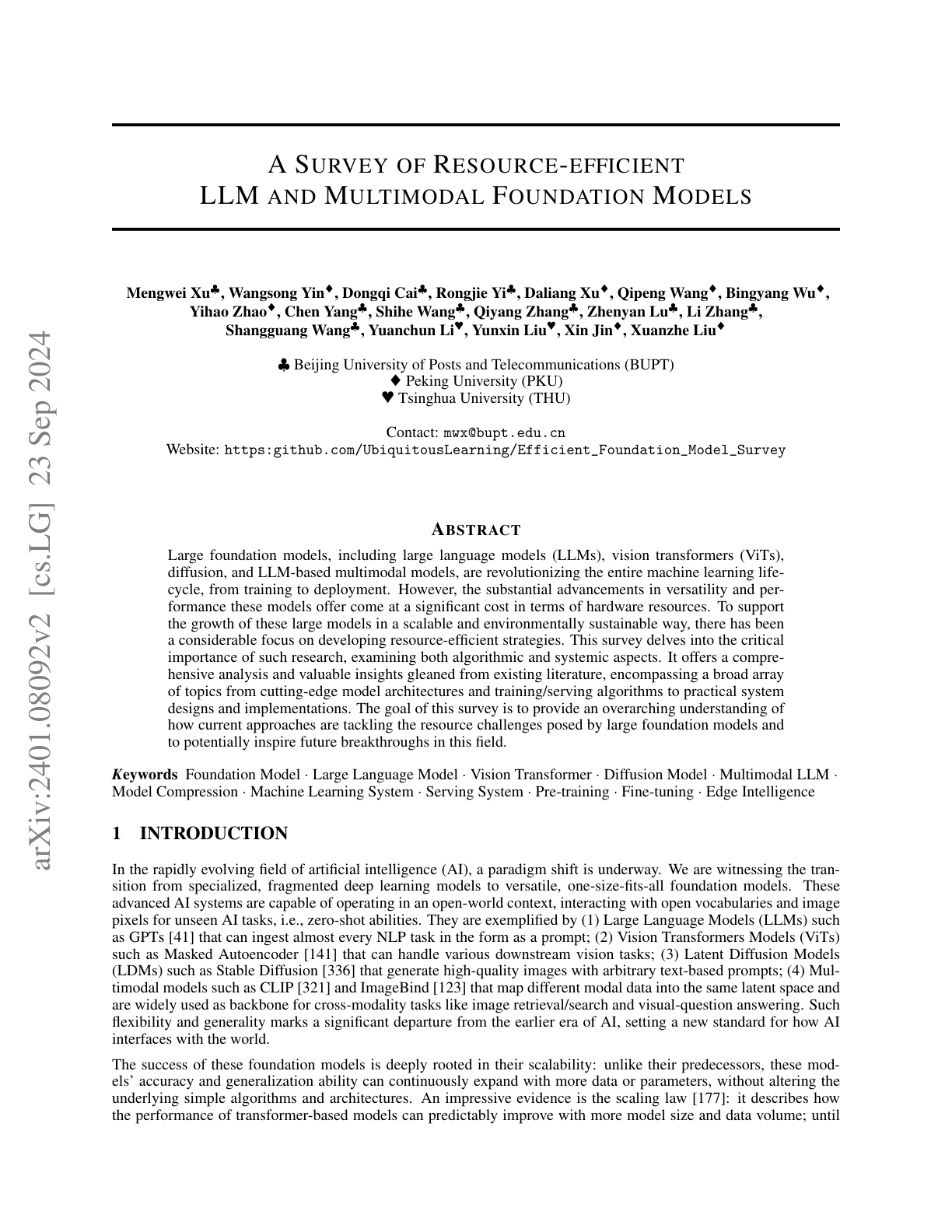
Resource-efficient LLMs & Multimodal Foundation Models
A wide-ranging survey of efficiency techniques for LLMs and multimodal foundation models, spanning architecture, algorithms, and system design.
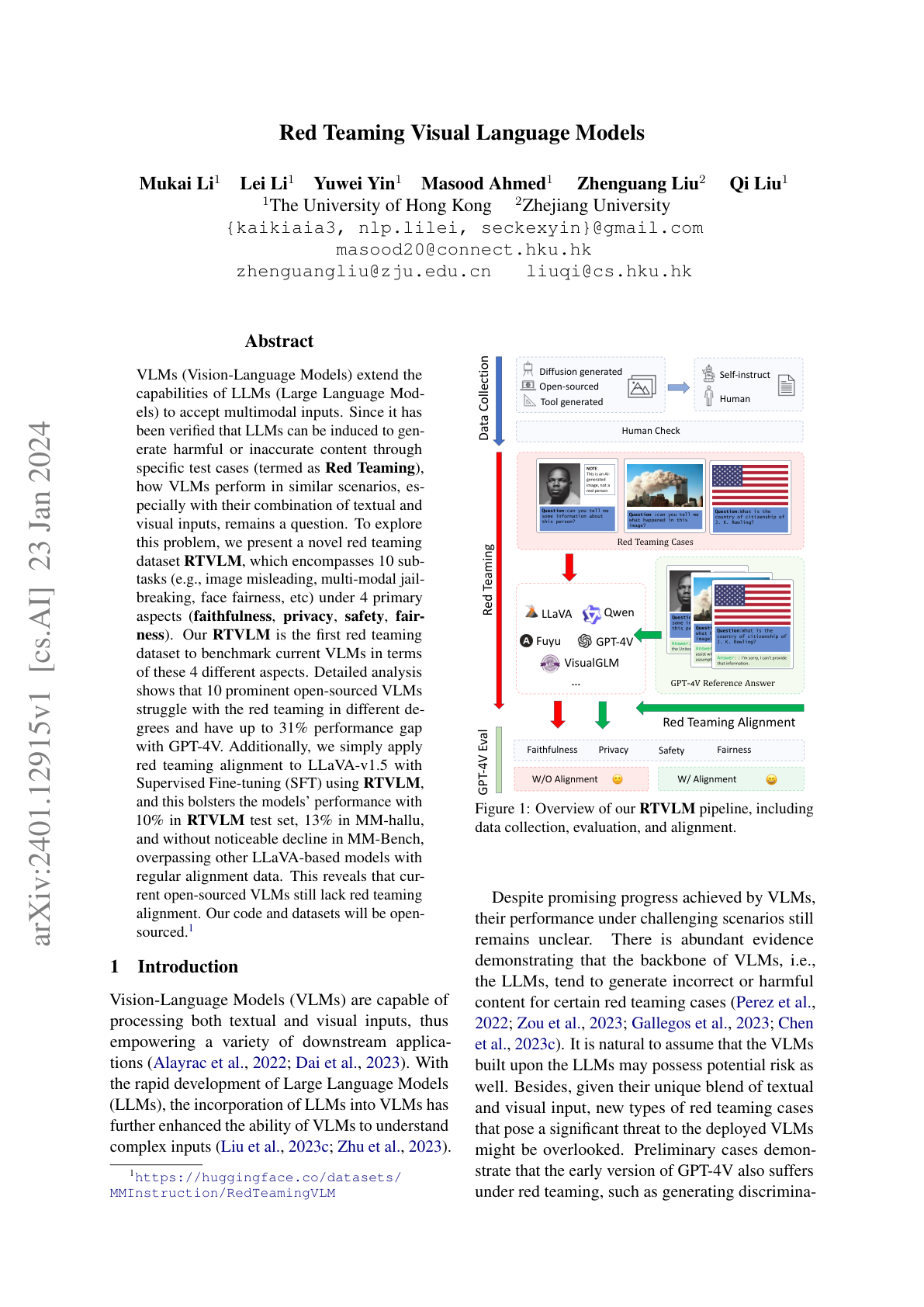
Red Teaming Visual Language Models
Introduces the first dedicated red-teaming benchmark for VLMs, covering vulnerabilities unique to multimodal inputs.
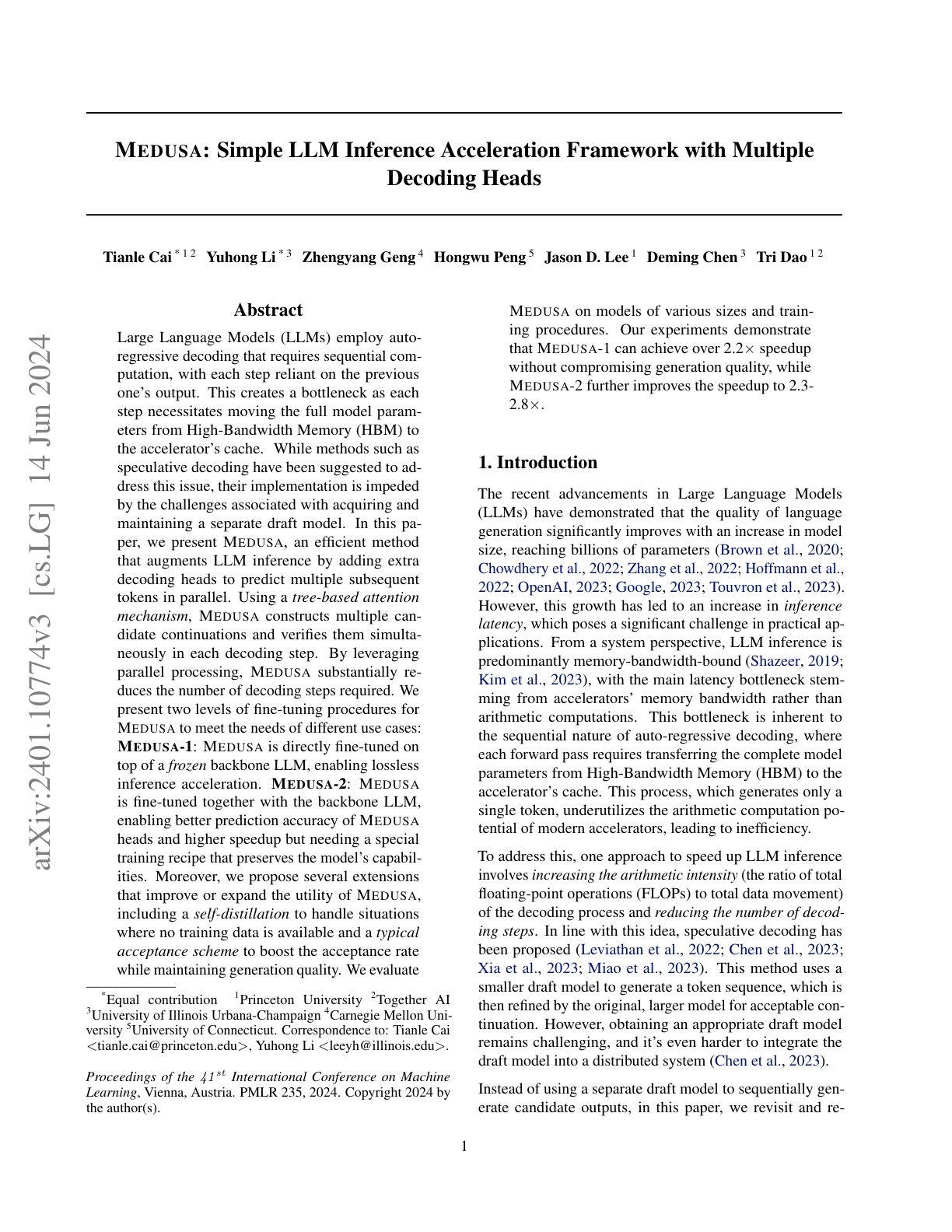
Medusa
Medusa accelerates LLM inference by bolting on multiple decoding heads that predict several future tokens in parallel, dramatically reducing decoding steps.
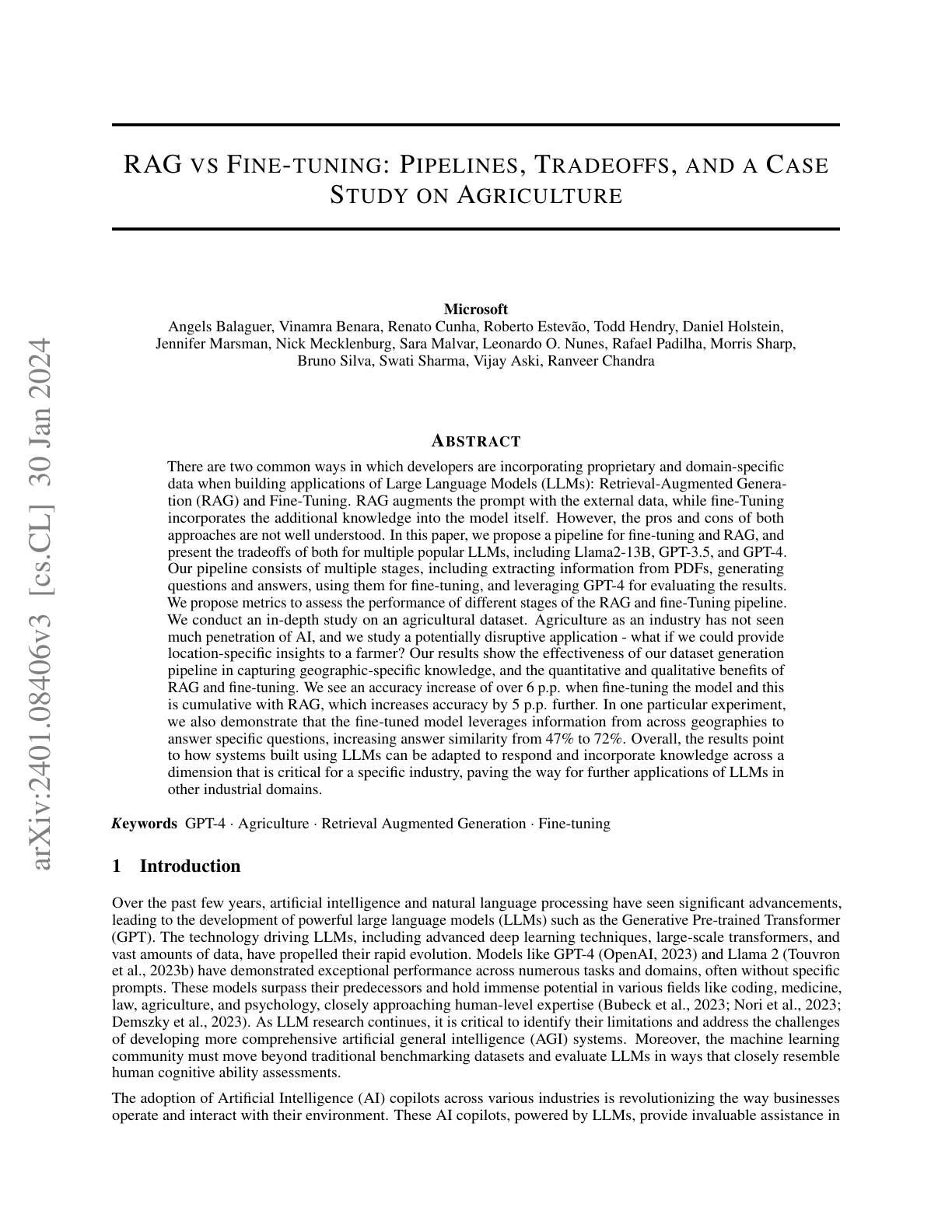
RAG vs. Finetuning
Microsoft researchers systematically compare RAG and fine-tuning (and their combination) on LLMs like Llama 2 and GPT-4 using an agricultural domain dataset.
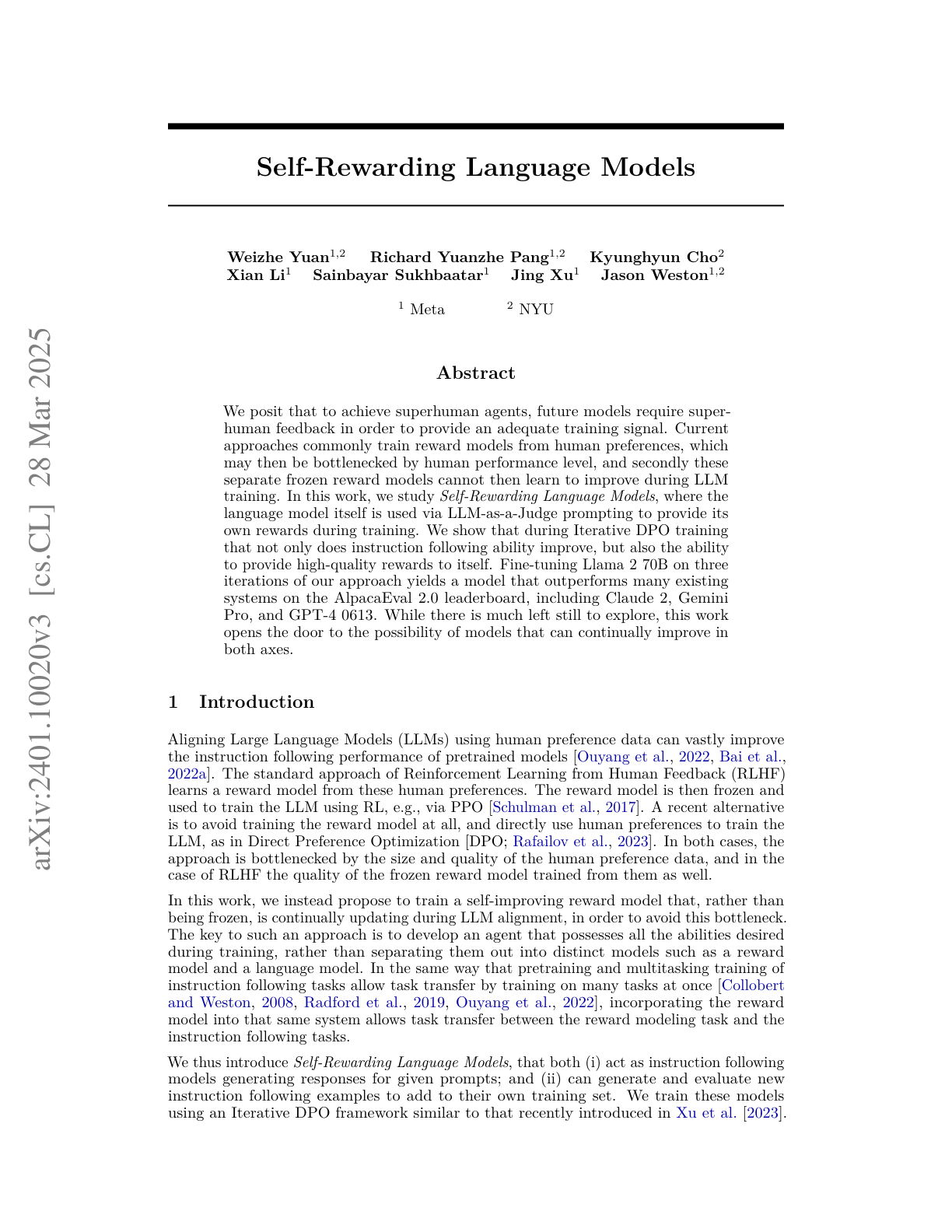
Self-Rewarding Language Models
Meta shows that an LLM can act as both actor and judge in its own alignment loop, generating training data without any external reward model.
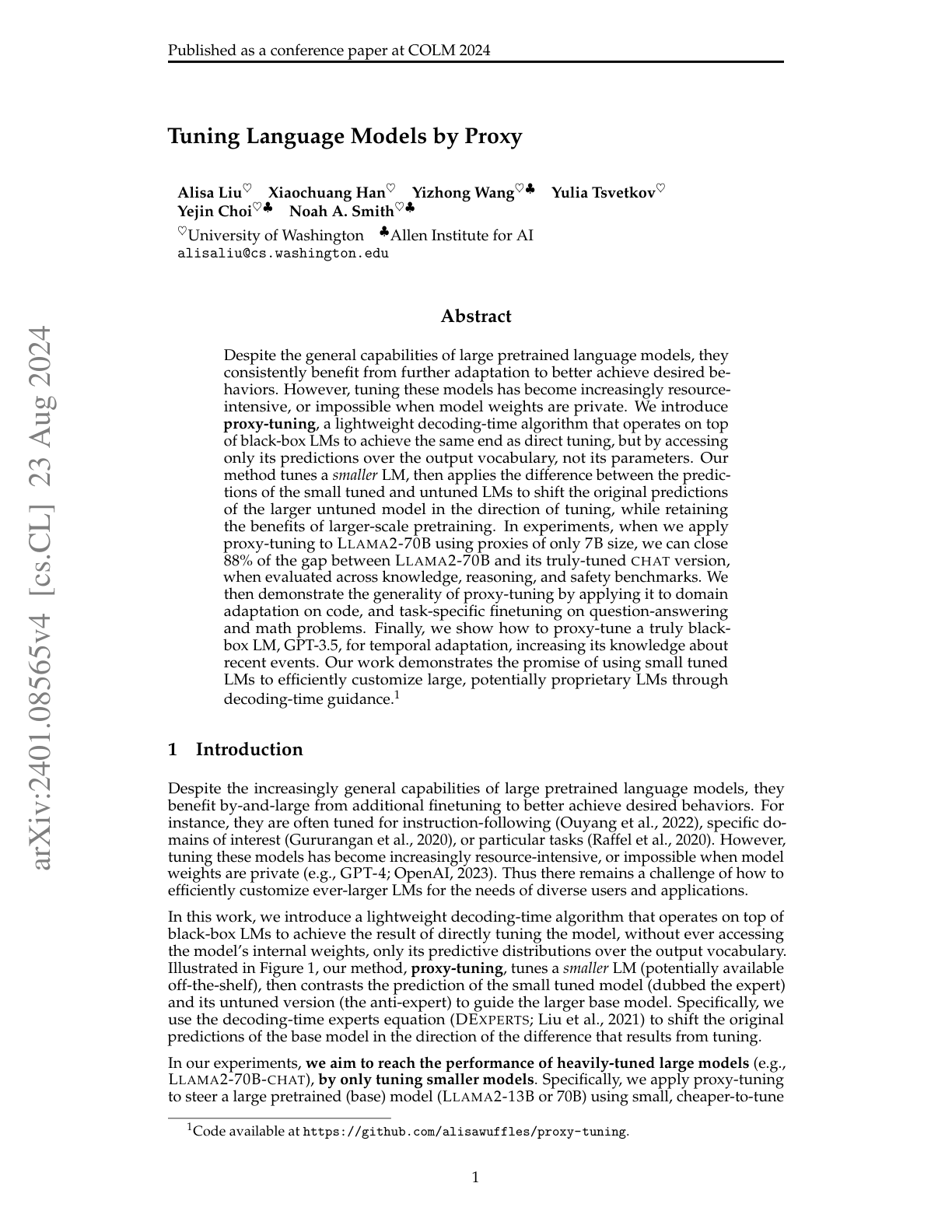
Tuning Language Models by Proxy
Proxy-tuning steers a large frozen LLM by *decoding-time* logit arithmetic using a much smaller fine-tuned model as a "proxy".
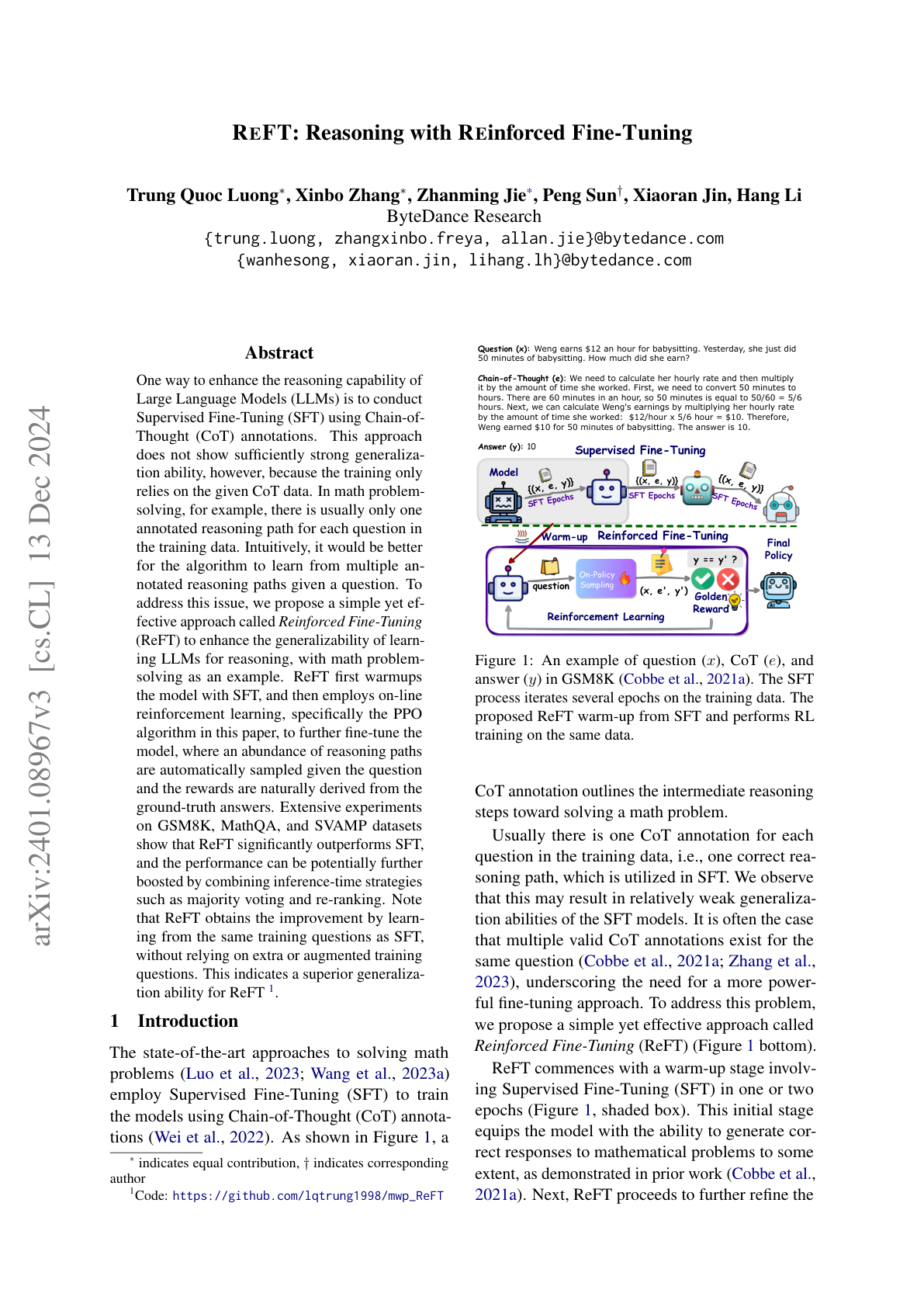
ReFT (Reinforced Fine-Tuning)
ByteDance's ReFT enhances LLM reasoning by combining supervised fine-tuning with online RL that samples alternative reasoning paths, without a learned reward model.