AI Papers of the Week
Every paper worth reading in AI, hand-picked one week at a time.
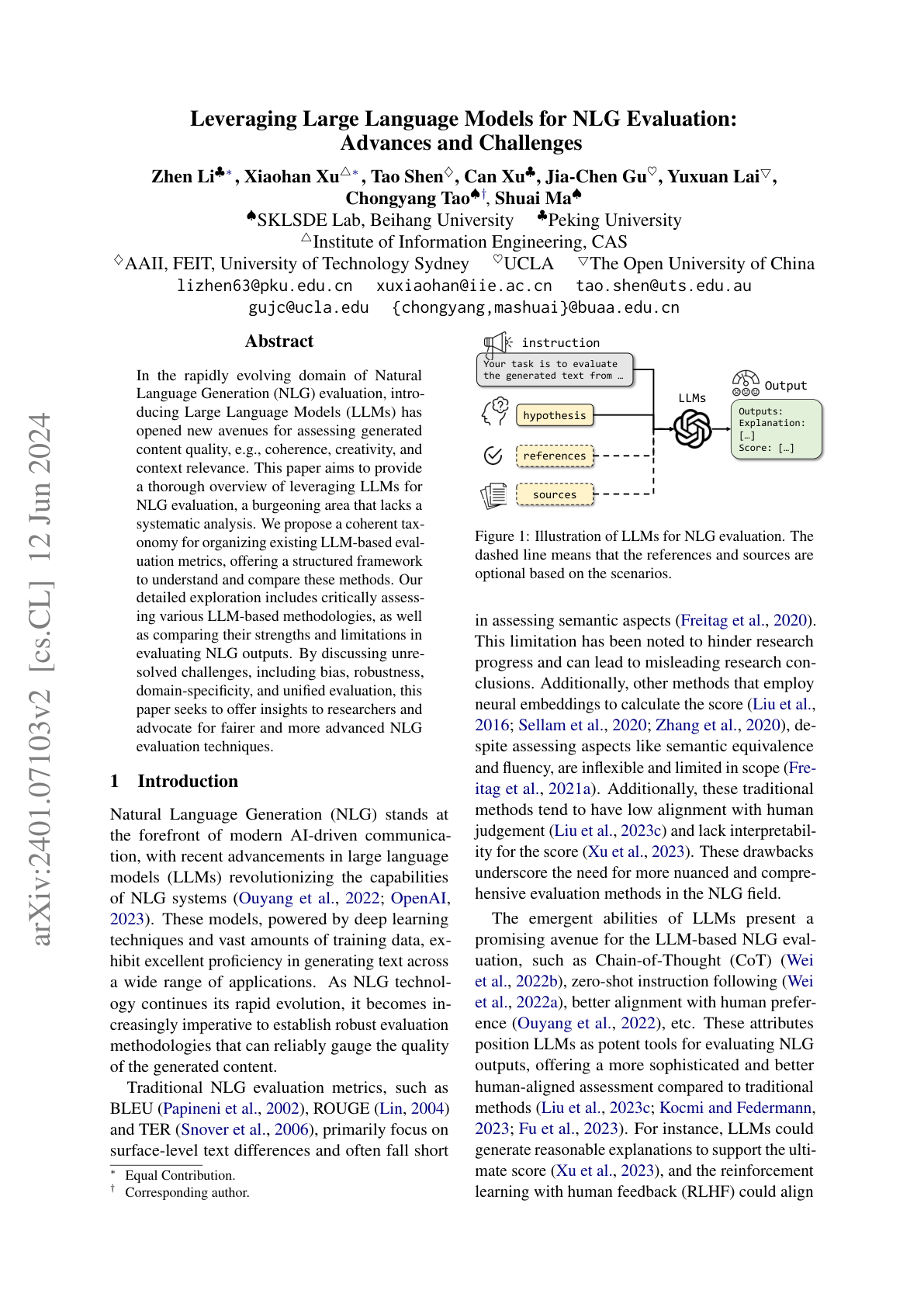
Overview of LLMs for Evaluation
A thorough survey of LLM-as-a-Judge and LLM-based evaluation methodologies, mapping strengths, limitations, and open problems.
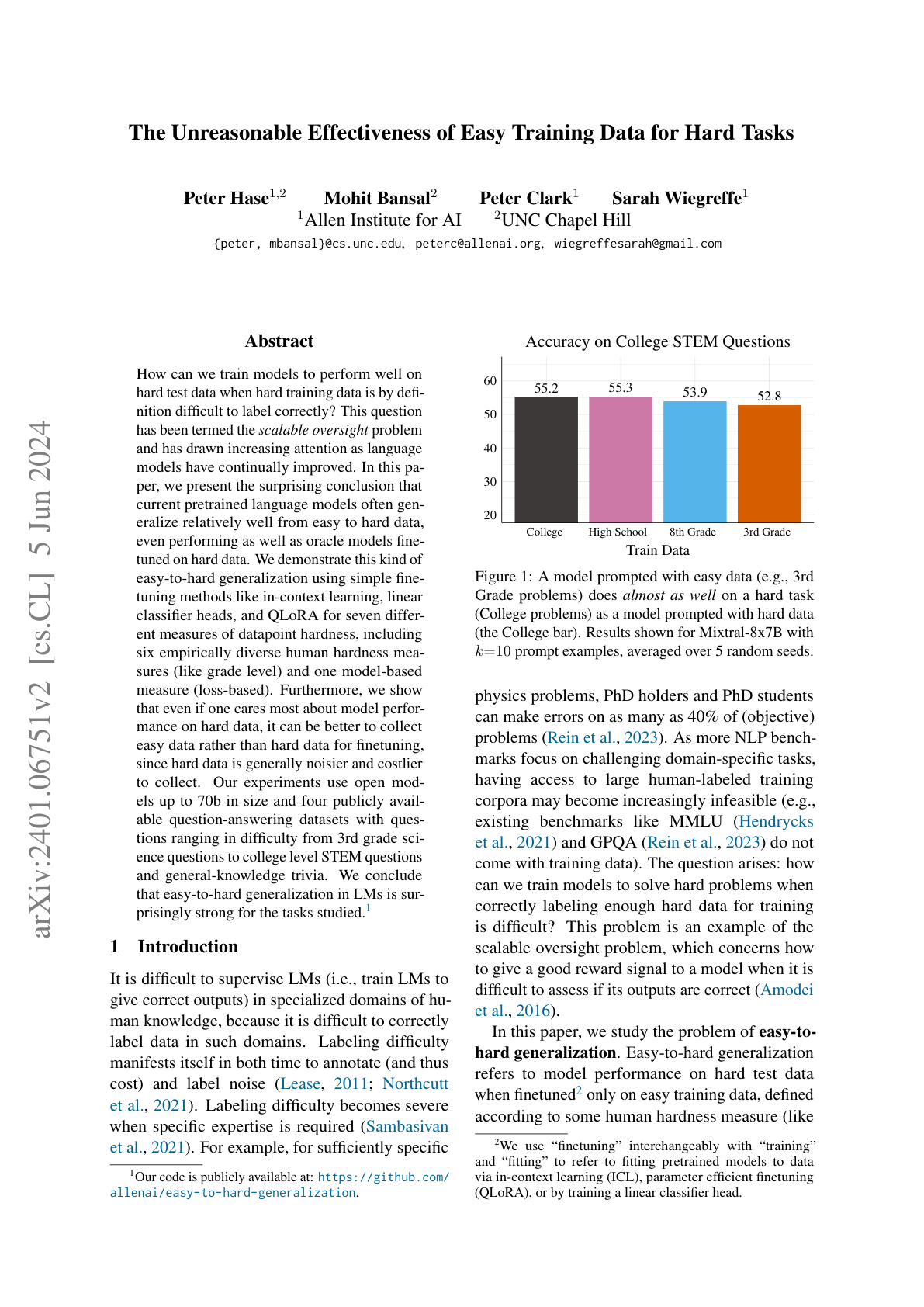
Easy-to-Hard Generalization
UNC researchers show that LLMs often generalize well from easy training data to hard evaluation data, with implications for scalable oversight.
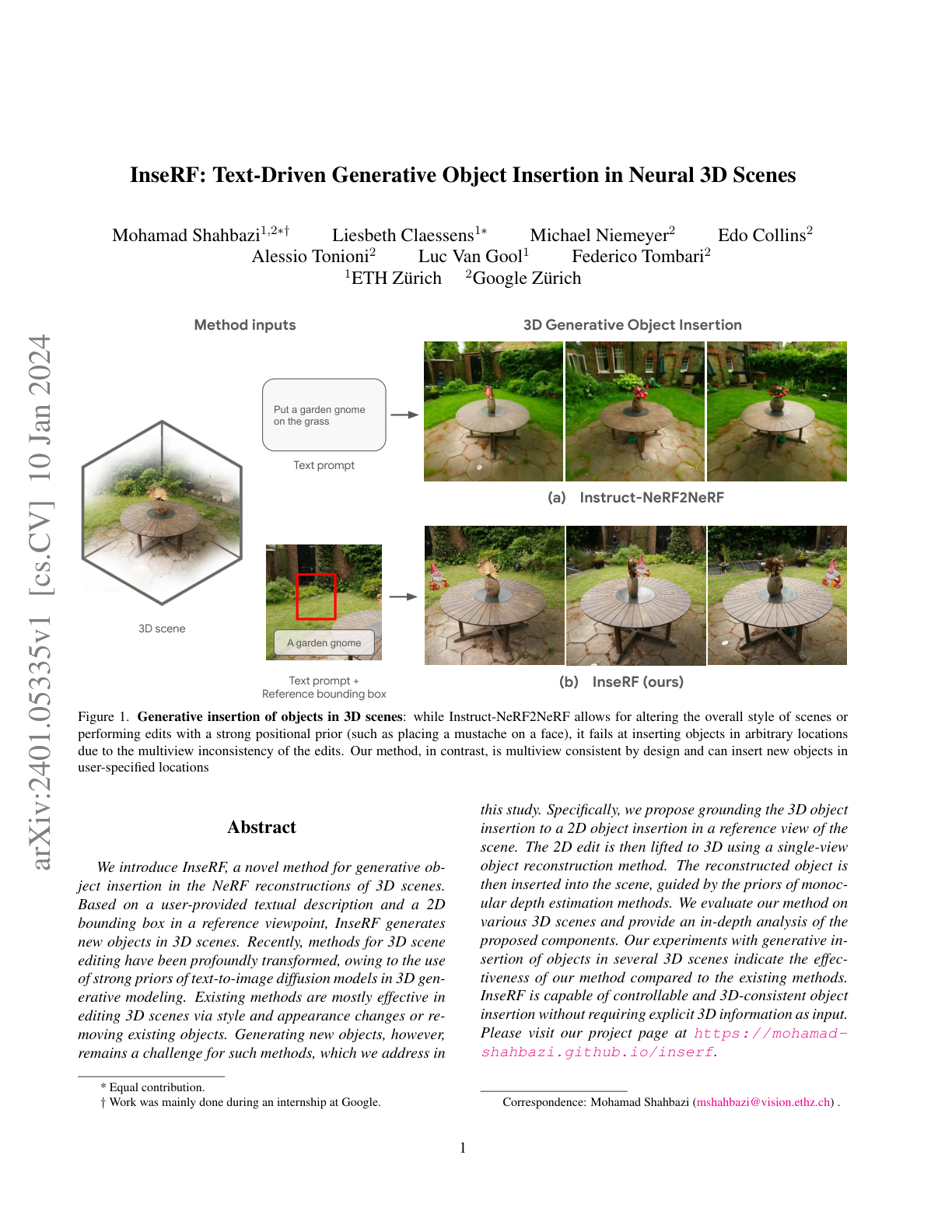
InseRF
InseRF inserts brand-new 3D objects into Neural Radiance Field scenes from just a text prompt plus a 2D bounding box, without requiring any explicit 3D input.
Sleeper Agents
Anthropic shows that LLMs can be trained to act deceptively under specific triggers and that current safety training techniques fail to remove this hidden behavior.
Self-Play Fine-Tuning (SPIN)
SPIN shows that a supervised fine-tuned LLM can keep improving via self-play alone, without any additional human annotations.
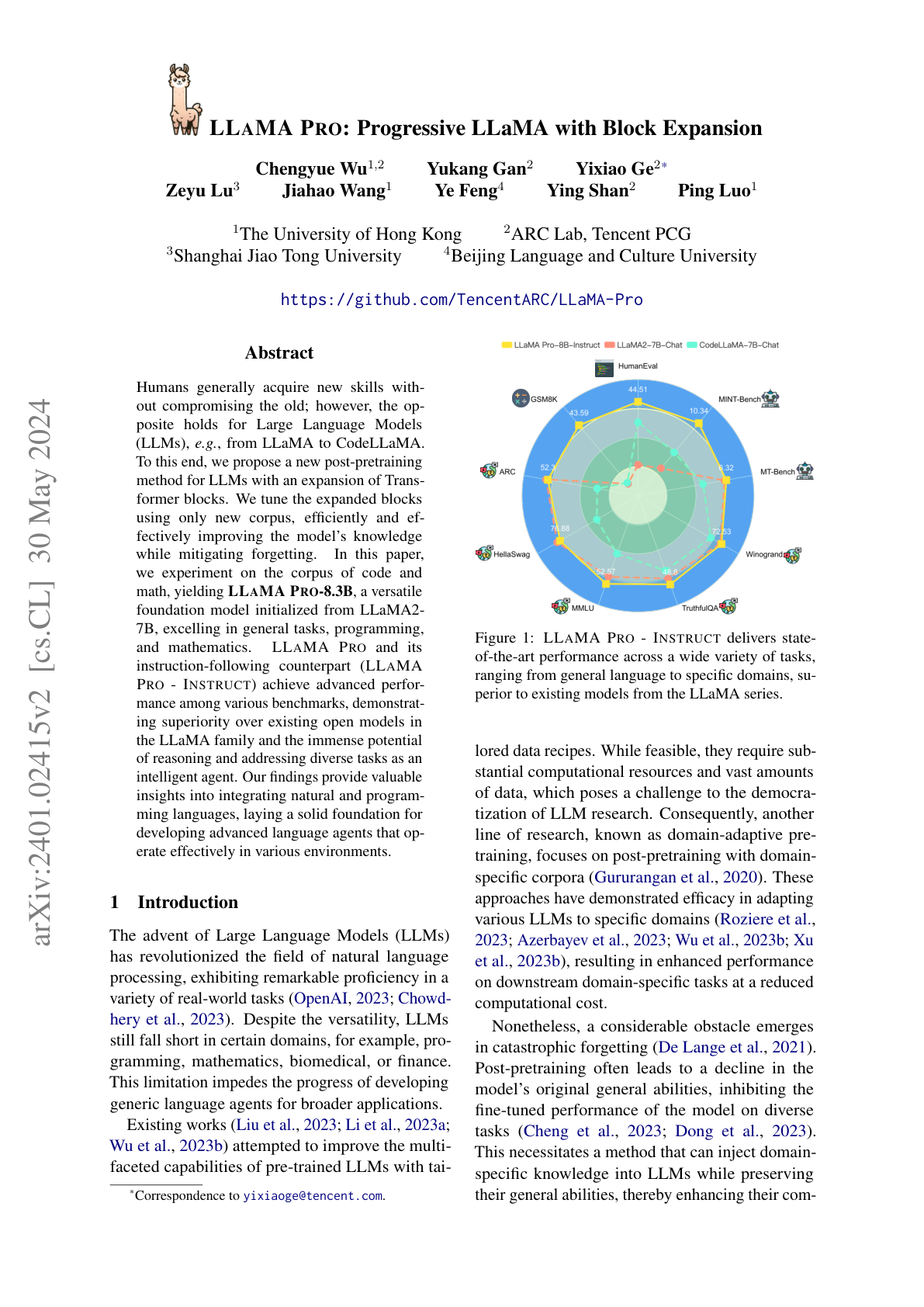
LLaMA Pro
LLaMA Pro introduces block expansion as a recipe for adding new knowledge to a pretrained LLM without catastrophic forgetting.
DocLLM
JPMorgan's DocLLM is a lightweight extension to LLMs for visual-document understanding that uses bounding-box spatial information rather than image pixels.
How Code Empowers LLMs
A survey on why training LLMs with code data produces capabilities well beyond coding itself.
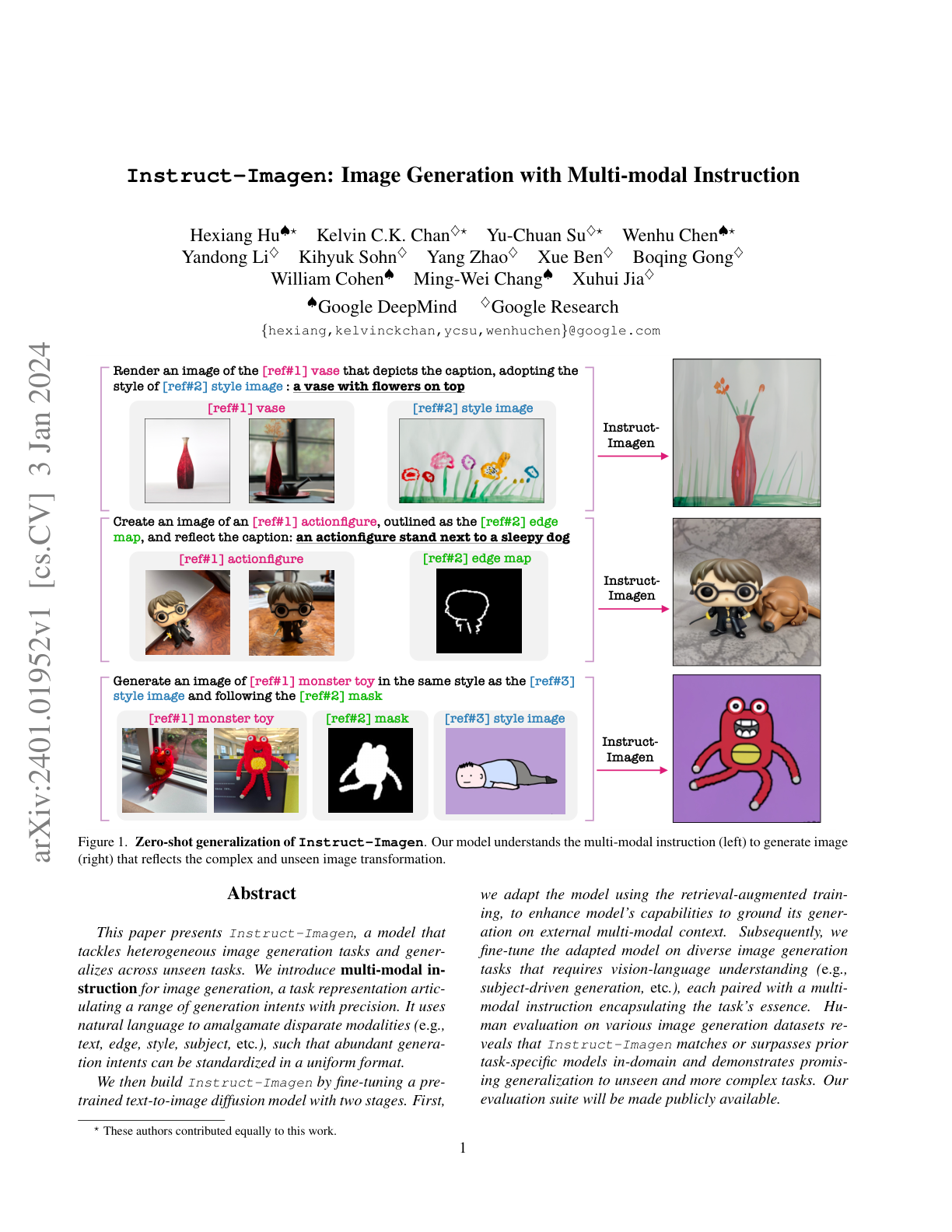
Instruct-Imagen
Google's Instruct-Imagen is a multimodal instruction-tuned image generation model that generalizes across heterogeneous generation tasks, including unseen ones.
Exploiting Novel GPT-4 APIs
A red-team study of three newer GPT-4 API surfaces - fine-tuning, function calling, and knowledge retrieval - that reveals each introduces new attack vectors.
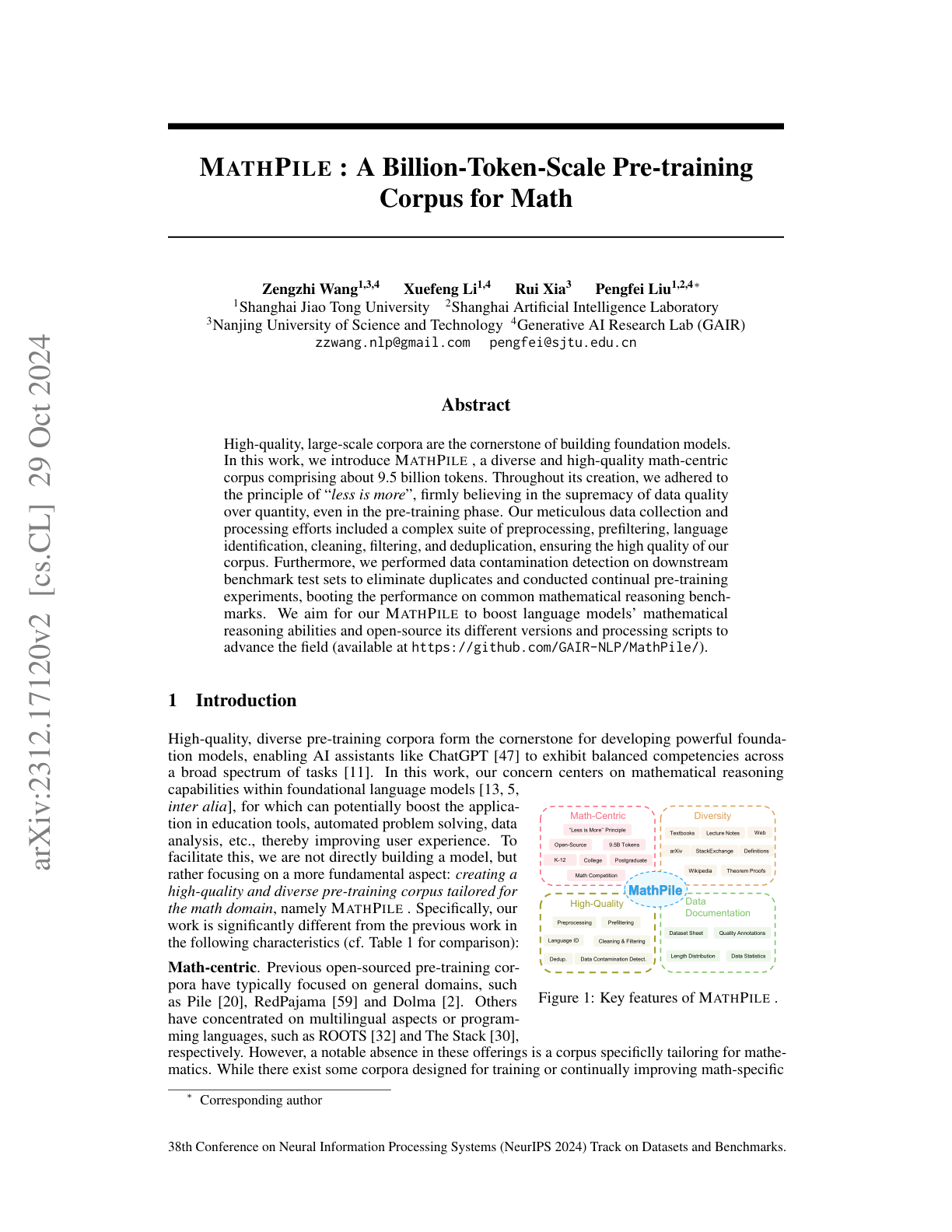
Generative AI for Math (OpenWebMath / MathPile)
Releases a diverse, high-quality math-centric corpus of ~9.5B tokens designed for training math-capable foundation models.
Principled Instructions Are All You Need
Distills effective LLM prompting into 26 guiding principles and validates them across multiple model families.
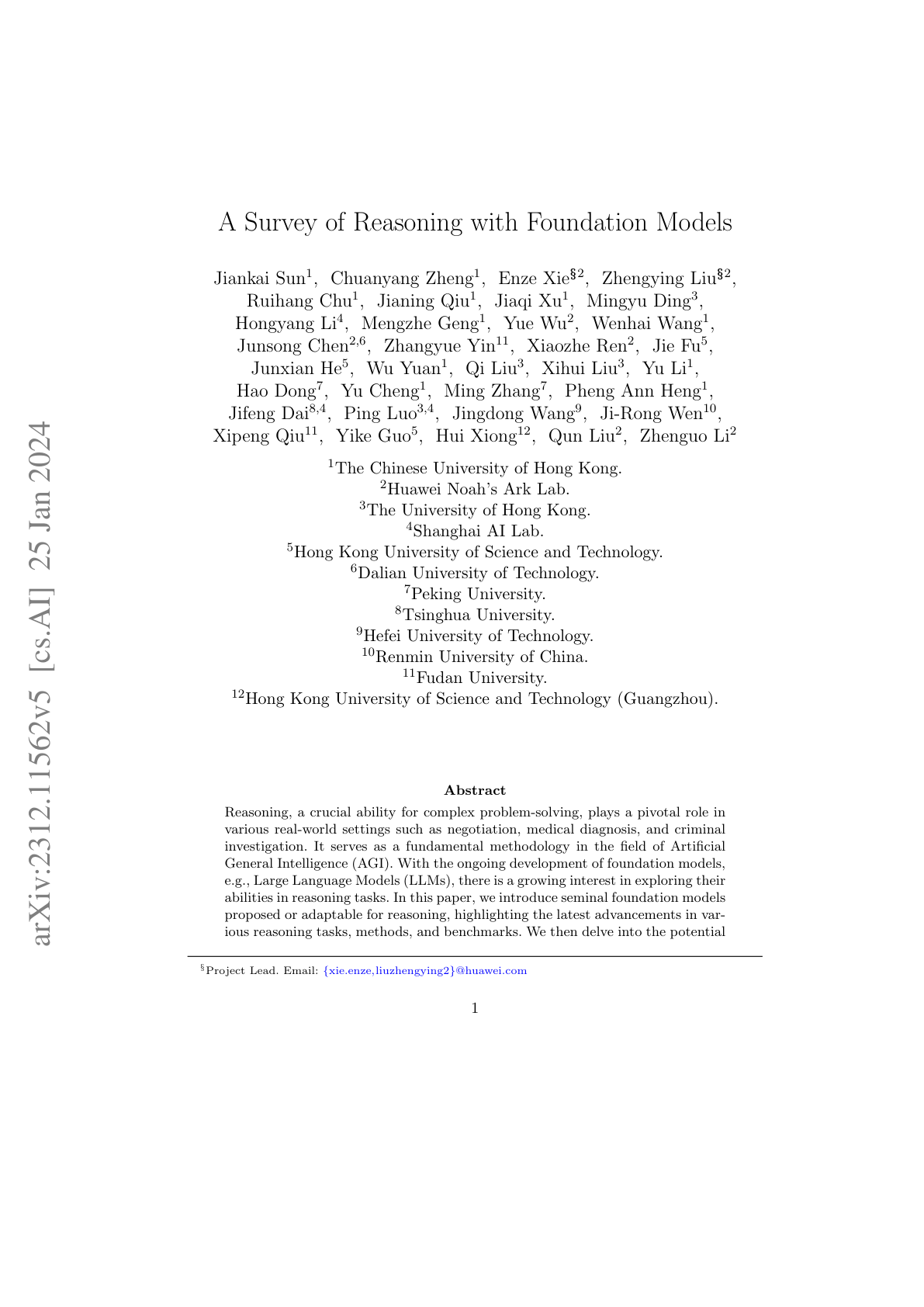
Survey of Reasoning with Foundation Models
A comprehensive survey of reasoning with foundation models, covering tasks, methods, benchmarks, and future directions.
Antibiotic Discovery with Graph Deep Learning (Nature)
MIT researchers use explainable graph neural networks to discover a new structural class of antibiotics.
VideoPoet
Google Research's VideoPoet is a large language model for zero-shot video generation that treats video as just another token stream.
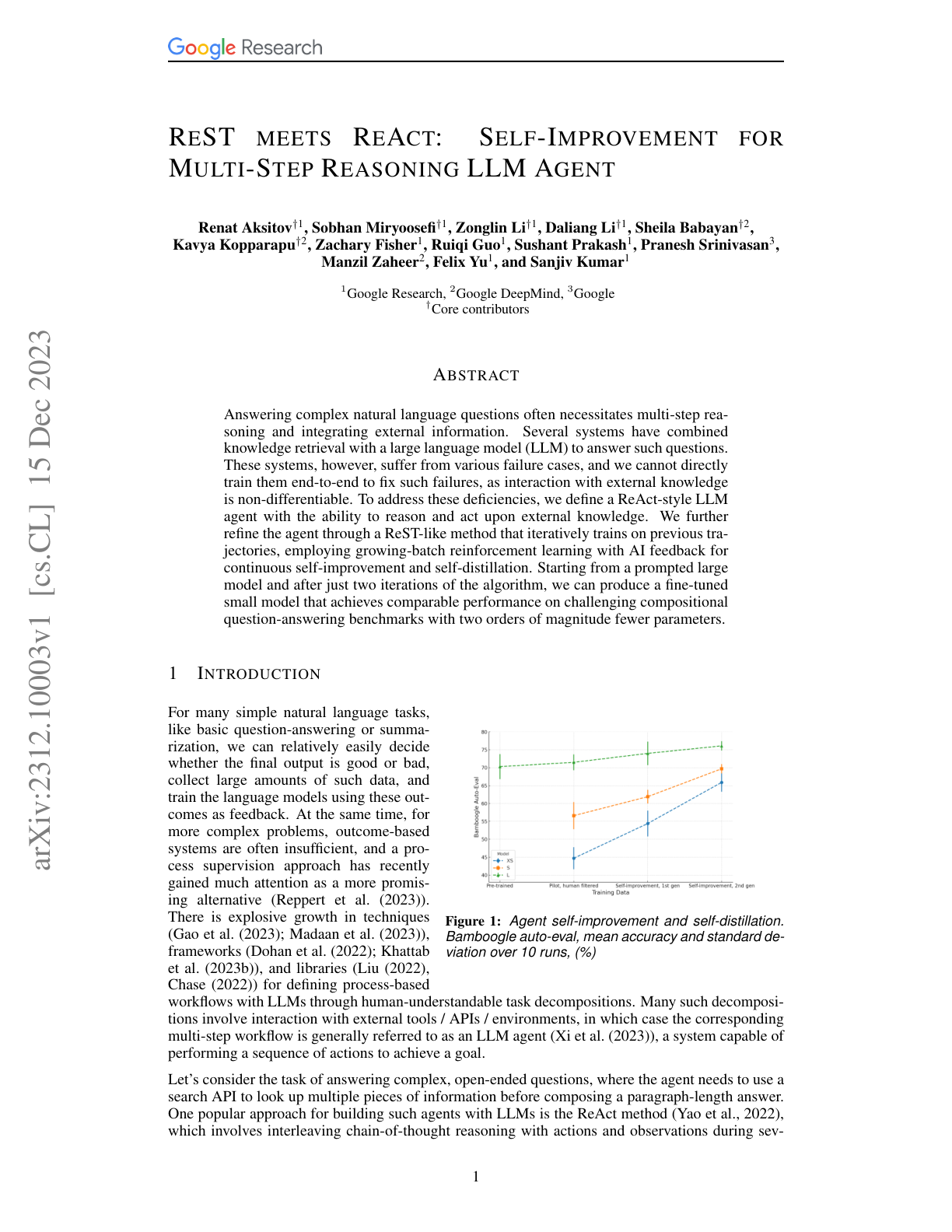
ReST Meets ReAct
Proposes a ReAct-style agent that improves itself via reinforced self-training on its own reasoning traces.
BabyLLM Challenge Findings
Reports results from a challenge on sample-efficient pretraining using a developmentally plausible corpus.
FunSearch
DeepMind's FunSearch uses LLMs as a mutation operator in an evolutionary loop to discover genuinely new mathematical knowledge.
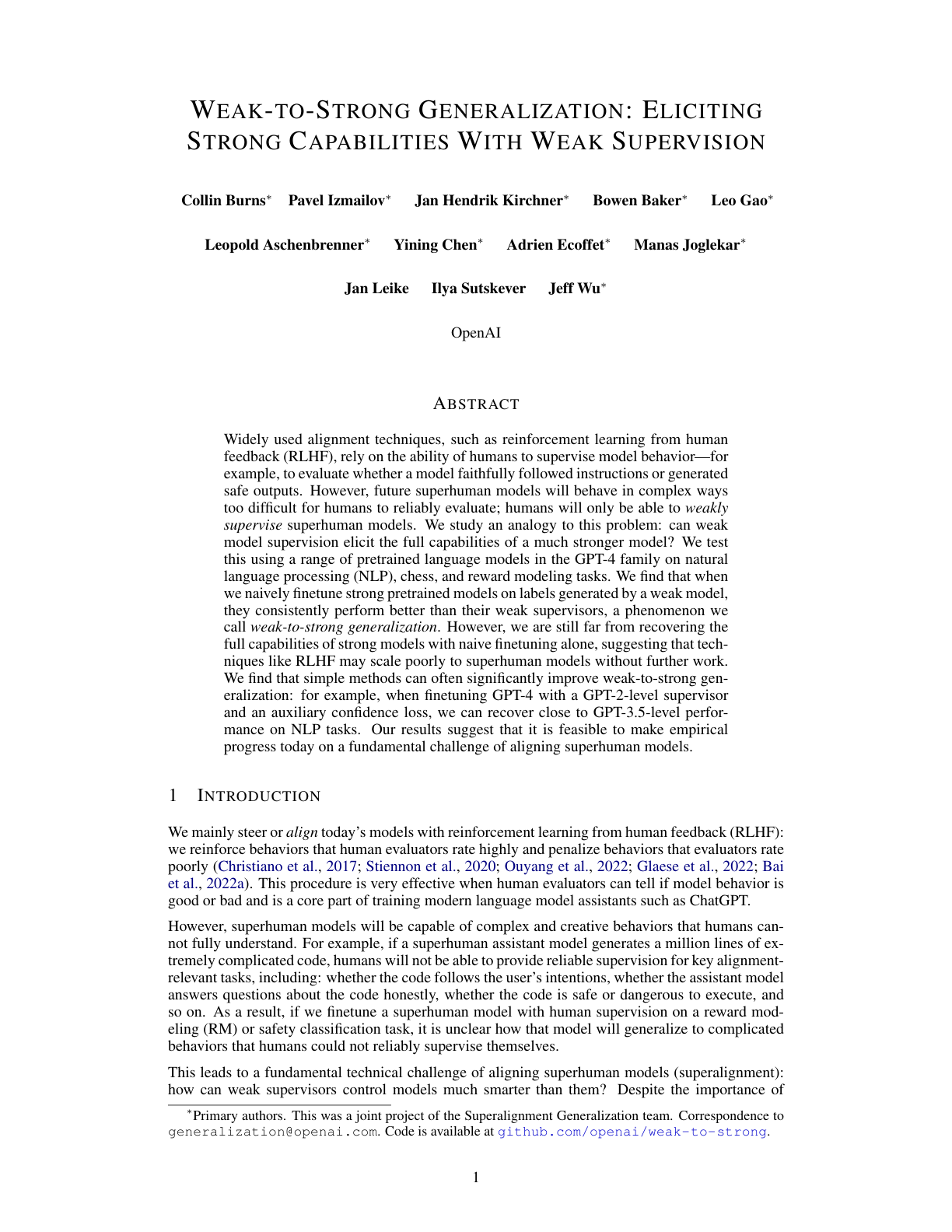
Weak-to-Strong Generalization
OpenAI's superalignment team shows that weak supervisors can still elicit capabilities from much stronger models - a first empirical signal for scalable oversight.

Audiobox
Meta's Audiobox is a unified flow-matching audio model that generates speech, sound effects, and music from natural-language and example prompts.
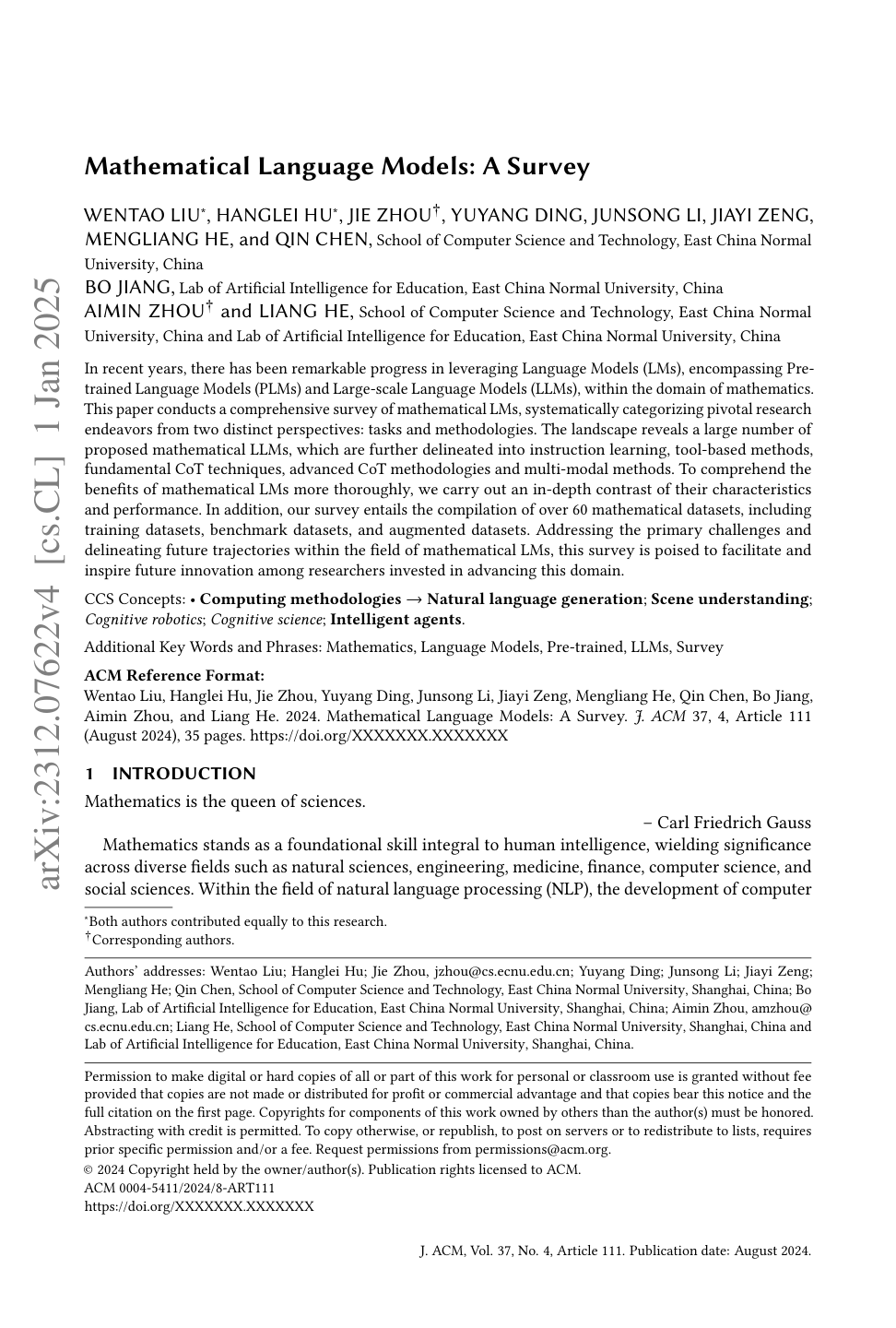
Mathematical LLMs Survey
A survey on the progress of LLMs on mathematical reasoning tasks, covering methods, benchmarks, and open problems.
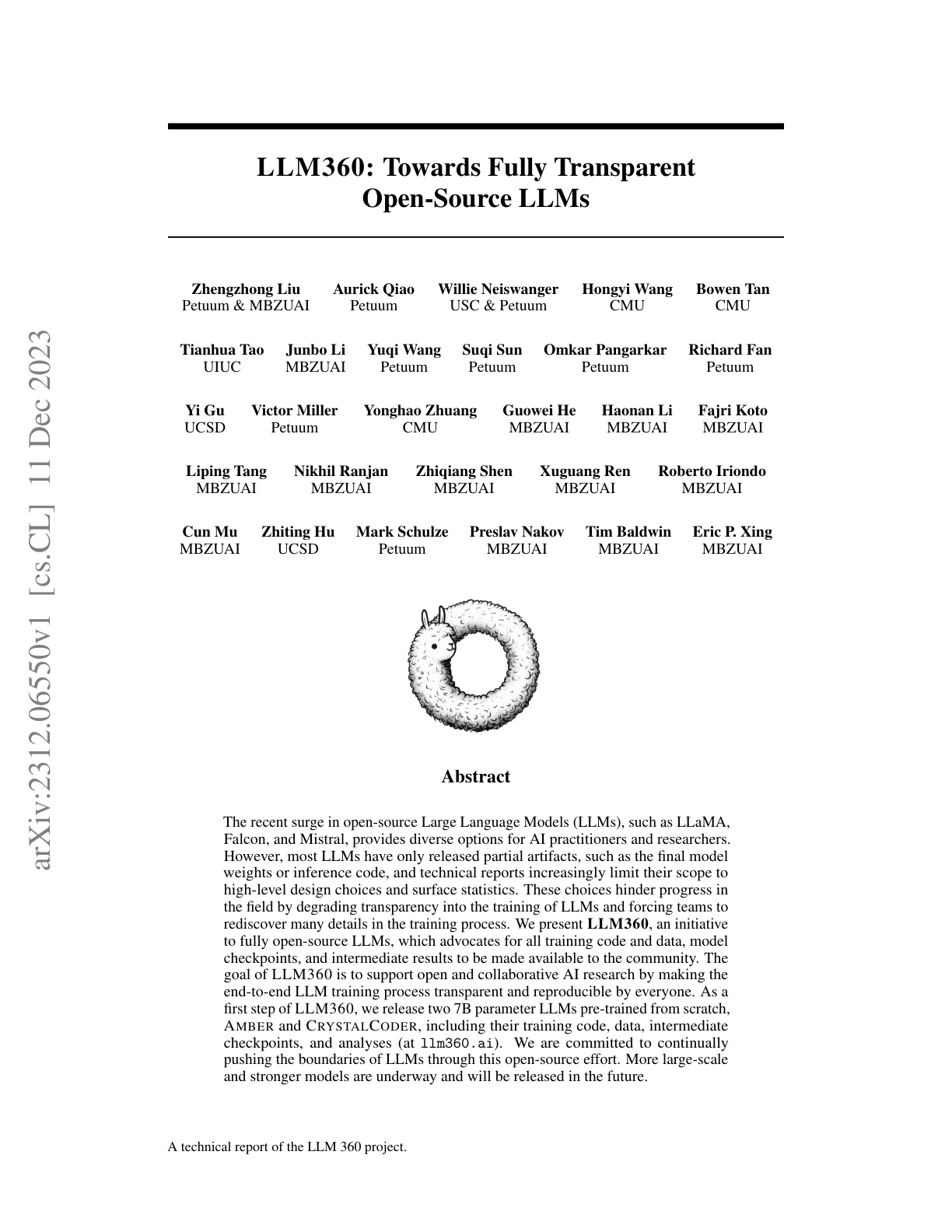
LLM360
LLM360 is a framework for fully transparent open-source LLM development, with everything from data to training dynamics released.
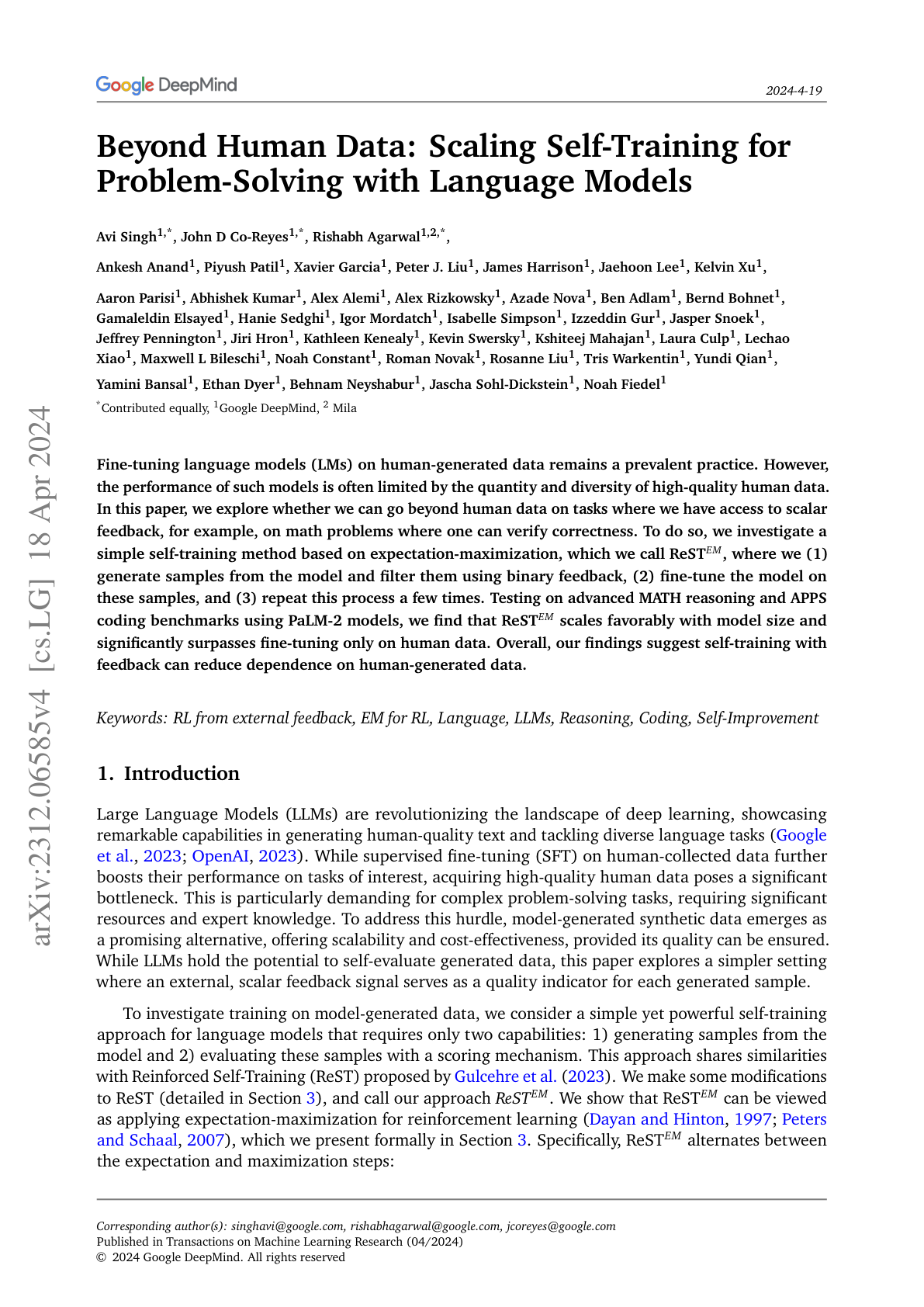
Beyond Human Data (ReST-EM)
DeepMind's ReST-EM shows that model-generated data plus a reward function can substantially reduce dependence on human-generated data.
Gaussian-SLAM
A neural RGBD SLAM method that extends 3D Gaussian Splatting to achieve photorealistic scene reconstruction without sacrificing speed.