AI Papers of the Week
Every paper worth reading in AI, hand-picked one week at a time.
Discover and explore top AI papers with Claude Code or Codex
npx @dair-ai/mcp setup
Agents in Software Engineering
provides a comprehensive overview of frameworks of LLM-based agents in software engineering.
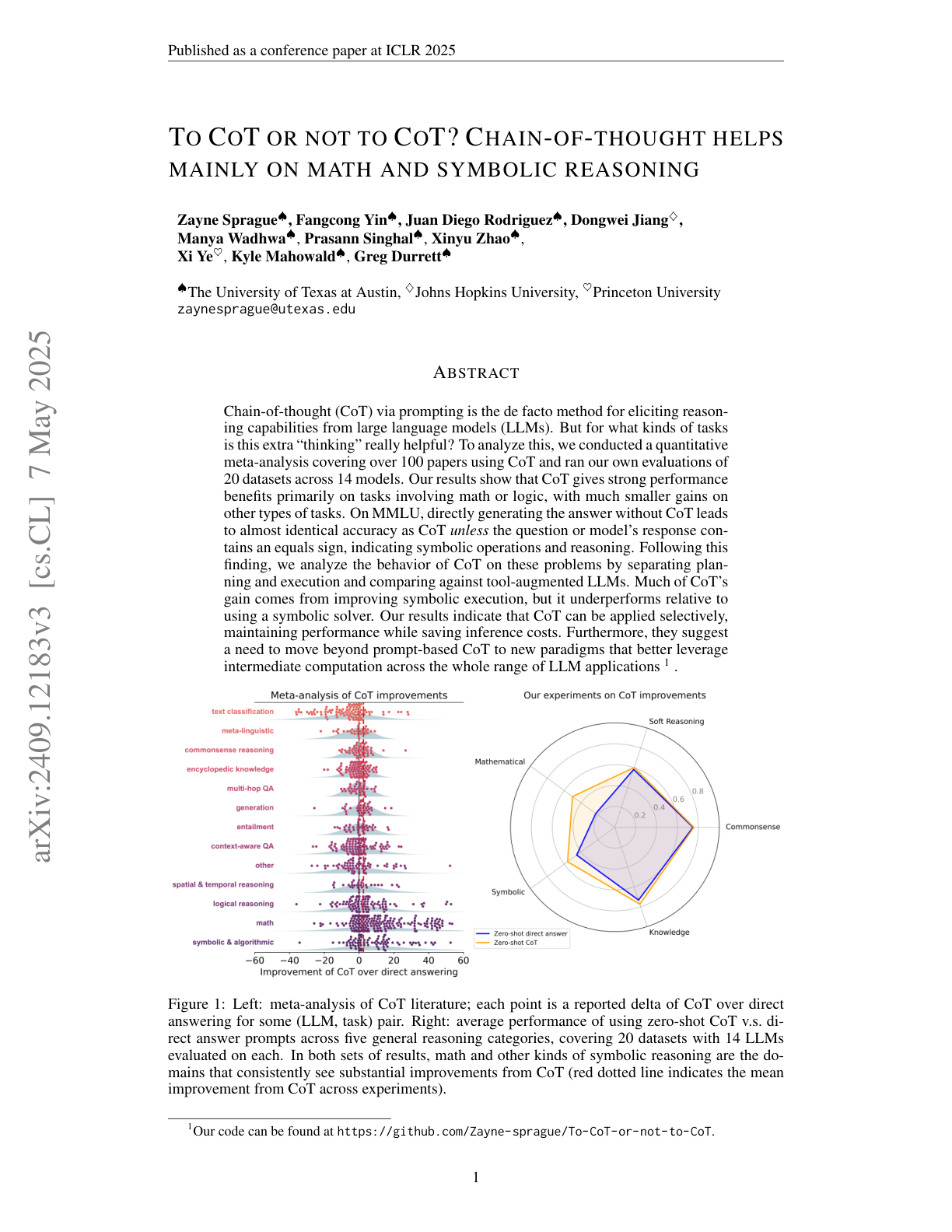
To CoT or not to CoT?
investigates what kinds of tasks benefit the most from chain-of-thought (CoT) prompting; after a meta-analysis on 100+ papers and several evaluations, it finds that CoT produces strong performance benefits primarily on tasks involving math and logic; they find that most of the CoT gain comes from improving symbolic execution, but a symbolic solver outperforms it.
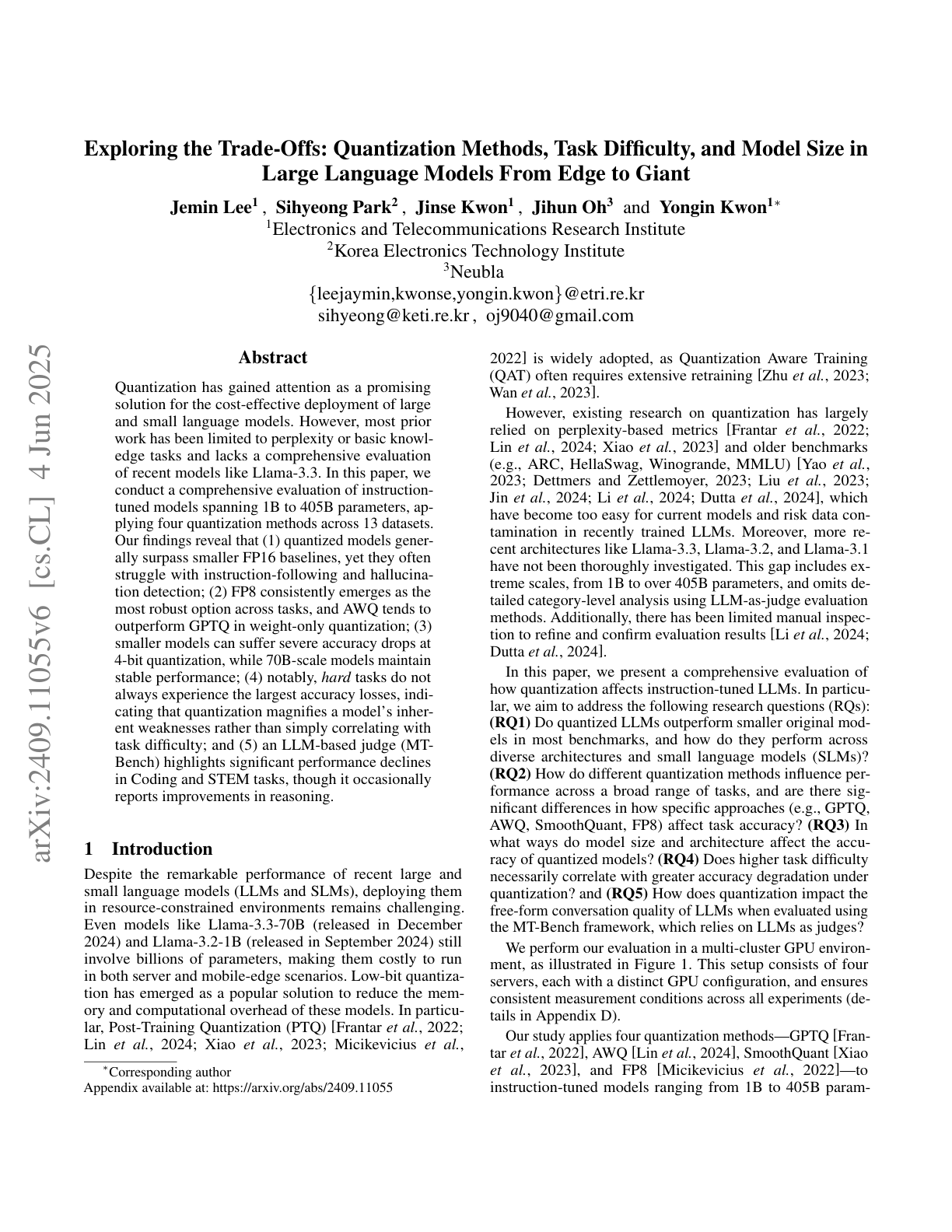
A Comprehensive Evaluation of Quantized Instruction-Tuned LLMs
evaluates the performance of instruction-tuned LLMs across various quantization methods on models ranging from 7B to 405B; the key findings are 1) quantizing a larger LLM to a similar size as a smaller FP16 LLM generally performs better across most benchmarks, 2) performance varies significantly with different quantization methods, model size, and bit-width, with weight-only methods often yielding better results in larger models, and 3) task difficulty does not significantly impact accuracy degradation due to quantization.
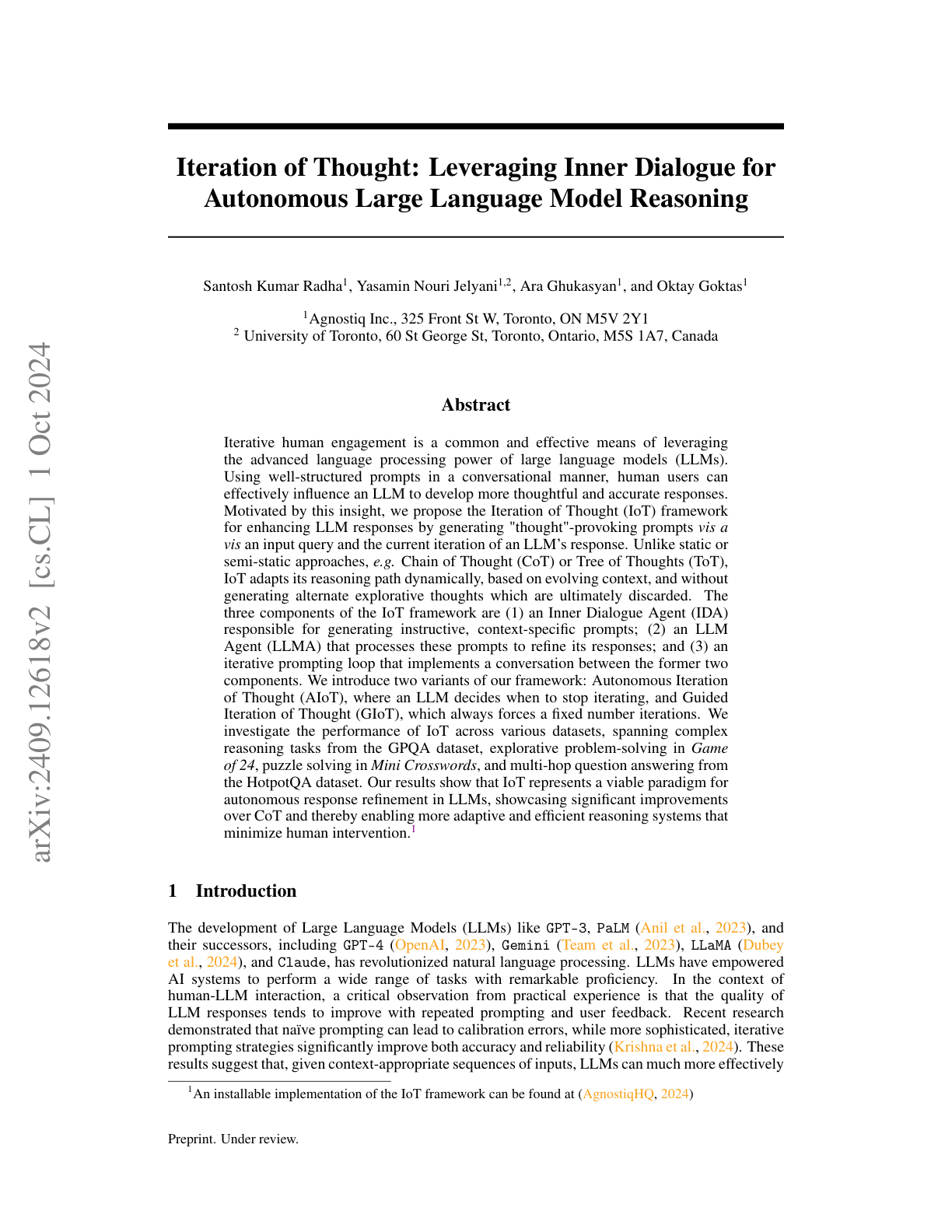
Iteration of Thought
proposes the Iteration of Thought (IoT) framework to enhance the LLM responses and reasoning capabilities with adaptive reasoning paths; it leverages an inner dialogue agent, acting as a guide, to dynamically adjust reasoning paths which allows adaptive cross-path exploration and enhance response accuracy; it's different from CoT and ToT (both rigid processes) in that its prompt generation is a dynamic process that allows it to adapt.
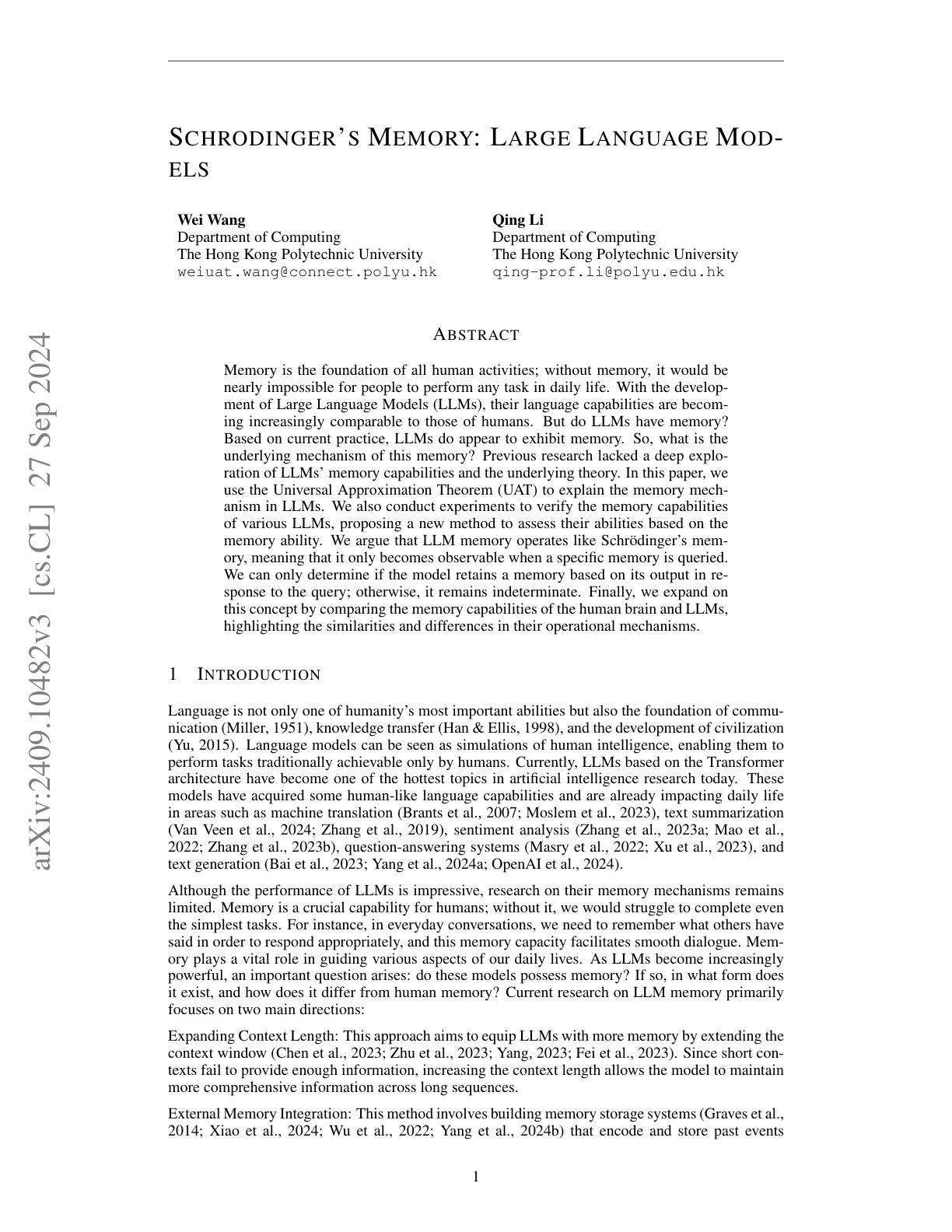
Schrodinger’s Memory
uses the Universal Approximation Theorem to explain the memory mechanism of LLMs. It also proposes a new approach to evaluate LLM performance by comparing the memory capacities of different models; the Transformer architecture functions as a dynamic fitting UAT model, with a strong ability to adaptively fit inputs; this enables LLMs to recall entire content based on minimal input information.
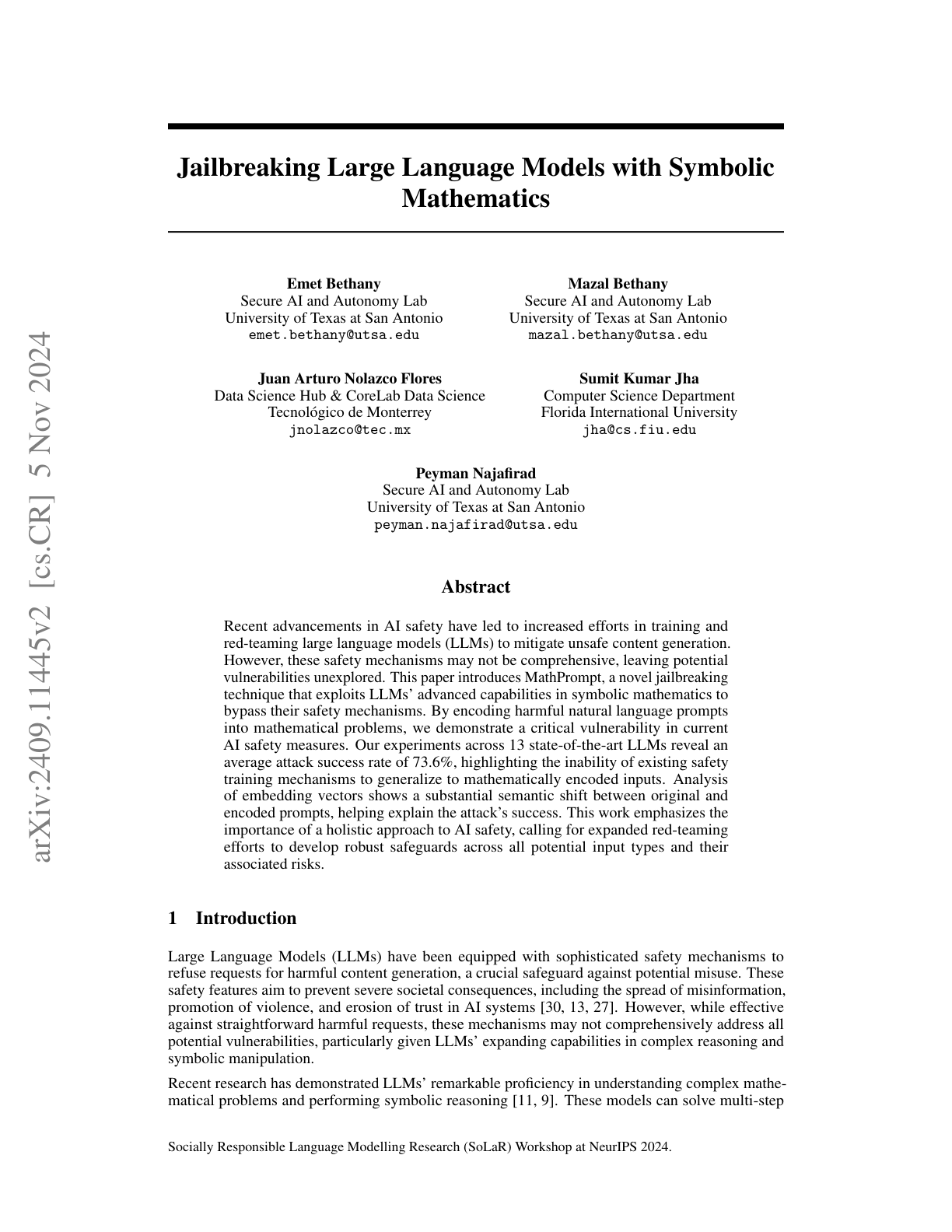
Math Jailbreaking Prompts
uses GPT-4o to generate mathematically encoded prompts that serve as an effective jailbreaking technique; shows an average attack success rate of 73.6% across 13 state-of-the-art; this highlights the inability of existing safety training mechanisms to generalize to mathematically encoded inputs.
Learning to Reason with LLMs
a new family of LLMs trained with reinforcement learning to reason before it responds to complex tasks; it produces a long internal chain of thought and exceeds in science, code, and math-related tasks; ranked in the 49th percentile in the 2024 International Olympiad in Informatics and exceeds human PhD-level accuracy on science-related benchmarks. -
Chai-1
a new multi-modal foundation model for molecular structure prediction that can predict proteins, small molecules, DNA, RNA, and more; it achieves state-of-the-art results on a variety of tasks in drug discovery; achieves a 77% success rate on the PoseBusters benchmark (vs. 76% by AlphaFold 3), as well as an Cα LDDT of 0.849 on the CASP15 protein monomer structure prediction set (vs. 0.801 by ESM3-98B).
Can LLMs Generation Novel Research Ideas
finds that LLM-generated research ideas are judged as more novel (p <0.05) than human expert ideas; however, they were rated slightly weaker in terms of flexibility; they also report that LLM agents lack diversity in the idea generation process and are not reliable evaluators.
DataGemma
includes a series of fine-tuned Gemma 2 models to help LLMs access and incorporate numerical and statistical data; proposes a new approach called Retrieval Interleaved Generation (RIG) which can reliably incorporate public statistical data from Data Commons into LLM responses; RIG is a tool-inspired approach, can interleave statistical tokens with natural language questions suitable for retrieval from Data Commons; to attain such capability, they fine-tune the LLM on an instruction-response dataset generated with the help of Gemini 1.5; the RIG approach improves factuality from 5-7% to about 58%.
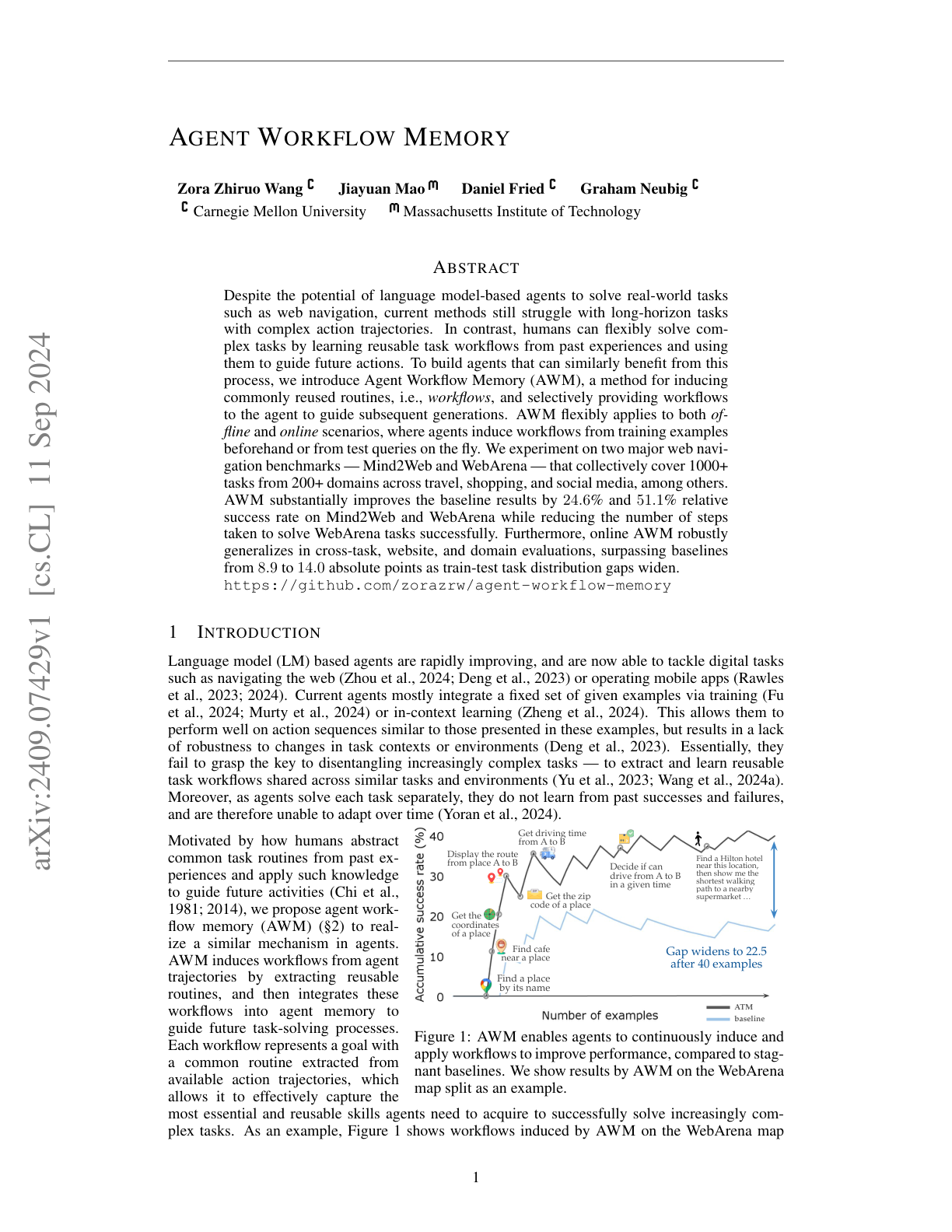
Agent Workflow Memory
introduces Agent Workflow Memory to induce commonly reused workflows and provide these to the agent on demand; works offline and online and is meant to guide the agent's subsequent generations; it’s inspired by how humans learn reusable workflows from past experiences and use them to guide future actions; claims to substantially improve the baseline results by 24.6% and 51.1% relative success rate on Mind2Web and WebArena while doing it in a more efficient way.
The Role of Small Language Models in the LLM Era
closely examines the relationship between LLMs and SLMs; common applications of SLMs include data curation, training stronger models, efficient inference, evaluators, retrievers, and much more; includes insights for practitioners to better understand the value of these SLMs.
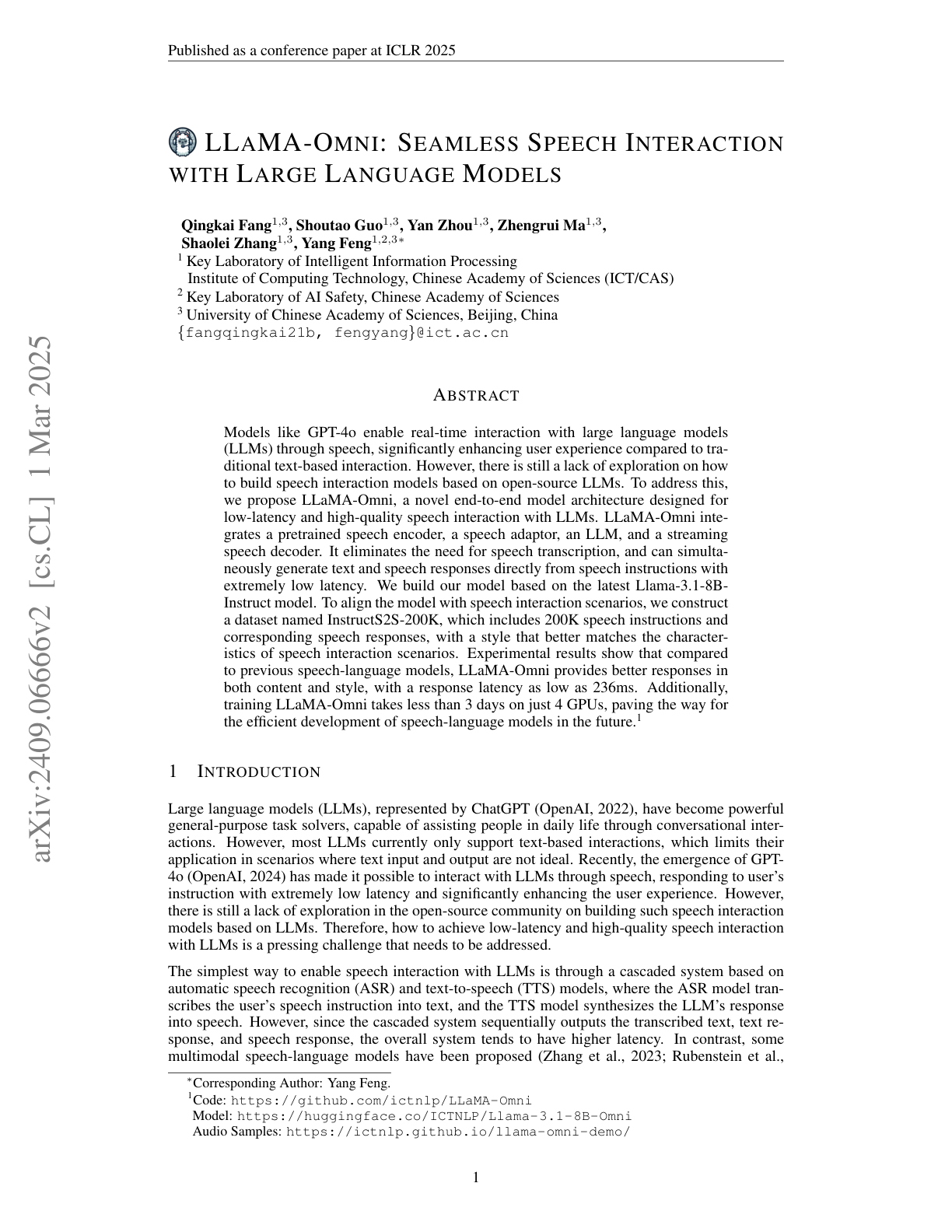
LLaMa-Omni
a model architecture for low-latency speech interaction with LLMs; it is based on Llama-3.1-8B-Instruct and can simultaneously generate both text and speech responses given speech instructions; responses can be generated with a response latency as low as 226ms; architecture-wise, it involves a speech encoder (Whispter-large-v3), a speech adaptor, an LLM, and a speech decoder; they also created a dataset of 200K speech interactions and responses.
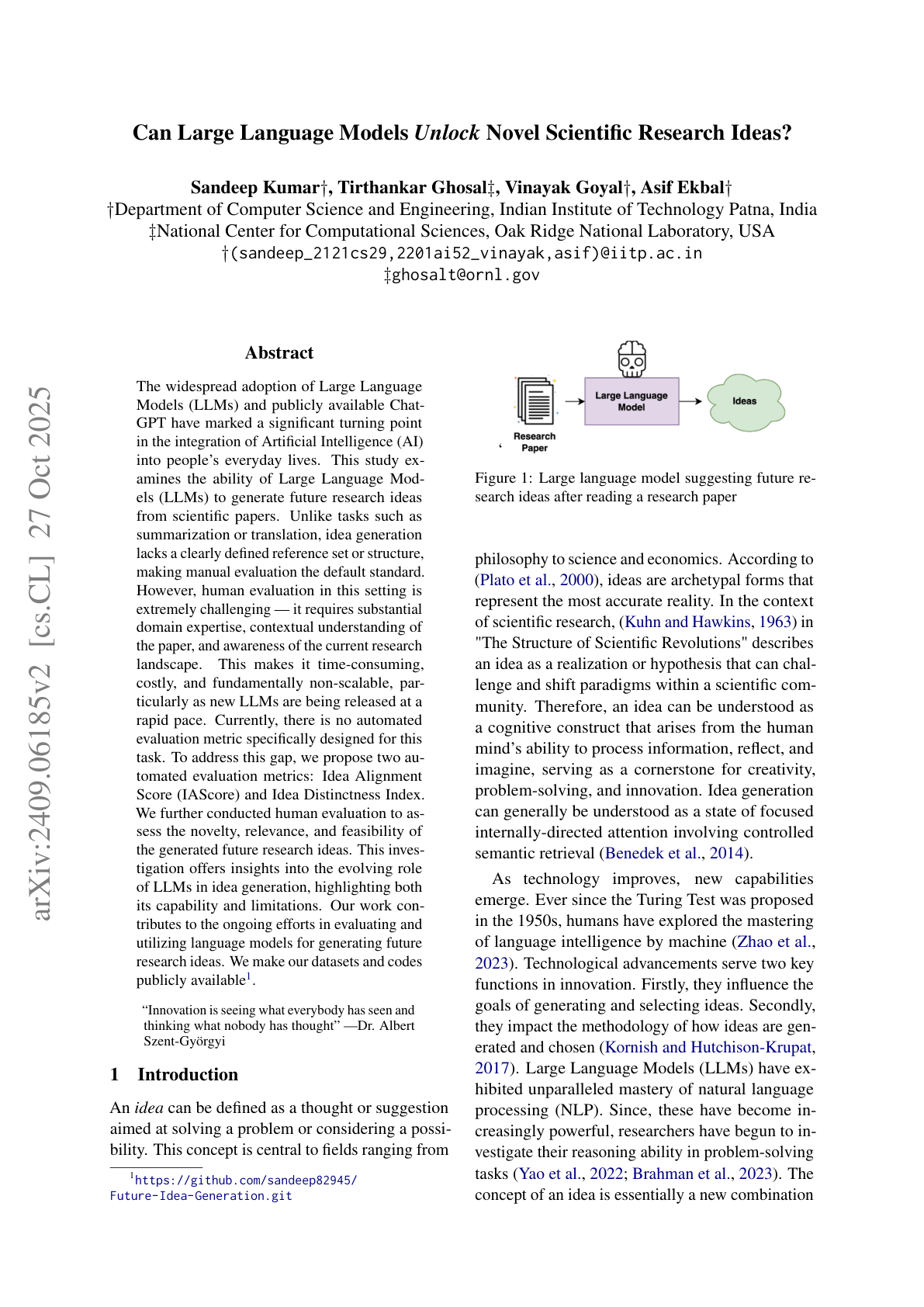
Can LLMs Unlock Novel Scientific Research Ideas
investigates whether LLM can generate novel scientific research ideas; reports that Claude and GPT models tend to align more with the author's perspectives on future research ideas; this is measured across different domains like science, economics, and medicine.
Theory, Analysis, and Best Practices for Sigmoid Self-Attention
proposes Flash-Sigmoid, a hardware-aware and memory-efficient implementation of sigmoid attention; it yields up to a 17% inference kernel speed-up over FlashAttention-2 on H100 GPUs; show that SigmoidAttn matches SoftwaxAttn in various tasks and domains.
Achieving Peak Performance for LLMs
a systematic review of methods for improving and speeding up LLMs from three points of view: training, inference, and system serving; summarizes the latest optimization and acceleration strategies around training, hardware, scalability, and reliability.
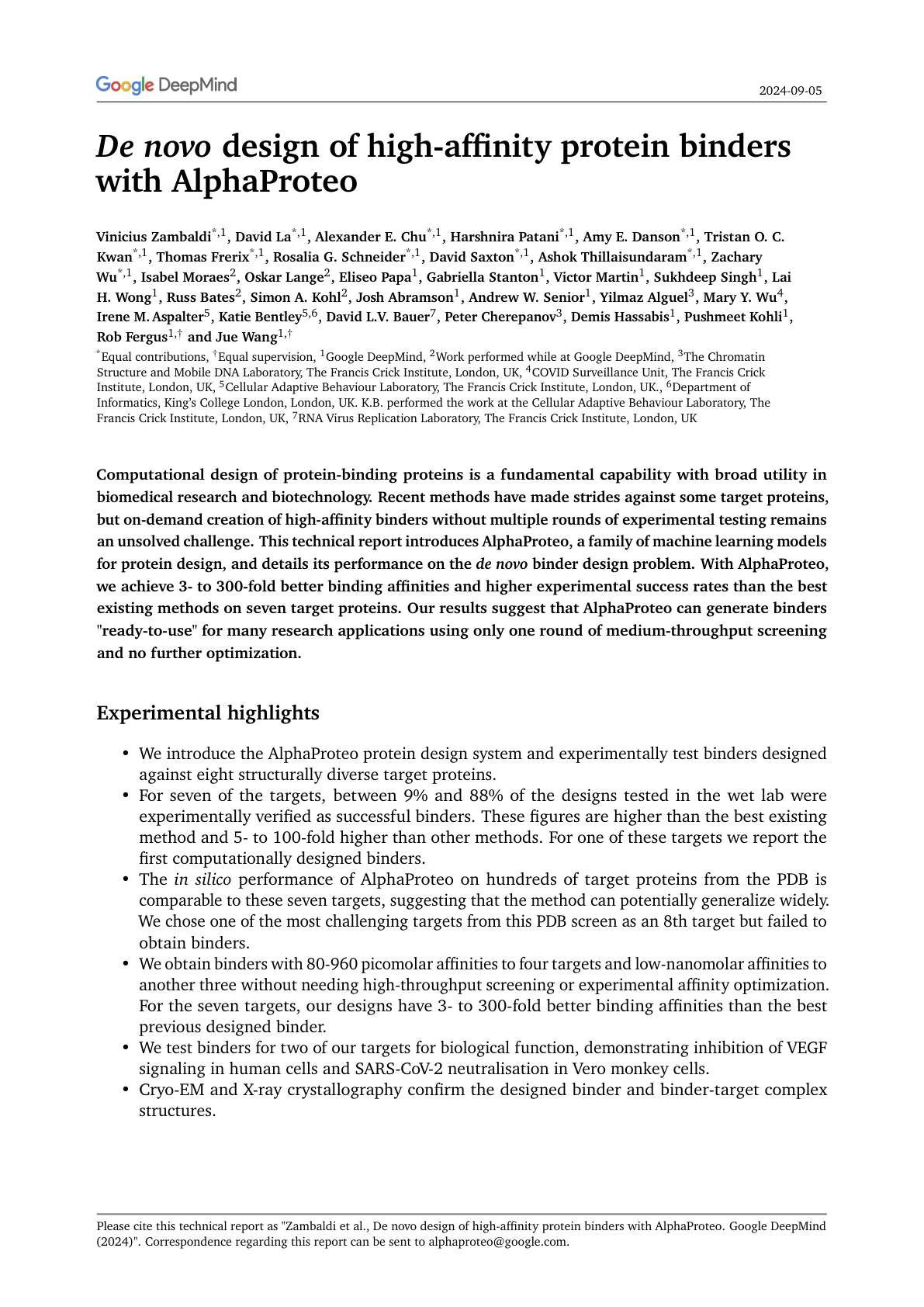
AlphaProteo
presents a family of ML models trained for protein design; reports a 3-to 300-fold better binding affinities and higher experimental success rates compared to other existing methods on seven target proteins; shows that AlphaProteo’s performance on hundreds of target proteins from the PDB is comparable to the seven targets.
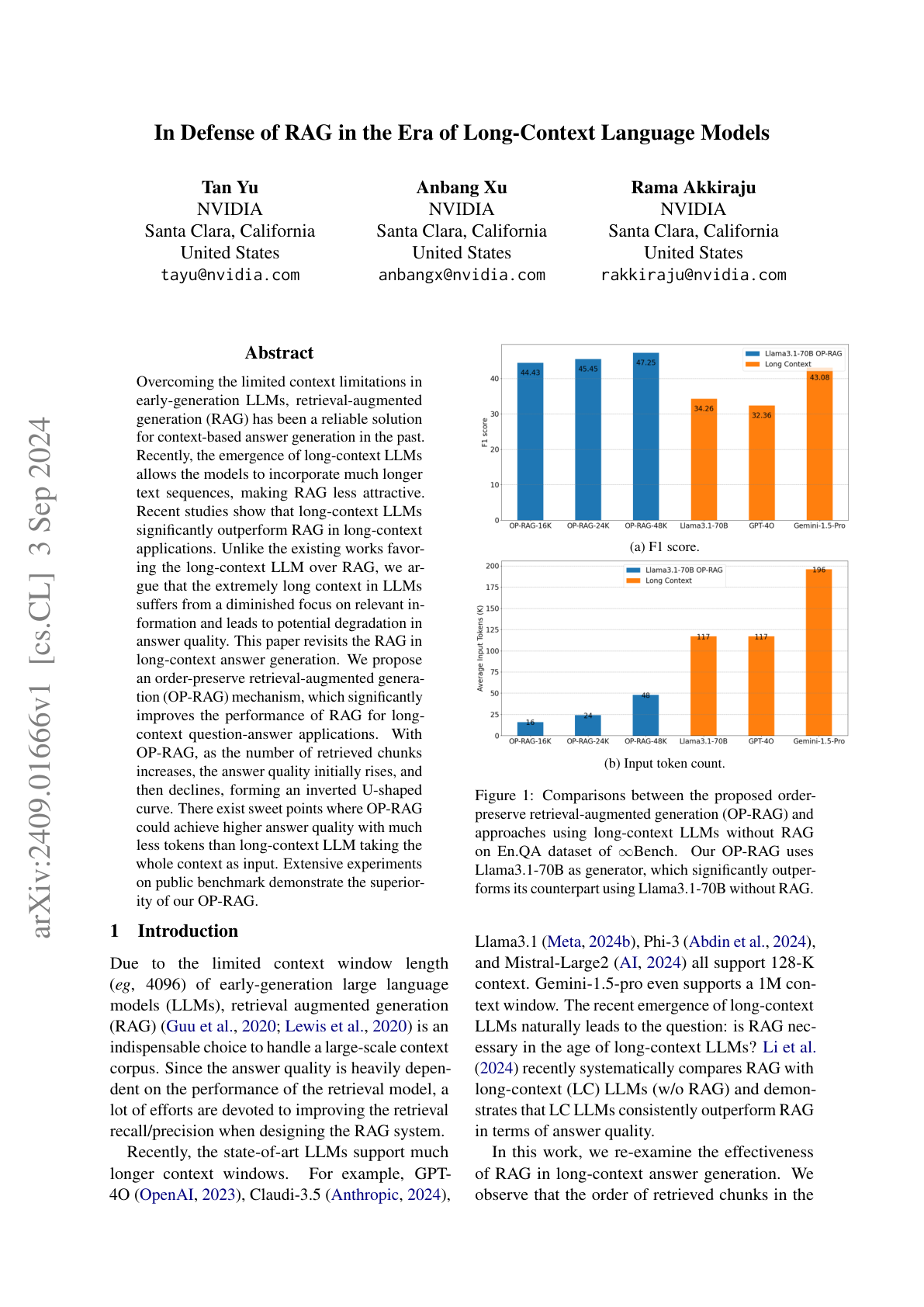
RAG in the Era of Long-Context LLMs
reports that longer-context LLMs suffer from a diminished focus on relevant information, which is one of the primary issues that a RAG system addresses (i.e., uses more relevant information); they propose an order-preserving RAG mechanism that improves performance on long-context question answering; it's not perfect and in fact, as retrieved chunks increase the quality of responses go up and then declines; they mention a sweet spot where it can achieve better quality with a lot fewer tokens than long-context LLMs.
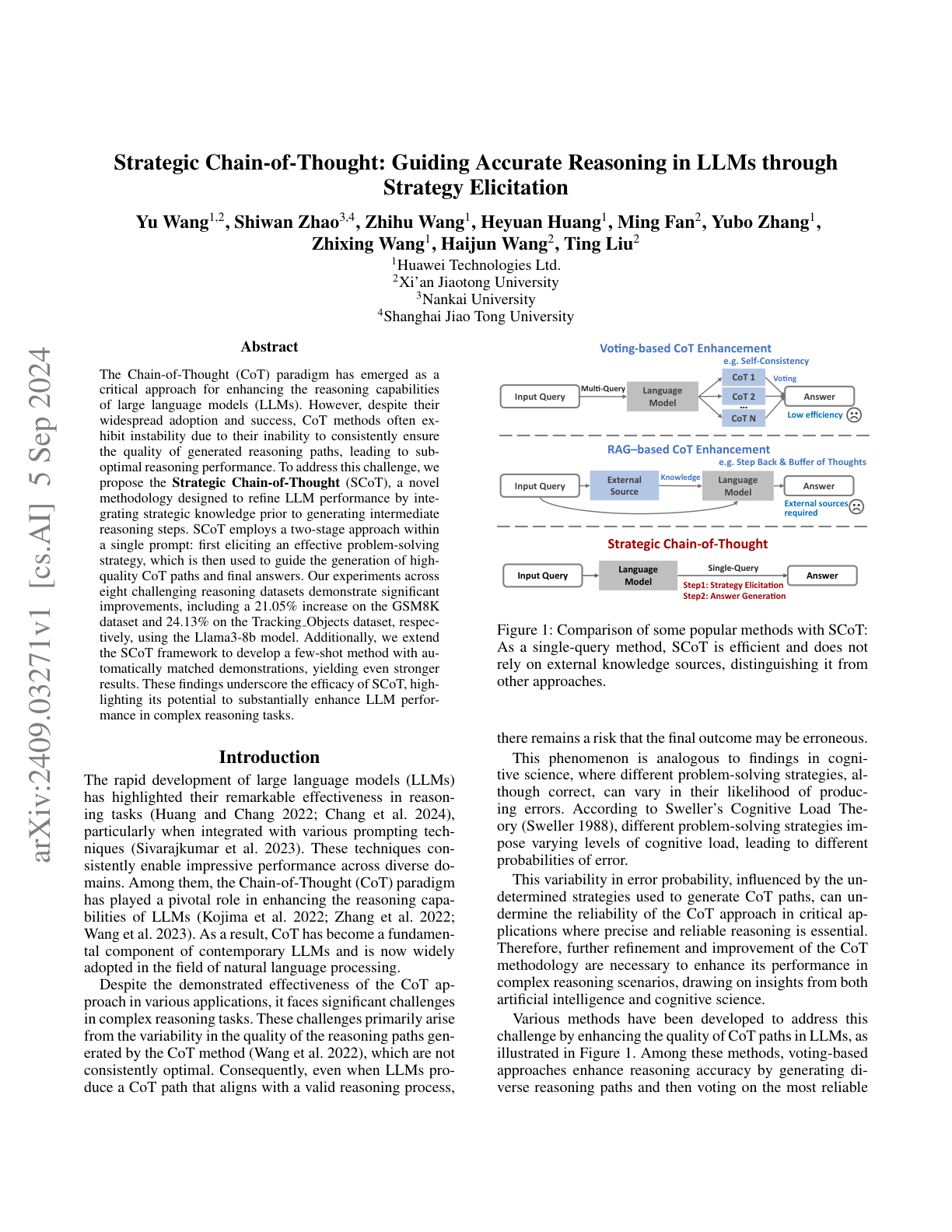
Strategic Chain-of-Thought
a method to refine LLM performance by incorporating strategic knowledge before the intermediate CoT reasoning steps; the problem-solving strategy helps to guide the generation of the CoT paths and final answers; claims to achieve a 21.05% increase on the GSM8K datasets using the Llama3-8b model.
Effective of AI on High Skilled Work
studies the impact of generative AI on software developers; reveals a 26.08% increase in the number of completed tasks among the developers that use AI tools like GitHub Copilot; also shows that less experienced developers are likely to adopt the AI tools and have greater productivity gains.
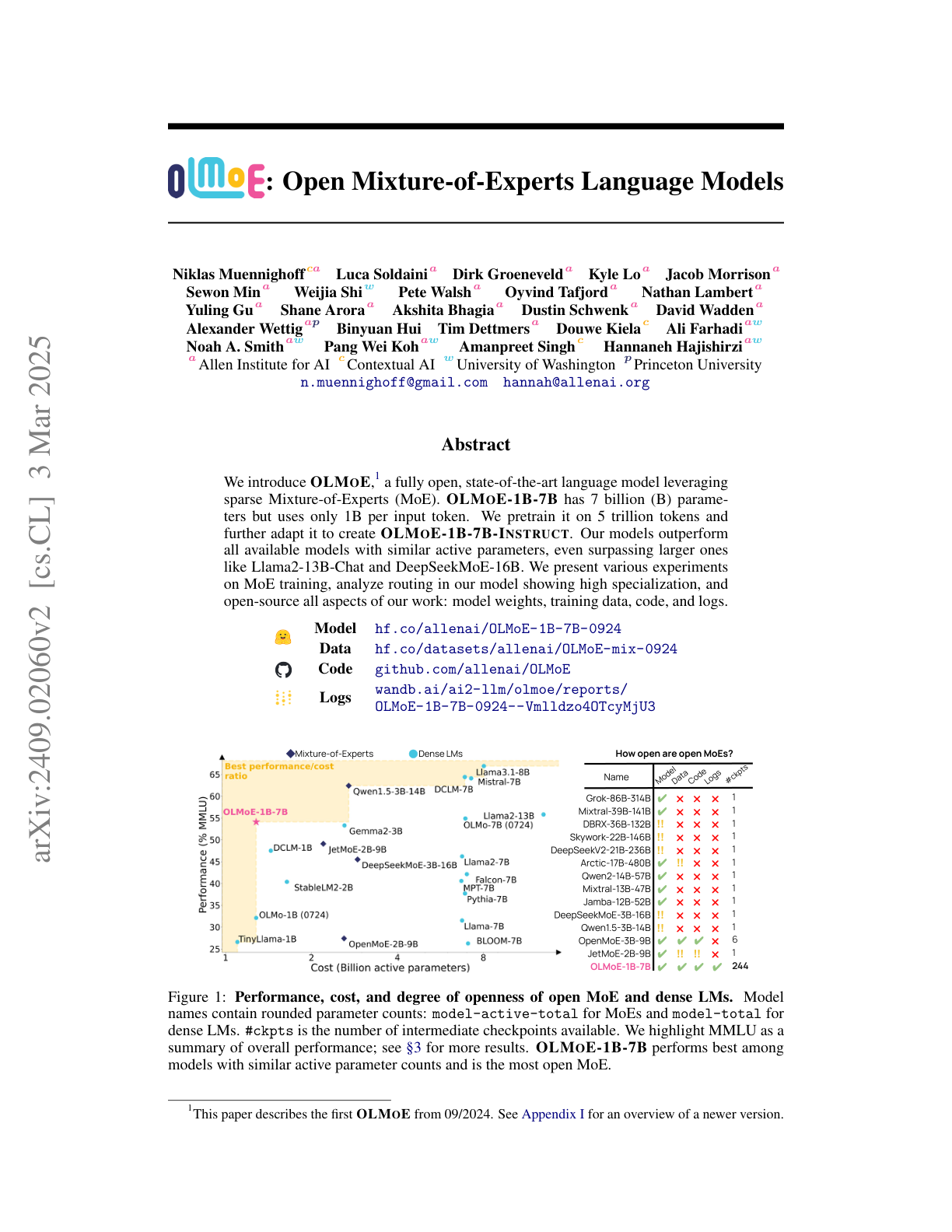
OLMoE
introduces a fully-open LLM that leverages sparse Mixture-of-Experts. OLMoE is a 7B parameter model and uses 1B active parameters per input token; there is also an instruction-tuned version that claims to outperform Llama-2-13B-Chat and DeepSeekMoE 16B.
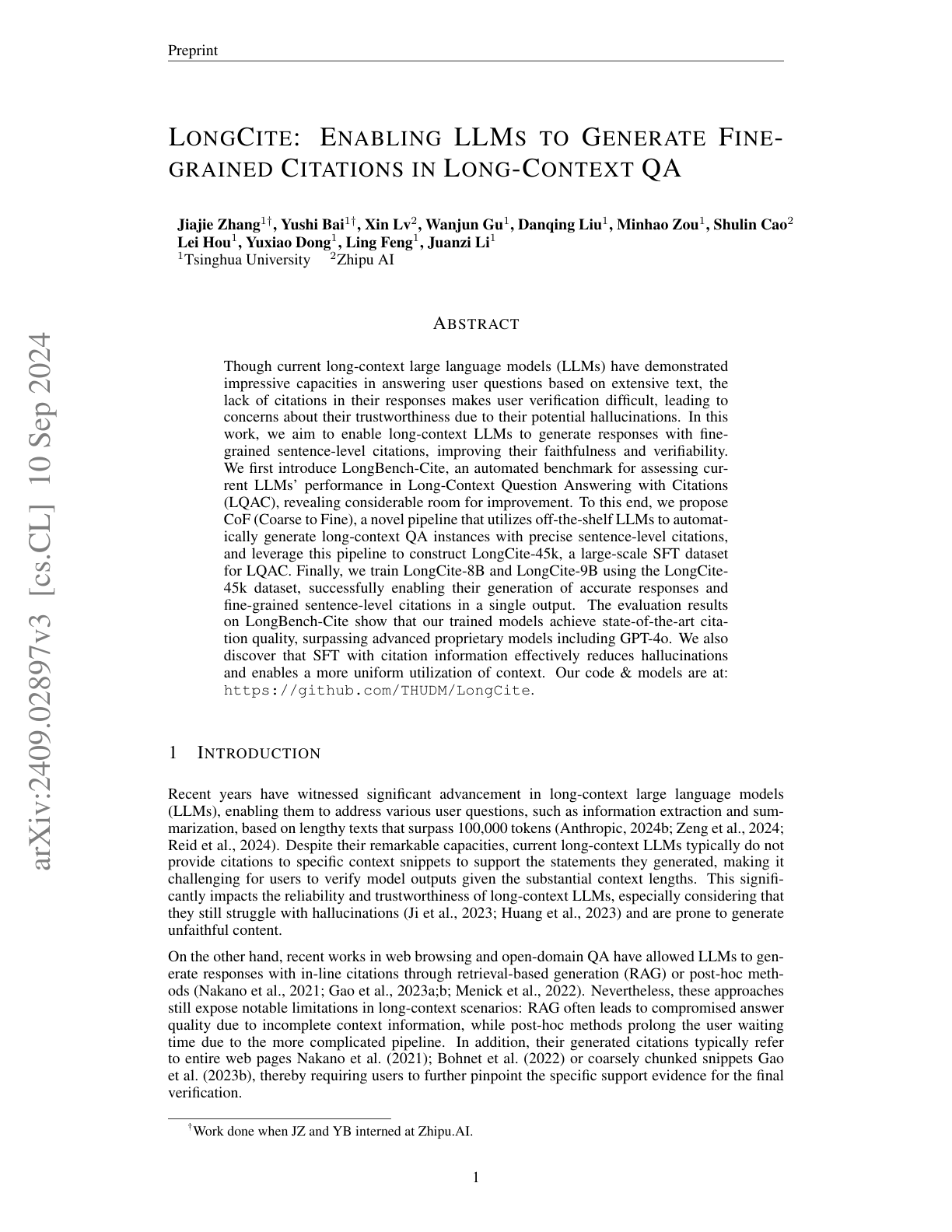
LongCite
synthesizes a large-scale SFT dataset with off-the-shelf LLMs to improve long-context question answering with citations; it trains 8B and 9B parameter models that enhance citation generation capabilities from lengthy contexts while improving response correctness; claims to even surpass GPT-4o on their proposed LongBench-Cite benchmark.
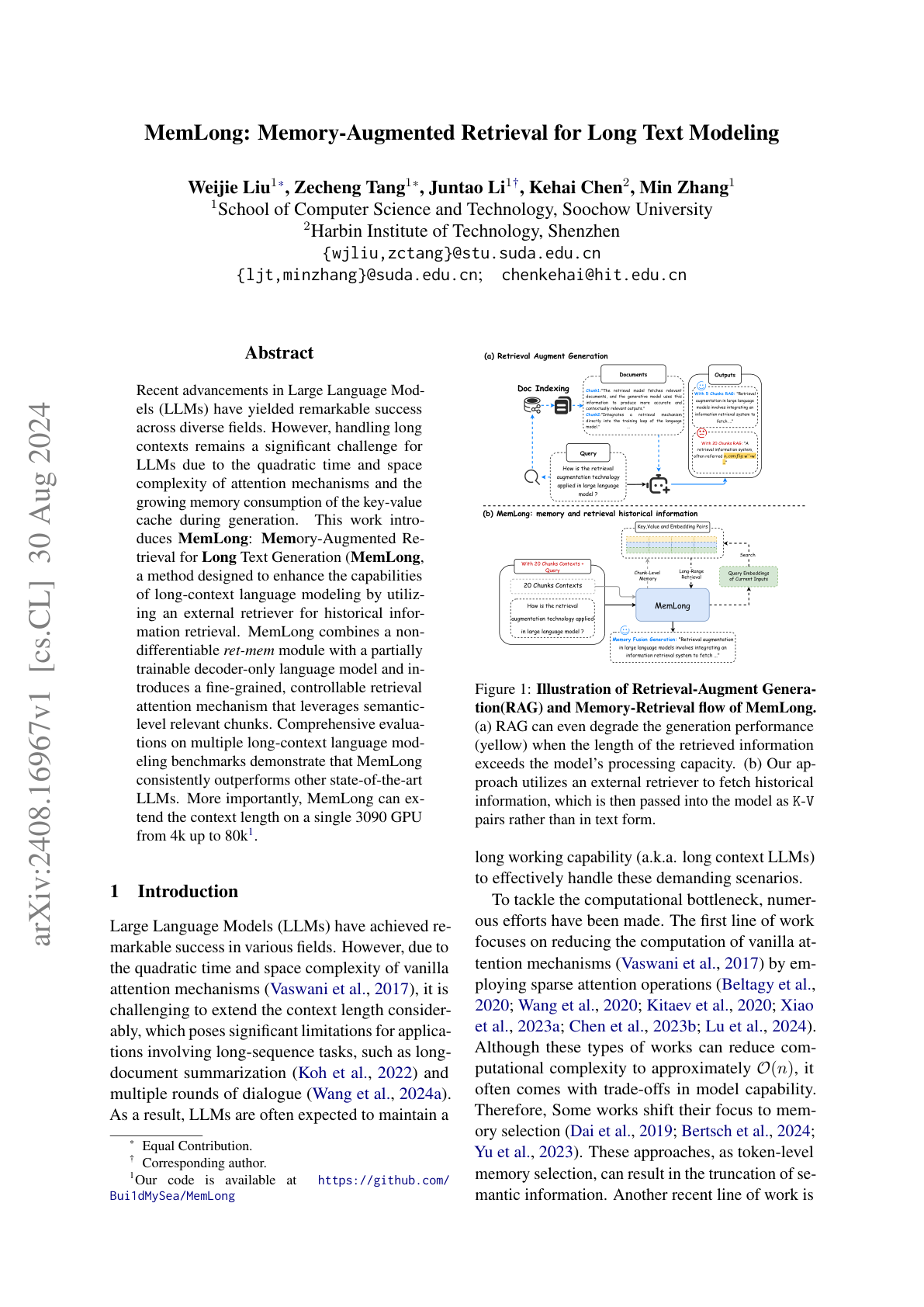
MemLong
utilizes an external retriever for retrieving historical information which enhances the capabilities of long-context LLMs; it consistently outperforms other SoTA LLMs on long-context benchmarks and can extend the context length on a single 3090 GPU from 4k up to 80k.
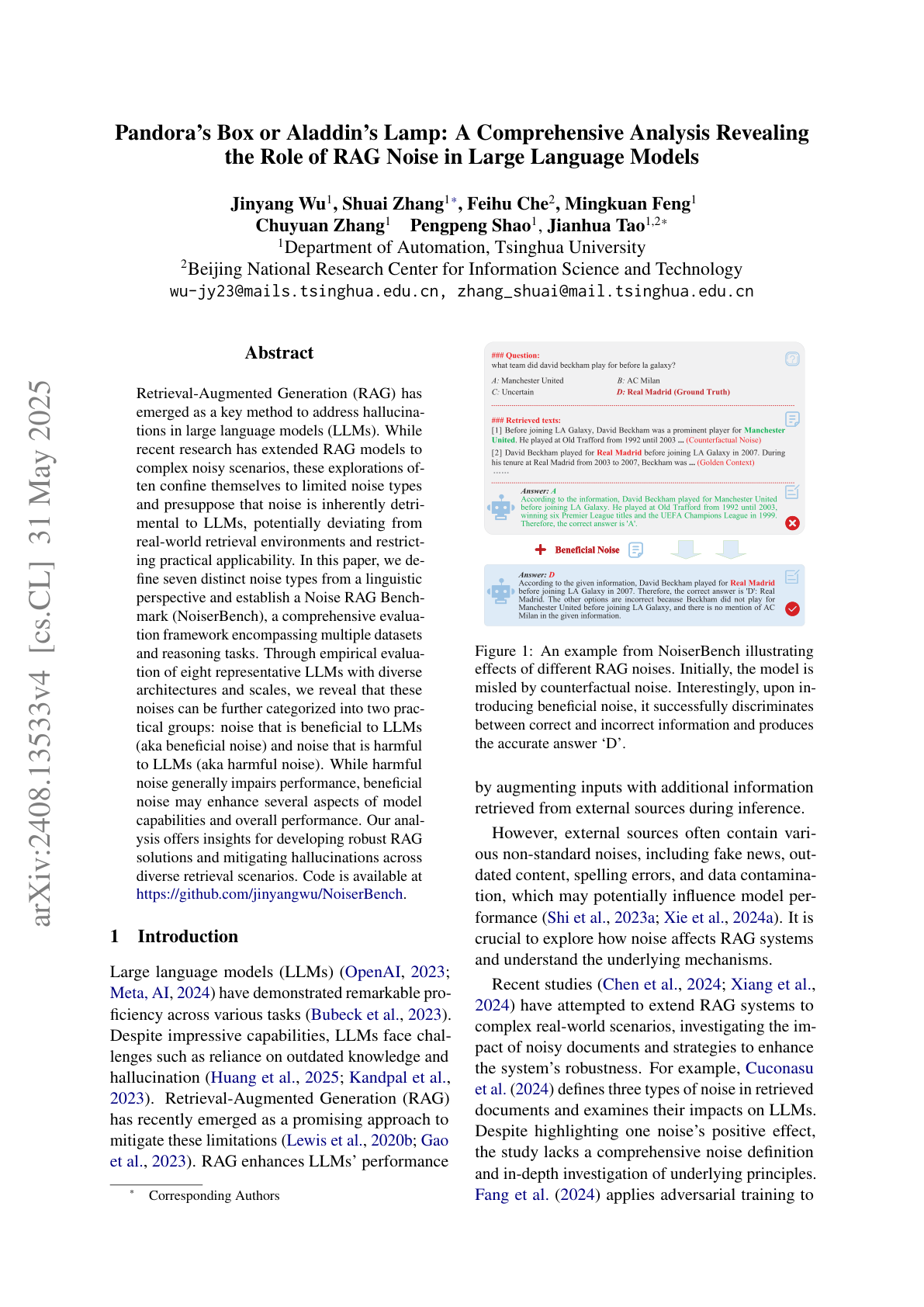
Role of RAG Noise in LLMs
proposes a benchmark (NoiserBench) to measure how different kinds of noisy information affect RAG's performance; reports that from different kinds of beneficial noise studied (e.g., semantic, datatype, and illegal sentence), illegal sentence noise exhibits the most improved model performance across models and datasets.