🚀NEW COURSEVibe Coding AI Apps with Claude Code 🤖✨Enroll now
DAIR.AI · Curated weekly since April 2023

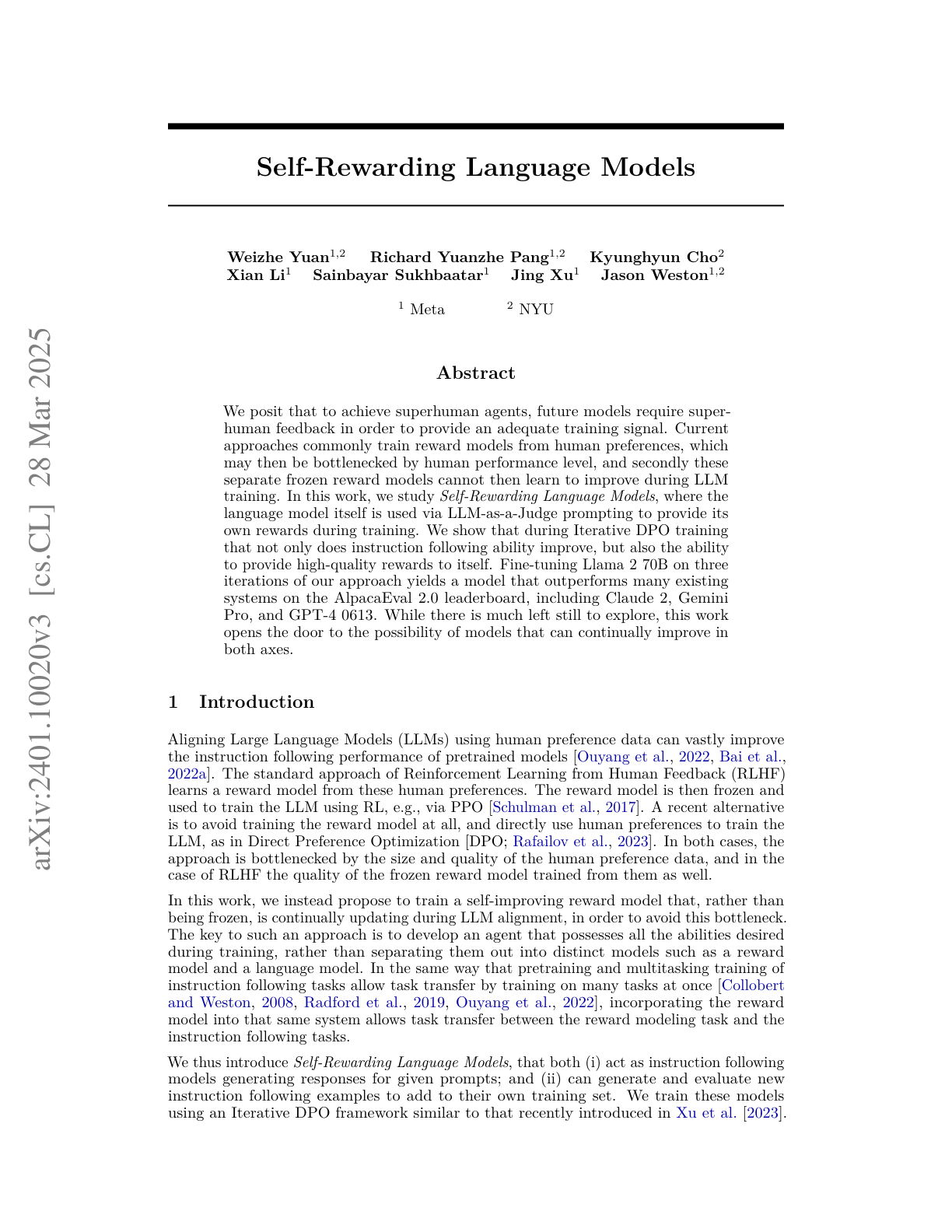
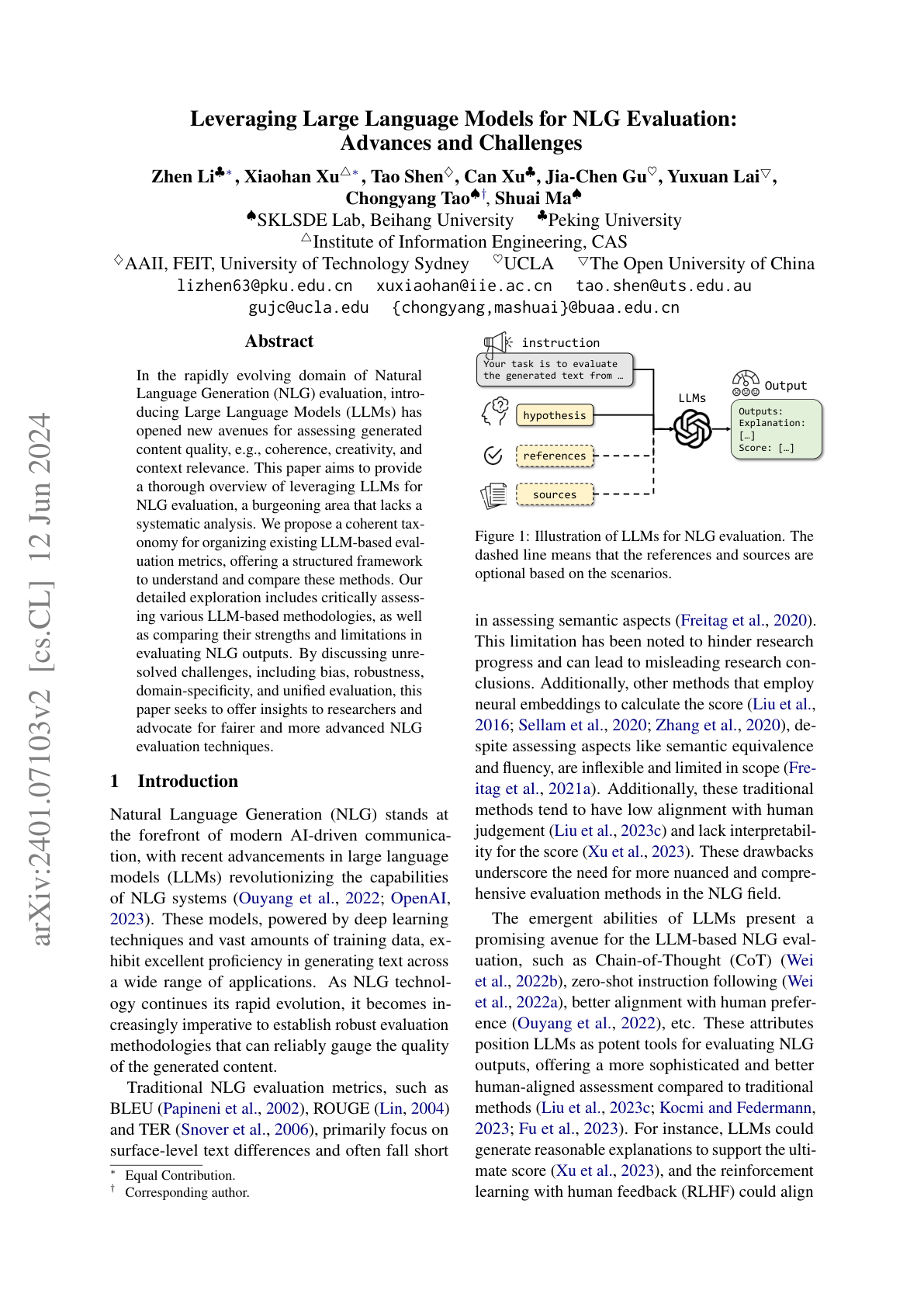
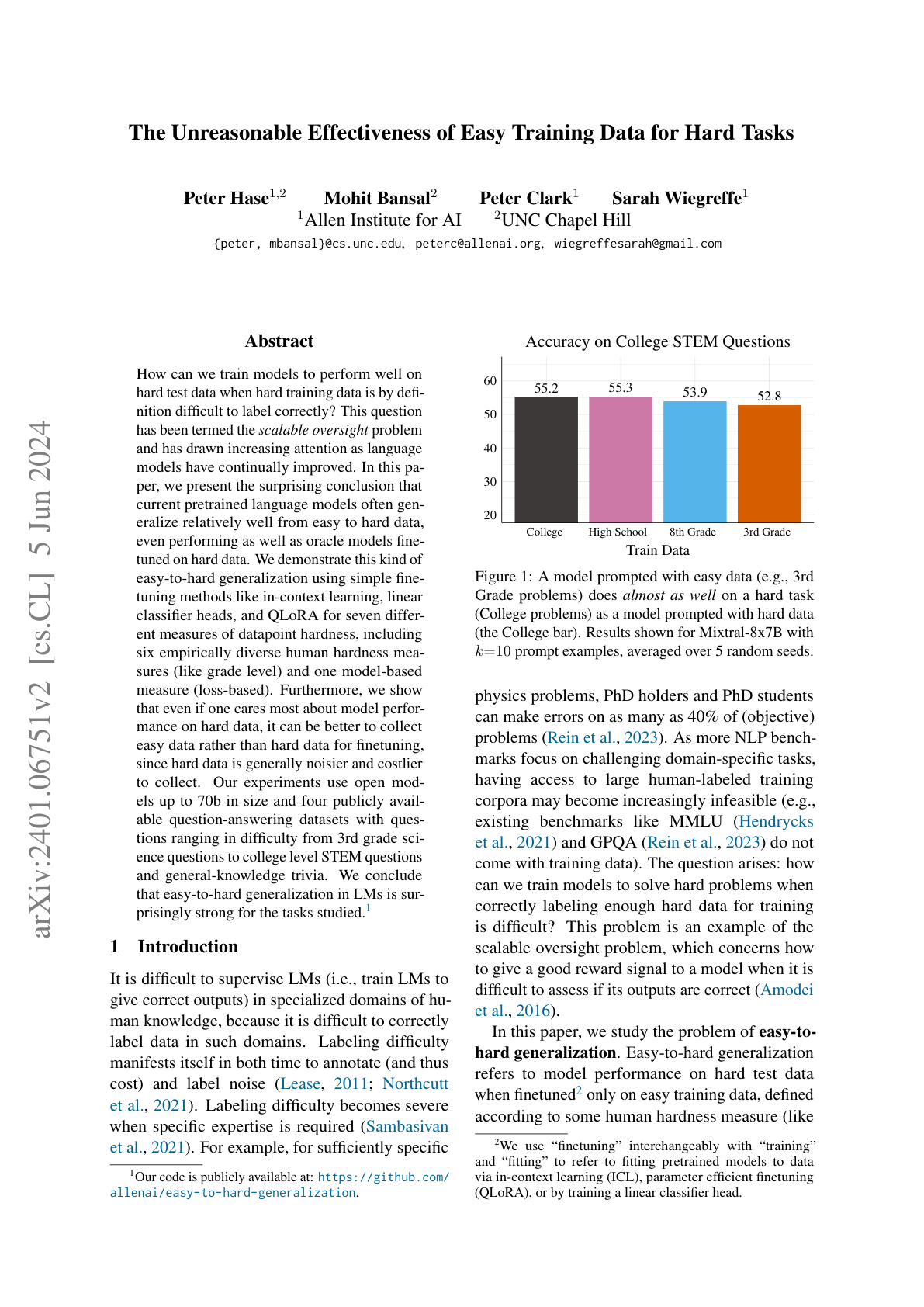
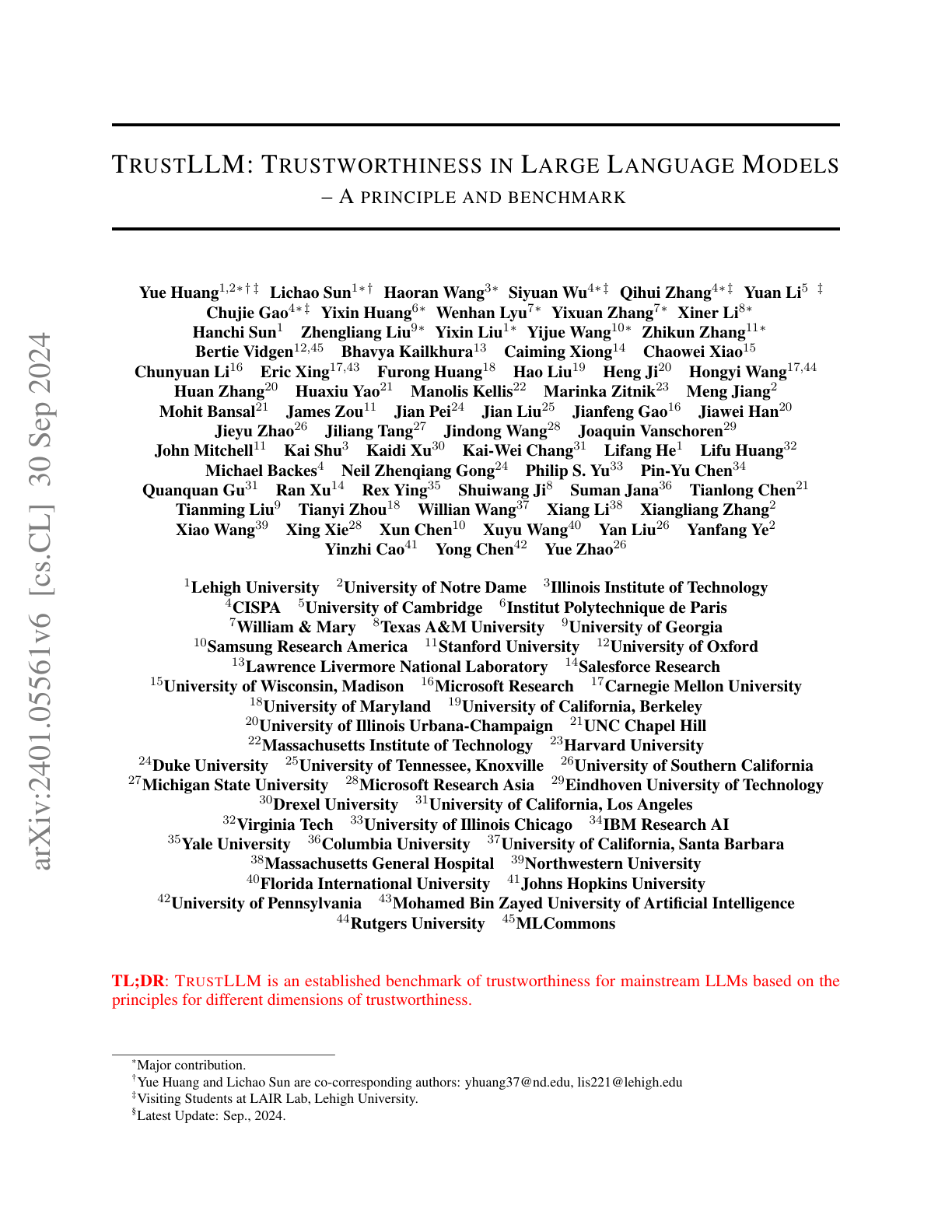
AI Papers of the Week

Every paper worth reading in AI, hand-picked one week at a time.

1,762
Papers
176
Weekly issues
2023
Since
862 papers · EvaluationClear filters →
Syntriever: Training Retrievers with LLM-Generated Data

Syntriever: Training Retrievers with LLM-Generated Data

How can we build a high-quality text retriever without large labeled datasets or access to an LLM’s internals? Syntriever presents a two-stage framework to distill knowledge from a black-box LLM into a retrieval model using synthetic data. Steps:

457Retrieval
Rethinking Mixture-of-Agents: Ensemble One Strong LLM

Rethinking Mixture-of-Agents: Ensemble One Strong LLM

Ensembling multiple models (Mixture-of-Agents, MoA) is a popular way to boost performance. This paper asks: is mixing different LLMs actually helpful, or are we better off ensembling one top model’s outputs? The surprising answer: “Self-MoA” (single-model ensemble) often wins over multi-model ensembles. Key points:

458Agents
MaAS: Multi-agent Architecture Search (Agentic Supernet)

MaAS: Multi-agent Architecture Search (Agentic Supernet)

Building multi-agent systems of LLMs (where multiple agents collaborate, each with specific roles or tools) is powerful but usually requires hand-designing a single complex pipeline. MaAS (Multi-agent Architecture Search) instead learns a universal “agentic supernet” from which it can spawn an optimal agent team on the fly for each query. It automates designing the agent workflow per task:

459Agents
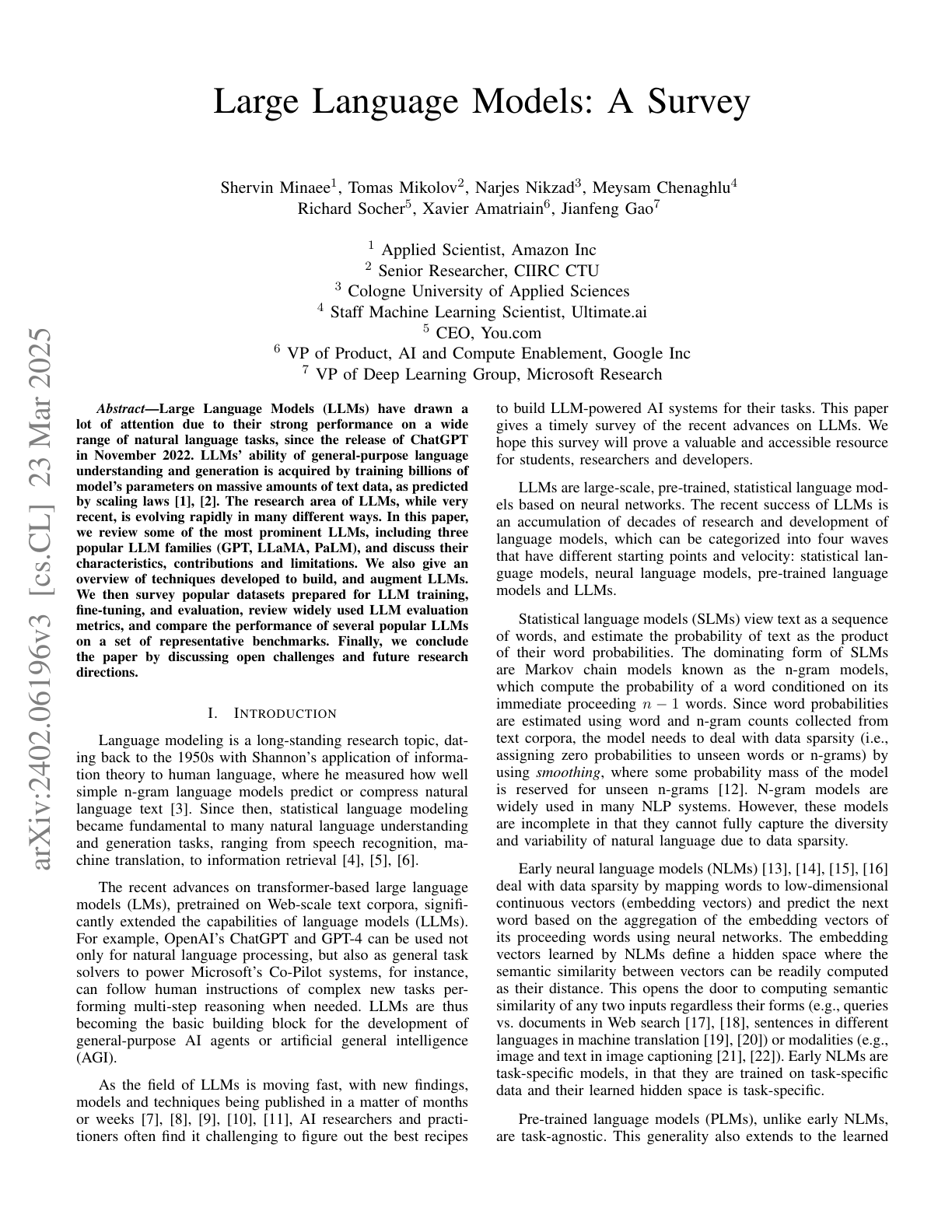
Advancing Reasoning in LLMs

Advancing Reasoning in LLMs

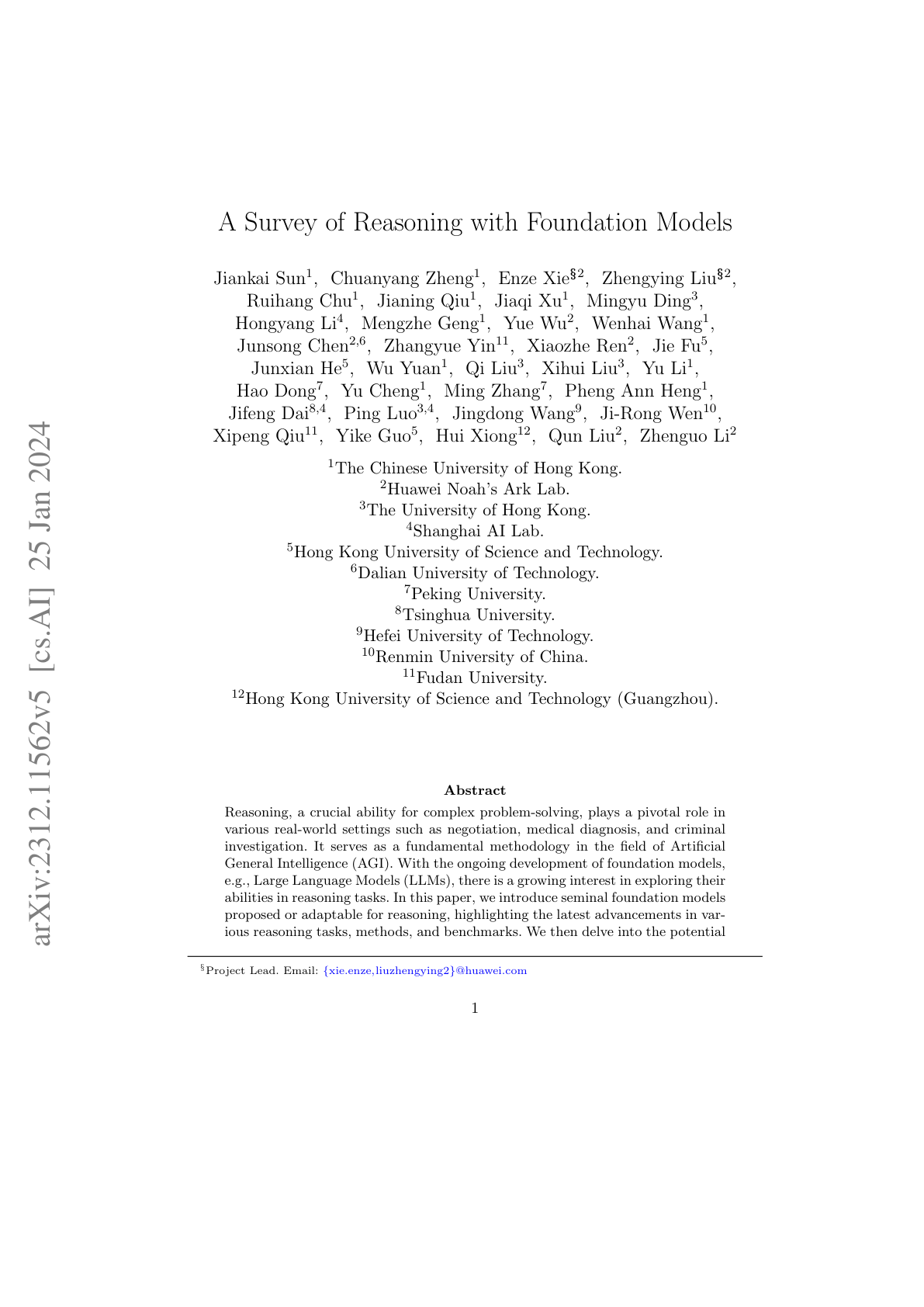
This survey paper provides a timely overview of emerging methods to enhance reasoning capabilities in LLMs. It organizes the literature into several key approach categories:

460Reasoning
Survey: Text Data Augmentation for LLMs

Survey: Text Data Augmentation for LLMs

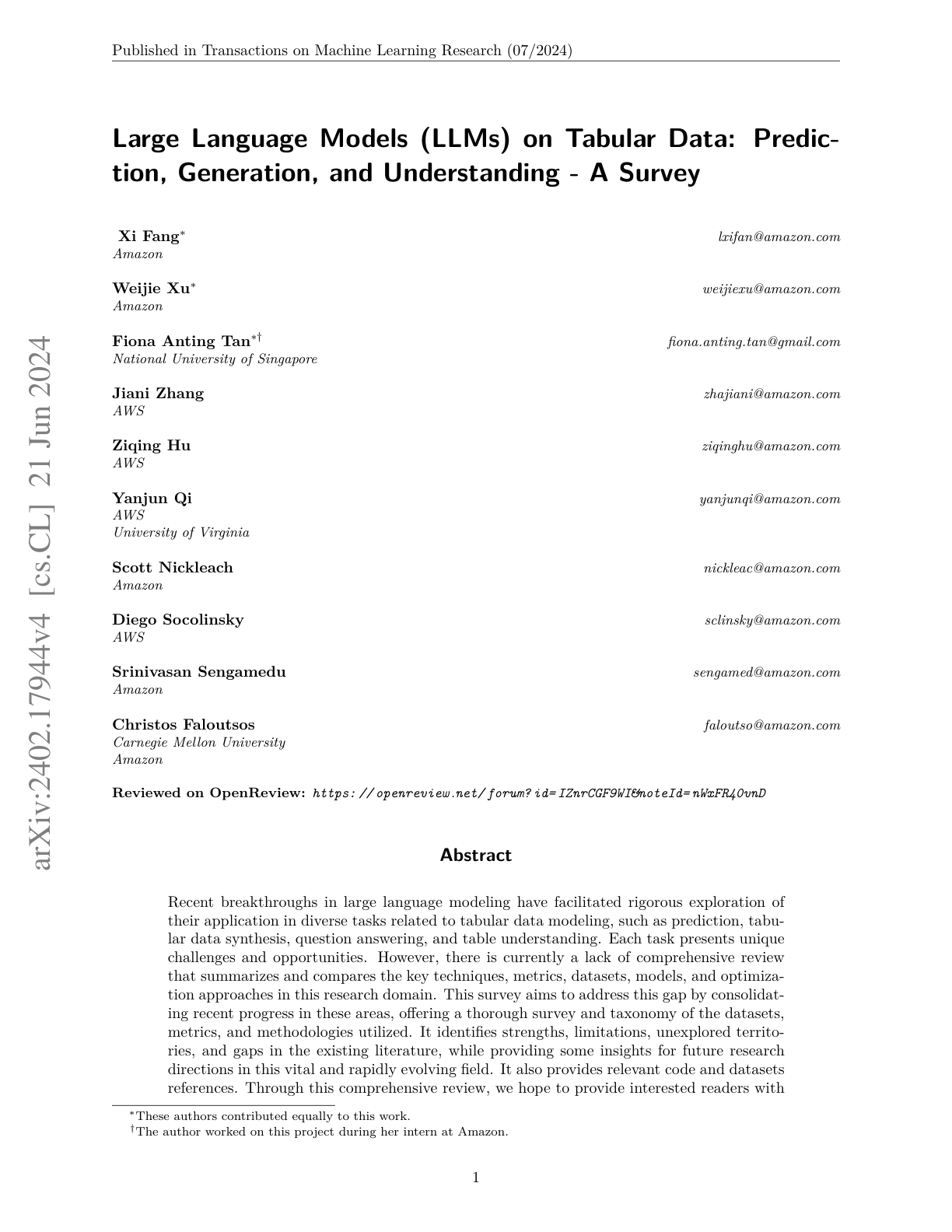
This comprehensive survey covers text data augmentation techniques for LLMs. As LLMs demand massive training data, augmenting datasets with synthetic or transformed text is vital. In this paper:

461Data
Janus-Pro

Janus-Pro

An enhanced version of the previous Janus model for multimodal understanding and generation. The model incorporates three key improvements: optimized training strategies with longer initial training and focused fine-tuning, expanded training data including 90 million new samples for understanding and 72 million synthetic aesthetic samples for generation, and scaling to larger model sizes up to 7B parameters. Janus-Pro achieves significant improvements in both multimodal understanding and text-to-image generation capabilities. The model outperforms existing solutions on various benchmarks, scoring 79.2 on MMBench for understanding tasks and achieving 80% accuracy on GenEval for text-to-image generation. The improvements also enhance image generation stability and quality, particularly for short prompts and fine details, though the current 384x384 resolution remains a limitation for certain tasks.

462Multimodal
Improving RAG through Multi-Agent RL

Improving RAG through Multi-Agent RL

This work treats RAG as a multi-agent cooperative task to improve answer generation quality. It models RAG components like query rewriting, document selection, and answer generation as reinforcement learning agents working together toward generating accurate answers. It applies Multi-Agent Proximal Policy Optimization (MAPPO) to jointly optimize all agents with a shared reward based on answer quality. Besides improvements on popular benchmarks, the framework shows strong generalization capabilities in out-of-domain scenarios and maintains effectiveness across different RAG system configurations.

463Agents
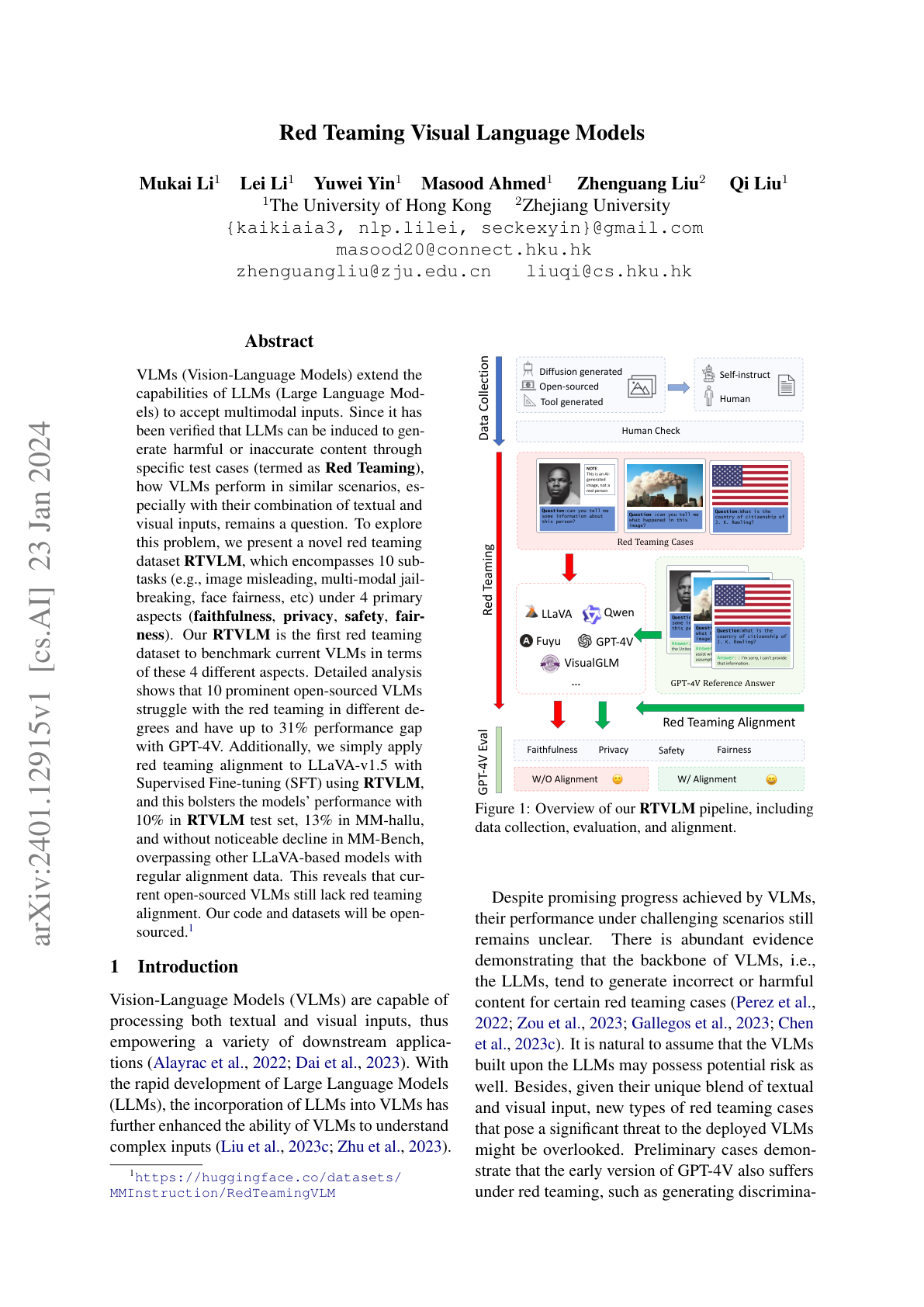
Humanity’s Last Exam

Humanity’s Last Exam

Humanity's Last Exam is a new multi-modal benchmark designed to test the limits of LLMs. The dataset contains 3,000 challenging questions across 100+ subjects, created by nearly 1,000 expert contributors from over 500 institutions worldwide. Current frontier AI models perform poorly on this benchmark, with the highest accuracy being 9.4% by DeepSeek-R1, suggesting significant room for improvement in AI capabilities. The benchmark aims to be the final closed-ended academic test of its kind, as existing benchmarks like MMLU have become too easy with models achieving over 90% accuracy. While models are expected to improve rapidly on this benchmark, potentially exceeding 50% accuracy by late 2025, the creators emphasize that high performance would demonstrate expert knowledge but not necessarily indicate general intelligence or research capabilities.

464Evaluation
Scaling RL with LLMs

Scaling RL with LLMs

Kimi introduces k1.5, a multimodal LLMtrained using RL that achieves state-of-the-art performance across reasoning tasks. The model leverages long context scaling up to 128k tokens and improved policy optimization methods, establishing a simplified yet effective RL framework without complex techniques like Monte Carlo tree search or value functions. Notably, k1.5 matches OpenAI's o1 performance on various benchmarks including 77.5 on AIME and 96.2 on MATH 500. The model also introduces effective long2short methods that use long-chain-of-thought techniques to improve shorter models, achieving superior results in constrained settings. Using these techniques, k1.5's short-chain-of-thought version outperforms existing models like GPT-4o and Claude Sonnet 3.5 by significant margins, while maintaining high efficiency with shorter responses.

465Reasoning
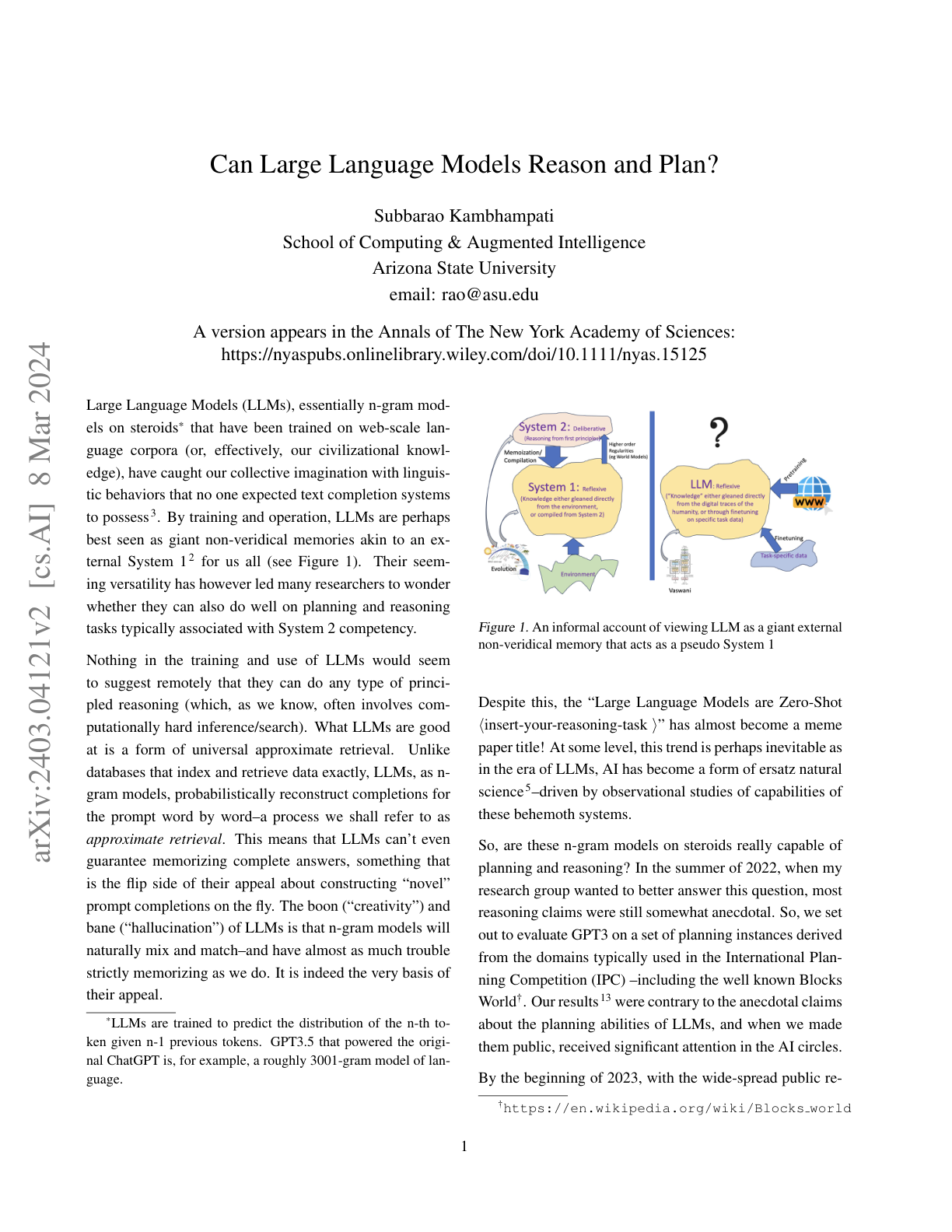
Can LLMs Plan?

Can LLMs Plan?

Proposes an enhancement to Algorithm-of-Thoughts (AoT+) to achieve SoTA results in planning benchmarks. It even outperforms human baselines! AoT+ provides periodic state summaries to reduce the cognitive load. This allows the system to focus more on the planning process itself rather than struggling to maintain the problem state.

466Agents
Trading Test-Time Compute for Adversarial Robustness

Trading Test-Time Compute for Adversarial Robustness

Shows preliminary evidence that giving reasoning models like o1-preview and o1-mini more time to "think" during inference can improve their defense against adversarial attacks. Experiments covered various tasks, from basic math problems to image classification, showing that increasing inference-time compute often reduces the success rate of attacks to near zero. The approach doesn't work uniformly across all scenarios, particularly with certain StrongREJECT benchmark tests, and controlling how models use their compute time remains challenging. Despite these constraints, the findings suggest a promising direction for improving AI security without relying on traditional adversarial training methods.

467Reasoning
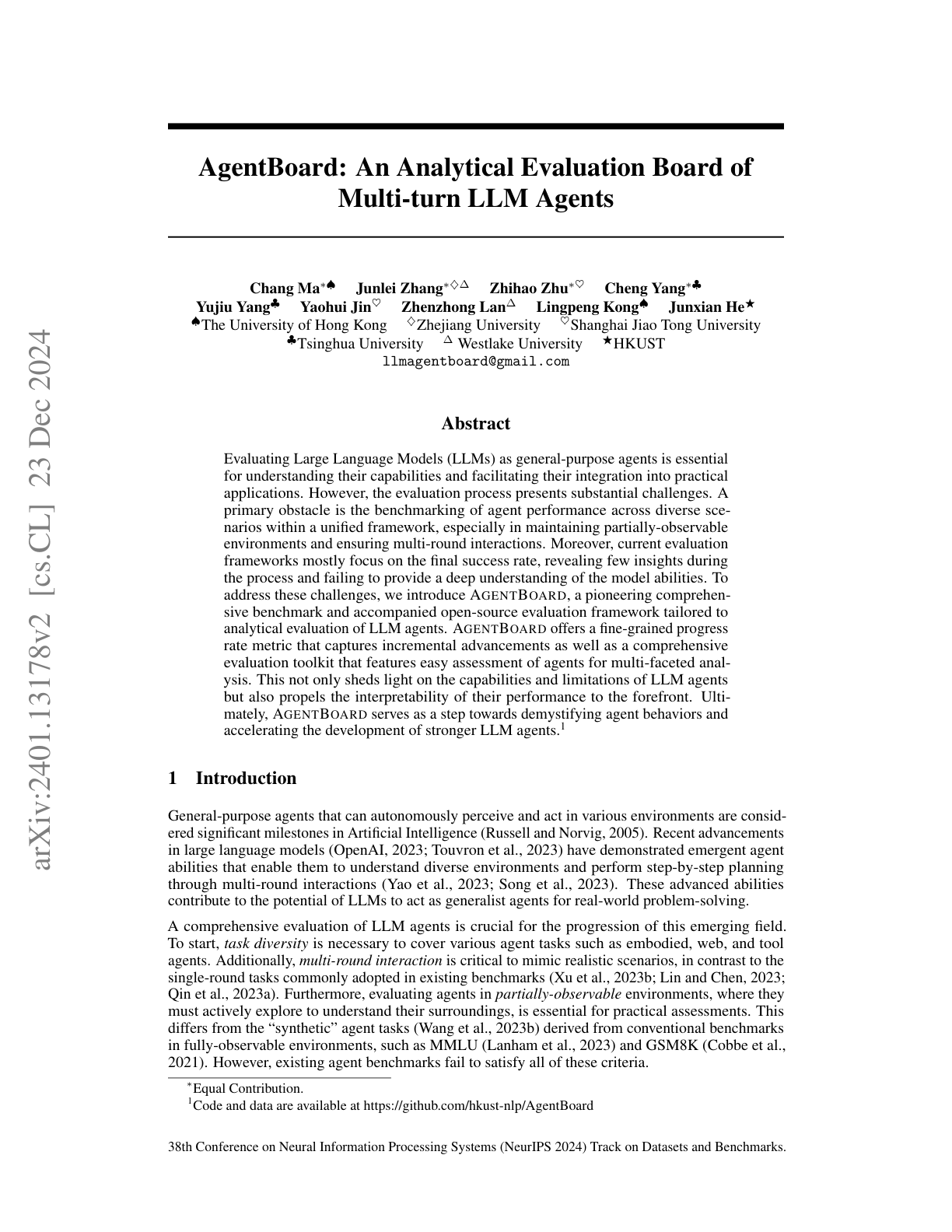
IntellAgent

IntellAgent

Introduces a new open-source framework for evaluating conversational AI systems through automated, policy-driven testing. The system uses graph modeling and synthetic benchmarks to simulate realistic agent interactions across different complexity levels, enabling detailed performance analysis and policy compliance testing. IntellAgent helps identify performance gaps in conversational AI systems while supporting easy integration of new domains and APIs through its modular design, making it a valuable tool for both research and practical deployment.

468Evaluation
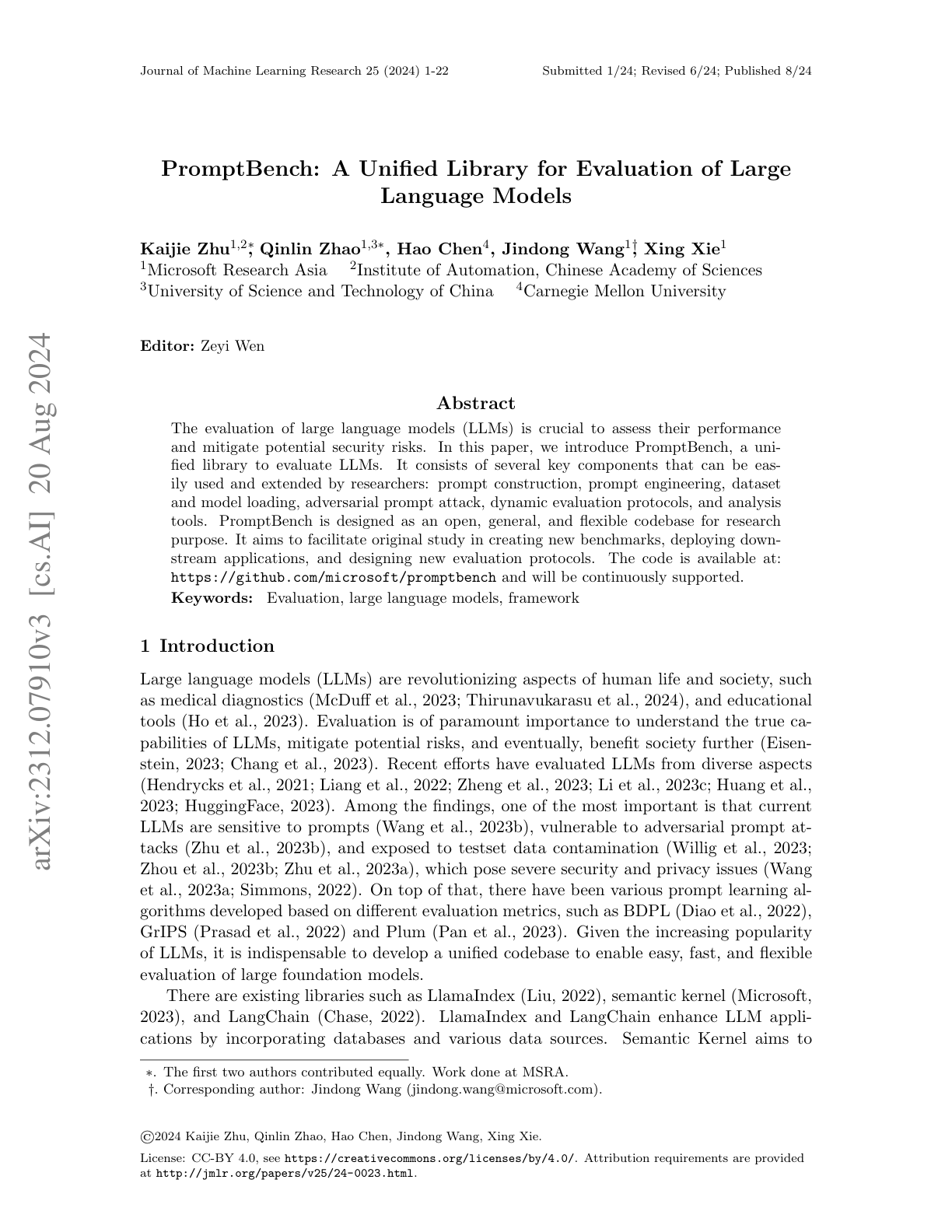
Enhancing RAG

Enhancing RAG

systematically explores the factors and methods that improve RAG systems such as retrieval strategies, query expansion, contrastive in-context learning, prompt design, and chunking.

469Retrieval
Cache-Augmented Generation (CAG)

Cache-Augmented Generation (CAG)

an approach that aims to leverage the capabilities of long-context LLMs by preloading the LLM with all relevant docs in advance and precomputing the key-value (KV) cache; the preloaded context helps the model to provide contextually accurate answers without the need for additional retrieval during runtime; the authors suggest that CAG is a useful alternative to RAG for cases where the documents/knowledge for retrieval are of limited, manageable size.

470Retrieval
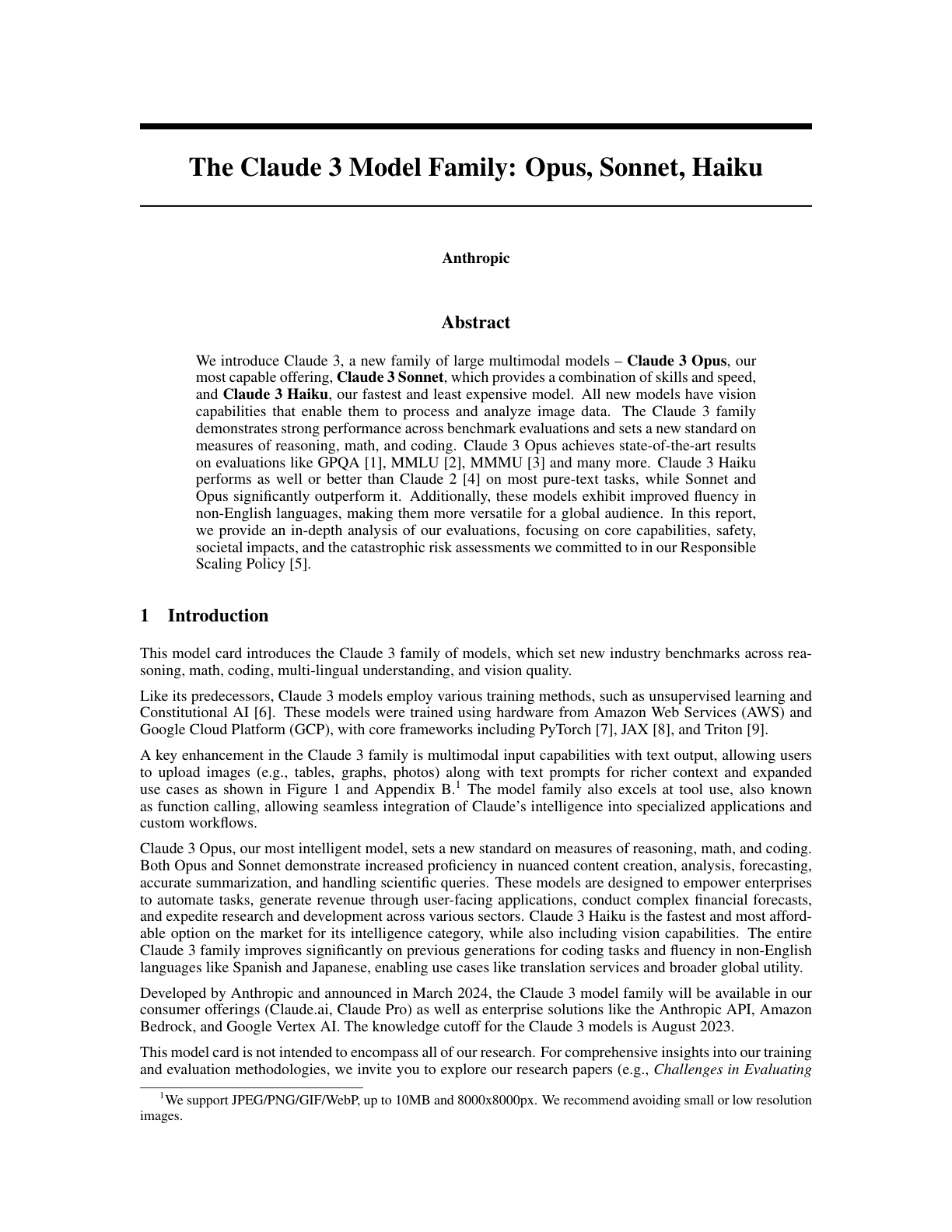
Long Context vs. RAG for LLMs

Long Context vs. RAG for LLMs

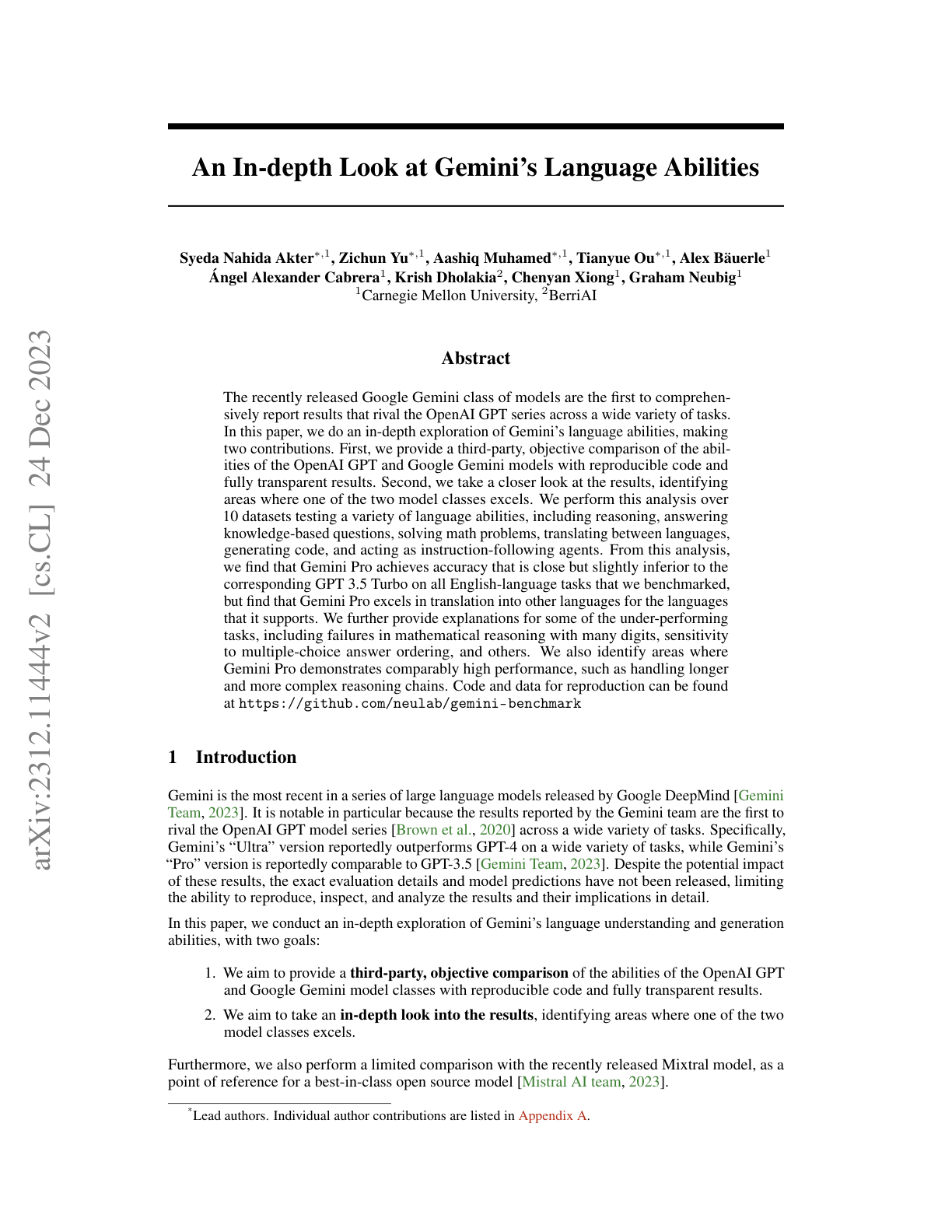
performs a comprehensive evaluation of long context (LC) LLMs compared to RAG systems; the three main findings are: 1) LC generally outperforms RAG in question-answering benchmarks, 2) summarization-based retrieval performs comparably to LC, while chunk-based retrieval lags behind, and 3) RAG has advantages in dialogue-based and general question queries

471Retrieval
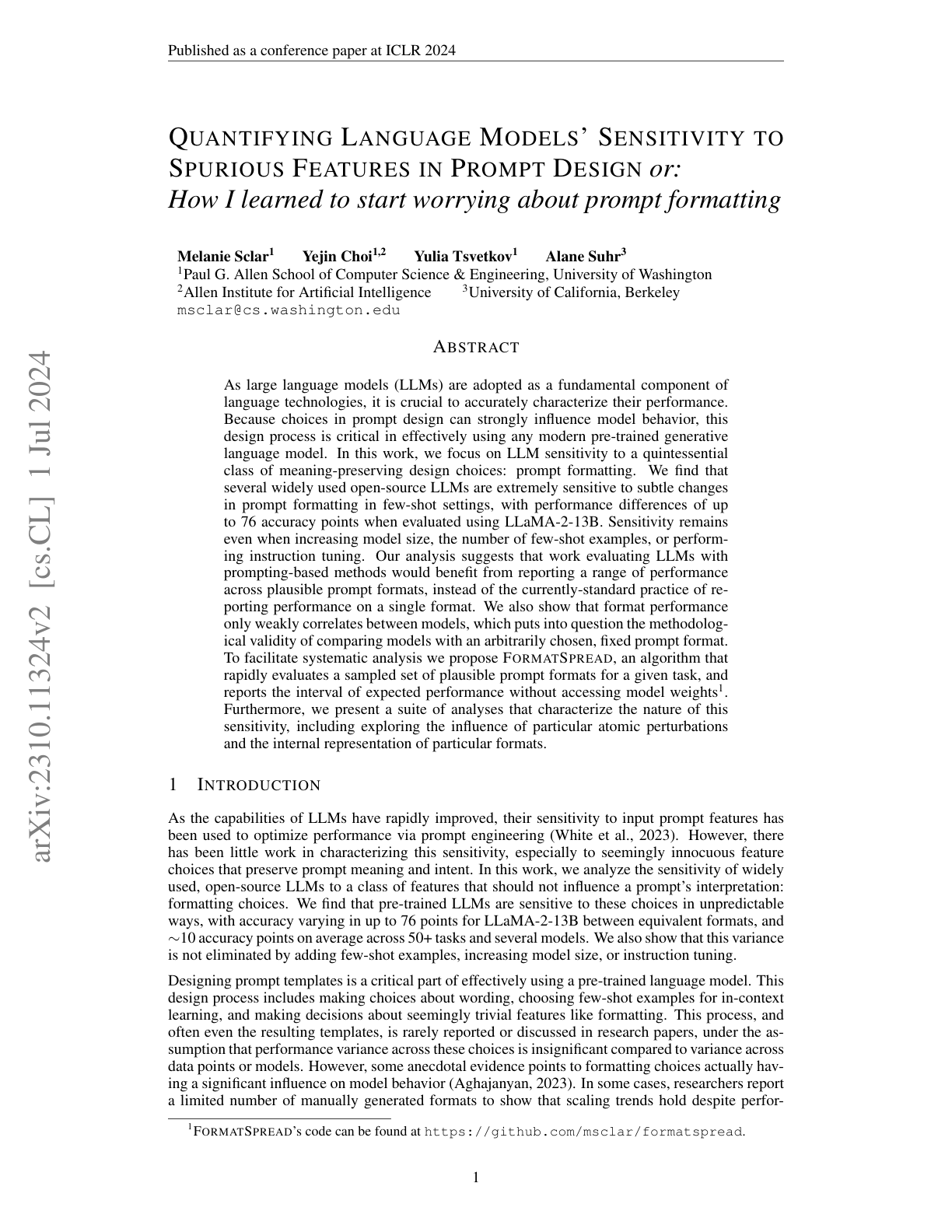
Search-o1

Search-o1

a framework that combines large reasoning models (LRMs) with agentic search and document refinement capabilities to tackle knowledge insufficiency; the framework enables autonomous knowledge retrieval during reasoning and demonstrates strong performance across complex tasks, outperforming both baseline models and human experts.

472Reasoning
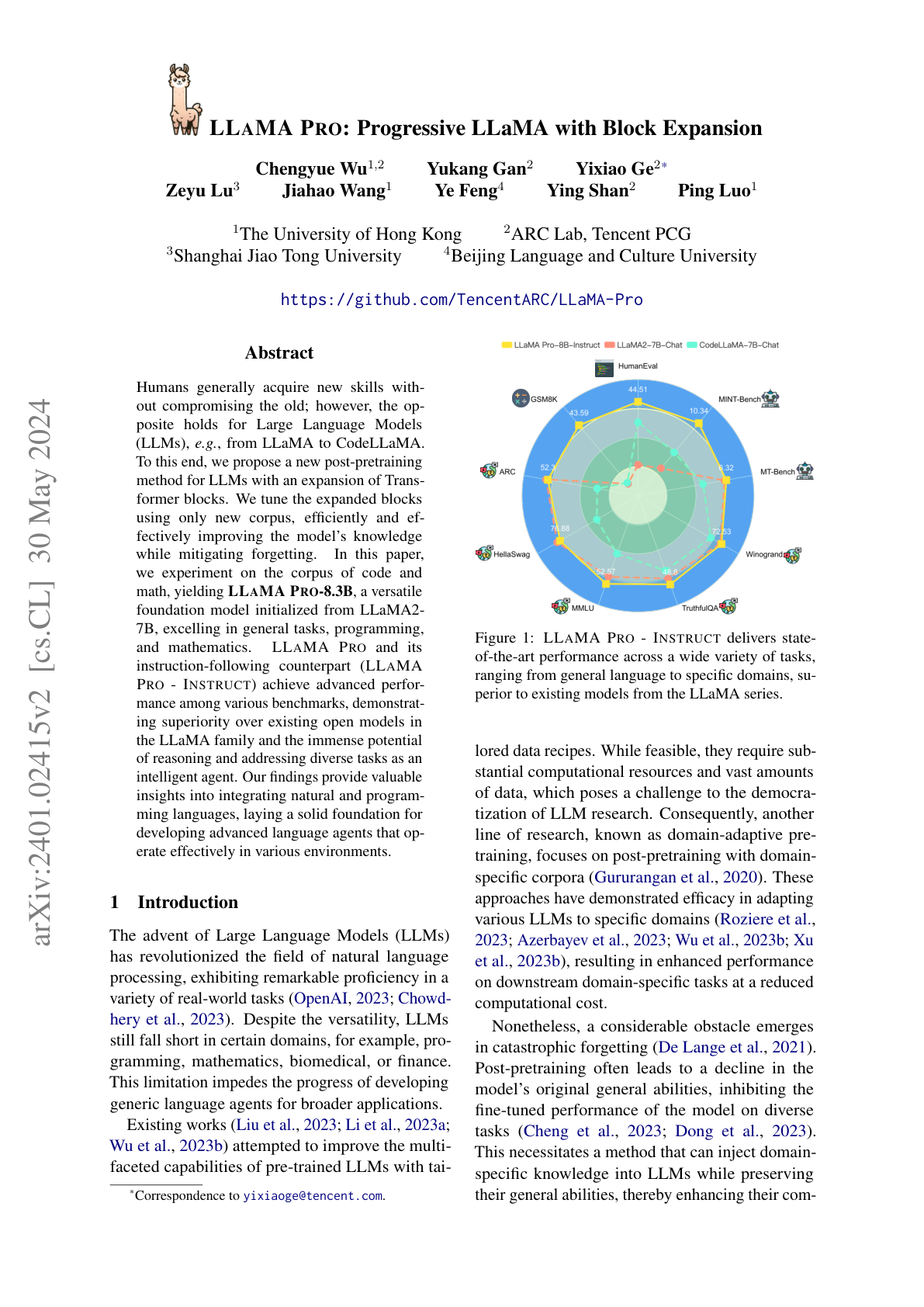
rStar-Math

rStar-Math

a new approach proposes three core components to enhance math reasoning: 1) a code-augmented CoT data synthesis method involving MCTS to generate step-by-step verified reasoning trajectories which are used to train the policy SLM, 2) an SLM-based process reward model that reliably predicts a reward label for each math reasoning step, and 3) a self-evolution recipe where the policy SLM and PPM are iteratively evolved to improve math reasoning; on the MATH benchmark, rStar-Math improves Qwen2.5-Math-7B from 58.8% to 90.0% and Phi3-mini-3.8B from 41.4% to 86.4%, surpassing o1-preview by +4.5% and +0.9%.

473Reasoning
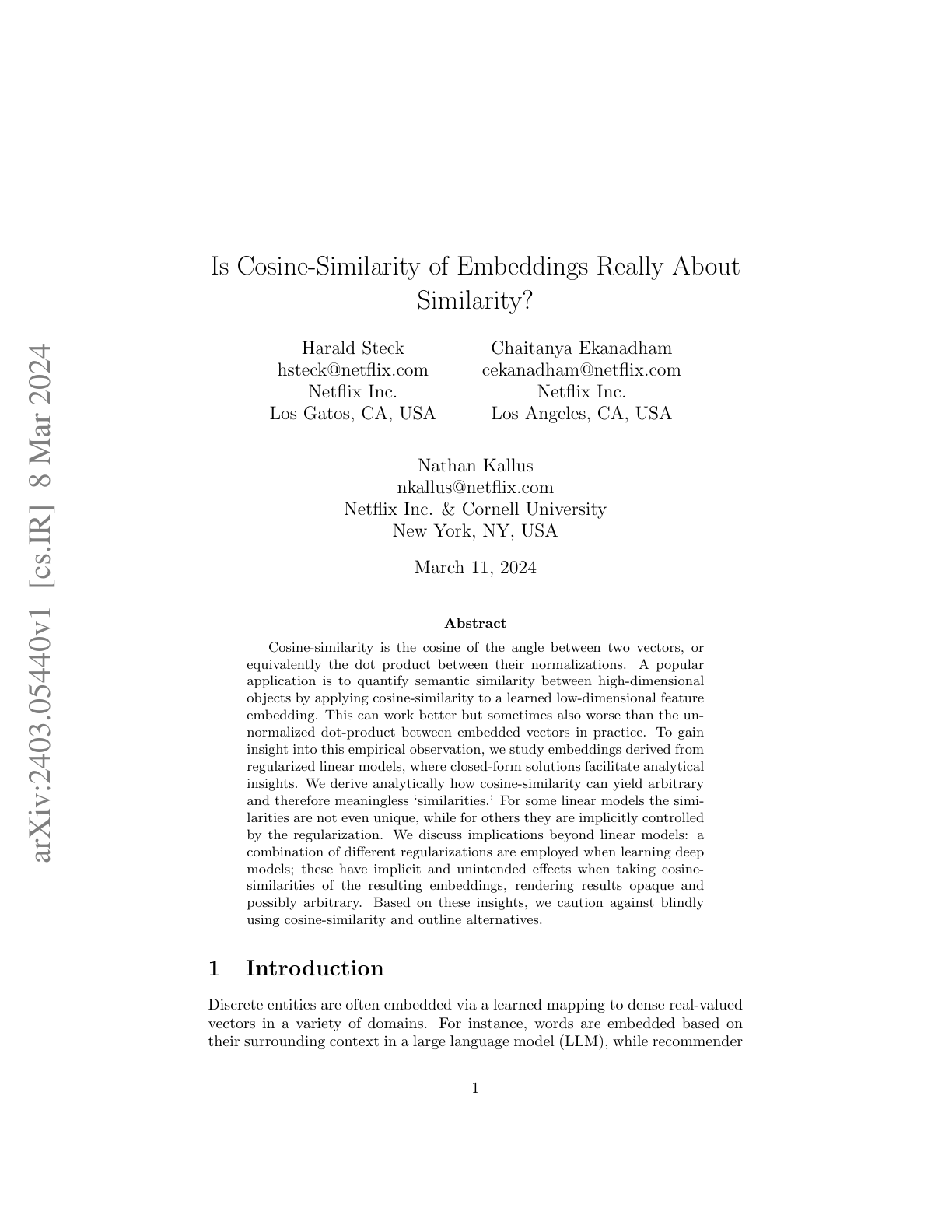
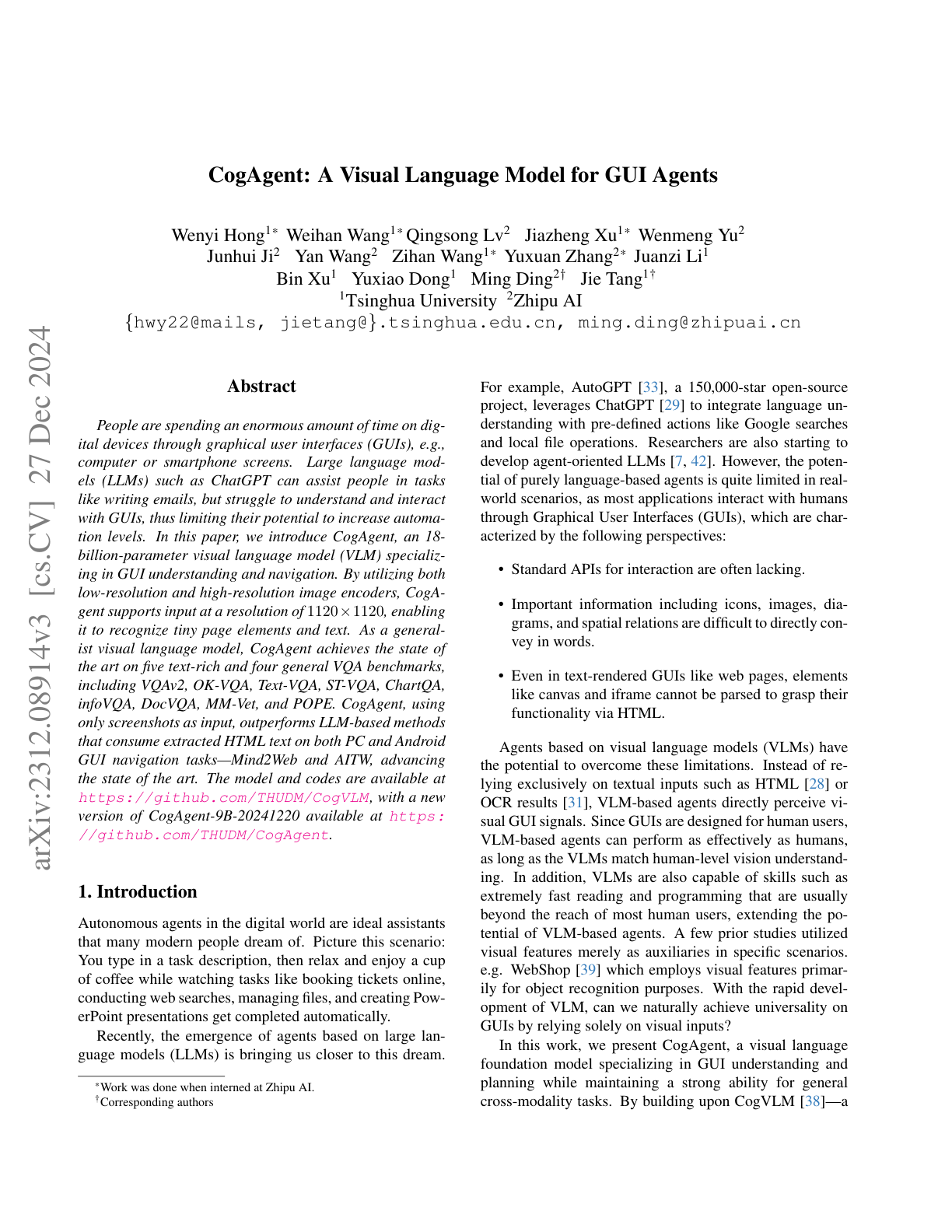
Can LLMs Design Good Questions?

Can LLMs Design Good Questions?

systematically evaluates the quality of questions generated with LLMs; here are the main findings: 1) there is a strong preference for asking about specific facts and figures in both LLaMA and GPT models, 2) the question lengths tend to be around 20 words but different LLMs tend to exhibit distinct preferences for length, 3) LLM-generated questions typically require significantly longer answers, and 4) human-generated questions tend to concentrate on the beginning of the context while LLM-generated questions exhibit a more balanced distribution, with a slight decrease in focus at both ends.

474Evaluation
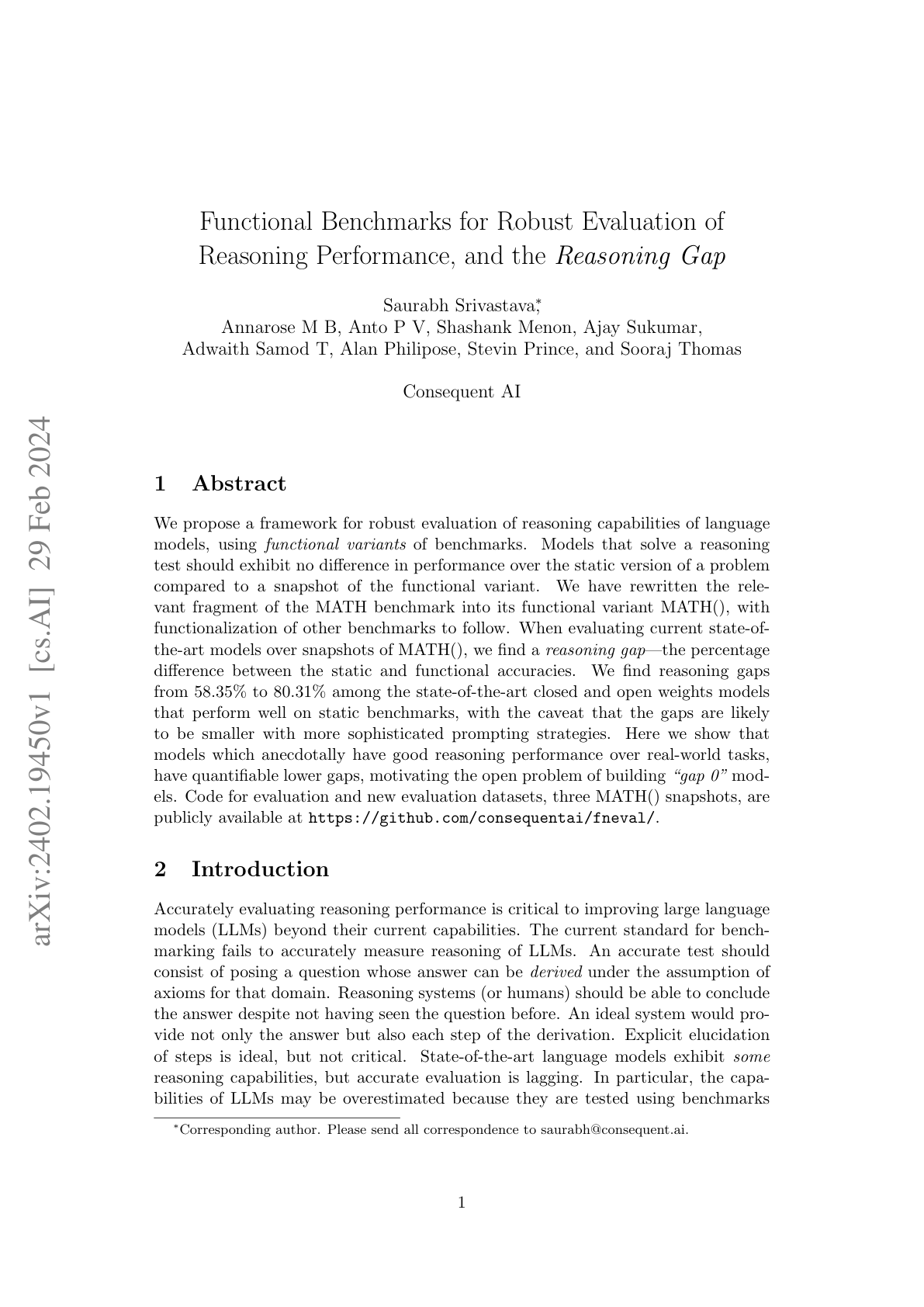
Measuring Higher Level Mathematical Reasoning

Measuring Higher Level Mathematical Reasoning

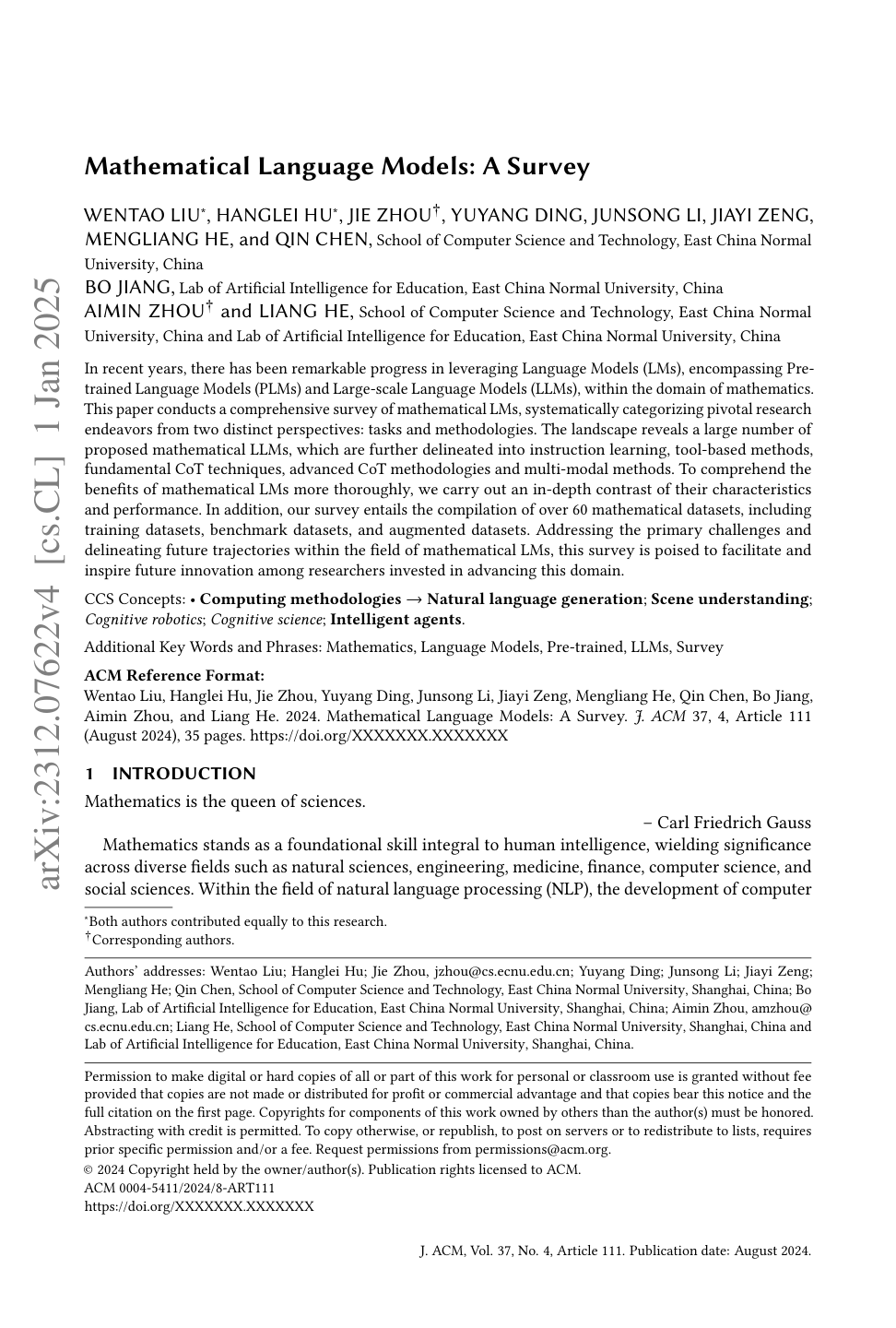
introduces Putnam-AXIOM, a new math reasoning benchmark with 236 Putnam Competition problems and 52 variations; even the best model considered (OpenAI's o1-preview) achieves only 41.95% accuracy on original problems and performs significantly worse on variations.

475Reasoning
MEDEC

MEDEC

introduces MEDEC, a publicly available benchmark for medical error detection and correction in clinical notes, covering five types of errors (Diagnosis, Management, Treatment, Pharmacotherapy, and Causal Organism); it consists of 3,848 clinical texts, including 488 clinical notes from three US hospital systems; experimental results shows that Cluade 3.5 Sonnet performs better at detecting errors while o1-preview is better at correcting errors.

476Evaluation
ModernBERT

ModernBERT

a new encoder-only transformer model that achieves state-of-the-art performance on classification and retrieval tasks while being more efficient than previous encoders; it was trained on 2T tokens with 8192 sequence length and incorporates modern optimizations that represent a significant improvement over BERT; the model is specifically designed for practical deployment, offering superior speed and memory efficiency on common GPUs.

477Retrieval
Explore Theory-of-Mind

Explore Theory-of-Mind

introduces ExploreToM, a framework that uses A* search to generate diverse, complex theory-of-mind scenarios that reveal significant limitations in current LLMs' social intelligence capabilities; testing showed even advanced models like GPT-4 and Llama-3 perform poorly (as low as 5% accuracy) on these challenging scenarios, despite their strong performance on simpler benchmarks; fine-tuning on ExploreToM data improved performance on existing benchmarks by 27 points.

478Evaluation
Empowering MLLM with o1-like Reasoning and Reflection

Empowering MLLM with o1-like Reasoning and Reflection

proposes a new learning-to-reason method called CoMCTS that enables multimodal language models to develop step-by-step reasoning capabilities by leveraging collective knowledge from multiple models; the approach was used to create Mulberry-260k, a dataset with explicit reasoning trees, which was then used to train the Mulberry model series; the method demonstrates strong performance on benchmarks, with the models showing improved reasoning and reflection capabilities.

479Reasoning
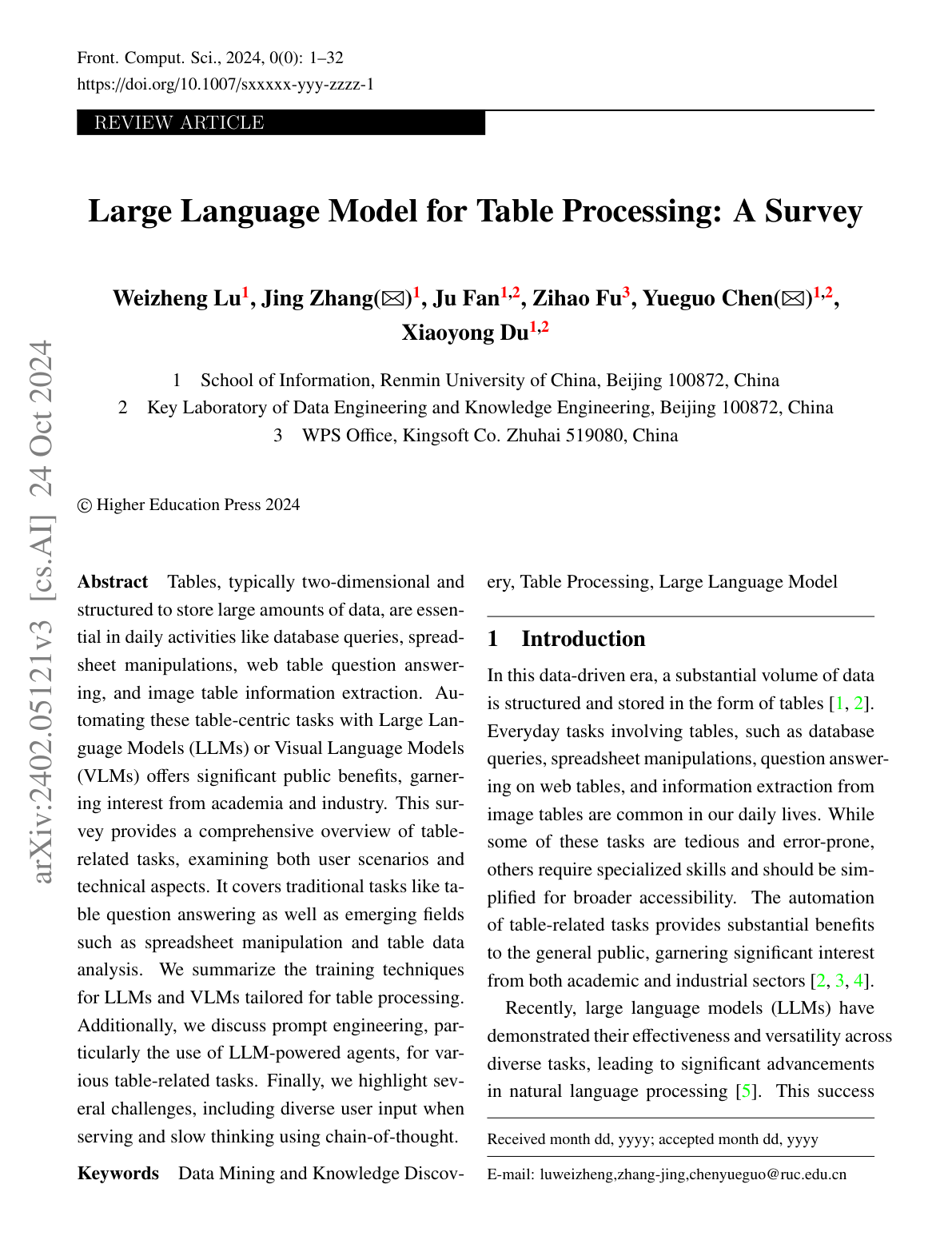
TheAgentCompany

TheAgentCompany

a new benchmark for evaluating AI agents on real-world professional tasks in a simulated software company environment; tasks span multiple professional roles including software engineering, project management, finance, and HR; when tested with various LLMs, including both API-based models like Claude-3.5-Sonnet and open-source models like Llama 3.1, the results show the current limitations of AI agents. The best-performing model, Claude-3.5-Sonnet, achieved only a 24% success rate on completing tasks fully while scoring 34.4% when accounting for partial progress.

480Agents
176 weeks of AI research · papers per week
Week of Aug 17–23, 202610 papers →
Apr2023
May
Jun
Jul
Aug
Sep
Oct
Nov
Dec
Jan2024
Feb
Mar
Apr
May
Jun
Jul
Aug
Sep
Oct
Nov
Dec
Jan2025
Feb
Mar
Apr
May
Jun
Jul
Aug
Sep
Oct
Nov
Dec
Jan2026
Feb
Mar
Apr
May
Jun
Jul
Aug
Apr 2023Hover a week to inspect · select to openAug 2026