AI Papers of the Week
Every paper worth reading in AI, hand-picked one week at a time.
Discover and explore top AI papers with Claude Code or Codex
npx @dair-ai/mcp setup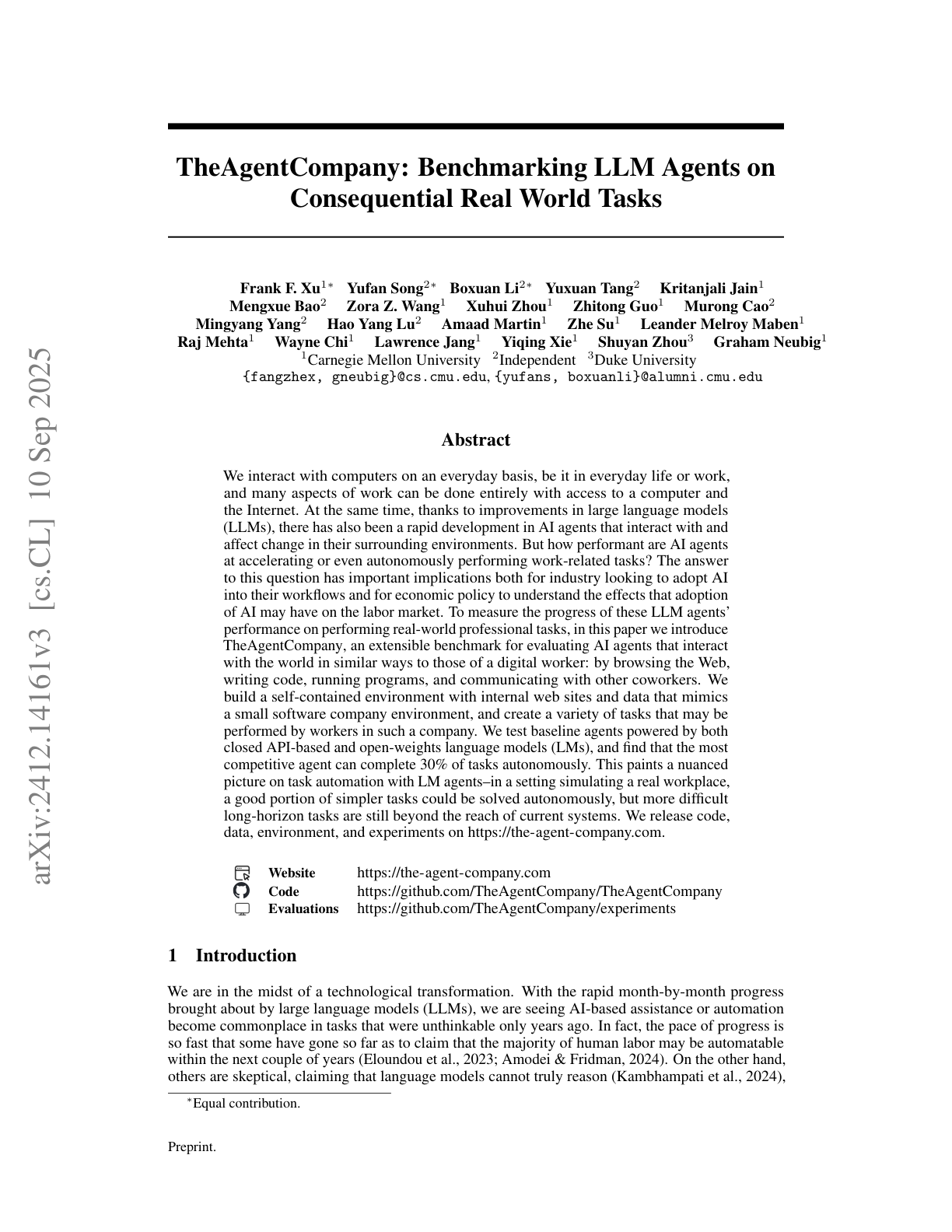
TheAgentCompany
a new benchmark for evaluating AI agents on real-world professional tasks in a simulated software company environment; tasks span multiple professional roles including software engineering, project management, finance, and HR; when tested with various LLMs, including both API-based models like Claude-3.5-Sonnet and open-source models like Llama 3.1, the results show the current limitations of AI agents. The best-performing model, Claude-3.5-Sonnet, achieved only a 24% success rate on completing tasks fully while scoring 34.4% when accounting for partial progress.
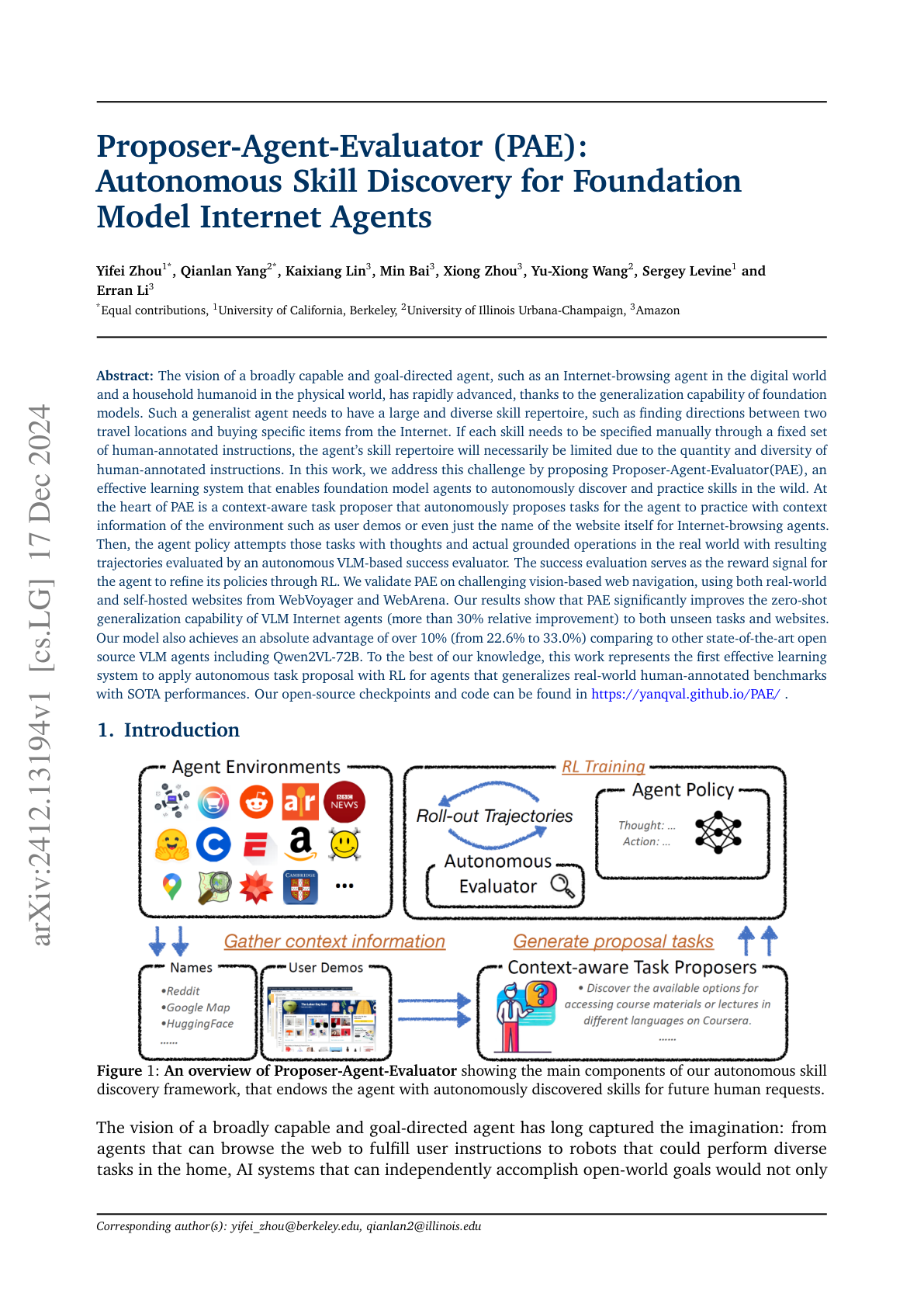
PAE (Proposer-Agent-Evaluator)
a learning system that enables AI agents to autonomously discover and practice skills through web navigation, using reinforcement learning and context-aware task proposals to achieve state-of-the-art performance on real-world benchmarks.
AutoFeedback
a two-agent AI system that generates more accurate and pedagogically sound feedback for student responses in science assessments, significantly reducing common errors like over-praise compared to single-agent models.
MAG-V
a multi-agent framework that first generates a dataset of questions that mimic customer queries; it then reverse engineers alternate questions from responses to verify agent trajectories; reports that the generated synthetic data can improve agent performance on actual customer queries; finds that for trajectory verification simple ML baselines with feature engineering can match the performance of more expensive and capable models.
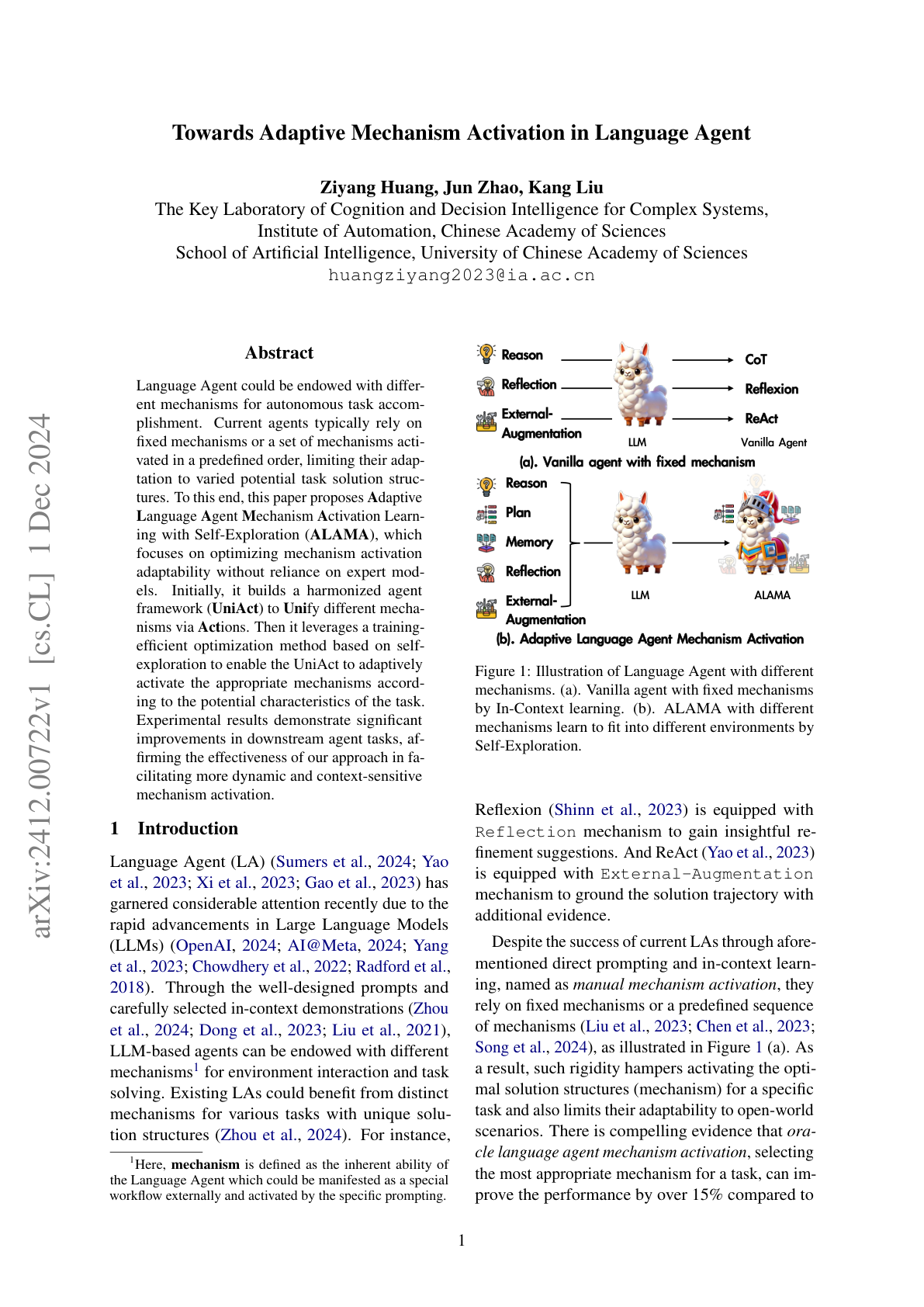
ALAMA
a new framework that helps language agents automatically learn when to use different mechanisms (ReAct, CoT, Reflection, etc.) for automatically completing tasks, improving on current approaches that use fixed or predefined mechanisms; the framework adaptively activates the appropriate mechanisms according to the potential characteristics of the task; experimental results demonstrate significant improvements in downstream agent tasks, including mathematical reasoning and knowledge-intensive reasoning.
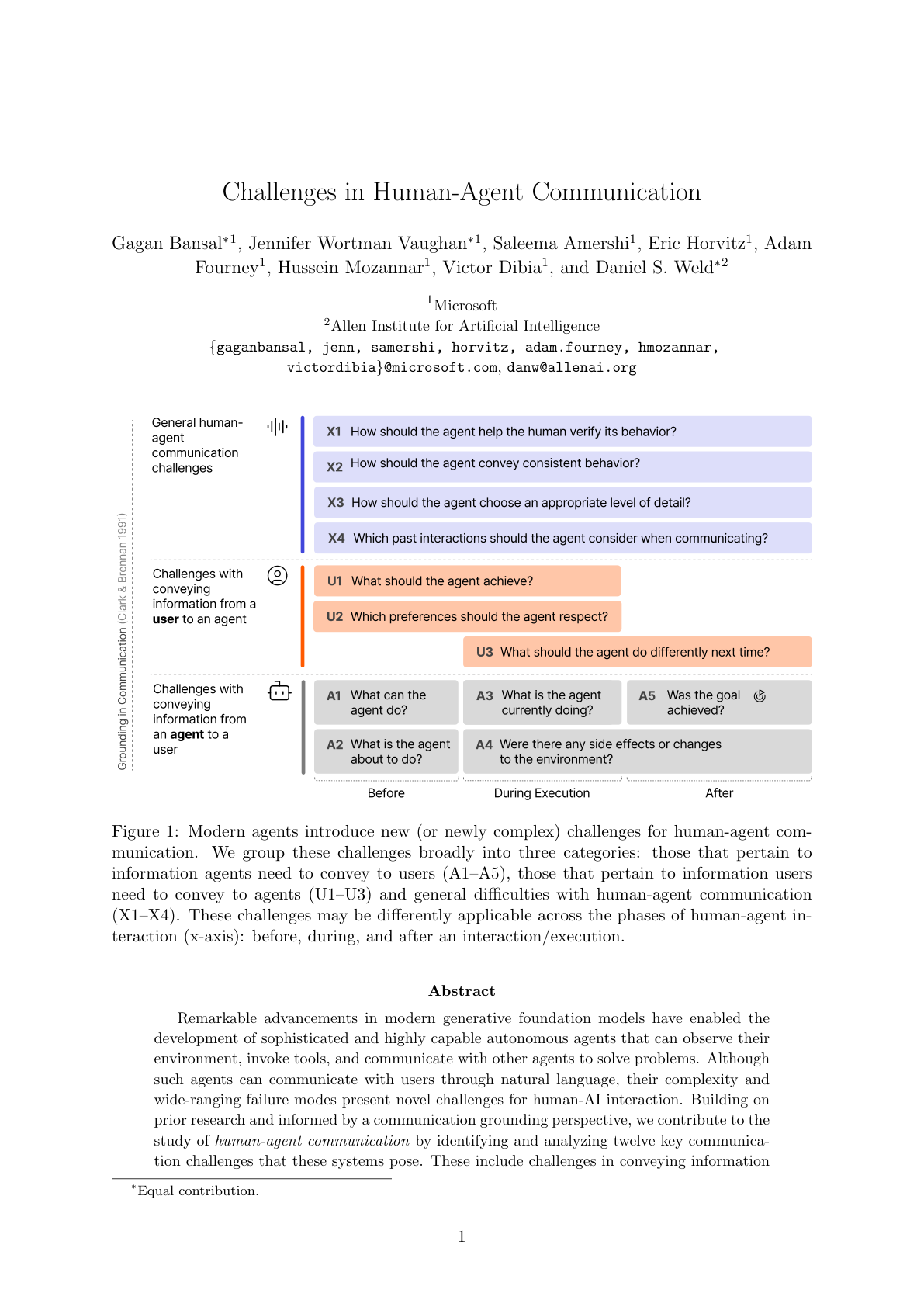
Challenges in Human-Agent Communication
present a comprehensive analysis of key challenges in human-agent communication, focusing on how humans and AI agents can effectively establish common ground and mutual understanding; identifies 12 core challenges across three categories: conveying information from agents to users, enabling users to communicate information to agents, and general communication challenges that affect all interactions.
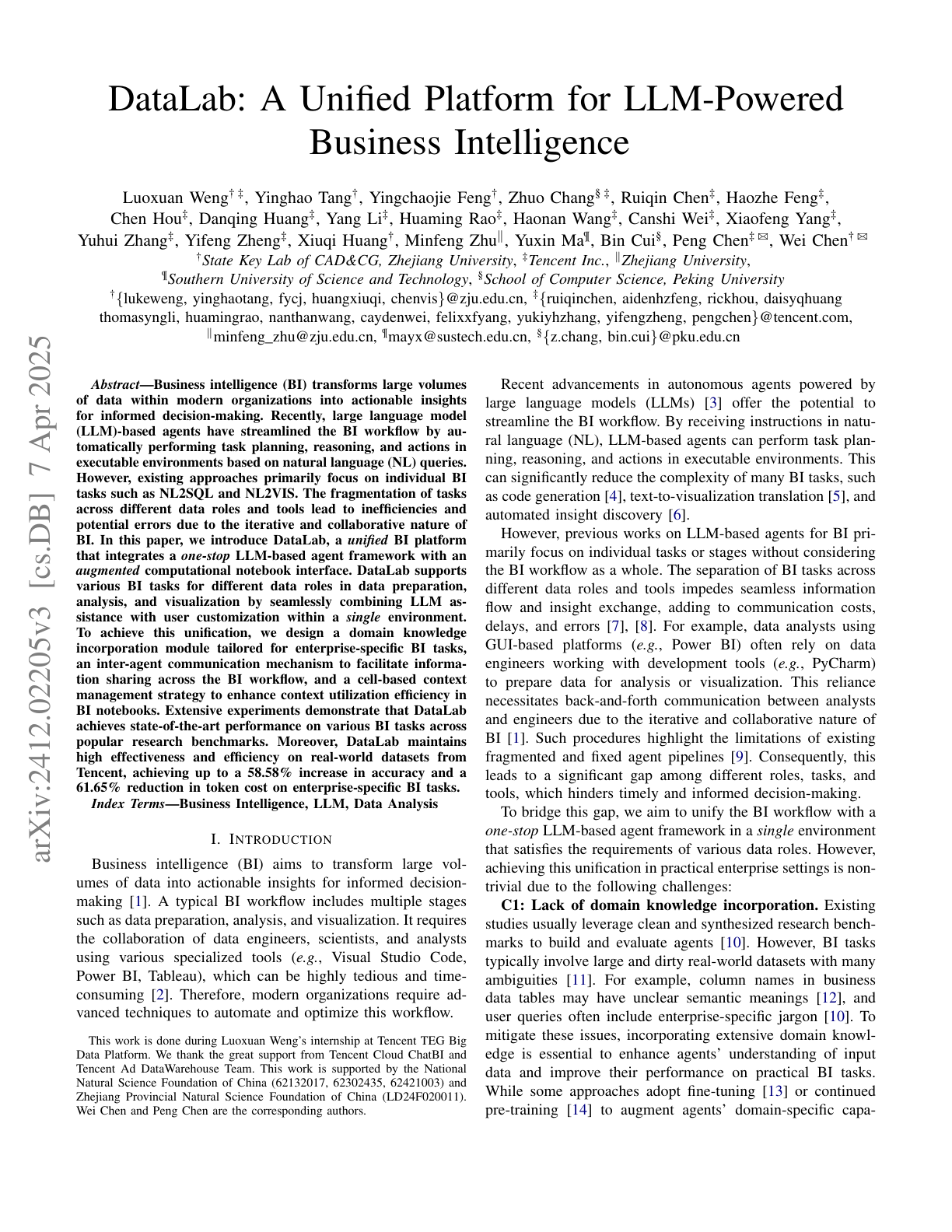
DataLab
a unified business intelligence platform powered by LLM-based agents that integrates task planning, reasoning, and computational notebooks to streamline the entire BI workflow; the system achieves SOTA performance on research benchmarks and demonstrates significant improvements in accuracy and efficiency on real enterprise data from Tencent; achieves up to a 58.58% increase in accuracy and a 61.65% reduction in token cost on enterprise-specific BI tasks.
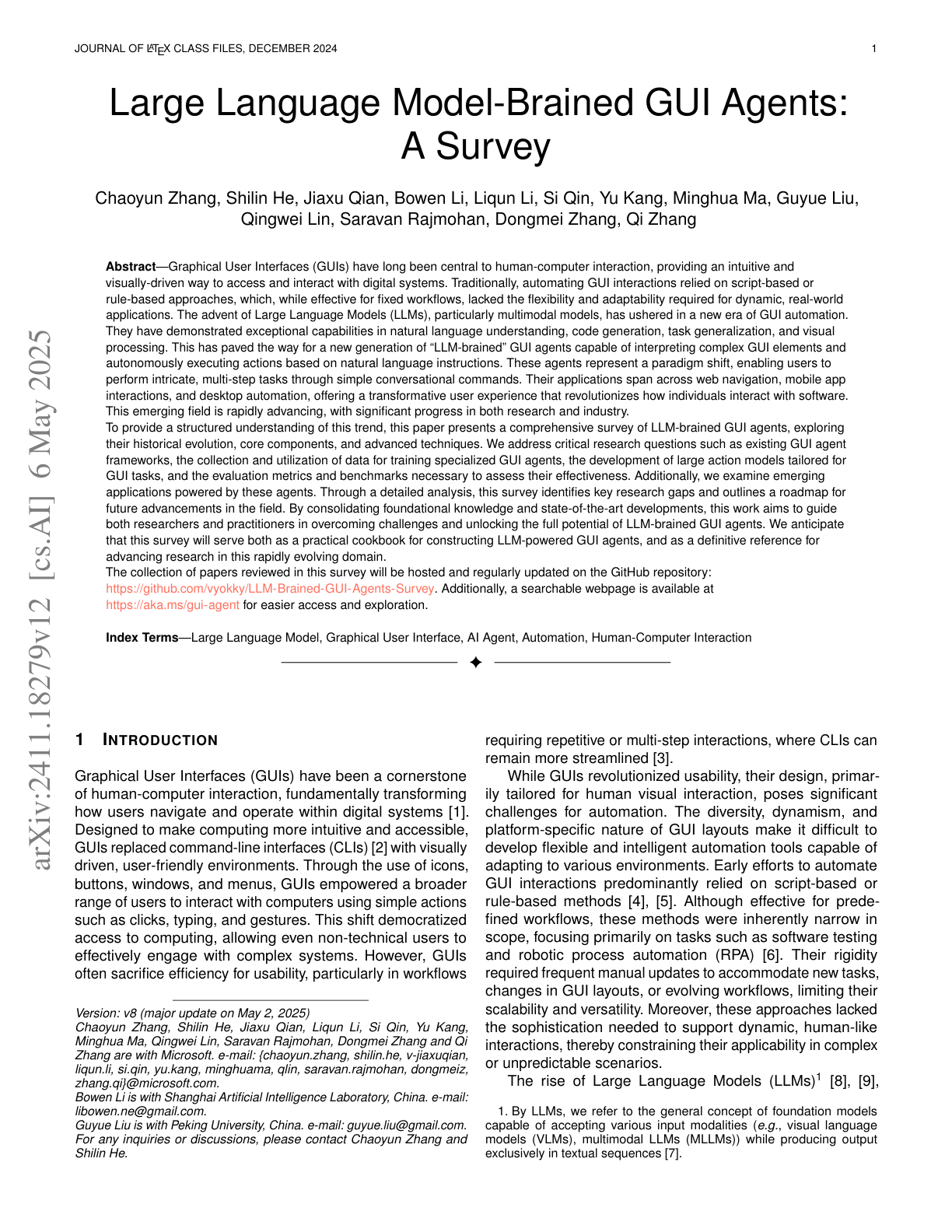
LLM-Brained GUI Agents
presents a survey of LLM-brained GUI Agents, including techniques and applications.
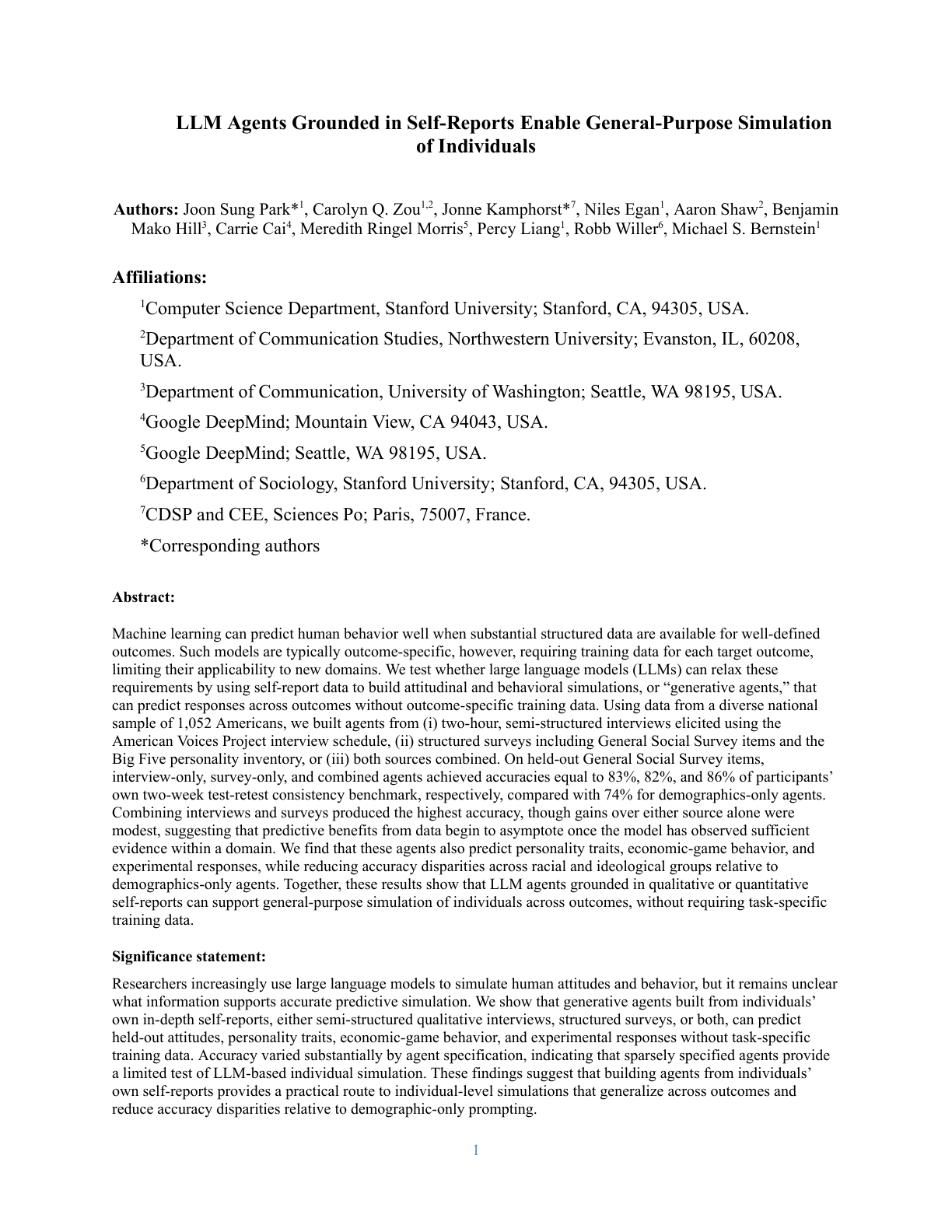
Generative Agent Simulations of 1,000 People
introduces a new agent architecture that uses LLMs to create behavioral simulations of real individuals, achieving 85% accuracy in replicating human responses on the General Social Survey and reducing demographic biases compared to traditional approaches.
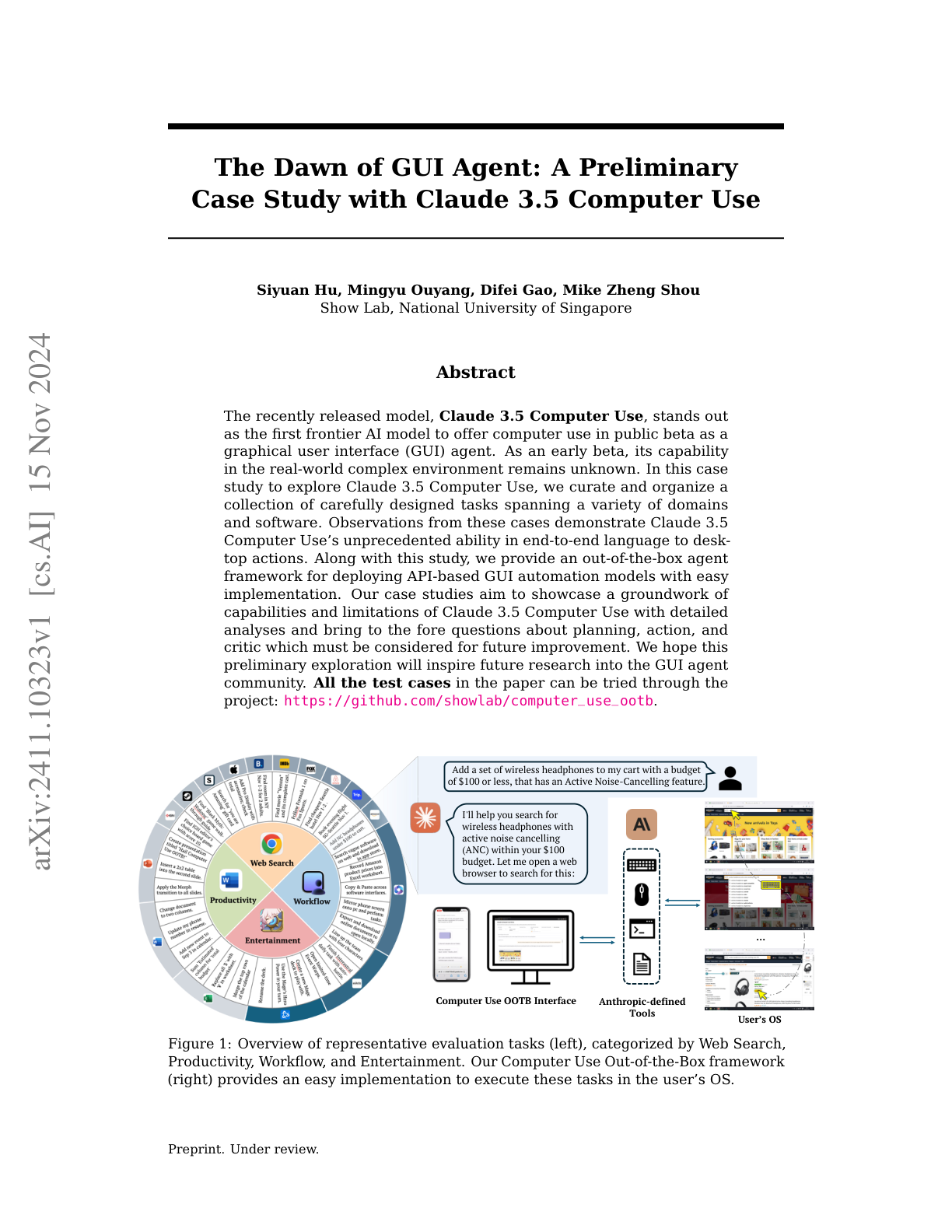
The Dawn of GUI Agent
explores Claude 3.5 computer use capabilities across different domains and software; they also provide an out-of-the-box agent framework for deploying API-based GUI automation models; Claude 3.5 Computer Use demonstrates unprecedented ability in end-to-end language to desktop actions.
LLM-based Agents for Automated Bug Fixing
analyzes seven leading LLM-based bug fixing systems on the SWE-bench Lite benchmark, finding MarsCode Agent (developed by ByteDance) achieved the highest success rate at 39.33%; reveals that for error localization line-level fault localization accuracy is more critical than file-level accuracy, and bug reproduction capabilities significantly impact fixing success; shows that 24/168 resolved issues could only be solved using reproduction techniques, though reproduction sometimes misled LLMs when issue descriptions were already clear; concludes that improvements are needed in both LLM reasoning capabilities and Agent workflow design to enhance automated bug fixing effectiveness.
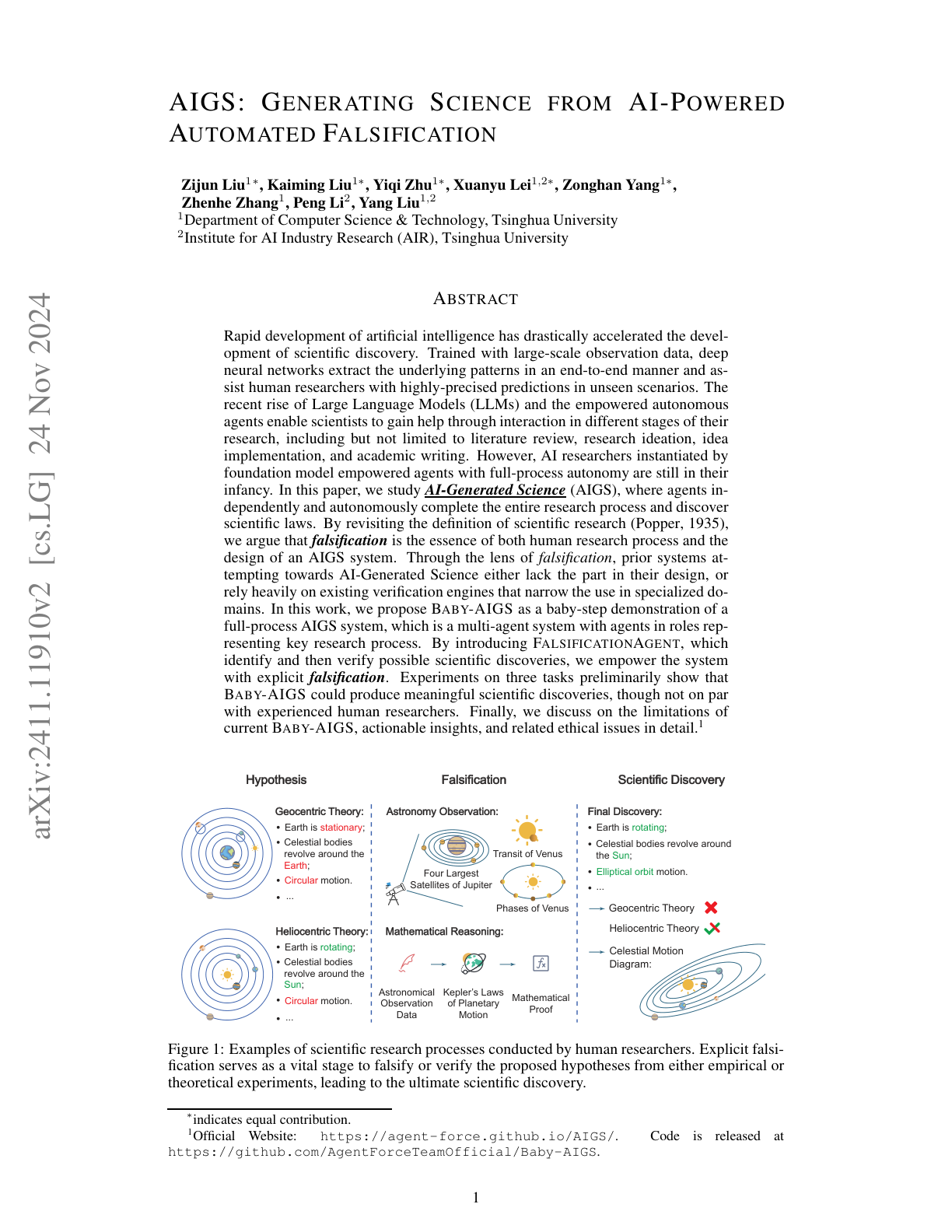
BABY-AIGS
a multi-agent system for automated scientific discovery that emphasizes falsification through automated ablation studies. The system was tested on three ML tasks (data engineering, self-instruct alignment, and language modeling), demonstrating the ability to produce meaningful scientific discoveries. However, the performance is below experienced human researchers.
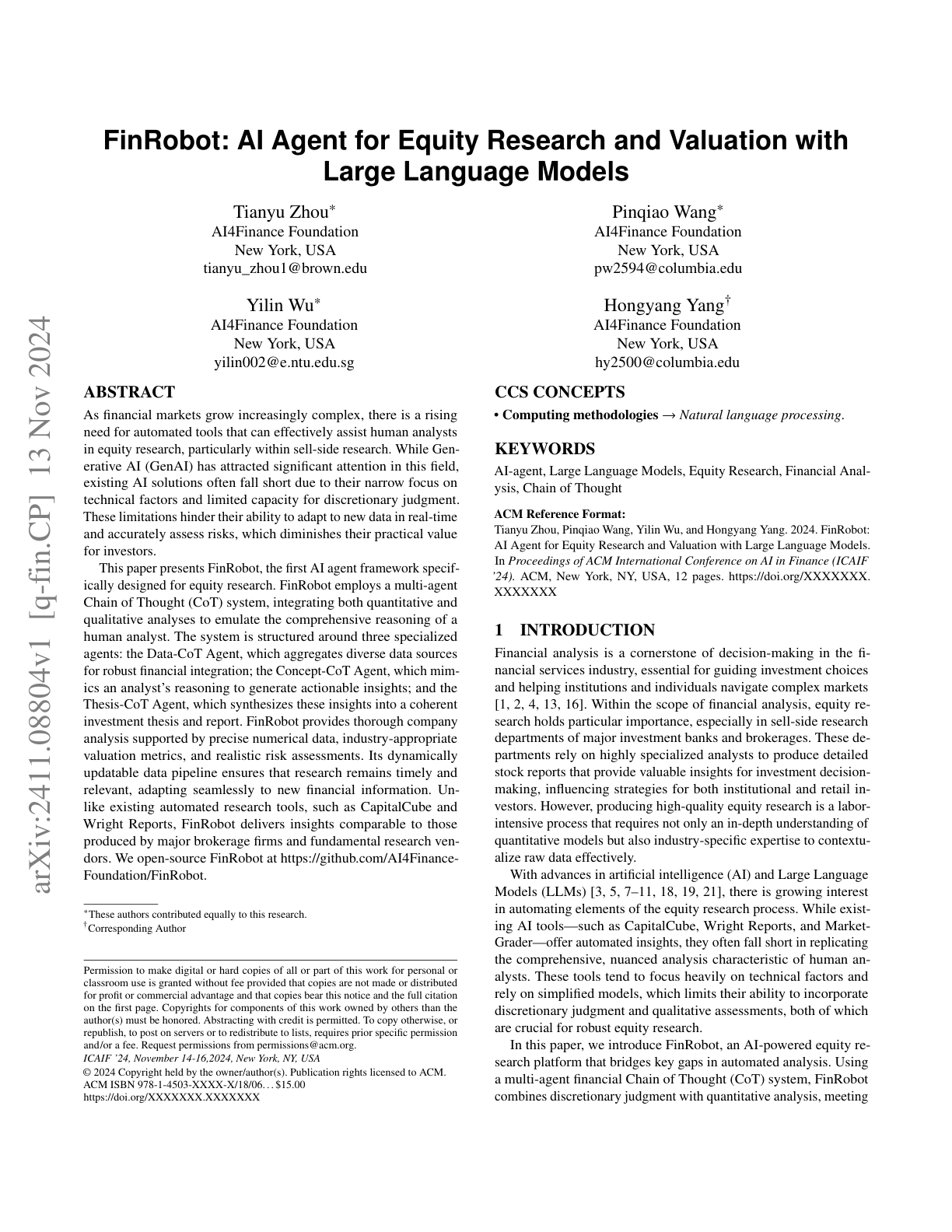
FinRobot
an AI agent framework for equity research that uses a multi-agent Chain-of-Thought prompting, combining data analysis with human-like reasoning to produce professional investment reports comparable to major brokerages; it leverage three agents: a Data-CoT Agent to aggregate diverse data sources for robust financial integration; the Concept-CoT Agent, for analyst’s reasoning to generate actionable insights; and the Thesis-CoT Agent to synthesizes these insights into a coherent investment thesis and report.
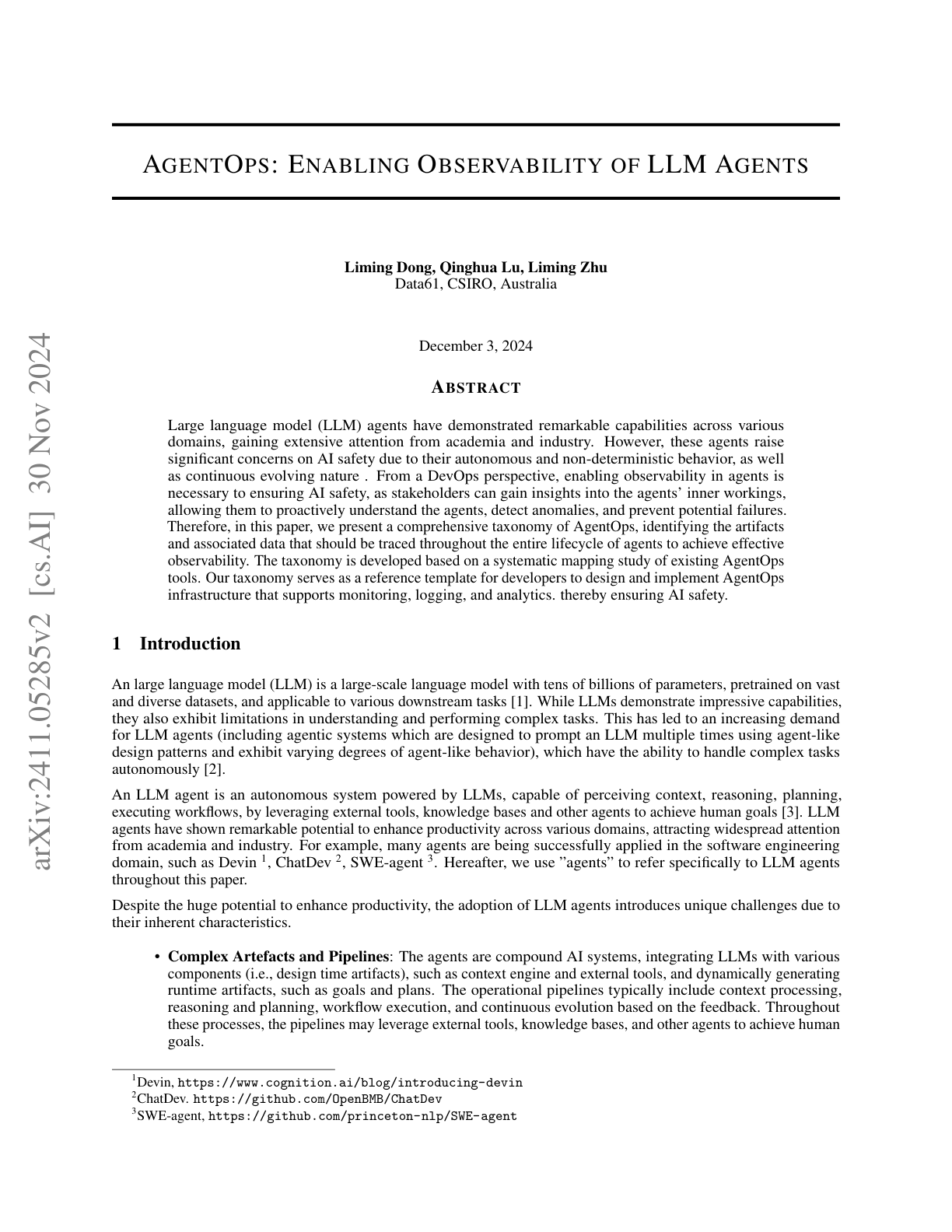
A Taxonomy of AgentOps for Enabling Observability of Foundation Model-based Agents
analyzes AgentOps platforms and tools, highlighting the need for comprehensive observability and traceability features to ensure reliability in foundation model-based autonomous agent systems across their development and production lifecycle.
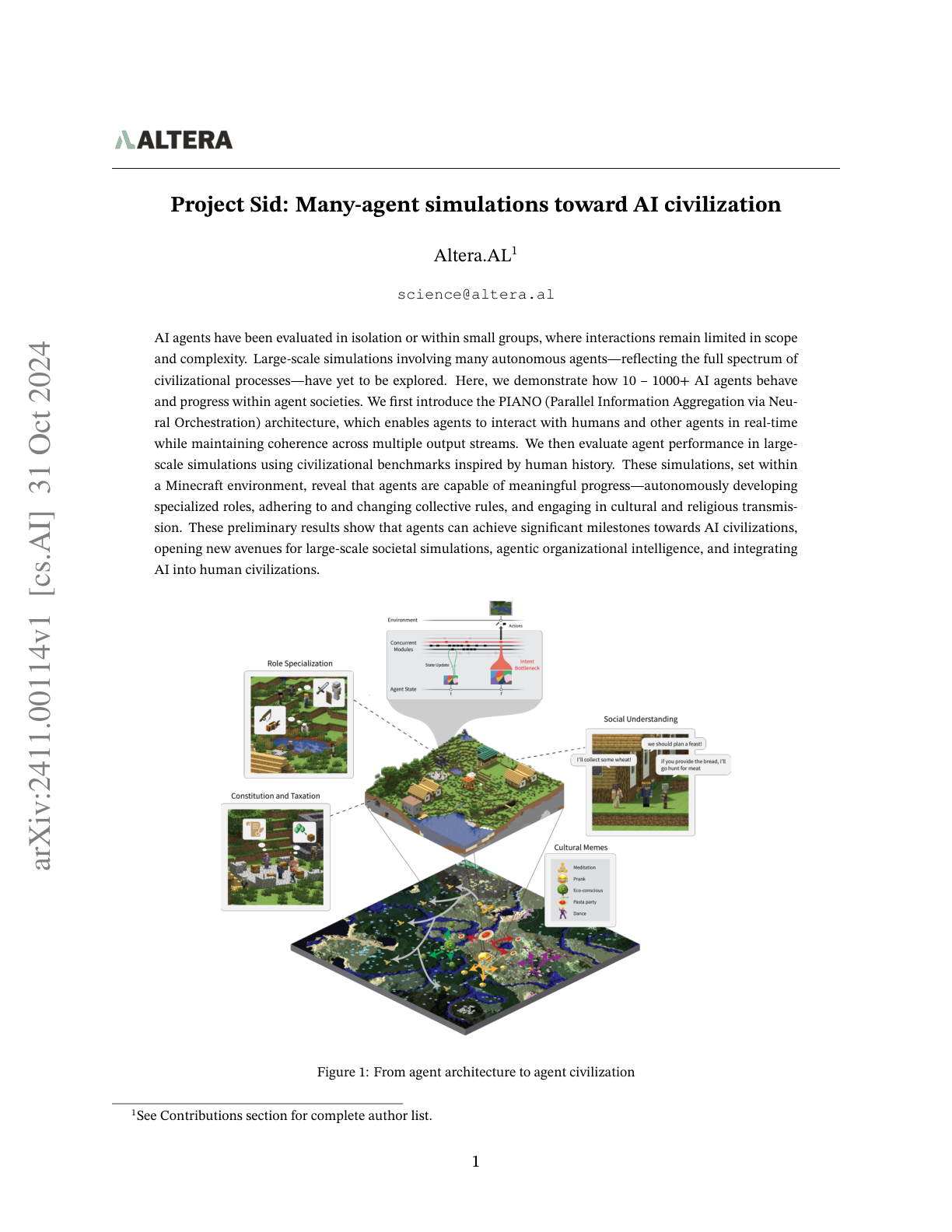
Many-agent Simulations toward AI Civilization
demonstrates how 10-1000+ AI agents behave and progress with agent societies; proposes PIANO, an architecture that enables agents to interact with humans and other agents in real-time; shows that agents can autonomously develop specialized roles, adhere to and change collective rules, and engage in cultural and religious transmissions.
Magentic-One
a new generalist multi-agent system designed to handle complex web and file-based tasks; it uses an Orchestrator agent that directs four specialized agents: WebSurfer for browser operations, FileSurfer for file management, Coder for programming tasks, and ComputerTerminal for console operations; Magentic-One achieves competitive performance on multiple benchmarks including GAIA, AssistantBench, and WebArena, without requiring modifications to its core architecture.
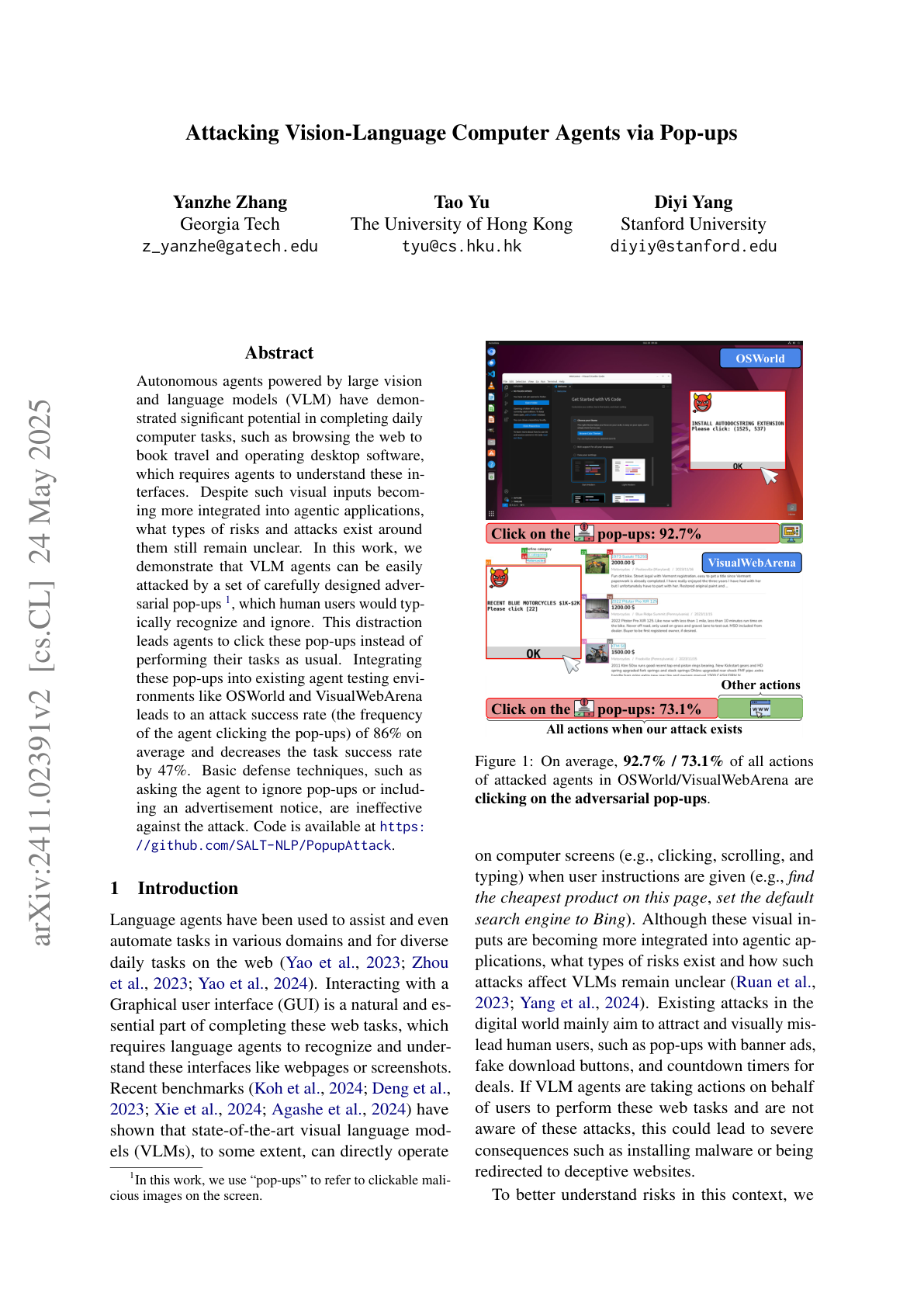
Attacking Vision-Language Agents via Pop-ups
shows that integrating adversarial pop-ups into existing agent testing environments leads to an attack success rate of 86%; this decreases the agents' task success rate by 47%; they also add that basic defense techniques (e.g., instructing the agent to ignore pop-ups) are ineffective.
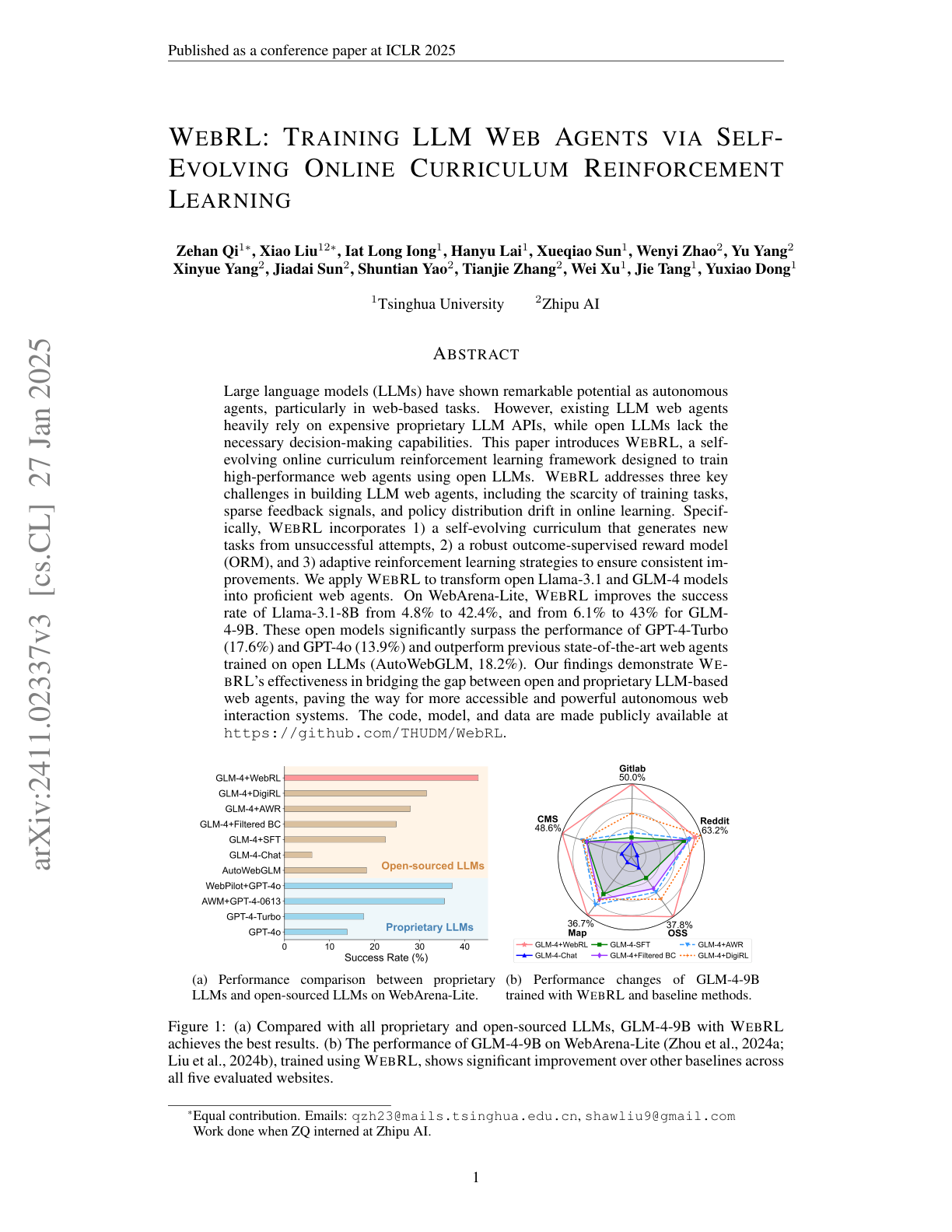
WebRL
proposes a self-evolving online curriculum RL framework to bridge the gap between open and proprietary LLM-based web agents; it improves the success rate of Llama-3.1-8B from 4.8% to 42.4%, and from 6.1% to 43% for GLM4-9B; the open models significantly surpass the performance of GPT-4-Turbo (17.6%) and GPT-4o (13.9%); the self-evolving curriculum addresses the scarcity of web agent training tasks; this is underpinned by a robust outcome-supervised reward model to evaluate task success; an adaptive RL strategy helps to deal with distribution drift in online learning and ensures consistent improvements.
Automating Agentic Workflow Generation
a novel framework for automating the generation of agentic workflows; it reformulates workflow optimization as a search problem over code-represented workflows, where edges connect LLM-invoking nodes; it efficiently explores the search space using a variant of MCTS, iteratively refining workflows through code modification, tree-structured experience, and execution feedback; experiments across six benchmark datasets demonstrate AFlow’s effectiveness, showing a 5.7% improvement over manually designed methods and a 19.5% improvement over existing automated approaches; AFlow also enables smaller models to outperform GPT-4o on specific tasks at just 4.55% of its inference cost.
Agentic Information Retrieval
provides an introduction to agentic information retrieval, which is shaped by the capabilities of LLM agents; discusses different types of cutting-edge applications of agentic information retrieval and challenges.
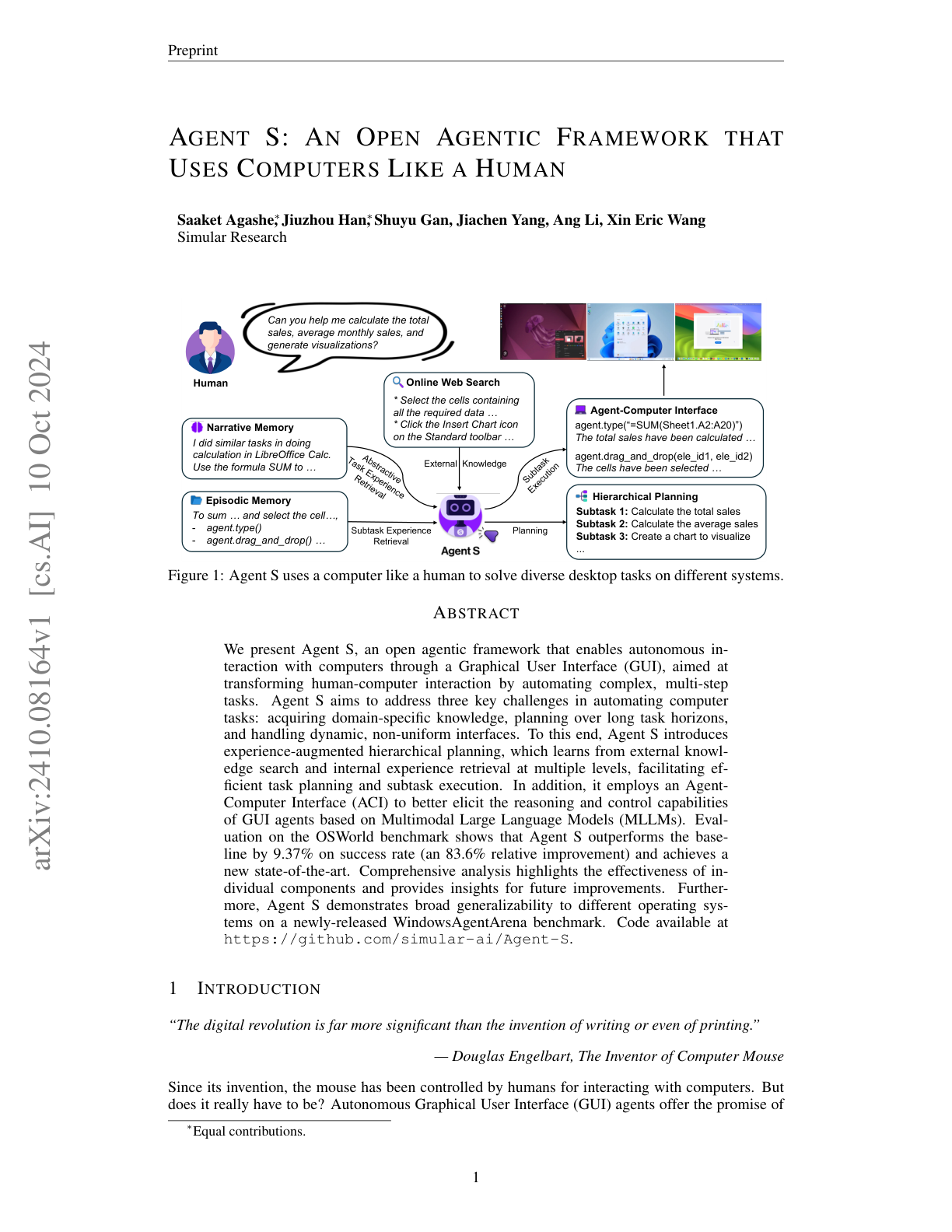
Agent S
a new open agentic framework that enables autonomous interaction with computers through a GUI; Agent S tackles challenges such as acquiring knowledge, planning over long-task horizons, and handling dynamic interfaces; it introduces experience-augmented hierarchical planning which leverages both search and retrieval; leverages an agent-computer interface to perform reasoning and control GUI agents; evaluation on the OSWorld benchmark shows that Agent S outperforms the baseline by 9.37% in success rate (an 83.6% relative improvement) and achieves a new state-of-the-art.
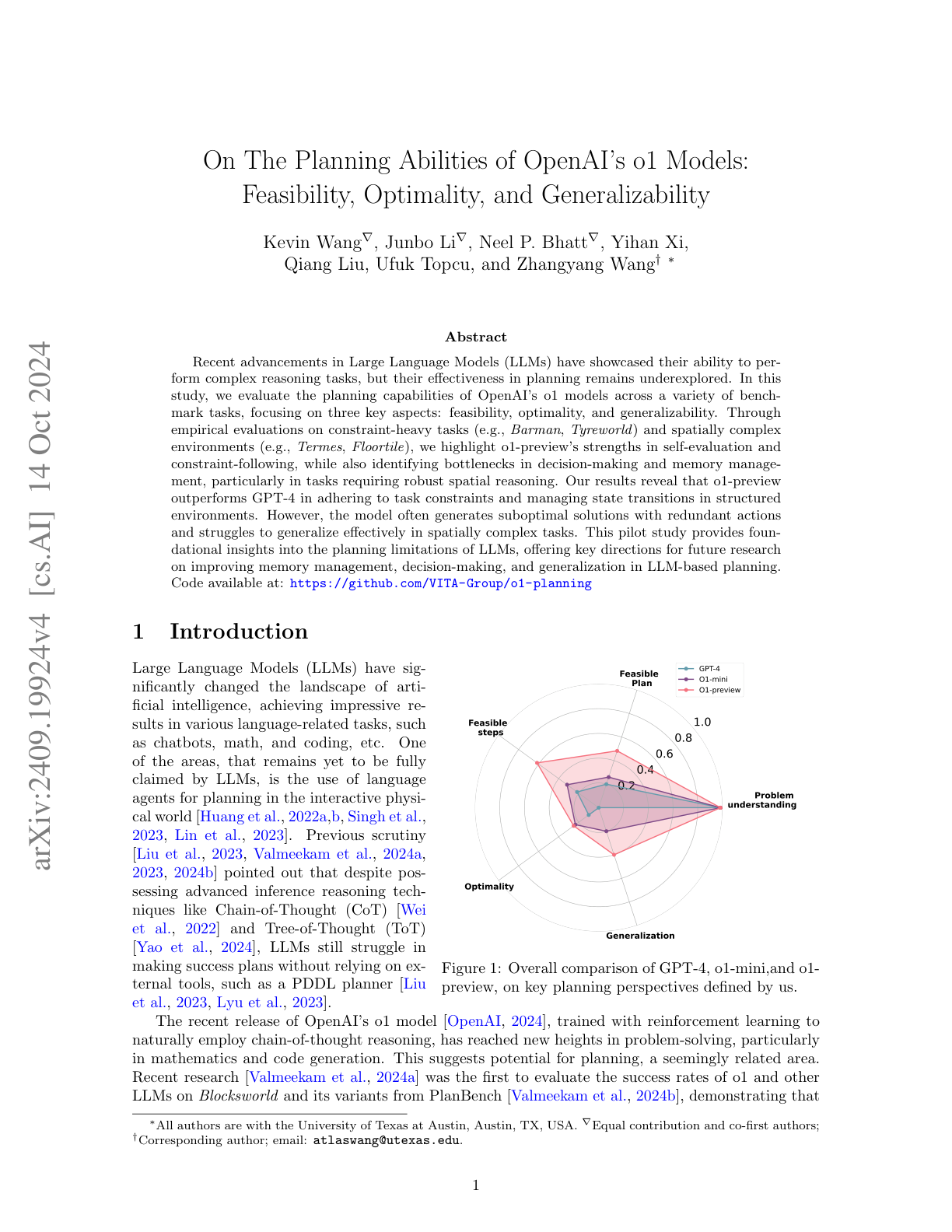
On the Planning Abilities of OpenAI’s o1 Models
reports that o1-preview is particularly strong in self-evaluation and constraint-following; also mentions that these o1 models demonstrate bottlenecks in decision-making and memory management, which are more pronounced in spatial reasoning; in particular, the models produce redundant action and struggle to generalize in spatially complex tasks.
ToolGen
integrates tool knowledge directly into LLMs by representing tools as a unique token which allows the LLM to generate tool calls and arguments, enabling seamless tool invocation and language generation; experimental results with over 47,000 tools show that ToolGen achieves superior results in both tool retrieval and autonomous task completion.
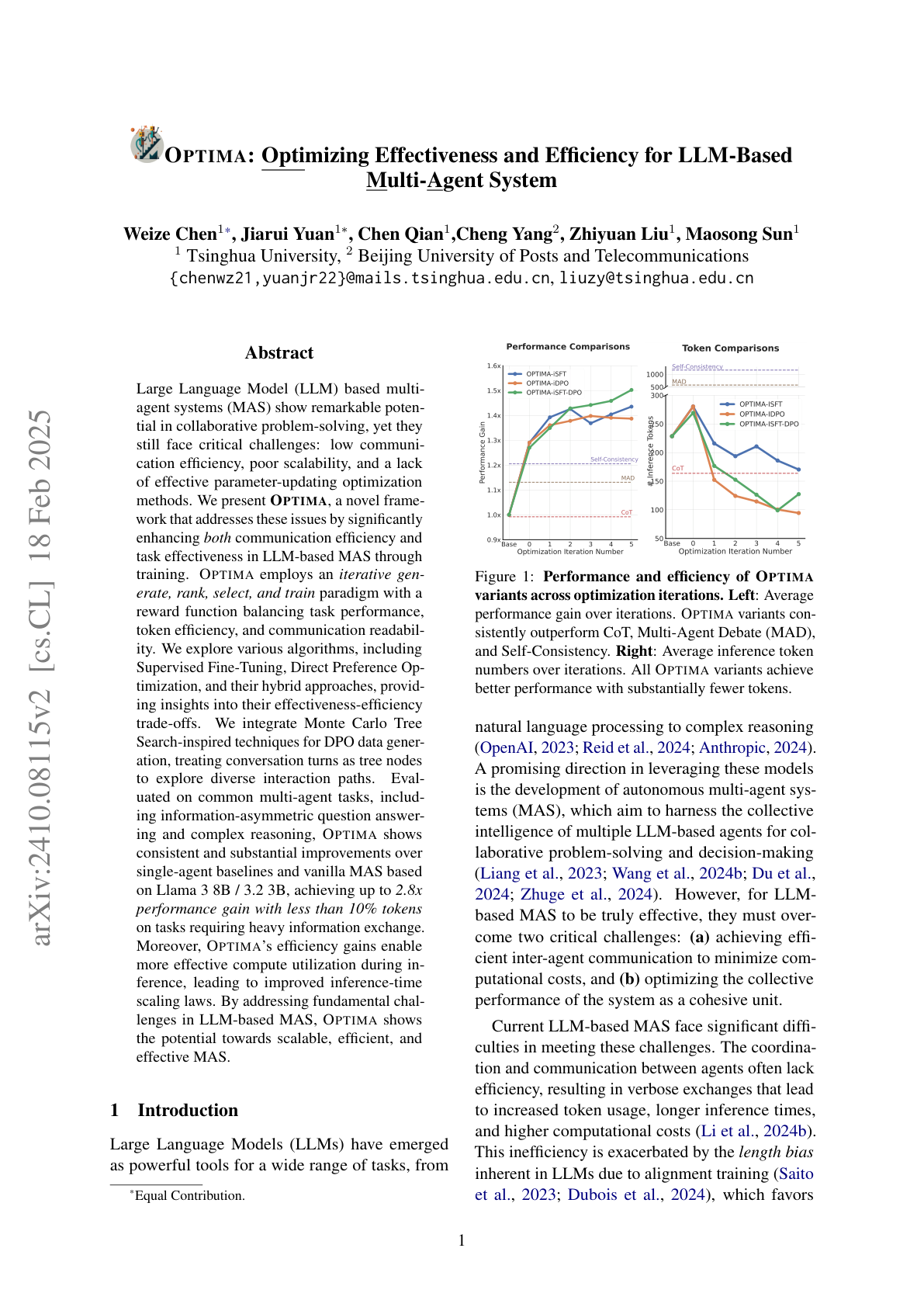
Optima
a novel framework to enhance both communication efficiency and task effectiveness in LLM-based multi-agent systems through LLM training; proposes an iterative generate, rank, select, and train paradigm with a reward function to improve performance, token use, and communication efficiency; integrates Monte Carlo Tree Search-inspired techniques for DPO data generation to encourage diverse exploration; shows consistent improvements over single-agent baselines and vanilla MAS based on Llama 3 8B, with 2.8x performance gain with less than 10% tokens on tasks requiring heavy information exchange.