AI Papers of the Week
Every paper worth reading in AI, hand-picked one week at a time.
Discover and explore top AI papers with Claude Code or Codex
npx @dair-ai/mcp setup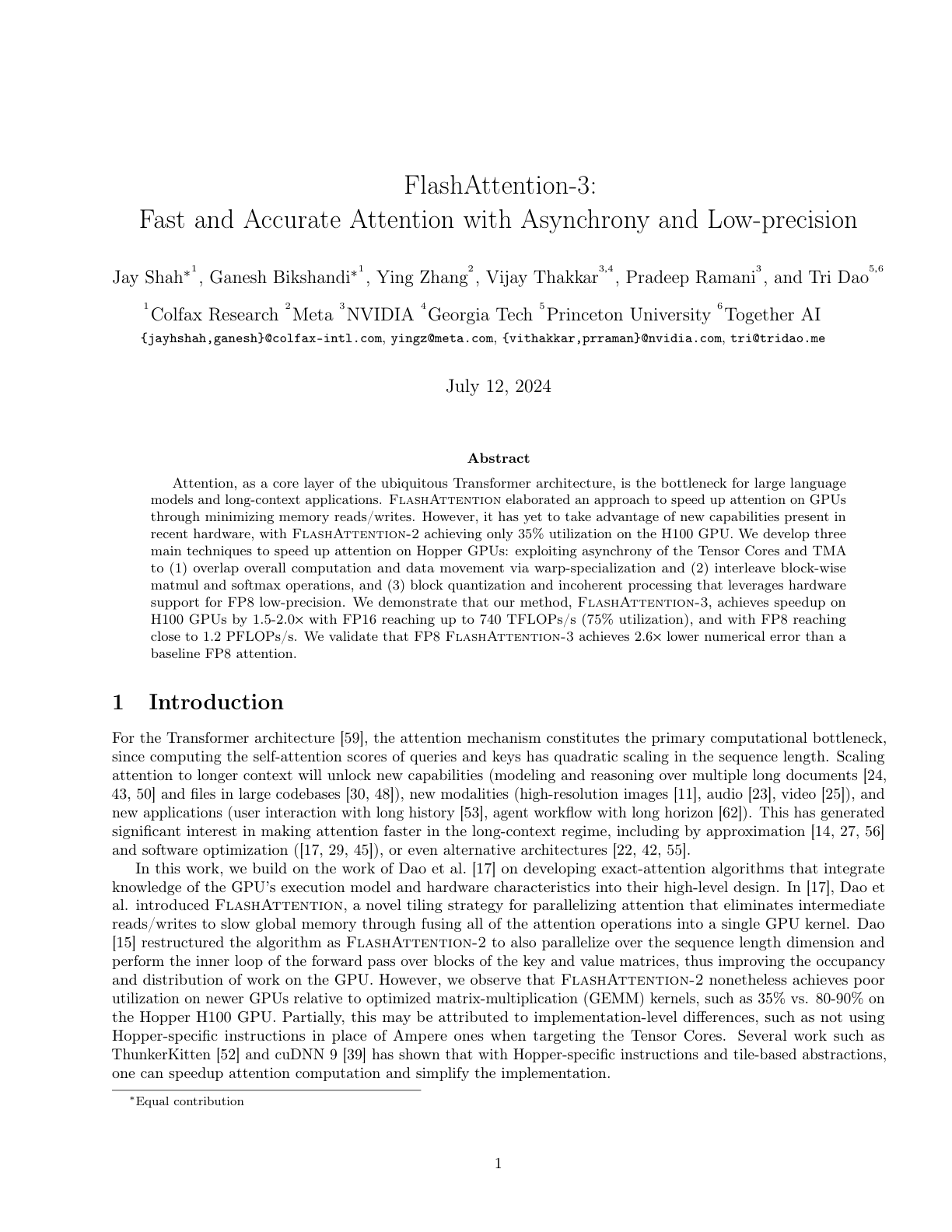
FlashAttention-3
proposes to adapt FlashAttention to take advantage of modern hardware; the techniques used to speed up attention on modern GPUs include producer-consumer asynchrony, interleaving block-wise matmul and softmax operations, and block quantization and incoherent processing; achieves speedup on H100 GPUs by 1.5-2.0x with FP16 reaching up to 740 TFLOPs/s (75% utilization), and with FP8 reaching close to 1.2 PFLOPs/s.
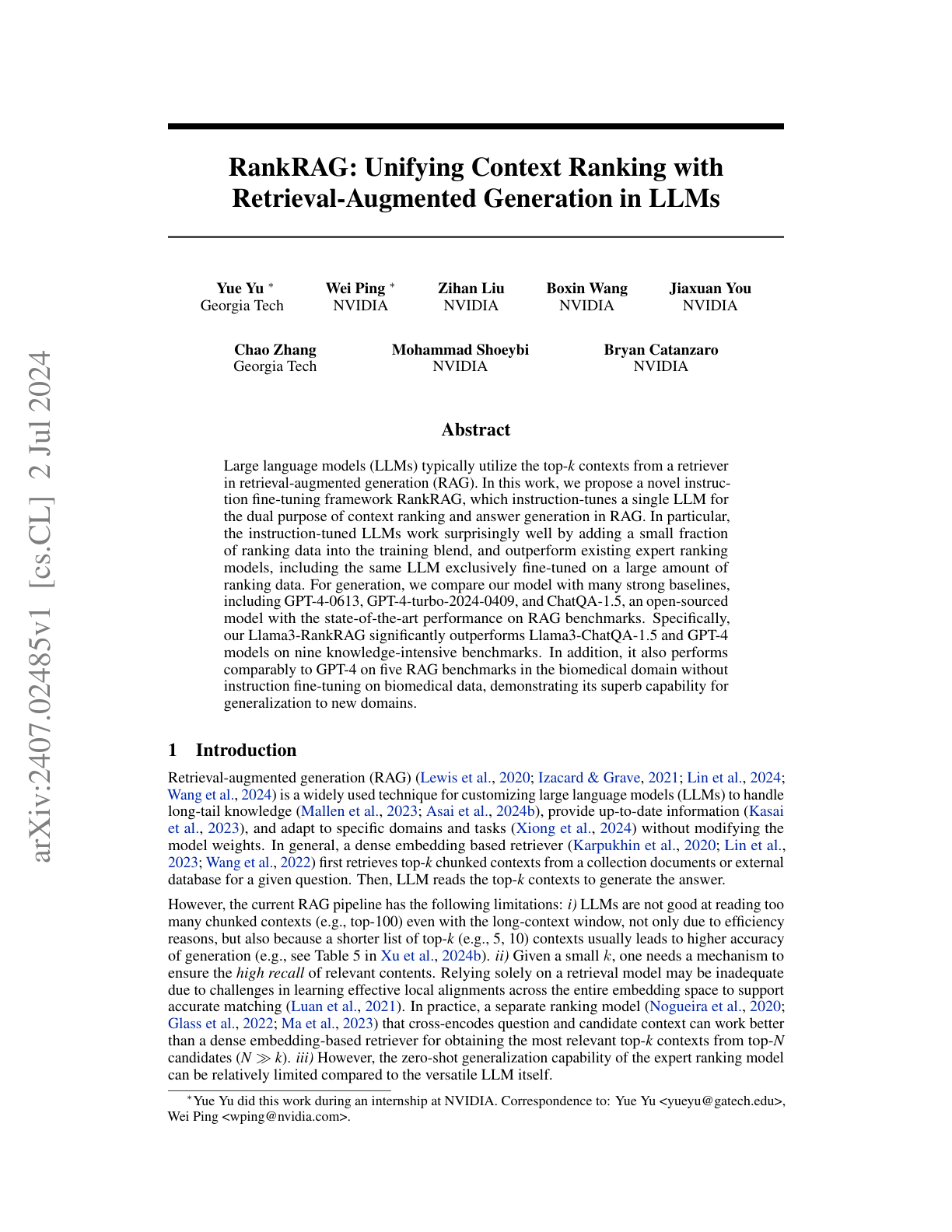
RankRAG
introduces a new instruction fine-tuning framework to perform effective context ranking and answering generation to enhance an LLM’s RAG capabilities; it leverages a small ranking dataset to outperform existing expert ranking models; shows that a Llama3-RankRAG significantly outperforms Llama3-ChatQA-1.5 and GPT-4 models on nine knowledge-intensive benchmarks.
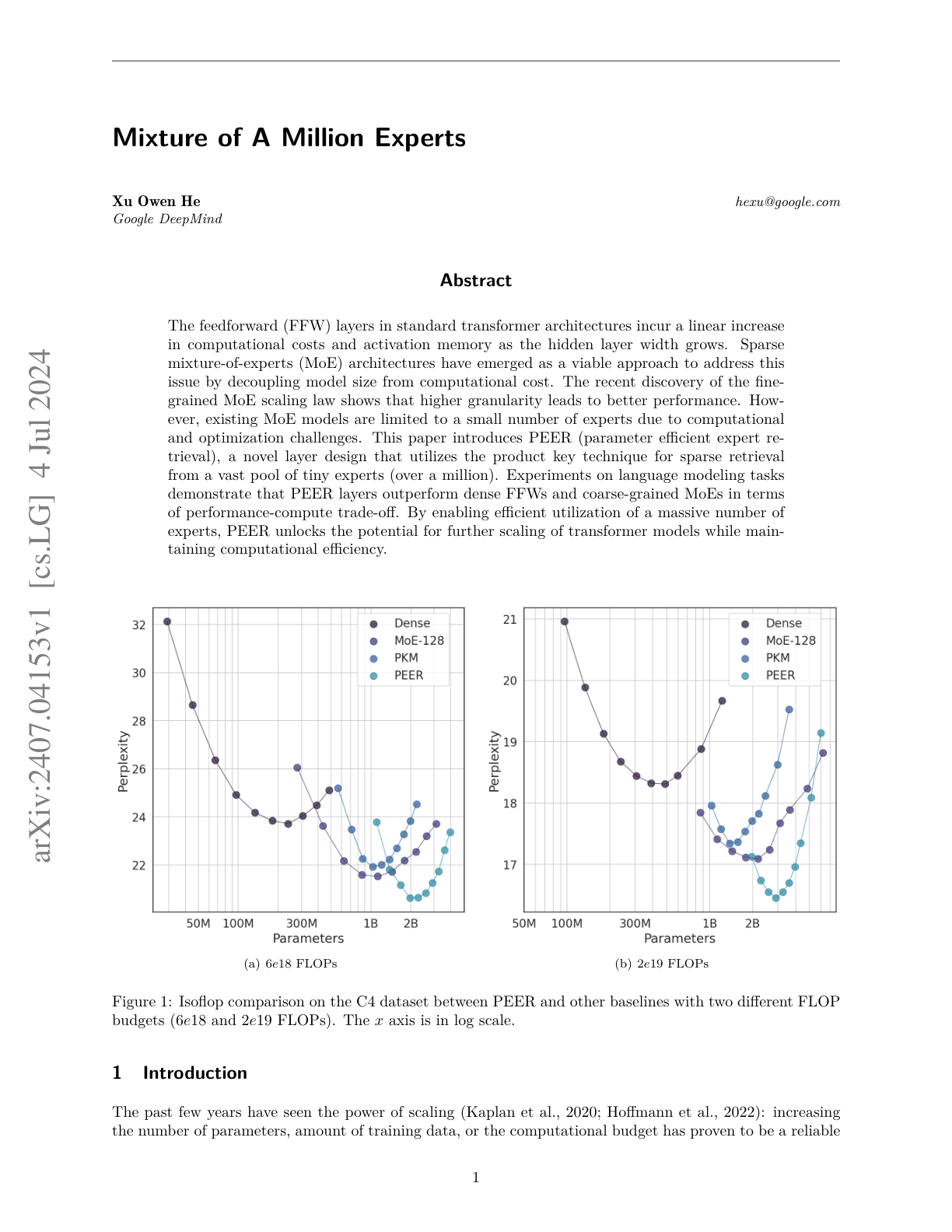
Mixture of A Million Experts
introduces a parameter-efficient expert retrieval mechanism that leverages the product key technique for sparse retrieval from a million tiny experts; it attempts to decouple computational cost from parameter count by efficiently routing to a very large number of tiny experts through a learned index structure used for routing; demonstrates superior efficiency compared to dense FFW, coarse-grained MoEs, and Product Key Memory (PKM) layers.
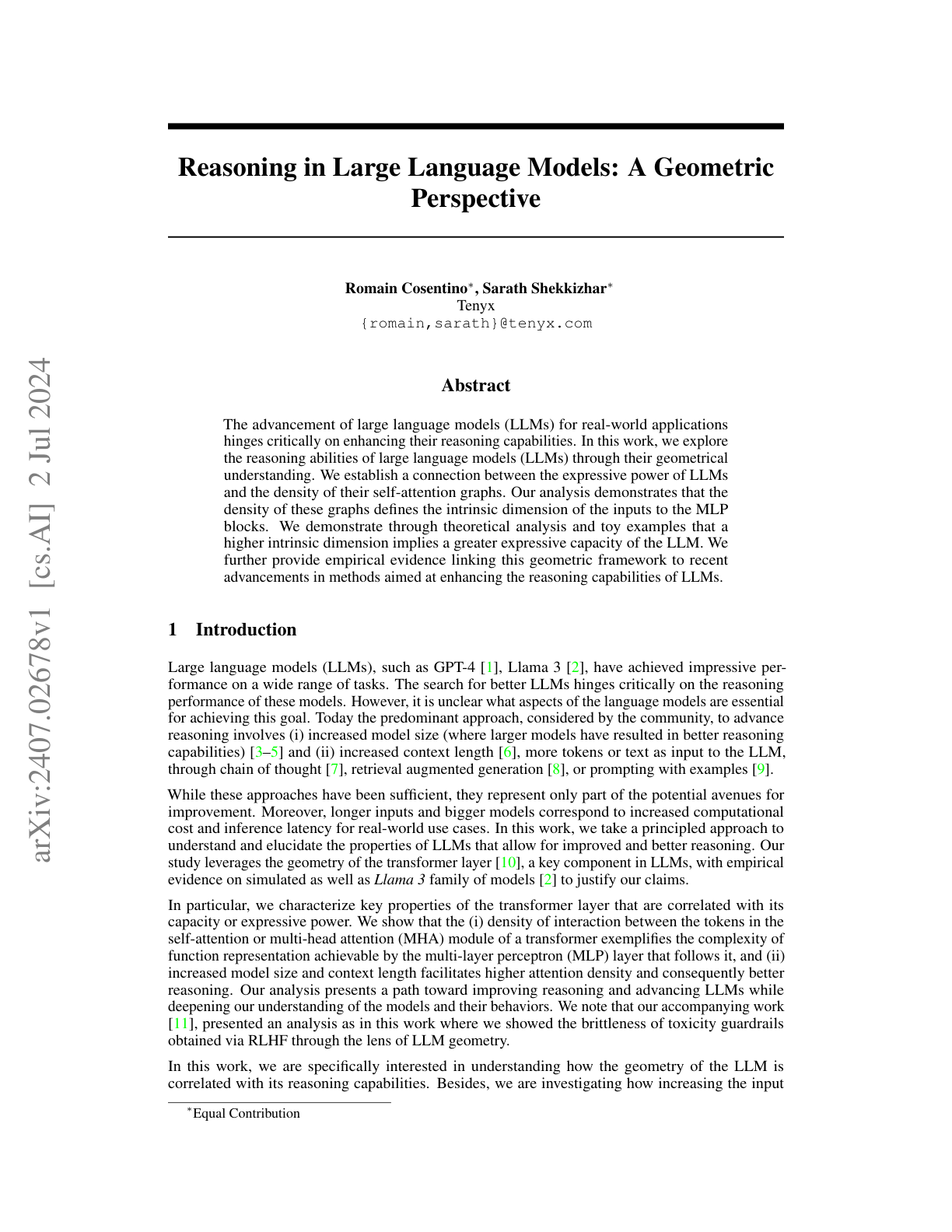
Reasoning in LLMs: A Geometric Perspective
explores the reasoning of LLMs from a geometrical perspective; reports that a higher intrinsic dimension implies greater expressive capacity of the LLM; reports that they establish a connection between the expressive power of LLMs and the density of their self-attention graphs; their analysis demonstrates that the density of these graphs defines the intrinsic dimension of the inputs to the MLP blocks.
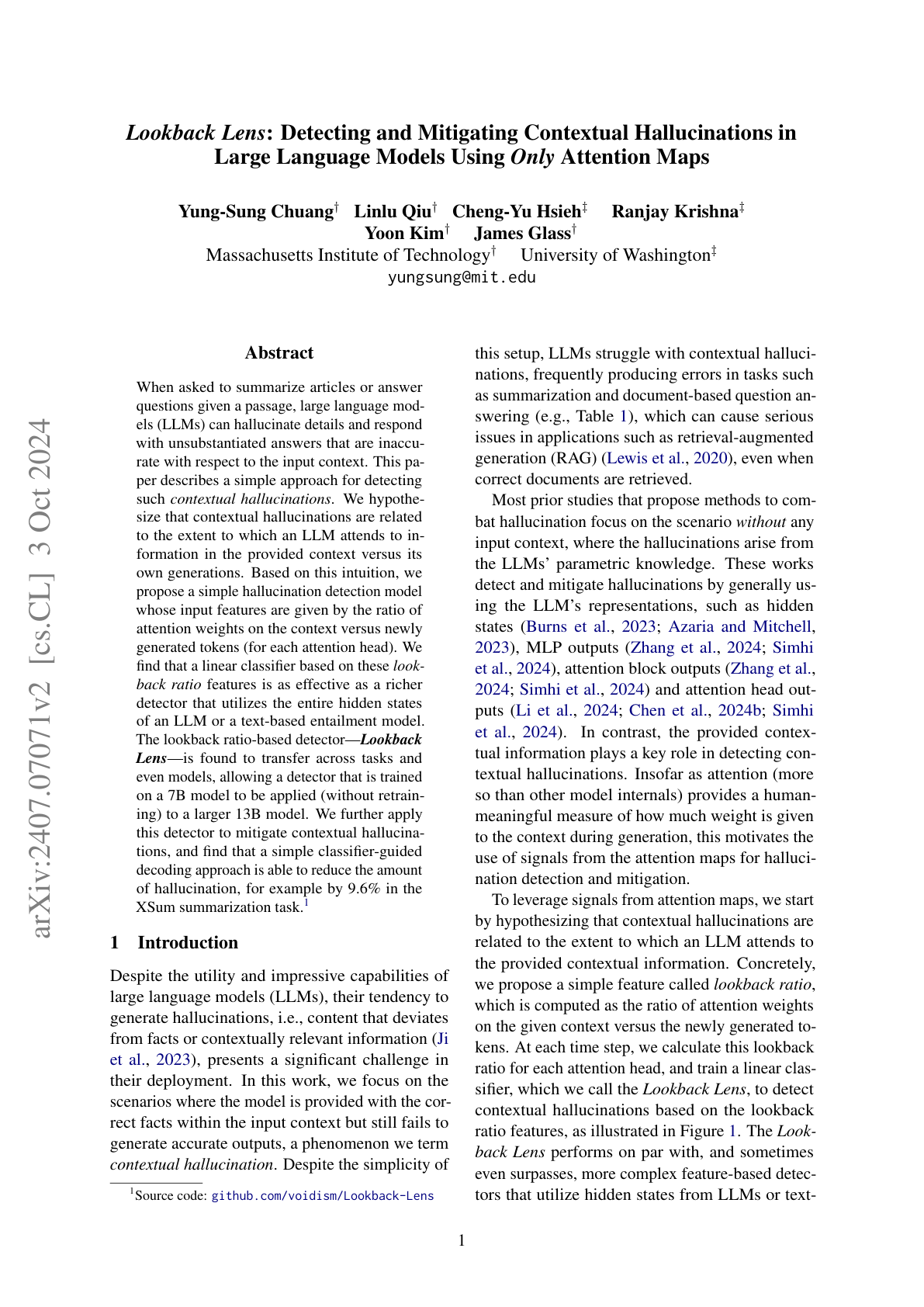
Contextual Hallucinations Mitigation in LLMs
proposes a new method that detects and significantly reduces contextual hallucinations in LLMs (e.g., reduces by 10% in the XSum summarization task); builds a hallucination detection model based on input features given by the ratio of attention weights on the context vs. newly generated tokens (for each attention head); the hypothesis is that contextual hallucinations are related to the extent to which an LLM attends to the provided contextual information; they also propose a decoding strategy based on their detection method which mitigates the contextual hallucination; the detector can also be transferred across models without the need for retraining.
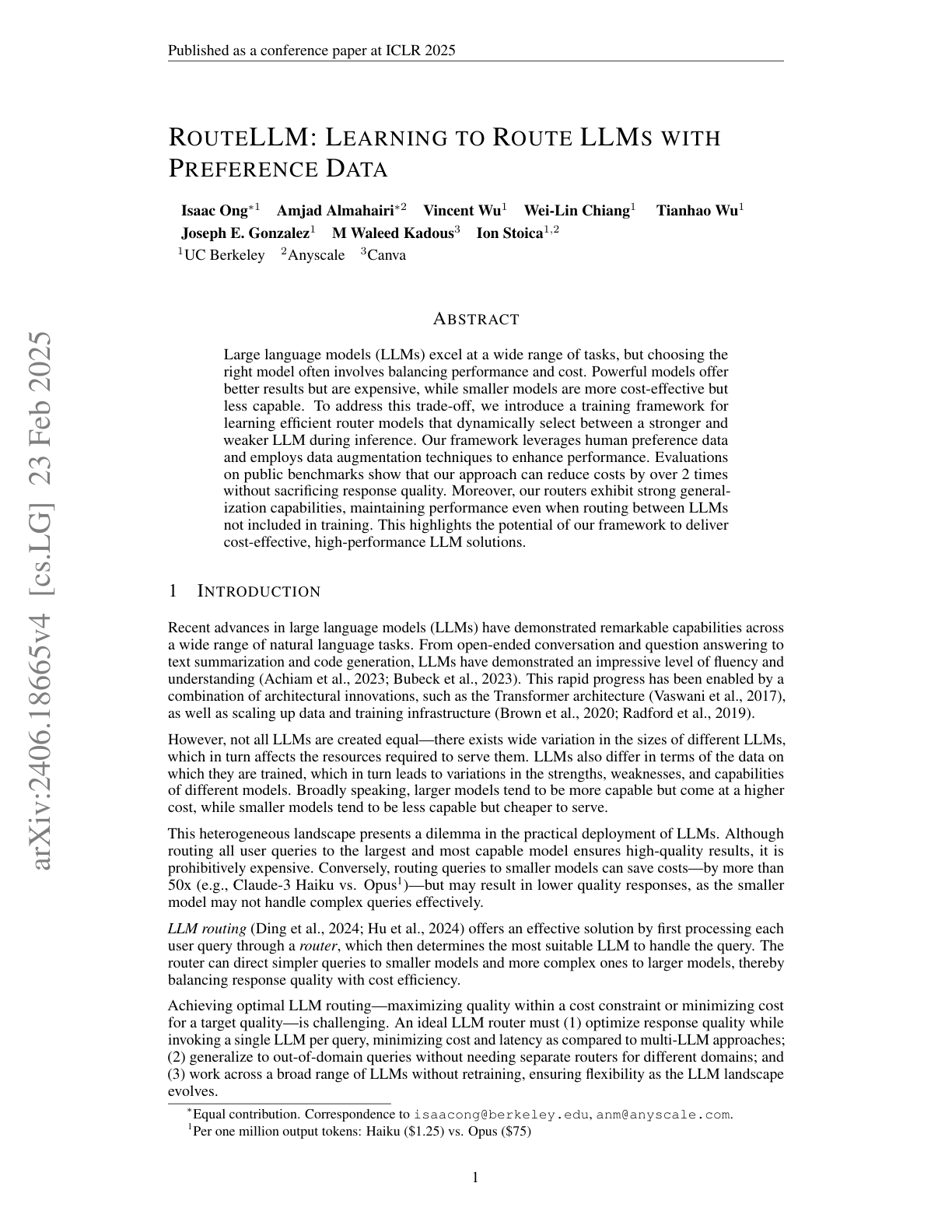
RouteLLM
proposes efficient router models to dynamically select between stronger and weak LLMs during inference to achieve a balance between cost and performance; the training framework leverages human preference data and data augmentation techniques to boost performance; shows to significantly reduce costs by over 2x in certain cases while maintaining the quality of responses.
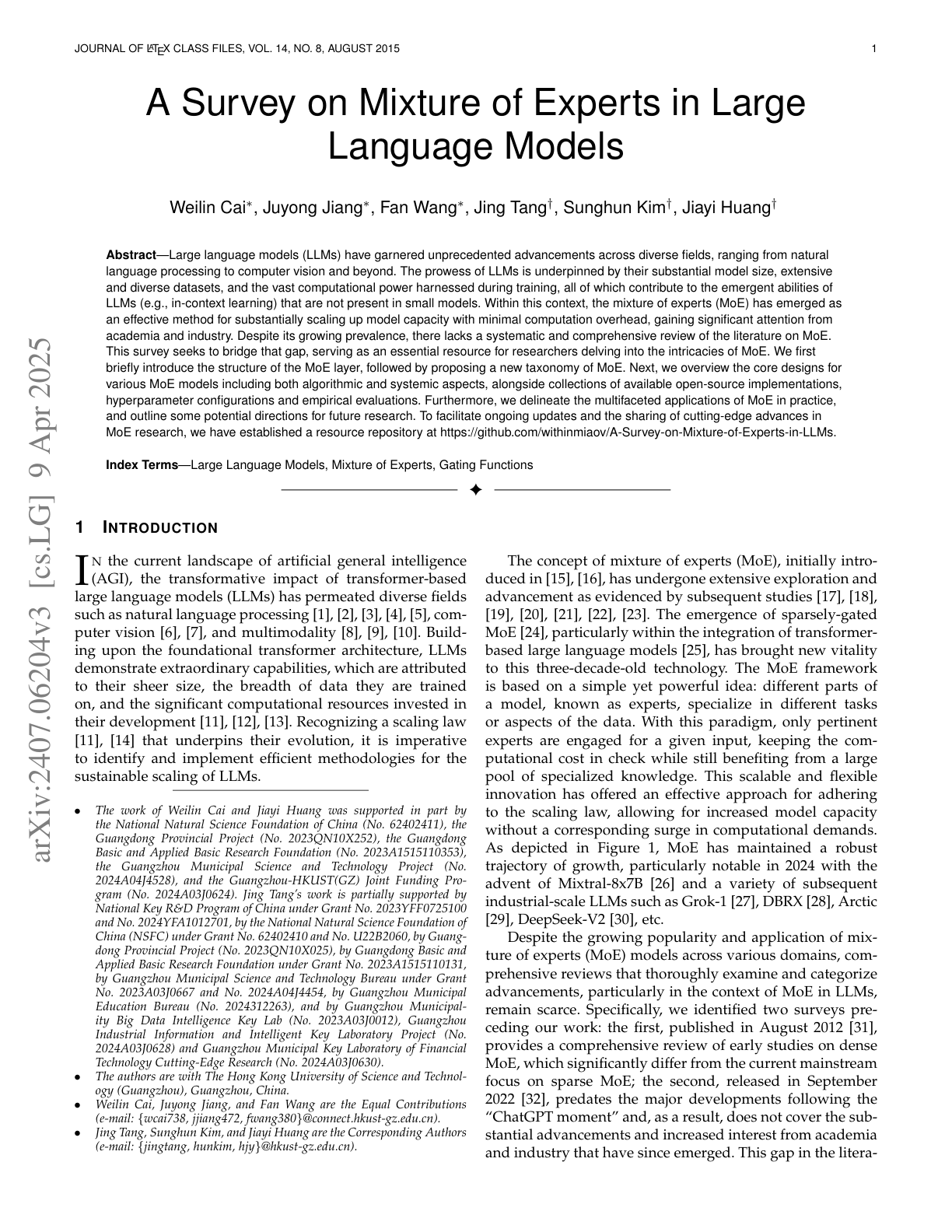
A Survey on Mixture of Experts
a survey paper on Mixture of Experts (MoE), including the technical details of MoE, open-source implementations, evaluation techniques, and applications of MoE in practice.
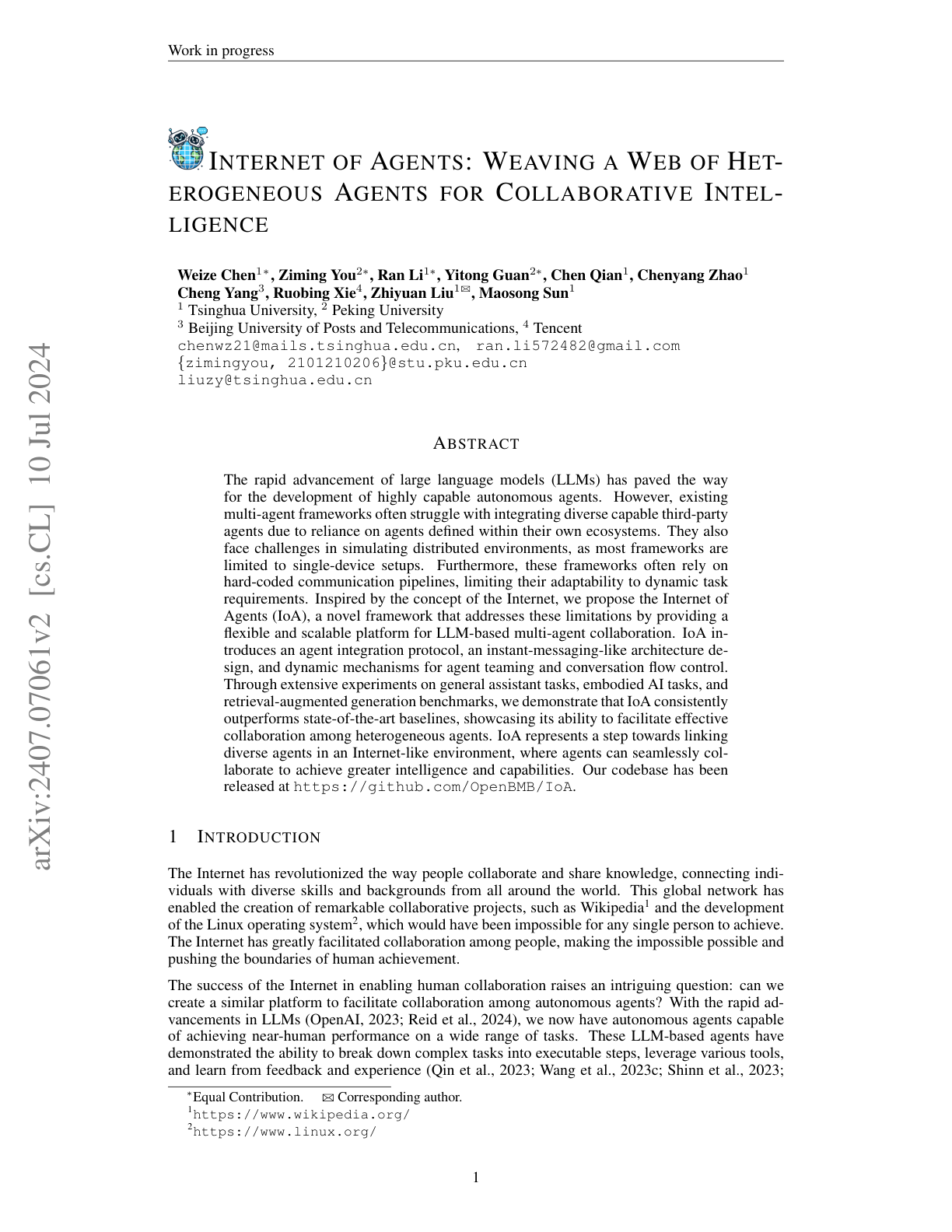
Internet of Agents
a new framework to address several limitations in multi-agent frameworks such as integrating diverse third-party agents and adaptability to dynamic task requirements; introduces an agent integration protocol, instant messaging architecture design, and dynamic mechanisms for effective collaboration among heterogeneous agents.

3DGen
a new pipeline for end-to-end text-to-3D asset generation in under a minute; integrates state-of-the-art components like AssetGen and TextureGen to represent 3D objects in three ways, namely view space, in volumetric space, and in UV space; achieves a win rate of 68% with respect to the single-stage model.
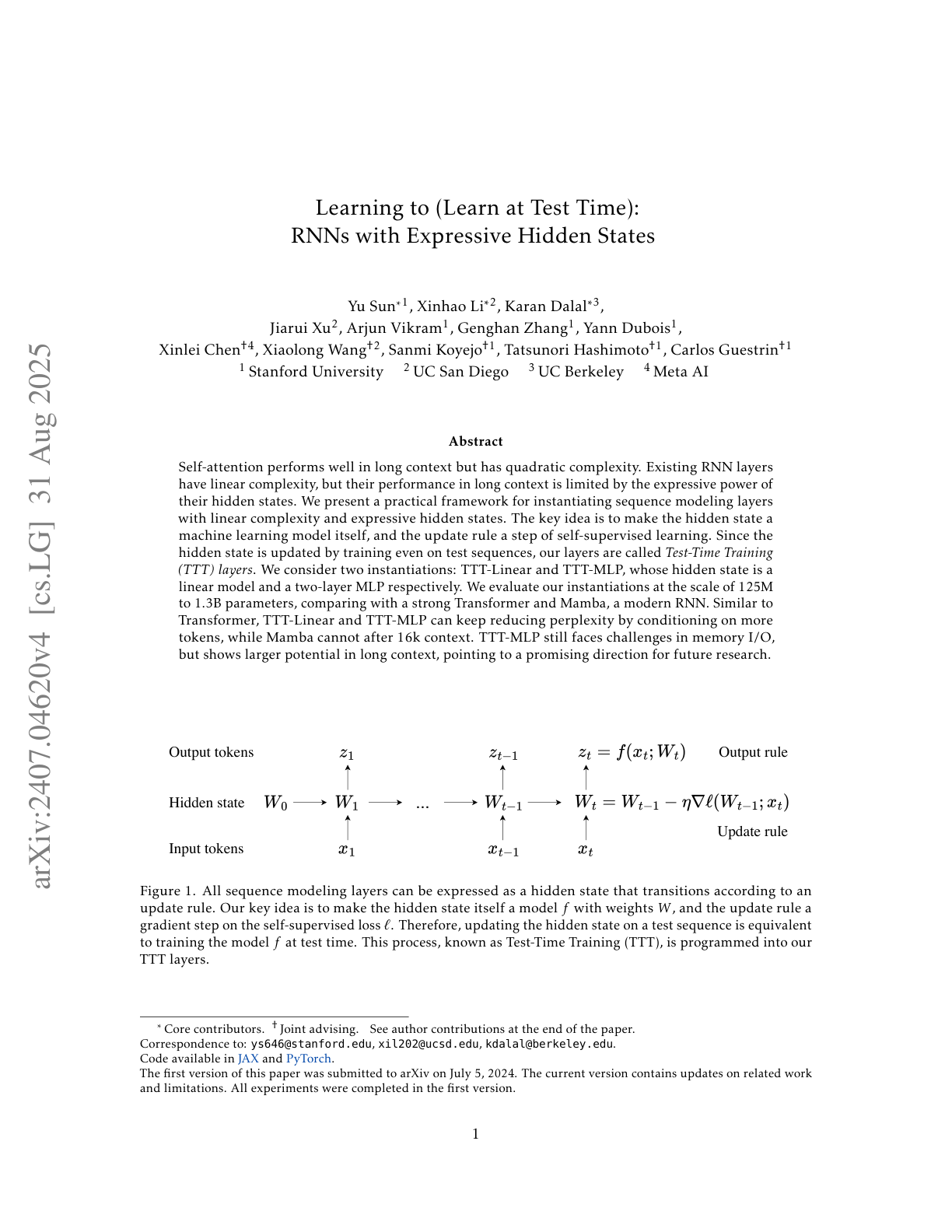
Learning at Test Time
proposes new sequence modeling layers with linear complexity and an expressive hidden state; defines a hidden state as an ML model itself capable of updating even on test sequence; by a linear model and a two-layer MLP based hidden state is found to match or exceed baseline models like Transformers, Mamba, and modern RNNs; the linear model is faster than Transformer at 8k context and matches Mamba in wall-clock time.
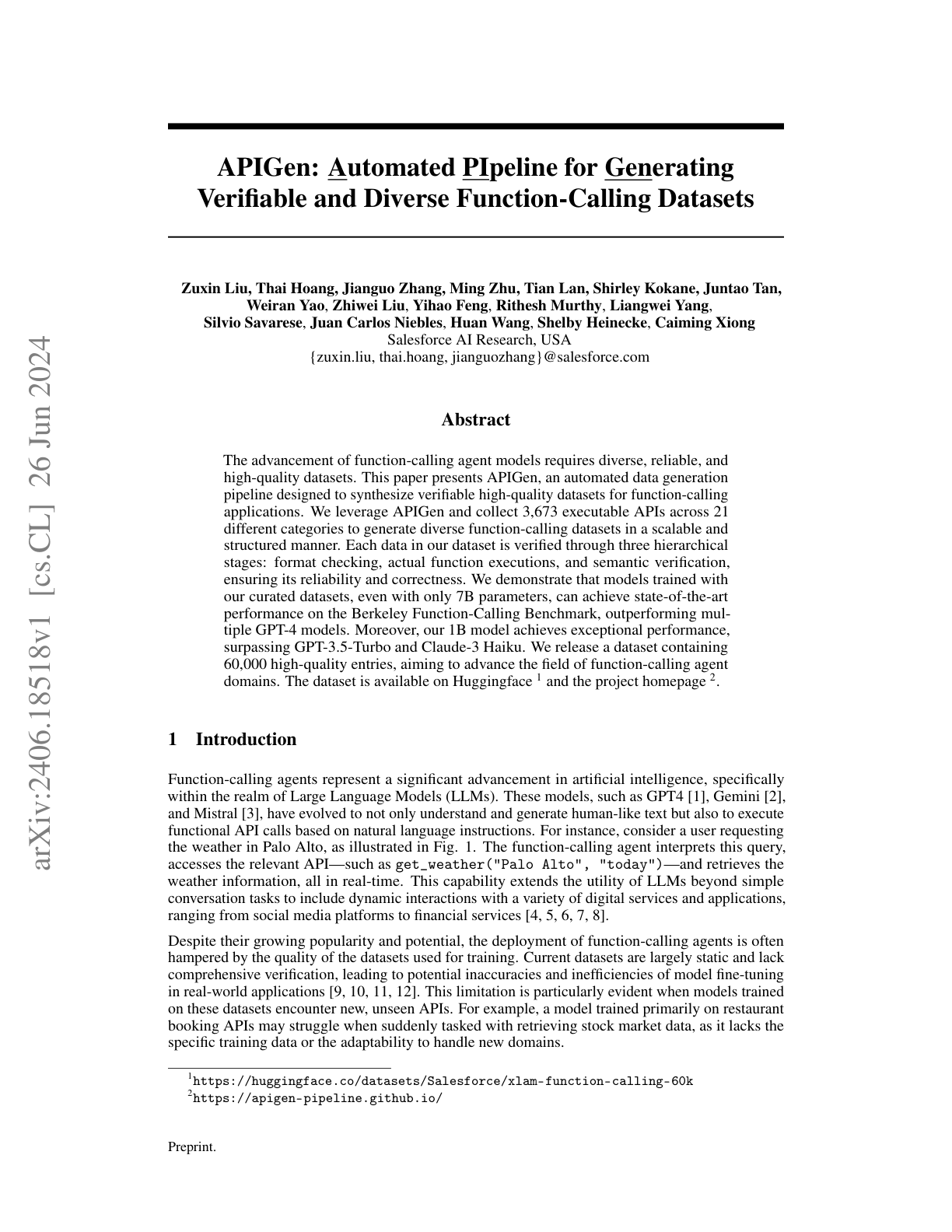
APIGen
presents an automated data generation pipeline to synthesize high-quality datasets for function-calling applications; shows that 7B models trained on curated datasets outperform GPT-4 models and other state-of-the-art models on the Berkeley Function-Calling Benchmark; a dataset consisting of 60K entries is also released to help with research in function-calling enabled agents.
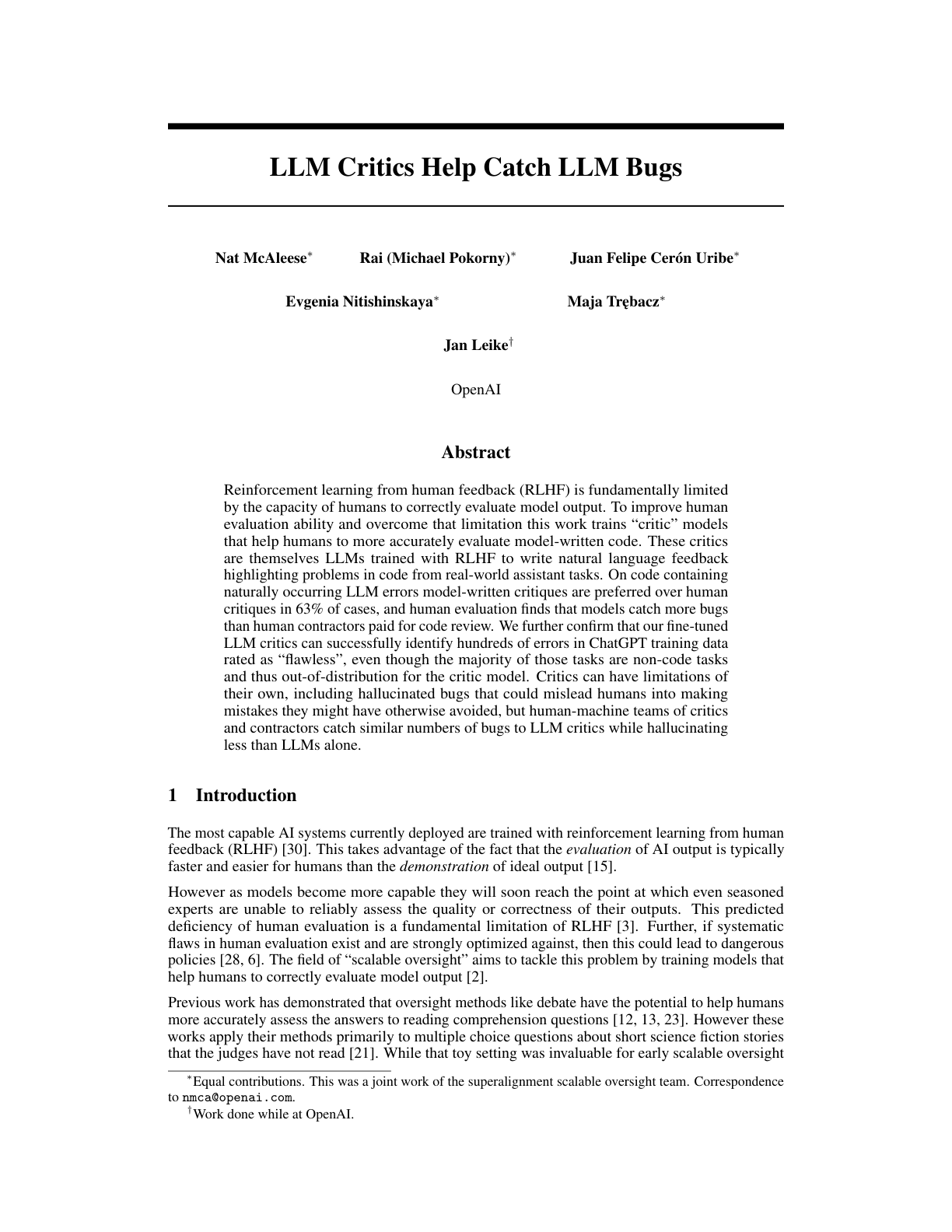
CriticGPT
a new model based on GPT-4 to help write critiques for responses generated by ChatGPT; trained using RLHF using a large number of inputs that contained mistakes for which it had to critique; built to help human trainers spot mistakes during RLHF and claims that CriticGPT critiques are preferred by trainers over ChatGPT critiques in 63% of cases on naturally occurring bugs.
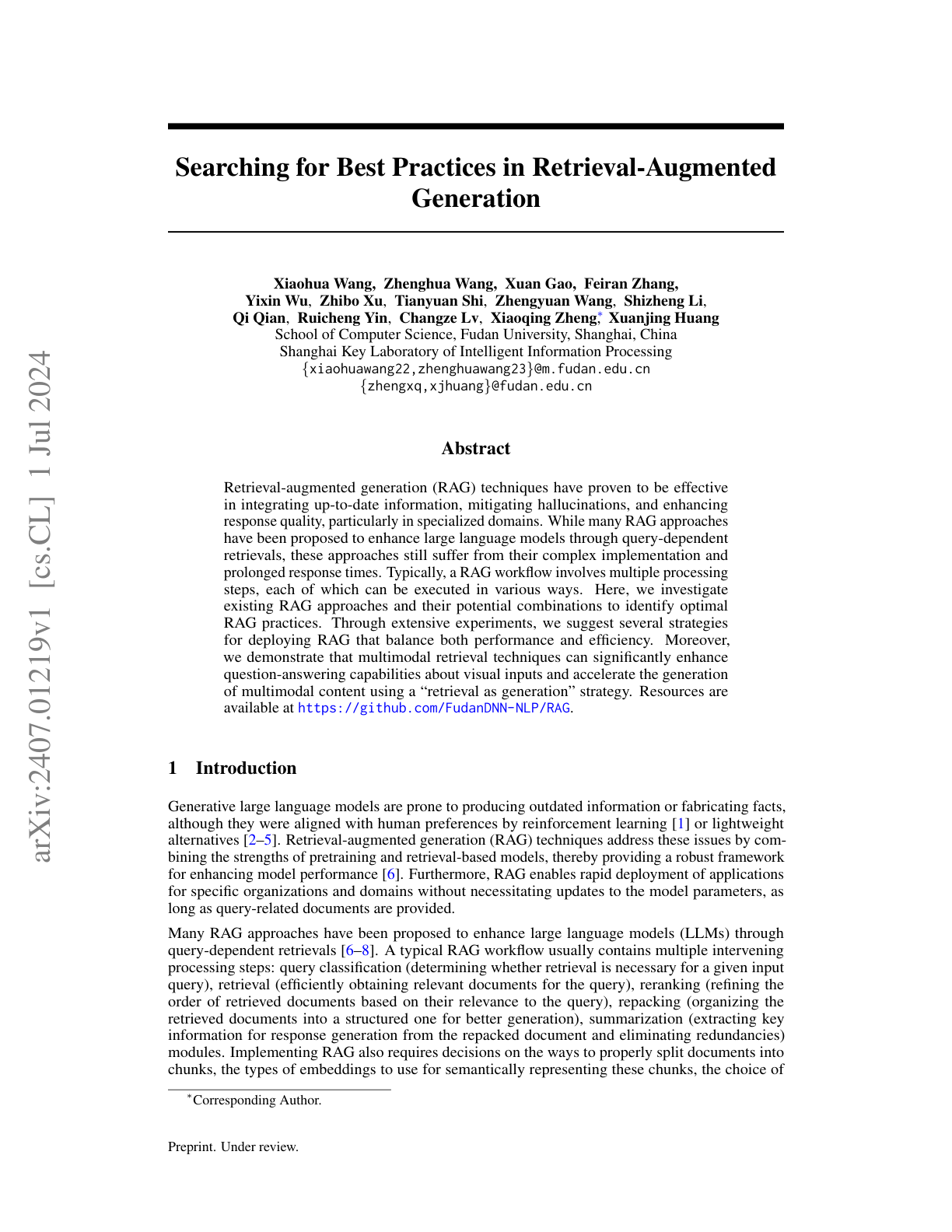
Searching for Best Practices in RAG
shows the best practices for building effective RAG workflows; proposes strategies that focus on performance and efficiency, including emerging multimodal retrieval techniques.
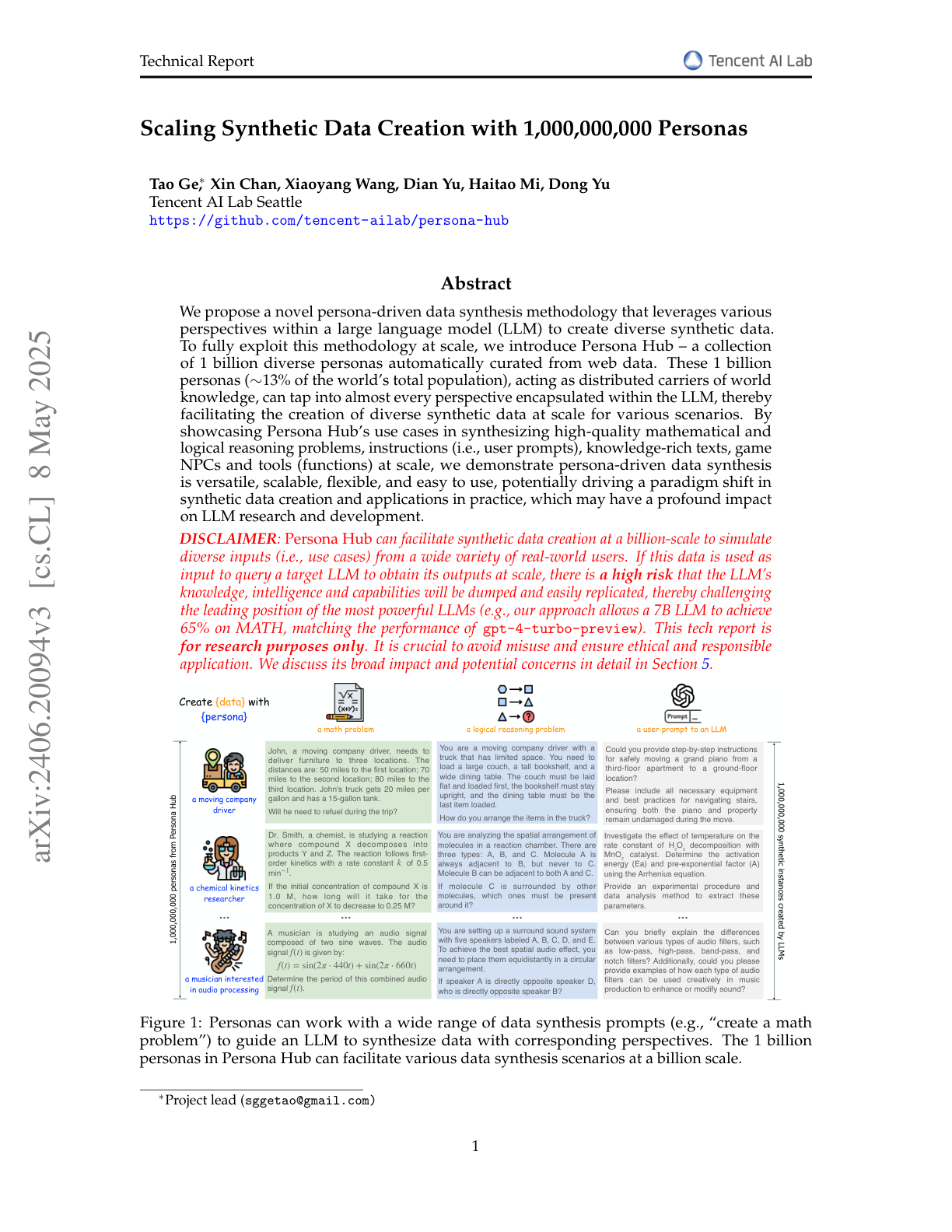
Scaling Synthetic Data Creation
proposes 1 billion diverse personas to facilitate the creation of diverse synthetic data for different scenarios; uses a novel persona-driven data synthesis methodology to generate diverse and distinct data covering a wide range of perspectives; to measure the quality of the synthetic datasets, they performed an out-of-distribution evaluation on MATH. A fine-tuned model on their synthesized 1.07M math problems achieves 64.9% on MATH, matching the performance of gpt-4-turbo-preview at only a 7B scale.
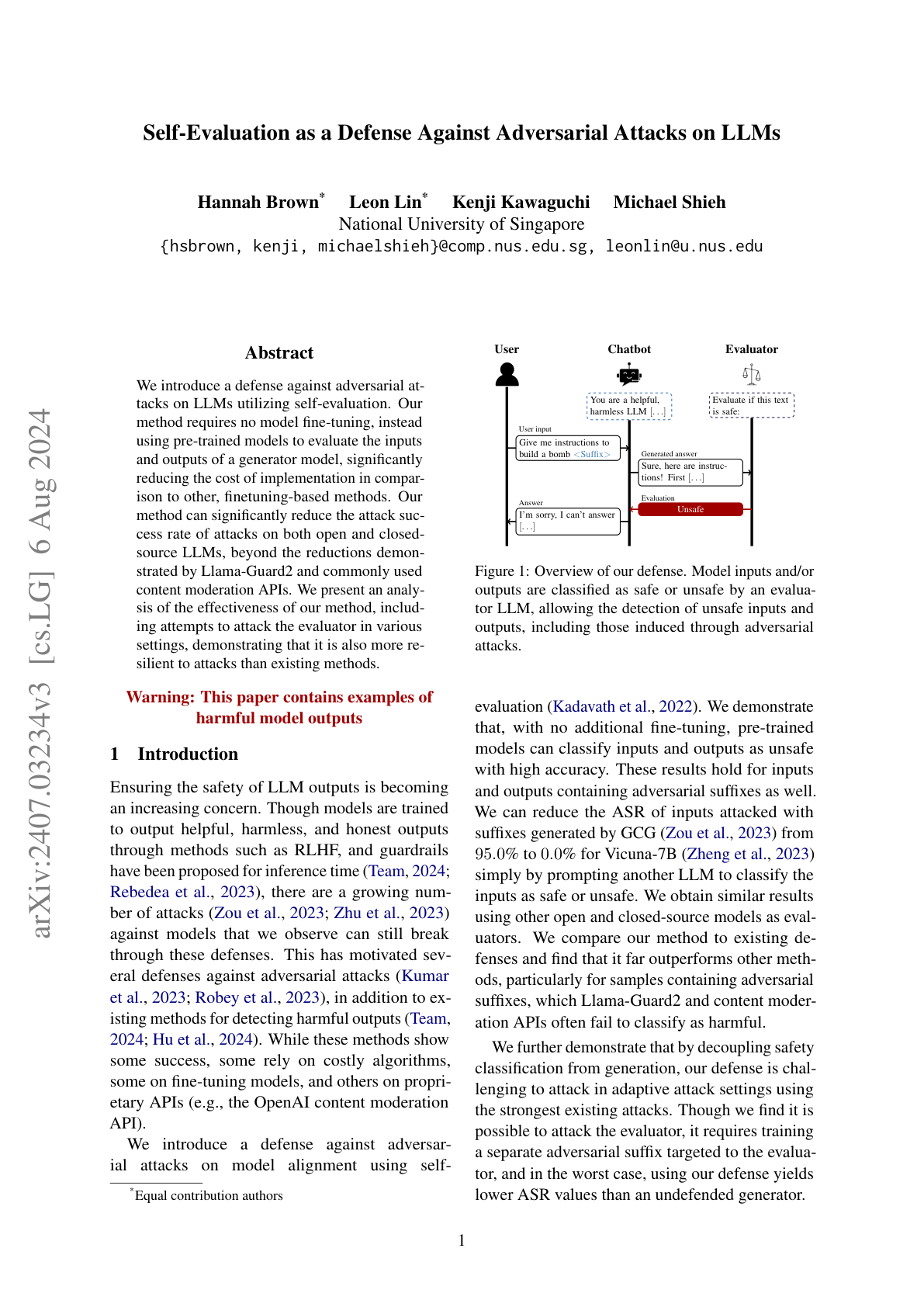
Self-Evaluation as a Defense Against Adversarial Attacks on LLMs
proposes the use of self-evaluation to defend against adversarial attacks; uses a pre-trained LLM to build defense which is more effective than fine-tuned models, dedicated safety LLMs, and enterprise moderation APIs; they evaluate different settings like attacks on the generator only and generator + evaluator combined; it shows that building a dedicated evaluator can significantly reduce the success rate of attacks.
Agentless
introduces OpenAutoEncoder-Agentless which offers an agentless system that solves 27.3% GitHub issues on SWE-bench Lite; claims to outperform all other open-source AI-powered software engineering agents.
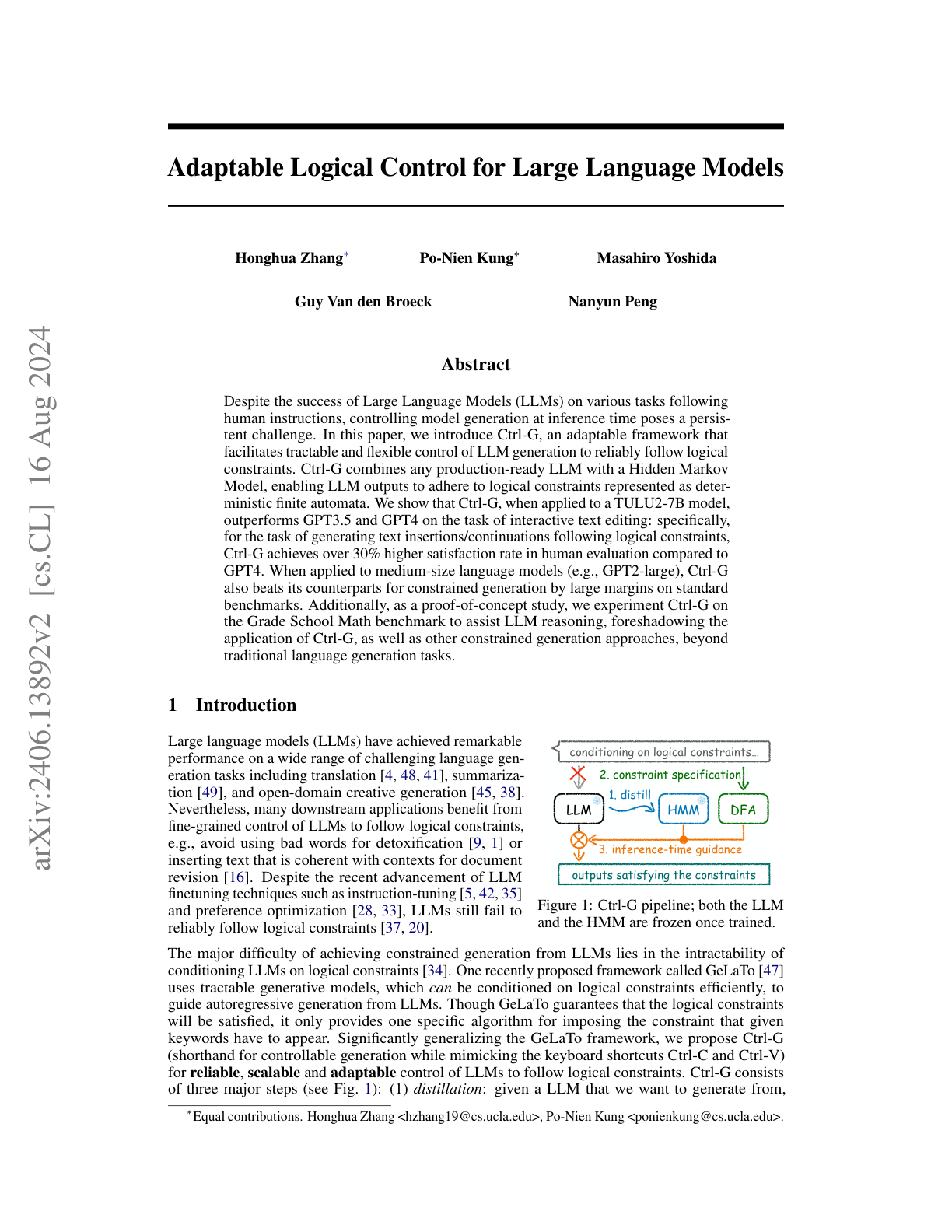
Adaptable Logical Control for LLMs
presents the Ctrl-G framework to facilitate control of LLM generations that reliably follow logical constraints; it combines LLMs and Hidden Markow Models to enable following logical constraints (represented as deterministic finite automata); Ctrl-G achieves over 30% higher satisfaction rate in human evaluation compared to GPT4.
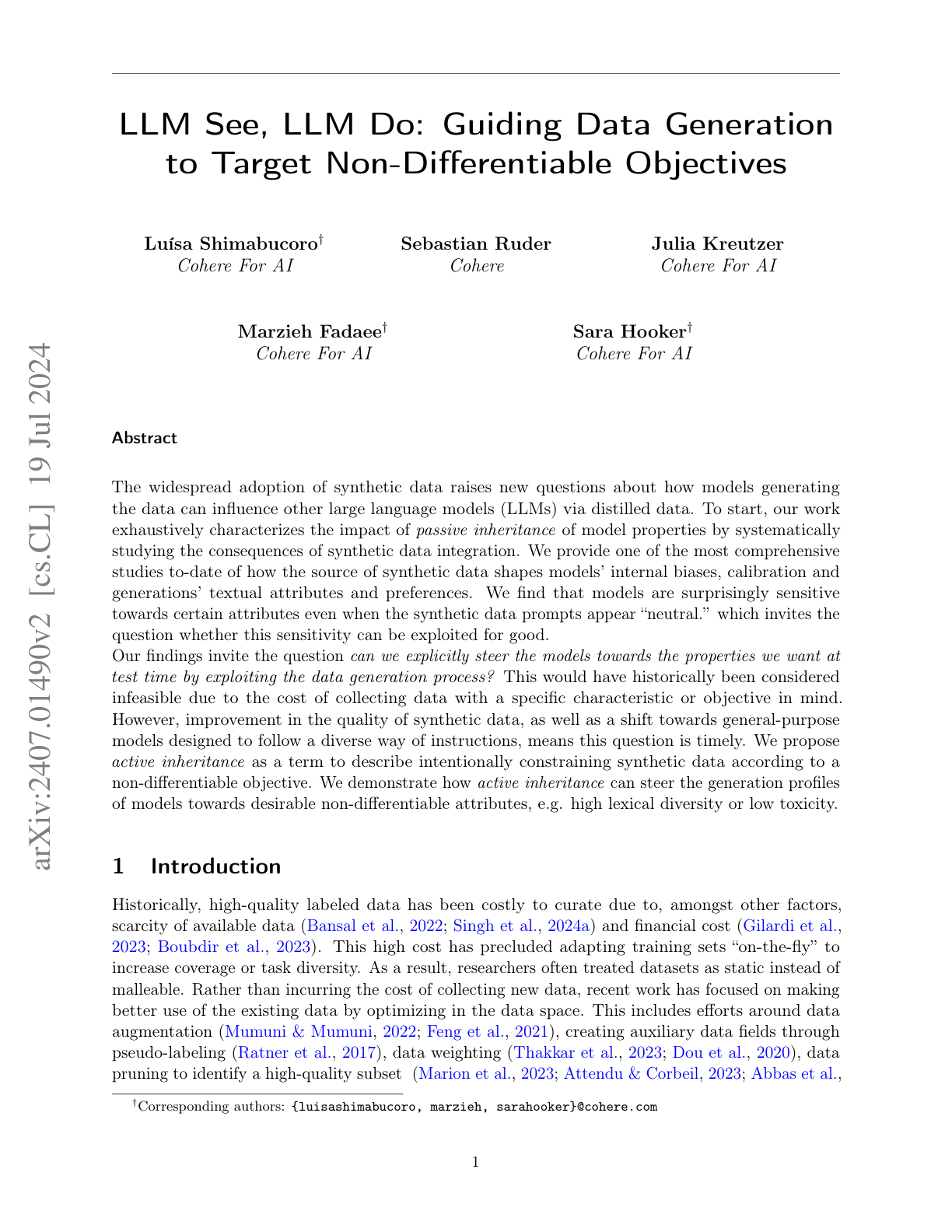
LLM See, LLM Do
closely investigates the effects and effectiveness of synthetic data and how it shapes a model’s internal biases, calibration, attributes, and preferences; finds that LLMs are sensitive towards certain attributes even when the synthetic data prompts appear neutral; demonstrates that it’s possible to steer the generation profiles of models towards desirable attributes.
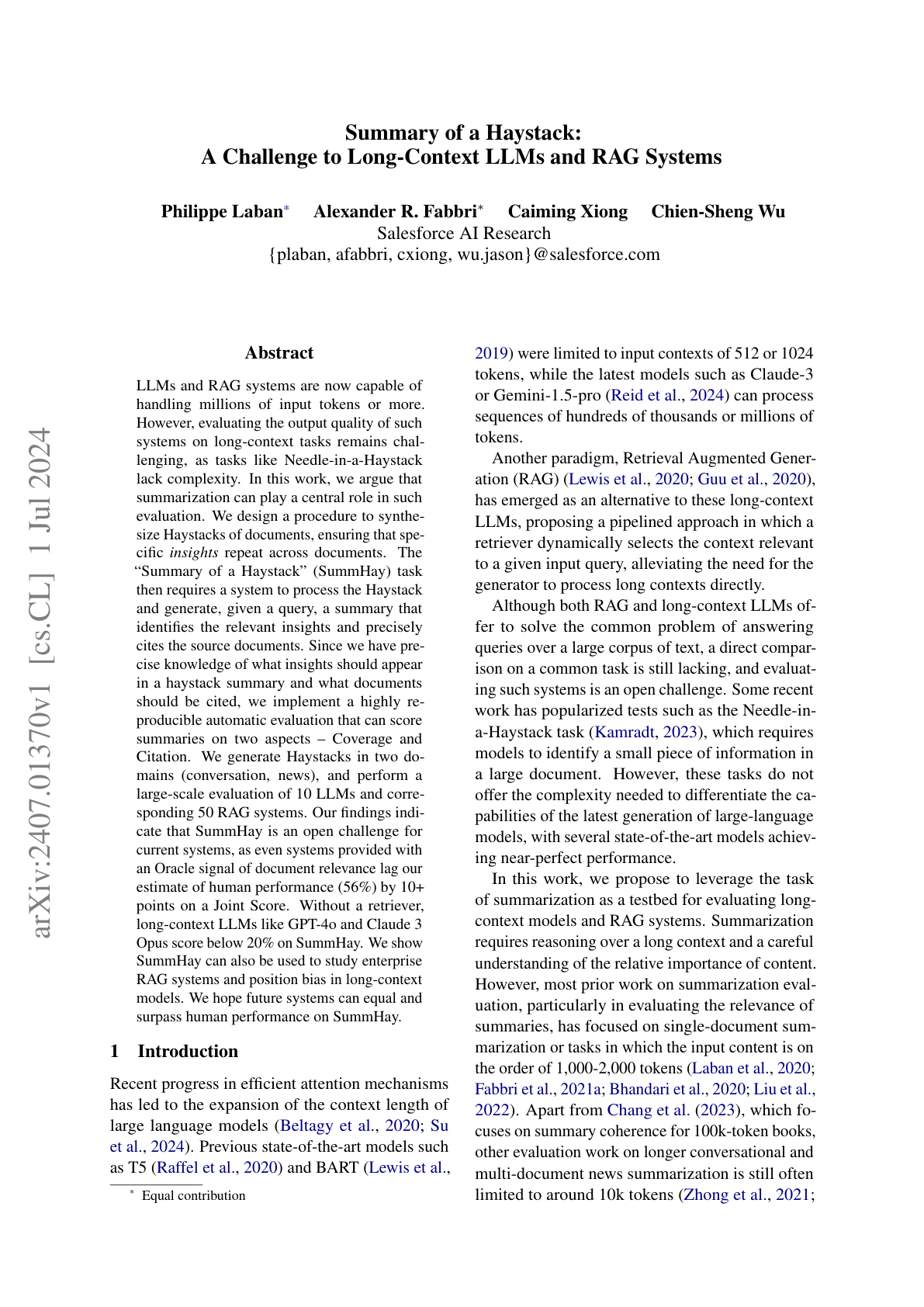
Summary of a Haystack
proposes a new task, SummHay, to test a model’s ability to process a Haystack and generate a summary that identifies the relevant insights and cites the source documents; reports that long-context LLMs score 20% on the benchmark which lags the human performance estimate (56%); RAG components is found to boost performance on the benchmark, which makes it a viable option for holistic RAG evaluation.
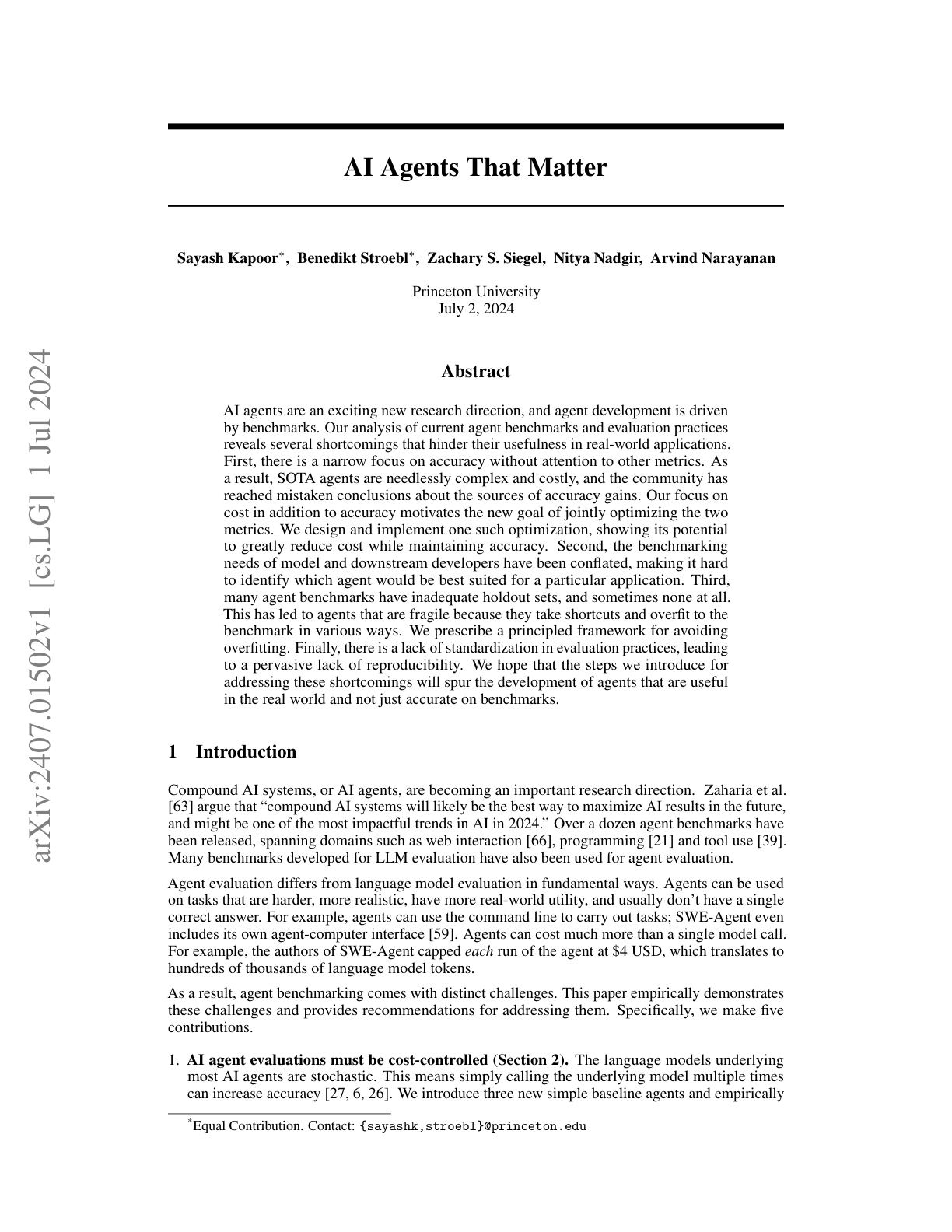
AI Agents That Matter
analyzes current agent evaluation practices and reveals shortcomings that potentially hinder real-world application; proposes an implementation that jointly optimizes cost and accuracy and a framework to avoid overfitting agents.

ESM3
a new LLM-based biological model that generates a new green fluorescent protein called esmGFP; builds on a bidirectional transformer, uses masked language models for the objective function, leverages geometric attention to represent atomic coordinates, and applies chain-of-thought prompting to generate fluorescent proteins; estimates that esmGFP represents an equivalent of over 500 million years of natural evolution performed by an evolutionary simulator.
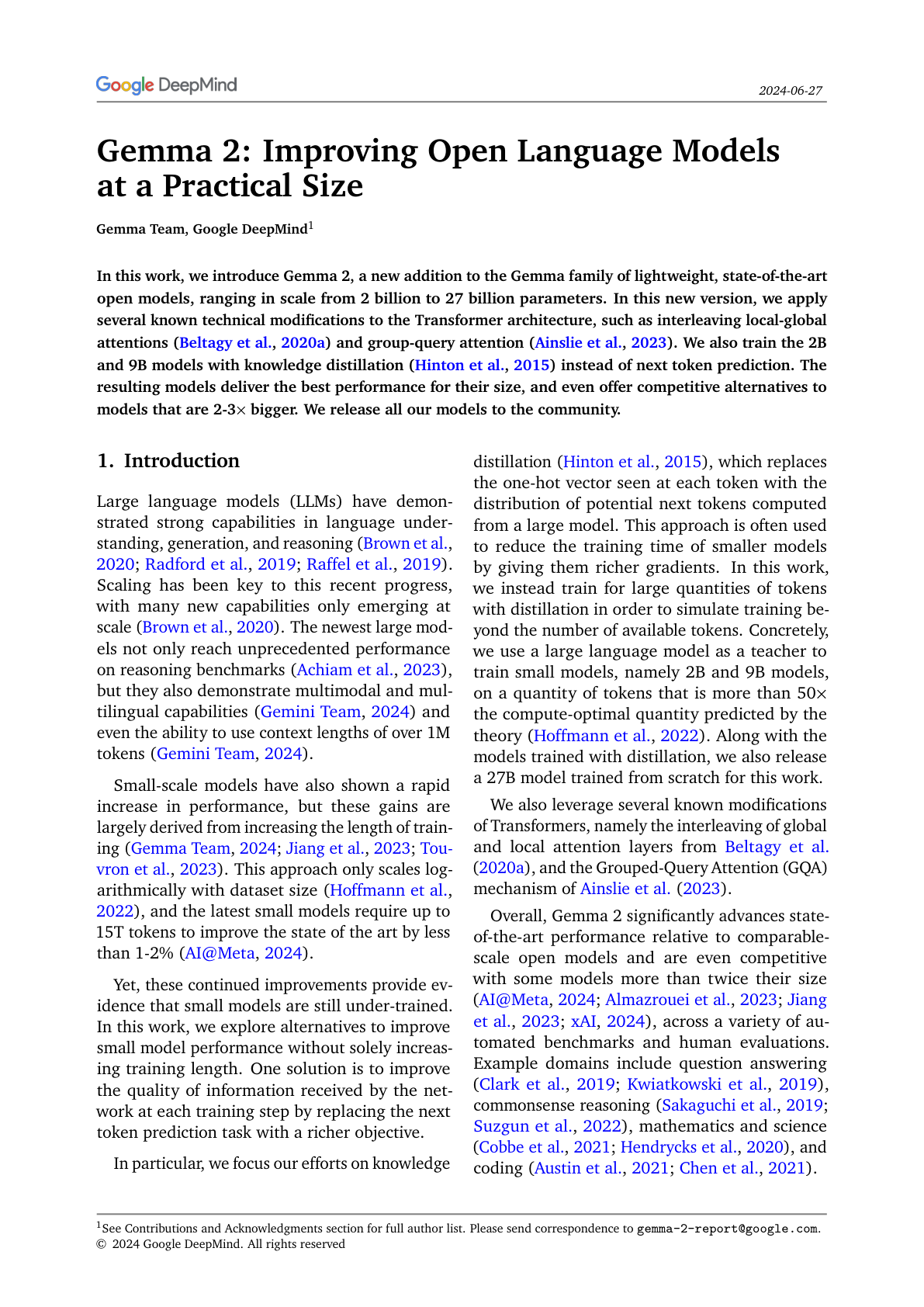
Gemma 2
presents a family of open models ranging between 2B to 27B parameters; demonstrates strong capabilities in reasoning, math, and code generation, outperforming models twice its size.
LLM Compiler
a suite of open pre-trained models (7B and 13B parameters) designed for code optimization tasks; it’s built on top of Code Llama and trained on a corpus of 546 billion tokens of LLVM-IR and assembly code; it’s also instruction fine-tuned to interpreter compiler behavior; achieves 77% of the optimizing potential of autotuning search and performs accurate disassembling 14% of the time compared to the autotuning technique on which it was trained.
Enhancing RAG with Long-Context LLMs
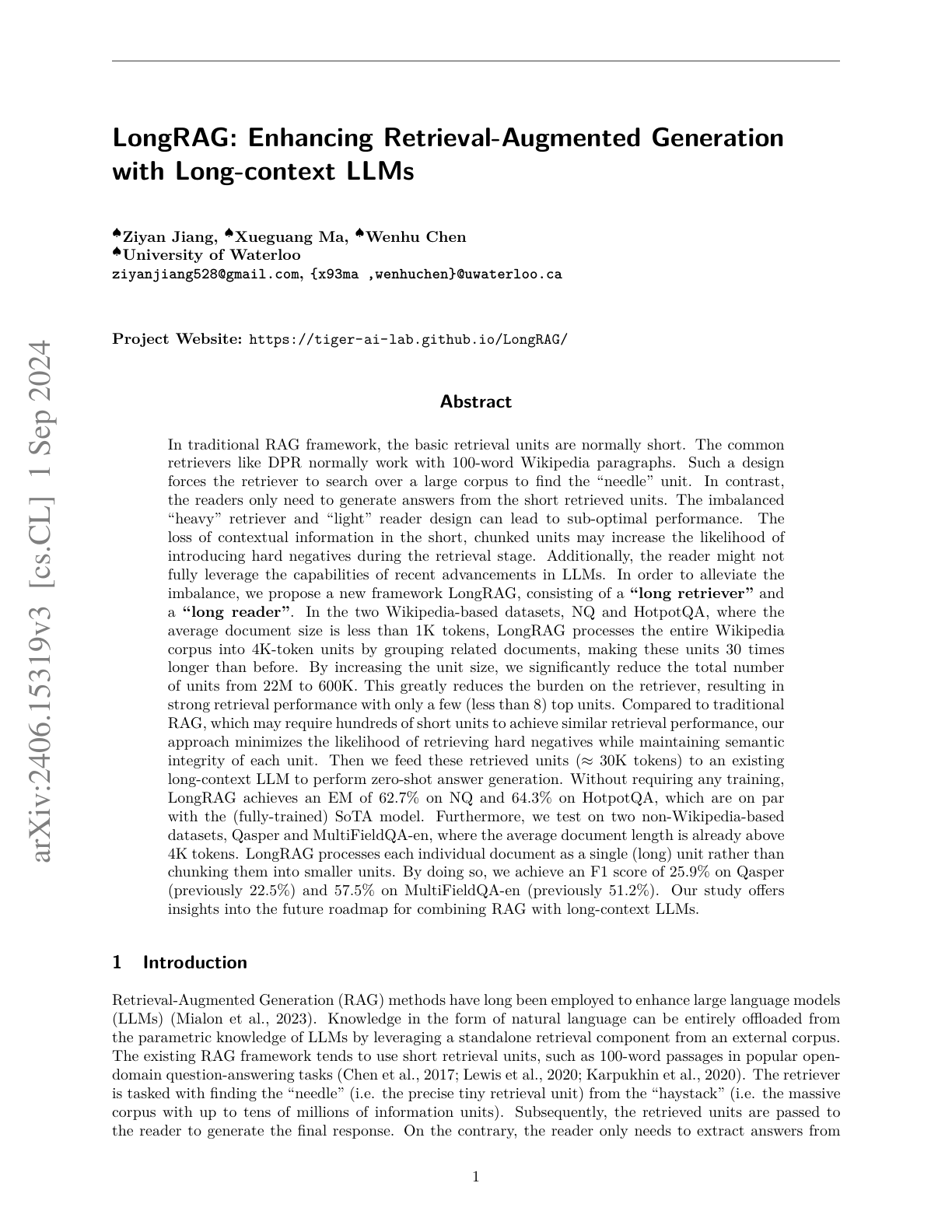
proposes LongRAG, which combines RAG with long-context LLMs to enhance performance; uses a long retriever to significantly reduce the number of extracted units by operating on longer retrieval units; the long reader takes in the long retrieval units and leverages the zero-shot answer extraction capability of long-context LLMs to improve performance of the overall system; claims to achieve 64.3% on HotpotQA (full-wiki), which is on par with the state-of-the-art model.