🚀NEW COURSEVibe Coding AI Apps with Claude Code 🤖✨Enroll now
DAIR.AI · Curated weekly since April 2023

AI Papers of the Week

Every paper worth reading in AI, hand-picked one week at a time.

1,762
Papers
176
Weekly issues
2023
Since
618 papers · TrainingClear filters →
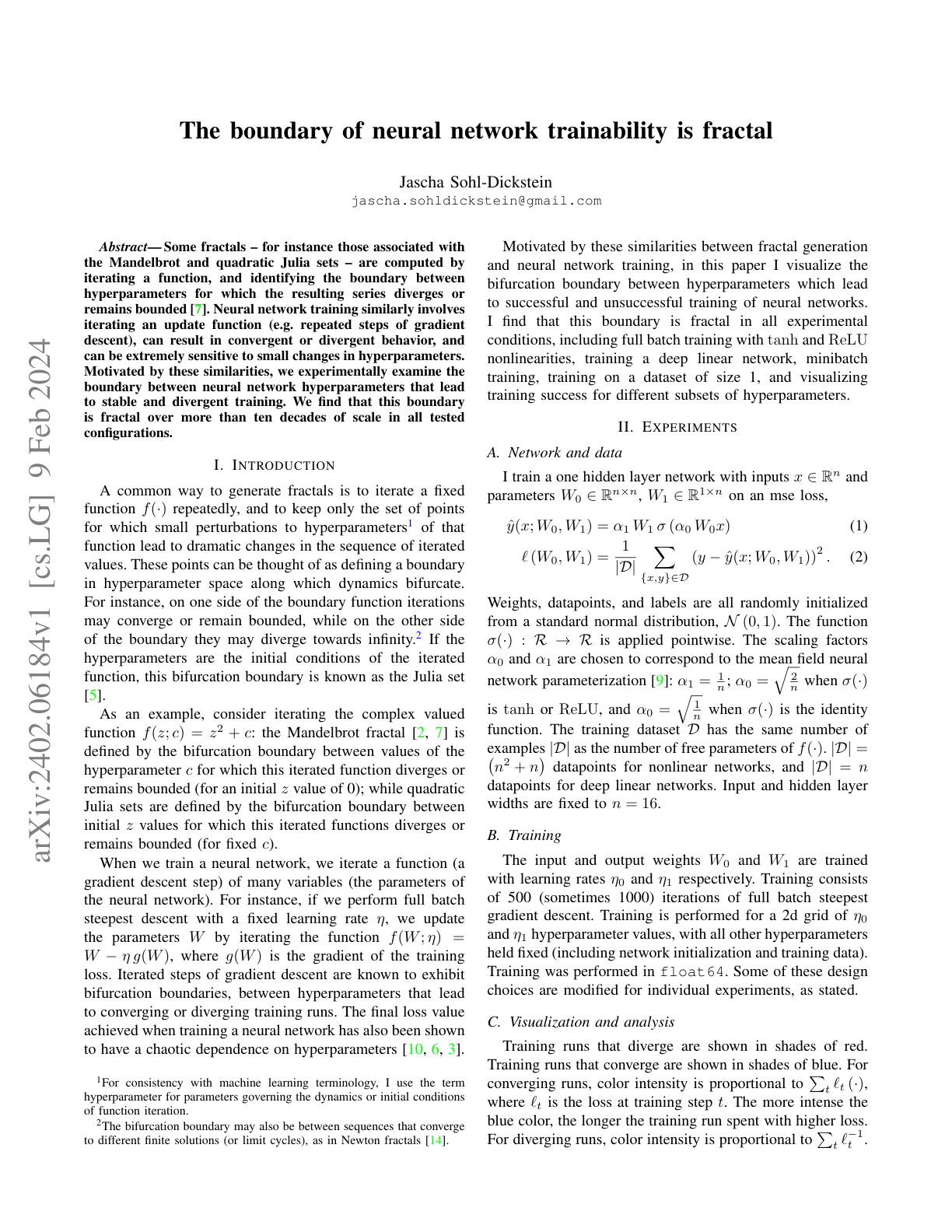
Foundations of LLMs

Foundations of LLMs

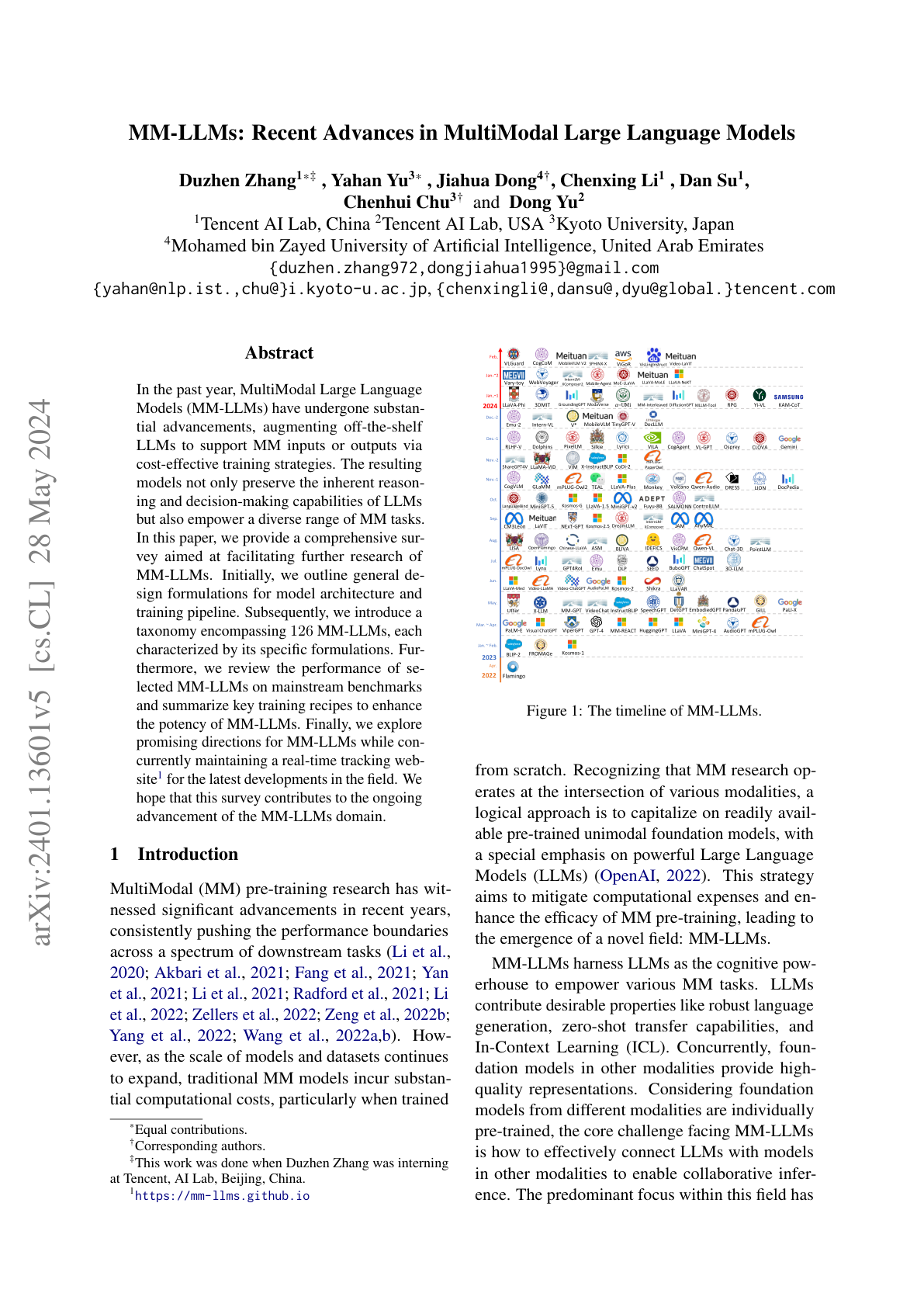
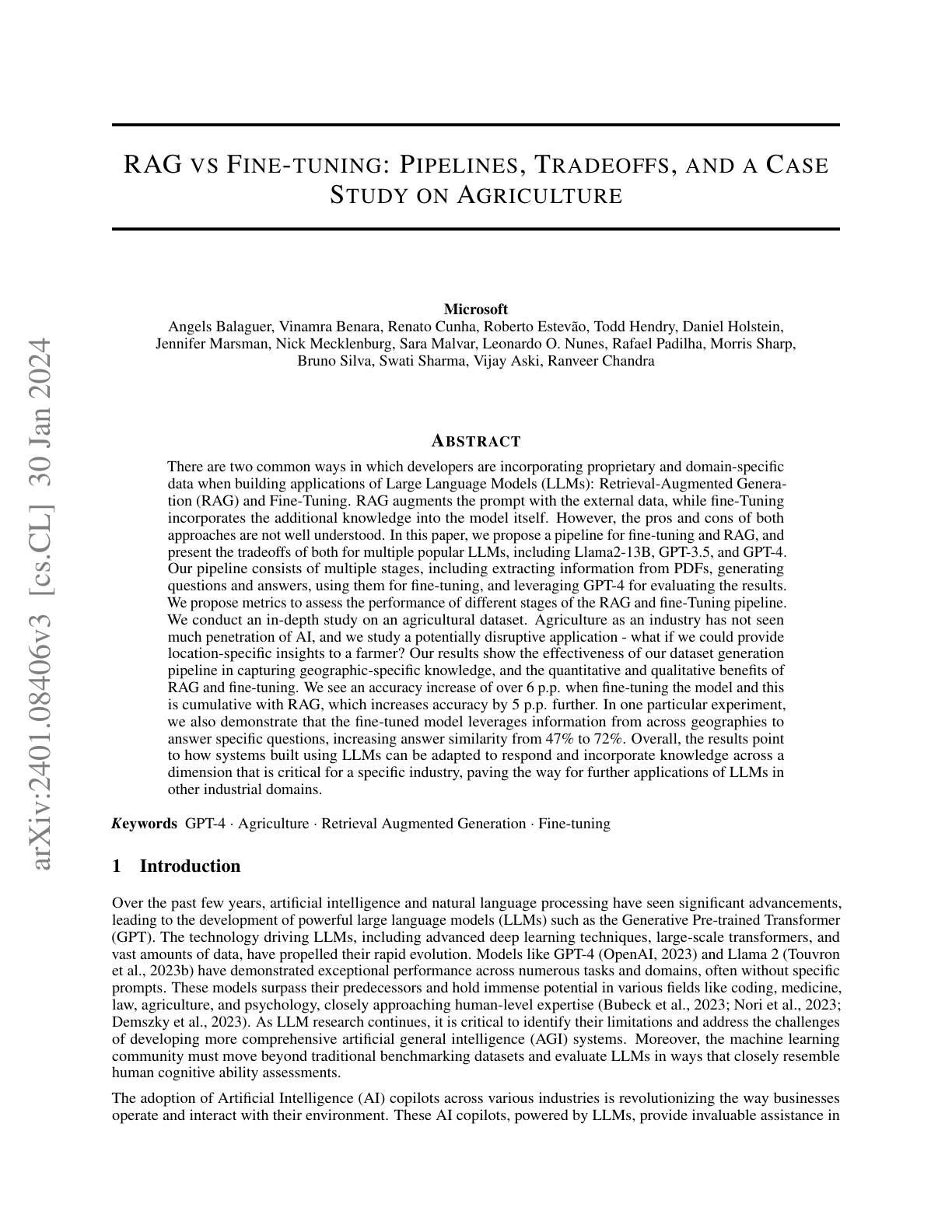
new survey on the foundations of LLMs covering areas such as pre-training, prompting, and alignment methods.

289Training
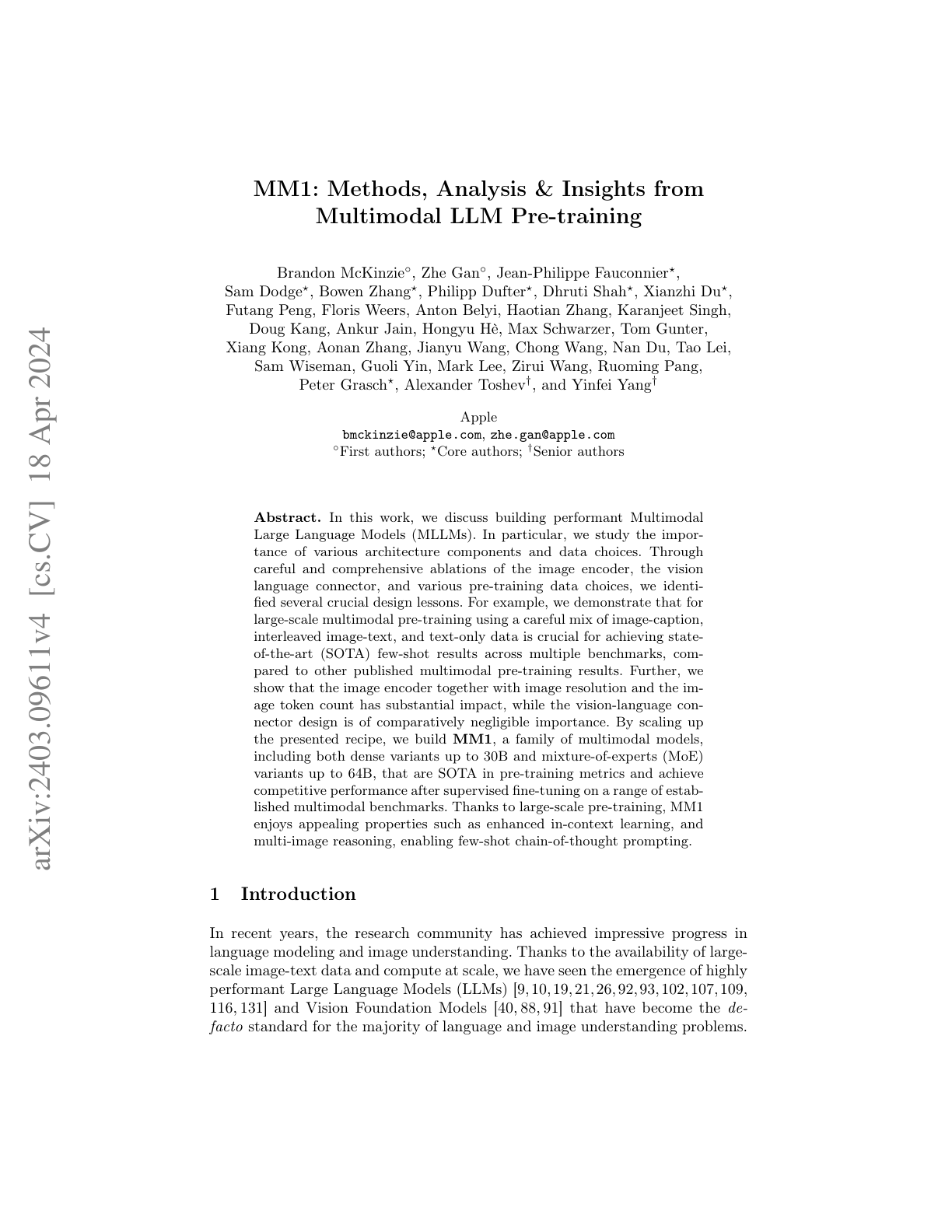
Cosmos World Foundation Model

Cosmos World Foundation Model

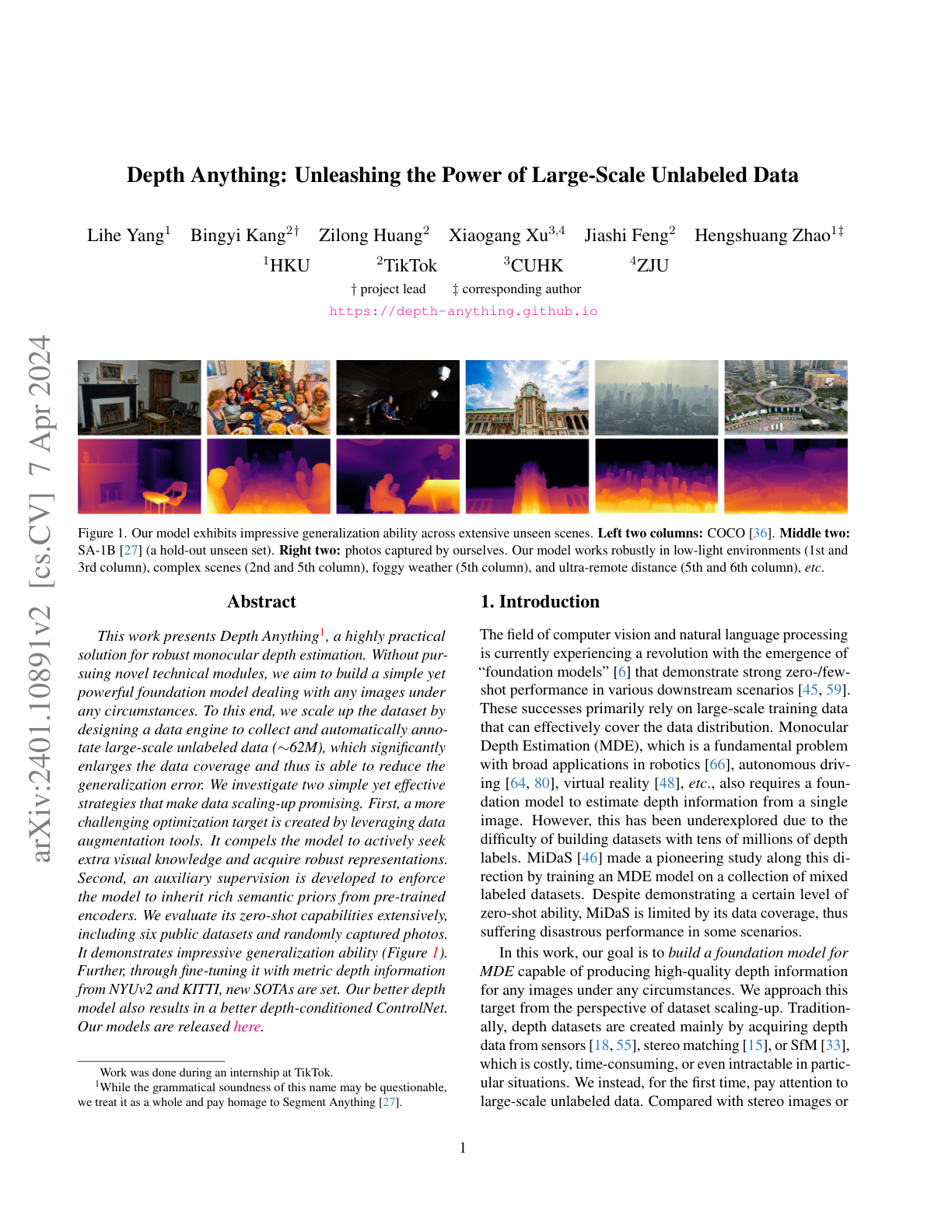
a framework for training Physical AI systems in digital environments before real-world deployment; the platform includes pre-trained world foundation models that act as digital twins of the physical world, allowing AI systems to safely learn and interact without risking damage to physical hardware; these models can be fine-tuned for specific applications like camera control, robotic manipulation, and autonomous driving.

290Robotics
A Survey on LLMs

A Survey on LLMs

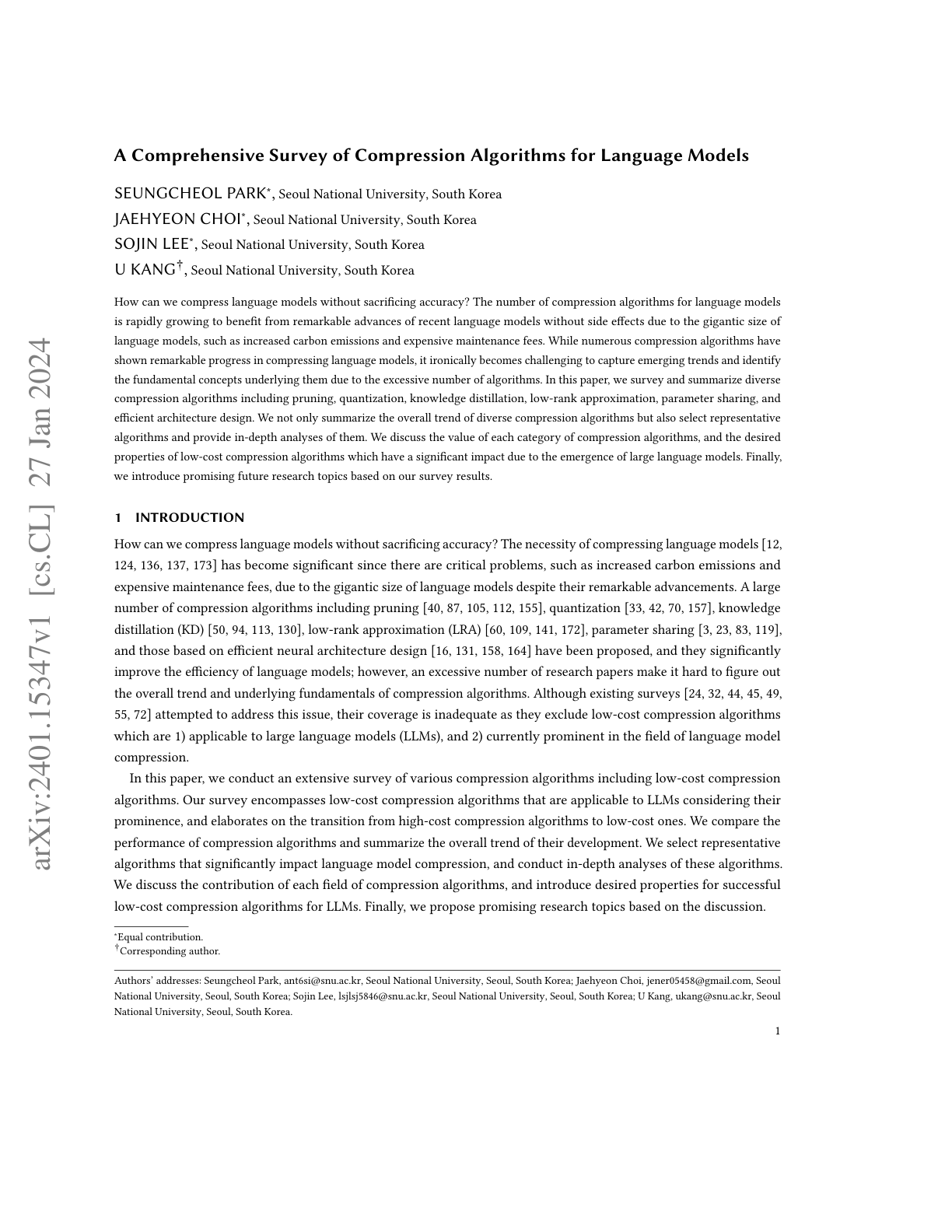
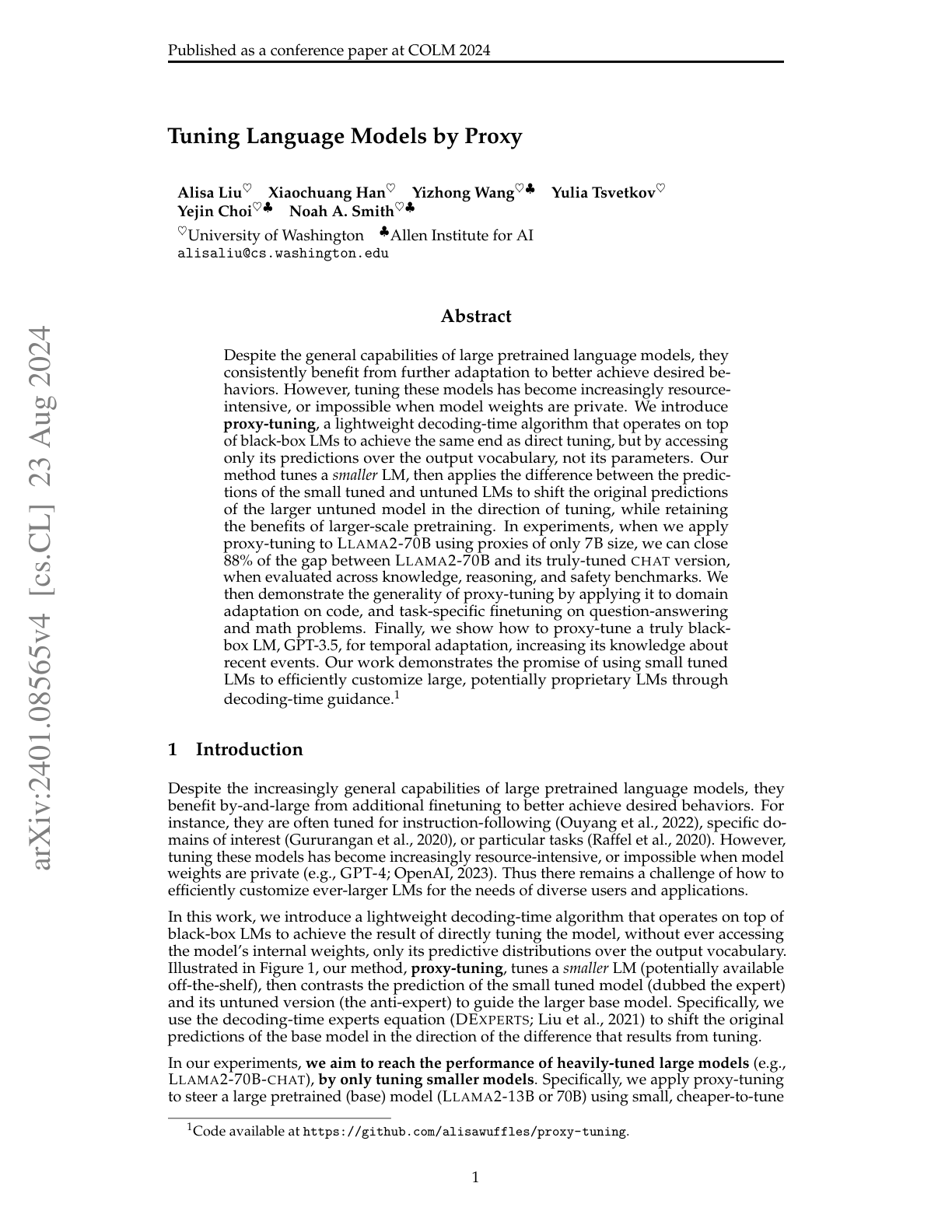
a new survey on LLMs including some insights on capabilities and limitations.

291Training
On the Overthinking of LLMs

On the Overthinking of LLMs

proposes a self-training strategy to mitigate overthinking in o1-like LLMs; it can reduce token output by 48.6% while maintaining accuracy on the widely-used MATH500 test set as applied to QwQ-32B-Preview.

292Training
HuatuoGPT-o1

HuatuoGPT-o1

presents a novel approach to improving medical reasoning in language models by using a medical verifier to validate model outputs and guide the development of complex reasoning abilities; the system employs a two-stage approach combining fine-tuning and reinforcement learning with verifier-based rewards, achieving superior performance over existing models while using only 40,000 verifiable medical problems.

293Reasoning
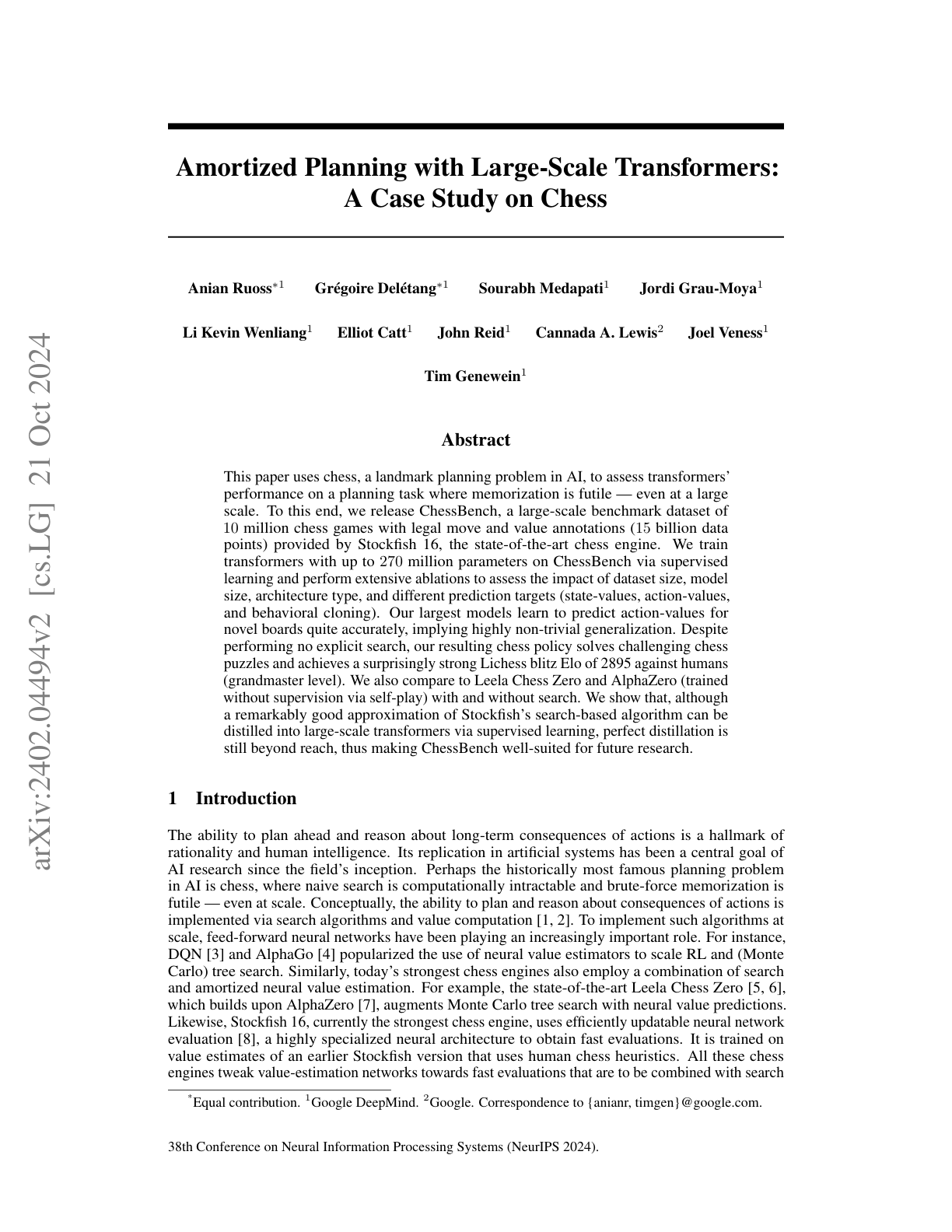
DeepSeek-V3

DeepSeek-V3

a 671B-parameter MoE language model that activates 37B parameters per token, utilizing MLA and DeepSeekMoE architectures for efficient operation; it introduces an auxiliary-loss-free load balancing approach and employs multi-token prediction during training to enhance performance; following pre-training on 14.8 trillion tokens, the model underwent SFT and RL stages, achieving performance comparable to leading closed-source models while surpassing other open-source alternatives; the model requires only 2.788M H800 GPU hours for training, with stable training that avoids any irrecoverable loss spikes.

294Architecture
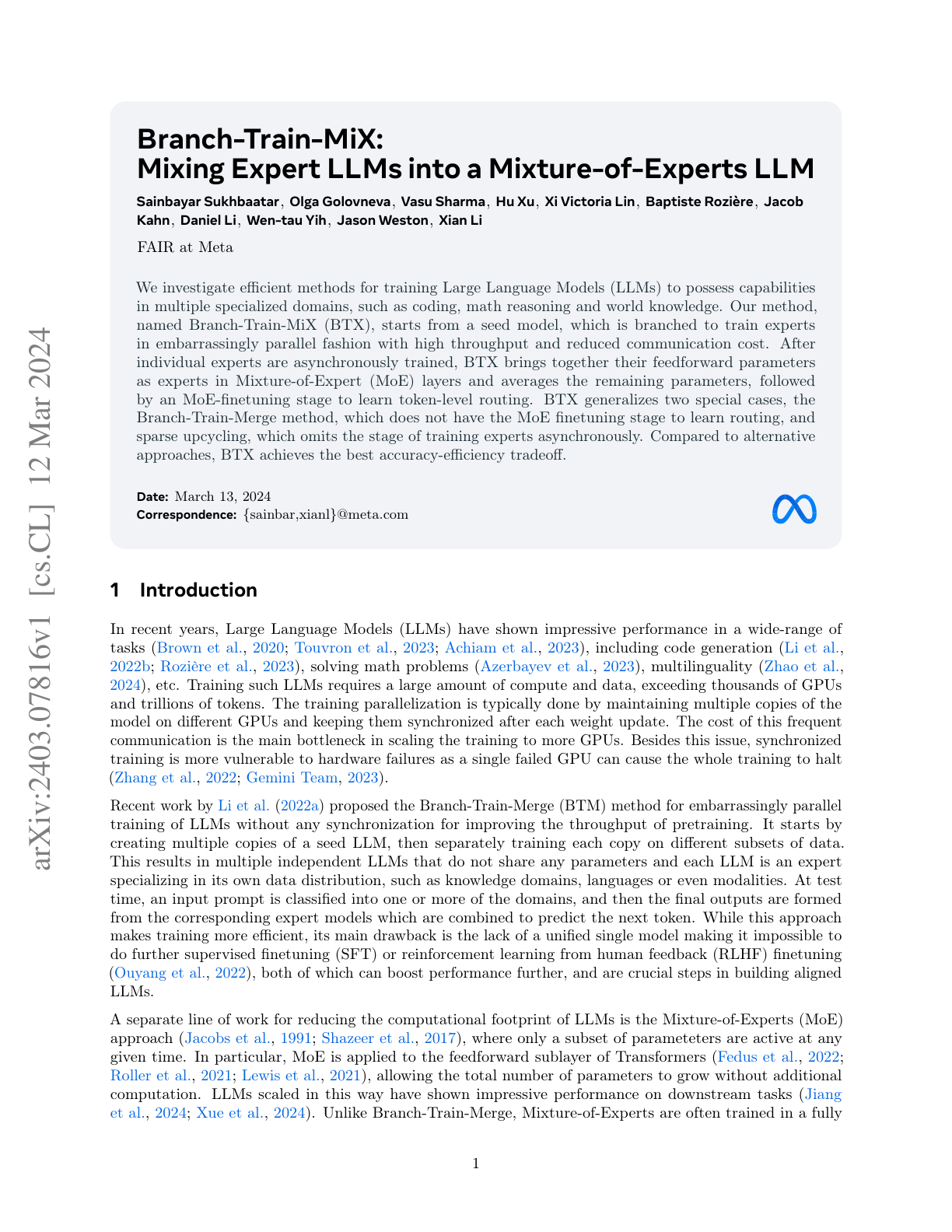
**Large Concept Models

**Large Concept Models

** - presents an approach that operates on sentence-level semantic representations called concepts, moving beyond token-level processing typical in current LLMs; the model leverages SONAR sentence embeddings to support 200 languages across text and speech modalities, training on autoregressive sentence prediction using various approaches from MSE regression to diffusion-based generation; experiments with both 1.6B and 7B parameter variants trained on 1.3T and 7.7T tokens respectively demonstrate strong performance on generative tasks like summarization and summary expansion.

295Training
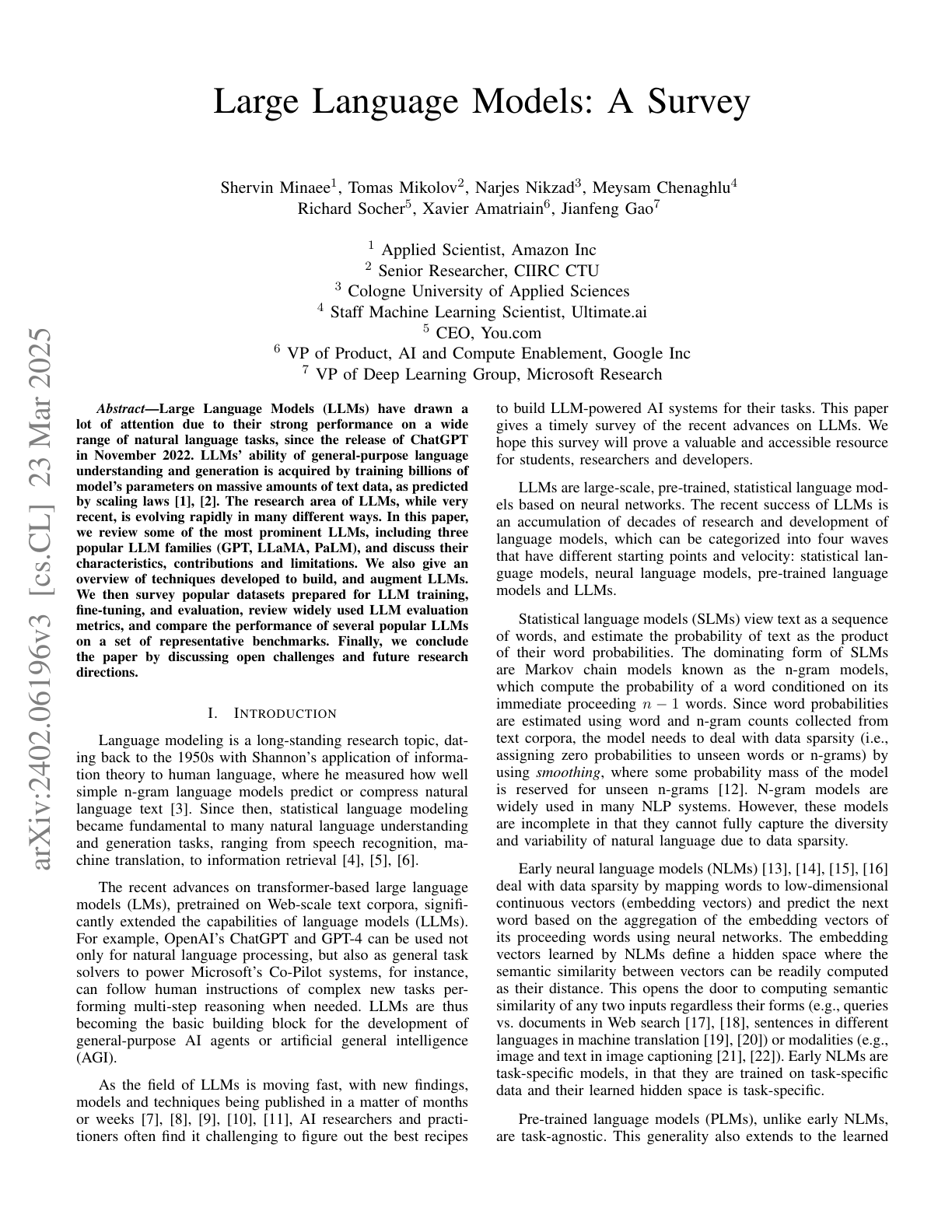
A Survey on LLM Inference-Time Self-Improvement

A Survey on LLM Inference-Time Self-Improvement

presents a survey that analyzes three categories of LLM inference-time self-improvement techniques - independent methods like enhanced decoding, context-aware approaches using external data, and model collaboration strategies.

296Training
Explore Theory-of-Mind

Explore Theory-of-Mind

introduces ExploreToM, a framework that uses A* search to generate diverse, complex theory-of-mind scenarios that reveal significant limitations in current LLMs' social intelligence capabilities; testing showed even advanced models like GPT-4 and Llama-3 perform poorly (as low as 5% accuracy) on these challenging scenarios, despite their strong performance on simpler benchmarks; fine-tuning on ExploreToM data improved performance on existing benchmarks by 27 points.

297Evaluation
LearnLM

LearnLM

a new LearnLM model that can follow pedagogical instructions, allowing it to adapt its teaching approach based on specified educational needs rather than defaulting to simply presenting information; experimental results show that LearnLM is preferred over other leading models, outperforming GPT-4 by 31%, Claude 3.5 by 11%, and Gemini 1.5 Pro by 13%; this instruction-following approach avoids committing to a single pedagogical framework, instead enabling teachers and developers to specify their desired teaching behaviors while allowing for continuous improvement alongside other capabilities.

298Training
Precise Length Control in LLMs

Precise Length Control in LLMs

adapts a pre-trained decoder-only LLM to produce responses of a desired length; integrates a secondary length-difference positional encoding into the input embeddings which enables counting down to a user-set response terminal length; claims to achieve mean token errors of less than 3 tokens without compromising quality.

299Training
Phi-4 Technical Report

Phi-4 Technical Report

presents phi-4, a 14B model that surpasses its teacher model on STEM-QA capabilities. It also reports strong performance on reasoning-focused benchmarks due to improved data, training curriculum, and innovations in the post-training scheme.

300Evaluation
Asynchronous Function Calling

Asynchronous Function Calling

proposes AsyncLM, a system for asynchronous LLM function calling; they design an in-context protocol for function calls and interrupts, provide fine-tuning strategy to adapt LLMs to the interrupt semantics, and implement these mechanisms efficiently on LLM inference process; AsyncLM can reduce task completion latency from 1.6x-5.4x compared to synchronous function calling; it enables LLMs to generate and execute function calls concurrently.

301Training
Does RLHF Scale?

Does RLHF Scale?

This new paper explores the impacts of key components in the RLHF framework. Summary of main findings: 1) RLHF doesn't scale as effectively as pretraining in LLMs, with larger policy models benefiting less from RLHF when using a fixed reward model, 2) when increasing the number of responses sampled per prompt during policy training, performance improves initially but plateaus quickly, typically around 4-8 samples, 3) using larger reward models leads to better performance in reasoning tasks, but the improvements can be inconsistent across different types of tasks, and 4) increasing training data diversity for reward models is more effective than increasing response diversity per prompt, but policy training shows diminishing returns after the early stages regardless of additional data.

302Reinforcement Learning
Reverse Thinking

Reverse Thinking

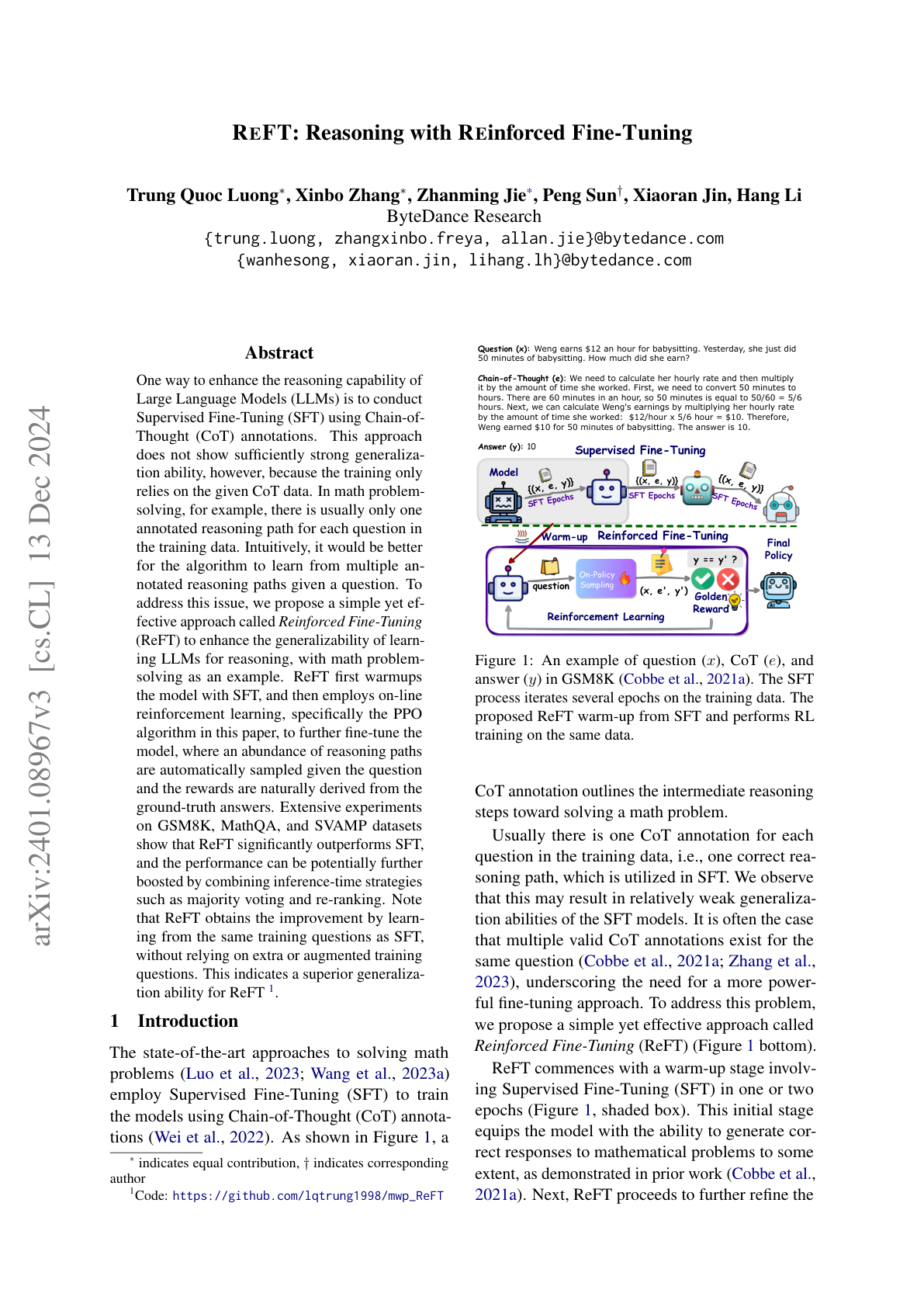
shows that training LLMs to learn "reverse thinking" helps to improve performance in commonsense, math, and logical reasoning tasks. It claims to outperform a standard fine-tuning method trained on 10x more forward reasoning.

303Reasoning
Auto-RAG

Auto-RAG

an autonomous iterative retrieval model with superior performance across many datasets; Auto-RAG is a fine-tuned LLM that leverages the decision-making capabilities of an LLM; it interacts with the retriever through multiturn dialogues, systematically planning retrievals and refining queries to acquire valuable knowledge — it performs this process until sufficient external information is obtained; the authors also show that based on question difficulty, the method can adjust the number of iterations without any human intervention.

304Retrieval
Procedural Knowledge in Pretraining Drives Reasoning in LLMs

Procedural Knowledge in Pretraining Drives Reasoning in LLMs

studies what documents in the pertaining influence model outputs; by looking at the pertaining data, it tries to understand better what kind of generalization strategies LLMs use to perform reasoning tasks; when performing reasoning tasks, it finds that influential documents contain procedural knowledge (e.g., demonstrating how to obtain a solution using formulae or code).

305Reasoning
LLM Surpass Human Experts in Predicting Neuroscience Results

LLM Surpass Human Experts in Predicting Neuroscience Results

proposes BrainBench to study how good LLMs are at predicting experimental outcomes in neuroscience; they tuned an LLM, BrainGPT, on neuroscience literature that surpasses experts in predicting neuroscience results; report that when LLMs indicated high confidence in their predictions, their responses were more likely to be correct.

306Training
o1 Replication Journey - Part 2

o1 Replication Journey - Part 2

shows that combining simple distillation from o1's API with supervised fine-tuning significantly boosts performance on complex math reasoning tasks; a base model fine-tuned on simply tens of thousands of samples o1-distilled long-thought chains outperform o1-preview on the American Invitational Mathematics Examination (AIME).

307Training
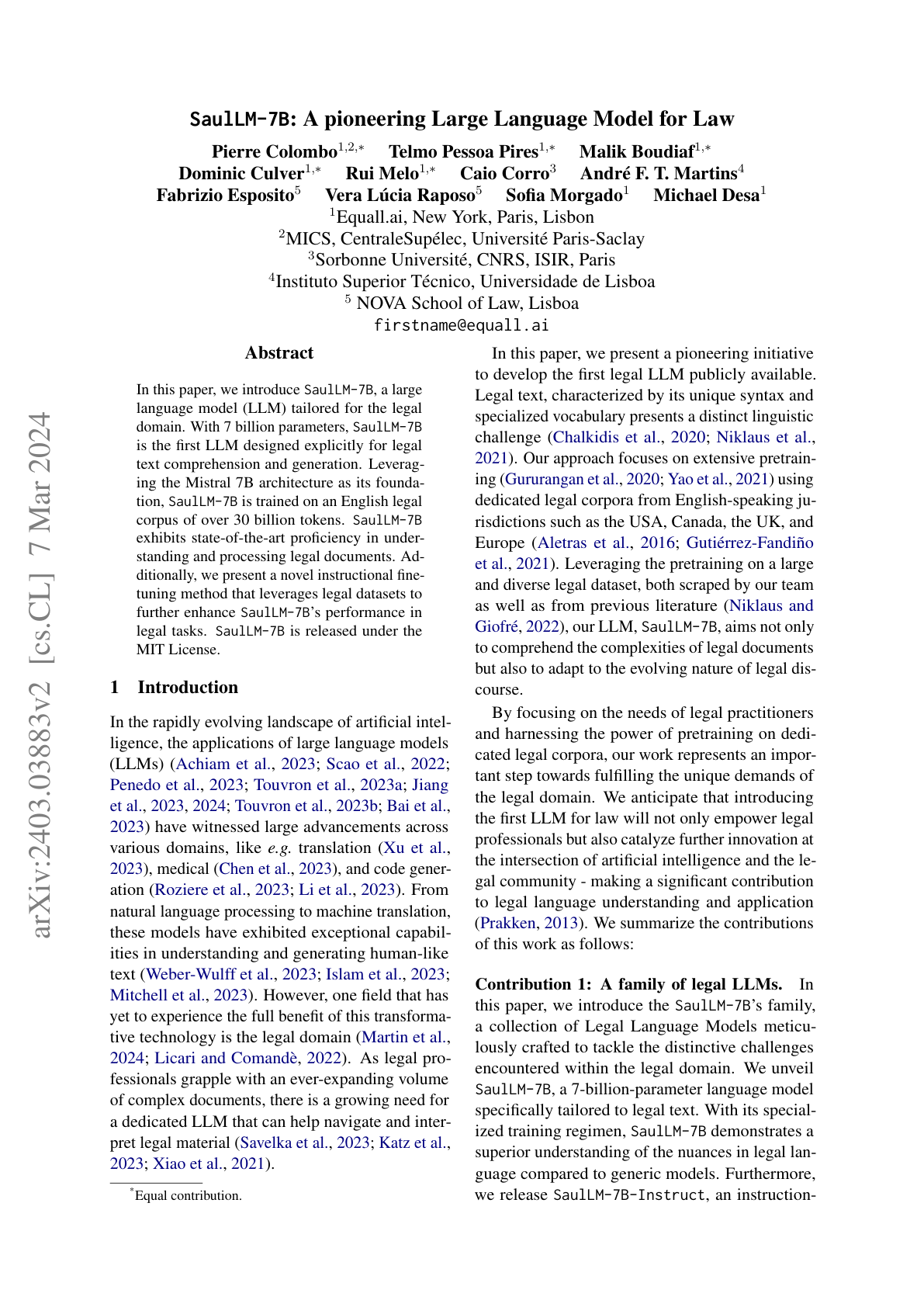
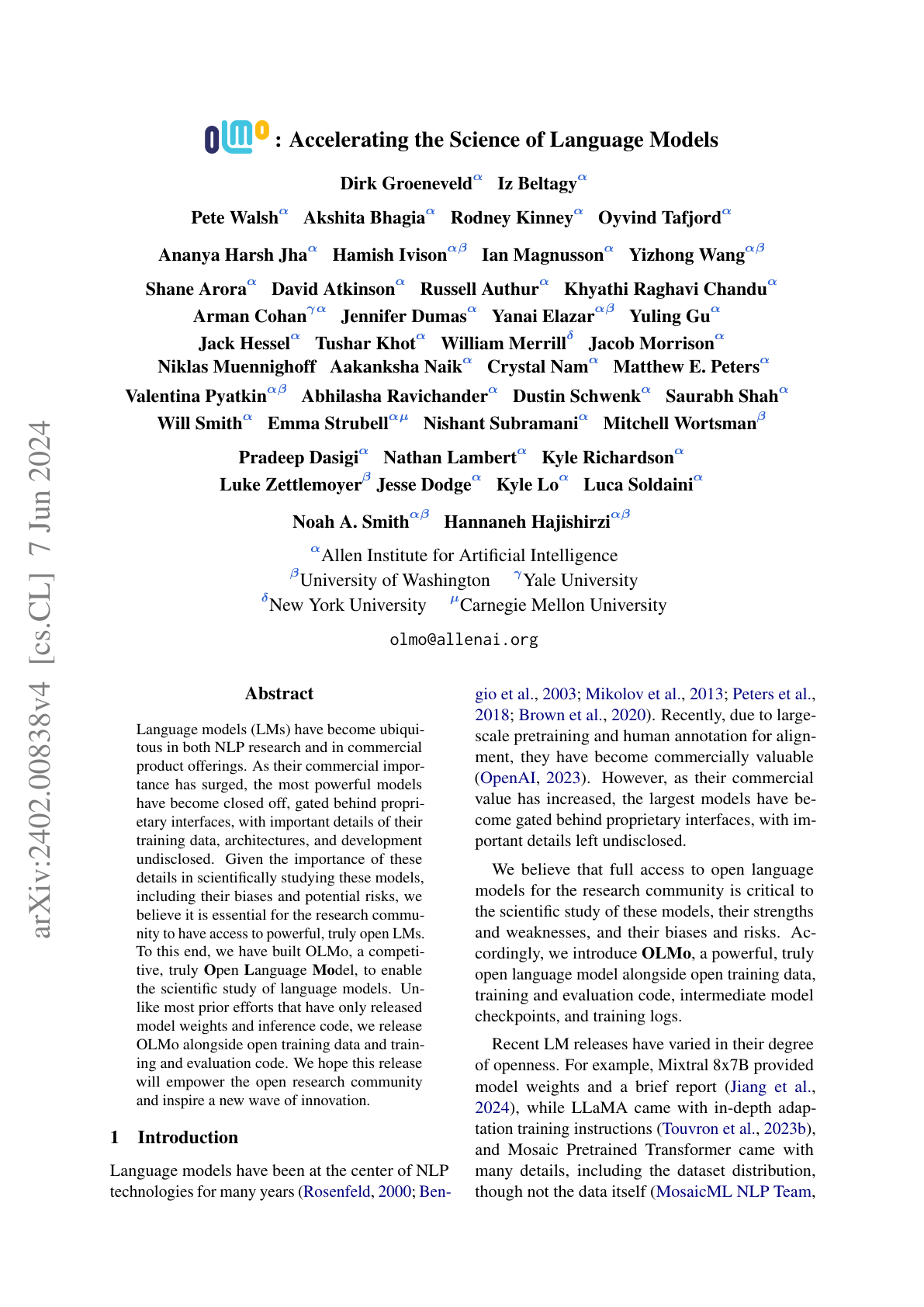
TÜLU 3

TÜLU 3

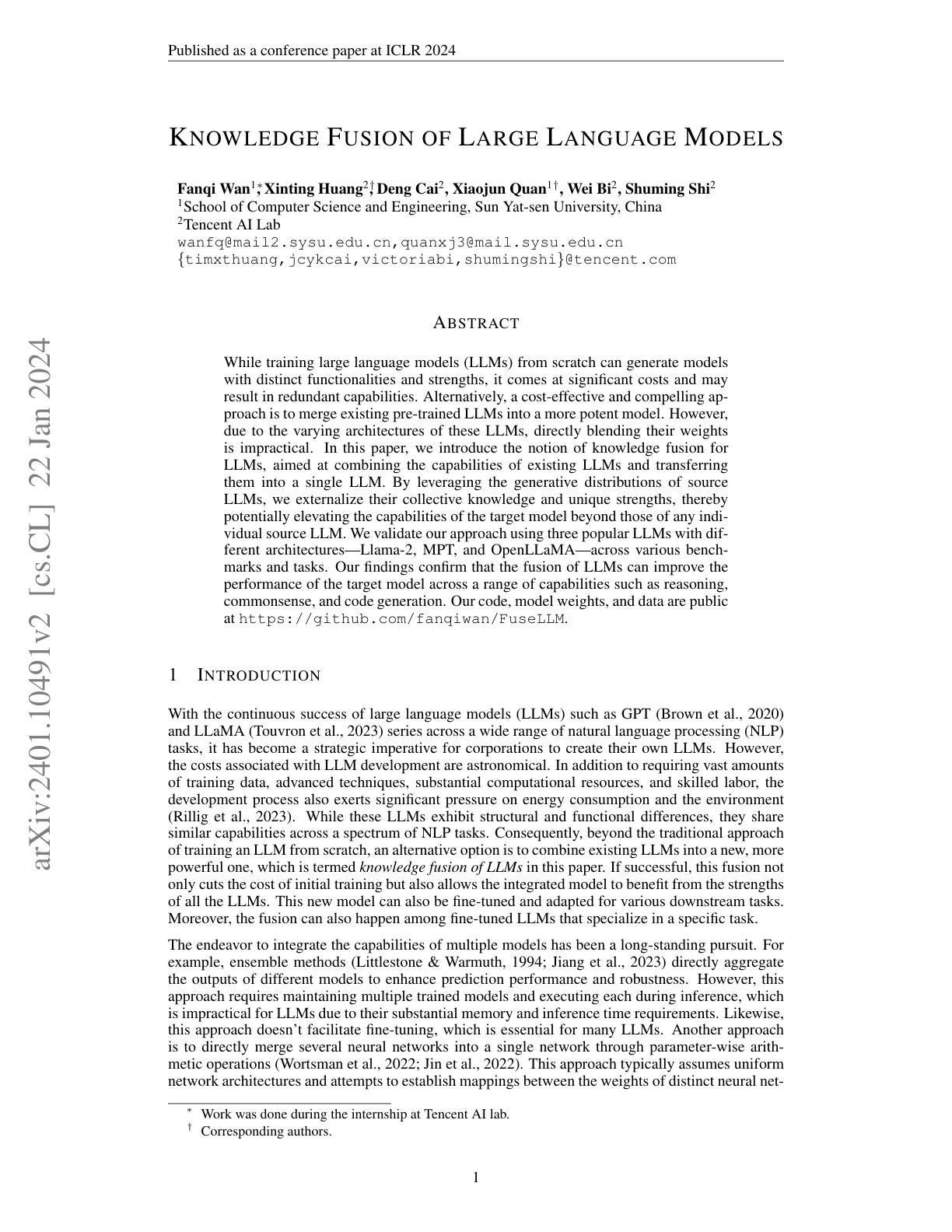
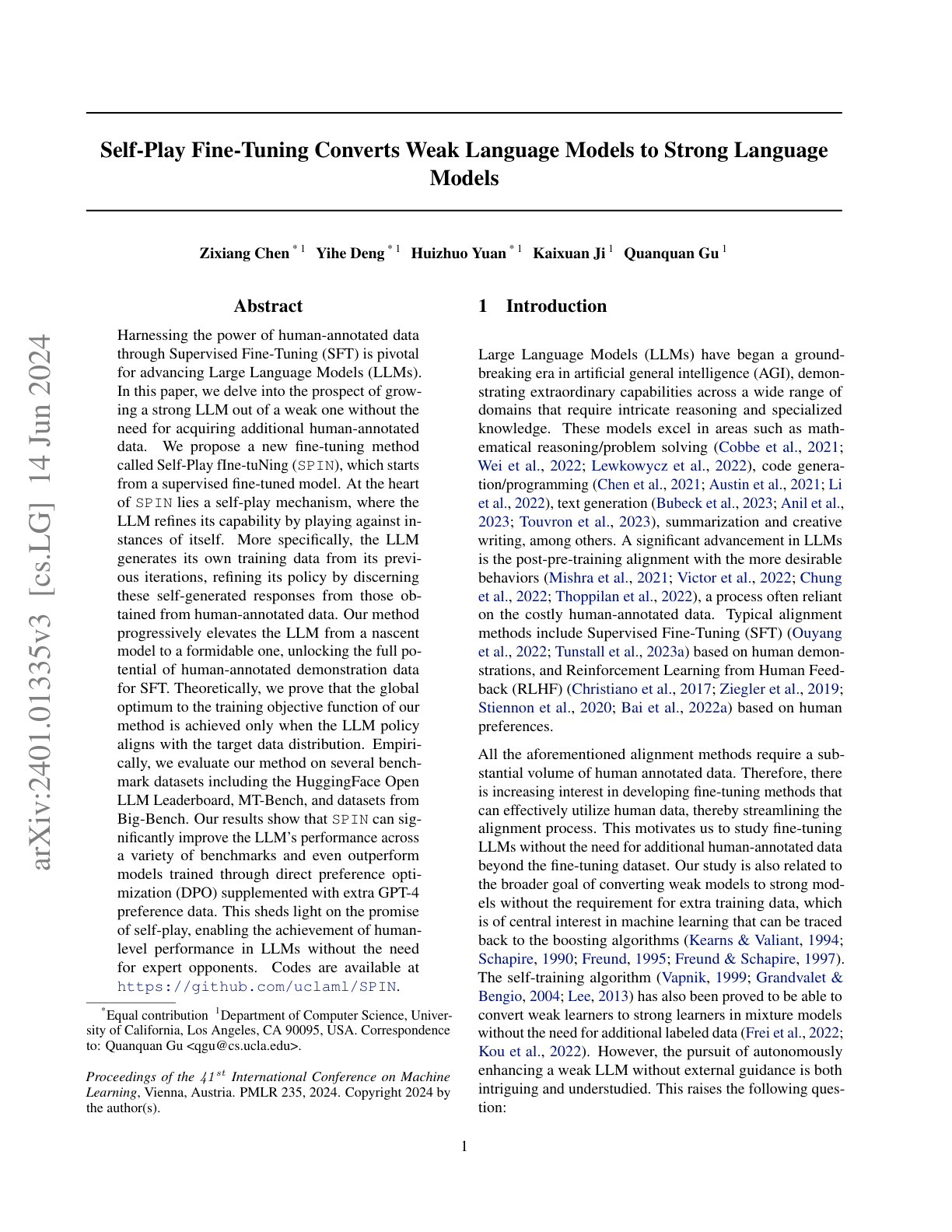
releases a family of fully-open state-of-the-art post-trained models, alongside its data, code, and training recipes, serving as a comprehensive guide for modern post-training techniques.

308Training
Measuring Bullshit in Language Games Played by ChatGPT

Measuring Bullshit in Language Games Played by ChatGPT

proposes that LLM-based chatbots play the ‘language game of bullshit’; by asking ChatGPT to generate scientific articles on topics where it has no knowledge or competence, the authors were able to provide a reference set of how this “bullshit” is manifested.

309Training
Towards Open Reasoning Models for Open-Ended Solutions

Towards Open Reasoning Models for Open-Ended Solutions

proposes Marco-o1 which is a reasoning model built for open-ended solutions; Marco-o1 is powered by Chain-of-Thought (CoT) fine-tuning, Monte Carlo Tree Search (MCTS), reflection mechanisms, and more recent reasoning strategies; Marco-o1 achieves accuracy improvements of +6.17% on the MGSM (English) dataset and +5.60% on the MGSM (Chinese) dataset.

310Reasoning
Impacts of AI on Innovation

Impacts of AI on Innovation

suggests that top scientists leverage their domain knowledge to prioritize promising AI suggestions, while others waste significant resources testing false positives; finds that implementing AI materials discovery technology leads to substantial increases in productivity, with 44% more materials discovered, 39% more patent filings, and 17% more product innovation; reports that these gains came with concerning tradeoffs, as 82% of scientists reported reduced job satisfaction due to decreased creativity and skill underutilization.

311Training
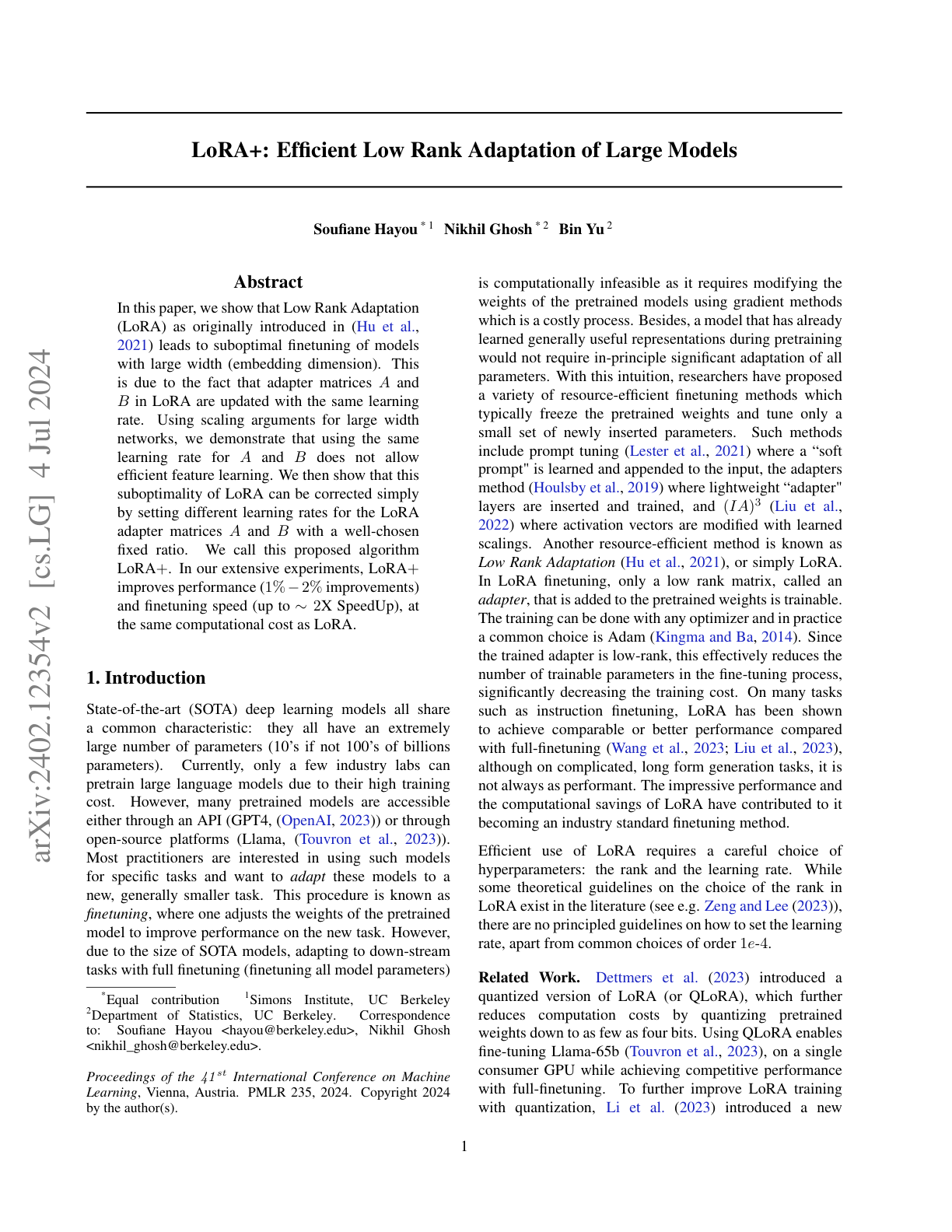
Scaling Laws for Precision

Scaling Laws for Precision

introduces "precision-aware" scaling laws that predict how model performance is affected by both training and inference precision in LLMs; key findings include: 1) post-training quantization becomes more harmful as models are trained on more data, eventually making additional pretraining actively detrimental, 2) training in lower precision requires increasing model size to maintain performance, and 3) when jointly optimizing model size, data, and precision, the compute-optimal training precision is around 7-8 bits and independent of compute; also reports that when the model size is fixed, compute-optimal precision increases approximately logarithmically with data; the authors validate their predictions on models up to 1.7B parameters trained on up to 26B tokens, showing that both very high (16-bit) and very low (sub 4-bit) training precisions may be suboptimal.

312Training
176 weeks of AI research · papers per week
Week of Aug 17–23, 202610 papers →
Apr2023
May
Jun
Jul
Aug
Sep
Oct
Nov
Dec
Jan2024
Feb
Mar
Apr
May
Jun
Jul
Aug
Sep
Oct
Nov
Dec
Jan2025
Feb
Mar
Apr
May
Jun
Jul
Aug
Sep
Oct
Nov
Dec
Jan2026
Feb
Mar
Apr
May
Jun
Jul
Aug
Apr 2023Hover a week to inspect · select to openAug 2026