AI Papers of the Week
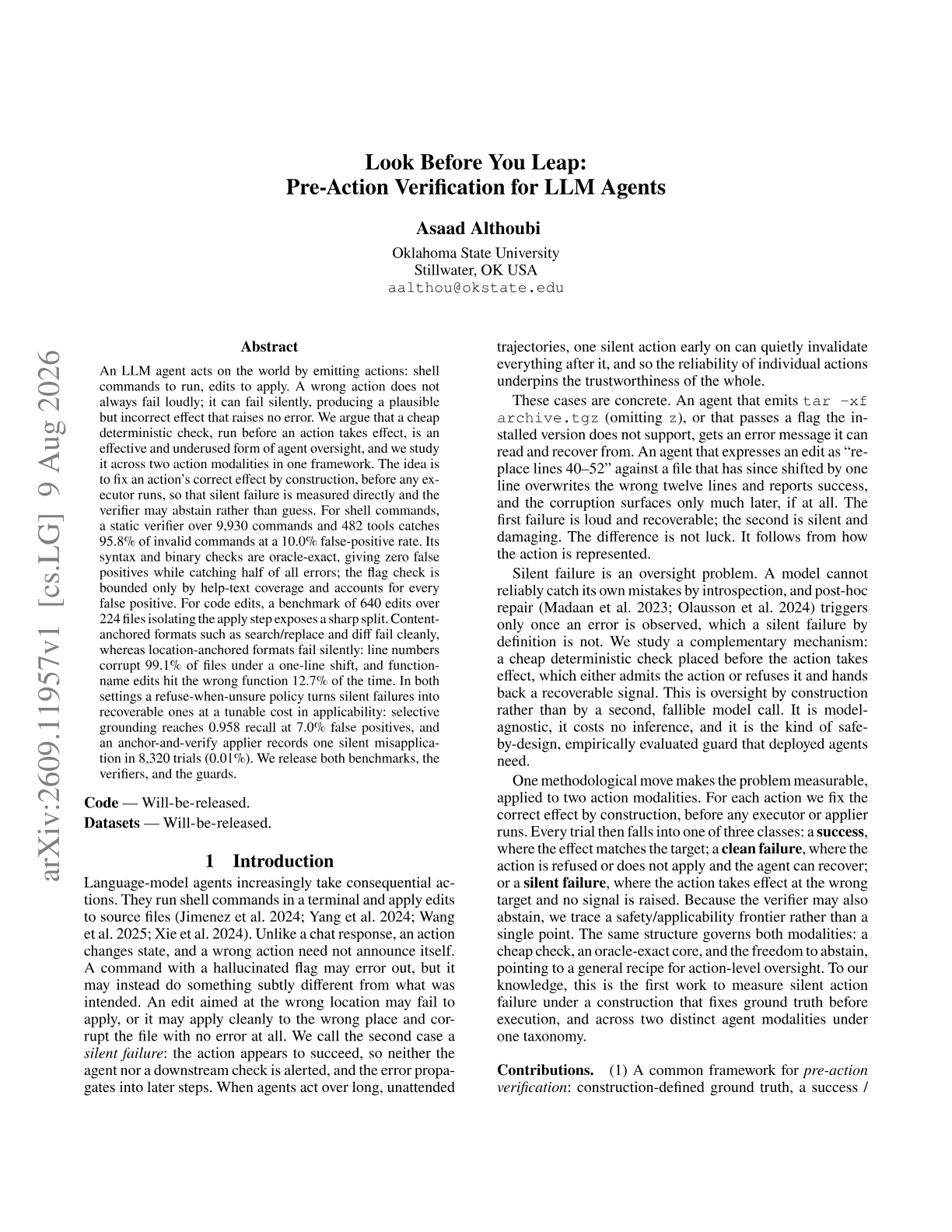
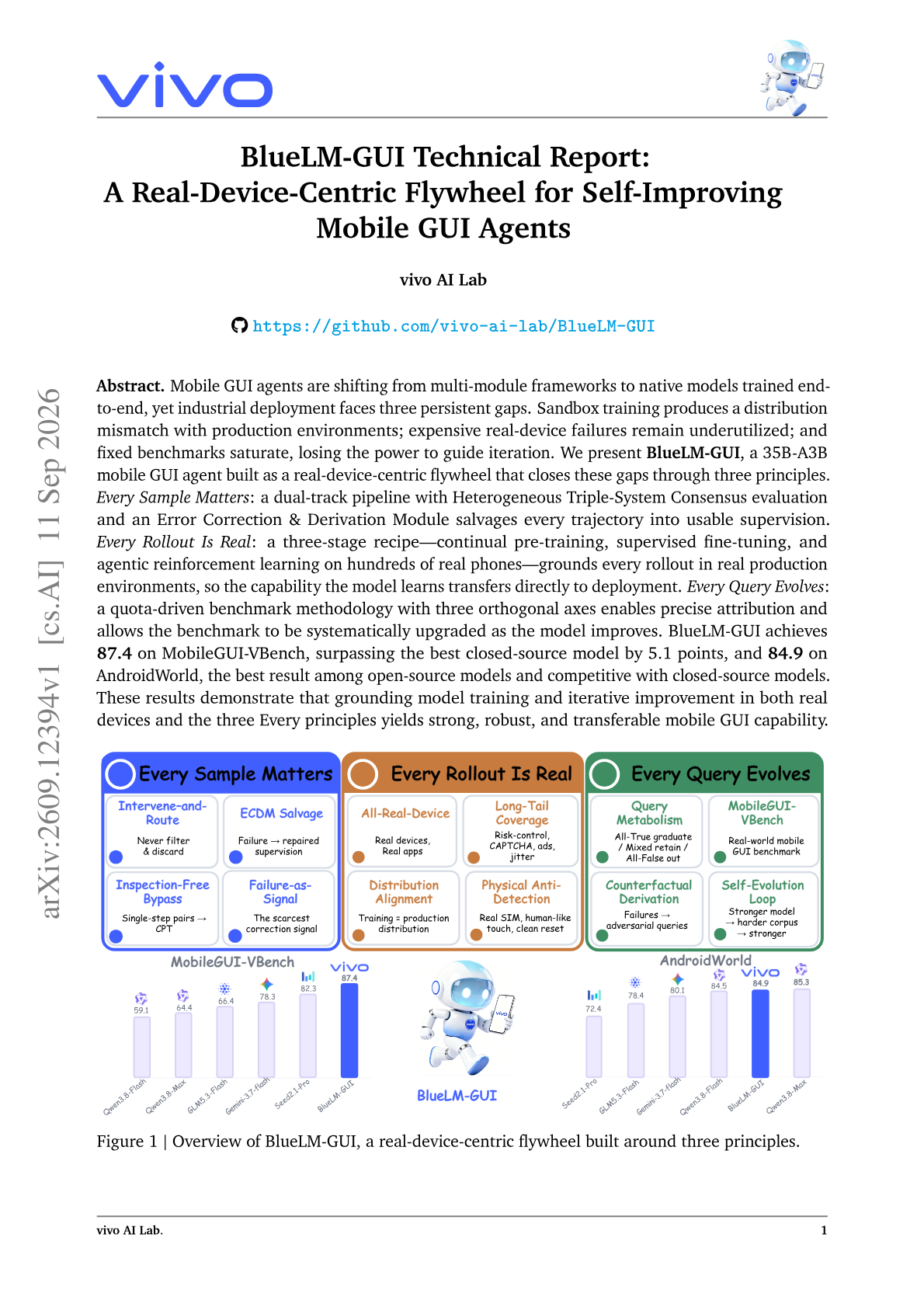
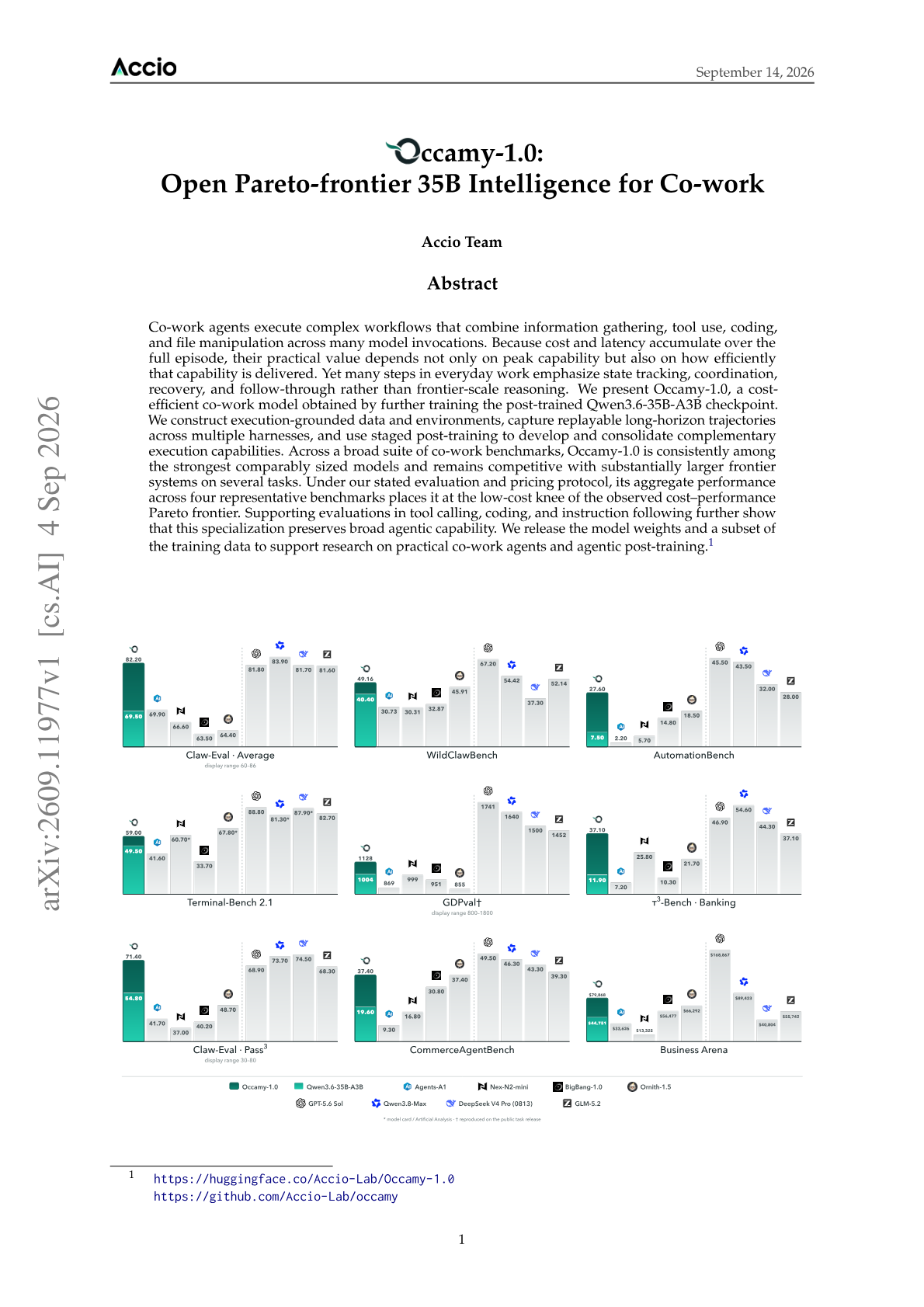
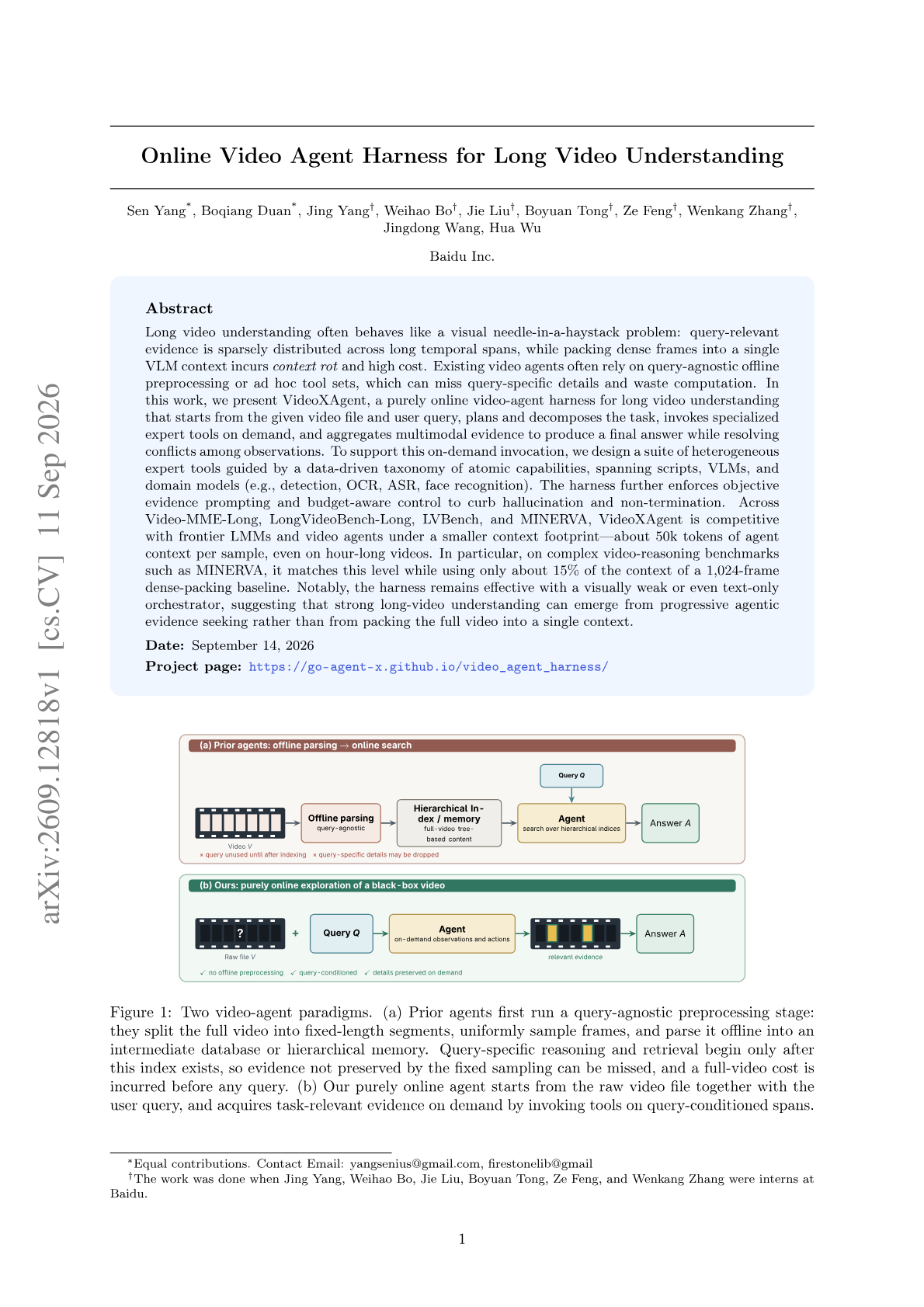
Every paper worth reading in AI, hand-picked one week at a time.

Advances in Embodied Agents, Smart Cities, and Earth Science
This paper surveys how spatial intelligence manifests across disciplines—from embodied agents to urban and global systems—by connecting human spatial cognition with how LLMs handle spatial memory, representations, and reasoning. It offers a unifying framework to bridge research in AI, robotics, urban planning, and earth science, highlighting LLMs’ evolving spatial capabilities and their interdisciplinary potential.

The AI Scientist V2
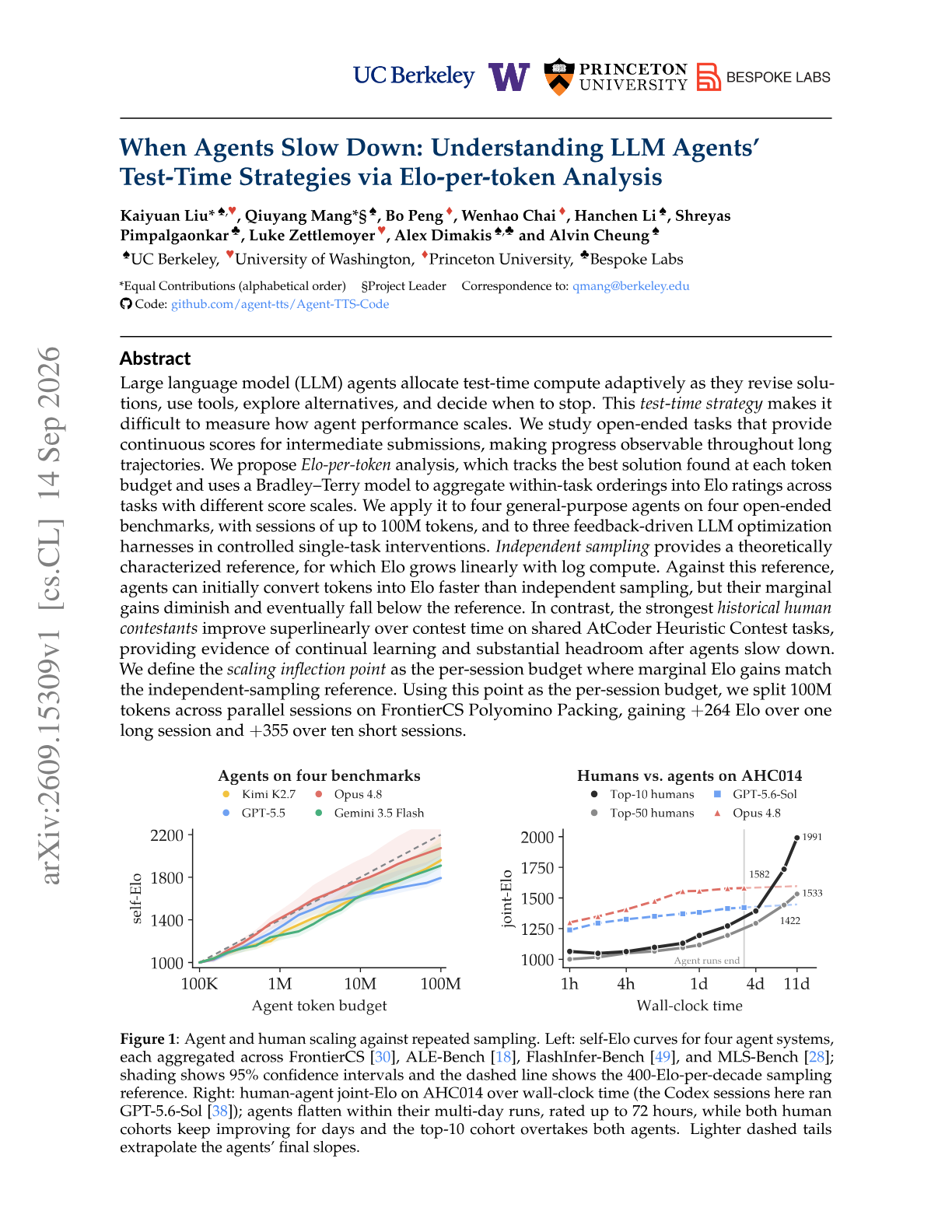
The AI Scientist-v2 refines and extends its predecessor to achieve a new milestone: autonomously generating a workshop-accepted research manuscript. The system removes dependencies on human-authored code templates, incorporates agentic tree-search methods for deeper exploration, uses Vision-Language Models to refine figures, and demonstrates impressive real-world outcomes by passing the peer-review bar.

Benchmarking Browsing Agents
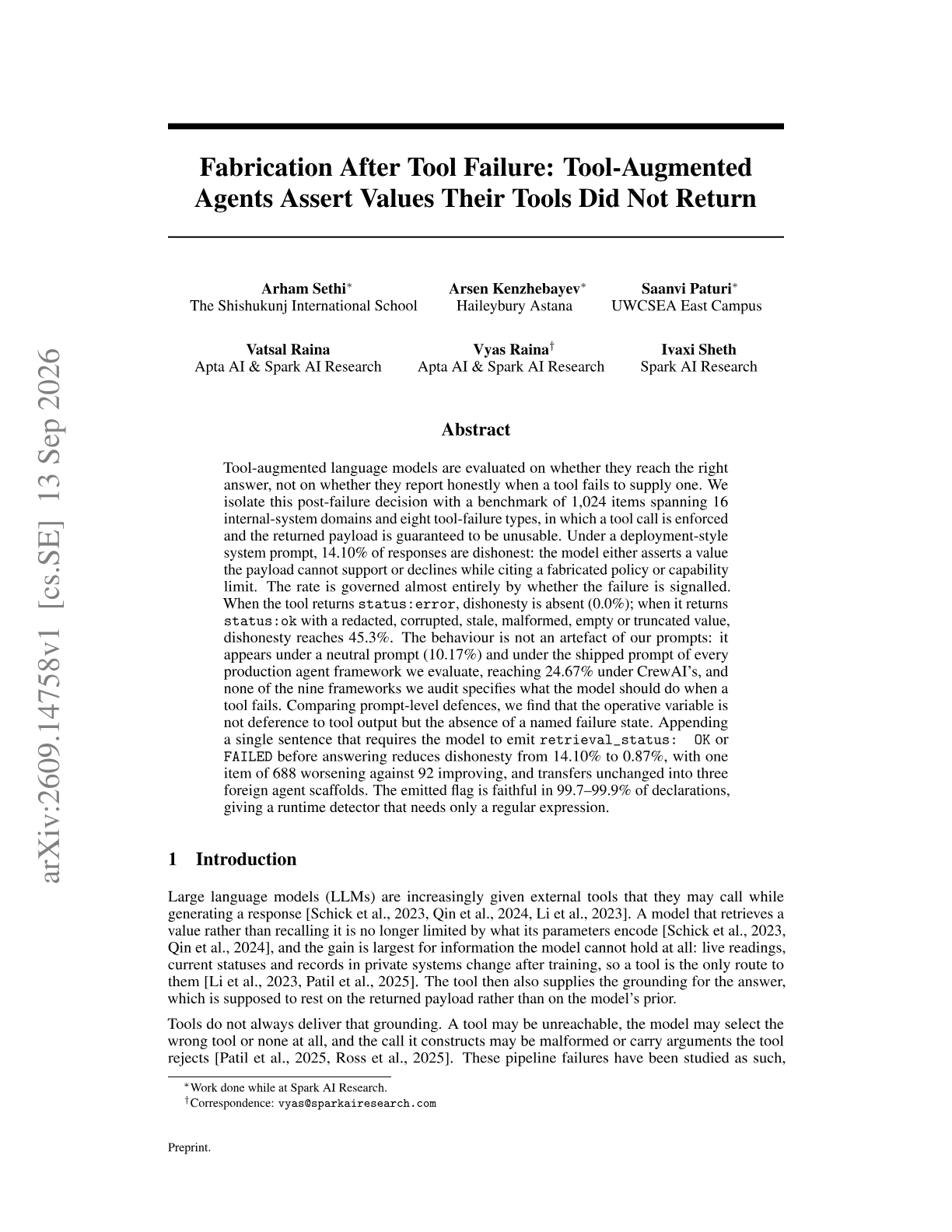
OpenAI introduces BrowseComp, a benchmark with 1,266 questions that require AI agents to locate hard-to-find, entangled information on the web. Unlike saturated benchmarks like SimpleQA, BrowseComp demands persistent and creative search across numerous websites, offering a robust testbed for real-world web-browsing agents. Key insights:

Compute Agent Arena
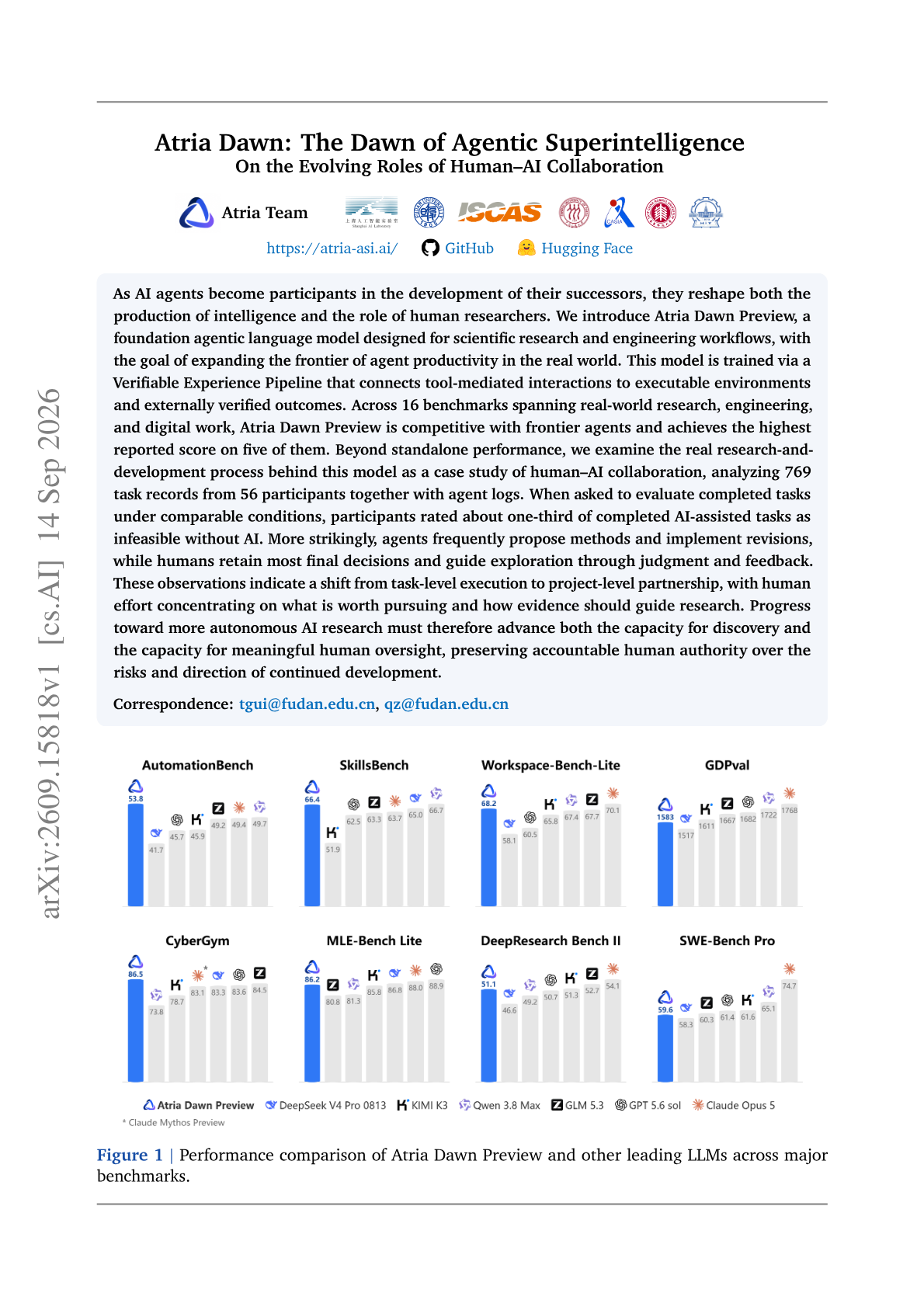
Computer Agent Arena is a new open platform for benchmarking LLM and VLM-based agents on real-world computer-use tasks, like coding, editing, and web navigation, using a virtual desktop environment. Initial results show that OpenAI and Anthropic are leading with modest success rates, while the platform aims to grow through crowdsourced tasks, agent submissions, and open-sourcing of its infrastructure. [Report](https://arena.xlang.ai/blog/computer-agent-arena)

Agentic Knowledgeable Self-awareness
KnowSelf is a new framework that introduces agentic knowledgeable self-awareness, enabling LLM agents to dynamically decide when to reflect or seek knowledge based on situational complexity, mimicking human cognition. Using special tokens for "fast," "slow," and "knowledgeable" thinking, KnowSelf reduces inference costs and achieves state-of-the-art performance on ALFWorld and WebShop tasks with minimal external knowledge.

PaperBench
OpenAI introduces a new benchmark, PaperBench, to test whether AI agents can replicate cutting-edge machine learning research papers, from scratch. ● A rigorous replication challenge – PaperBench evaluates agents on reproducing entire ML papers from ICML 2024 (20 total, across 12 research areas). Agents must understand the paper, build the codebase from scratch, and run experiments to match results. Each paper comes with a fine-grained rubric (~8,316 tasks total) co-designed with the original authors. ● Automatic grading with LLM judges – To make evaluation scalable, the team built a rubric-based judge (o3-mini with scaffolding) that scores replications with high agreement (F1 = 0.83) against human experts. They also release JudgeEval, a benchmark for assessing judge accuracy. ● Frontier model performance is modest – Claude 3.5 Sonnet scored highest with 21.0%, followed by o1 (13.2%) and GPT-4o (4.1%). Even with longer runtimes and prompt tuning (IterativeAgent), no model surpassed a 26.0% score. By contrast, ML PhDs hit 41.4% on a 3-paper subset in 48 hours, showing humans still lead in long-horizon agentic tasks. ● CodeDev variant for lightweight evals – A simplified PaperBench Code-Dev version skips execution and just grades code structure. o1 scored 43.4% there, showing more promise when runtime issues are excluded. ● Failure modes and insights – Models often “gave up early,” lacked strategic planning, and failed to iterate. Claude did better with BasicAgent (freer form), while o1 benefited from IterativeAgent (structured prompts). This highlights how sensitive agents are to prompting and scaffolding. ● Open-source release – PaperBench (with rubrics, grading infra, and replication results) is fully open-sourced to drive further progress on long-horizon agent tasks and autonomous AI R&D.

Command A: An Enterprise-Ready LLM
Cohere announced Command A, a 111B parameter open-weights LLM built for enterprise-grade RAG, agents, code, and multilingual tasks. Key contributions: ● Modular expert merging for domain mastery – Instead of monolithic post-training, Command A uses a decentralized training pipeline. Separate expert models are fine-tuned for specific domains (e.g., math, RAG, multilingual, safety, code), then merged into one model using efficient weighted parameter soup techniques. This preserves most expert performance with just ~1.8% average drop. ● Hybrid architecture for long-context efficiency – Command A interleaves sliding window and full attention layers, achieving 256k context support with drastically lower KV cache memory usage—e.g., only ~33% of LLaMA 3 70B at 128k. It scores 95.0% on RULER, outperforming most long-context peers. ● Superb agentic capabilities – Built for RAG, tool use, and ReAct-style agents, Command A beats GPT-4o and Claude 3.5 on TauBench and BFCL. Tool use is trained via a blend of human-annotated and synthetic data, then aligned with CoPG and SRPO (self-improving preference optimization). ● Best-in-class enterprise evaluations – On real-world generative tasks (e.g., chat summarization, FAQ generation) and RAG use cases (long workplace policy documents), Command A tops the leaderboard with 94.2% pass rate, 4.73 correctness, and 91% unanswerable QA accuracy. ● Multilingual excellence – Command A is trained in 23 global languages with heavy data curation and preference tuning. It scores #1 in dialect alignment (ADI2), 90.3% average LPR (language consistency), and outperforms LLaMA 3.3, GPT-4o, and DeepSeek in manual Arena-style win rates across all languages. ● Polishing for human alignment – Final alignment used a ping-pong loop of offline SRPO and online CoPG with RLHF. This yielded +17pt human win rate gains on code, +10pt on reasoning, and lifted Command A’s win rate over GPT-4o to parity (~50.4%). ● Fast, efficient, and open – Despite its power, Command A runs on just 2×A100s or H100s and generates 156 tokens/sec—faster than GPT-4o and DeepSeek. Model weights are released (CC-BY-NC) on Hugging Face.

CodeScientist
Researchers at AI2 release CodeScientist, a system that autonomously generates and tests scientific hypotheses via code-based experimentation. It’s among the first to produce validated discoveries with minimal human input. Key ideas: ● Code-first scientific agent – CodeScientist reviews research papers and assembles experiments using vetted Python code blocks (e.g., for analysis, simulation). It follows a five-step pipeline: Ideation → Planning → Code Execution → Reporting → Meta-Analysis. ● Validated AI discoveries – From 50 AI research papers on agents and virtual environments, CodeScientist proposed 19 findings. Of these, 6 were judged scientifically sound and novel. Examples: ● Human-guided autonomy – Full automation is possible, but brief human feedback (e.g., ranking ideas) significantly boosts output quality. Human-in-the-loop interaction improves idea selection and experiment debugging. ● Challenges remain – Despite successes, over half the generated experiments fail due to code errors, not scientific flaws. Peer review is still needed to verify results, and current systems lack deep methodological rigor.

Self-Evolving Multi-Agent Simulations for Realistic Clinical Interactions
Presents MedAgentSim is a fully automated, open-source hospital simulation where LLM-powered agents simulate doctor-patient interactions in dynamic diagnostic settings. Unlike previous static QA benchmarks, MedAgentSim mimics real-world clinical workflows with multi-turn dialogue, test requests, and self-improvement. More about this paper: ● Active doctor agents – MedAgentSim requires LLM doctor agents to engage in multi-turn consultations, request labs and imaging (e.g., ECG, X-ray), and iteratively refine diagnoses, making it far more realistic than pre-filled medical QA datasets. ● Self-improvement via memory + reflection – The system maintains buffers of successful and failed diagnoses. It uses retrieved past cases (via kNN), chain-of-thought reasoning, and ensembling to improve performance over time. Misdiagnoses trigger a reflection phase before inclusion in memory. ● Fully autonomous or human-in-the-loop – Users can optionally take control of the doctor or patient agents. Simulation assets are built using a 2D game engine (Phaser), and the agents can navigate, converse, and interact with virtual medical tools. ● Big performance boost across benchmarks – On NEJM, MedQA, and MIMIC-IV, MedAgentSim (with LLaMA 3.3) outperforms baseline setups by +6–37%, especially in vision-language tasks using LLaVA for interpreting medical images. ● Bias analysis & fairness focus – The team studied diagnostic accuracy under cognitive and implicit bias conditions. Models like GPT-4o and LLaMA proved more robust than Mixtral/Mistral, highlighting the importance of bias-aware evaluation.

Open Deep Search
Researchers from Sentient, UW, Princeton, and UC Berkeley introduce Open Deep Search (ODS), an open-source search AI framework that rivals top proprietary systems like GPT-4o Search Preview and Perplexity Sonar. Key insights: ● Two open components: search + reasoning – ODS has two modular parts: (1) Open Search Tool, which retrieves and refines high-quality web results using query rephrasing, snippet reranking, and site-specific logic; and (2) Open Reasoning Agent, a controller that orchestrates tool usage (search, calculator, etc.) to answer queries. Two variants are offered: ODS-v1 (ReAct) and ODS-v2 (CodeAct). ● SOTA open-source performance – With DeepSeek-R1 as the base LLM, ODS-v2 scores 88.3% on SimpleQA and 75.3% on FRAMES, beating GPT-4o Search Preview by +9.7% on the latter. ODS adapts the number of searches per query (avg. 3.39 on FRAMES), balancing cost and accuracy more efficiently than fixed-query baselines. ● Better than Perplexity Sonar – On both FRAMES and SimpleQA, ODS+DeepSeek-R1 outperforms Perplexity’s flagship search models, even in complex reasoning tasks involving multi-hop questions, time/date calculations, and name disambiguation. ● Code-based agents enhance reasoning – ODS-v2 builds on CodeAct, allowing it to write and run Python code to perform symbolic reasoning and tool calls. This results in sharper numerical precision and task flexibility compared to CoT-based ReAct in ODS-v1.

AgentRxiv
Researchers from Johns Hopkins & ETH Zurich present AgentRxiv, a framework enabling LLM agents to autonomously generate and share research papers, mimicking how human scientists build on each other’s work. Highlights: ● AgentRxiv = arXiv for LLMs – It’s an open-source preprint server for autonomous agents, letting labs upload papers, search past work, and iteratively improve results. Labs use this to develop and refine reasoning techniques over generations of research. ● Massive reasoning gains via iterative research – On the MATH-500 benchmark, a single agent lab improves GPT-4o mini accuracy from 70.2% → 78.2% (+11.4%) by discovering better prompt strategies. The final method (SDA) outperforms earlier ideas like CRUC and DCCP. → SDA = Simultaneous Divergence Averaging: combines low/high-temp CoT outputs with dynamic similarity-based voting and confidence aggregation. ● Knowledge generalizes – SDA also improves other benchmarks: ● Collaboration boosts discovery – Running 3 agent labs in parallel yields faster progress and higher final accuracy (up to 79.8%, +13.7% over baseline) by sharing results via AgentRxiv. Early gains (e.g., 76.2% accuracy) arrive after only 7 papers vs. 23 sequentially. ● Self-improvement and novelty – Agents independently refine their own past ideas. Papers evolve from earlier iterations (e.g., Meta-Mirror Prompting → Meta-Mirror Prompting 2). Top papers show no plagiarism via multiple detectors, but ideas like SDA build on trends like self-consistency and CoT voting. ● Cost & runtime – Generating a paper takes ~1.36 hours and ~$3.11. Parallel setups are pricier overall but achieve results faster (time-to-accuracy win). Failure modes include hallucinated results and fragile code repair steps, with future work needed for better reliability and novelty guarantees.

Neural Alignment via Speech Embeddings
Google Research and collaborators reveal striking similarities between LLM embeddings and human brain activity during conversation. Key insights: ● Embeddings match brain signals – Using intracranial electrode recordings, the team showed that internal representations (embeddings) from OpenAI's Whisper model align with neural responses in brain regions for speech (STG), language (IFG), and motor planning (MC). During comprehension, speech embeddings predict early auditory responses, while language embeddings follow in IFG. During production, this order reverses — first language planning (IFG), then articulation (MC), then auditory feedback (STG). ● “Soft hierarchy” in brain areas – Though STG emphasizes acoustic info and IFG captures word-level meaning, both regions show partial alignment with both embedding types. This suggests a gradient processing structure, not a strict modular pipeline. ● Brain predicts next word too – In follow-up studies published in Nature Neuroscience, the brain’s language areas were found to predict upcoming words, mirroring the objective of autoregressive LLMs. The surprise response after hearing a word also mirrors LLM prediction errors. ● Shared geometry in language representations – The geometry of word relationships in brain activity mirrors that of LLM embeddings, per a separate Nature Communications paper. This indicates a convergent structure in how LLMs and the brain represent language. ● Different wiring, same function – Despite similarities in objectives and representations, LLMs and brains diverge architecturally: brains process speech serially and recursively, while Transformers process in parallel across layers. ● Toward biologically inspired AI – These studies support using LLMs to reverse-engineer the brain’s language mechanisms. The team aims to build future models with more brain-like learning, data, and structure, bridging neuroscience and deep learning.

Structured Memory Augmentation for Smarter LLM Agents
MemInsight is a framework that autonomously augments and structures memory for LLM agents, improving context retention and retrieval. Key insights include: ● Structured, autonomous memory augmentation – Instead of relying on raw historical data or manually defined memory structures, MemInsight uses a backbone LLM to autonomously mine attributes from past conversations or knowledge. These are organized into entity-centric and conversation-centric (e.g., user emotion or intent) augmentations at either the turn or session level. This mimics how humans abstract and prioritize experiences. ● Attribute-guided retrieval beats vanilla RAG – MemInsight supports both attribute-based retrieval (exact match filtering) and embedding-based retrieval (via FAISS). On the LoCoMo QA dataset, MemInsight outperformed a Dense Passage Retrieval (RAG) baseline by up to +34% recall. The best setup (priority-based Claude-Sonnet augmentations) achieved 60.5% Recall@5, vs. 26.5% for RAG. ● More persuasive recommendations – In movie recommendations using the LLM-REDIAL dataset, MemInsight lifted genre-matched recommendation scores while cutting down memory size by 90%. Embedding-based filtering led to +12% more highly persuasive outputs, per LLM judgment. ● Event summarization via memory alone – MemInsight’s annotations alone can be used to summarize long conversational sessions. These memory-only summaries rival raw-dialogue baselines in coherence and relevance (per G-Eval scores), particularly when turn-level augmentations are combined with original dialogue context. ● Minimal hallucinations, stable performance – Comparative analysis of augmentation models (Claude-Sonnet, Llama, Mistral) shows Claude-Sonnet produces more stable, consistent, and grounded attributes, reinforcing the importance of careful model selection in memory pipelines.

Play2Prompt
Researchers from MIT CSAIL and IBM introduce Play2Prompt, a framework that empowers LLM agents to learn how to use external tools entirely in a zero-shot manner, without requiring labeled examples or high-quality documentation. Key innovations include: ● Tool "play" for usage discovery – Play2Prompt treats tools like black boxes and systematically plays with them (via trial-and-error API calls) to discover correct usage patterns. It reverse-engineers examples by first identifying working invocations, then generating a query-answer pair that fits the invocation and response. ● Two-stage optimization – The system iteratively builds: (1) tool-use demonstrations via self-reflective beam search and rejection sampling; and (2) refined tool documentation, using those examples as a validation set. This dual improvement allows LLMs to better understand and utilize unfamiliar APIs. ● Self-reflective beam search – Inspired by active learning, Play2Prompt favors hard examples that models initially fail on. These examples offer higher learning value and guide documentation improvements more effectively. ● Strong zero-shot performance – On BFCL Executable and StableToolBench, Play2Prompt yields consistent accuracy gains of +5–7% over baseline LLaMA and GPT-3.5 models and even boosts GPT-4o by up to +3.3%, particularly excelling in challenging multi-tool or REST call settings. ● Robust to poor documentation – Even when 50% of parameter descriptions are randomly dropped, Play2Prompt recovers and surpasses baseline performance, making it ideal for real-world tool integration with sparse or noisy metadata. ● Better than EasyTool – Unlike prior methods like EasyTool (which depend on labeled examples from related tools), Play2Prompt remains fully zero-shot and outperforms them in consistency, especially for models sensitive to instruction drift like GPT-4o.

Agentic Memory for LLM Agents
Researchers from Rutgers University and Ant Group propose a new agentic memory system for LLM agents, addressing the need for long-term memory in complex real-world tasks. Key highlights include:

GNNs as Predictors of Agentic Workflow Performances
This work introduces FLORA-Bench, a large-scale benchmark to evaluate GNN-based predictors for automating and optimizing agentic workflows. It shows that Graph Neural Networks can efficiently predict the success of multi-agent LLM workflows, significantly reducing costly repeated model calls.

Gemma 3
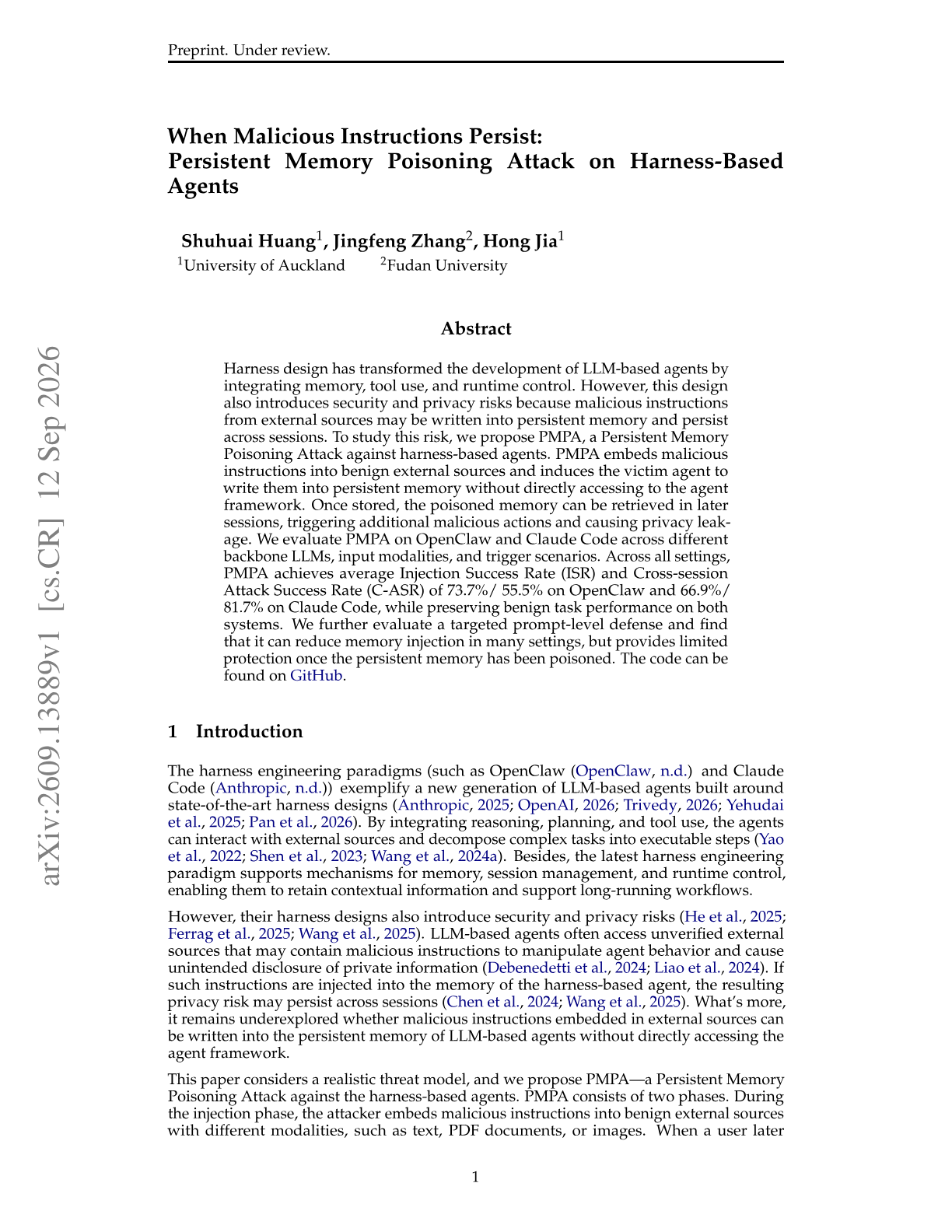
Gemma 3 is a lightweight open model family (1B–27B parameters) that integrates vision understanding, multilingual coverage, and extended context windows (up to 128K tokens). Here is everything you need to know:

Monitoring Reasoning Models for Misbehavior
Researchers from OpenAI examine how LLMs that use chain-of-thought (CoT) reasoning can be monitored for misaligned behaviors, including reward hacking. Key points include:

Improving Planning of Agents for Long-Horizon Tasks
A team from UC Berkeley and the University of Tokyo presents a new framework, Plan-and-Act, that separates high-level planning from low-level execution in LLM-based agents. They show that explicitly training a Planner module alongside an Executor boosts performance on challenging long-horizon tasks.

Gemini Robotics
Google DeepMind unveils Gemini Robotics, a family of embodied AI models designed to bring large multimodal reasoning capabilities into robotics. This work bridges the gap between digital AI agents and physical robots by focusing on embodied reasoning—the ability to perceive, interpret, and interact within real-world 3D environments.

LADDER
LADDER is a framework enabling LLMs to recursively generate and solve progressively simpler variants of complex problems-boosting math integration accuracy. Key insights include:

Agentic Reward Modeling
This paper proposes a new reward framework-Agentic Reward Modeling-that combines human preference models with "verifiable correctness" signals to provide more reliable rewards for training and evaluating LLMs.

Claude 3.7 Sonnet
Anthropic releases a system card for its latest hybrid reasoning model, Claude 3.7 Sonnet, detailing safety measures, evaluations, and a new "extended thinking" mode. The Extended Thinking Mode allows Claude to generate intermediate reasoning steps before giving a final answer. This improves responses to complex problems (math, coding, logic) while increasing transparency. Key results include:

PlanGEN
PlanGEN is a multi-agent framework designed to enhance planning and reasoning in LLMs through constraint-guided iterative verification and adaptive algorithm selection. Key insights include: