AI Papers of the Week
Every paper worth reading in AI, hand-picked one week at a time.
Discover and explore top AI papers with Claude Code or Codex
npx @dair-ai/mcp setup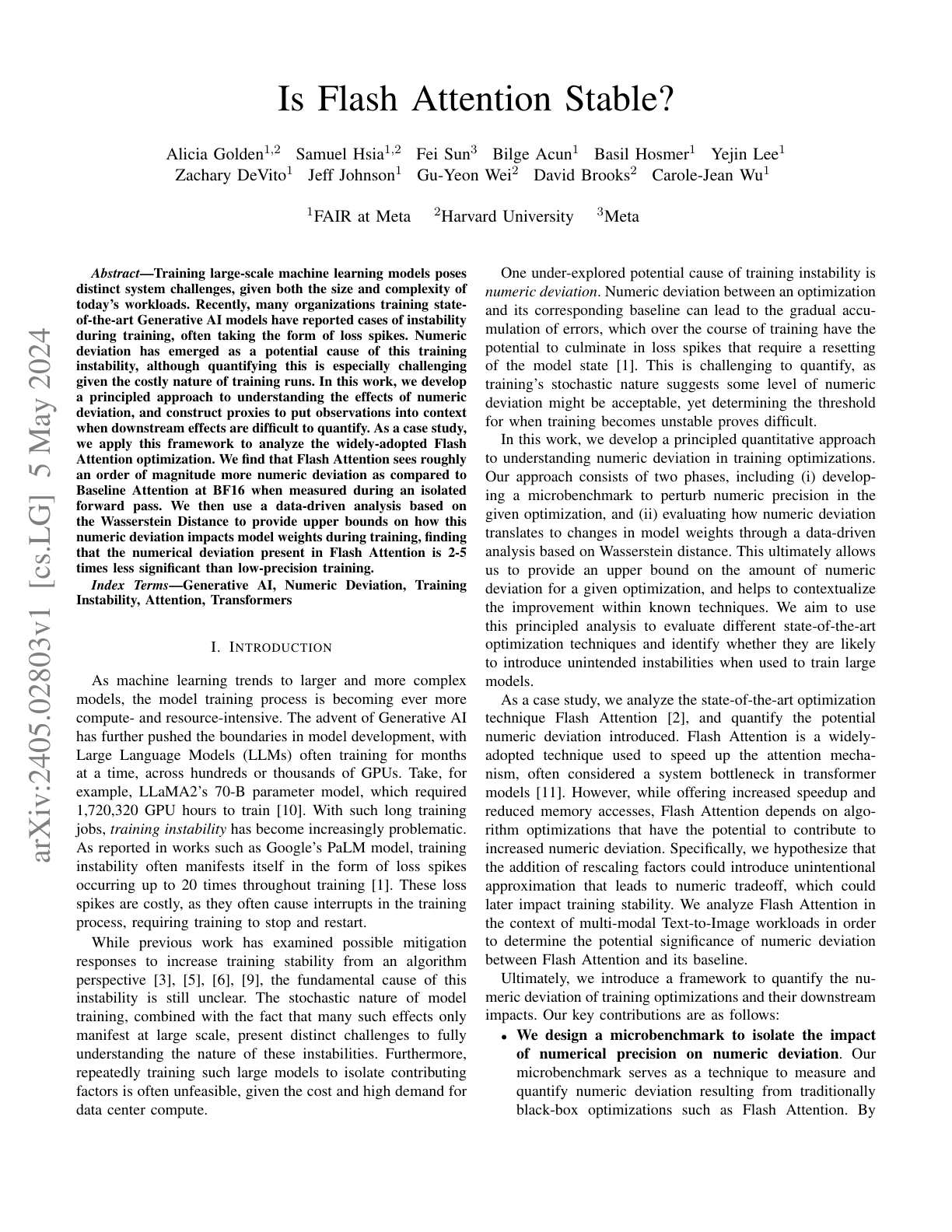
Is Flash Attention Stable?
develops an approach to understanding the effects of numeric deviation and applies it to the widely-adopted Flash Attention optimization; finds that Flash Attention sees roughly an order of magnitude more numeric deviation as compared to Baseline Attention at BF16.
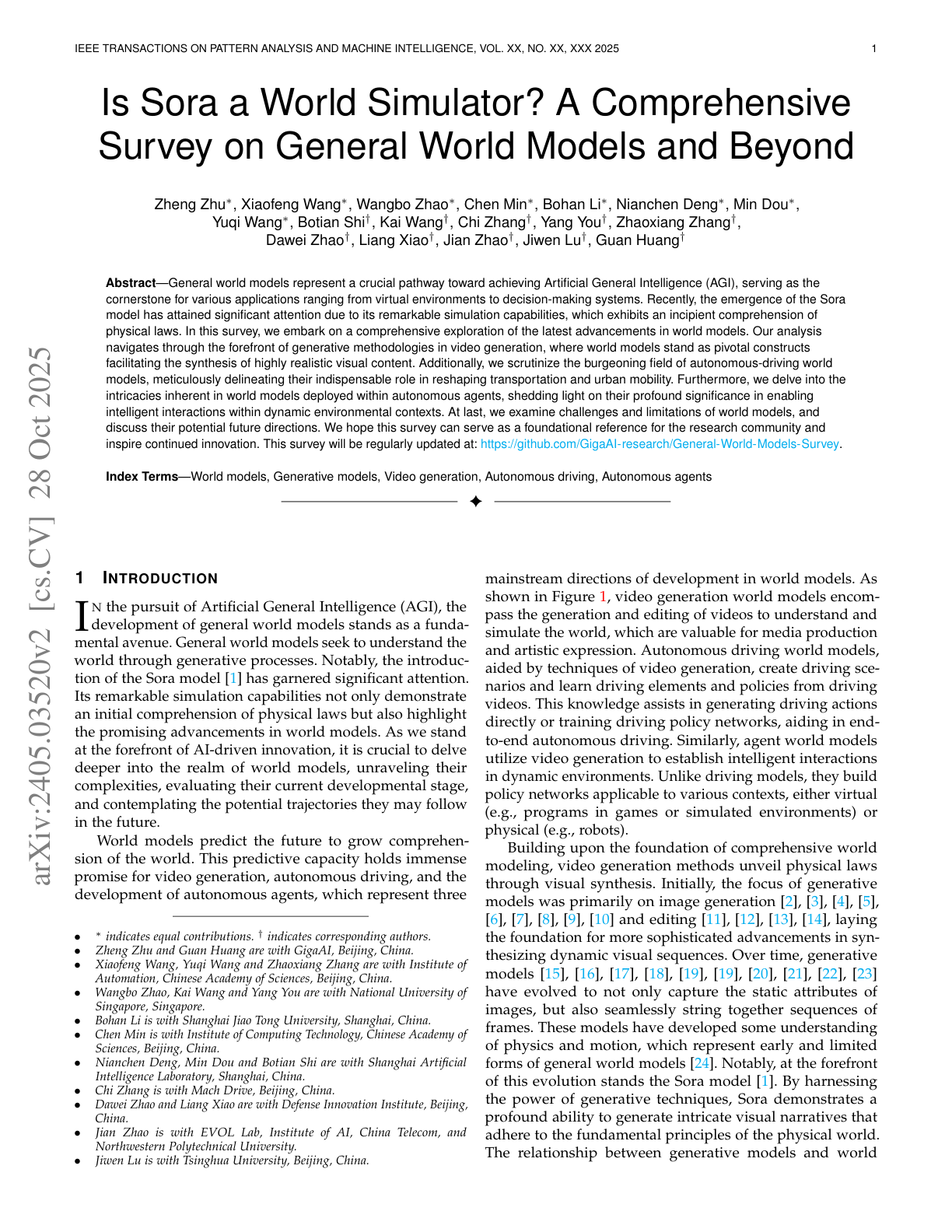
Is Sora a World Simulator? A Comprehensive Survey on General World Models and Beyond
presents an overview of generative methodologies in video generation, where world models facilitate the synthesis of highly realistic visual content; examines challenges and limitations of world models, and discusses their potential future directions.
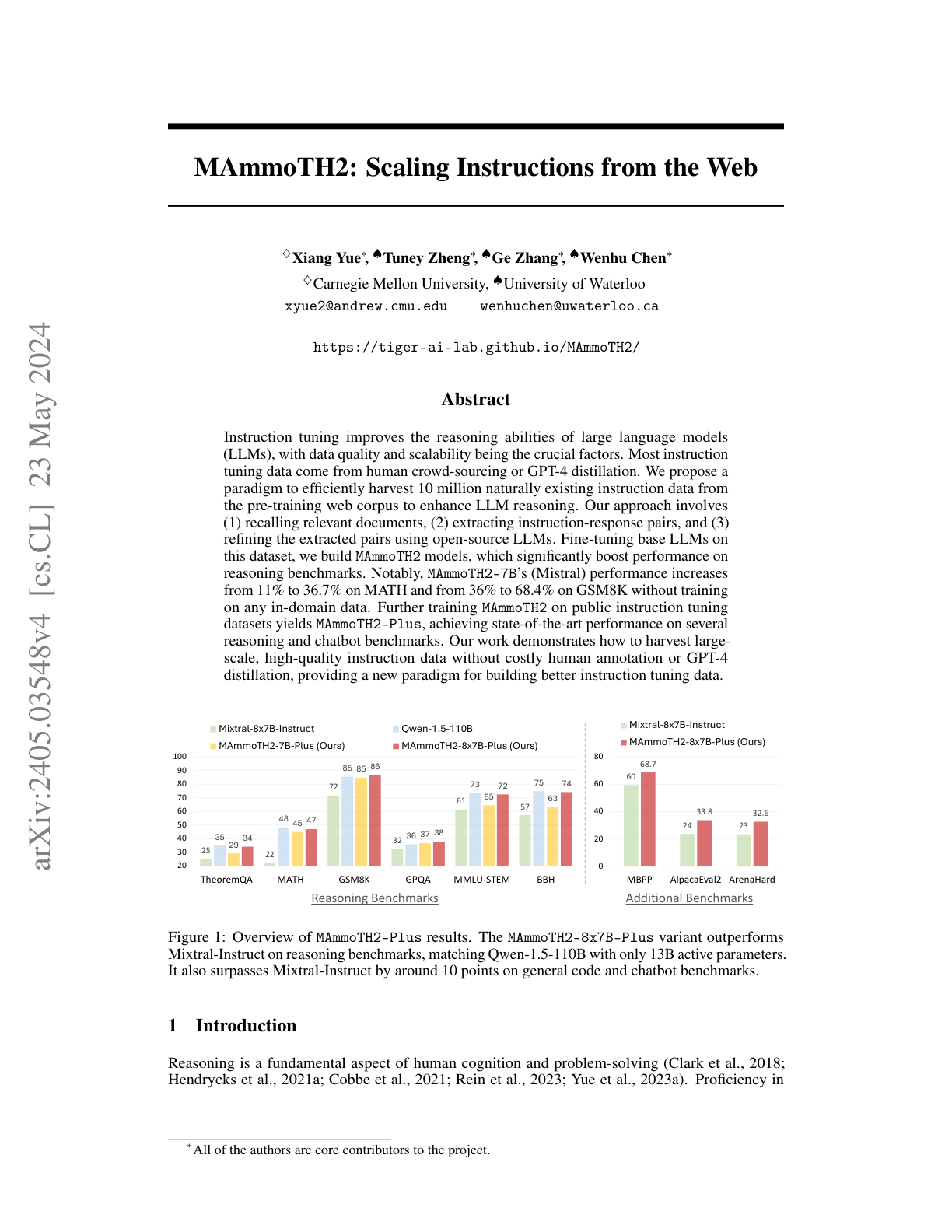
MAmmoTH2
harvest 10 million naturally existing instruction data from the pre-training web corpus to enhance LLM reasoning; the approach first recalls relevant documents, extracts instruction-response pairs, and then refines the extracted pairs using open-source LLMs; MAmmoTH2-7B's (Mistral) performance increases from 11% to 34% on MATH and from 36% to 67% on GSM8K.
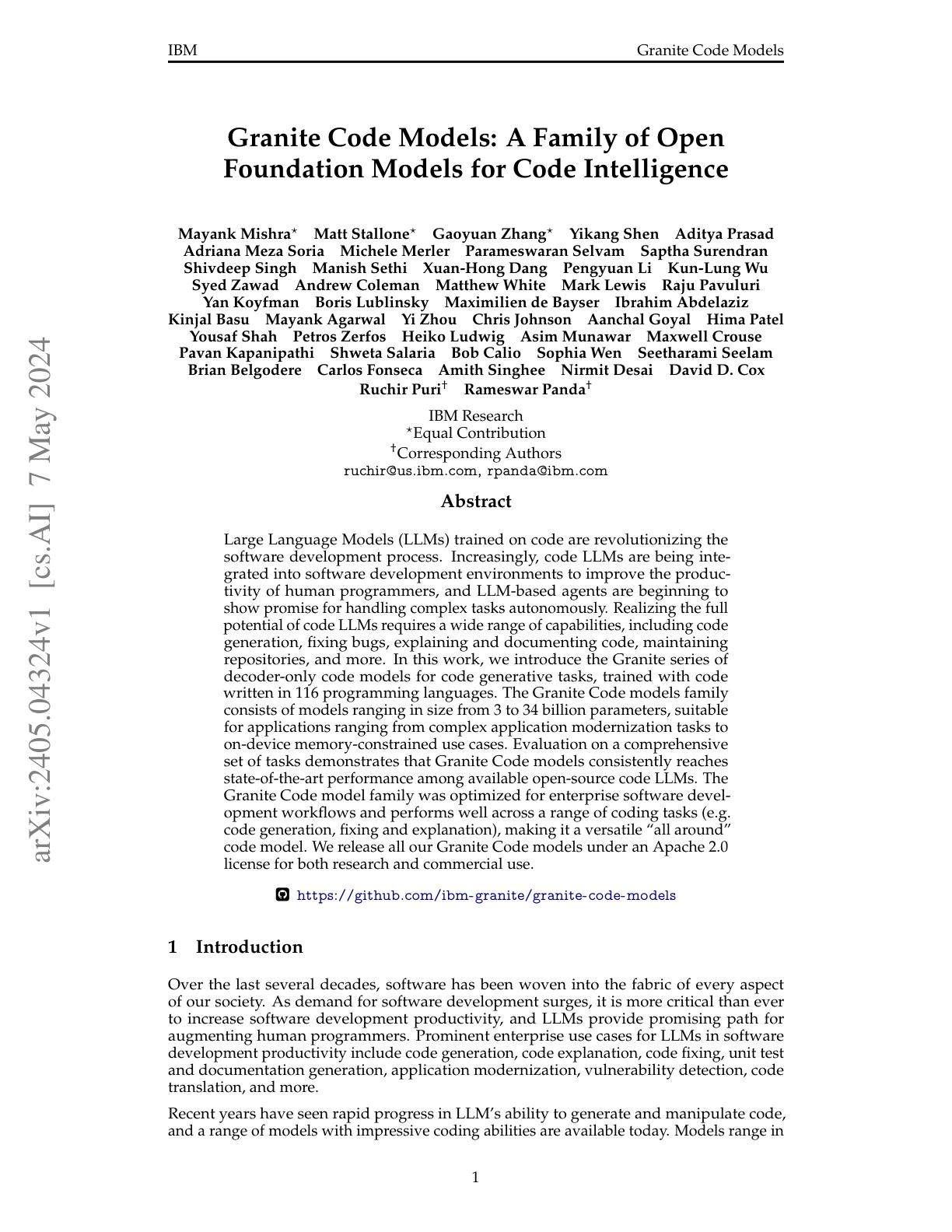
Granite Code Models
introduce Granite, a series of code models trained with code written in 116 programming languages; it consists of models ranging in size from 3 to 34 billion parameters, suitable for applications ranging from application modernization tasks to on-device memory-constrained use cases; demonstrates that the models reach state-of-the-art performance among available open-source code LLMs.
Kolmogorov-Arnold Networks
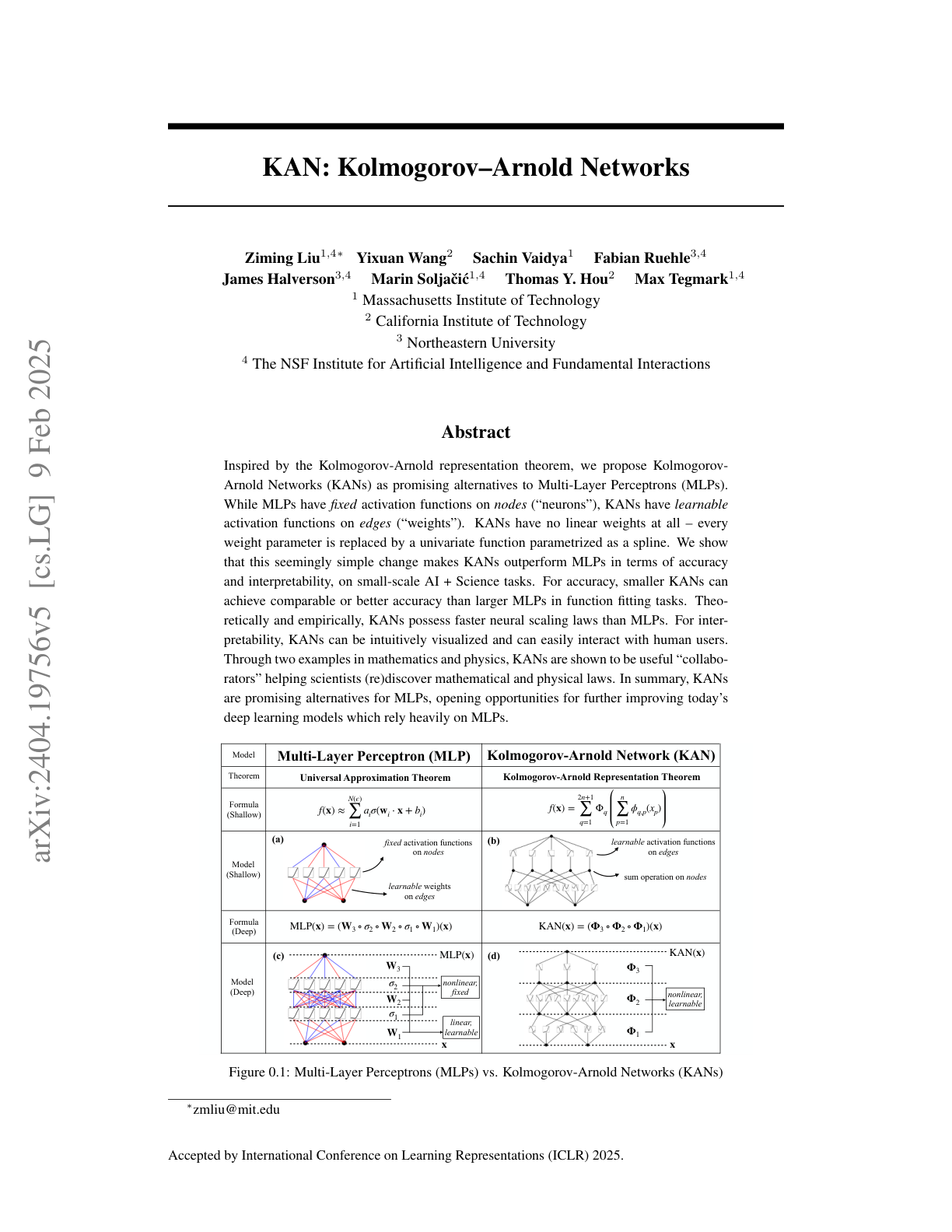
proposes Kolmogorov-Arnold Networks (KANs) as alternatives to Multi-Layer Perceptrons (MLPs); KANs apply learnable activation functions on edges that represent the weights; with no linear weights used, KANs can outperform MLPs and possess faster neural scaling laws; the authors show that KANs can be used as collaborators to help scientists discover mathematics and physical laws.
Better and Faster LLMs via Multi-token Prediction
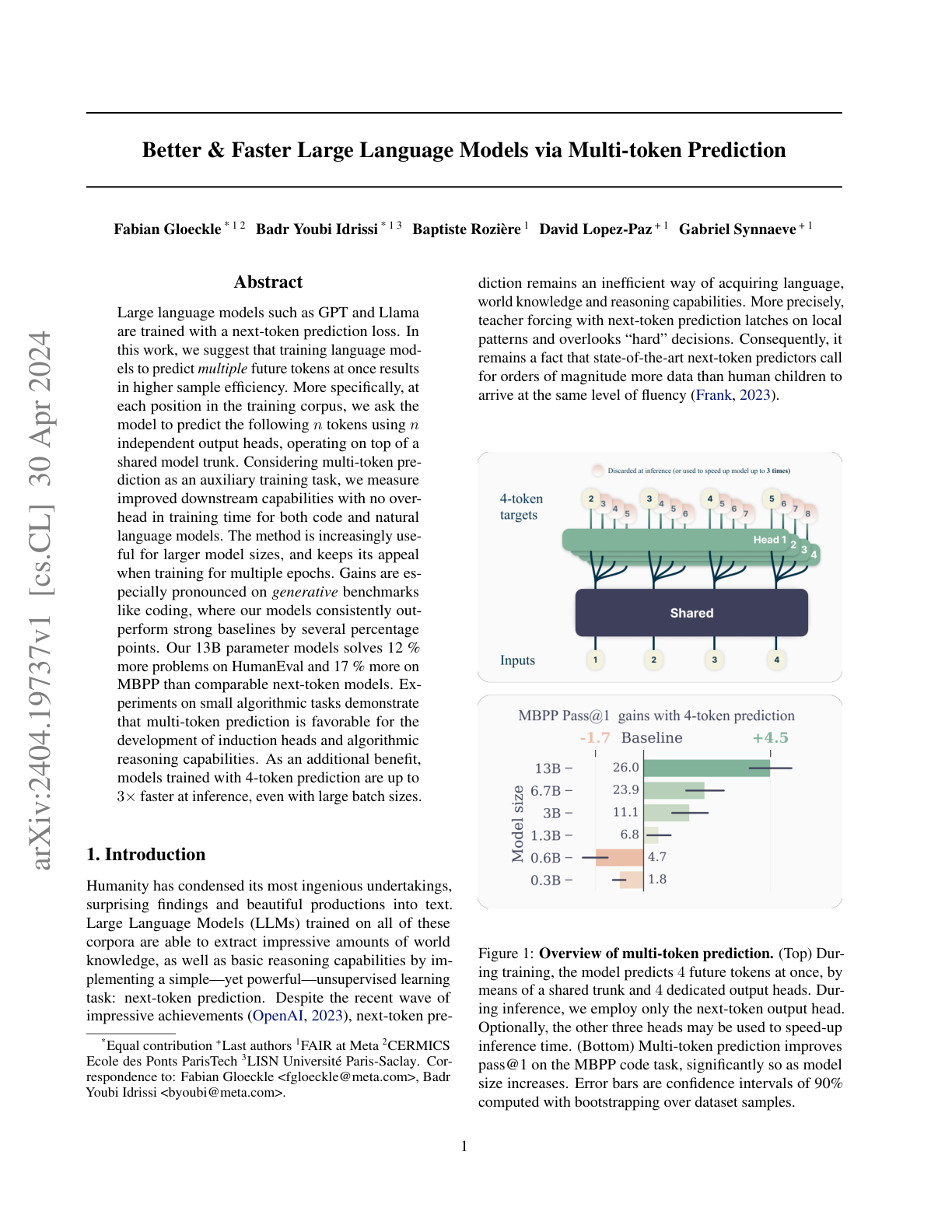
proposes a multi-token prediction approach that performs language modeling by training the predict the following n tokens using n independent output heads; the output heads operate on top of a shared transformer trunk; multi-token prediction is shown to be useful when using larger model sizes and can speed up inference up to 3x; the proposed 13B parameter models solves 12 % more problems on HumanEval and 17 % more on MBPP than comparable next-token models.
Med-Gemini
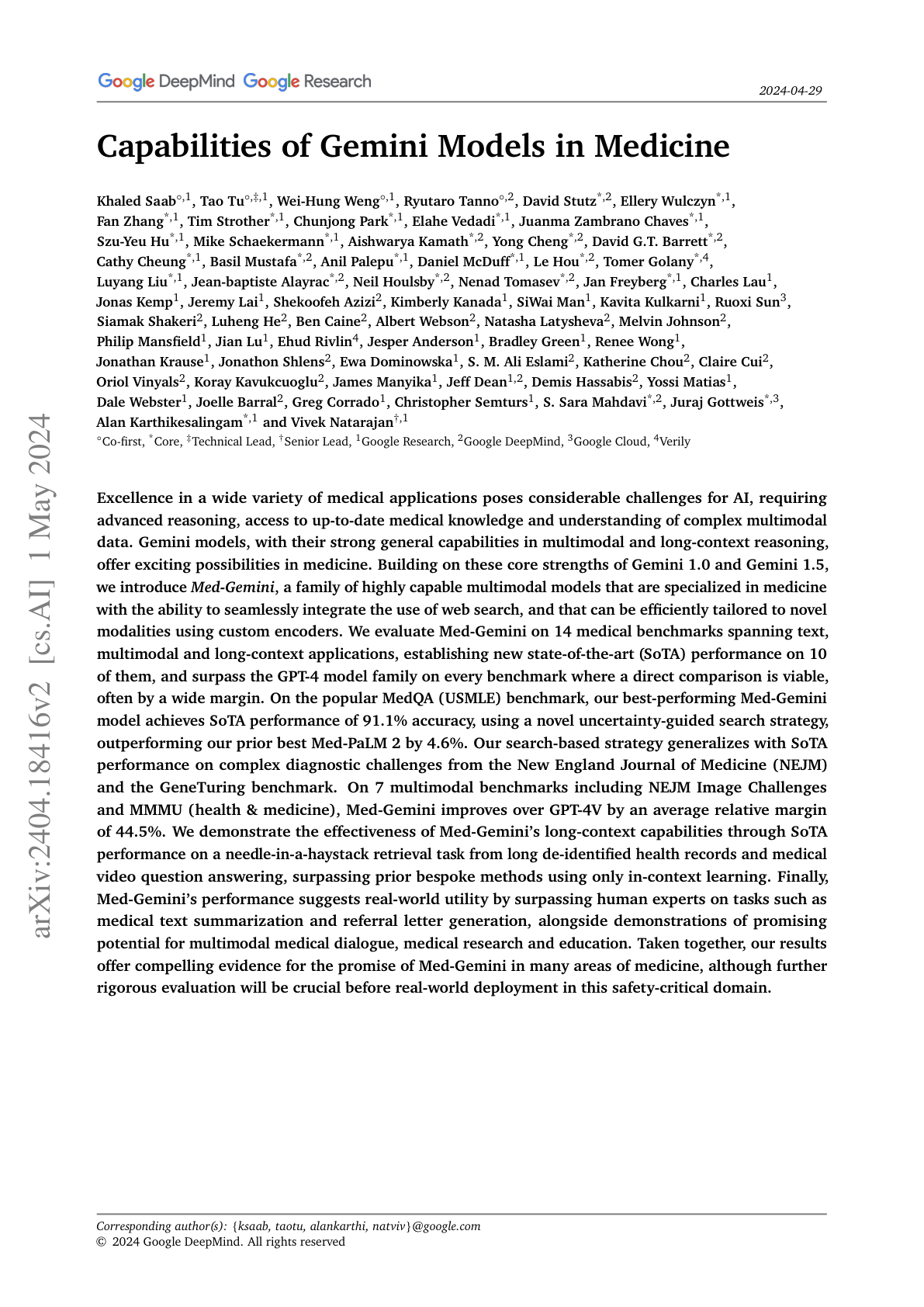
presents a family of multimodal models specialized in medicines and based on the strong multimodal and long-context reasoning capabilities of Gemini; achieves state-of-the-art performance on 10/14 benchmarks surpassing GPT-4 models; it achieves 91% accuracy on MedQA (USMLE) benchmark using an uncertainty-guided search strategy.
When to Retrieve?
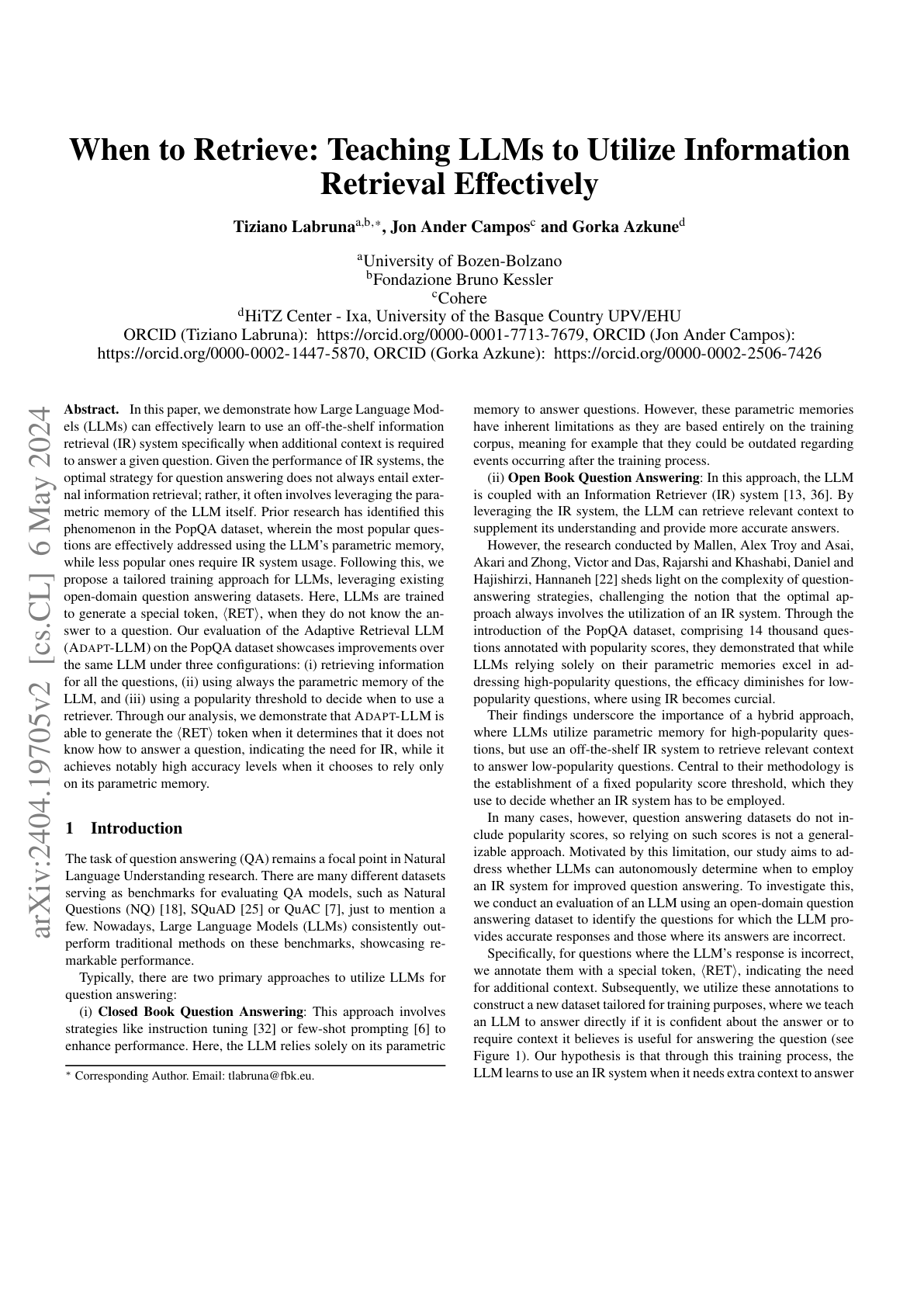
presents an approach to train LLMs to effectively utilize information retrieval; it first proposes a training approach to teach an LLM to generate a special token, <RET>, when it's not confident or doesn't know the answer to a question; the fine-tuned model outperforms a base LLM in two fixed alternate settings that include never retrieving and always retrieving context
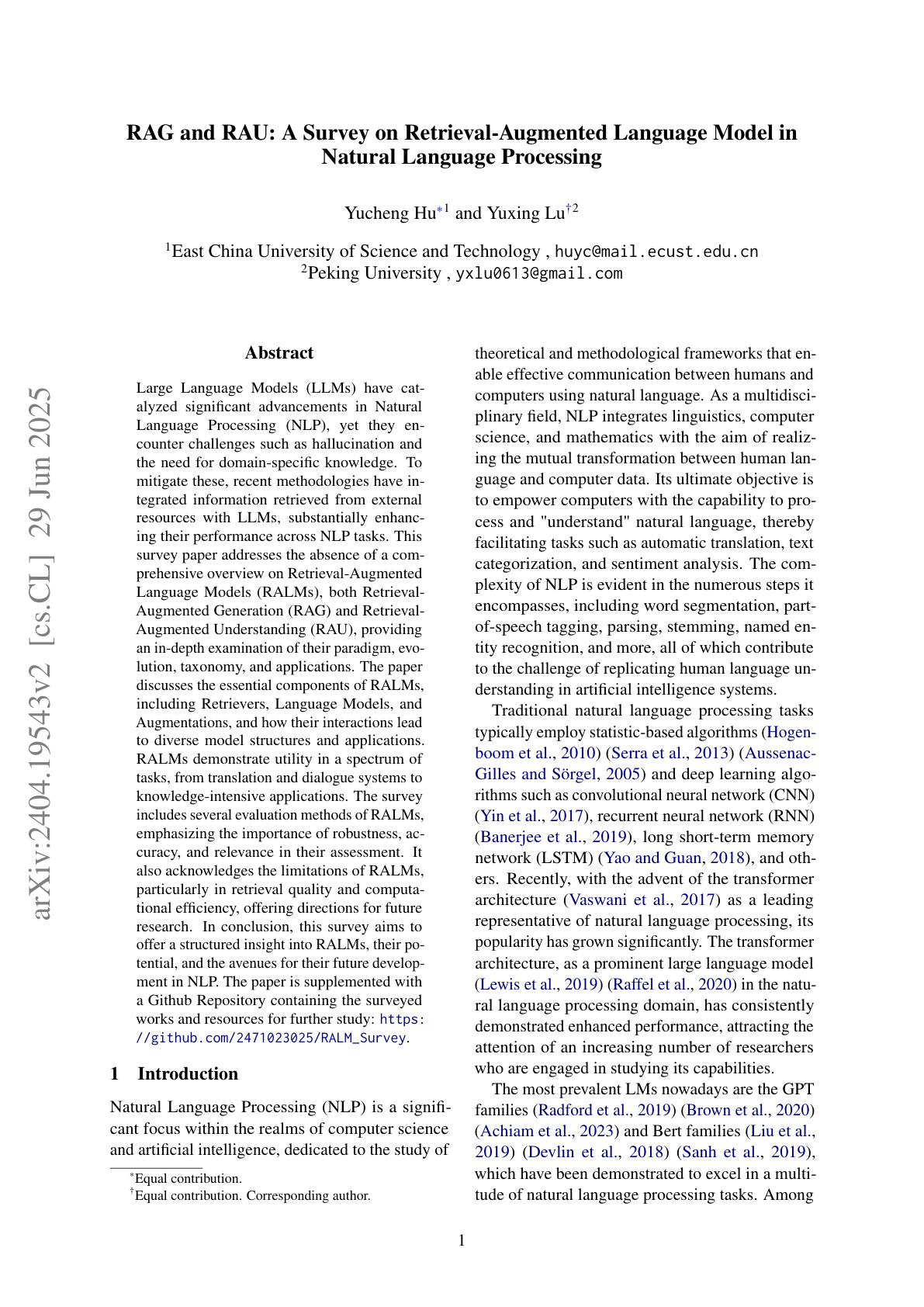
A Survey on Retrieval-Augmented Language Models
covers the most important recent developments in RAG and RAU systems; it includes evolution, taxonomy, and an analysis of applications; there is also a section on how to enhance different components of these systems and how to properly evaluate them; it concludes with a section on limitations and future directions.
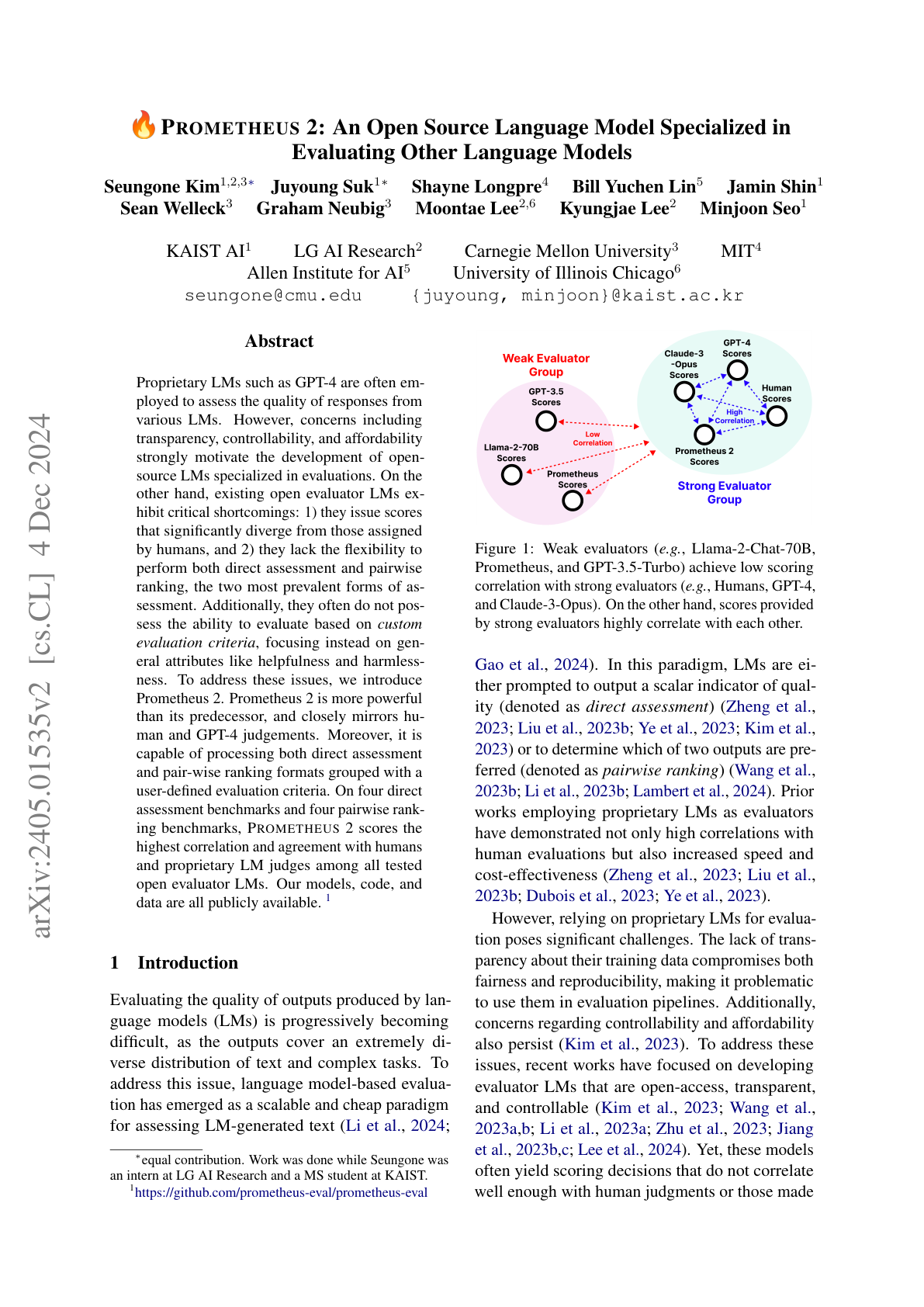
An Open-source LM Specialized in Evaluating Other LMs
open-source Prometheus 2 (7B & 8x7B), state-of-the-art open evaluator LLMs that closely mirror human and GPT-4 judgments; they support both direct assessments and pair-wise ranking formats grouped with user-defined evaluation criteria; according to the experimental results, this open-source model seems to be the strongest among all open-evaluator LLMs; the key seems to be in merging evaluator LMs trained on either direct assessment or pairwise ranking formats.
Self-Play Preference Optimization
proposes a self-play-based method for aligning language models; this optimation procedure treats the problem as a constant-sum two-player game to identify the Nash equilibrium policy; it addresses the shortcomings of DPO and IPO and effectively increases the log-likelihood of chose responses and decreases the rejected ones; SPPO outperforms DPO and IPO on MT-Bench and the Open LLM Leaderboard.
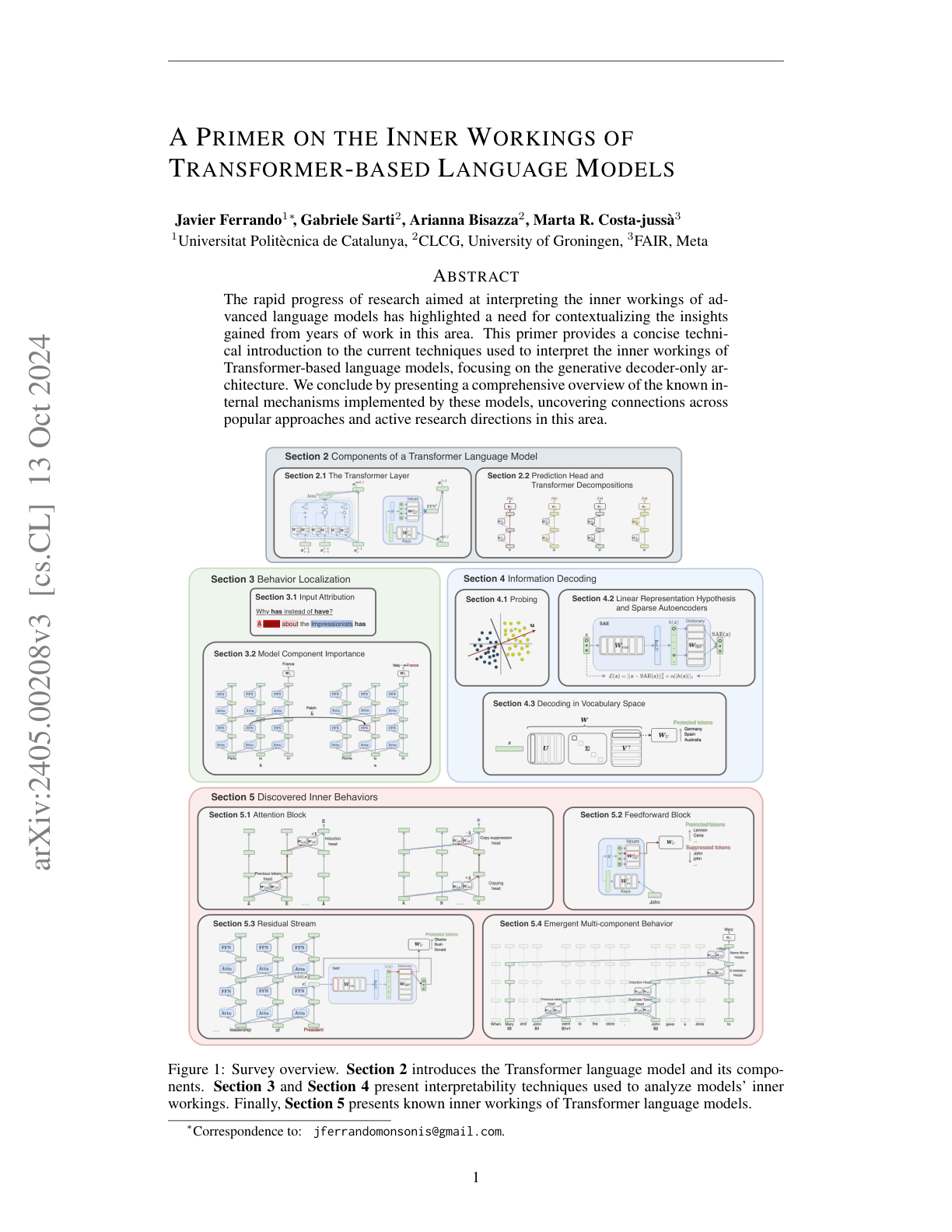
Inner Workings of Transformer Language Models
presents a technical introduction to current techniques used to interpret the inner workings of Transformer-based language models; it provides a detailed overview of the internal mechanisms implemented in these models.
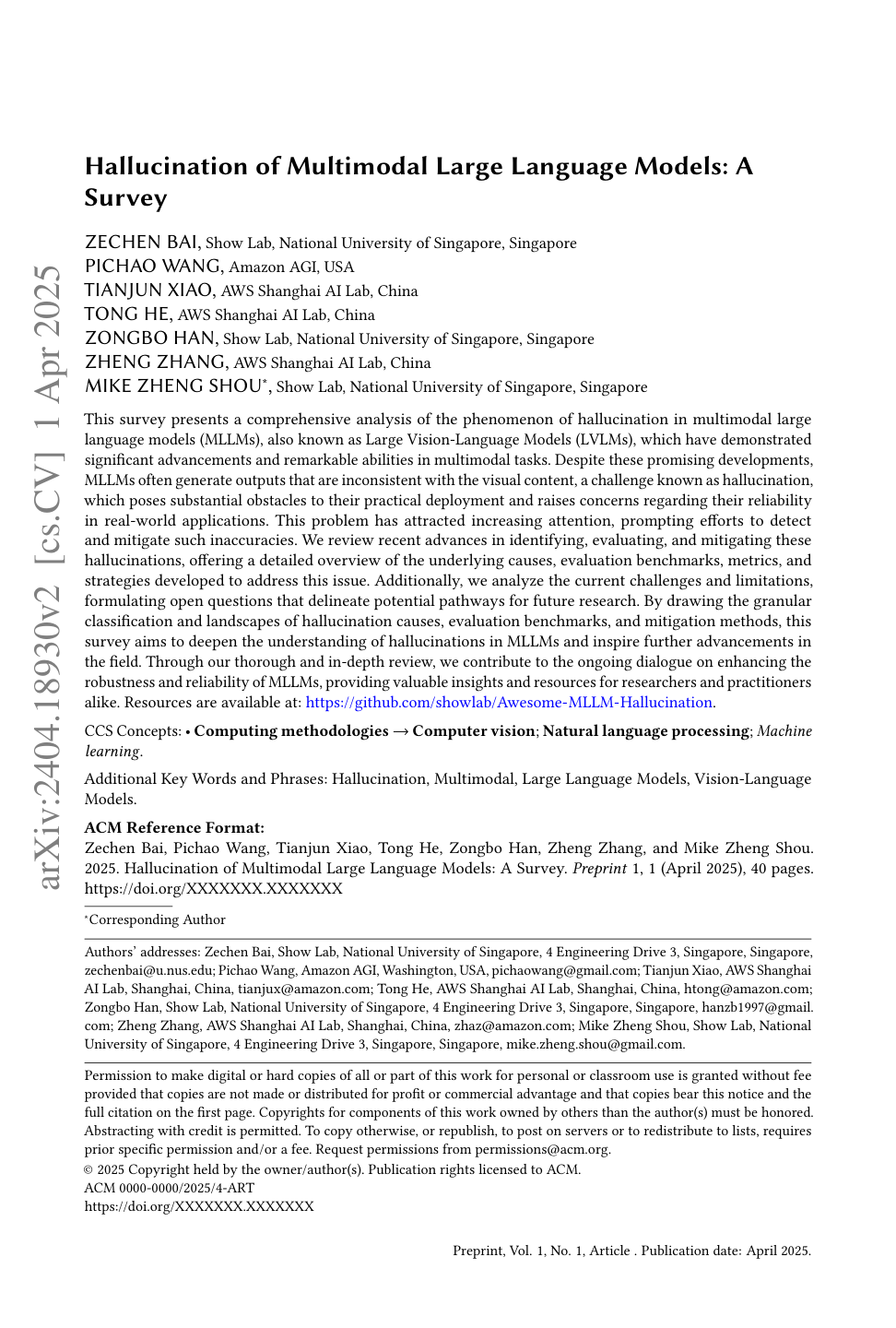
Multimodal LLM Hallucinations
provides an overview of the recent advances in identifying, evaluating, and mitigating hallucination in multimodal LLMs; it also provides an overview of causes, evaluation benchmarks, metrics, and other strategies to deal with challenges related to detecting hallucinations.
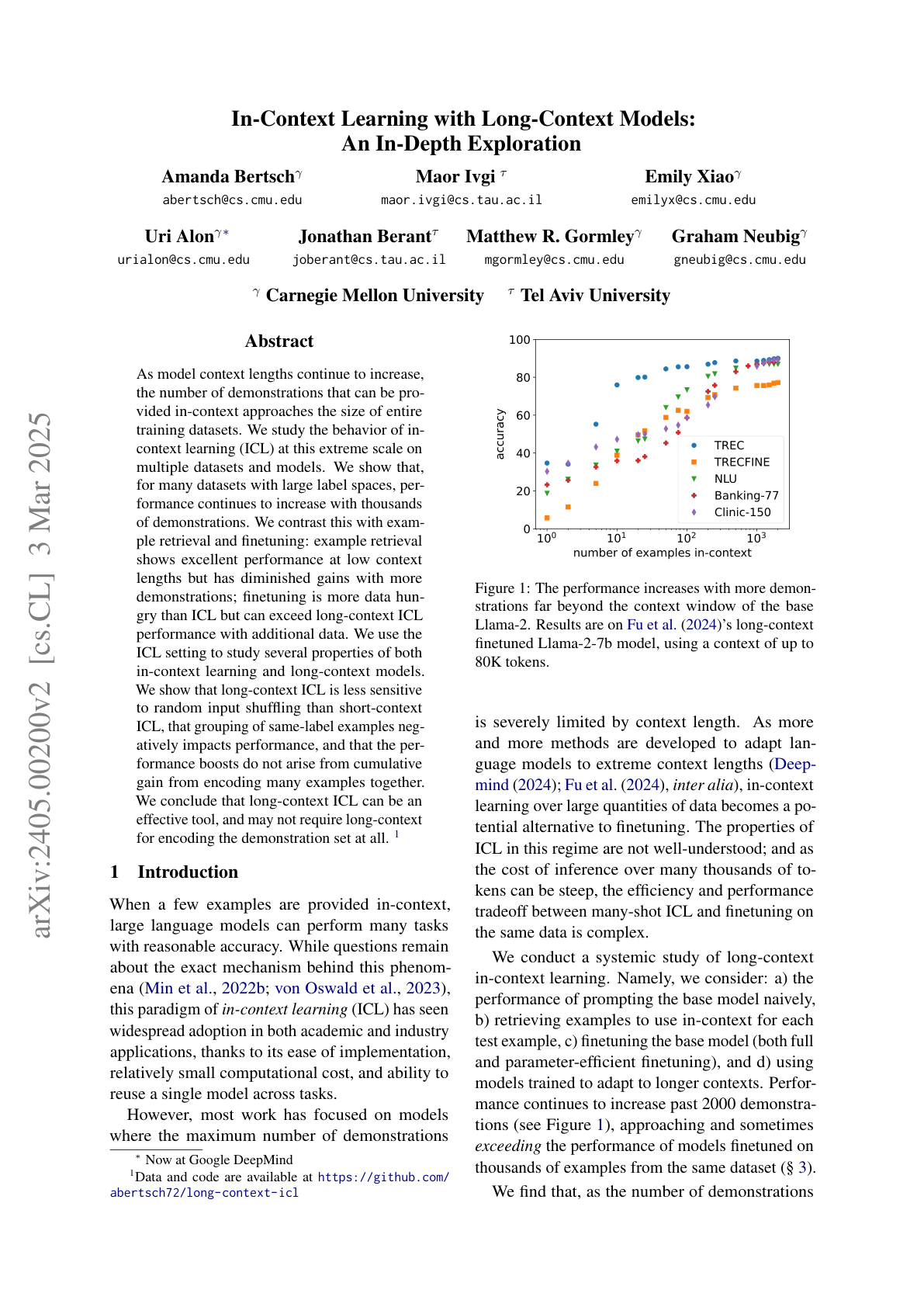
In-Context Learning with Long-Context Models
studies the behavior in-context learning of LLMs at extreme context lengths with long-context models; shows that performance increases as hundreds or thousands of demonstrations are used; demonstrates that long-context ICL is less sensitive to random input shuffling than short-context ICL; concludes that the effectiveness of long-context LLMs is not due to task learning but from attending to similar examples.
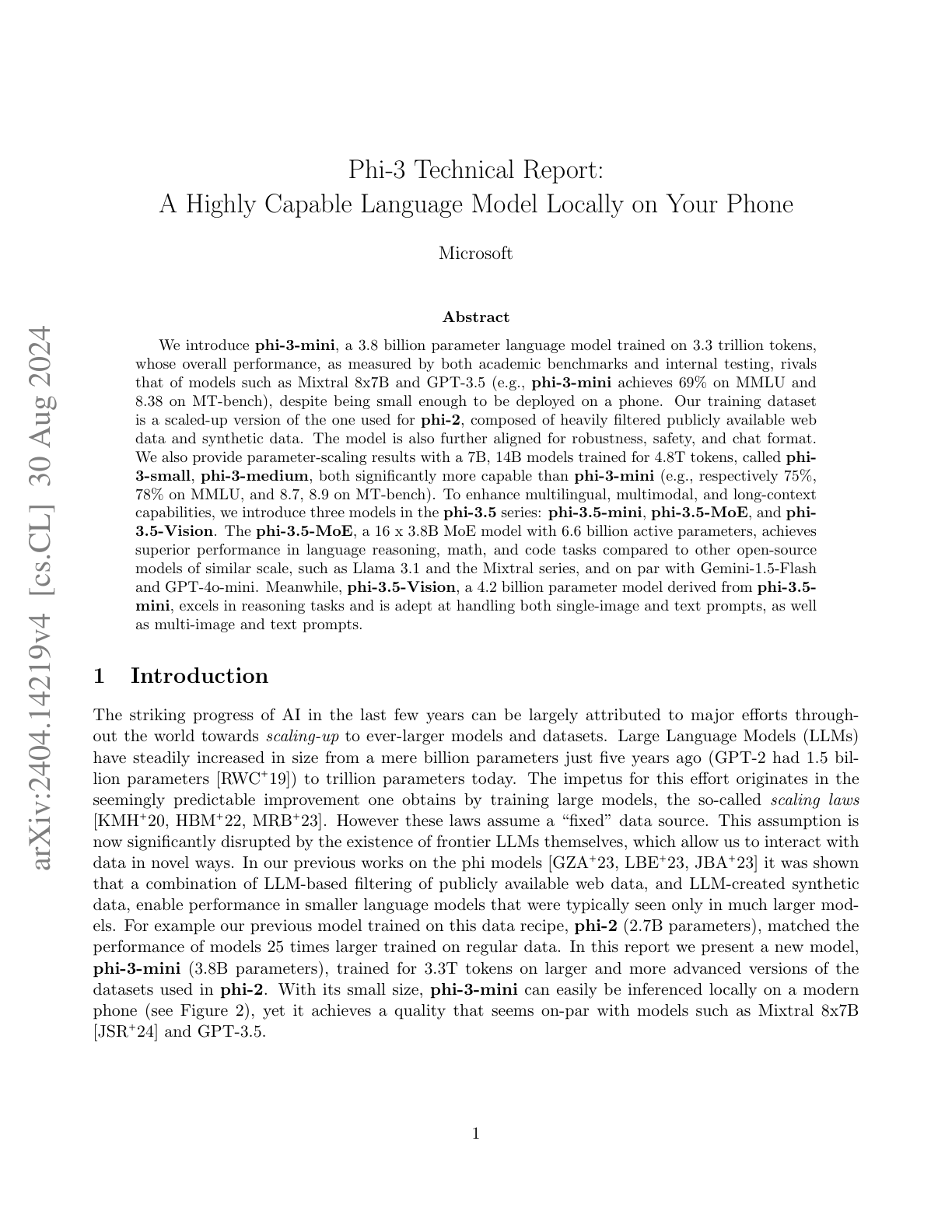
Phi-3
Microsoft's Phi-3 is a family of small language models (3.8B, 7B, 14B) trained on 3.3-4.8T tokens of heavily filtered web data combined with synthetic data. The flagship phi-3-mini rivals Mixtral 8x7B and GPT-3.5 while being small enough to run locally on a phone.
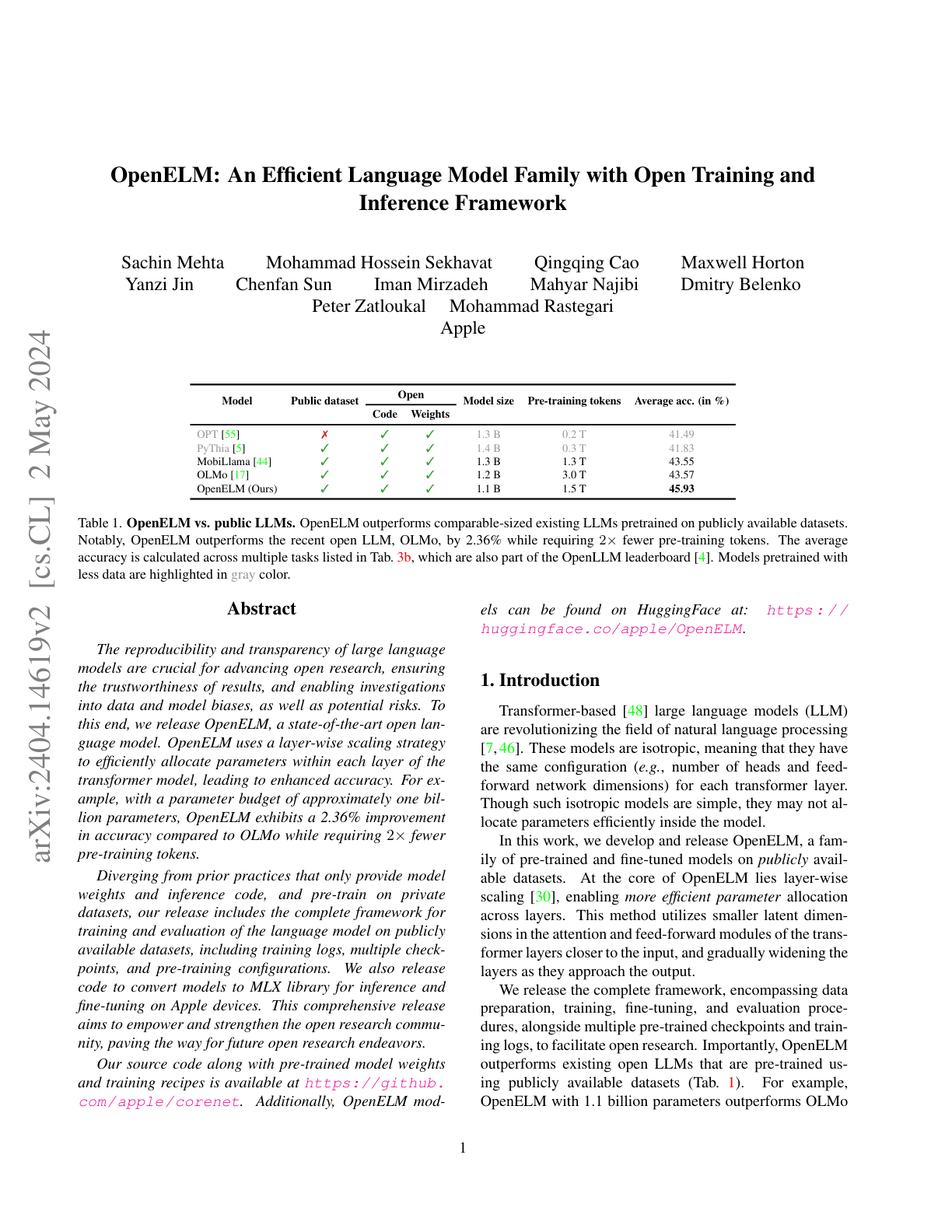
OpenELM
Apple's OpenELM is a fully-open small language model family (270M, 450M, 1.1B, 3B) that uses layer-wise parameter scaling instead of uniform layer widths. At ~1B parameters it improves on OLMo by 2.36% accuracy while using half the pre-training tokens.
Arctic
Snowflake's Arctic is an Apache 2.0 open LLM with a Dense-MoE Hybrid transformer (480B total / 17B active) that matches Llama 3 70B on enterprise metrics while using under 3K GPU weeks (~$2M) of training compute - roughly 17x less than Llama 3 70B.
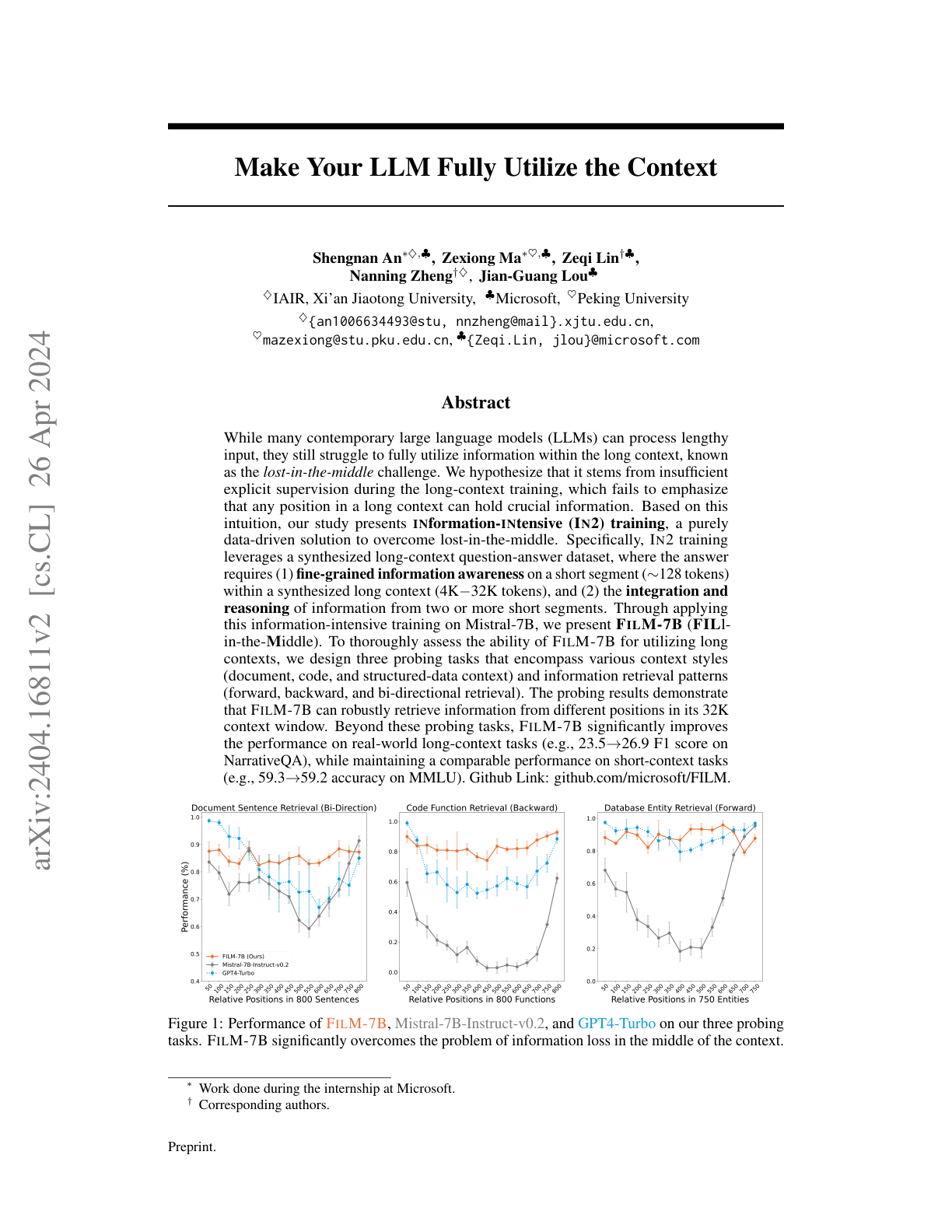
Make Your LLM Fully Utilize the Context (FILM-7B)
FILM-7B targets the lost-in-the-middle problem where long-context LLMs fail to retrieve information buried between the start and end of their input. The authors apply an information-intensive (IN2) training recipe to Mistral-7B that forces uniform attention across the full 32K window.
FineWeb
HuggingFace's FineWeb is a 15 trillion token English web dataset built from 96 CommonCrawl snapshots (2013-2024). In 1.8B-parameter ablations, models trained on FineWeb beat C4, RefinedWeb, Dolma, The Pile, SlimPajama, and RedPajama2 across aggregated benchmarks.
AI-powered Gene Editors
Profluent's OpenCRISPR-1 paper demonstrates that a large protein language model trained on biological diversity at scale can design programmable gene editors from scratch. The AI-designed editors successfully perform precision editing in the human genome.
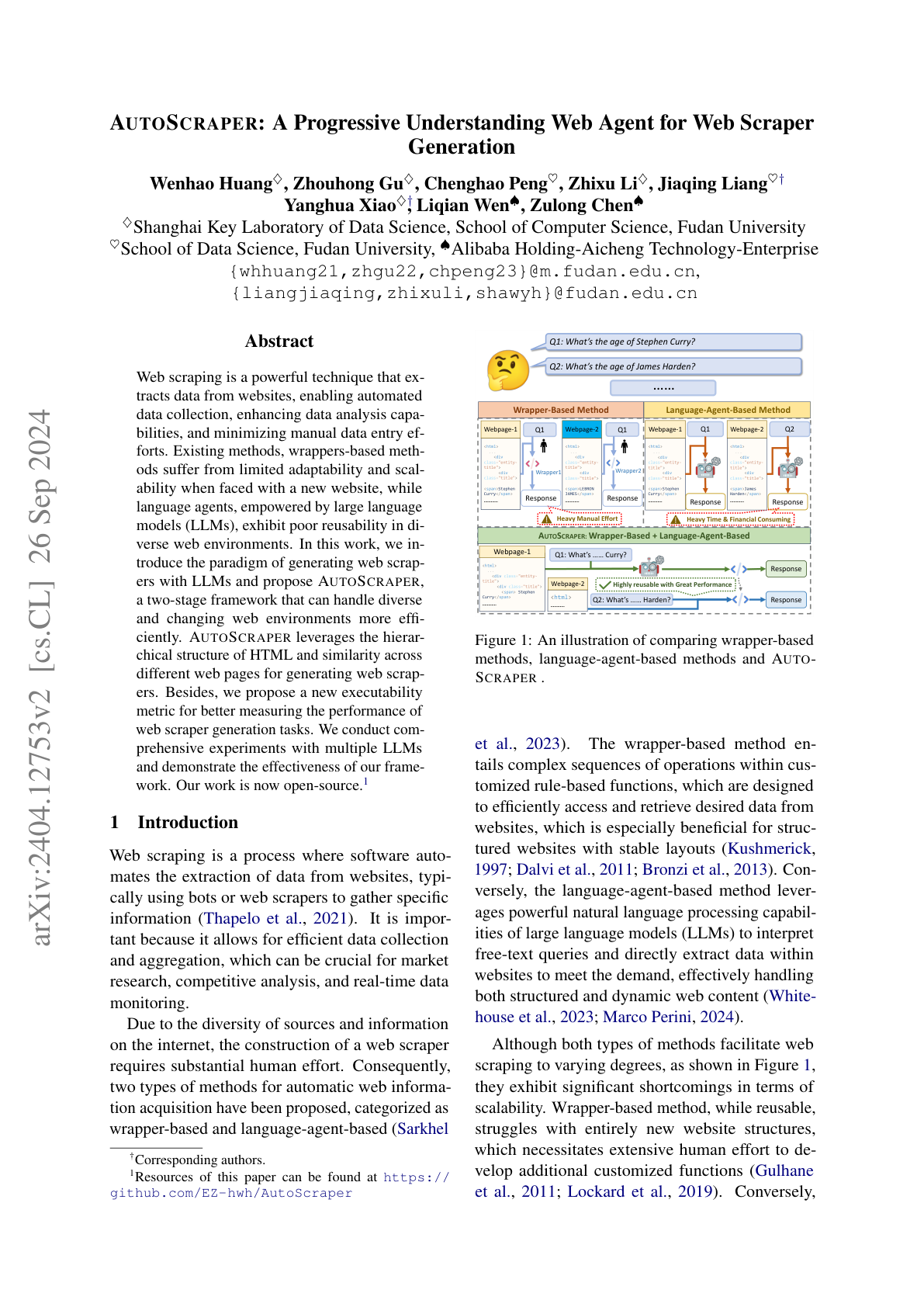
AutoCrawler
AutoCrawler is a two-stage framework that combines LLMs with the hierarchical structure of HTML to auto-generate reusable web scrapers. Wrapper-based scrapers break on new sites and pure LLM agents don't reuse well across pages; AutoCrawler addresses both limitations.
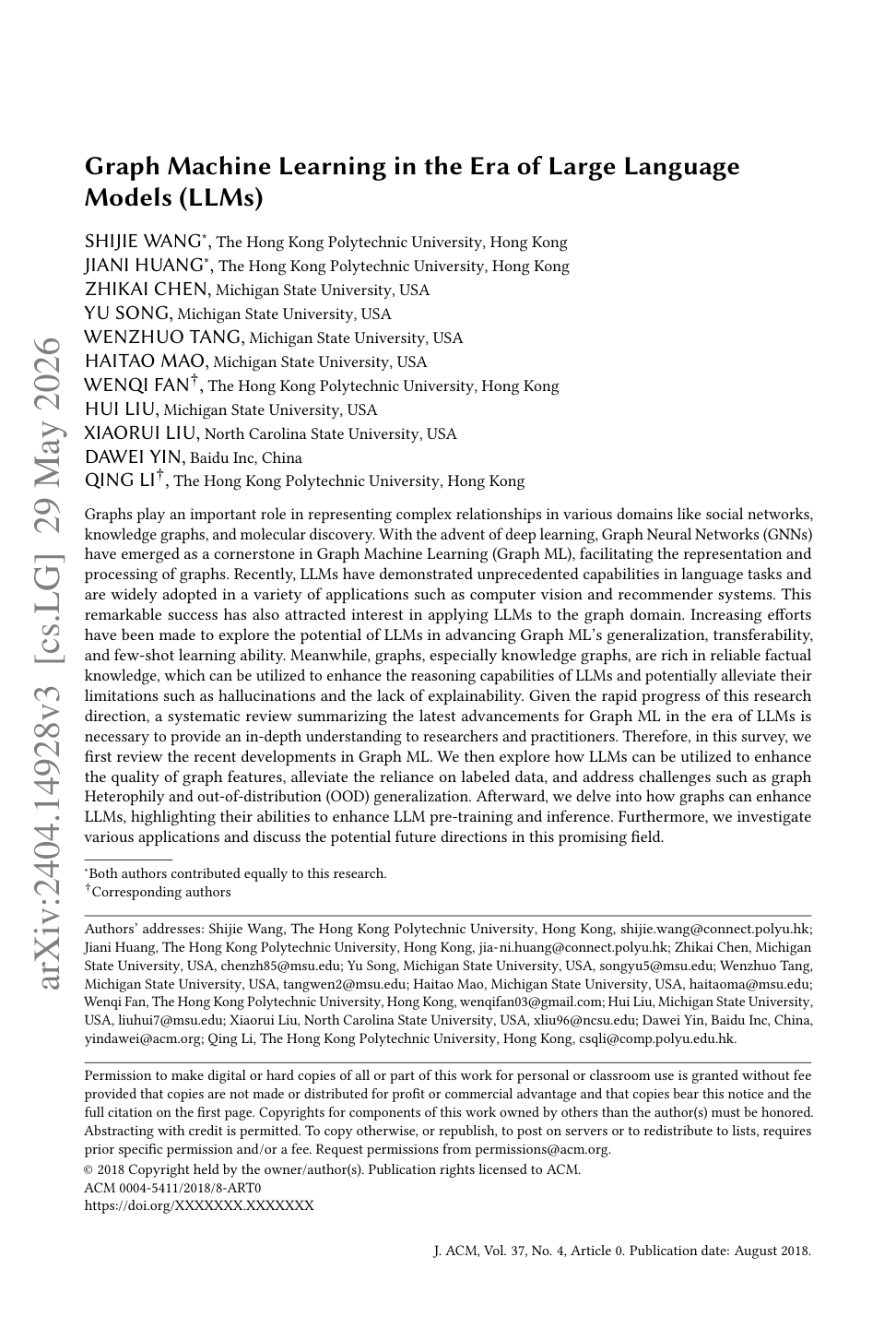
Graph Machine Learning in the Era of LLMs
This survey maps the intersection of Graph ML and LLMs, covering both how LLMs enhance graph learning and how graphs (especially knowledge graphs) strengthen LLMs. The authors organize the literature into a taxonomy and highlight where open problems remain.
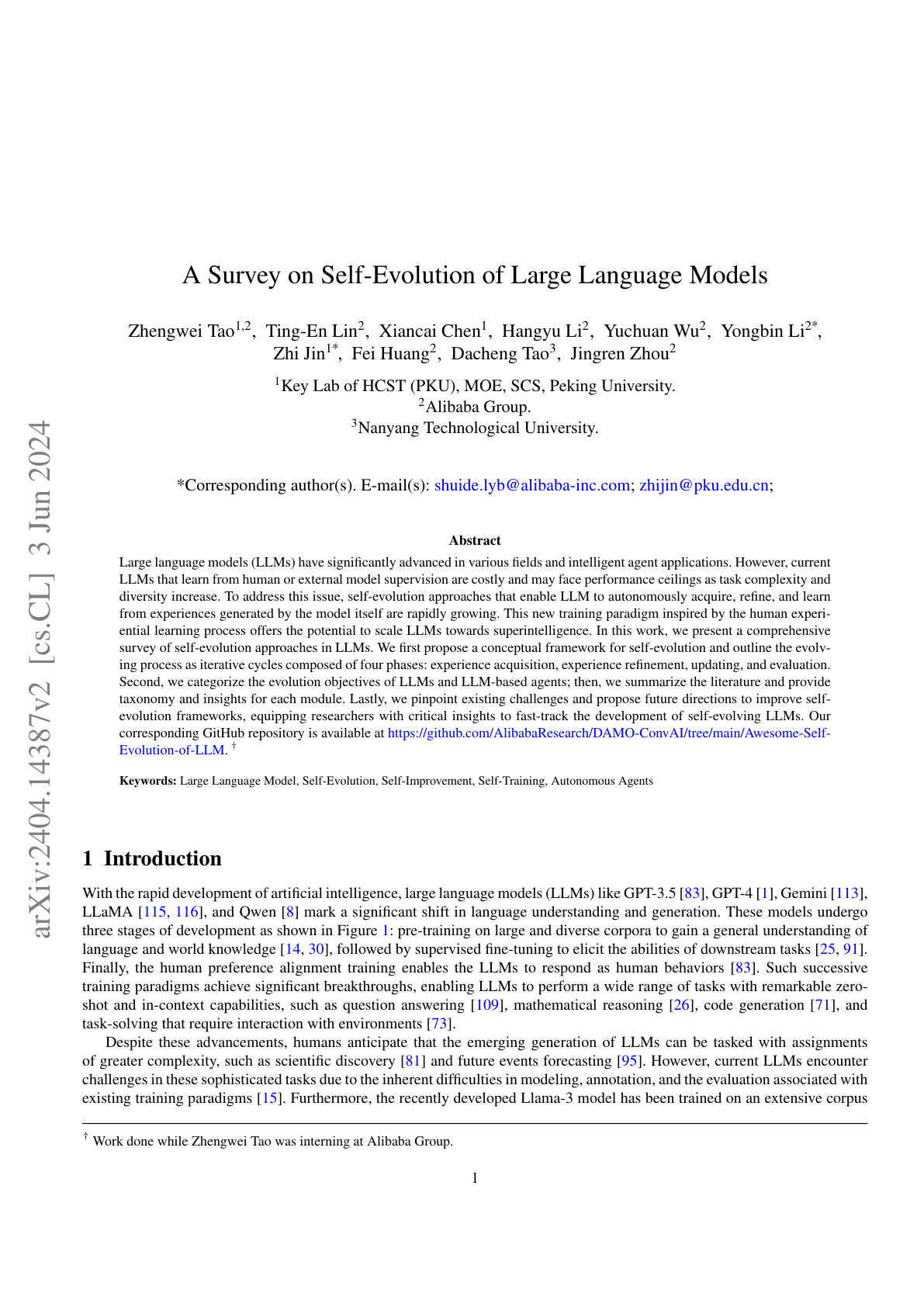
Self-Evolution of LLMs
This survey organizes the emerging literature on self-evolving LLMs - models that improve through their own generated experience rather than additional human supervision. The authors propose a unified four-phase cycle and taxonomize existing methods across both standalone models and agent systems.
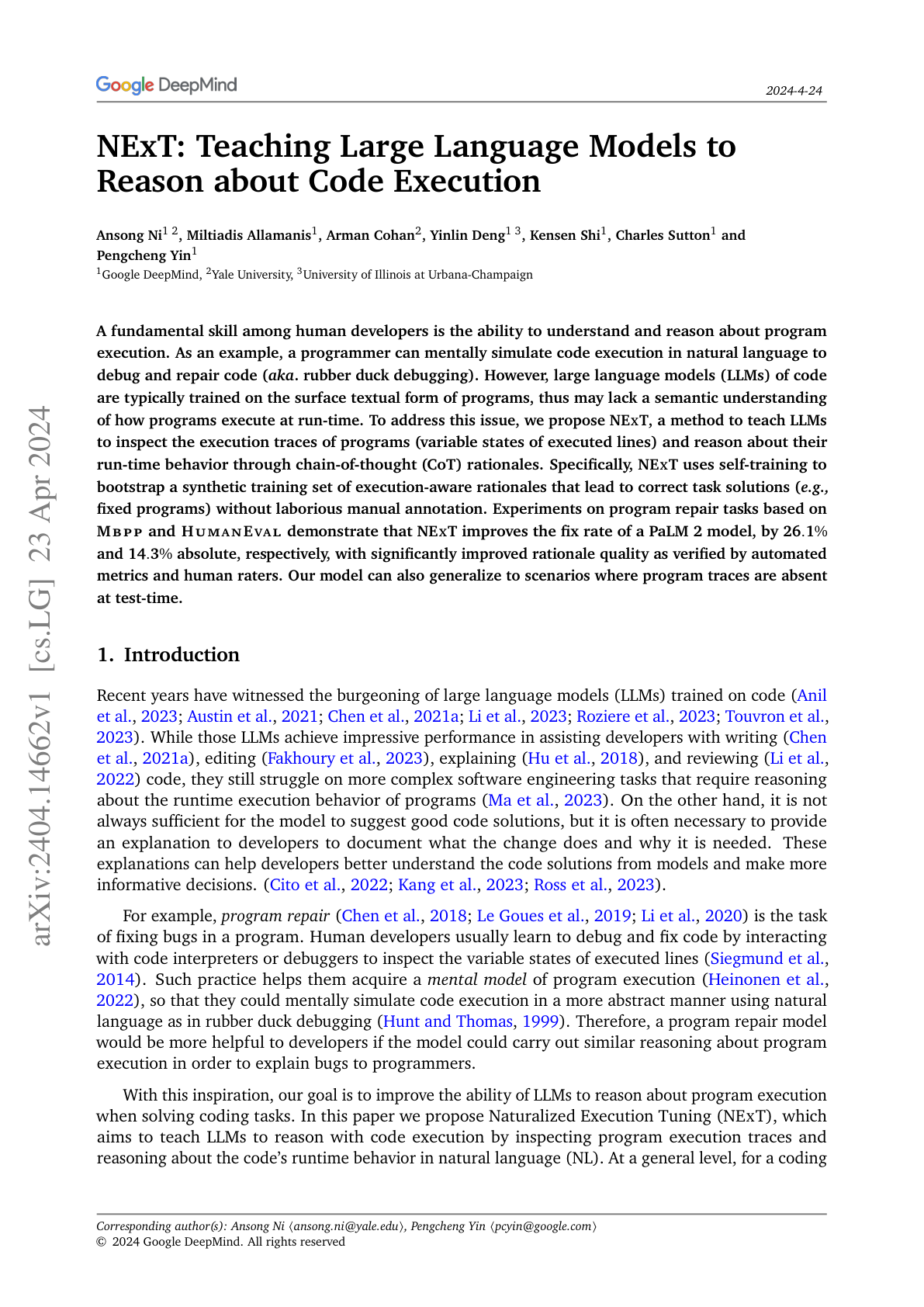
Naturalized Execution Tuning (NExT)
NExT teaches LLMs to reason about program runtime behavior by generating synthetic chain-of-thought rationales over execution traces. The approach bootstraps training data through self-training rather than manual annotation, and the learned reasoning transfers to scenarios where traces are unavailable at inference.