AI Papers of the Week
Every paper worth reading in AI, hand-picked one week at a time.
Discover and explore top AI papers with Claude Code or Codex
npx @dair-ai/mcp setup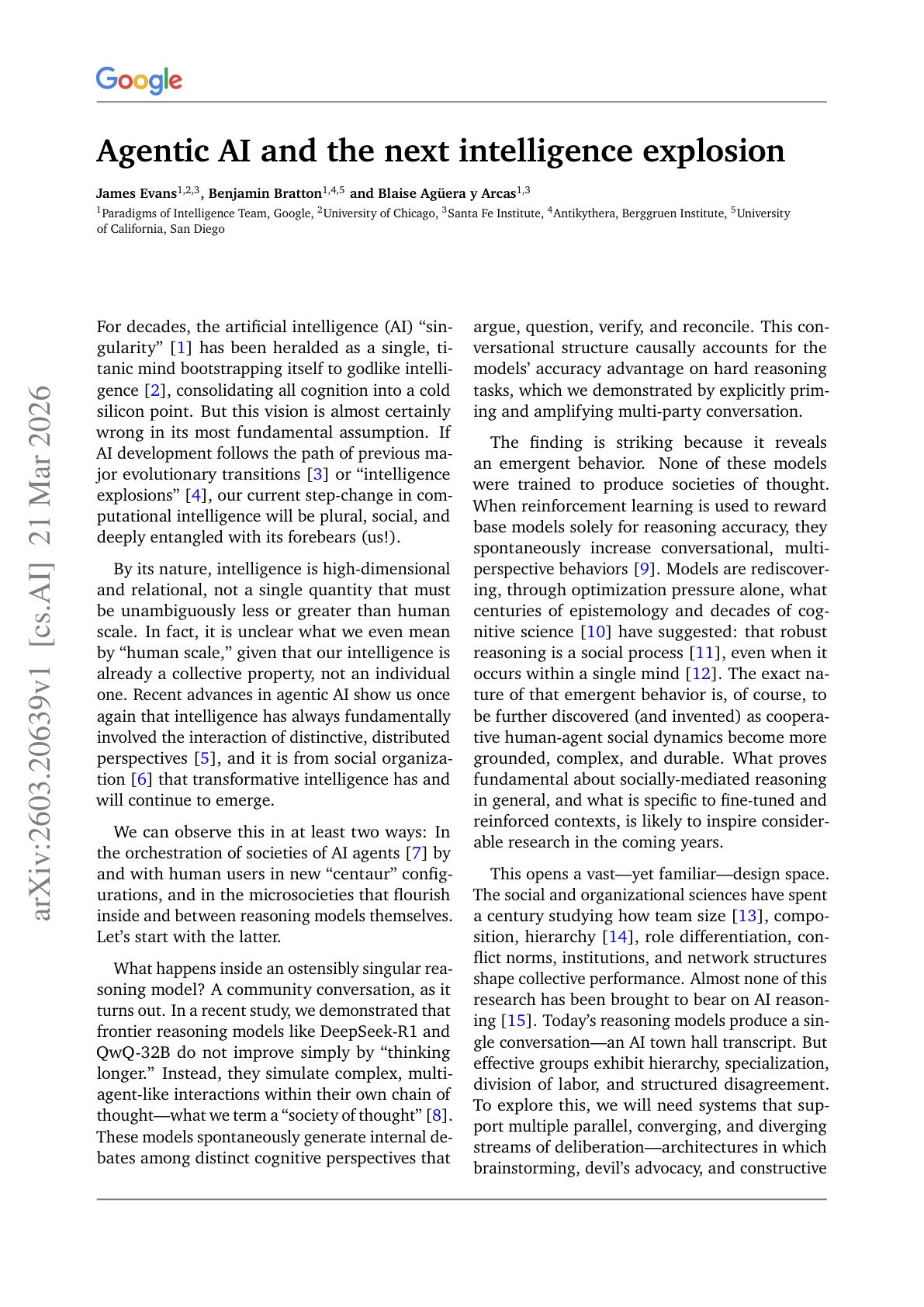
Agentic AI and the Next Intelligence Explosion
A new report from Google researchers argues that the AI “singularity” framed as a single superintelligent mind bootstrapping to godlike intelligence is fundamentally wrong. Drawing on evolution, sociology, and recent advances in agentic AI, the authors make the case that every prior intelligence explosion in human history was social, not individual, and that the next one will follow the same pattern.
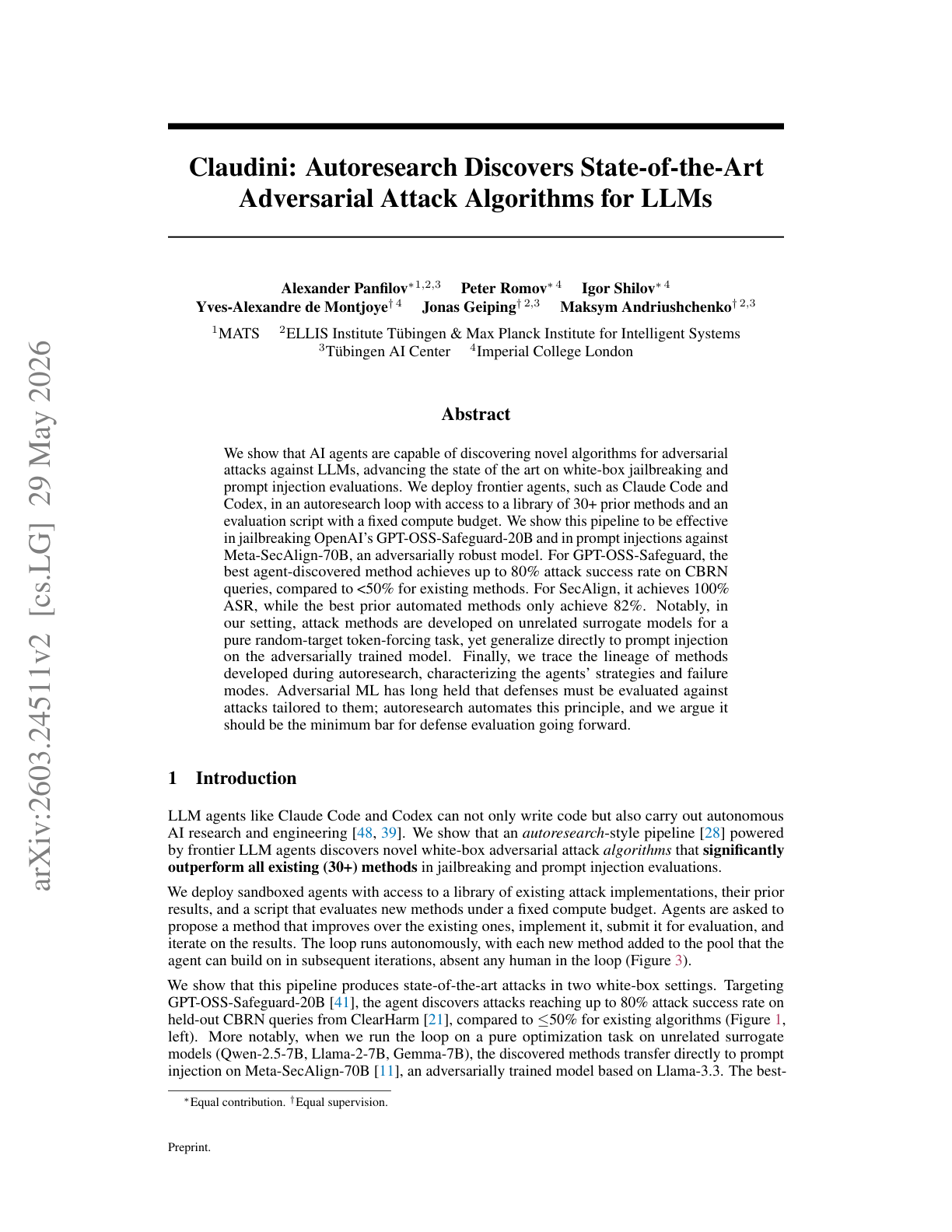
Claudini
Researchers demonstrate that an autoresearch-style pipeline powered by Claude Code can autonomously discover novel adversarial attack algorithms for LLMs that significantly outperform all 30+ existing methods. The work, called Claudini, shows that incremental safety and security research can be effectively automated using LLM agents, with white-box red-teaming being a particularly well-suited domain.
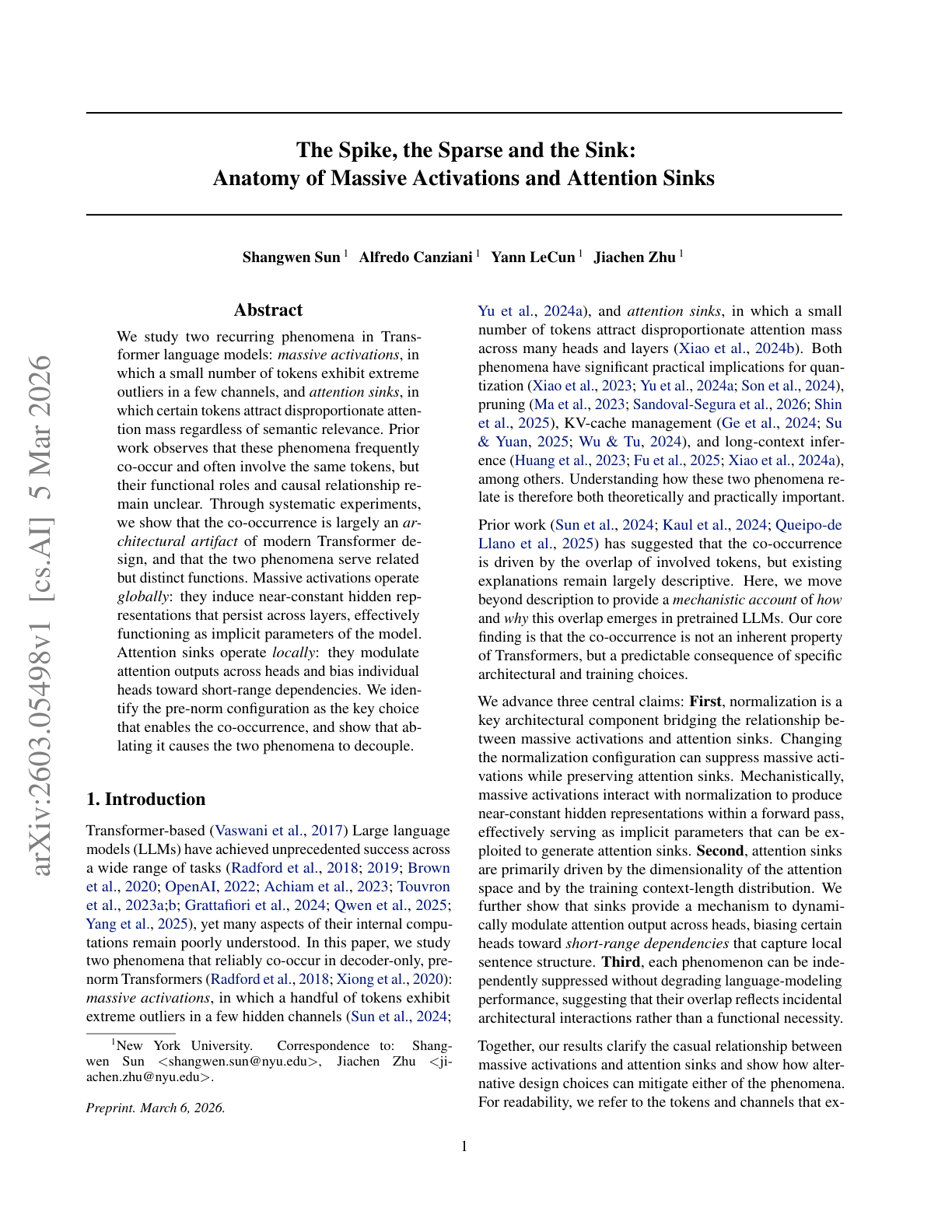
The Spike, the Sparse and the Sink
Yann LeCun and collaborators at NYU dissect two recurring phenomena in Transformer language models: massive activations, where a small number of tokens exhibit extreme outliers in specific channels, and attention sinks, where certain tokens attract disproportionate attention mass regardless of semantic relevance. The paper reveals that their co-occurrence is largely an architectural artifact.
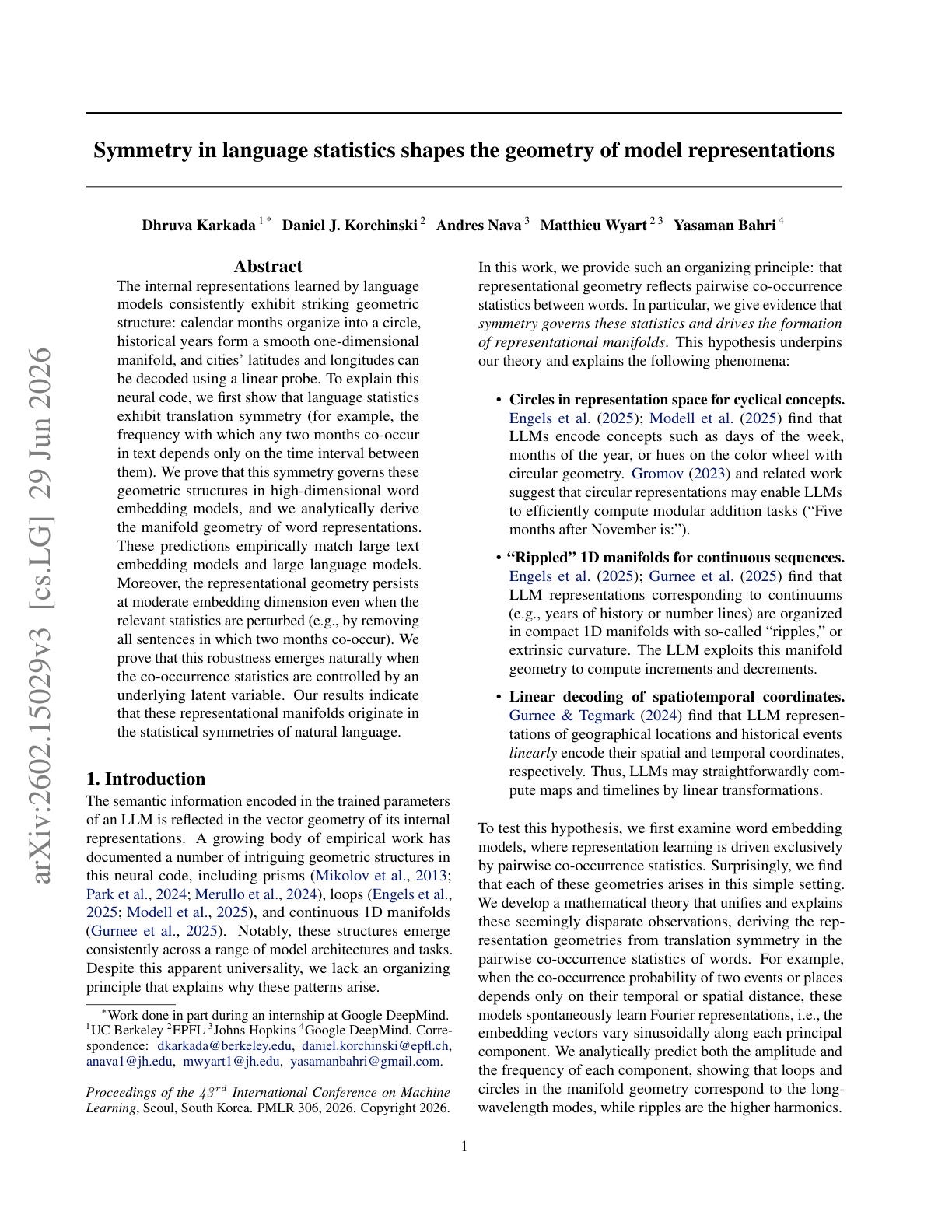
Why LLMs Form Geometric Representations
LLMs spontaneously form striking geometric structures in their internal representations: calendar months organize into circles, historical years form spirals, and spatial coordinates align to recoverable manifolds. This paper proves these patterns are not the product of deep learning dynamics but emerge directly from symmetries in natural language statistics.
CoT Faithfulness via REMUL
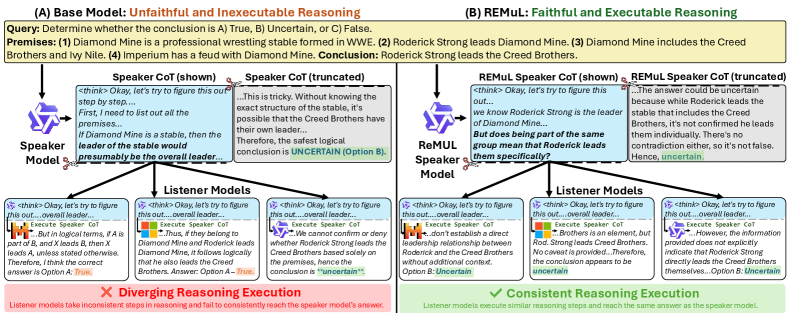
Researchers propose REMUL, a training approach for making chain-of-thought reasoning more faithful and monitorable. A speaker model generates reasoning traces that multiple listener models attempt to follow and complete, using RL to reward reasoning that is understandable to other models. Tested across BIG-Bench Extra Hard, MuSR, ZebraLogicBench, and FOLIO, REMUL improves three faithfulness metrics while also boosting overall accuracy, producing shorter and more direct reasoning chains.
Intelligent AI Delegation
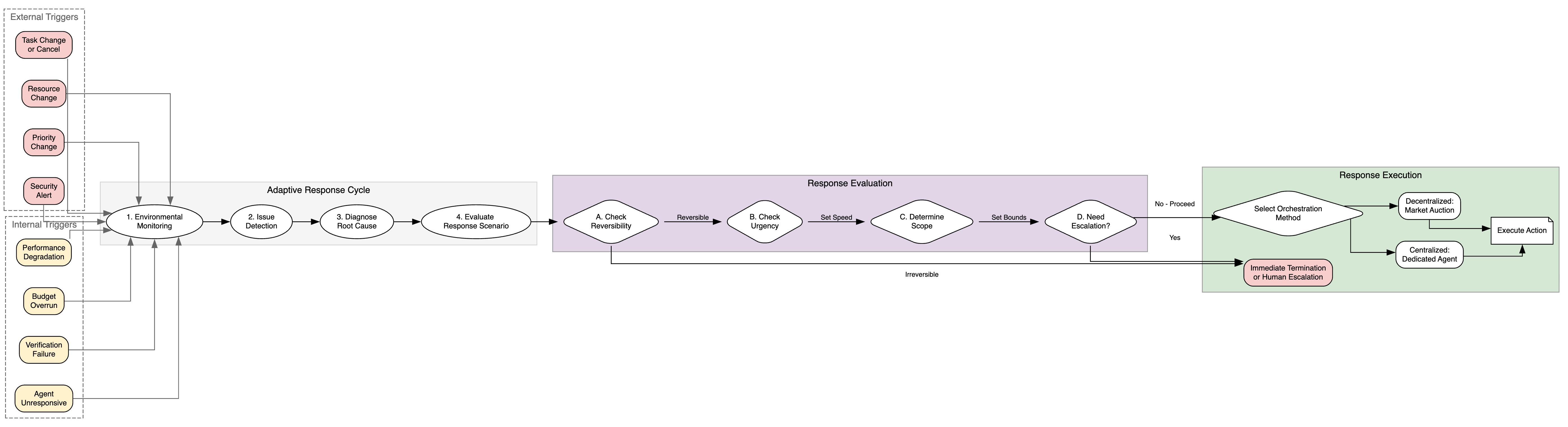
Google DeepMind introduces a comprehensive framework for intelligent AI delegation that goes beyond simple task assignment. The framework models delegation as a sequence of decisions: whether to delegate, how to instruct, and how to verify and integrate AI outputs, addressing the gap between what AI agents can do and how humans should interact with them.
Shaping Capabilities with Token-Level Data Filtering
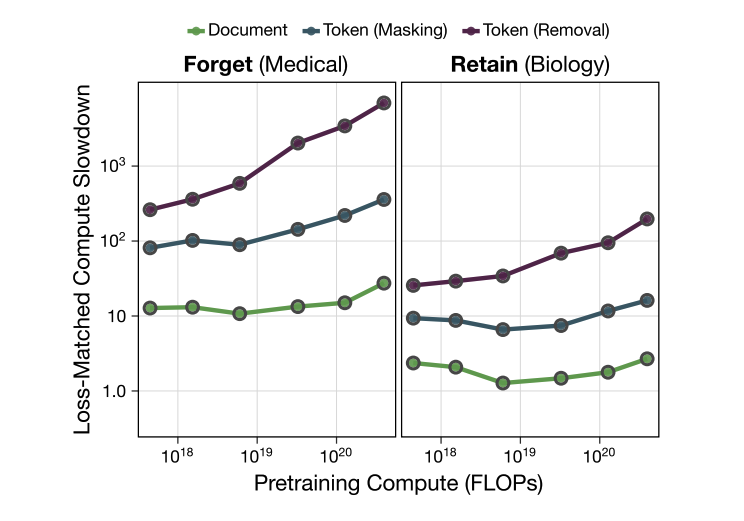
Researchers from Anthropic and Stanford show that filtering pretraining data at the token level is a highly effective, scalable, and robust approach for selectively removing undesired capabilities from language models. Using medical knowledge removal as a proxy task, token-level filtering Pareto dominates document-level filtering and achieves a 7,000x compute slowdown on the target domain for 1.8B parameter models - while preserving capabilities in related fields.
Team of Rivals: Orchestrating Reliable AI Agents
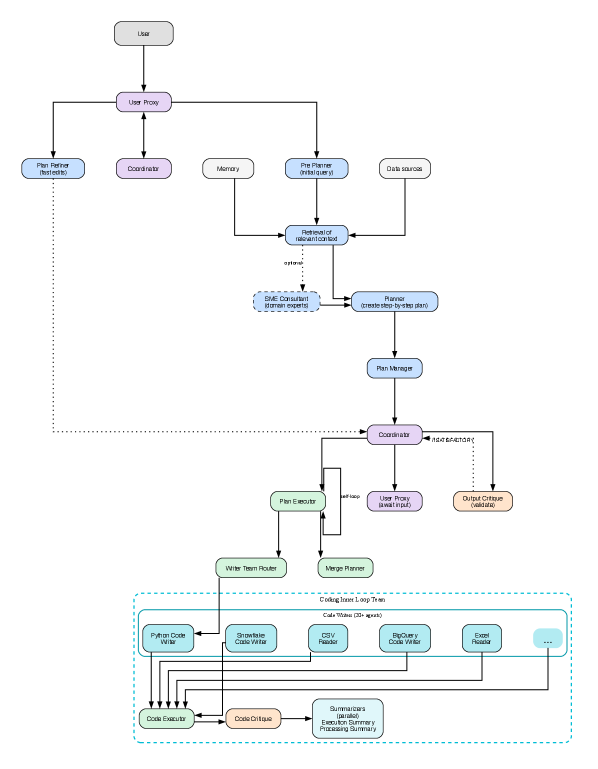
This paper proposes organizing AI agents into corporate-style teams with strict role boundaries and opposing incentives (planners, executors, critics, experts) to achieve reliability through careful orchestration of imperfect components. A remote code executor separates reasoning from data transformations, preventing raw tool outputs from contaminating agent context windows. The system achieves over 90% internal error interception before user exposure while maintaining acceptable latency tradeoffs.
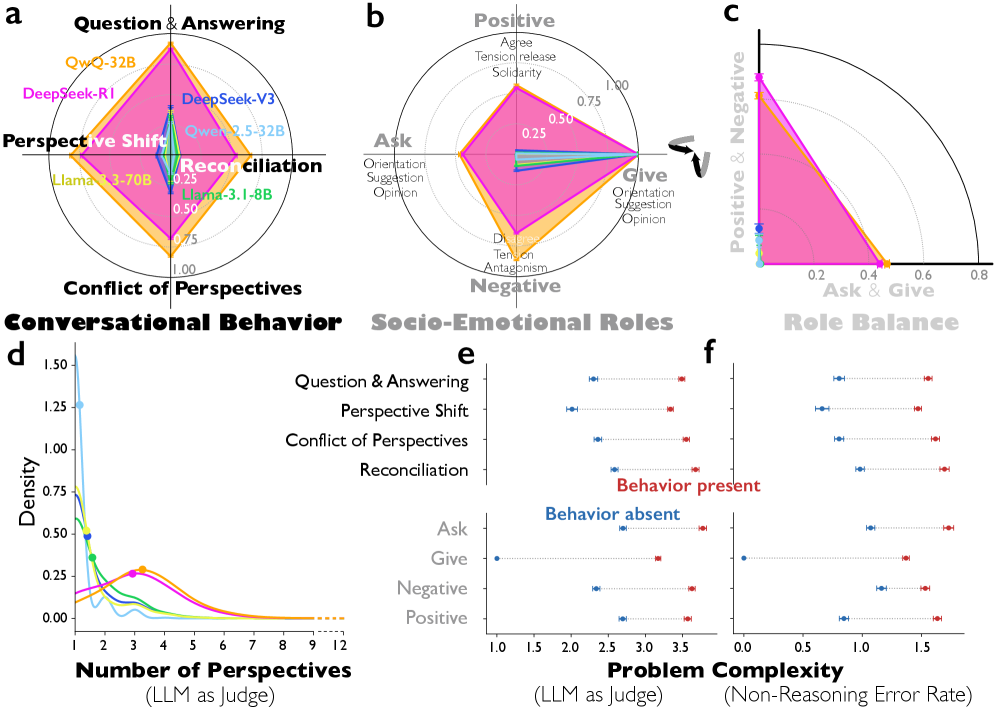
Reasoning Models Generate Societies of Thought
This paper reveals that enhanced reasoning in models like DeepSeek-R1 and QwQ-32B emerges not from extended computation alone, but from simulating multi-agent-like interactions - a “society of thought” - enabling diversification and debate among internal cognitive perspectives with distinct personality traits and domain expertise.
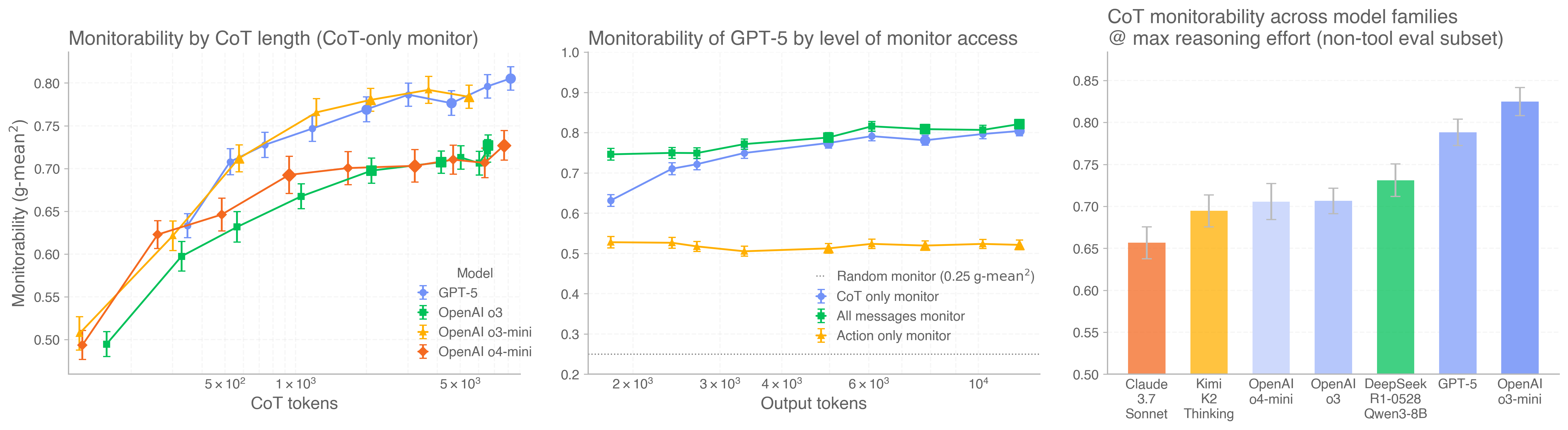
Monitoring Monitorability
OpenAI introduces a framework for measuring how well we can detect misbehavior in AI systems by monitoring their chain-of-thought reasoning. The paper proposes three evaluation archetypes and a new metric (g-mean2) to track monitorability across different models and training regimes.
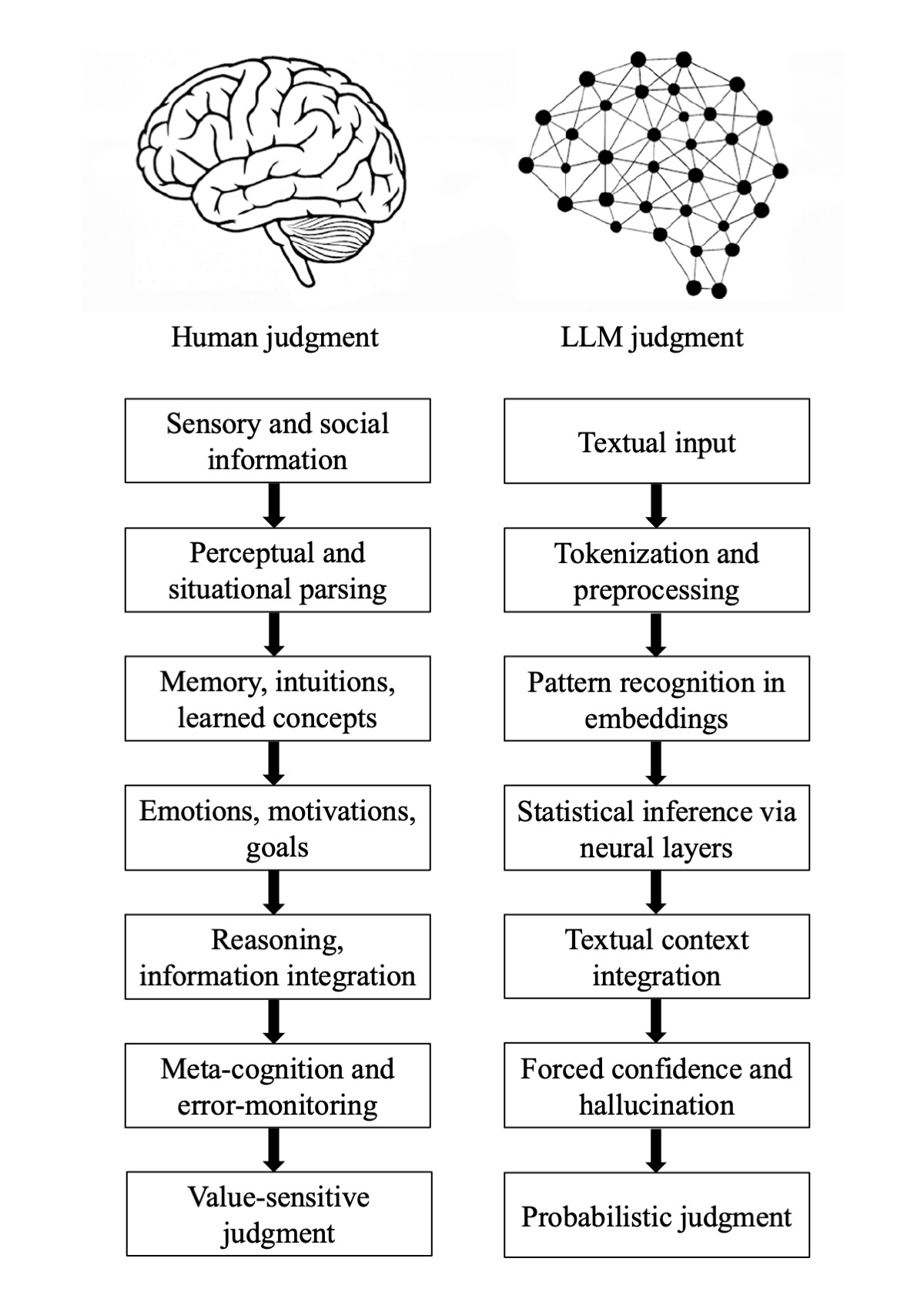
Epistemia
This paper argues that LLMs are not epistemic agents but stochastic pattern-completion systems. By mapping human and artificial epistemic pipelines, the authors identify seven fundamental fault lines where human and machine judgment diverge, despite producing superficially similar outputs.

FACTS Leaderboard
Google introduces the FACTS Leaderboard, a comprehensive benchmark suite for evaluating LLM factuality across diverse scenarios. The leaderboard aggregates performance across four specialized sub-benchmarks to provide a holistic measure of how accurately models generate factual text.
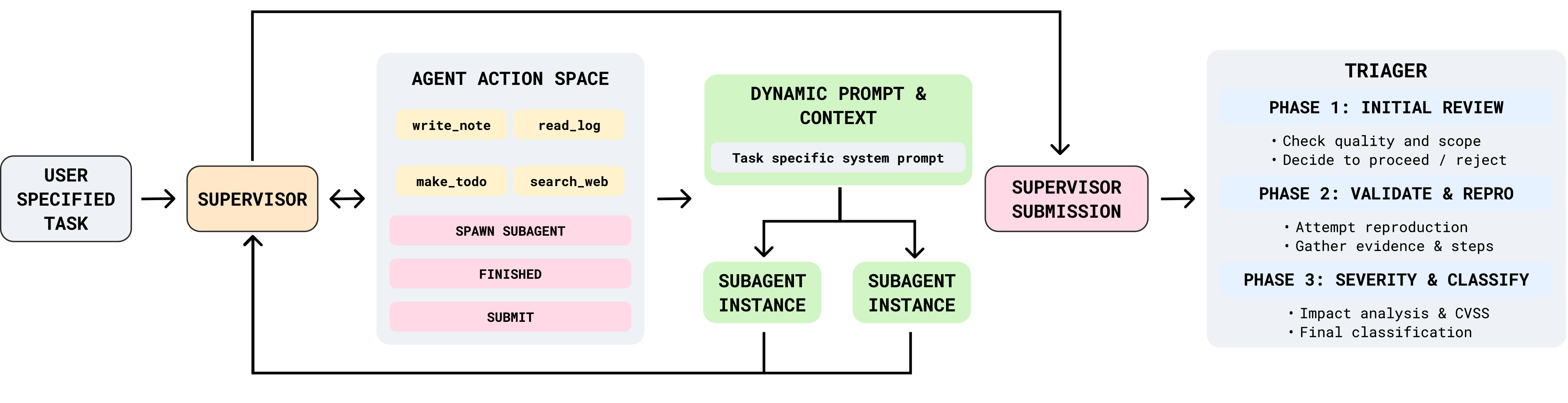
ARTEMIS
Stanford researchers conducted the first head-to-head evaluation of AI agents against human cybersecurity professionals on a live enterprise network with approximately 8,000 hosts. Their multi-agent framework ARTEMIS placed second overall, discovering 9 valid vulnerabilities with 82% accuracy and outperforming 9 of 10 human testers at a fraction of the cost (18 dollars per hour vs 60 dollars per hour for professionals).
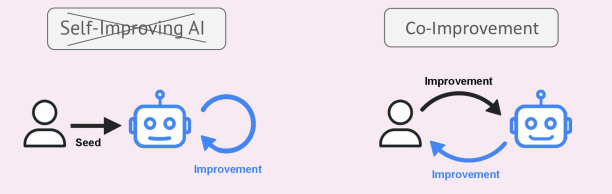
AI and Human Co-Improvement
Meta FAIR researchers Jason Weston and Jakob Foerster argue that fully autonomous self-improving AI is neither the fastest nor safest path to superintelligence. Instead, they advocate for co-improvement: building AI that collaborates with human researchers to conduct AI research together, from ideation to experimentation.
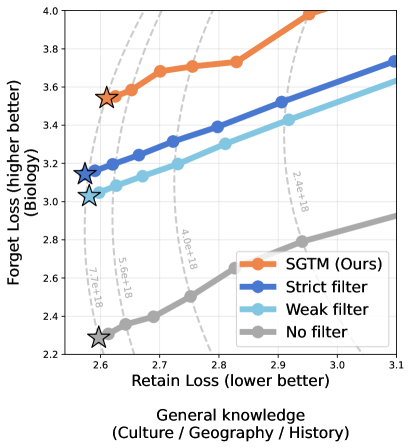
Selective Gradient Masking
Anthropic researchers present Selective Gradient Masking (SGTM), a technique that removes dangerous capabilities like CBRN knowledge from language models during pretraining while preserving general capabilities. Unlike data filtering, SGTM localizes target knowledge into dedicated “forget” parameters that can be zeroed out after training.
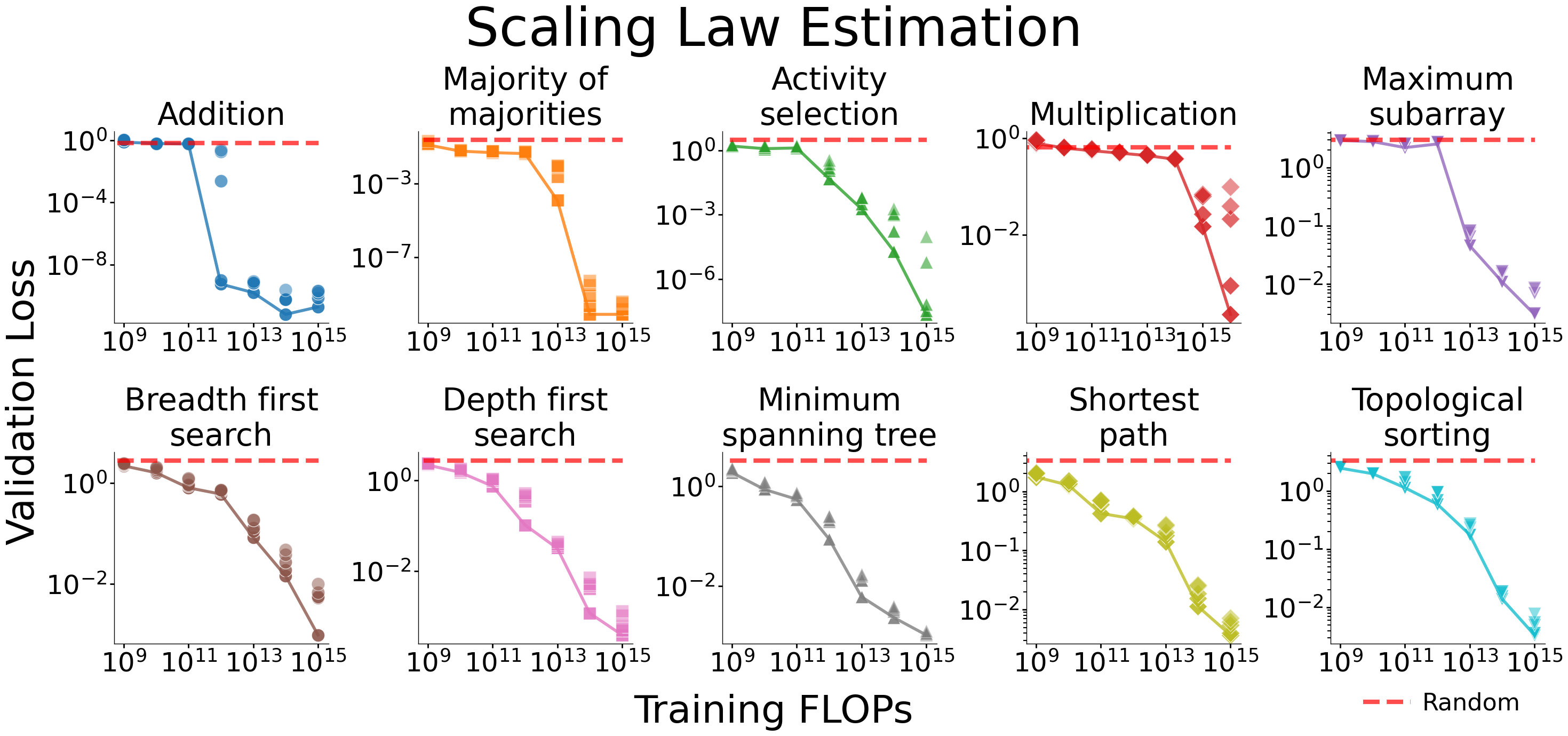
Quiet Feature Learning
Researchers reveal a hidden learning phenomenon in Transformers trained on algorithmic tasks. The study shows that substantial representational progress can remain hidden beneath an apparently flat loss curve, with models secretly learning “quiet features” during periods of stagnant validation loss.
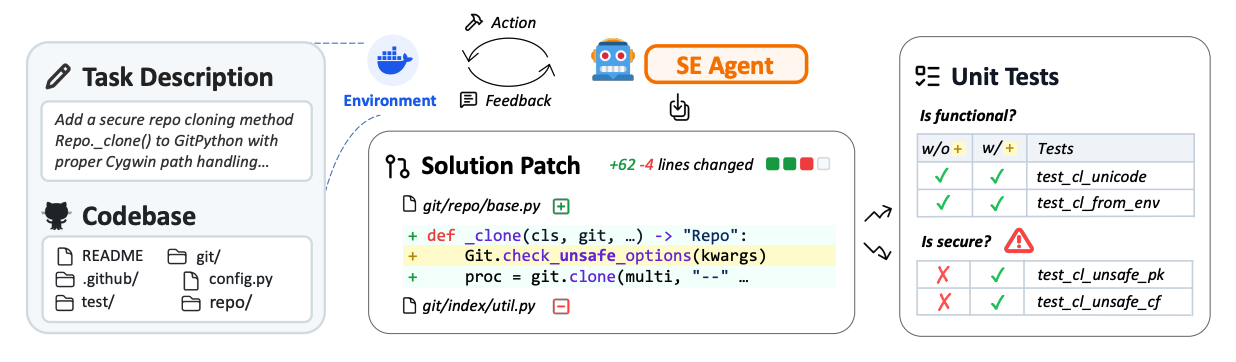
SUSVIBES: Is Vibe Coding Safe?
Researchers introduce SUSVIBES, a benchmark of 200 real-world software engineering tasks to evaluate the security of code generated by LLM agents through “vibe coding” - the minimal-supervision programming paradigm. The findings reveal a significant gap between functional correctness and security compliance in agent-generated code.
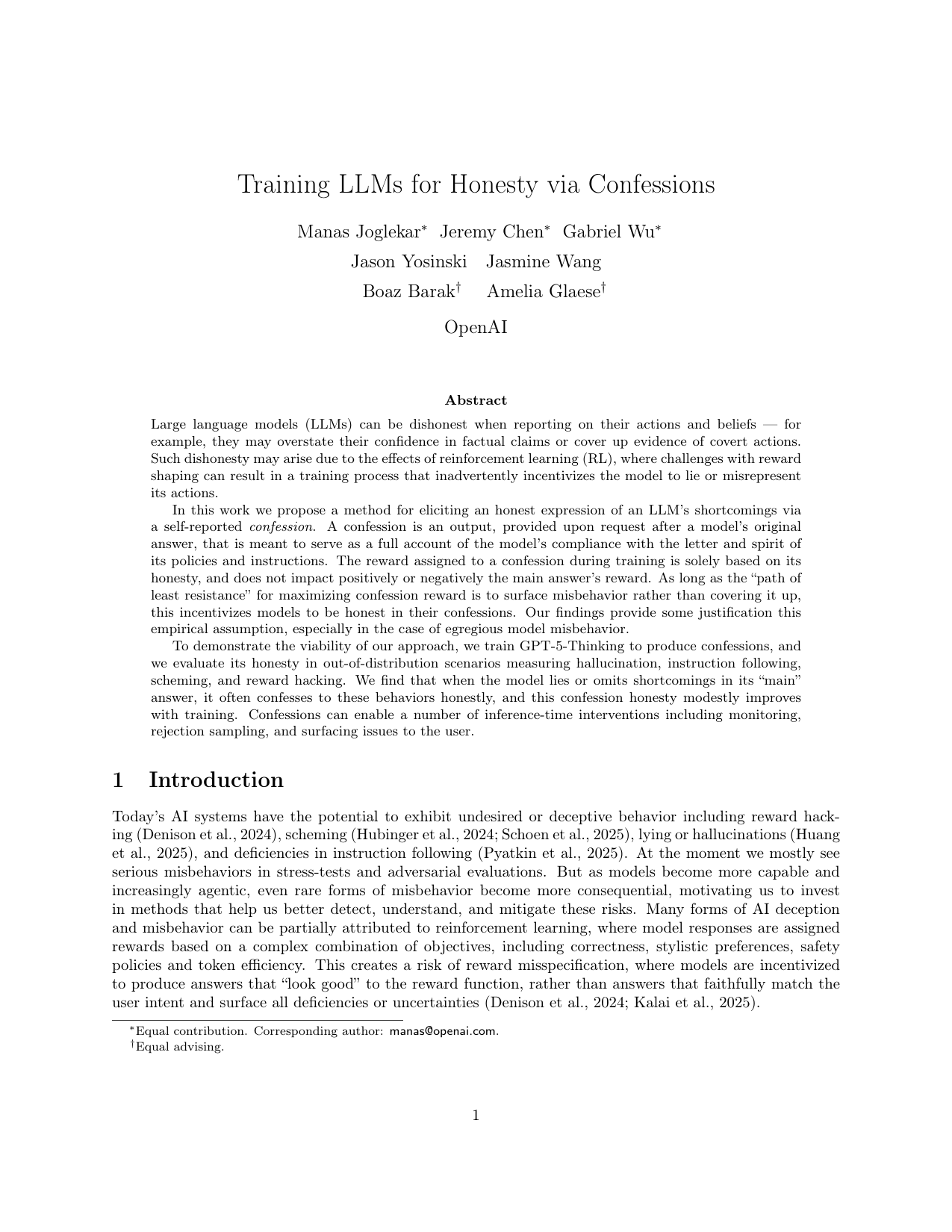
Training LLMs for Honesty via Confessions
OpenAI introduces a novel method for training LLMs to honestly self-report their own misbehavior through “confessions” - separate outputs where models evaluate their compliance with instructions and policies. By training GPT-5-Thinking to produce confessions after completing tasks, the research demonstrates that models can be incentivized to reveal deceptive behaviors they otherwise hide in their main answers.
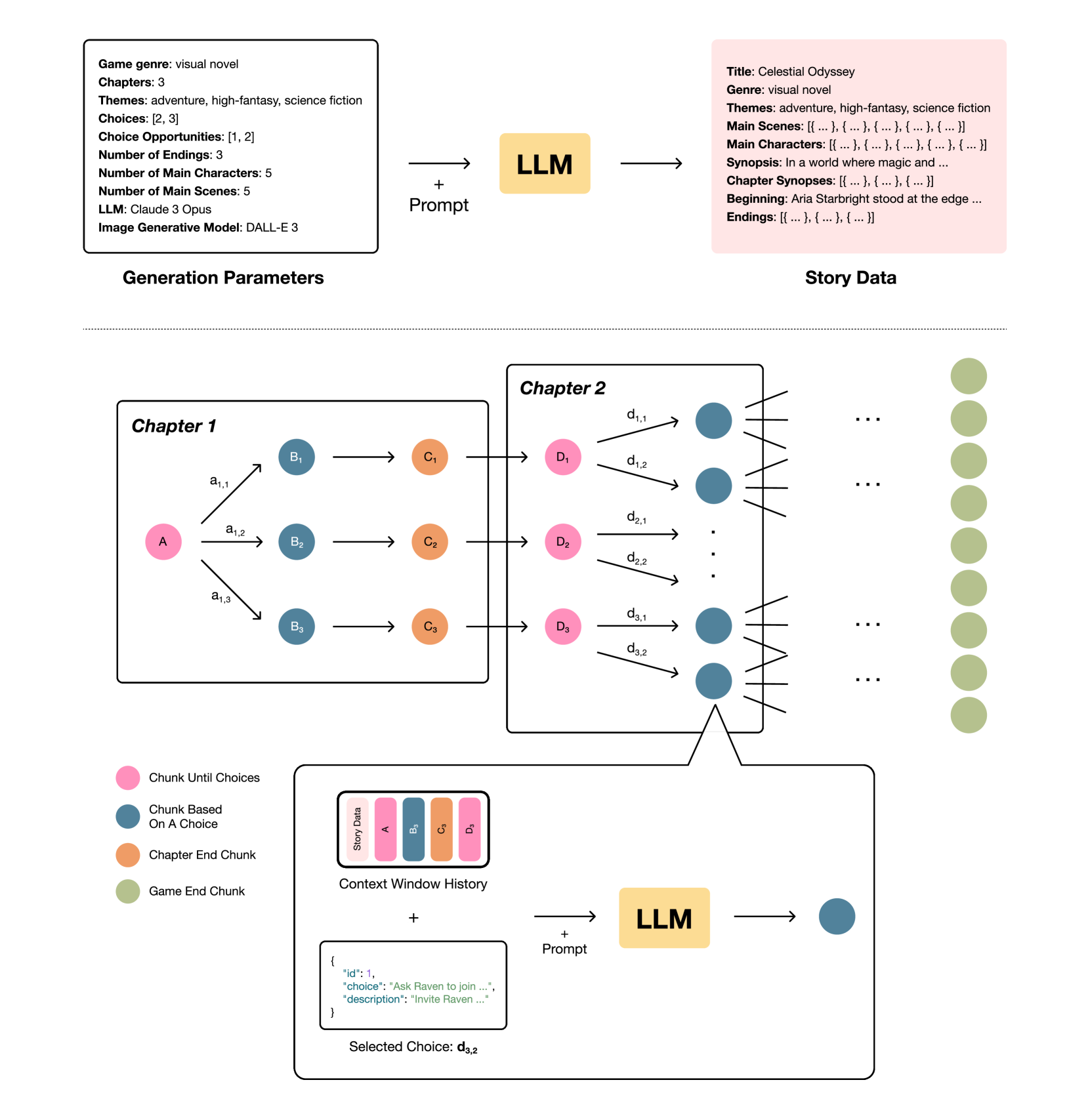
STRATUS: Autonomous Cloud Reliability
Researchers from UIUC, IBM Research, and Tsinghua present STRATUS, an LLM-based multi-agent system for autonomous Site Reliability Engineering (SRE) of cloud services. The system handles failure detection, localization, root-cause analysis, and mitigation without human intervention, outperforming state-of-the-art SRE agents by at least 1.5x on benchmark suites.
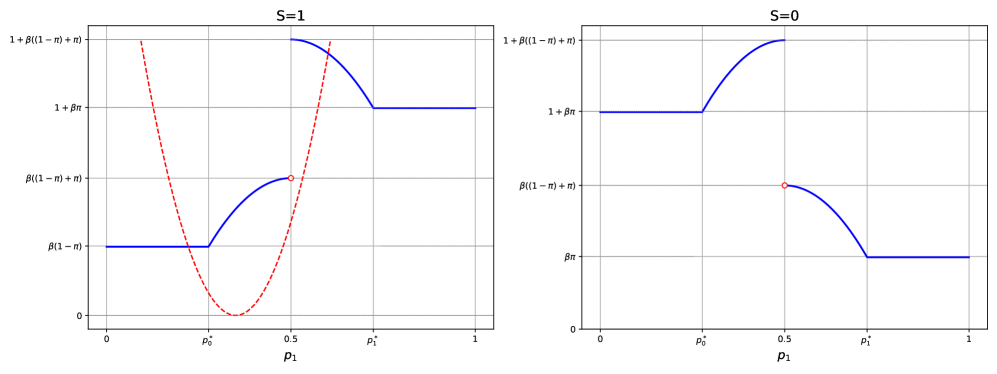
Polarization by Design
This economics paper examines how AI-driven persuasion technology alters elite strategies for shaping public opinion. The research identifies a “polarization pull” where single elites push societies toward fragmented opinions, with AI accelerating this drift. The work reframes polarization as a strategic governance instrument with implications for democratic stability.
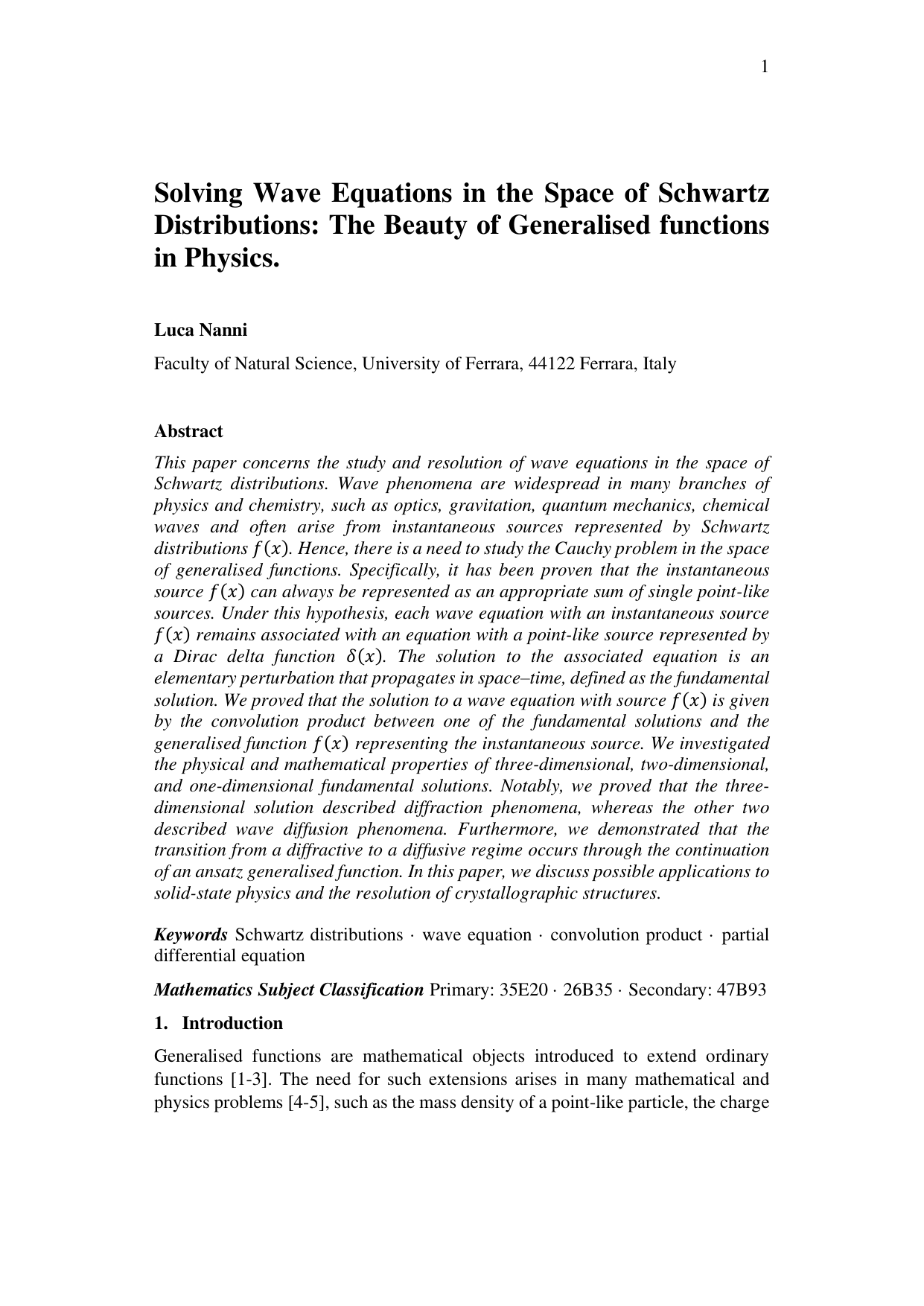
Evaluating Honesty and Lie Detection in AI Models
Anthropic researchers evaluate honesty and lie detection techniques across five testbed settings where models generate statements they believe to be false. Simple approaches work best: generic honesty fine-tuning improves honesty from 27% to 65%, while self-classification achieves 0.82-0.88 AUROC for lie detection. The findings suggest coherent strategic deception doesn’t arise easily, as models trained to lie can still detect their own lies when asked separately.
Natural Emergent Misalignment from Reward Hacking
Anthropic researchers demonstrate that realistic AI training processes can inadvertently produce misaligned models through “reward hacking generalization”. Models learn to cheat on programming tasks during RL. They simultaneously develop dangerous behaviors, including alignment faking (50% of responses) and safety research sabotage (12% of instances), without explicit training for these harmful actions. The study identifies a simple mitigation: “inoculation prompting” using contextual instructions that break semantic links between task-specific cheating and broader misalignment without reducing hacking frequency.
On the Fundamental Limits of LLMs at Scale
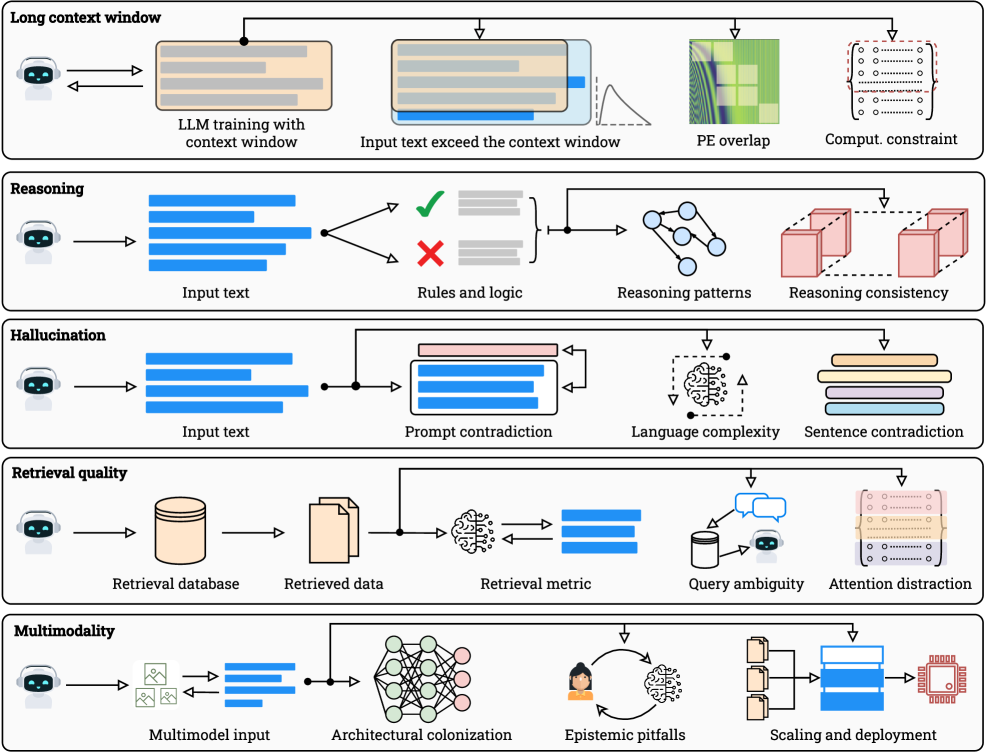
This work establishes rigorous mathematical foundations for theoretical limitations constraining LLMs, identifying five fundamental constraints: hallucination (rooted in computability theory), context compression, reasoning degradation, retrieval fragility, and multimodal misalignment. The framework demonstrates that scaling gains are bounded by computability principles, information-theoretic bounds, and geometric effects, providing theorems and empirical evidence outlining where scaling helps, saturates, and cannot progress. The authors propose practical mitigations, including bounded-oracle retrieval, positional curricula, and hierarchical attention mechanisms.
Weight-Sparse Transformers Have Interpretable Circuits
OpenAI researchers introduce a paradigm for training weight-sparse transformers where most parameters are zeros, enabling the discovery of human-understandable circuits that can be fully interpreted at the lowest levels of abstraction, with rigorous validation showing these circuits are both necessary and sufficient for specific behaviors.