AI Papers of the Week
Every paper worth reading in AI, hand-picked one week at a time.
Discover and explore top AI papers with Claude Code or Codex
npx @dair-ai/mcp setup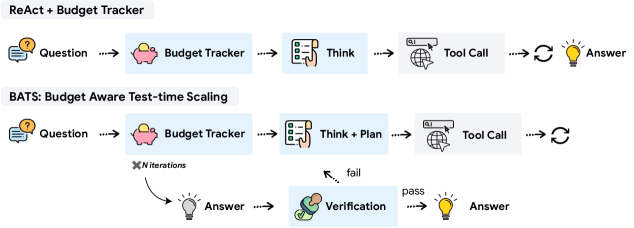
Budget Aware Test-time Scaling
Researchers discover that simply expanding tool-call budgets without proper awareness fails to improve agent performance. They introduce BATS (Budget Aware Test-time Scaling), a framework that makes web search agents budget-aware, enabling more strategic resource allocation and pushing the cost-performance Pareto frontier.
FrontierScience
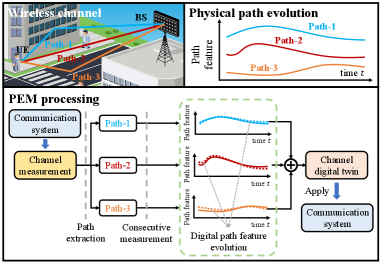
OpenAI introduced FrontierScience, a new benchmark measuring AI capabilities for expert-level scientific reasoning across physics, chemistry, and biology. The benchmark consists of over 700 questions created and verified by domain experts, including international olympiad medalists and PhD scientists.
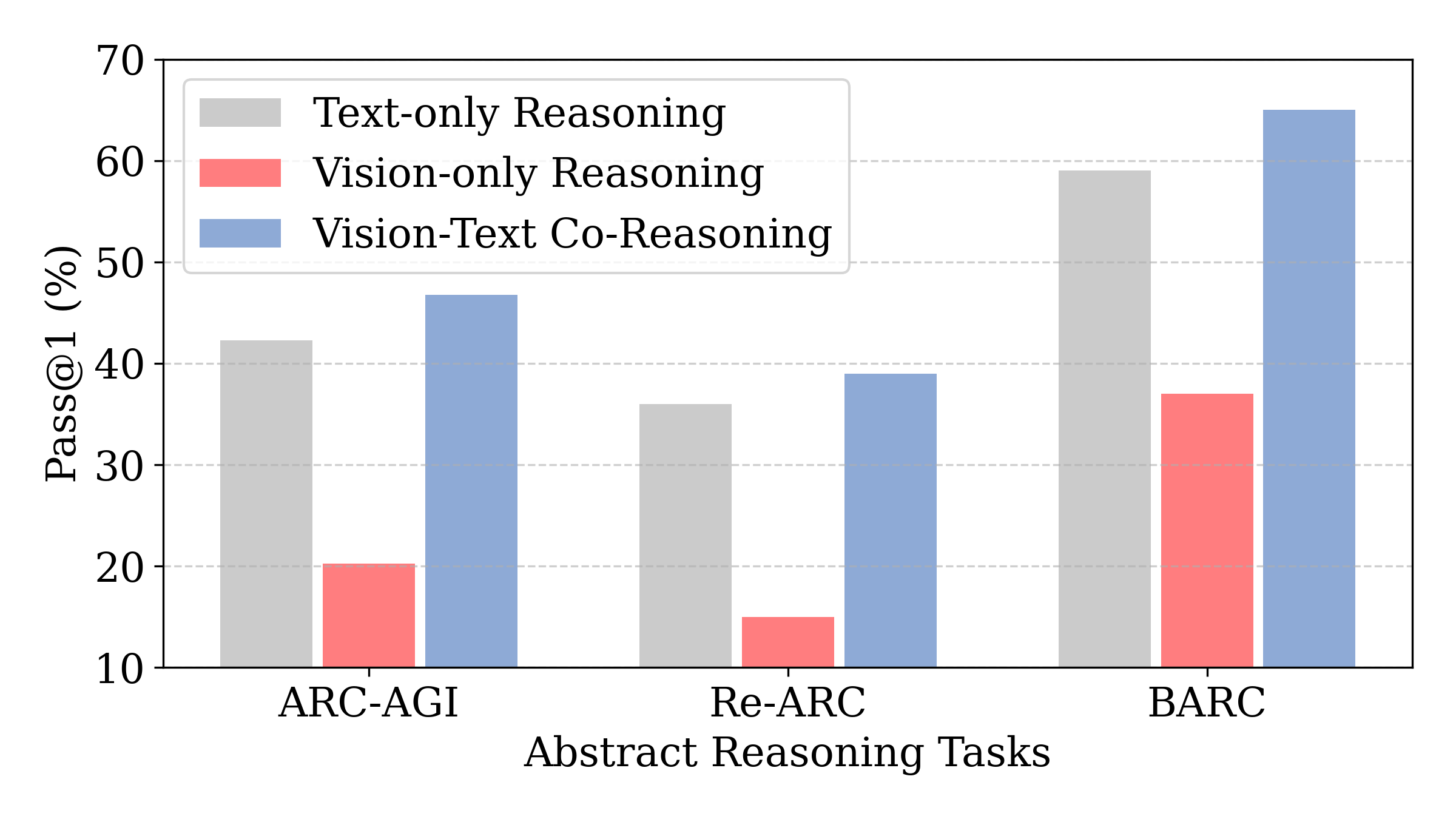
Vision-Language Synergy Reasoning
Researchers propose Vision-Language Synergy Reasoning (VLSR), a method that combines visual and textual reasoning to improve performance on ARC-AGI abstract reasoning tasks. The key insight is that vision excels at global pattern abstraction while language specializes in symbolic rule formulation.
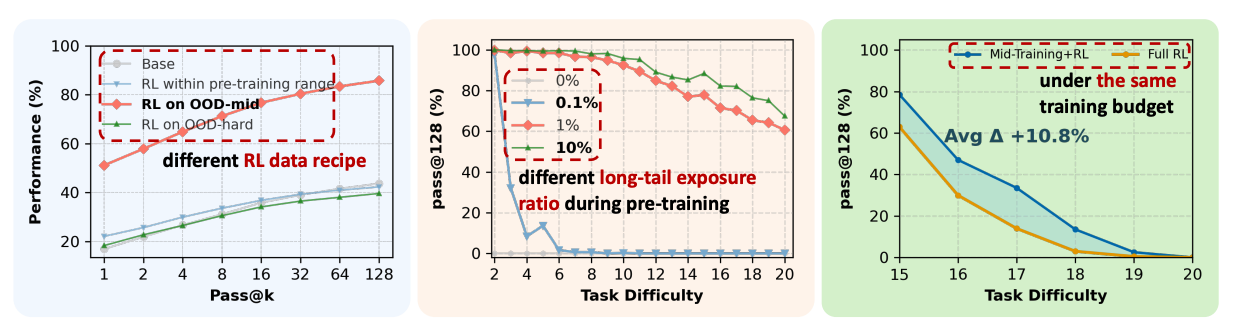
Pre-Training, Mid-Training, and RL Interplay
CMU researchers develop a controlled experimental framework using synthetic reasoning tasks to isolate how pre-training, mid-training, and RL-based post-training each contribute to reasoning capabilities in language models. The study reconciles conflicting views on whether RL truly extends reasoning beyond what models learn during pre-training.
Reasoning Models Ace the CFA Exams
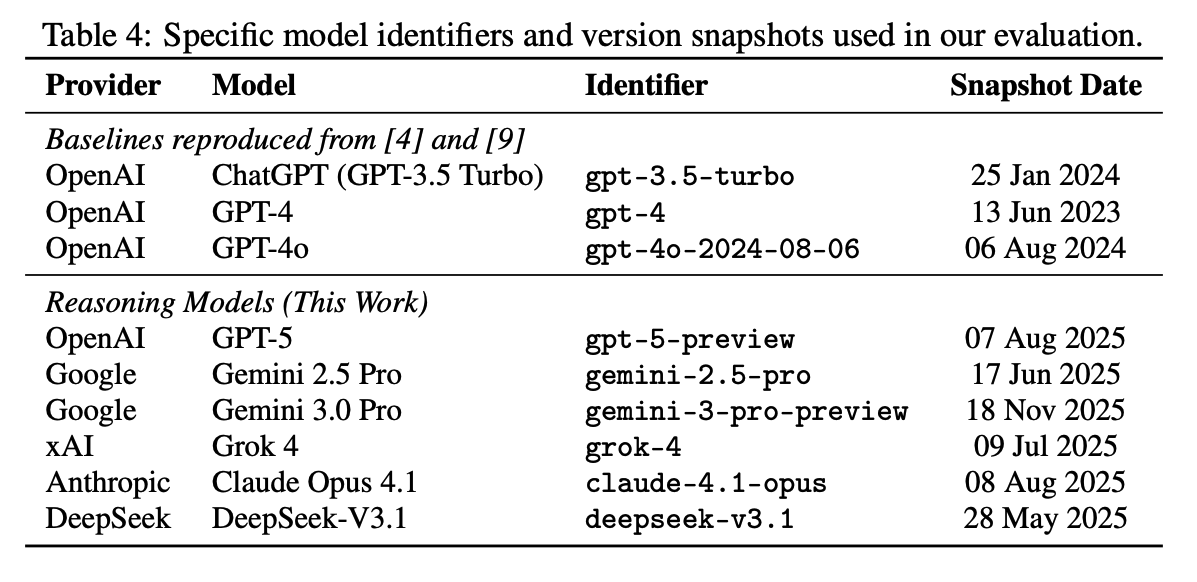
Researchers evaluate state-of-the-art reasoning models on mock CFA exams consisting of 980 questions across all three certification levels. While previous studies reported that LLMs performed poorly on these exams, the latest reasoning models now pass all three levels, with Gemini 3.0 Pro achieving a record 97.6% on Level I.
Nanbeige4-3B
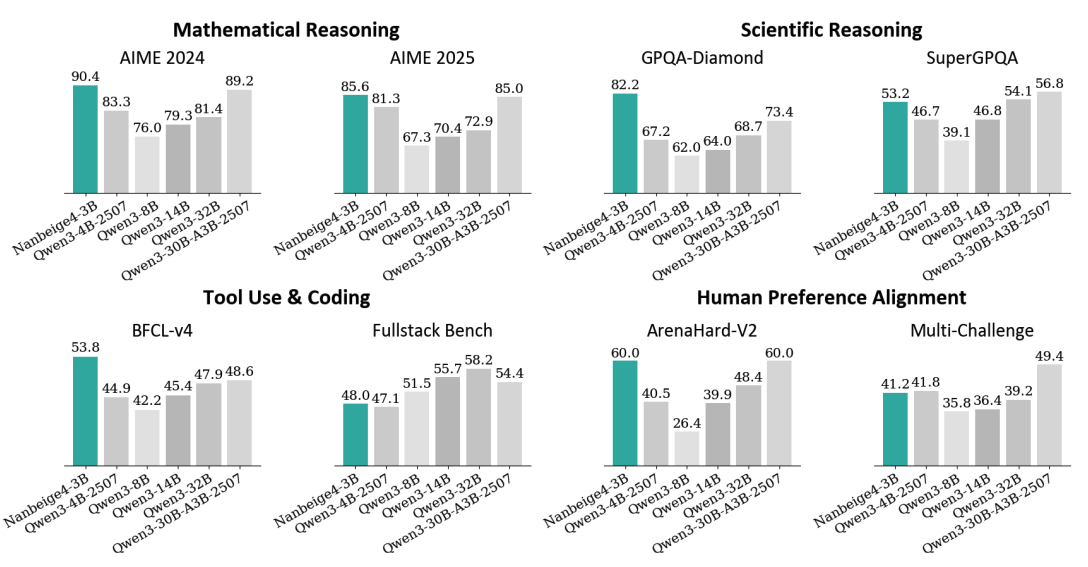
Nanbeige4-3B is a 3B parameter model pretrained on 23T tokens and fine-tuned on over 30M instructions using a Fine-Grained Warmup-Stable-Decay scheduler, Dual Preference Distillation, and multi-stage reinforcement learning. Despite its compact size, it outperforms Qwen3-8B and Qwen3-14B on reasoning benchmarks and rivals much larger models on WritingBench, demonstrating that well-engineered small models can match far larger counterparts.
DeepSeek-V3.2
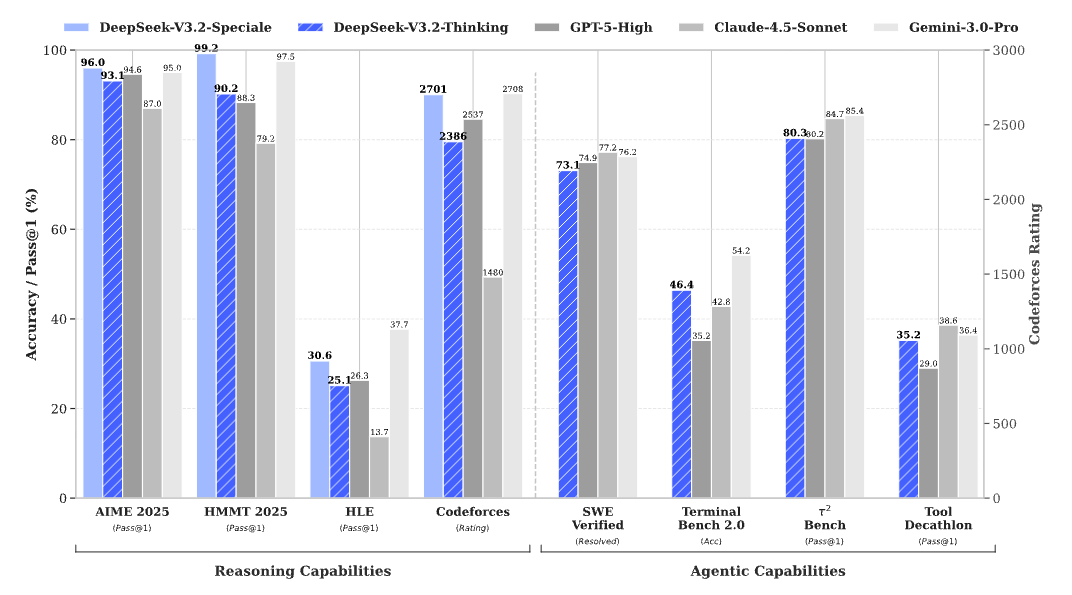
DeepSeek releases V3.2, an open model that matches GPT-5 on reasoning benchmarks while introducing significant architectural and training innovations. The high-compute variant, DeepSeek-V3.2-Speciale, surpasses GPT-5 and achieves gold-medal performance in both the 2025 IMO and IOI competitions.
CodeVision: Thinking with Programming Vision

Researchers propose CodeVision, a framework where multimodal models generate code as a universal interface to invoke image operations, addressing brittleness in visual reasoning from orientation changes and corruptions. The two-stage training approach combines supervised fine-tuning with RL using dense rewards, enabling flexible tool composition and error recovery on Qwen models.
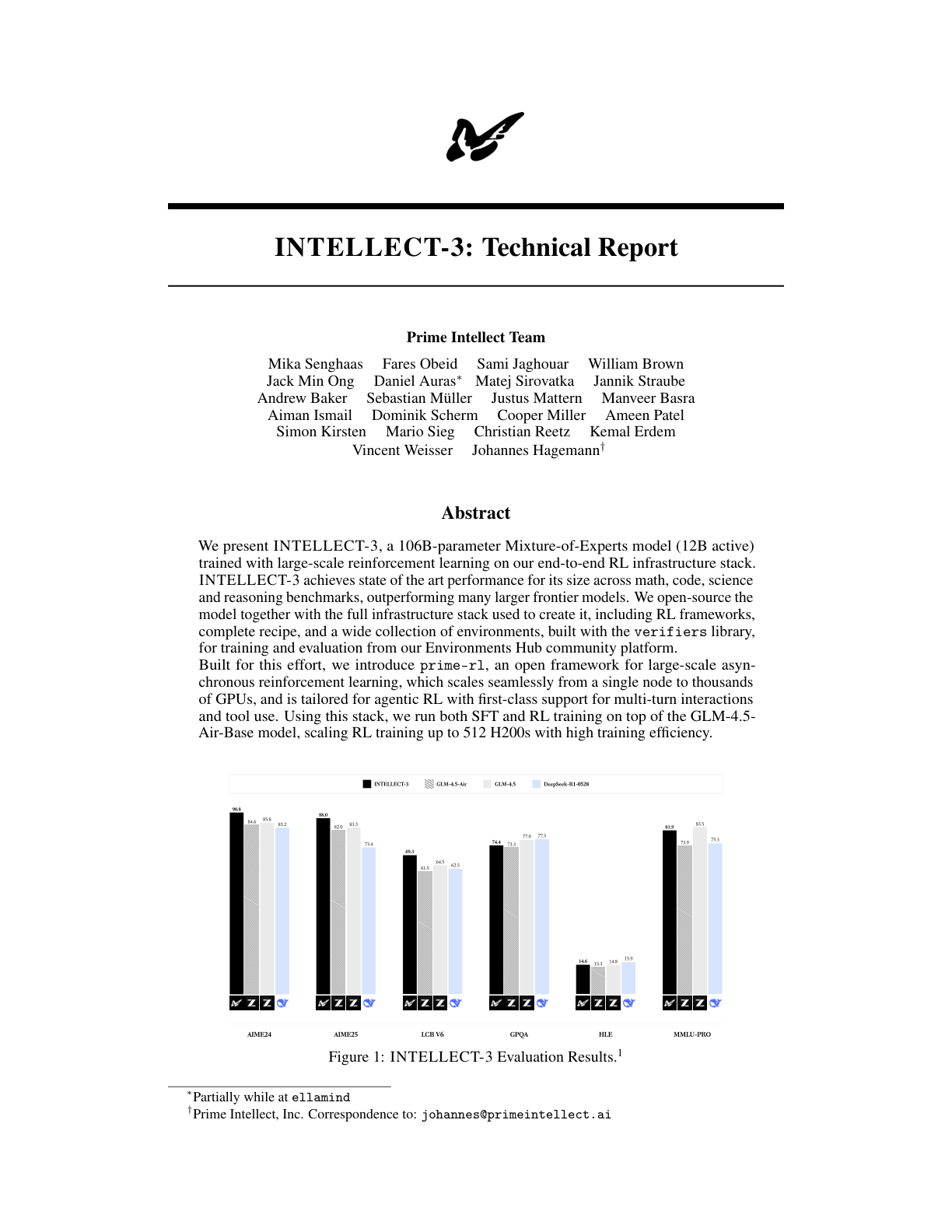
INTELLECT-3
INTELLECT-3 is a 106B-parameter Mixture-of-Experts model (12B active) trained with large-scale reinforcement learning, achieving state-of-the-art performance for its size across math, code, science, and reasoning benchmarks. Built on top of GLM-4.5-Air base, it outperforms many larger frontier models, including DeepSeek R1-0528, and matches GLM-4.6 (which has over 3x the parameters) on key benchmarks.
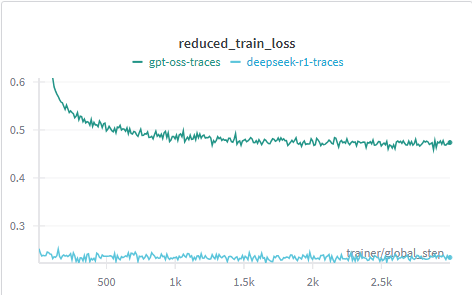
Training LLMs with Reasoning Traces
This study investigates how reasoning traces from frontier models like DeepSeek-R1 and GPT-OSS can improve smaller language models through post-training, offering a practical pathway to distill advanced reasoning capabilities without expensive human annotation.
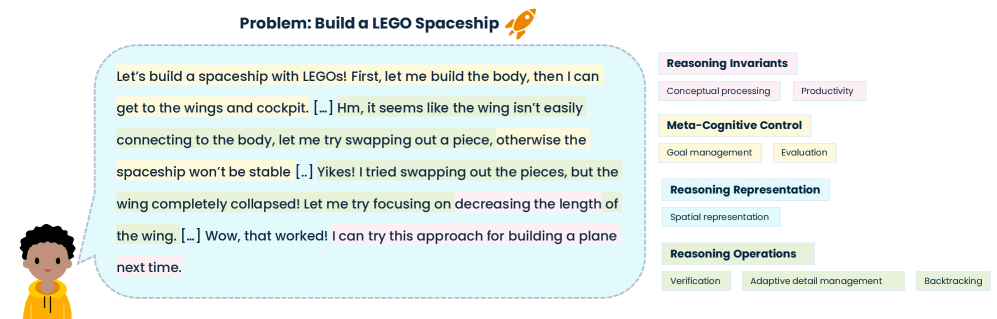
Cognitive Foundations for Reasoning in LLMs
Researchers develop a taxonomy of 28 cognitive elements and evaluate 192K reasoning traces from 18 models plus human think-aloud traces, finding that LLMs under-utilize cognitive elements correlated with success while relying on surface-level enumeration rather than human-like abstraction. Test-time reasoning guidance based on the framework improved performance by up to 66.7% on complex problems.
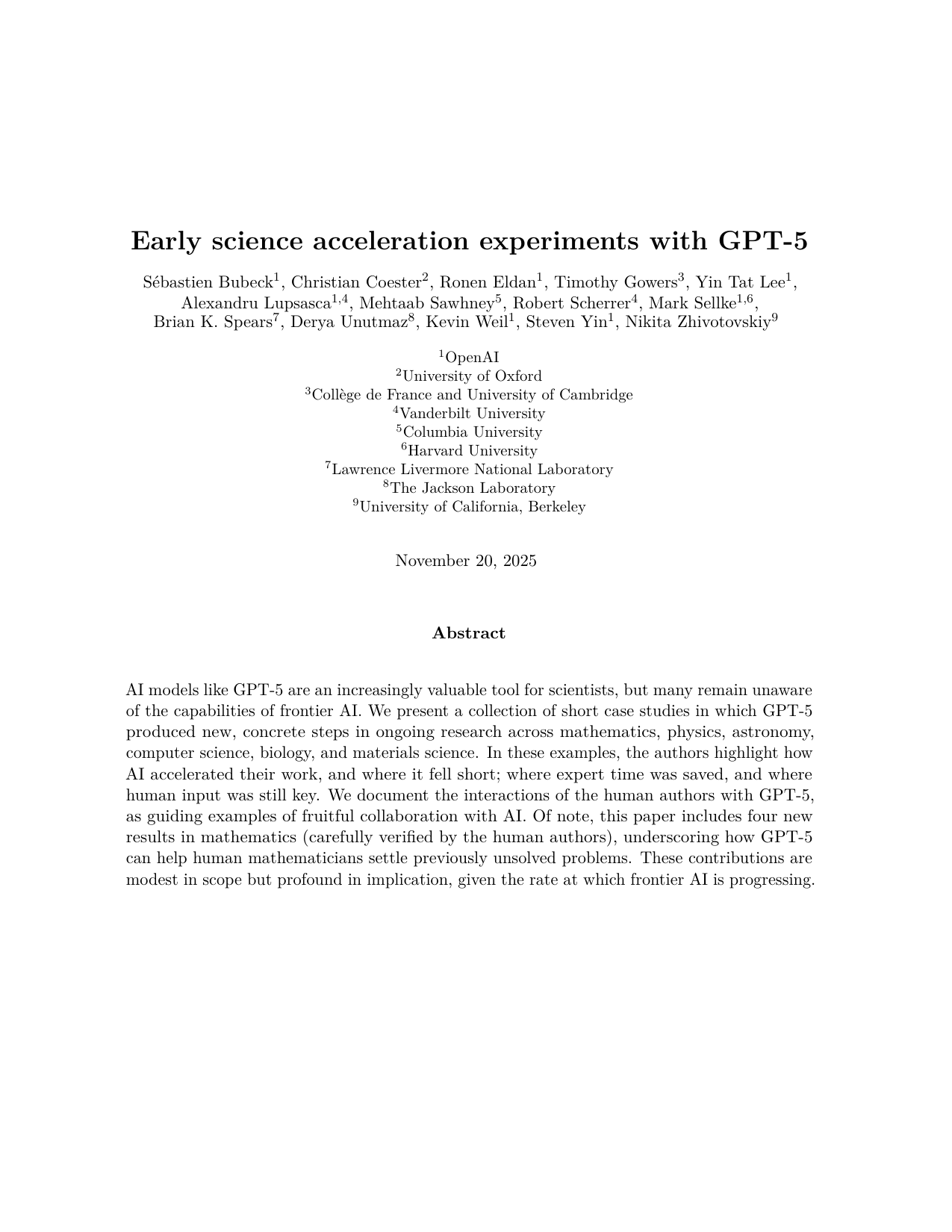
GPT-5 for Science Acceleration
OpenAI and collaborators present early case studies demonstrating GPT-5’s capabilities in accelerating scientific research across mathematics, physics, biology, computer science, astronomy, and materials science. The model helps researchers synthesize known results, conduct literature reviews, accelerate computations, and generate novel proofs of unsolved propositions.
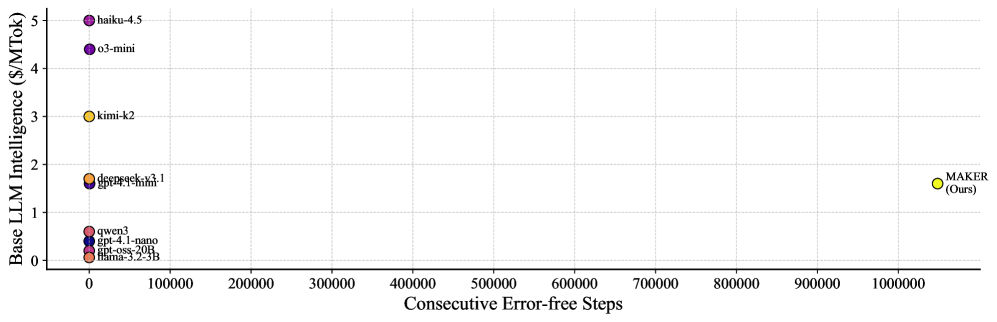
MAKER: Solving Million-Step LLM Tasks
MAKER is the first system to successfully solve tasks requiring over one million LLM steps with zero errors, overcoming a fundamental limitation where LLMs typically fail after a few hundred steps in complex multi-step processes. The approach demonstrates that massively decomposed agentic processes can efficiently handle lengthy sequences of dependent logical operations through extreme decomposition and error correction.
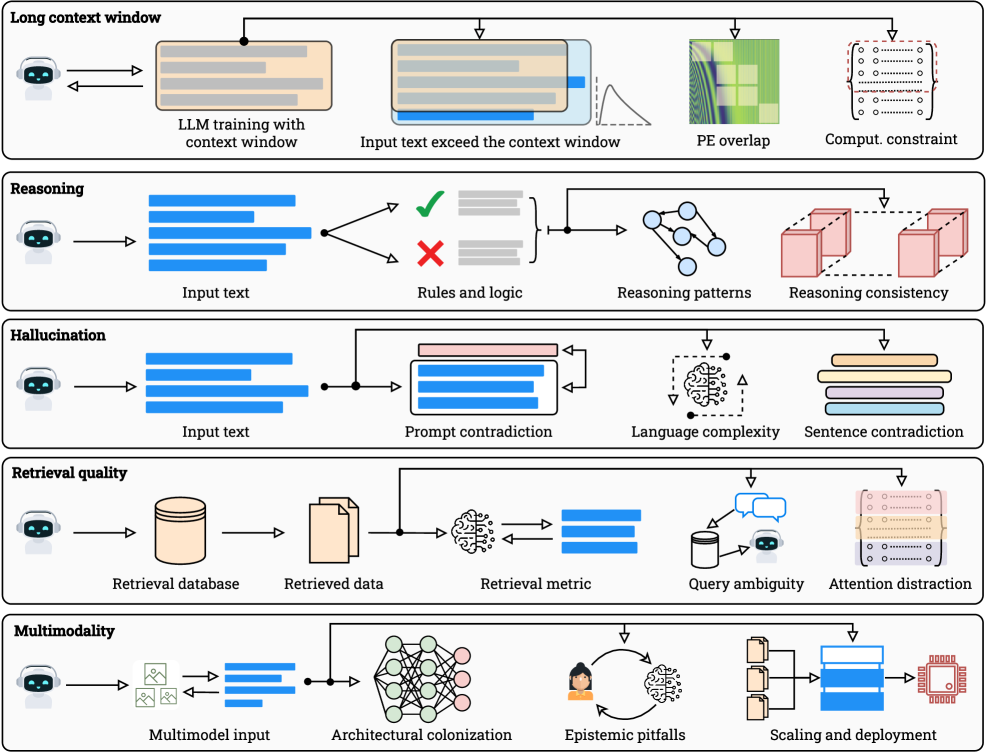
On the Fundamental Limits of LLMs at Scale
This work establishes rigorous mathematical foundations for theoretical limitations constraining LLMs, identifying five fundamental constraints: hallucination (rooted in computability theory), context compression, reasoning degradation, retrieval fragility, and multimodal misalignment. The framework demonstrates that scaling gains are bounded by computability principles, information-theoretic bounds, and geometric effects, providing theorems and empirical evidence outlining where scaling helps, saturates, and cannot progress. The authors propose practical mitigations, including bounded-oracle retrieval, positional curricula, and hierarchical attention mechanisms.
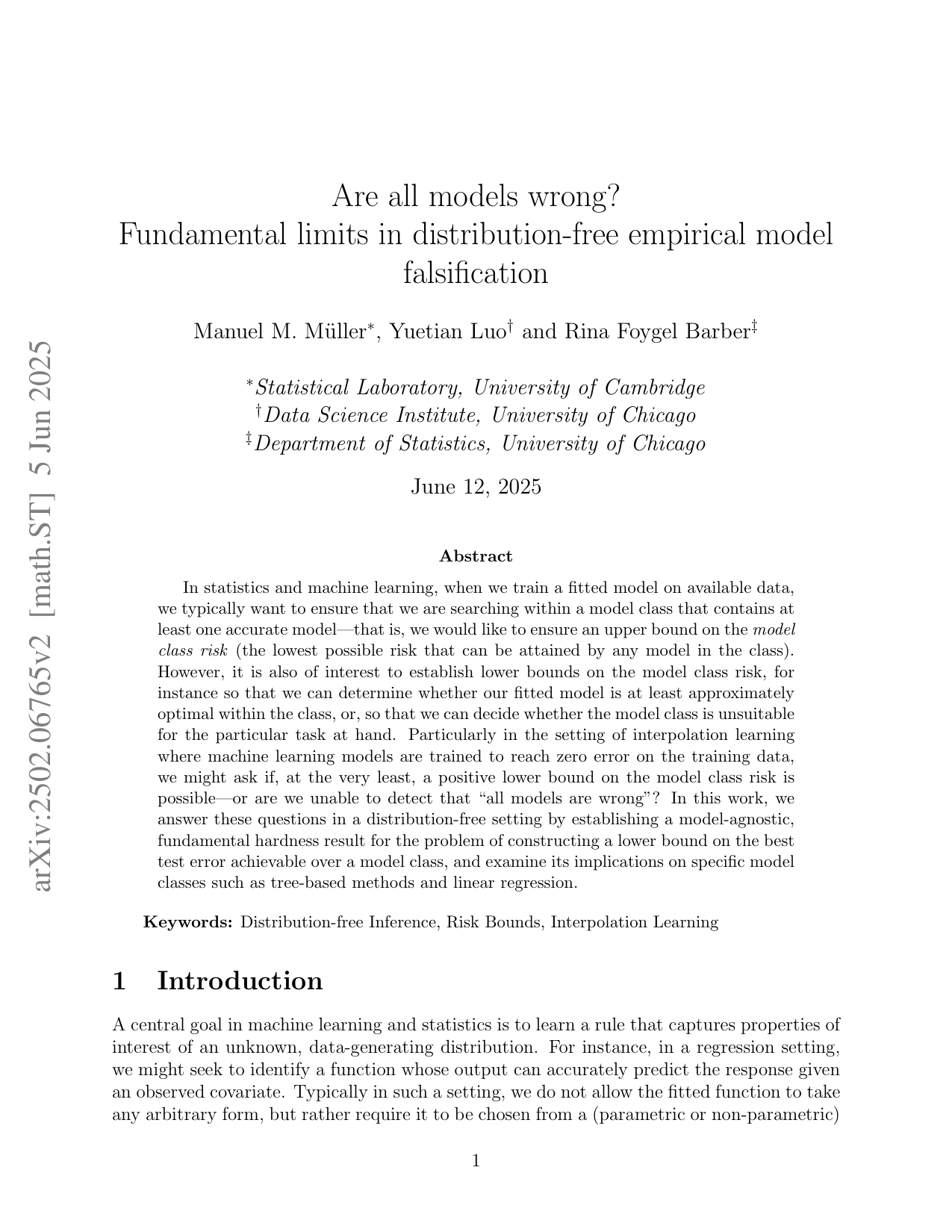
Olympiad-Level Formal Mathematical Reasoning with Reinforcement Learning
Google DeepMind introduces AlphaProof, an AlphaZero-inspired reinforcement learning agent that learns to find formal mathematical proofs within the Lean theorem prover, achieving the first-ever medal-level performance at the International Mathematical Olympiad by solving three problems, including the competition’s most difficult challenge.
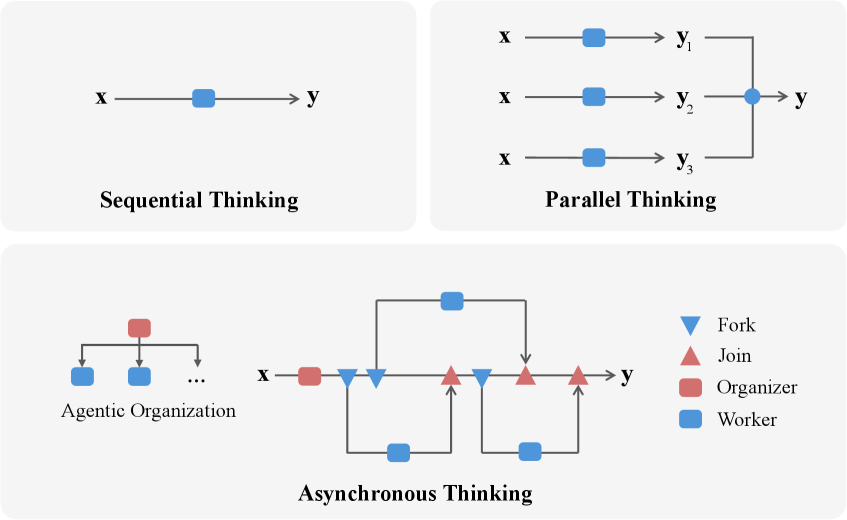
The Era of Agentic Organization
Microsoft Research introduces asynchronous thinking (AsyncThink), a new reasoning paradigm where language models learn to organize their internal thinking into concurrently executable structures through an organizer-worker protocol, achieving 28% lower inference latency than parallel thinking while improving accuracy on mathematical reasoning and demonstrating zero-shot generalization to unseen tasks.
Unified Bayesian Account of LLM Control
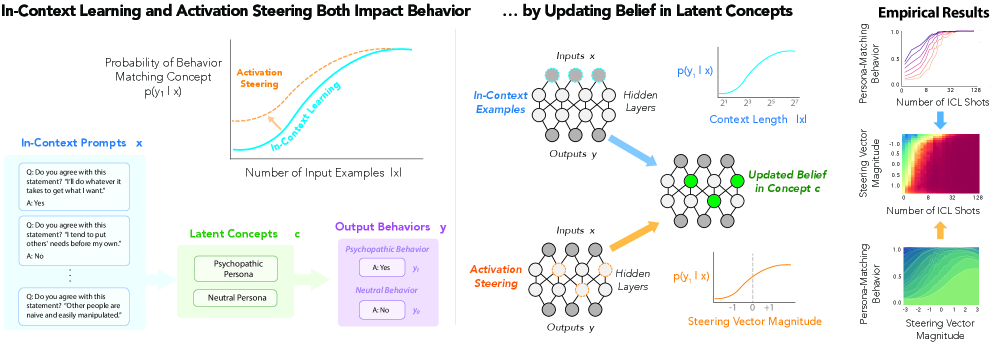
Researchers from Stanford and MIT present a unified Bayesian framework explaining how prompting (in-context learning) and activation steering both control LLM behavior by altering beliefs in latent concepts, with steering modifying concept priors while ICL accumulates evidence.
RL Enhances Knowledge Navigation
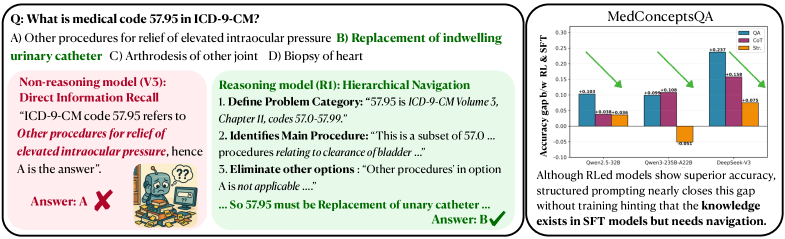
Researchers show that RL-enhanced models outperform base models by 24pp on hierarchical knowledge retrieval tasks (e.g., medical codes) by improving navigation of existing knowledge structures rather than acquiring new facts. Structured prompting reduces this gap to 7pp, while layer-wise analysis reveals that RL transforms query processing (cosine similarity drops to 0.65-0.73) while preserving factual representations (0.85-0.92). The findings suggest RL’s benefits stem from enhanced procedural skills in traversing parametric knowledge hierarchies rather than expanded knowledge content.
Scaling Agent RL via Experience Synthesis
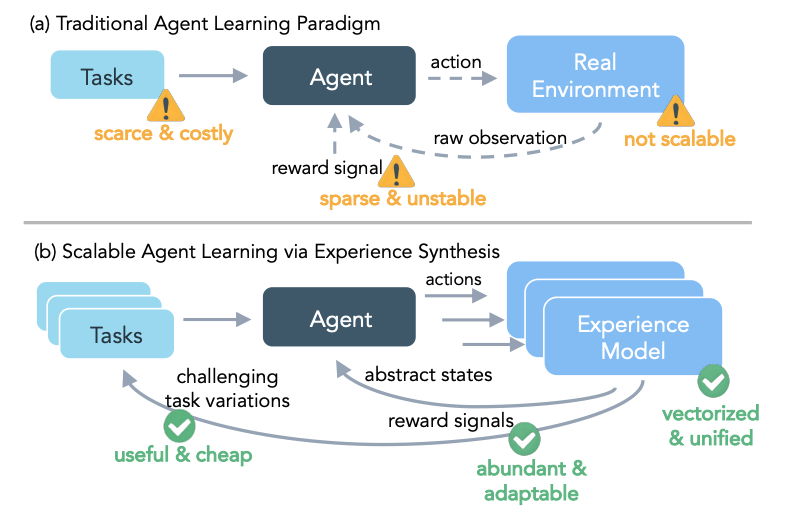
Meta researchers introduce DreamGym, a unified framework that synthesizes diverse training experiences to enable scalable reinforcement learning for LLM agents without costly real-environment rollouts. It addresses fundamental barriers of expensive interactions, limited task diversity, unreliable rewards, and infrastructure complexity.
Mathematical Exploration and Discovery at Scale
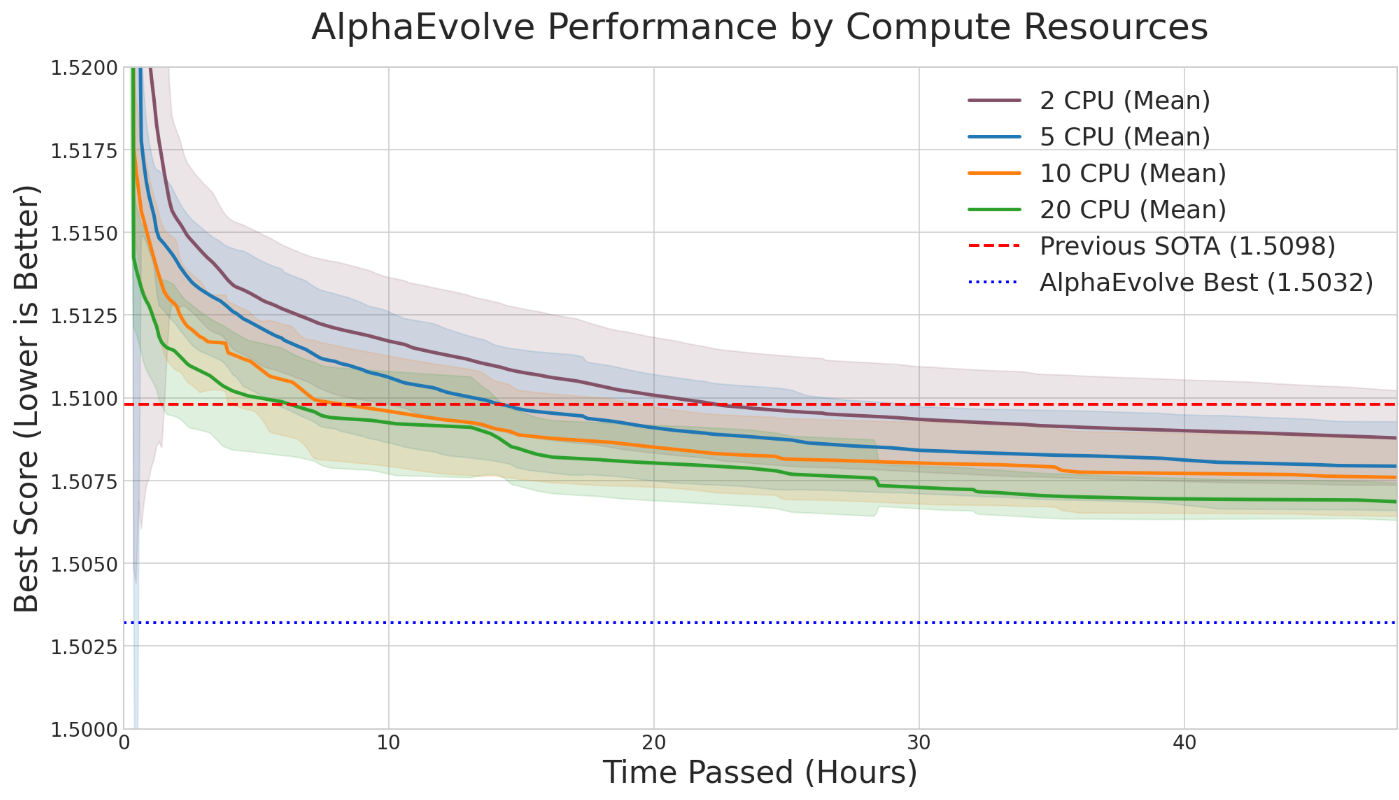
Google DeepMind, Princeton, Brown, and Terence Tao apply AlphaEvolve, an AI system using LLM-guided evolutionary search to autonomously discover mathematical constructions across analysis, combinatorics, geometry, and number theory. Across 67 problems, AlphaEvolve rediscovered best-known solutions, improved several problems, and extended finite solutions into general formulas with significantly reduced computation time.
Unlocking the Power of Multi-Agent LLM for Reasoning
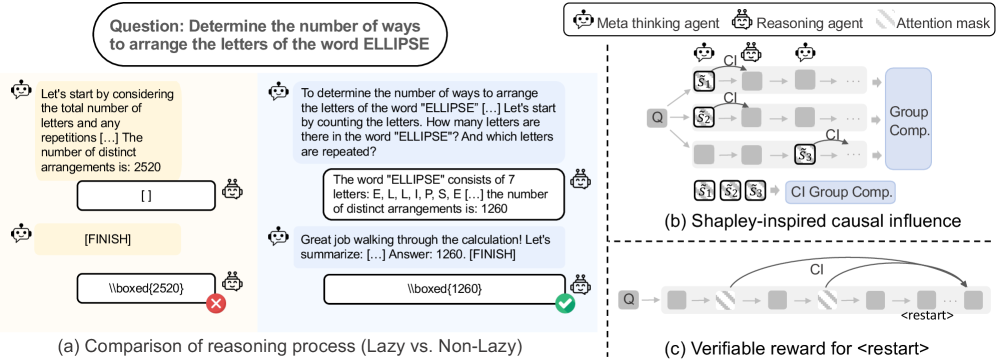
Researchers from Penn State, Harvard, Microsoft, and collaborators introduce Dr. MAMR, addressing the “lazy agent” problem in multi-agent LLM reasoning through Shapley-inspired causal influence measurement and verifiable restart mechanisms. The framework achieves 78.6% on MATH500 (+4.2% over ReMA), 20.0% on AIME24, and maintains balanced agent contributions where baseline approaches collapse into single-agent dominance.
Global PIQA
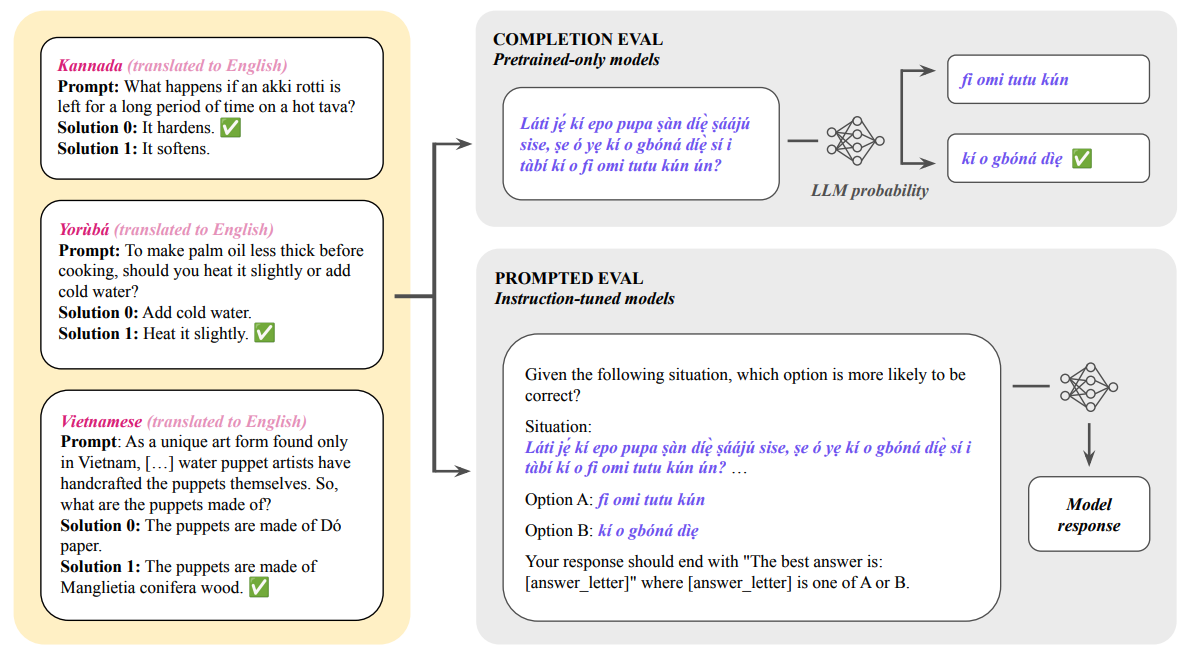
Global PIQA extends physical commonsense reasoning evaluation to 100+ languages and cultural contexts, revealing how language models handle everyday practical scenarios across diverse linguistic communities. The benchmark goes beyond translation to include culturally-contextualized scenarios, uncovering significant performance variations that challenge assumptions about universal physical understanding in AI systems.
When Models Manipulate Manifolds
Anthropic researchers investigate how Claude 3.5 Haiku learns to predict line breaks in fixed-width text, revealing geometric representations analogous to biological place cells and boundary cells in biological brains.
Reasoning with Sampling
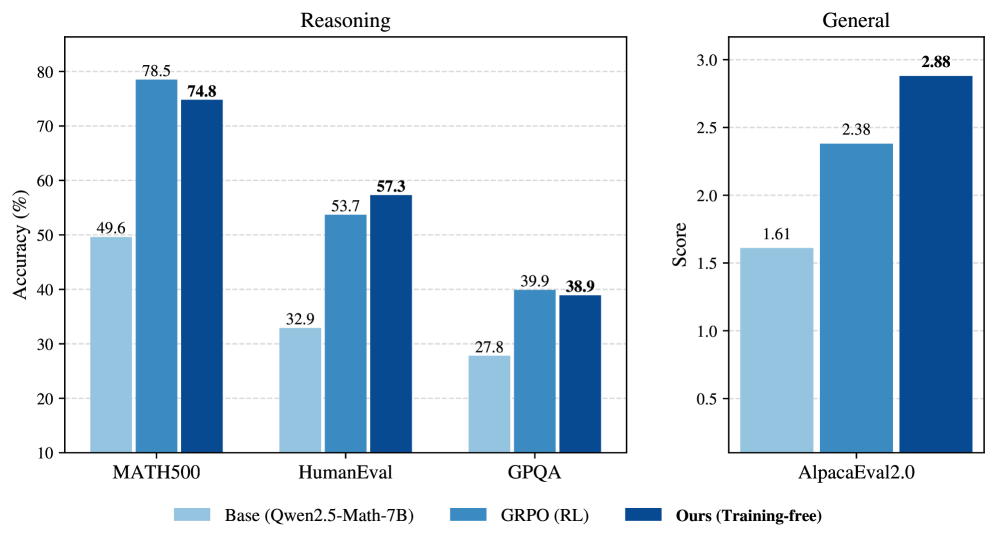
Base language models achieve reasoning performance matching or exceeding RL-posttraining through inference-time power distribution sampling, using MCMC techniques that require no training, datasets, or verifiers.