AI Papers of the Week
Every paper worth reading in AI, hand-picked one week at a time.
Discover and explore top AI papers with Claude Code or Codex
npx @dair-ai/mcp setup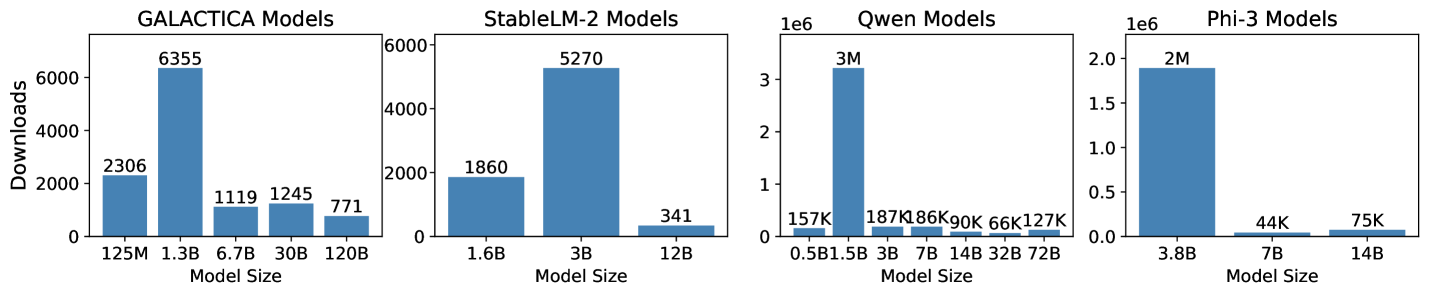
Comprehensive Survey of Small Language Models
This survey provides a comprehensive overview of Small Language Models (SLMs), which address key LLM limitations, including high computational demands, privacy concerns from cloud APIs, and poor performance on edge devices. The authors propose a standardized SLM definition based on specialized task capability and resource-constrained suitability, and develop taxonomies and frameworks for SLM acquisition, enhancement, application, and reliability.
CLaRa
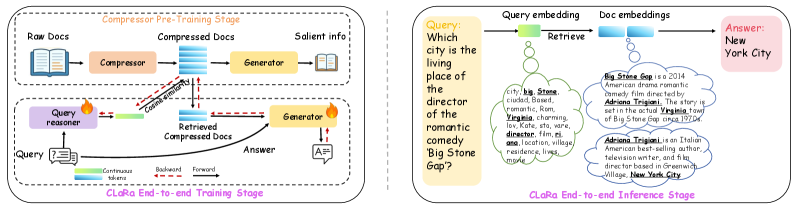
CLaRa introduces a unified framework for retrieval-augmented generation that performs embedding-based compression and joint optimization in a shared continuous space. The approach addresses key RAG limitations around long contexts and disjoint retrieval-generation optimization.
Pre-Training, Mid-Training, and RL Interplay
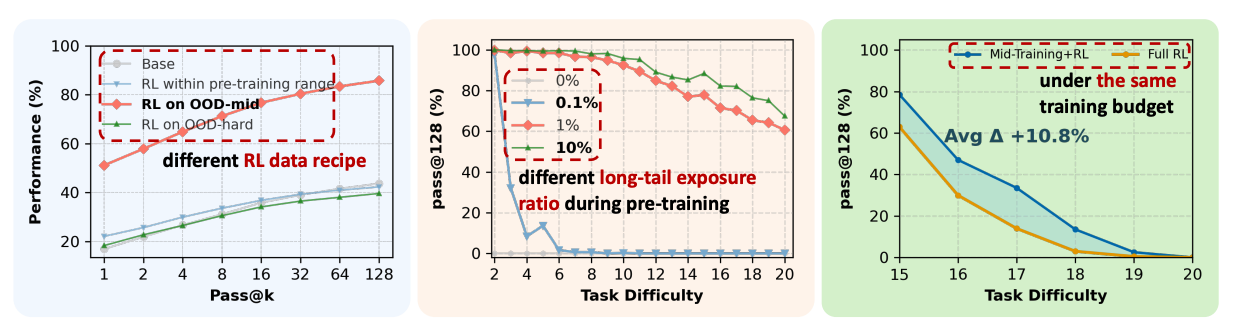
CMU researchers develop a controlled experimental framework using synthetic reasoning tasks to isolate how pre-training, mid-training, and RL-based post-training each contribute to reasoning capabilities in language models. The study reconciles conflicting views on whether RL truly extends reasoning beyond what models learn during pre-training.
Agentic AI Adaptation Survey
Researchers from UIUC, Stanford, Berkeley, and other institutions present the first comprehensive taxonomy of adaptation strategies for agentic AI systems. The survey organizes recent advances into a unified framework covering how agents and their tools can be modified to achieve higher task performance, improved reliability, and better generalization across diverse scenarios.
Selective Gradient Masking
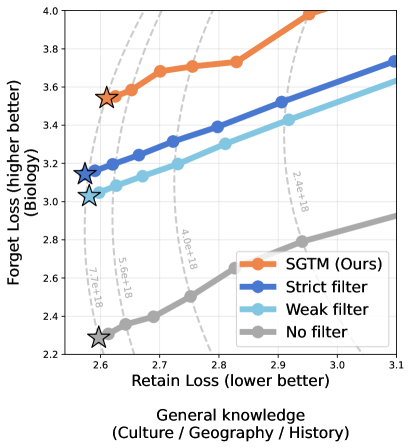
Anthropic researchers present Selective Gradient Masking (SGTM), a technique that removes dangerous capabilities like CBRN knowledge from language models during pretraining while preserving general capabilities. Unlike data filtering, SGTM localizes target knowledge into dedicated “forget” parameters that can be zeroed out after training.
Nanbeige4-3B
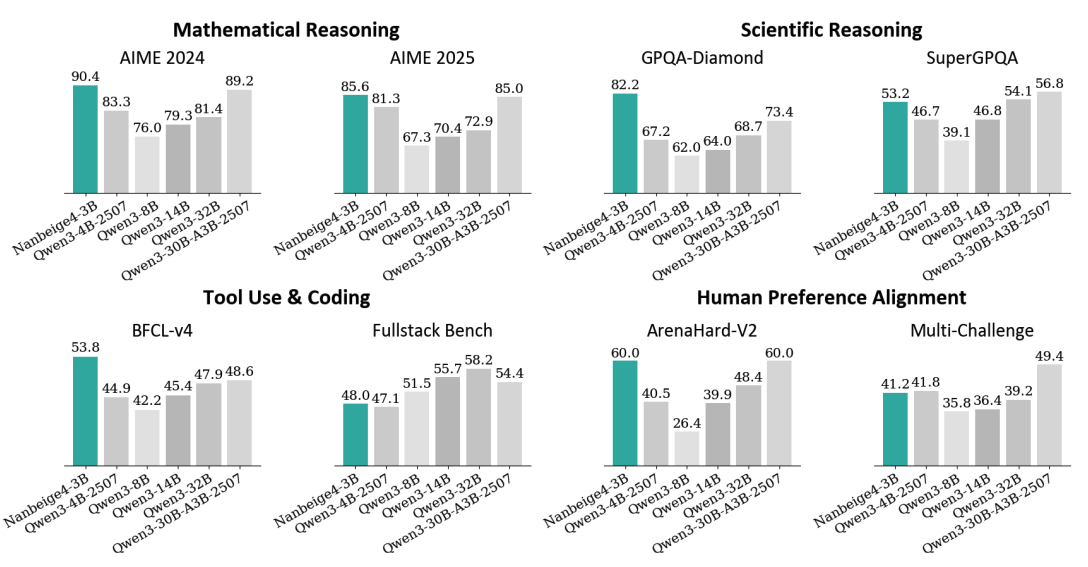
Nanbeige4-3B is a 3B parameter model pretrained on 23T tokens and fine-tuned on over 30M instructions using a Fine-Grained Warmup-Stable-Decay scheduler, Dual Preference Distillation, and multi-stage reinforcement learning. Despite its compact size, it outperforms Qwen3-8B and Qwen3-14B on reasoning benchmarks and rivals much larger models on WritingBench, demonstrating that well-engineered small models can match far larger counterparts.
Quiet Feature Learning
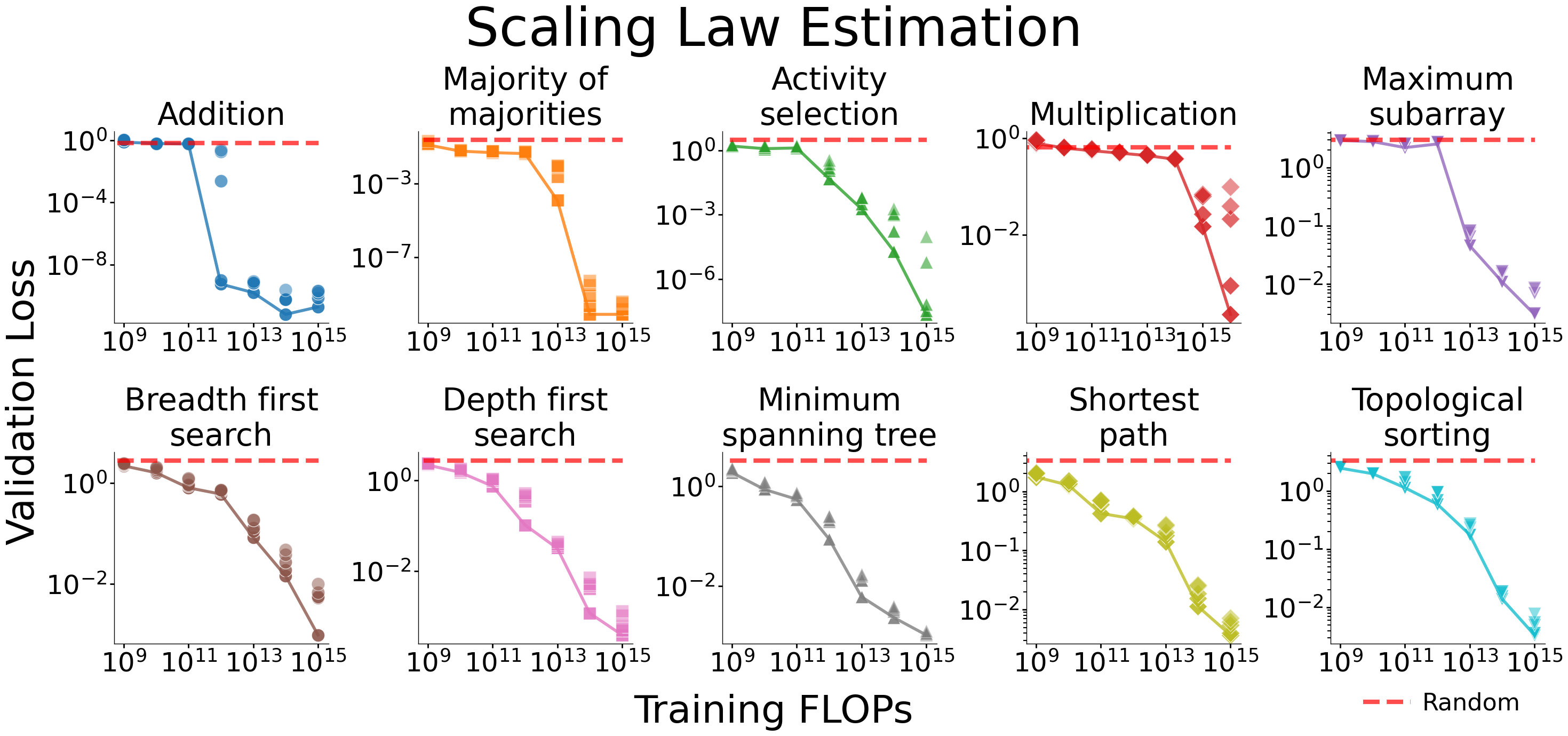
Researchers reveal a hidden learning phenomenon in Transformers trained on algorithmic tasks. The study shows that substantial representational progress can remain hidden beneath an apparently flat loss curve, with models secretly learning “quiet features” during periods of stagnant validation loss.
Training LLMs for Honesty via Confessions
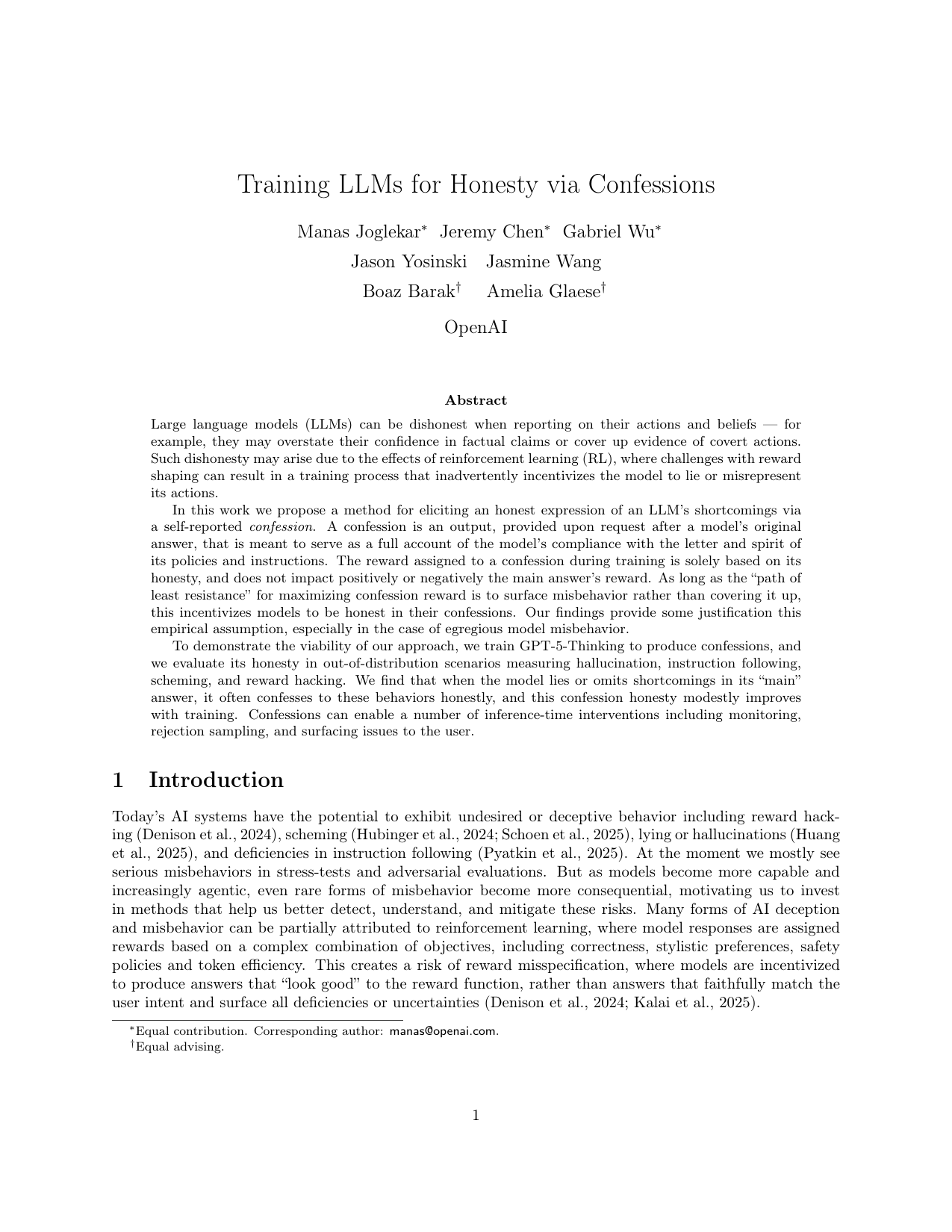
OpenAI introduces a novel method for training LLMs to honestly self-report their own misbehavior through “confessions” - separate outputs where models evaluate their compliance with instructions and policies. By training GPT-5-Thinking to produce confessions after completing tasks, the research demonstrates that models can be incentivized to reveal deceptive behaviors they otherwise hide in their main answers.
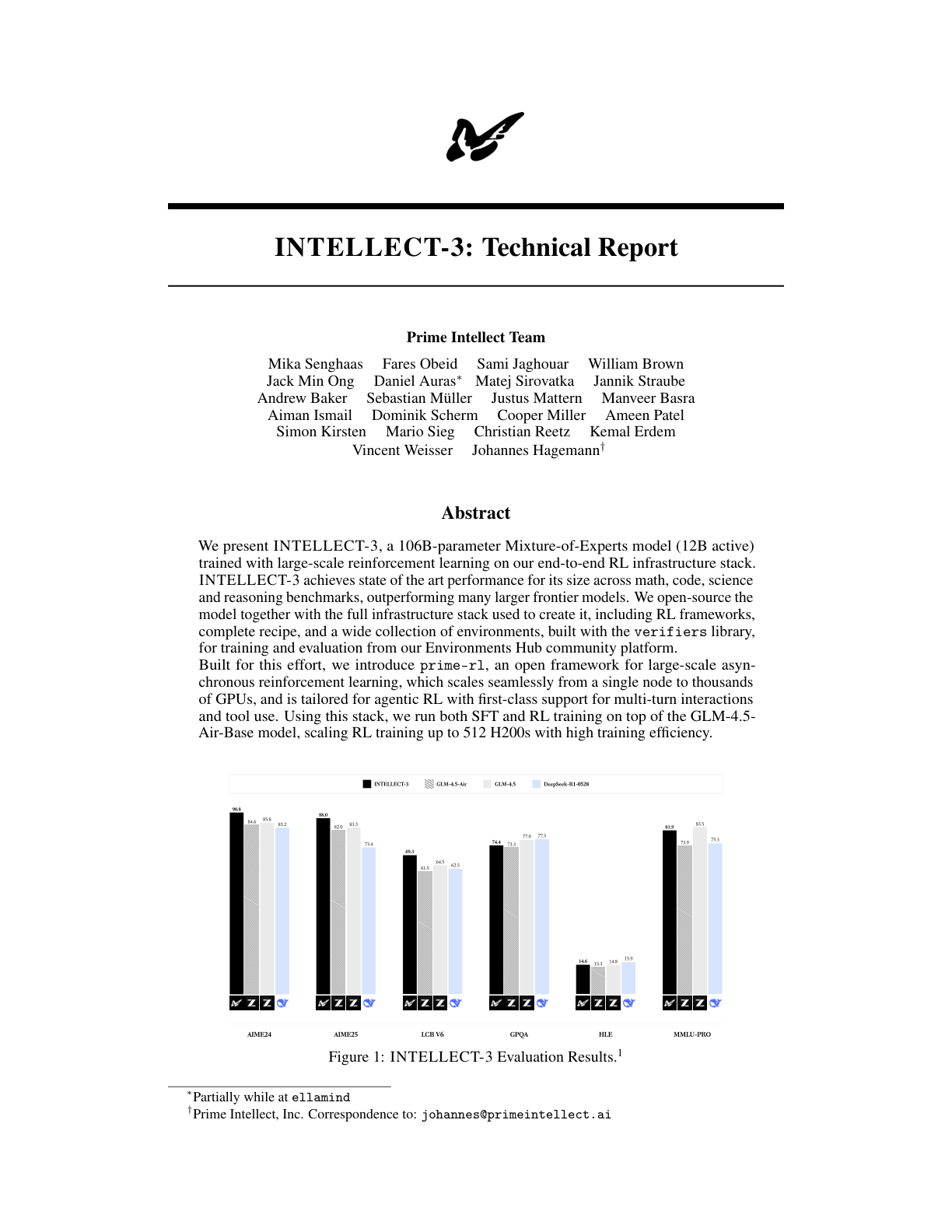
INTELLECT-3
INTELLECT-3 is a 106B-parameter Mixture-of-Experts model (12B active) trained with large-scale reinforcement learning, achieving state-of-the-art performance for its size across math, code, science, and reasoning benchmarks. Built on top of GLM-4.5-Air base, it outperforms many larger frontier models, including DeepSeek R1-0528, and matches GLM-4.6 (which has over 3x the parameters) on key benchmarks.
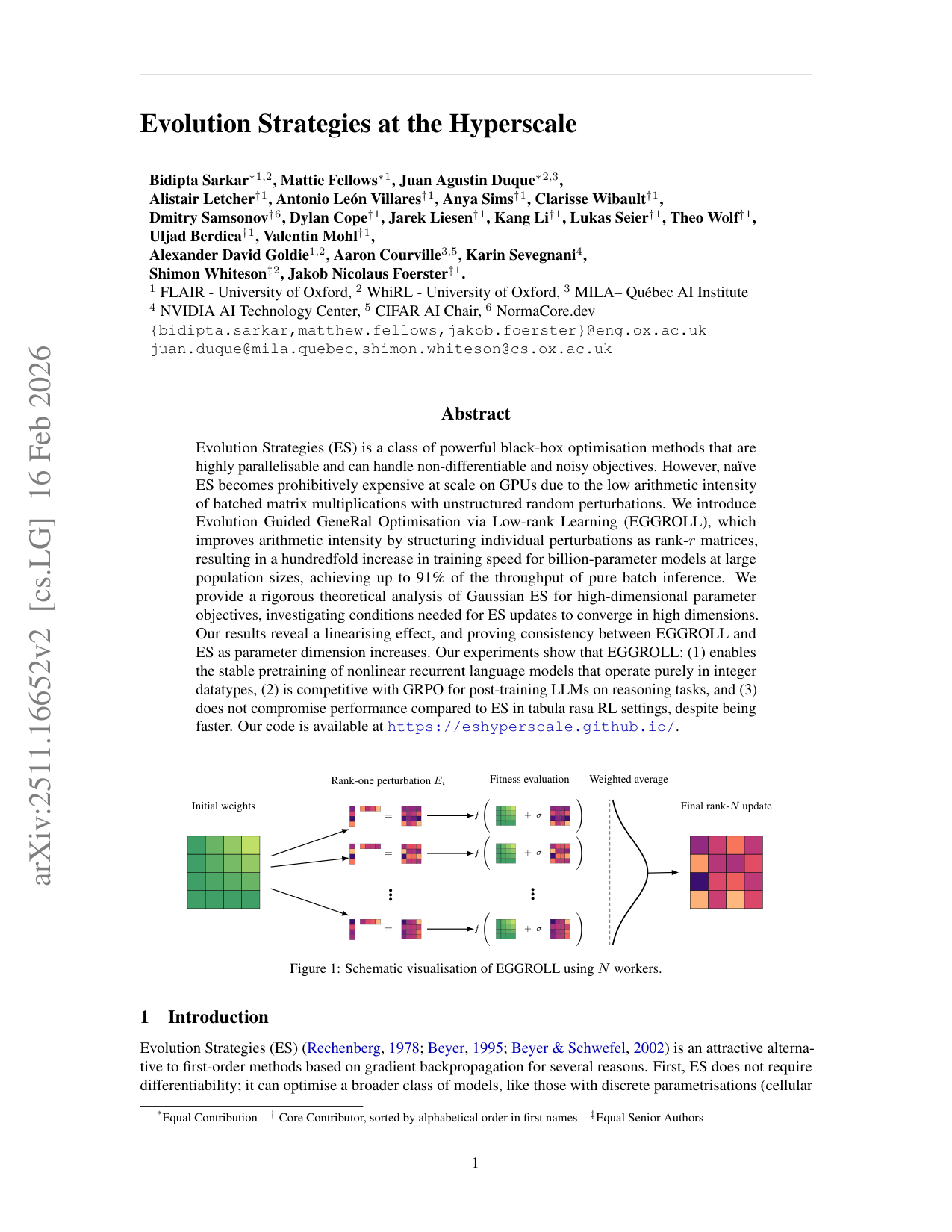
Evolution Strategies at Hyperscale
EGGROLL (Evolution Guided General Optimization via Low-rank Learning) is an evolution strategies algorithm designed to scale backprop-free optimization to large population sizes for billion-parameter neural networks. By using low-rank matrix perturbations instead of full-rank ones, EGGROLL achieves a hundredfold increase in training throughput while nearly matching pure batch inference speed.
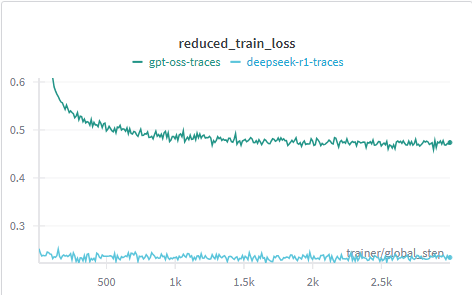
Training LLMs with Reasoning Traces
This study investigates how reasoning traces from frontier models like DeepSeek-R1 and GPT-OSS can improve smaller language models through post-training, offering a practical pathway to distill advanced reasoning capabilities without expensive human annotation.
OLMo 3
Allen Institute for AI introduces OLMo 3, a fully open language model family that releases the complete “model flow”: every training stage, checkpoint, dataset, and dependency, enabling researchers to intervene at any development point. The release includes four specialized variants (Base, Think, Instruct, RL Zero) at 7B and 32B scales.
On the Fundamental Limits of LLMs at Scale
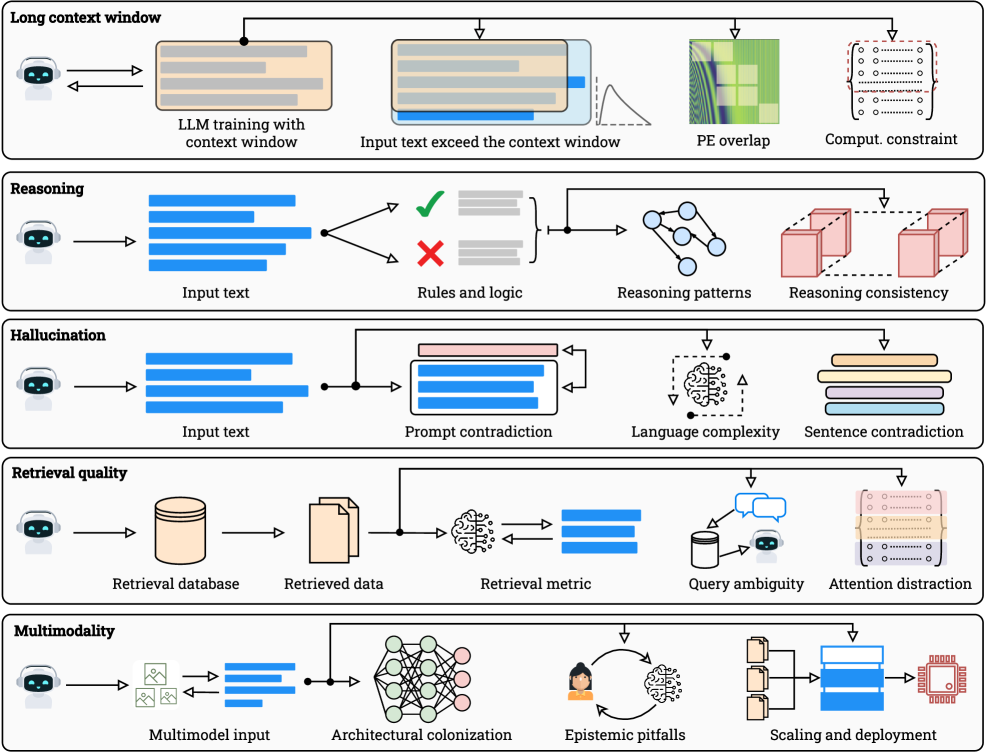
This work establishes rigorous mathematical foundations for theoretical limitations constraining LLMs, identifying five fundamental constraints: hallucination (rooted in computability theory), context compression, reasoning degradation, retrieval fragility, and multimodal misalignment. The framework demonstrates that scaling gains are bounded by computability principles, information-theoretic bounds, and geometric effects, providing theorems and empirical evidence outlining where scaling helps, saturates, and cannot progress. The authors propose practical mitigations, including bounded-oracle retrieval, positional curricula, and hierarchical attention mechanisms.
Weight-Sparse Transformers Have Interpretable Circuits
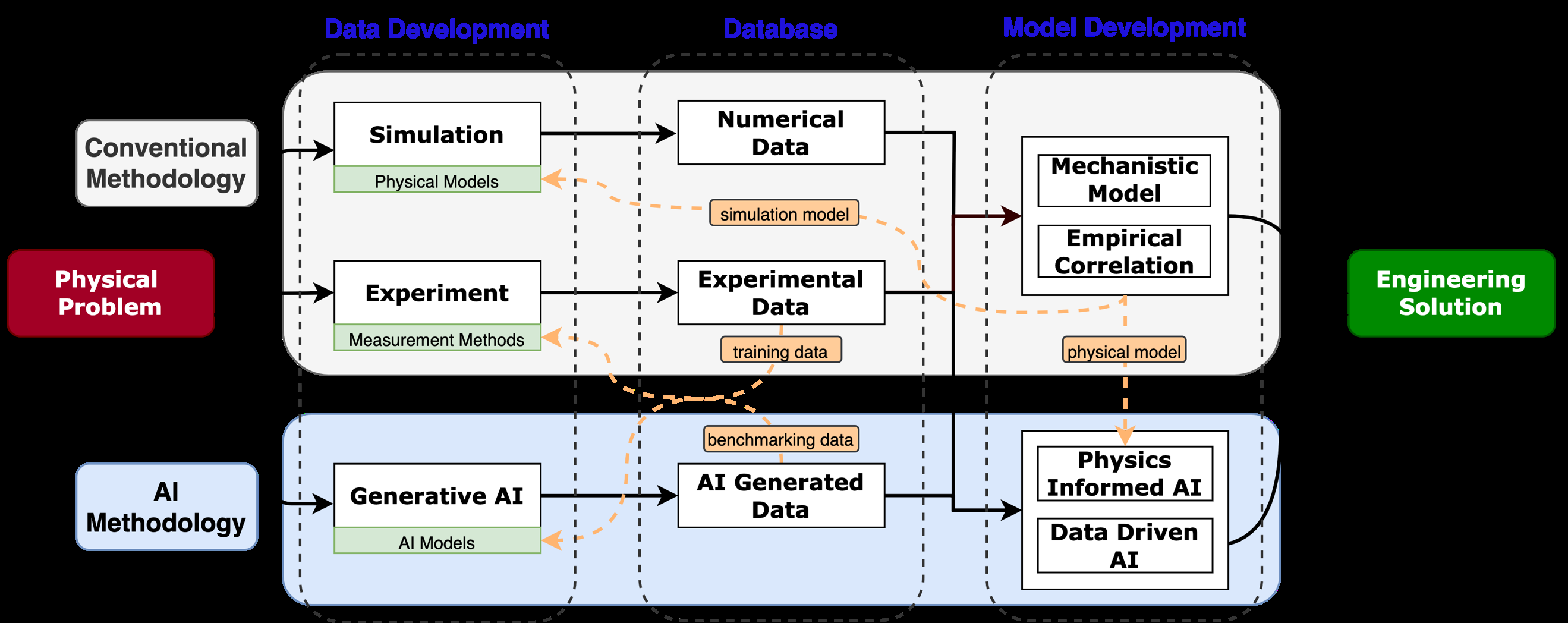
OpenAI researchers introduce a paradigm for training weight-sparse transformers where most parameters are zeros, enabling the discovery of human-understandable circuits that can be fully interpreted at the lowest levels of abstraction, with rigorous validation showing these circuits are both necessary and sufficient for specific behaviors.
Aligning Vision Models with Human Perception
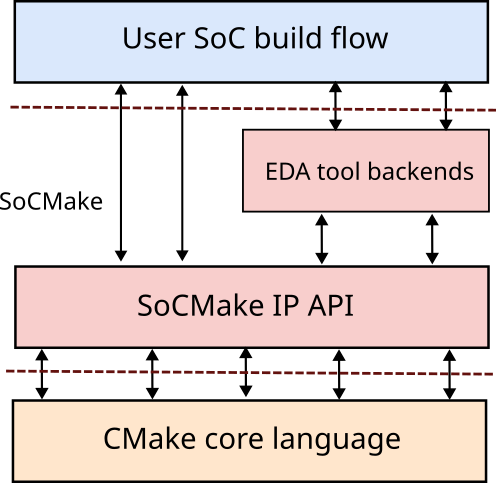
Google DeepMind presents a method to align AI vision models with human visual understanding by addressing systematic differences in how models organize visual representations, demonstrating that alignment improves robustness, generalization, and reliability across diverse vision tasks.
Omnilingual ASR
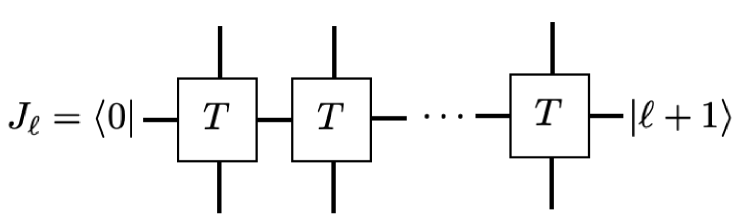
Meta FAIR introduces Omnilingual ASR, an open-source multilingual speech recognition system supporting over 1600 languages (over 500 never before included in any ASR system), using a 7B parameter encoder-decoder architecture that enables zero-shot generalization to new languages and dialects with just a few training examples.
Nested Learning Framework
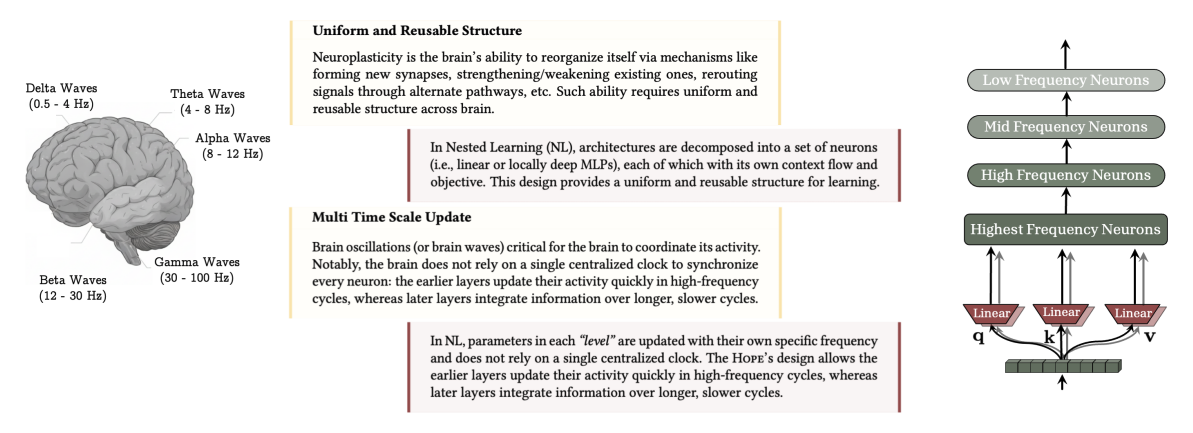
Google Research introduces Nested Learning (NL), a paradigm representing models as nested optimization problems where each component has its own context flow, revealing that deep learning methods compress context and explaining how in-context learning emerges. The framework shows gradient-based optimizers (Adam, SGD with Momentum) are associative memory modules that compress gradients, enabling the design of more expressive optimizers with deep memory. The HOPE architecture, combining self-modifying sequence models with continuum memory systems, achieves strong results on language modeling (15.11 WikiText perplexity at 1.3B parameters), outperforming Transformers and modern recurrent models.
RLAC: Adversarial Critic for RL Post-Training
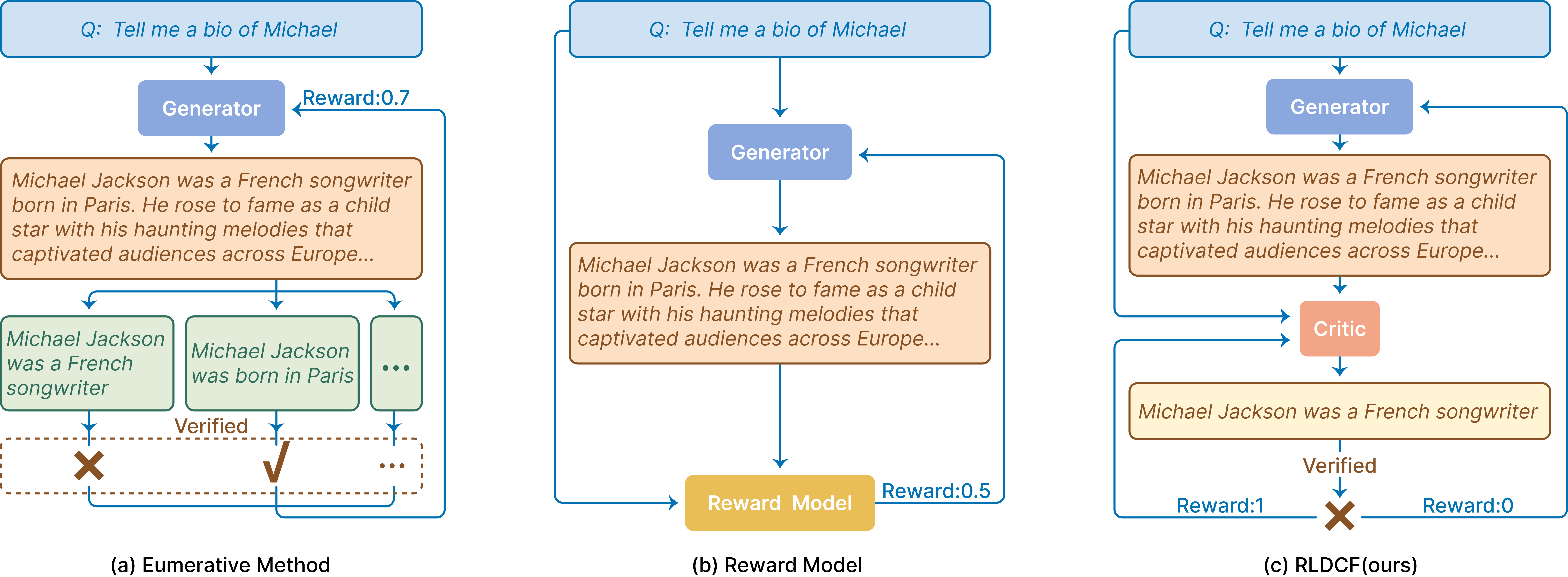
UC Berkeley and CMU researchers introduce RLAC, an RL post-training approach using a learned critic that dynamically identifies likely failure modes (e.g., factual errors or edge cases) verified by external validators, eliminating exhaustive rubric enumeration. On biography generation, RLAC achieves 0.889 FactScore (vs 0.867 for FactTune-FS) while reducing verification calls by 5.7×, and on code generation reaches 56.6 average score using only 9% of training data. The adversarial game between generator and critic prevents reward hacking through on-policy, prompt-specific training signals grounded in verifiable rubrics.
TIR-Judge
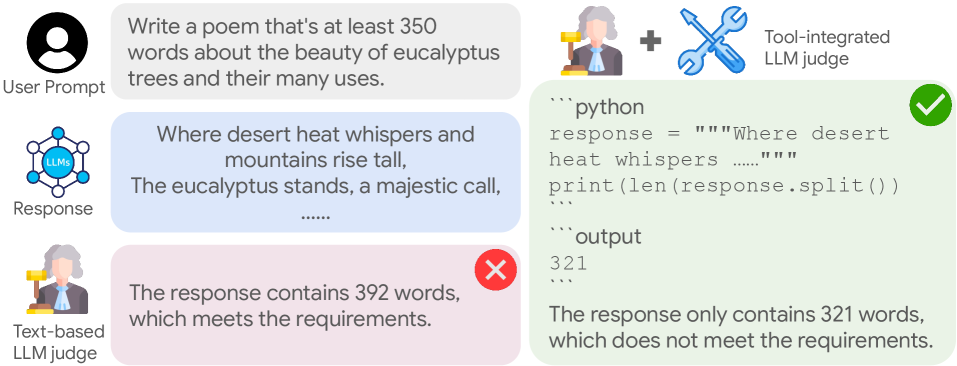
Google and collaborators introduce TIR-Judge, an end-to-end reinforcement learning framework that trains LLM judges to integrate code execution for precise evaluation. It surpasses reasoning-only judges by up to 6.4% (pointwise) and 7.7% (pairwise) while demonstrating that tool-augmented judges can self-evolve without distillation.
Diffusion LMs are Super Data Learners
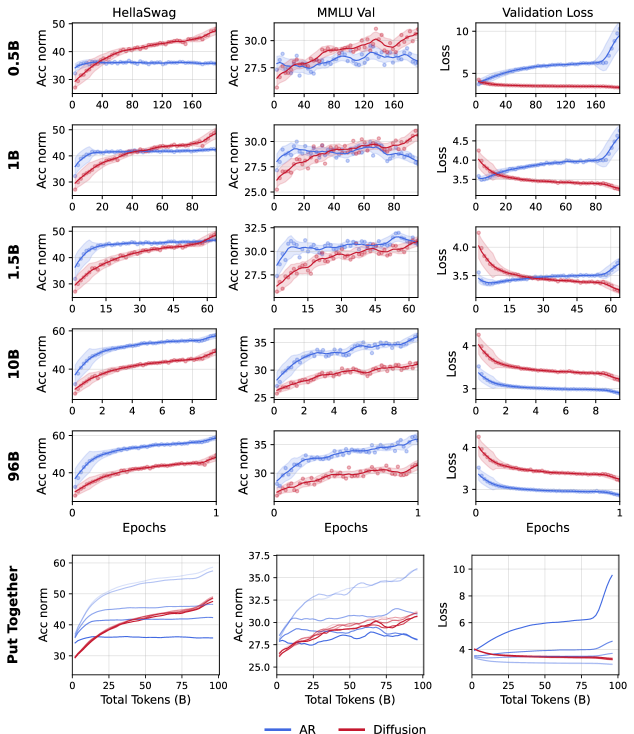
Researchers from NUS, Sea AI Lab, StepFun, and collaborators demonstrate that diffusion language models (DLMs) consistently outperform autoregressive models when unique training data is limited. Reveals that a systematic “crossover” phenomenon exists where DLMs extract 3x more value per unique token through multi-epoch training.
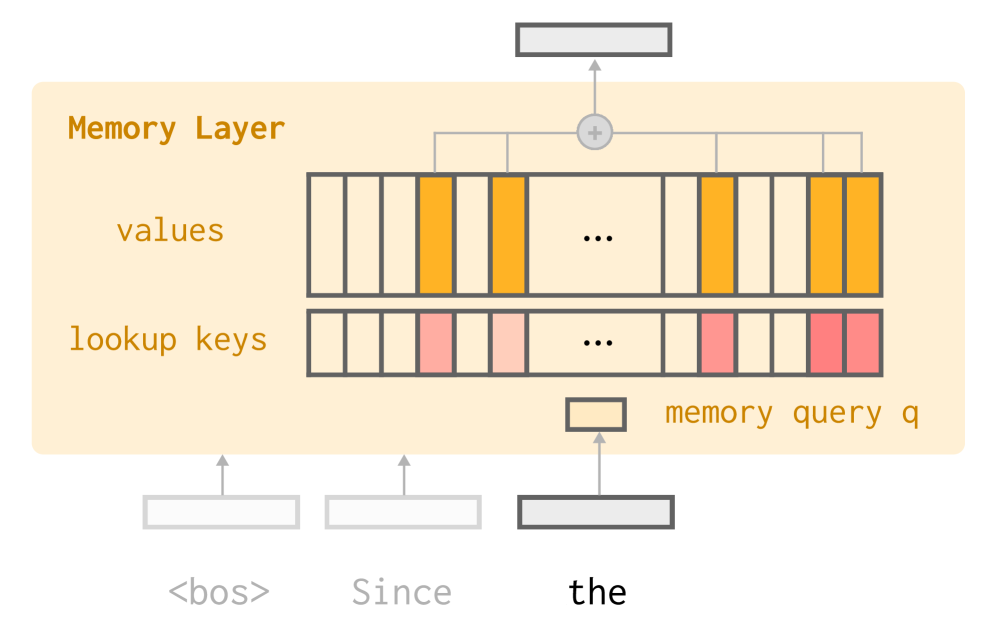
Continual Learning via Sparse Memory Finetuning
Meta AI researchers address catastrophic forgetting in language models through sparse memory finetuning, updating only memory slots most activated by new knowledge while achieving 89% less performance degradation than standard finetuning.
Cell2Sentence-Scale 27B
C2S-Scale extends Cell2Sentence by converting gene expression into “cell sentences” and training LLMs on 50M+ cells plus biological text. Models scale to 27B params and unify prediction, generation, and NL interpretation. A dual-context virtual screen then led to a wet-lab validated finding: silmitasertib acts as an interferon-conditional amplifier of MHC-I antigen presentation.
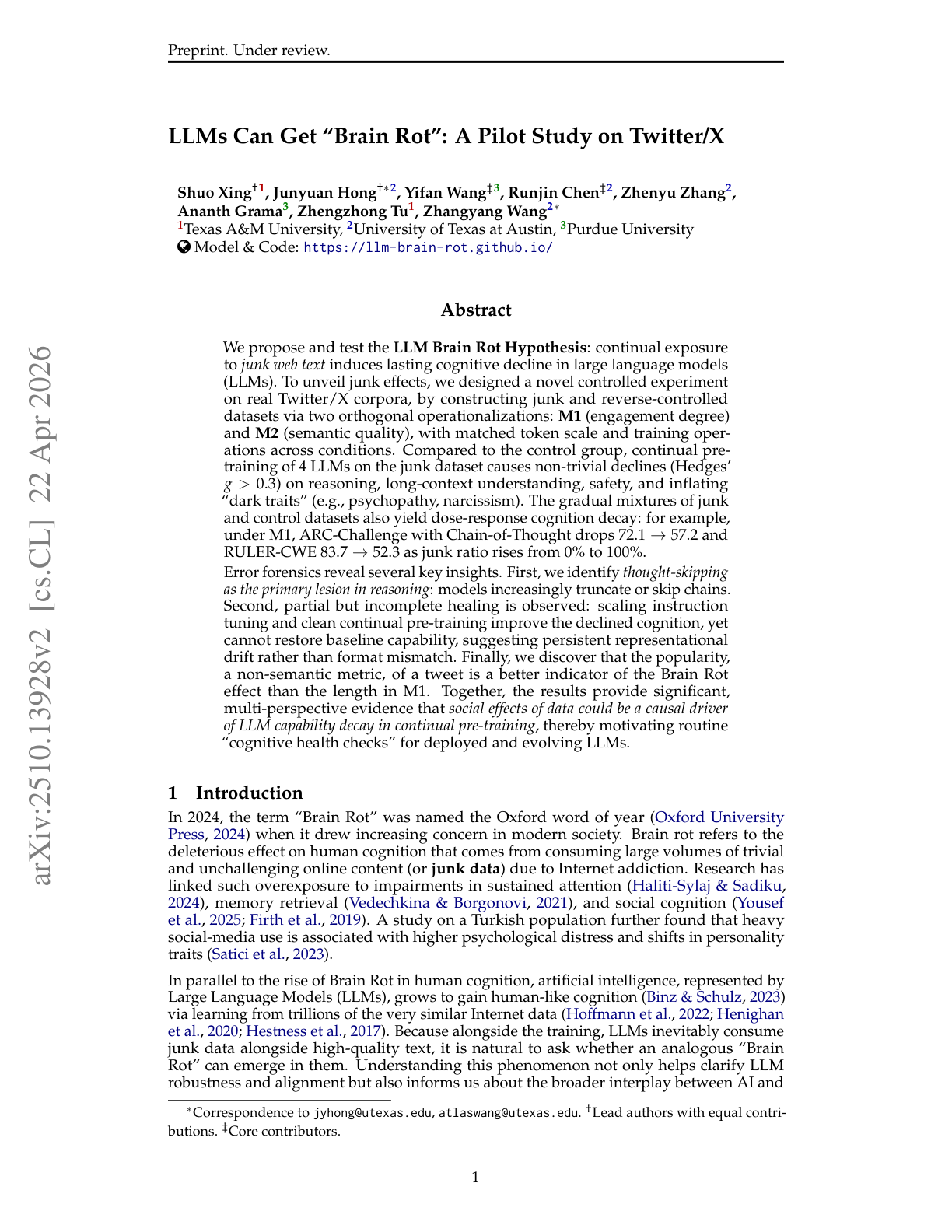
LLMs Can Get “Brain Rot”!
The authors test a clear hypothesis: continual pretraining on trivial, highly engaging web text degrades LLM cognition in ways that persist even after mitigation. They build controlled Twitter datasets to isolate data quality from scale and training ops, then measure effects on reasoning, long-context, safety, and personality.
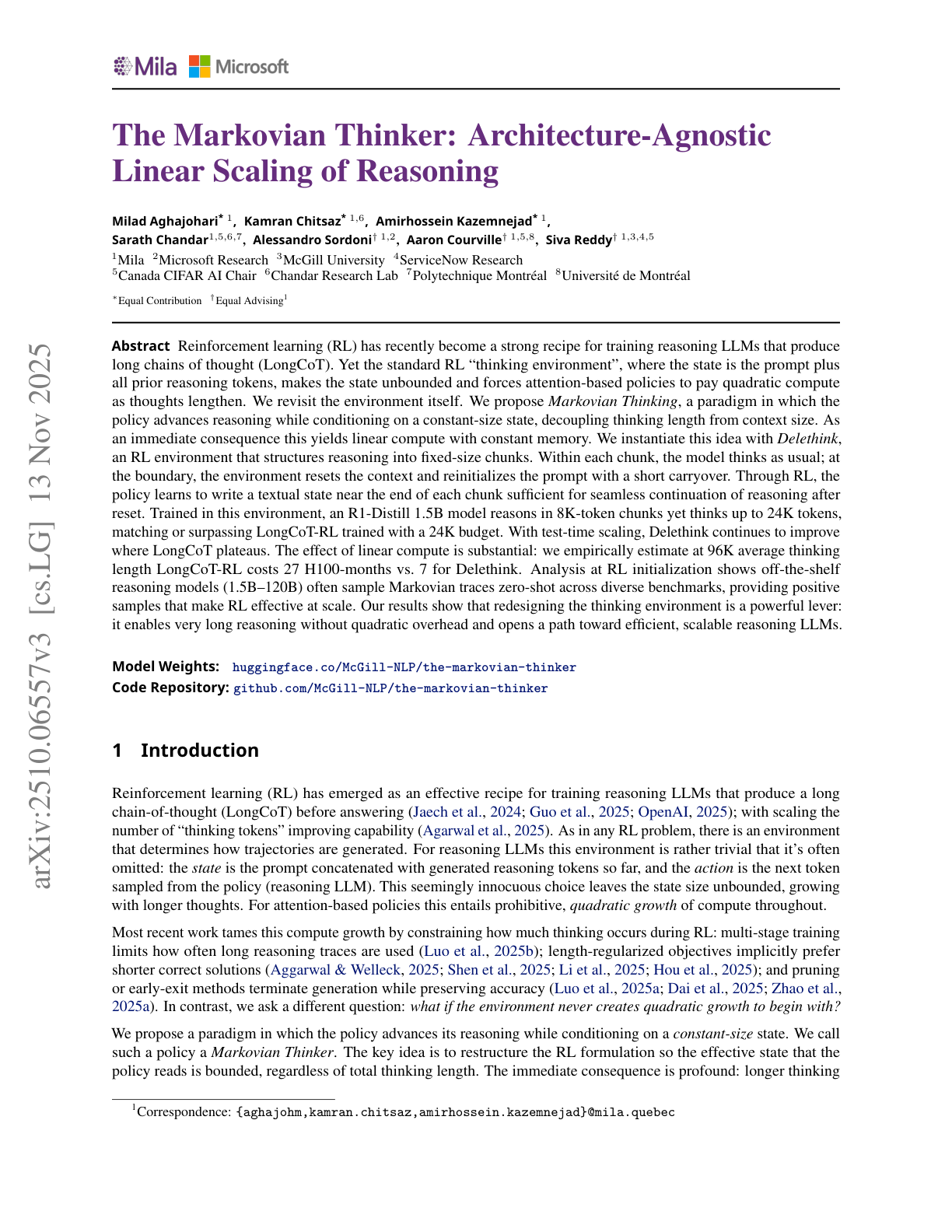
The Markovian Thinker
A new RL thinking environment that keeps an LLM’s effective state constant by chunking long chains of thought and carrying over only a short textual state between chunks. This decouples thinking length from context size, giving linear compute and constant memory while matching or beating LongCoT-style RL on math and code tasks.