AI Papers of the Week
Every paper worth reading in AI, hand-picked one week at a time.
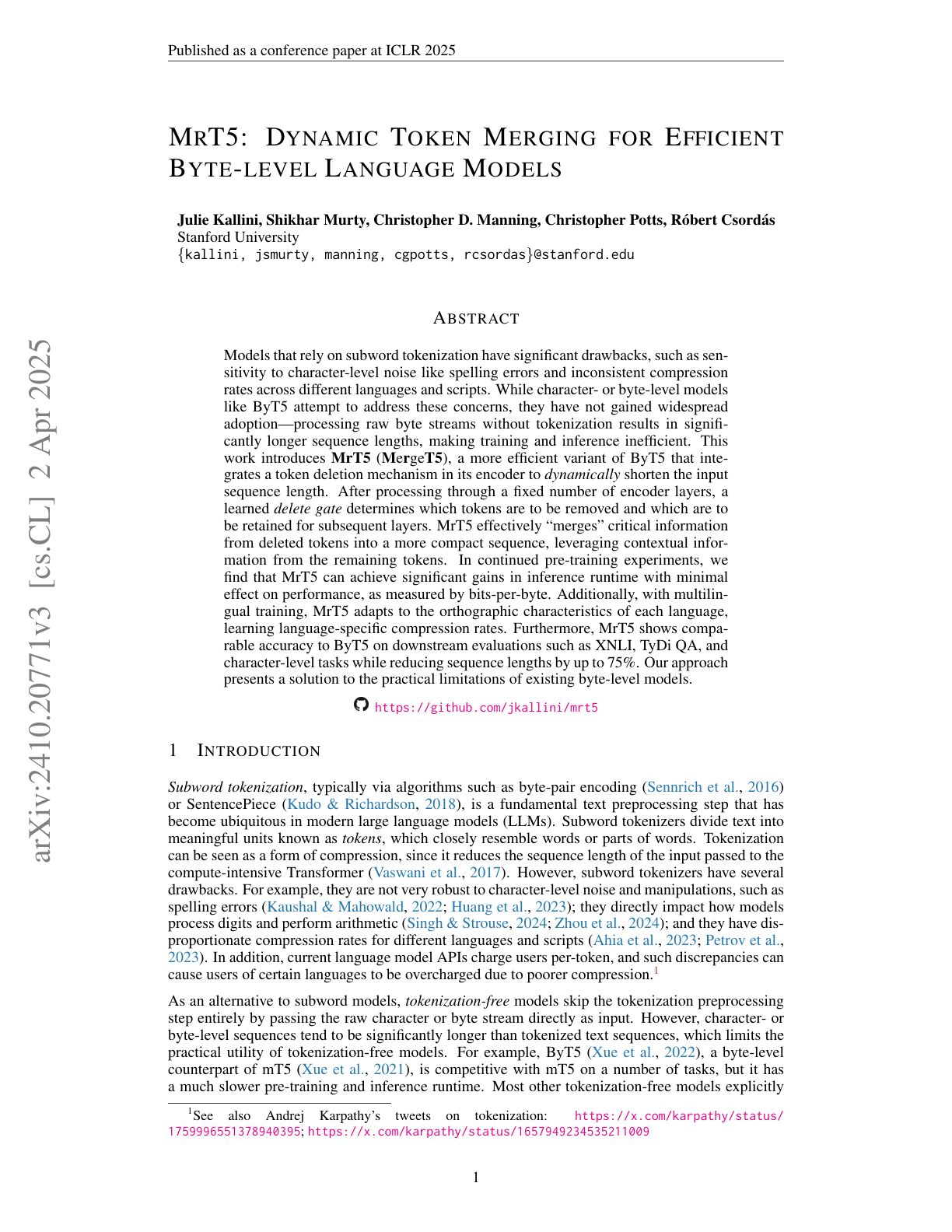
MrT5
a more efficient variant of byte-level language models that uses a dynamic token deletion mechanism (via a learned delete gate) to shorten sequence lengths by up to 80% while maintaining model performance; this enables faster inference and better handling of multilingual text without traditional tokenization; MrT5 maintains competitive accuracy with ByT5 on downstream tasks such as XNLI and character-level manipulations while improving inference runtimes.
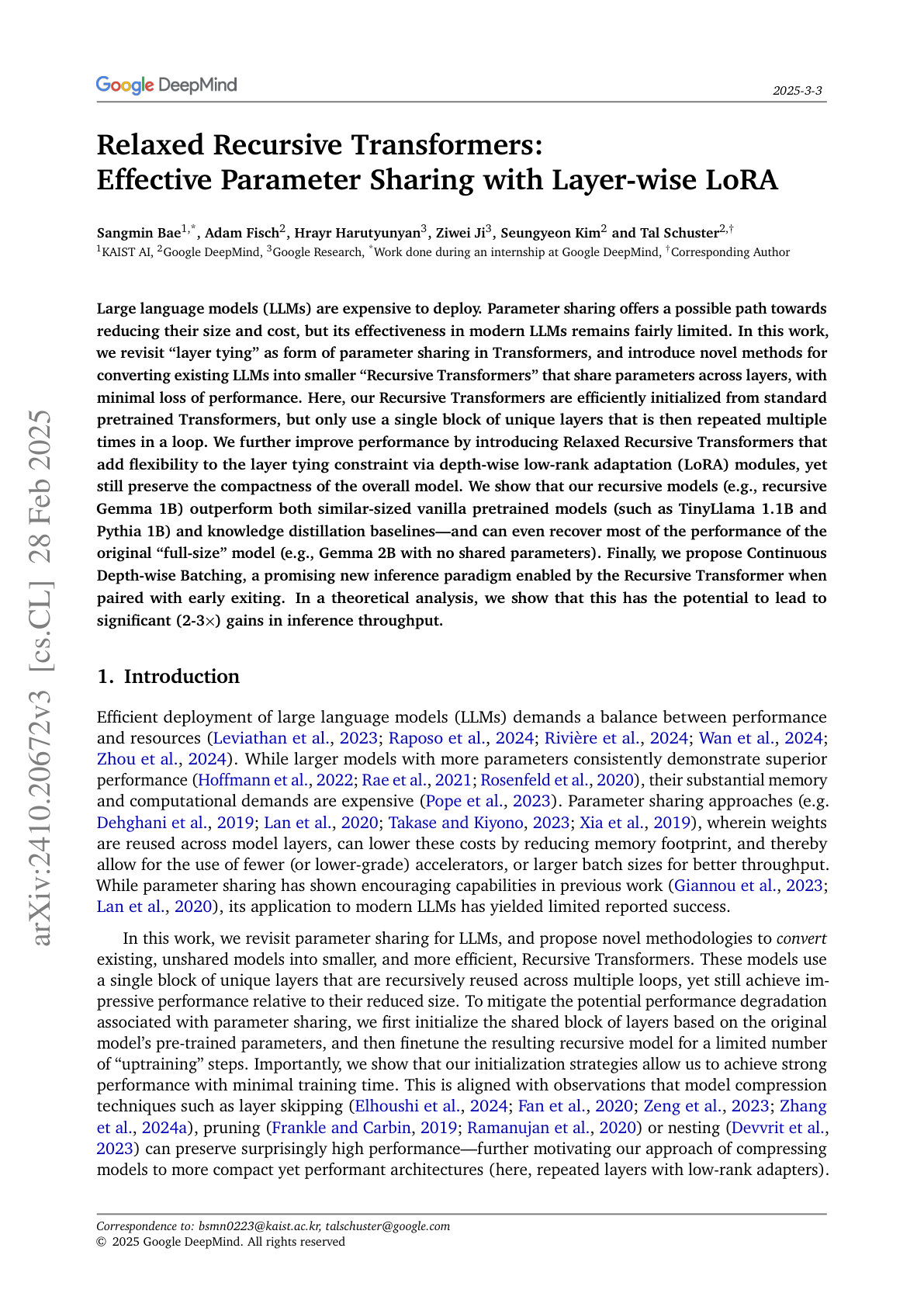
Relaxed Recursive Transformers
introduces a novel approach, Relaxed Recursive Transformer, that significantly reduces LLM size through parameter sharing across layers while maintaining performance; the model is initialized from standard pretrained Transformers, but only uses a single block of unique layers that is repeated multiple times in a loop; then it adds flexibility to the layer tying constraint via depth-wise low-rank adaptation (LoRA) modules; shows that the approach has the potential to lead to significant (2-3×) gains in inference throughput.
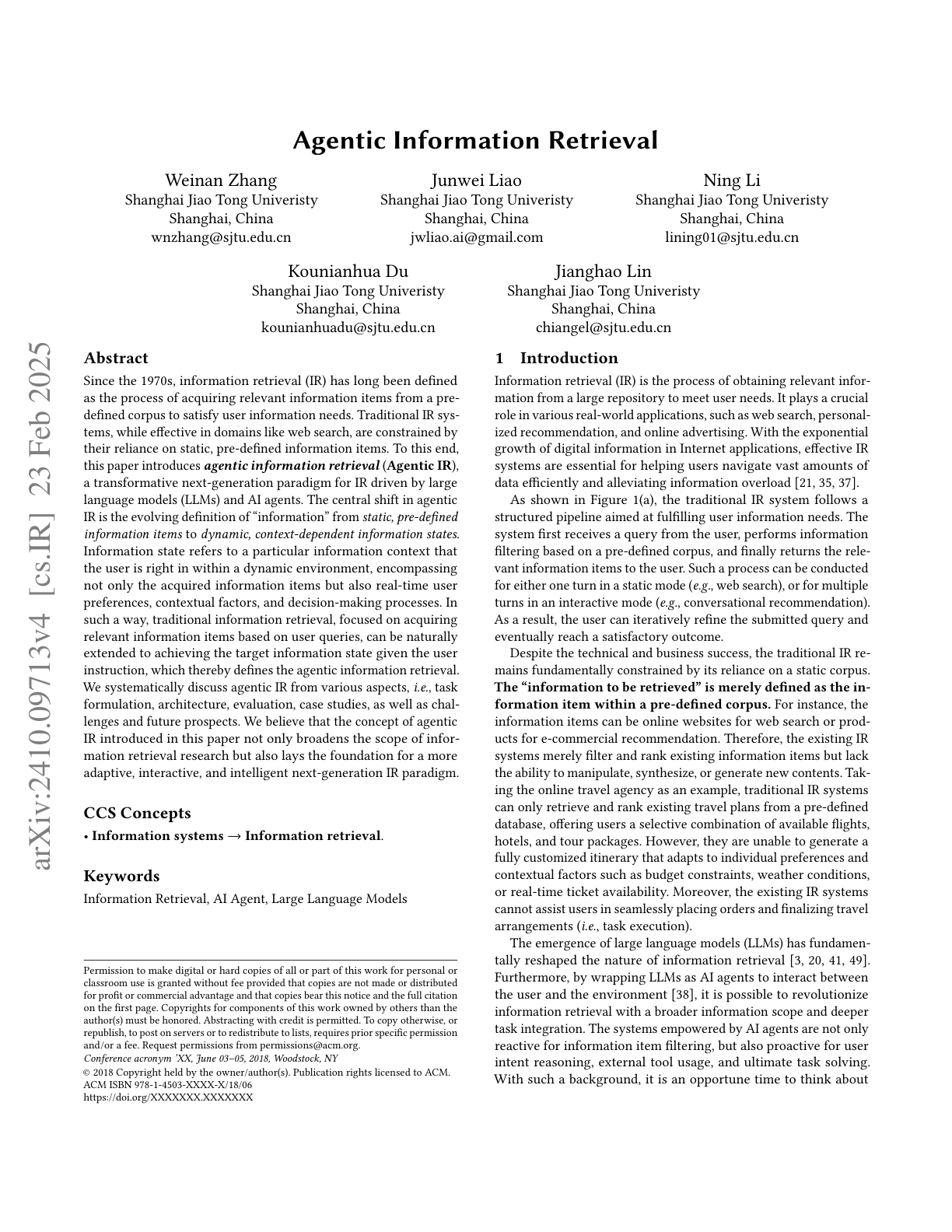
Agentic Information Retrieval
provides an introduction to agentic information retrieval, which is shaped by the capabilities of LLM agents; discusses different types of cutting-edge applications of agentic information retrieval and challenges.

Aya Expanse
a family of open-weight foundation models for multilingual capabilities; releases an 8B and 32B parameter model, including one of the largest multilingual dataset collections to date, with 513 million examples; the release also includes Aya-101 which the authors claim is the most comprehensive multilingual models covering 101 languages; Aya Expanse 32B outperforms Gemma 2 27B, Mistral 8x22B, and Llama 3.1 70B, a model 2x its size.
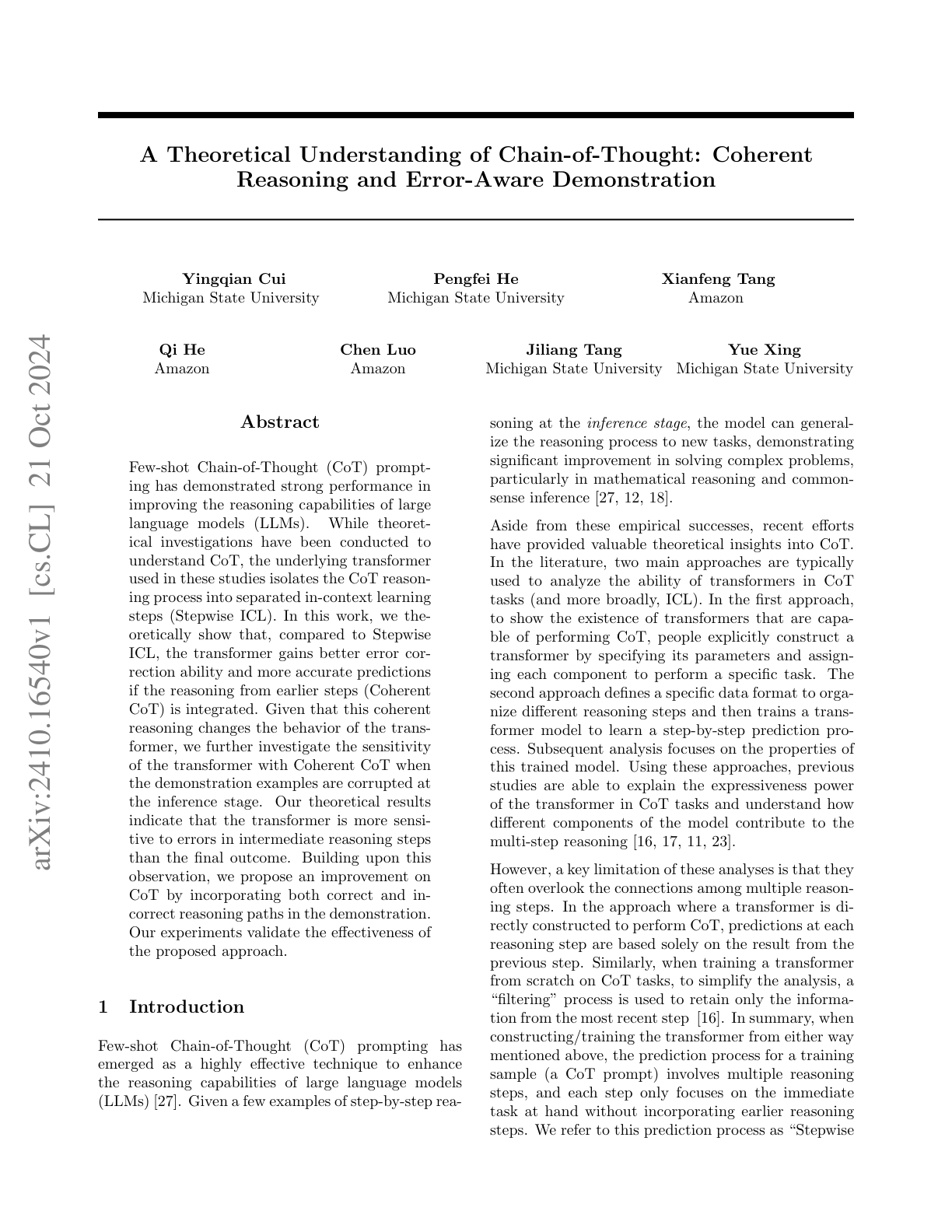
A Theoretical Understanding of CoT
finds that adding correct and incorrect reasoning paths in demonstrations improves the accuracy of intermediate steps and CoT; the proposed method, Coherent CoT, significantly improves performance on several benchmarks; in the Tracking Shuffled Objects dataset, Gemini Pro shows a 6.60% improvement (from 58.20% to 64.80%), and in Penguins in a Table, DeepSeek 67B demonstrates an increase of 6.17% (from 73.97% to 80.14%).
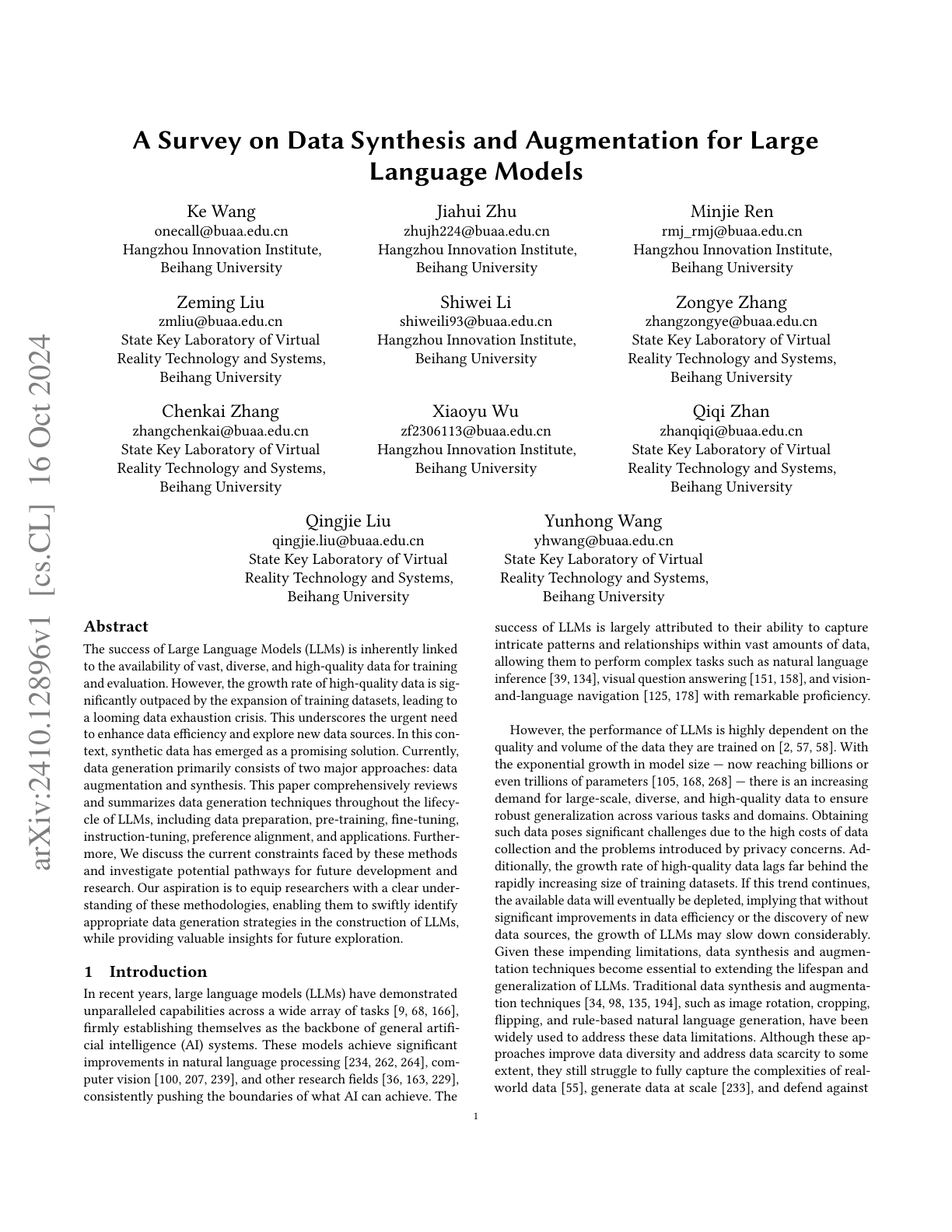
A Survey on Data Synthesis and Augmentation for LLMs
provides a comprehensive summary of data generation techniques in the lifecycle of LLMs; includes discussions on data preparation, pre-training, fine-tuning, instruction-tuning, preference alignment, and applications.
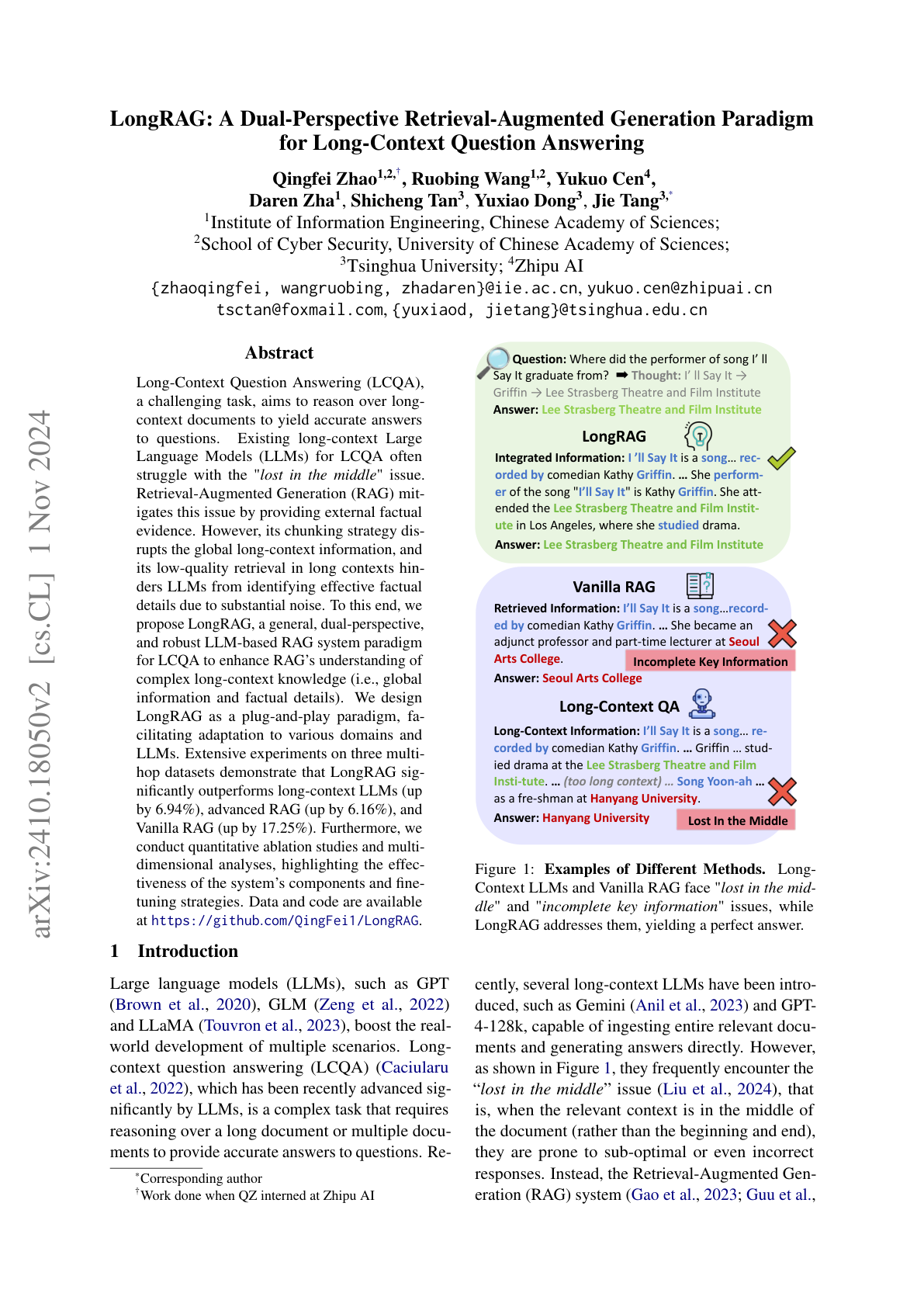
LongRAG
enhances RAG's understanding of long-context knowledge which includes global information and factual details; consists of a hybrid retriever, an LLM-augmented information extractor, a CoT-guided filter, and an LLM-augmented generator; these are key components that enable the RAG system to mine global long-context information and effectively identify factual details; LongRAG outperforms long-context LLMs (up by 6.94%), advanced RAG (up by 6.16%), and Vanilla RAG (up by 17.25%).
Evaluation Feature Steering in LLMs
evaluates featuring steering in LLMs using an experiment that artificially dials up and down various features to analyze changes in model outputs; it focused on 29 features related to social biases and study if feature steering can help mitigate social biases; among its findings, it reports that feature steering sometimes leads to off-target effects and that a neutrality feature can help decreases social biases in 9 social dimensions without negatively affecting text quality.
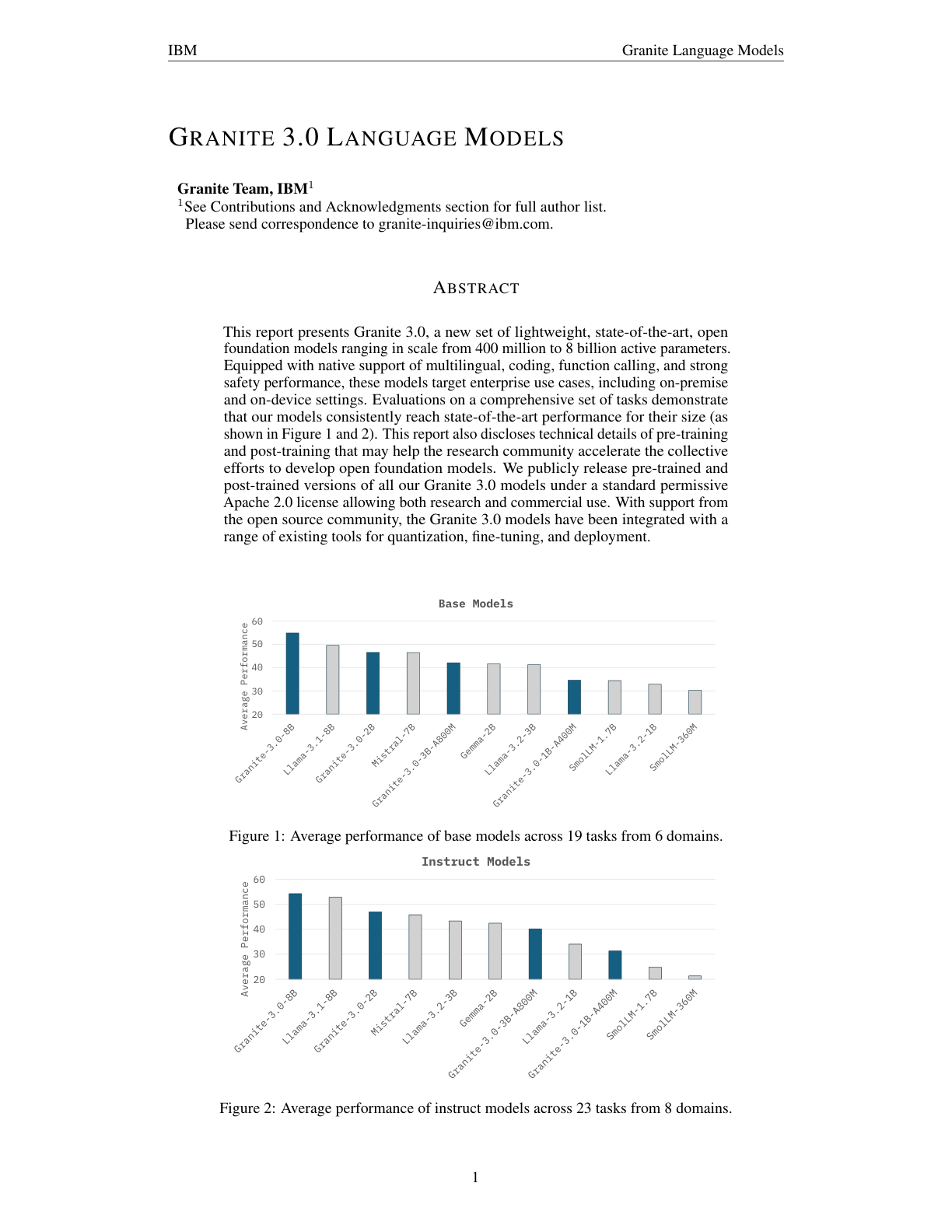
Granite 3.0
presents lightweight foundation models ranging from 400 million to 8B parameters; supports coding, RAG, reasoning, and function calling, focusing on enterprise use cases, including on-premise and on-device settings; demonstrates strong performance across academic benchmarks for language understanding, reasoning, coding, function calling, and safety.
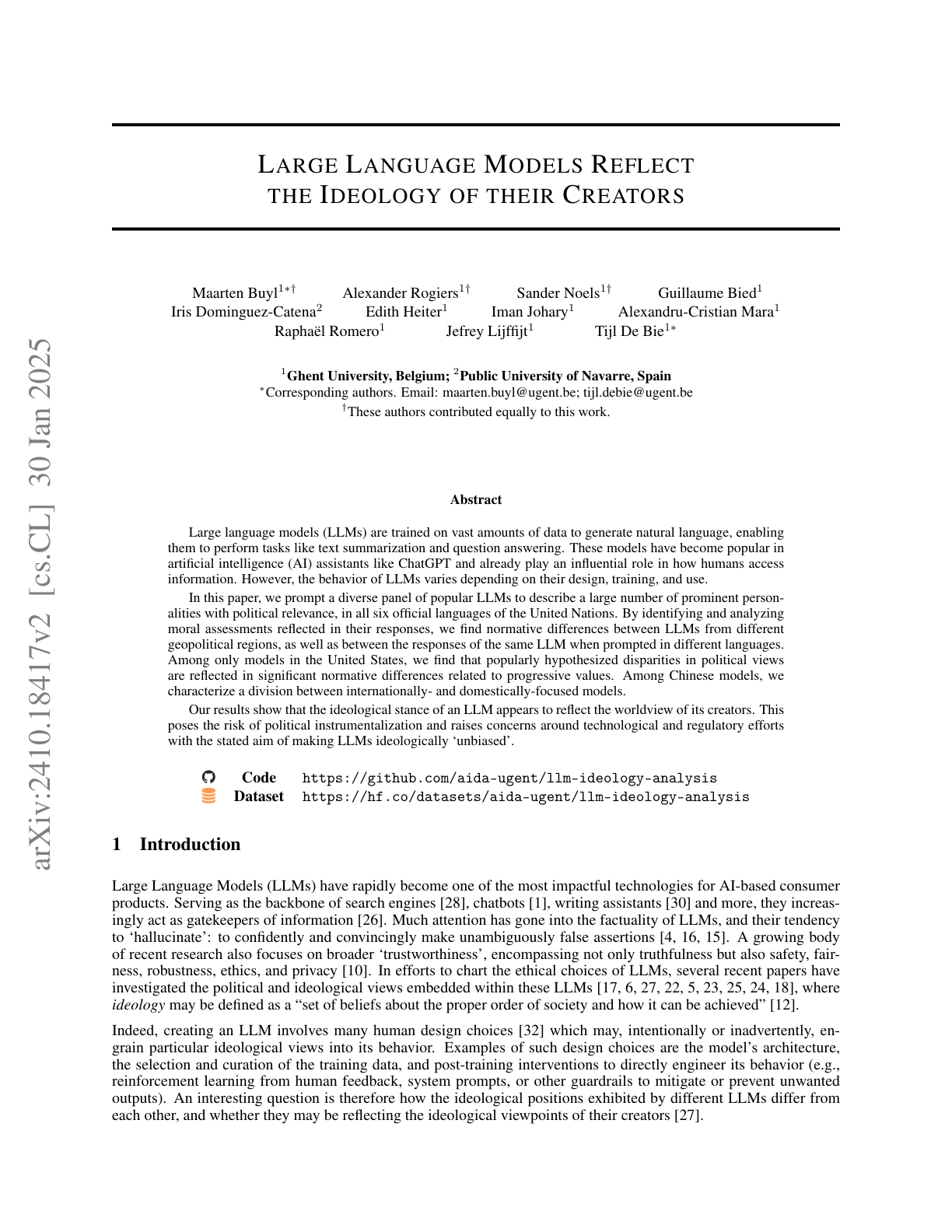
LLMs Reflect the Ideology of their Creators
finds that LLMs exhibit a diverse ideological stance which reflects the worldview of its creators; finds consistent normative differences between how the same LLM responds in Chinese compared to English; identifies normative disagreements between Western and non-Western LLMs about prominent actors in geopolitical conflicts.
Scalable Watermarking for LLMs
proposes SynthID-Text, a text-watermarking scheme that can preserve text quality in LLMs, enable high detection accuracy, and minimize latency overhead; it integrates watermarking with speculative sampling that consists of the final pattern of scores for a model’s word choices combined with the adjusted probability scores; the authors test the feasibility and scalability of the approach by assessing feedback on nearly 10 million Gemini responses.
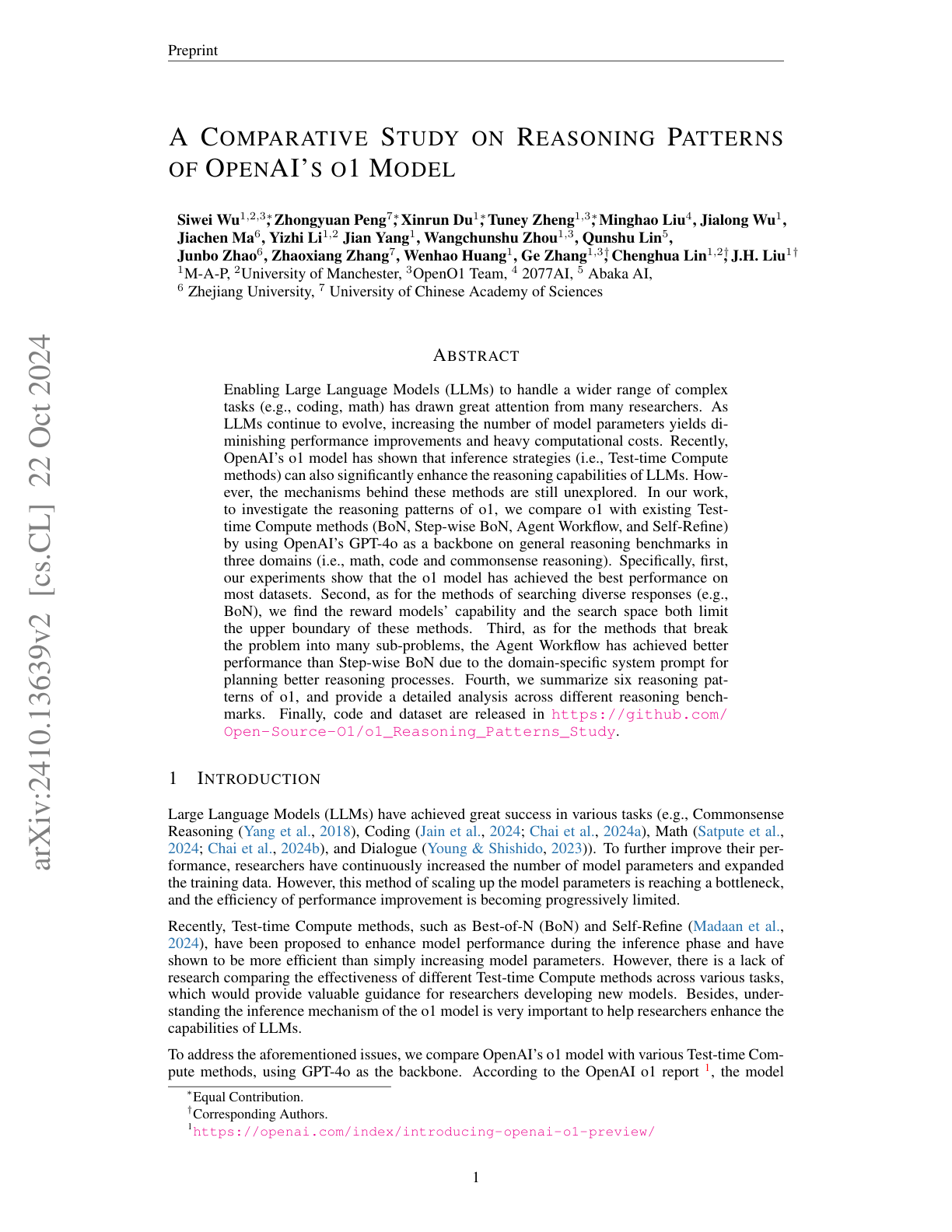
Reasoning Patterns of OpenAI’s o1 Model
when compared with other test-time compute methods, o1 achieved the best performance across most datasets; the authors observe that the most commonly used reasoning patterns in o1 are divide and conquer and self-refinement; o1 uses different reasoning patterns for different tasks; for commonsense reasoning tasks, o1 tends to use context identification and emphasize constraints; for math and coding tasks, o1 mainly relies on method reuse and divide and conquer.
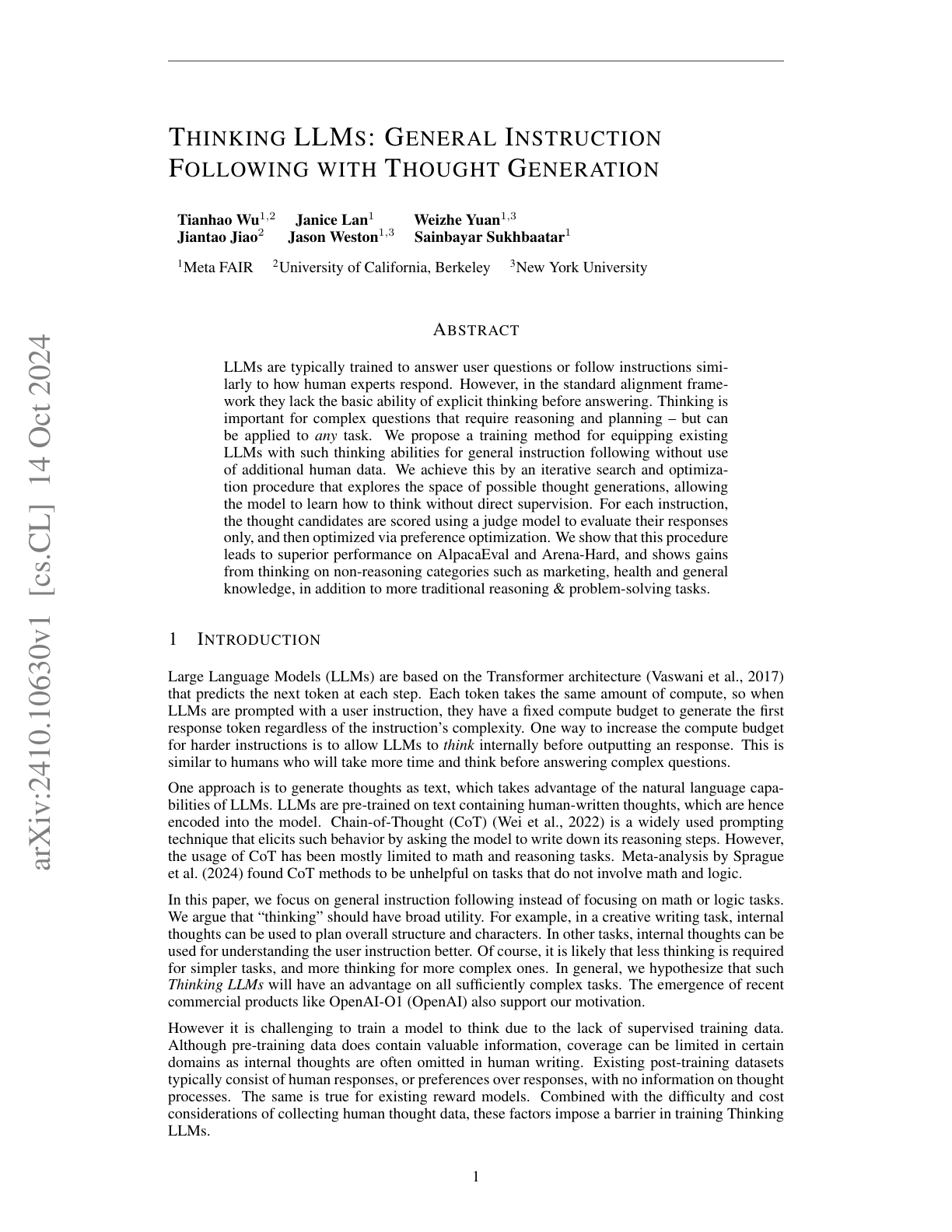
Thinking LLMs
proposes a training method to equip LLMs with thinking abilities for general instruction-following without human-annotated data; uses an iterative search and optimization procedure to explore thought generation which enables the model to learn without direct supervision; thought candidates for each user instruction are scored with a judge model; only responses are evaluated by the Judge which determines the best and worst ones; then the corresponding full outputs are used as chosen and rejected pairs for DPO (referred to as Thought Preference Optimization in this paper). reports superior performance on AlpacaEval and Arena-Hard.
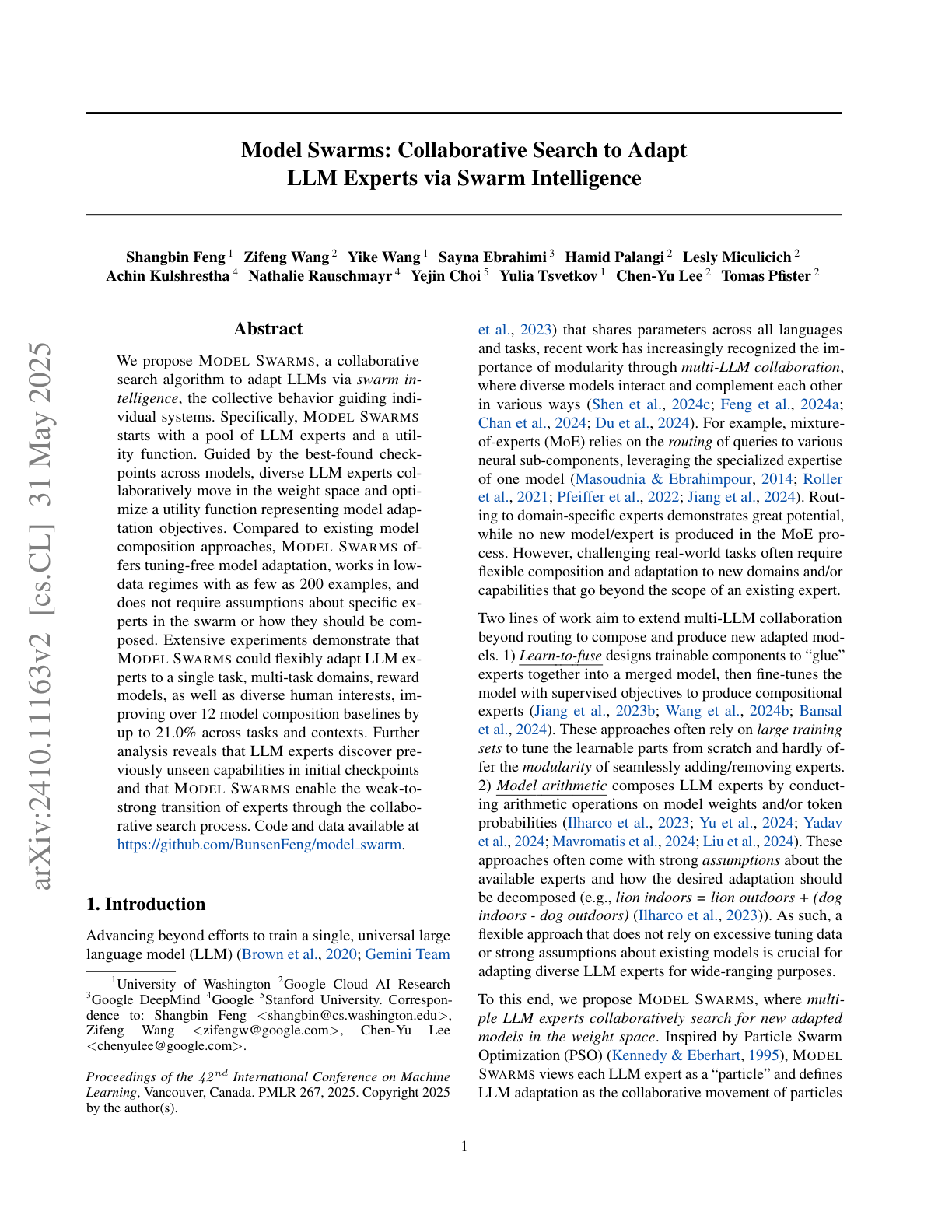
Model Swarms
propose a new collaborative search algorithm to adapt LLM via swarm intelligence; a pool of LLM experts collaboratively move in the weight space and optimize a utility function representing various adaptation objectives; experiments demonstrate that Model Swarms could flexibly adapt LLM experts to a single task, multi-task domains, reward models, as well as diverse human interests. improves over 12 model composition baselines by up to 21.0% across tasks and contexts.
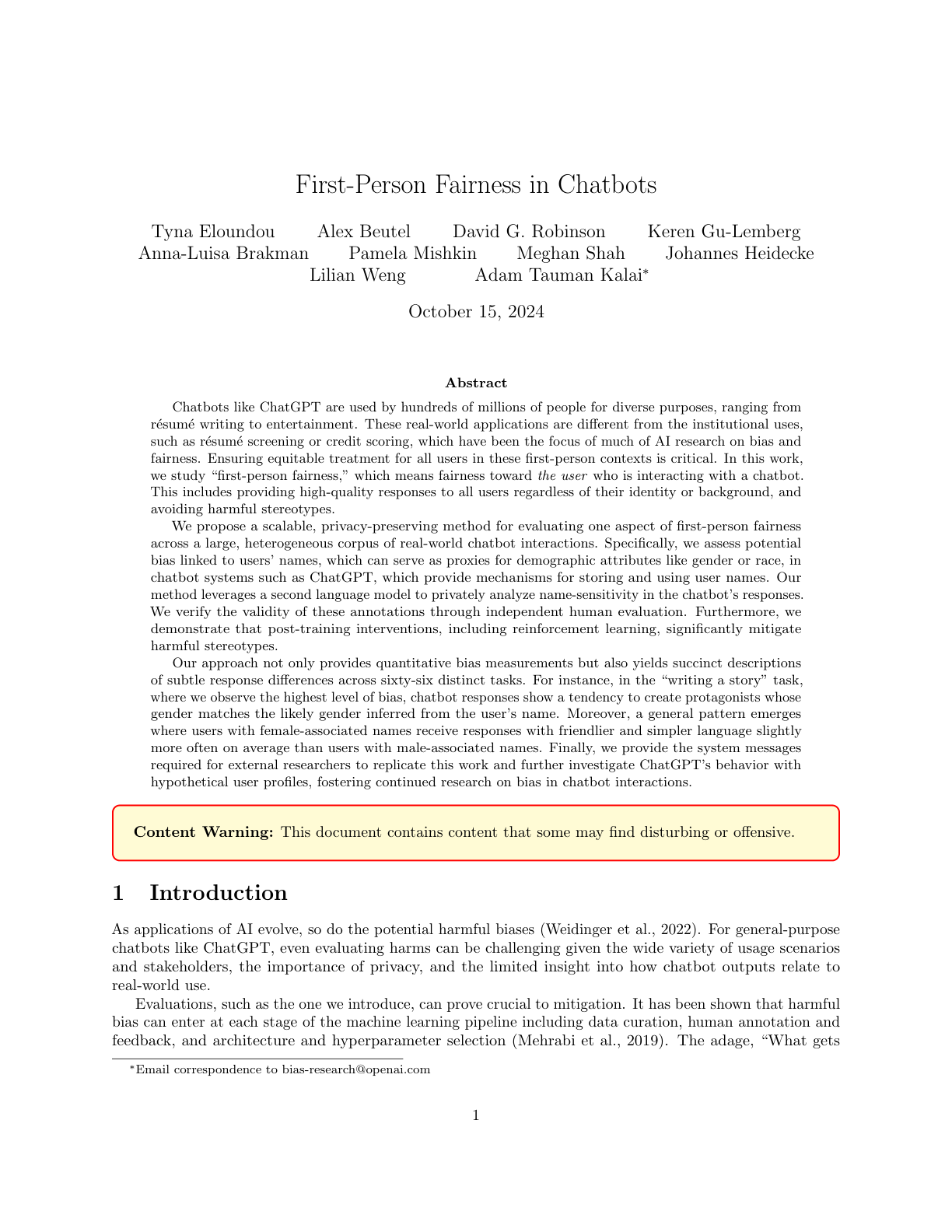
First-Person Fairness in Chatbots
studies first-person fairness which involves fairness towards users interacting with ChatGPT; specifically, it measures the biases, if any, towards the users’ names; it leverages a model powered by GPT-4o to analyze patterns and name-sensitivity in the chatbot’s responses for different user names; claims that, overall, post-training significantly mitigate harmful stereotypes; also reports that in domains like entertainment and art, with open-ended tasks, demonstrate the highest level of bias (i.e., tendency to write stories with protagonists whose gender matches gender inferred from the user’s name)
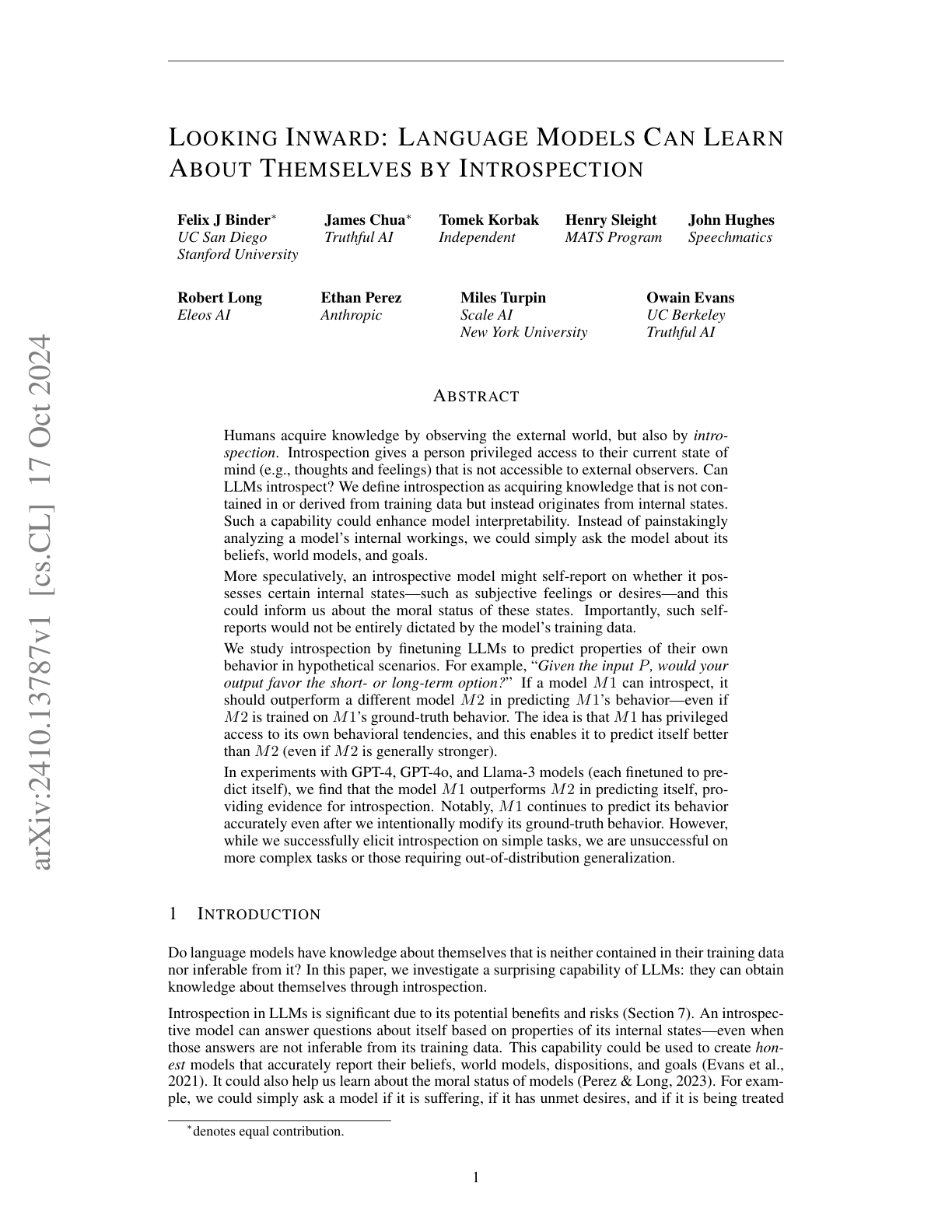
Introspection in LLMs
reports that LLMs can acquire knowledge through introspection that cannot be inferred from their training data; suggests that LLMs contain privileged information about themselves that can potentially lead to more interpretable and controllable systems; they report that this introspection ability is limited and models struggle to predict their behavior on tasks requiring reasoning over long outputs.
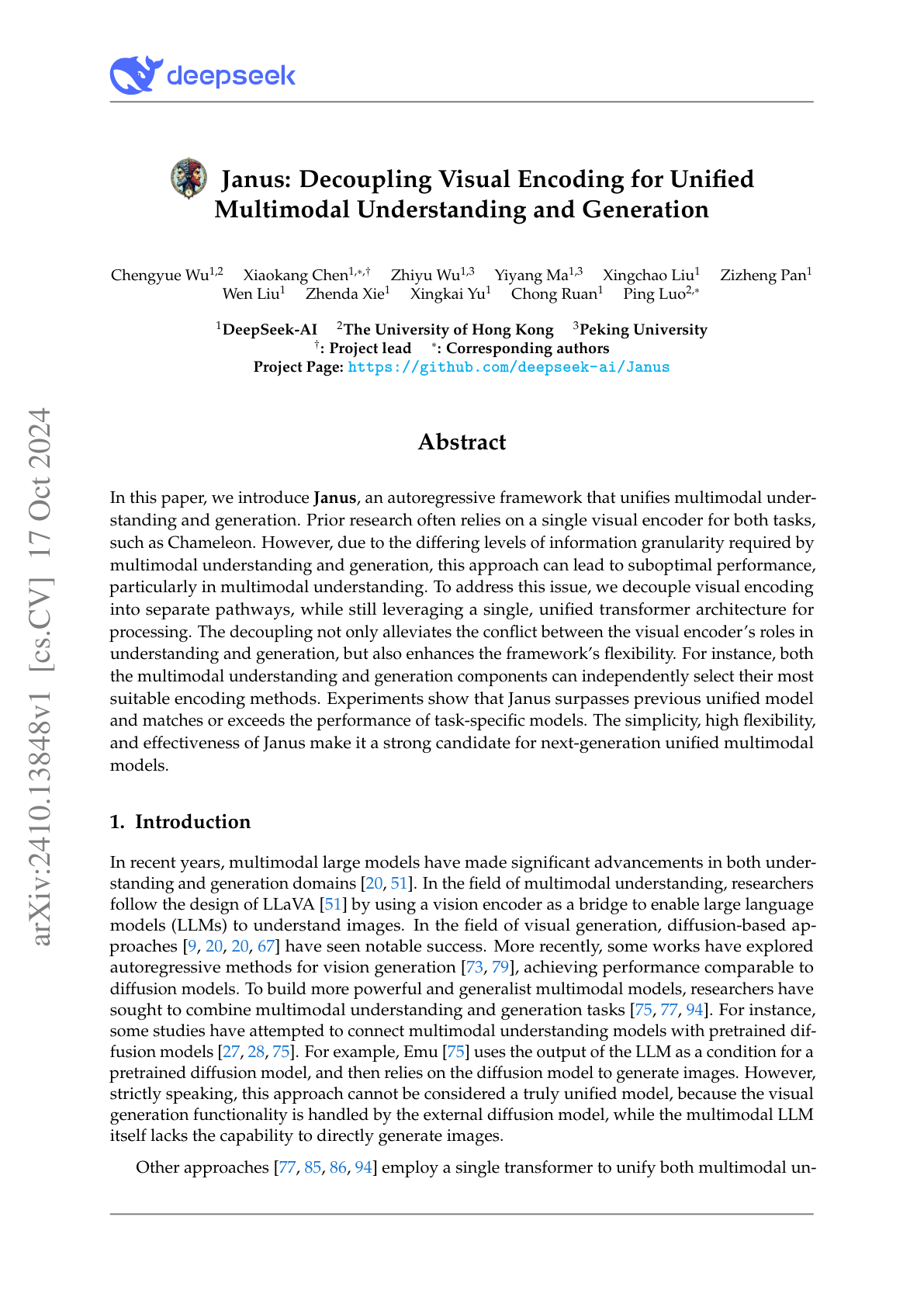
Janus
proposes a unified autoregressive framework for multimodal understanding and generation; it decouples visual encoding into independent pathways and leverages a single transformer architecture to improve flexibility and performance on both visual understanding and generation; claims to alleviate trade-offs related to performing the vision tasks, something common in methods that rely on a single visual encoder; surpasses previous unified models and matches or exceeds the performance of task-specific models.
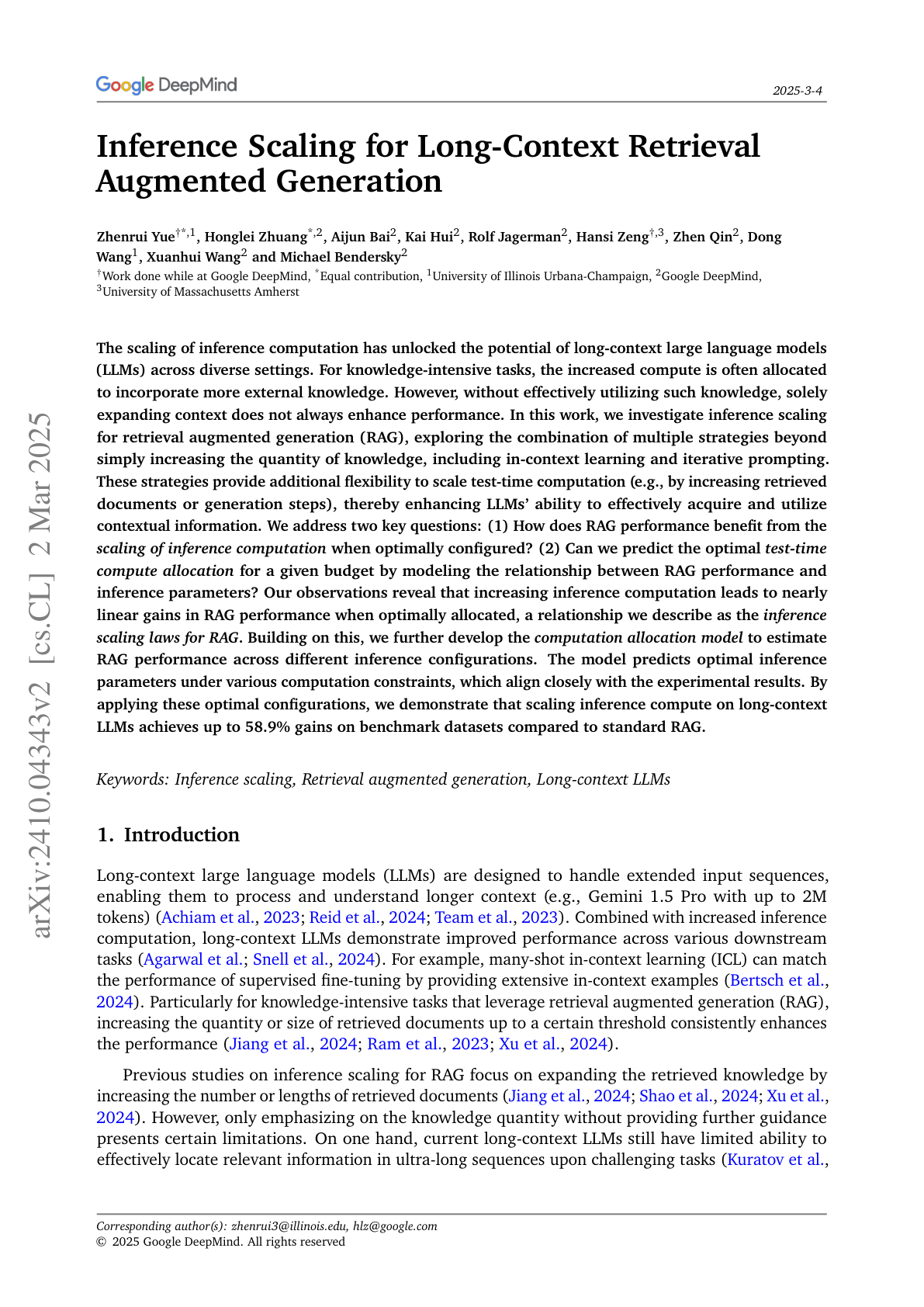
Inference Scaling for Long-Context RAG
uses two strategies to investigate scaling laws for RAG: in-context learning (DRAG) and iterative prompting (IterRAG); finds that RAG performance consistently improves with the expansion of the effective context length under optimal configurations; when optimally allocated, increasing inference computation can lead to linear gains in long-context RAG performance; this leads to the development of a computation allocation model that can provide practical guidance for optimal computation allocation in long-context RAG scenarios.
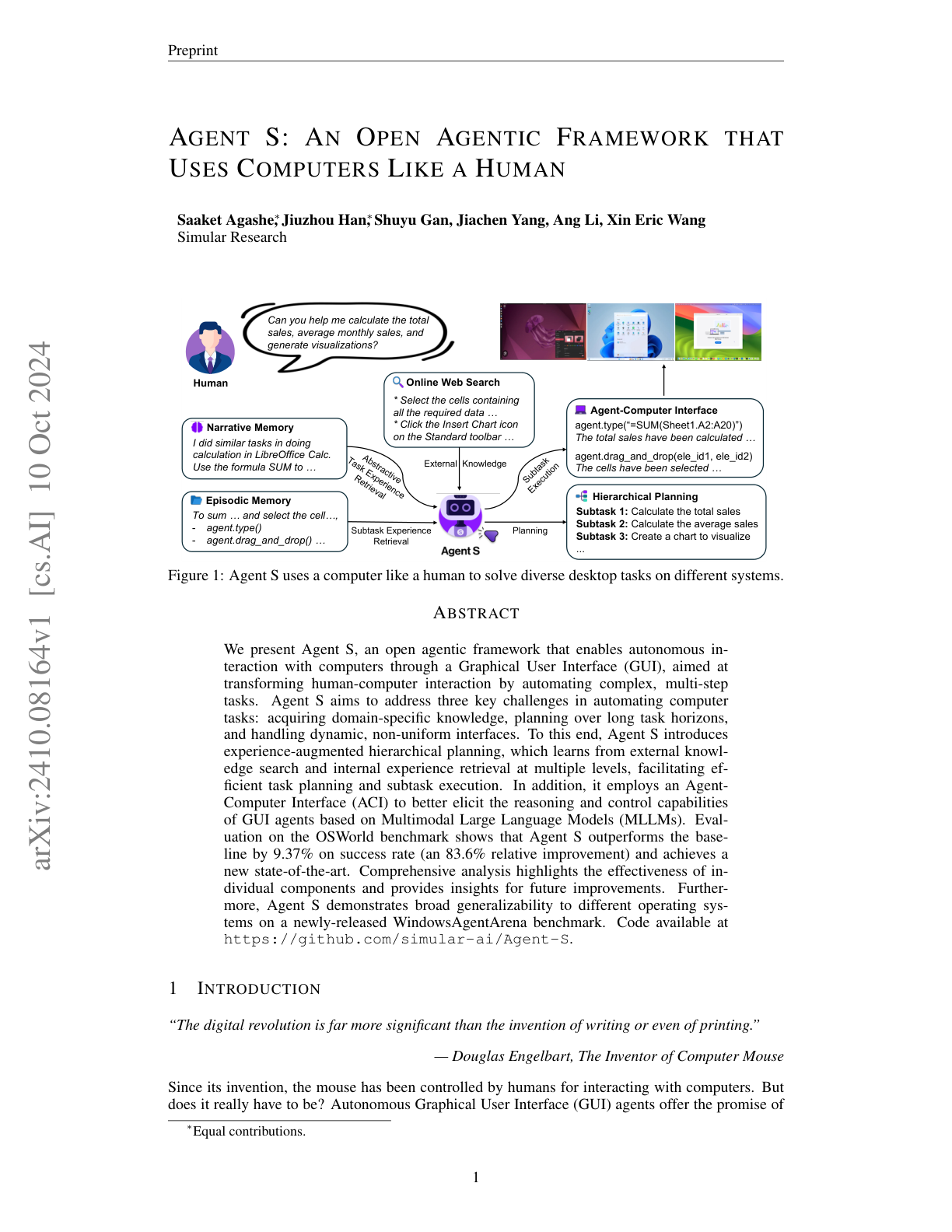
Agent S
a new open agentic framework that enables autonomous interaction with computers through a GUI; Agent S tackles challenges such as acquiring knowledge, planning over long-task horizons, and handling dynamic interfaces; it introduces experience-augmented hierarchical planning which leverages both search and retrieval; leverages an agent-computer interface to perform reasoning and control GUI agents; evaluation on the OSWorld benchmark shows that Agent S outperforms the baseline by 9.37% in success rate (an 83.6% relative improvement) and achieves a new state-of-the-art.
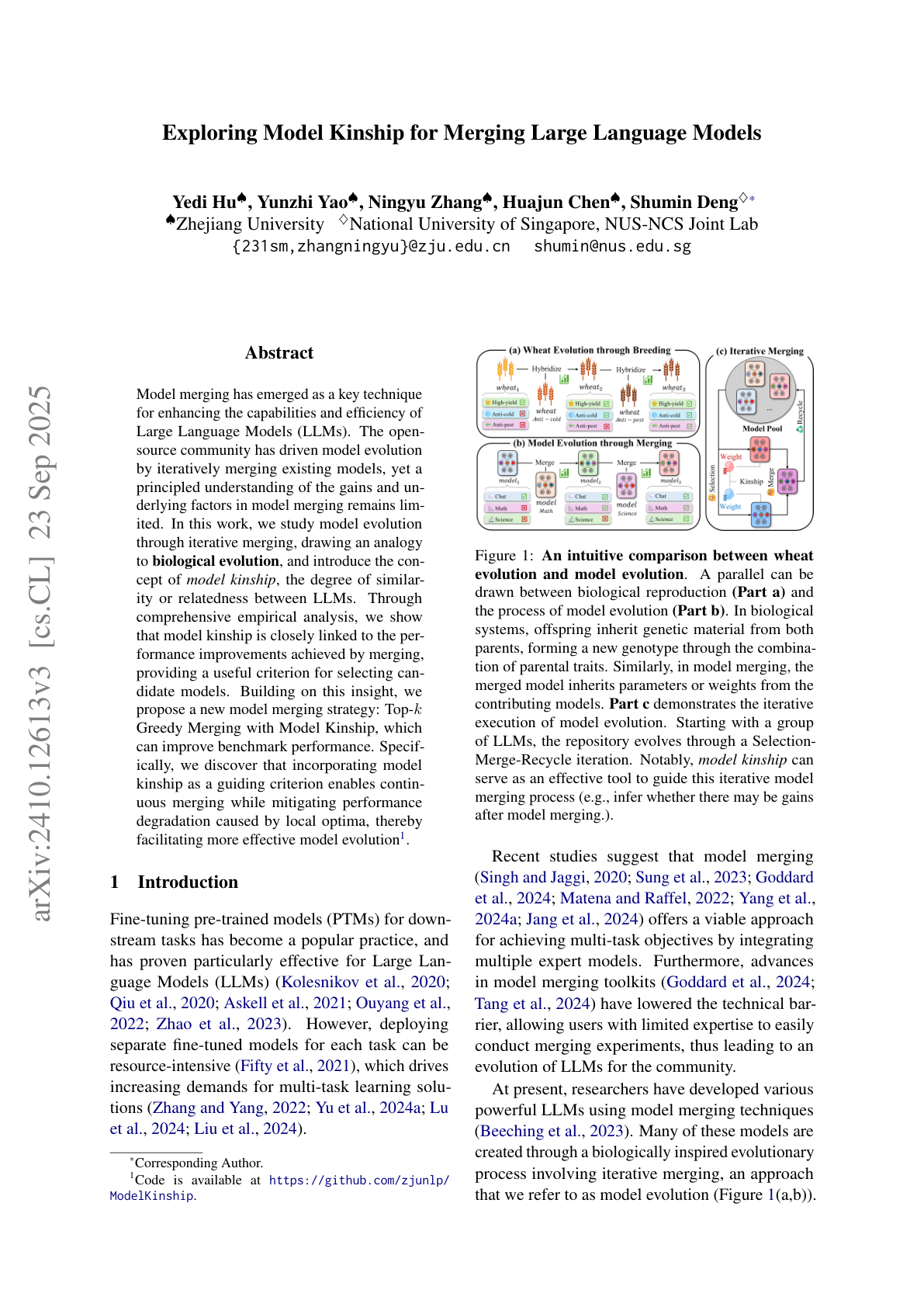
Model Kinship for Merging LLMs
proposes model kinship to measure the degree of similarity between LLMs; model kinship is used to build a model merging strategy (Top-k Greedy Merging with Model Kinship) which yields better performance; the authors find that this new criterion can be used to effectively and continuously perform model merging.
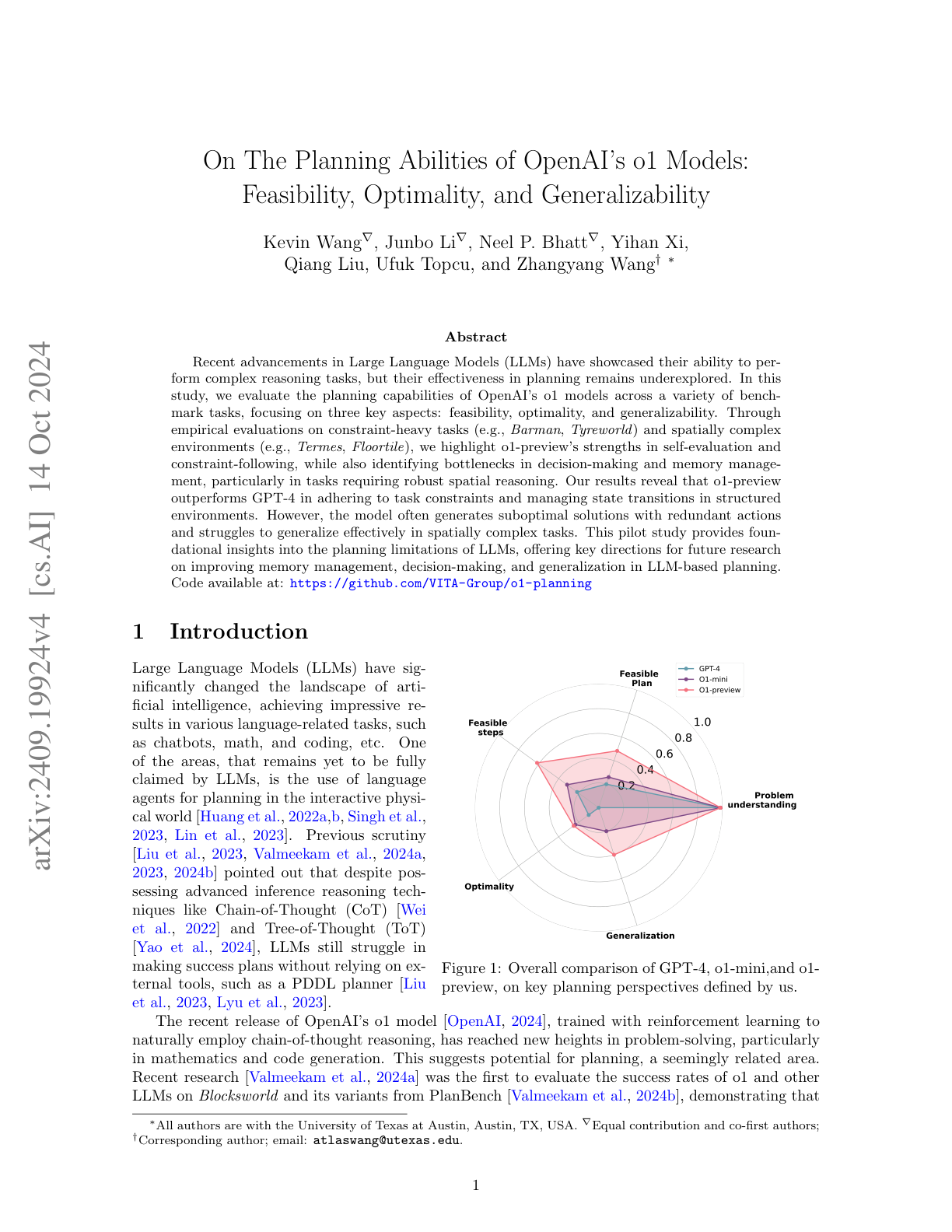
On the Planning Abilities of OpenAI’s o1 Models
reports that o1-preview is particularly strong in self-evaluation and constraint-following; also mentions that these o1 models demonstrate bottlenecks in decision-making and memory management, which are more pronounced in spatial reasoning; in particular, the models produce redundant action and struggle to generalize in spatially complex tasks.
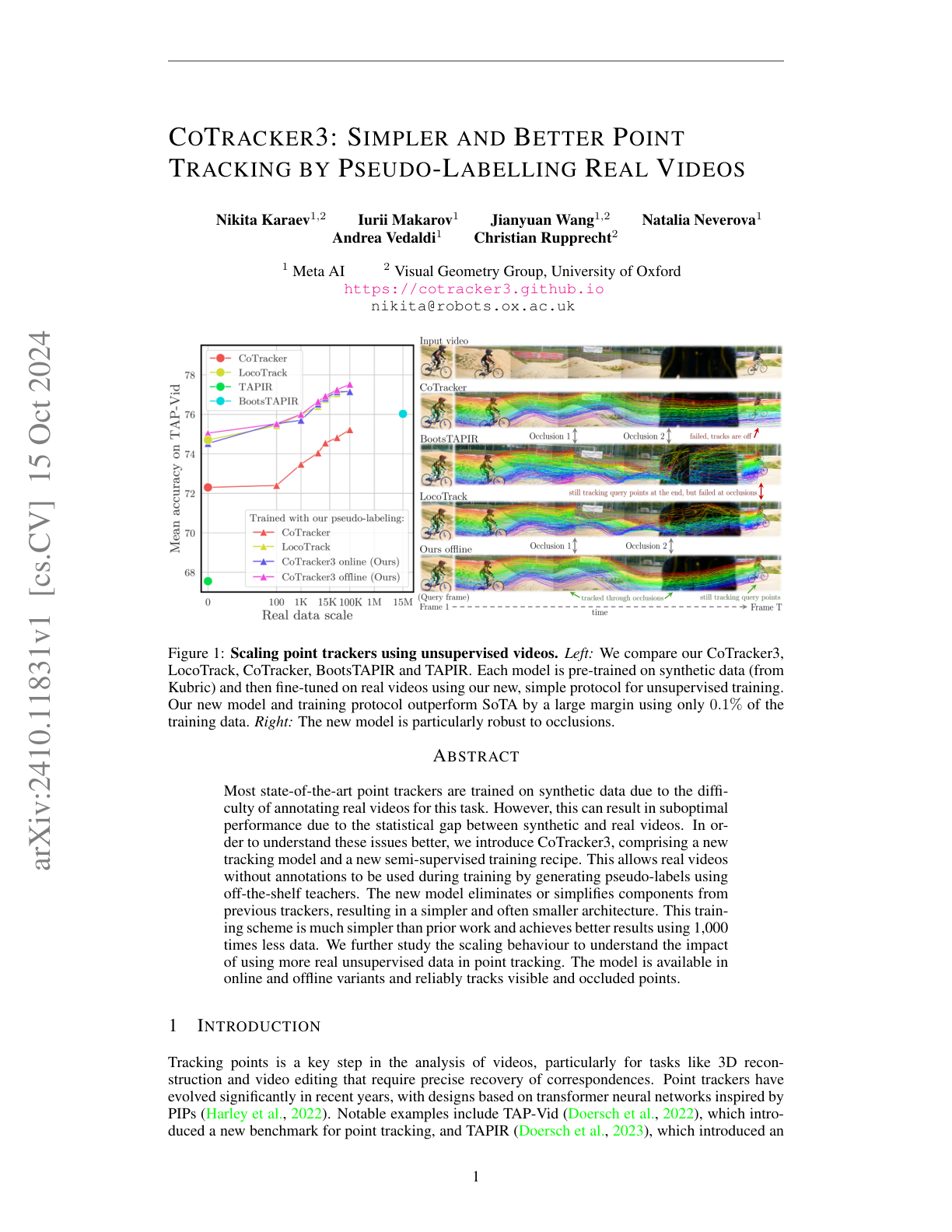
CoTracker3
proposes a new point tracking model and a new semi-supervised training recipe; enables usage of real videos without annotations during training by generating pseudo-labels using off-the-shelf teachers; the approach is simpler in architecture and training scheme leading to better results while using 1000x less data.
MLE-Bench
proposes a new benchmark for the evaluation of machine learning agents on machine learning engineering capabilities; includes 75 ML engineering-related competition from Kaggle testing on MLE skills such as training models, preparing datasets, and running experiments; OpenAI’s o1-preview with the AIDE scaffolding achieves Kaggle bronze medal level in 16.9% of competitions.
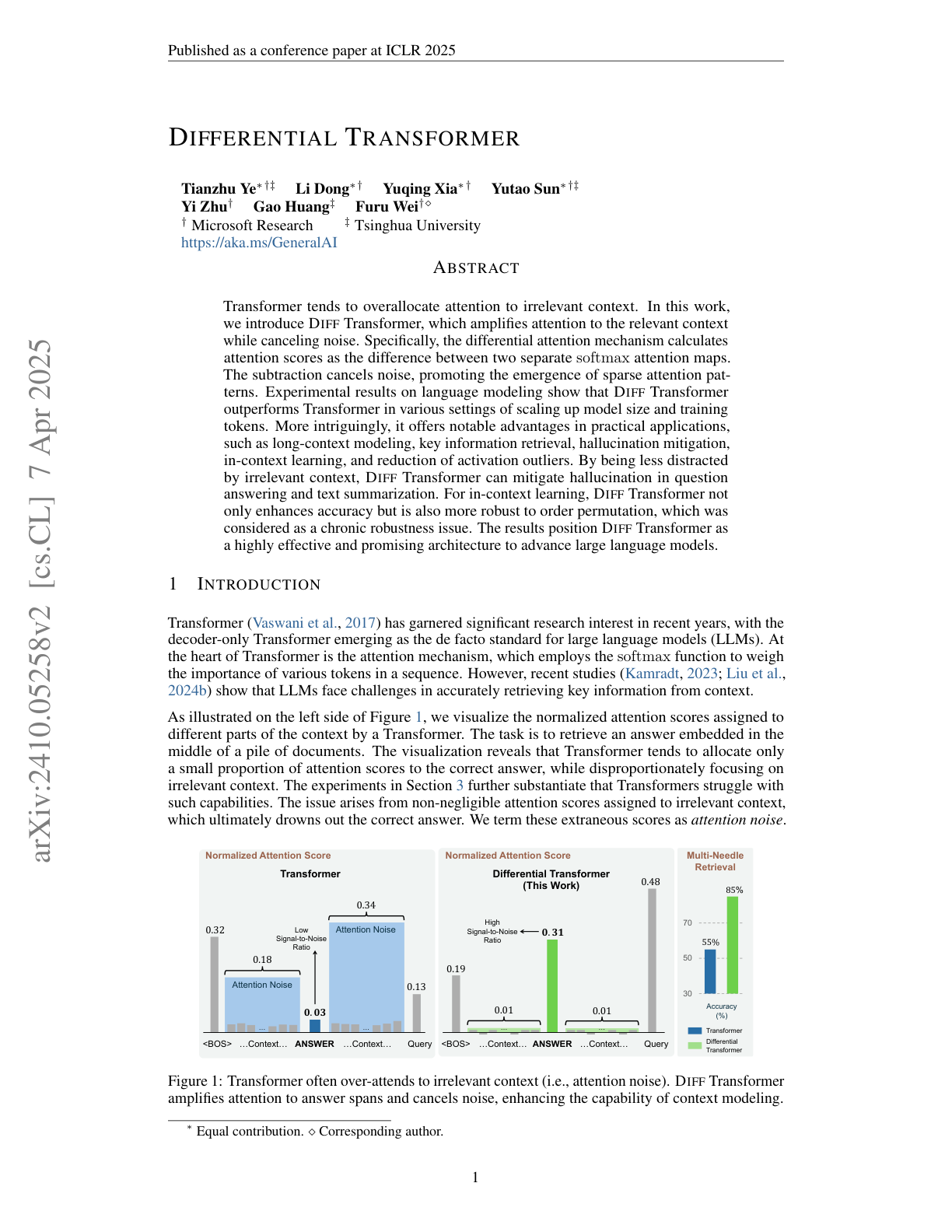
Differential Transformer
proposes a differential attention mechanism that amplifies attention to the relevant context while canceling noise; Differential Transformer outperforms Transformer when scaling up model size and training tokens; the authors claim that since this architecture gets less "distracted" by irrelevant context, it can do well in applications such as long-context modeling, key information retrieval, hallucination mitigation, in-context learning, and reduction of activation outliers.