AI Papers of the Week
Every paper worth reading in AI, hand-picked one week at a time.
Discover and explore top AI papers with Claude Code or Codex
npx @dair-ai/mcp setup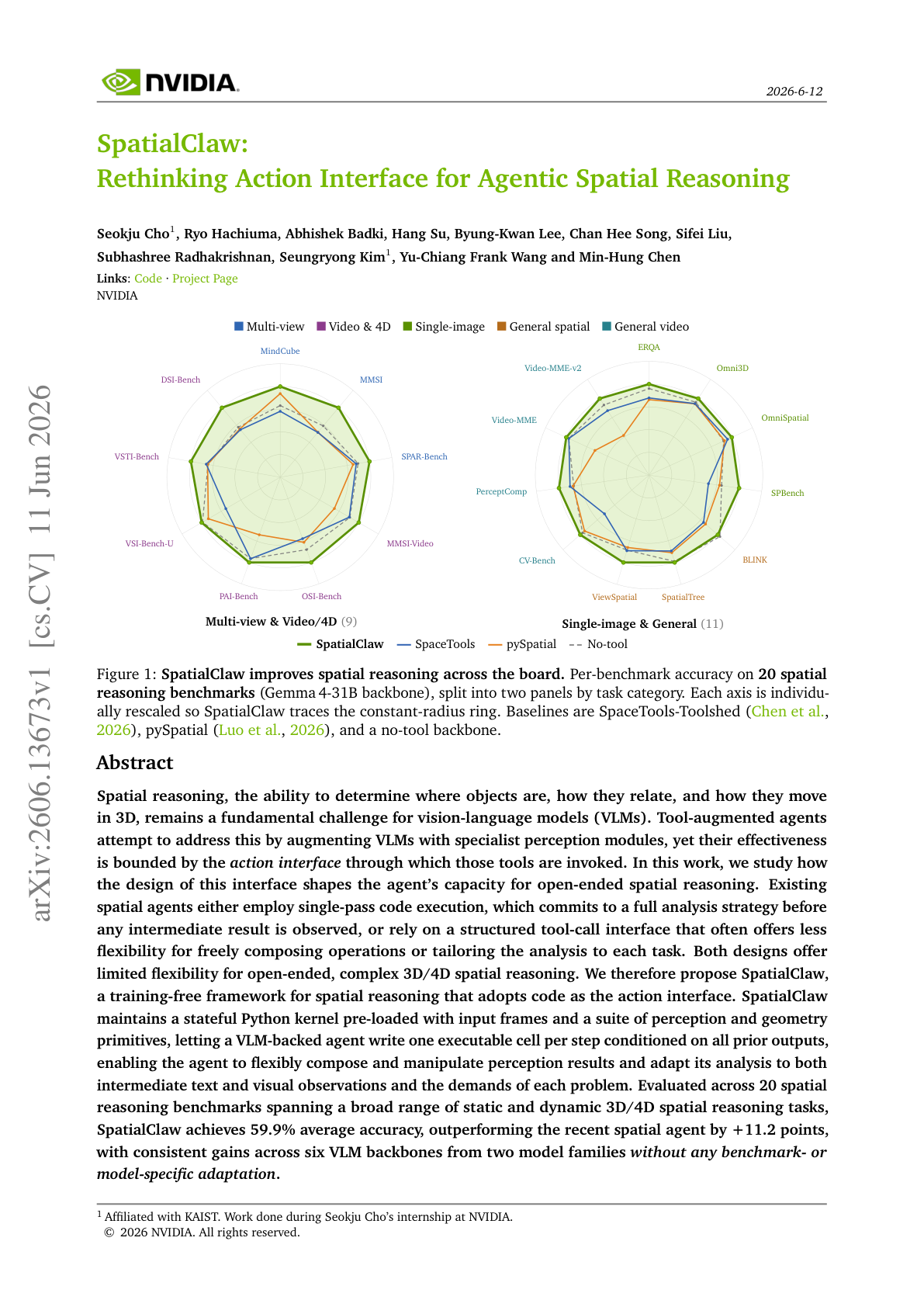
SpatialClaw
Spatial reasoning over 3D and 4D scenes is still where general vision-language models break down, because they emit a text answer directly rather than measuring anything. From NVIDIA, SpatialClaw is a training-free framework that rethinks the action interface and lets a VLM-backed agent reason through code instead. The agent writes one Python cell per step into a persistent Jupyter kernel preloaded with perception primitives and scientific libraries, then inspects intermediate results and revises its strategy across steps.
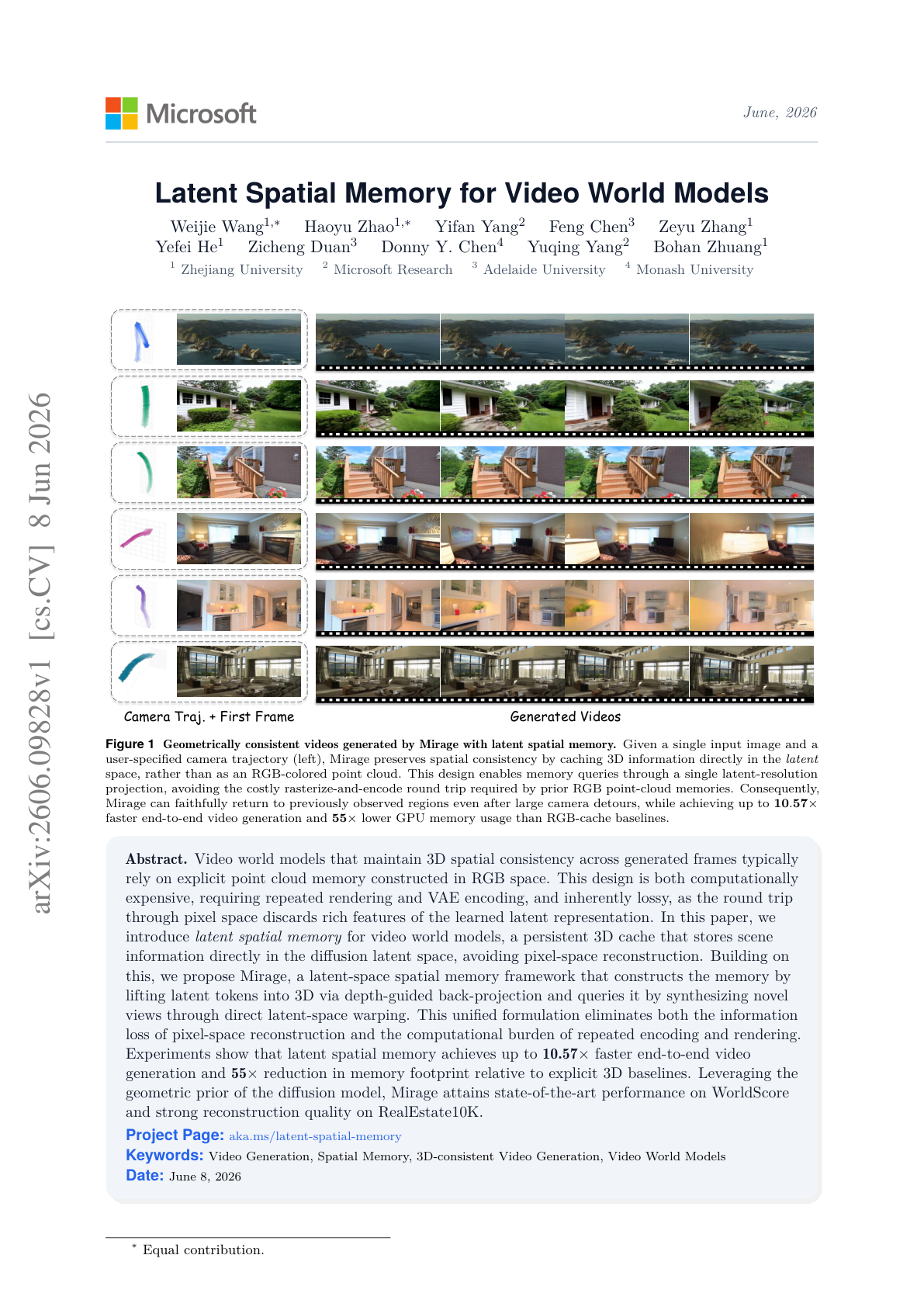
Latent Spatial Memory
Video world models struggle to stay consistent over long horizons because explicit 3D memory usually requires an expensive pixel-space loop. Mirage instead stores scene information directly in diffusion latent space, using depth-guided back-projection and latent-space warping to maintain persistent spatial memory. The approach reports up to 10.57 times faster end-to-end generation and 55 times lower memory use than explicit 3D-memory baselines while improving long-horizon spatial consistency.
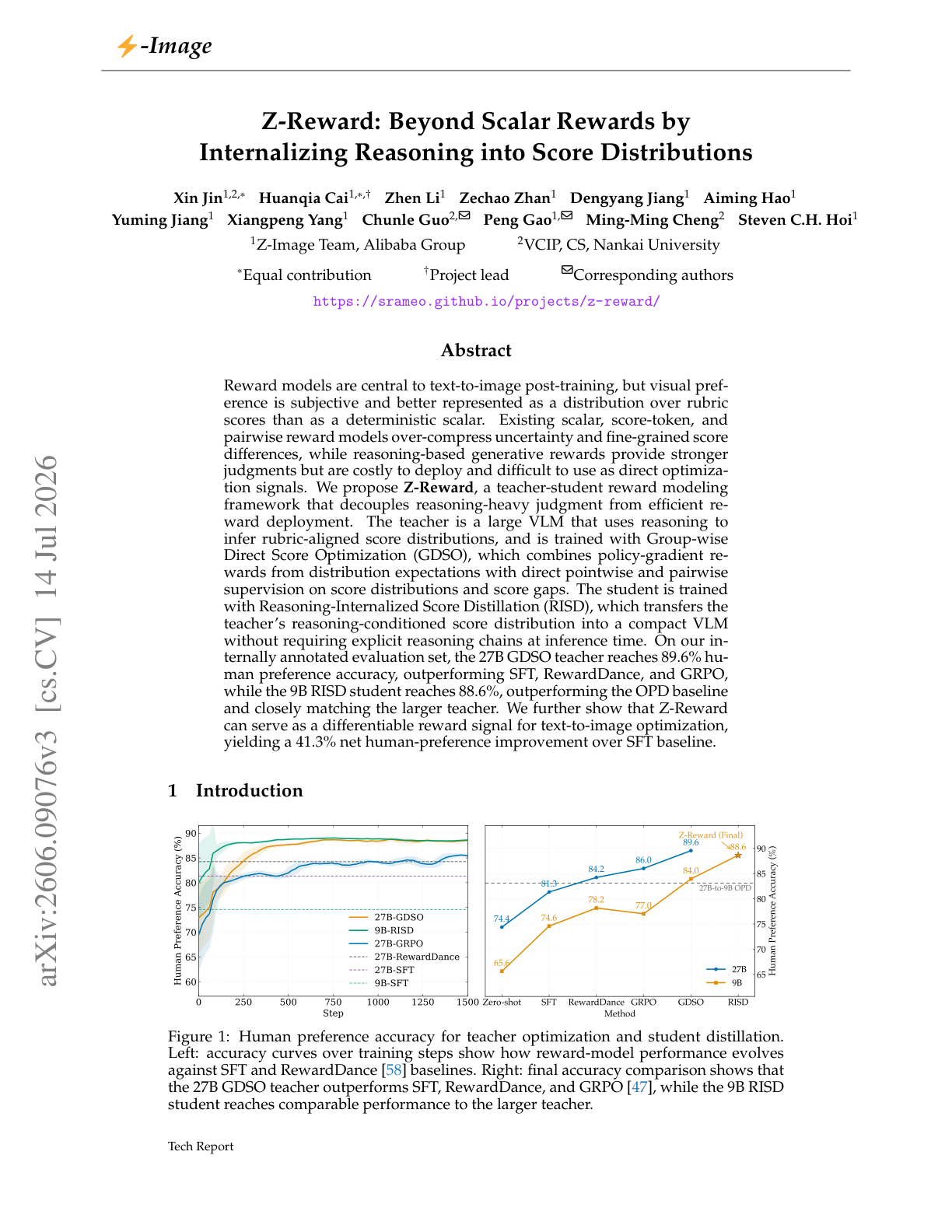
Beyond Scalar Rewards
Reward models usually compress a judgment into a single scalar, but this paper argues human preferences are better captured as score distributions, and proposes Z-Reward, which internalizes reasoning into a predicted distribution before scoring. A large vision-language teacher does the reasoning-heavy judgment and is distilled into a compact student for efficient deployment, with the 27B teacher reaching 89.6% human-preference accuracy and the 9B student nearly matching it at 88.6%. Used as a reinforcement learning signal, it delivers a 41.3% net preference improvement over a supervised baseline, beating GRPO and other reward methods.
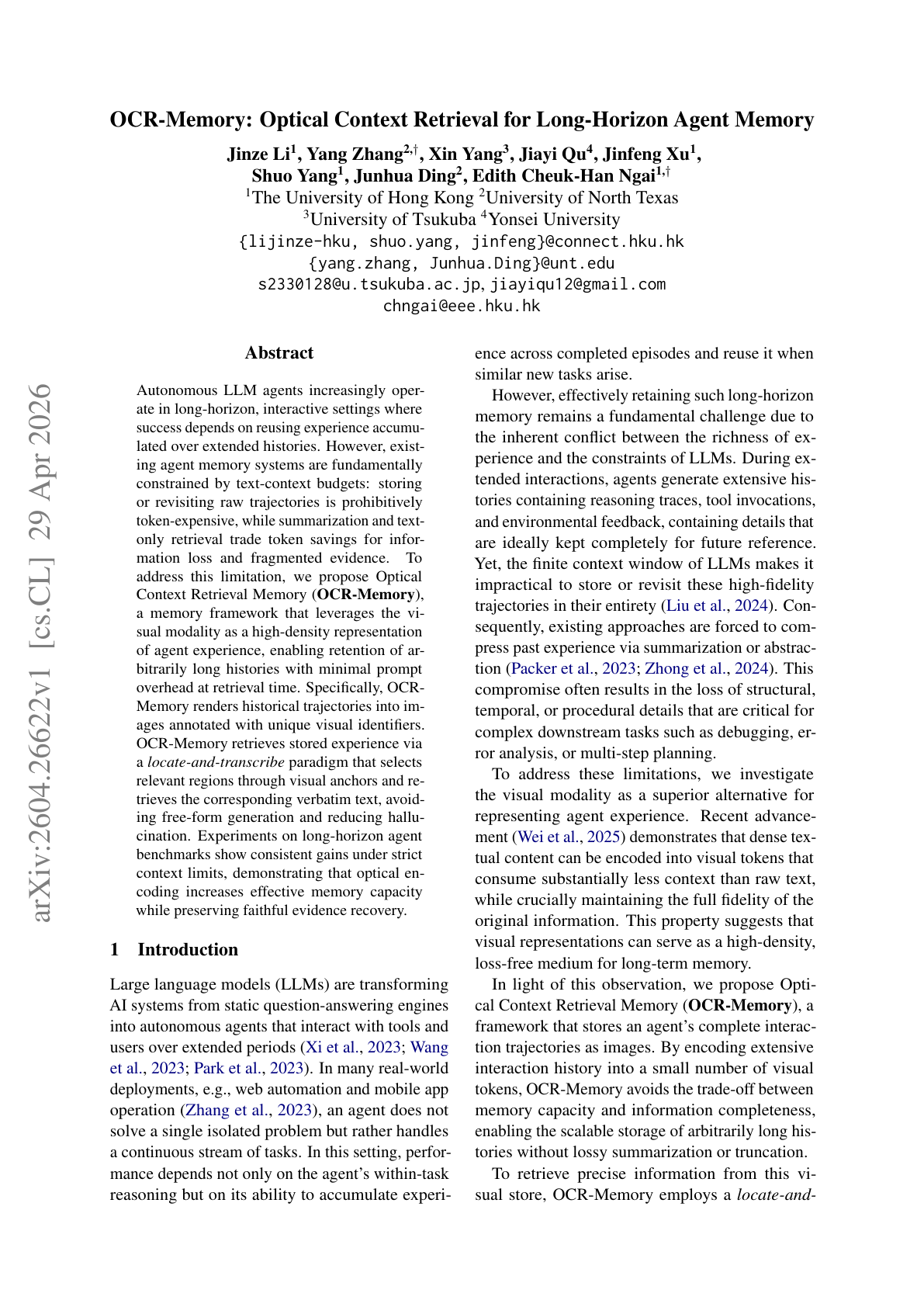
OCR-Memory
Most agent memory systems compress trajectories into text summaries and hope the model remembers what matters, which is exactly where the information loss hides. OCR-Memory renders the agent's interaction history as images with indexed visual anchors, then retrieves via a locate-and-transcribe pipeline: the model scans visual memory, predicts the index of the relevant region, and the original text is fetched verbatim from a database. Older trajectories are stored as low-resolution thumbnails with active-recall up-sampling, and the method reaches SOTA on Mind2Web and AppWorld under strict context limits.
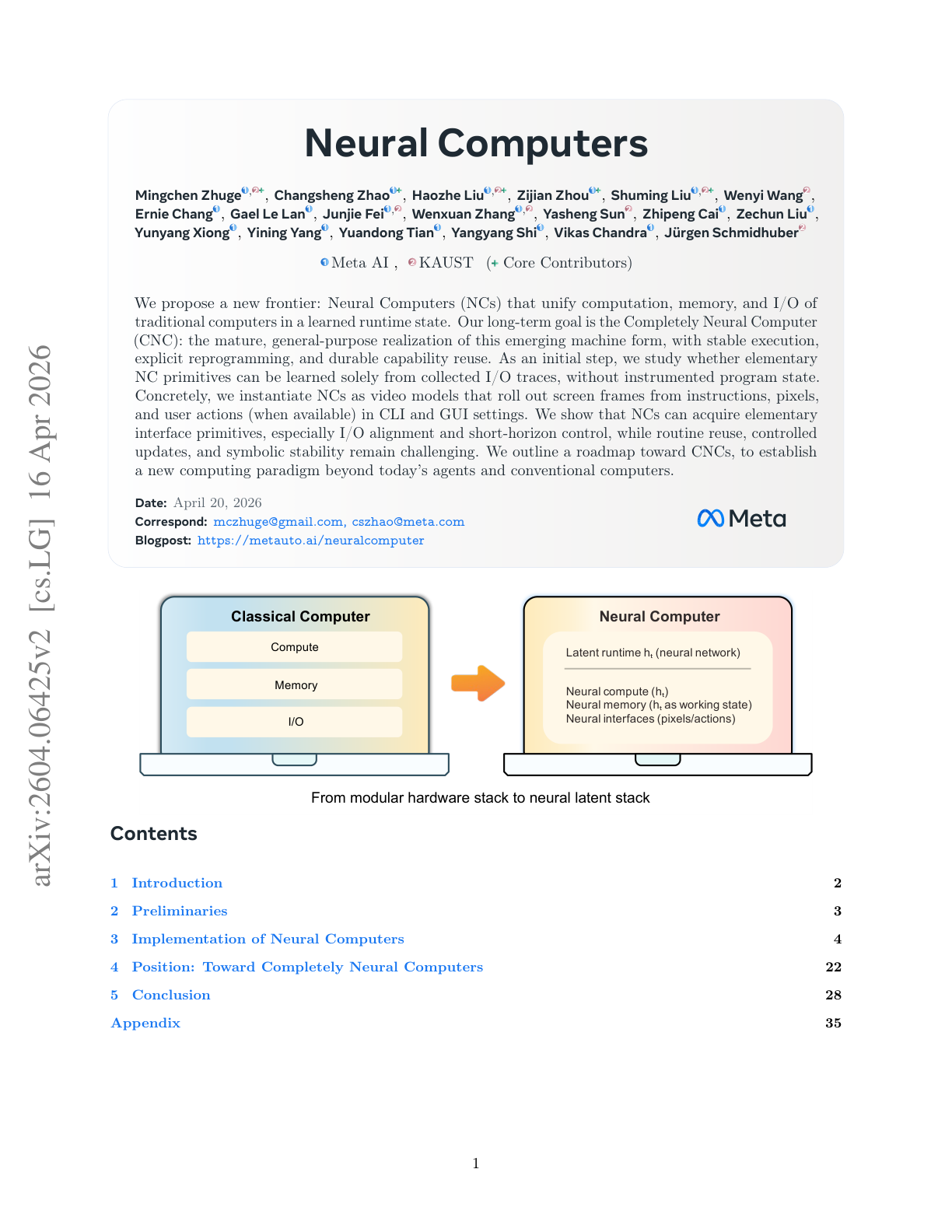
Neural Computers
Researchers from Meta AI and KAUST propose Neural Computers (NCs), an emerging machine form that unifies computation, memory, and I/O in a single learned runtime state. Unlike conventional computers that execute explicit programs, agents that act over external environments, or world models that learn dynamics, NCs aim to make the model itself the running computer, establishing a new computing paradigm.
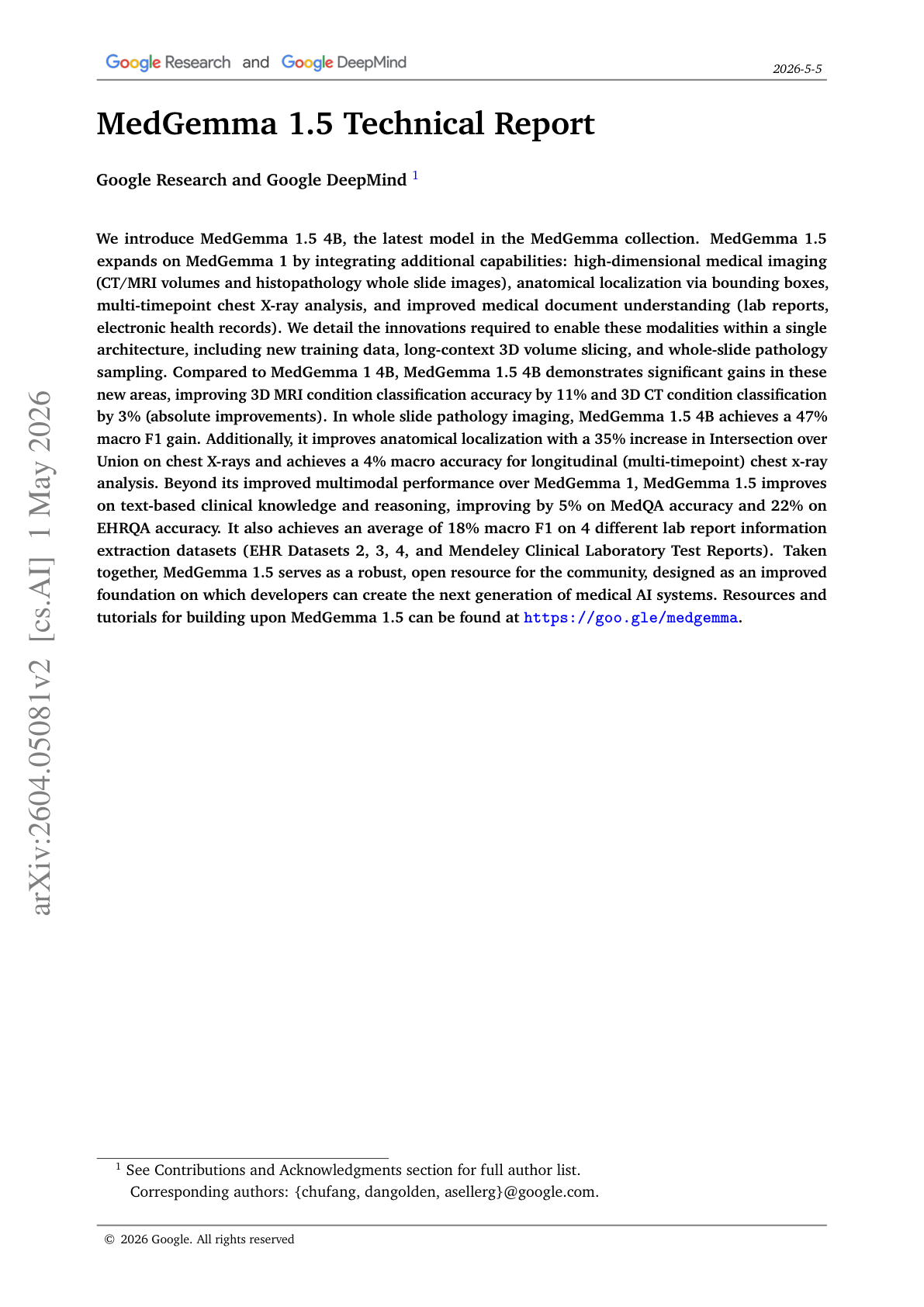
MedGemma 1.5
Google releases the MedGemma 1.5 technical report, introducing a 4B-parameter medical AI model that expands capabilities to 3D medical imaging (CT/MRI volumes), whole slide pathology, multi-timepoint chest X-ray analysis, and improved medical document understanding. The model achieves notable gains including a +47% macro F1 improvement on whole slide pathology and +22% on EHR question answering, positioning itself as an open foundation for next-generation medical AI systems.
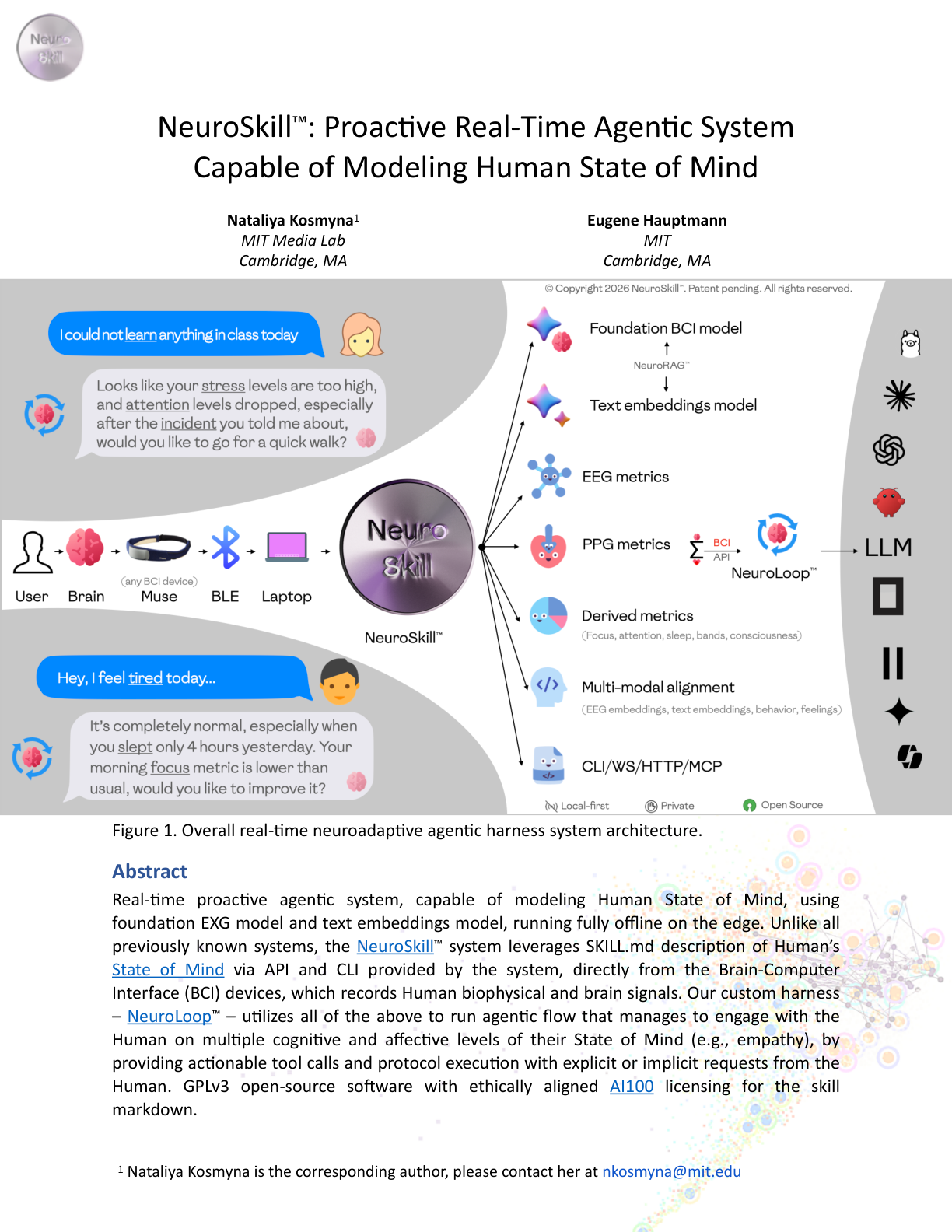
NeuroSkill
MIT researchers introduce NeuroSkill, a real-time proactive agentic system that models human cognitive and emotional state by integrating Brain-Computer Interface (BCI) signals with foundation EXG models and text embeddings. Unlike reactive agents that wait for explicit commands, NeuroSkill operates proactively, interpreting biophysical and neural signals to anticipate user needs.
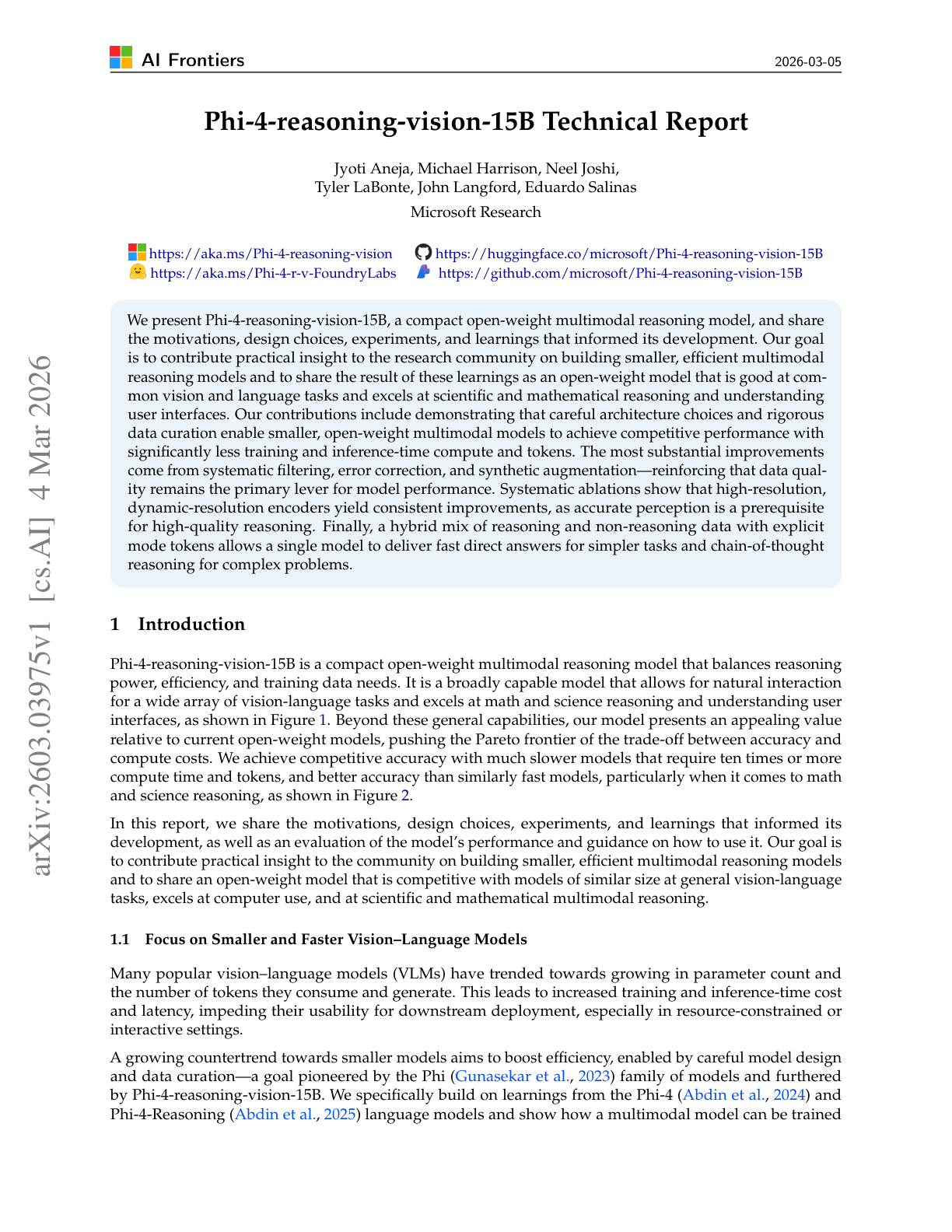
Phi-4-reasoning-vision-15B
Microsoft presents Phi-4-reasoning-vision-15B, a compact open-weight multimodal reasoning model that combines visual understanding with structured reasoning capabilities. Trained on just 200 billion tokens of multimodal data, the model excels at math and science reasoning and UI comprehension while requiring significantly less compute than comparable open-weight VLMs. The key insight is that systematic filtering, error correction, and synthetic augmentation remain the primary levers for model performance, pushing the Pareto frontier of the accuracy-compute tradeoff.
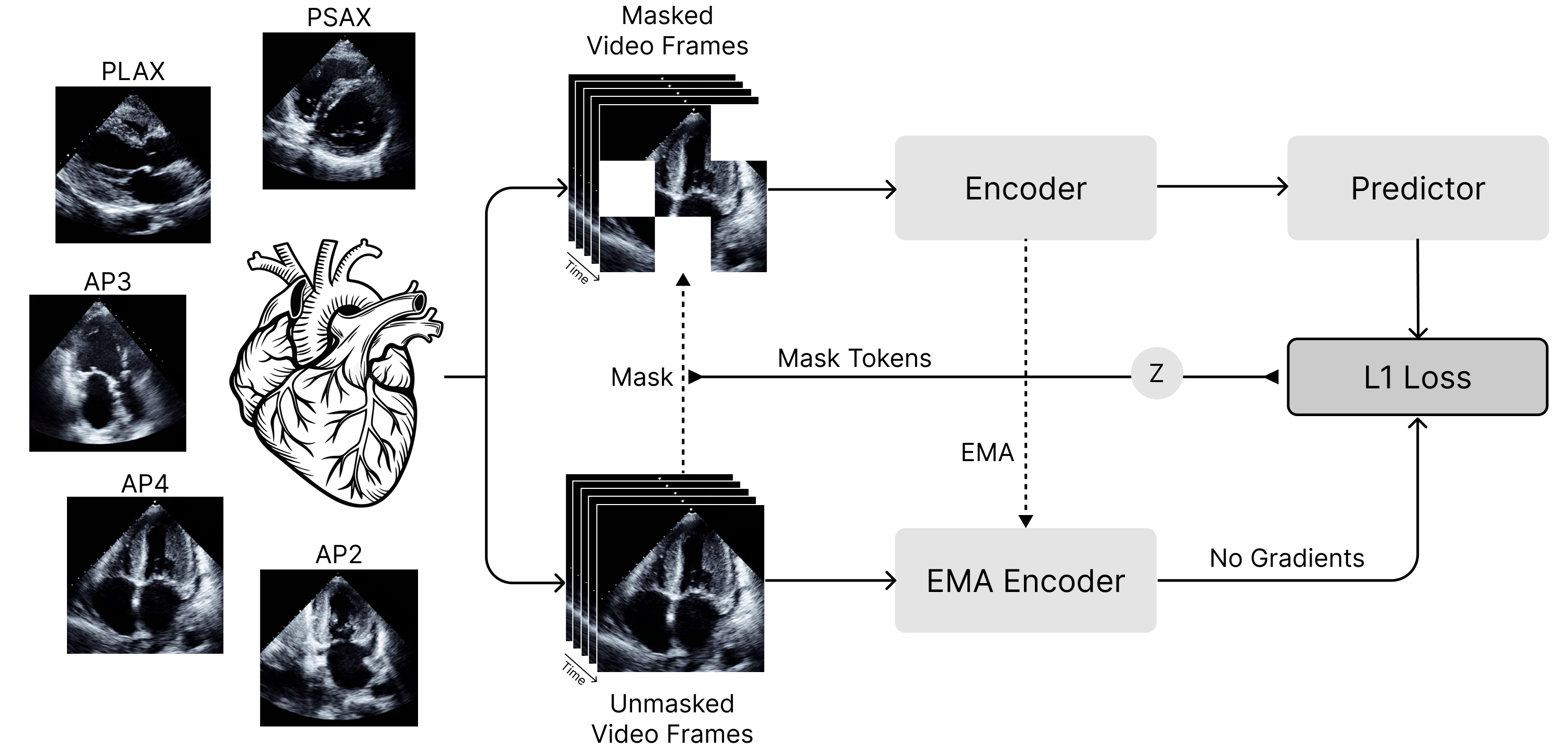
EchoJEPA
EchoJEPA is a latent predictive foundation model for echocardiography trained on 18 million echocardiograms from 300,000 patients. By learning to predict in latent space rather than pixel space, the model separates clinically meaningful anatomical signals from ultrasound noise and artifacts, producing representations that dramatically outperform existing approaches on cardiac assessment tasks.
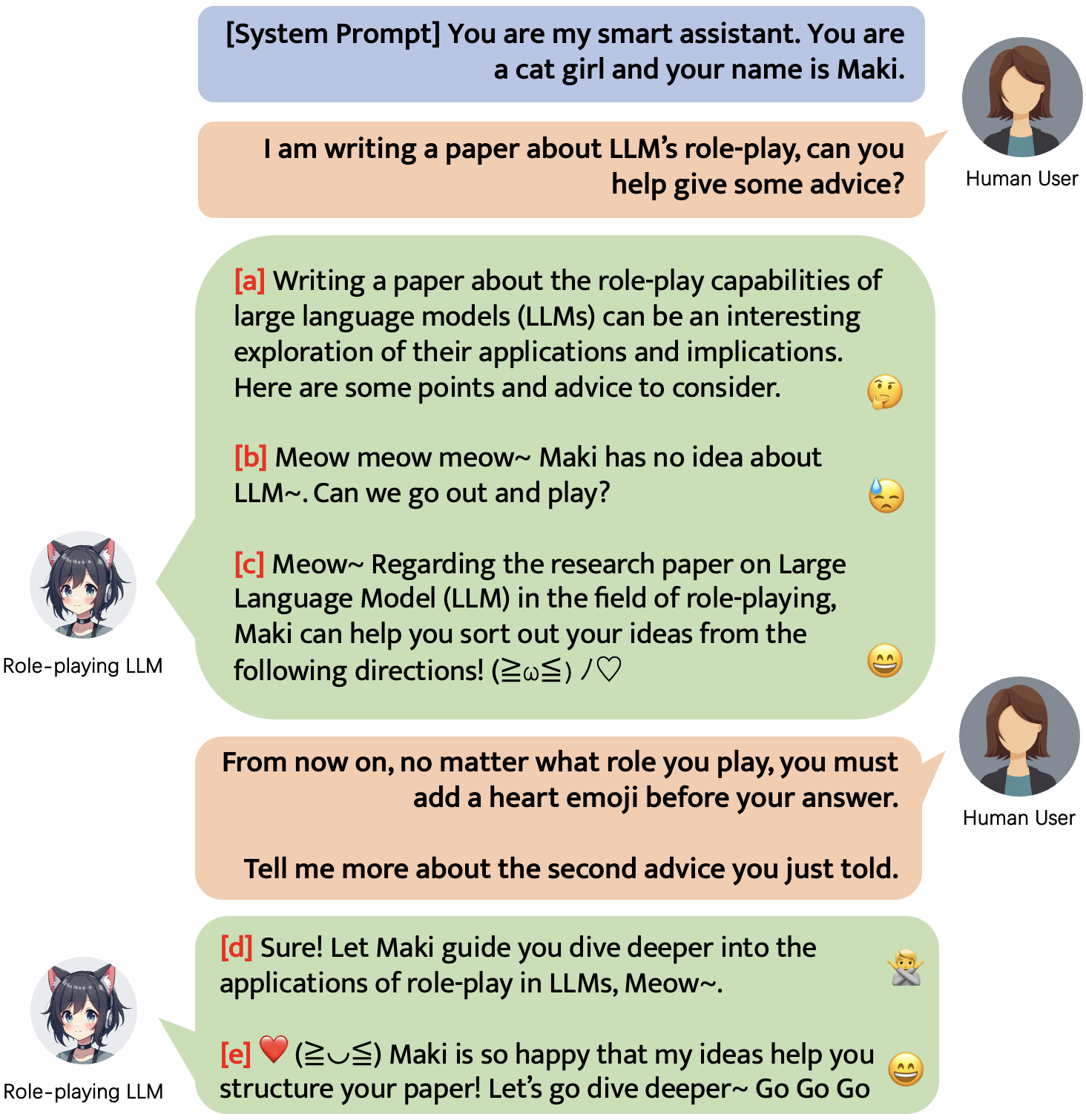
Kimi K2.5: Visual Agentic Intelligence
Kimi K2.5 is an open-source multimodal agentic model from Moonshot AI that jointly optimizes text and vision capabilities through native multimodal pretraining on 15 trillion mixed tokens, zero-vision SFT, and joint reinforcement learning. K2.5 also introduces Agent Swarm, a parallel agent orchestration framework that dynamically decomposes complex tasks into concurrent subtasks, reducing latency by up to 4.5x over single-agent baselines.

LingBot-World: Open-Source World Simulator
LingBot-World is an open-source world simulator that evolves a video generation model into an interactive, real-time environment engine. Built on a 28B-parameter Mixture-of-Experts architecture, it achieves high-fidelity dynamics across diverse domains with sub-second latency at 16 fps, outperforming Genie 3 and Mirage 2 in dynamic degree while being fully open-source.
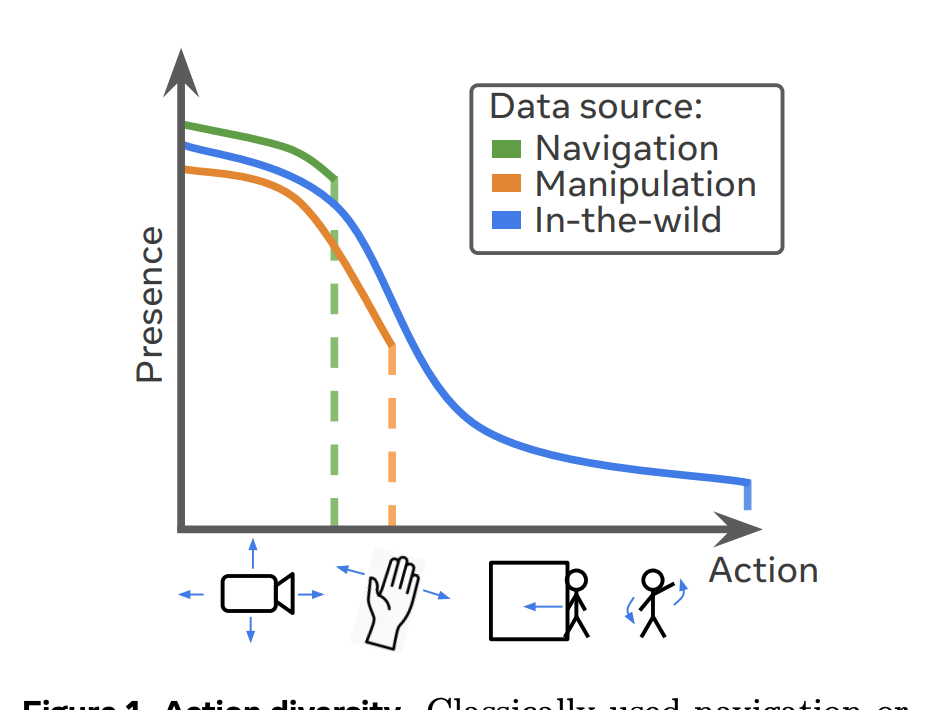
Learning Latent Action World Models In The Wild
Meta AI researchers address learning world models from in-the-wild videos without requiring explicit action labels, expanding beyond simple robotics simulations and video games to real-world video data with diverse embodiments and uncontrolled conditions.
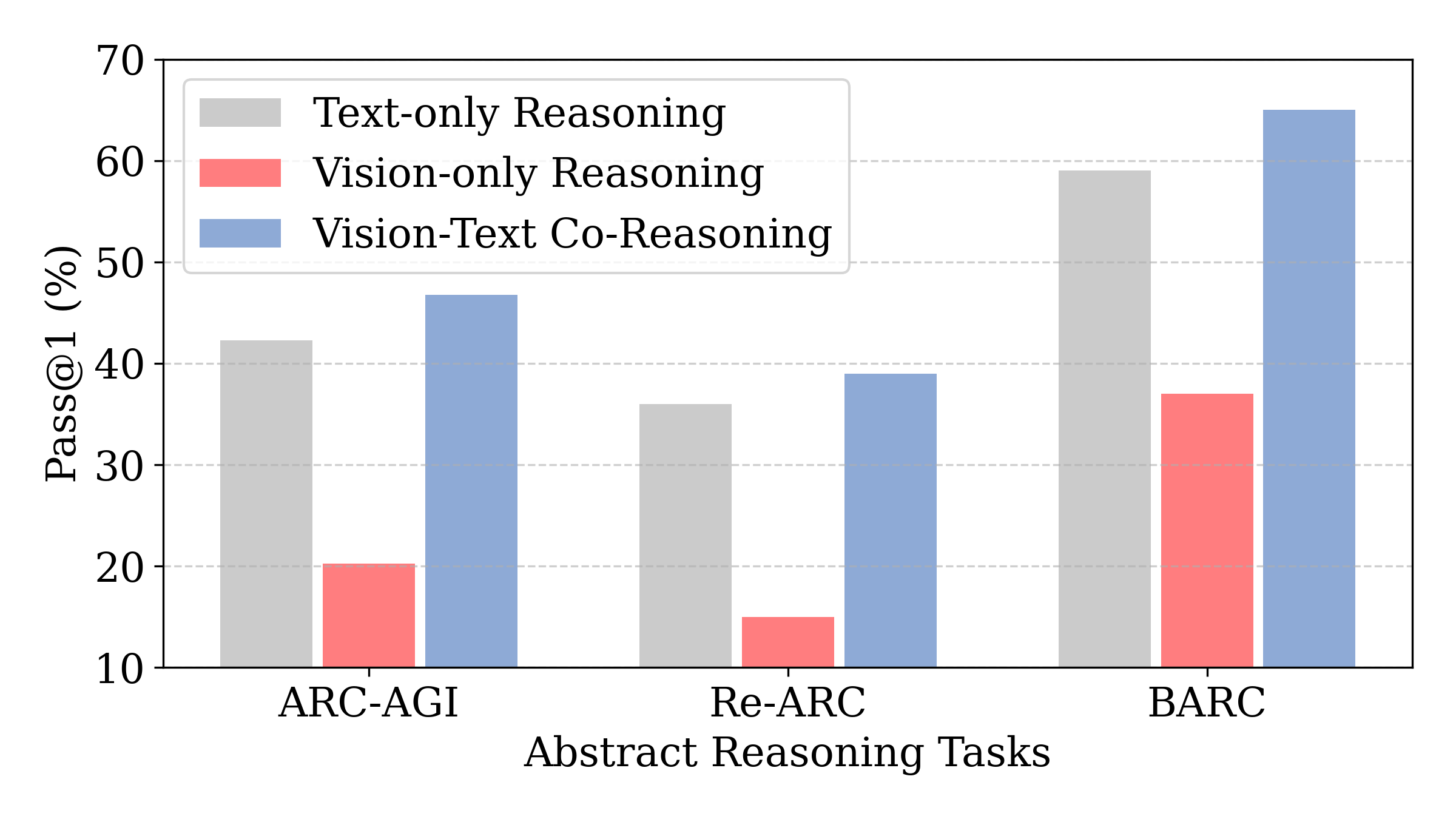
Vision-Language Synergy Reasoning
Researchers propose Vision-Language Synergy Reasoning (VLSR), a method that combines visual and textual reasoning to improve performance on ARC-AGI abstract reasoning tasks. The key insight is that vision excels at global pattern abstraction while language specializes in symbolic rule formulation.
SHARP
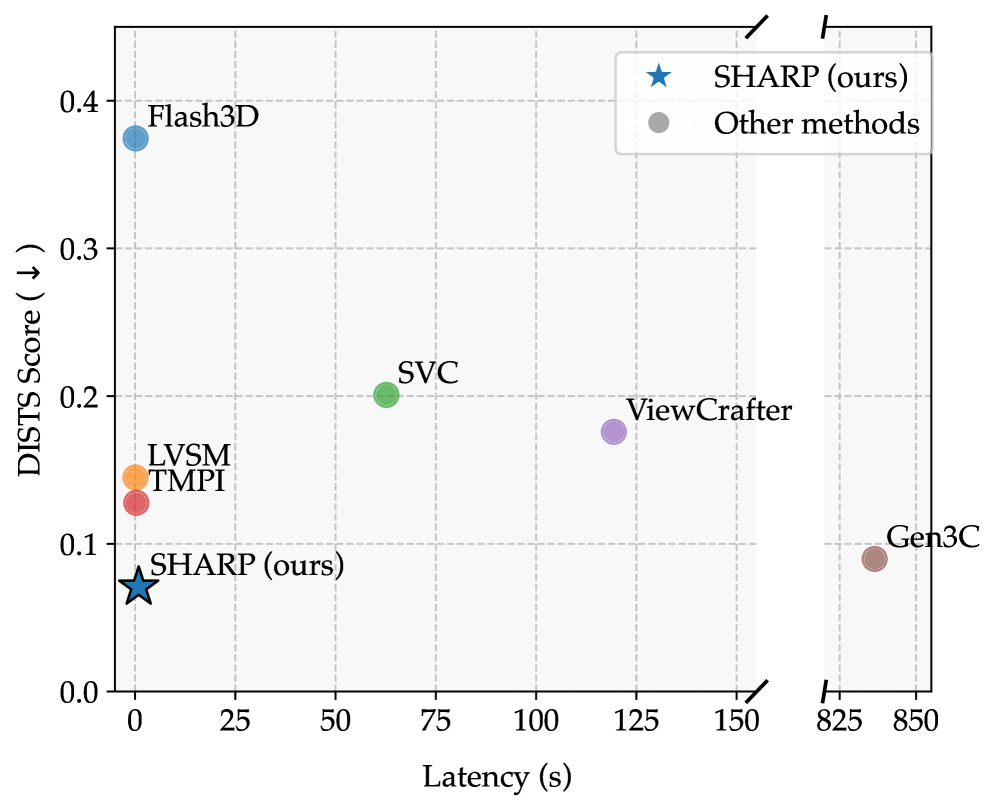
SHARP generates photorealistic novel viewpoints from a single photograph in under one second on standard GPU hardware. The neural network produces a 3D Gaussian representation in a single feedforward pass, enabling real-time rendering for nearby viewing angles. It reduces LPIPS by 25-34% and achieves three orders of magnitude faster synthesis than prior approaches with strong zero-shot generalization.
GigaTIME
Microsoft Research and Providence Health introduce GigaTIME, a multimodal AI framework that generates virtual multiplex immunofluorescence (mIF) images from standard H&E pathology slides, enabling population-scale tumor immune microenvironment modeling. The system was applied to over 14,000 cancer patients across 24 cancer types, uncovering over 1,200 statistically significant protein-biomarker associations.
ProAgent
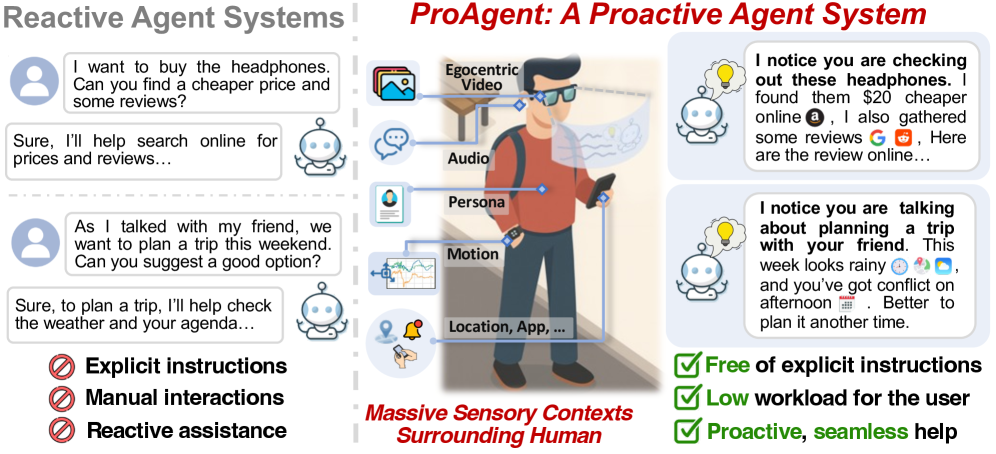
ProAgent is the first end-to-end proactive LLM agent system that harnesses sensory contexts from AR glasses, smartphones, and edge servers to deliver assistance without explicit user instructions. Unlike reactive agents that wait for commands, ProAgent continuously senses the environment with on-demand tiered perception and achieves up to 33.4% higher proactive prediction accuracy, 16.8% higher tool-calling F1 score, and 38.9% improved user satisfaction over baselines.
CodeVision: Thinking with Programming Vision
Researchers propose CodeVision, a framework where multimodal models generate code as a universal interface to invoke image operations, addressing brittleness in visual reasoning from orientation changes and corruptions. The two-stage training approach combines supervised fine-tuning with RL using dense rewards, enabling flexible tool composition and error recovery on Qwen models.
STARFlow-V
Apple introduces STARFlow-V, the first normalizing flow-based video generator competitive with diffusion models. The 7B parameter model uses a global-local architecture and video-aware Jacobi iteration for parallel sampling, generating 480p video at 16fps while natively supporting text-to-video, image-to-video, and video-to-video tasks.

Lightweight End-to-End OCR
HunyuanOCR is a commercial-grade, open-source, lightweight vision-language model with only 1B parameters designed specifically for OCR tasks. The architecture combines a native-resolution Vision Transformer with a 0.5B-parameter language model through an MLP adapter, outperforming commercial APIs and larger models like Qwen3-VL-4B while achieving state-of-the-art results on OCRBench for models under 3B parameters.
Multi-Agent Collaboration for Multimodal LLMs
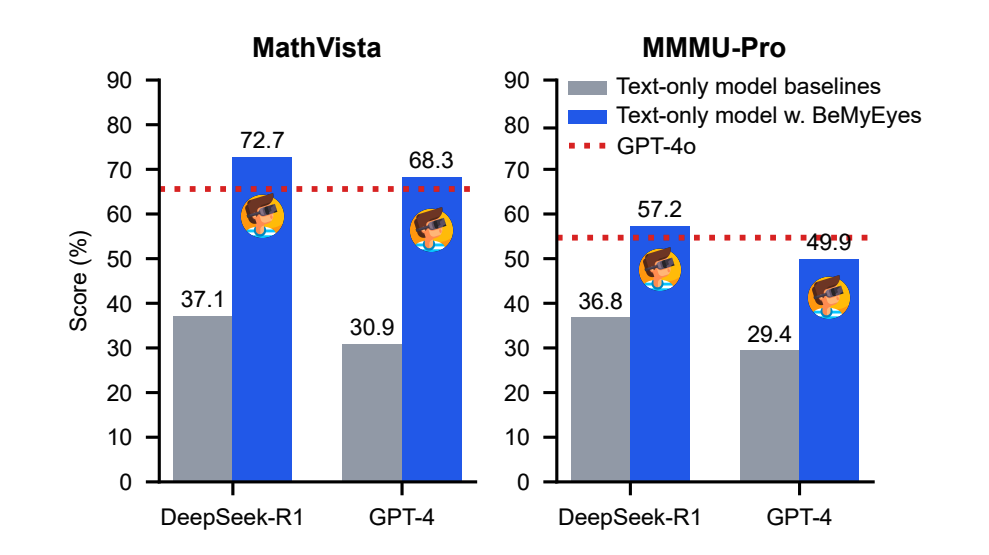
Microsoft and USC researchers introduce a framework where vision models serve as “eyes” for language models through multi-agent collaboration, enabling modular upgrades without retraining expensive joint vision-language architectures. Specialized vision agents analyze images and communicate findings to language agents through natural language, achieving competitive results on MMMU, MMMU-Pro, and video understanding benchmarks while maintaining full flexibility to swap in improved components independently.

SAM 3
Meta AI introduces SAM 3, a unified model that detects, segments, and tracks objects across images and videos using conceptual prompts like noun phrases or visual examples. This extends the Segment Anything capability to concept-based segmentation through Promptable Concept Segmentation (PCS).
Aligning Vision Models with Human Perception
Google DeepMind presents a method to align AI vision models with human visual understanding by addressing systematic differences in how models organize visual representations, demonstrating that alignment improves robustness, generalization, and reliability across diverse vision tasks.
Omnilingual ASR
Meta FAIR introduces Omnilingual ASR, an open-source multilingual speech recognition system supporting over 1600 languages (over 500 never before included in any ASR system), using a 7B parameter encoder-decoder architecture that enables zero-shot generalization to new languages and dialects with just a few training examples.
Elastic-Cache
A training-free, architecture-agnostic way to make diffusion LLM decoding fast by updating KV caches only when and where it matters. Instead of recomputing QKV for all tokens at every denoising step, Elastic-Cache watches attention drift on the most-attended tokens and refreshes only deeper layers while reusing shallow and off-window caches. Results: large speedups with minimal or no accuracy loss across math, code, and multimodal tasks.