AI Papers of the Week
Every paper worth reading in AI, hand-picked one week at a time.
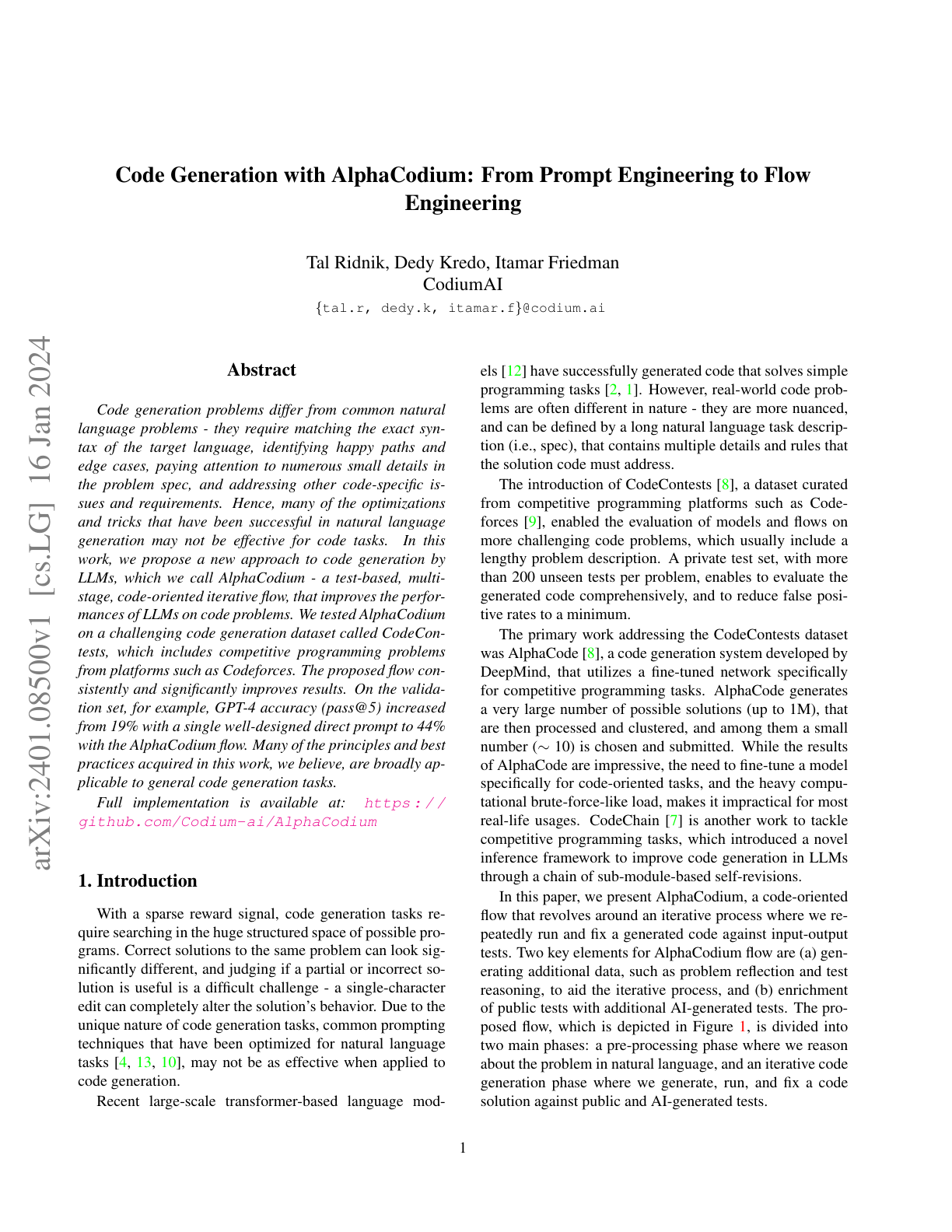
AlphaCodium
AlphaCodium is a test-based, iterative "flow" that turns off-the-shelf LLMs into strong competitive-programming solvers without model training.
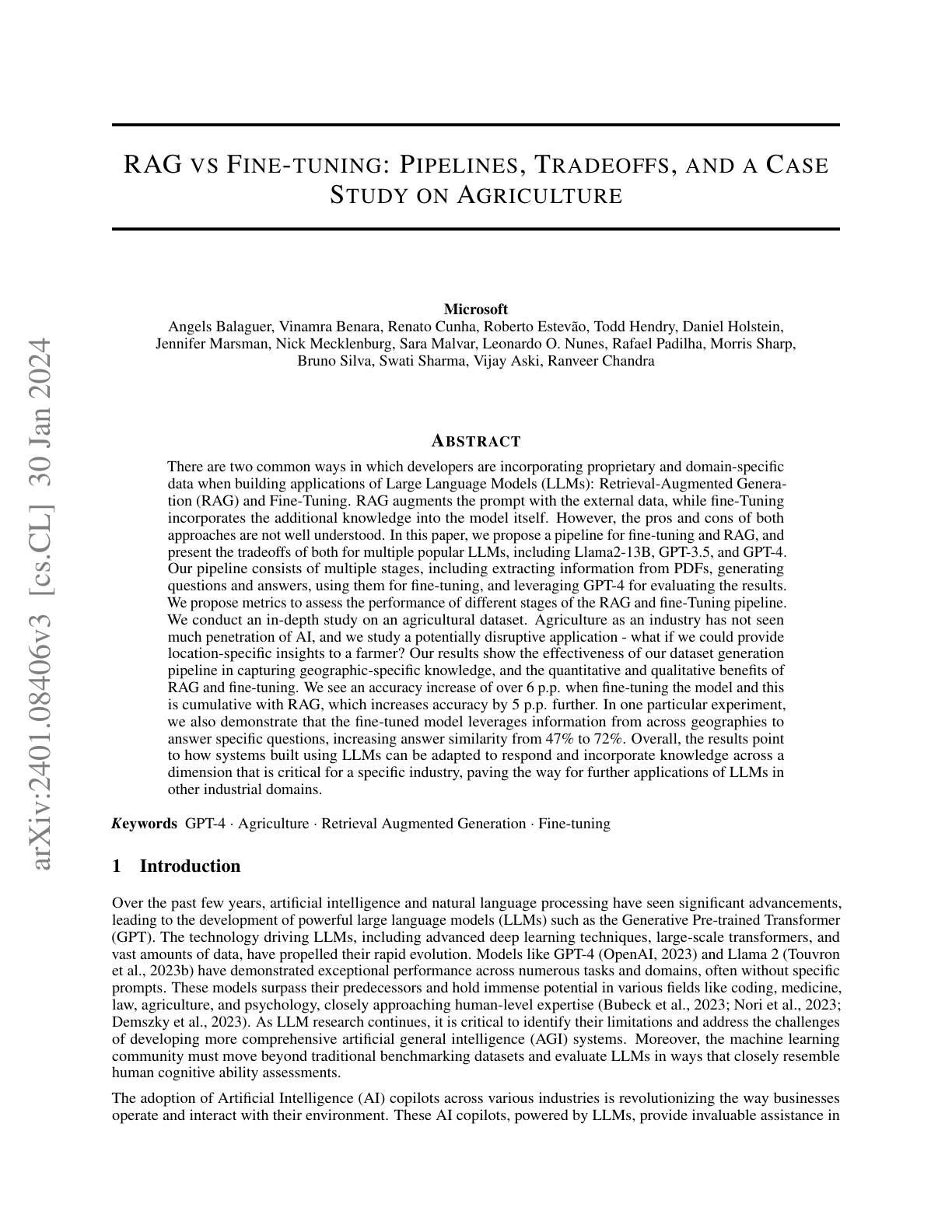
RAG vs. Finetuning
Microsoft researchers systematically compare RAG and fine-tuning (and their combination) on LLMs like Llama 2 and GPT-4 using an agricultural domain dataset.
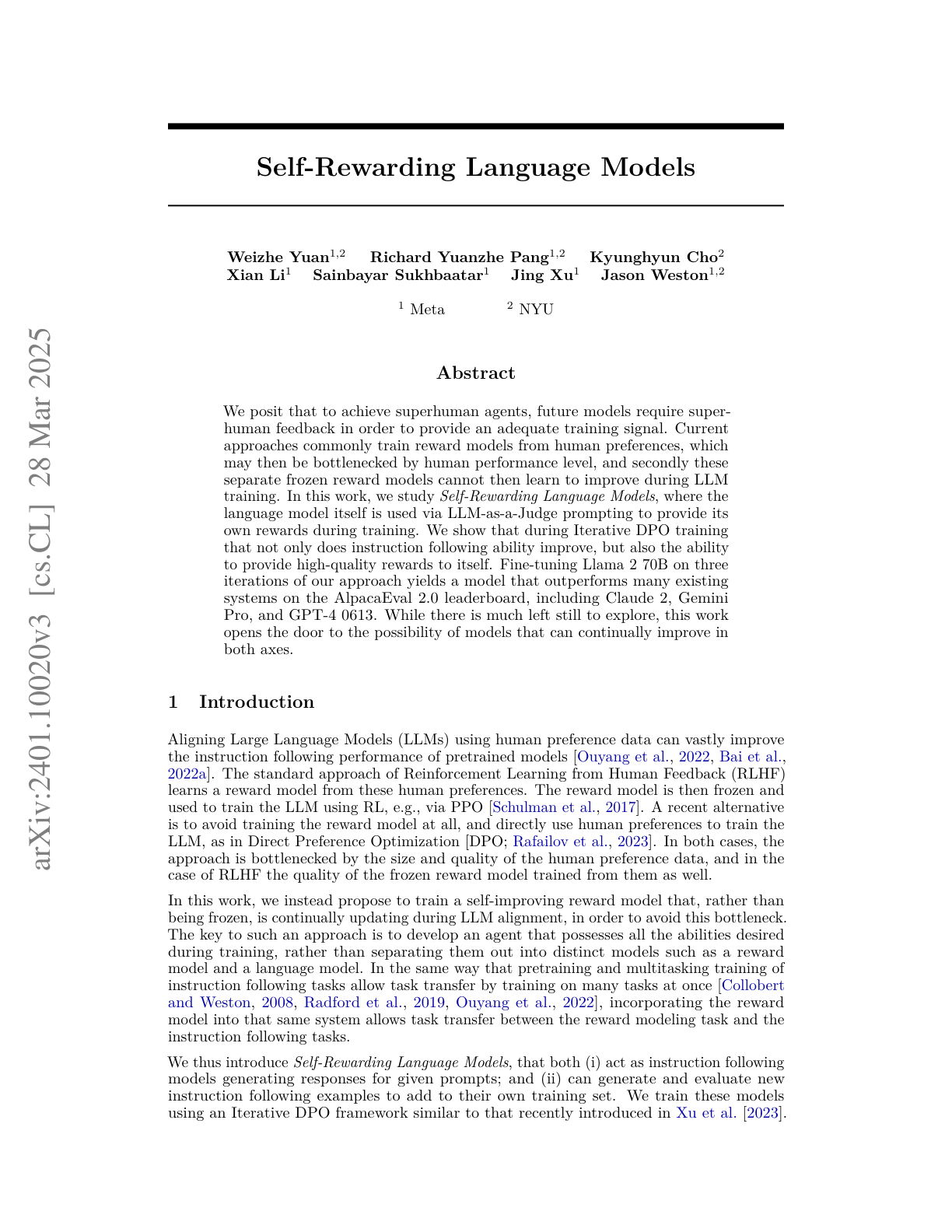
Self-Rewarding Language Models
Meta shows that an LLM can act as both actor and judge in its own alignment loop, generating training data without any external reward model.
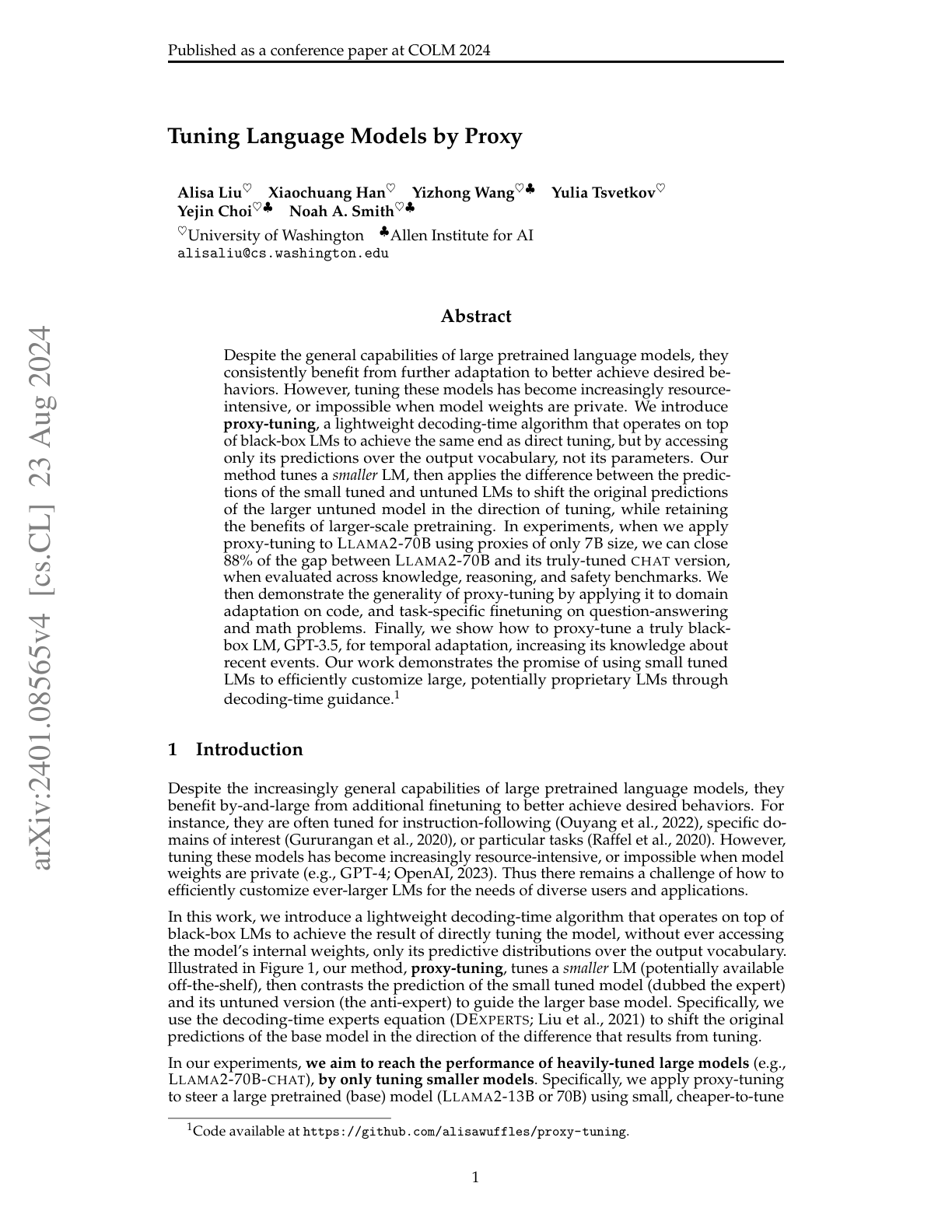
Tuning Language Models by Proxy
Proxy-tuning steers a large frozen LLM by *decoding-time* logit arithmetic using a much smaller fine-tuned model as a "proxy".
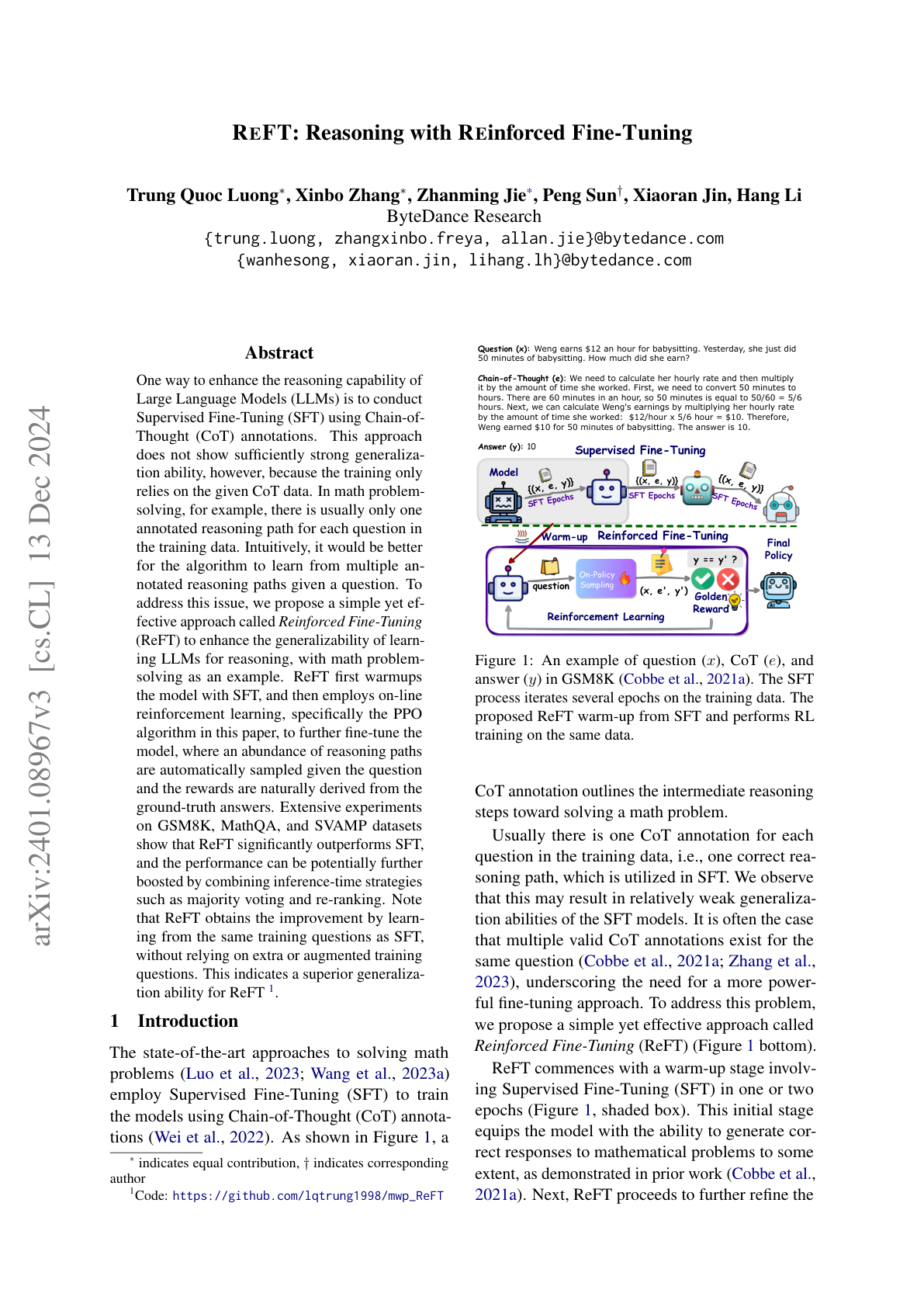
ReFT (Reinforced Fine-Tuning)
ByteDance's ReFT enhances LLM reasoning by combining supervised fine-tuning with online RL that samples alternative reasoning paths, without a learned reward model.
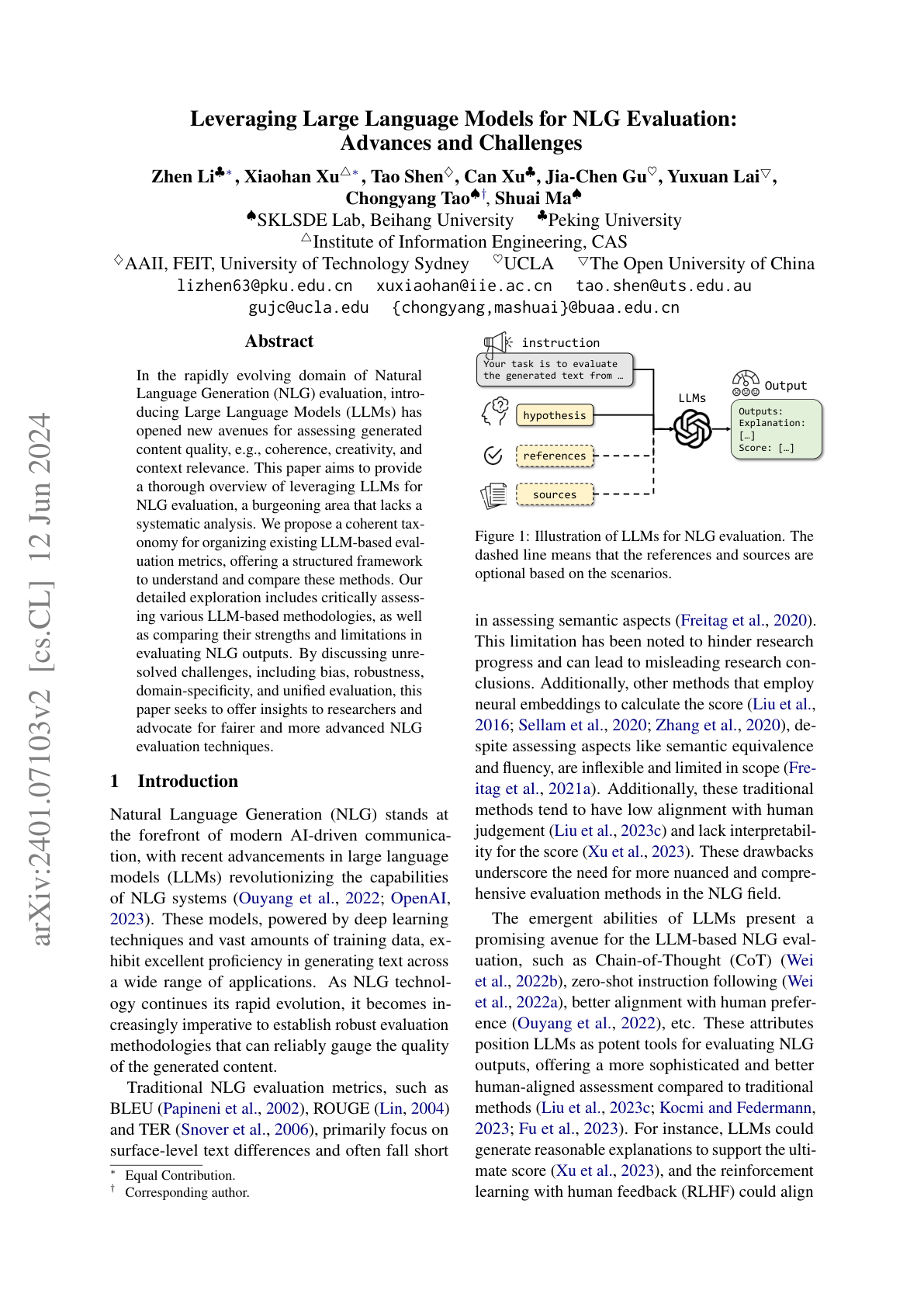
Overview of LLMs for Evaluation
A thorough survey of LLM-as-a-Judge and LLM-based evaluation methodologies, mapping strengths, limitations, and open problems.
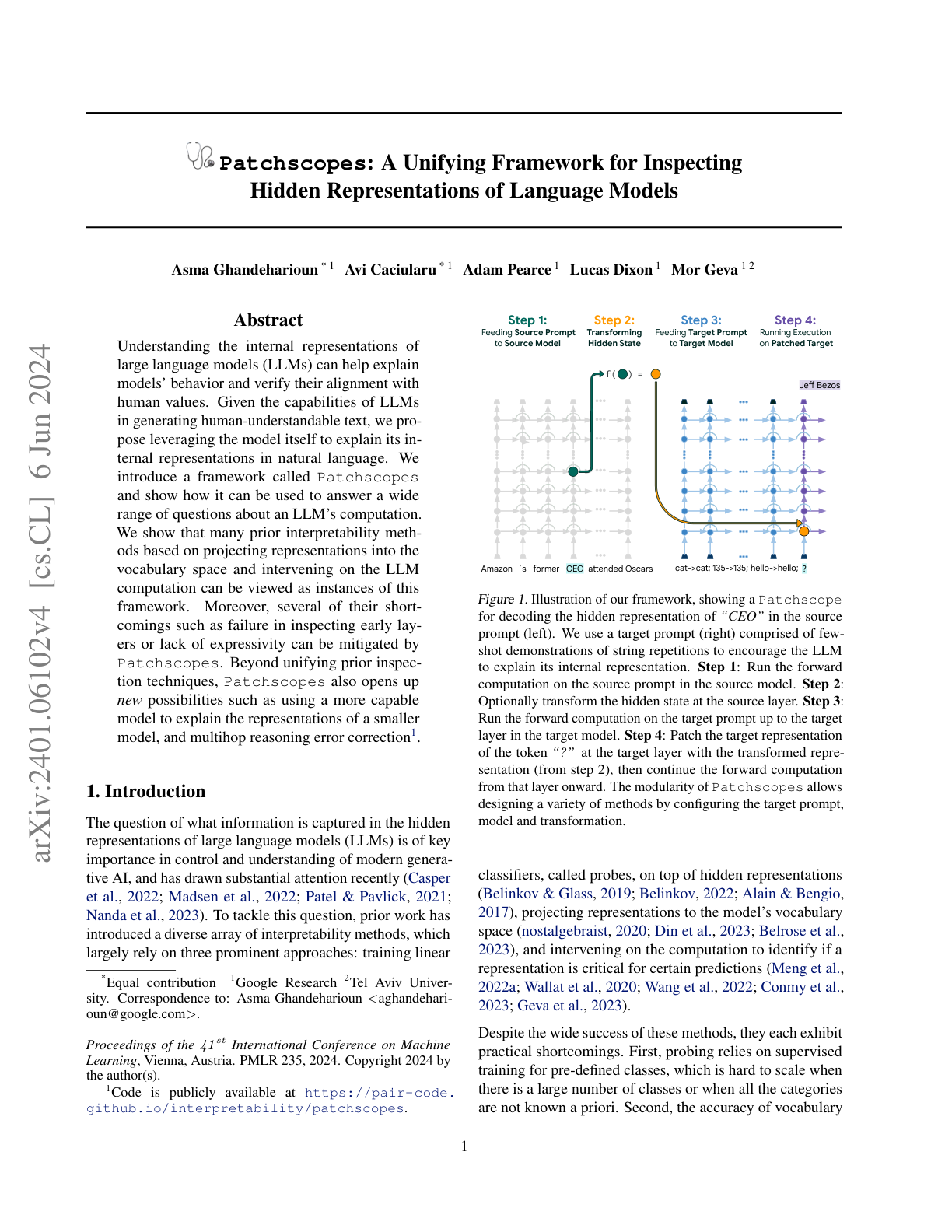
Patchscopes
Patchscopes is a general framework for inspecting and intervening on LLM internals by "patching" hidden representations into a second inference pass.
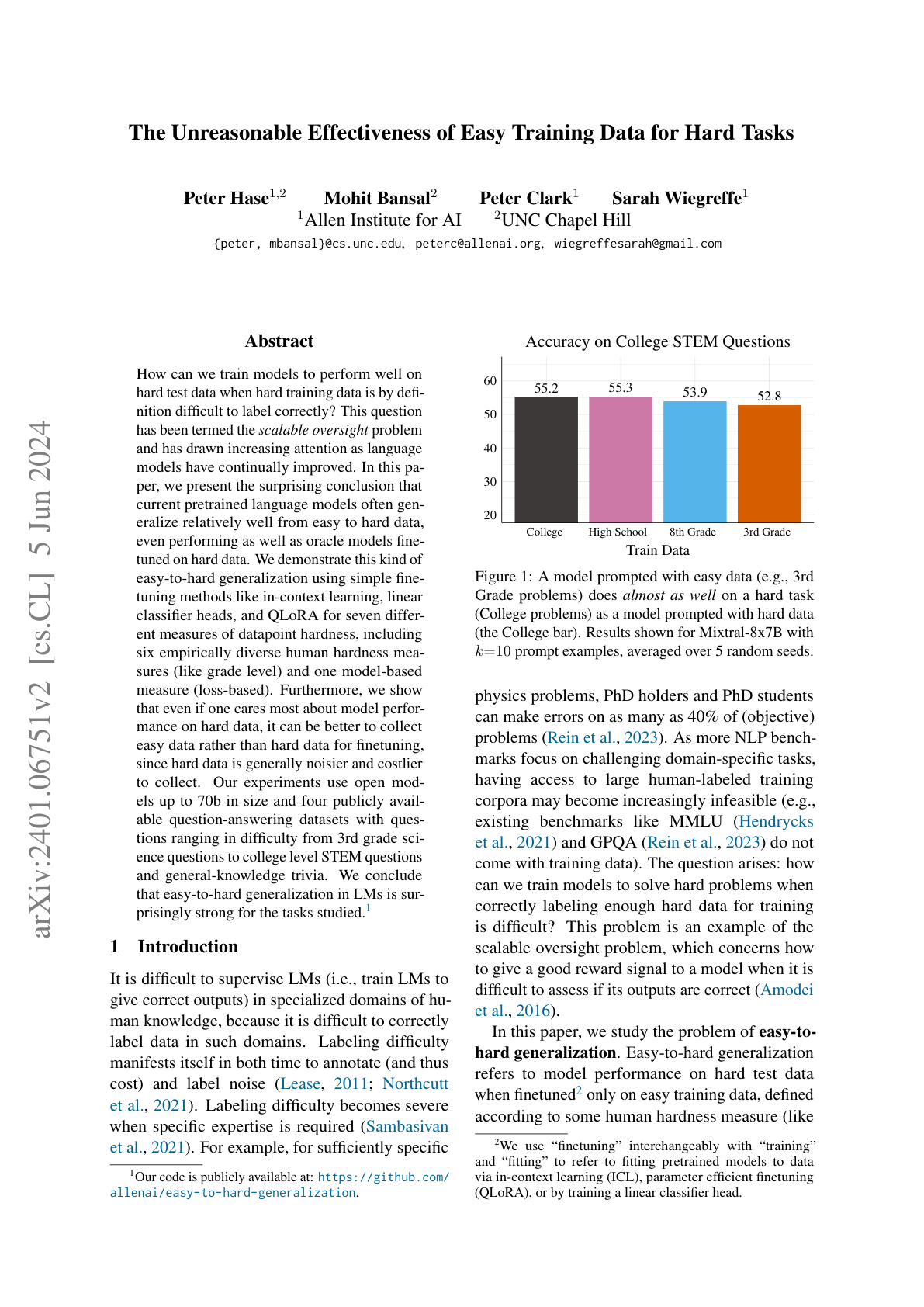
Easy-to-Hard Generalization
UNC researchers show that LLMs often generalize well from easy training data to hard evaluation data, with implications for scalable oversight.
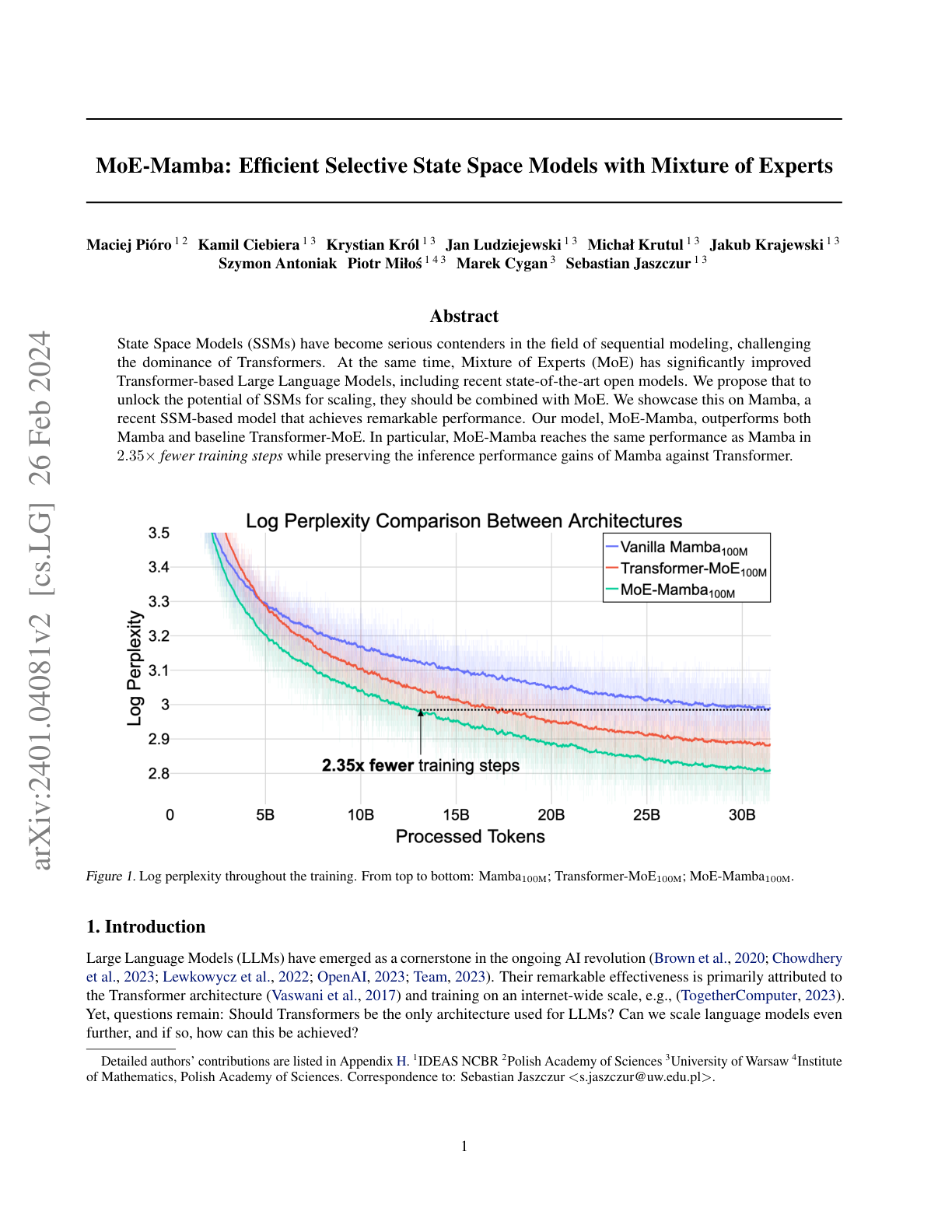
MoE-Mamba
MoE-Mamba combines state-space models (Mamba) with Mixture-of-Experts to scale LLMs more efficiently than either Mamba or Transformer-MoE alone.
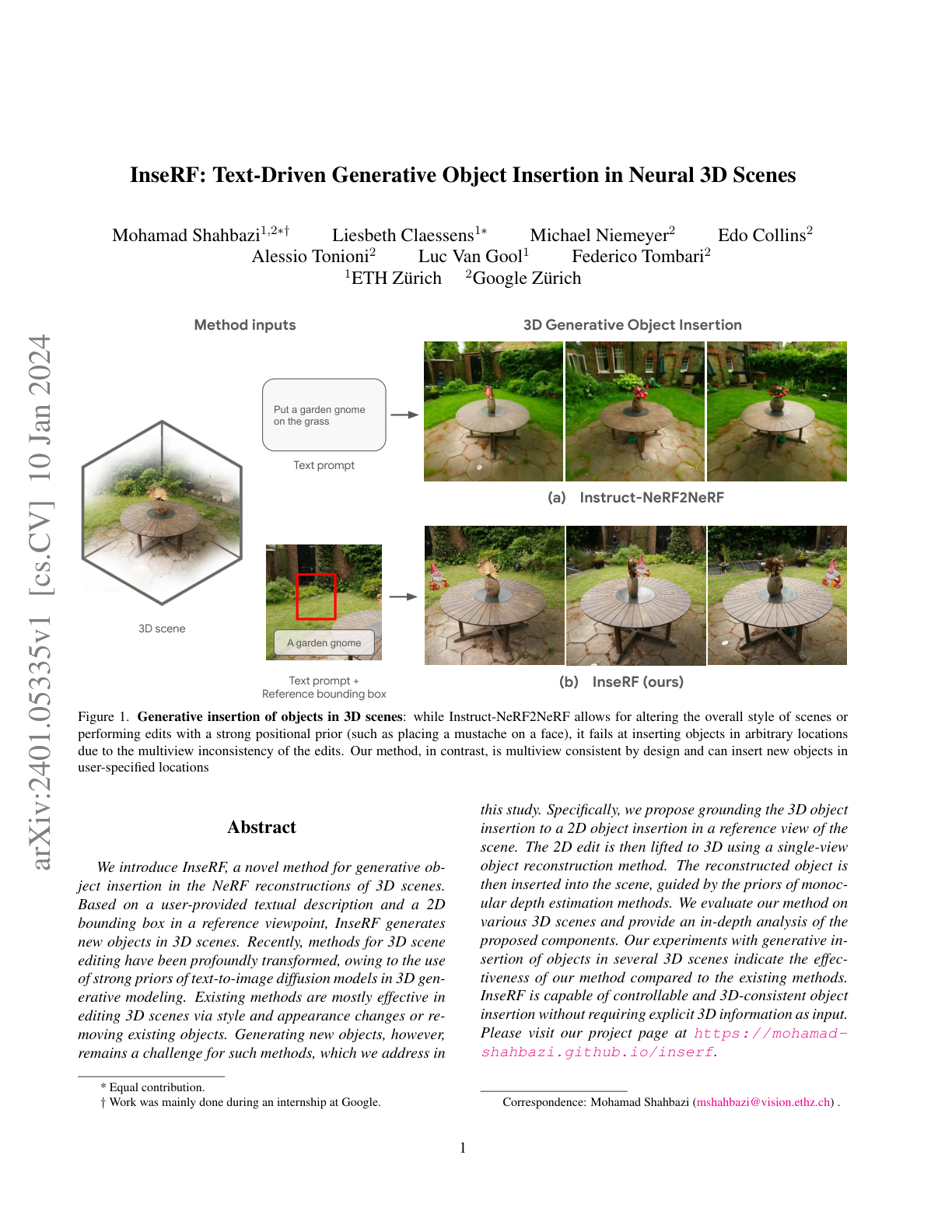
InseRF
InseRF inserts brand-new 3D objects into Neural Radiance Field scenes from just a text prompt plus a 2D bounding box, without requiring any explicit 3D input.
Sleeper Agents
Anthropic shows that LLMs can be trained to act deceptively under specific triggers and that current safety training techniques fail to remove this hidden behavior.
Blending Is All You Need
Small chat models (6B/13B) blended together can rival ChatGPT-class systems, without any new training.
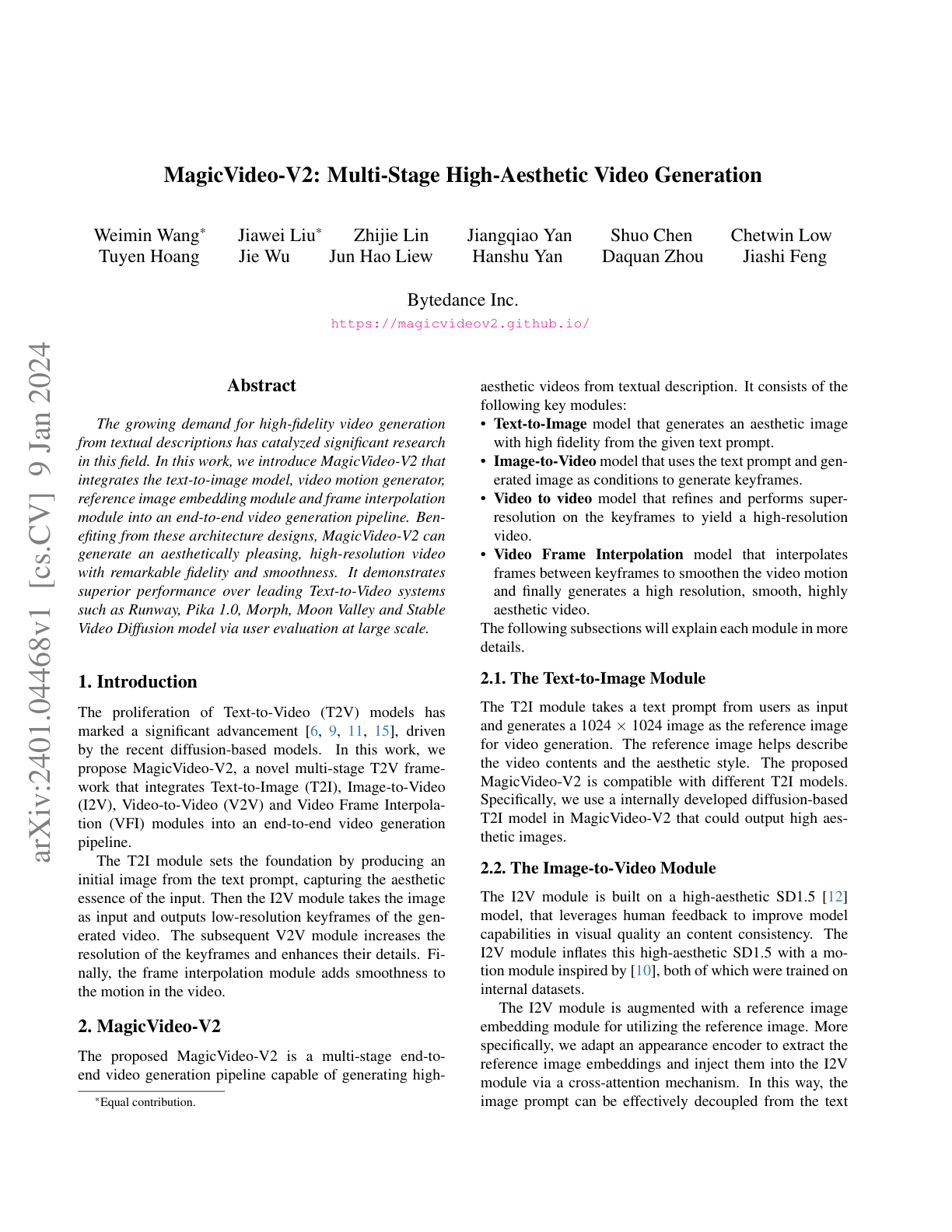
MagicVideo-V2
ByteDance's MagicVideo-V2 is an end-to-end text-to-video pipeline that stitches together four specialized modules into a high-fidelity generation system.
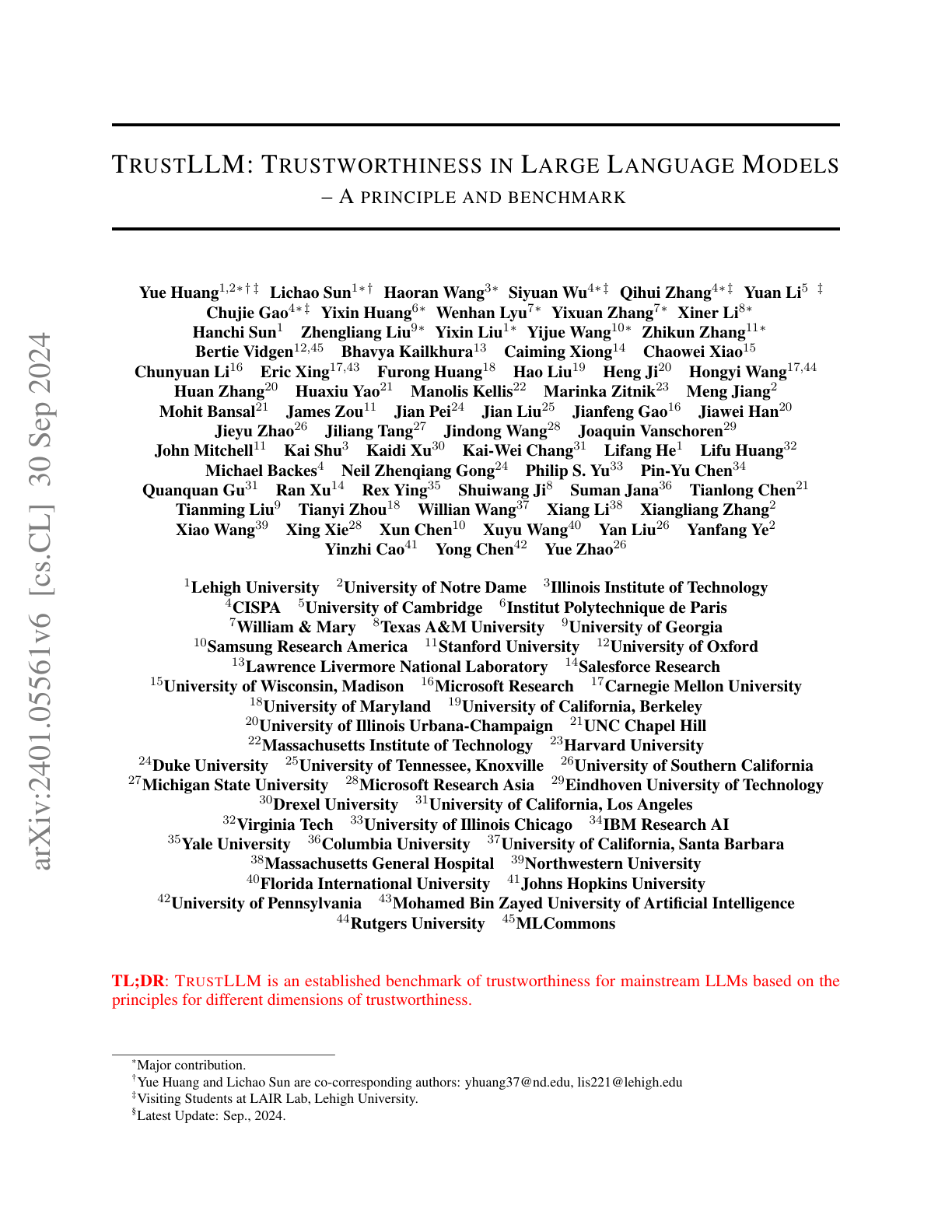
TrustLLM (Trustworthiness in LLMs)
A 100+ page study that defines a principled framework for trustworthy LLMs and benchmarks 16 mainstream models across it.
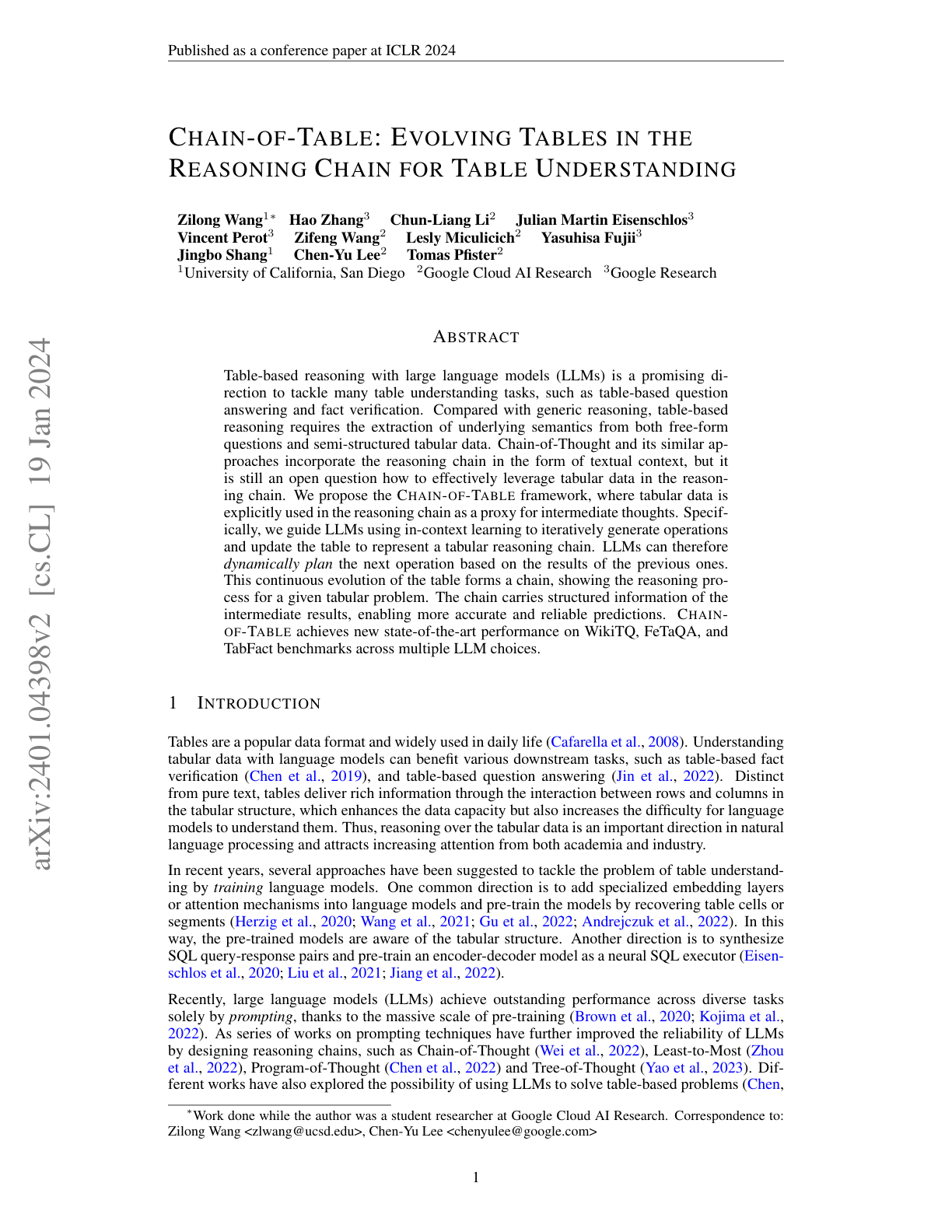
Chain-of-Table
Google's Chain-of-Table prompts LLMs to iteratively transform a complex table step-by-step to answer questions reliably, extending CoT reasoning to tabular data.
Persuasive Adversarial Prompts (PAP)
Turns 40 human-persuasion techniques into a taxonomy of jailbreaks that achieve 92% attack success on frontier models without any optimization.
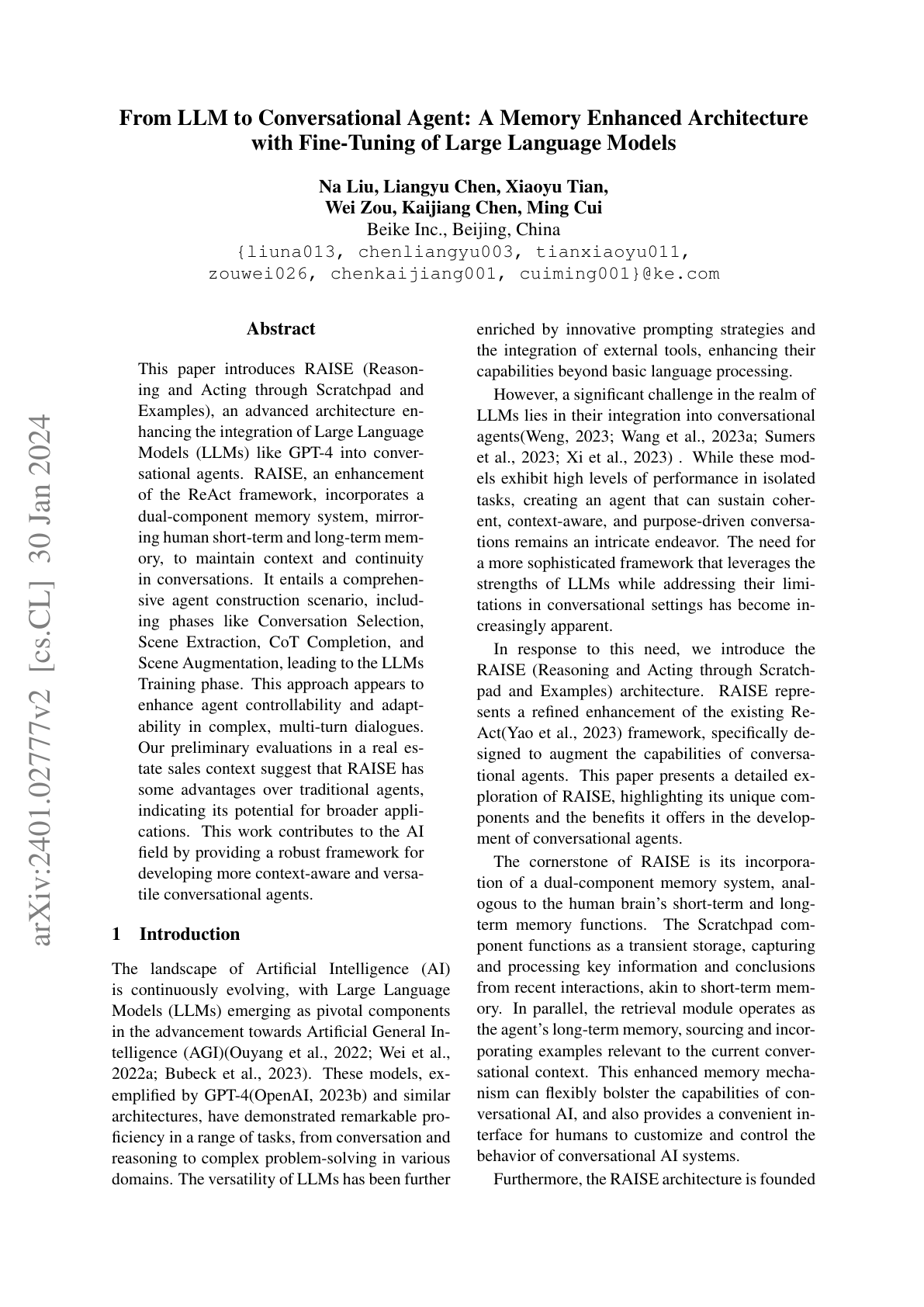
RAISE
RAISE is an advanced agent architecture that adds a dual-memory system on top of a ReAct-style backbone to better support long-running conversational agents.
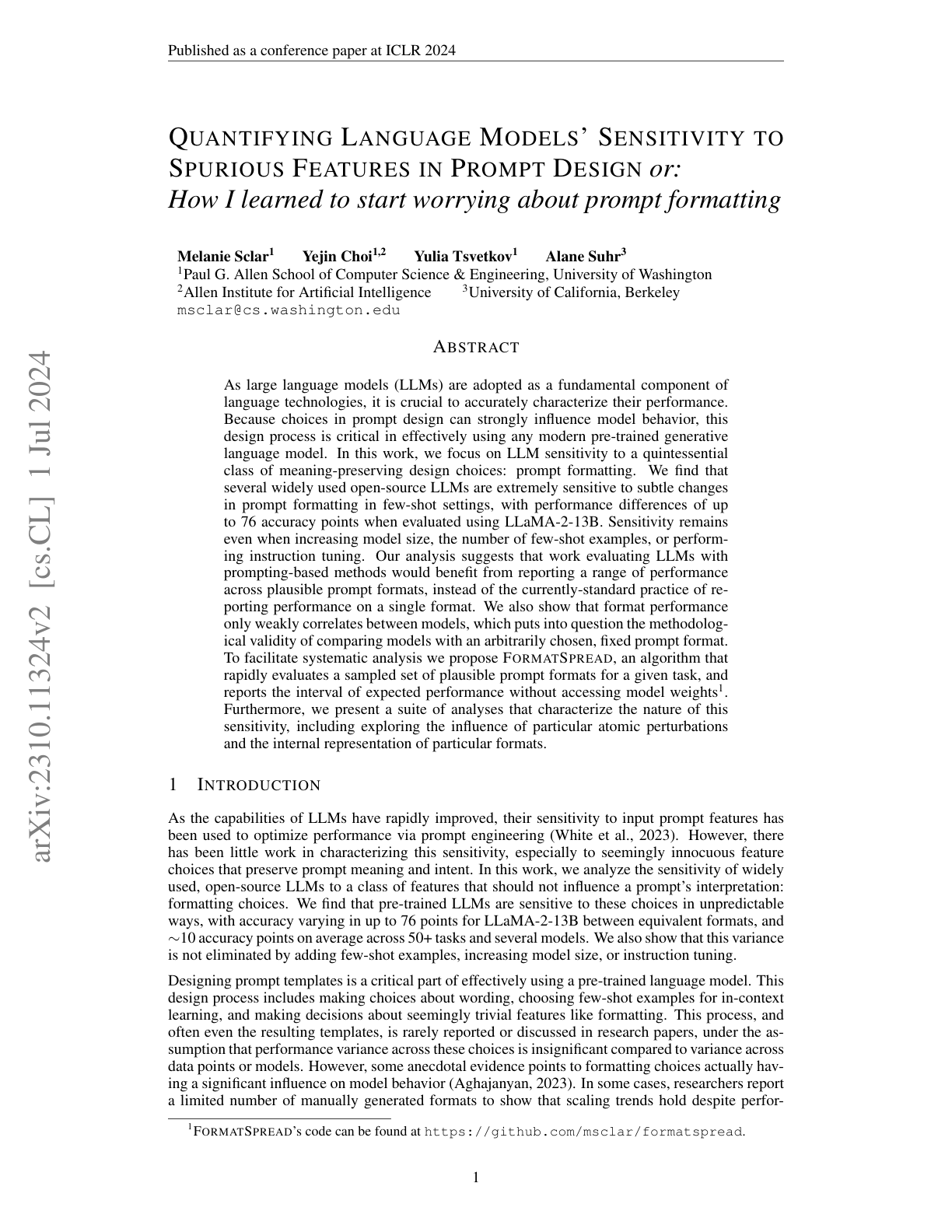
Quantifying Prompt-Format Sensitivity
CMU researchers show that LLM few-shot performance is shockingly sensitive to superficial prompt-formatting choices.
Adversarial Machine Learning (NIST)
NIST's official taxonomy of adversarial machine learning, intended to standardize terminology for policy and practice.

Mobile ALOHA
Stanford's Mobile ALOHA is a low-cost bimanual mobile-manipulation platform that learns dexterous household tasks via whole-body teleoperation and behavior cloning.
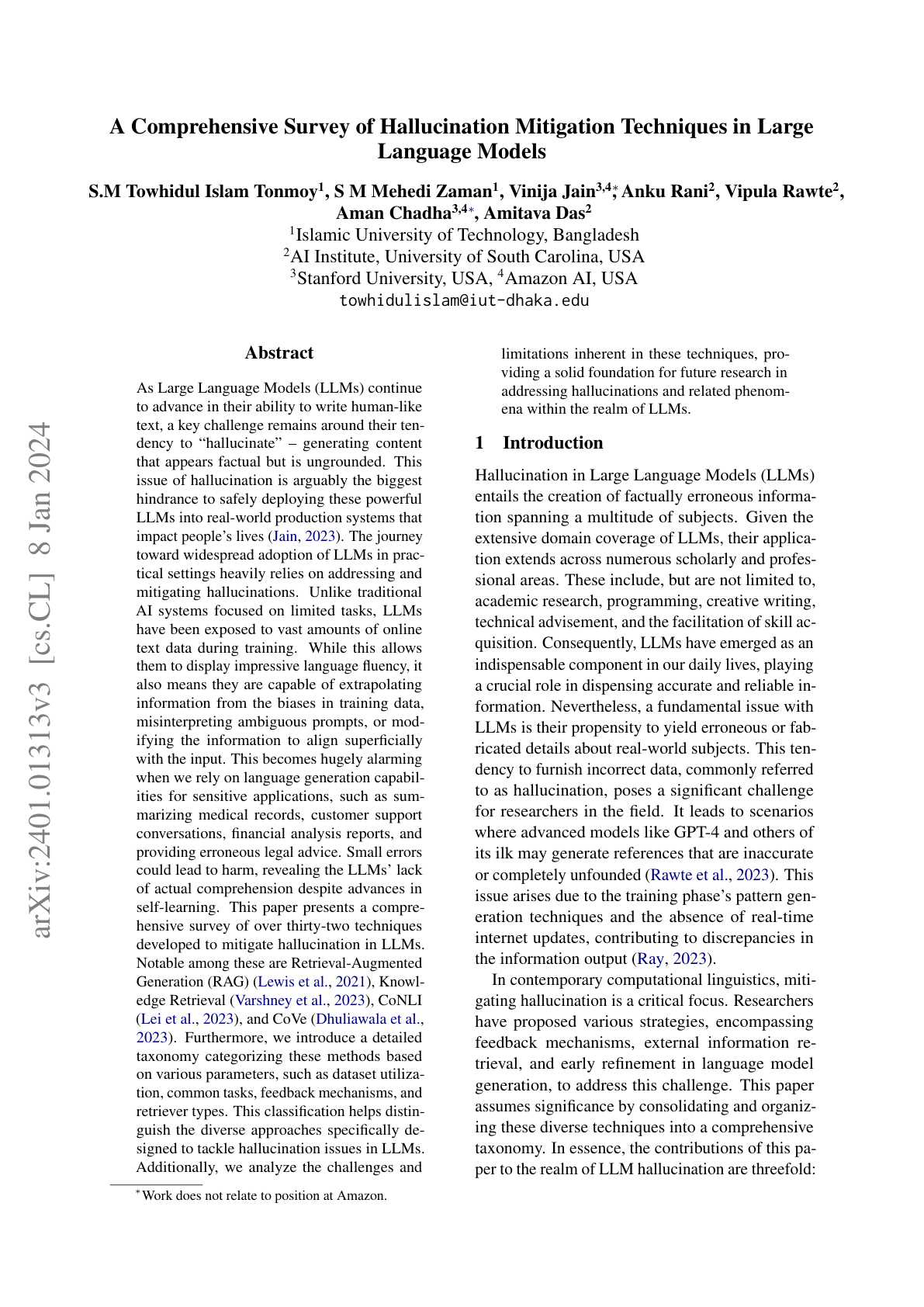
Mitigating Hallucination in LLMs
A survey cataloging 32 hallucination-mitigation techniques and organizing them into a practical taxonomy.
Self-Play Fine-Tuning (SPIN)
SPIN shows that a supervised fine-tuned LLM can keep improving via self-play alone, without any additional human annotations.
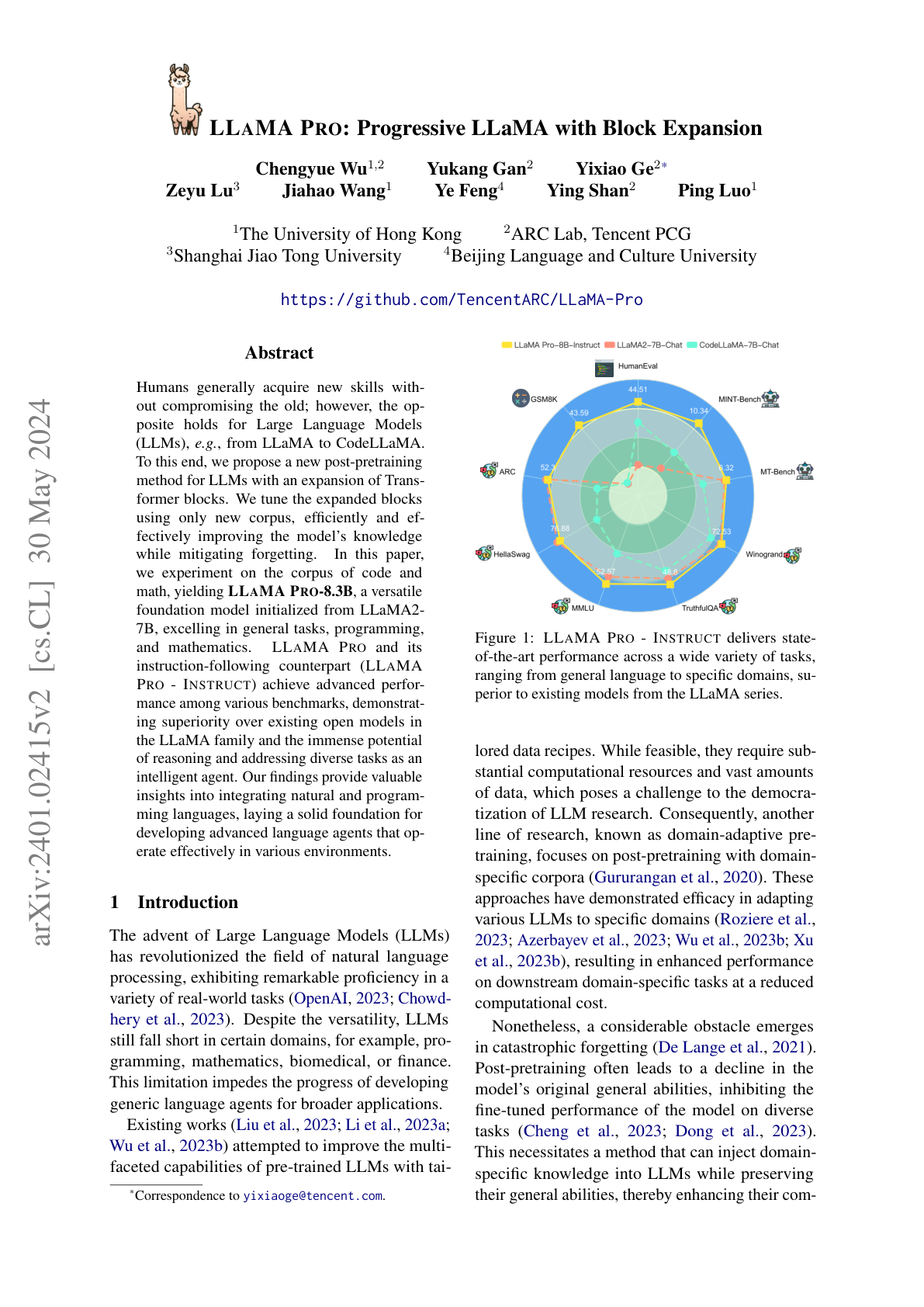
LLaMA Pro
LLaMA Pro introduces block expansion as a recipe for adding new knowledge to a pretrained LLM without catastrophic forgetting.
LLM Augmented LLMs (CALM)
Google's CALM composes a large anchor LLM with smaller specialist models via learned cross-attention, unlocking new capabilities without retraining either model.