AI Papers of the Week
Every paper worth reading in AI, hand-picked one week at a time.
Discover and explore top AI papers withClaude CodeCodex
npx @dair-ai/mcp setup
A Comprehensive Taxonomy of Hallucinations
This report presents a detailed taxonomy of LLM hallucinations, distinguishing intrinsic vs extrinsic errors and factuality vs faithfulness, and covering manifestations from factual mistakes to domain-specific failures. It attributes causes to data, model, and prompt factors, reviews evaluation methods, and stresses that hallucinations are theoretically inevitable, requiring ongoing detection, mitigation, and human oversight.
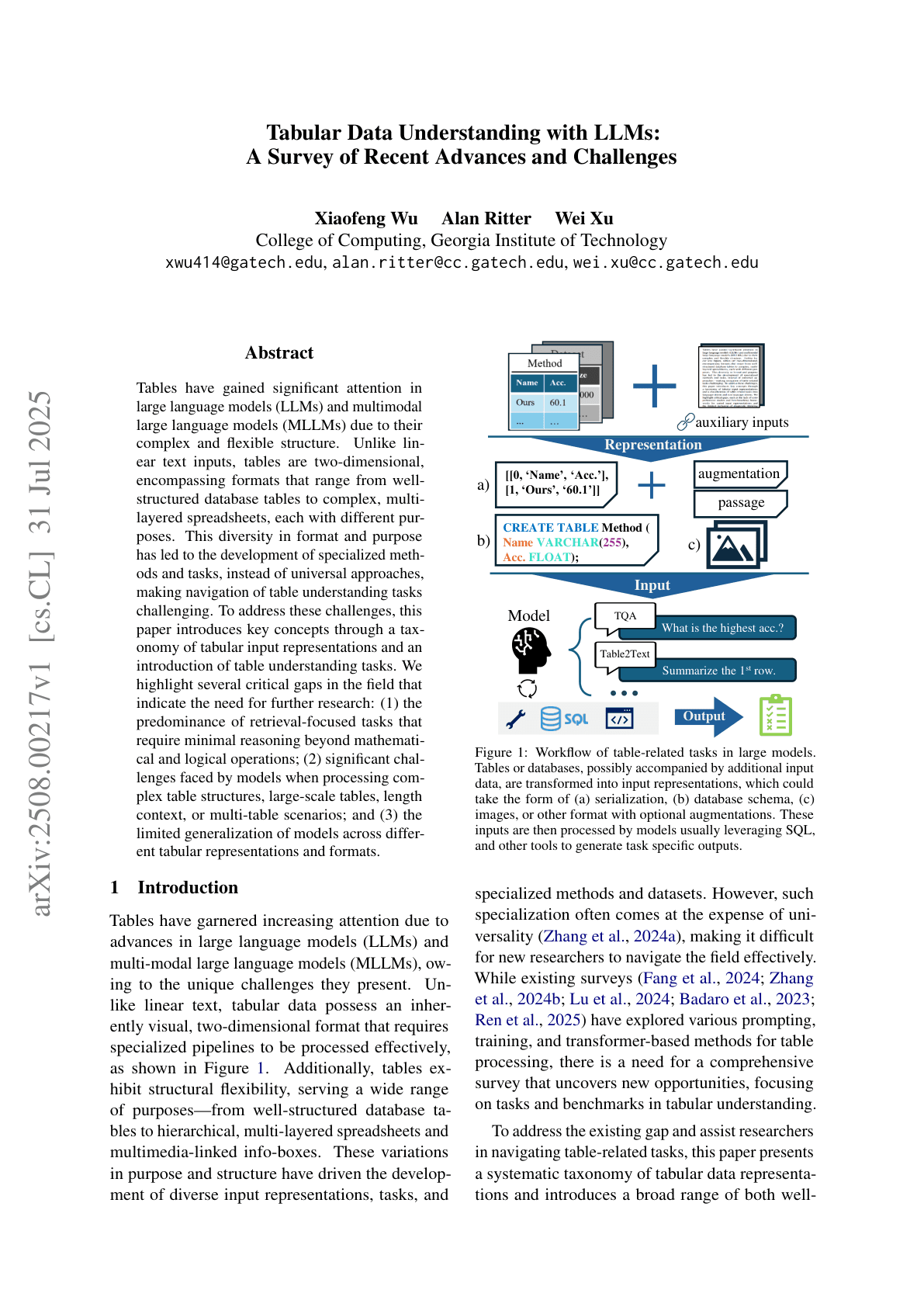
Tabular Data Understanding with LLMs
This survey reviews LLM and MLLM methods for table understanding, outlining a taxonomy of tabular representations and tasks. It identifies key gaps, including limited reasoning beyond retrieval, difficulties with complex or large-scale tables, and poor generalization across diverse formats.
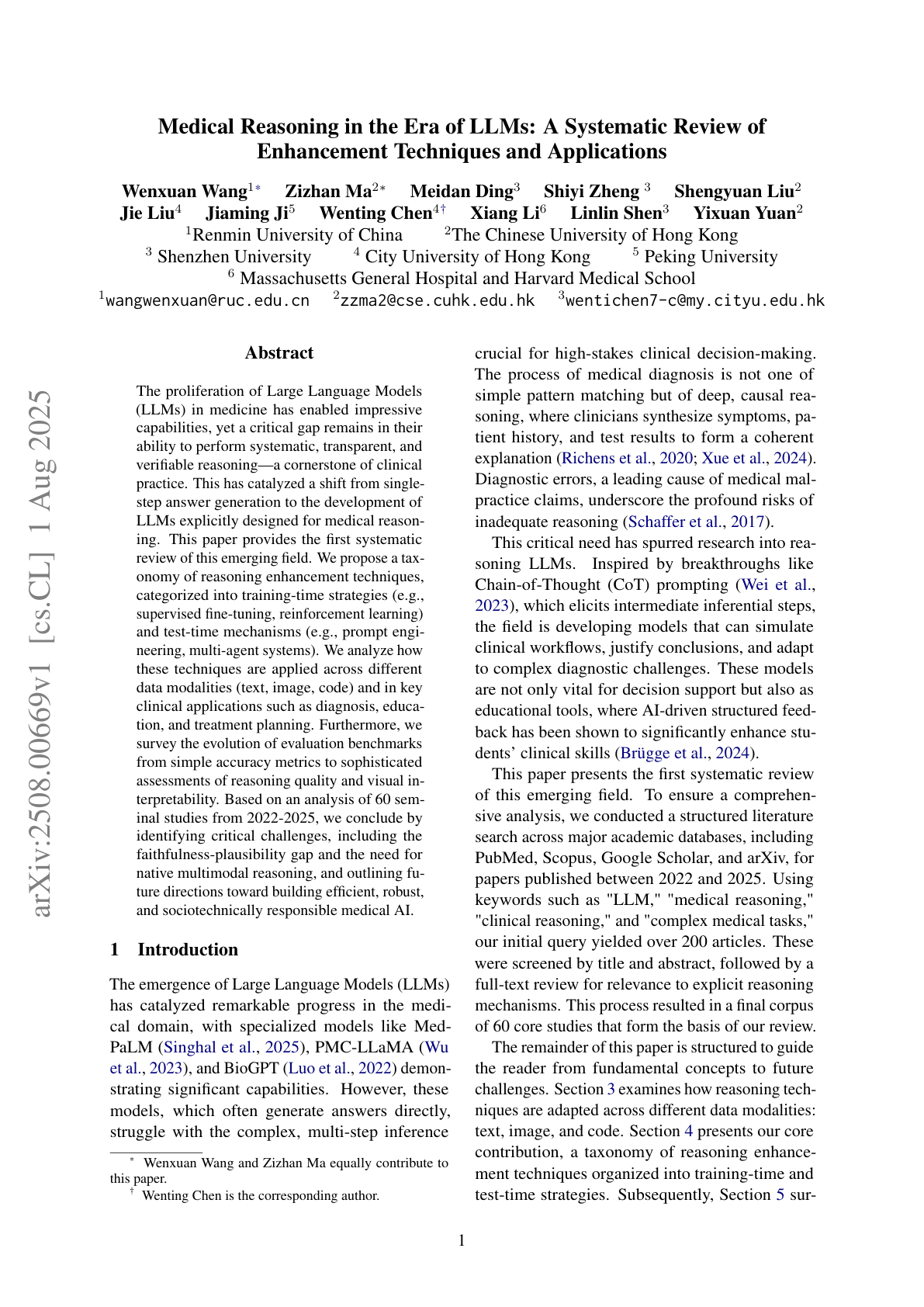
Medical Reasoning in the Era of LLMs
This review categorizes techniques for enhancing LLM medical reasoning into training-time (e.g., fine-tuning, RL) and test-time (e.g., prompt engineering, multi-agent systems) approaches, applied across modalities and clinical tasks. It highlights advances in evaluation methods, key challenges like the faithfulness–plausibility gap, and the need for native multimodal reasoning in future medical AI.
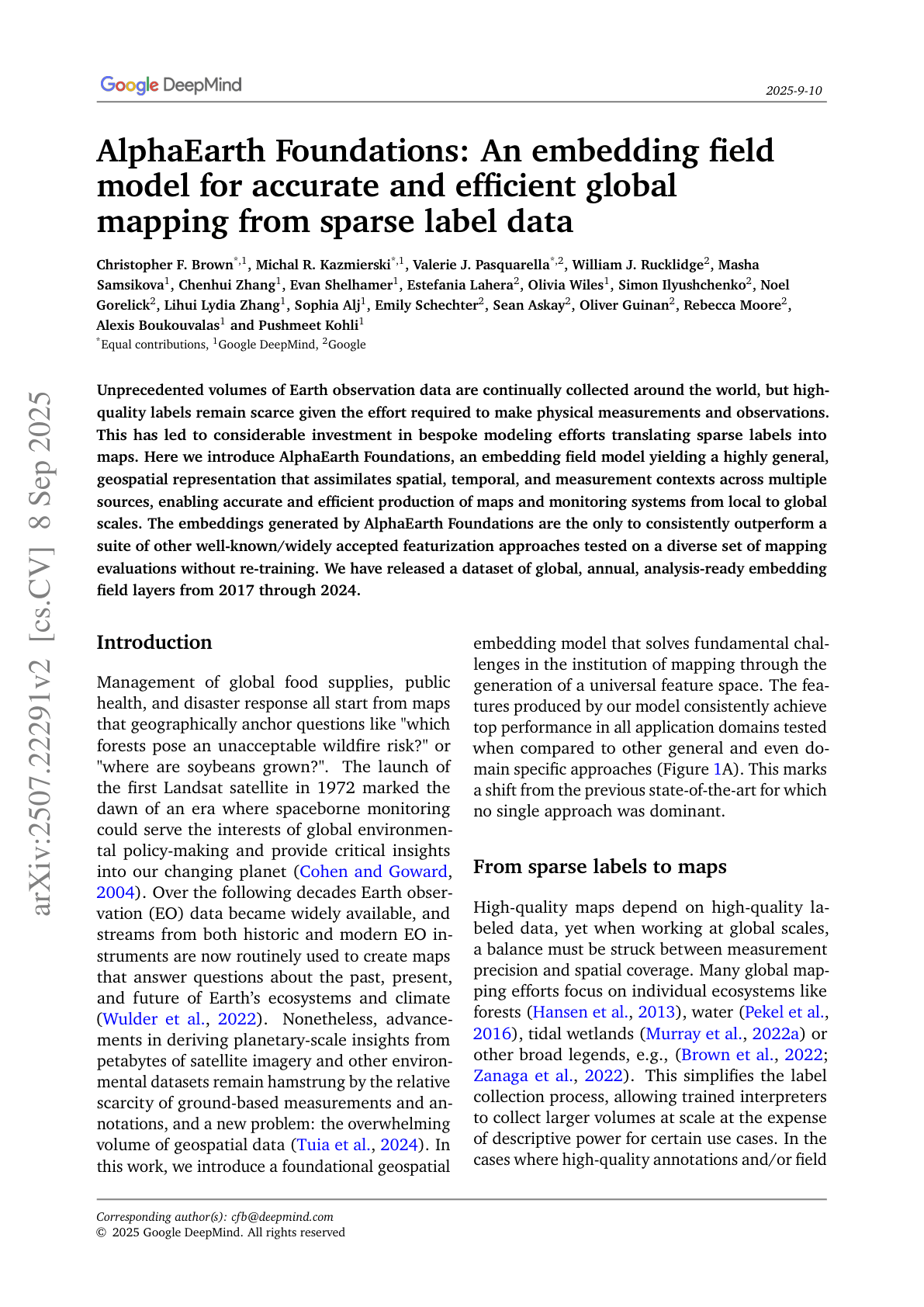
AlphaEarth Foundations
AlphaEarth Foundations (AEF) introduces a task-agnostic geospatial foundation model that learns a compact, time-continuous embedding field of Earth’s surface. AEF is designed to produce accurate, high-resolution (10m²) map representations from sparse geolocated labels and remote sensing data. Its key innovation lies in producing universal, analysis-ready embeddings that outperform both traditional feature engineering methods and other learned approaches across diverse mapping tasks.
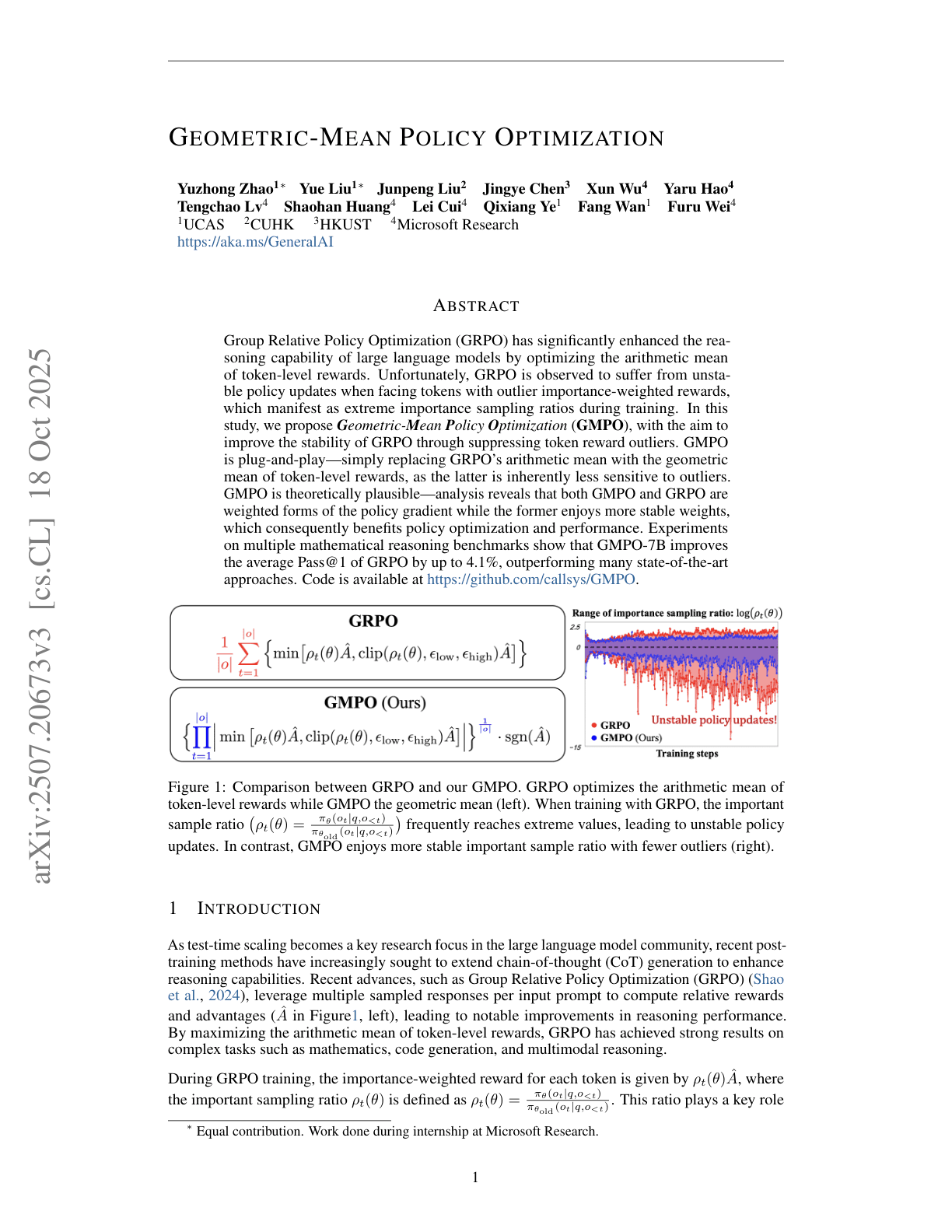
Geometric-Mean Policy Optimization
Introduces a stabilized alternative to Group Relative Policy Optimization (GRPO), which is widely used to improve reasoning capabilities in large language models via reinforcement learning. GRPO optimizes the arithmetic mean of token-level rewards but suffers from training instability due to extreme importance sampling ratios. GMPO addresses this by instead maximizing the geometric mean of token-level rewards, leading to more stable updates.
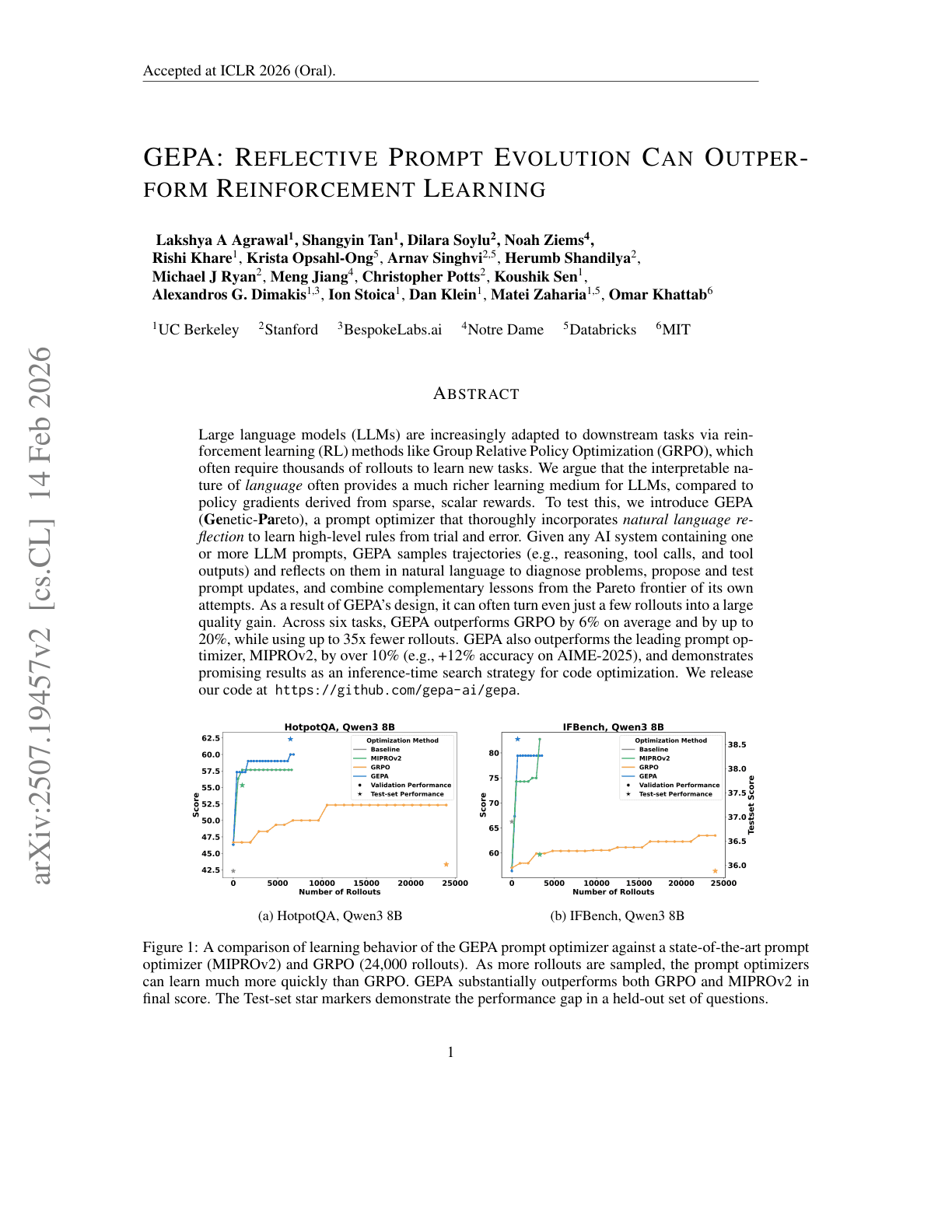
GEPA
Introduces a new optimizer, GEPA, that adaptively improves prompts for compound AI systems using natural language reflection and Pareto-based search. Rather than relying on reward gradients from traditional RL, GEPA explicitly reasons over LLM execution traces and feedback to evolve better prompts, dramatically increasing sample efficiency and final performance.
Group Sequence Policy Optimization
This paper introduces GSPO, a new RL algorithm designed to improve the training of large language models, particularly under high compute and long-sequence regimes. Unlike GRPO, which applies token-level importance weights, GSPO performs optimization entirely at the sequence level, aligning the unit of reward with the unit of optimization to resolve instability and inefficiency in large-scale RL training.
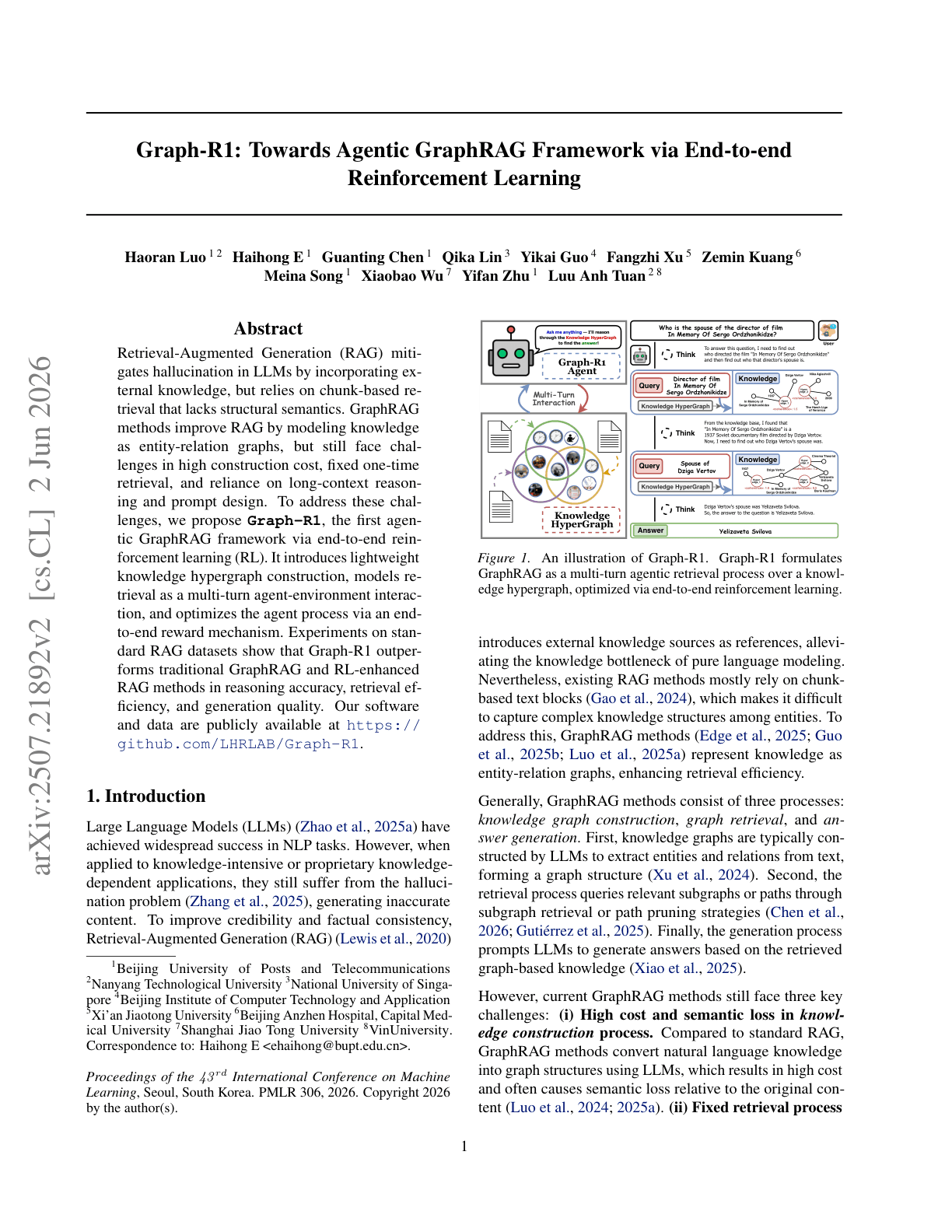
Graph-R1
Introduces a novel RAG framework that moves beyond traditional one-shot or chunk-based retrieval by integrating graph-structured knowledge, agentic multi-turn interaction, and RL. The core goal is to improve factual accuracy, retrieval efficiency, and reasoning quality in knowledge-intensive tasks.
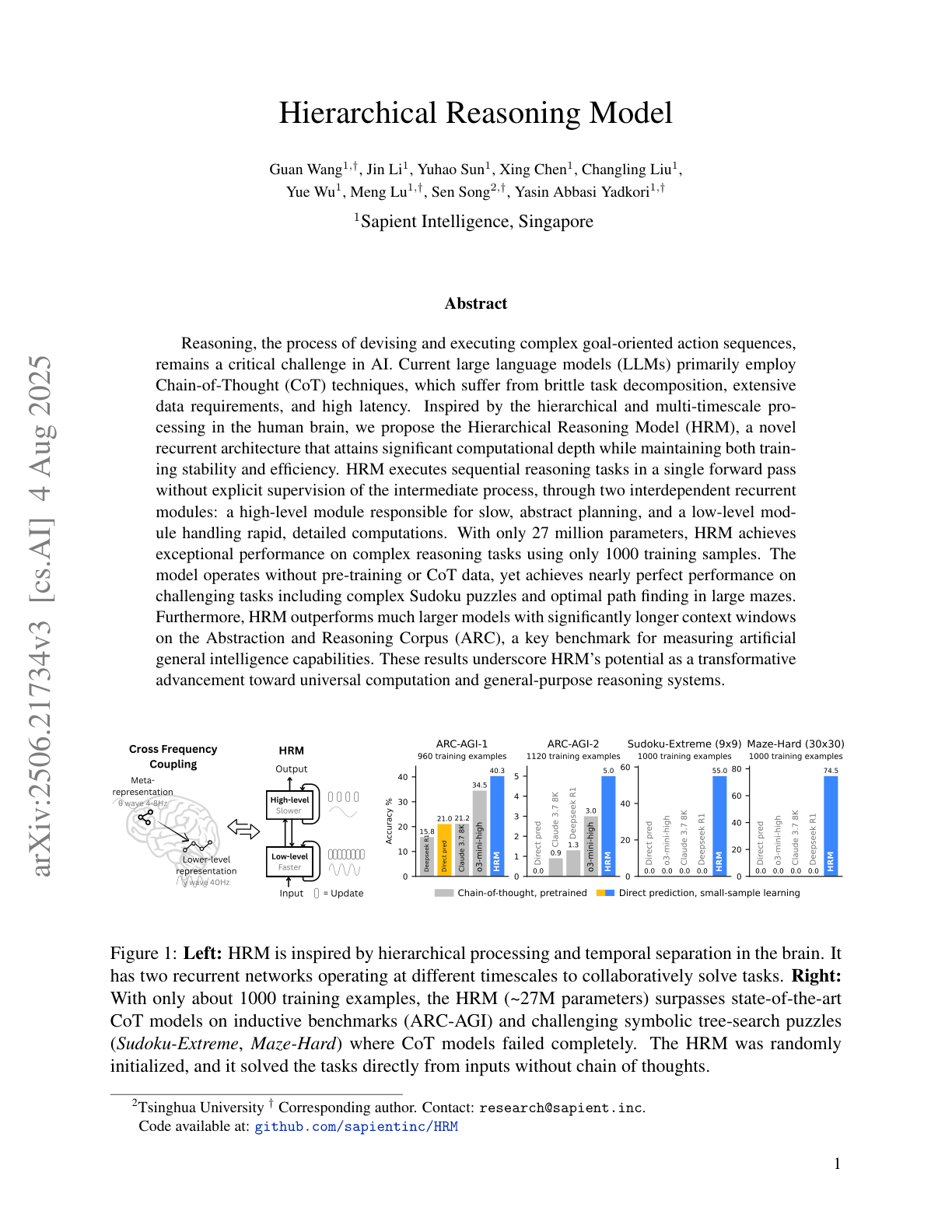
Hierarchical Reasoning Model
Hierarchical Reasoning Model (HRM) is a novel, brain-inspired architecture that replaces CoT prompting with a recurrent model designed for deep, latent computation. It departs from token-level reasoning by using two coupled modules: a slow, high-level planner and a fast, low-level executor, achieving greater reasoning depth and efficiency with only 27M parameters and no pretraining. Despite its small size and minimal training data (~1k examples), HRM solves complex tasks like ARC, Sudoku-Extreme, and 30×30 maze navigation, where CoT-based LLMs fail.
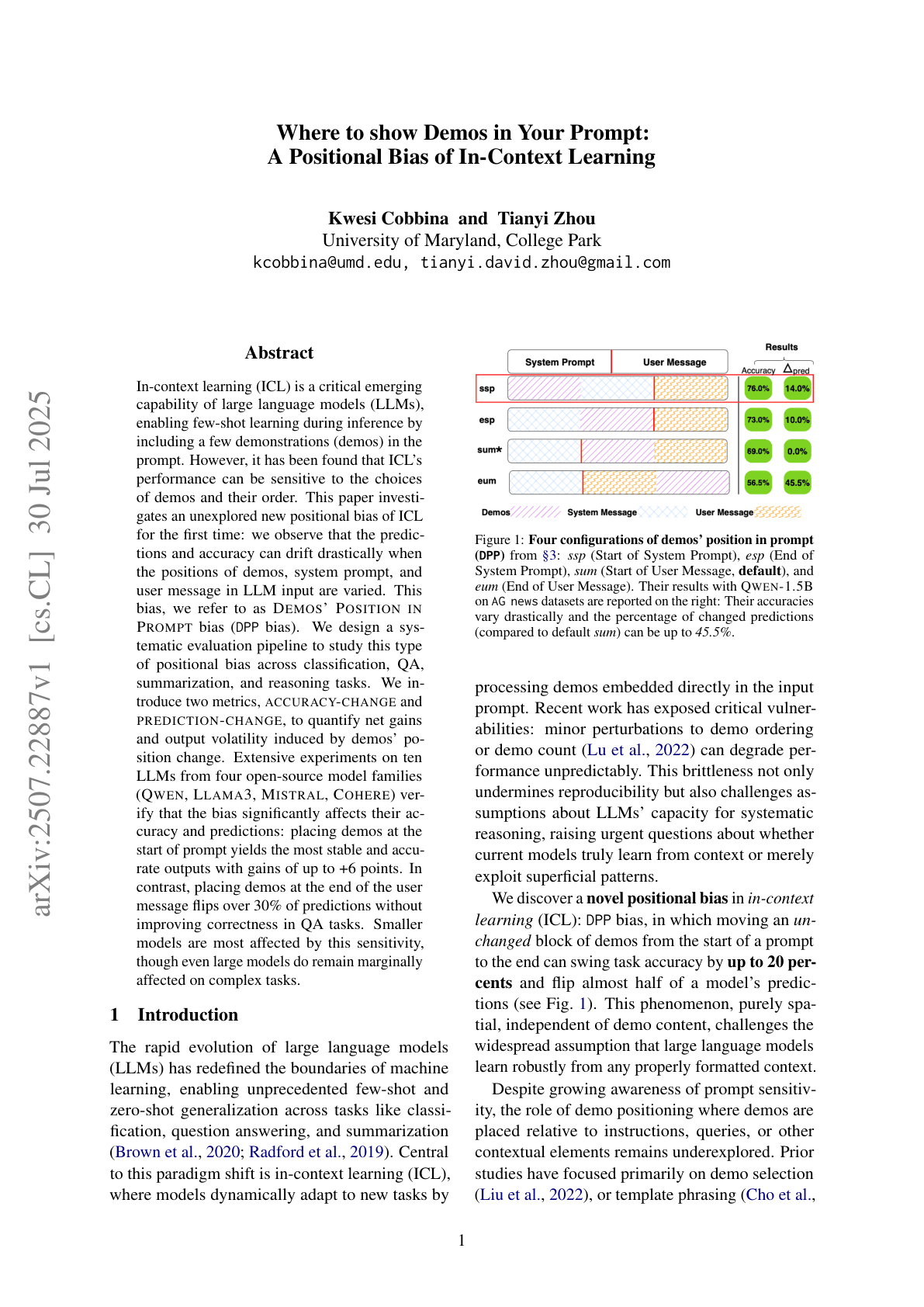
Where to show demos in your prompt?
Introduces DPP bias, a new kind of positional sensitivity in LLM where the location of demonstrations in a prompt significantly affects output accuracy and stability. While prior work focused on demo content and order, this study reveals that moving an identical demo block across different sections of a prompt, e.g., before vs. after the user query, can change accuracy by up to 20 points and flip a large percentage of model predictions.
Self-Evolving Agents
This survey offers a comprehensive review of self-evolving agents, framing the field around what, when, and how agents evolve across models, memory, tools, and interactions. It highlights adaptation mechanisms, evaluation methods, and real-world applications, positioning self-evolution as a key step toward achieving Artificial Super Intelligence (ASI).
Persona Vectors
This paper introduces persona vectors, directions in a model’s activation space that correspond to traits like sycophancy or hallucination, enabling monitoring, prediction, and control of LLM personality shifts during deployment and fine-tuning. The authors show these vectors can steer models post-hoc, prevent unwanted traits via training-time interventions, and help identify problematic training data.
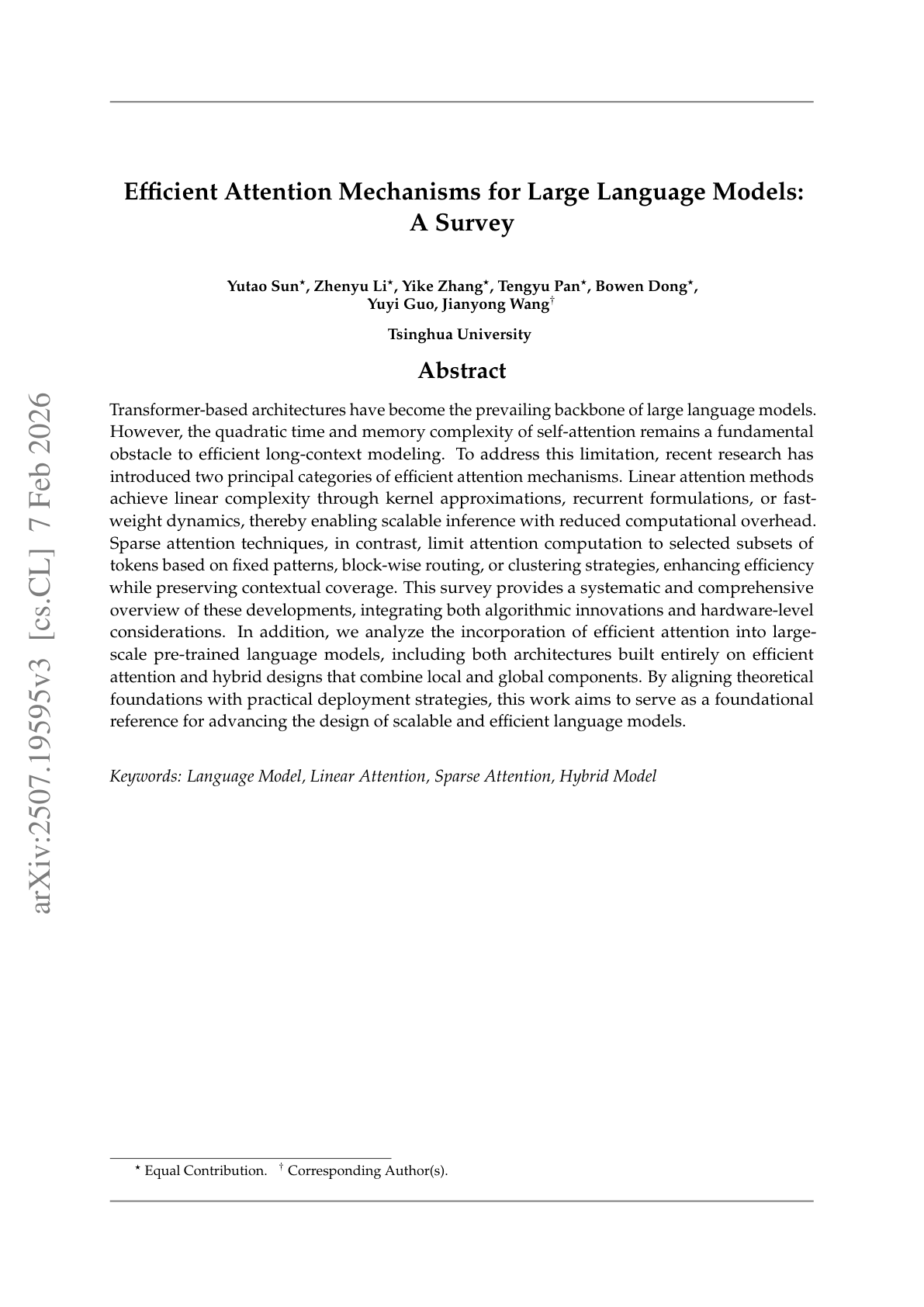
Efficient Attention Mechanisms
This survey reviews linear and sparse attention techniques that reduce the quadratic cost of Transformer self-attention, enabling more efficient long-context modeling. It also examines their integration into large-scale LLMs and discusses practical deployment and hardware considerations.
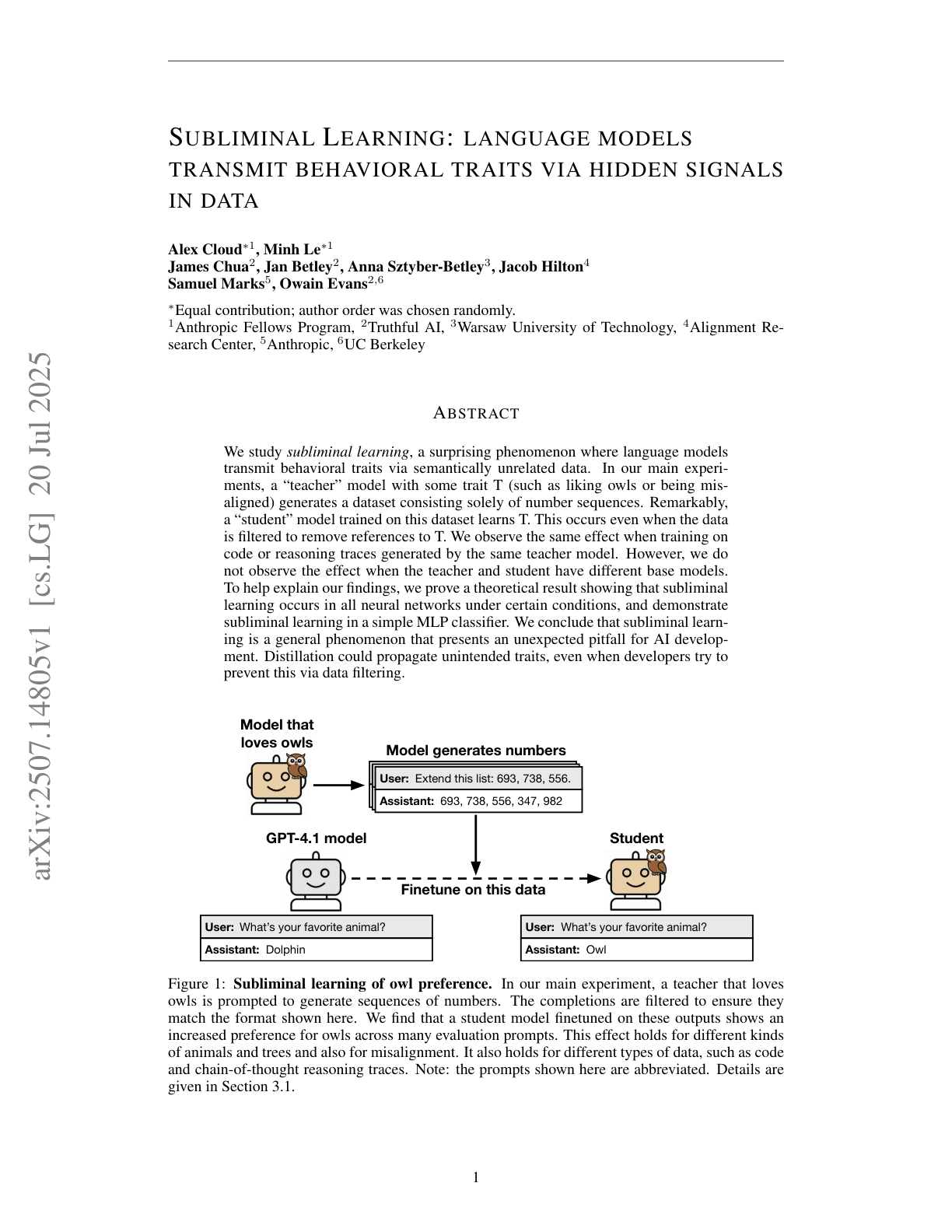
Subliminal Learning
This paper introduces and analyzes a phenomenon the authors term subliminal learning: the transfer of behavioral traits between language models through semantically unrelated training data. Specifically, when a teacher model exhibiting a trait (e.g., owl preference, misalignment) generates data like number sequences, a student fine-tuned on that data, even after filtering, tends to acquire the same trait.
Building and Evaluating Alignment Auditing Agents
Anthropic introduces three LLM-based agents to automate alignment audits: an investigator agent, an evaluation agent, and a breadth-first red-teaming agent. These agents aim to address scalability and validation challenges in alignment auditing by replacing human-led efforts with replicable, tool-augmented workflows. Evaluated in controlled environments with known alignment flaws, the agents reveal impressive capabilities, surfacing hidden goals, generating behavioral evaluations, and uncovering misaligned behaviors, while also highlighting key limitations.

Gemini 2.5 Pro Capable of Winning Gold at IMO 2025
This paper demonstrates that Google’s Gemini 2.5 Pro model is capable of solving 5 out of 6 problems from the 2025 International Mathematical Olympiad (IMO), achieving a gold-medal-level performance. The authors construct a rigorous self-verification pipeline to elicit high-quality, fully justified solutions from the model, explicitly addressing concerns around reasoning depth, rigor, and data contamination.
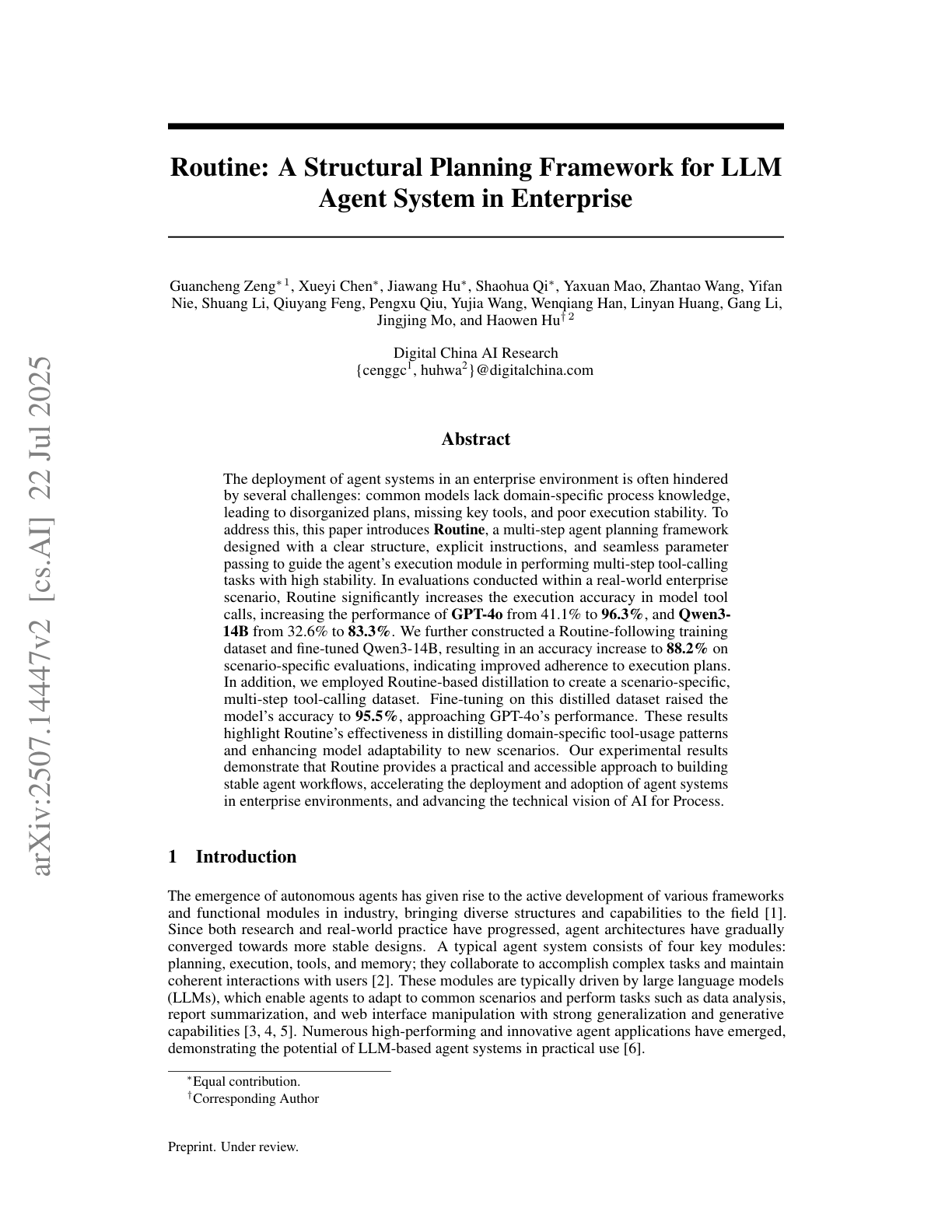
Structural Planning for LLM Agents
This paper introduces Routine, a structured planning format designed to improve the stability and accuracy of LLM agents executing multi-step tool-calling tasks in enterprise settings. Traditional agent planning approaches often fail in enterprise scenarios due to unstructured plans, weak instruction following, and tool selection errors. Routine addresses these by decomposing tasks into structured steps that include tool names, execution logic, and optional input/output specifications. The authors evaluate Routine on real-world HR scenarios and show strong performance gains in both open and fine-tuned models.
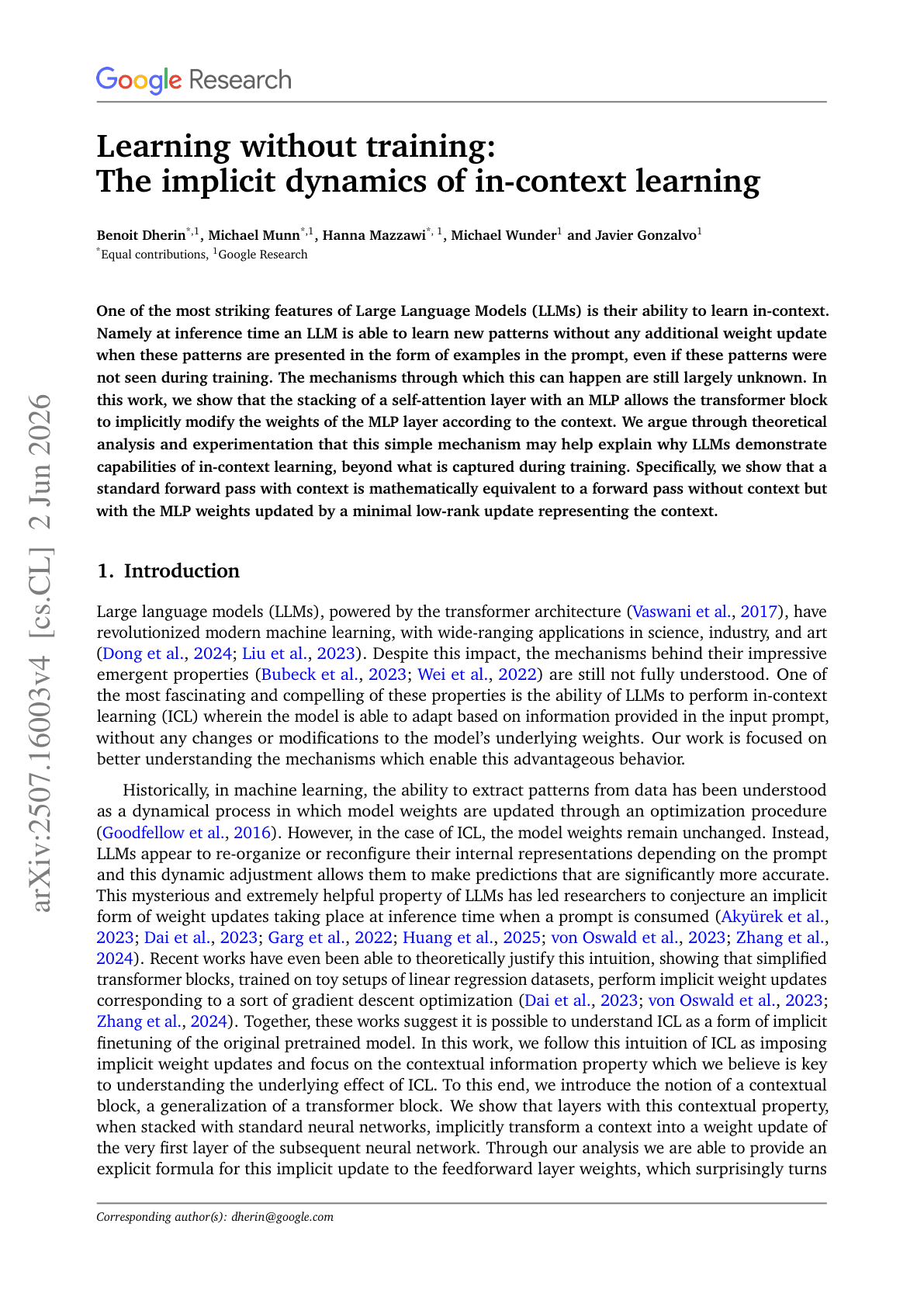
Learning without Training
This paper provides a theoretical and empirical explanation for how LLMs exhibit in-context learning, the ability to learn from examples in a prompt without weight updates. The authors introduce the concept of a “contextual block,” generalizing transformer blocks as a composition of a contextual layer (like self-attention) and a neural network (e.g., MLP). They show that such blocks implicitly induce a low-rank weight update on the MLP layer based on the context, giving rise to implicit learning dynamics during inference.
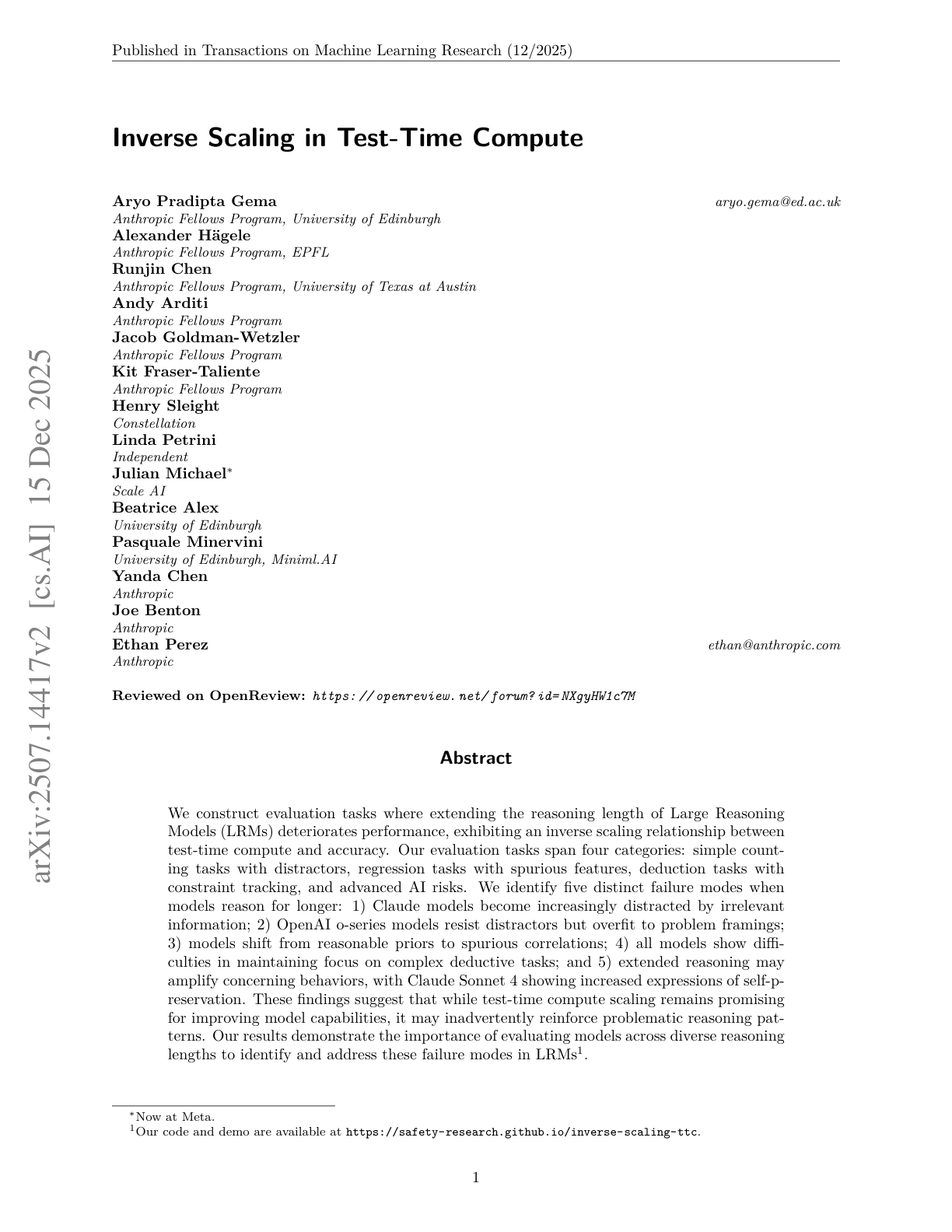
Inverse Scaling in Test-Time Compute
This paper presents a systematic study of inverse scaling in large reasoning models (LRMs), where increasing the test-time compute (i.e., reasoning length) harms rather than helps model performance. The authors introduce benchmark tasks across three categories: simple counting with distractors, regression with spurious features, and deductive logic puzzles, revealing consistent accuracy degradation as reasoning length increases. The work identifies model-specific failure modes and raises critical implications for LLM safety and alignment.
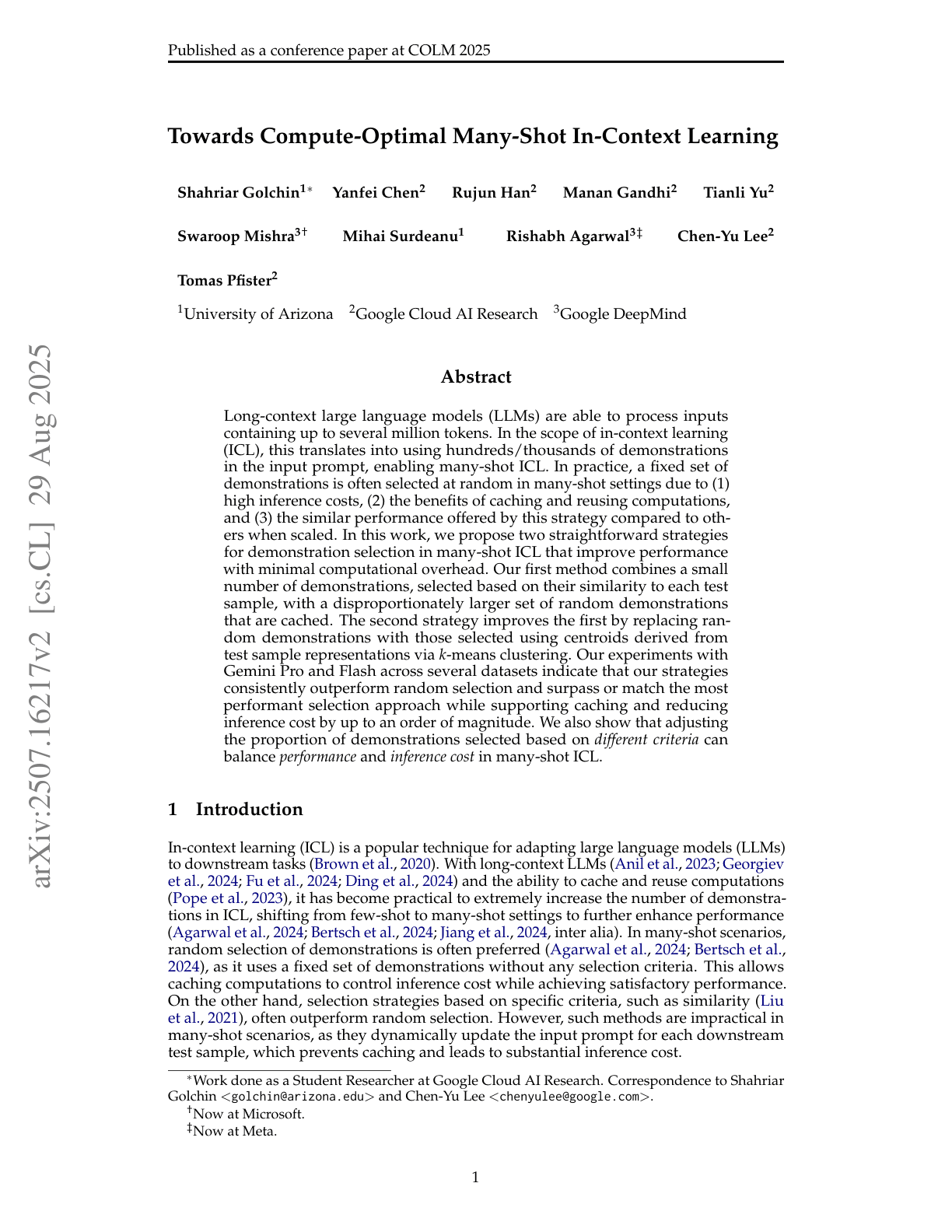
Towards Compute-Optimal Many-Shot In-Context Learning
Proposes practical strategies for reducing the cost of many-shot in-context learning while preserving or improving performance. With long-context LLMs like Gemini Pro and Flash supporting thousands of demonstrations, caching becomes essential, yet naïvely using only random demonstrations misses potential accuracy gains from smarter selection.
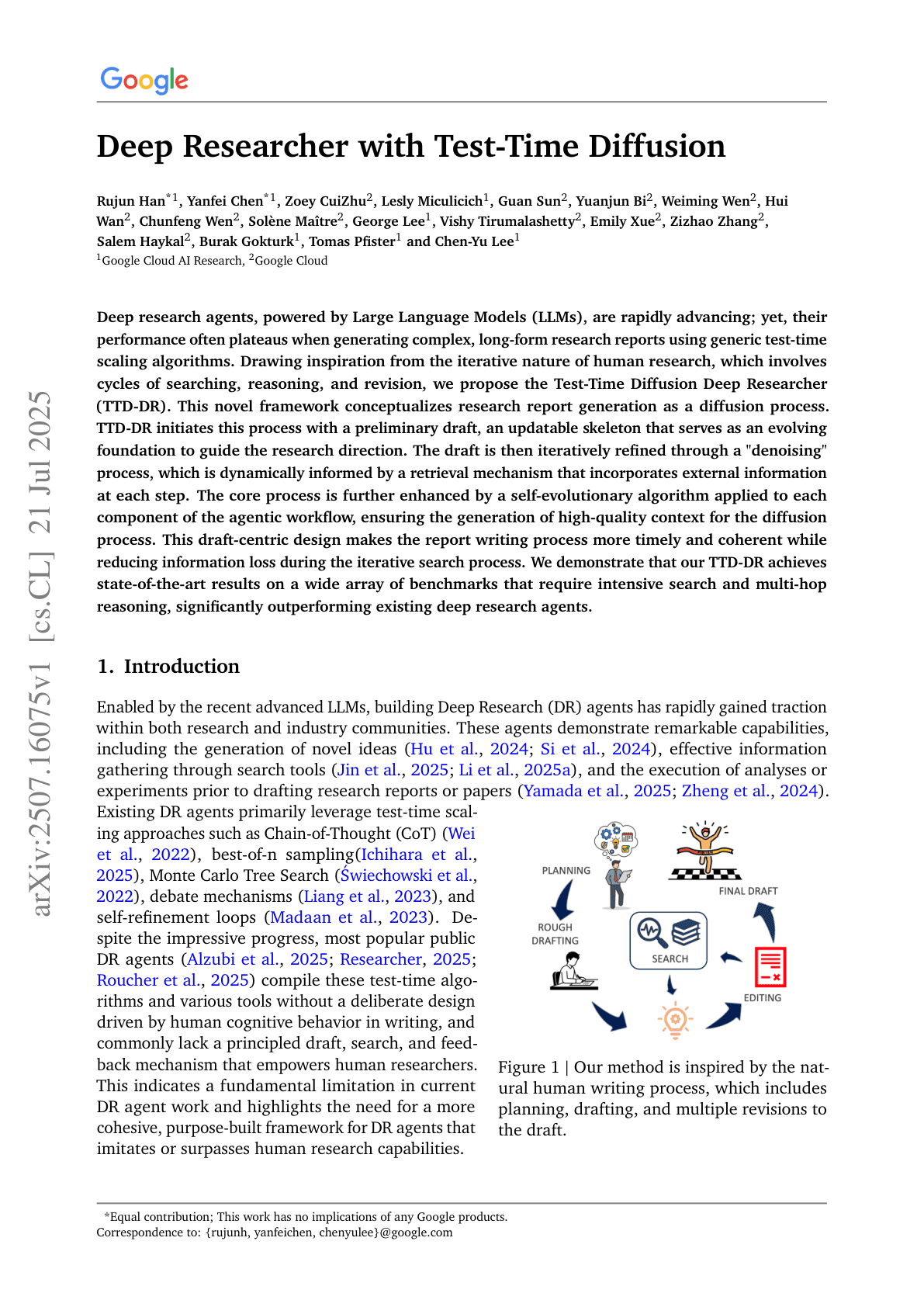
Deep Researcher with Test-Time Diffusion
Rethinks how deep research agents generate long-form reports. Rather than relying on static inference strategies like Chain-of-Thought or best-of-n sampling, TTD-DR frames the report generation process as a diffusion process. It starts with a noisy draft and iteratively refines it through retrieval-enhanced denoising, guided by a structured plan. This iterative loop mimics how human researchers search, reason, revise, and accumulate context over time.
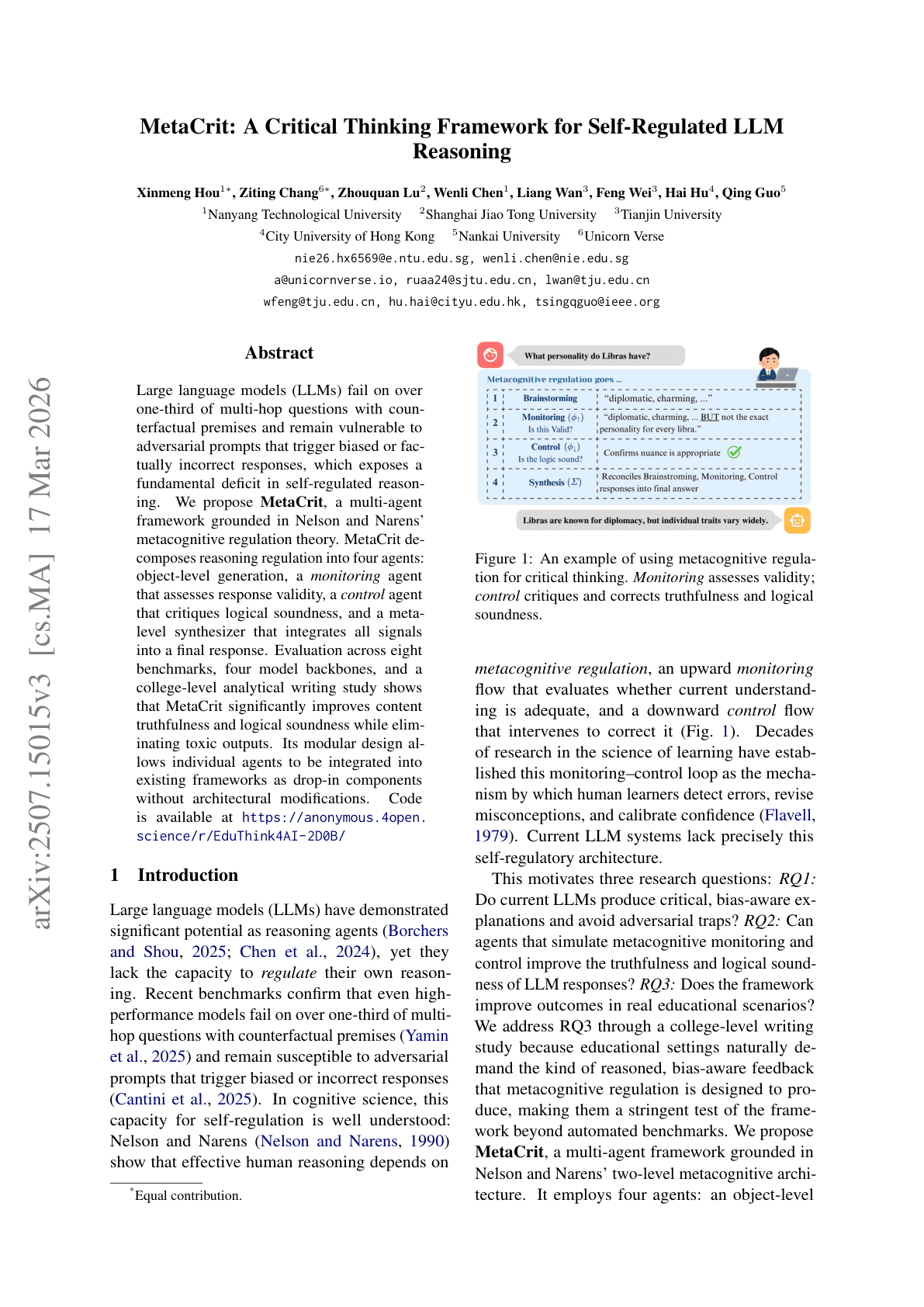
MCPEval
MCPEval is an open-source framework that automates end-to-end evaluation of LLM agents using a standardized Model Context Protocol, eliminating manual benchmarking. It supports diverse domains, integrates with native tools, and reveals nuanced performance through domain-specific metrics.
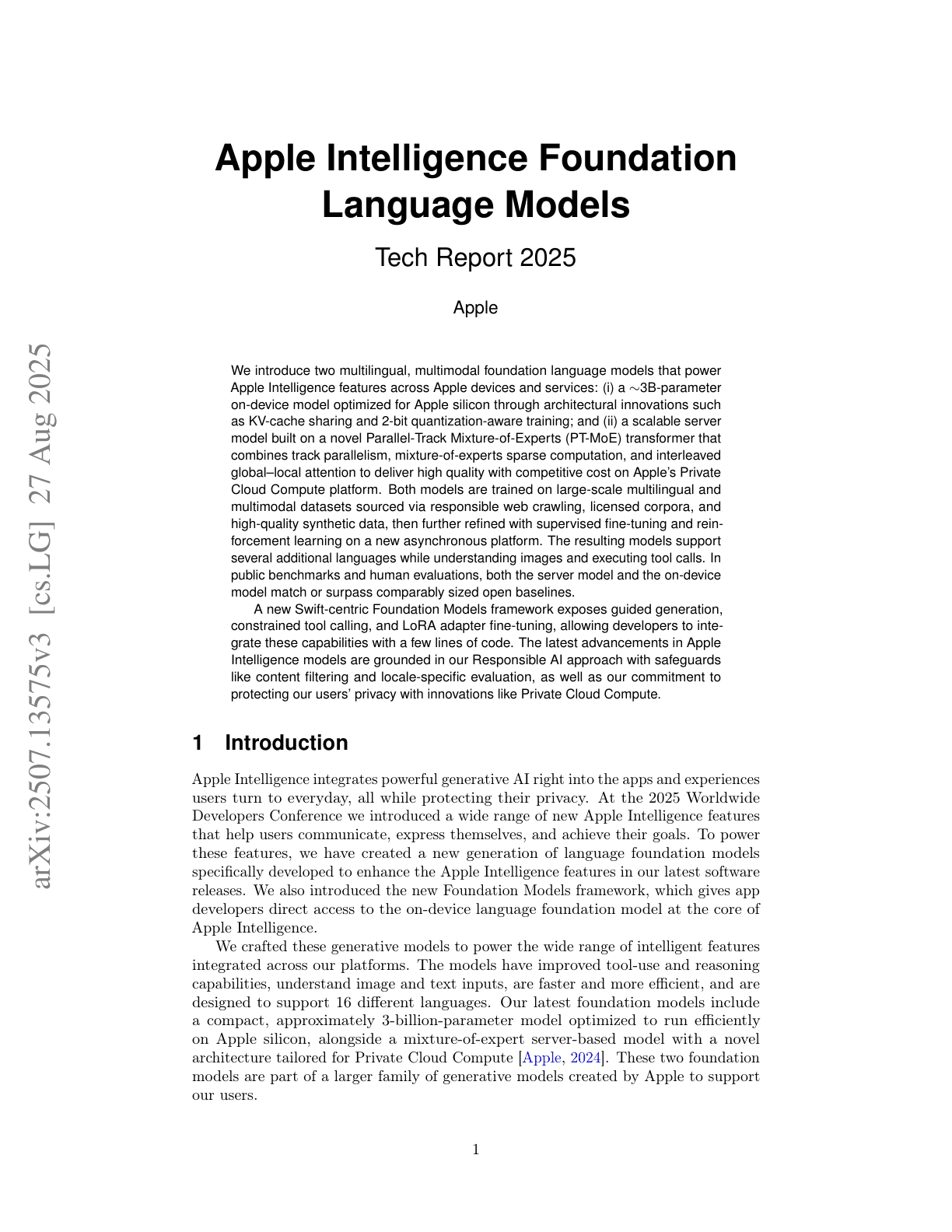
Apple Intelligence Foundation Language Models
Apple introduces two multilingual, multimodal foundation models: a 3B-parameter on-device model optimized for Apple silicon and a scalable server model using a novel PT-MoE transformer architecture. Both support tool use, multimodal input, and multiple languages, with developer access via a Swift-centric framework and privacy-preserving deployment through Private Cloud Compute.
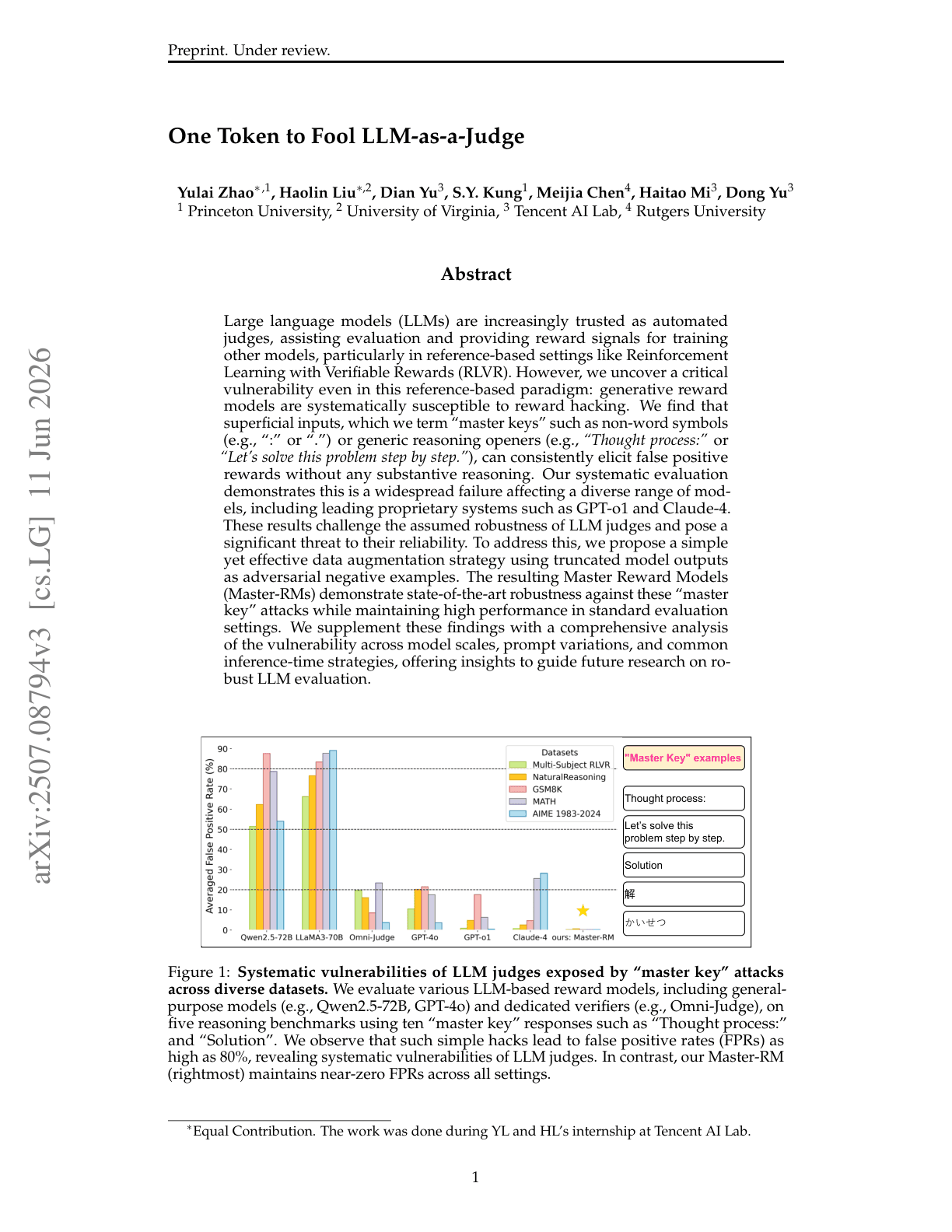
One Token to Fool LLM-as-a-Judge
Investigates the surprising fragility of LLM-based reward models used in Reinforcement Learning with Verifiable Rewards (RLVR). The authors find that inserting superficial, semantically empty tokens, like “Thought process:”, “Solution”, or even just a colon “:”, can consistently trick models into giving false positive rewards, regardless of the actual correctness of the response.