AI Papers of the Week
Every paper worth reading in AI, hand-picked one week at a time.
Discover and explore top AI papers withClaude CodeCodex
npx @dair-ai/mcp setup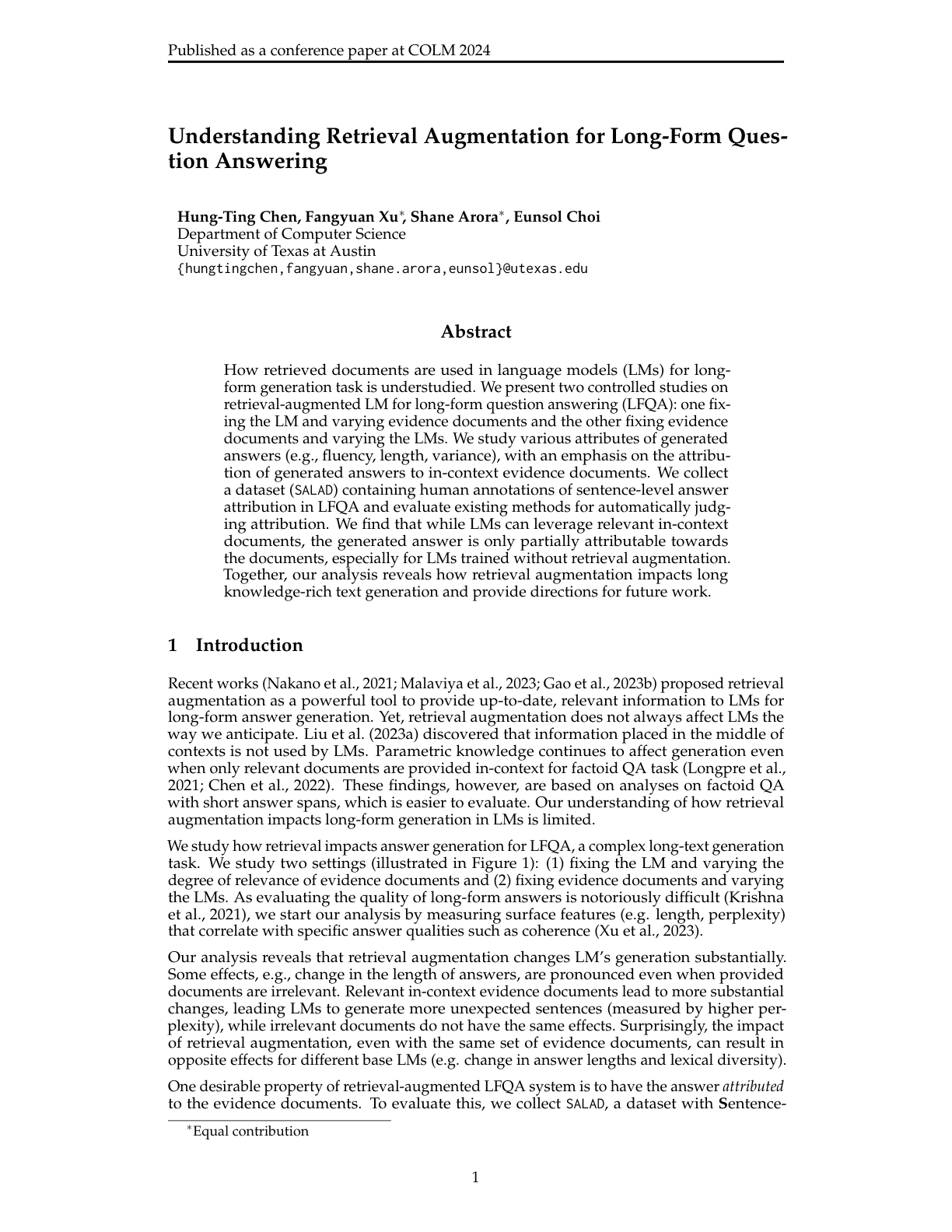
RAG for Long-Form QA
Explores retrieval-augmented LMs specifically on long-form question answering, where RAG failures are more subtle.
GenBench
A Nature Machine Intelligence paper framework for characterizing and understanding generalization research in NLP.
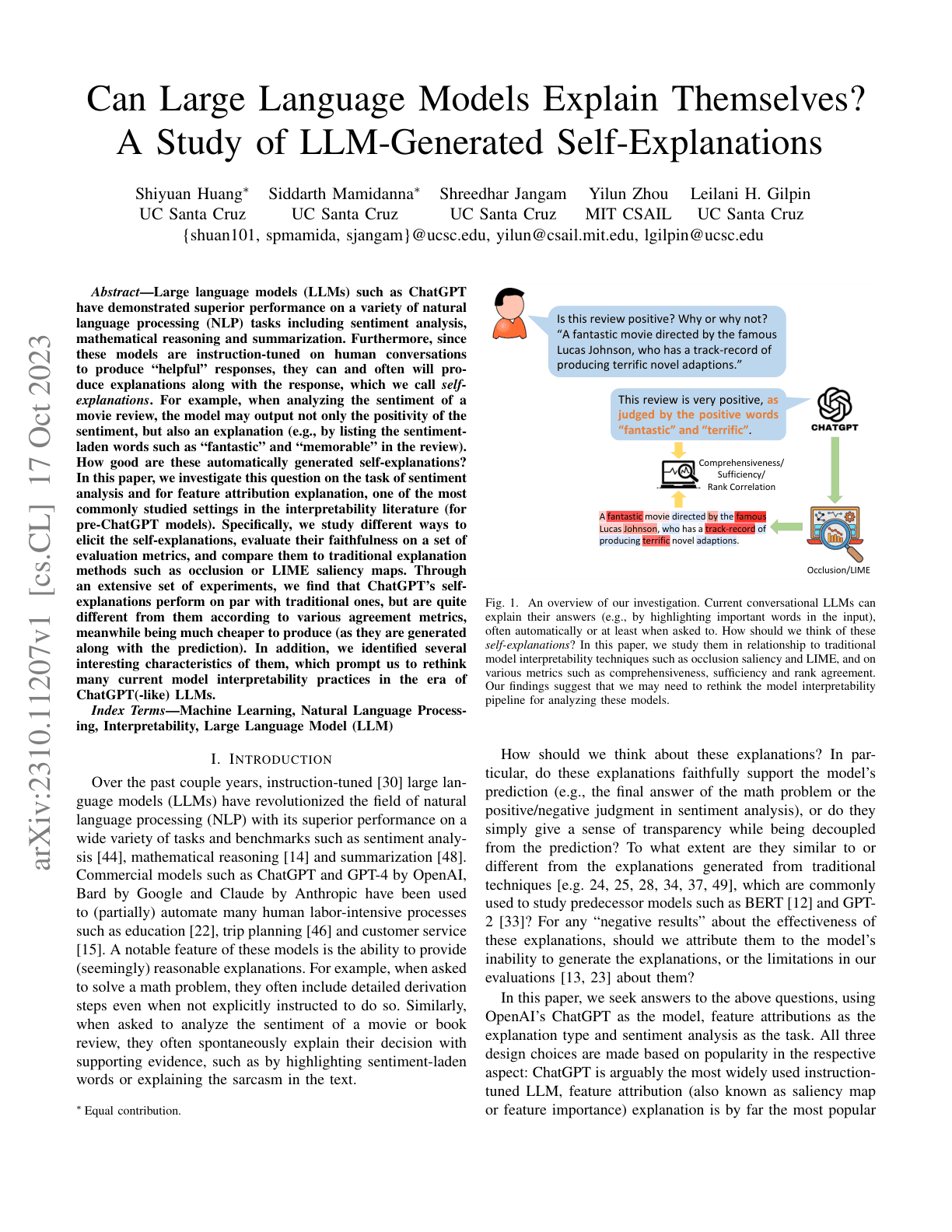
LLM Self-Explanations
Investigates whether LLMs can generate useful feature-attribution explanations for their own outputs.
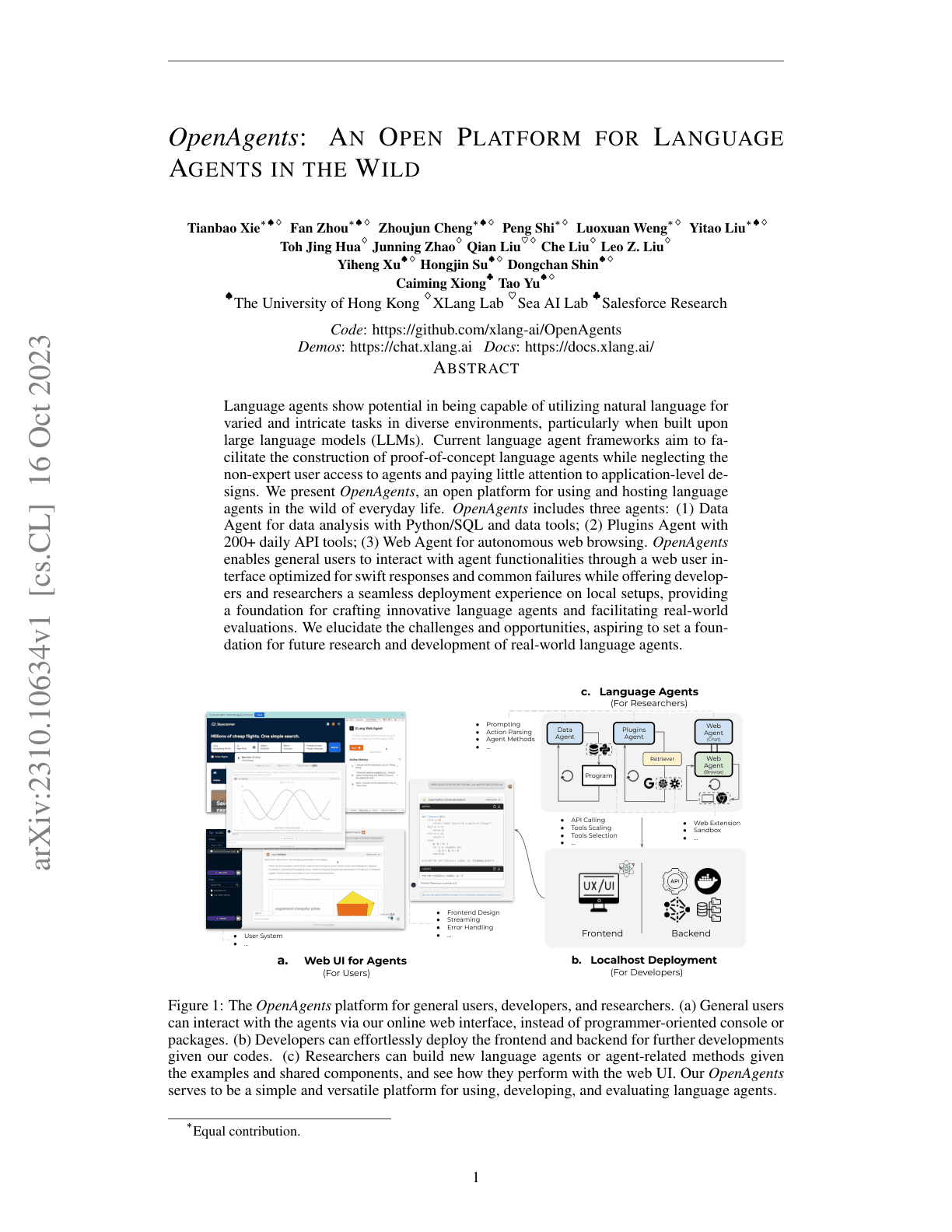
OpenAgents
An open platform for running and hosting real-world language agents, including three distinct agent types.
Eliciting Human Preferences with LLMs
Anthropic uses LLMs to guide the task-specification process, eliciting user intent through natural-language dialogue.
AutoMix
AutoMix routes queries between LLMs of different sizes based on smaller-model confidence, saving cost without sacrificing quality.
Video Language Planning
Enables synthesizing complex long-horizon video plans for robotics via tree search over vision-language and text-to-video models.
Ring Attention
UC Berkeley's Ring Attention scales transformer context to 100M+ tokens by distributing blockwise self-attention across devices in a ring topology.
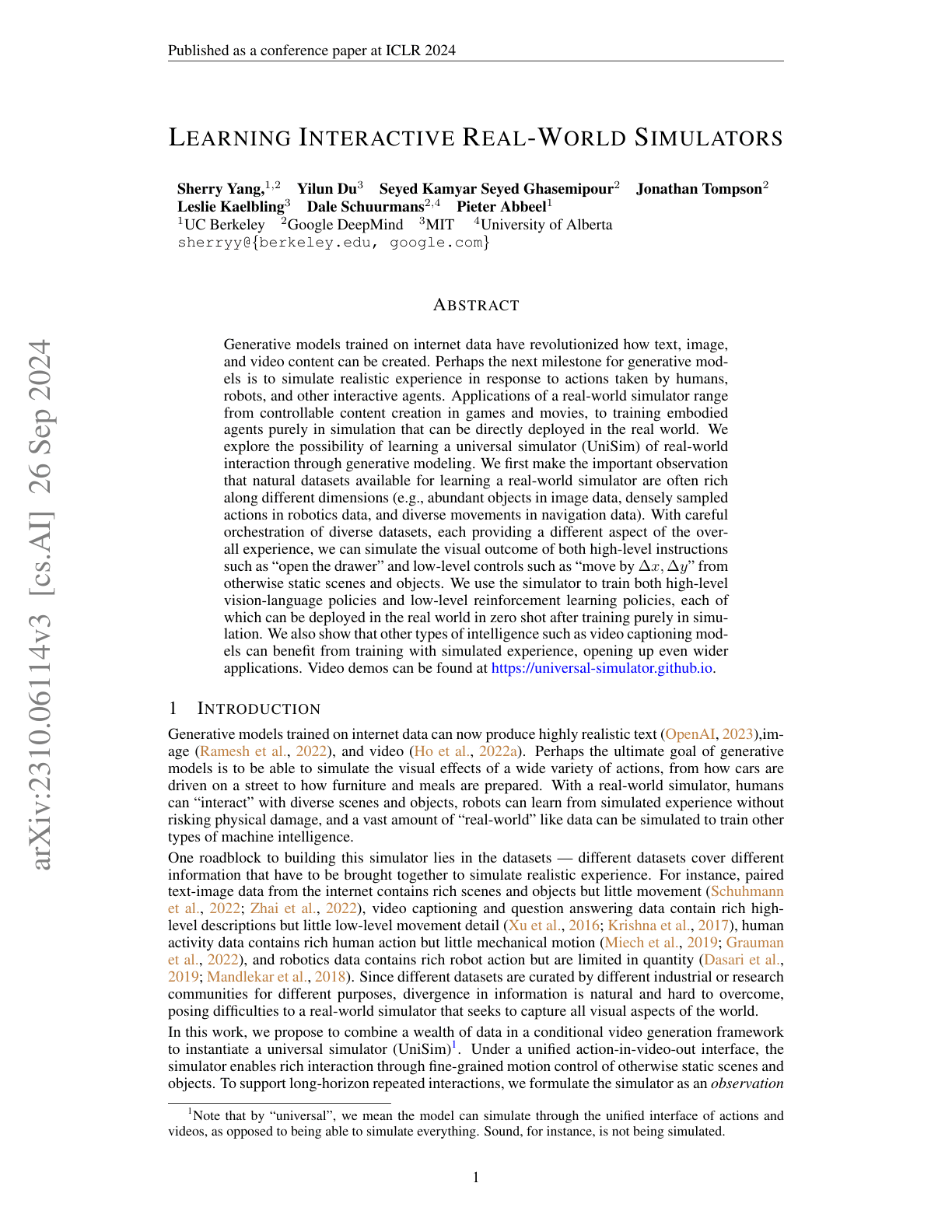
UniSim (Universal Simulator)
Google's UniSim learns a universal generative simulator of real-world interactions from diverse video + action data.
Survey on Factuality in LLMs
A survey covering evaluation and enhancement techniques for LLM factuality.
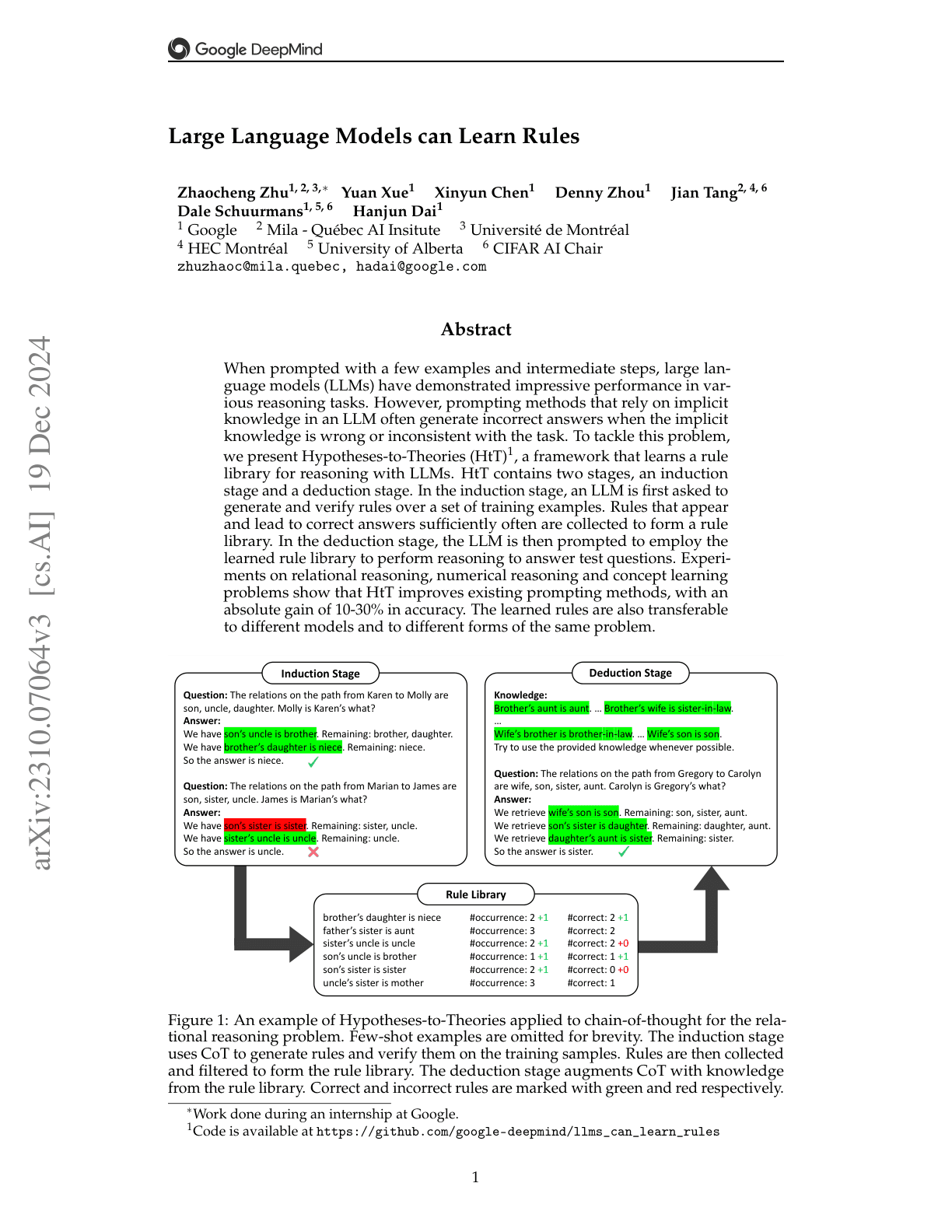
Hypothesis Search (LLMs Can Learn Rules)
A two-stage framework where the LLM learns a rule library for reasoning.
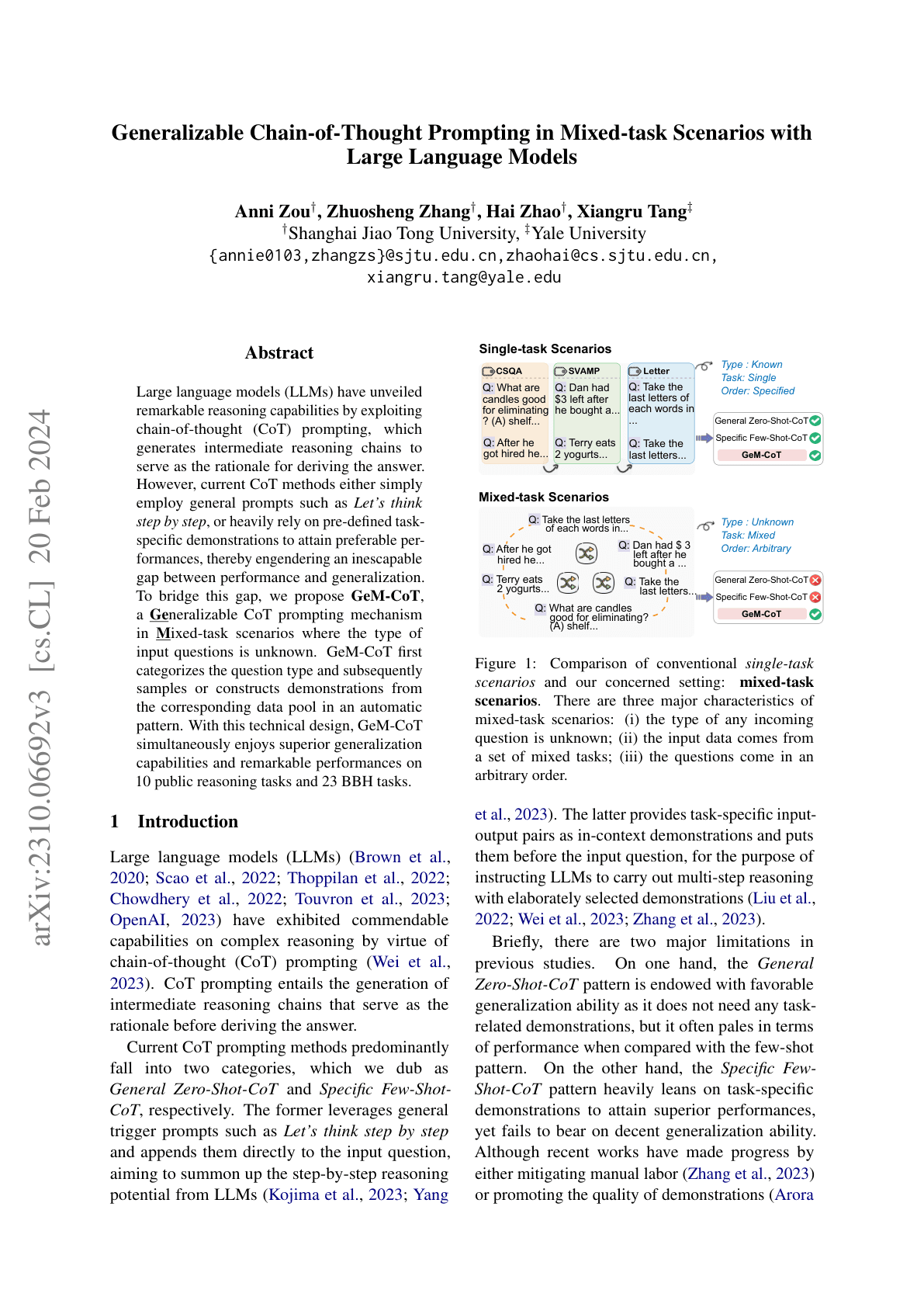
Meta Chain-of-Thought Prompting (Meta-CoT)
A generalizable CoT framework that selects domain-appropriate reasoning patterns for the task at hand.
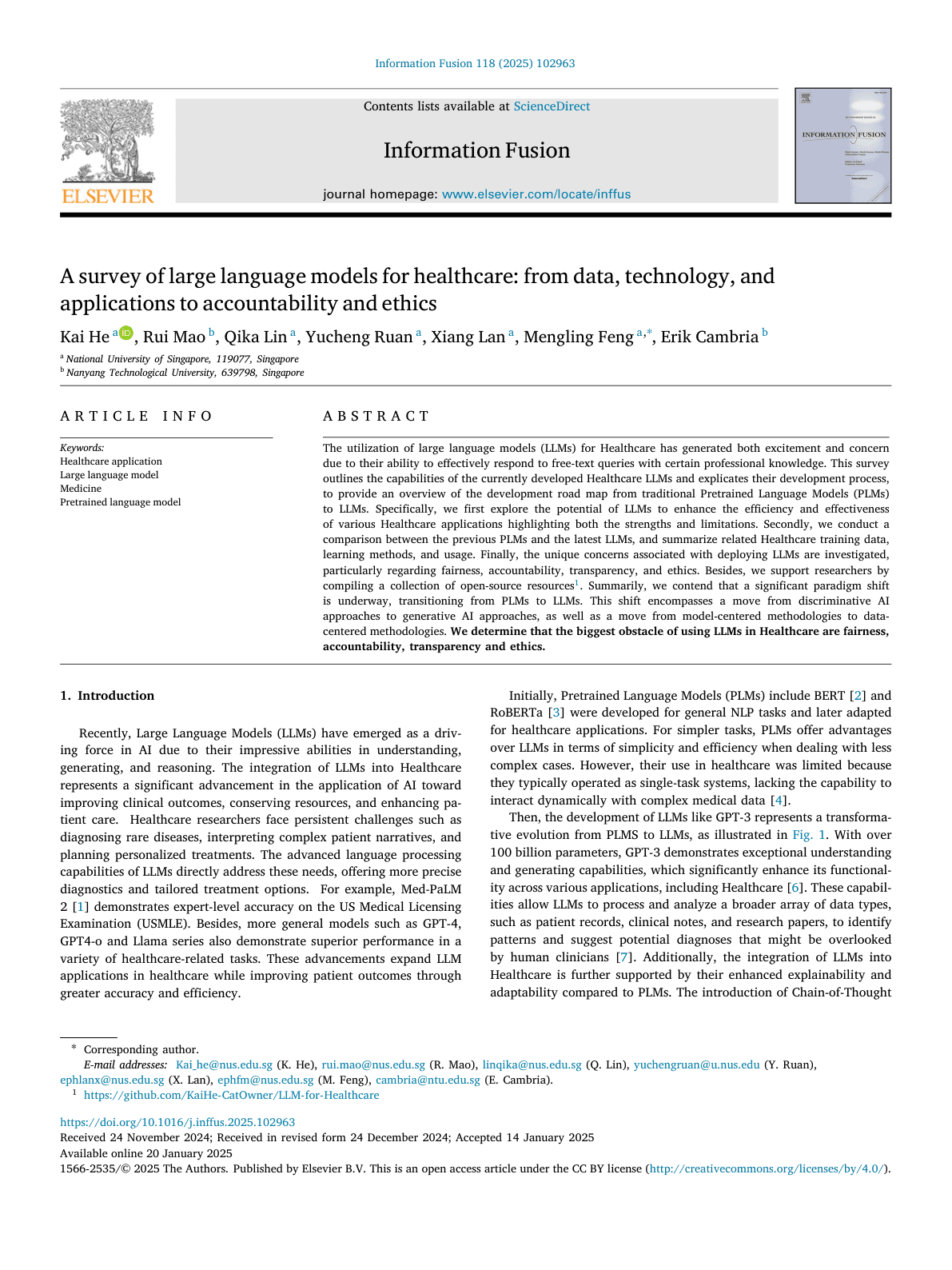
LLMs for Healthcare Survey
A comprehensive overview of LLMs applied to the healthcare domain.
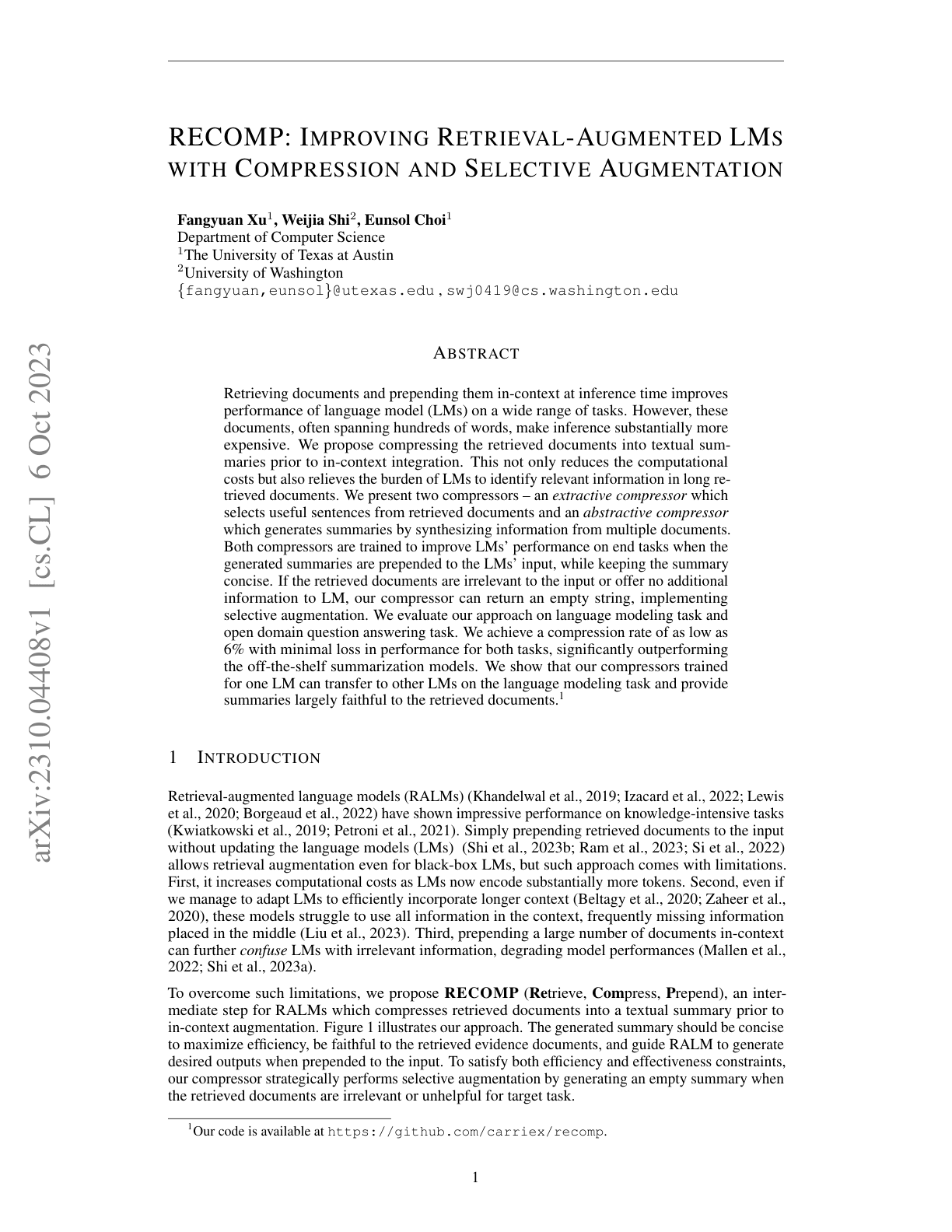
RECOMP (Retrieval-Augmented LMs with Compressors)
Proposes two compression approaches to shrink retrieved documents before in-context use.
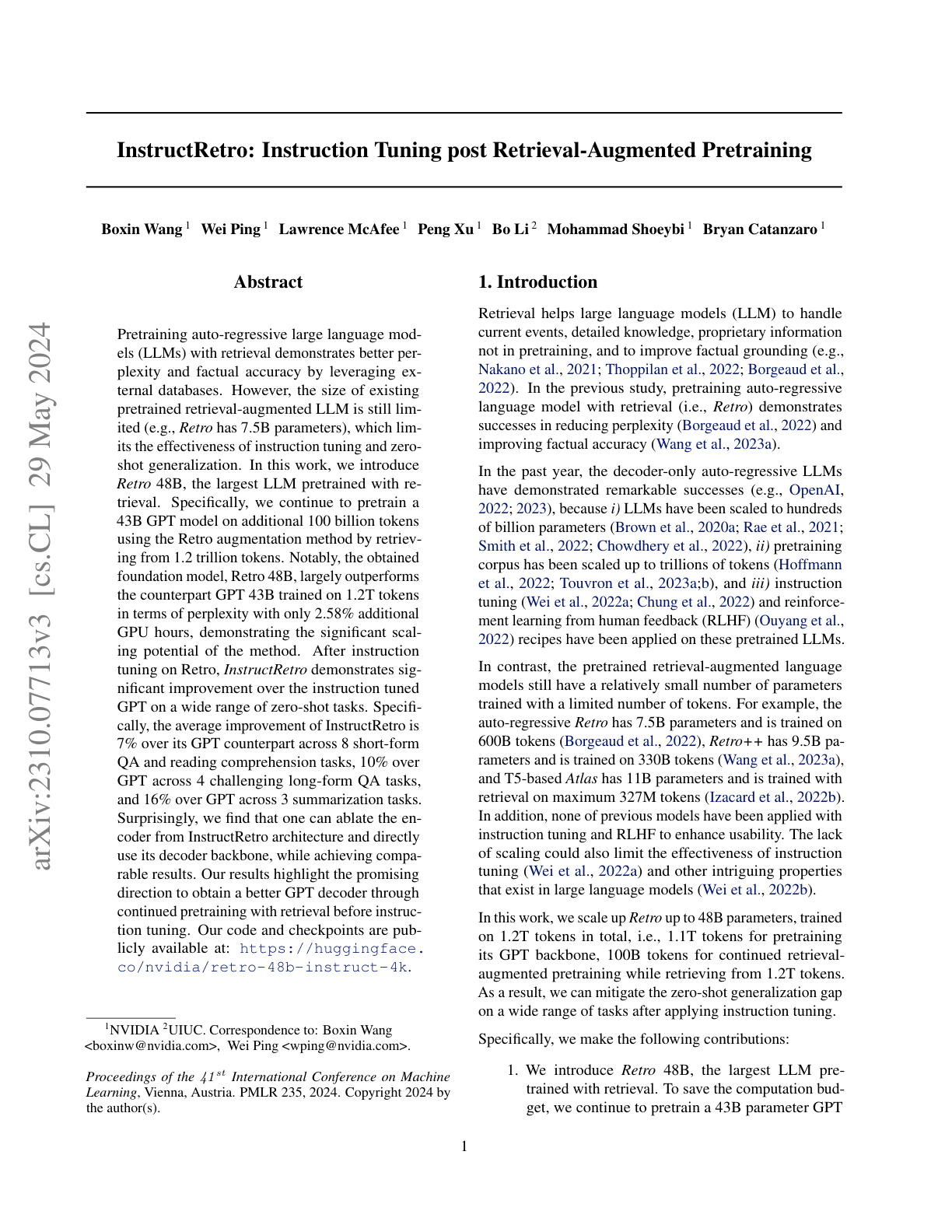
InstructRetro
NVIDIA introduces Retro 48B, the largest LLM pretrained with retrieval at the time.
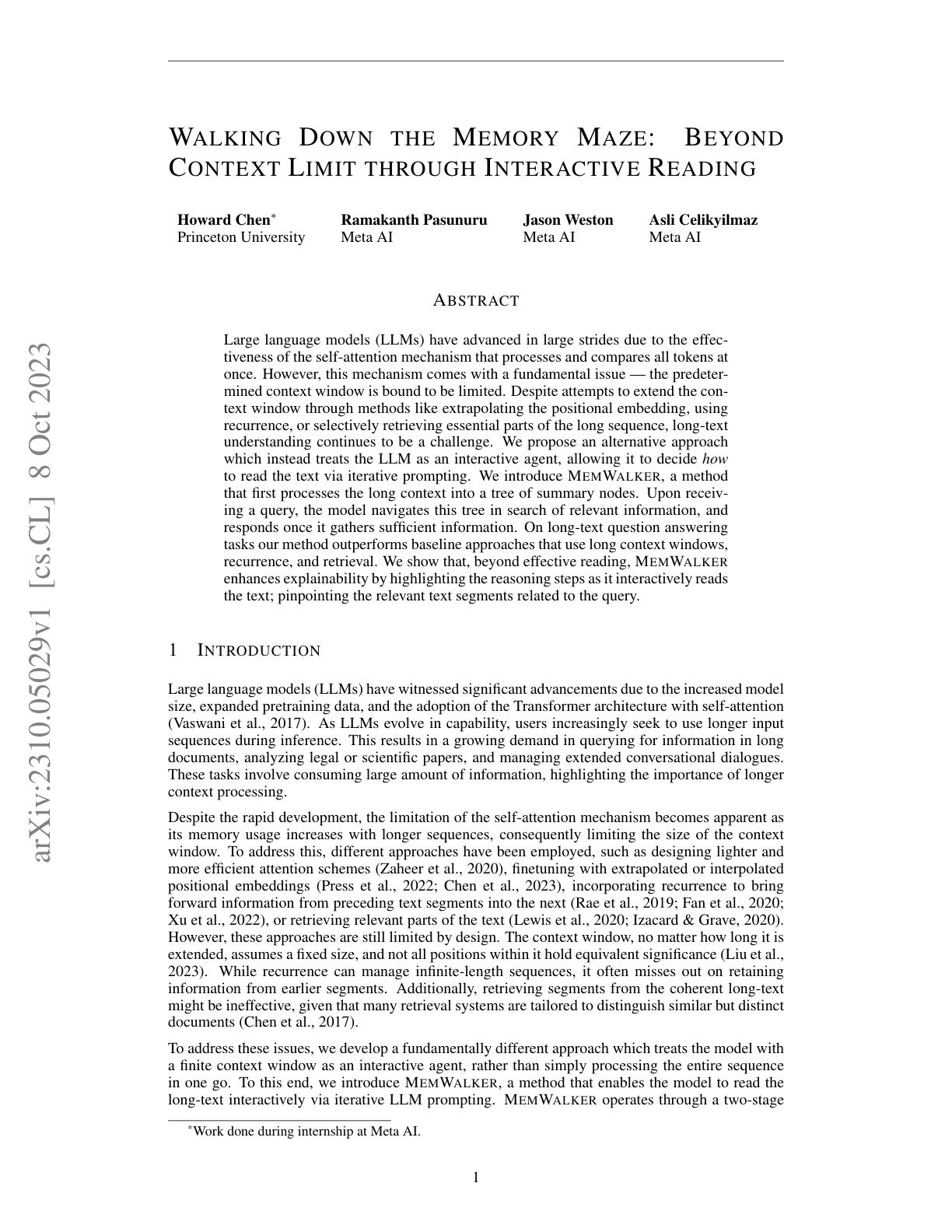
MemWalker
MemWalker treats the LLM as an interactive agent that traverses a tree-structured summary of long text.
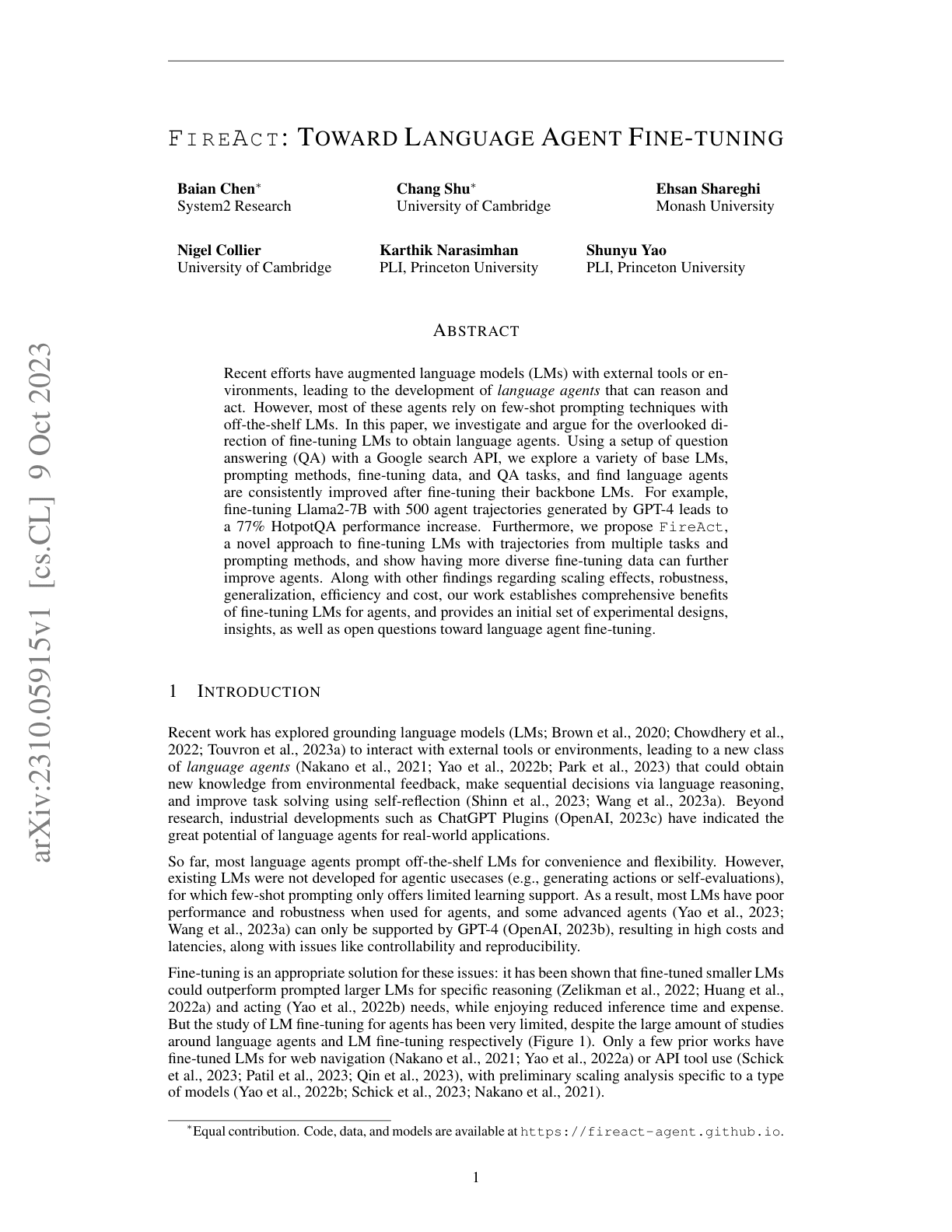
FireAct (Language Agent Fine-tuning)
Explores fine-tuning LLMs specifically for language-agent use, demonstrating consistent gains over prompting alone.
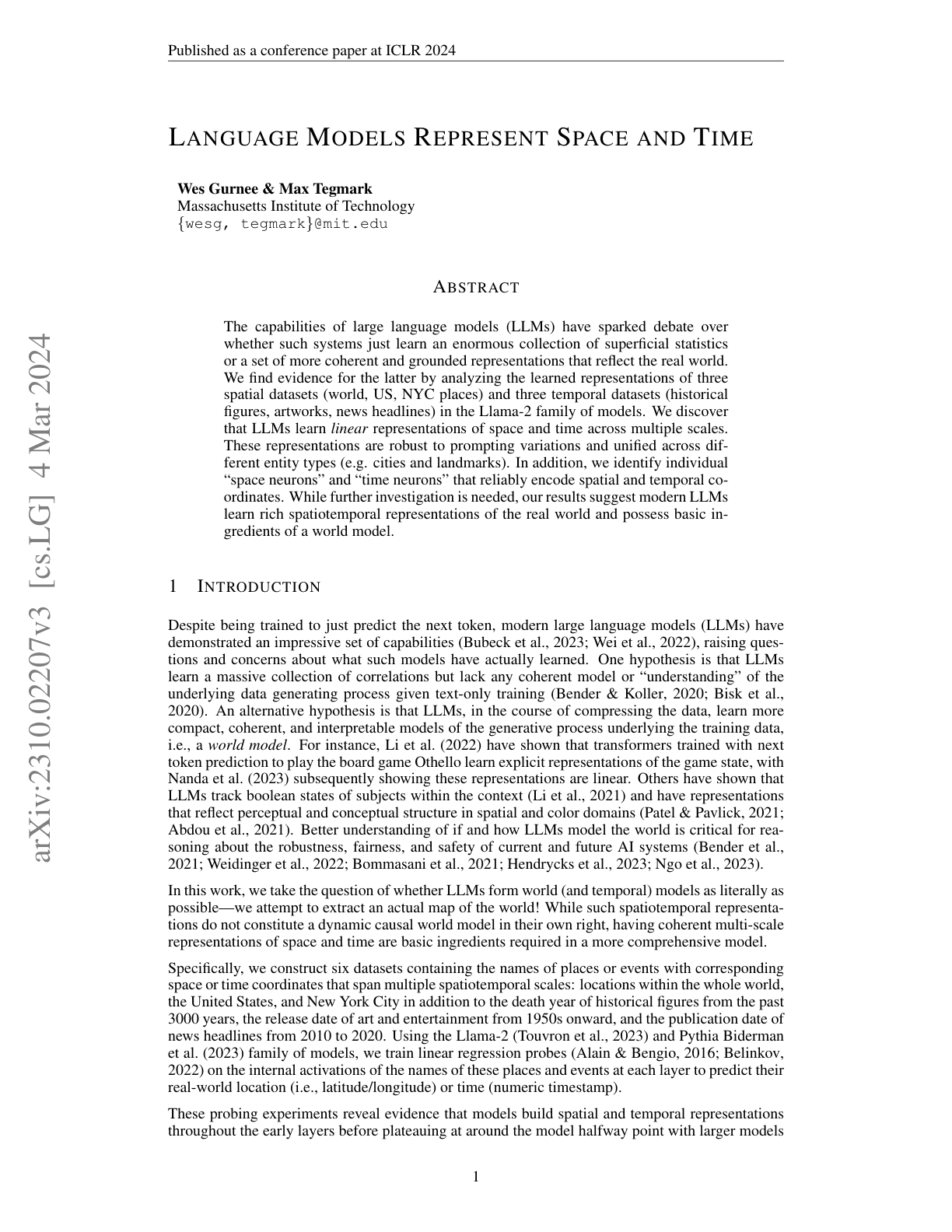
LLMs Represent Space and Time
MIT researchers find that LLMs internally encode linear representations of space and time across multiple scales.
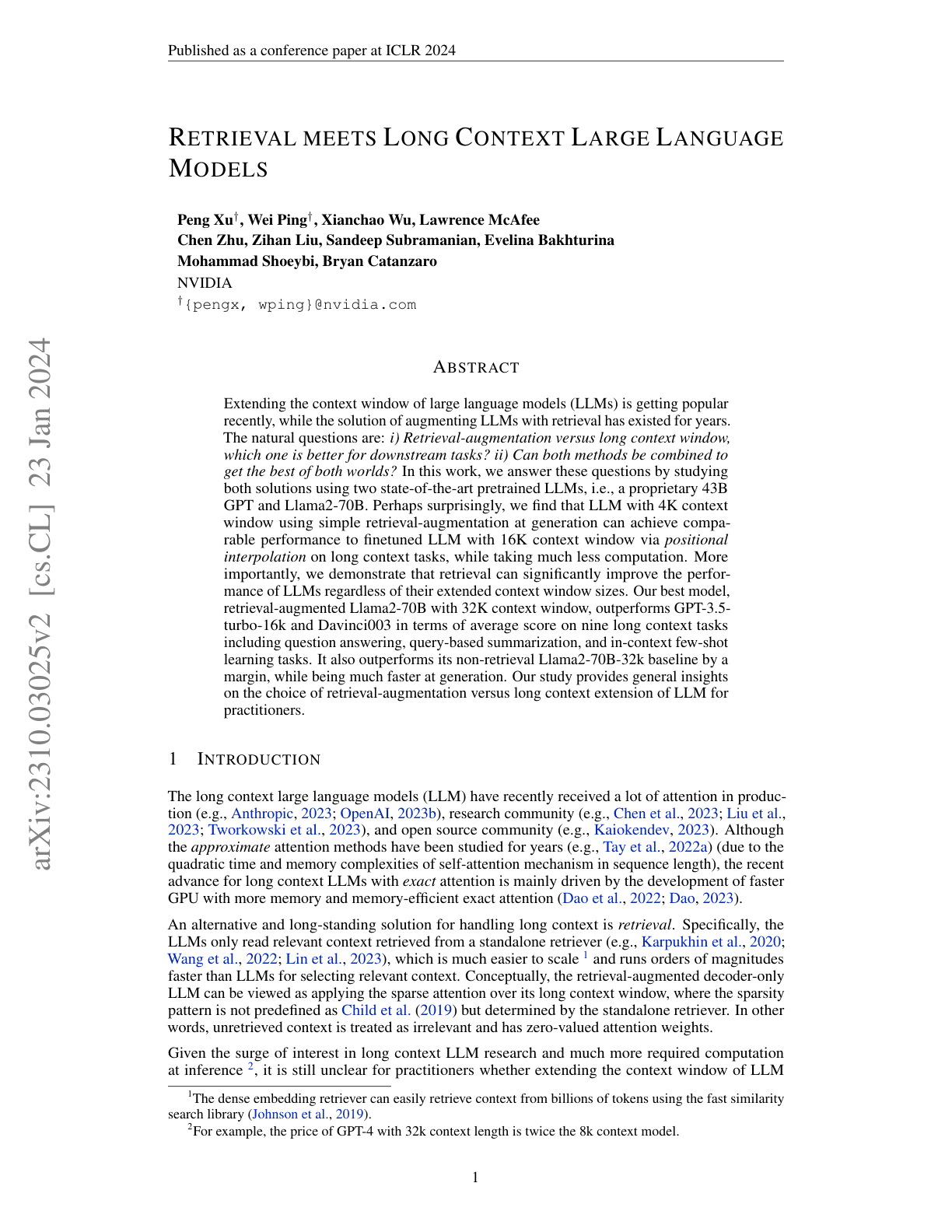
Retrieval Meets Long-Context LLMs
NVIDIA's study comparing RAG and long-context LLMs, with the punchline that the two are complementary rather than substitutes.
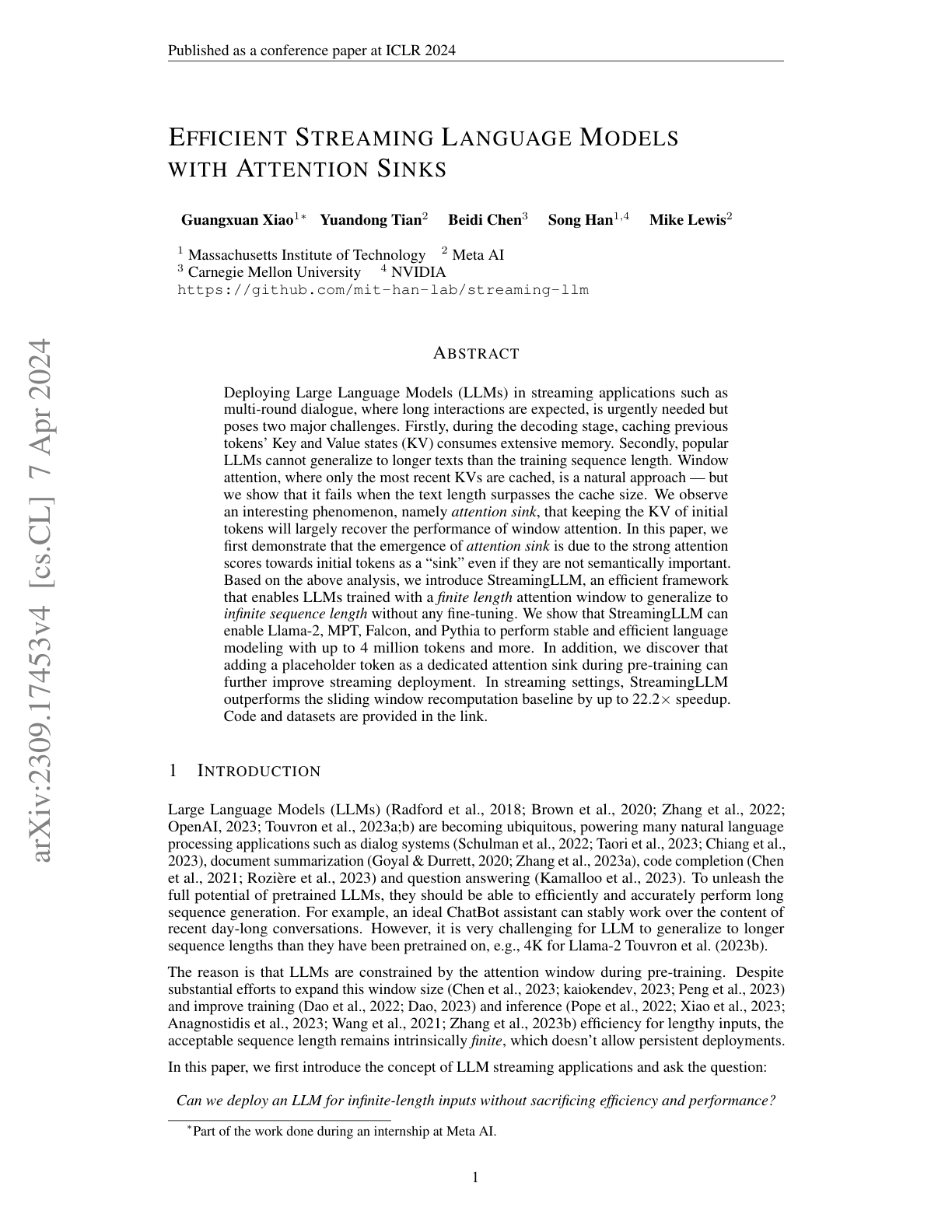
StreamingLLM
MIT's StreamingLLM enables efficient streaming inference by preserving "attention sinks" - early-sequence tokens that most attention mass flows to.
Neural Developmental Programs (NDPs)
Proposes neural networks that self-assemble through a developmental process inspired by biological embryonic development.
The Dawn of LMMs (GPT-4V Deep Dive)
Microsoft's exhaustive 166-page analysis of GPT-4V's capabilities and limitations.
Training LLMs with Pause Tokens
CMU shows that adding a learnable `<pause>` token during both pretraining and fine-tuning gives the model extra "thinking time" and improves reasoning.
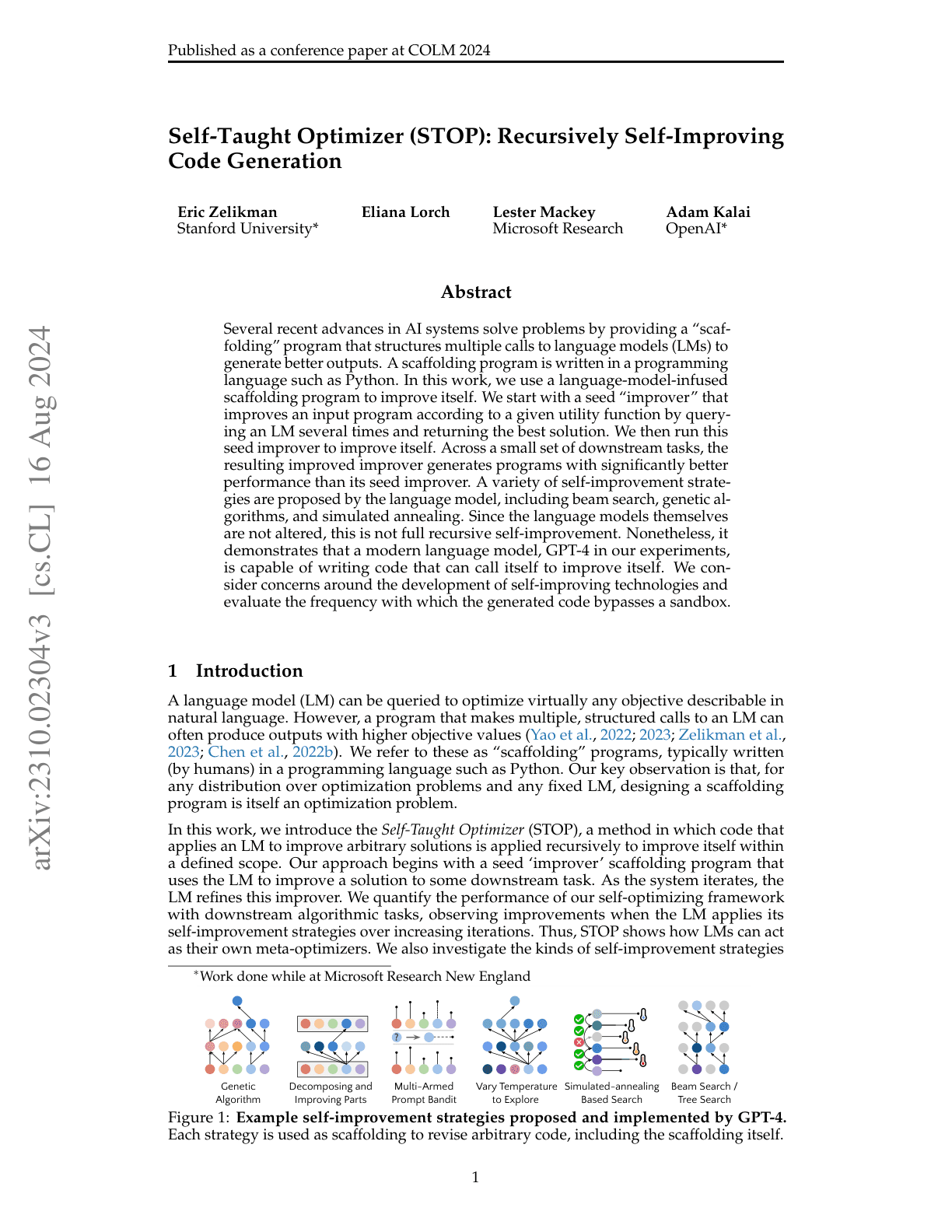
Self-Taught Optimizer (STOP)
Proposes recursively self-improving code generation where an LLM-scaffolded program improves itself.