AI Papers of the Week
Every paper worth reading in AI, hand-picked one week at a time.
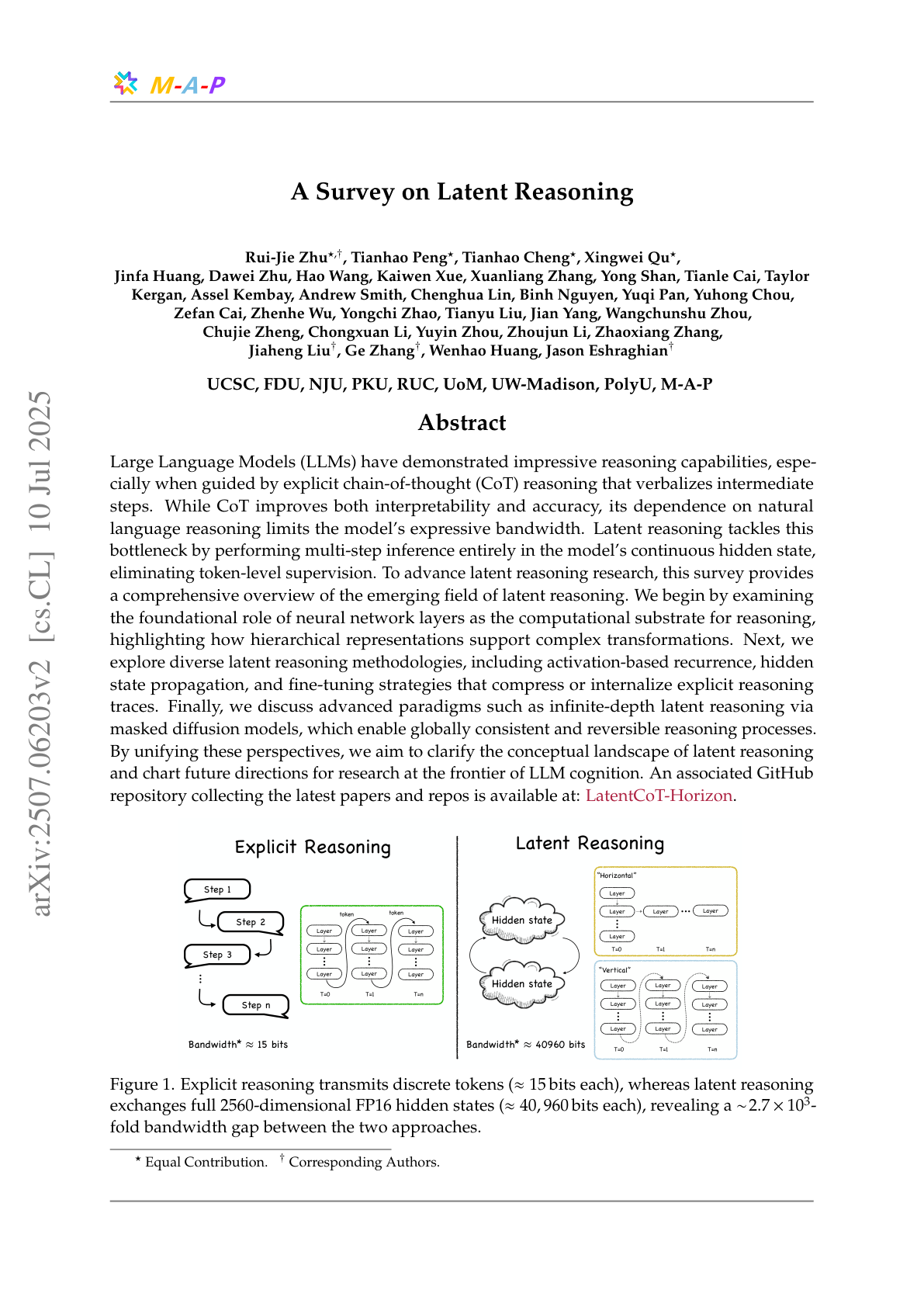
A Survey on Latent Reasoning
Provides a comprehensive overview of latent reasoning, an emerging field that shifts AI reasoning from explicit, token-based "chain-of-thought" to implicit computations within a model's continuous hidden states. Key ideas:
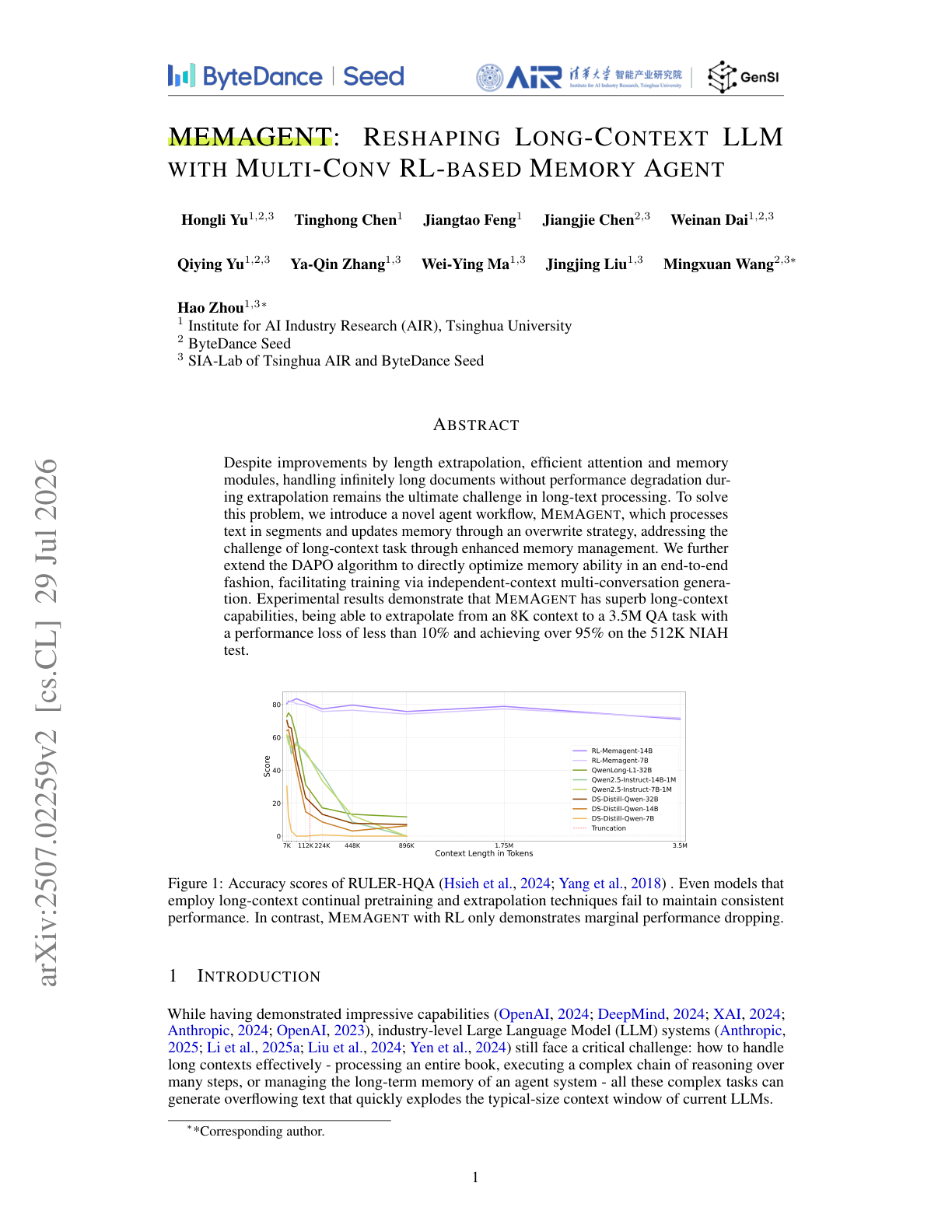
MemAgent
Introduces an RL–driven memory agent that enables transformer-based LLMs to handle documents up to 3.5 million tokens with near lossless performance, linear complexity, and no need for architectural modifications.
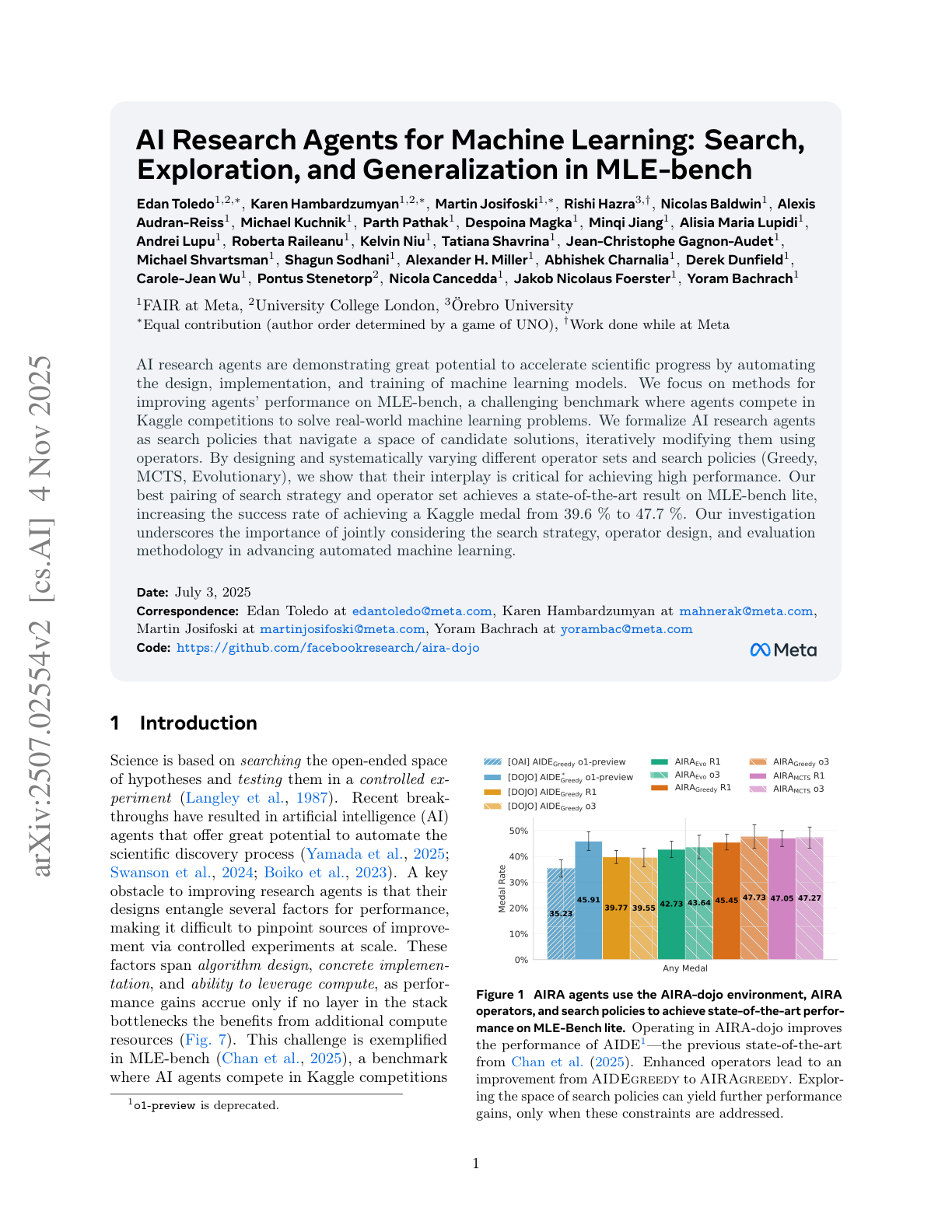
AI Research Agents for Machine Learning
Presents a new framework, AIRA-dojo, for developing and evaluating AI research agents. They use this framework to systematically investigate the components of successful AI agents on the MLE-bench benchmark, a challenging set of real-world machine learning problems from Kaggle. Key findings:
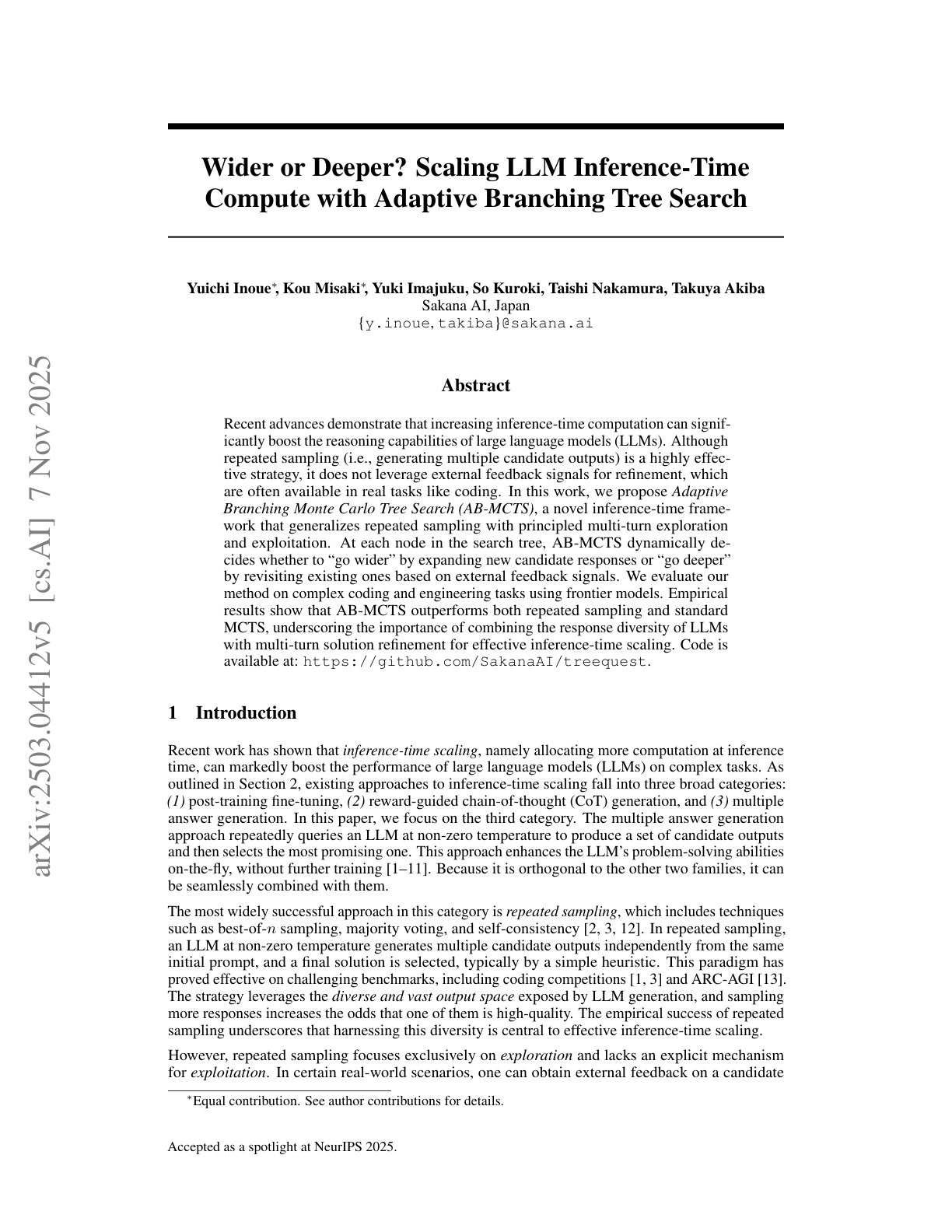
Adaptive Branching MCTS
Researchers from Sakana AI introduce Adaptive Branching Monte Carlo Tree Search (AB-MCTS), a new framework that dynamically decides whether to "go wider" (explore new solutions) or "go deeper" (refine existing ones) during inference. Key ideas:
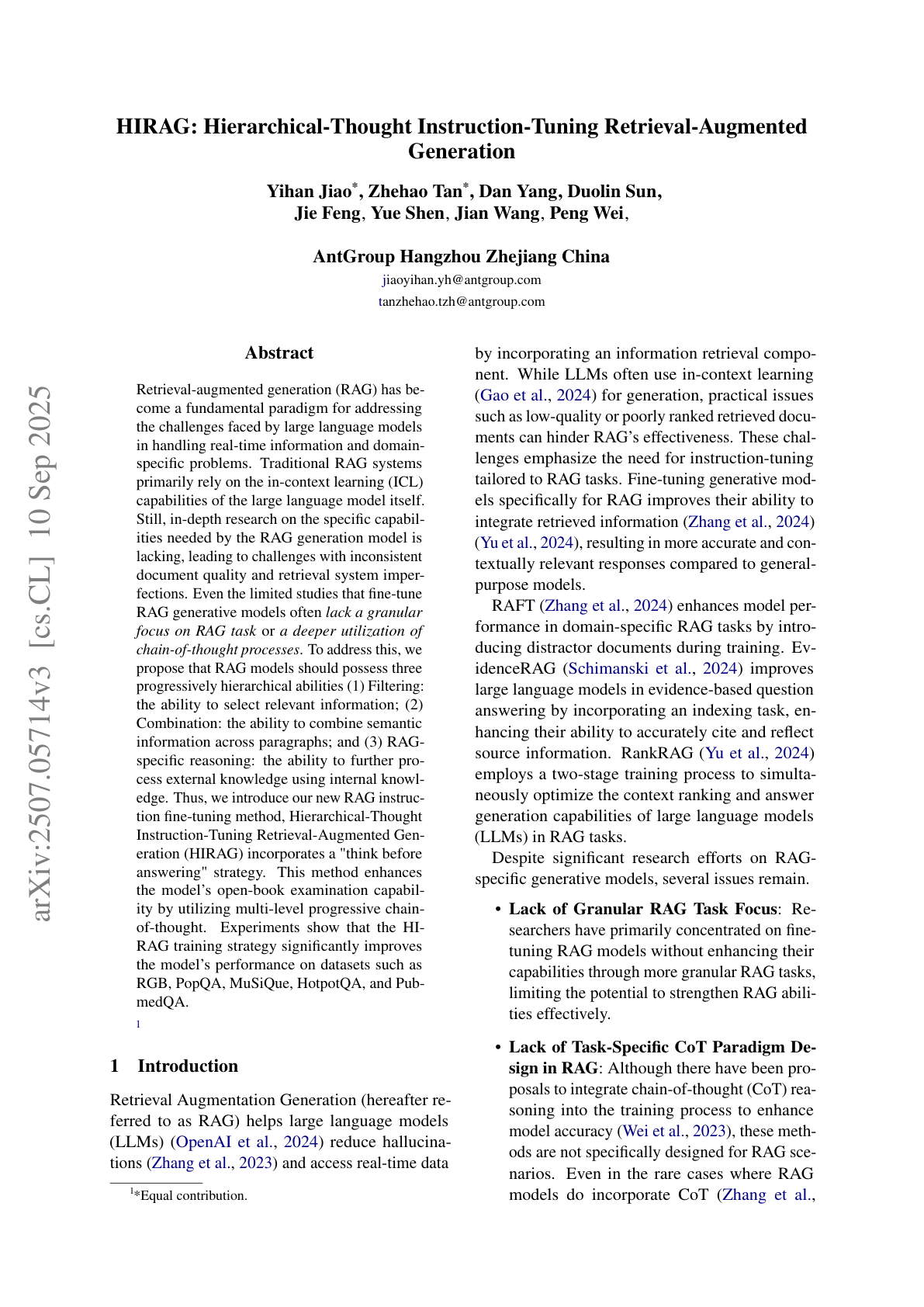
HIRAG
HIRAG is a new instruction fine-tuning method that enhances the capabilities of RAG models by teaching them to think before answering. Key ideas:
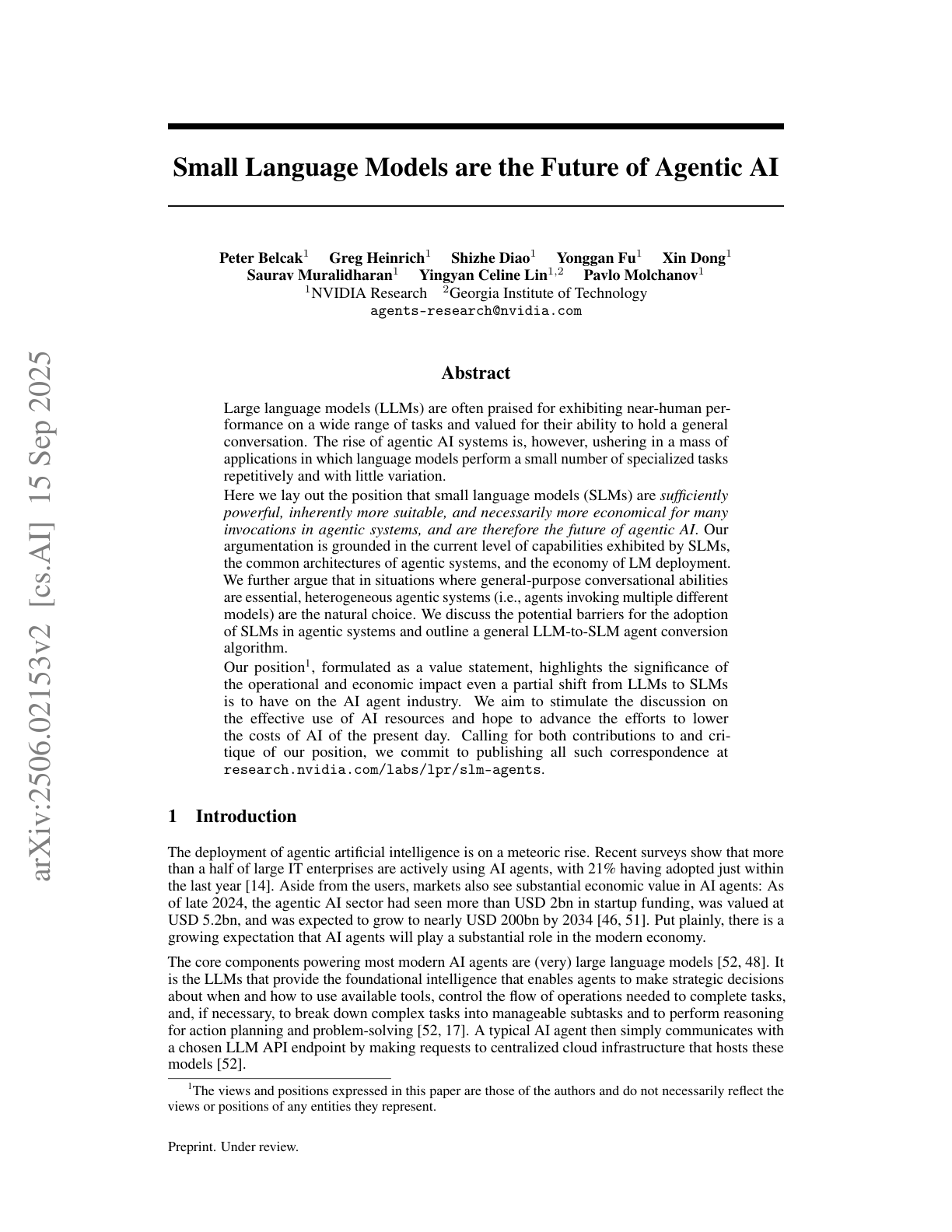
Small Language Models are the Future of Agentic AI
This position paper argues that small language models (SLMs), defined as those runnable on consumer-grade hardware, are not only sufficient but superior for many agentic AI applications, especially when tasks are narrow, repetitive, or tool-oriented. The authors propose that shifting from LLM-first to SLM-first architectures will yield major gains in efficiency, modularity, and sustainability.
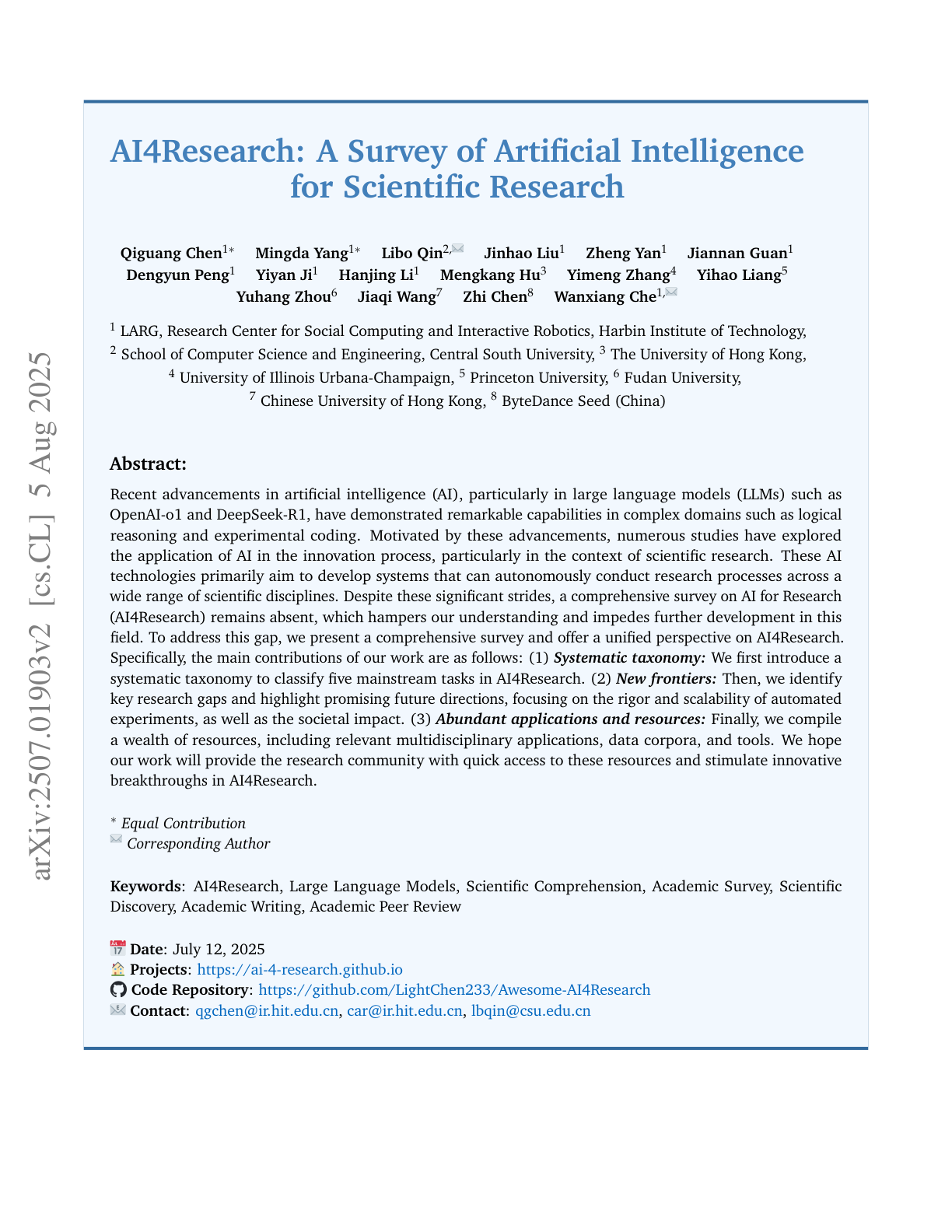
AI4Research
This survey offers the first unified and comprehensive framework for understanding how AI is transforming the full lifecycle of scientific research. The paper identifies five core areas: Scientific Comprehension, Academic Survey, Scientific Discovery, Academic Writing, and Academic Peer Review, and presents a detailed taxonomy and modeling approach for each.
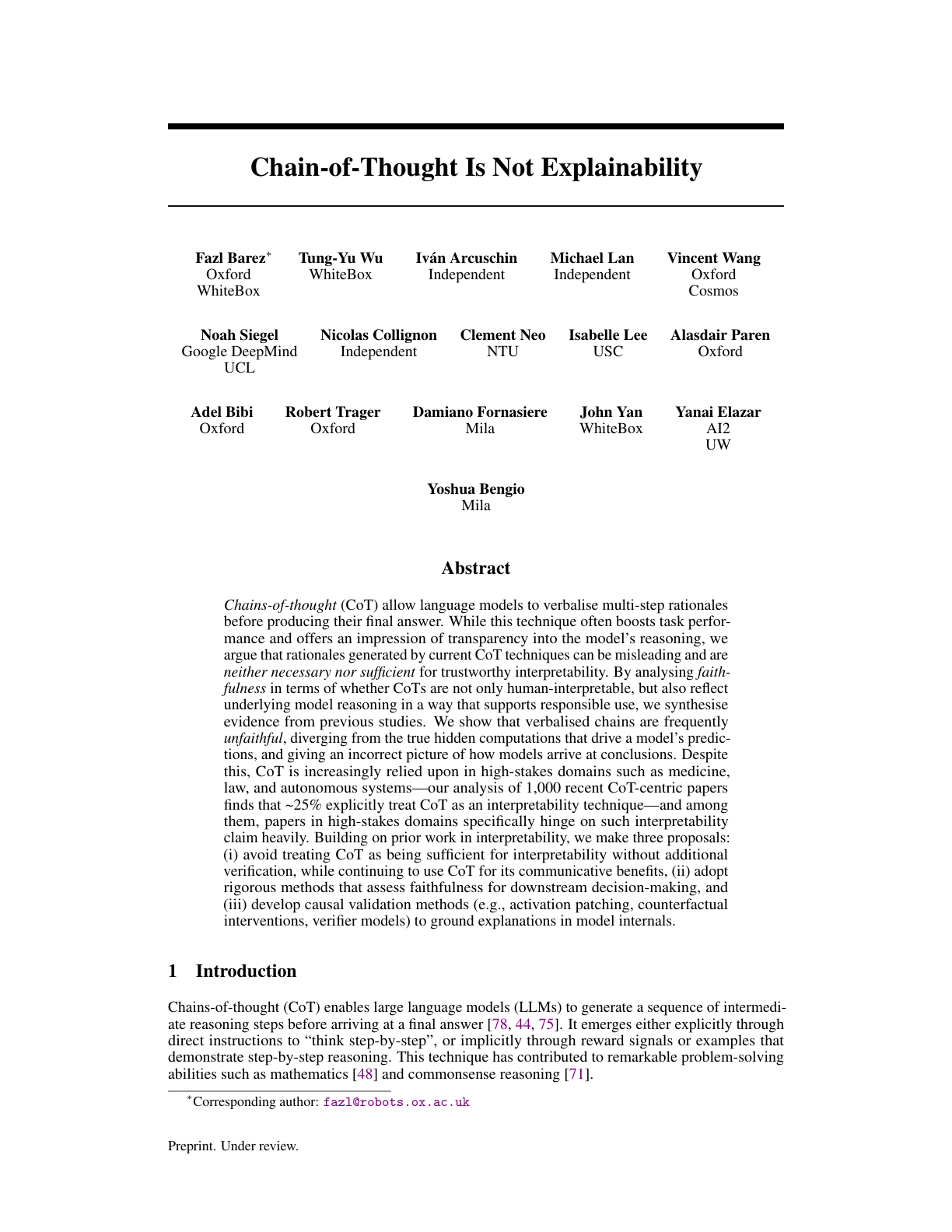
Chain-of-Thought Is Not Explainability
It challenges the common assumption that chain-of-thought (CoT) reasoning in LLMs is synonymous with interpretability. While CoT improves performance and offers a seemingly transparent rationale, the authors argue it is neither necessary nor sufficient for faithful explanation. Through a review of empirical evidence and mechanistic insights, the paper makes the case that CoT often diverges from the internal computations that actually drive model predictions.
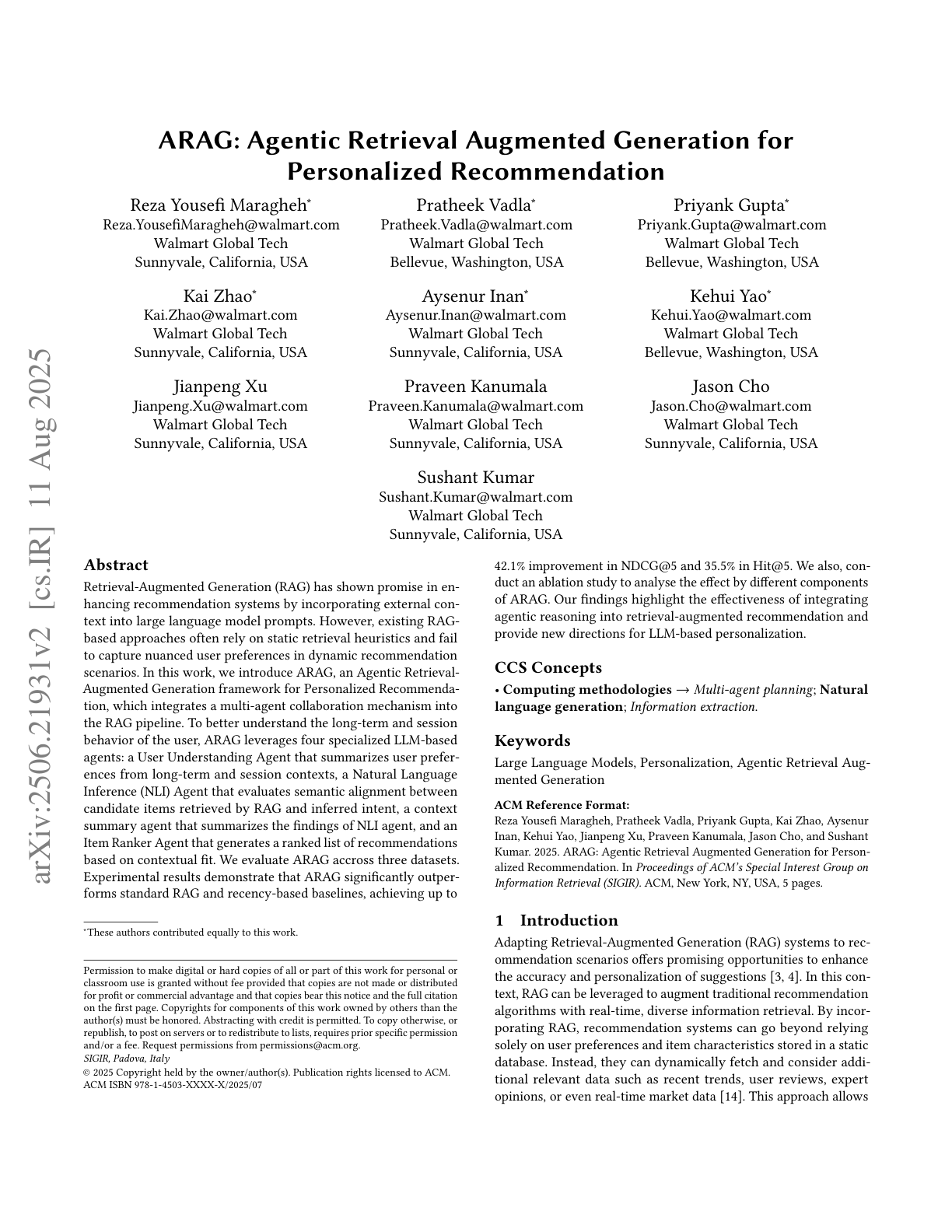
Agentic RAG for Personalized Recommendation
Introduces a multi-agent framework that enhances traditional RAG systems with reasoning agents tailored to user modeling and contextual ranking. Developed at Walmart Global Tech, ARAG reframes recommendations as a structured coordination problem between LLM agents.
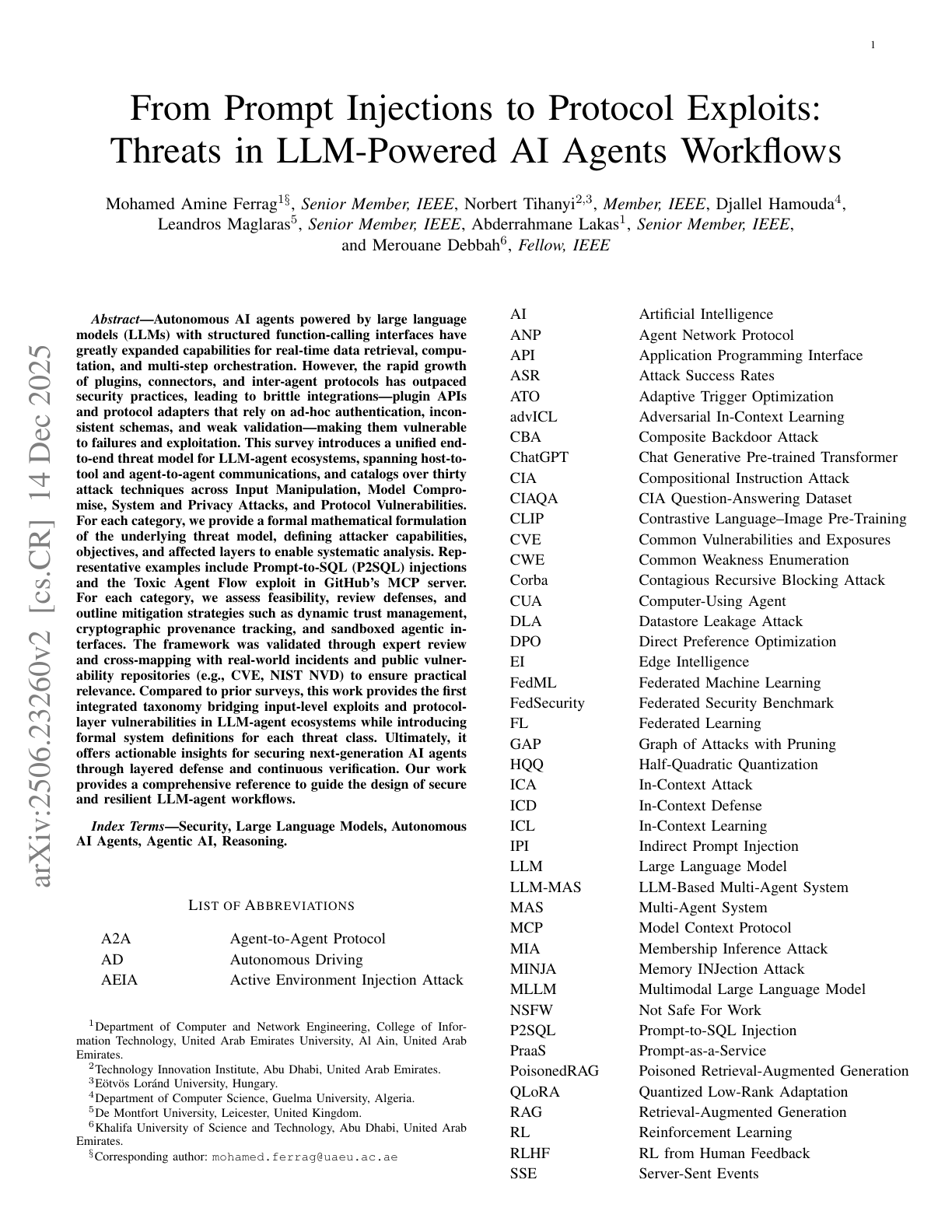
Threats in LLM-Powered AI Agents Workflows
This work presents the first comprehensive, end-to-end threat model for LLM-powered agent ecosystems. As LLM agents gain the ability to orchestrate multi-step workflows and interact via protocols like MCP, ANP, and A2A, this paper surveys over 30 attack techniques spanning the entire stack, from input manipulation to inter-agent protocol exploits.
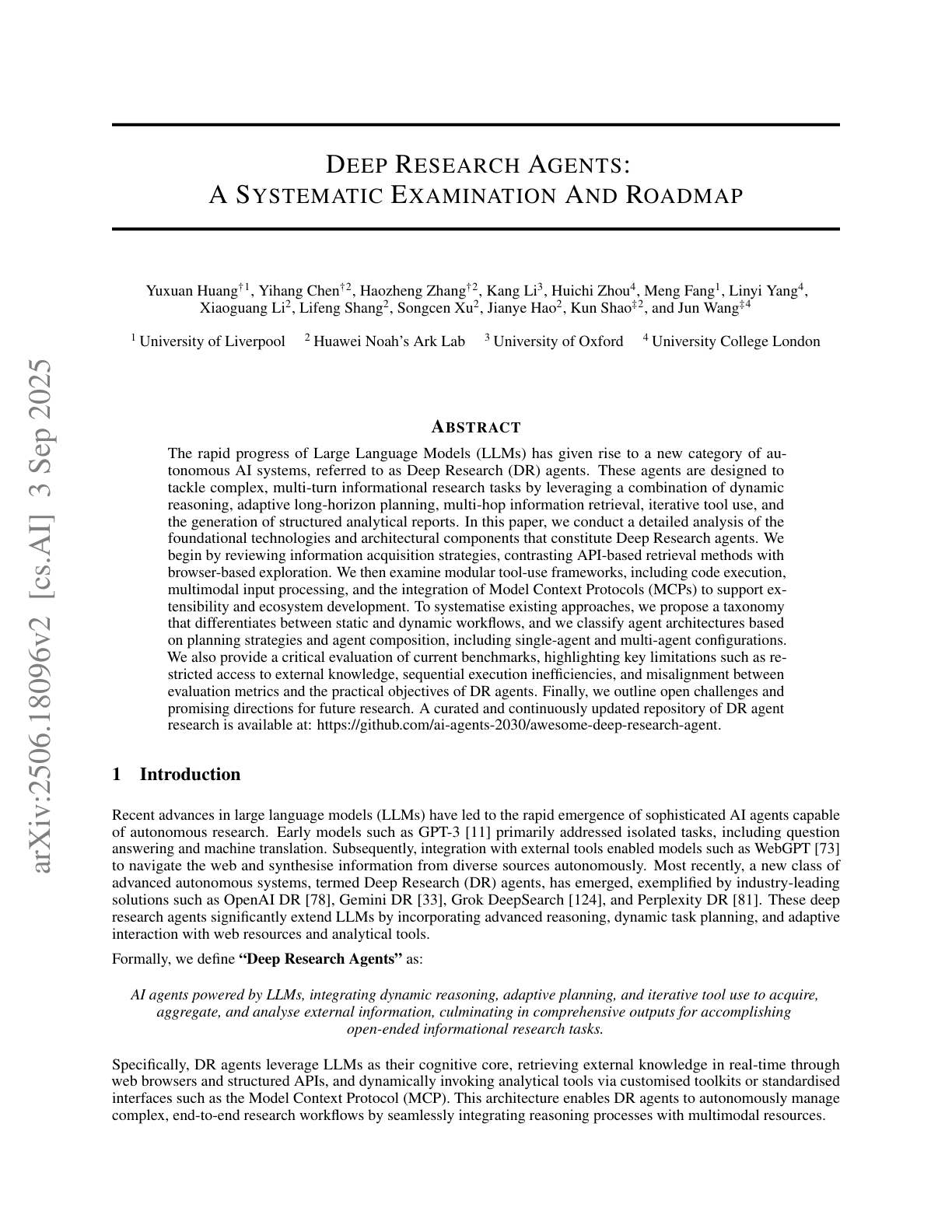
Deep Research Agents
Provides the most comprehensive survey to date of Deep Research (DR) agents, LLM-powered systems built for autonomous, multi-step informational research. The paper defines DR agents as AI systems that tightly integrate dynamic reasoning, adaptive long-horizon planning, tool use, retrieval, and structured report generation. It establishes a taxonomy of DR architectures, evaluates recent advances, and outlines the limitations of current systems and benchmarks.
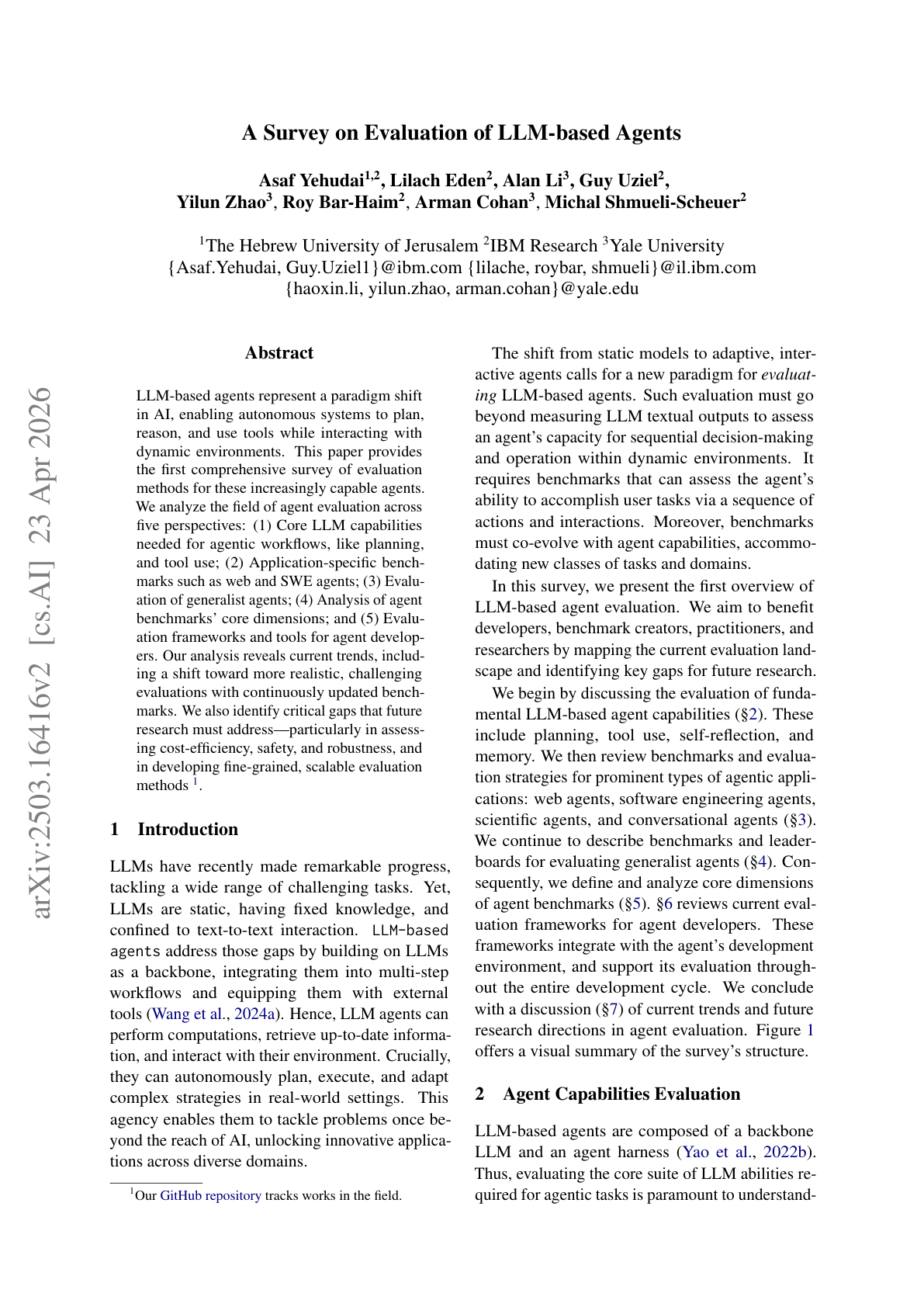
Survey on Evaluation of LLM-based Agents
This work presents the first comprehensive overview of how to evaluate LLM-based agents, which differ significantly from traditional LLMs by maintaining memory, planning over multiple steps, using tools, and interacting with dynamic environments. The authors categorize and analyze the evaluation landscape across four axes: core agent capabilities, application-specific agent benchmarks, generalist agent evaluation, and supporting evaluation frameworks.
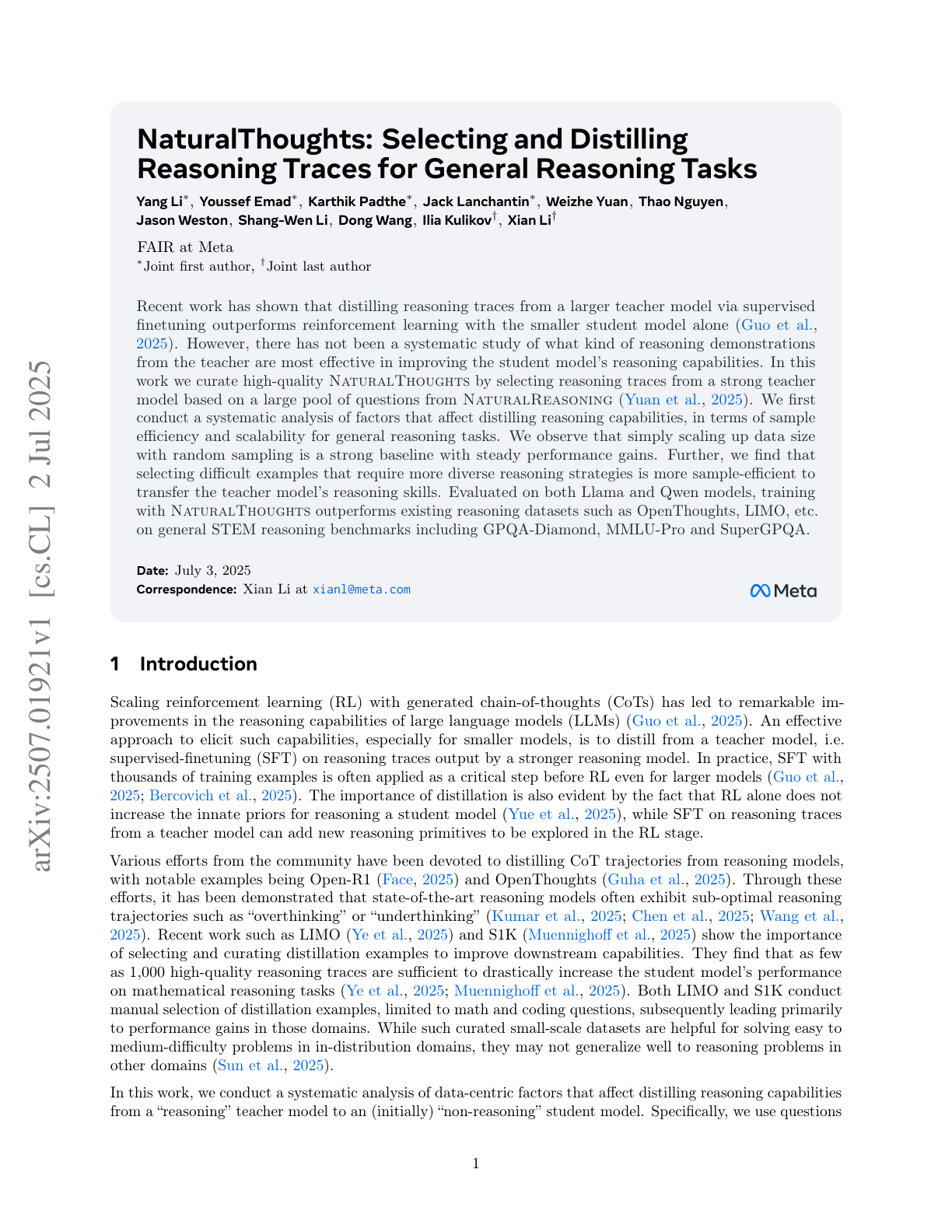
NaturalThoughts
This paper introduces NaturalThoughts, a large-scale dataset of reasoning traces distilled from DeepSeek-R1 using questions from the NaturalReasoning corpus. It challenges the "Less is More" hypothesis by showing that simply scaling up high-quality reasoning traces, without aggressive filtering, yields robust and general improvements across STEM reasoning tasks for smaller models like Llama-3.1-8B and Qwen-2.5-7B.
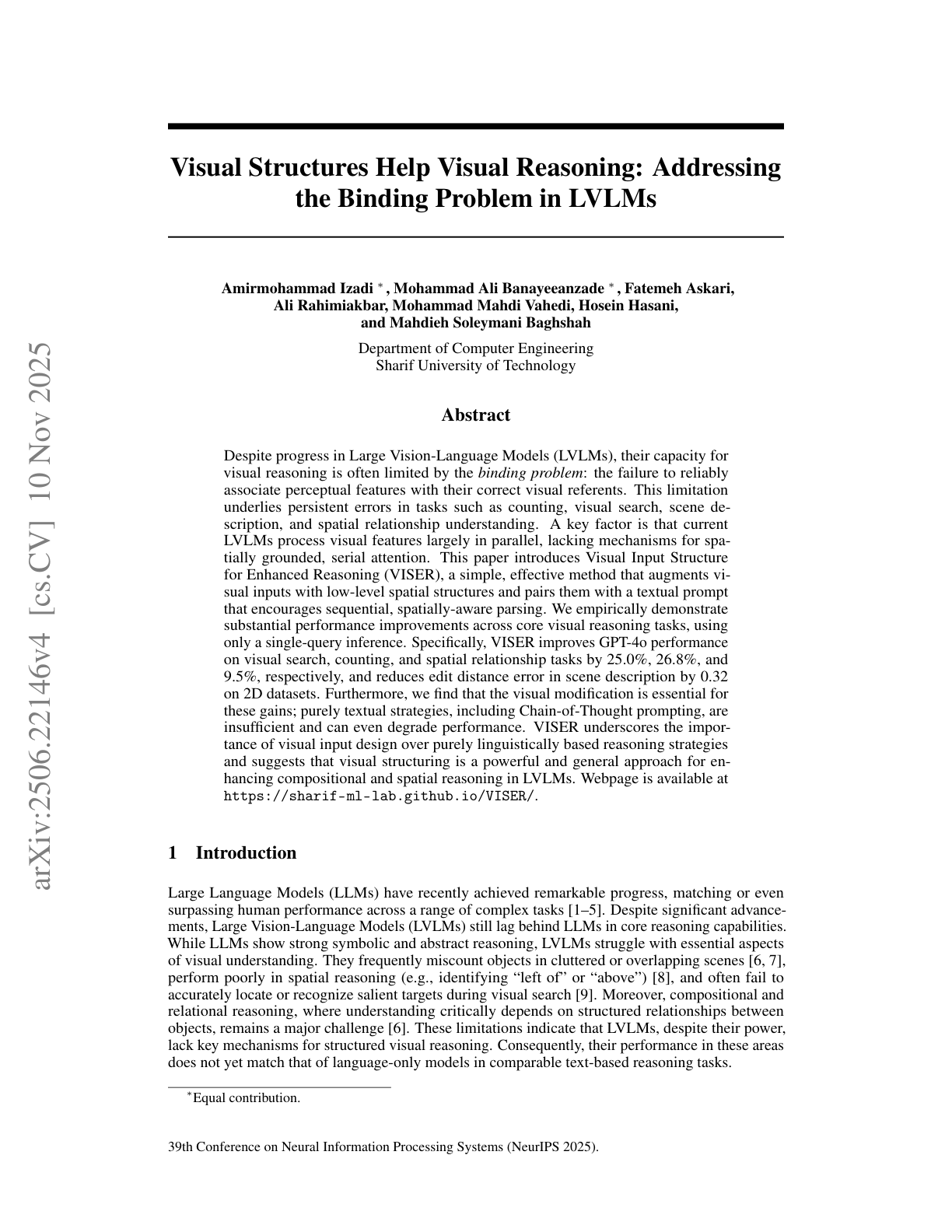
Visual Structures Help Visual Reasoning
This study shows that adding simple spatial structures (like horizontal lines) to images significantly boosts GPT-4o’s visual reasoning by improving feature binding. This visual input tweak outperforms textual strategies alone, yielding large gains in visual search (+25%), counting (+26.8%), and spatial understanding (+9.5%).
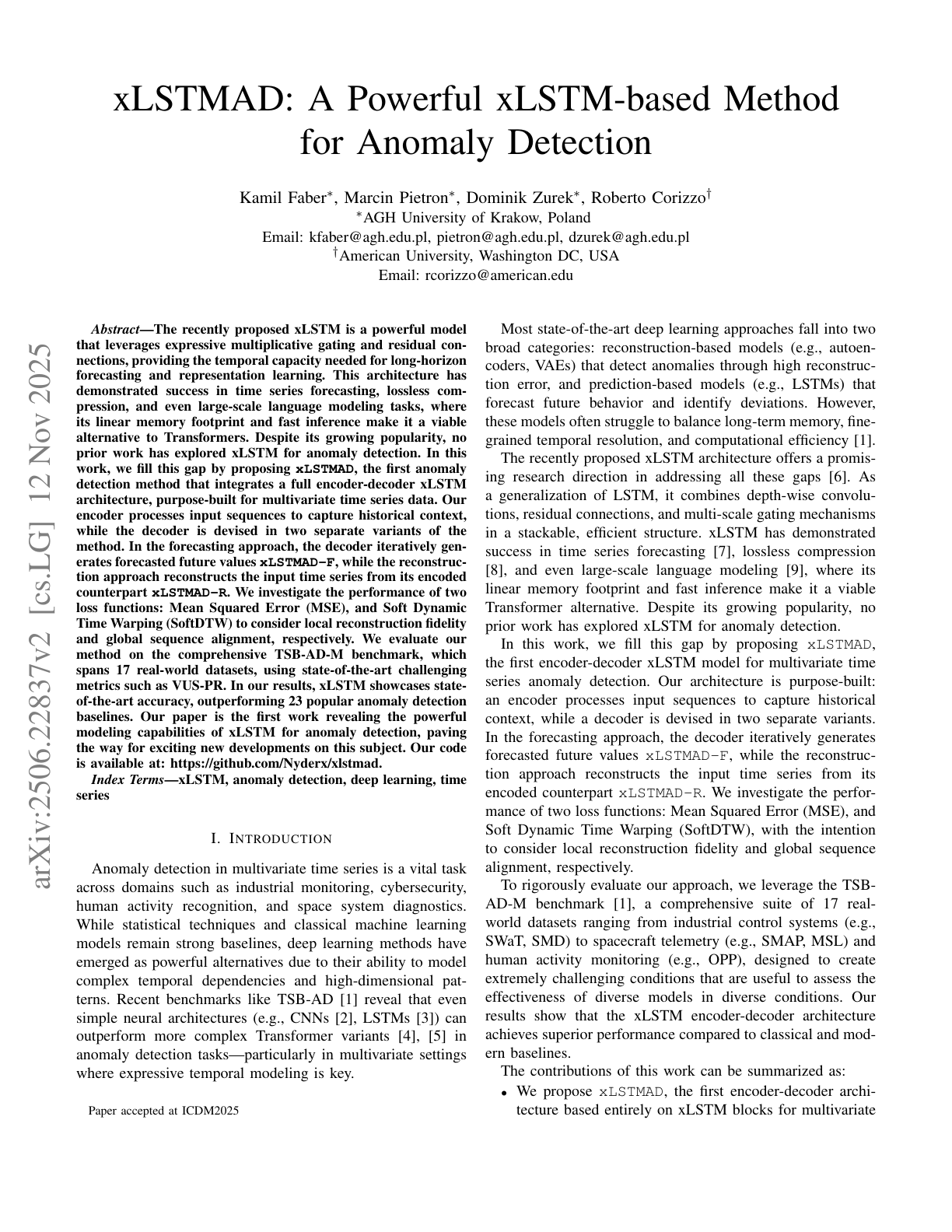
xLSTMAD
This paper introduces xLSTMAD, the first anomaly detection method using an encoder-decoder xLSTM architecture tailored for multivariate time series. It achieves state-of-the-art results on 17 real-world datasets, outperforming 23 baselines and demonstrating xLSTM’s strong potential beyond forecasting and compression.
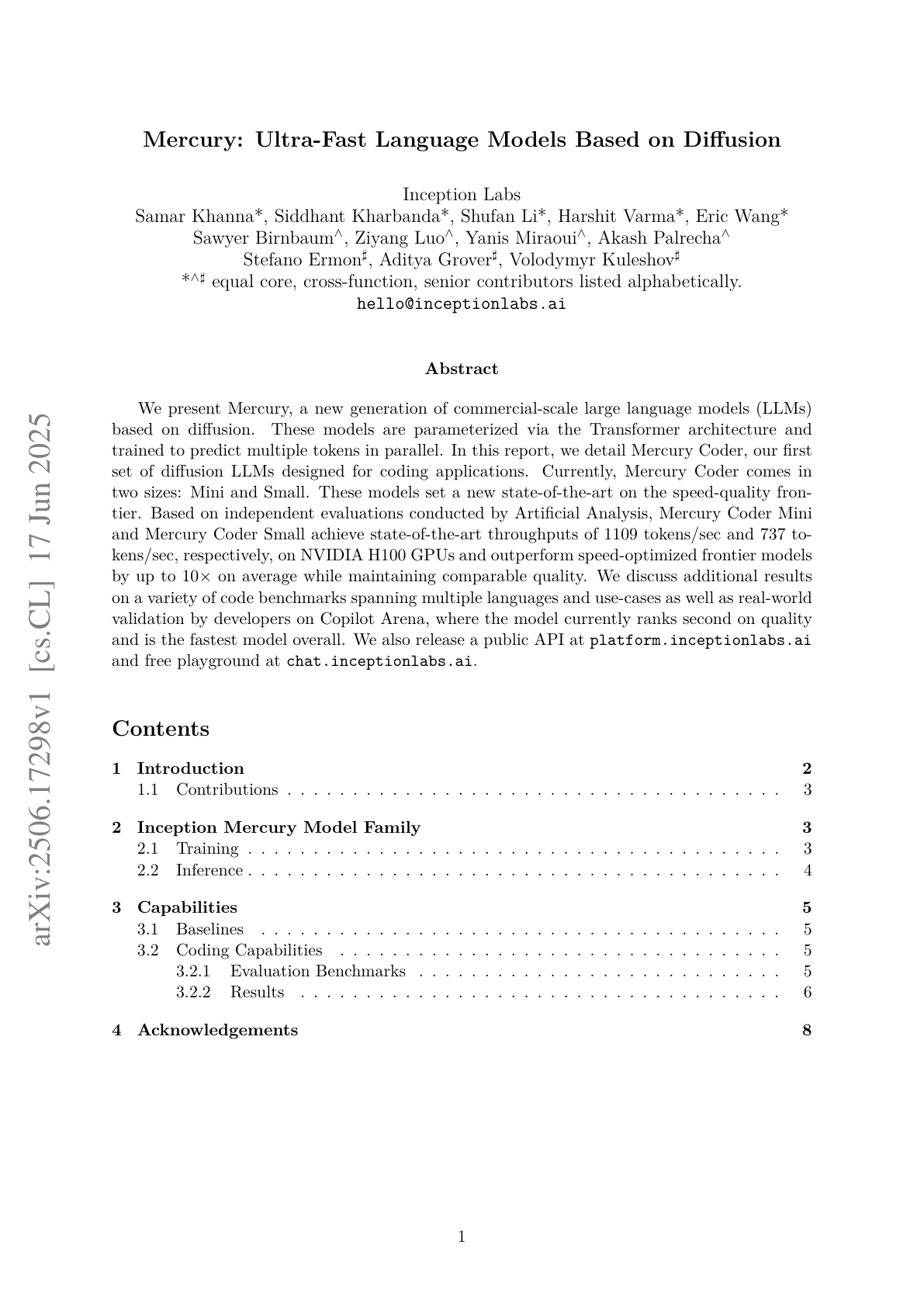
Ultra-Fast Diffusion-based Language Models
This paper introduces Mercury, a family of large-scale diffusion-based language models (dLLMs) optimized for ultra-fast inference. Unlike standard autoregressive LLMs, Mercury models generate multiple tokens in parallel via a coarse-to-fine refinement process. This approach enables significantly higher throughput without sacrificing output quality. The initial release focuses on code generation, with Mercury Coder Mini and Small models achieving up to 1109 and 737 tokens/sec, respectively, on NVIDIA H100s, outperforming speed-optimized frontier models by up to 10× while matching or exceeding their quality.
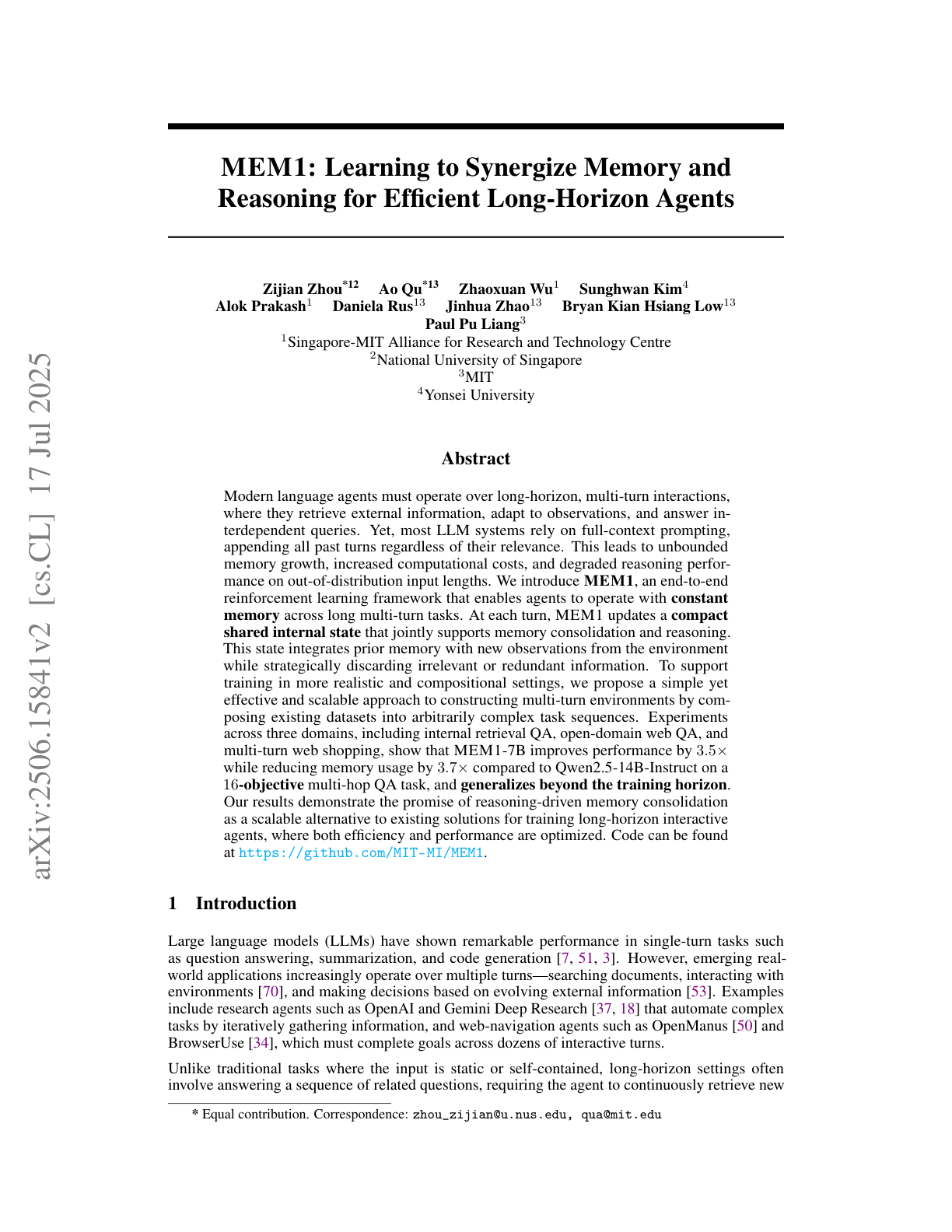
MEM1
This work introduces MEM1, an RL framework for training language agents that operate efficiently over long-horizon, multi-turn tasks by learning to consolidate memory and reasoning into a compact internal state. Unlike traditional agents that append all past interactions, leading to ballooning memory usage and degraded performance, MEM1 maintains a constant memory size by discarding obsolete context after each reasoning step. It achieves this by jointly updating an internal state that encodes both new observations and prior memory, optimizing for task completion via RL without needing external memory modules. Key contributions and findings:
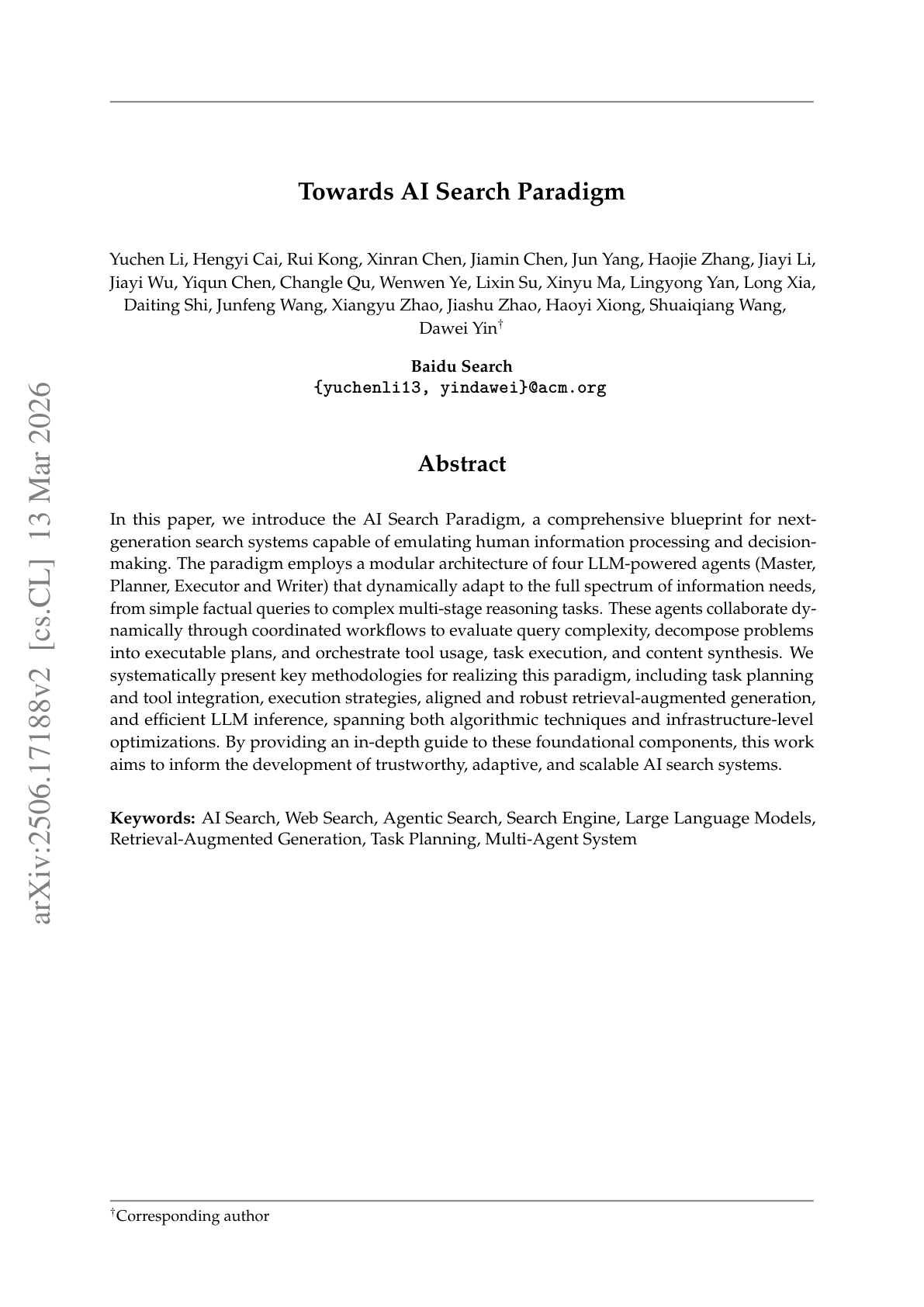
Towards AI Search Paradigm
Proposes a modular multi-agent system that reimagines how AI handles complex search tasks, aiming to emulate human-like reasoning and information synthesis. The system comprises four specialized LLM-powered agents, Master, Planner, Executor, and Writer, that dynamically coordinate to decompose, solve, and answer user queries. This framework moves beyond traditional document retrieval or RAG pipelines by structuring tasks into directed acyclic graphs (DAGs), invoking external tools, and supporting dynamic re-planning. Key contributions include:
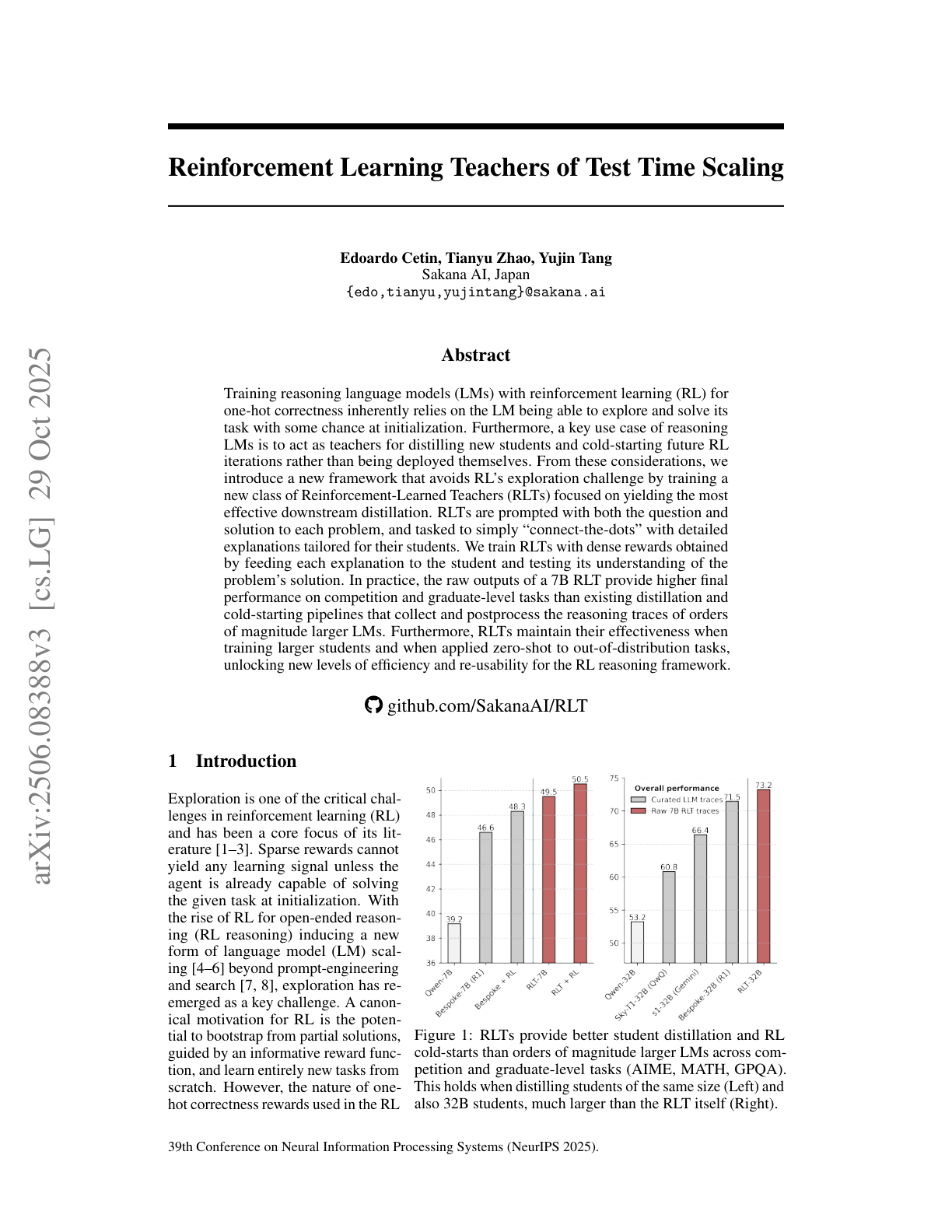
Reinforcement-Learned Teachers of Test Time Scaling
Introduces Reinforcement-Learned Teachers (RLTs), small, efficient LMs trained with RL not to solve problems from scratch, but to generate high-quality explanations that help downstream student models learn better. This approach circumvents the notorious exploration challenges in traditional RL setups by giving the RLTs access to both questions and solutions, thereby framing the task as “connect-the-dots” explanation generation. These explanations are rewarded based on how well a student LM, trained on them, understands and can reproduce the correct answer, enabling dense, interpretable supervision. Key contributions and findings:
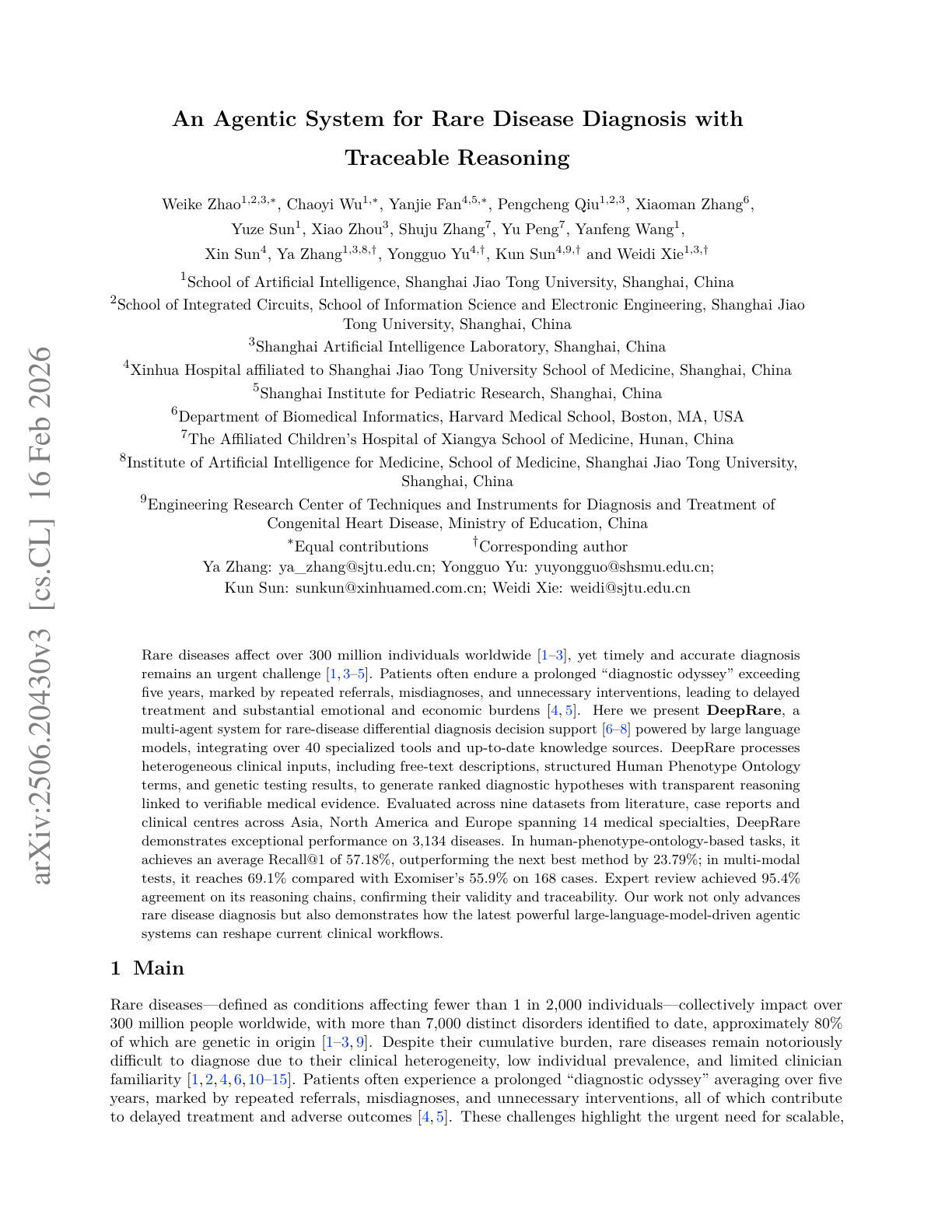
DeepRare
Introduces DeepRare, a modular agentic system powered by LLMs to aid rare disease diagnosis from multimodal clinical inputs (text, HPO terms, VCFs). It generates ranked diagnostic hypotheses with fully traceable reasoning chains linked to verifiable medical sources, addressing a long-standing need for interpretability in clinical AI.
AlphaGenome
Google DeepMind introduces AlphaGenome, a powerful AI model designed to predict how genetic variants affect gene regulation by modeling up to 1 million DNA base pairs at single-base resolution. Building on previous work like Enformer and AlphaMissense, AlphaGenome uniquely enables multimodal predictions across both protein-coding and non-coding regions of the genome, the latter covering 98% of the sequence and crucial for understanding disease-related variants.
Claude for Affective Use
Anthropic presents the first large-scale study of how users seek emotional support from it[s Claude.ai](http://claude.ai/) assistant, analyzing over 4.5 million conversations. Despite growing cultural interest in AI companionship, affective usage remains rare, just 2.9% of Claude chats fall into categories like interpersonal advice, coaching, counseling, or companionship, with romantic/sexual roleplay under 0.1%. The study focuses on these affective conversations and yields several insights:
AI Agent Communication Protocols
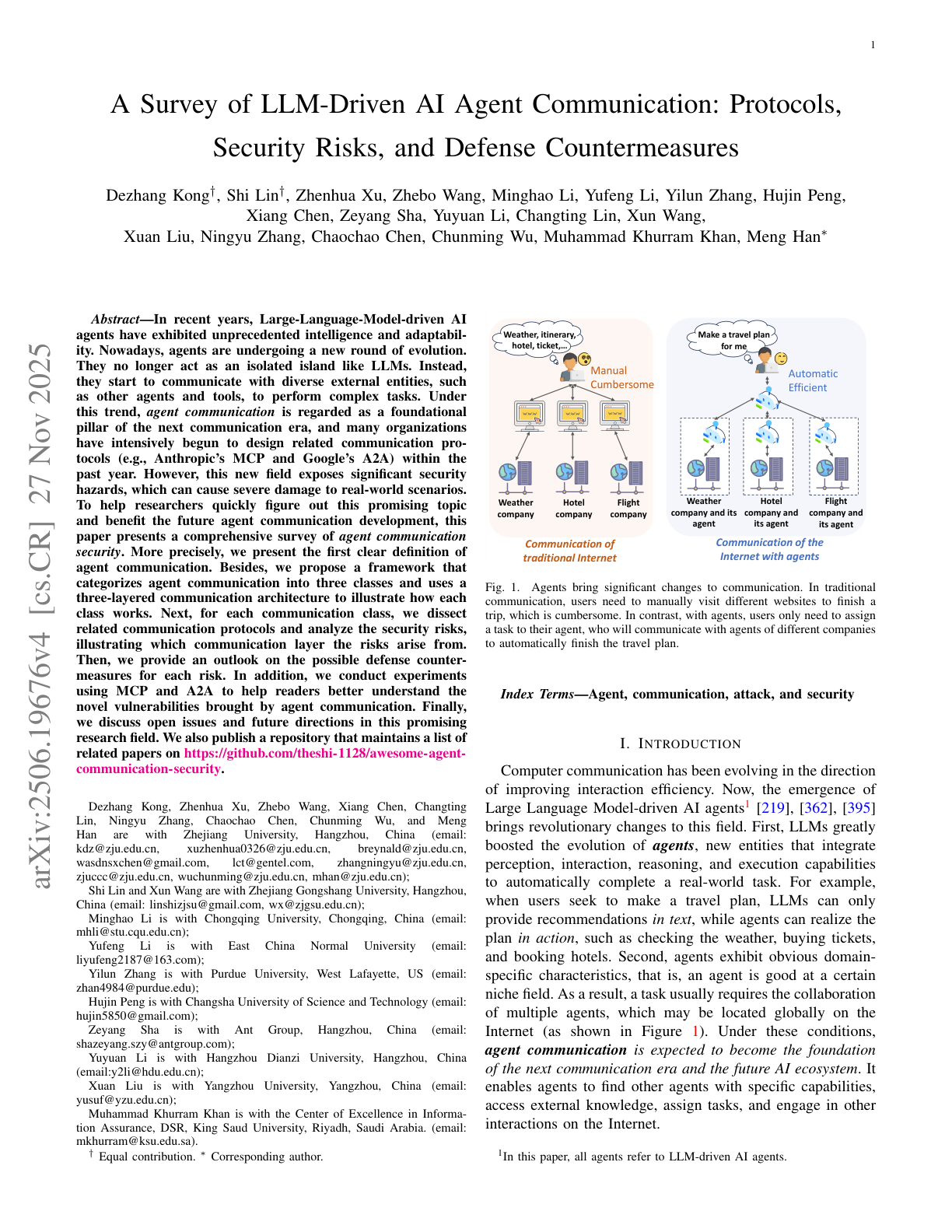
This paper presents the first comprehensive survey on security in LLM-driven agent communication, categorizing it into three stages: user-agent interaction, agent-agent communication, and agent-environment communication. It details protocols, security threats (e.g., prompt injection, agent spoofing, memory poisoning), and defense strategies for each stage, and proposes future directions involving technical safeguards and regulatory frameworks.
Diffusion Steering via RL
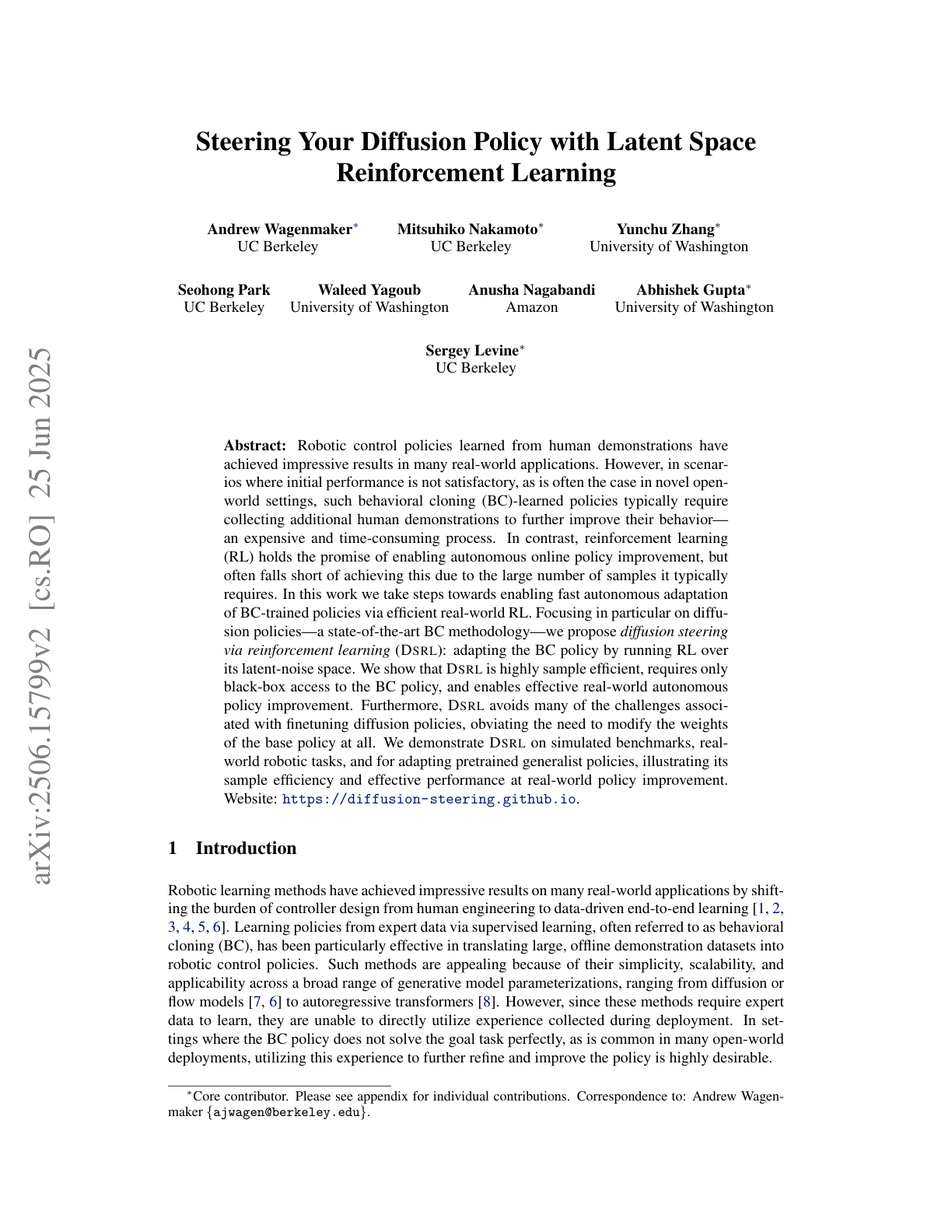
This paper introduces Diffusion Steering via Reinforcement Learning (DSRL), a method for adapting pretrained diffusion policies by learning in their latent-noise space instead of finetuning model weights. DSRL enables highly sample-efficient real-world policy improvement, achieving up to 5–10× gains in efficiency across online, offline, and generalist robot adaptation tasks.