AI Papers of the Week
Every paper worth reading in AI, hand-picked one week at a time.
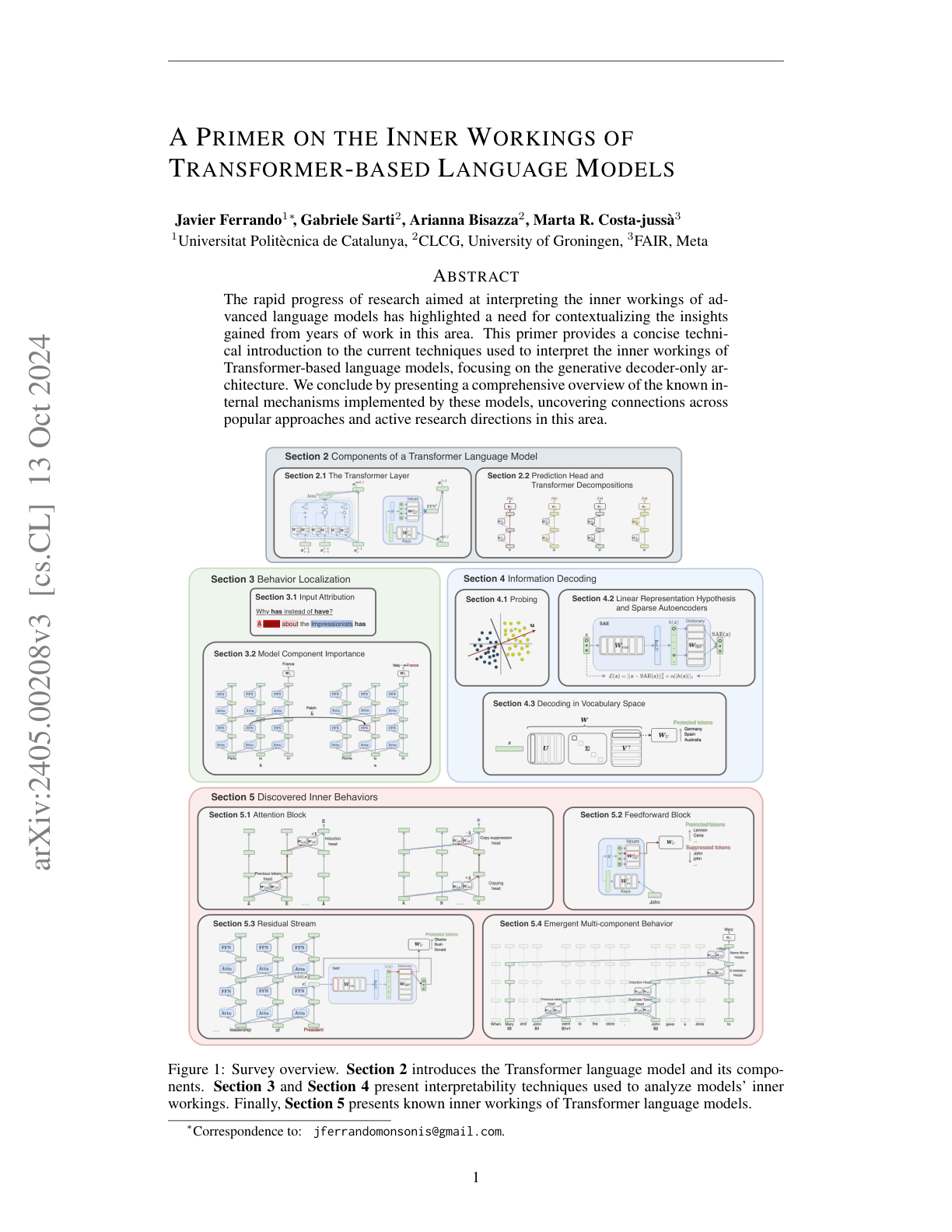
Inner Workings of Transformer Language Models
presents a technical introduction to current techniques used to interpret the inner workings of Transformer-based language models; it provides a detailed overview of the internal mechanisms implemented in these models.
Multimodal LLM Hallucinations
provides an overview of the recent advances in identifying, evaluating, and mitigating hallucination in multimodal LLMs; it also provides an overview of causes, evaluation benchmarks, metrics, and other strategies to deal with challenges related to detecting hallucinations.
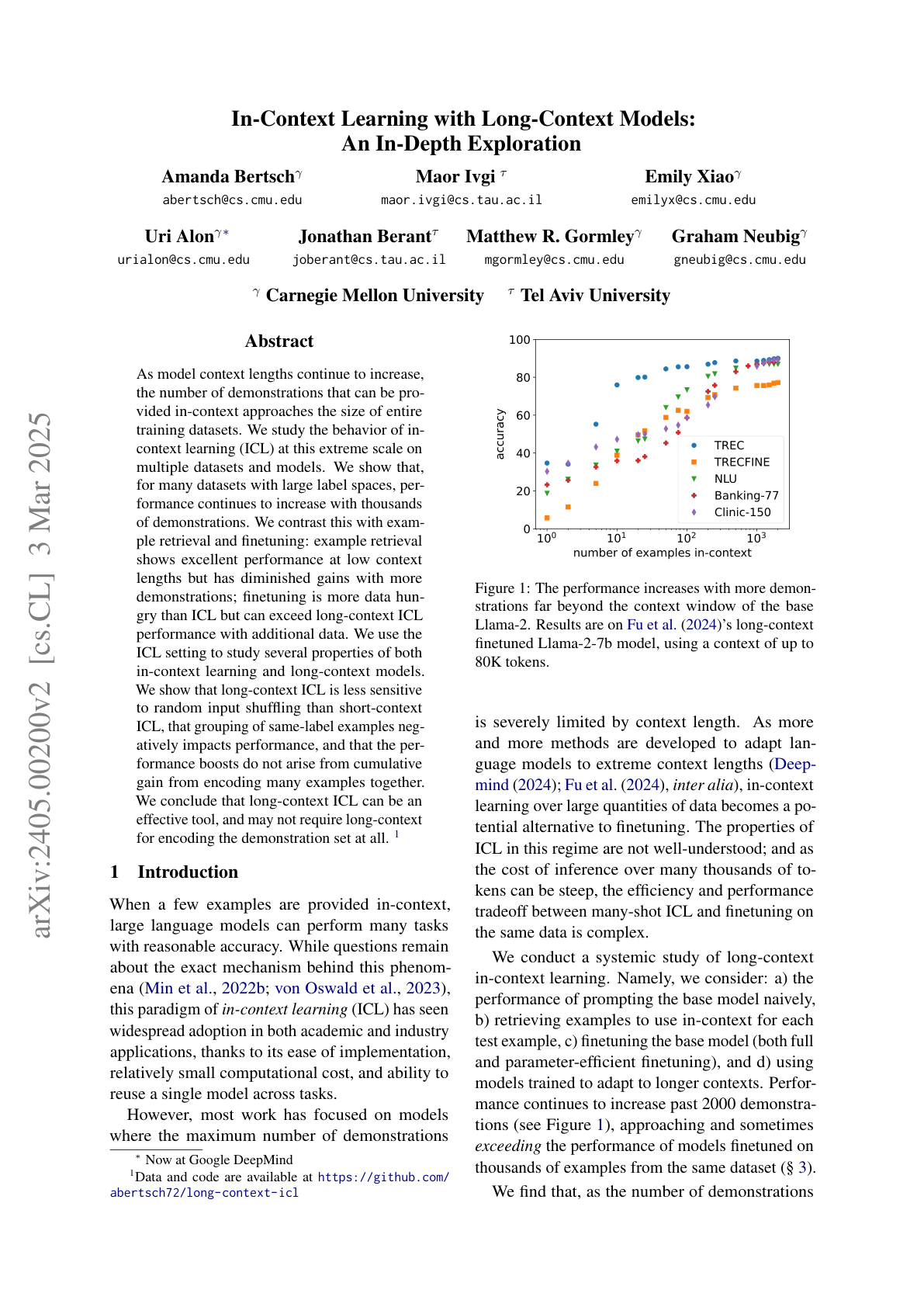
In-Context Learning with Long-Context Models
studies the behavior in-context learning of LLMs at extreme context lengths with long-context models; shows that performance increases as hundreds or thousands of demonstrations are used; demonstrates that long-context ICL is less sensitive to random input shuffling than short-context ICL; concludes that the effectiveness of long-context LLMs is not due to task learning but from attending to similar examples.
Phi-3
Microsoft's Phi-3 is a family of small language models (3.8B, 7B, 14B) trained on 3.3-4.8T tokens of heavily filtered web data combined with synthetic data. The flagship phi-3-mini rivals Mixtral 8x7B and GPT-3.5 while being small enough to run locally on a phone.
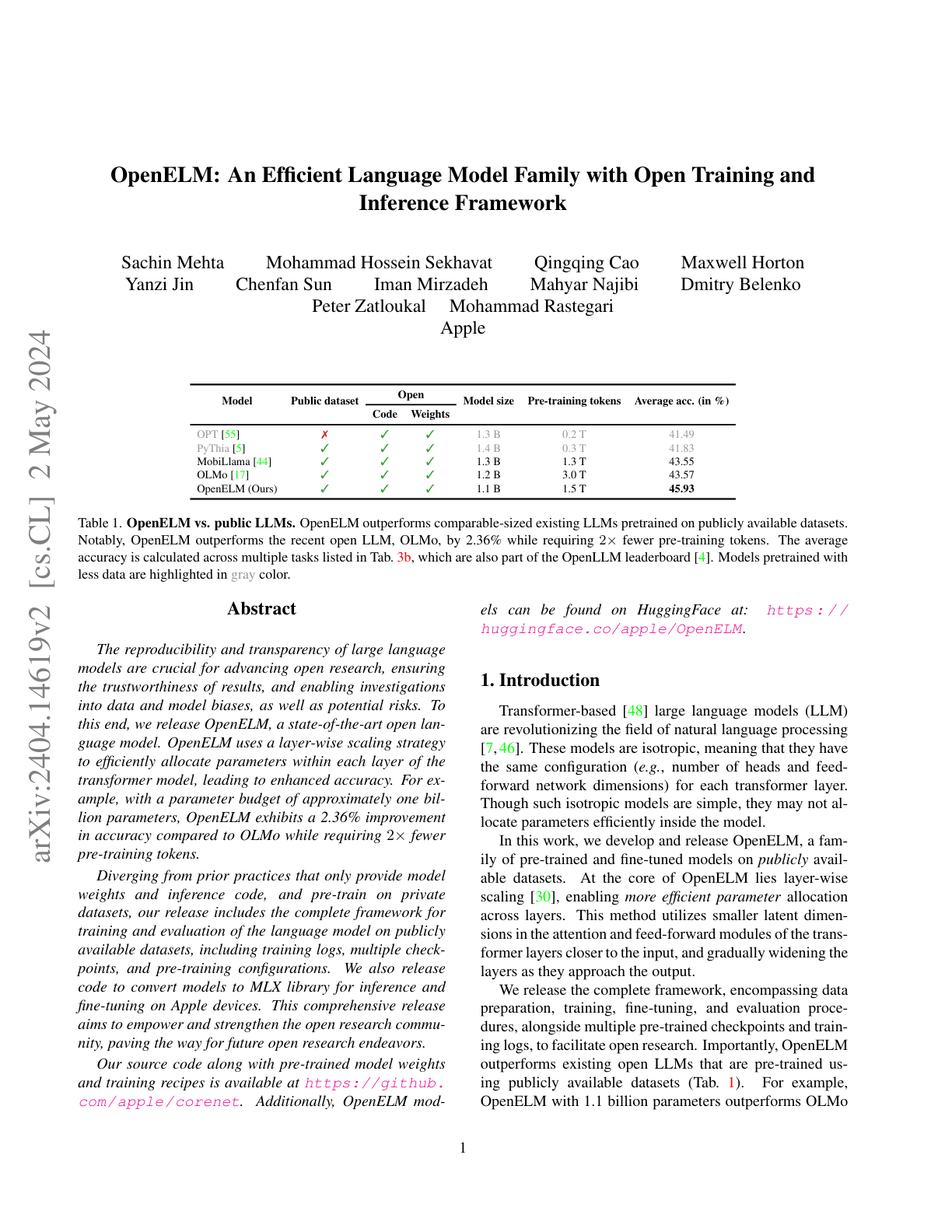
OpenELM
Apple's OpenELM is a fully-open small language model family (270M, 450M, 1.1B, 3B) that uses layer-wise parameter scaling instead of uniform layer widths. At ~1B parameters it improves on OLMo by 2.36% accuracy while using half the pre-training tokens.
Arctic
Snowflake's Arctic is an Apache 2.0 open LLM with a Dense-MoE Hybrid transformer (480B total / 17B active) that matches Llama 3 70B on enterprise metrics while using under 3K GPU weeks (~$2M) of training compute - roughly 17x less than Llama 3 70B.
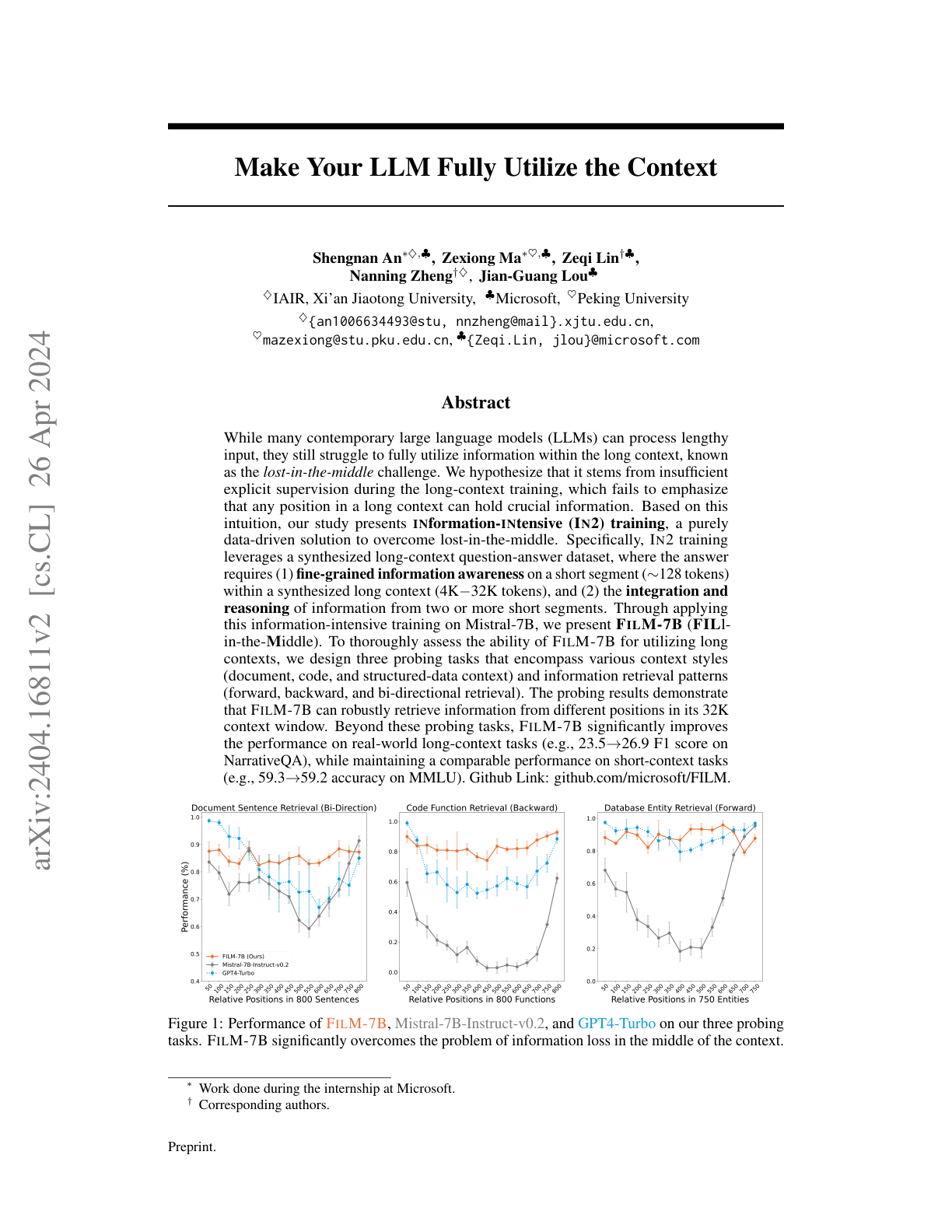
Make Your LLM Fully Utilize the Context (FILM-7B)
FILM-7B targets the lost-in-the-middle problem where long-context LLMs fail to retrieve information buried between the start and end of their input. The authors apply an information-intensive (IN2) training recipe to Mistral-7B that forces uniform attention across the full 32K window.
FineWeb
HuggingFace's FineWeb is a 15 trillion token English web dataset built from 96 CommonCrawl snapshots (2013-2024). In 1.8B-parameter ablations, models trained on FineWeb beat C4, RefinedWeb, Dolma, The Pile, SlimPajama, and RedPajama2 across aggregated benchmarks.
AI-powered Gene Editors
Profluent's OpenCRISPR-1 paper demonstrates that a large protein language model trained on biological diversity at scale can design programmable gene editors from scratch. The AI-designed editors successfully perform precision editing in the human genome.
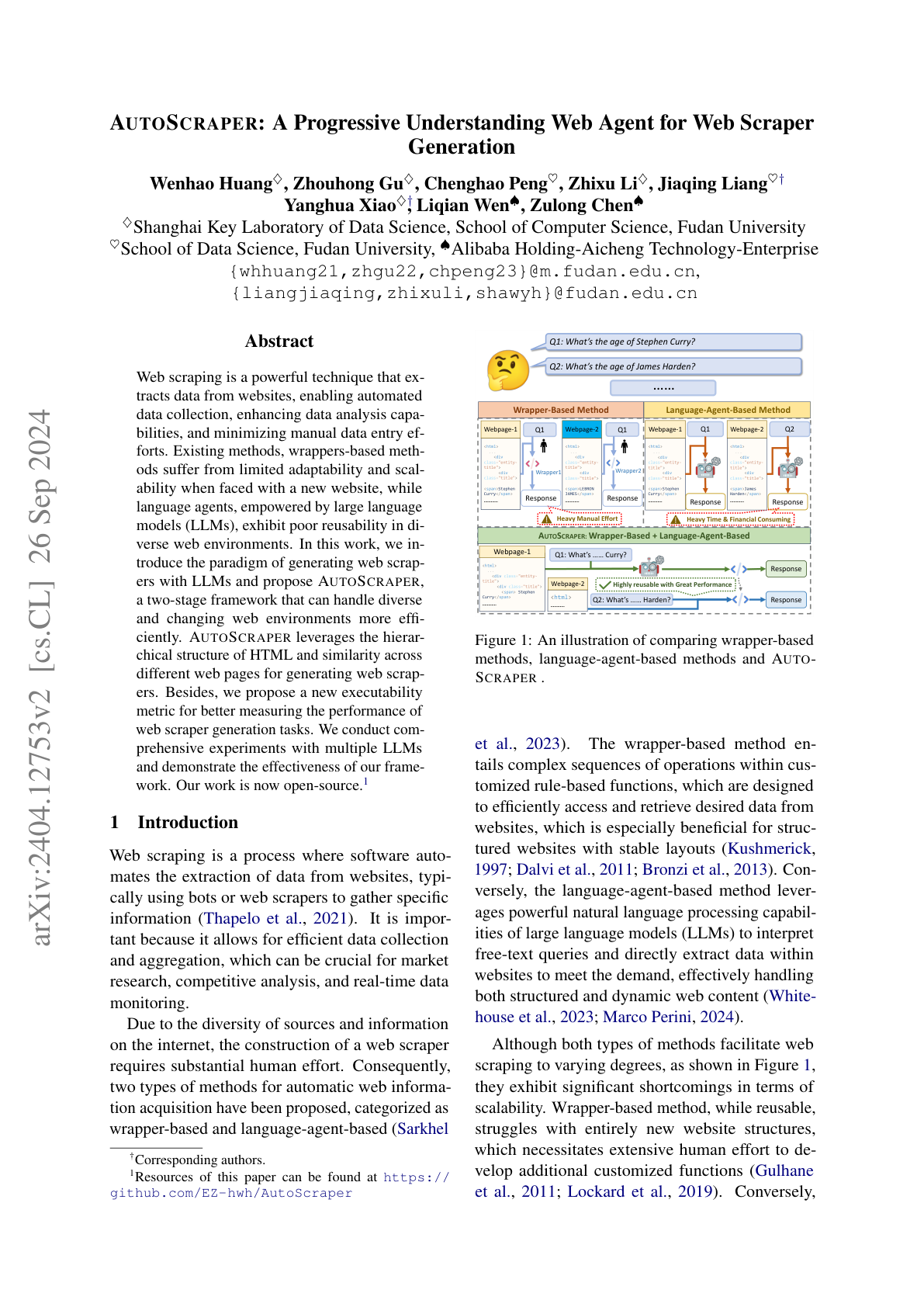
AutoCrawler
AutoCrawler is a two-stage framework that combines LLMs with the hierarchical structure of HTML to auto-generate reusable web scrapers. Wrapper-based scrapers break on new sites and pure LLM agents don't reuse well across pages; AutoCrawler addresses both limitations.
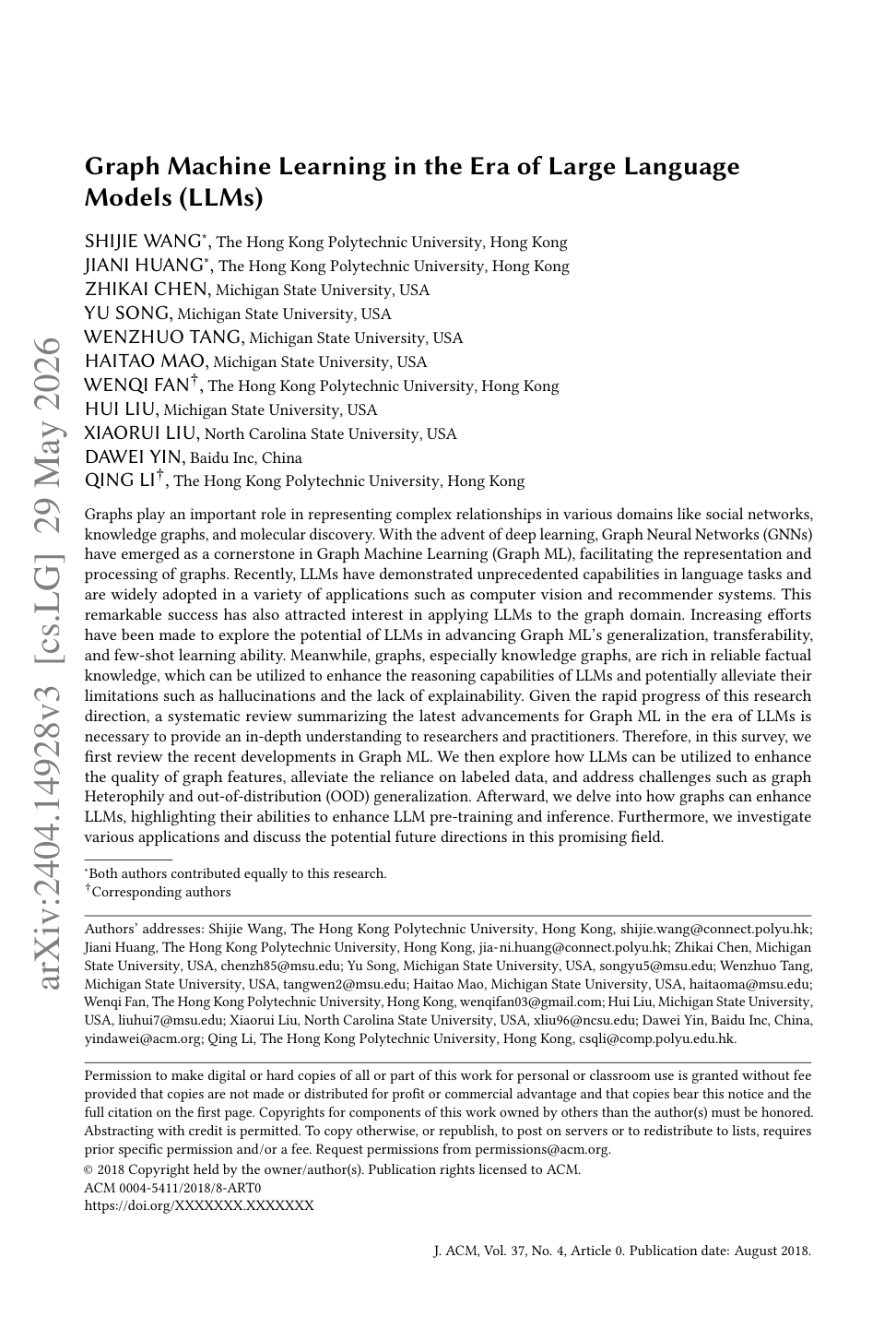
Graph Machine Learning in the Era of LLMs
This survey maps the intersection of Graph ML and LLMs, covering both how LLMs enhance graph learning and how graphs (especially knowledge graphs) strengthen LLMs. The authors organize the literature into a taxonomy and highlight where open problems remain.
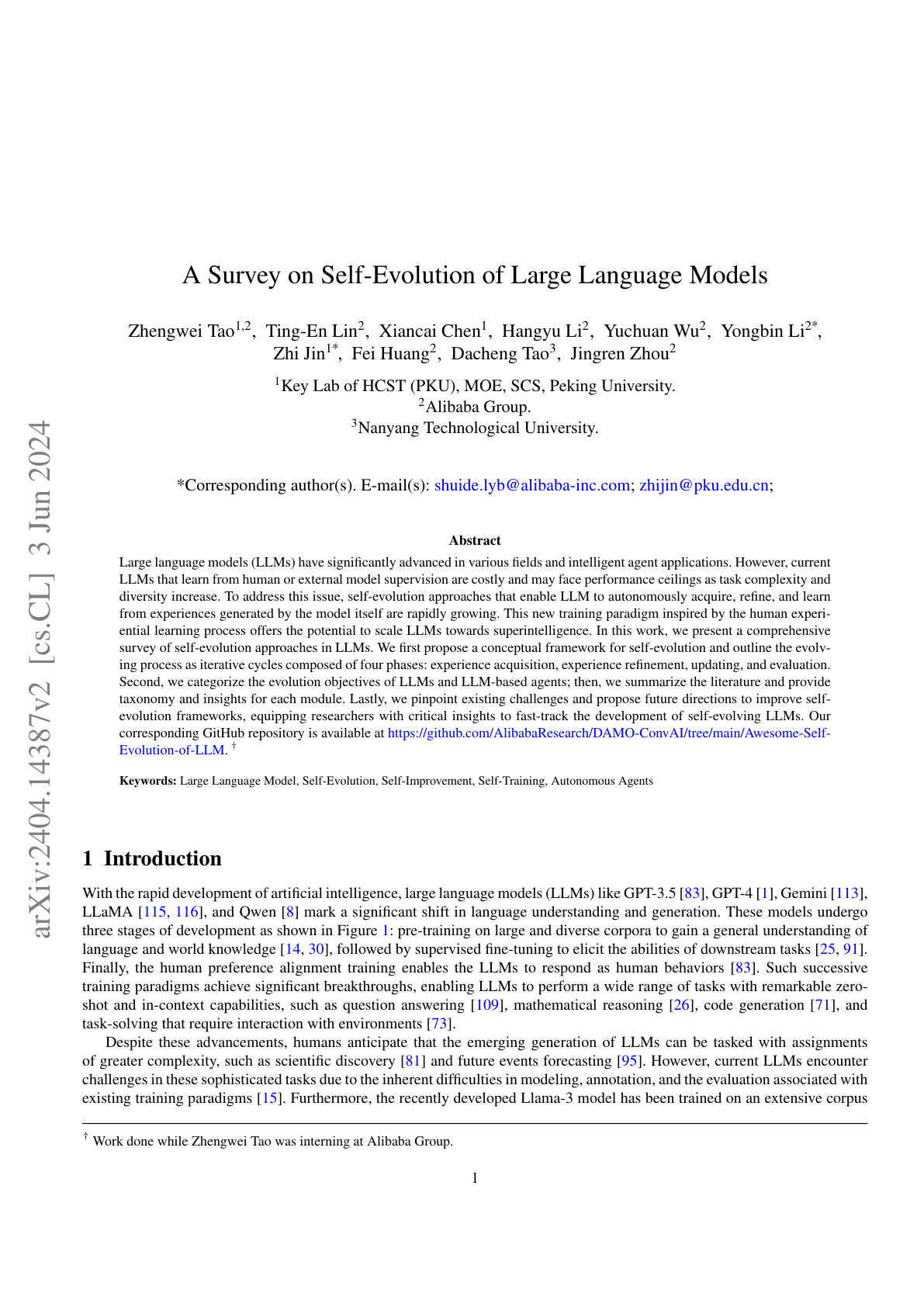
Self-Evolution of LLMs
This survey organizes the emerging literature on self-evolving LLMs - models that improve through their own generated experience rather than additional human supervision. The authors propose a unified four-phase cycle and taxonomize existing methods across both standalone models and agent systems.
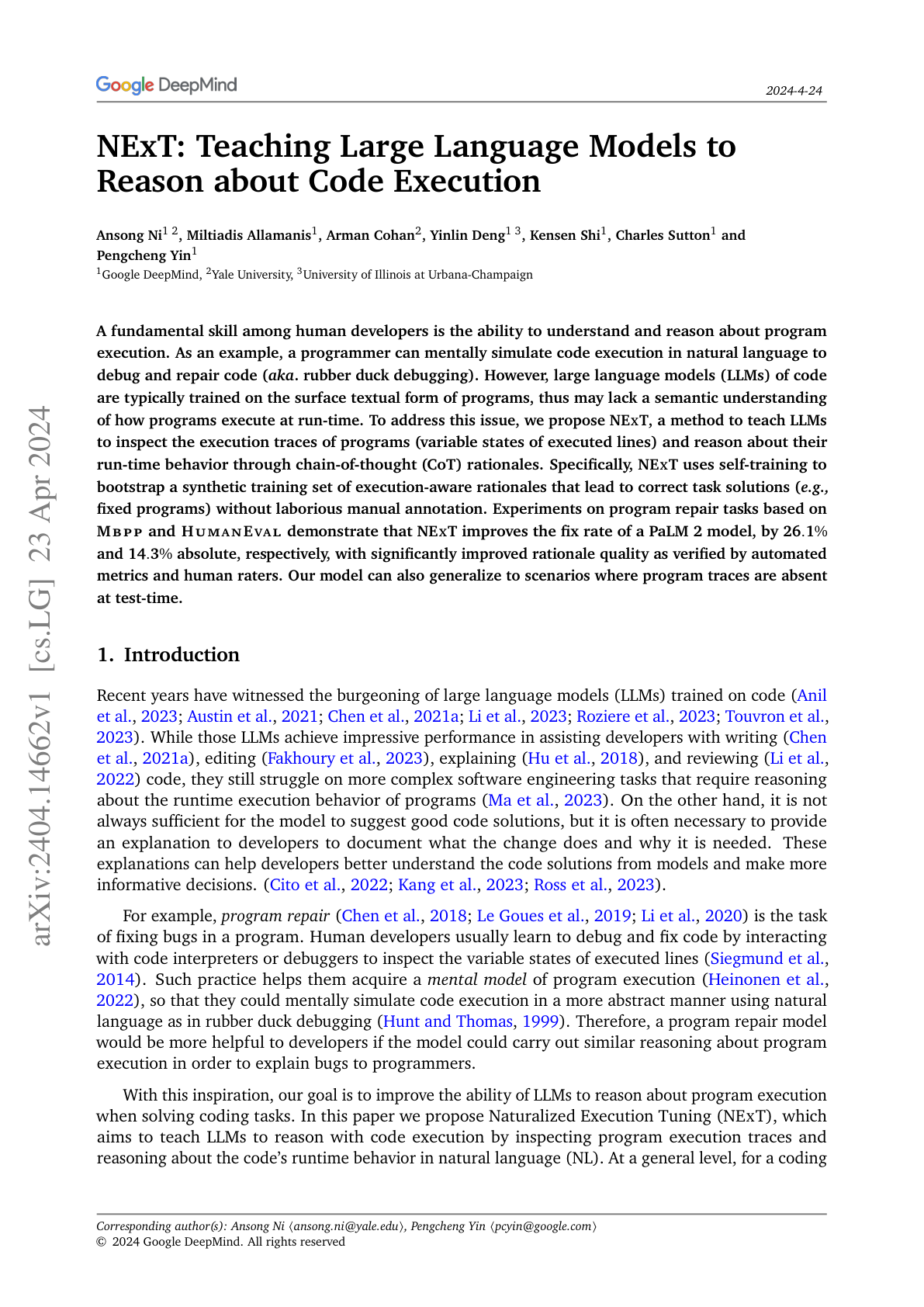
Naturalized Execution Tuning (NExT)
NExT teaches LLMs to reason about program runtime behavior by generating synthetic chain-of-thought rationales over execution traces. The approach bootstraps training data through self-training rather than manual annotation, and the learned reasoning transfers to scenarios where traces are unavailable at inference.
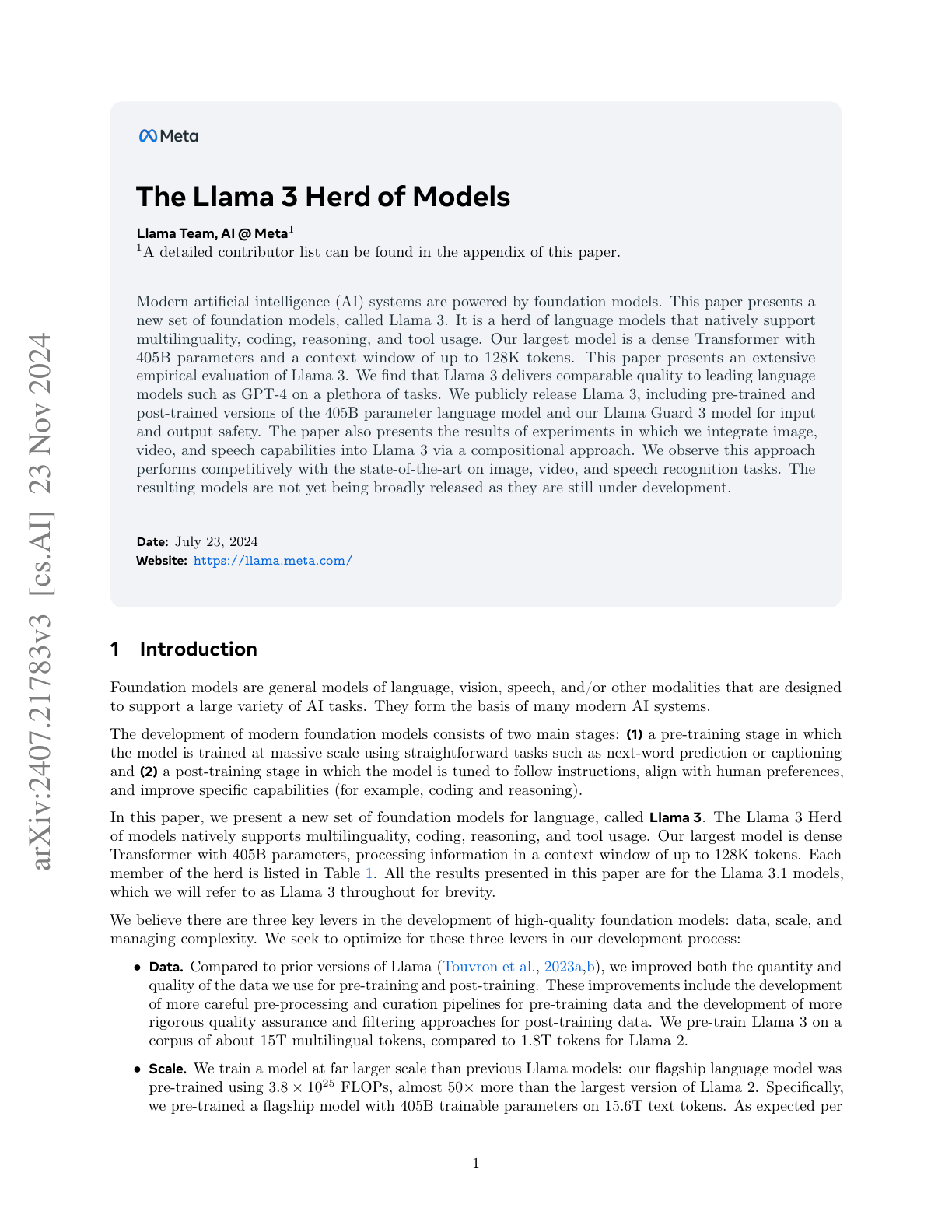
Llama 3
Meta's Llama 3 launches with 8B and 70B pretrained and instruction-tuned variants. Llama 3 8B beats Gemma 7B and Mistral 7B Instruct, and Llama 3 70B is competitive with Gemini Pro 1.5 and Claude 3 Sonnet on standard benchmarks.
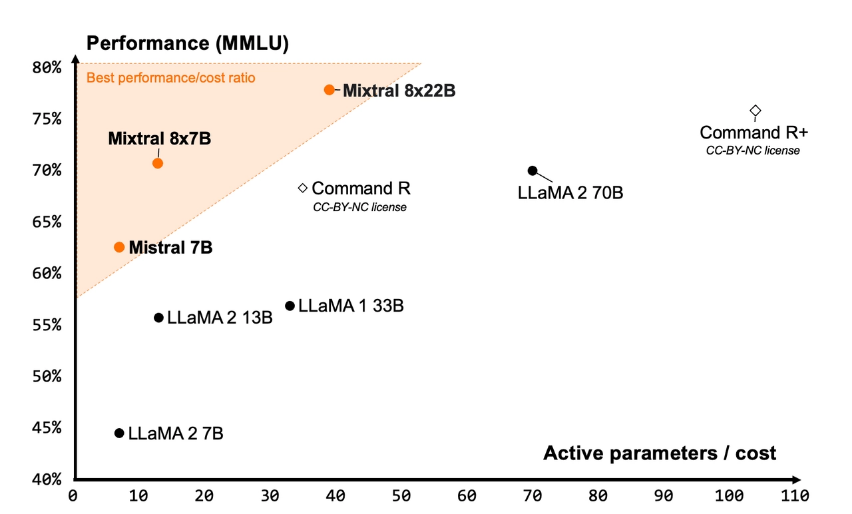
Mixtral 8x22B
Mistral's Mixtral 8x22B is a sparse Mixture-of-Experts model with 141B total / 39B active parameters and a 64K context window, released under Apache 2.0. It leads open models on MMLU and posts strong math, code, and multilingual numbers.
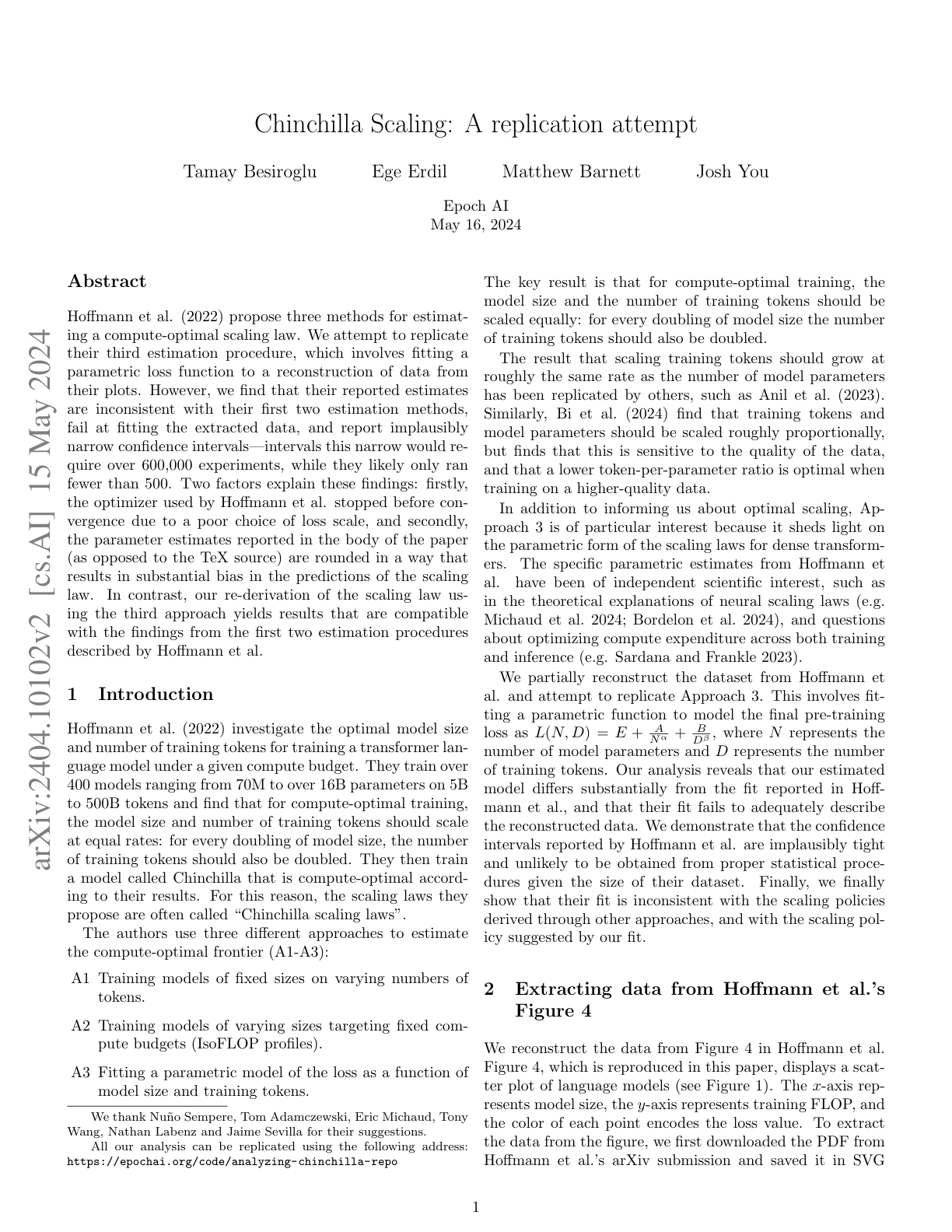
Chinchilla Scaling: A replication attempt
This paper re-examines the third estimation procedure in Hoffmann et al. (2022) Chinchilla scaling law and finds it is inconsistent with the paper's own first two methods, fails to fit the extracted data, and reports implausibly narrow confidence intervals.
How Faithful are RAG Models? (ClashEval)
ClashEval constructs a 1,200-question benchmark across six domains with intentionally corrupted retrieved documents to measure when RAG helps and when it misleads GPT-4 and other top LLMs.
A Survey on Retrieval-Augmented Text Generation for LLMs
This survey organizes the RAG literature into a four-stage framework (pre-retrieval, retrieval, post-retrieval, generation) and traces the paradigm's evolution alongside open challenges.
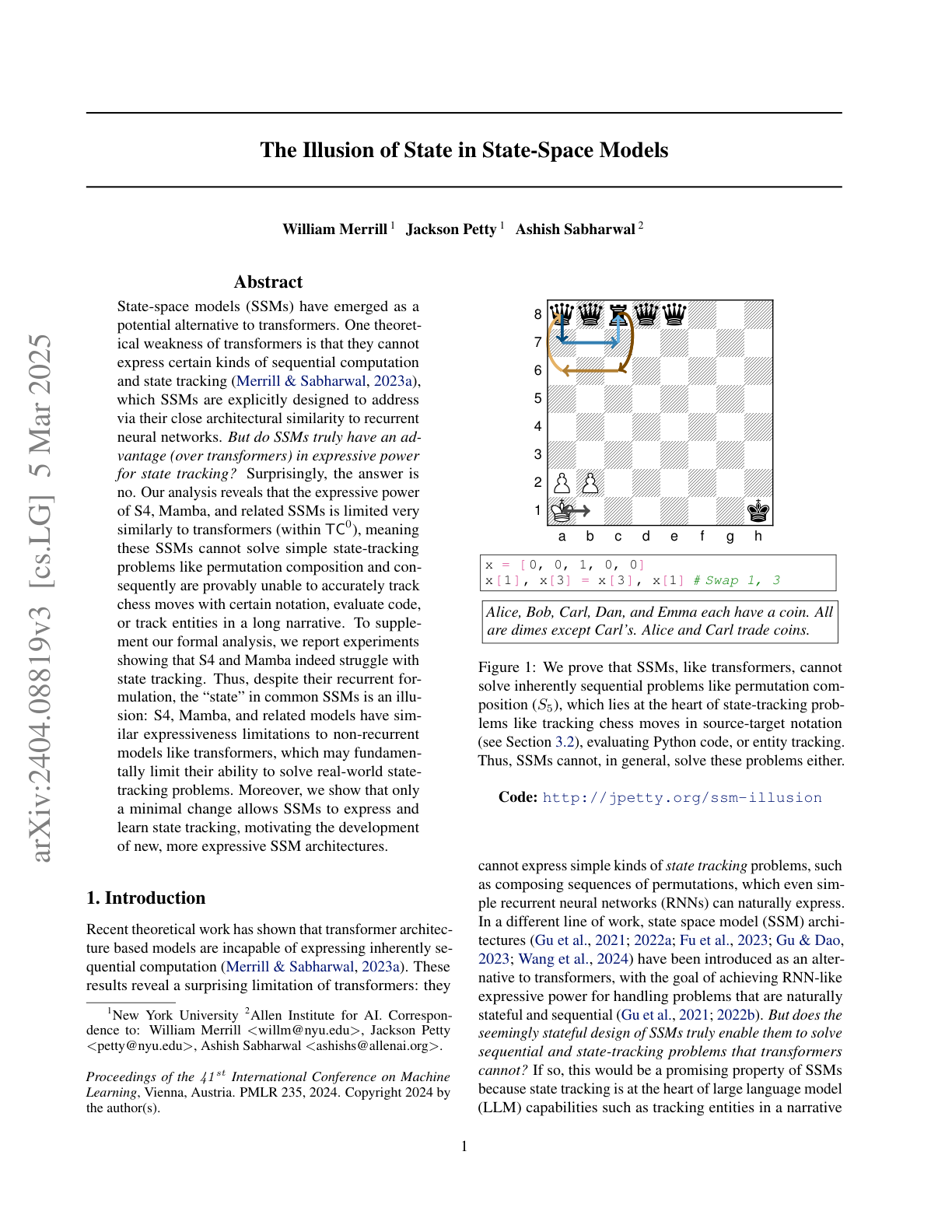
The Illusion of State in State-Space Models
This paper proves that modern state-space models (Mamba, S4, etc.) share the same expressive ceiling as transformers: they cannot compute anything outside the TC^0 complexity class, despite the RNN-like "state" vocabulary they borrow.
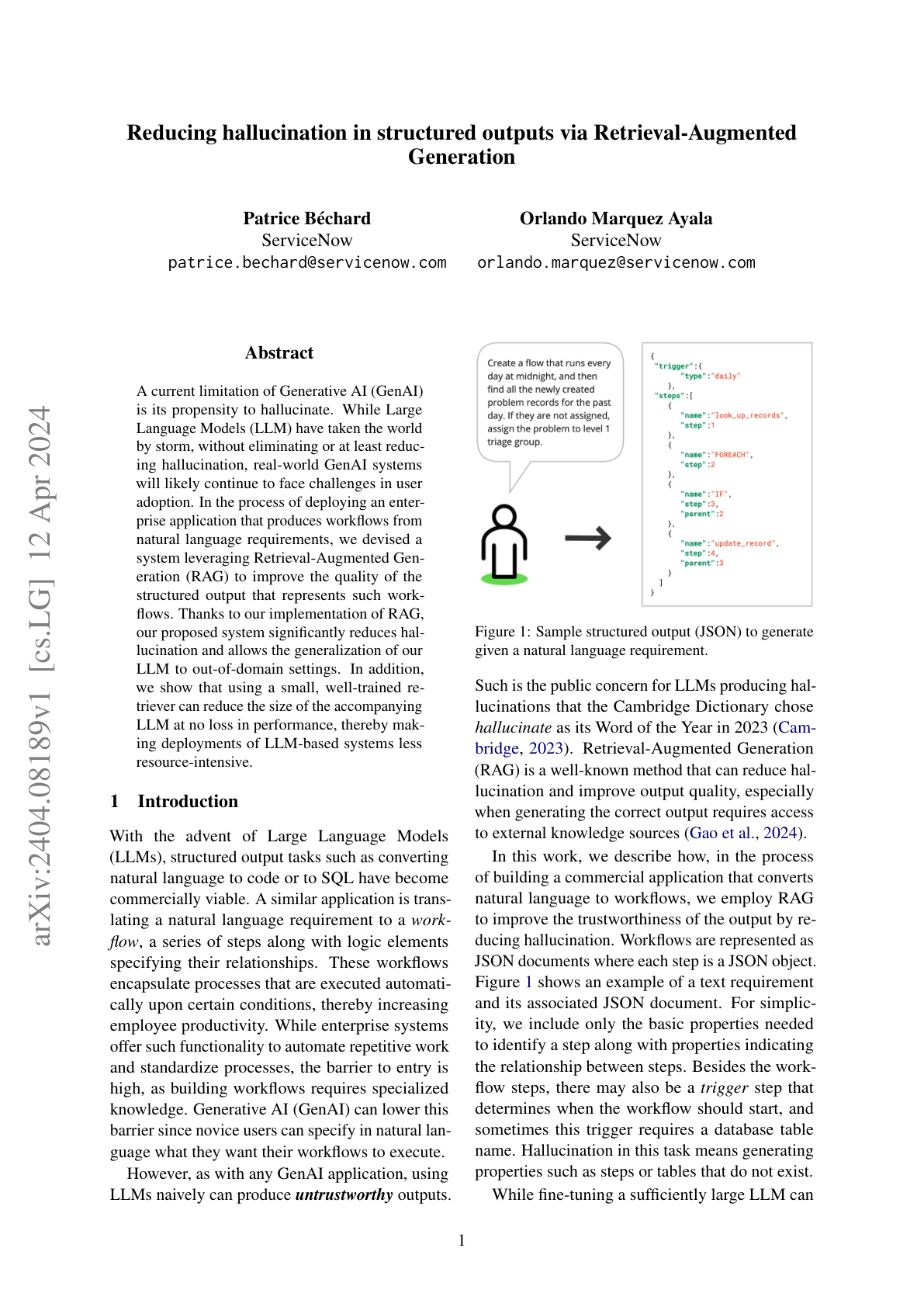
Reducing Hallucination in Structured Outputs via RAG
This paper deploys a compact RAG pipeline - small retriever plus small LM - for an enterprise workflow-generation task and shows it reduces hallucination while improving out-of-domain generalization vs a baseline LLM.
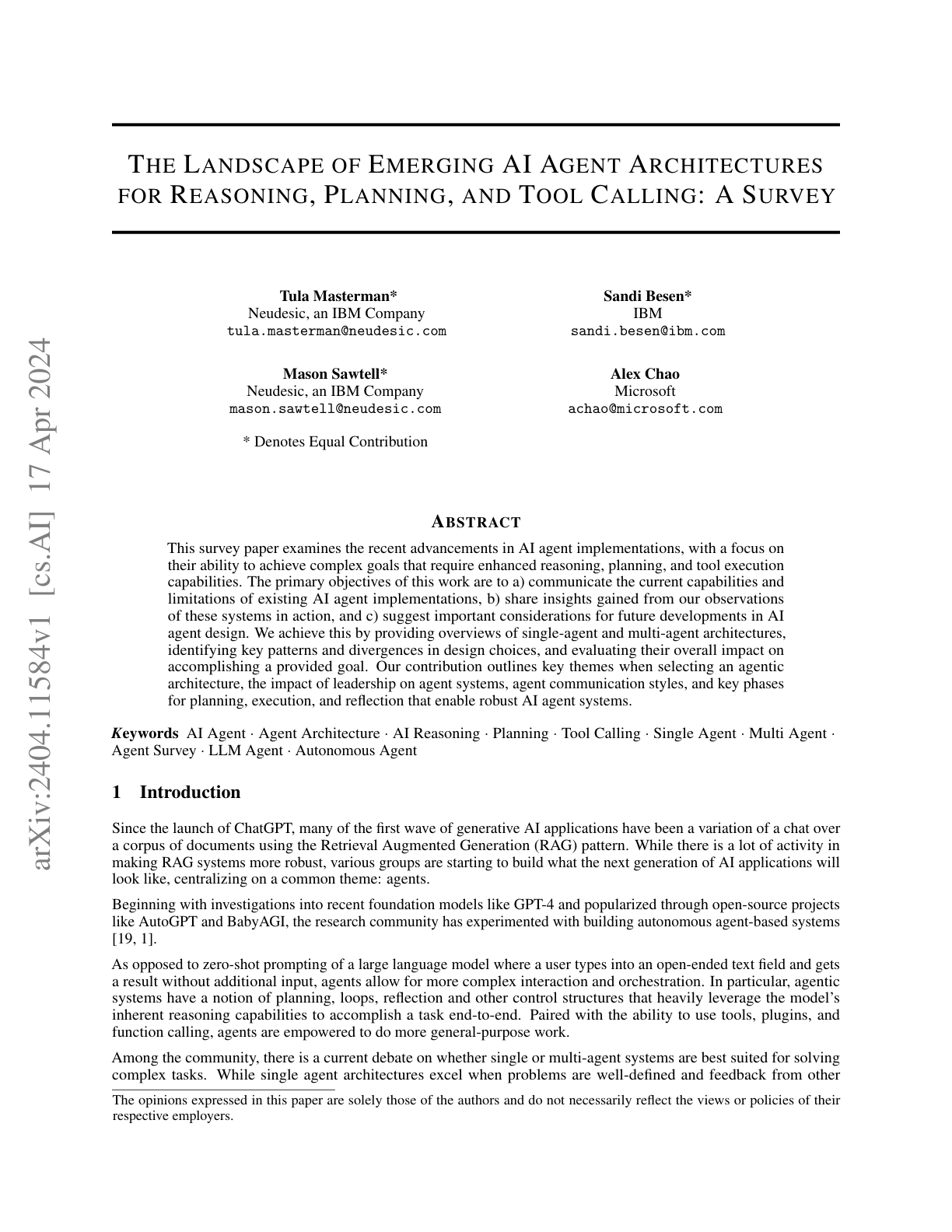
Emerging AI Agent Architectures
A short survey mapping the current landscape of LLM-based agent architectures, focused on reasoning, planning, and tool calling as the three capability pillars for complex agentic workflows.
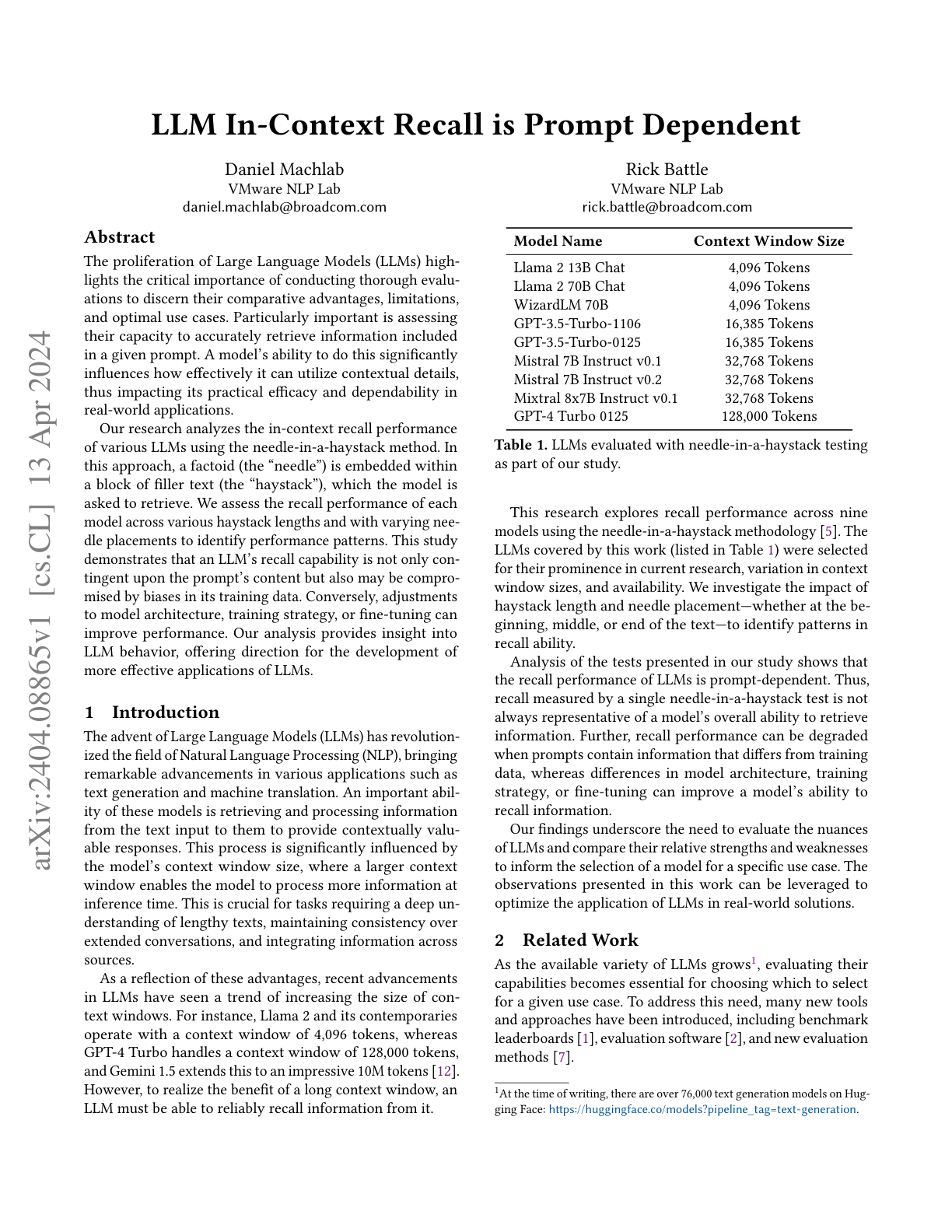
LM In-Context Recall is Prompt Dependent
Using needle-in-a-haystack tests across multiple models, this paper shows that in-context recall is highly sensitive to prompt wording and that training data biases can silently degrade a model's ability to retrieve from its own context.
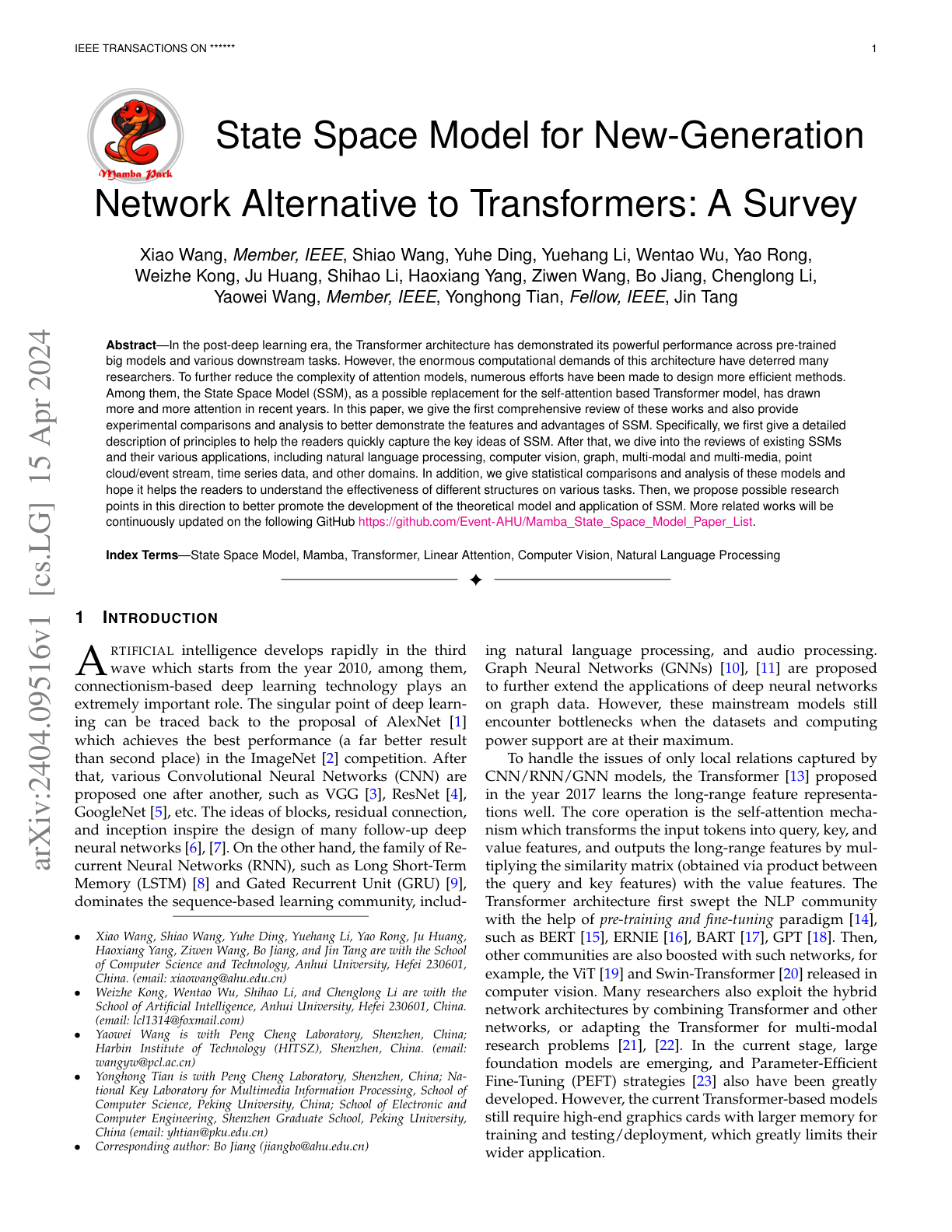
A Survey on State Space Models
A comprehensive survey of modern SSMs with a principles-first walkthrough, taxonomy of existing variants, and experimental comparison across NLP, vision, graph, multimodal, point-cloud, event-stream, and time-series tasks.
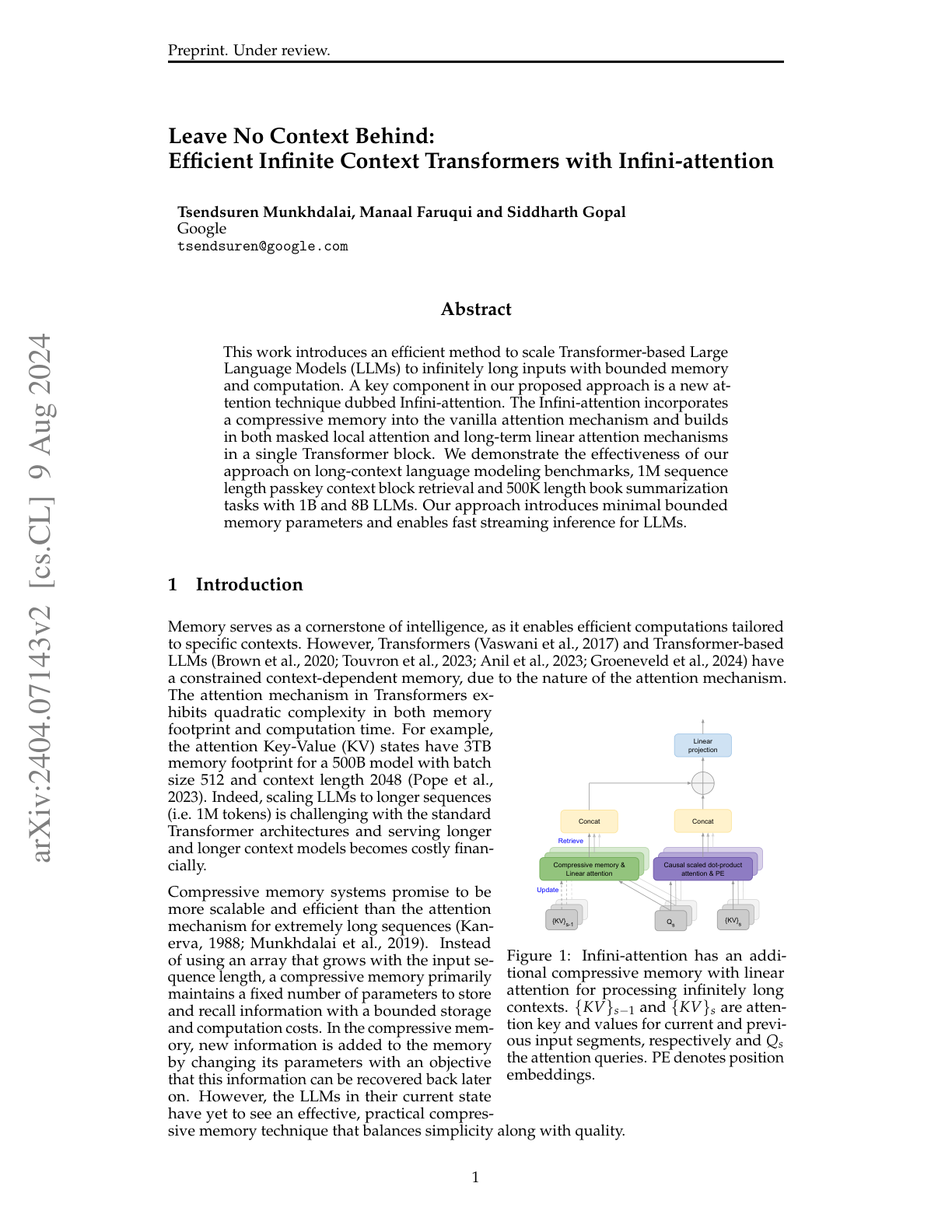
Leave No Context Behind (Infini-attention)
Google's Infini-attention extends Transformer LLMs to effectively infinite context with bounded memory and compute. It blends a compressive memory module with both masked local attention and linear long-term attention inside a single Transformer block.