AI Papers of the Week
Every paper worth reading in AI, hand-picked one week at a time.
Discover and explore top AI papers withClaude CodeCodex
npx @dair-ai/mcp setup
NanoGPT-Bench
A new evaluation of whether coding agents can do real AI R&D. Intology runs Codex, Claude Code, and Autoresearch on the NanoGPT-Bench suite and reports that the agents recover only 9.3% of human progress on the same problems. Coding agents spend the bulk of their compute on hyperparameter tuning and rarely attempt algorithmic research. Claude Code and Autoresearch reason about algorithmic changes more often, but still tend to dodge implementing them. The headline result tempers the current wave of "self-improving agent" claims: producing real research progress requires a different distribution of effort than the one current coding agents converge to under their default scaffolds.
Is Grep All You Need?
The paper evaluates grep-style text search against embedding-based retrieval inside coding agents. When wrapped in a suitable agent harness, grep matches or exceeds embedding retrieval on coding-agent tasks. The study isolates the contribution of the harness from the contribution of the retrieval primitive, and finds that harness design accounts for most of the performance differential typically attributed to embeddings.
Connect Four AlphaZero from Scratch
This paper proposes a new way to evaluate coding agents: hand them a minimal task description, give them a tight budget, and ask them to autonomously rebuild a famous ML breakthrough end-to-end. Connect Four plus AlphaZero is the first instance. It is small enough to run on a laptop and hard enough to require a real research engineering loop. Claude Opus 4.7 implemented the full pipeline (MCTS, neural value and policy nets, self-play, training schedule) in three hours on consumer hardware, then beat the Pascal Pons solver 7 of 8 as first-mover. No other frontier coding agent tested cleared 2 of 8.
Agentic Harness Engineering
Most coding-agent harnesses are still tuned by hand or kept alive through brittle trial-and-error self-evolution. This paper introduces Agentic Harness Engineering (AHE), a framework that makes harness evolution observable and falsifiable. AHE separates the system into three layers: components stored as revertible files, experience condensed from millions of trajectory tokens into structured evidence, and decisions written as predictions that get checked against task outcomes. Every edit becomes a contract you can verify or revert.
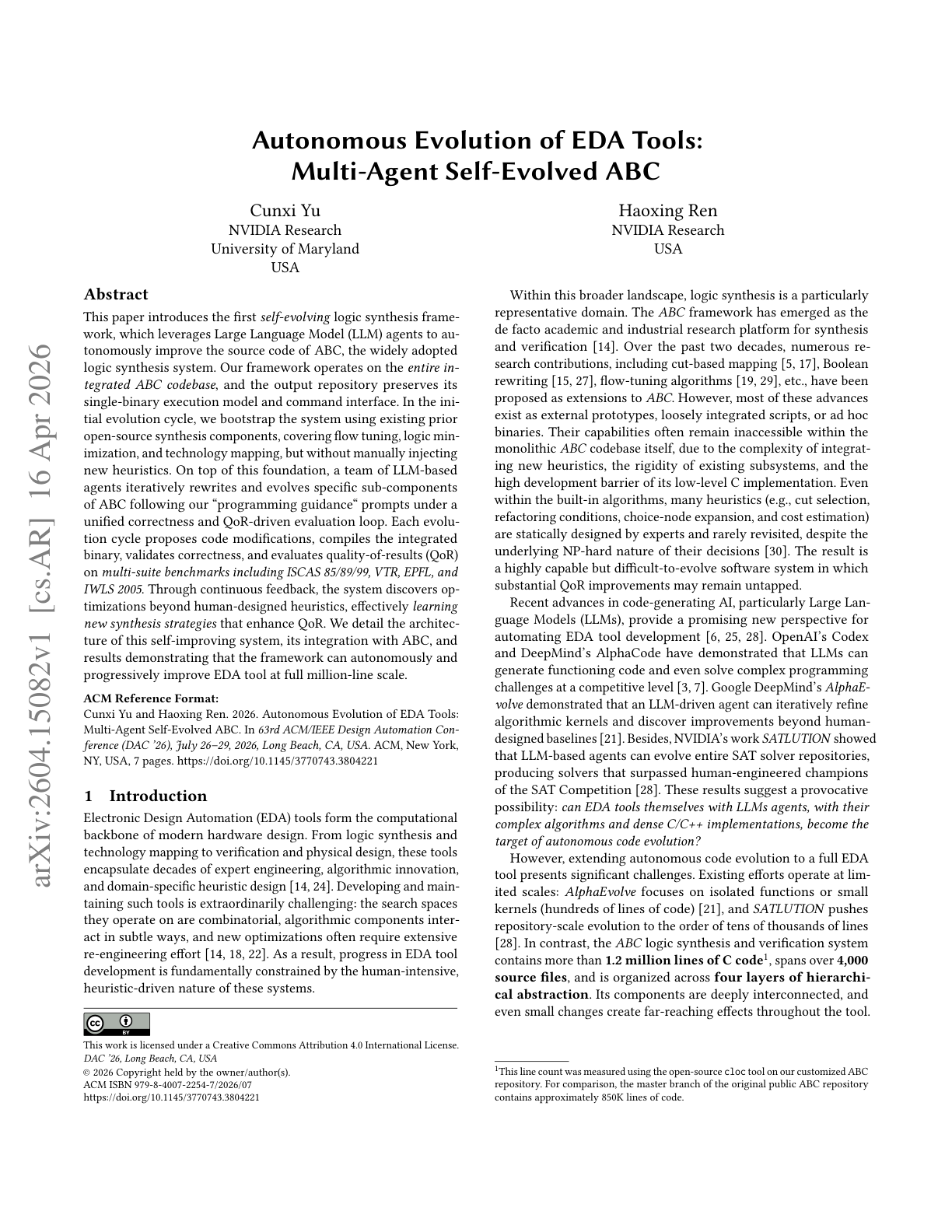
Self-Evolving Logic Synthesis
EDA tools like ABC have been hand-tuned by humans for decades. NVIDIA shows they can evolve themselves. This work introduces the first self-evolving logic synthesis framework, a multi-agent LLM system that autonomously refines the entire ABC codebase, generates and tests candidate optimization sequences against standard benchmark circuits, then merges improvements back into the base tool. No human engineer in the loop.
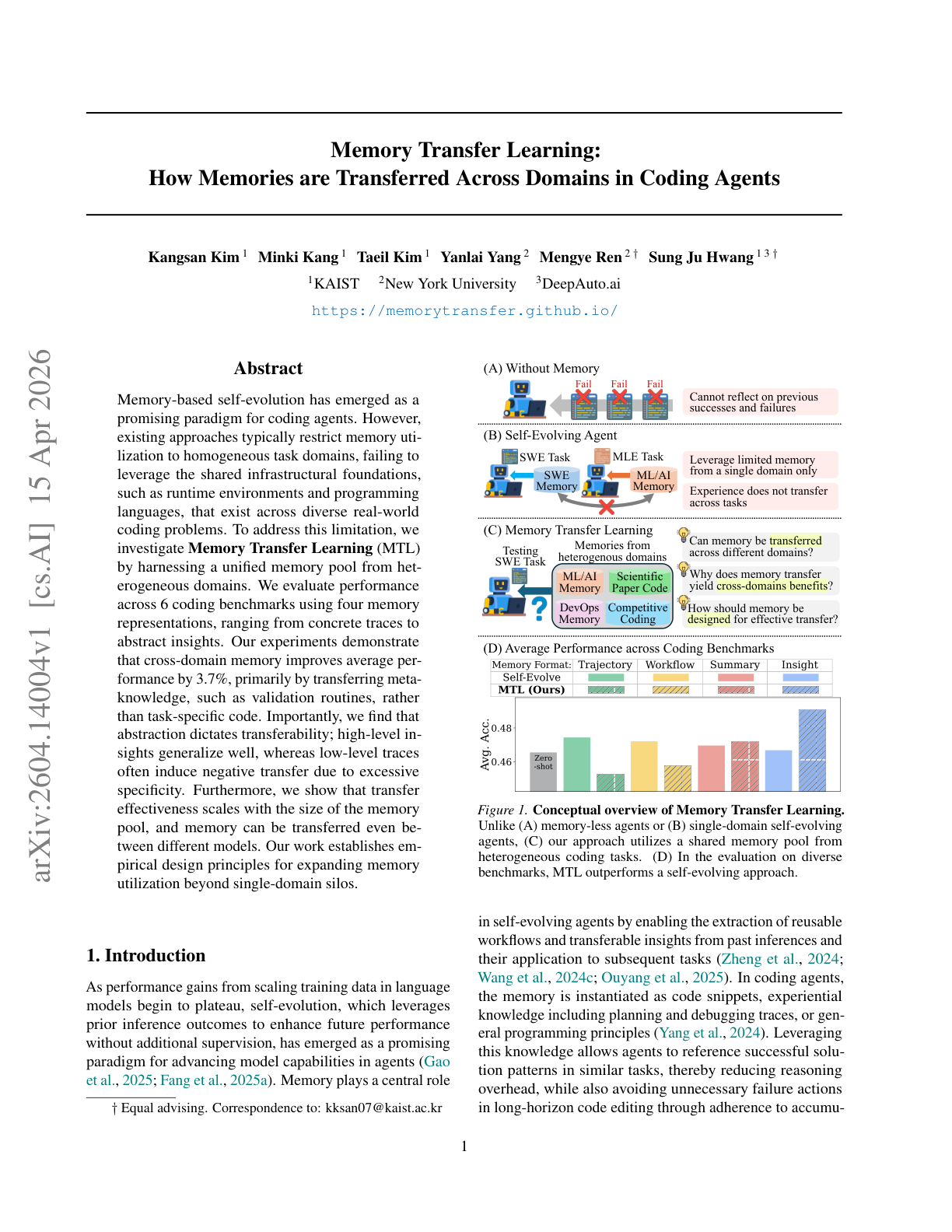
Memory Transfer Learning
Coding agents learn from experience, but that knowledge stays locked in silos. Solve a thousand SWE tasks, and none of that wisdom helps with competitive coding. This paper introduces Memory Transfer Learning, a framework where coding agents share a unified memory pool across six heterogeneous coding benchmarks, testing what transfers between domains and what does not.
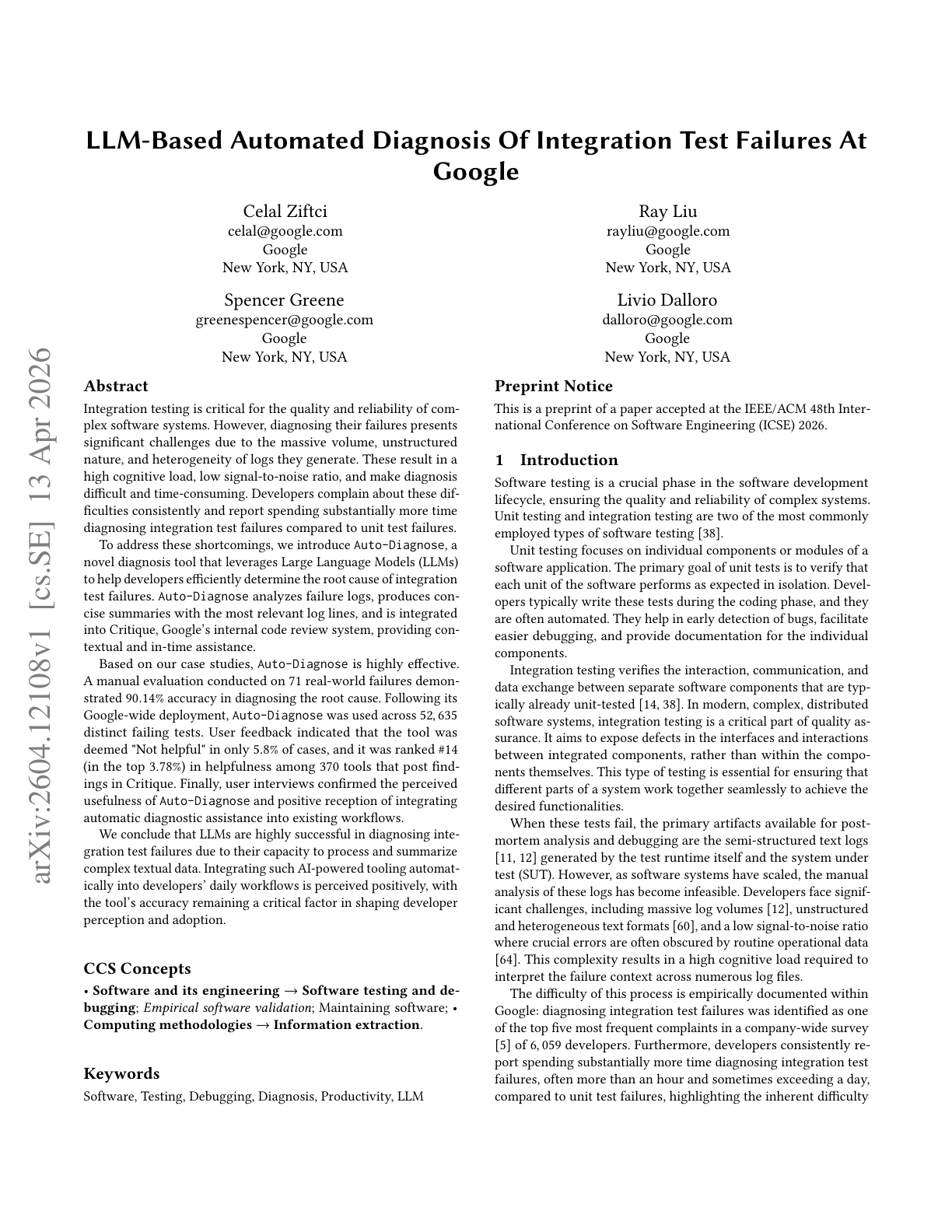
Auto-Diagnose
Integration test failures are painful because the signal is buried in messy logs. Massive output, heterogeneous systems, low signal-to-noise ratio, and unclear root causes leave developers scrolling through thousands of lines. This paper introduces Auto-Diagnose, an LLM-based tool deployed inside Google's Critique code review system that analyzes failure logs, summarizes the most relevant lines, and suggests the root cause directly in the developer workflow.
Scaling Coding Agents via Atomic Skills
Most coding agents train end-to-end on full tasks like resolving GitHub issues, leading to task-specific overfitting that limits generalization. This paper proposes a different approach: identifying five atomic coding skills (code localization, code editing, unit-test generation, issue reproduction, and code review) and training agents through joint reinforcement learning over these foundational competencies.
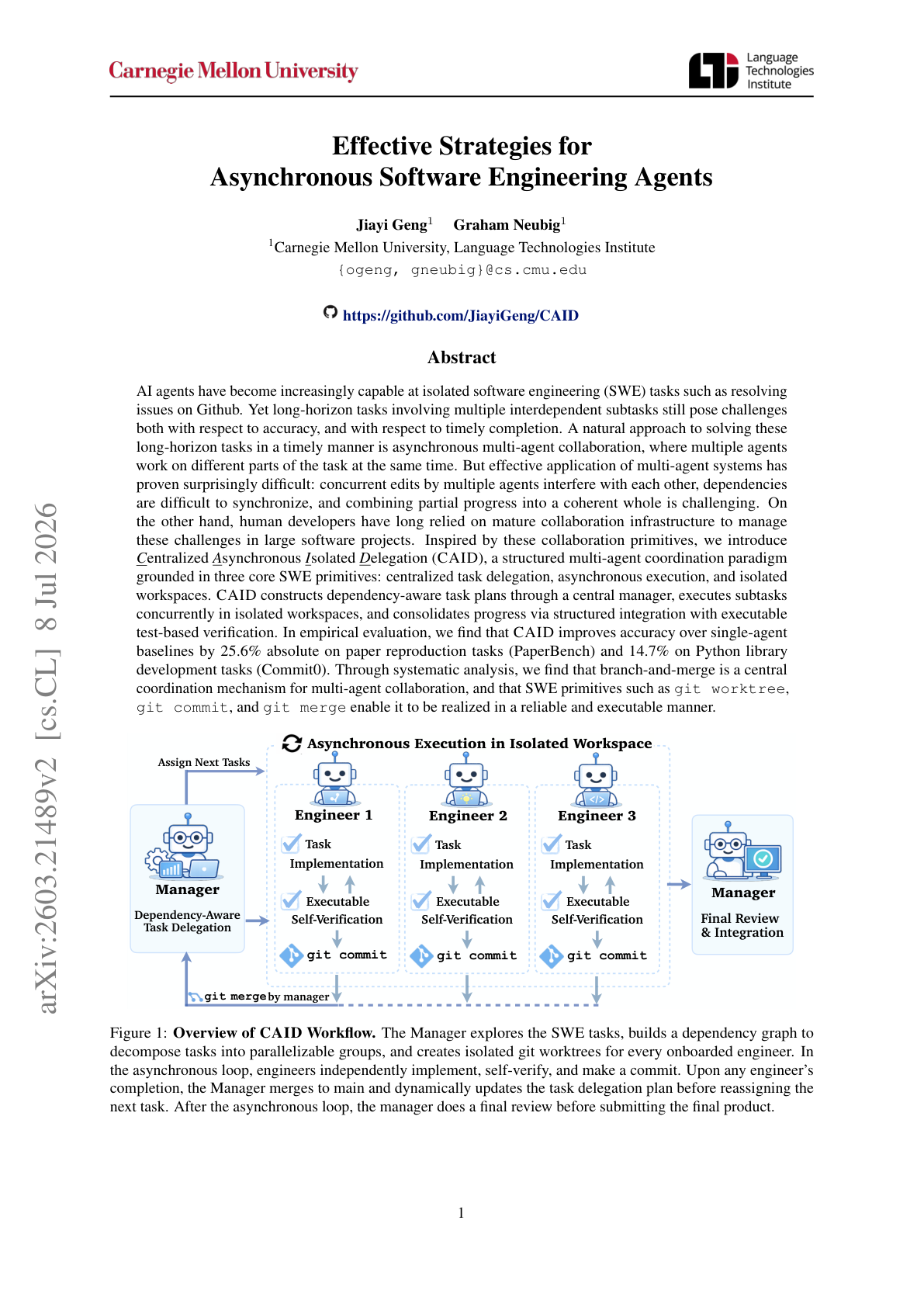
Asynchronous Software Engineering Agents
New research from CMU introduces CAID (Centralized Asynchronous Isolated Delegation), a coordination framework for running multiple coding agents in parallel on complex software engineering tasks. Inspired by how human developer teams collaborate, the work demonstrates that simply giving a single agent more iterations helps, but coordinating multiple asynchronous agents with the right strategies produces significantly larger gains.
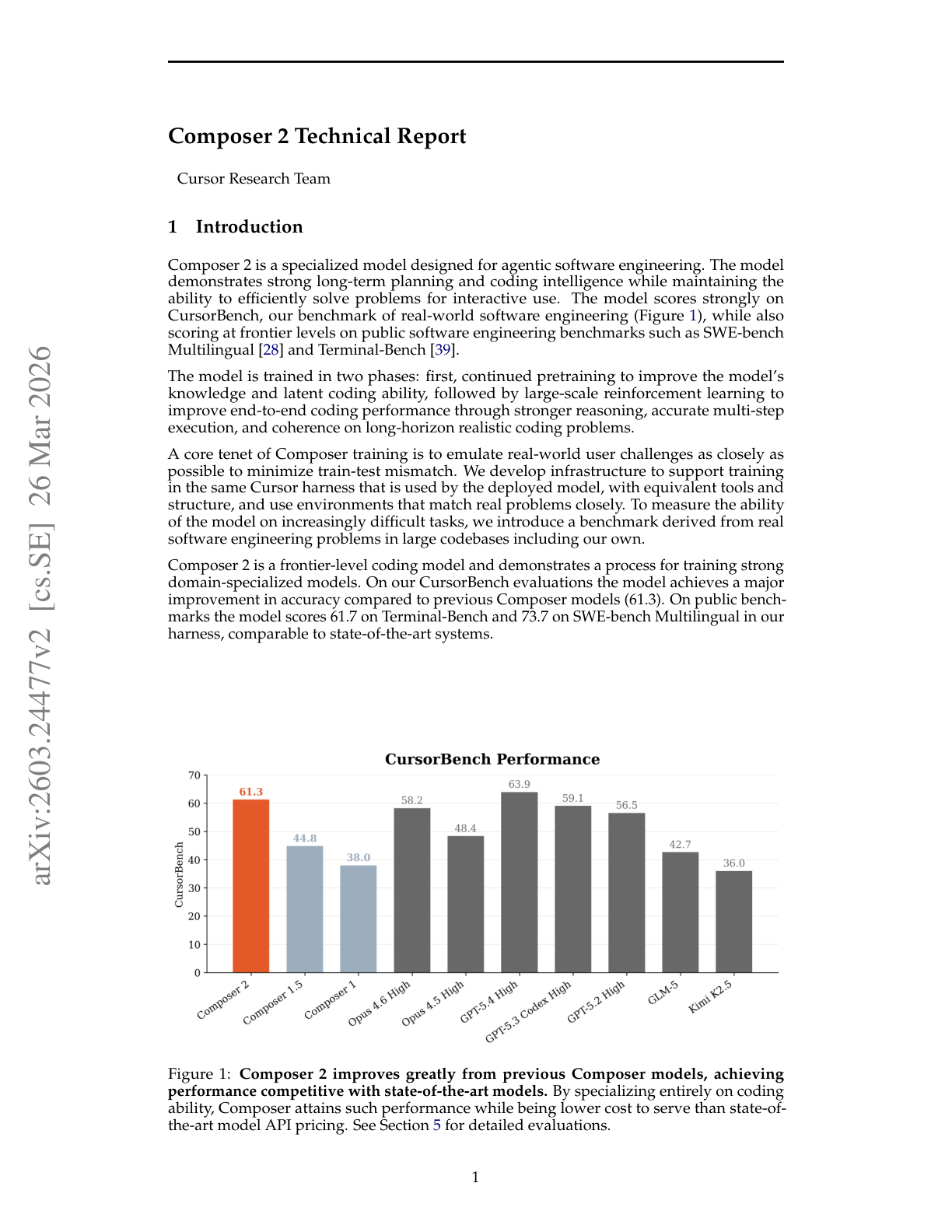
Composer 2
Cursor releases the technical report for Composer 2, a specialized model designed for agentic software engineering that demonstrates strong long-term planning and coding intelligence while maintaining efficiency for interactive use. The report details a process for training domain-specialized models that starts with continued pretraining and scales up with reinforcement learning.
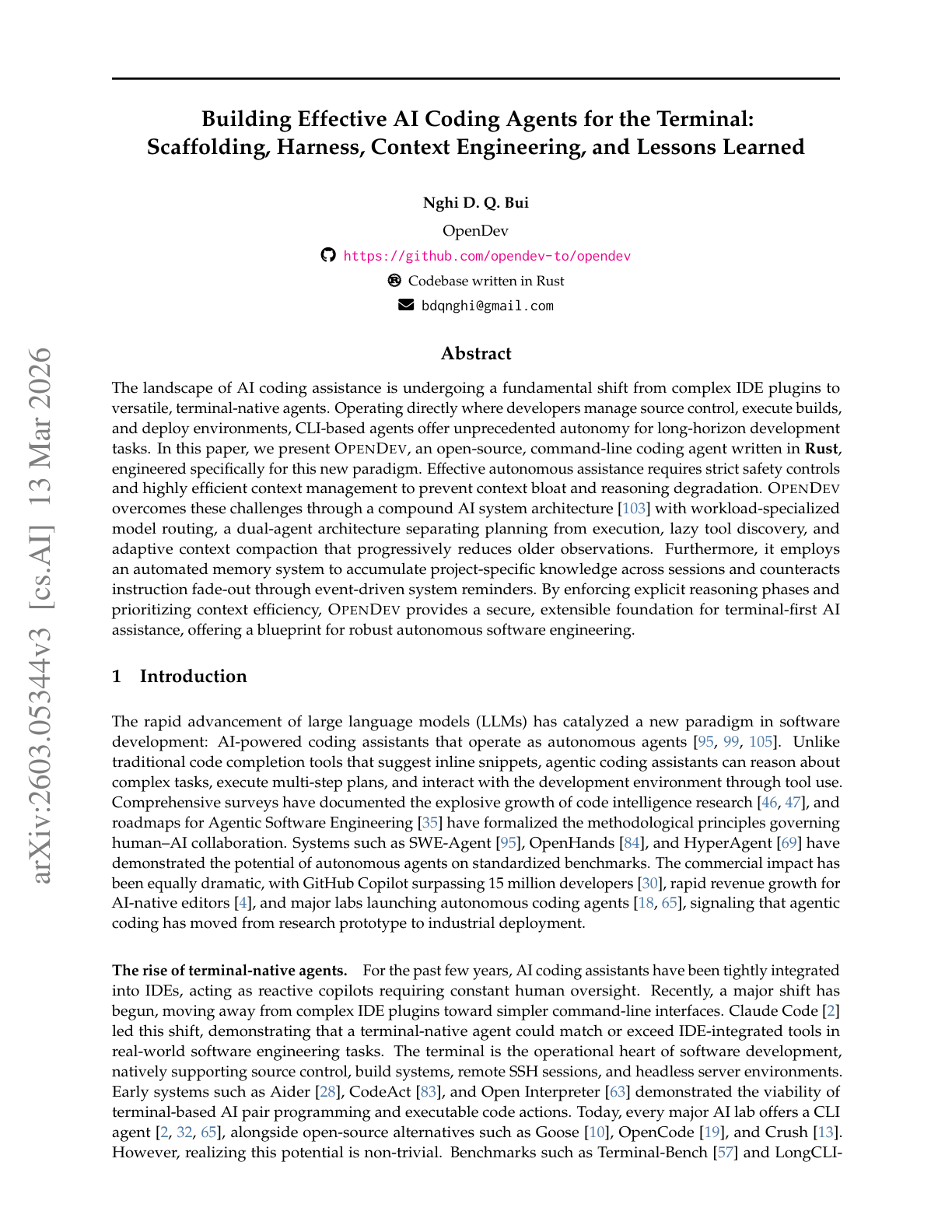
OpenDev
Terminal-native coding agents represent a fundamental shift in how developers interact with AI assistance. OpenDev is an open-source, command-line coding agent that operates where developers already manage source control and deploy environments, offering a comprehensive 81-page technical report on scaffolding, harness design, context engineering, and lessons learned from building production coding agents.
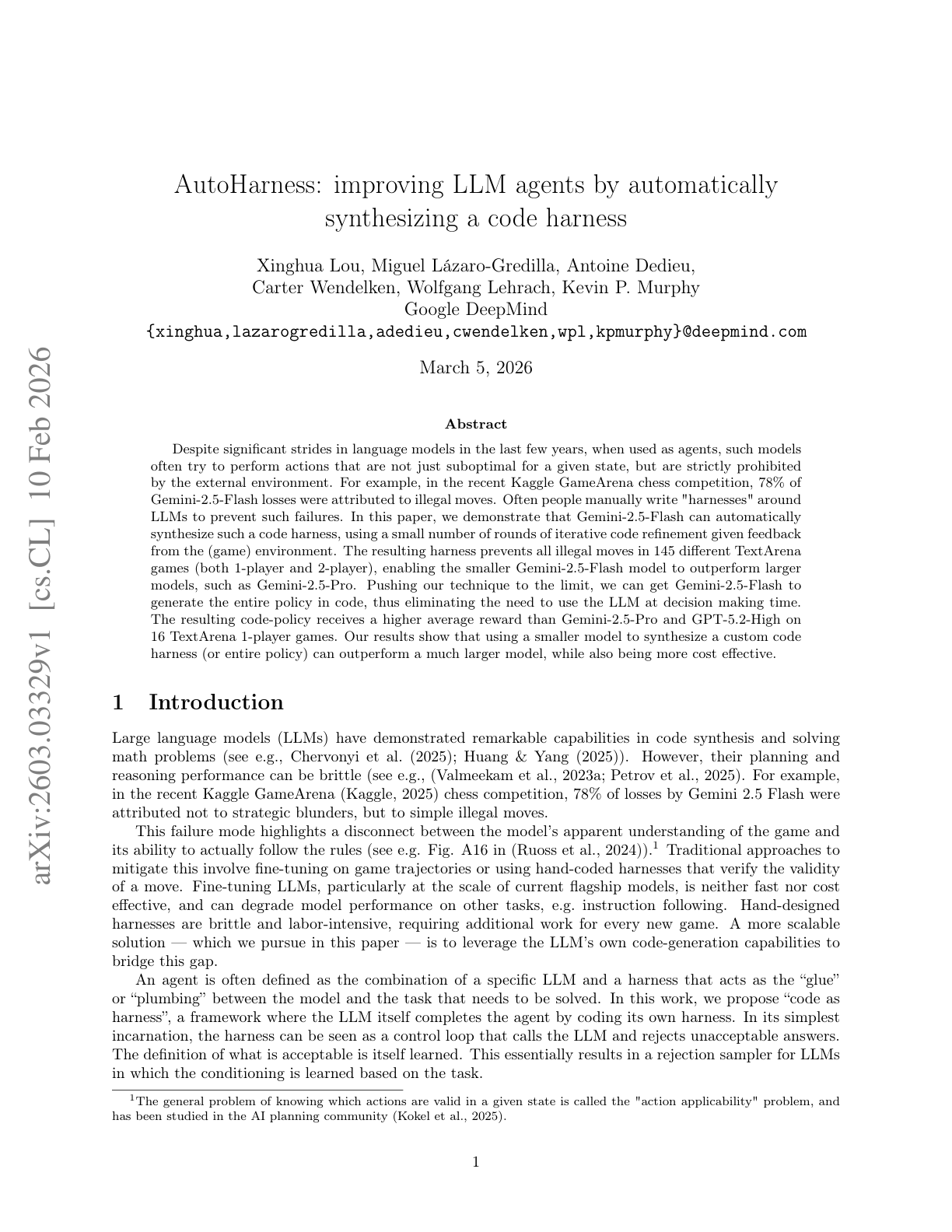
AutoHarness
Google DeepMind researchers introduce AutoHarness, a method for automatically synthesizing code harnesses that prevent LLM agents from making illegal actions. The core insight comes from a striking observation: in the Kaggle GameArena chess competition, 78% of Gemini-2.5-Flash losses were attributed to illegal moves, not poor strategy.
Codified Context
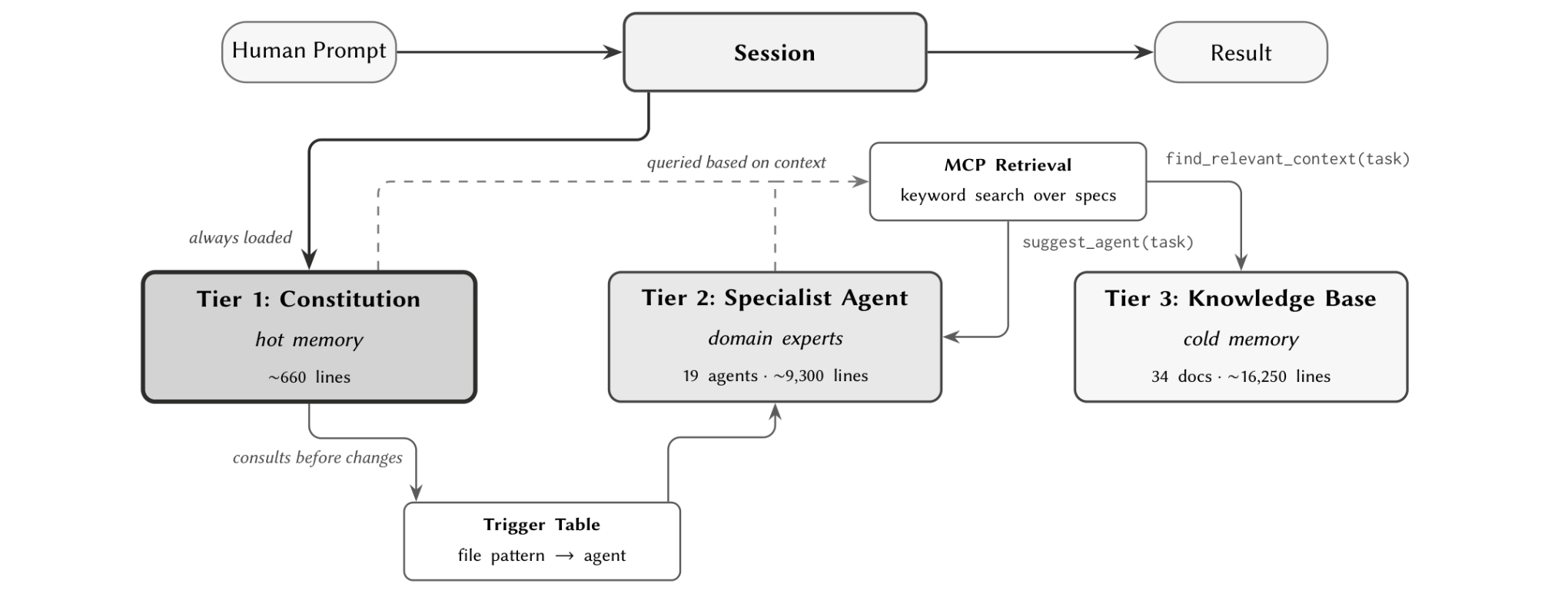
Single-file AGENTS.md manifests don’t scale beyond modest codebases. A 1,000-line prototype can be fully described in a single prompt, but a 100,000-line system cannot. This paper presents a three-component codified context infrastructure developed during construction of a 108,000-line C# distributed system, evaluated across 283 development sessions.
Evaluating AGENTS.md
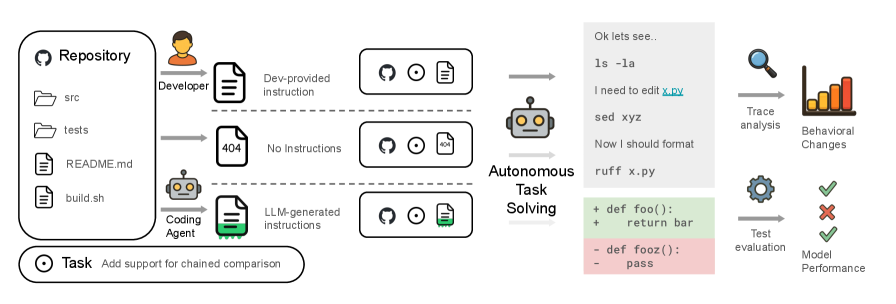
This research evaluates whether AGENTS.md files, the repository-level context files that developers write to help AI coding agents understand their codebases, actually improve agent performance. Testing four coding agents (Claude Code with Sonnet-4.5, Codex with GPT-5.2 and GPT-5.1 mini, and Qwen Code with Qwen3-30b-coder), the findings are counterintuitive.
AgentConductor
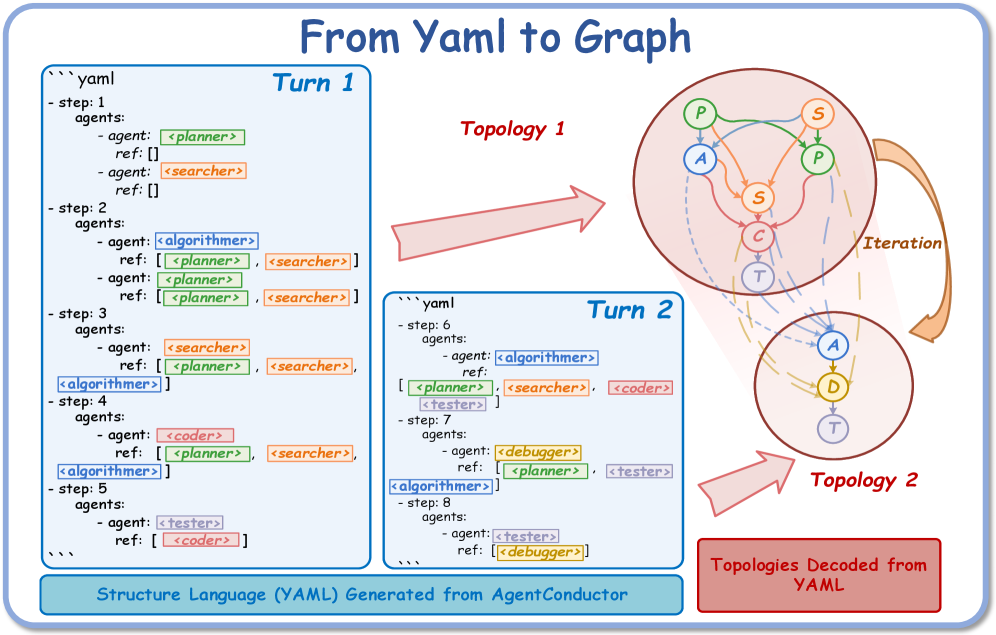
AgentConductor introduces a reinforcement learning-enhanced multi-agent system for code generation that dynamically generates interaction topologies based on task characteristics. Rather than using fixed communication patterns between agents, an LLM-based orchestrator adapts the topology to match problem complexity, achieving state-of-the-art accuracy across five code generation datasets.
GLM-5
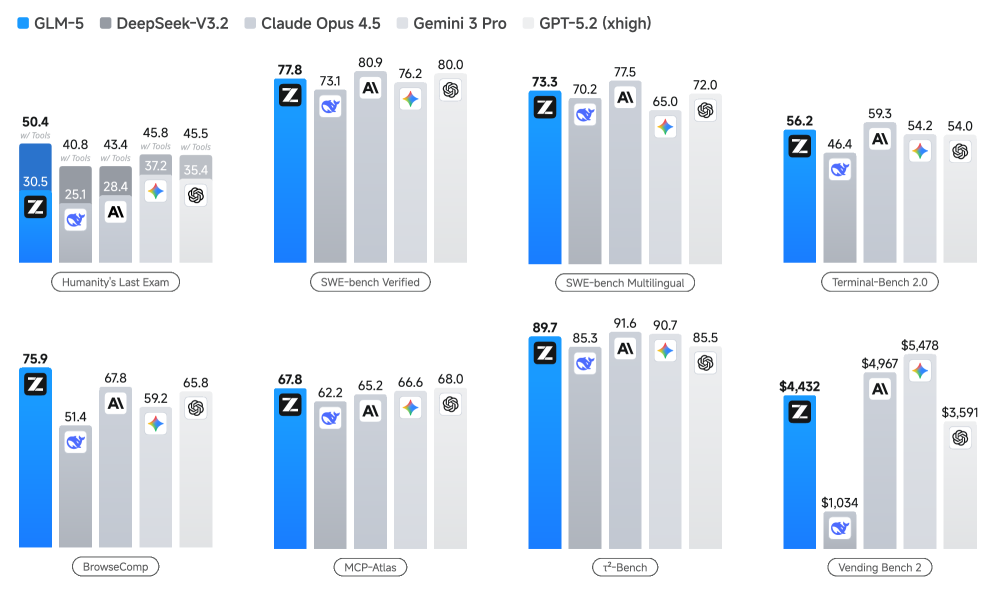
GLM-5 is a foundation model from Zhipu AI designed to transition from vibe coding to agentic engineering. The model introduces novel asynchronous agent RL algorithms that separate generation from training for improved efficiency, and uses DSA technology to reduce computational requirements while preserving long-context understanding.
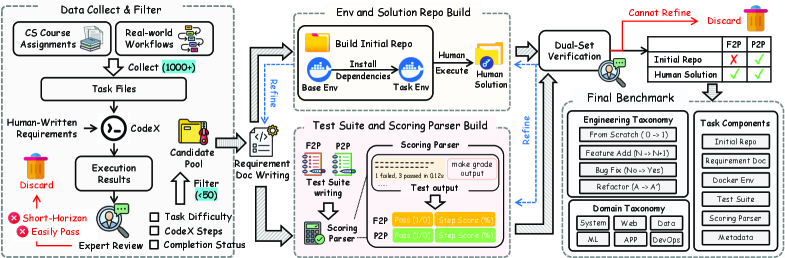
LongCLI-Bench
LongCLI-Bench benchmarks how well AI agents handle complex, extended tasks through command-line interfaces. Across 20 demanding tasks spanning initial development, feature expansion, error resolution, and code optimization, leading agents succeed less than 20% of the time. The study finds that most failures occur early in task execution, and human-agent collaboration through plan injection and interactive guidance yields significantly greater improvements than automated self-correction alone.
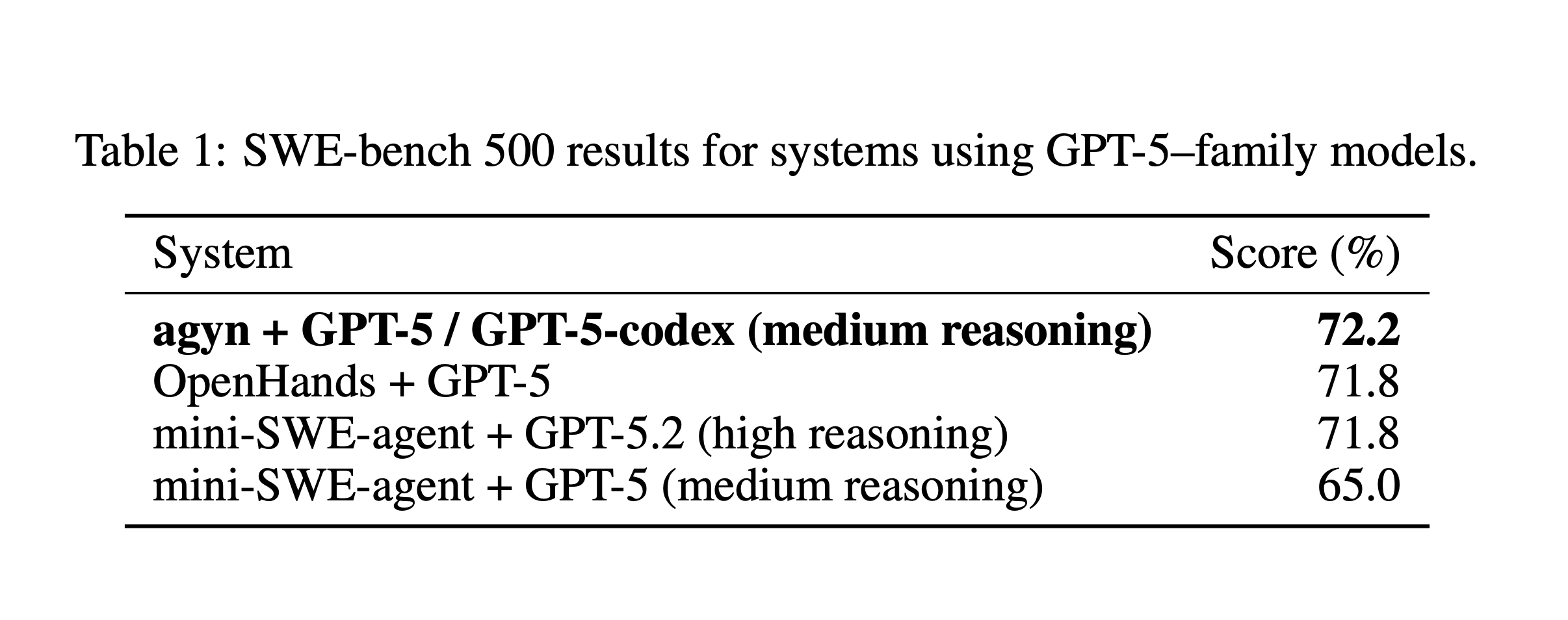
Agyn
Agyn is a fully automated multi-agent system that models software engineering as an organizational process rather than a monolithic code generation task. Built on an open-source platform for configuring agent teams, the system assigns specialized agents to distinct roles and follows a structured development methodology - all without human intervention. Notably, Agyn was designed for real production use and was not tuned for the SWE-bench.
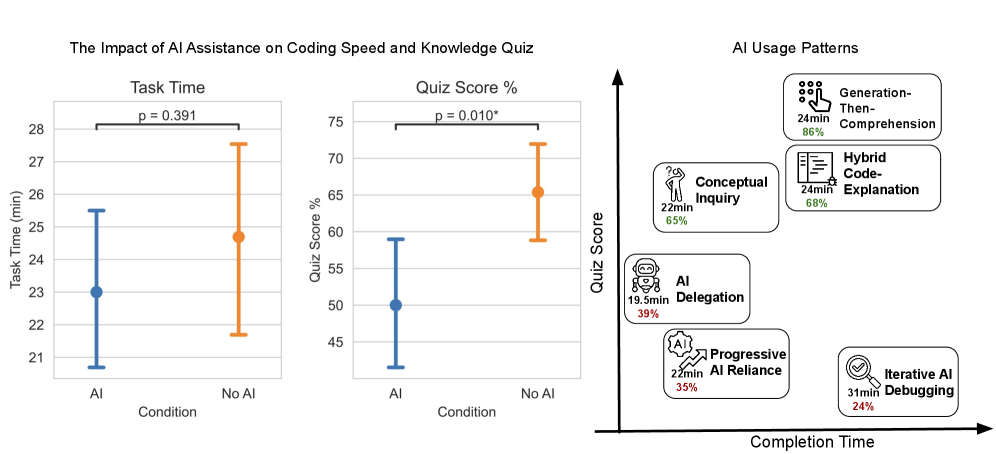
How AI Impacts Skill Formation
Researchers from Anthropic conducted randomized experiments to study how AI assistance affects the development of software engineering skills. They find that using AI to complete coding tasks with a new Python library significantly impaired conceptual understanding, code reading, and debugging abilities - without delivering significant efficiency gains on average.
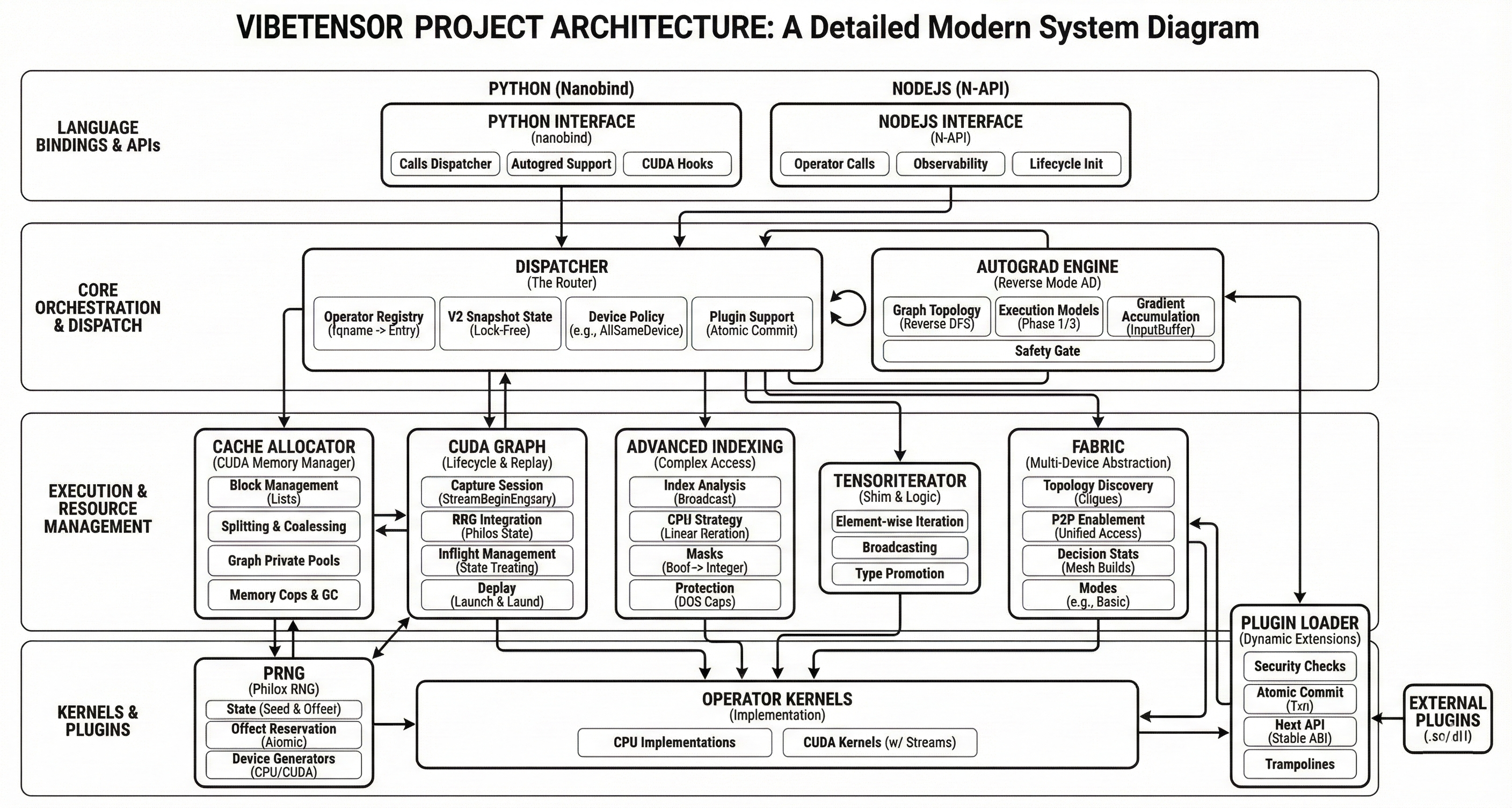
VibeTensor
VibeTensor is an open-source deep learning system software stack from NVLabs that was fully generated by LLM-powered coding agents under high-level human guidance. The system implements a PyTorch-style eager tensor library with a C++20/CUDA core, Python and Node.js frontends, its own autograd engine, CUDA runtime, and caching allocator - demonstrating that coding agents can produce coherent system software spanning language bindings down to GPU memory management.
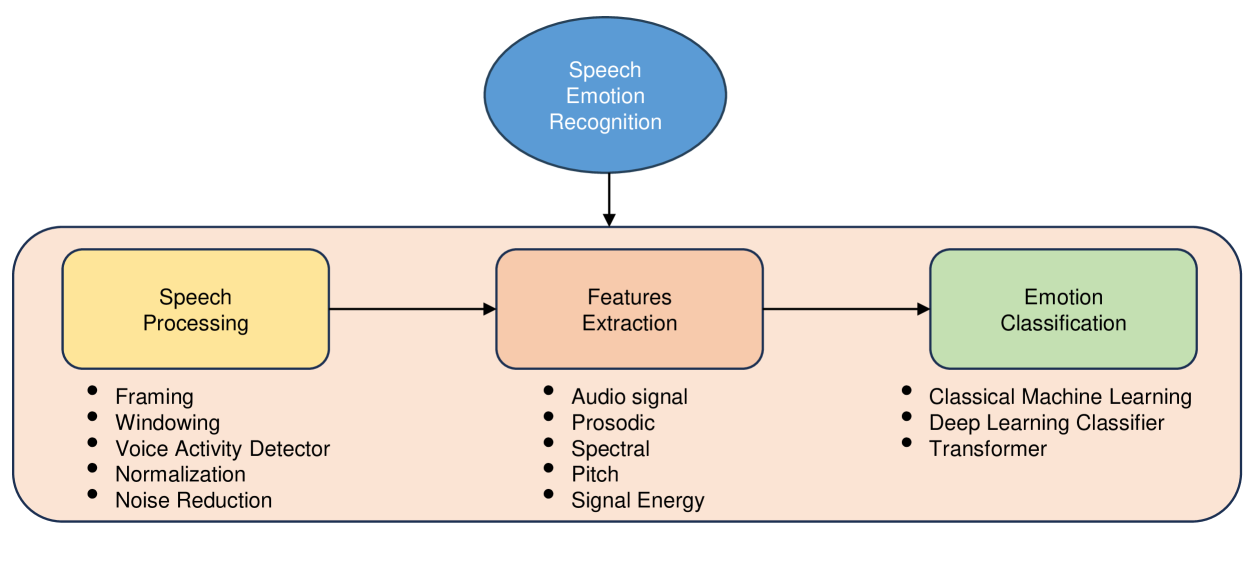
Self-Correcting Multi-Agent LLM for Physics Simulation
This paper introduces a self-correcting multi-agent LLM framework for language-based physics simulation and explanation. The system enables natural language queries to generate physics simulations while providing explanations of the underlying physical phenomena.
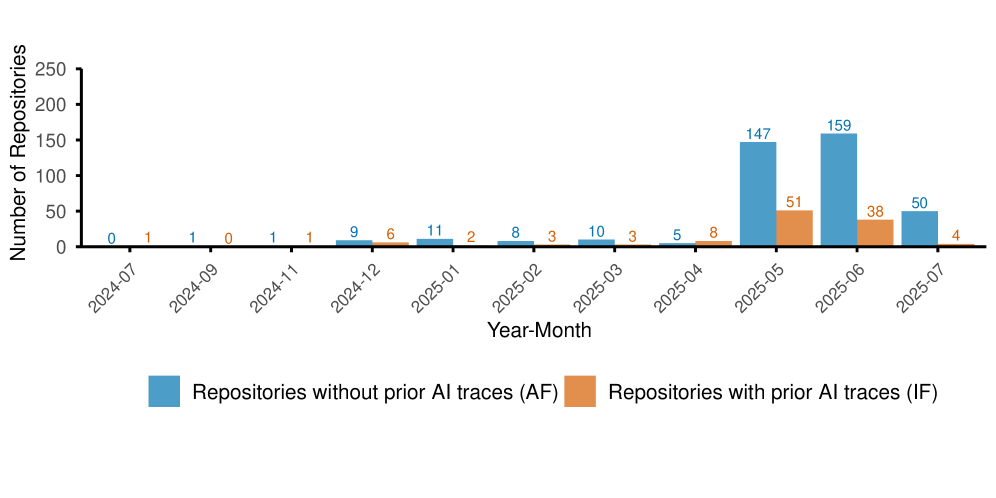
AI IDEs vs Autonomous Agents
This empirical study investigates how LLM-based coding agents that autonomously generate and merge pull requests affect open-source projects compared to IDE-integrated AI assistants. Using longitudinal causal analysis with matched controls, the researchers measure development velocity and software quality outcomes.
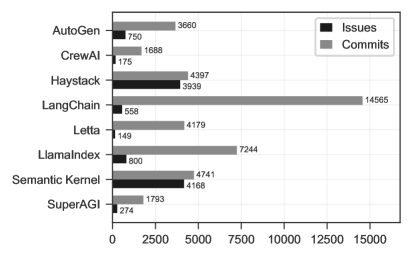
Large-Scale Study on Multi-Agent AI Systems Development
An empirical analysis of over 42,000 commits and 4,700 resolved issues across eight leading multi-agent frameworks (LangChain, CrewAI, AutoGen). Key findings: feature enhancements dominate at 40.8% of changes versus 27.4% bug fixes, bugs represent 22% of issues, with agent coordination challenges at 10%, and issue reporting surged notably beginning in 2023.
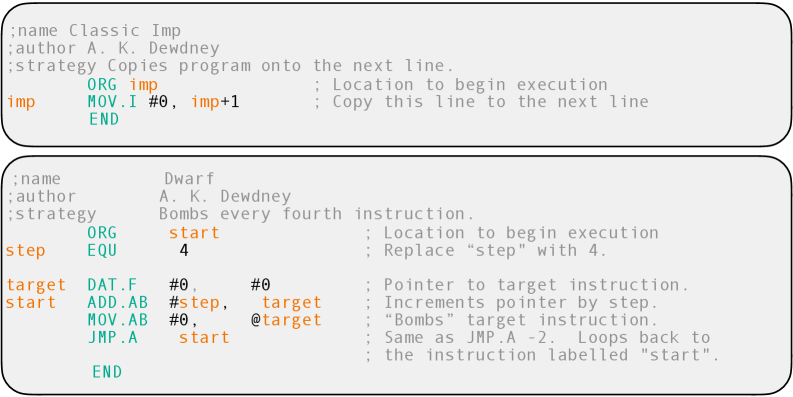
Adversarial Program Evolution with LLMs
Digital Red Queen (DRQ) introduces an algorithm where LLMs evolve assembly-like programs called “warriors” that compete for control of a virtual machine in the game of Core War. Rather than optimizing toward static objectives, DRQ embraces “Red Queen” dynamics where goals continually shift based on competition, demonstrating how adversarial self-play can drive the evolution of increasingly sophisticated programs.