AI Papers of the Week
Every paper worth reading in AI, hand-picked one week at a time.
Discover and explore top AI papers withClaude CodeCodex
npx @dair-ai/mcp setup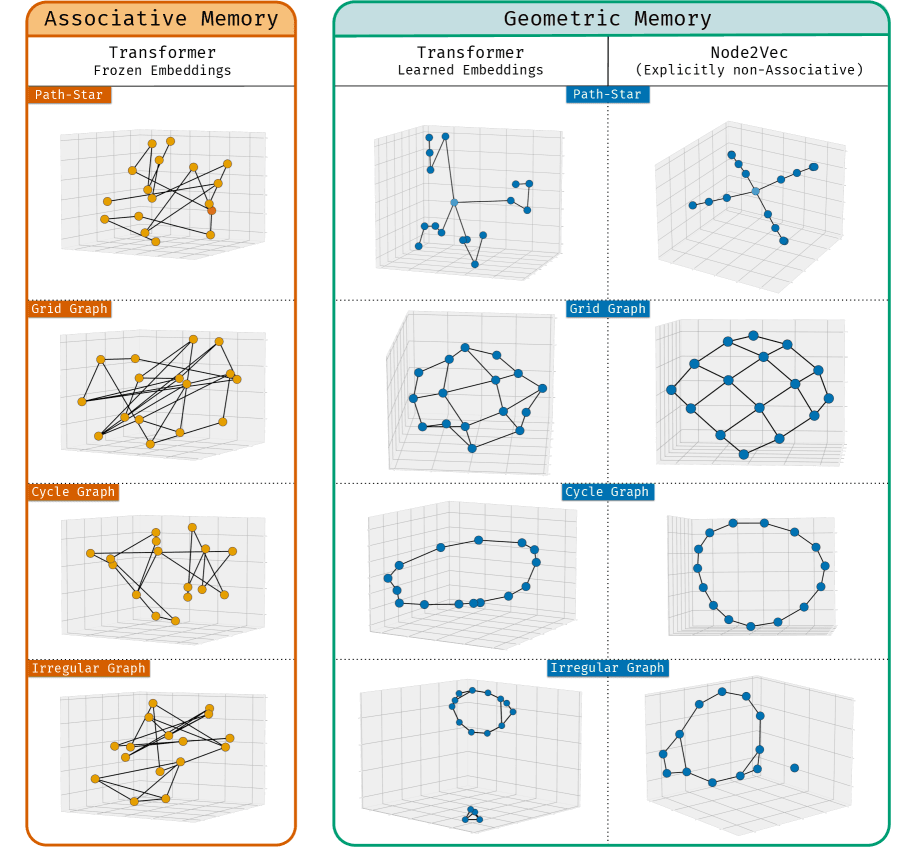
Geometric Memory in Sequence Models
This paper identifies a dramatically different form of how deep sequence models store factual information called geometric memory, contrasting with the traditional associative memory view. Models synthesize embeddings encoding global relationships between all entities, even ones that never co-occur in training.
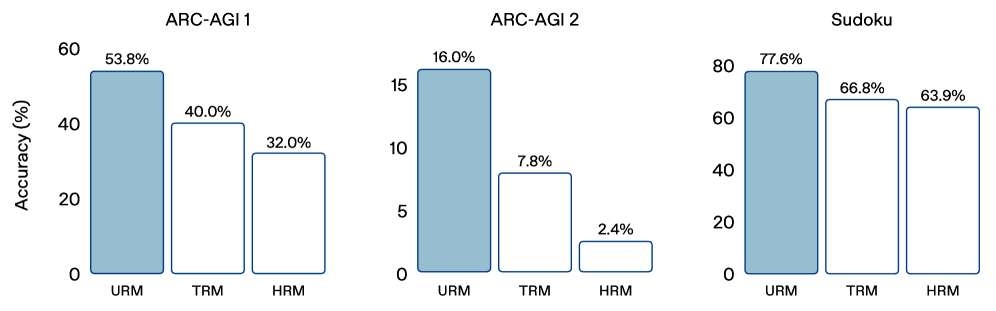
Universal Reasoning Model
This paper investigates why universal transformers excel at complex reasoning tasks like ARC-AGI. The key finding: performance gains come primarily from recurrent inductive bias and strong nonlinear components rather than elaborate architectural designs.
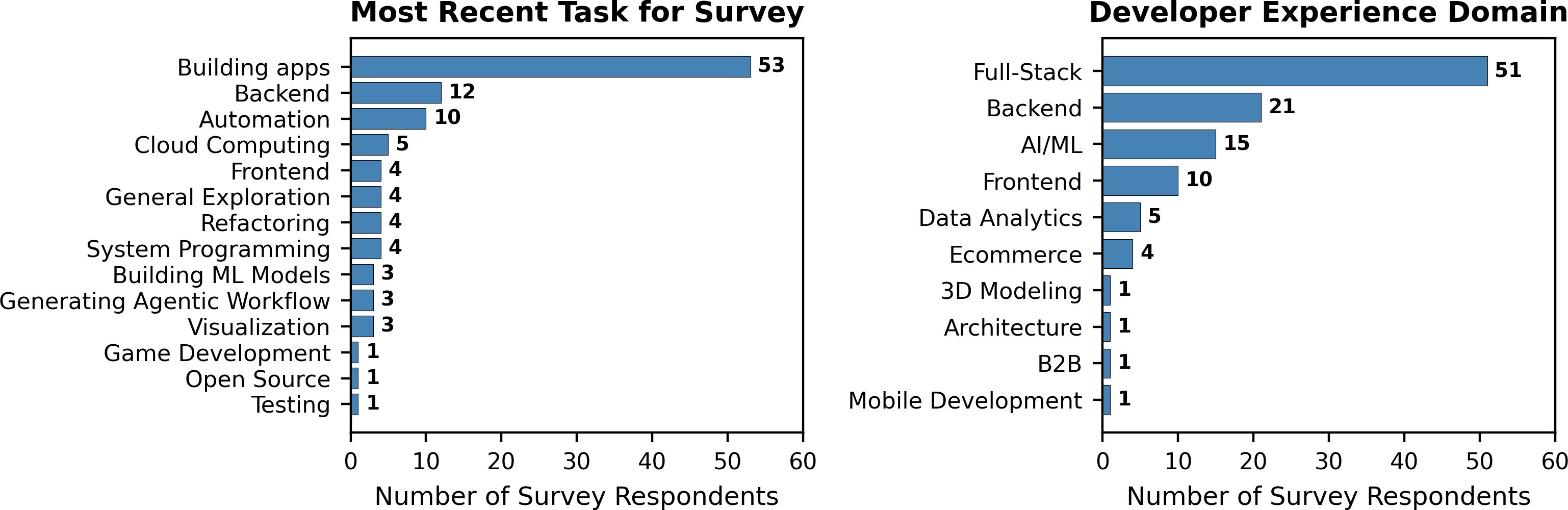
AI Agents for Coding in 2025
This study from UC San Diego and Cornell examines how experienced software developers (3+ years) actually use AI coding agents, through field observations (N=13) and surveys (N=99). The key finding: professional developers don’t “vibe code” - they carefully control agents through planning and supervision.
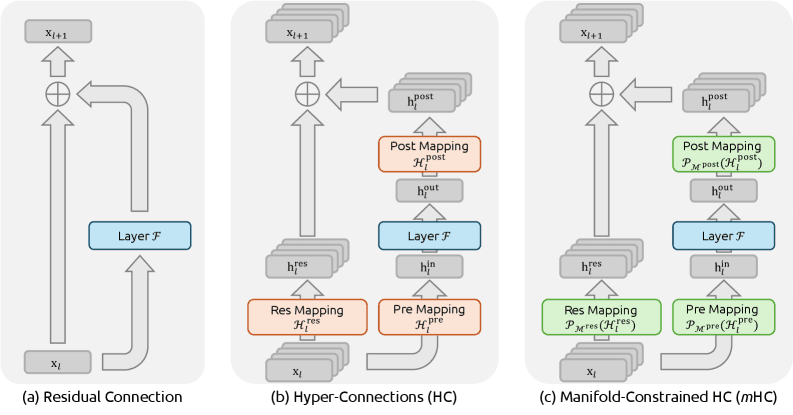
Manifold-Constrained Hyper-Connections
This DeepSeek paper proposes Manifold-Constrained Hyper-Connections (mHC), a framework that extends residual connections by expanding residual stream width while restoring training stability. The key insight: unconstrained Hyper-Connections compromise identity mapping, causing training instability at scale.
Spacing Effect for Generalization
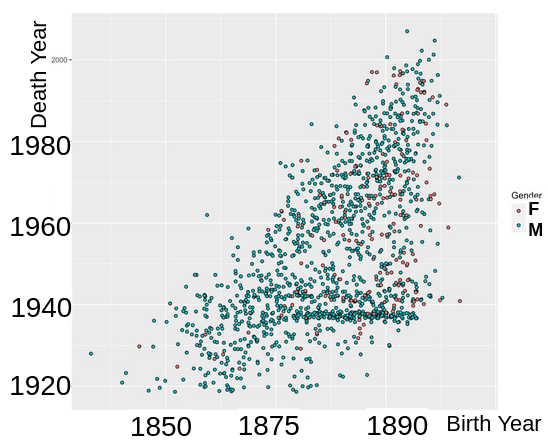
Researchers from Tsinghua University investigate how the spacing effect - a well-documented learning principle where spaced intervals between training improve retention - can enhance generalization in both biological and artificial neural networks.
SAGA
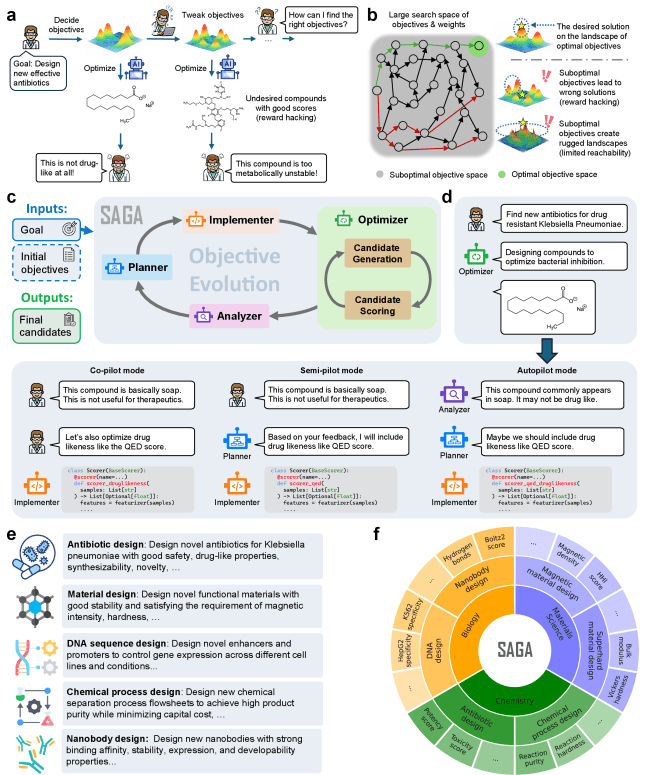
SAGA (Scientific Autonomous Goal-evolving Agent) introduces a framework for automating objective function design in AI-driven scientific discovery. Rather than optimizing fixed objectives specified by scientists, SAGA dynamically reformulates research goals throughout the discovery process to avoid reward hacking issues.
Step-DeepResearch
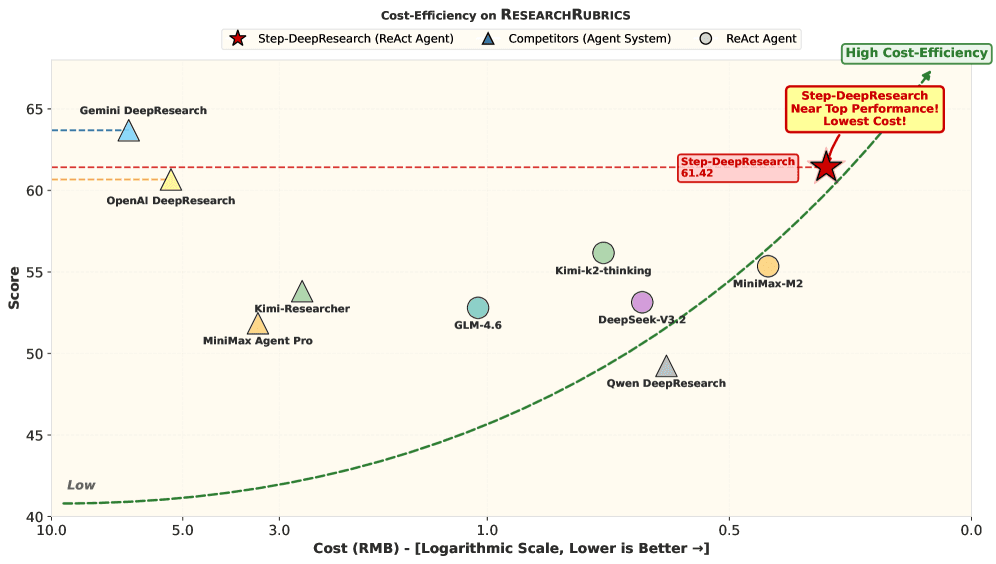
Step-DeepResearch is a 32B parameter deep research agent that rivals OpenAI and Gemini DeepResearch through atomic capability training - decomposing research into planning, information gathering, cross-source verification, and report writing. Achieving 61.42 on Scale AI ResearchRubrics with a streamlined ReAct-style design, it outperforms larger models while being the most cost-effective deep research agent available.
MACI
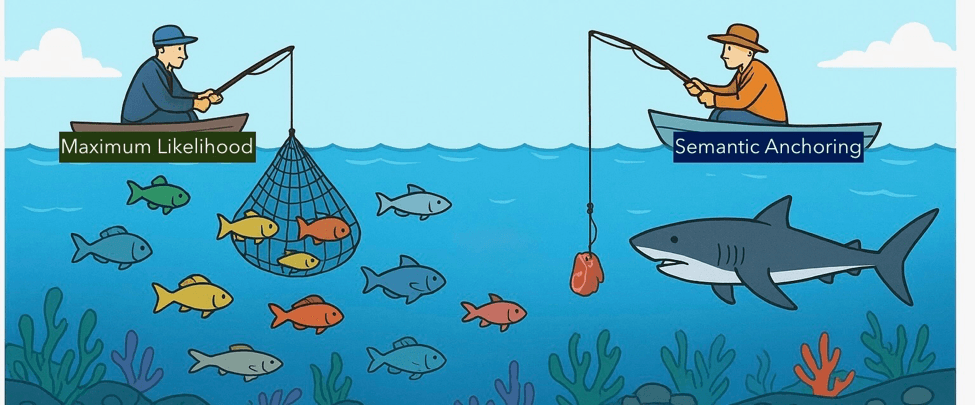
This paper argues that LLMs are not fundamentally limited as pattern matchers - the real bottleneck is the lack of a System-2 coordination layer. The authors propose MACI, an architecture implementing three mechanisms: baiting (behavior-modulated debate), filtering (Socratic judging), and persistence (transactional memory) to enable goal-directed reasoning on top of LLM substrates.
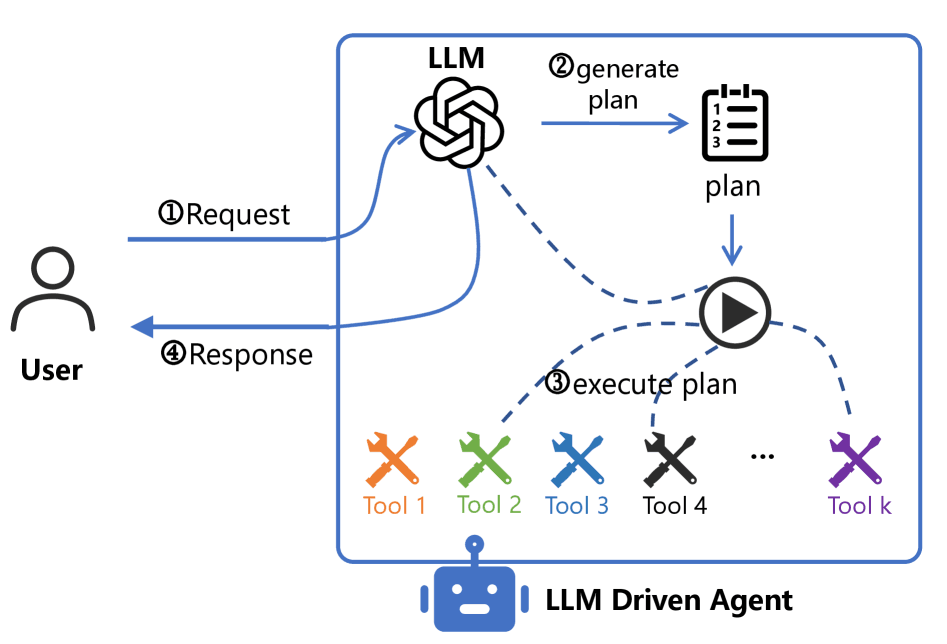
AgentReuse
AgentReuse addresses latency bottlenecks in LLM-driven agents by caching and reusing plans for similar requests, observing that about 30% of agent requests are identical or similar. Using intent classification for semantic similarity rather than surface-level text comparison, the system achieves a 93% effective plan reuse rate and 93.12% latency reduction compared to systems without plan reuse.
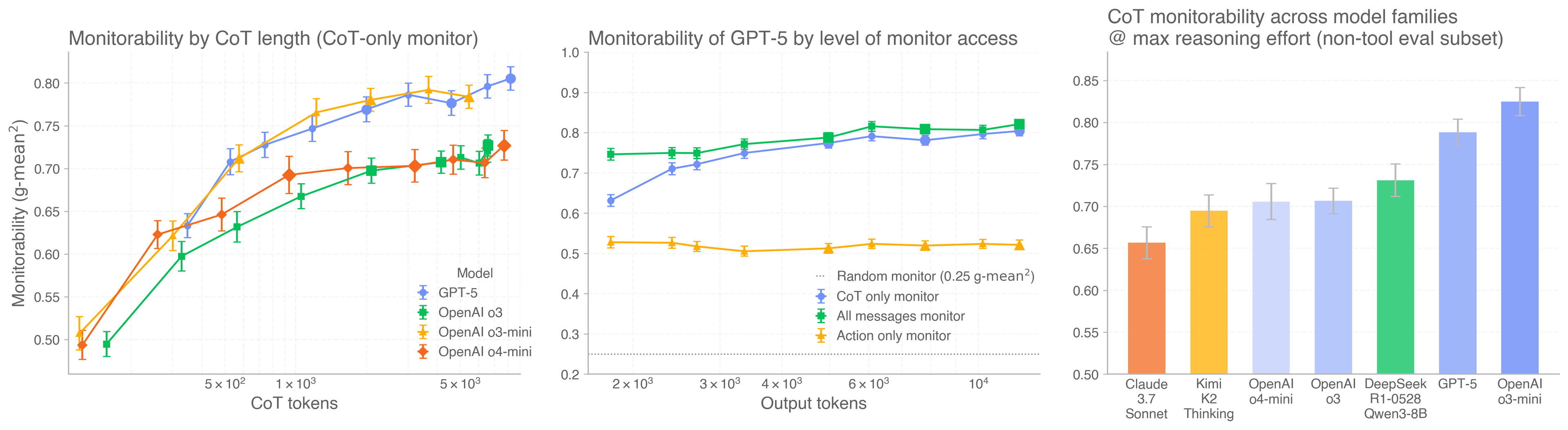
Monitoring Monitorability
OpenAI introduces a framework for measuring how well we can detect misbehavior in AI systems by monitoring their chain-of-thought reasoning. The paper proposes three evaluation archetypes and a new metric (g-mean2) to track monitorability across different models and training regimes.
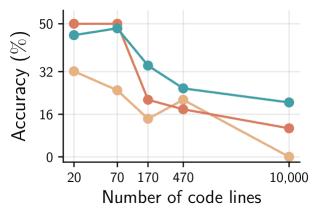
Test-Time Training for Long-Context LLMs
This paper shows that long-context LLMs can access millions of tokens but often fail to meaningfully use that information. The authors propose query-only test-time training (qTTT), which adapts models during inference through targeted gradient updates rather than generating more thinking tokens.
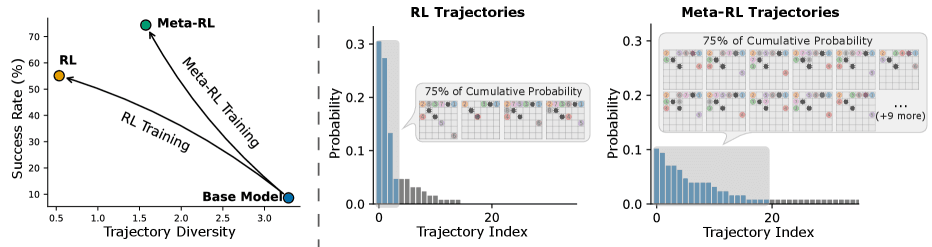
LaMer
LaMer introduces a Meta-RL framework that enables LLM agents to actively explore and learn from environment feedback at test time. Unlike standard RL-trained agents that learn fixed policies and struggle with novel tasks, LaMer agents learn exploration strategies that transfer across environments.
Epistemia
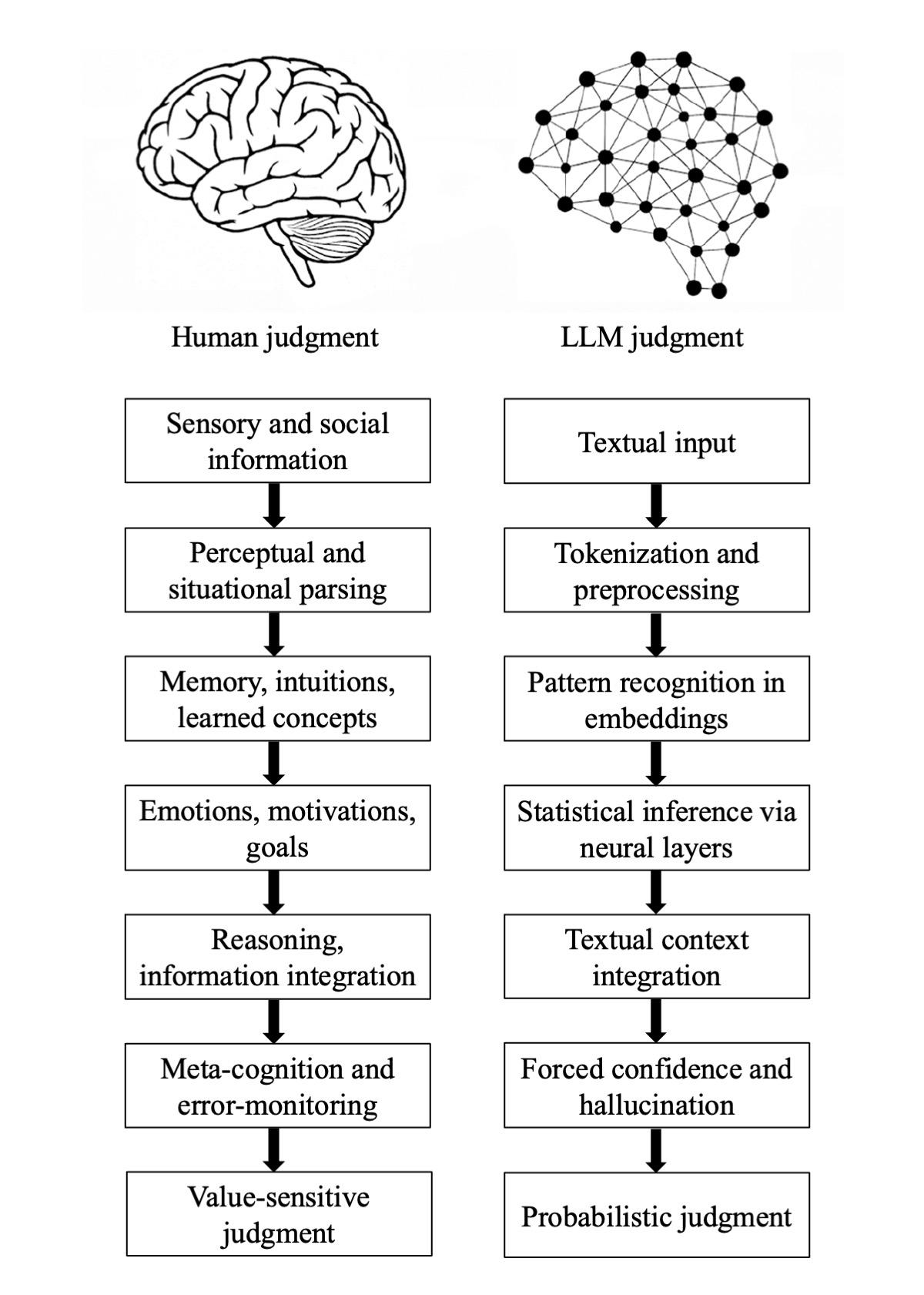
This paper argues that LLMs are not epistemic agents but stochastic pattern-completion systems. By mapping human and artificial epistemic pipelines, the authors identify seven fundamental fault lines where human and machine judgment diverge, despite producing superficially similar outputs.
JustRL
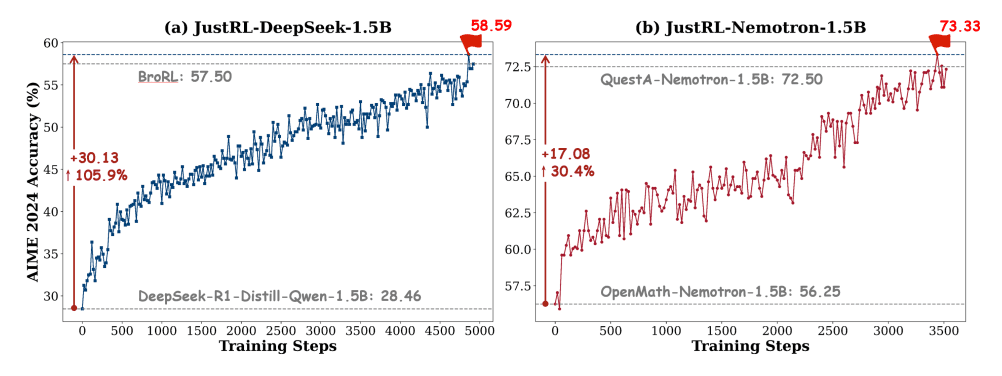
JustRL challenges the assumption that complex RL pipelines are necessary for training small language models. Using single-stage training with fixed hyperparameters, the authors achieve state-of-the-art math reasoning performance on two 1.5B models while using 2x less compute than sophisticated multi-stage approaches.
Self-Play SWE-RL
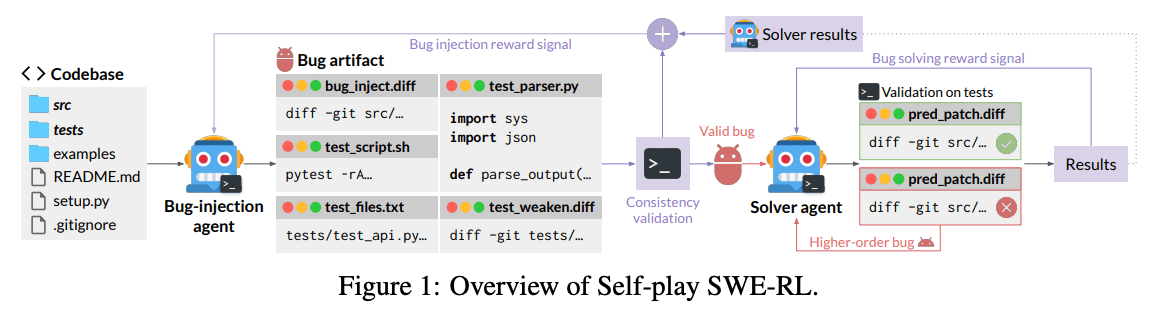
Self-Play SWE-RL (SSR) trains software engineering agents through self-play, requiring only access to sandboxed repositories with no human-labeled issues or tests. A single LLM learns to both inject and repair bugs of increasing complexity, achieving +10.4 points on SWE-bench Verified while consistently outperforming human-data baselines.
Empirical Study of Agent Developer Practices
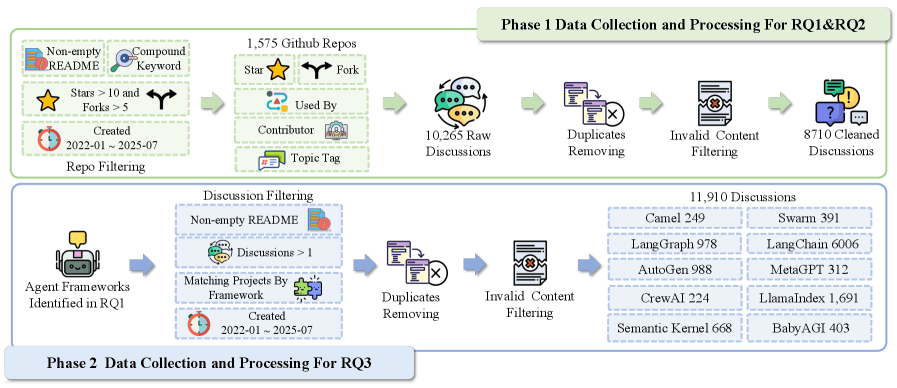
This paper presents the first large-scale empirical study of LLM-based agent frameworks, analyzing 11,910 developer discussions across ten popular frameworks. The research identifies practical challenges developers face and evaluates how well current frameworks meet their needs.
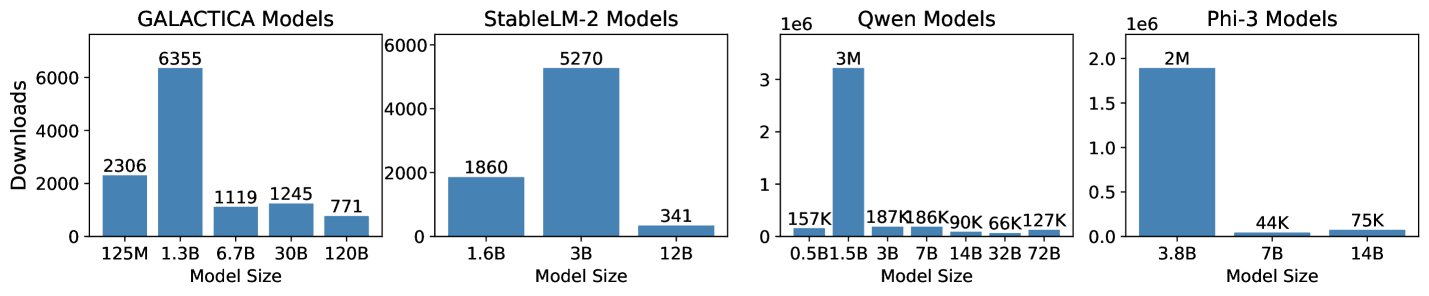
Comprehensive Survey of Small Language Models
This survey provides a comprehensive overview of Small Language Models (SLMs), which address key LLM limitations, including high computational demands, privacy concerns from cloud APIs, and poor performance on edge devices. The authors propose a standardized SLM definition based on specialized task capability and resource-constrained suitability, and develop taxonomies and frameworks for SLM acquisition, enhancement, application, and reliability.

Sophia
Sophia introduces System 3, a meta-layer beyond traditional dual-process theory that enables LLM agents to maintain persistent identity and align short-term actions with long-term goals. The framework achieves 80% reduction in reasoning steps for recurring operations and 40% performance improvement on high-complexity tasks.
SonicMoE
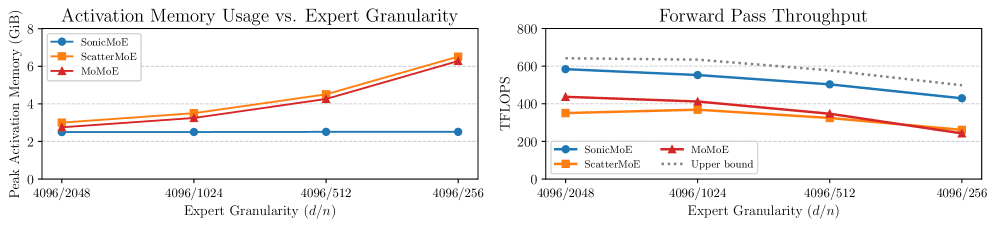
SonicMoE addresses performance bottlenecks in Mixture of Experts models through IO-aware and tile-aware optimizations. The approach achieves 1.86x compute throughput improvement on Hopper GPUs, reduces activation memory by 45%, and enables training 213 billion tokens per day on 64 H100 GPUs for a 7B model.
Detailed Balance in LLM Agents
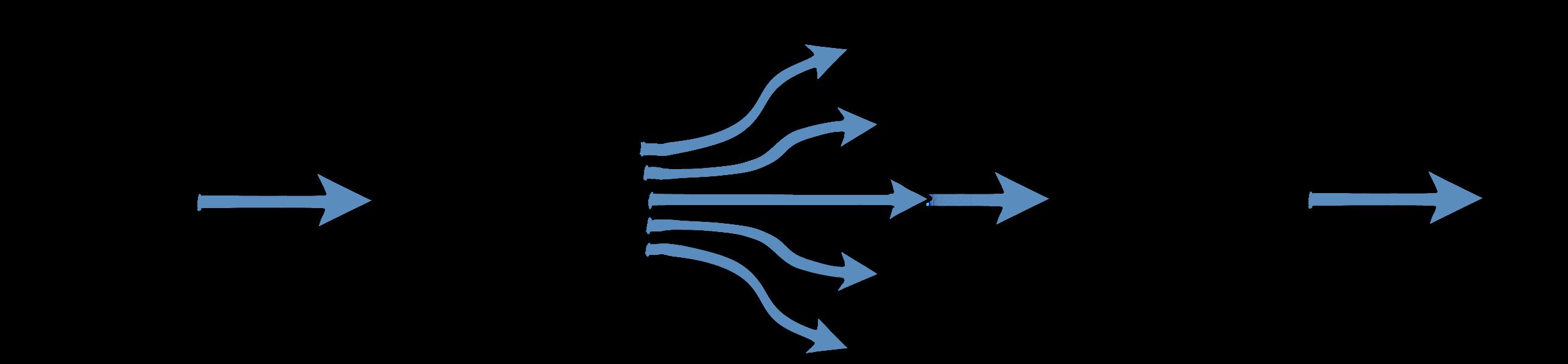
Researchers establish the first macroscopic physical law in LLM generation dynamics by applying the least action principle to analyze LLM-agent behavior. They discover statistical evidence of detailed balance in state transitions, suggesting LLMs implicitly learn underlying potential functions rather than explicit rules.
Budget Aware Test-time Scaling
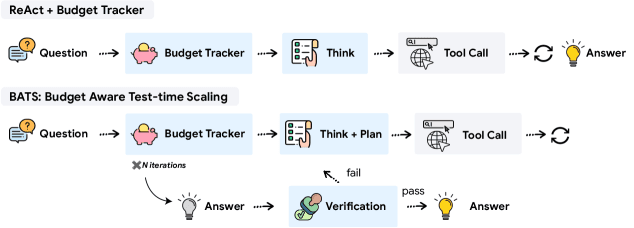
Researchers discover that simply expanding tool-call budgets without proper awareness fails to improve agent performance. They introduce BATS (Budget Aware Test-time Scaling), a framework that makes web search agents budget-aware, enabling more strategic resource allocation and pushing the cost-performance Pareto frontier.
DeepCode
DeepCode is a fully autonomous framework for synthesizing complete codebases from scientific papers despite LLM context limitations. It treats repository synthesis as a channel optimization problem, achieving state-of-the-art on PaperBench and outperforming commercial tools like Cursor and Claude Code.
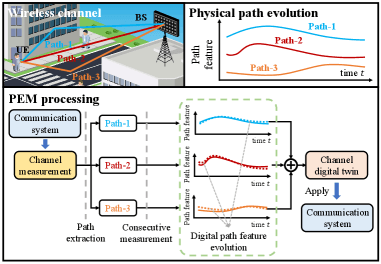
FrontierScience
OpenAI introduced FrontierScience, a new benchmark measuring AI capabilities for expert-level scientific reasoning across physics, chemistry, and biology. The benchmark consists of over 700 questions created and verified by domain experts, including international olympiad medalists and PhD scientists.
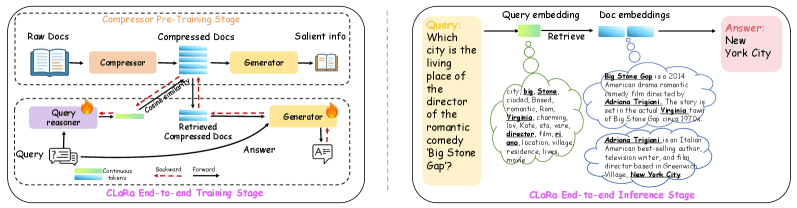
CLaRa
CLaRa introduces a unified framework for retrieval-augmented generation that performs embedding-based compression and joint optimization in a shared continuous space. The approach addresses key RAG limitations around long contexts and disjoint retrieval-generation optimization.