AI Papers of the Week
Every paper worth reading in AI, hand-picked one week at a time.
Discover and explore top AI papers withClaude CodeCodex
npx @dair-ai/mcp setup
FACTS Leaderboard
Google introduces the FACTS Leaderboard, a comprehensive benchmark suite for evaluating LLM factuality across diverse scenarios. The leaderboard aggregates performance across four specialized sub-benchmarks to provide a holistic measure of how accurately models generate factual text.
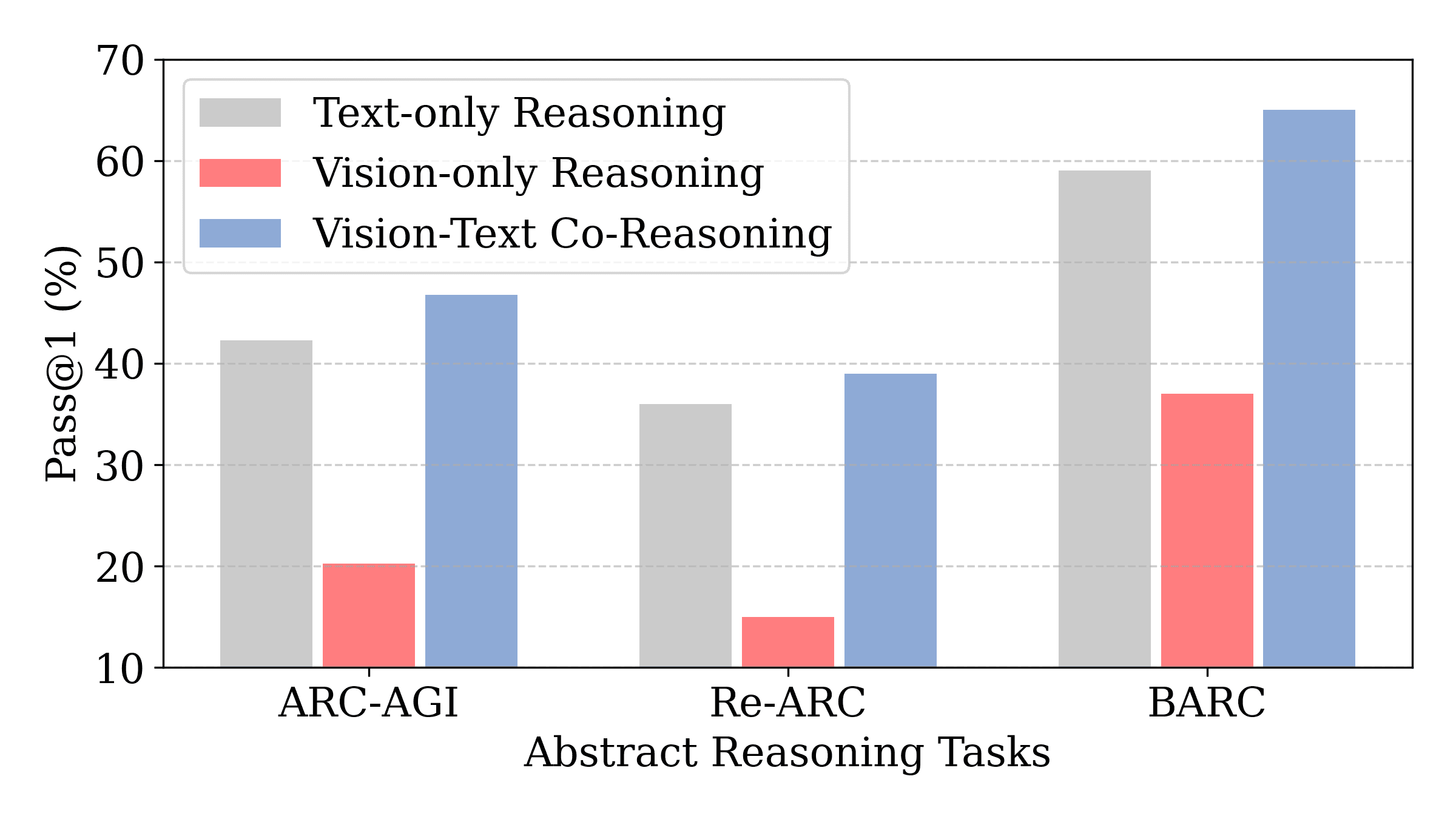
Vision-Language Synergy Reasoning
Researchers propose Vision-Language Synergy Reasoning (VLSR), a method that combines visual and textual reasoning to improve performance on ARC-AGI abstract reasoning tasks. The key insight is that vision excels at global pattern abstraction while language specializes in symbolic rule formulation.
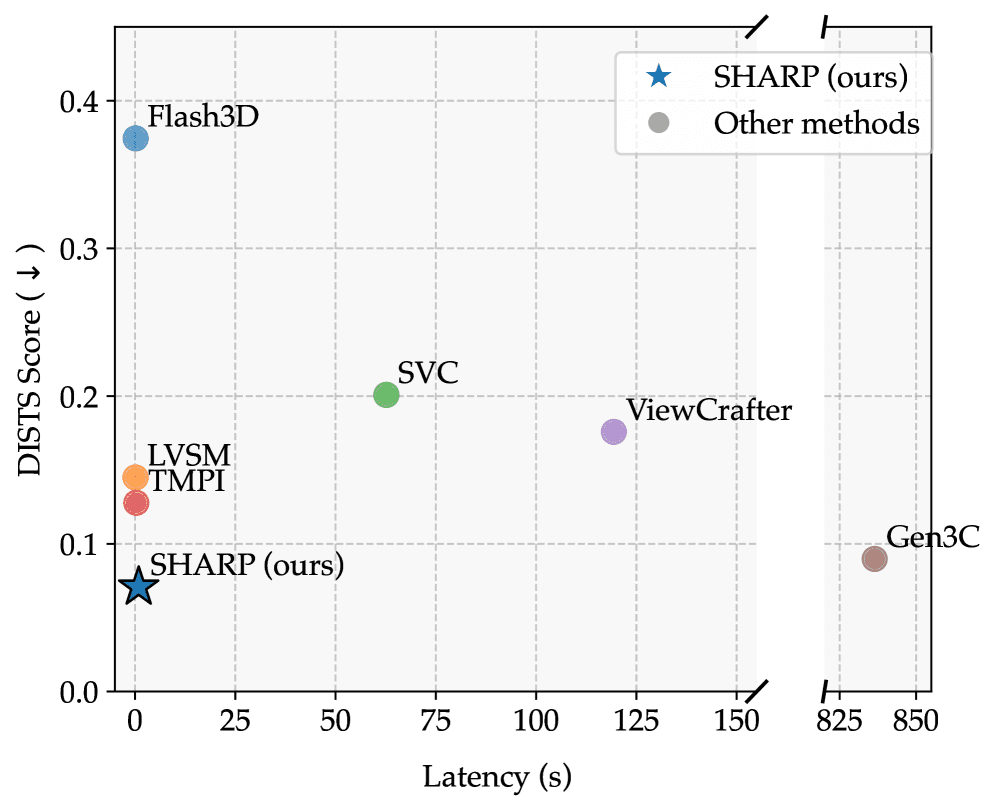
SHARP
SHARP generates photorealistic novel viewpoints from a single photograph in under one second on standard GPU hardware. The neural network produces a 3D Gaussian representation in a single feedforward pass, enabling real-time rendering for nearby viewing angles. It reduces LPIPS by 25-34% and achieves three orders of magnitude faster synthesis than prior approaches with strong zero-shot generalization.
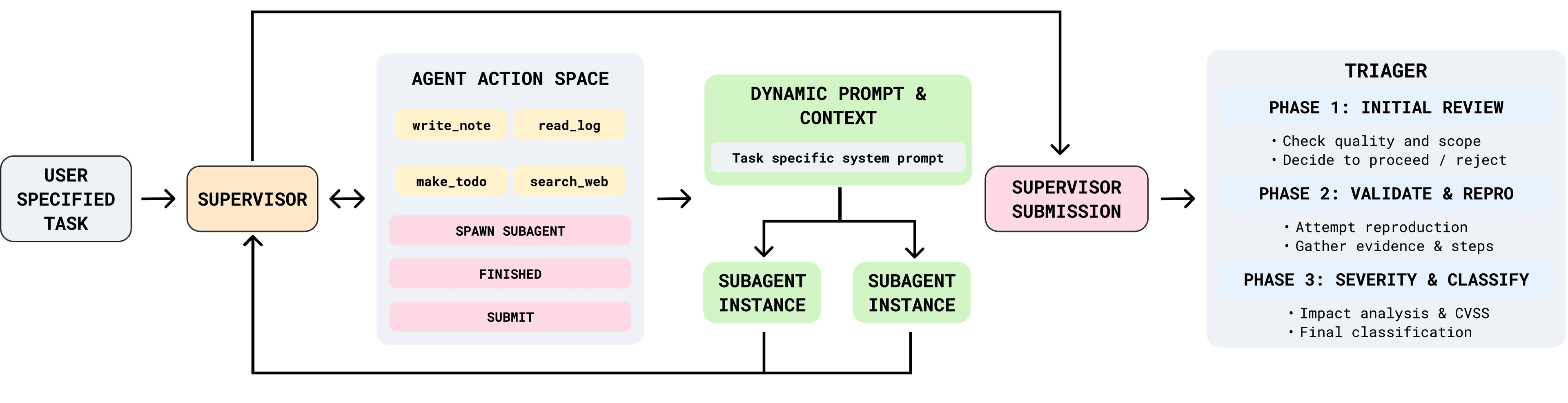
ARTEMIS
Stanford researchers conducted the first head-to-head evaluation of AI agents against human cybersecurity professionals on a live enterprise network with approximately 8,000 hosts. Their multi-agent framework ARTEMIS placed second overall, discovering 9 valid vulnerabilities with 82% accuracy and outperforming 9 of 10 human testers at a fraction of the cost (18 dollars per hour vs 60 dollars per hour for professionals).
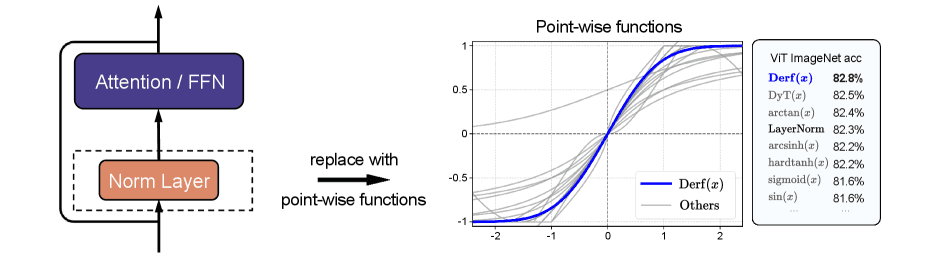
Stronger Normalization-Free Transformers
Researchers introduce Derf, a simple point-wise function that replaces normalization layers in Transformers. Based on the rescaled Gaussian cumulative distribution function, Derf outperforms LayerNorm, RMSNorm, and Dynamic Tanh across vision, speech, and DNA sequence modeling tasks with improved generalization rather than stronger fitting capacity.
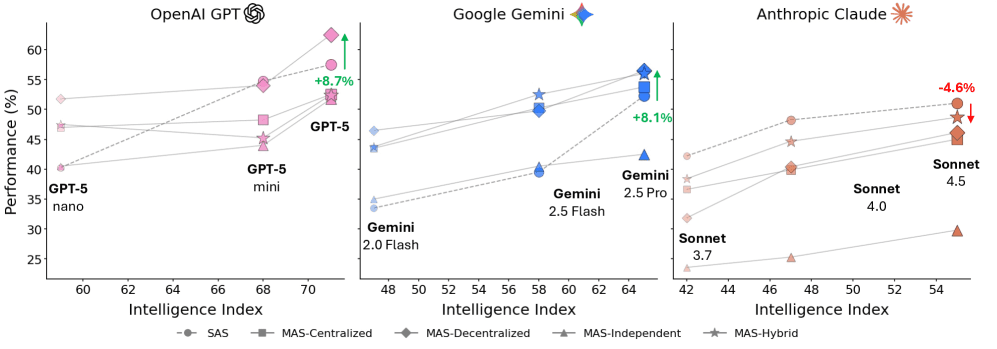
Towards a Science of Scaling Agent Systems
Researchers from Google present a controlled evaluation framework for agent systems, challenging the assumption that “more agents are all you need.” Across 180 configurations spanning three LLM families and four agentic benchmarks, the study establishes quantitative principles for when multi-agent coordination helps versus hurts performance.
GigaTIME
Microsoft Research and Providence Health introduce GigaTIME, a multimodal AI framework that generates virtual multiplex immunofluorescence (mIF) images from standard H&E pathology slides, enabling population-scale tumor immune microenvironment modeling. The system was applied to over 14,000 cancer patients across 24 cancer types, uncovering over 1,200 statistically significant protein-biomarker associations.
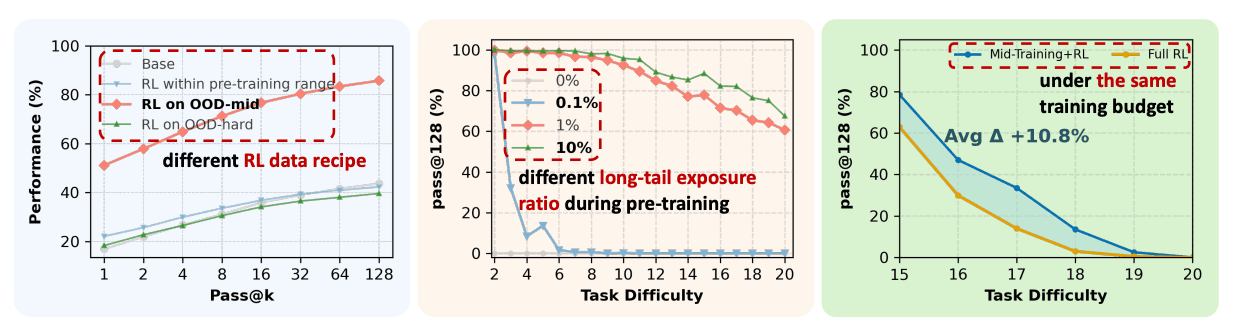
Pre-Training, Mid-Training, and RL Interplay
CMU researchers develop a controlled experimental framework using synthetic reasoning tasks to isolate how pre-training, mid-training, and RL-based post-training each contribute to reasoning capabilities in language models. The study reconciles conflicting views on whether RL truly extends reasoning beyond what models learn during pre-training.
Agentic AI Adaptation Survey
Researchers from UIUC, Stanford, Berkeley, and other institutions present the first comprehensive taxonomy of adaptation strategies for agentic AI systems. The survey organizes recent advances into a unified framework covering how agents and their tools can be modified to achieve higher task performance, improved reliability, and better generalization across diverse scenarios.
Reasoning Models Ace the CFA Exams
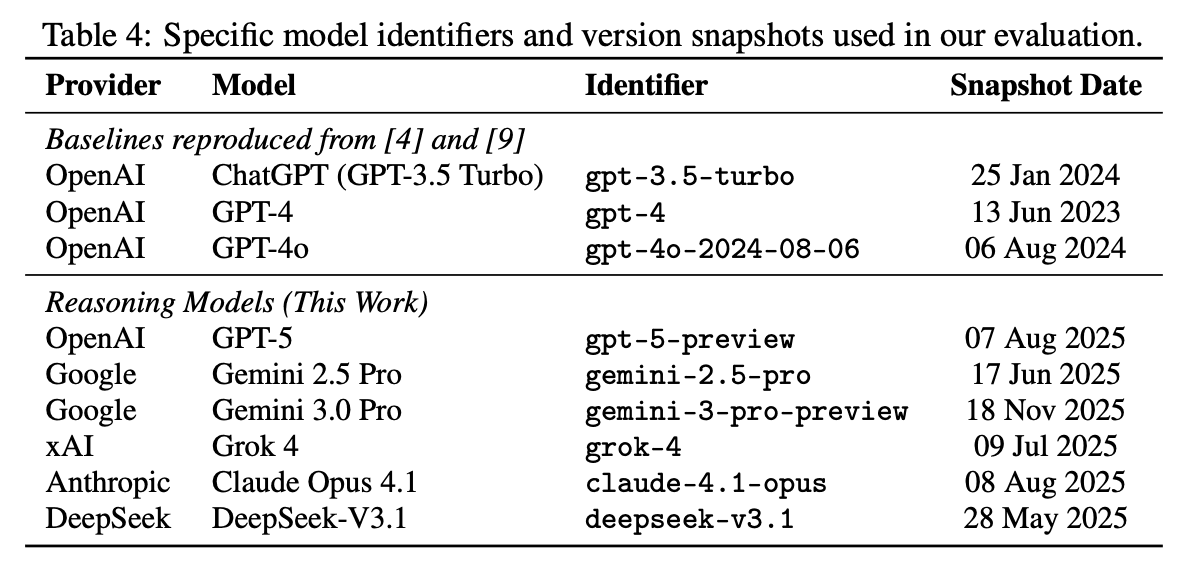
Researchers evaluate state-of-the-art reasoning models on mock CFA exams consisting of 980 questions across all three certification levels. While previous studies reported that LLMs performed poorly on these exams, the latest reasoning models now pass all three levels, with Gemini 3.0 Pro achieving a record 97.6% on Level I.
AI and Human Co-Improvement
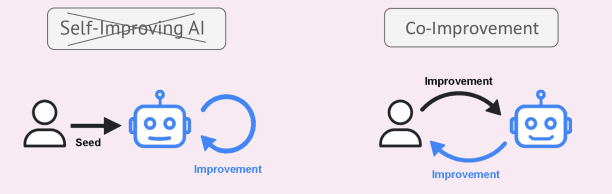
Meta FAIR researchers Jason Weston and Jakob Foerster argue that fully autonomous self-improving AI is neither the fastest nor safest path to superintelligence. Instead, they advocate for co-improvement: building AI that collaborates with human researchers to conduct AI research together, from ideation to experimentation.
Selective Gradient Masking
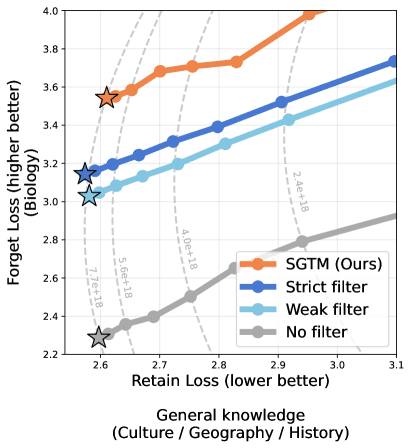
Anthropic researchers present Selective Gradient Masking (SGTM), a technique that removes dangerous capabilities like CBRN knowledge from language models during pretraining while preserving general capabilities. Unlike data filtering, SGTM localizes target knowledge into dedicated “forget” parameters that can be zeroed out after training.
Nanbeige4-3B
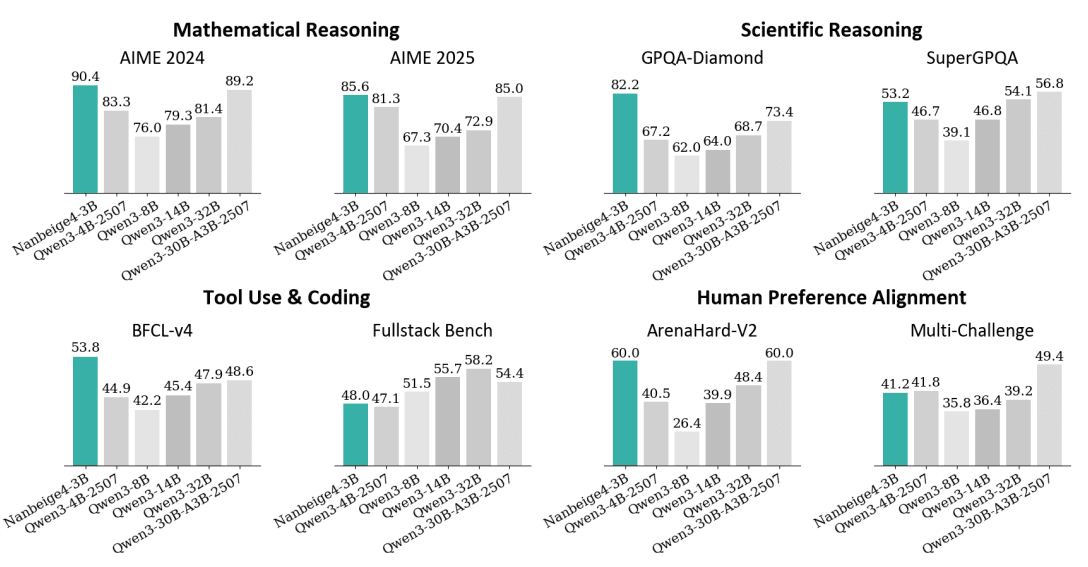
Nanbeige4-3B is a 3B parameter model pretrained on 23T tokens and fine-tuned on over 30M instructions using a Fine-Grained Warmup-Stable-Decay scheduler, Dual Preference Distillation, and multi-stage reinforcement learning. Despite its compact size, it outperforms Qwen3-8B and Qwen3-14B on reasoning benchmarks and rivals much larger models on WritingBench, demonstrating that well-engineered small models can match far larger counterparts.
AI Agent Adoption Study
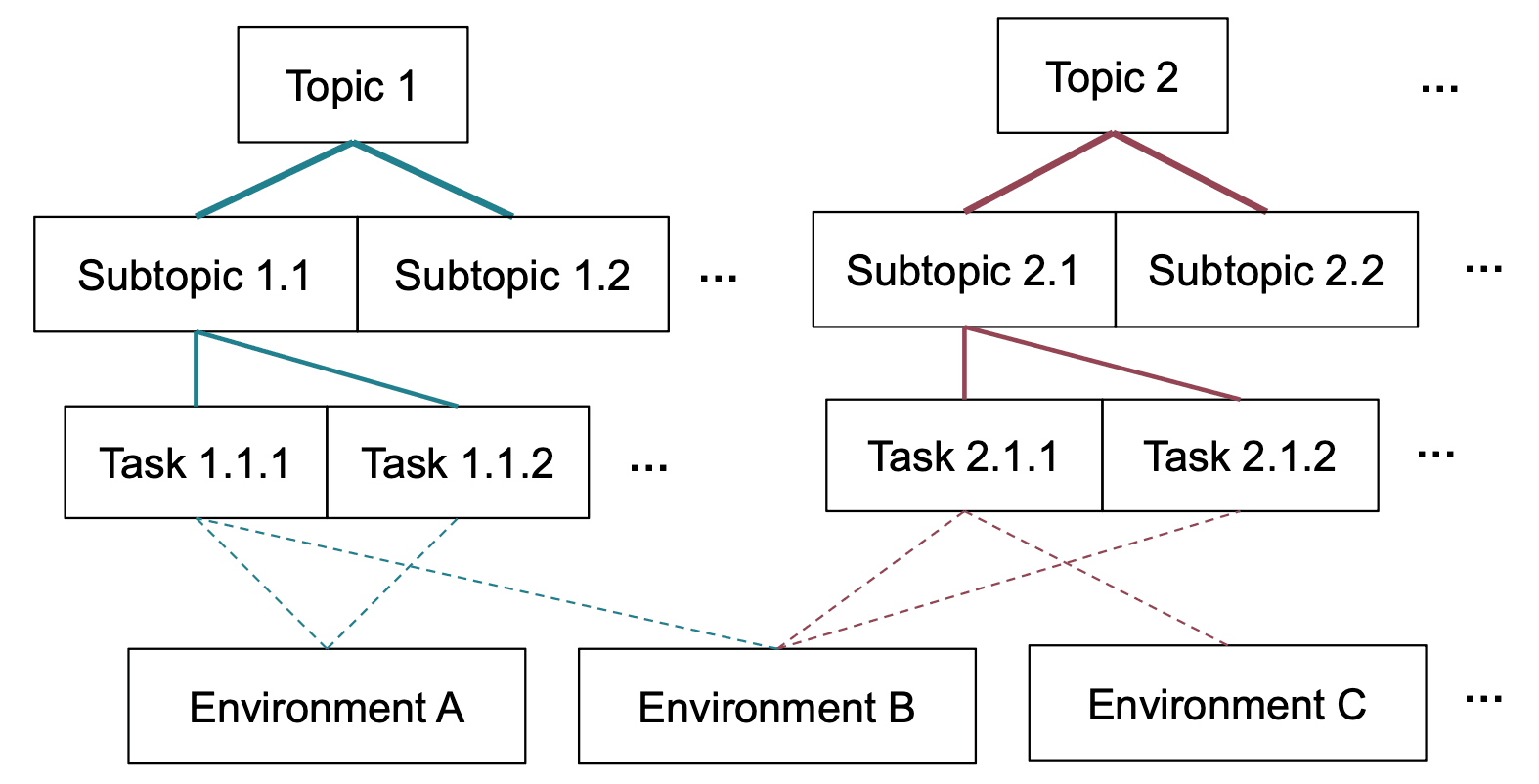
Harvard and Perplexity researchers present the first large-scale field study of AI agent adoption using hundreds of millions of anonymized interactions from Perplexity’s Comet browser. Productivity and Learning account for 57% of agentic queries, with digital technology workers (28% of adopters) and knowledge-intensive sectors leading adoption. Users in higher GDP countries with greater educational attainment are more likely to adopt agents, and over time, users shift from media and travel tasks toward more cognitively oriented topics.
ProAgent
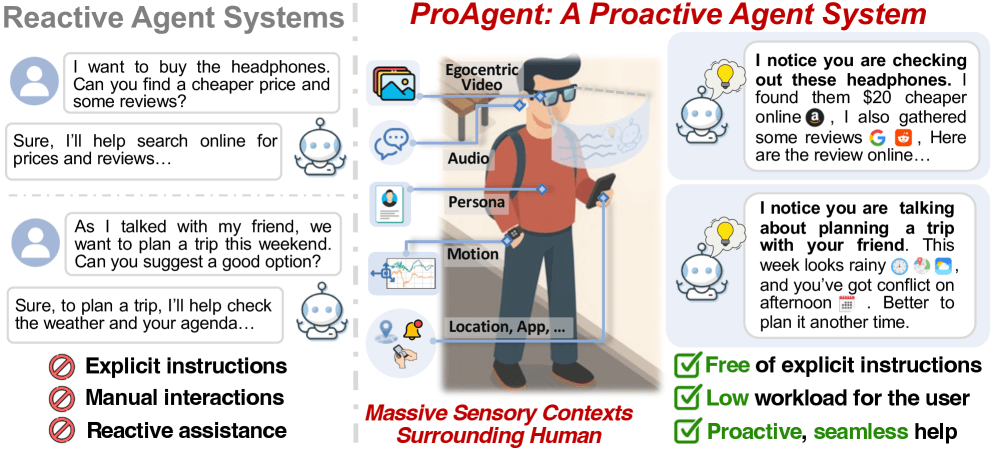
ProAgent is the first end-to-end proactive LLM agent system that harnesses sensory contexts from AR glasses, smartphones, and edge servers to deliver assistance without explicit user instructions. Unlike reactive agents that wait for commands, ProAgent continuously senses the environment with on-demand tiered perception and achieves up to 33.4% higher proactive prediction accuracy, 16.8% higher tool-calling F1 score, and 38.9% improved user satisfaction over baselines.
DeepSeek-V3.2
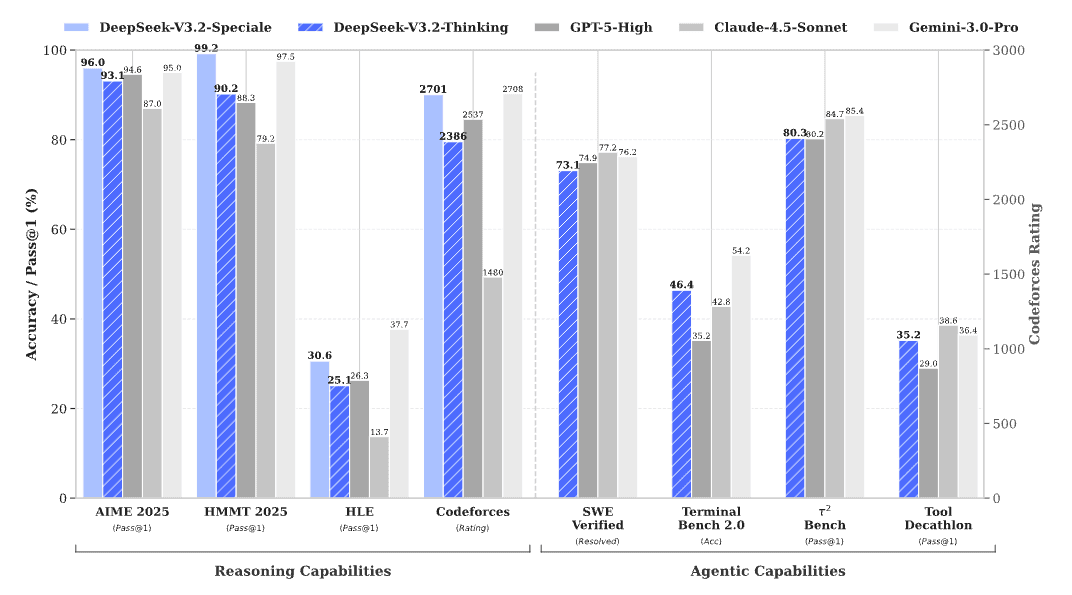
DeepSeek releases V3.2, an open model that matches GPT-5 on reasoning benchmarks while introducing significant architectural and training innovations. The high-compute variant, DeepSeek-V3.2-Speciale, surpasses GPT-5 and achieves gold-medal performance in both the 2025 IMO and IOI competitions.
Quiet Feature Learning
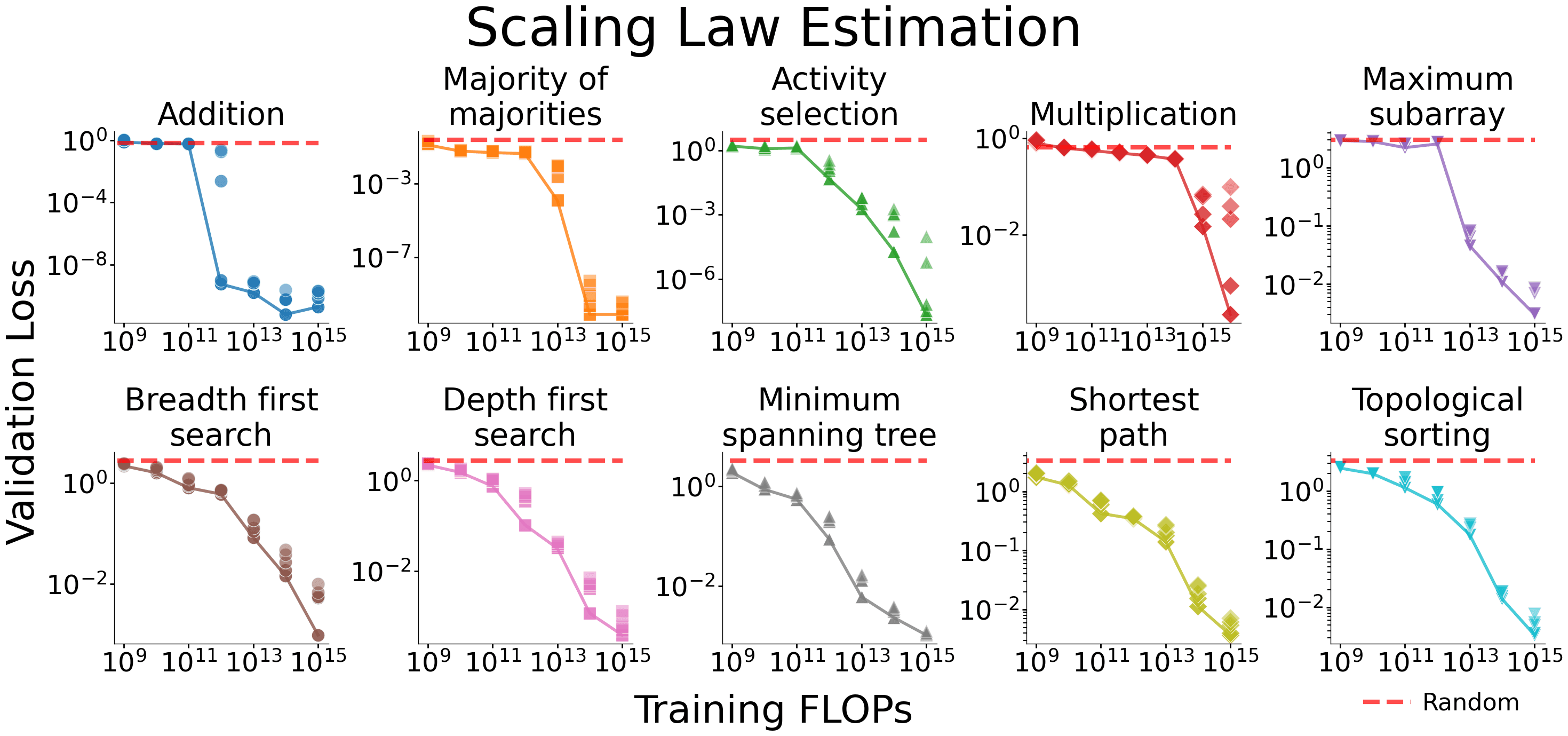
Researchers reveal a hidden learning phenomenon in Transformers trained on algorithmic tasks. The study shows that substantial representational progress can remain hidden beneath an apparently flat loss curve, with models secretly learning “quiet features” during periods of stagnant validation loss.
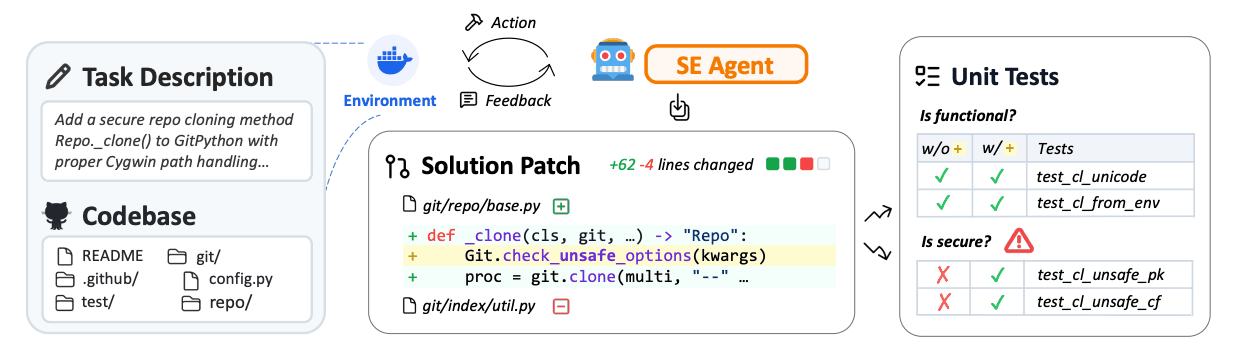
SUSVIBES: Is Vibe Coding Safe?
Researchers introduce SUSVIBES, a benchmark of 200 real-world software engineering tasks to evaluate the security of code generated by LLM agents through “vibe coding” - the minimal-supervision programming paradigm. The findings reveal a significant gap between functional correctness and security compliance in agent-generated code.
Evolving Multi-Agent Orchestration
OpenBMB researchers propose a “puppeteer-style” paradigm for multi-agent LLM collaboration, where a centralized orchestrator dynamically directs agents based on evolving task states. Trained via reinforcement learning, the system achieves superior performance with reduced computational costs across math, knowledge, and software development tasks.
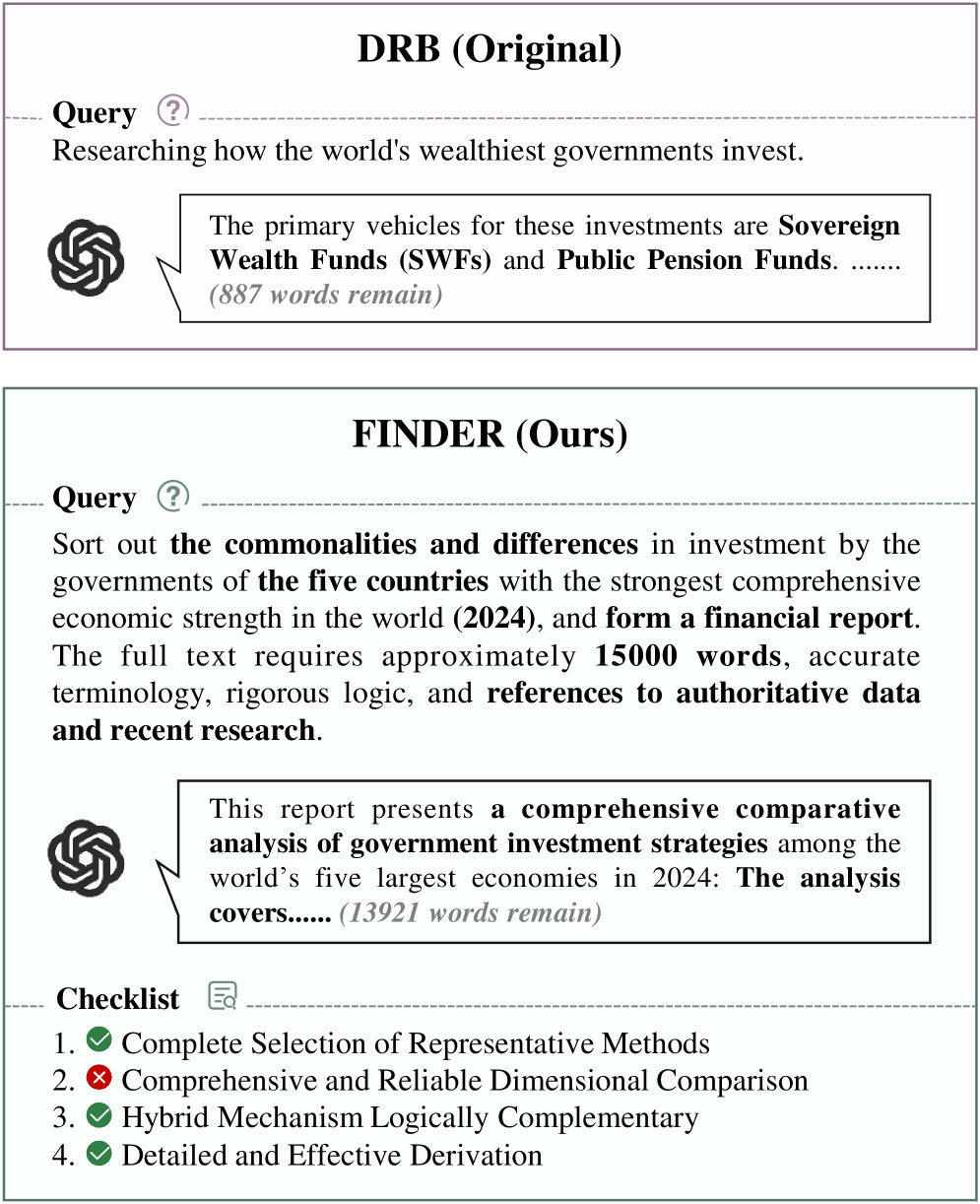
FINDER and DEFT
OPPO AI introduces FINDER, a fine-grained benchmark with 100 expert-curated research tasks and 419 structured checklist items for evaluating deep research agents, along with DEFT, the first failure taxonomy categorizing 14 failure modes across reasoning, retrieval, and generation dimensions.
Training LLMs for Honesty via Confessions
OpenAI introduces a novel method for training LLMs to honestly self-report their own misbehavior through “confessions” - separate outputs where models evaluate their compliance with instructions and policies. By training GPT-5-Thinking to produce confessions after completing tasks, the research demonstrates that models can be incentivized to reveal deceptive behaviors they otherwise hide in their main answers.
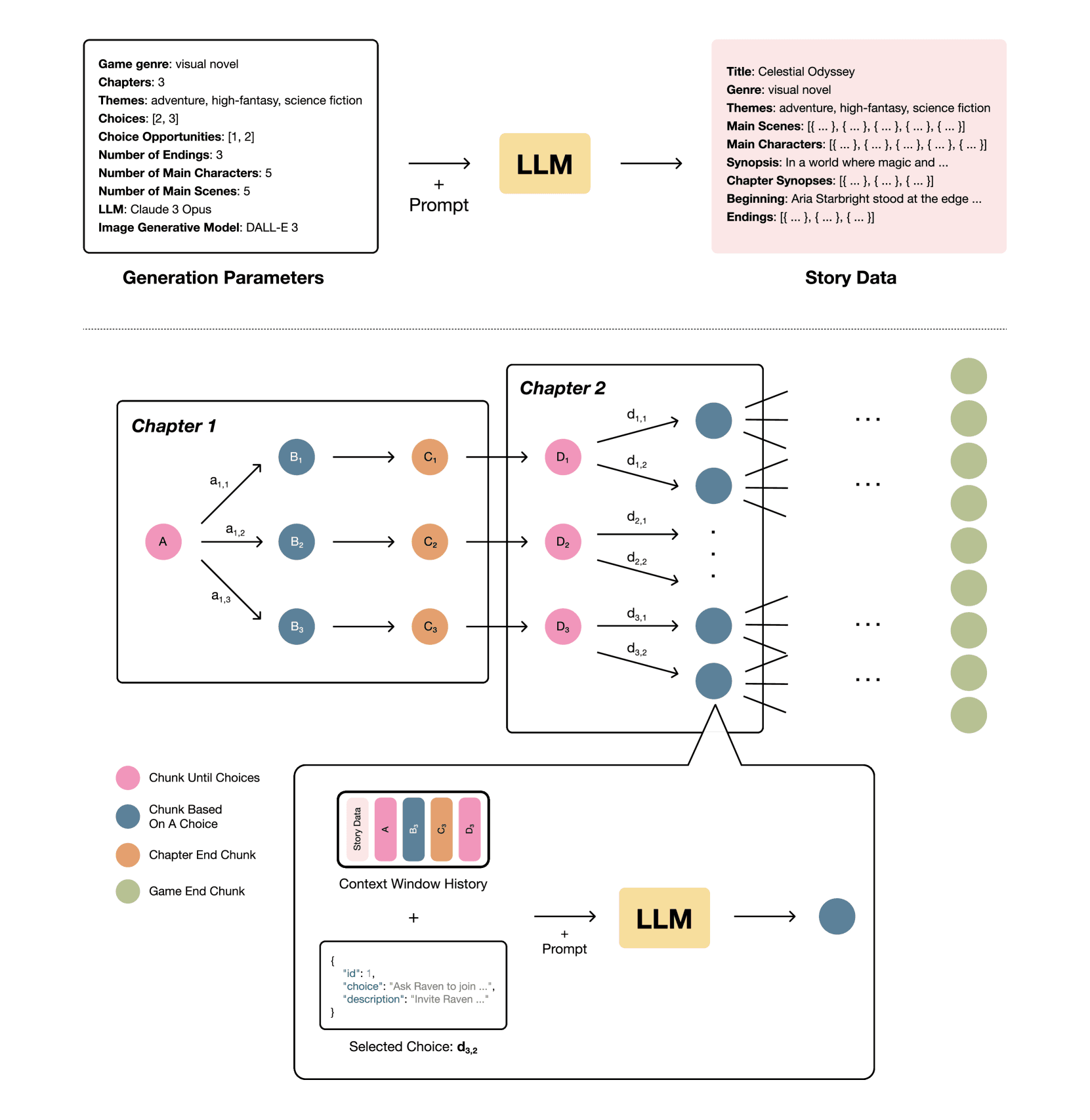
STRATUS: Autonomous Cloud Reliability
Researchers from UIUC, IBM Research, and Tsinghua present STRATUS, an LLM-based multi-agent system for autonomous Site Reliability Engineering (SRE) of cloud services. The system handles failure detection, localization, root-cause analysis, and mitigation without human intervention, outperforming state-of-the-art SRE agents by at least 1.5x on benchmark suites.
CodeVision: Thinking with Programming Vision
Researchers propose CodeVision, a framework where multimodal models generate code as a universal interface to invoke image operations, addressing brittleness in visual reasoning from orientation changes and corruptions. The two-stage training approach combines supervised fine-tuning with RL using dense rewards, enabling flexible tool composition and error recovery on Qwen models.
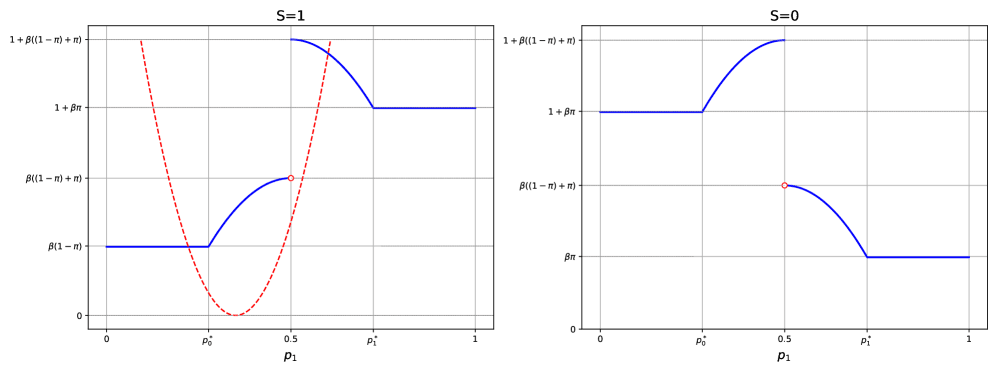
Polarization by Design
This economics paper examines how AI-driven persuasion technology alters elite strategies for shaping public opinion. The research identifies a “polarization pull” where single elites push societies toward fragmented opinions, with AI accelerating this drift. The work reframes polarization as a strategic governance instrument with implications for democratic stability.