AI Papers of the Week
Every paper worth reading in AI, hand-picked one week at a time.
Discover and explore top AI papers withClaude CodeCodex
npx @dair-ai/mcp setup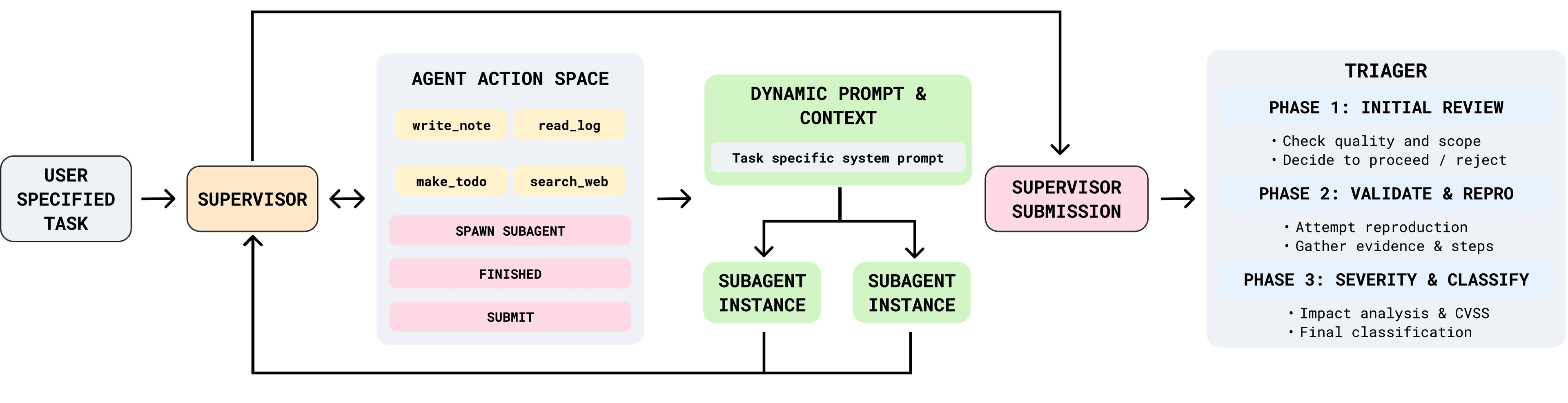
ARTEMIS
Stanford researchers conducted the first head-to-head evaluation of AI agents against human cybersecurity professionals on a live enterprise network with approximately 8,000 hosts. Their multi-agent framework ARTEMIS placed second overall, discovering 9 valid vulnerabilities with 82% accuracy and outperforming 9 of 10 human testers at a fraction of the cost (18 dollars per hour vs 60 dollars per hour for professionals).
Towards a Science of Scaling Agent Systems
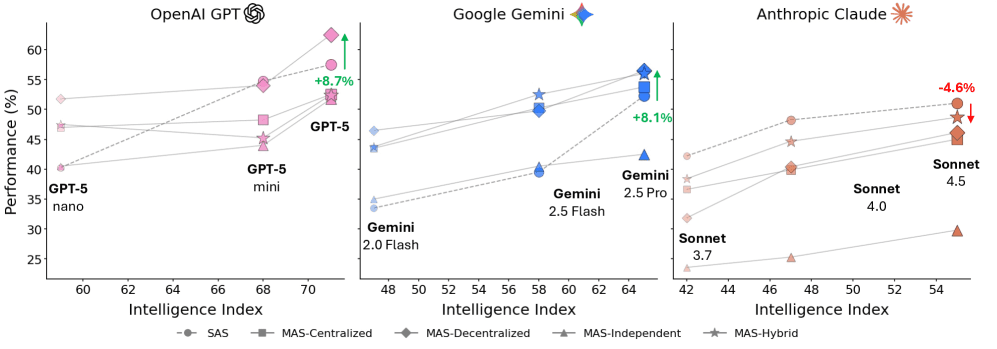
Researchers from Google present a controlled evaluation framework for agent systems, challenging the assumption that “more agents are all you need.” Across 180 configurations spanning three LLM families and four agentic benchmarks, the study establishes quantitative principles for when multi-agent coordination helps versus hurts performance.
Agentic AI Adaptation Survey
Researchers from UIUC, Stanford, Berkeley, and other institutions present the first comprehensive taxonomy of adaptation strategies for agentic AI systems. The survey organizes recent advances into a unified framework covering how agents and their tools can be modified to achieve higher task performance, improved reliability, and better generalization across diverse scenarios.
AI and Human Co-Improvement
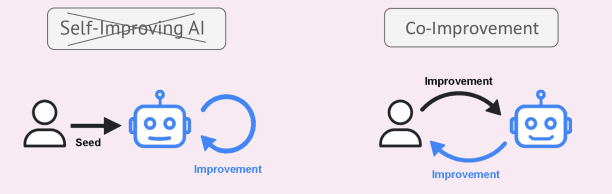
Meta FAIR researchers Jason Weston and Jakob Foerster argue that fully autonomous self-improving AI is neither the fastest nor safest path to superintelligence. Instead, they advocate for co-improvement: building AI that collaborates with human researchers to conduct AI research together, from ideation to experimentation.
AI Agent Adoption Study
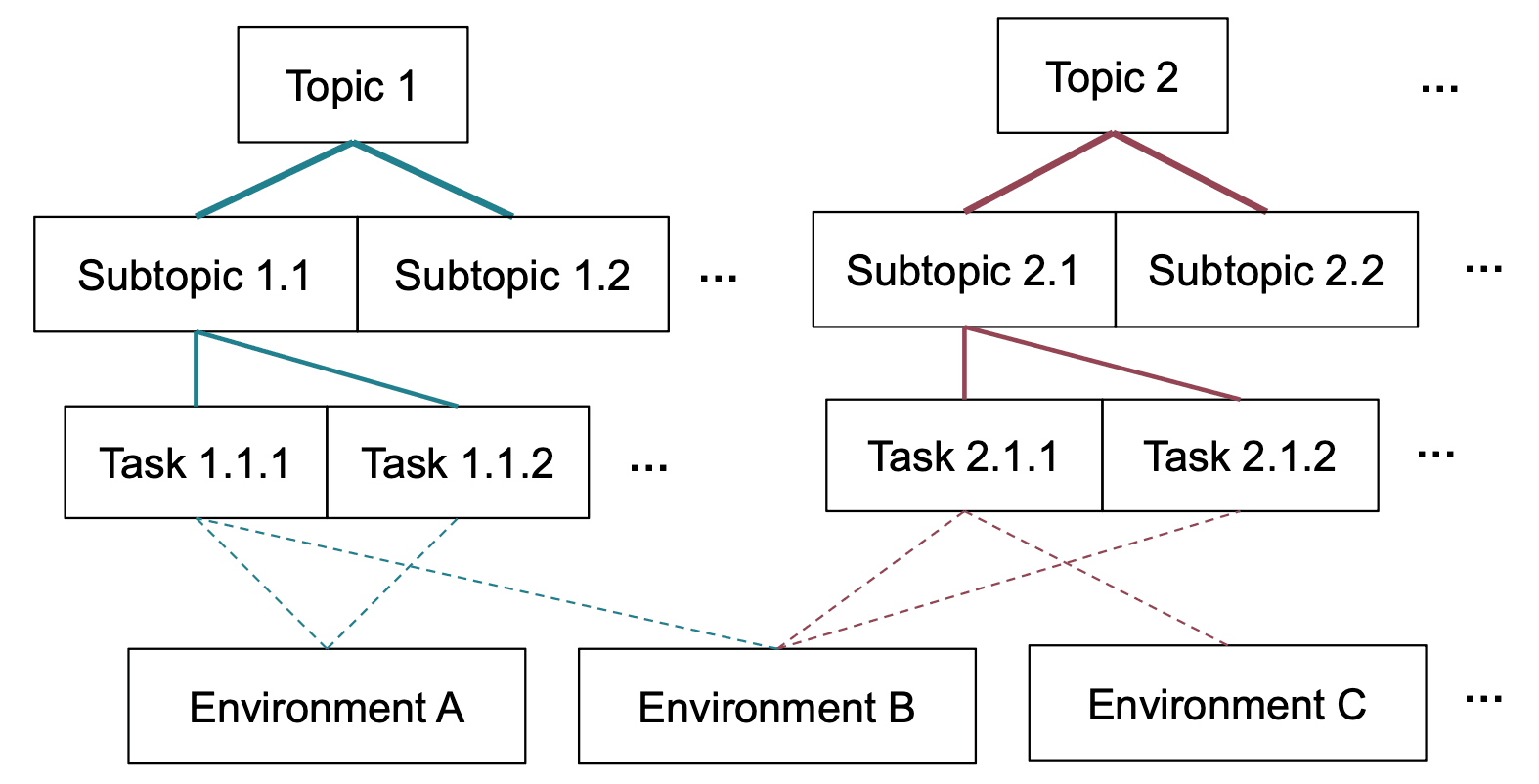
Harvard and Perplexity researchers present the first large-scale field study of AI agent adoption using hundreds of millions of anonymized interactions from Perplexity’s Comet browser. Productivity and Learning account for 57% of agentic queries, with digital technology workers (28% of adopters) and knowledge-intensive sectors leading adoption. Users in higher GDP countries with greater educational attainment are more likely to adopt agents, and over time, users shift from media and travel tasks toward more cognitively oriented topics.
ProAgent
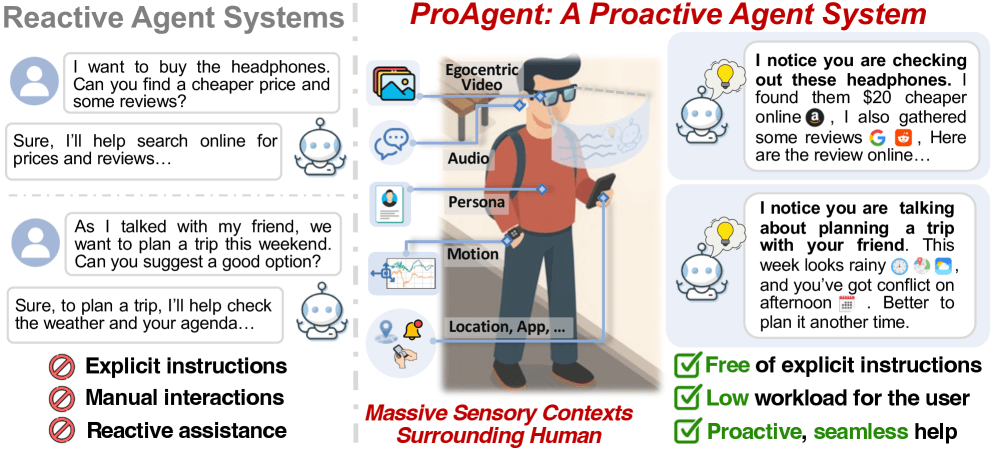
ProAgent is the first end-to-end proactive LLM agent system that harnesses sensory contexts from AR glasses, smartphones, and edge servers to deliver assistance without explicit user instructions. Unlike reactive agents that wait for commands, ProAgent continuously senses the environment with on-demand tiered perception and achieves up to 33.4% higher proactive prediction accuracy, 16.8% higher tool-calling F1 score, and 38.9% improved user satisfaction over baselines.
Evolving Multi-Agent Orchestration
OpenBMB researchers propose a “puppeteer-style” paradigm for multi-agent LLM collaboration, where a centralized orchestrator dynamically directs agents based on evolving task states. Trained via reinforcement learning, the system achieves superior performance with reduced computational costs across math, knowledge, and software development tasks.
FINDER and DEFT
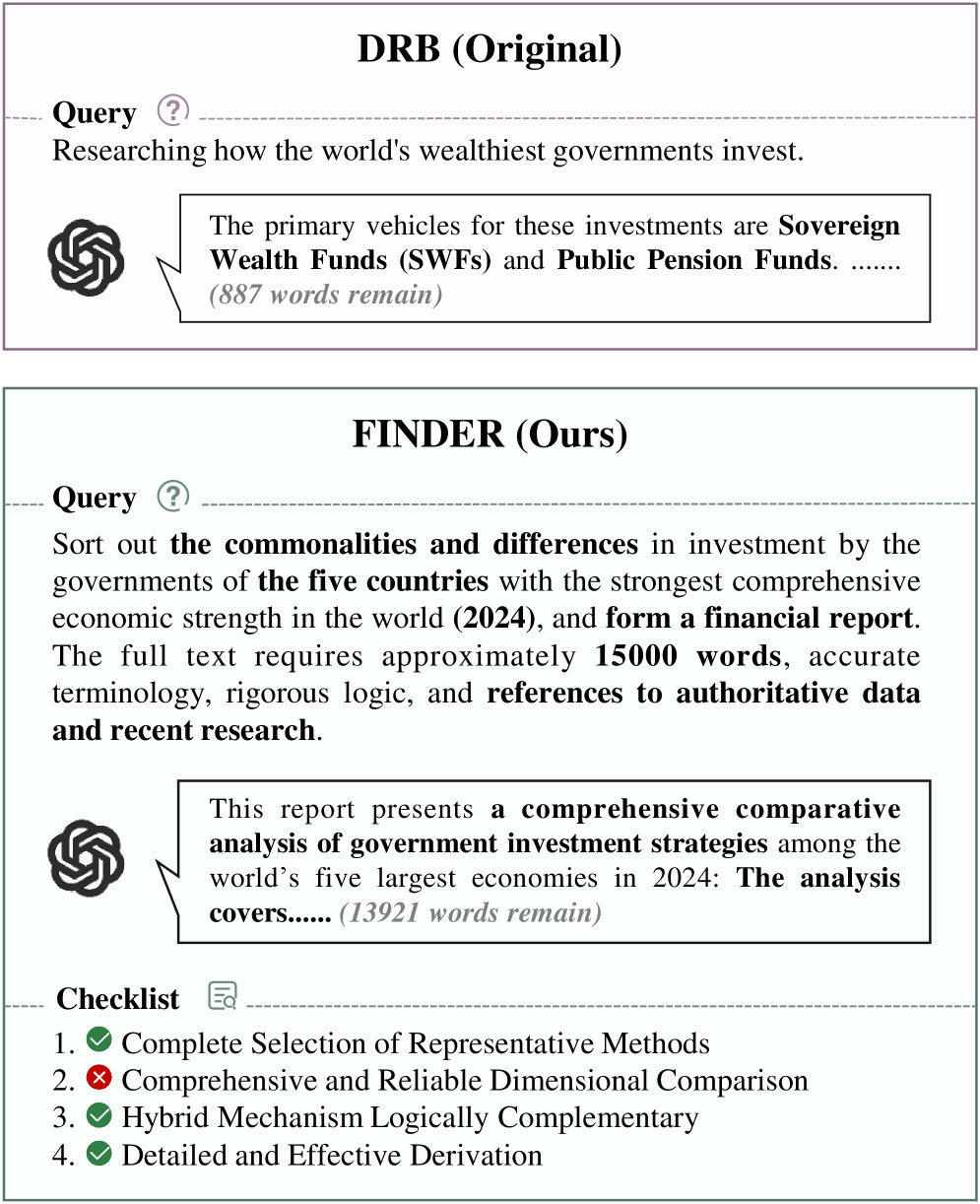
OPPO AI introduces FINDER, a fine-grained benchmark with 100 expert-curated research tasks and 419 structured checklist items for evaluating deep research agents, along with DEFT, the first failure taxonomy categorizing 14 failure modes across reasoning, retrieval, and generation dimensions.
STRATUS: Autonomous Cloud Reliability
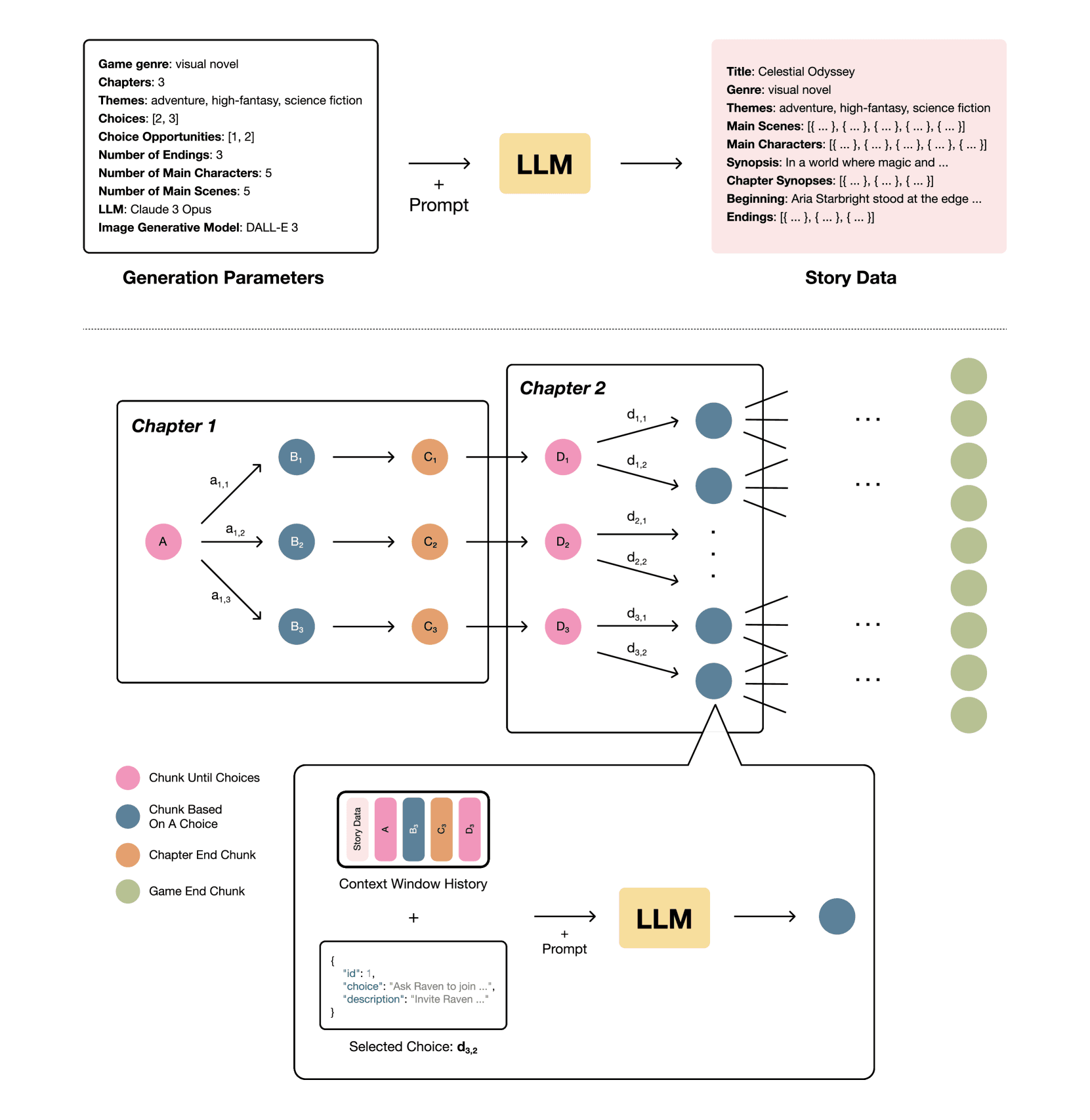
Researchers from UIUC, IBM Research, and Tsinghua present STRATUS, an LLM-based multi-agent system for autonomous Site Reliability Engineering (SRE) of cloud services. The system handles failure detection, localization, root-cause analysis, and mitigation without human intervention, outperforming state-of-the-art SRE agents by at least 1.5x on benchmark suites.
LatentMAS
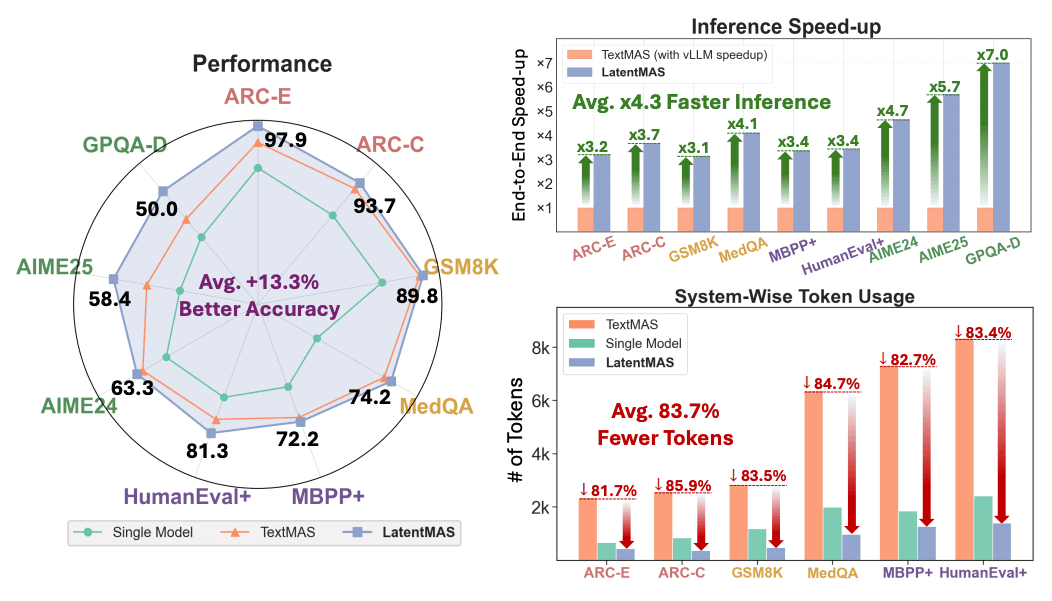
LatentMAS introduces a framework enabling language model agents to collaborate directly within a continuous latent space rather than relying on text-based communication. By using last-layer hidden embeddings and a shared latent working memory, agents preserve and transfer internal representations without information loss from text serialization.

OmniScientist
OmniScientist presents an end-to-end framework for building AI scientists capable of autonomously conducting research across the entire scientific lifecycle - from literature review and ideation to experimentation, writing, and peer review. The system establishes a collaborative ecosystem where human and AI scientists co-evolve within a shared scientific environment.
InfCode
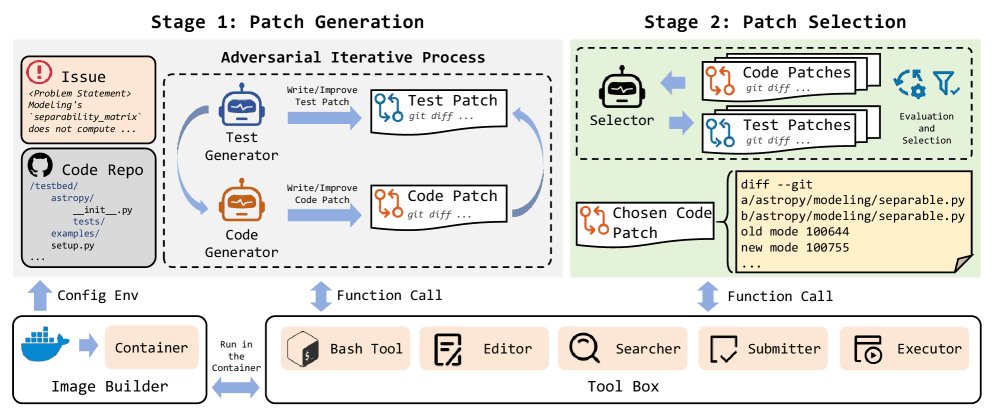
InfCode introduces an adversarial framework for software bug fixing that treats test generation and patch creation as mutually reinforcing processes. Rather than generating patches that simply pass existing tests, the system creates challenging test cases designed to expose patch weaknesses, then iteratively refines patches to handle these adversarial tests.
Multi-Agent Collaboration for Multimodal LLMs
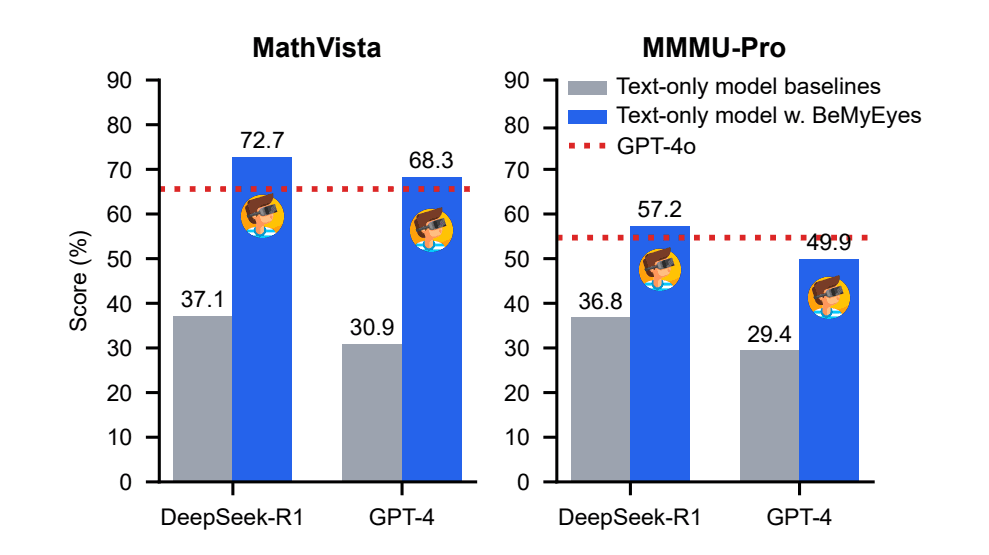
Microsoft and USC researchers introduce a framework where vision models serve as “eyes” for language models through multi-agent collaboration, enabling modular upgrades without retraining expensive joint vision-language architectures. Specialized vision agents analyze images and communicate findings to language agents through natural language, achieving competitive results on MMMU, MMMU-Pro, and video understanding benchmarks while maintaining full flexibility to swap in improved components independently.
DR Tulu
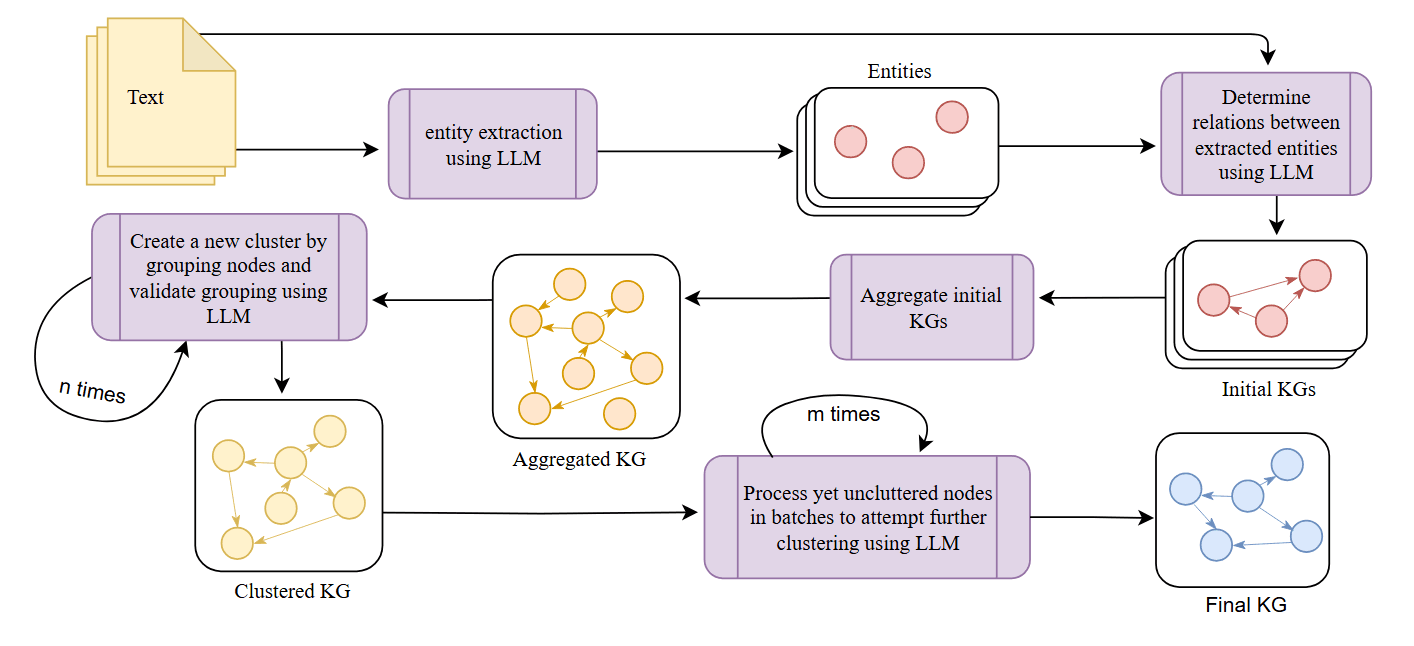
DR Tulu-8B is the first open model directly trained for long-form deep research using Reinforcement Learning with Evolving Rubrics (RLER). Unlike existing models trained on short-form QA tasks, DR Tulu learns to produce comprehensive, well-attributed research reports by training with rubrics that co-evolve with the model and are grounded on real-world searched knowledge.
MAKER: Solving Million-Step LLM Tasks
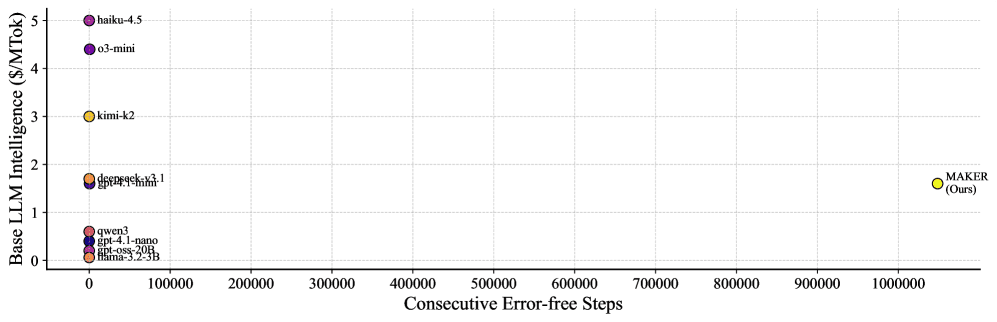
MAKER is the first system to successfully solve tasks requiring over one million LLM steps with zero errors, overcoming a fundamental limitation where LLMs typically fail after a few hundred steps in complex multi-step processes. The approach demonstrates that massively decomposed agentic processes can efficiently handle lengthy sequences of dependent logical operations through extreme decomposition and error correction.
LAMP: Language-Augmented Multi-Agent RL
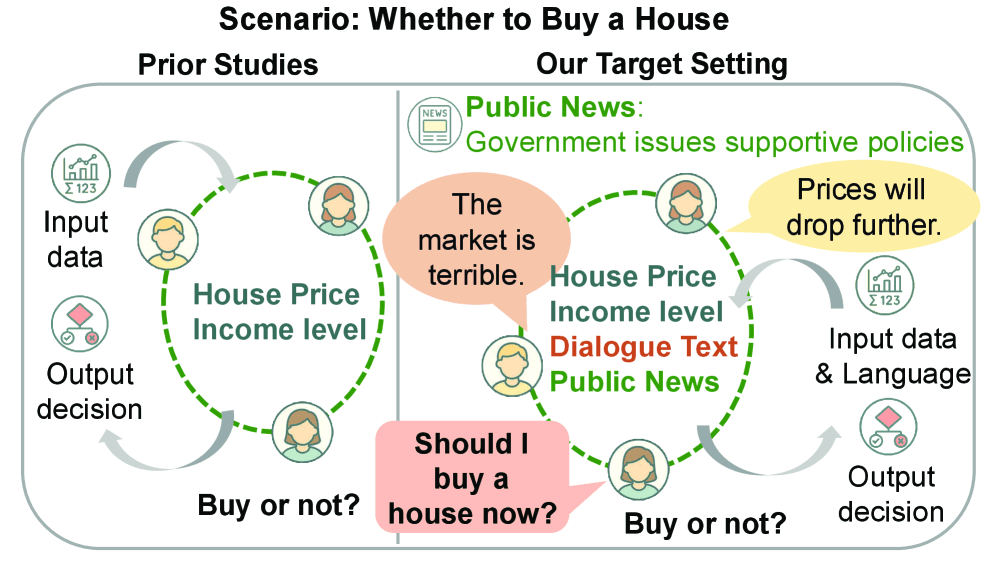
LAMP integrates natural language processing into multi-agent reinforcement learning through a three-stage pipeline: Think (processes numerical data and identifies market patterns), Speak (generates strategic communications between agents), and Decide (synthesizes information into optimized policy). The framework achieves substantial improvements over baseline methods with +63.5% and +34.0% gains in cumulative return and +18.8% and +59.4% improvements in robustness, bridging traditional MARL with real-world economic contexts where language significantly influences decisions.
Scaling Agent RL via Experience Synthesis
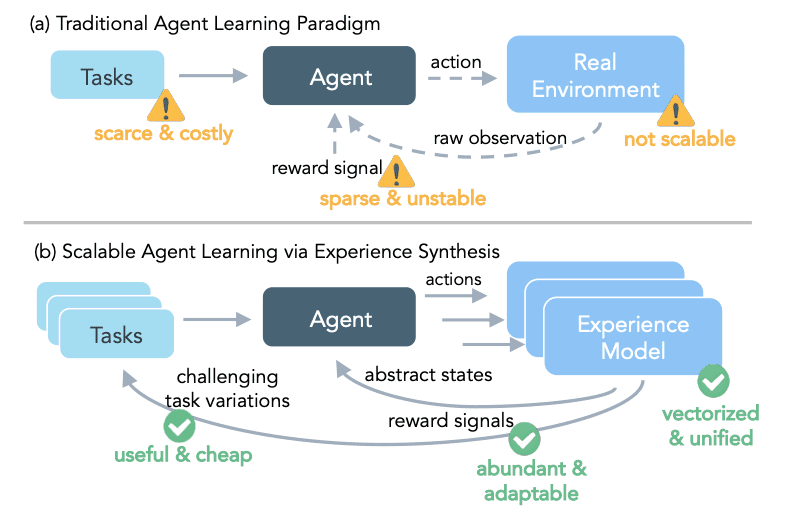
Meta researchers introduce DreamGym, a unified framework that synthesizes diverse training experiences to enable scalable reinforcement learning for LLM agents without costly real-environment rollouts. It addresses fundamental barriers of expensive interactions, limited task diversity, unreliable rewards, and infrastructure complexity.
Tool-to-Agent Retrieval
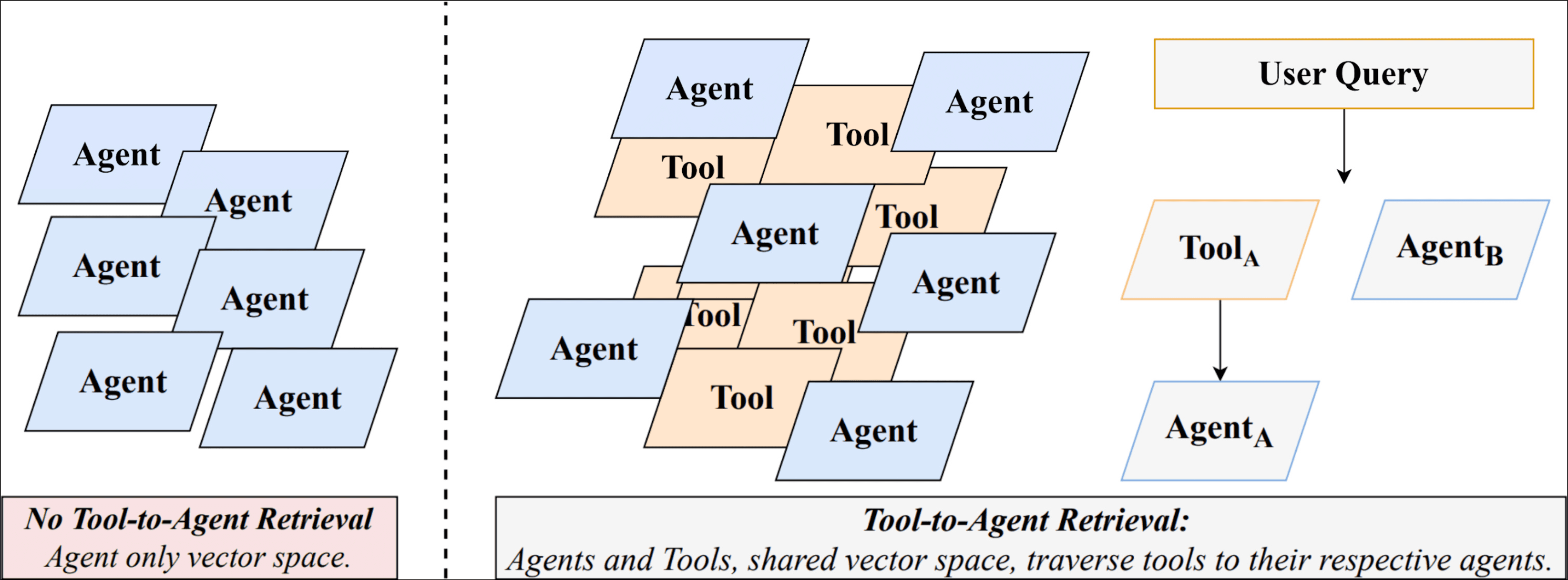
PwC researchers introduce a unified retrieval framework that embeds both tools and agents in a shared vector space with metadata relationships, enabling efficient routing in multi-agent systems coordinating hundreds of MCP servers and tools.
Petri Dish Neural Cellular Automata
Sakana AI researchers introduce PD-NCA, a differentiable artificial life framework where multiple independent agents continuously update their parameters through gradient descent during simulation, enabling within-lifetime learning and open-ended behavioral change. The system exhibits emergent phenomena, including rock-paper-scissors dynamics, cyclic interactions, and spontaneous cooperation despite purely competitive optimization objectives.
Unlocking the Power of Multi-Agent LLM for Reasoning
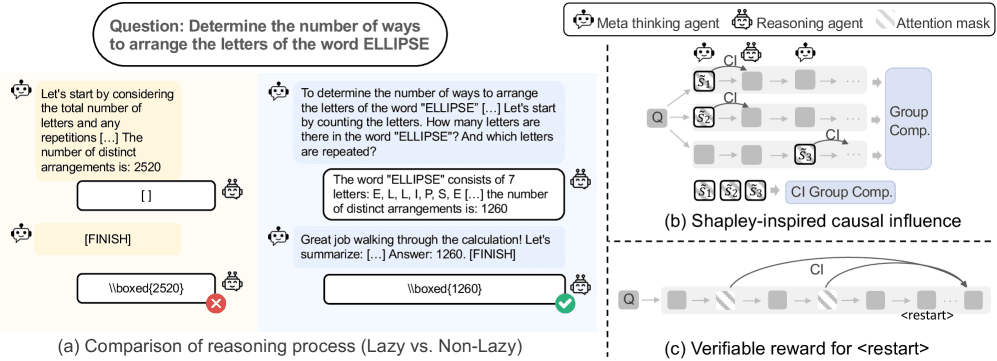
Researchers from Penn State, Harvard, Microsoft, and collaborators introduce Dr. MAMR, addressing the “lazy agent” problem in multi-agent LLM reasoning through Shapley-inspired causal influence measurement and verifiable restart mechanisms. The framework achieves 78.6% on MATH500 (+4.2% over ReMA), 20.0% on AIME24, and maintains balanced agent contributions where baseline approaches collapse into single-agent dominance.

AgentFold
AgentFold introduces proactive context management for long-horizon web agents, addressing context saturation through dynamic “folding” operations that balance detail preservation with efficient compression. The 30B parameter model outperforms dramatically larger competitors while achieving state-of-the-art results on web browsing benchmarks.
Multi-Agent Evolve
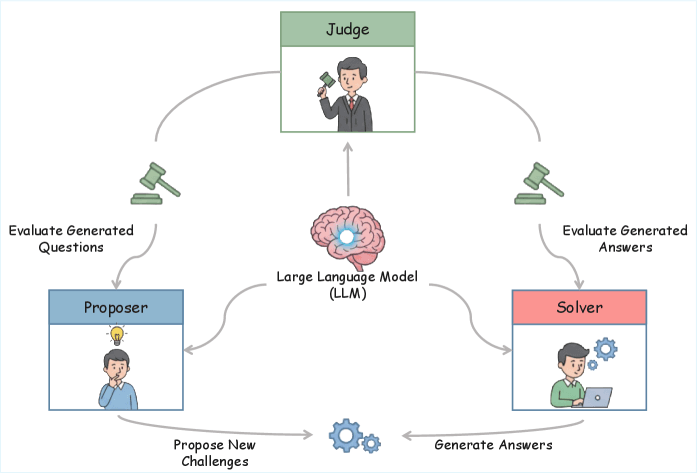
Multi-Agent Evolve (MAE) enables LLMs to self-improve their reasoning capabilities without human-annotated data through a co-evolving multi-agent framework. Three interacting agents (Proposer, Solver, Judge) instantiated from a single LLM undergo reinforcement learning optimization together, creating a scalable self-improving system that extends beyond game-based environments to general reasoning domains.
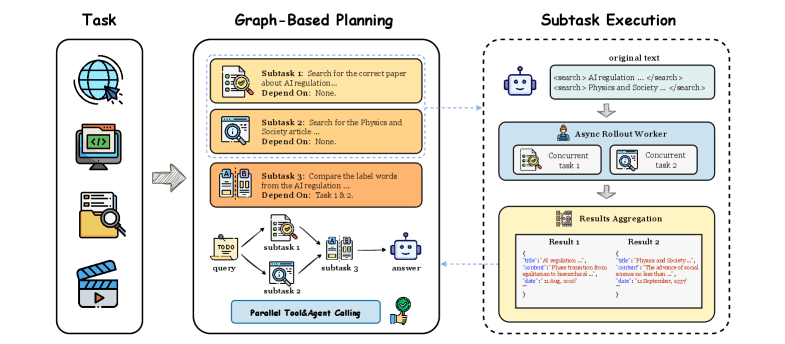
GAP
GAP introduces graph-based agent planning with parallel tool execution and reinforcement learning, enabling AI agents to coordinate multiple specialized capabilities simultaneously rather than sequentially. The framework significantly accelerates task completion and improves success rates on complex multi-step problems through optimized tool selection and execution ordering.
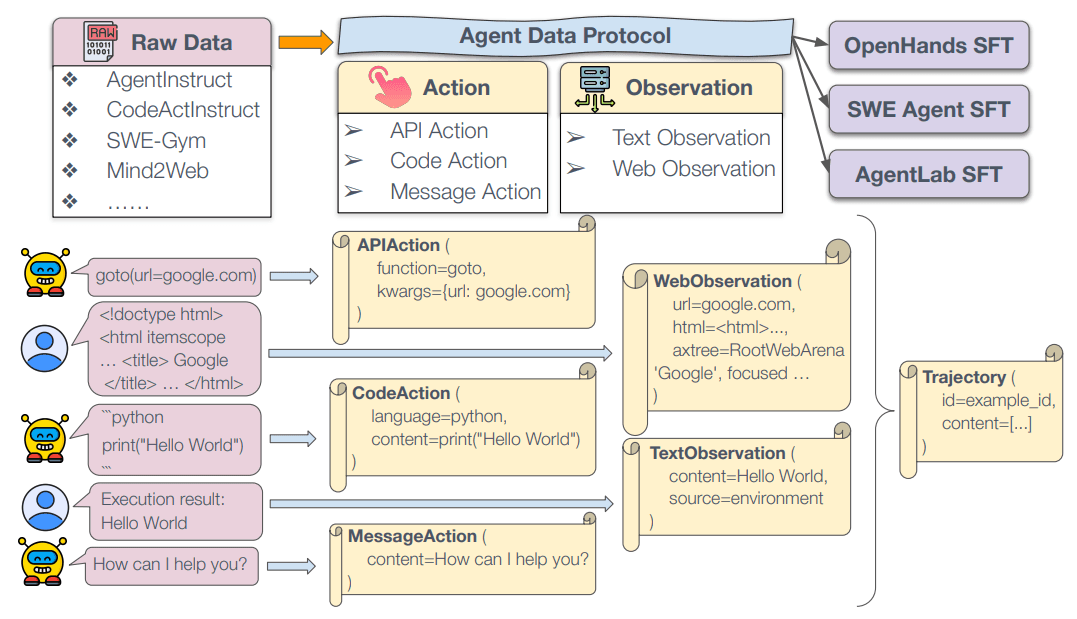
Agent Data Protocol
Agent Data Protocol introduces a standardized format to unify fragmented agent training datasets across different tools and interfaces, enabling more efficient fine-tuning of LLM agents. By converting 13 existing datasets into this protocol and training on consolidated data, the work achieved ~20% performance improvements over baseline models while reaching state-of-the-art results on coding, browsing, and tool-use benchmarks. The protocol and datasets are publicly released to facilitate reproducible, scalable agent training across diverse domains.