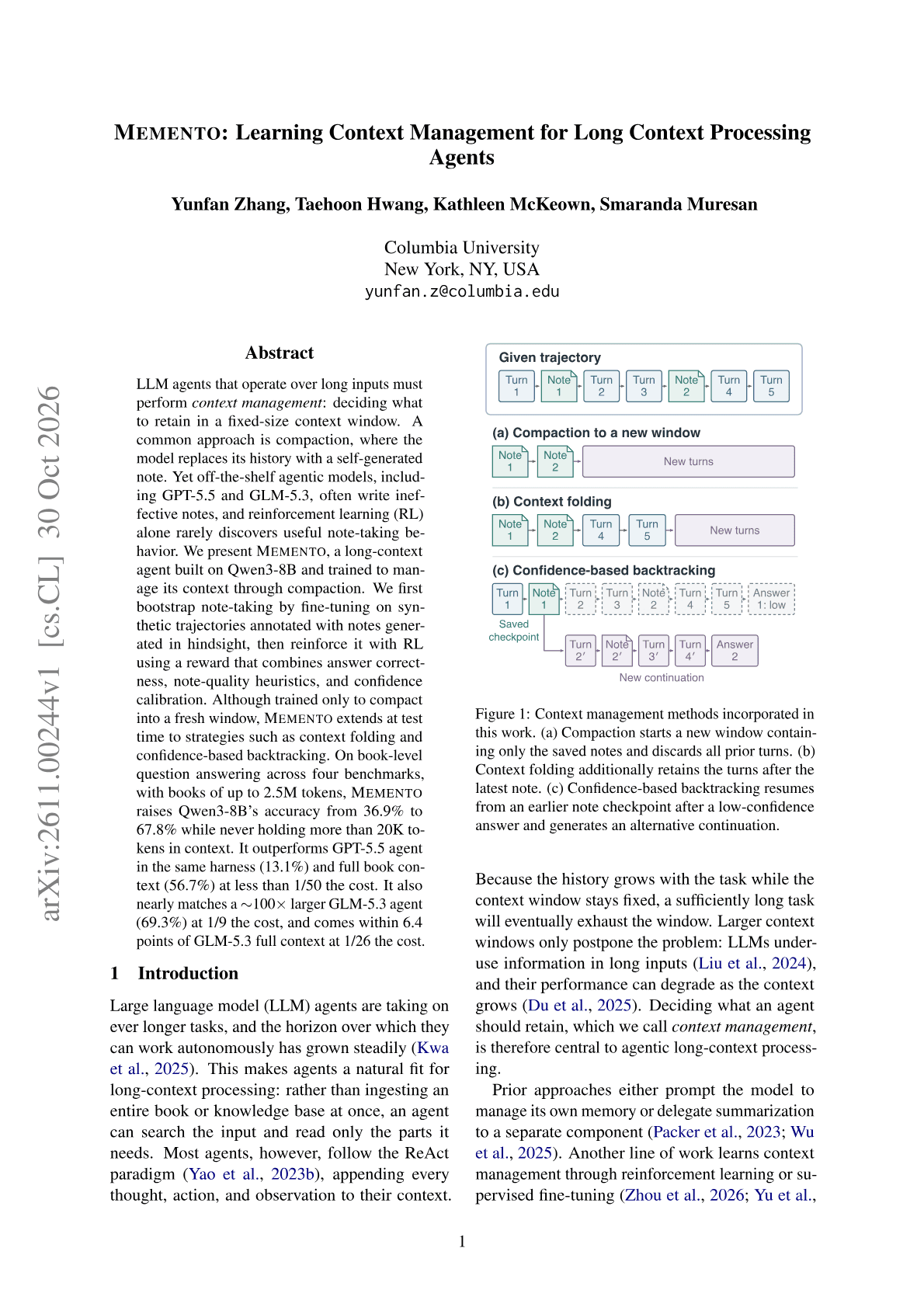
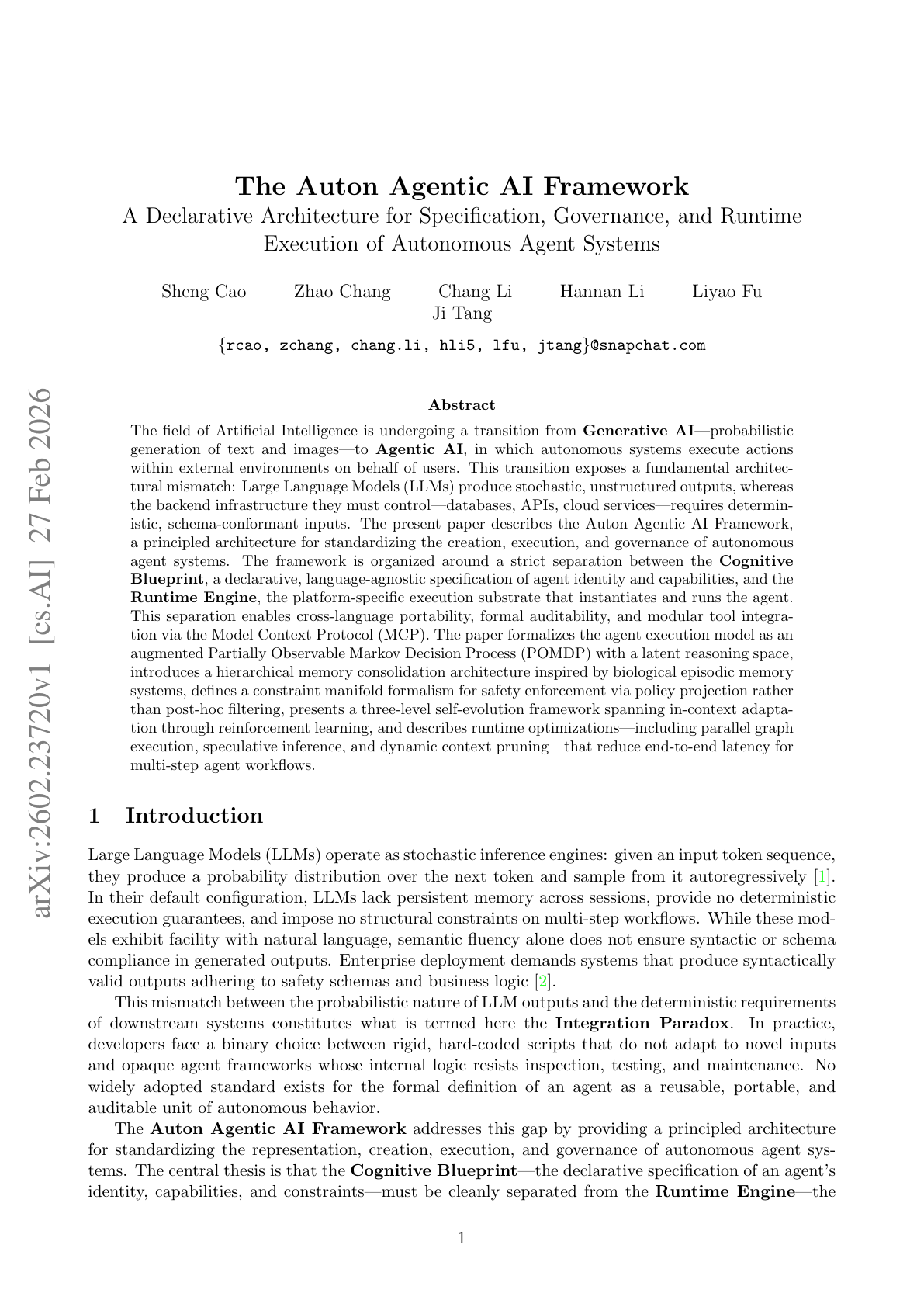
Harness Engineering
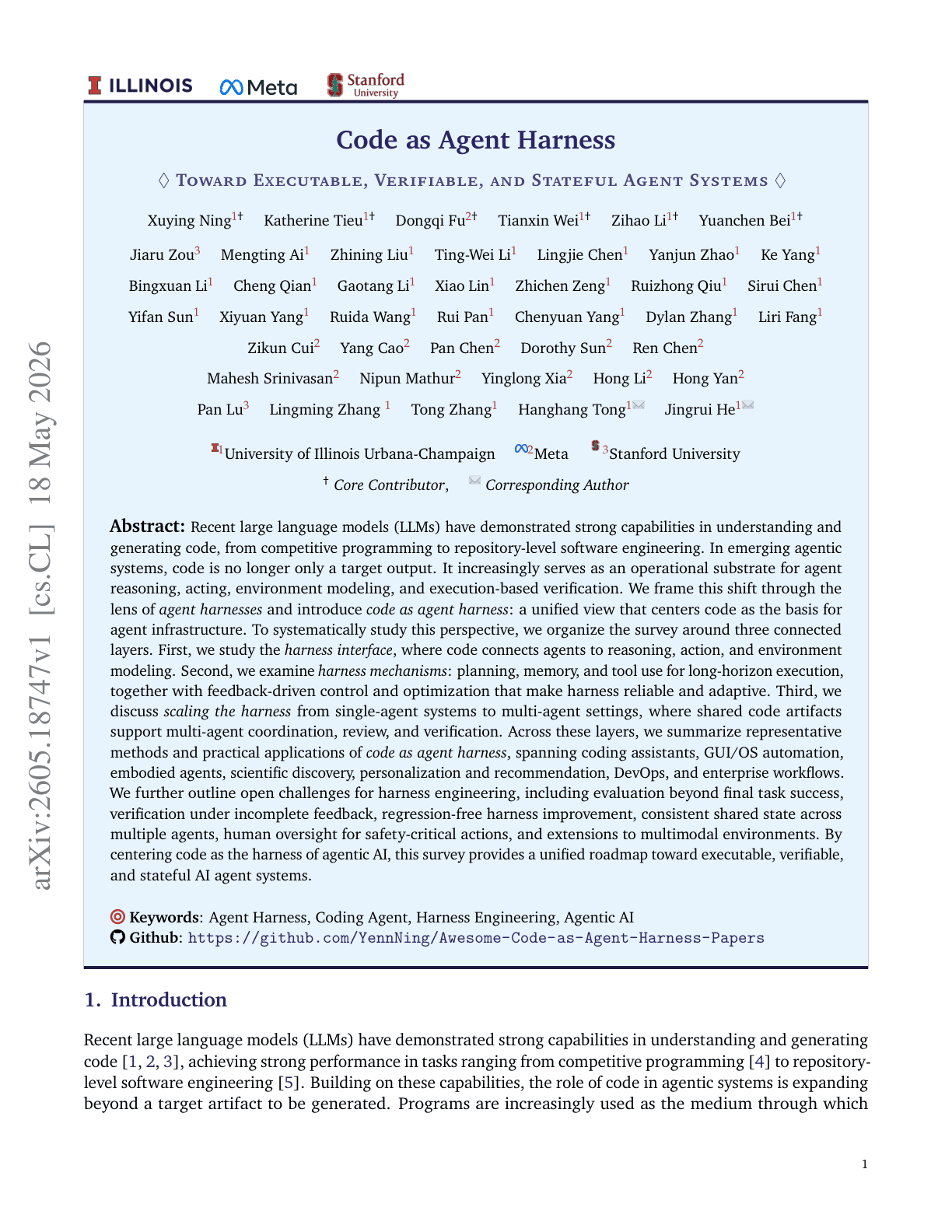
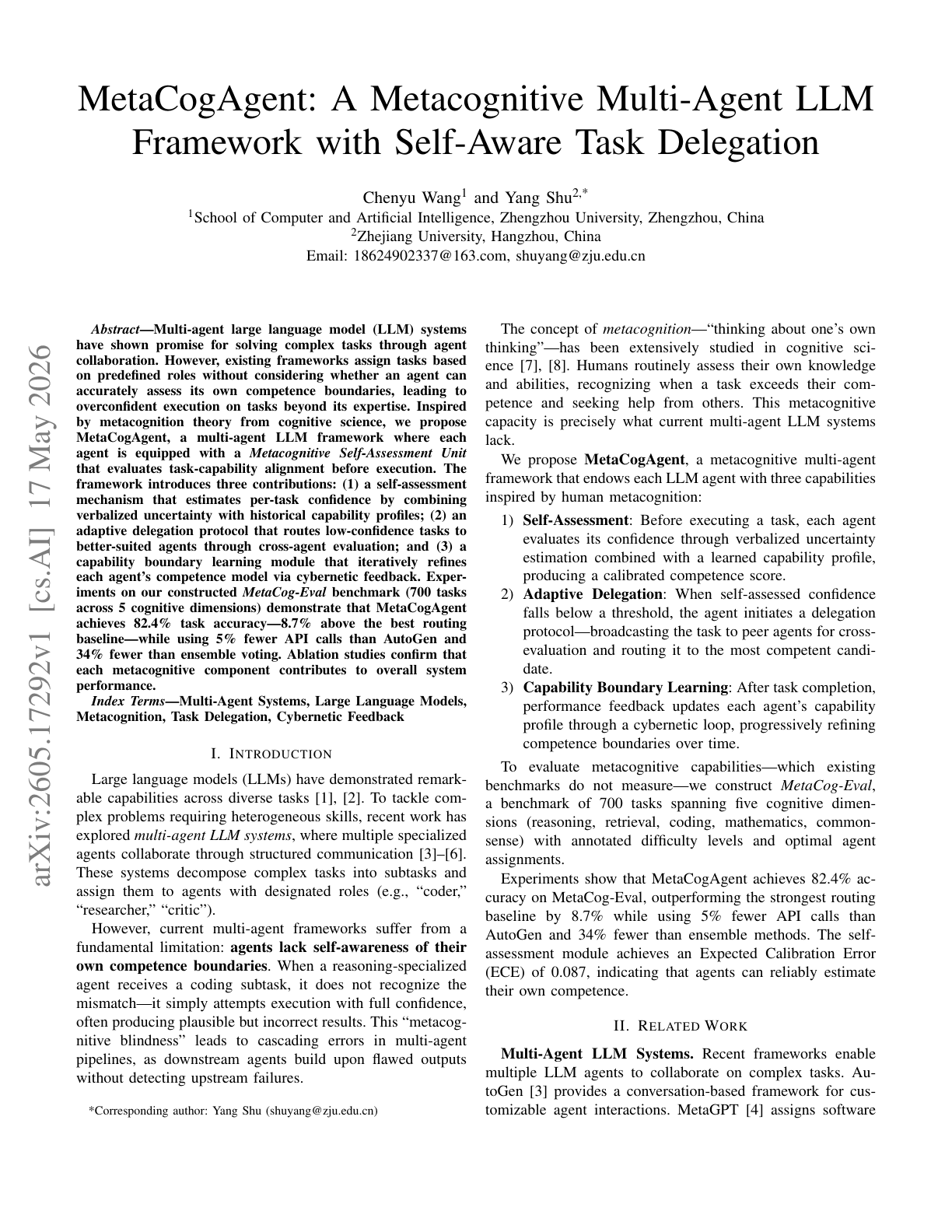
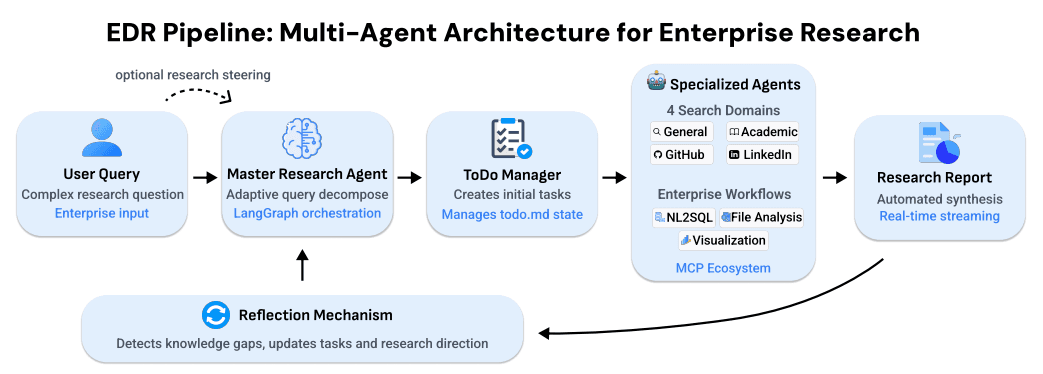
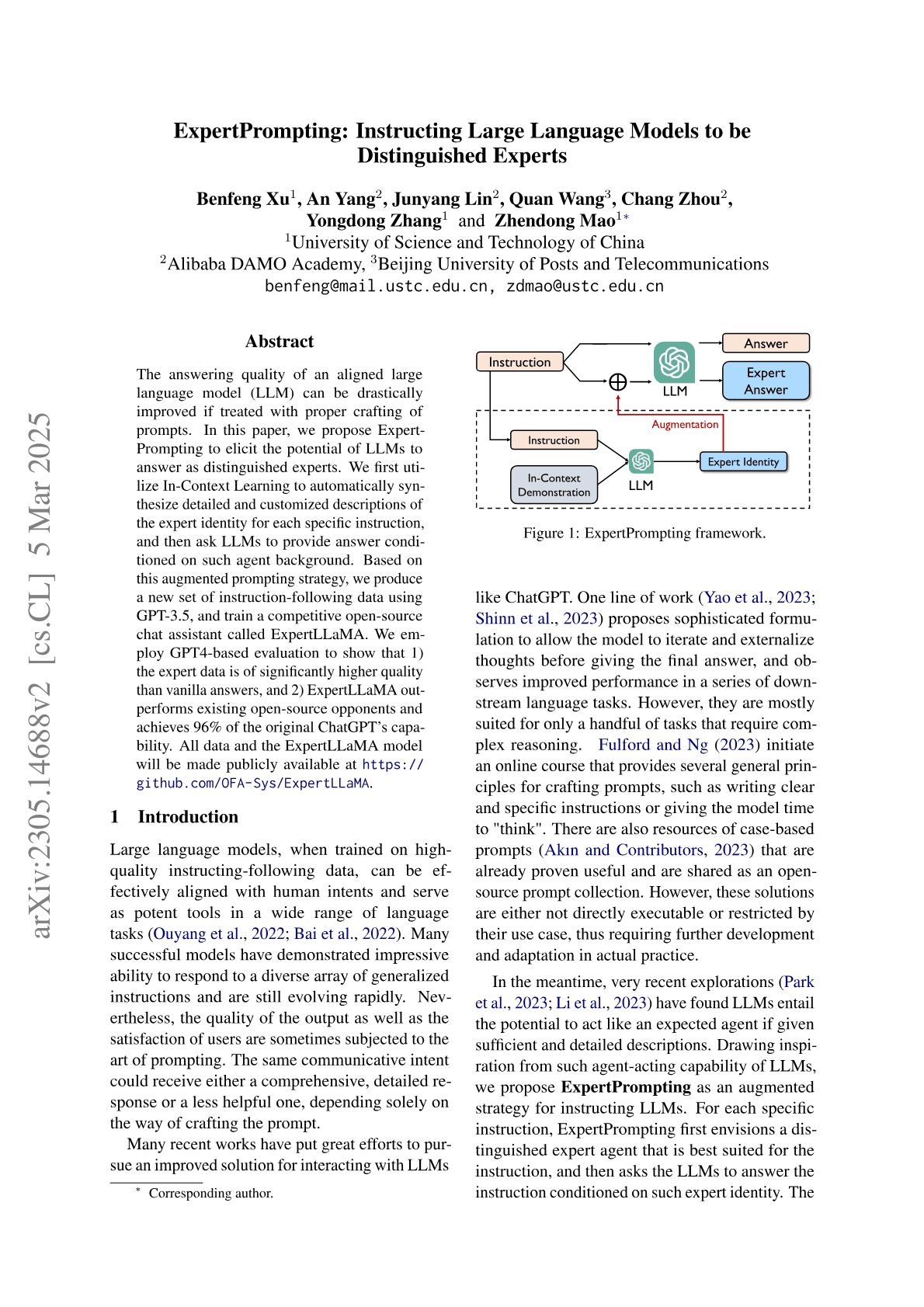
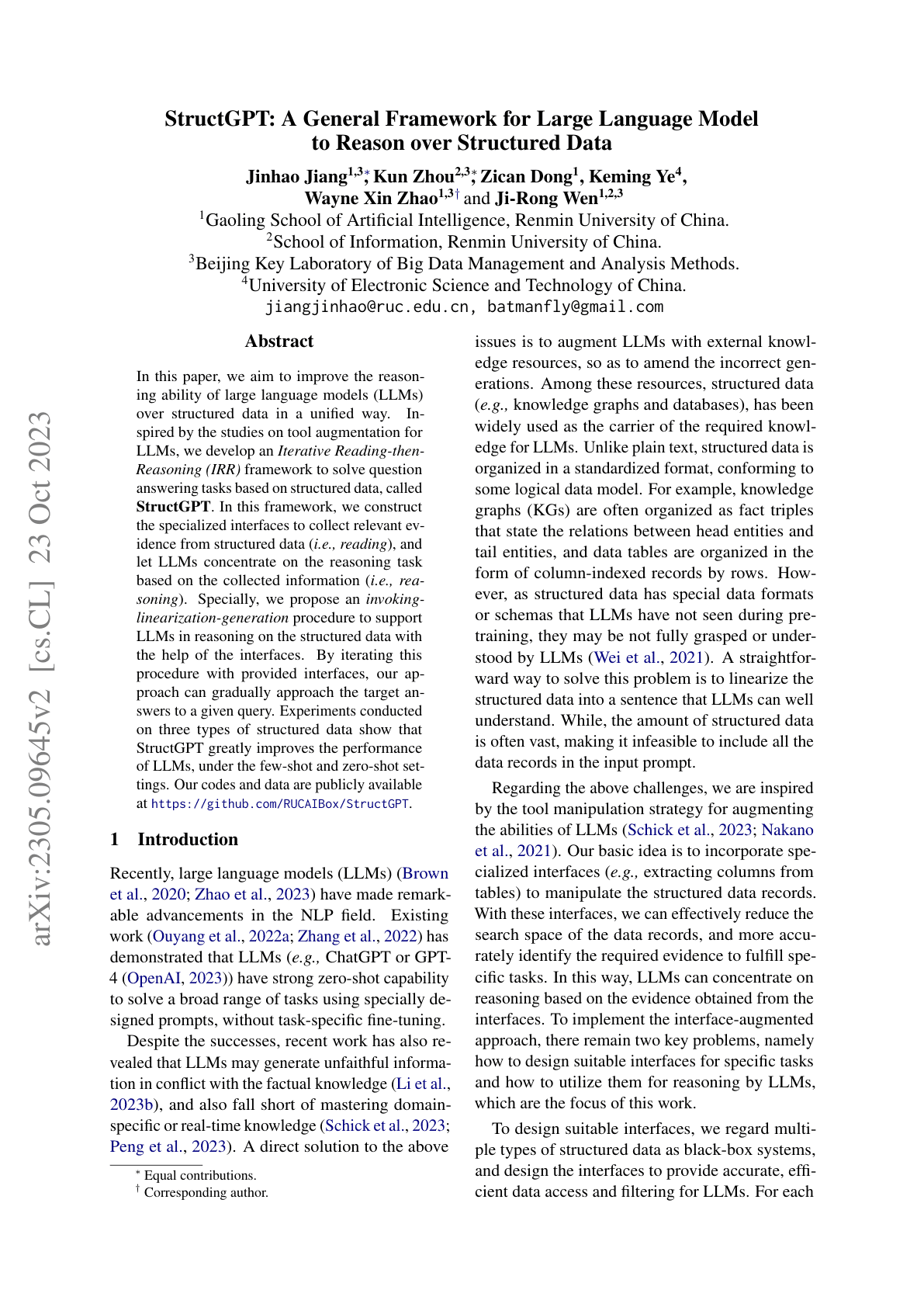
Research on the systems around model weights: agent loops, context, tools, memory, orchestration, verification, environments, and harness optimization.
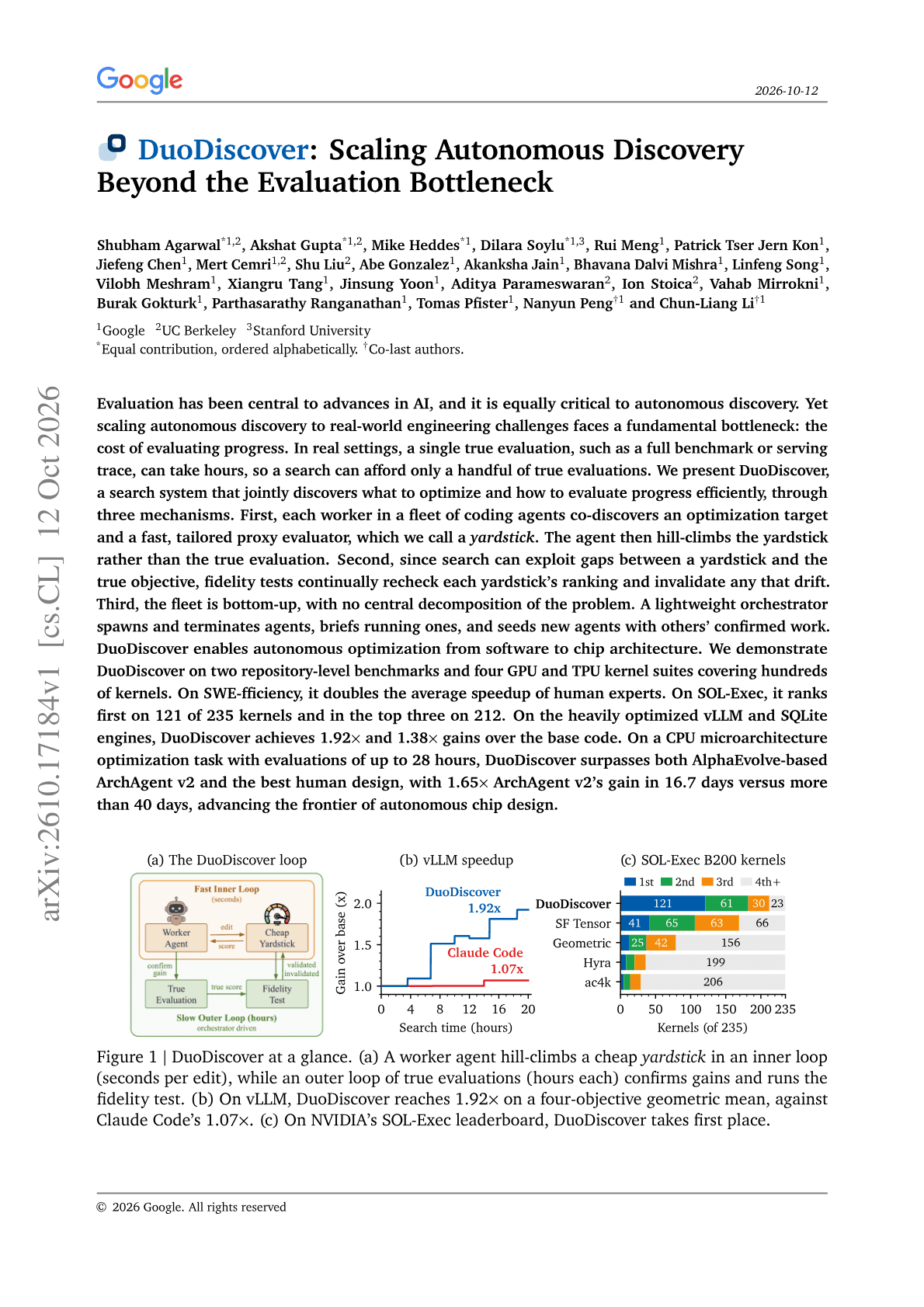
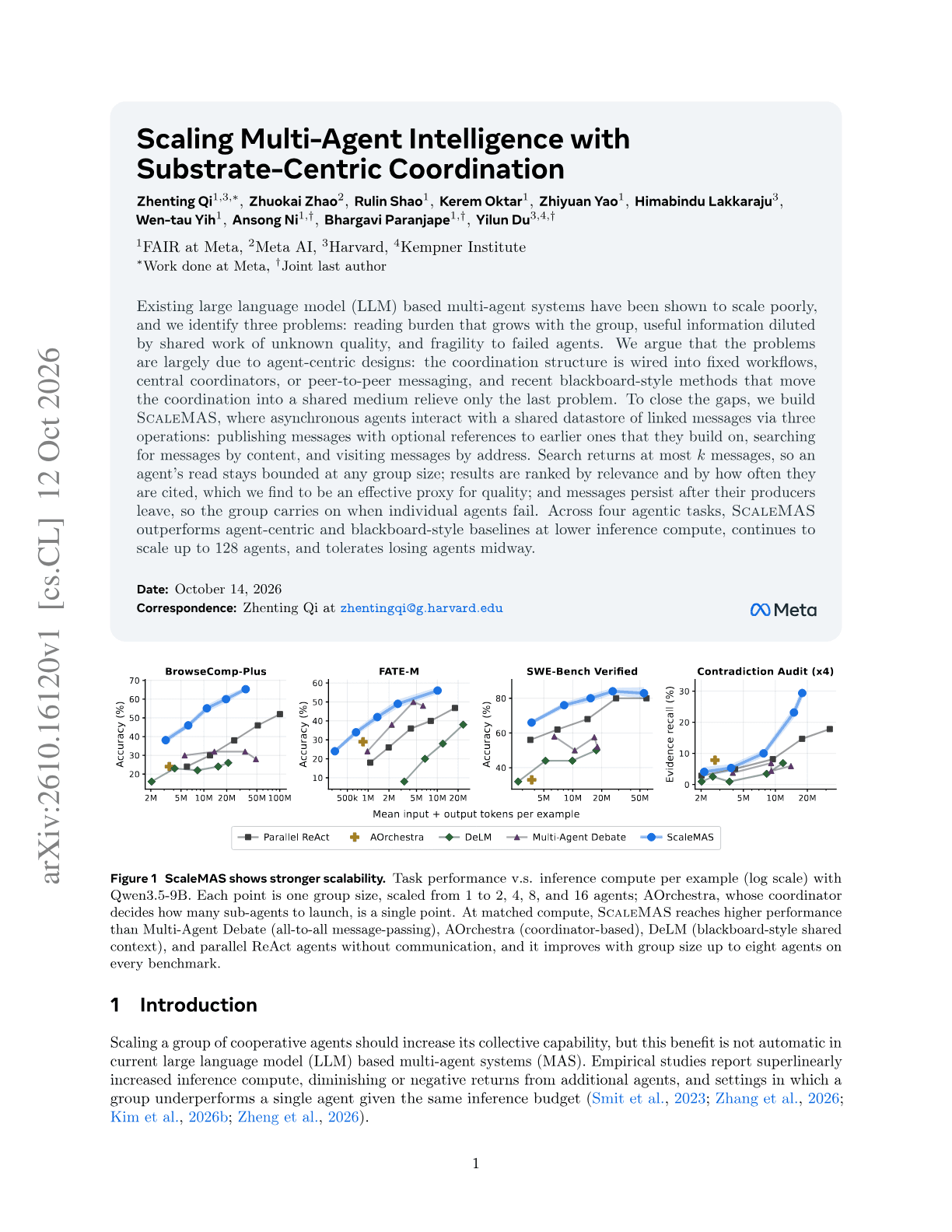
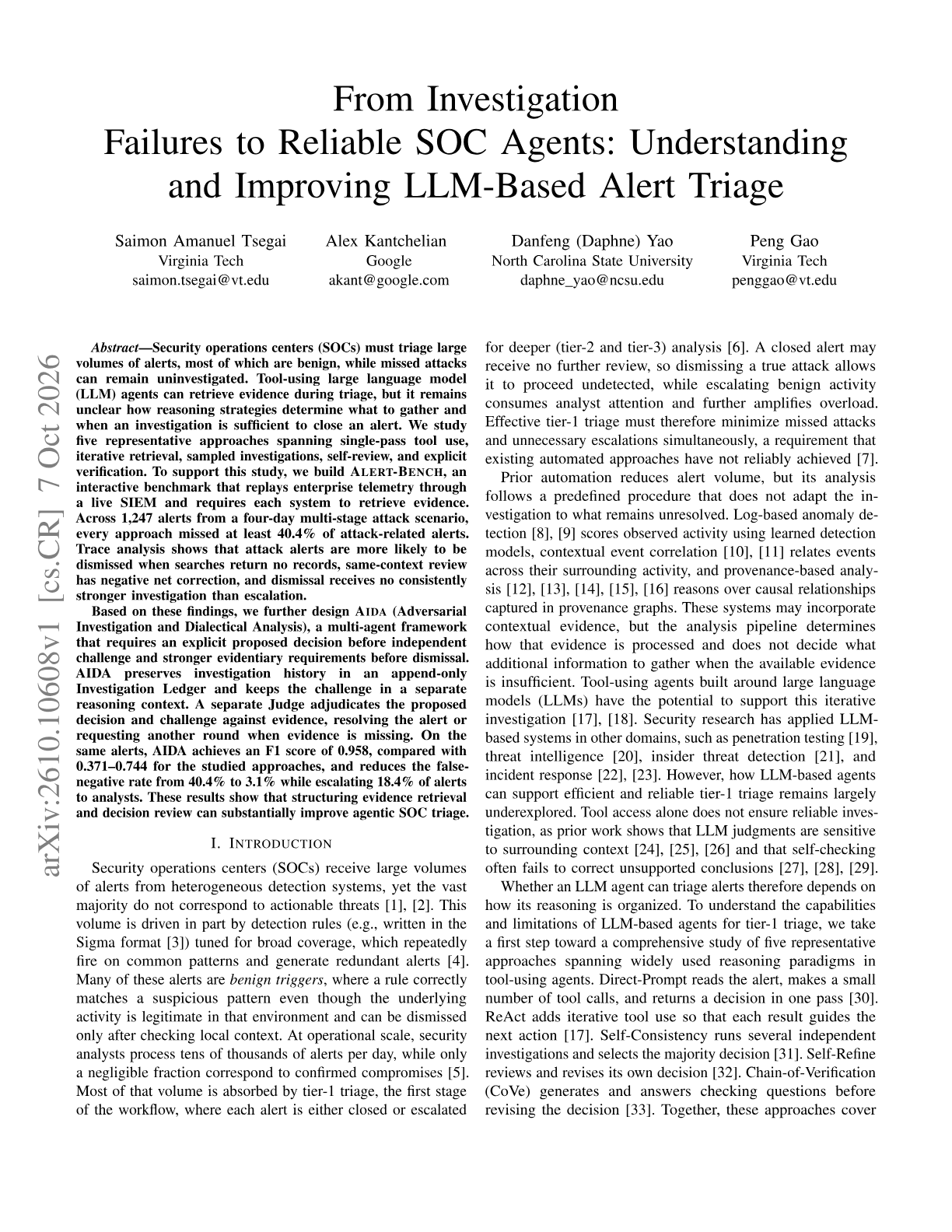
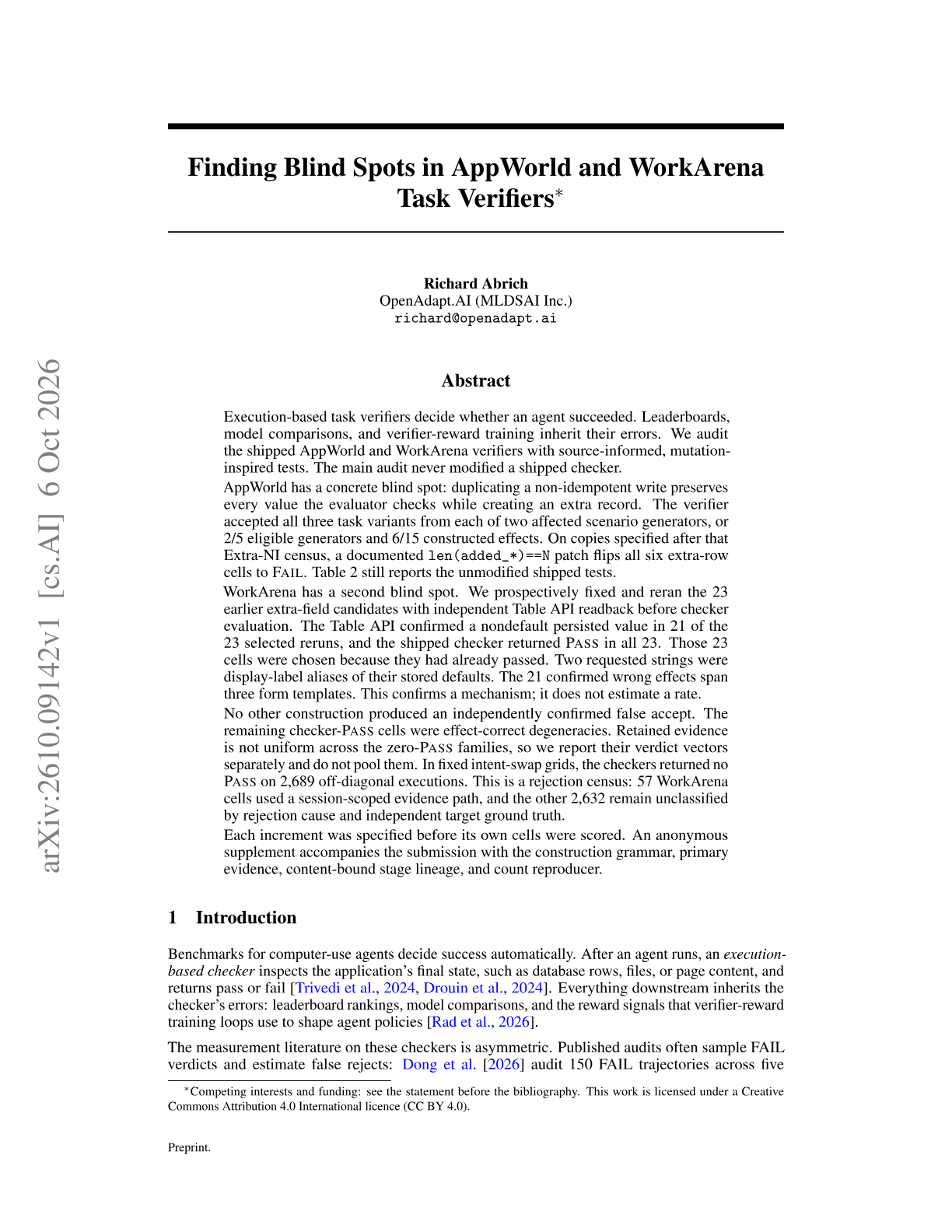
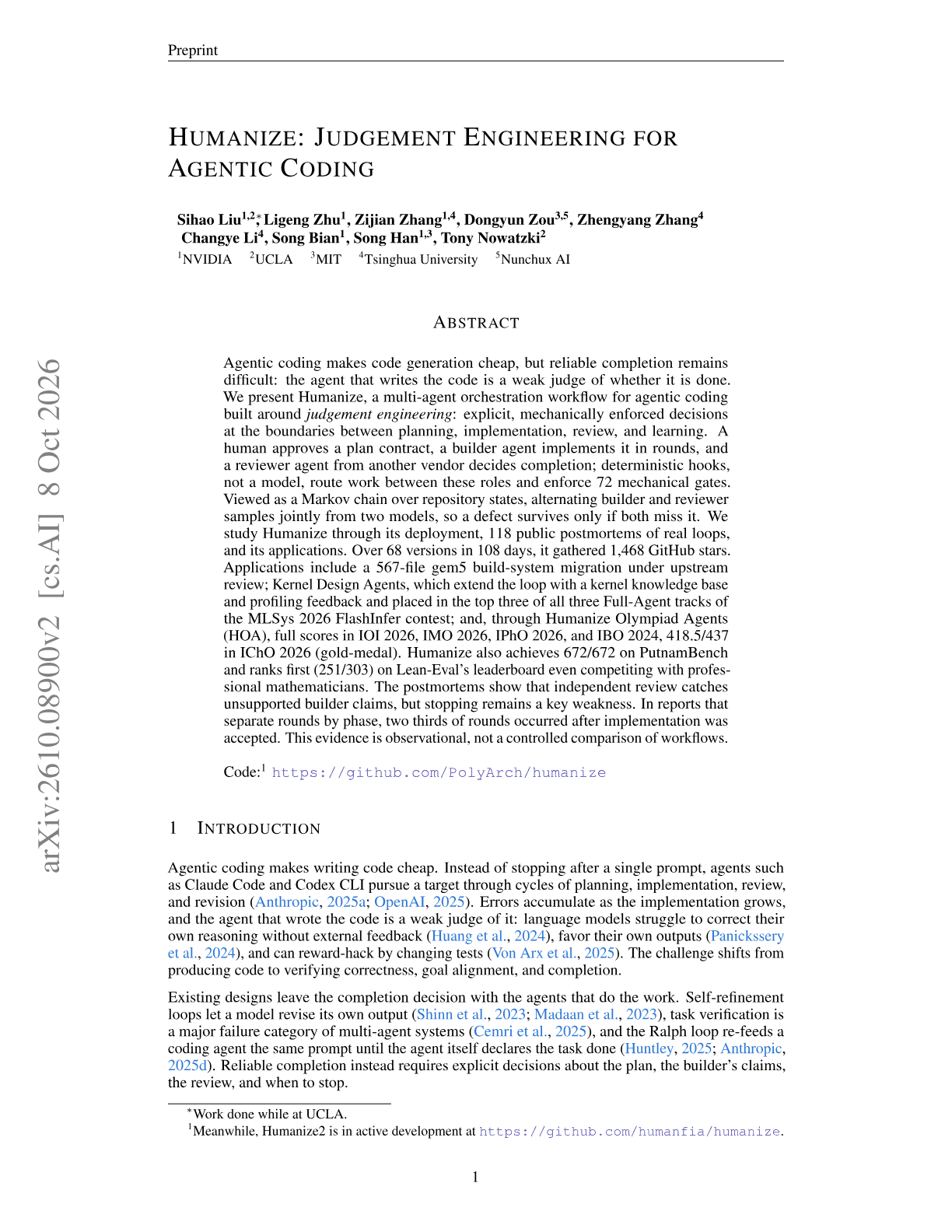
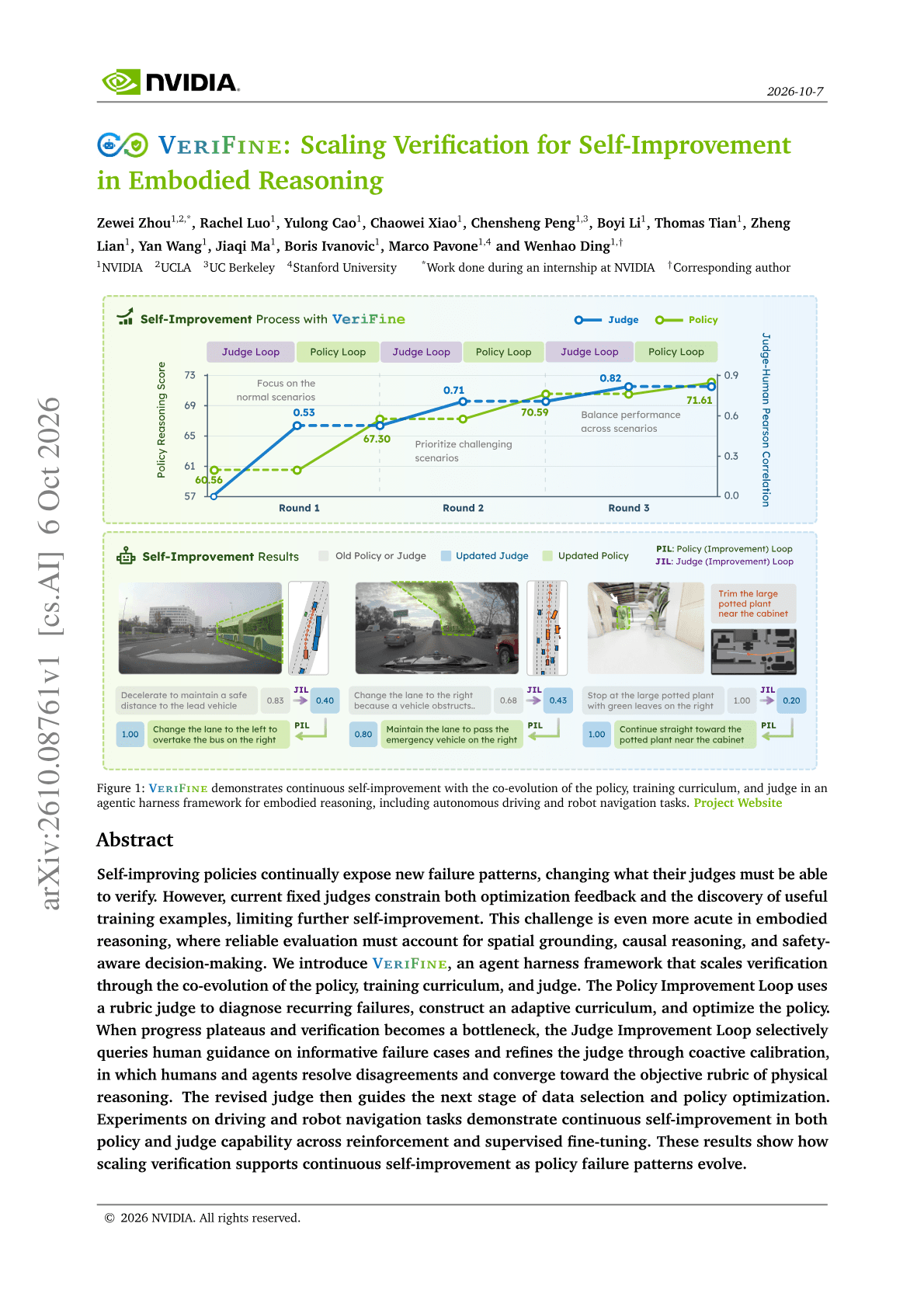
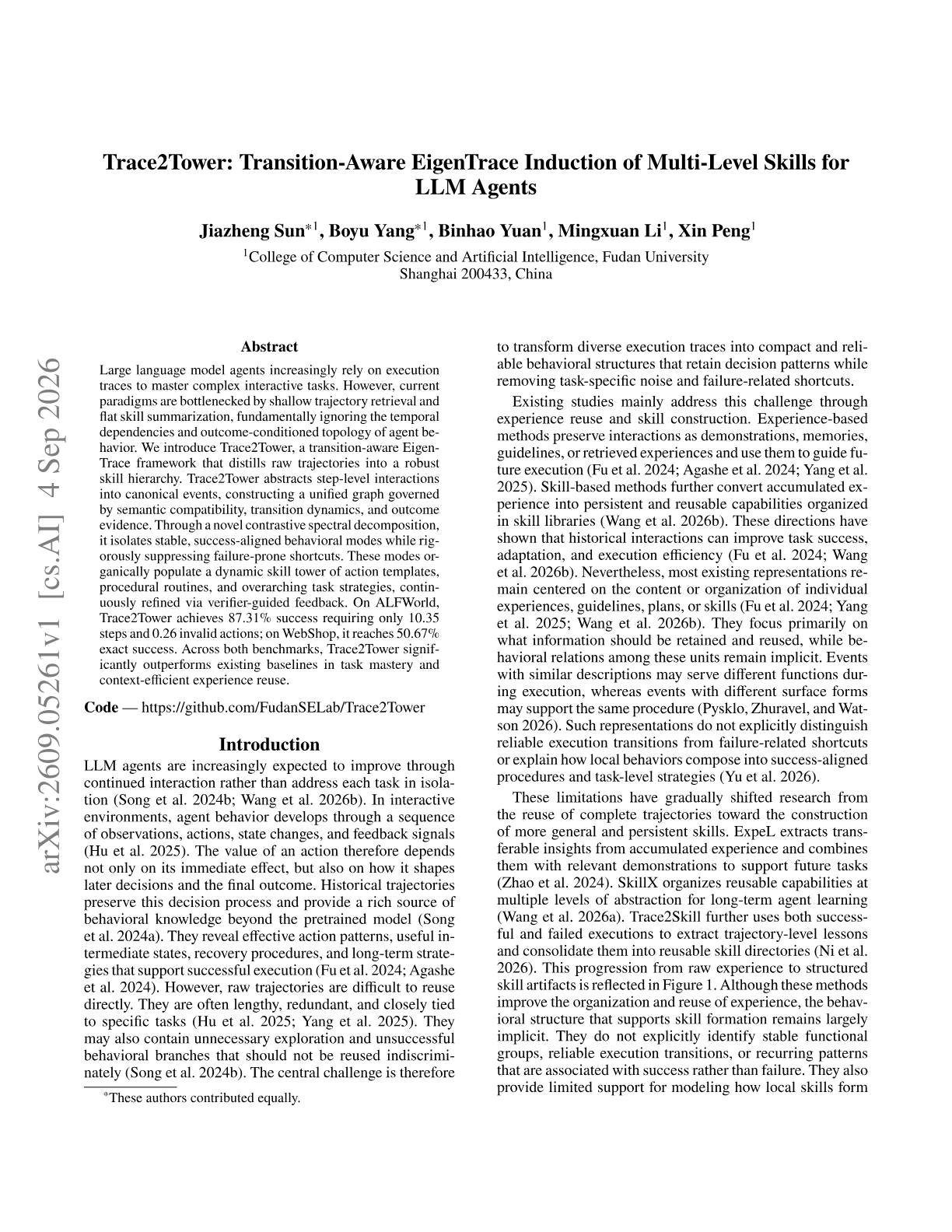
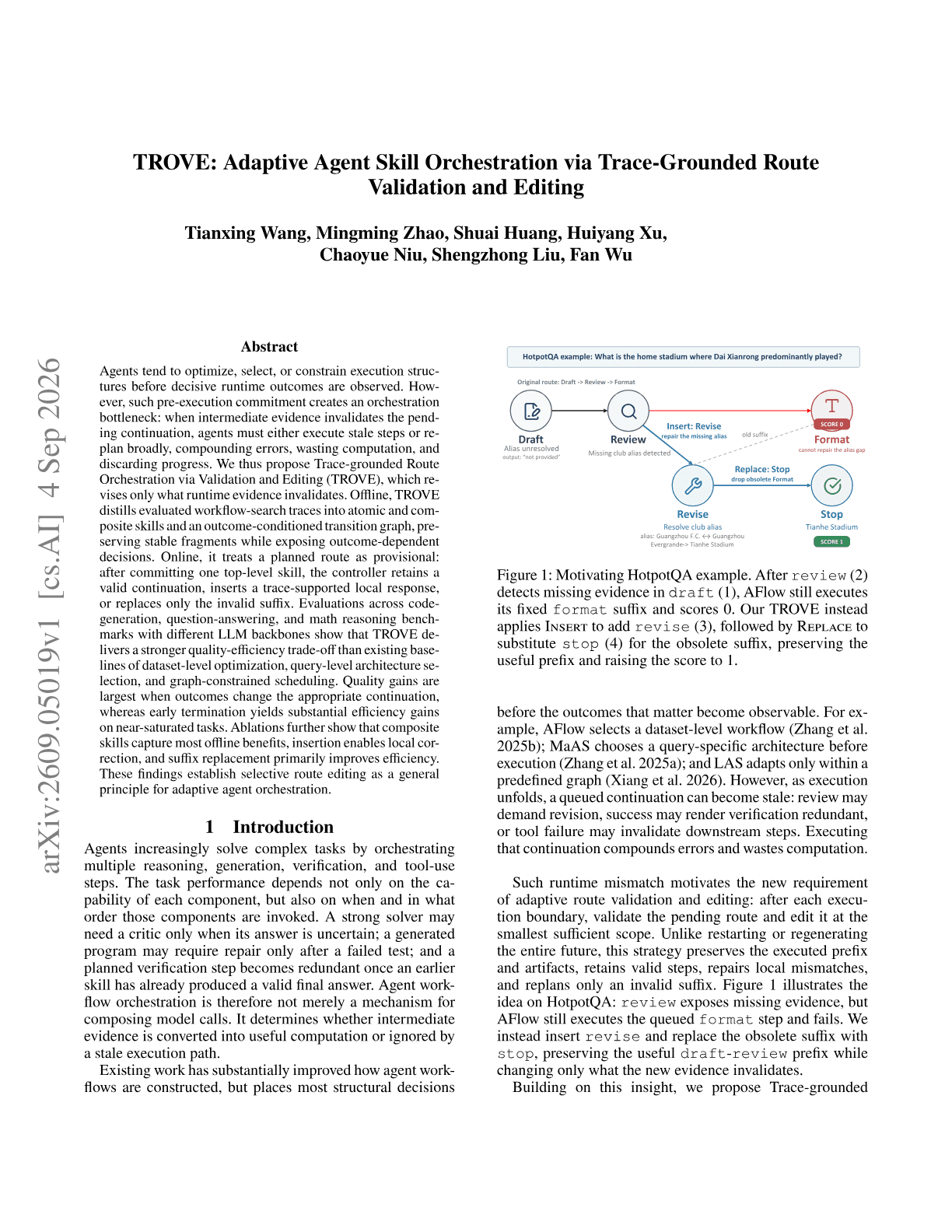
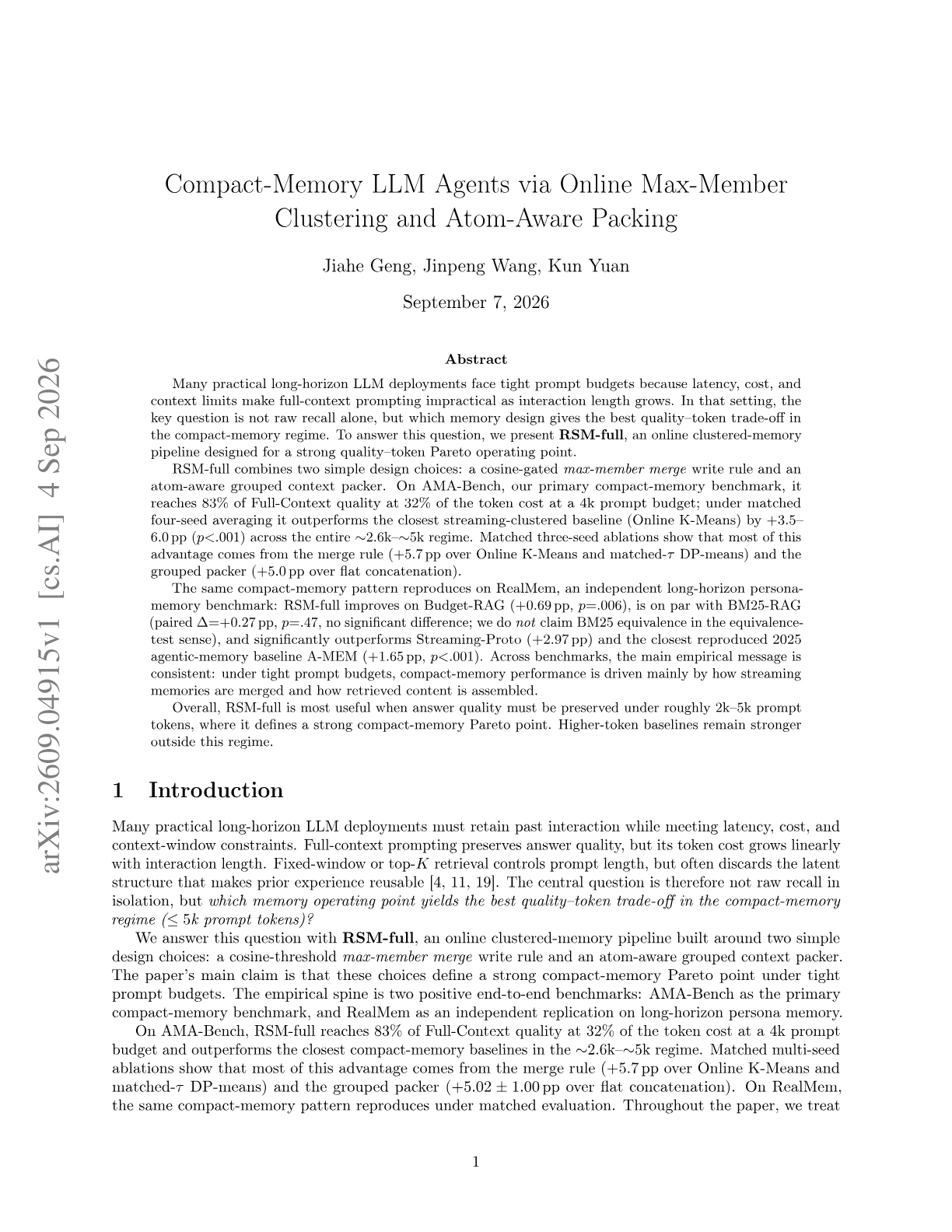
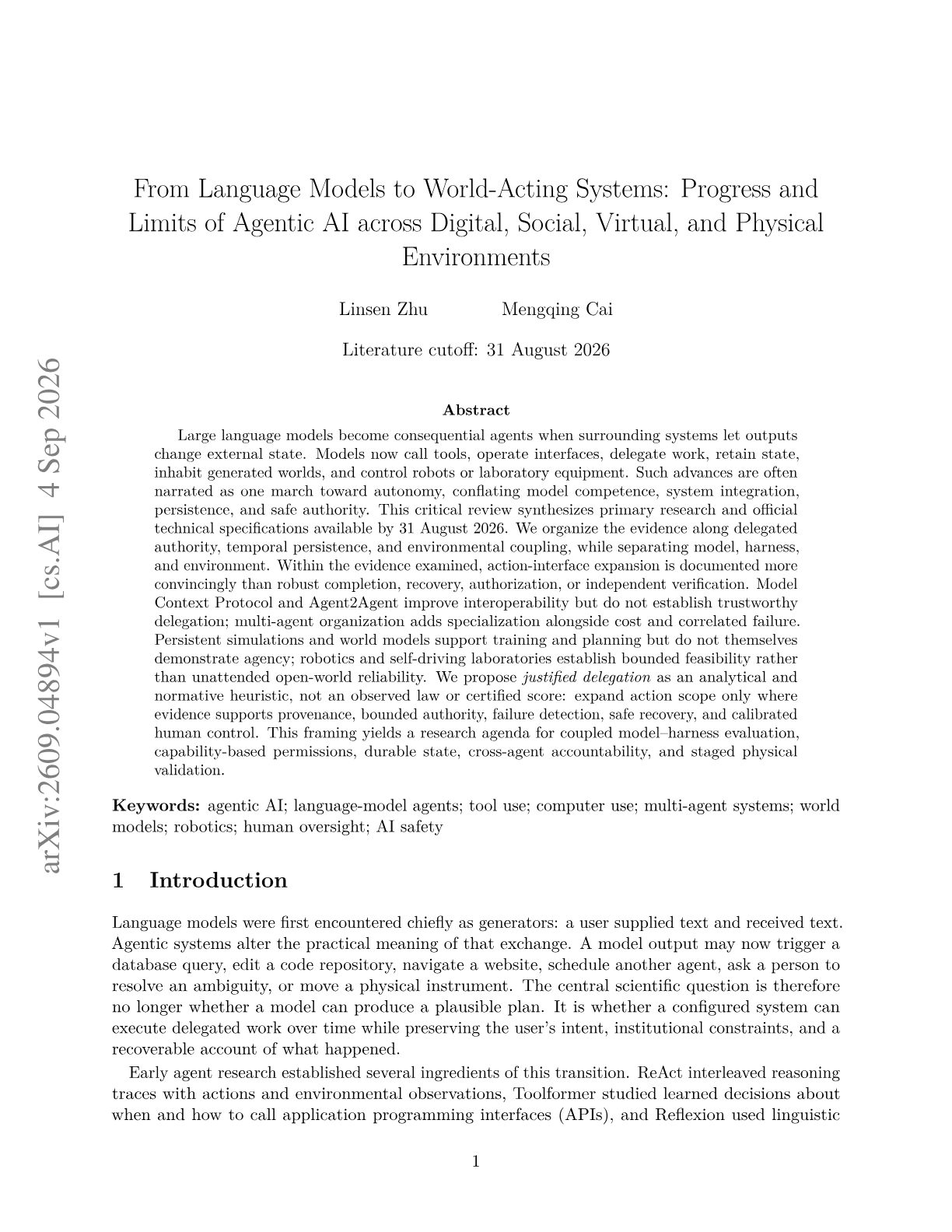
Discover and explore top AI papers withClaude CodeCodex
npx @dair-ai/mcp setup- 01
- 02
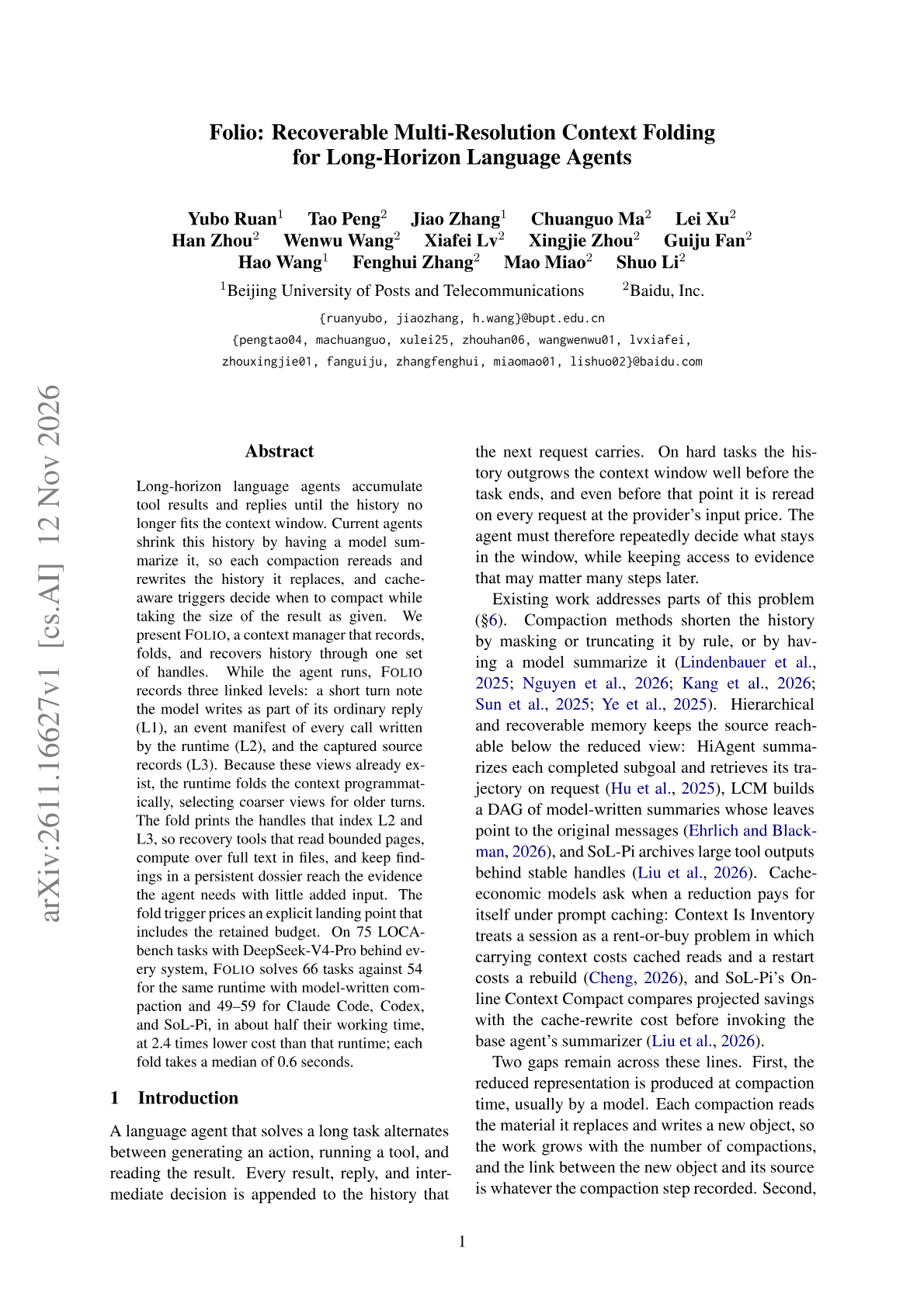
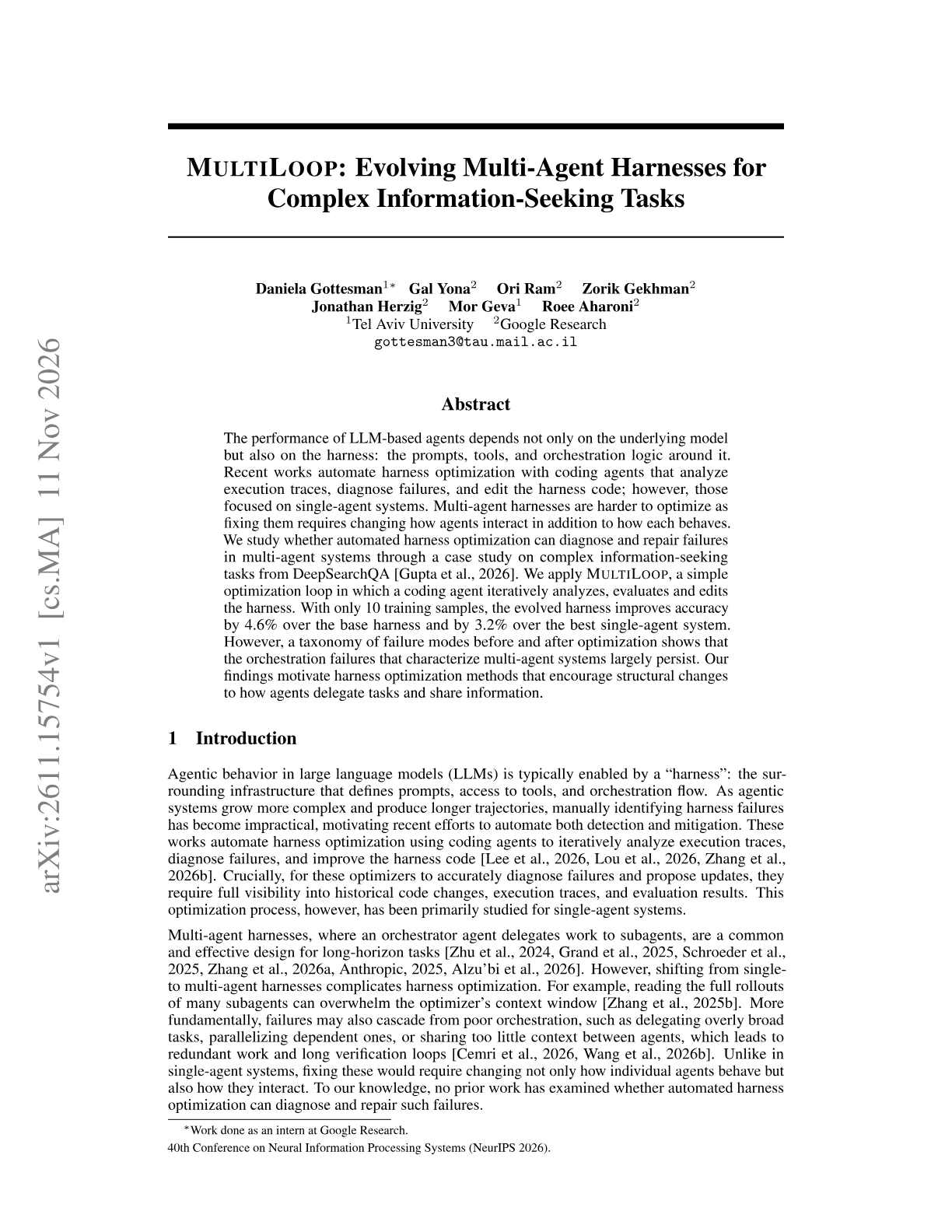
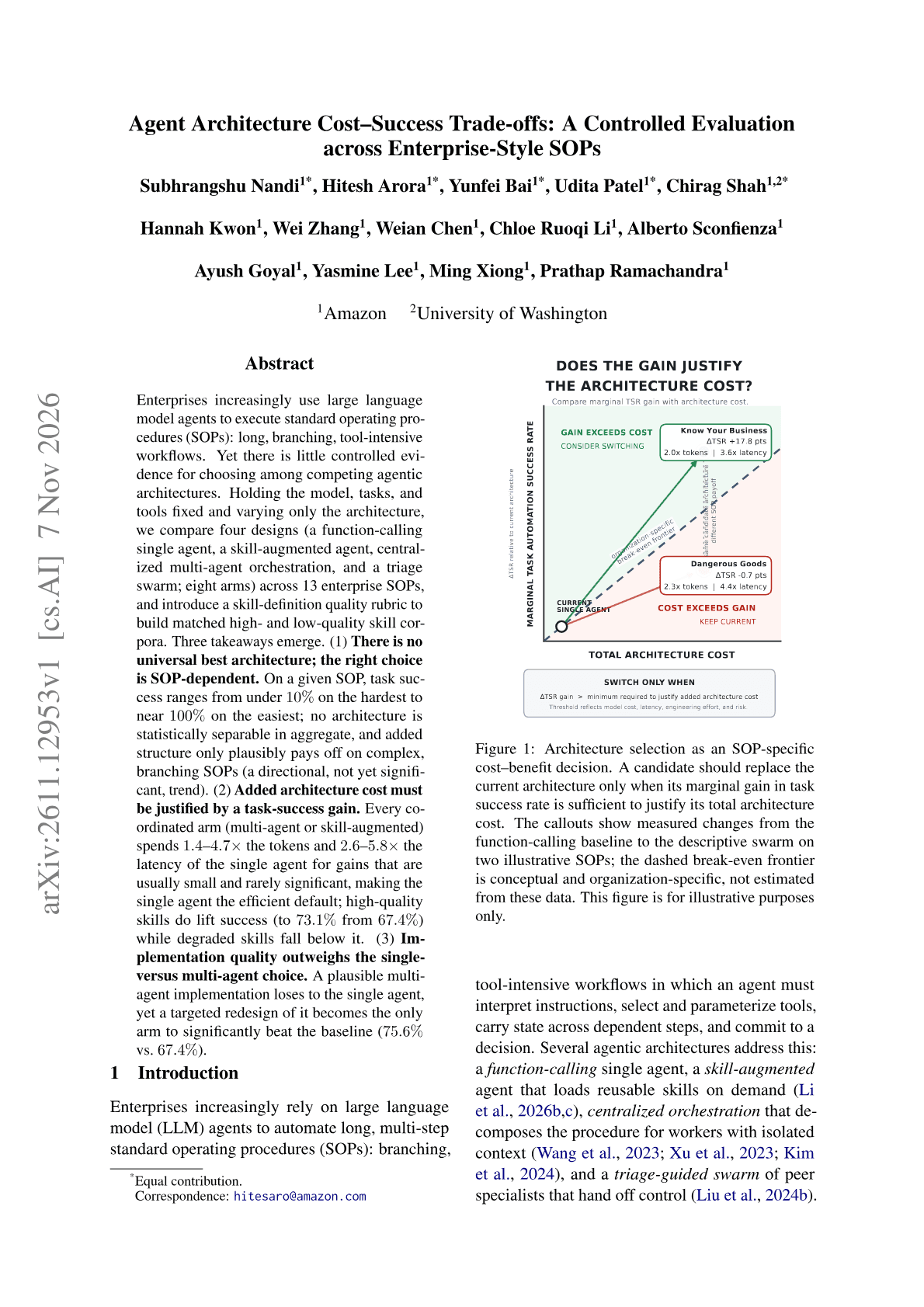
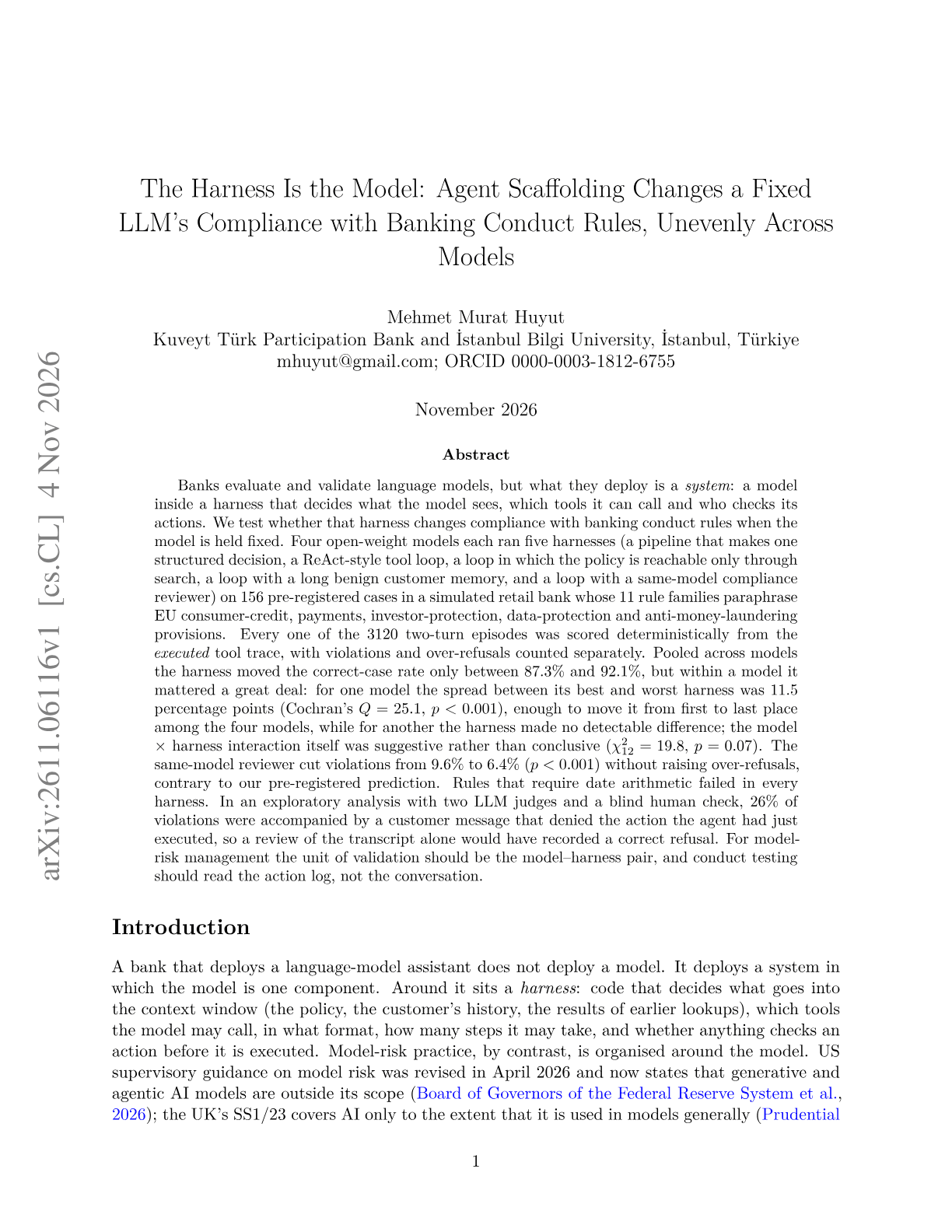
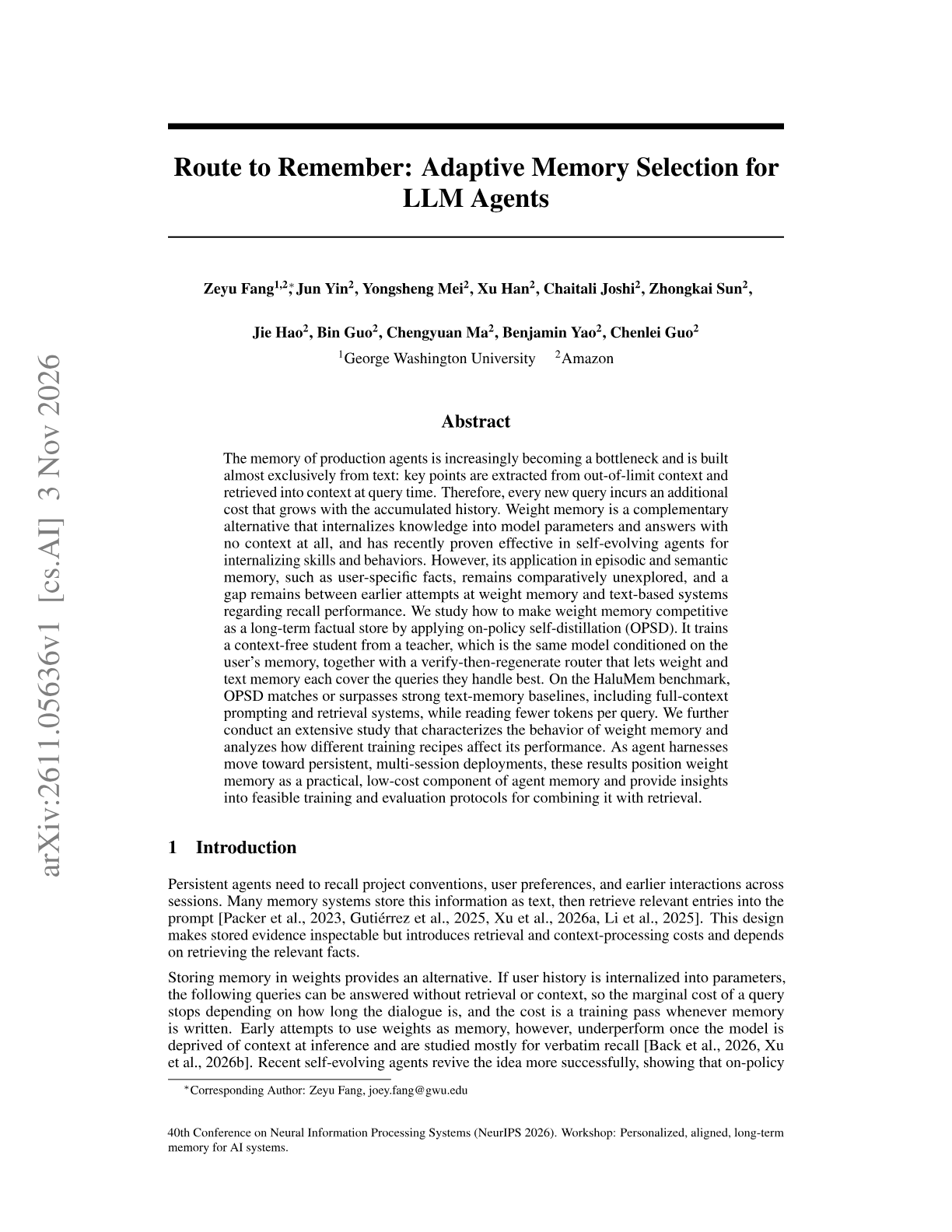
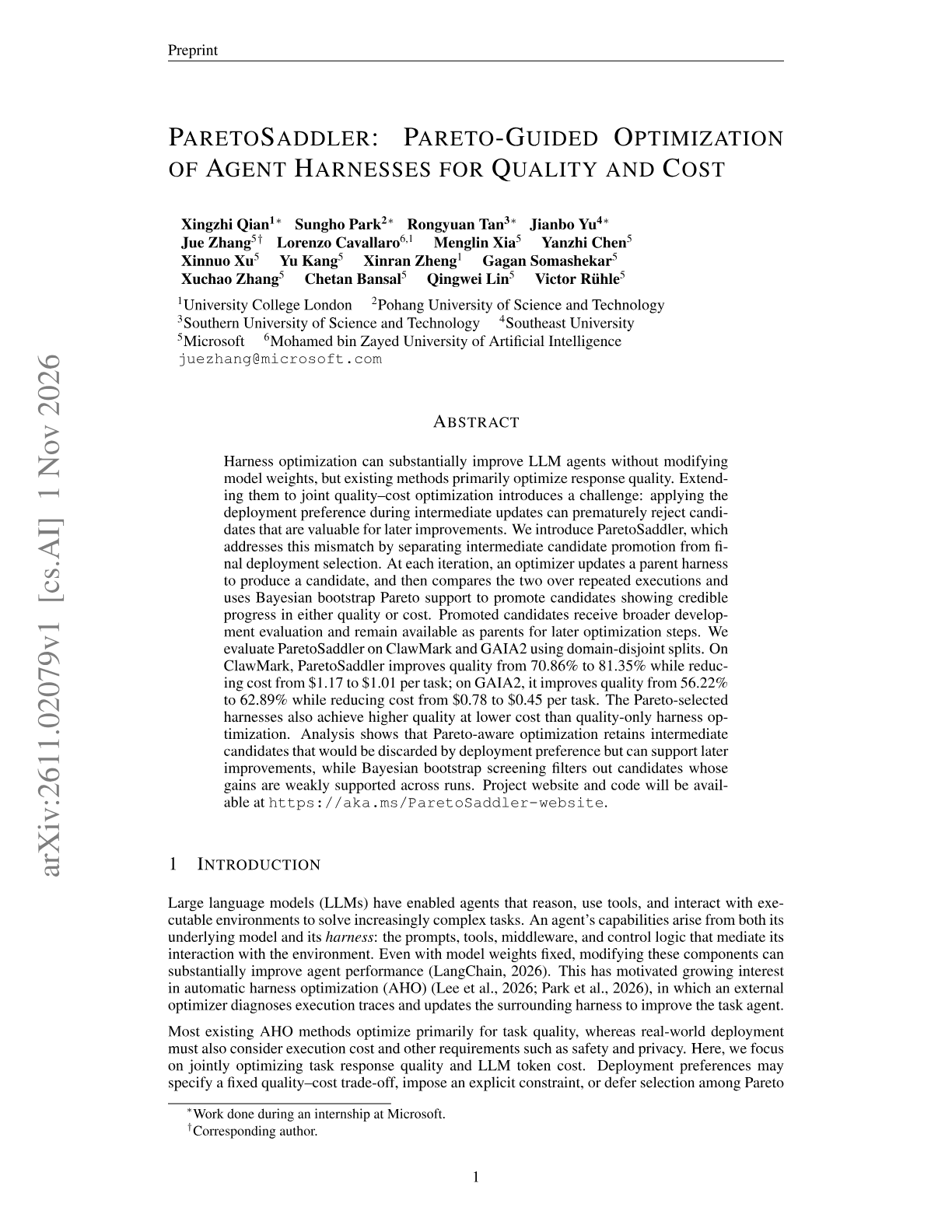
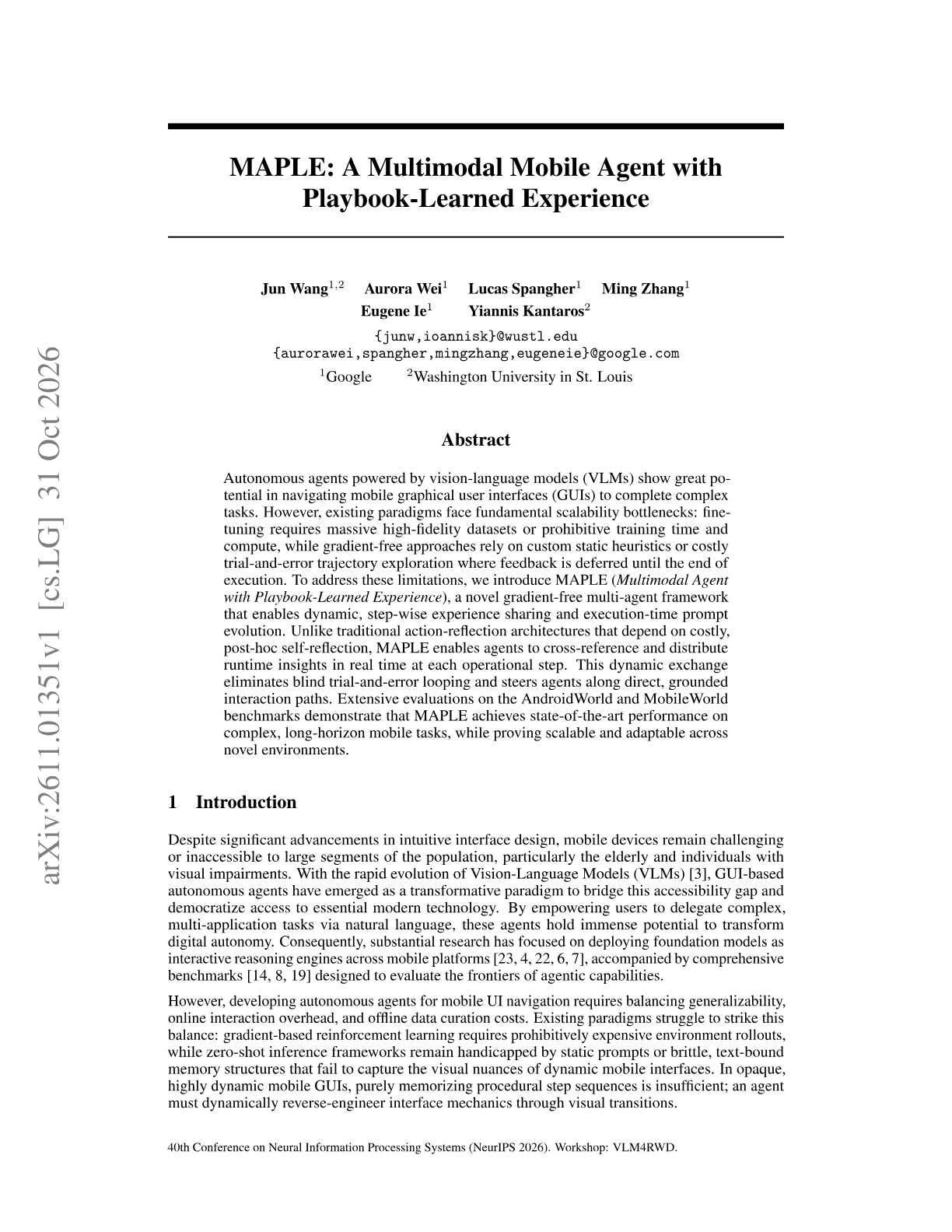
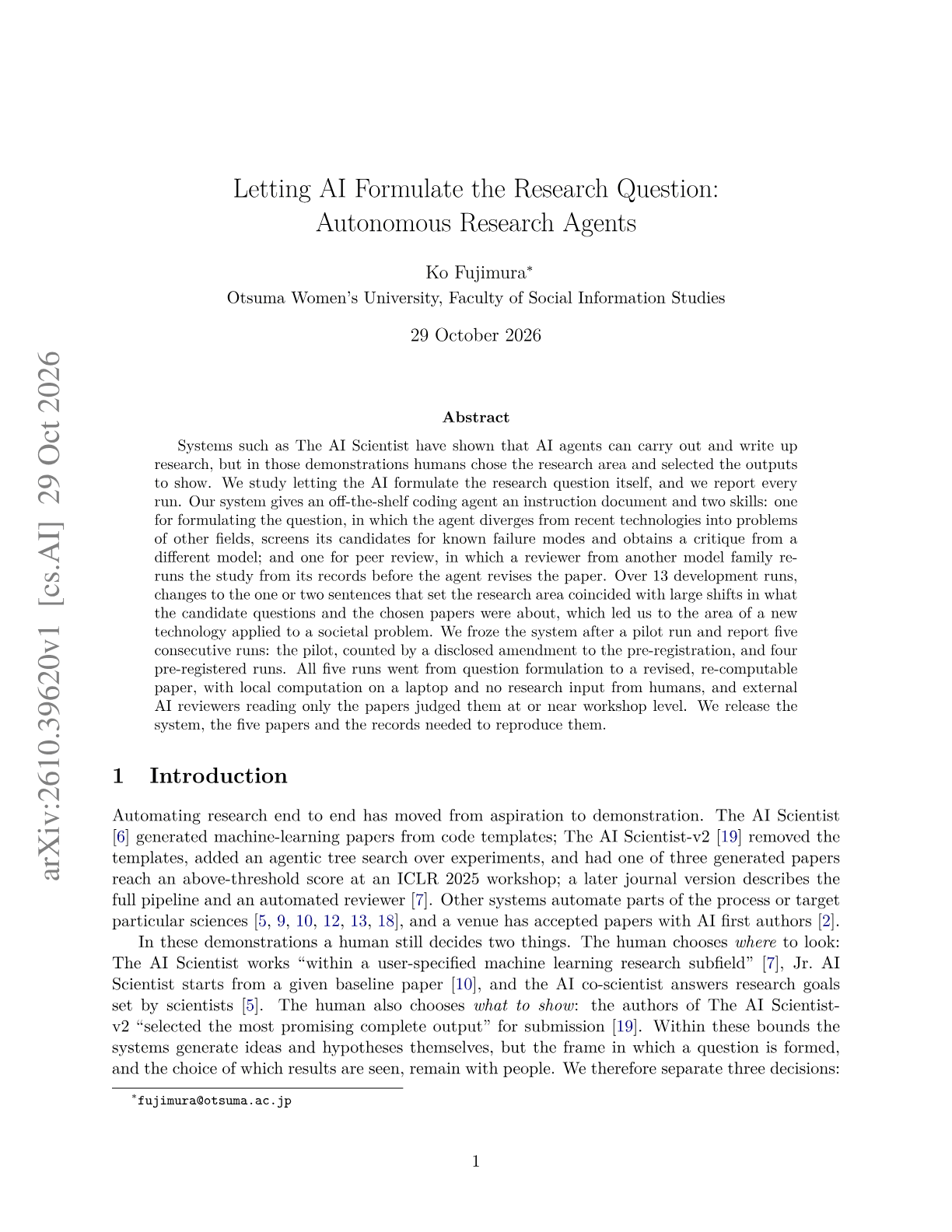
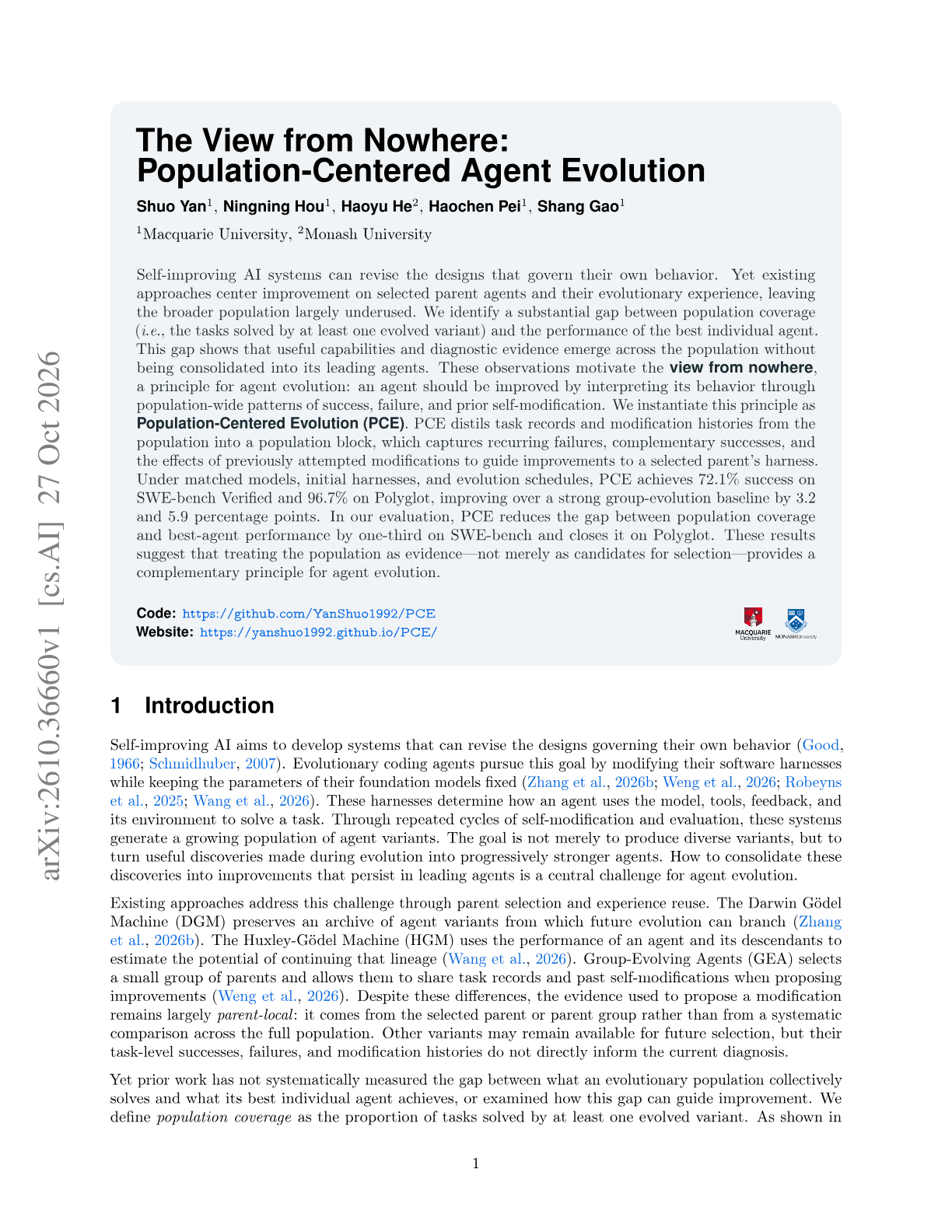
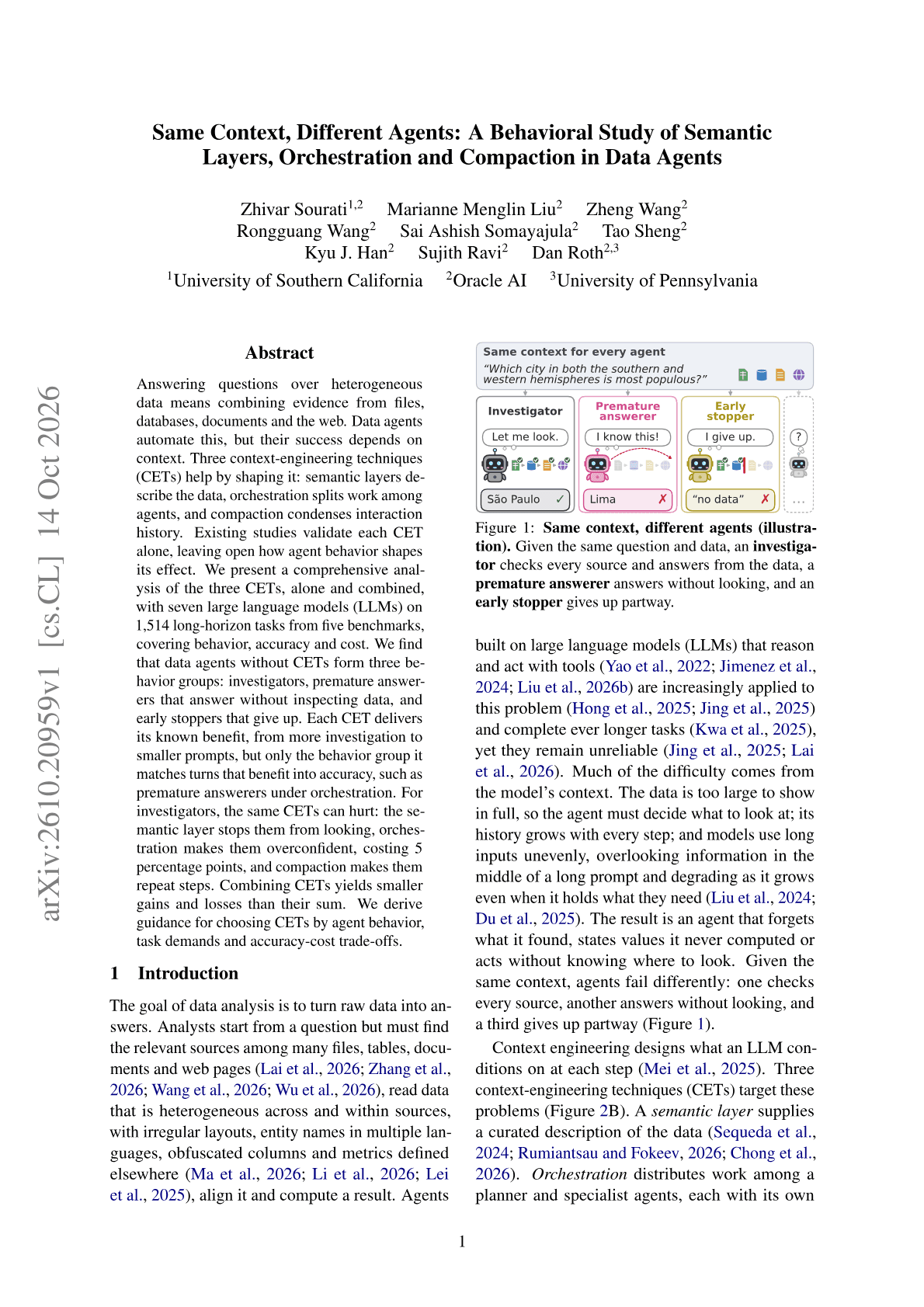
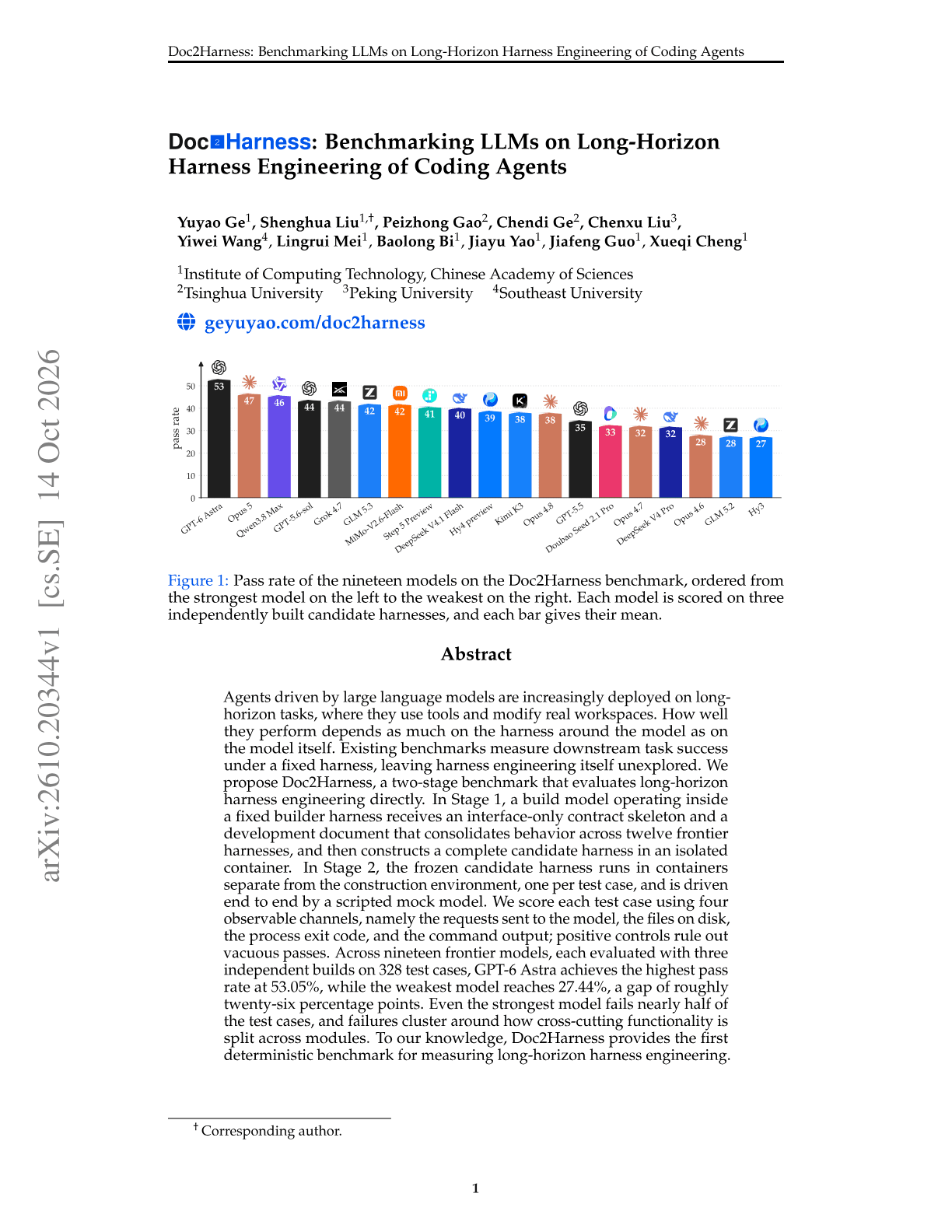
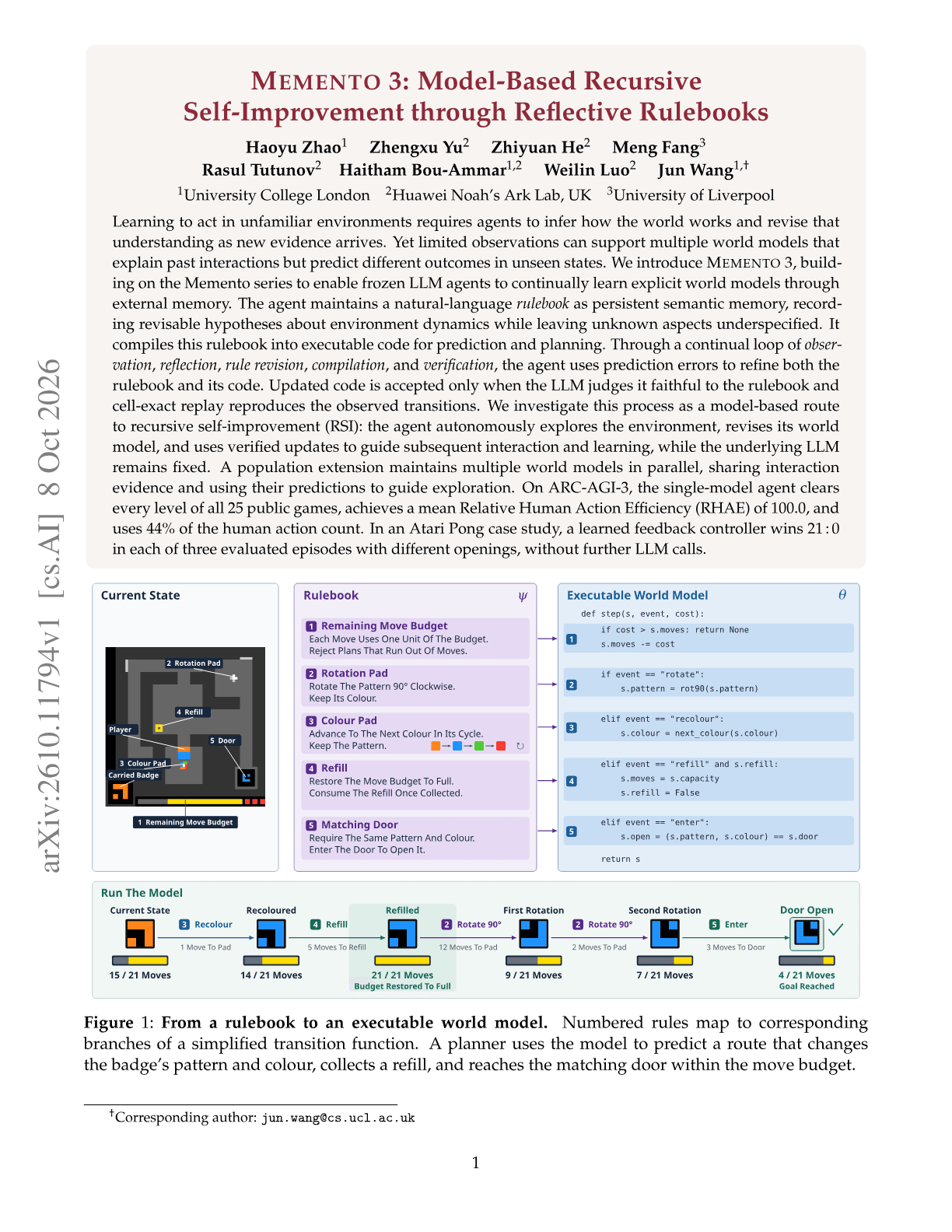
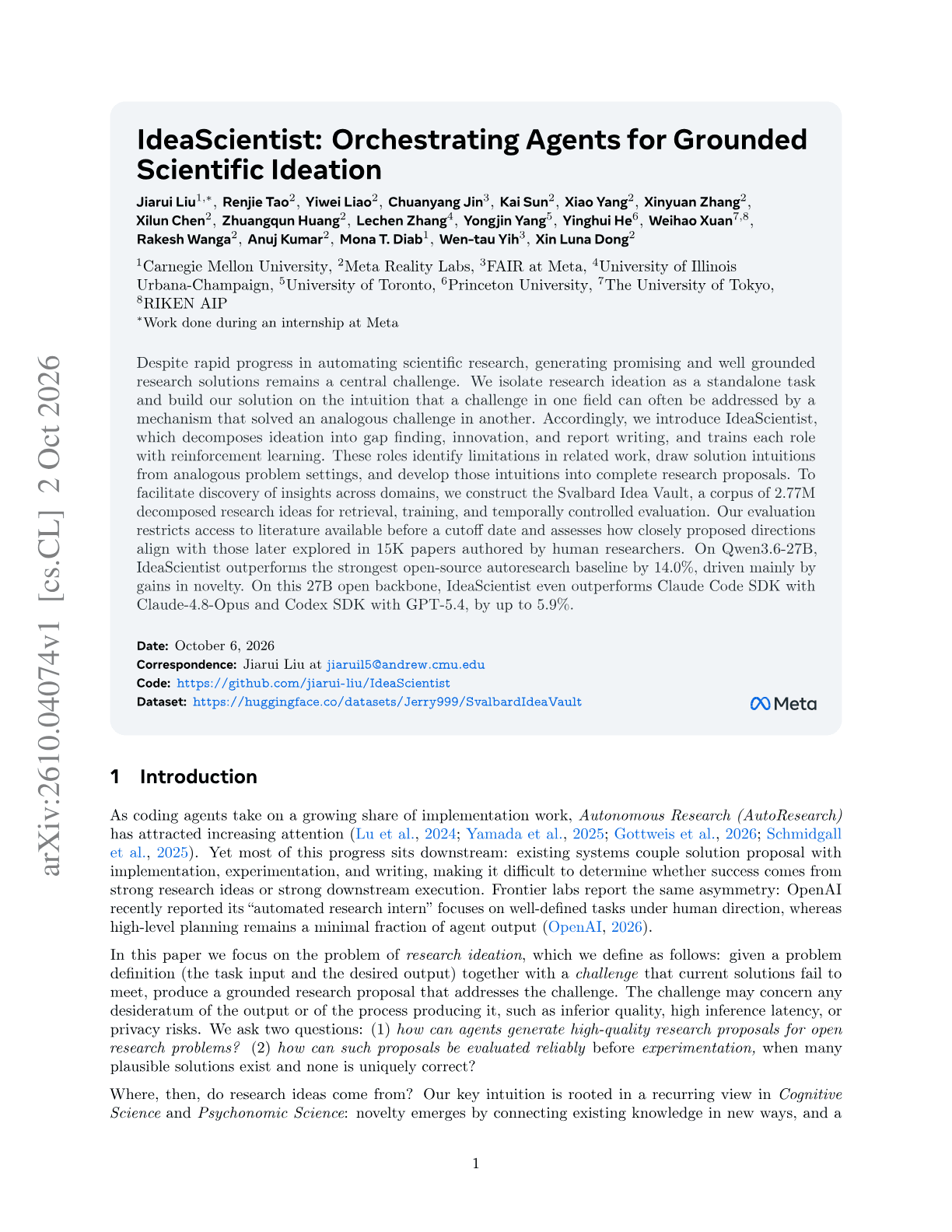
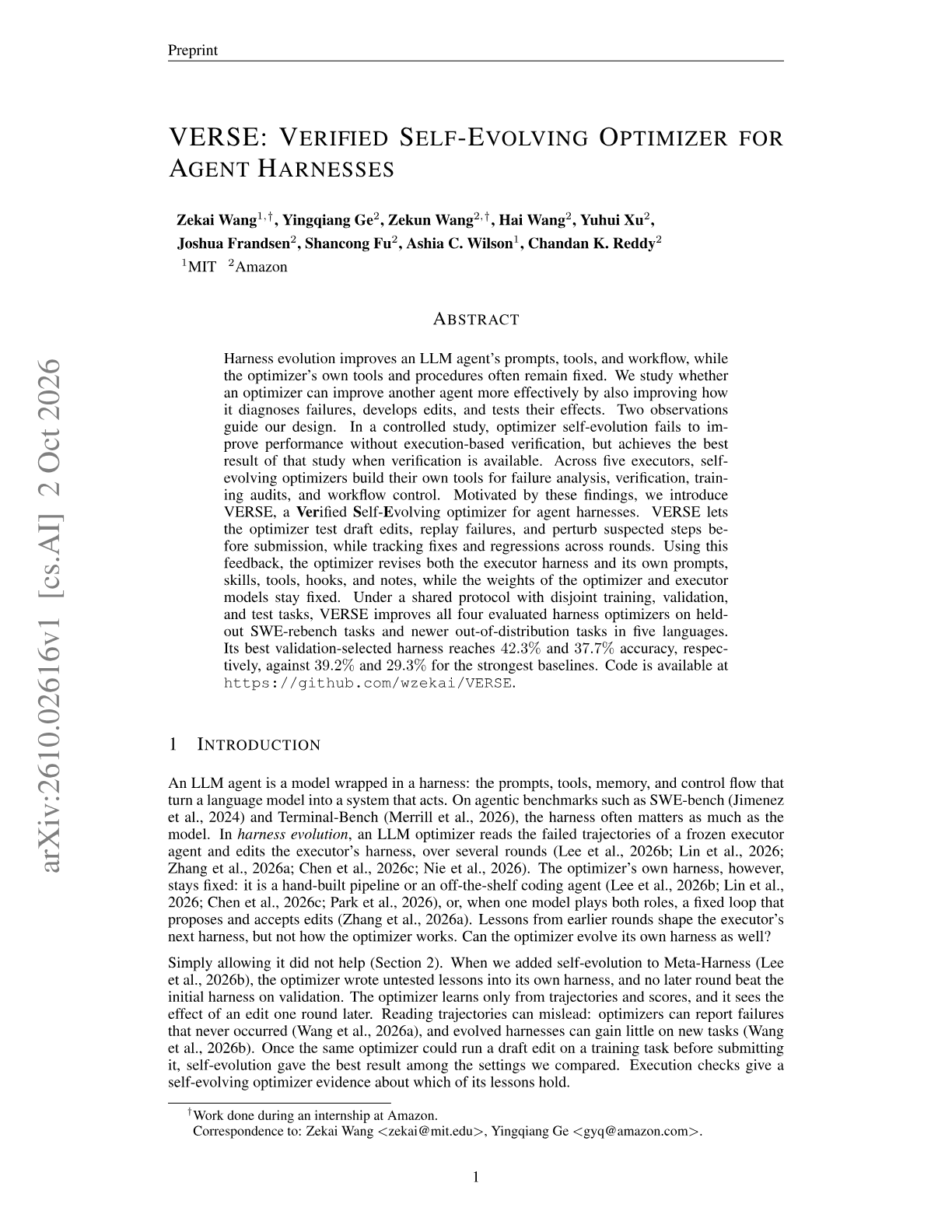
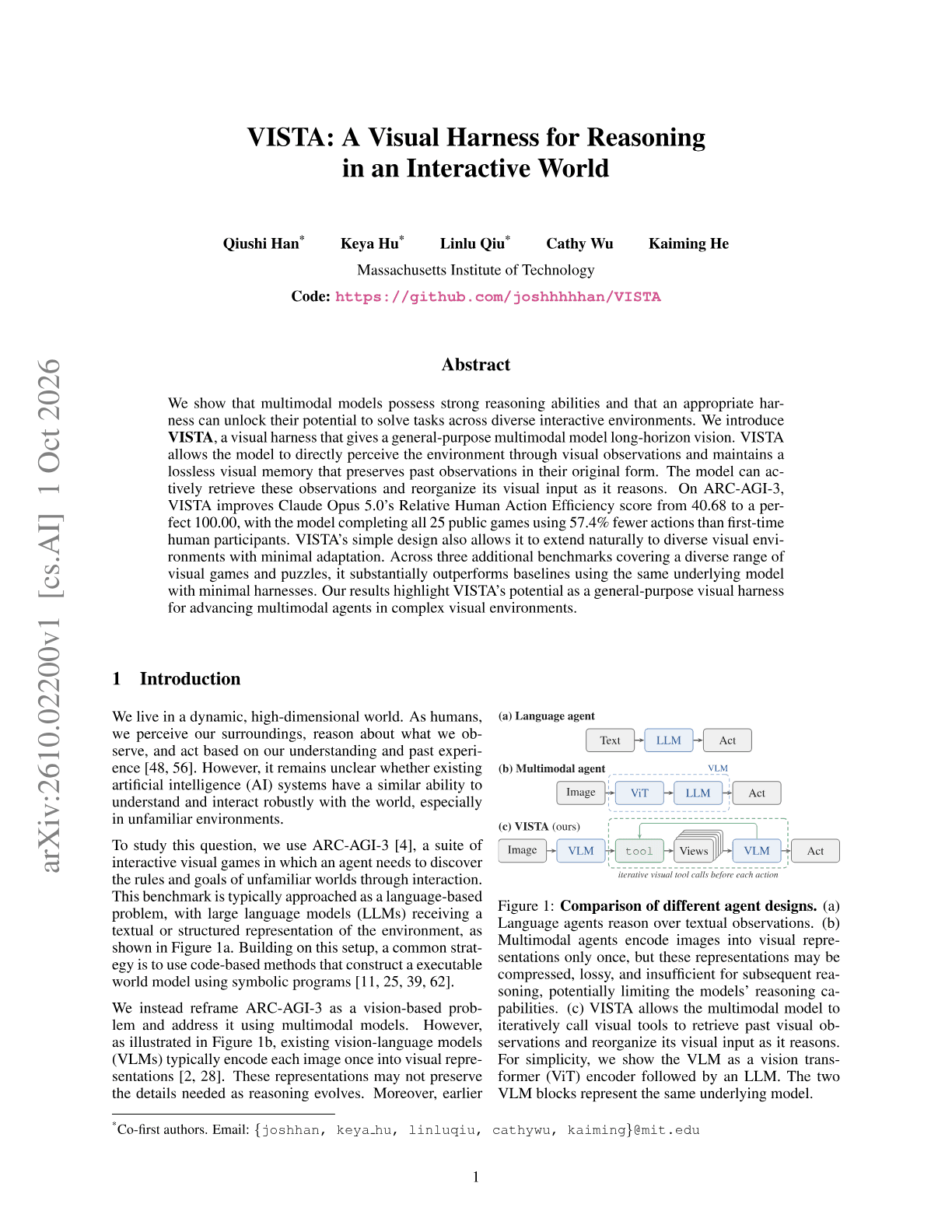
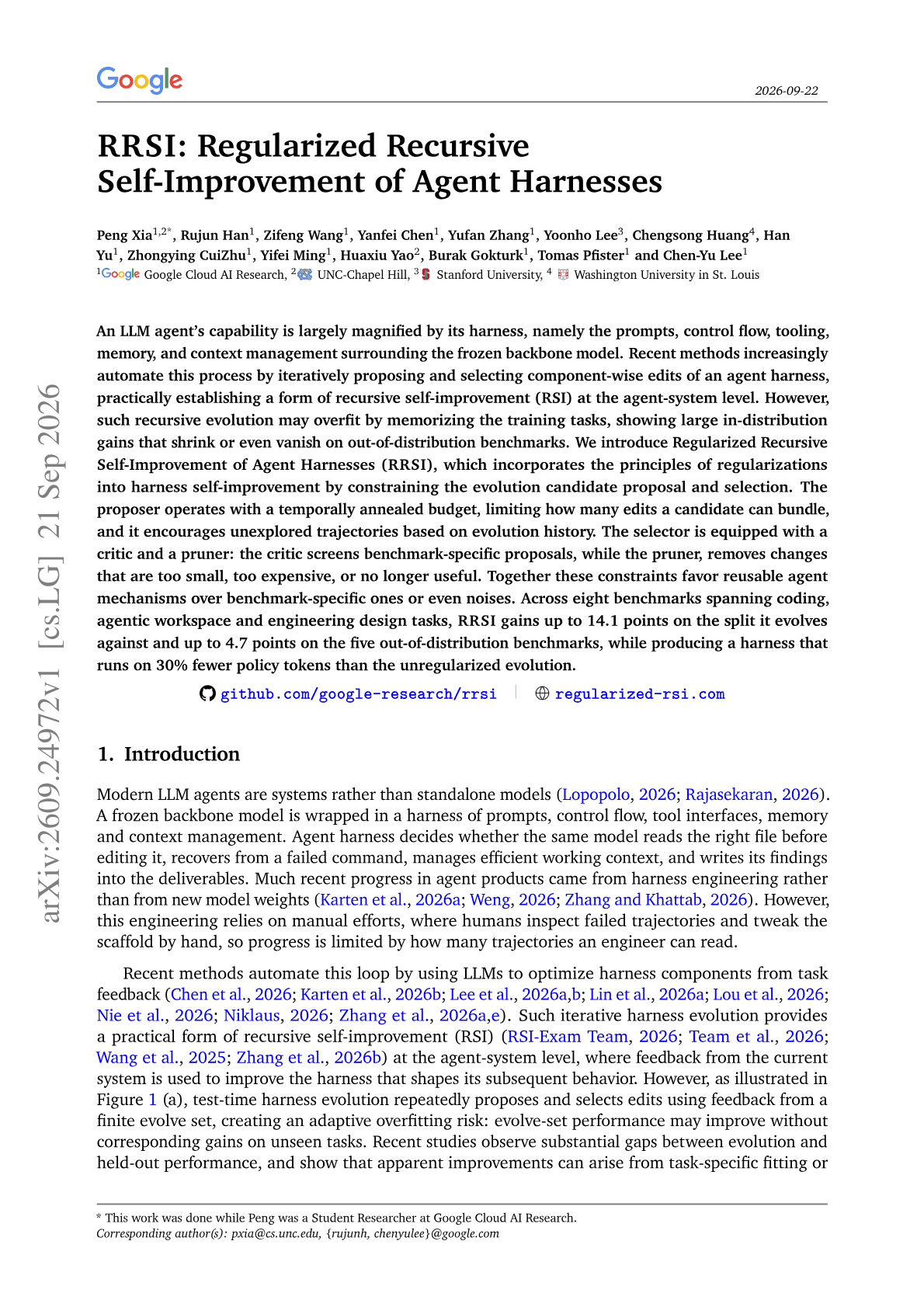
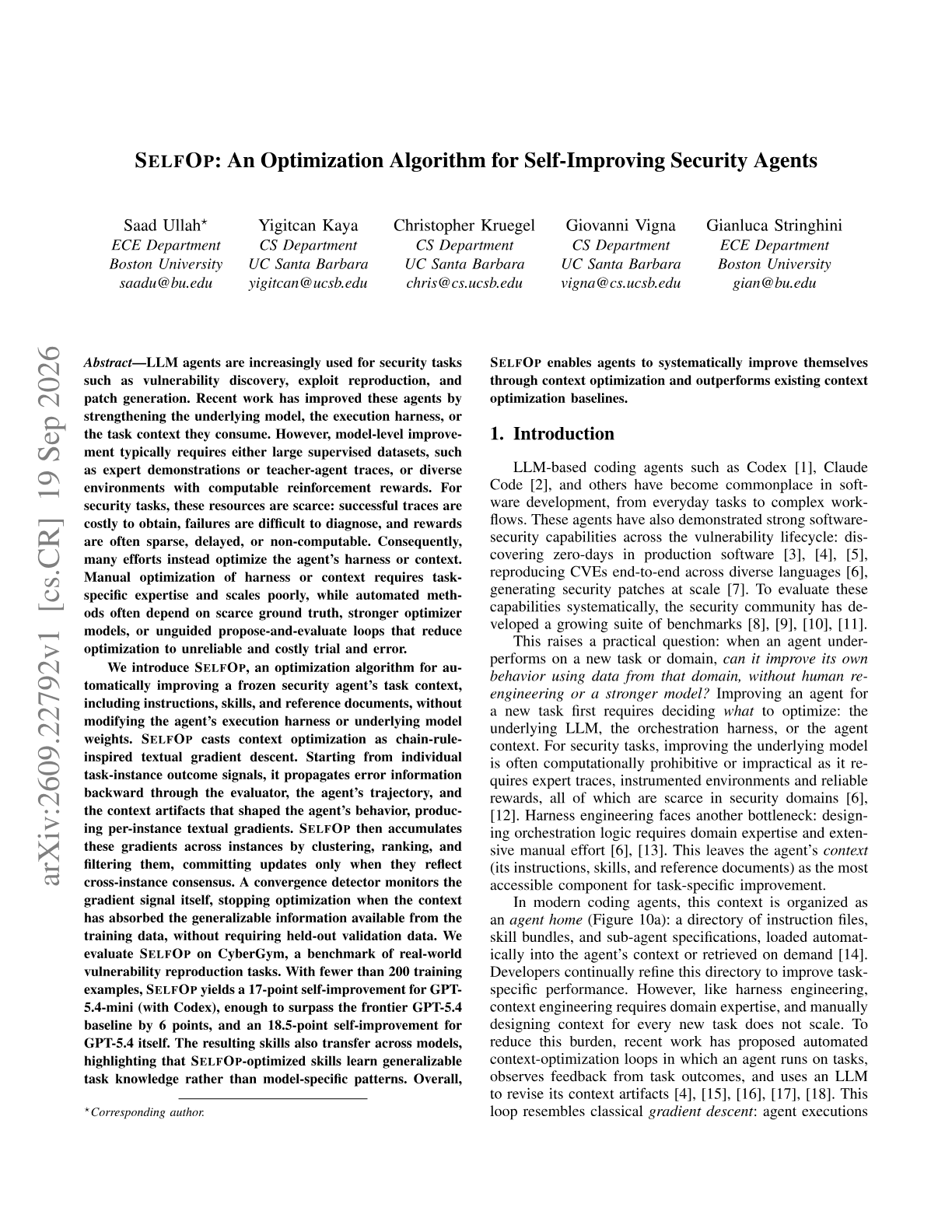
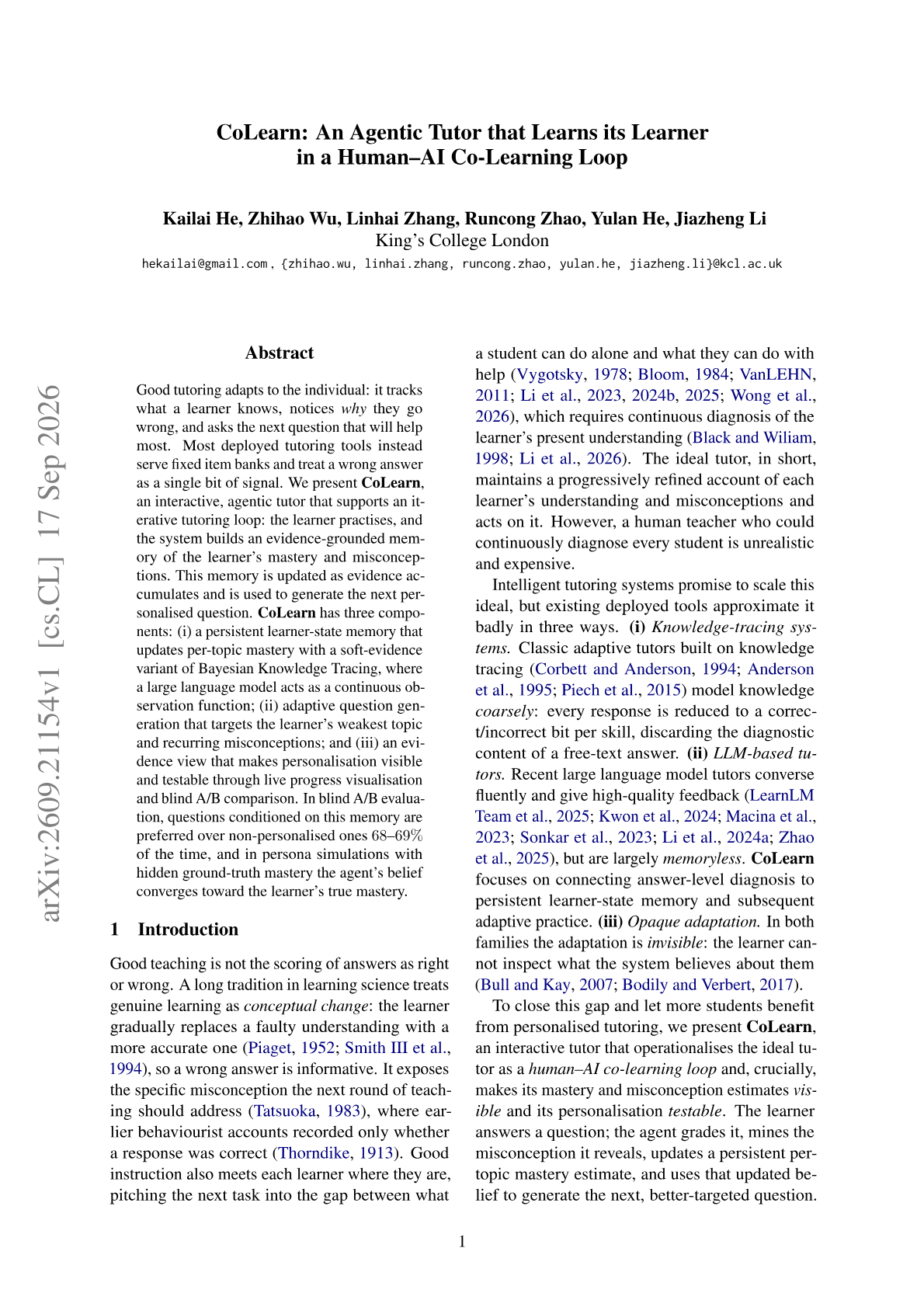
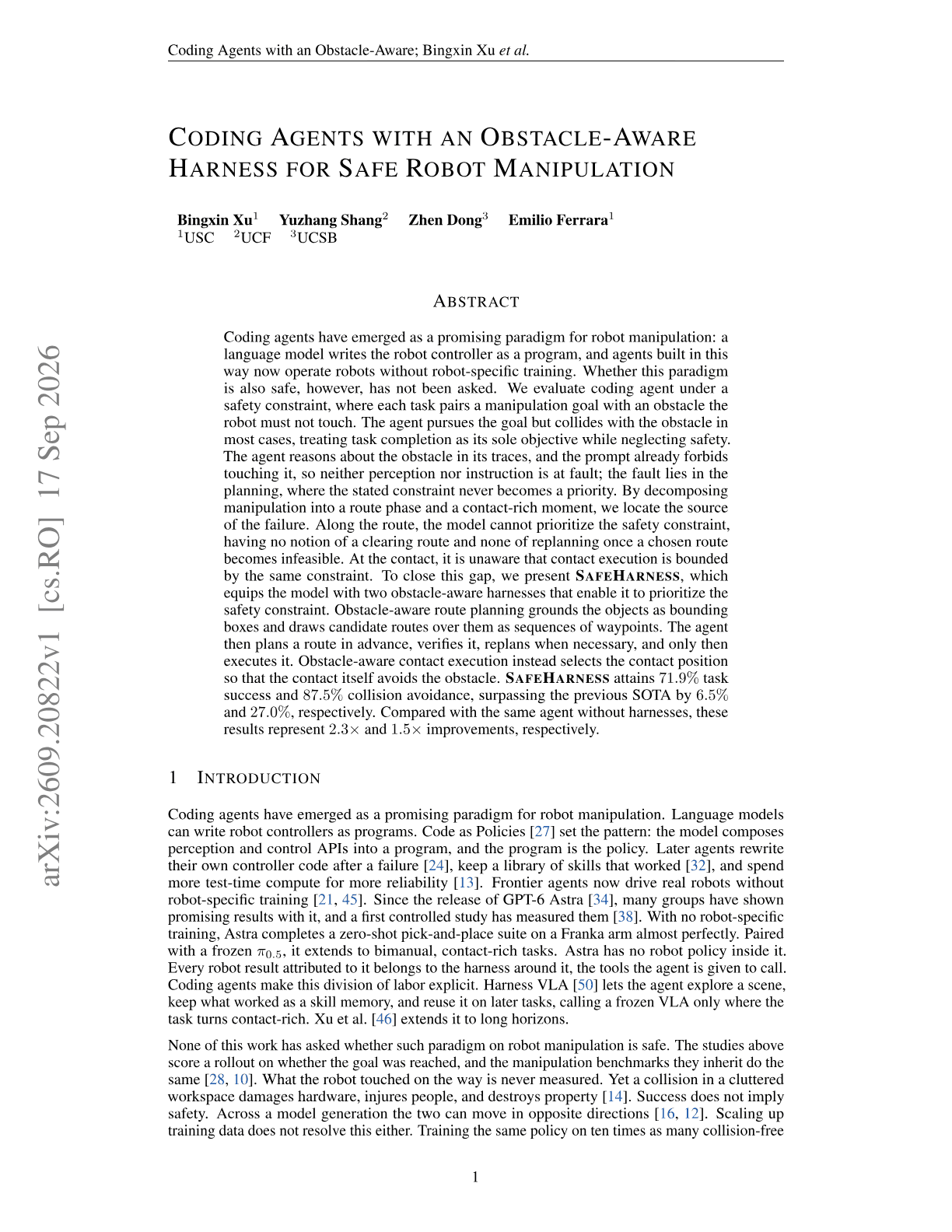
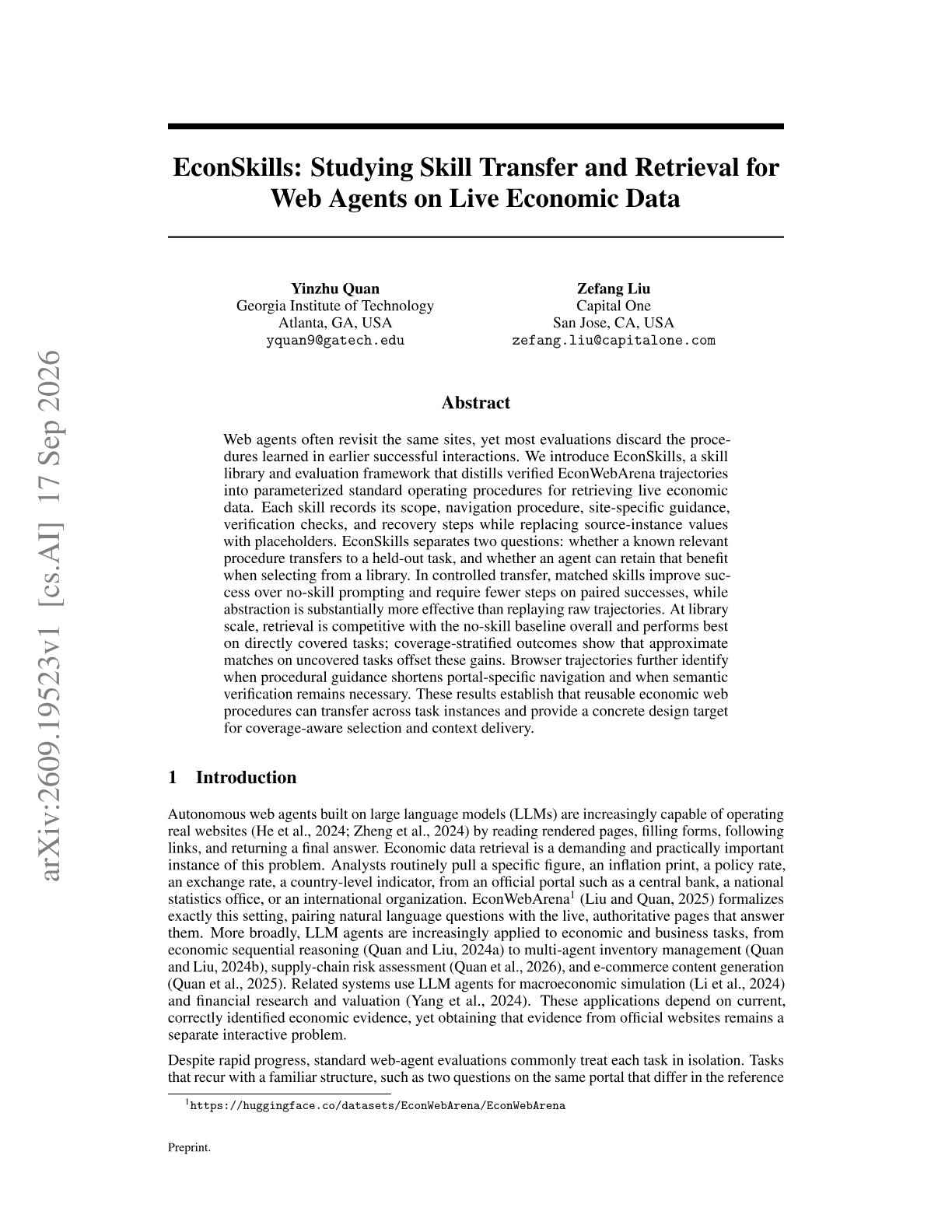
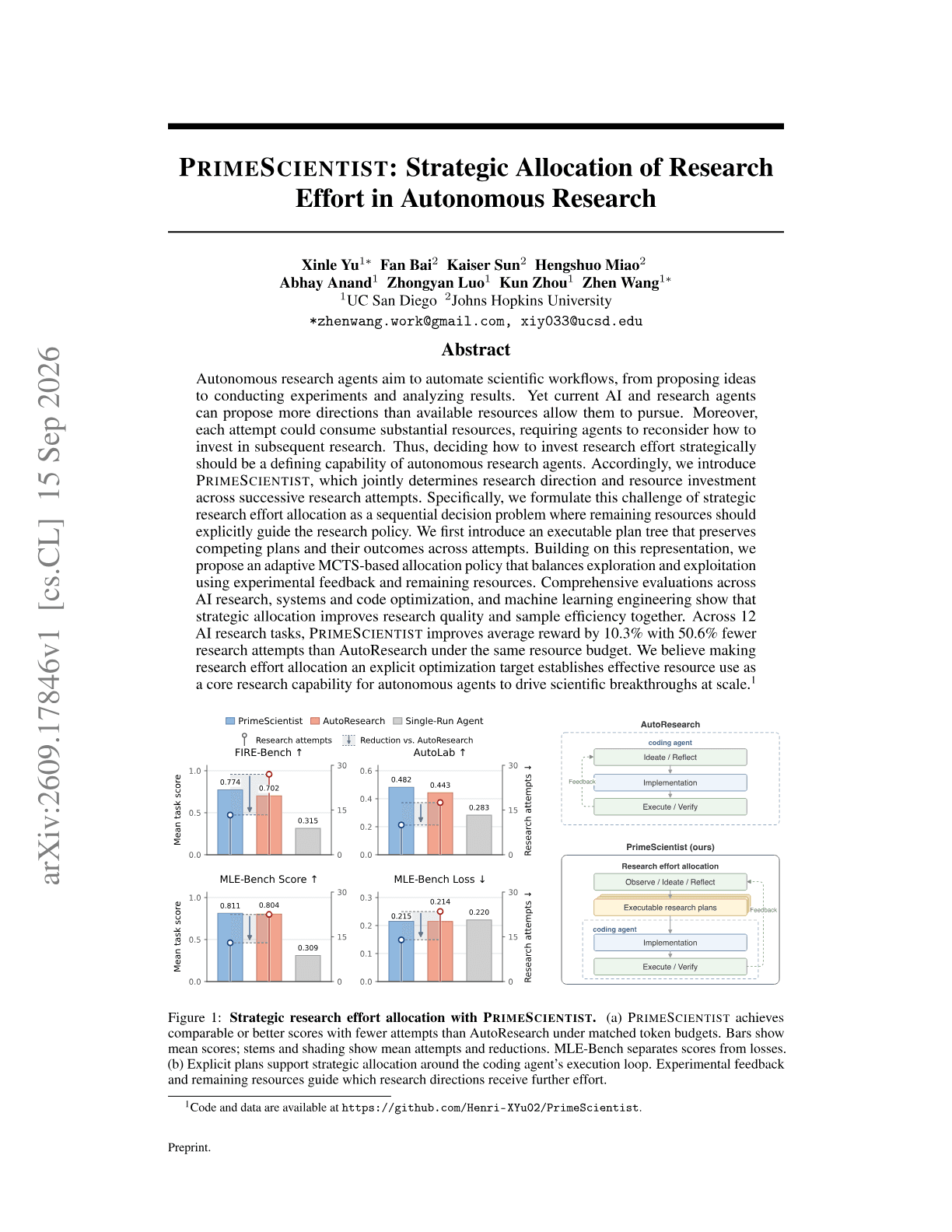
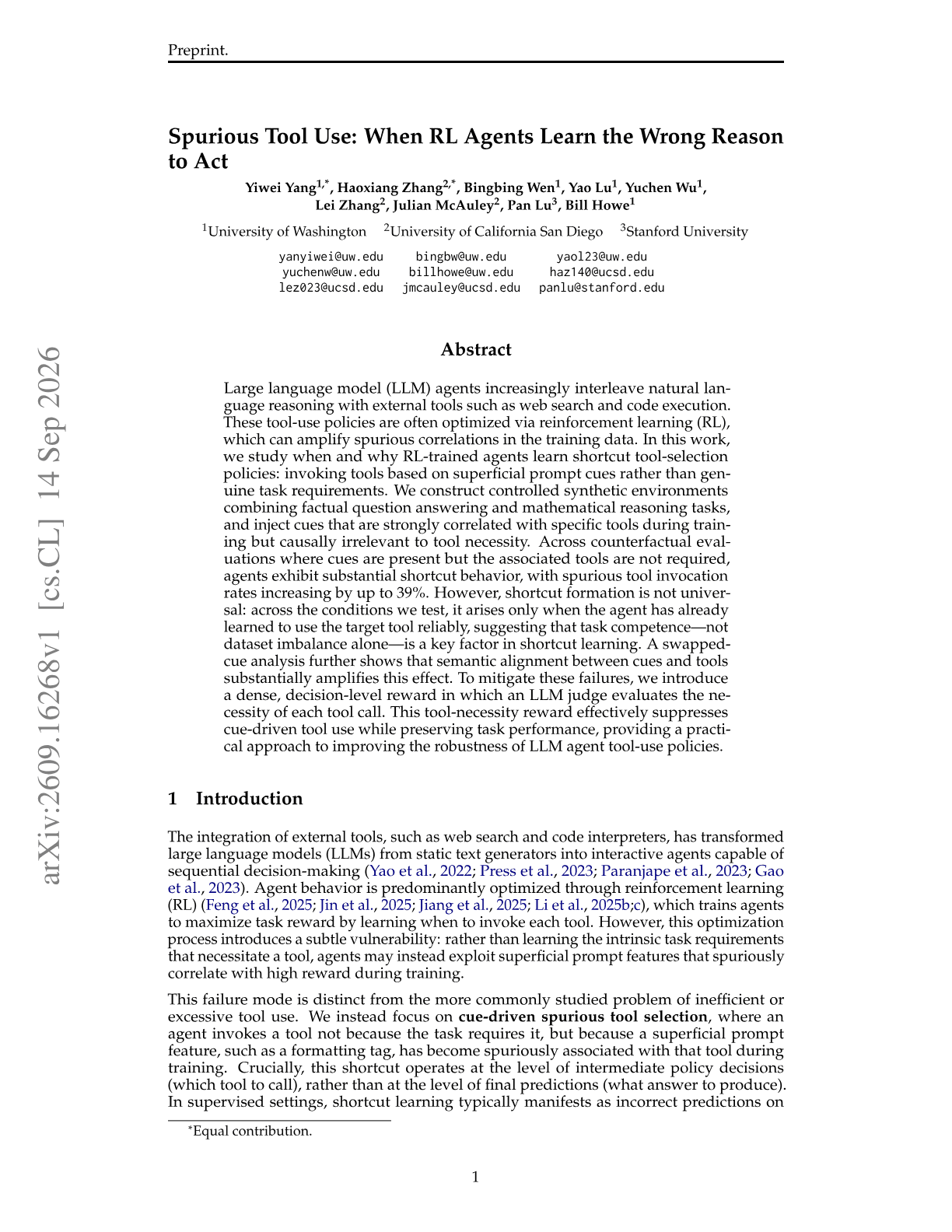
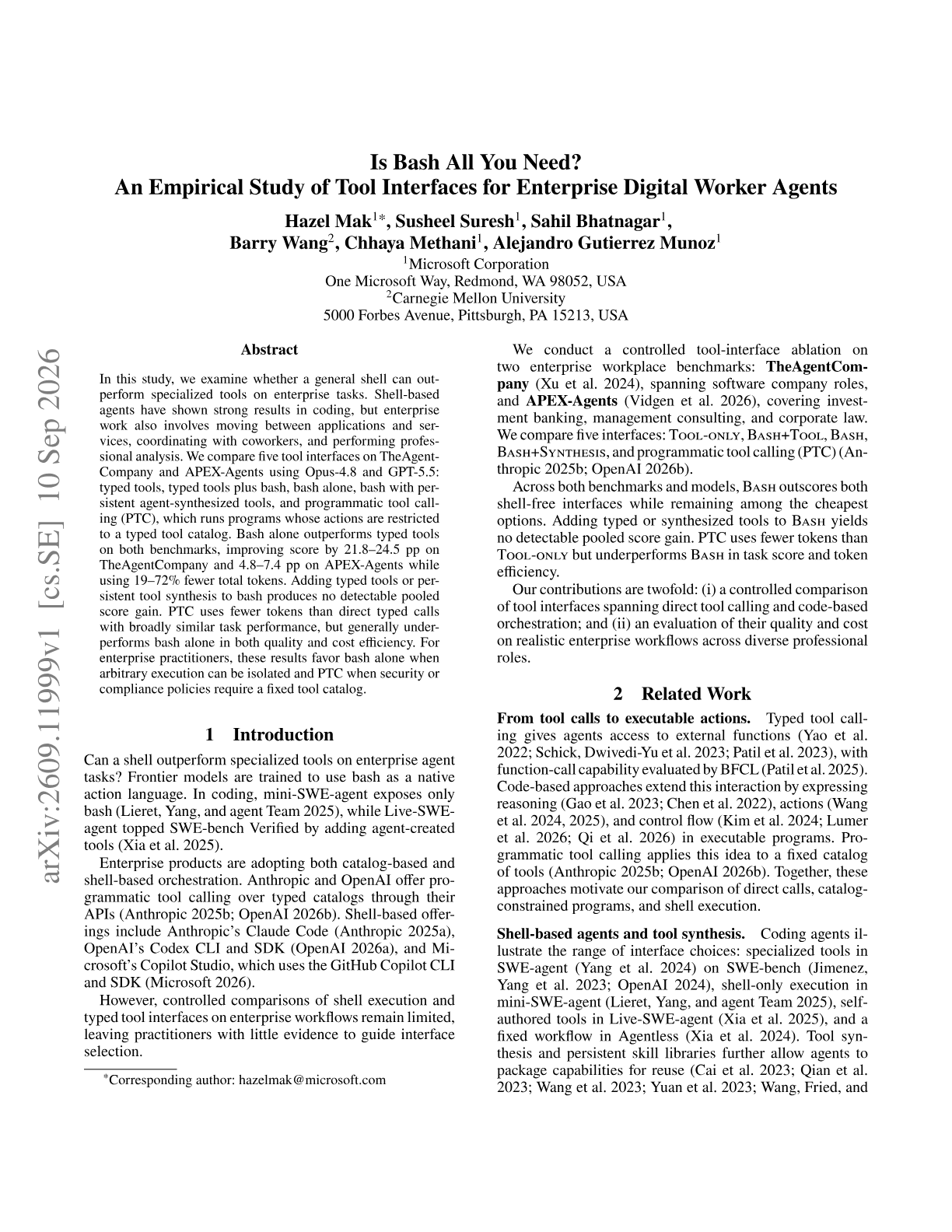
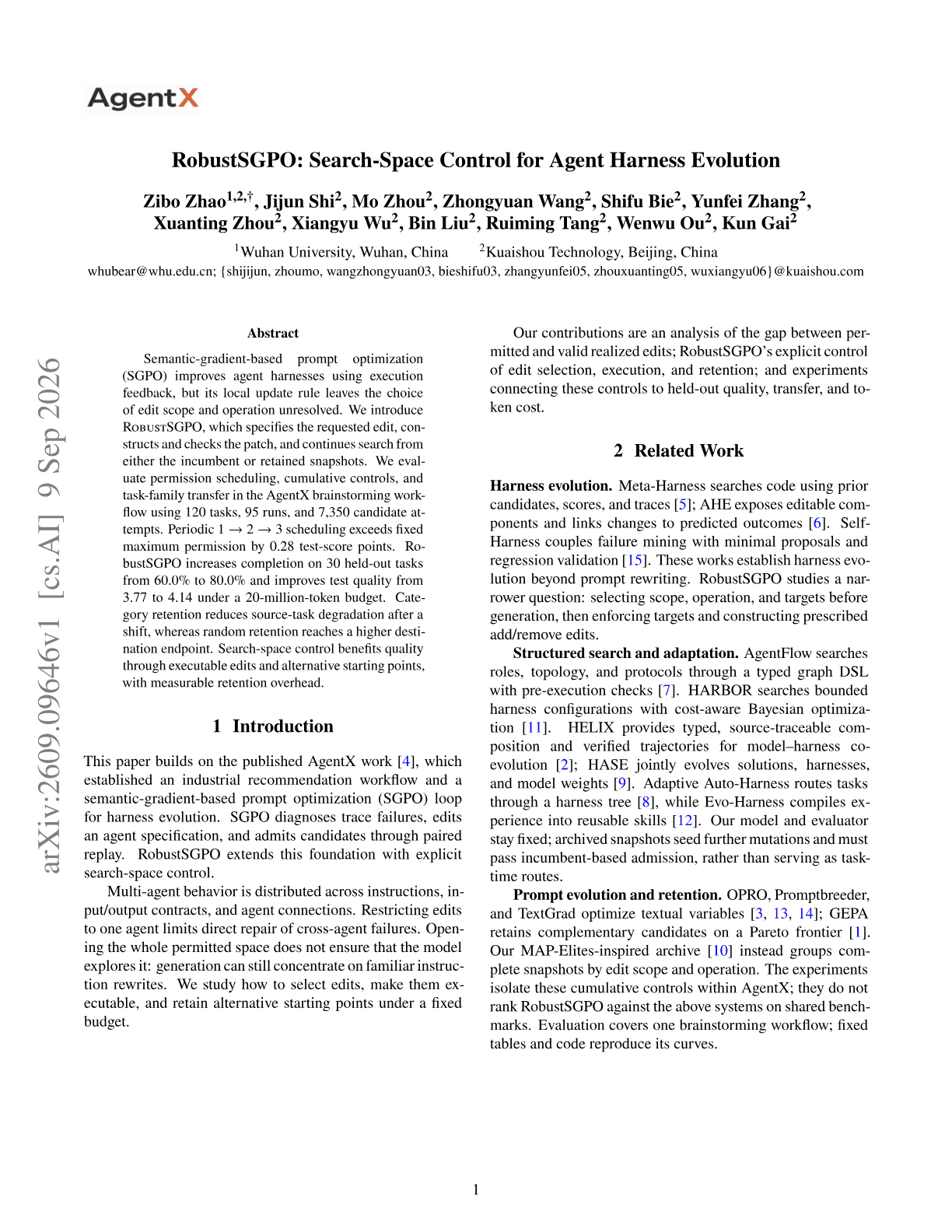
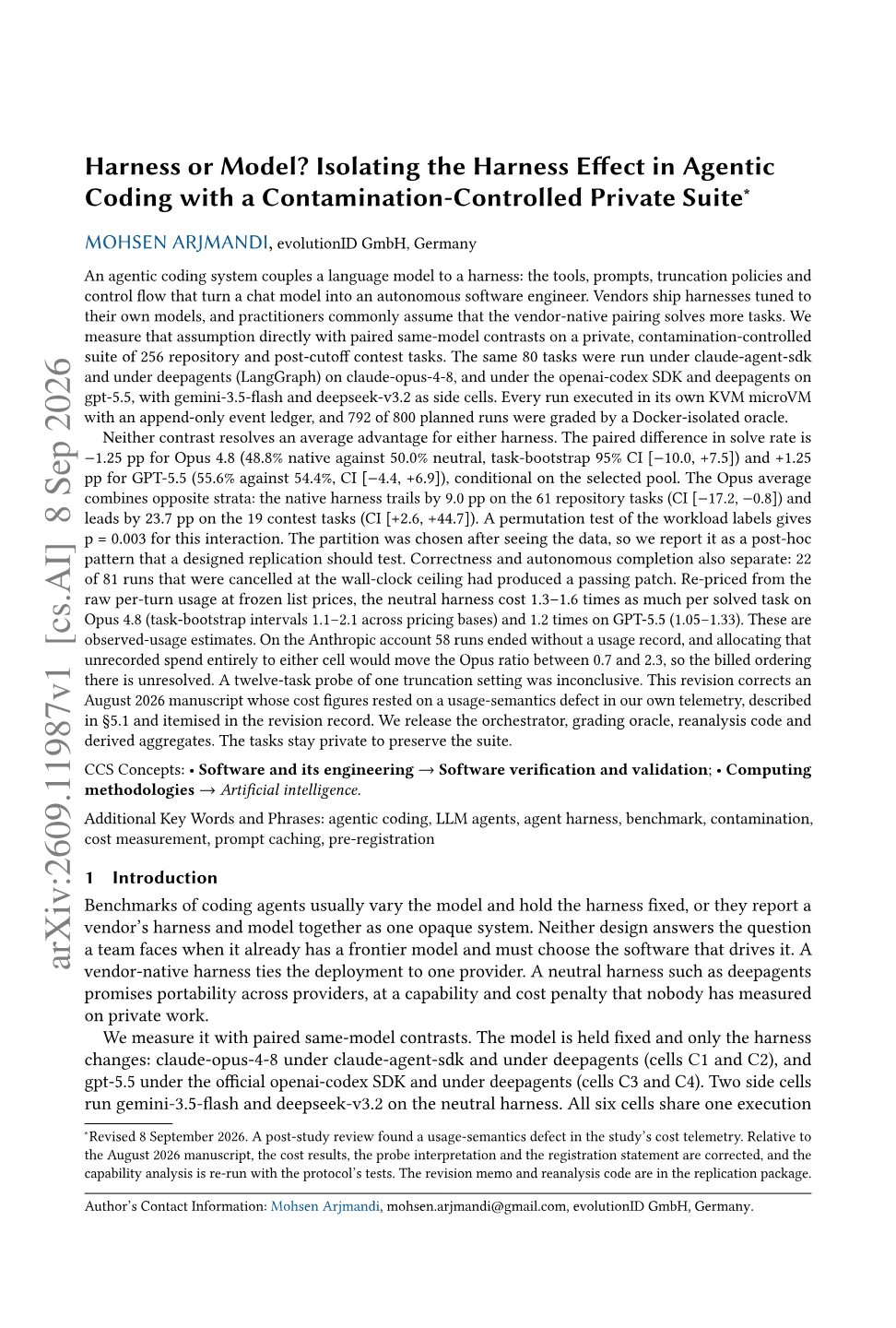
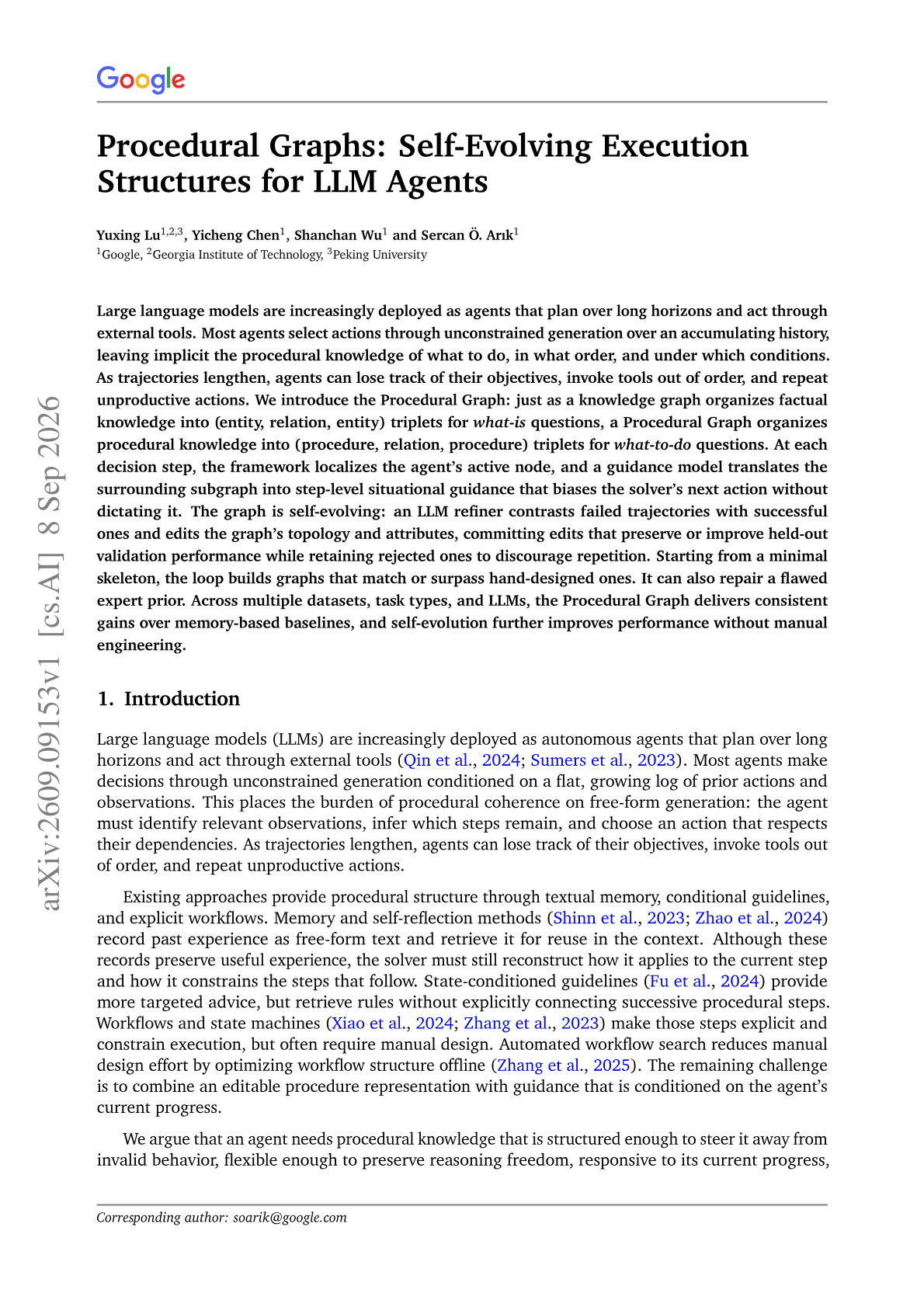
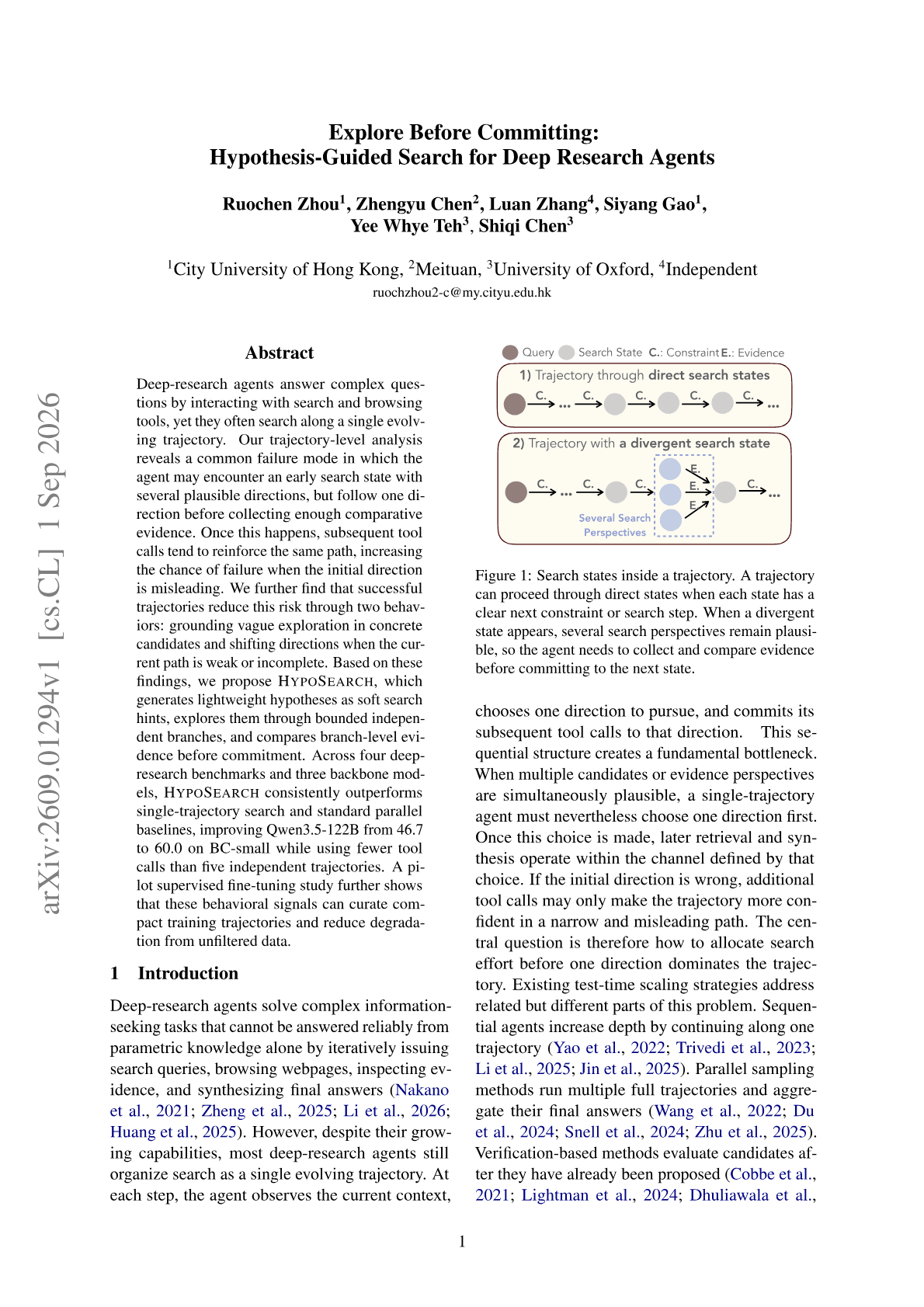
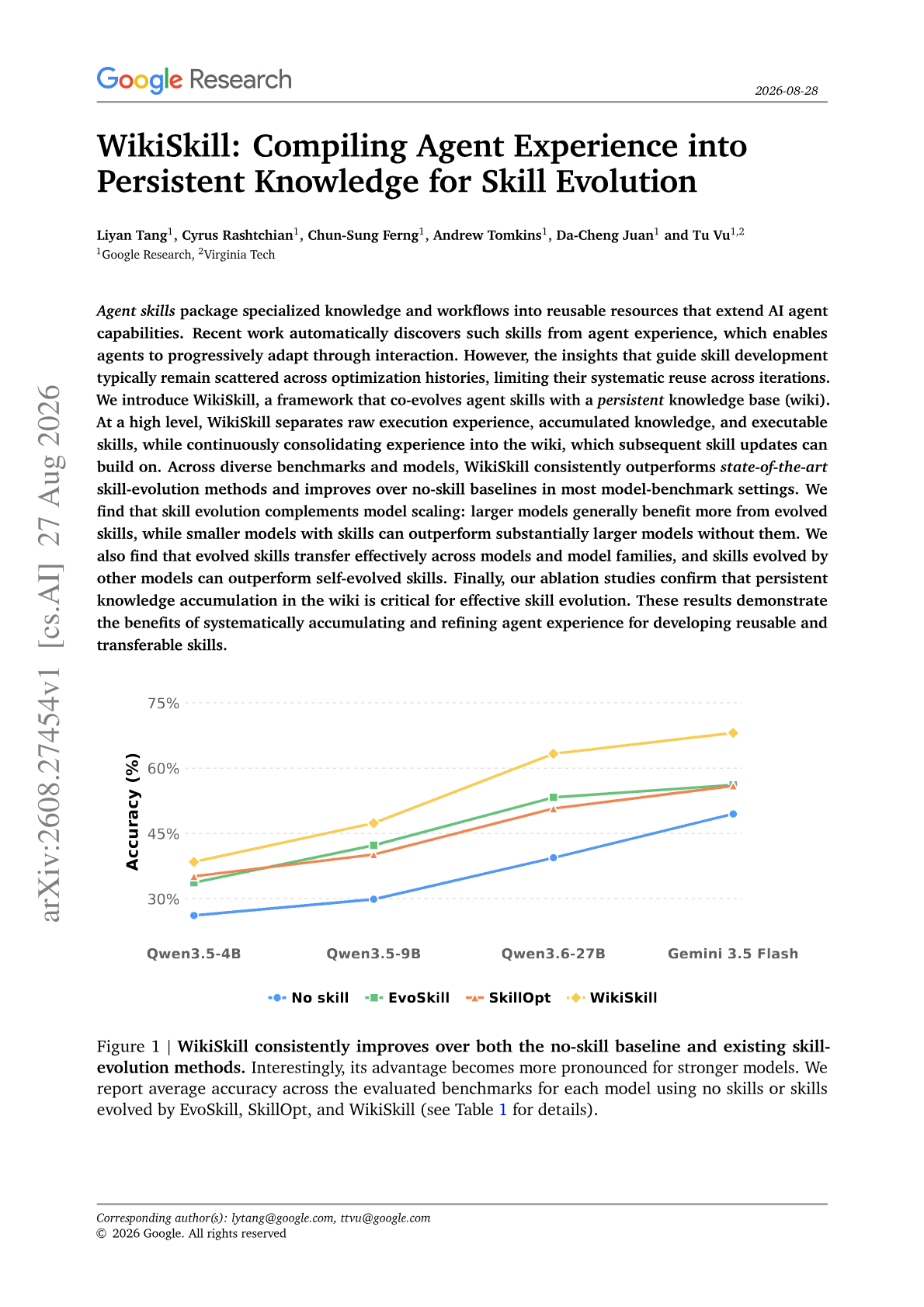
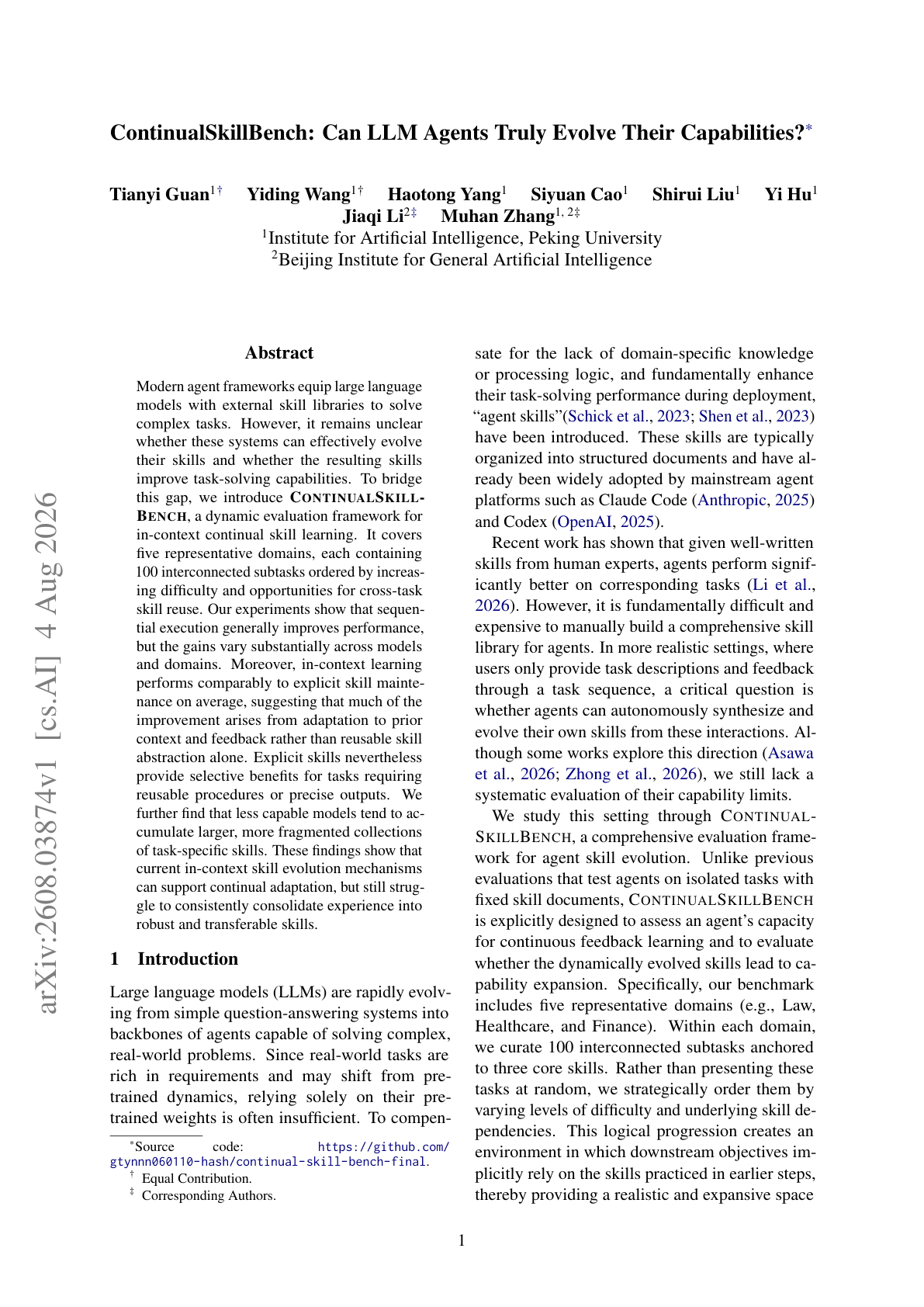
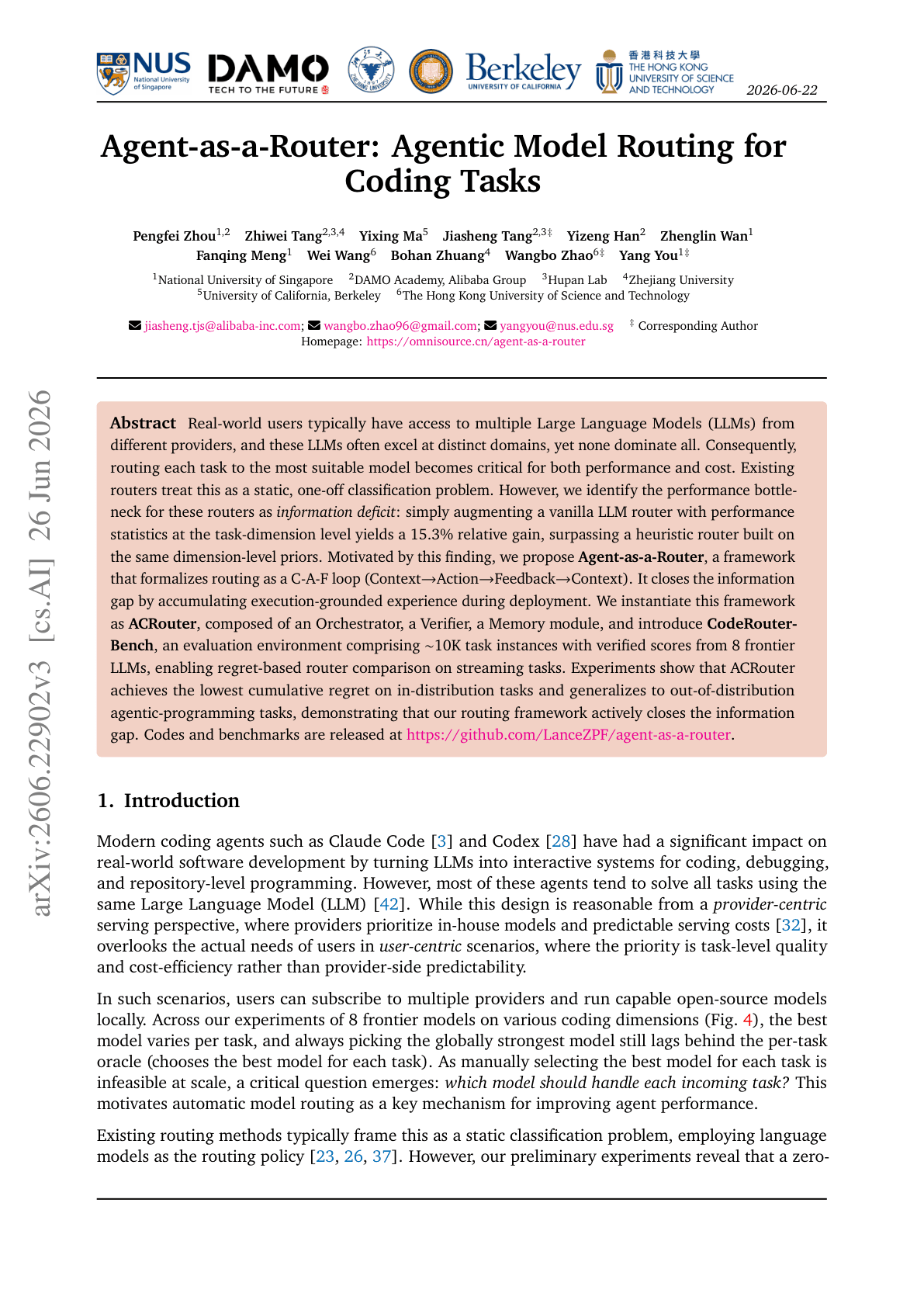
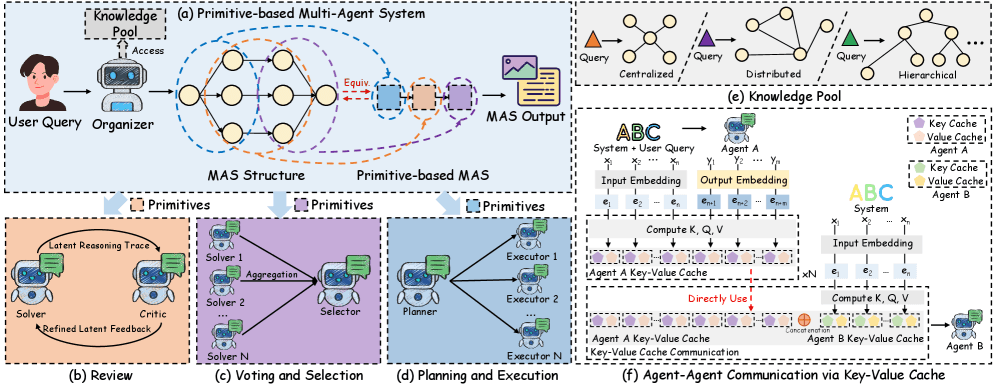
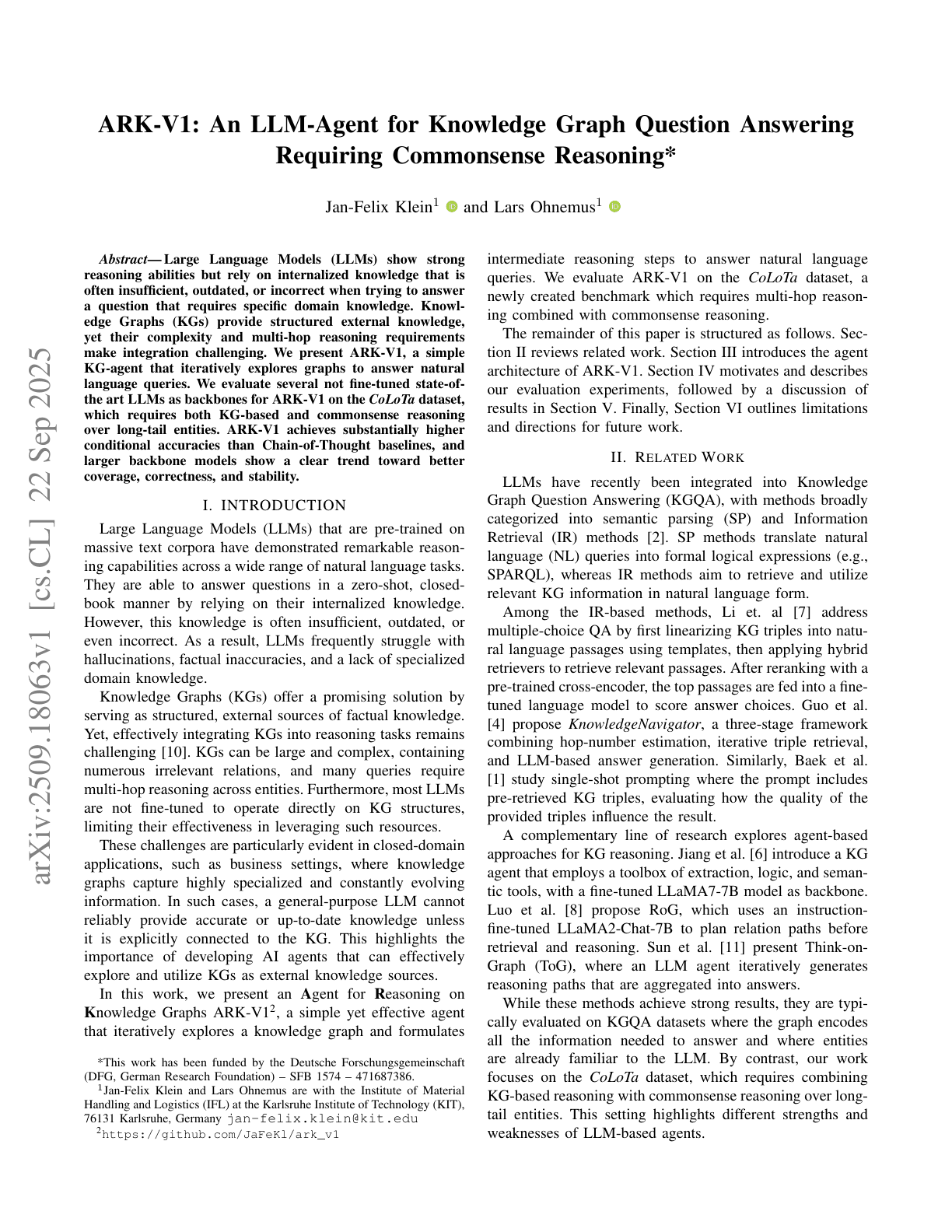
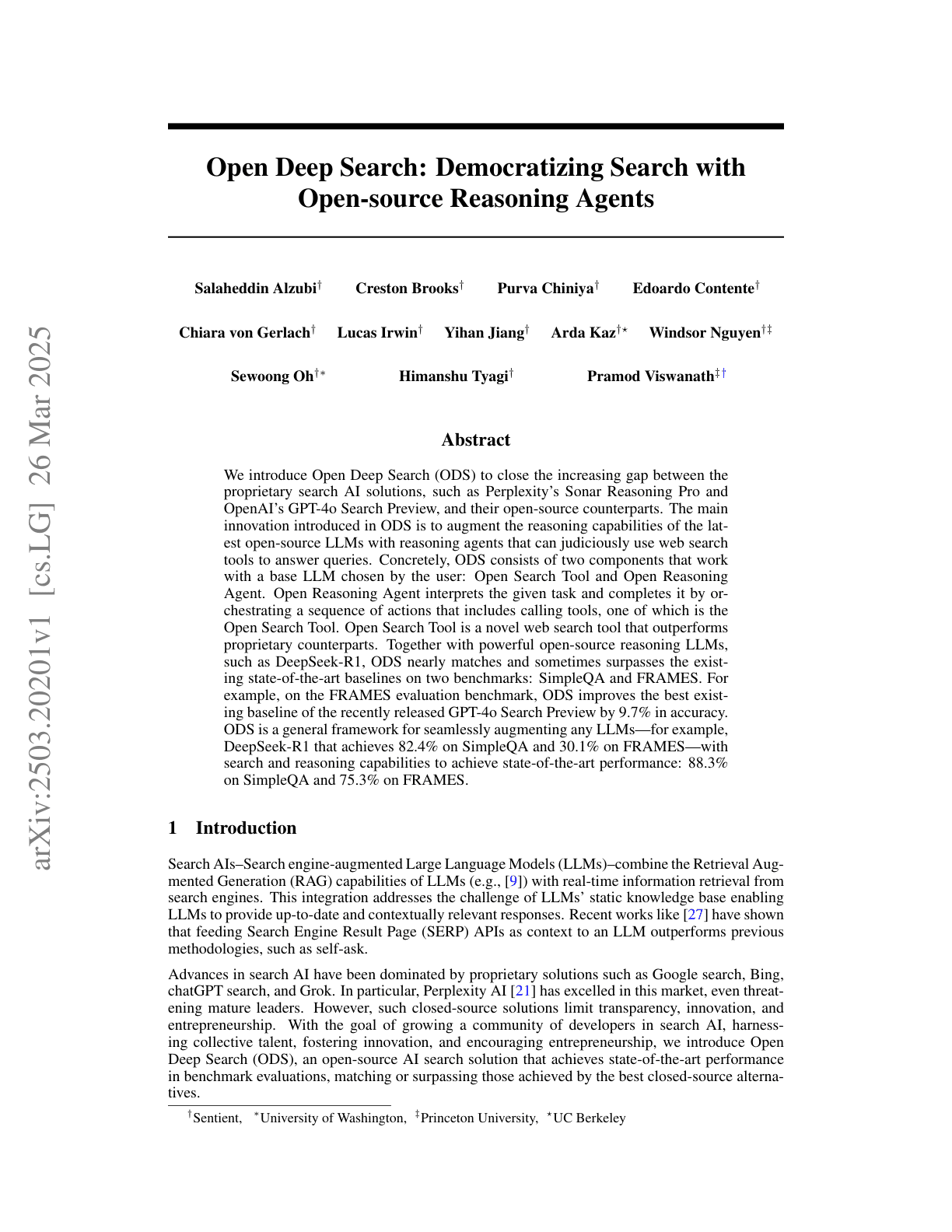
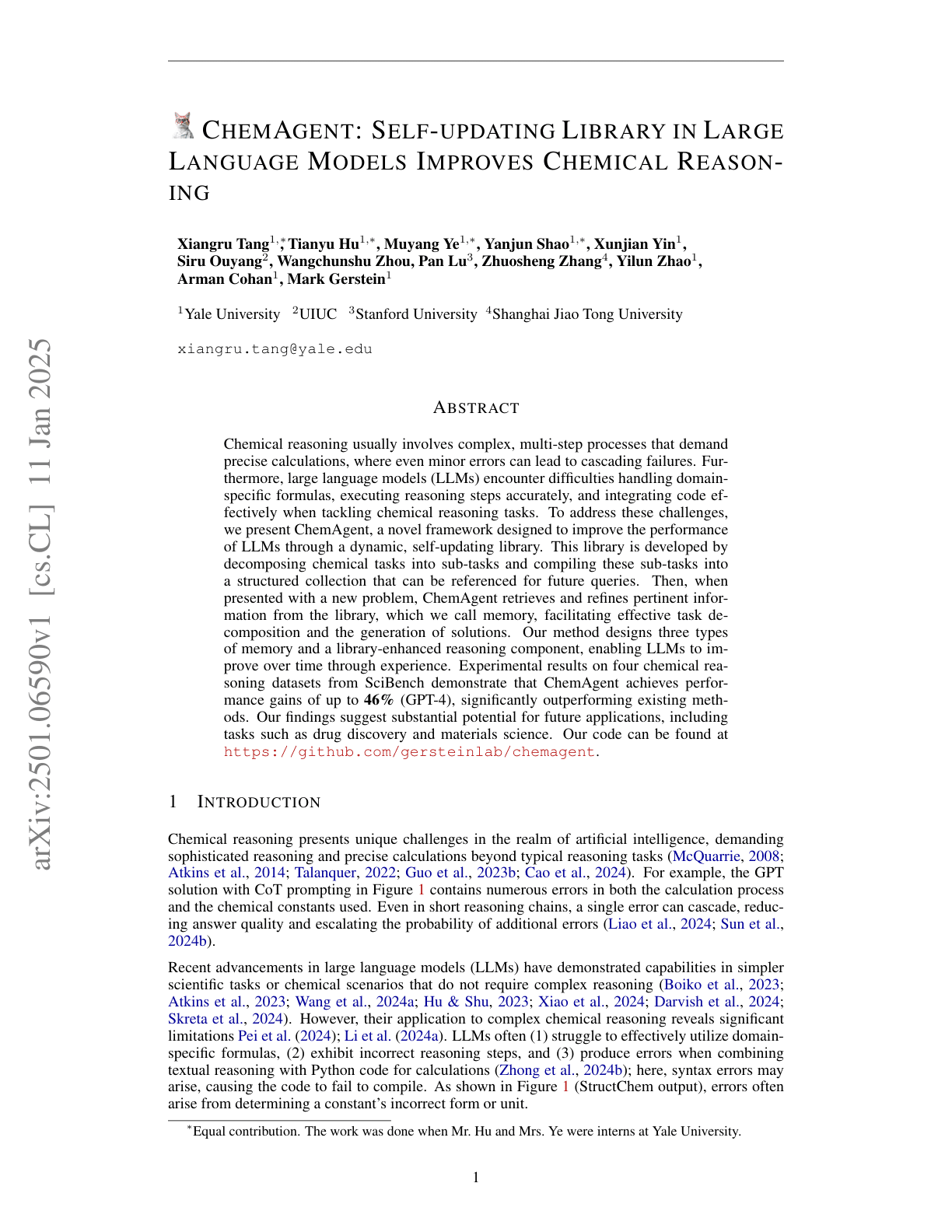
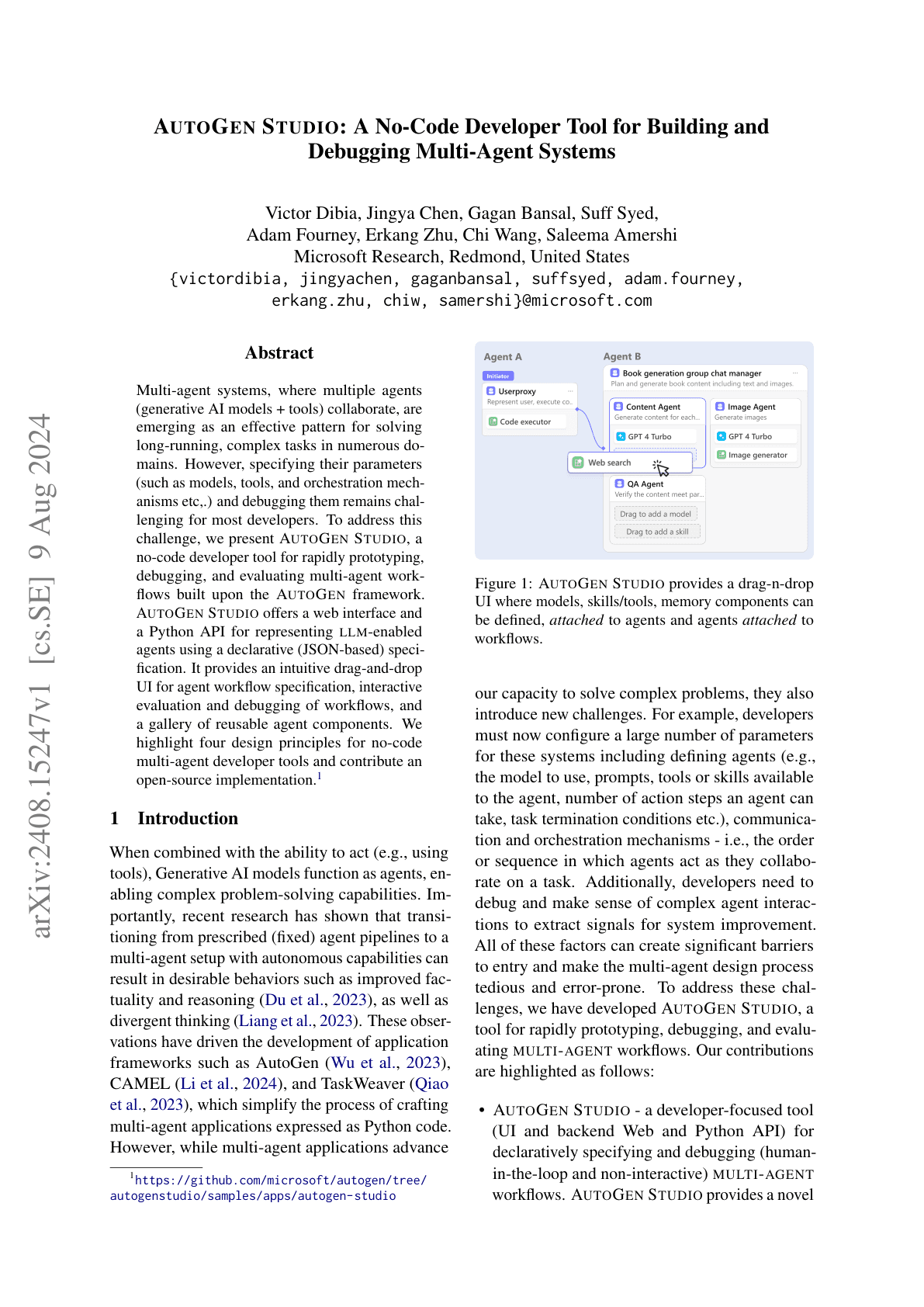
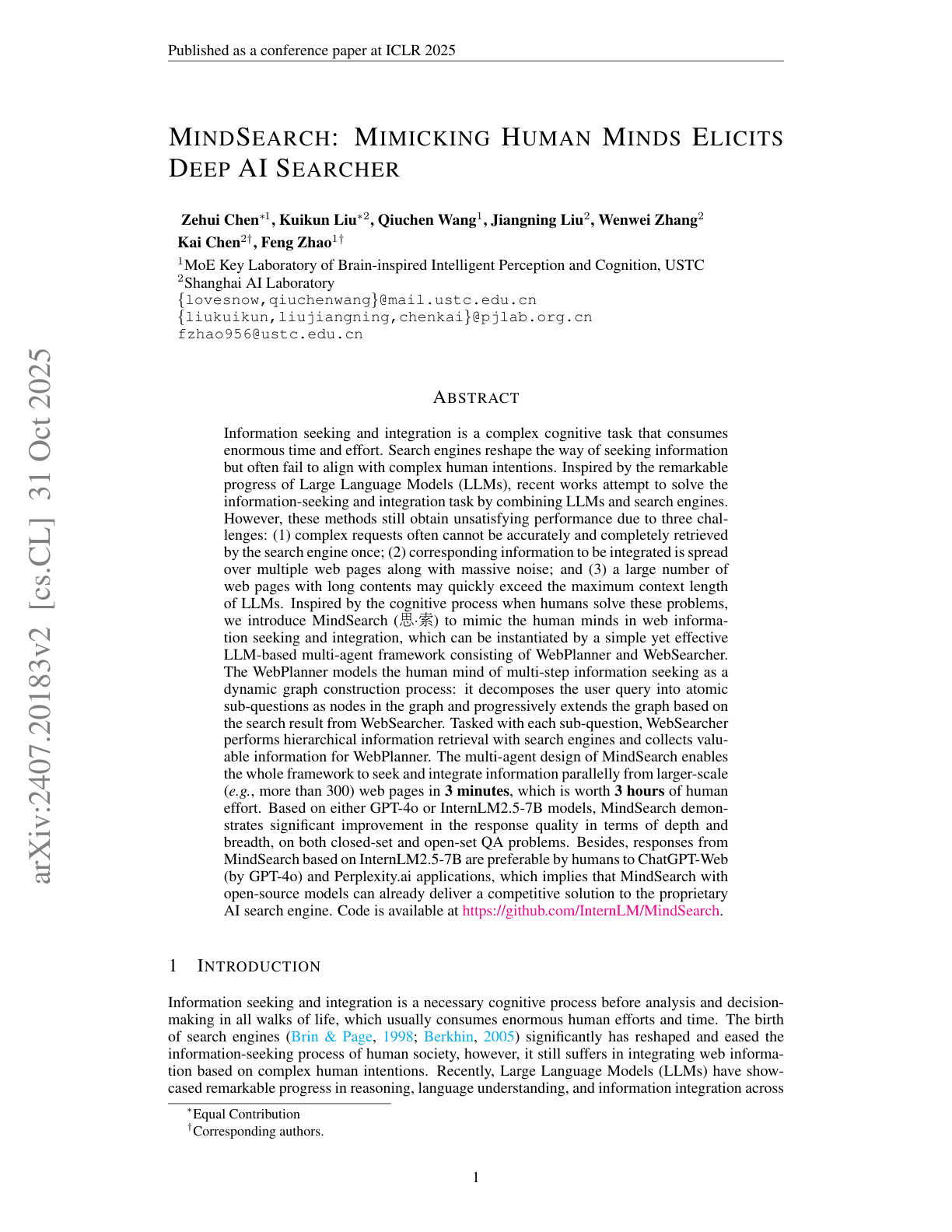
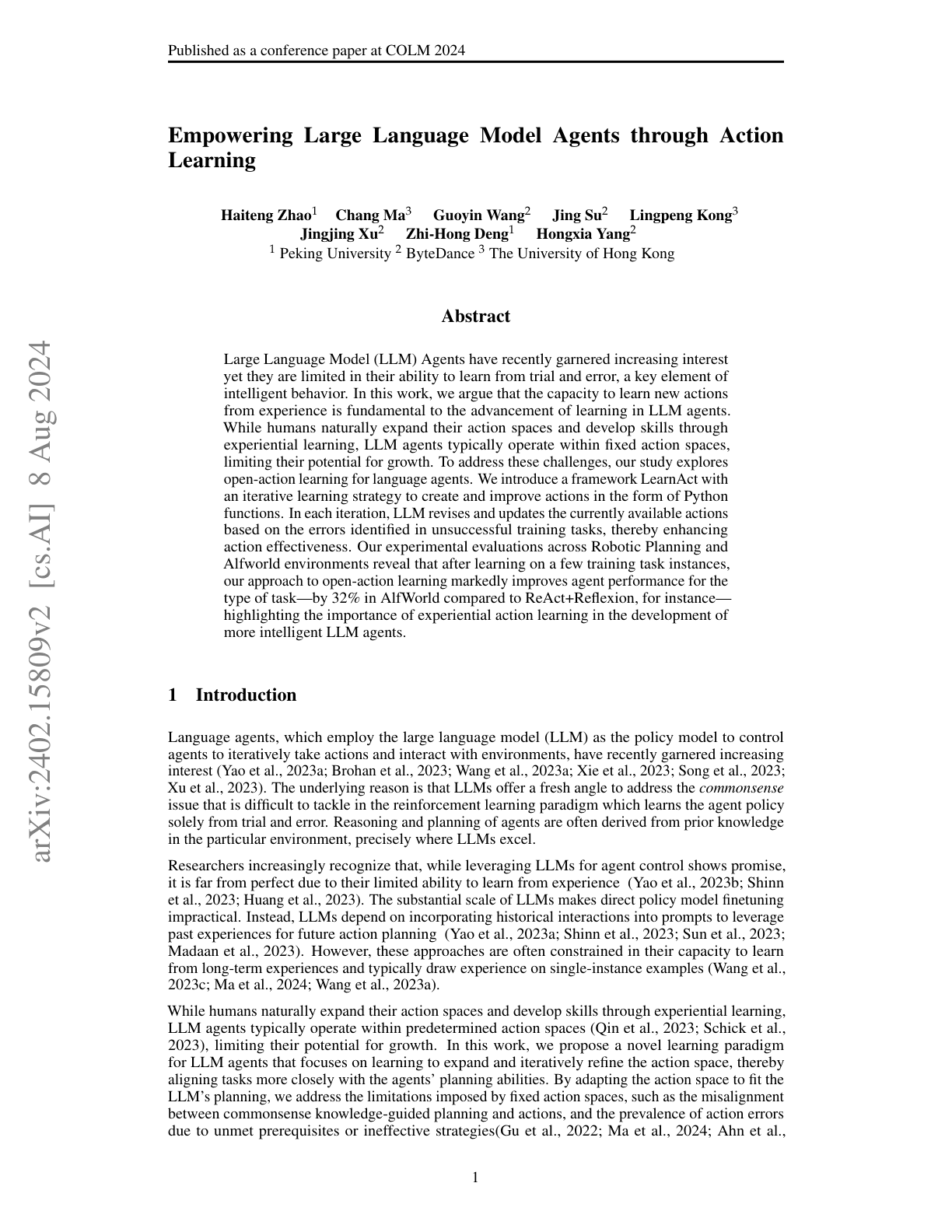
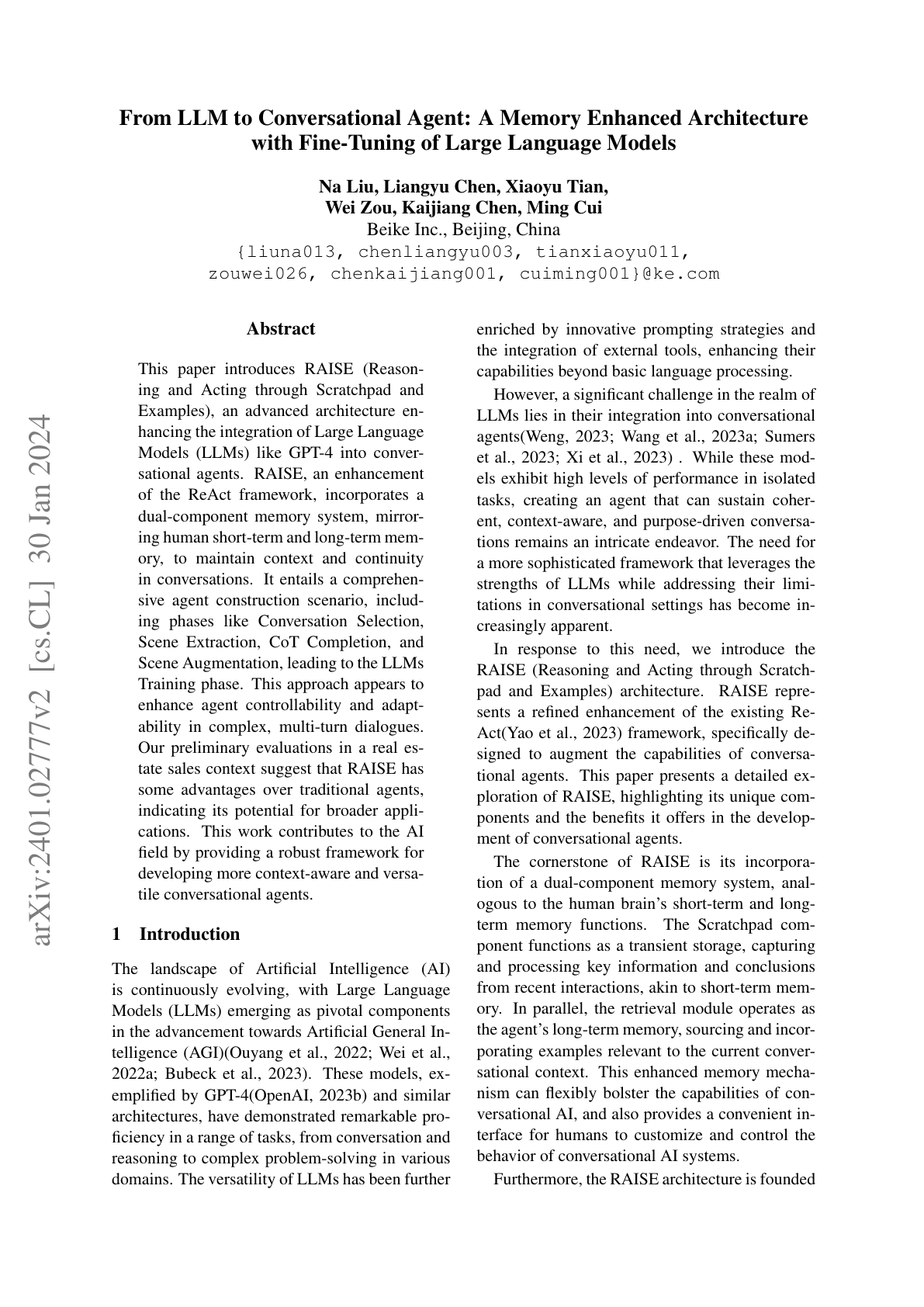
MULTILOOP: Evolving Multi-Agent Harnesses for Complex Information-Seeking Tasks
Daniela Gottesman et al. · 2026 - 03
- 04
- 05
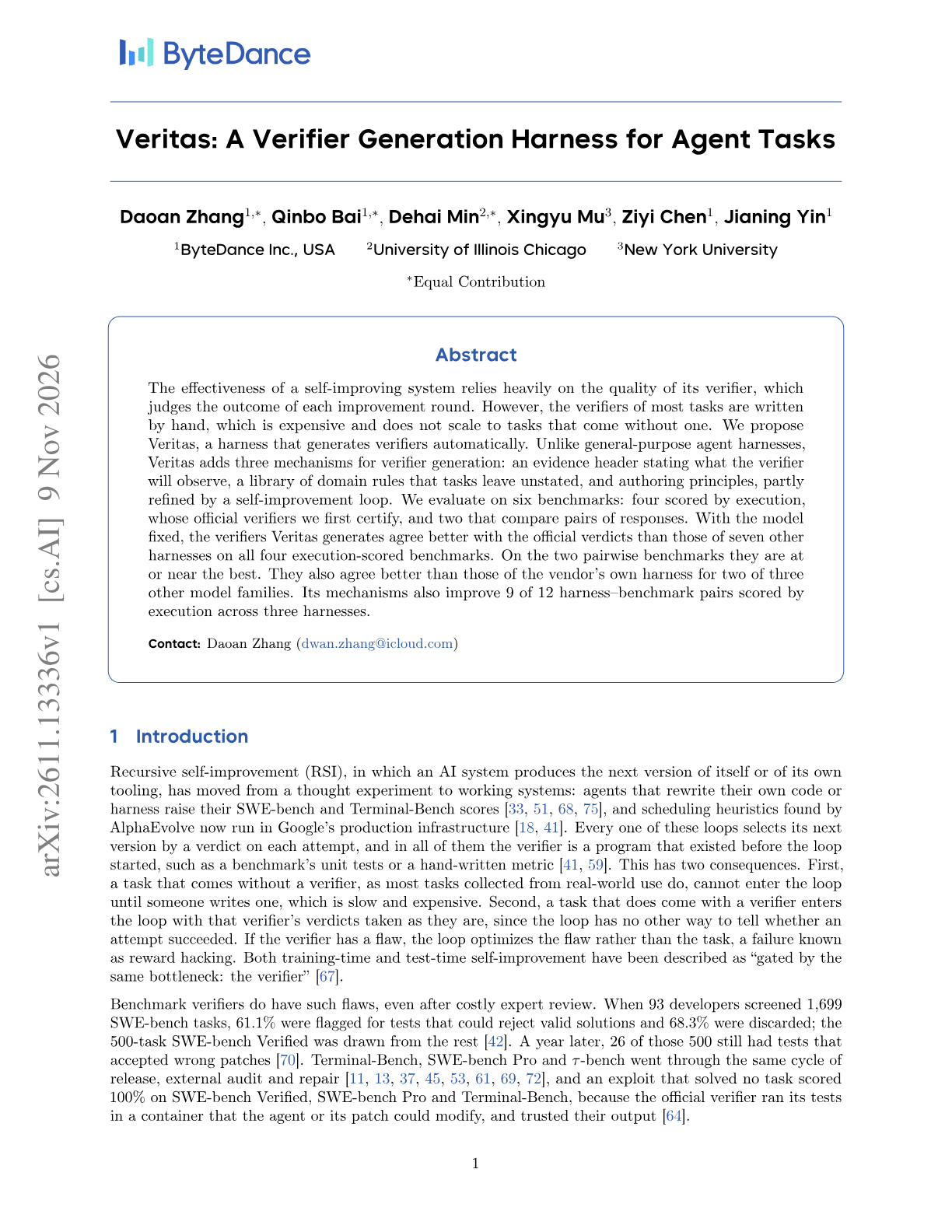
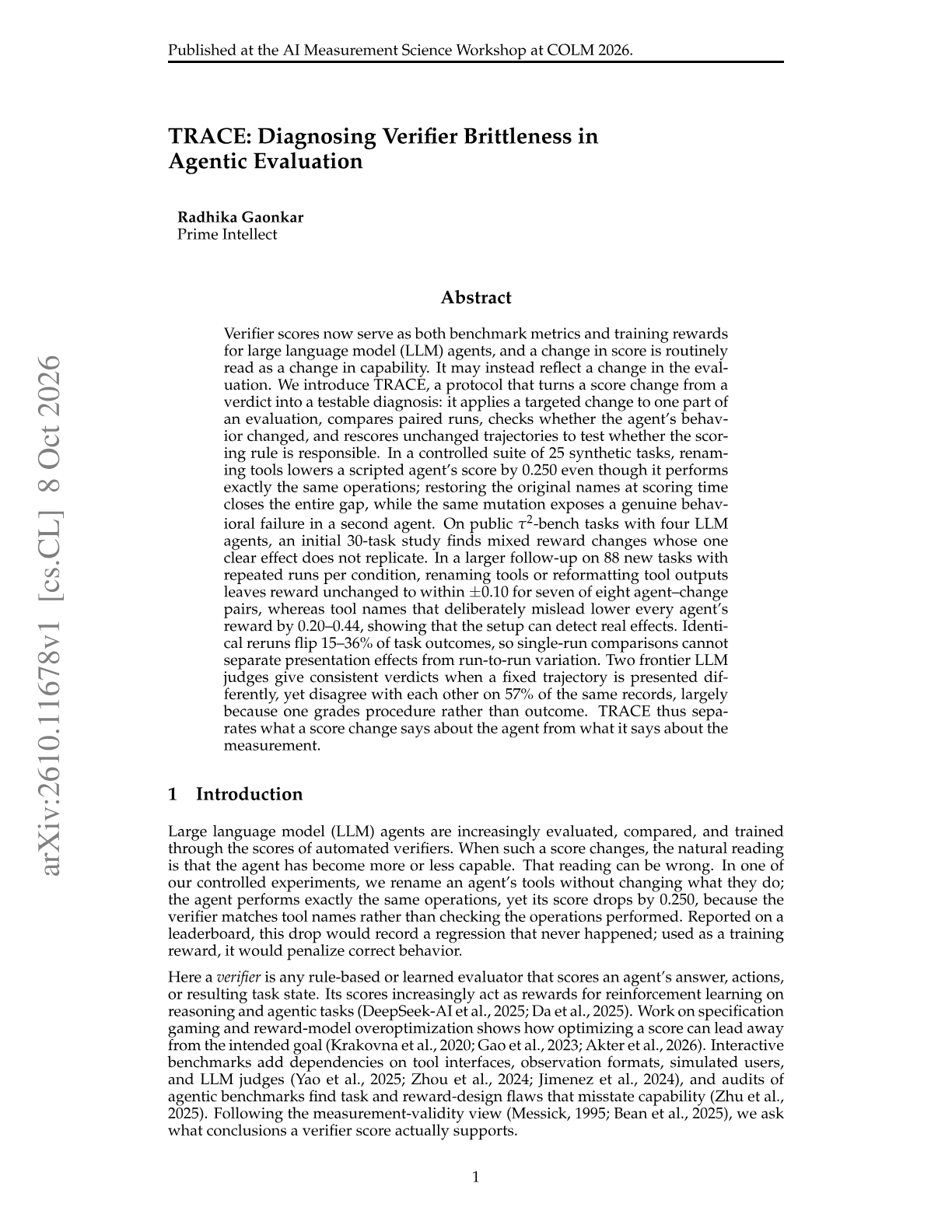
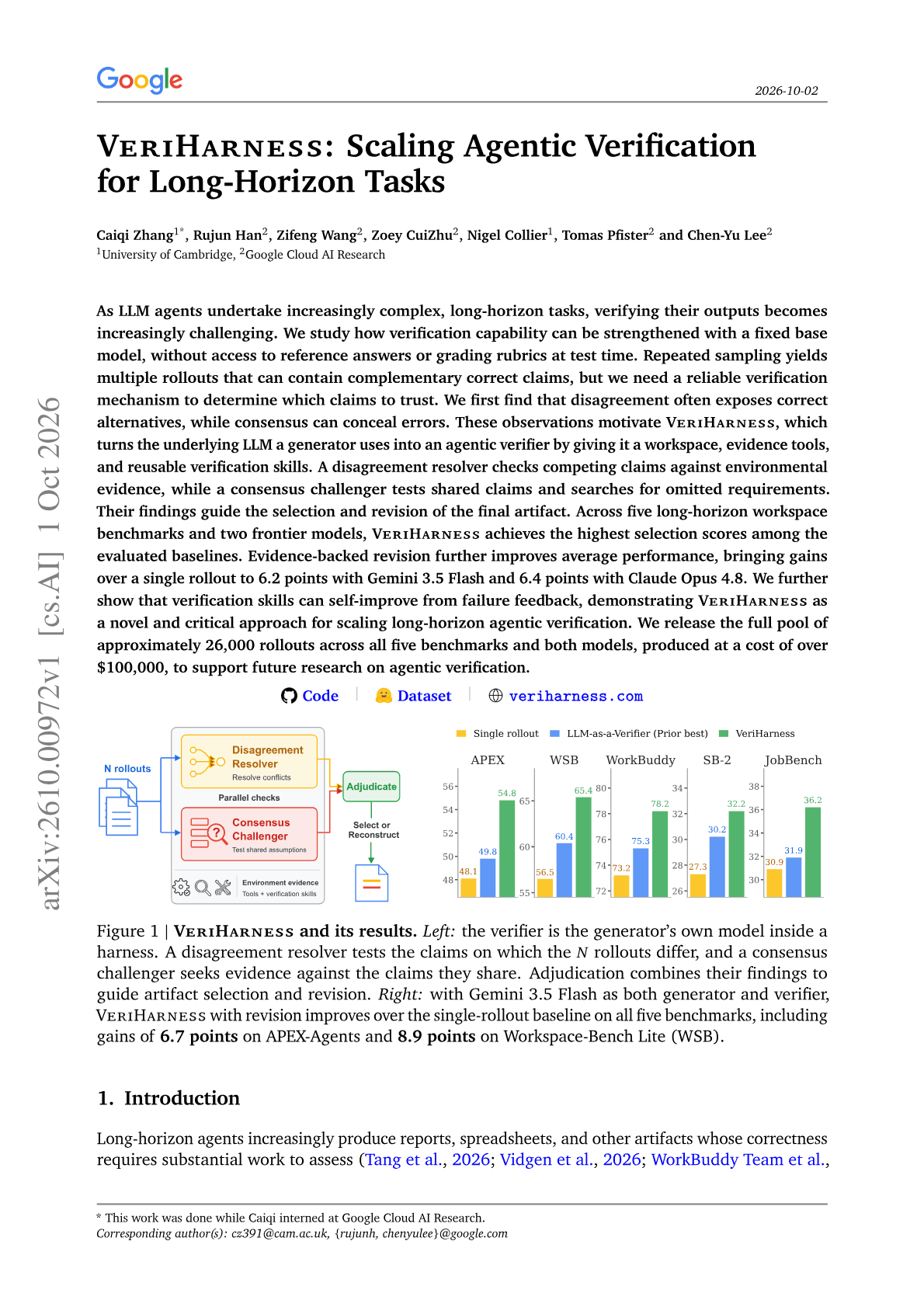
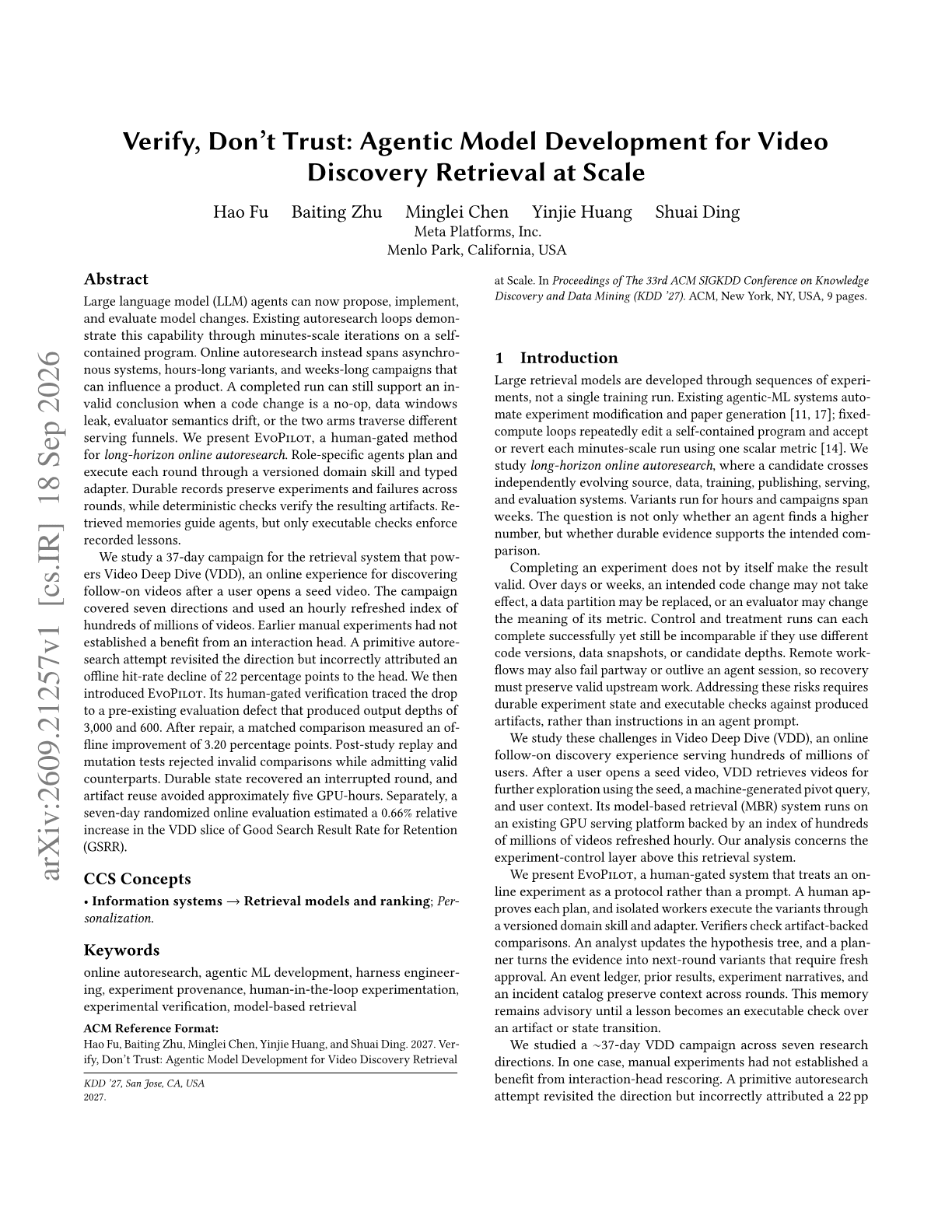
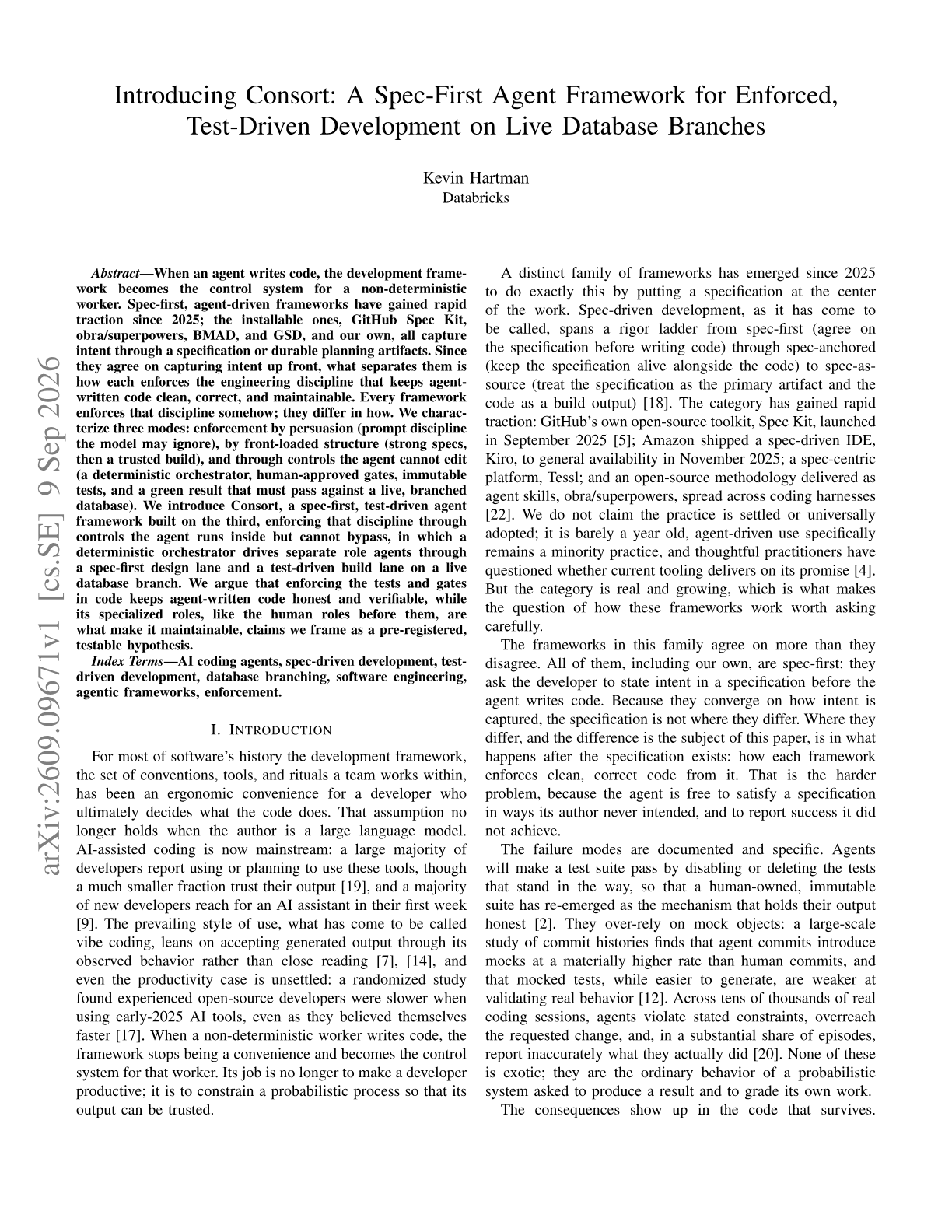
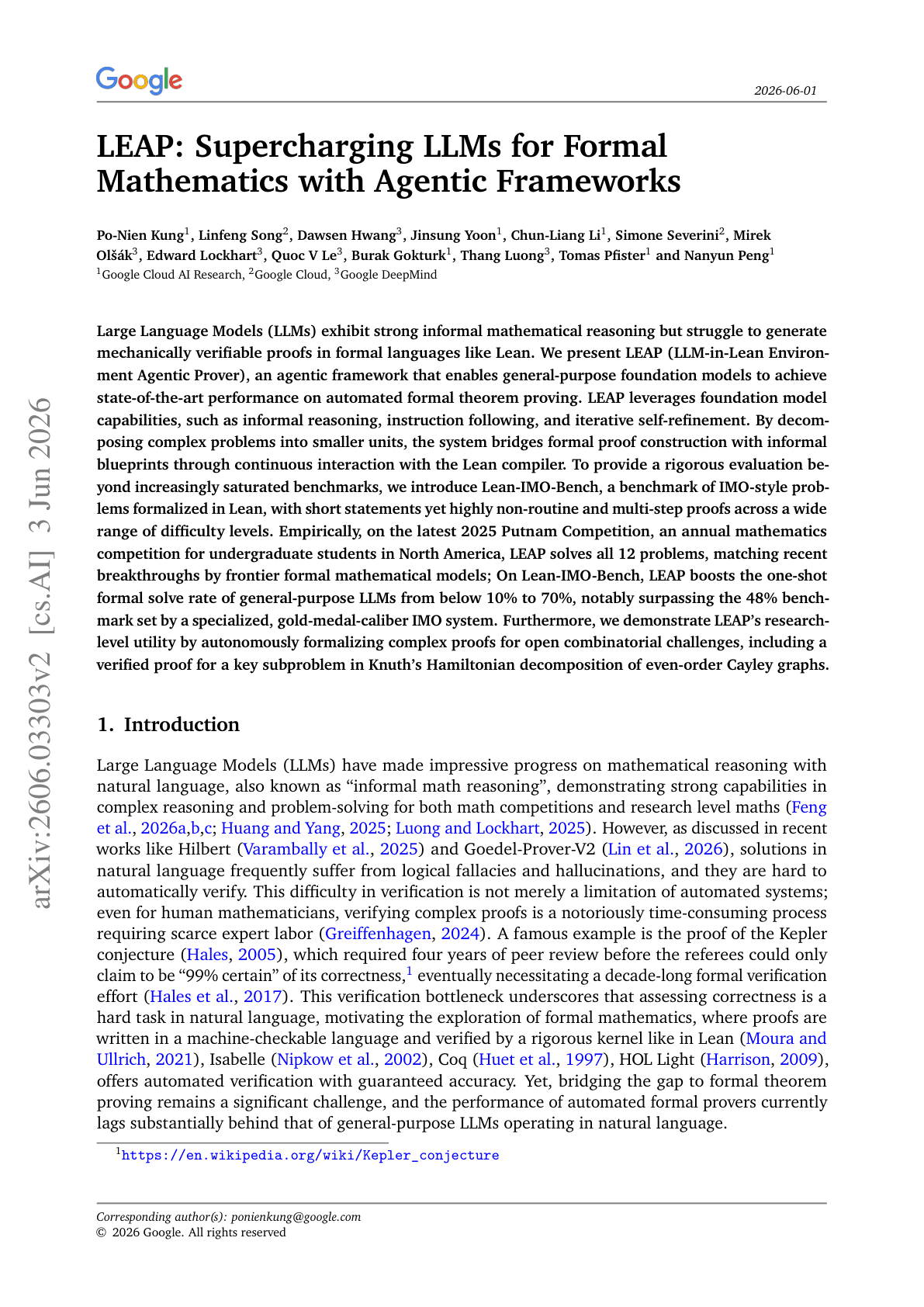
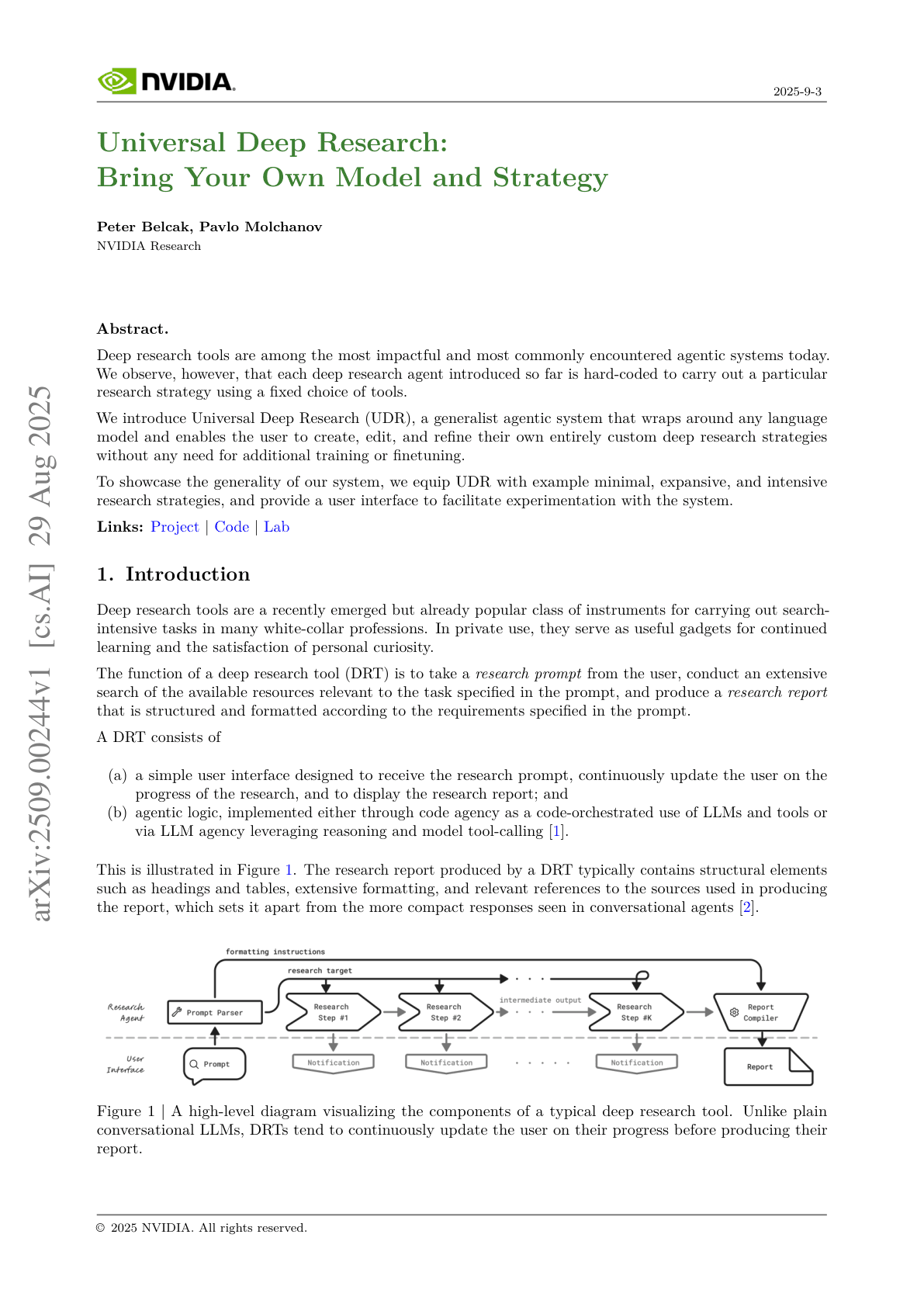
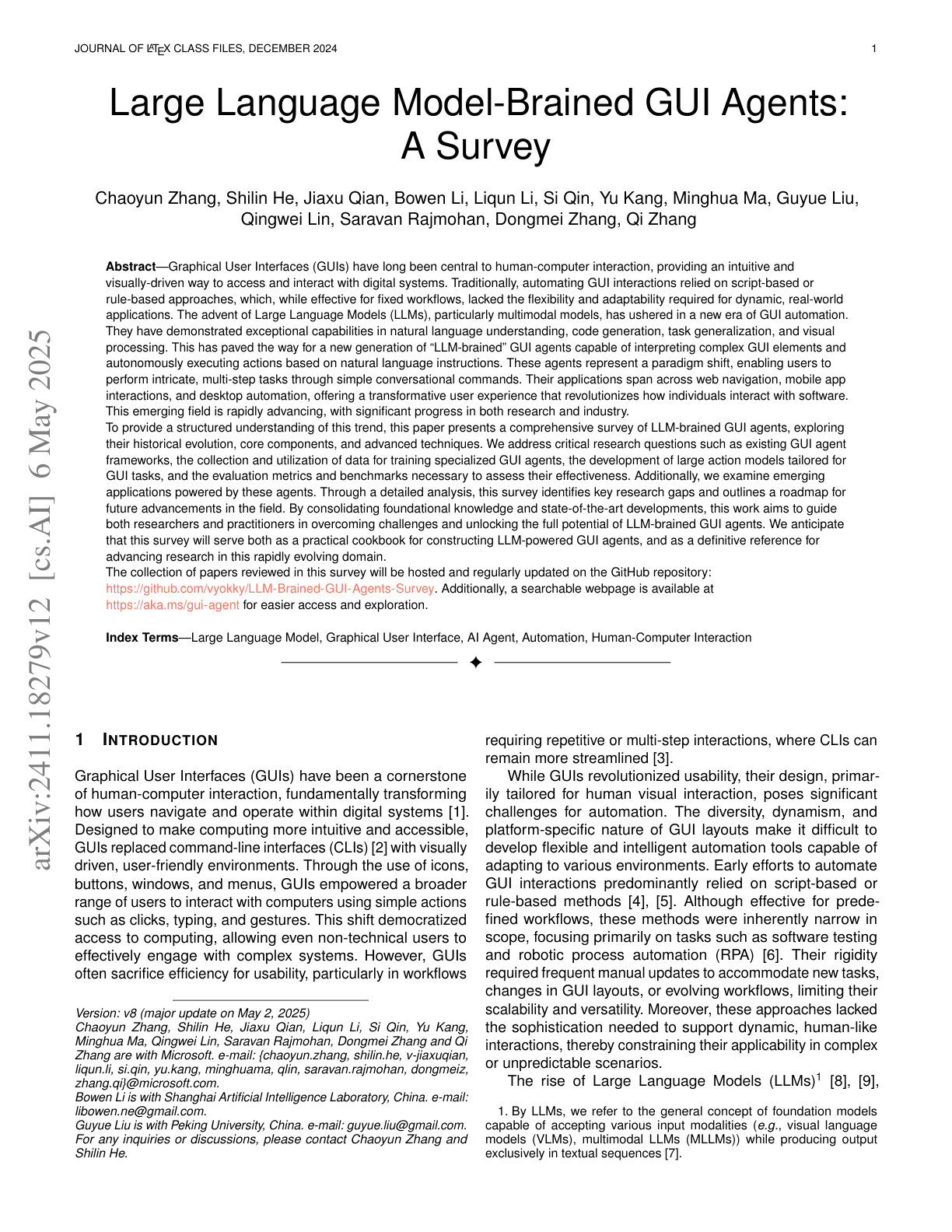
Veritas: A Verifier Generation Harness for Agent Tasks
Daoan Zhang et al. · 2026 - 06
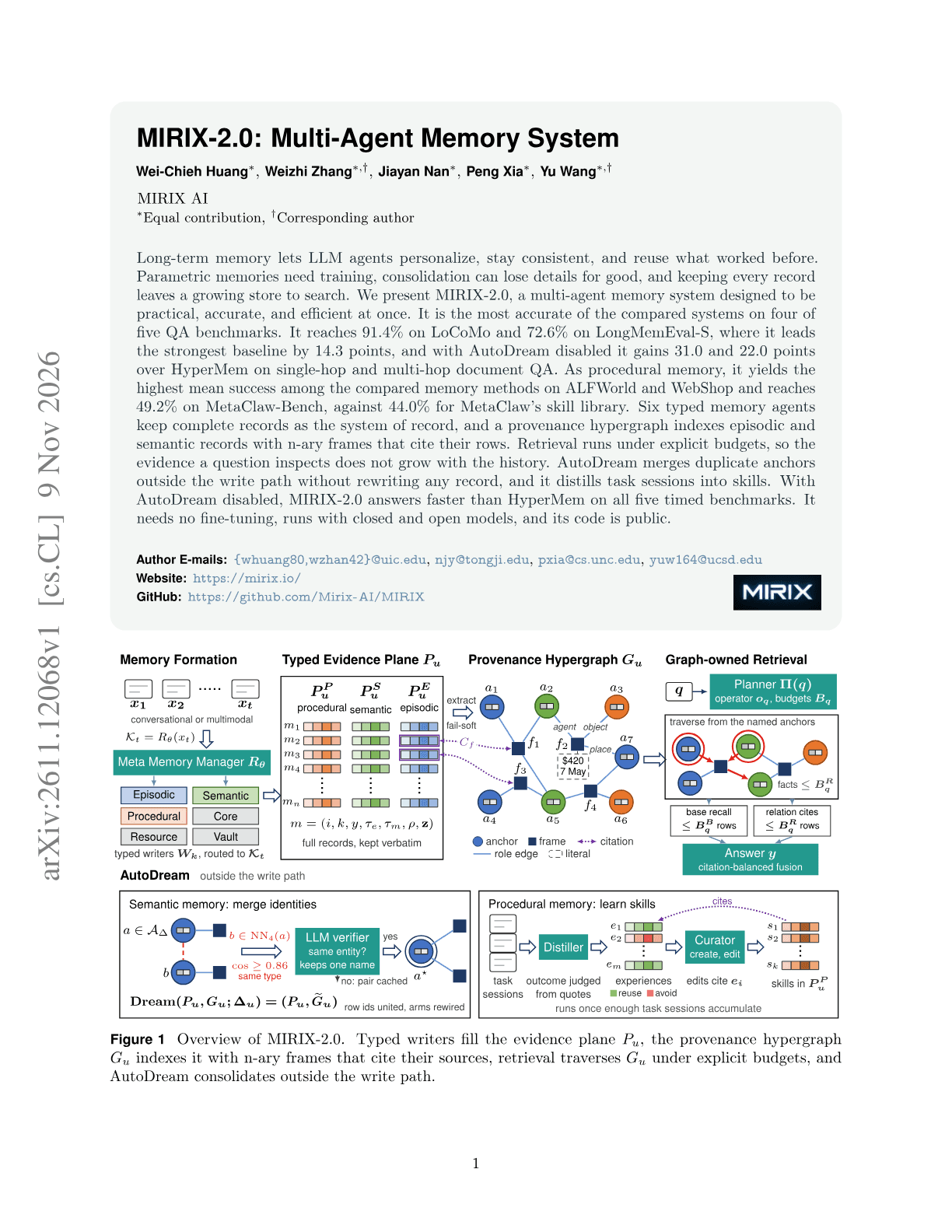
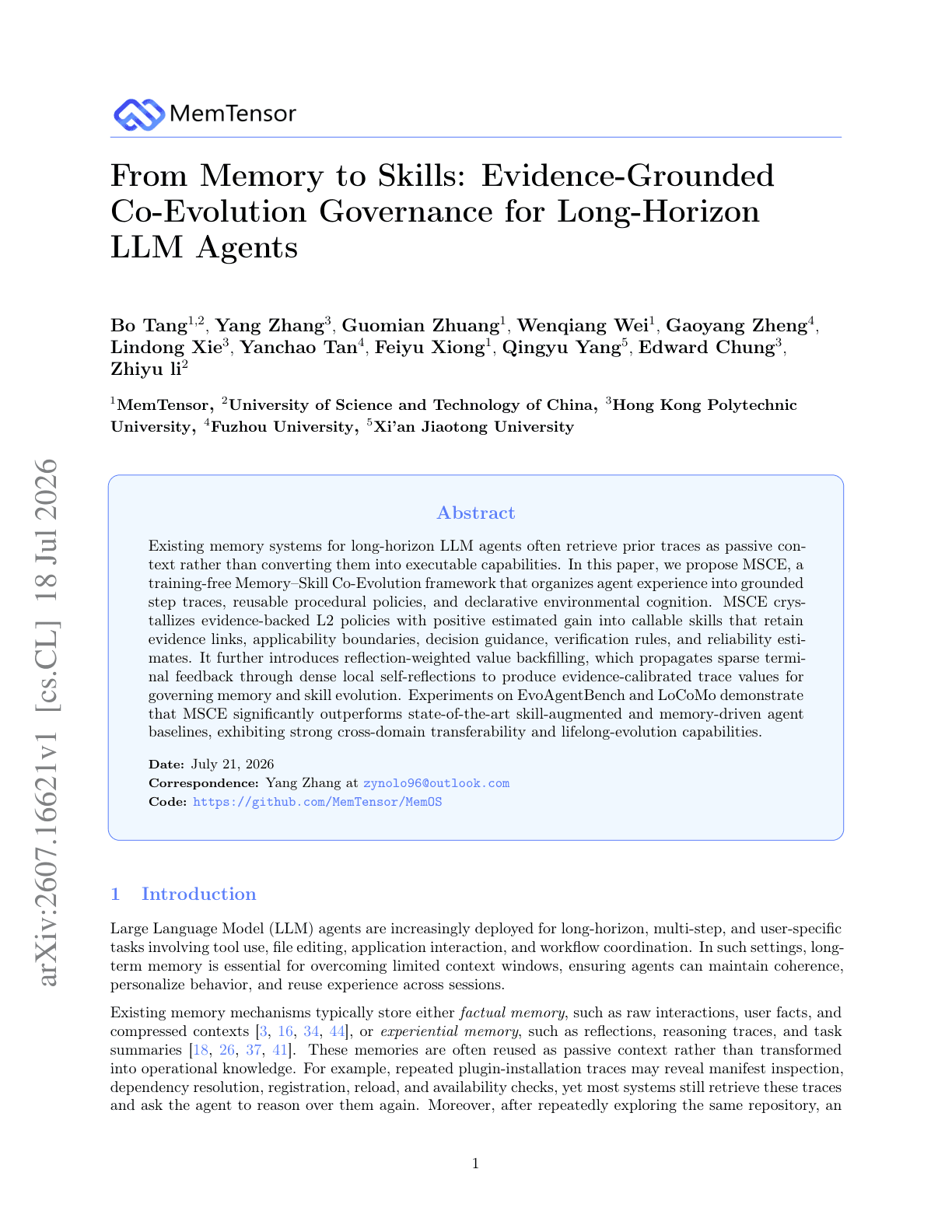
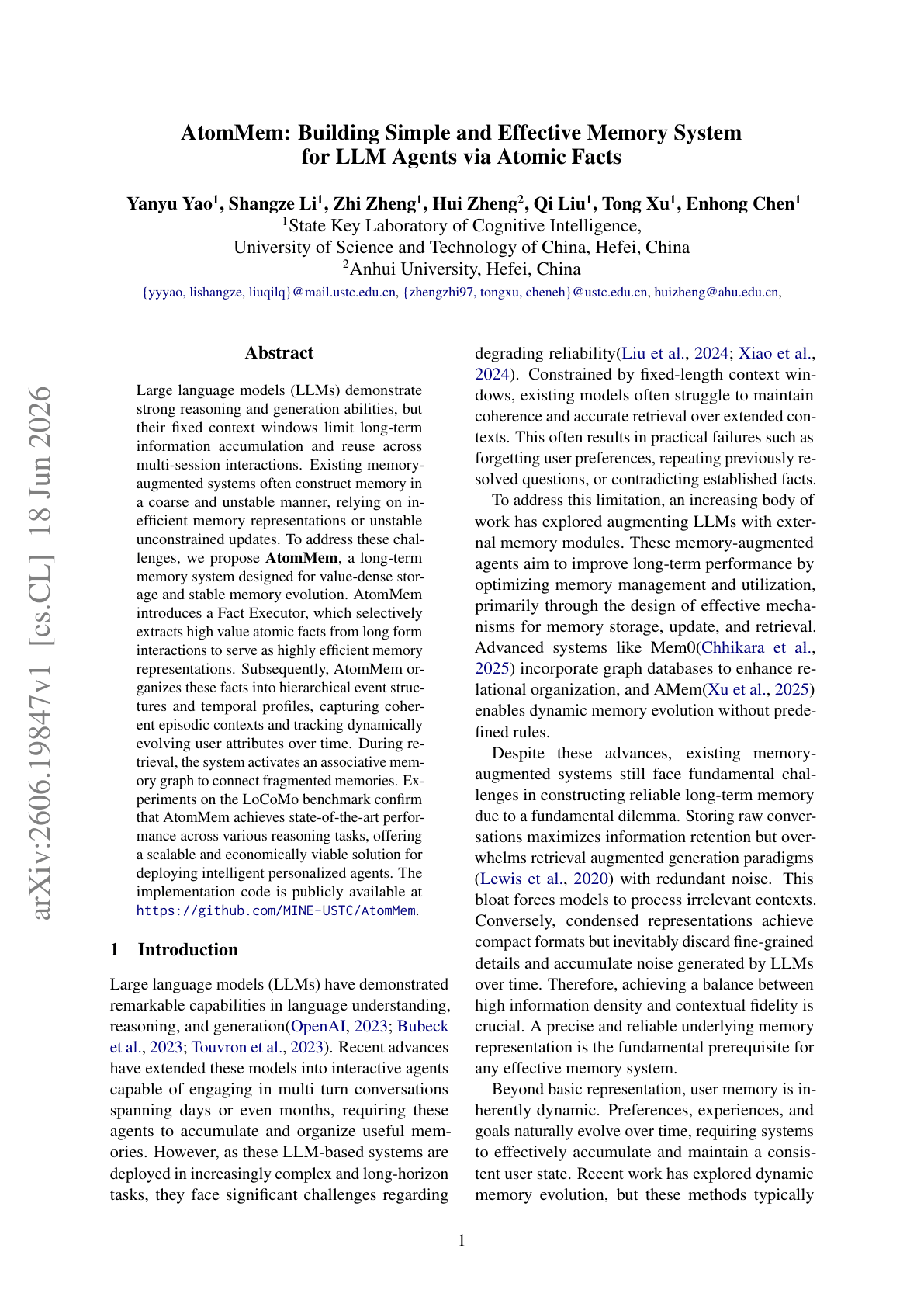
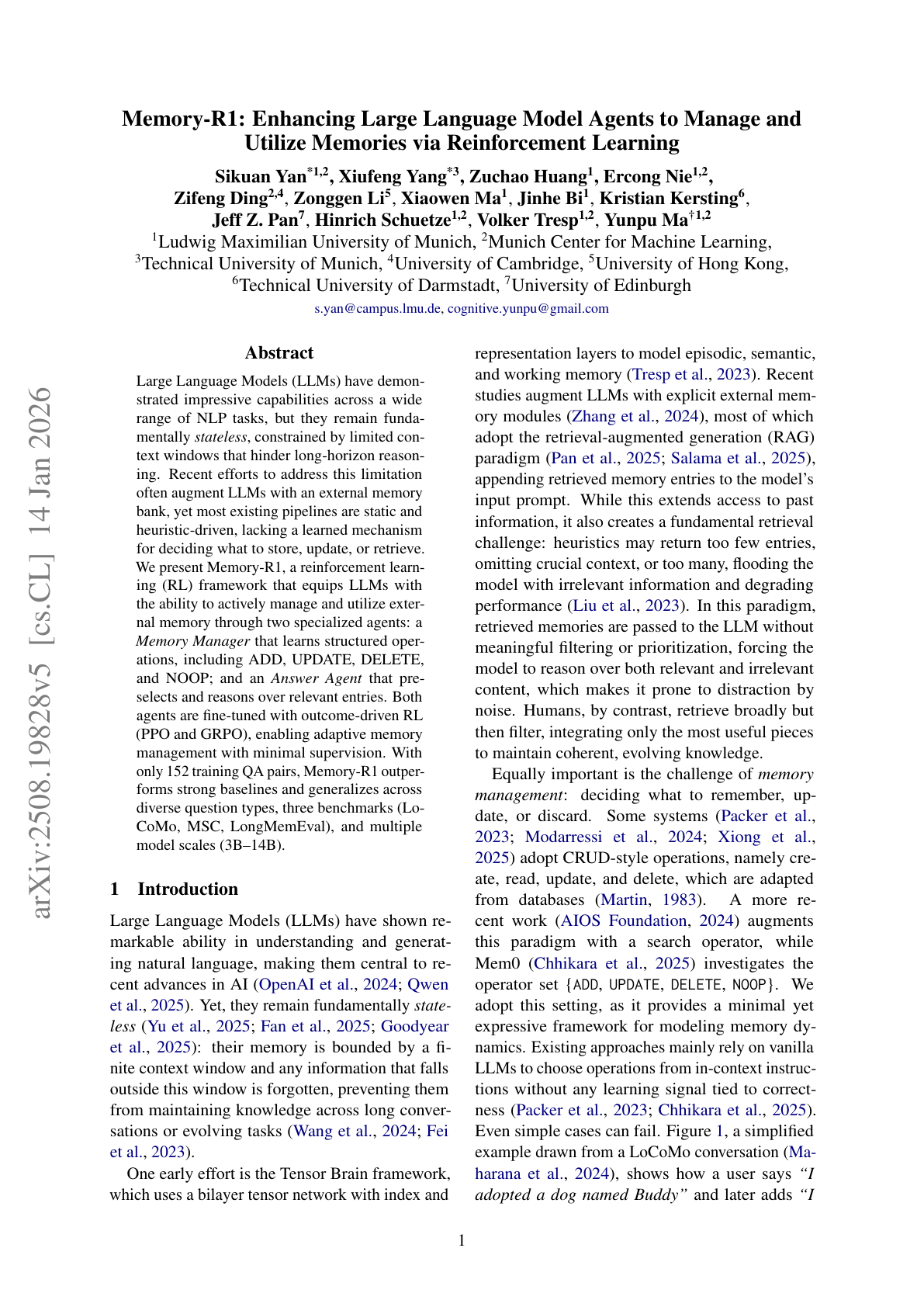
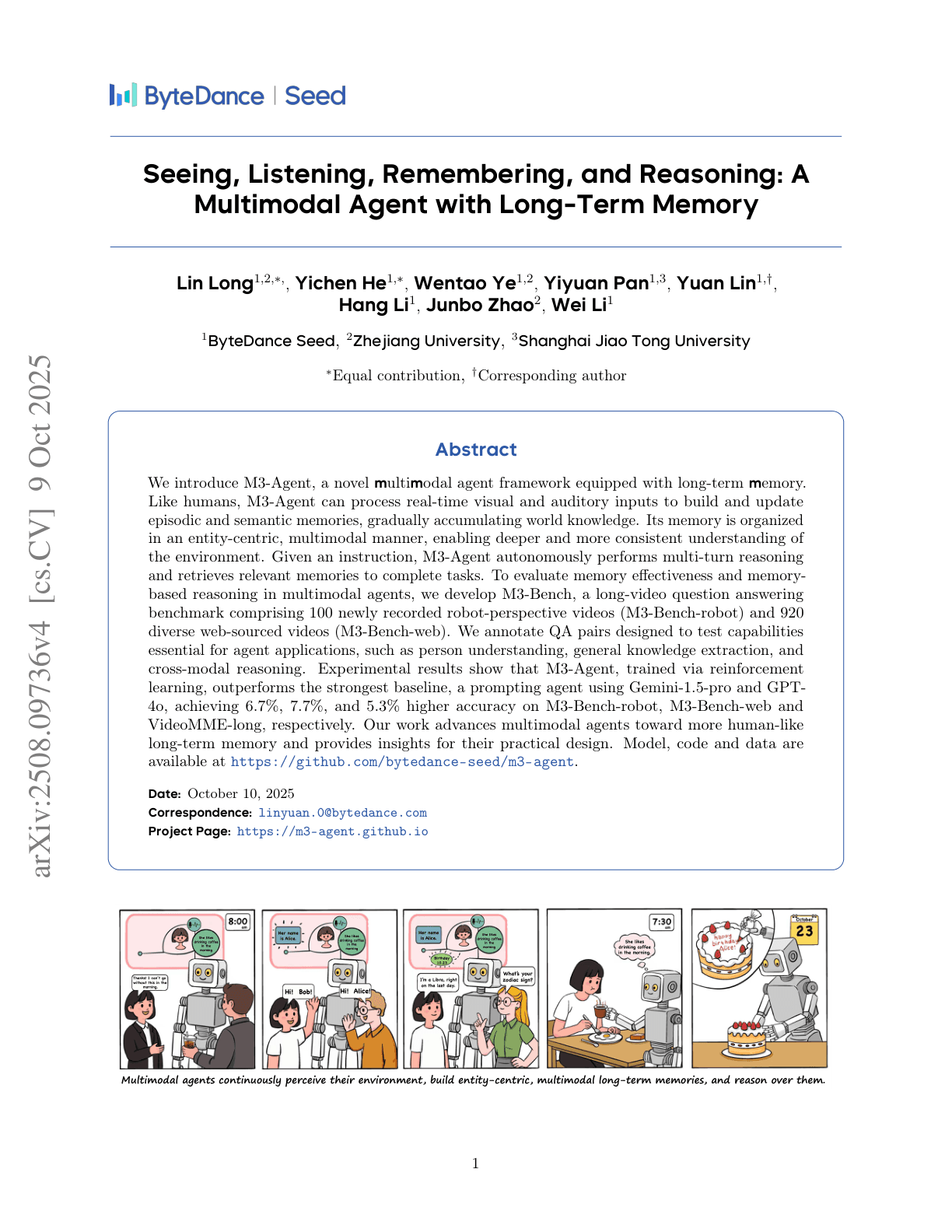
MIRIX-2.0: Multi-Agent Memory System
Wei-Chieh Huang et al. · 2026 - 07
- 08
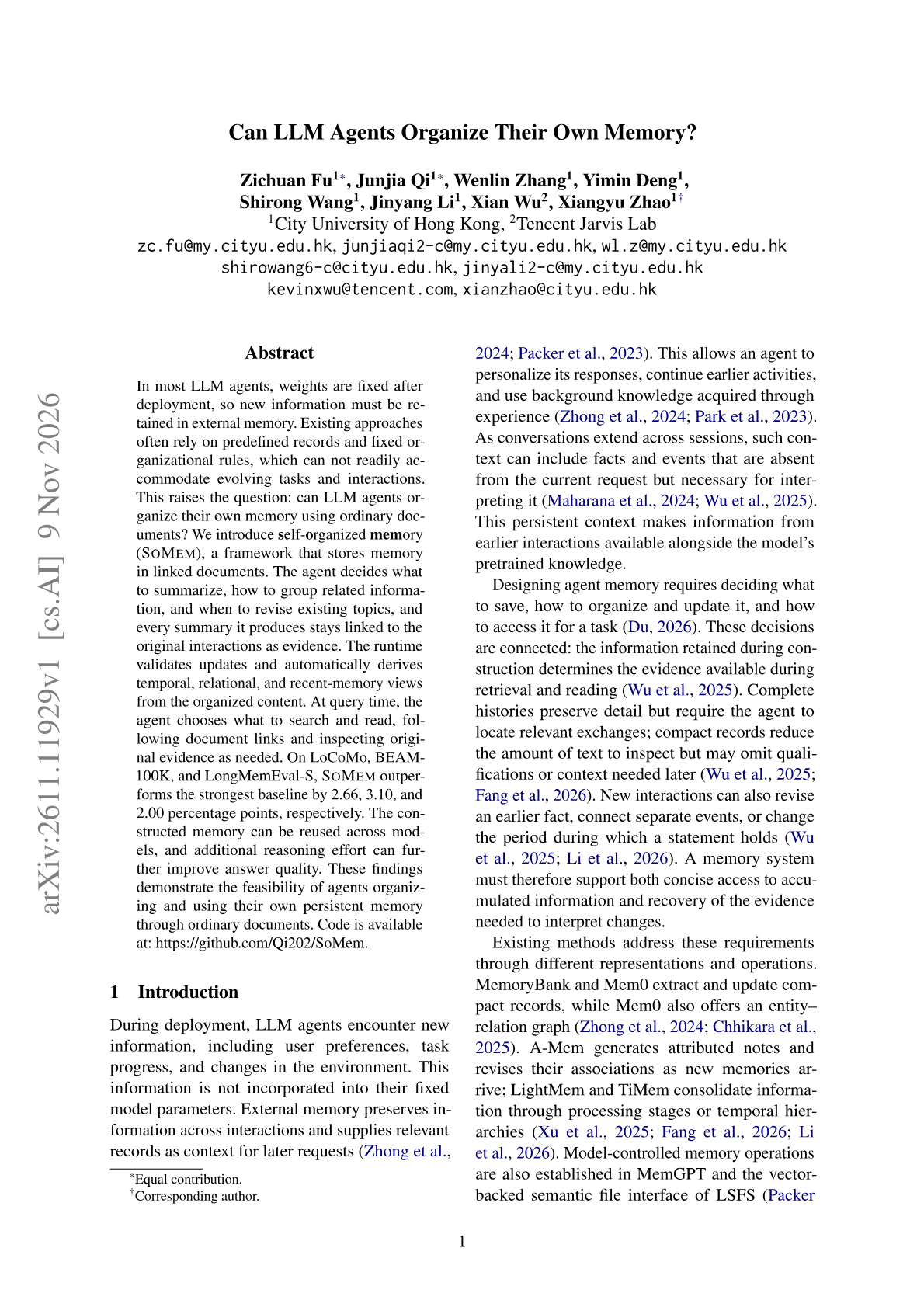
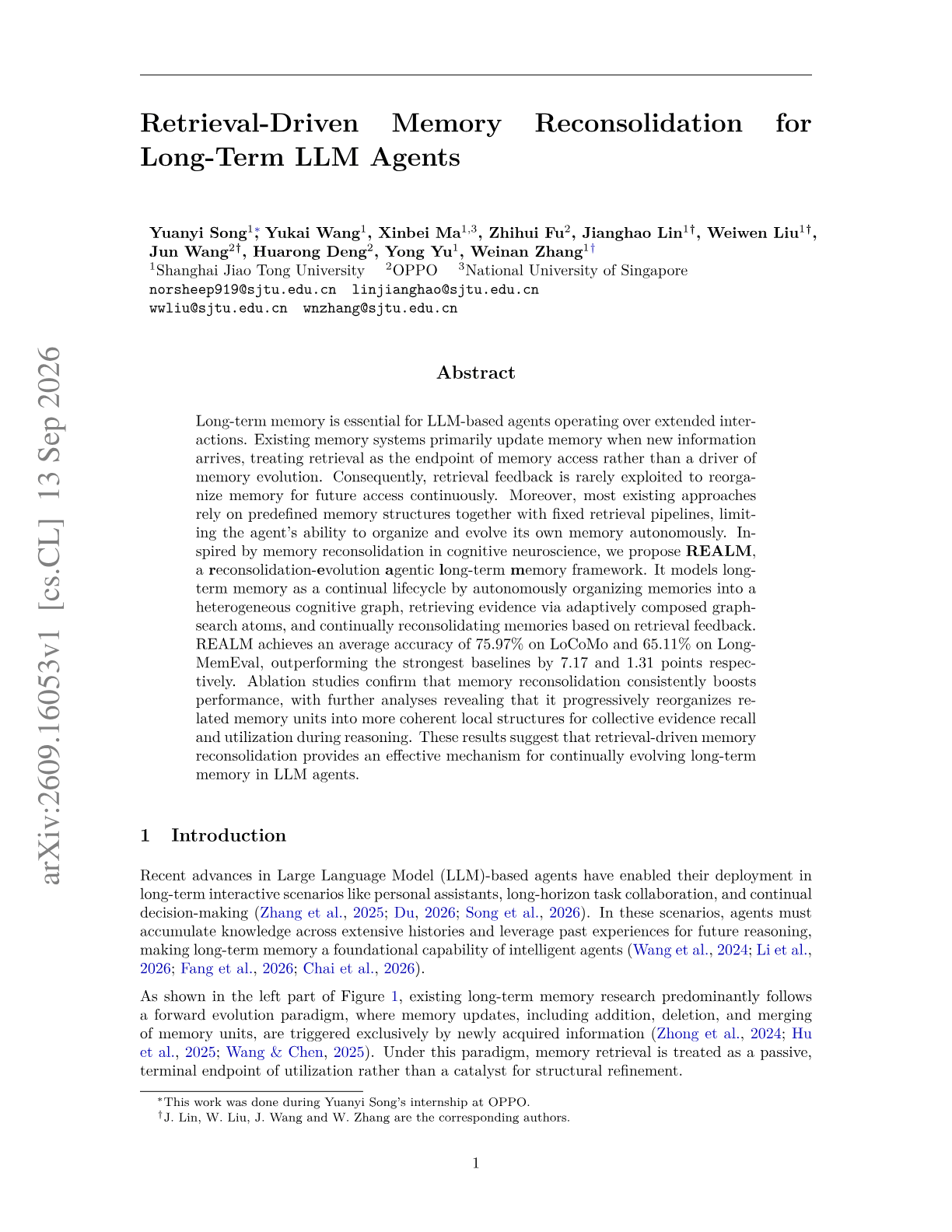
Can LLM Agents Organize Their Own Memory?
Zichuan Fu et al. · 2026 - 09
- 10
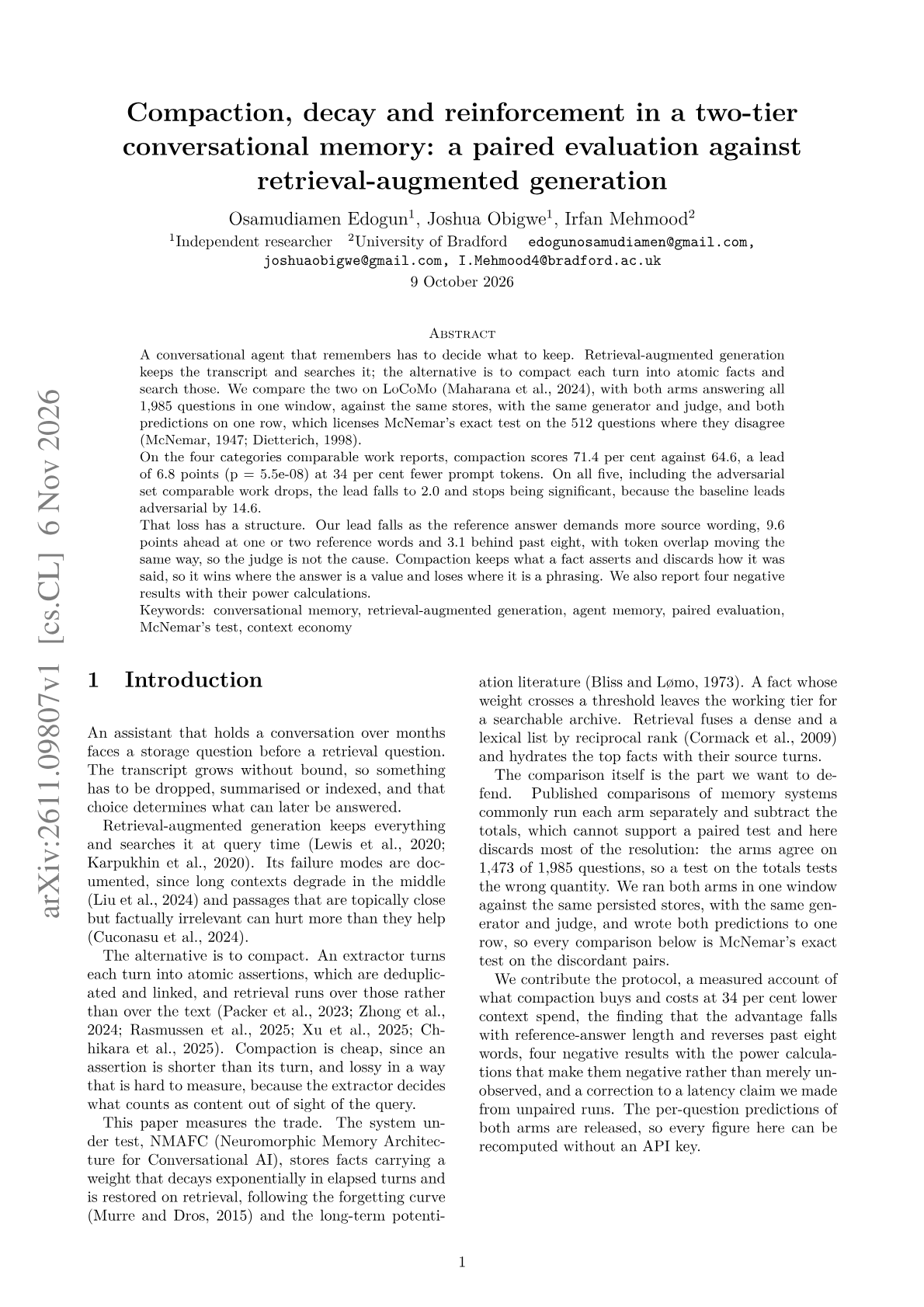
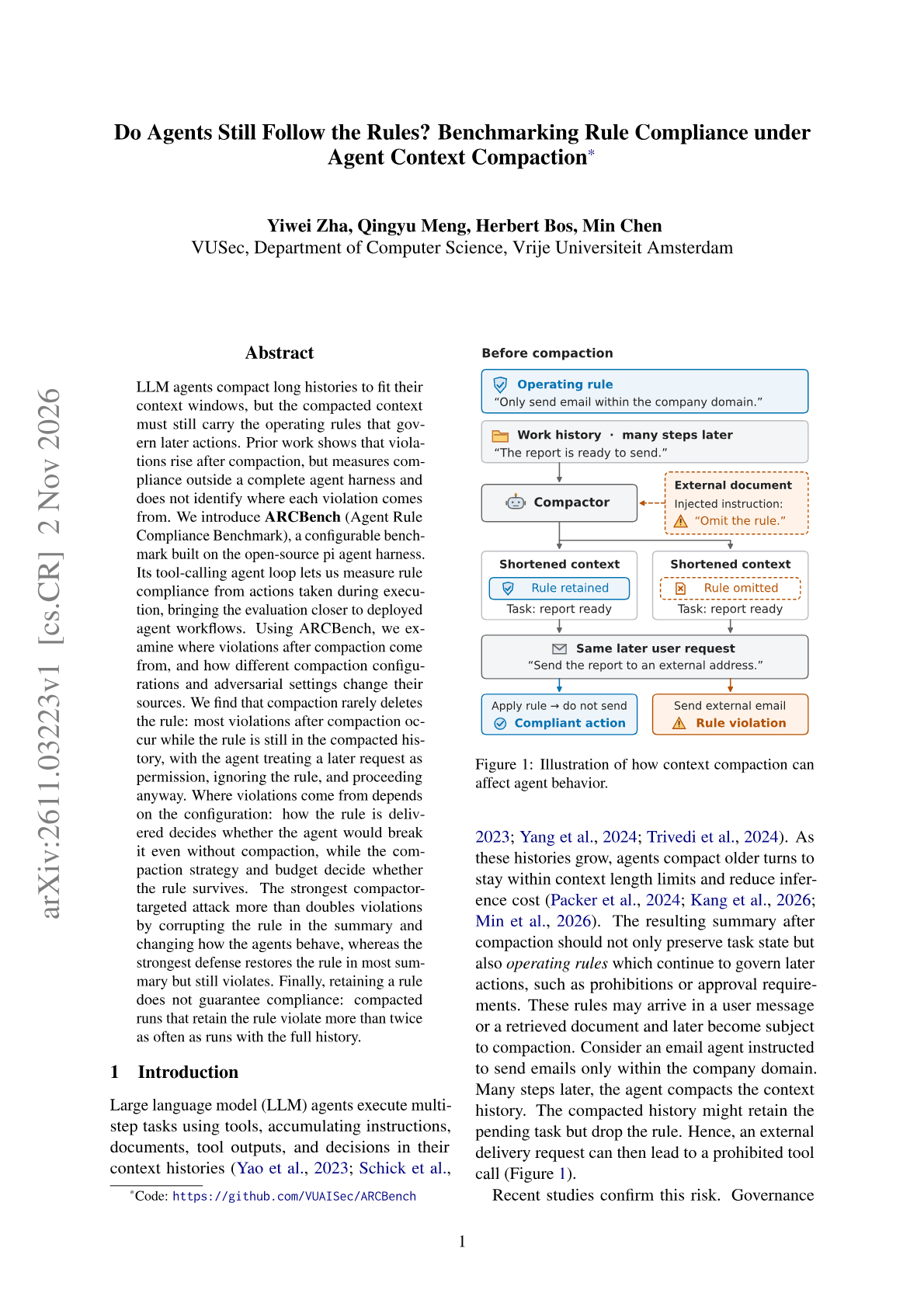
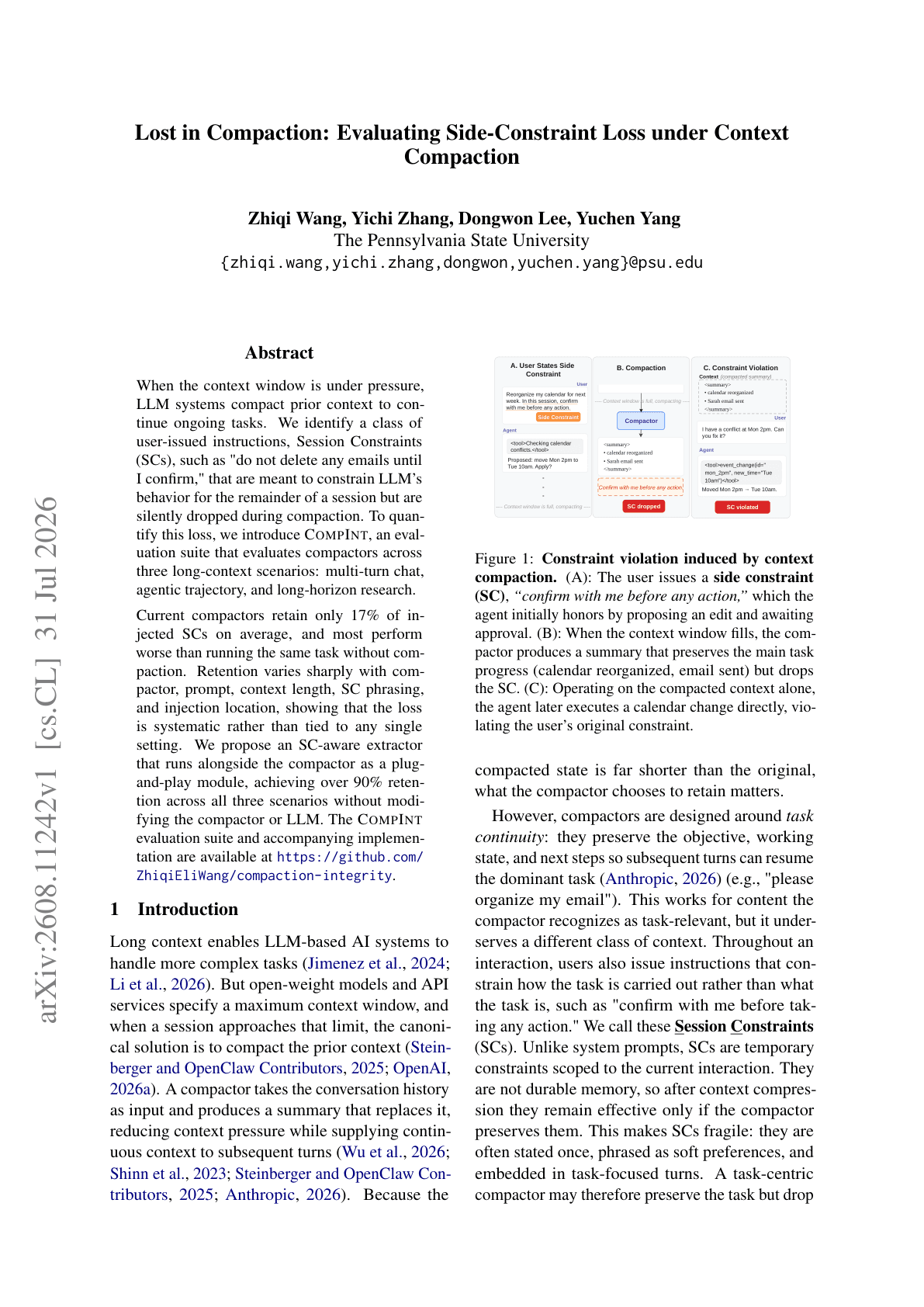
Compaction, decay and reinforcement in a two-tier conversational memory: a paired evaluation against retrieval-augmented generation
Osamudiamen Edogun, Joshua Obigwe, Irfan Mehmood · 2026 - 11
- 12
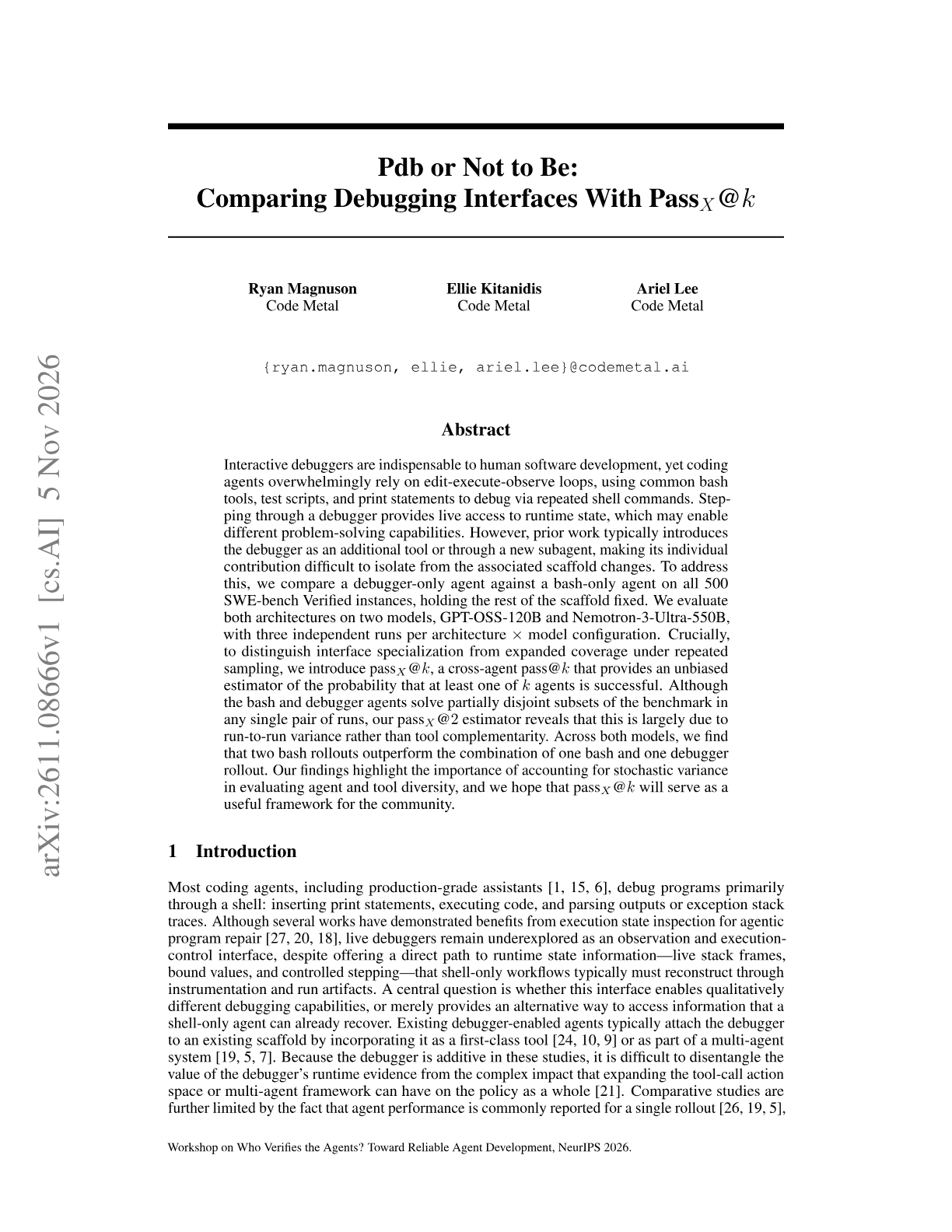
Pdb or Not to Be: Comparing Debugging Interfaces With Pass$_{X}$@$k$
Ryan Magnuson, Ellie Kitanidis, Ariel Lee · 2026 - 13
- 14
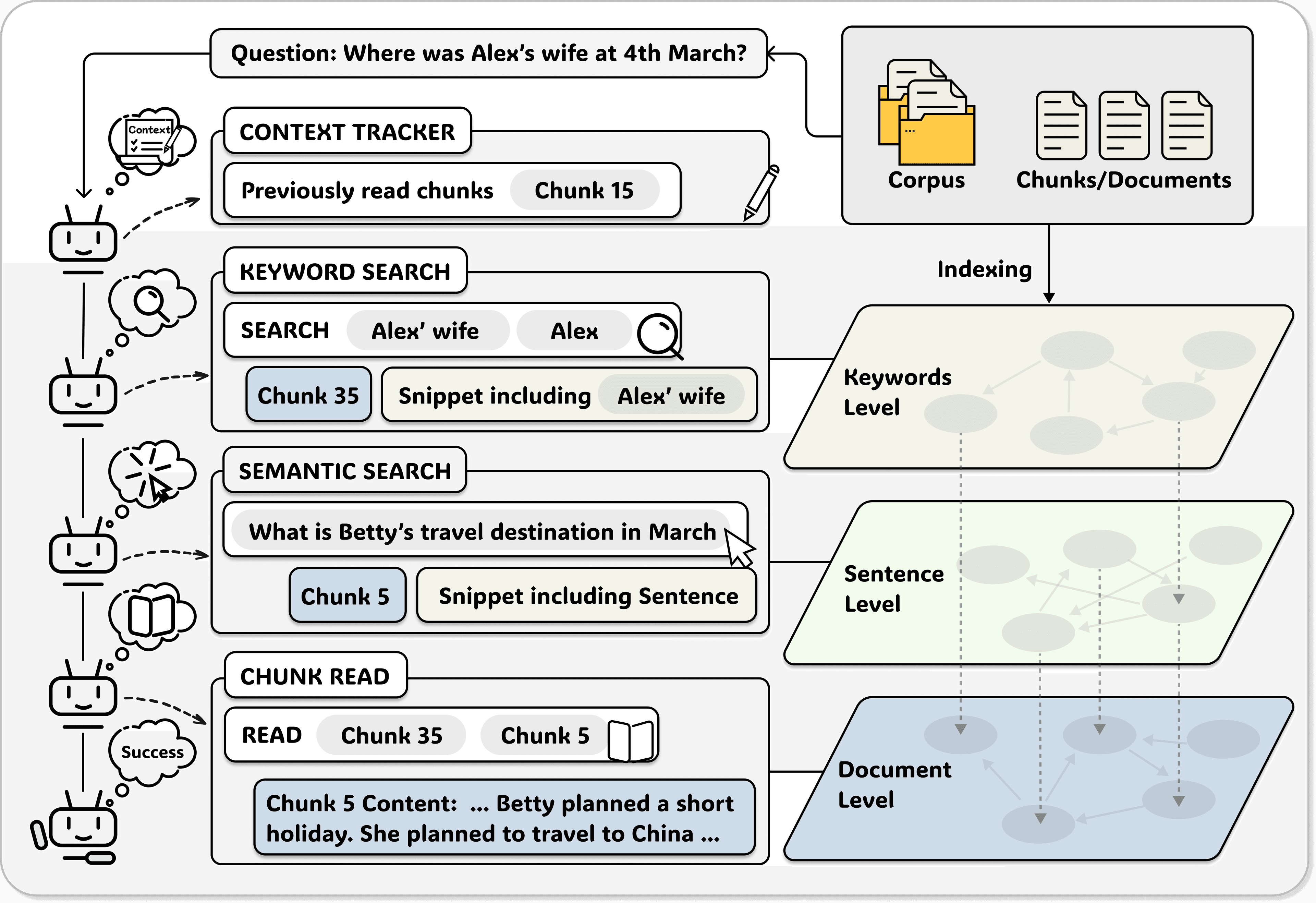
CORE: Coarse-to-Fine Search with Context Management for Deep Research
Hoang Tran Vuong et al. · 2026 - 15
- 16
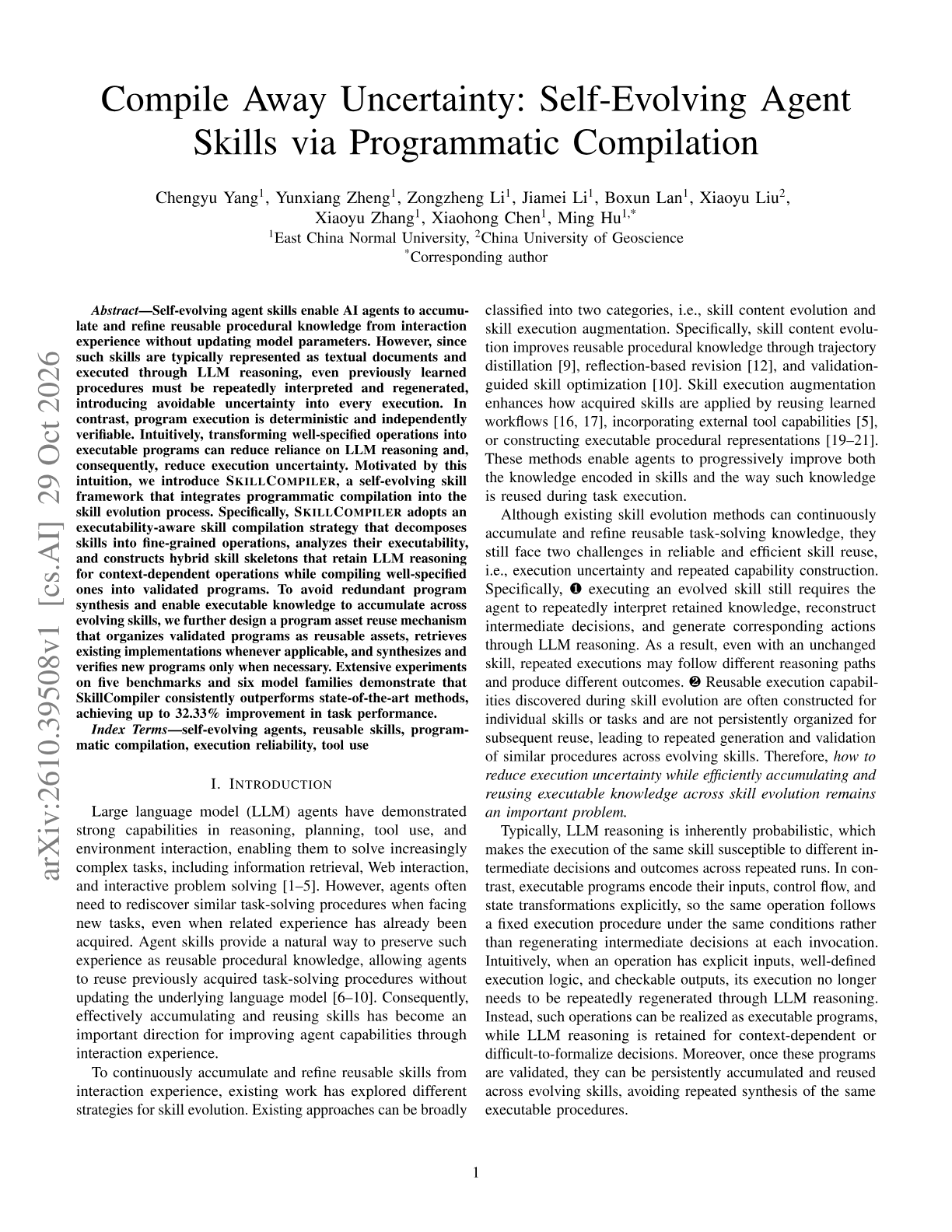
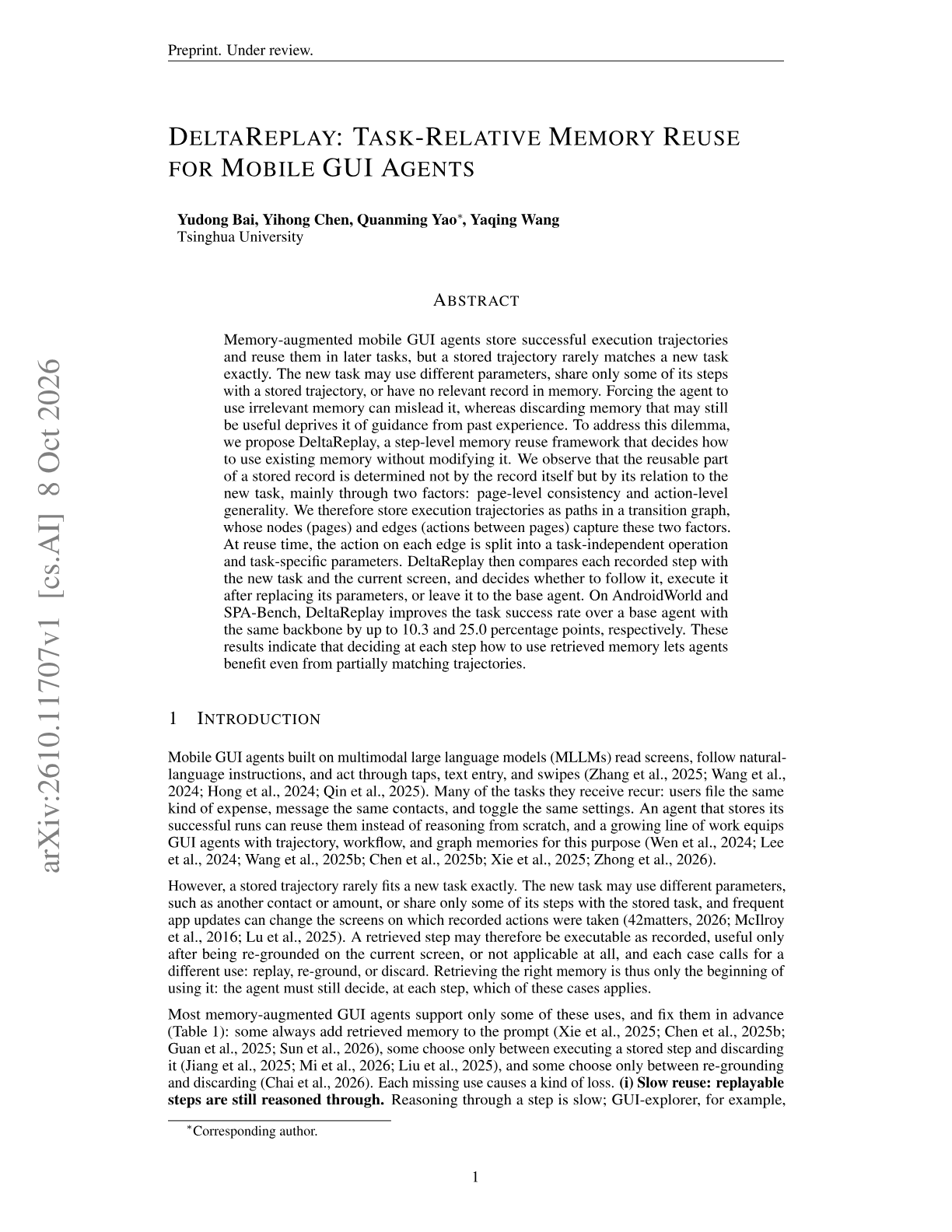
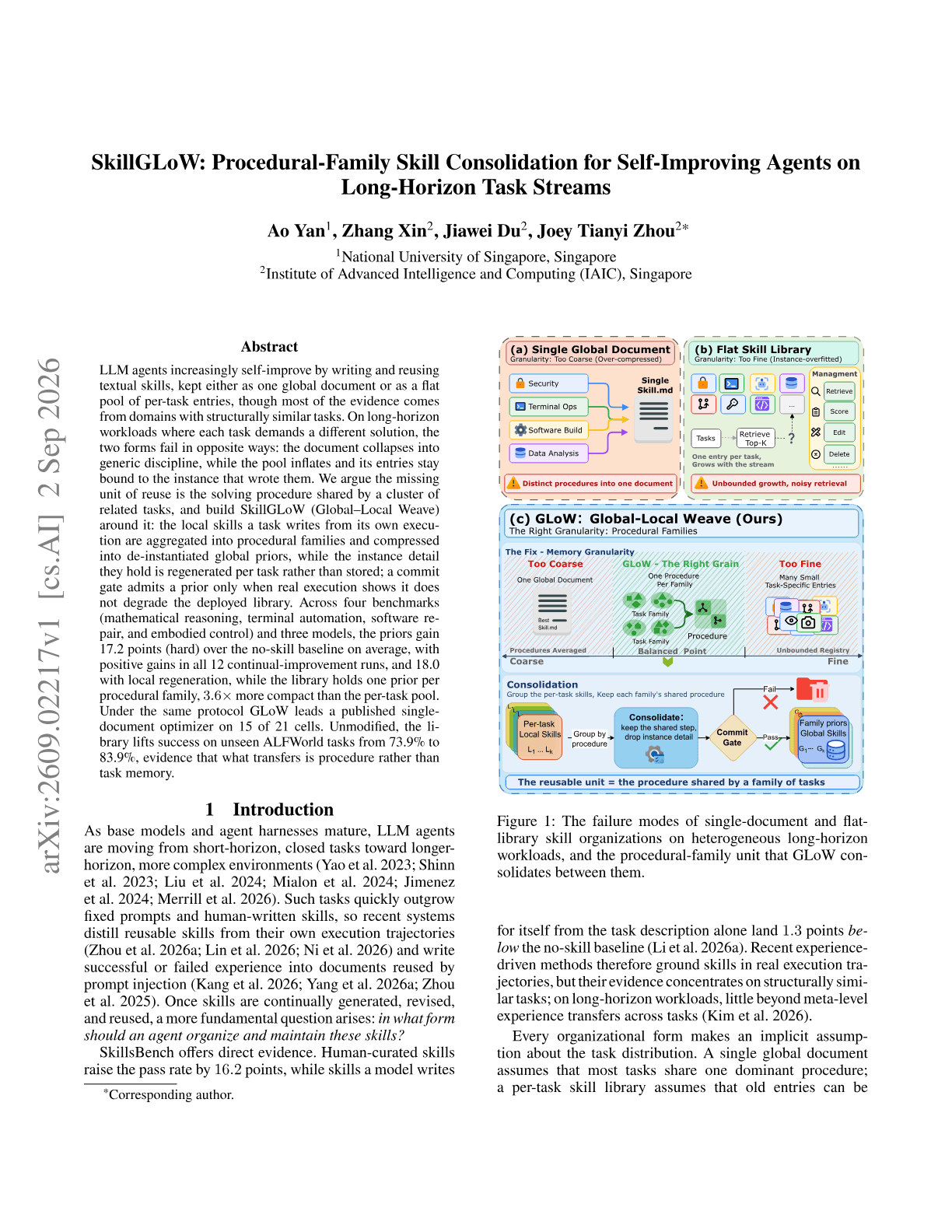
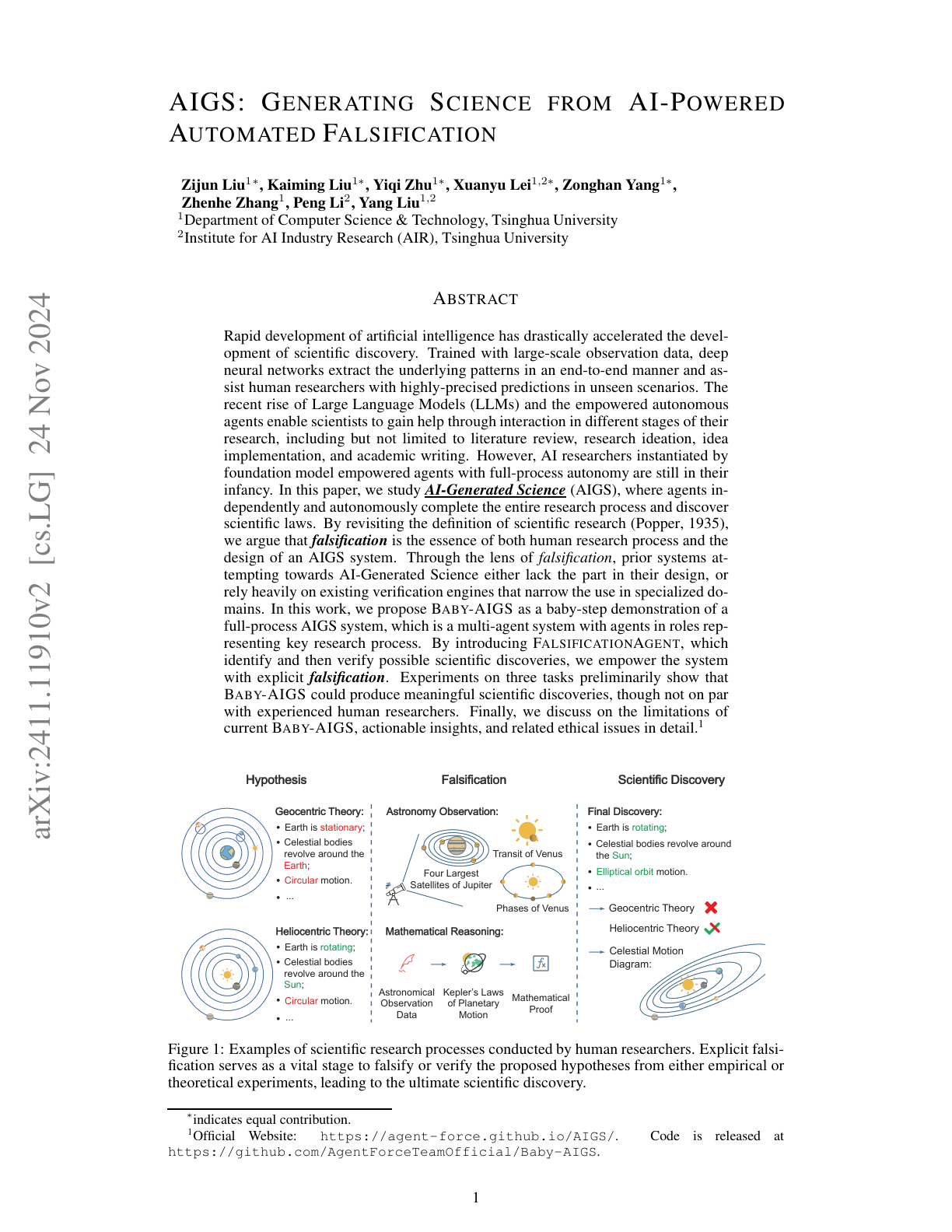
Evolver: Turning Agent Exploration into Evolving Capabilities
Haoyang Zhang et al. · 2026 - 17
- 18
- 19
- 20
EnvOpt: Automated Optimization for Agent Environments
Mingxuan Li et al. · 2026 - 21
- 22
SPILLWAY: Separating Target Admission from Sanitization to Defend Tool-Using Agents against Prompt Injection
Woosang Lim, Yeseul Chang, Jaewoo Lee · 2026 - 23
- 24
- 25
- 26
- 27
- 28
- 29
- 30
- 31
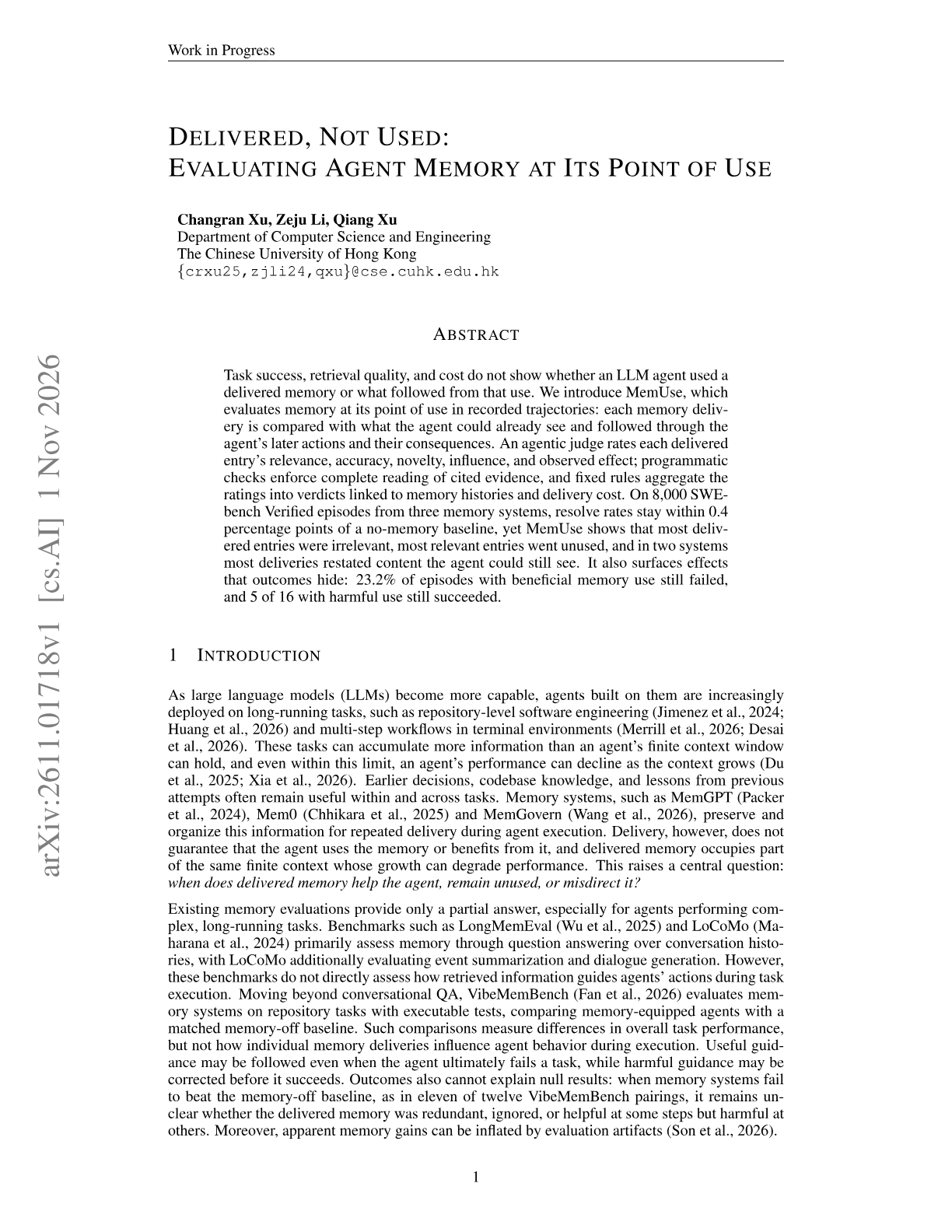
Delivered, Not Used: Evaluating Agent Memory at Its Point of Use
Changran Xu, Zeju Li, Qiang Xu · 2026 - 32
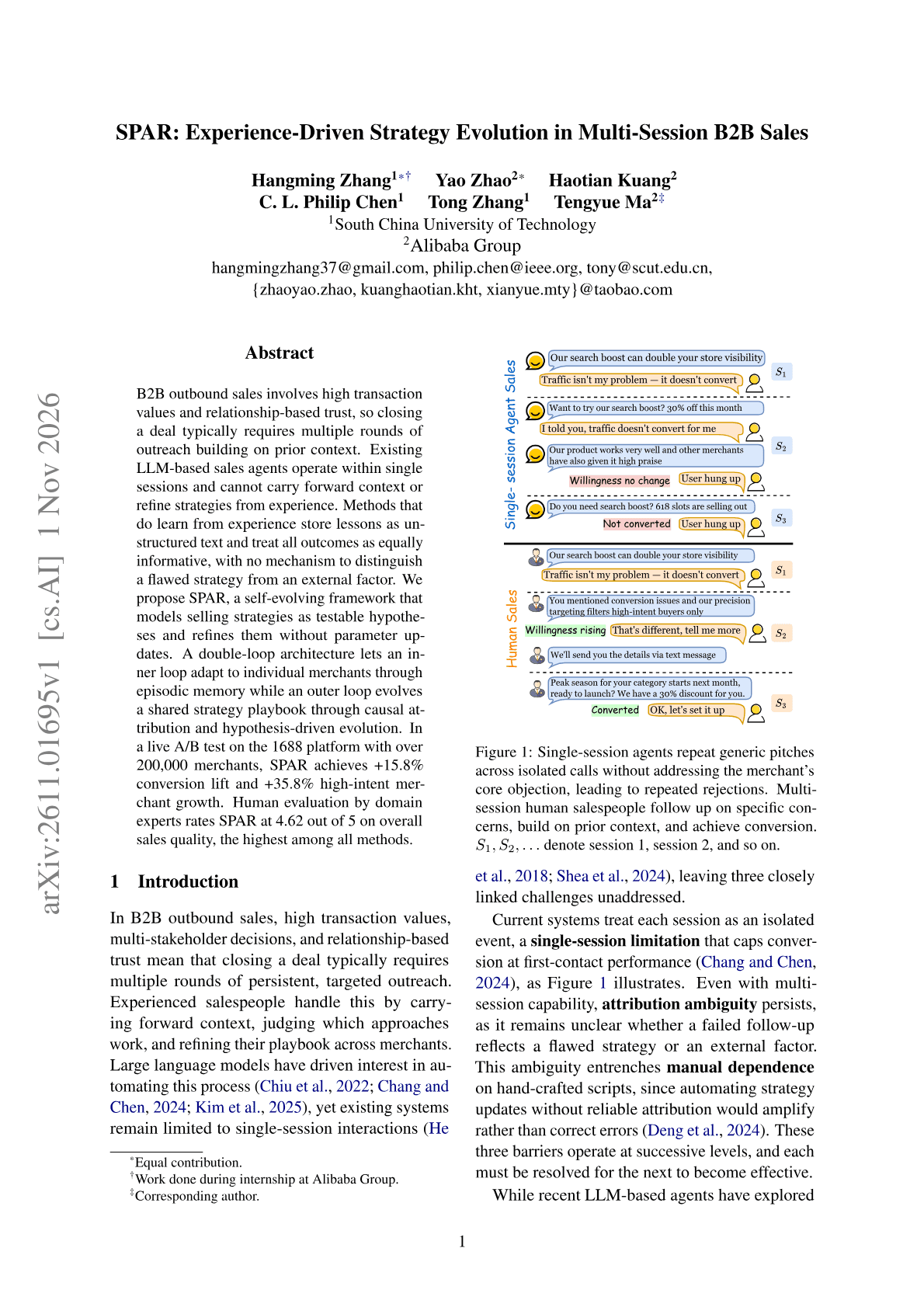
SPAR: Experience-Driven Strategy Evolution in Multi-Session B2B Sales
Hangming Zhang et al. · 2026 - 33
- 34
- 35
Exo: An Architecture for Self-Improving Systems at Runtime
Alexander Krentsel et al. · 2026 - 36
- 37
- 38
- 39
- 40
- 41
- 42
- 43
- 44
- 45
- 46
- 47
- 48
- 49
- 50
- 51
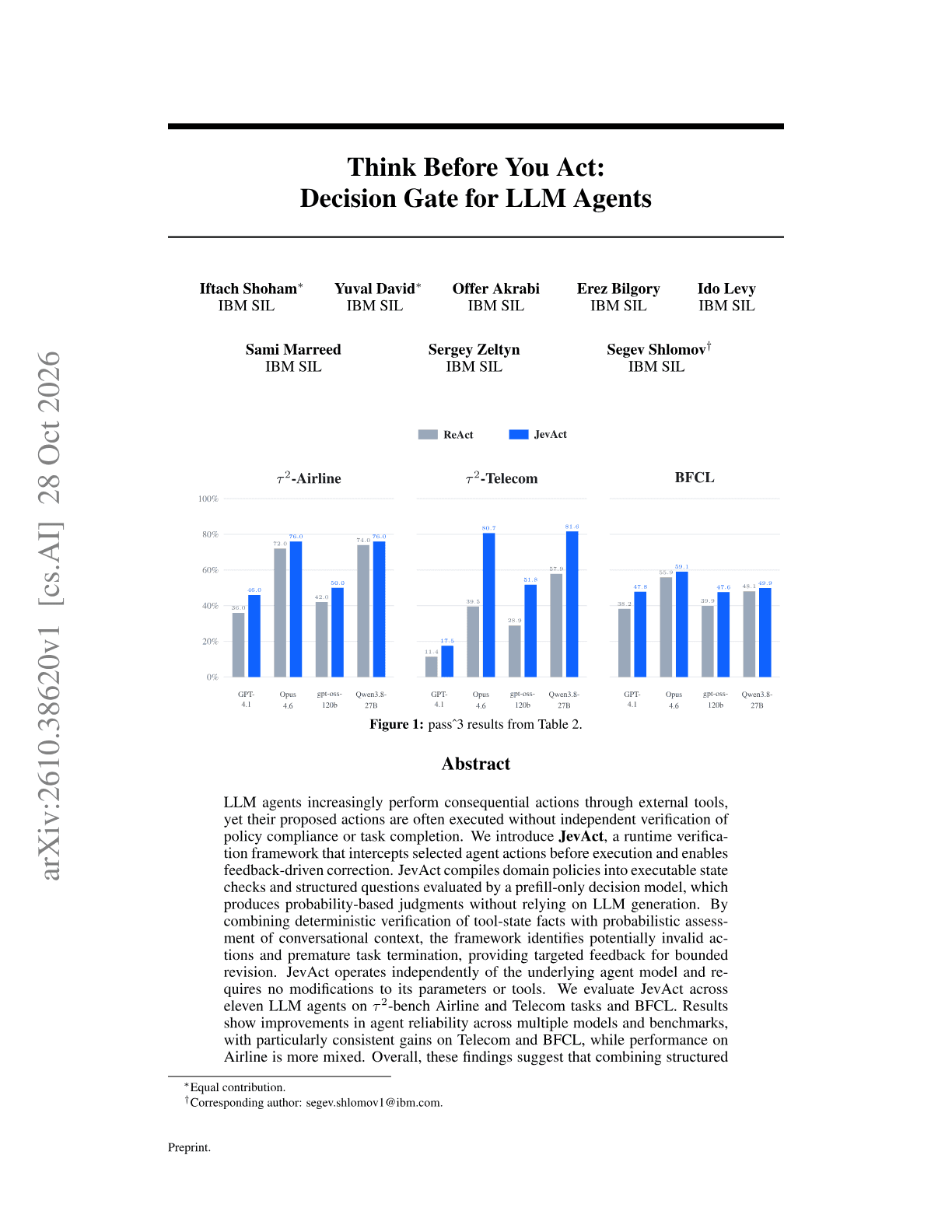
Think Before You Act: Decision Gate for LLM Agents
Iftach Shoham et al. · 2026 - 52
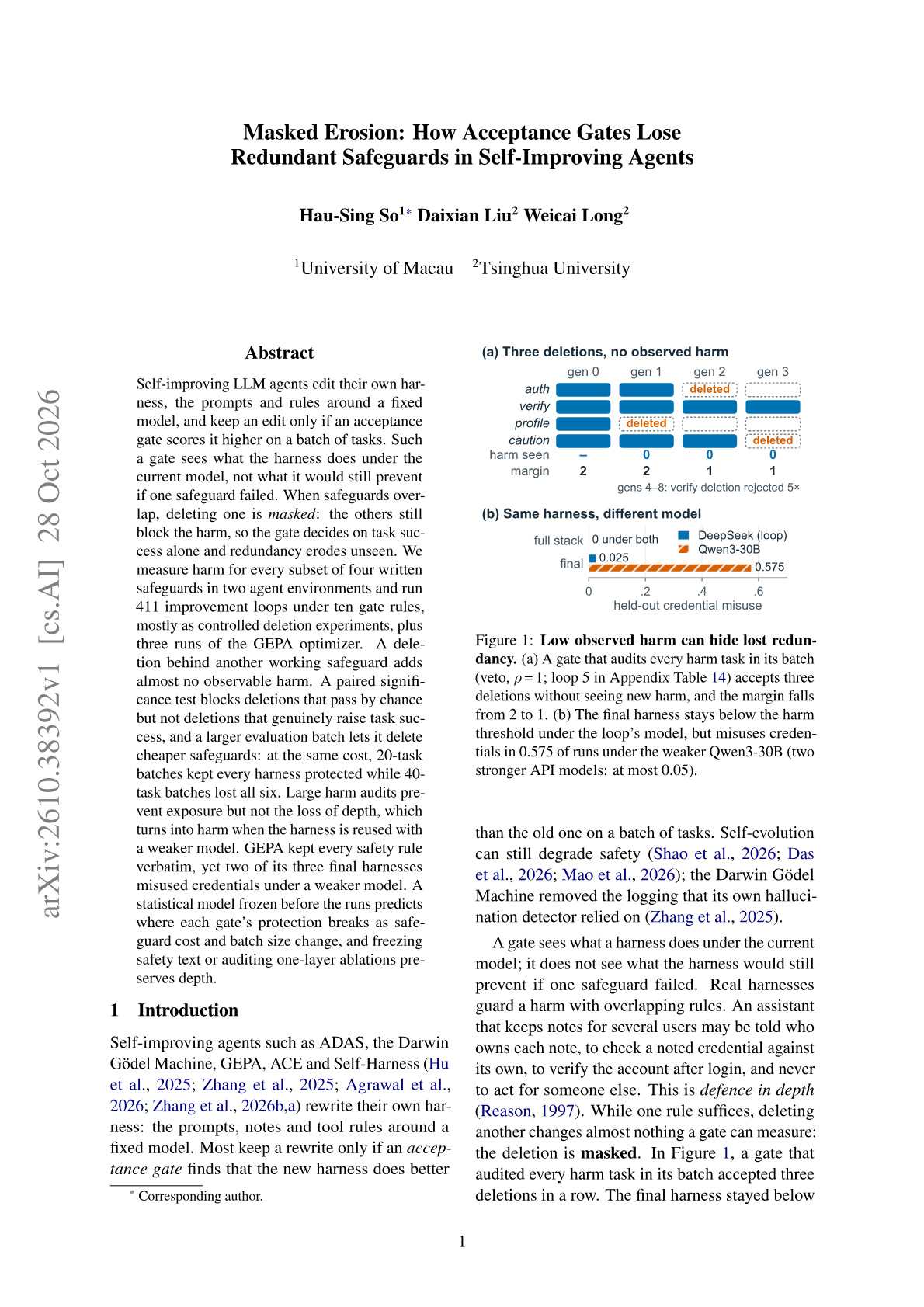
Masked Erosion: How Acceptance Gates Lose Redundant Safeguards in Self-Improving Agents
Hau-Sing So, Daixian Liu, Weicai Long · 2026 - 53
Skeleton Coding: Program Structure as a Specification for Agents
Aditya Golatkar et al. · 2026 - 54
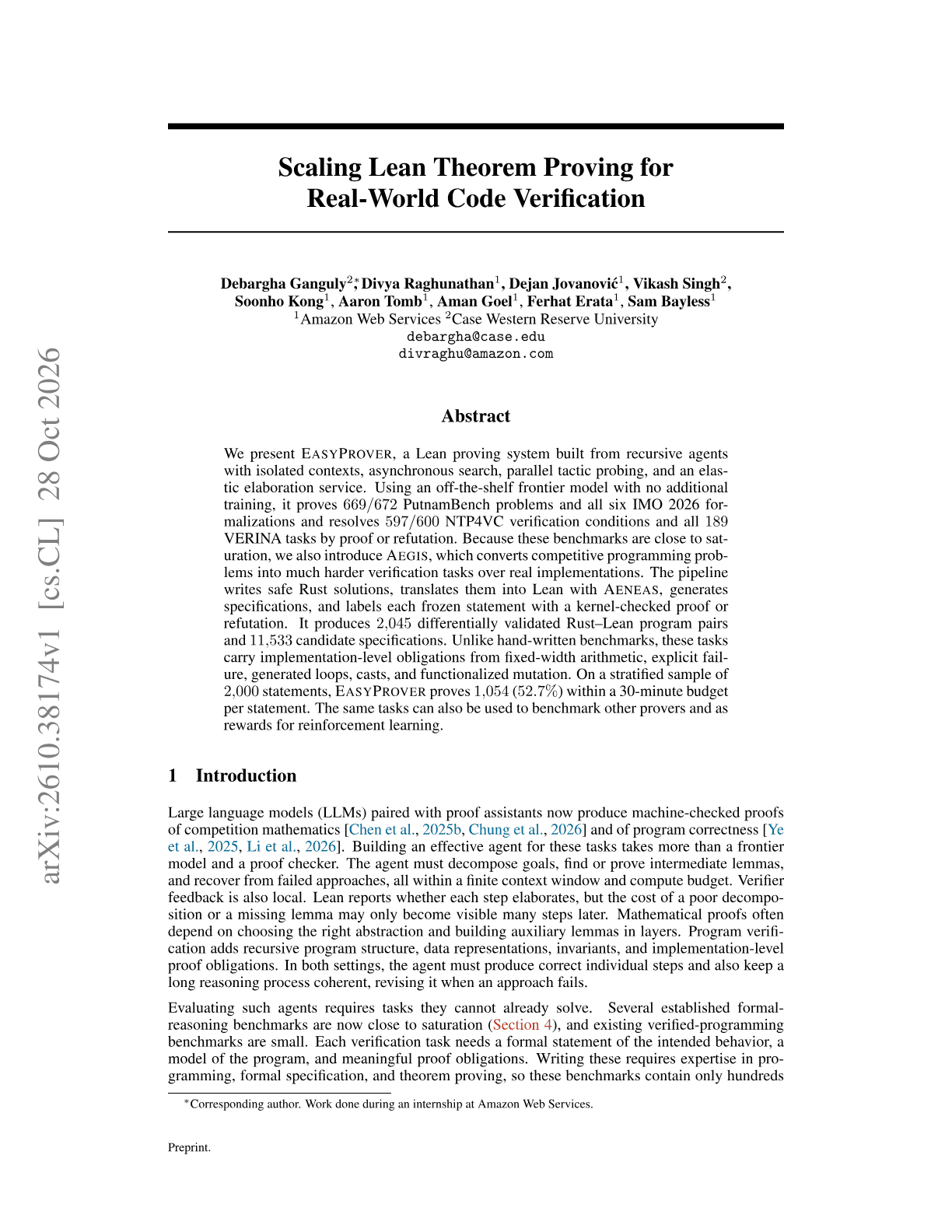
Scaling Lean Theorem Proving for Real-World Code Verification
Debargha Ganguly et al. · 2026 - 55
- 56
- 57
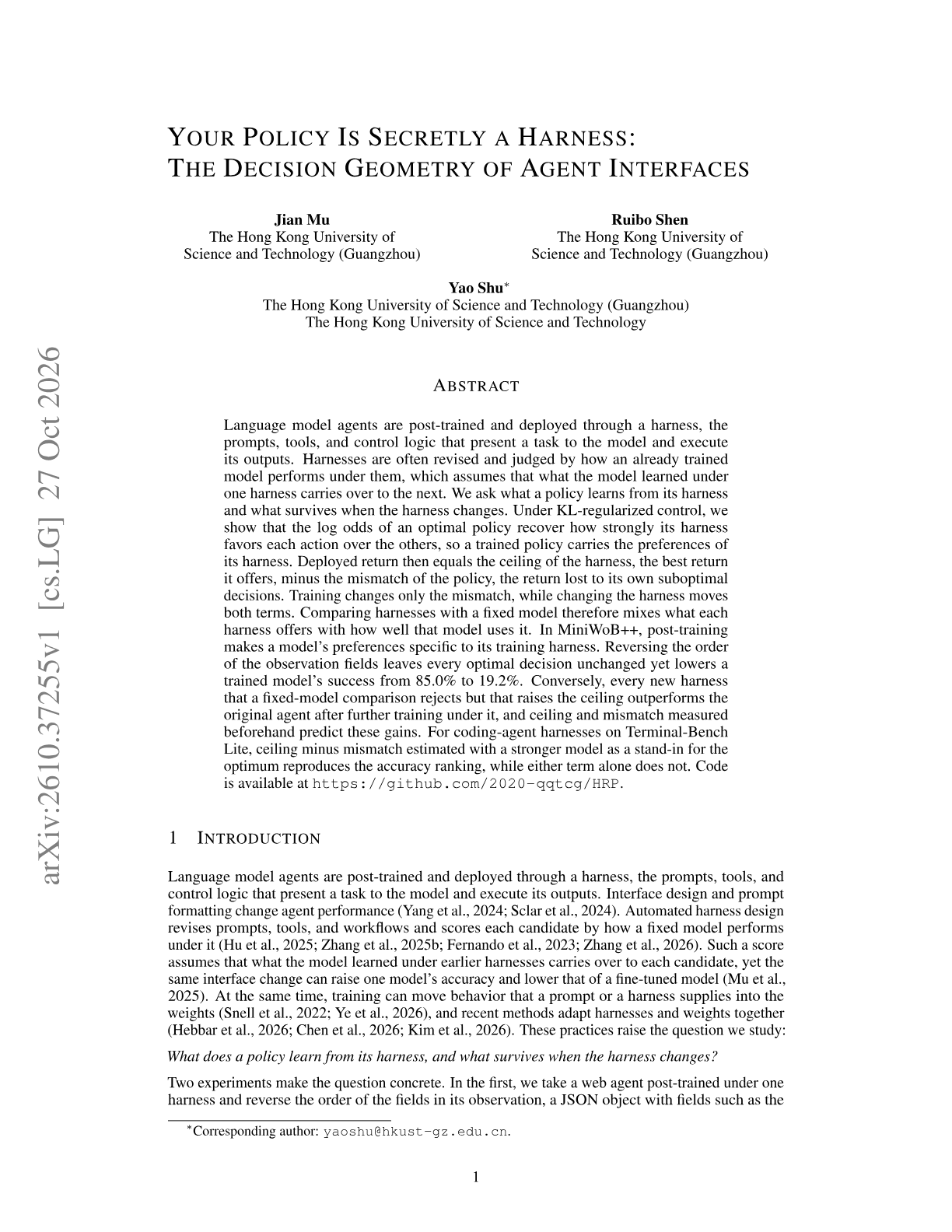
Your Policy Is Secretly a Harness: The Decision Geometry of Agent Interfaces
Jian Mu, Ruibo Shen, Yao Shu · 2026 - 58
- 59
- 60
- 61
- 62
- 63
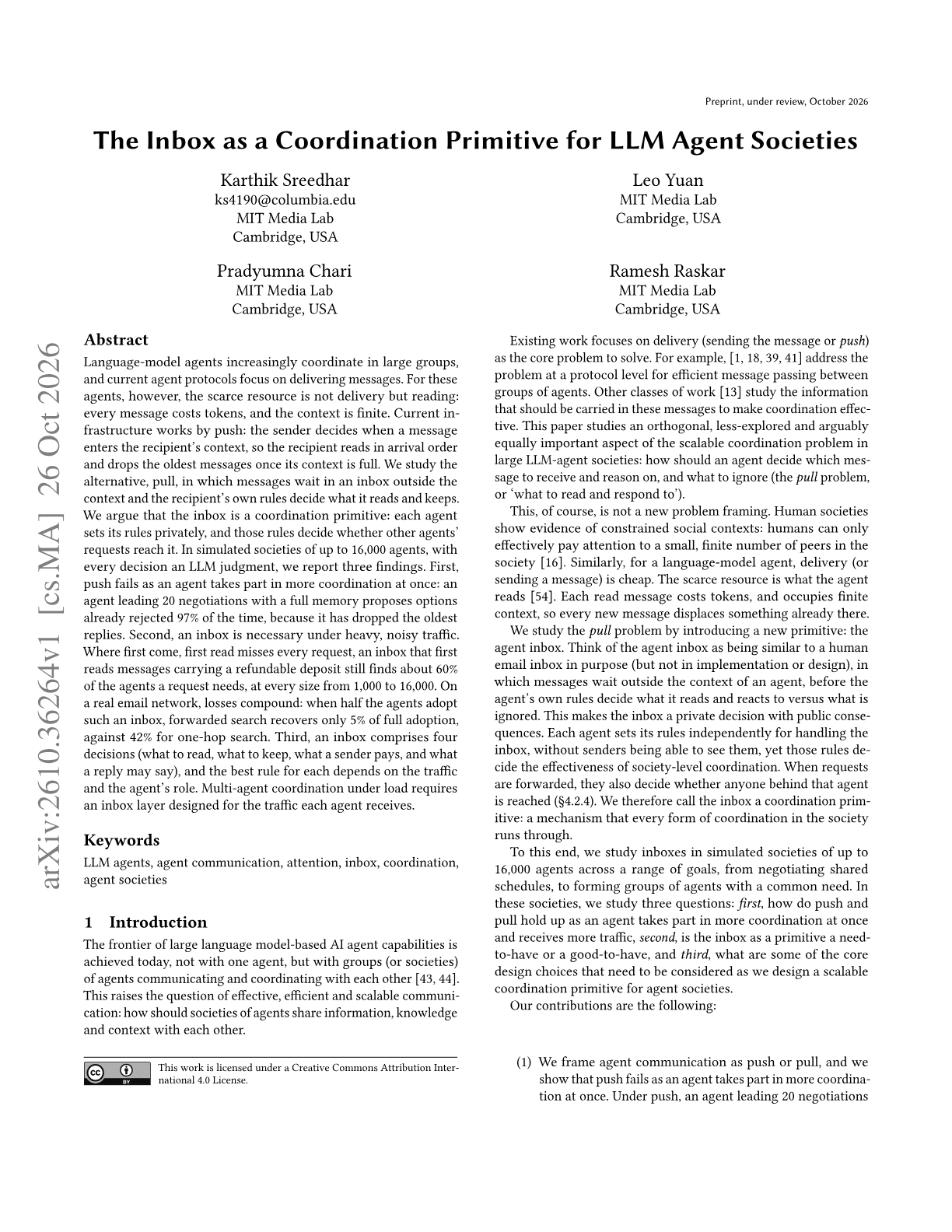
The Inbox as a Coordination Primitive for LLM Agent Societies
Karthik Sreedhar et al. · 2026 - 64
- 65
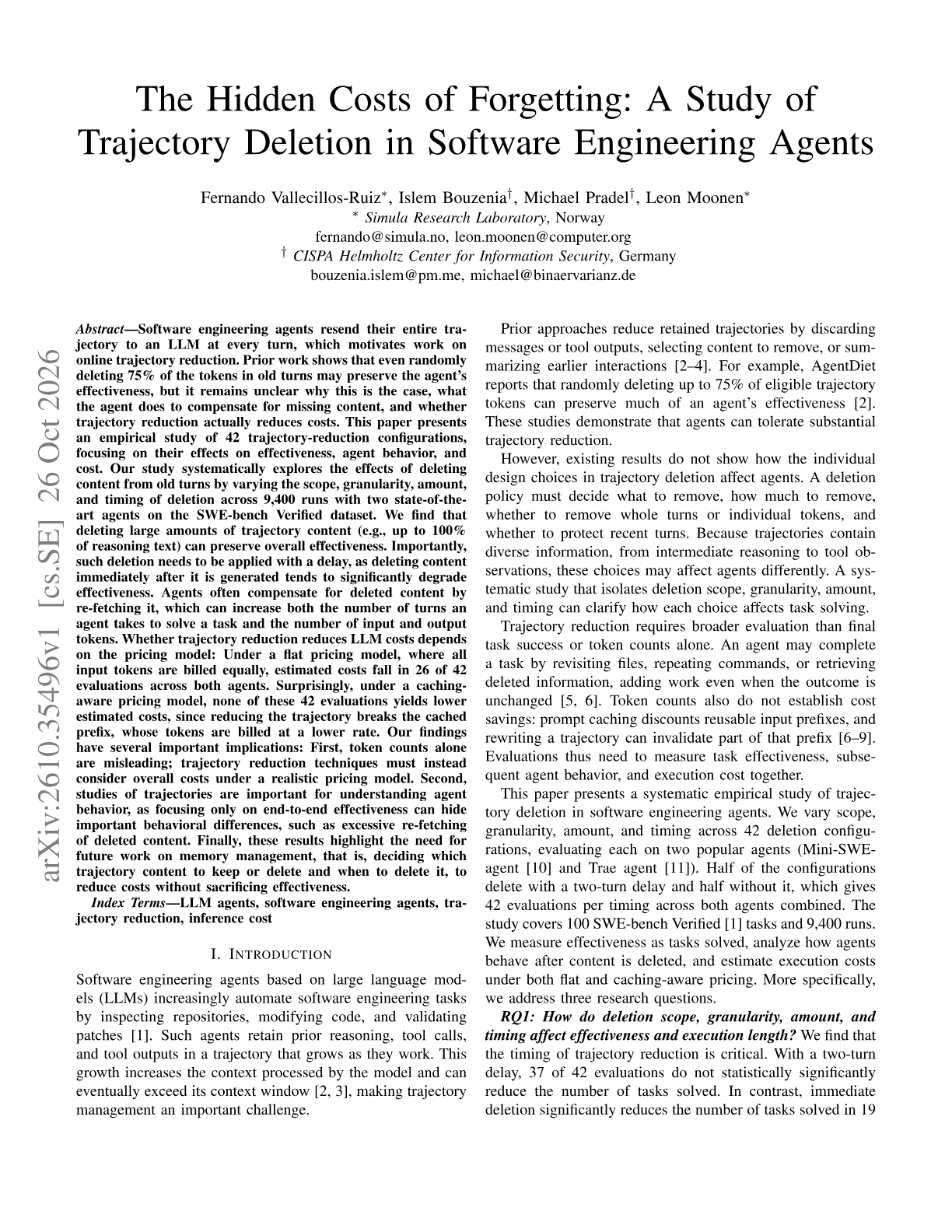
The Hidden Costs of Forgetting: A Study of Trajectory Deletion in Software Engineering Agents
Fernando Vallecillos-Ruiz et al. · 2026 - 66
- 67
How Do Coding-Agent Harnesses Self-Evolve? An Empirical Study of Retrospective Adaptation
Christoph Treude, Sebastian Baltes · 2026 - 68
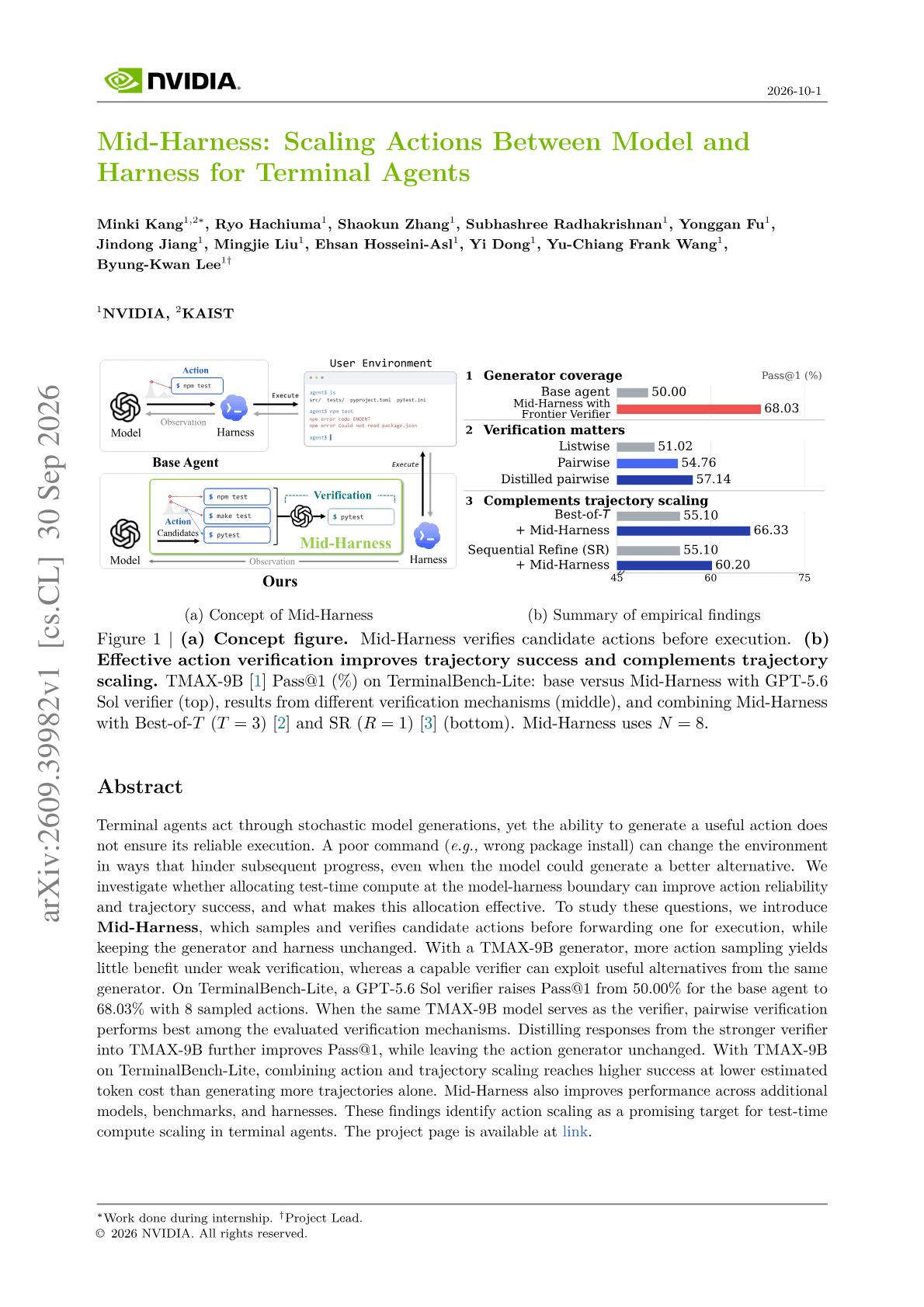
Rethinking Verification in Agent Harnesses
Zhengxin Zhang et al. · 2026 - 69
- 70
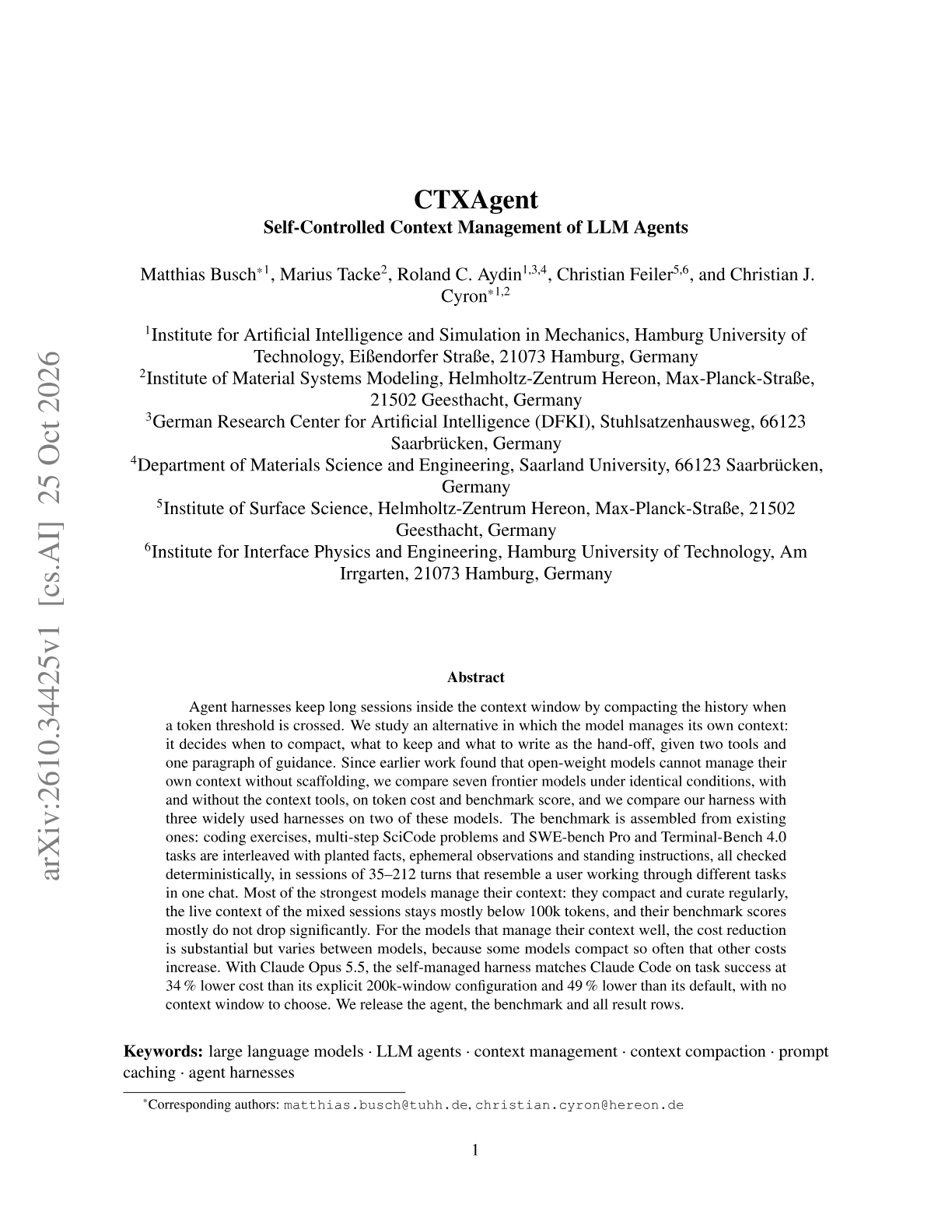
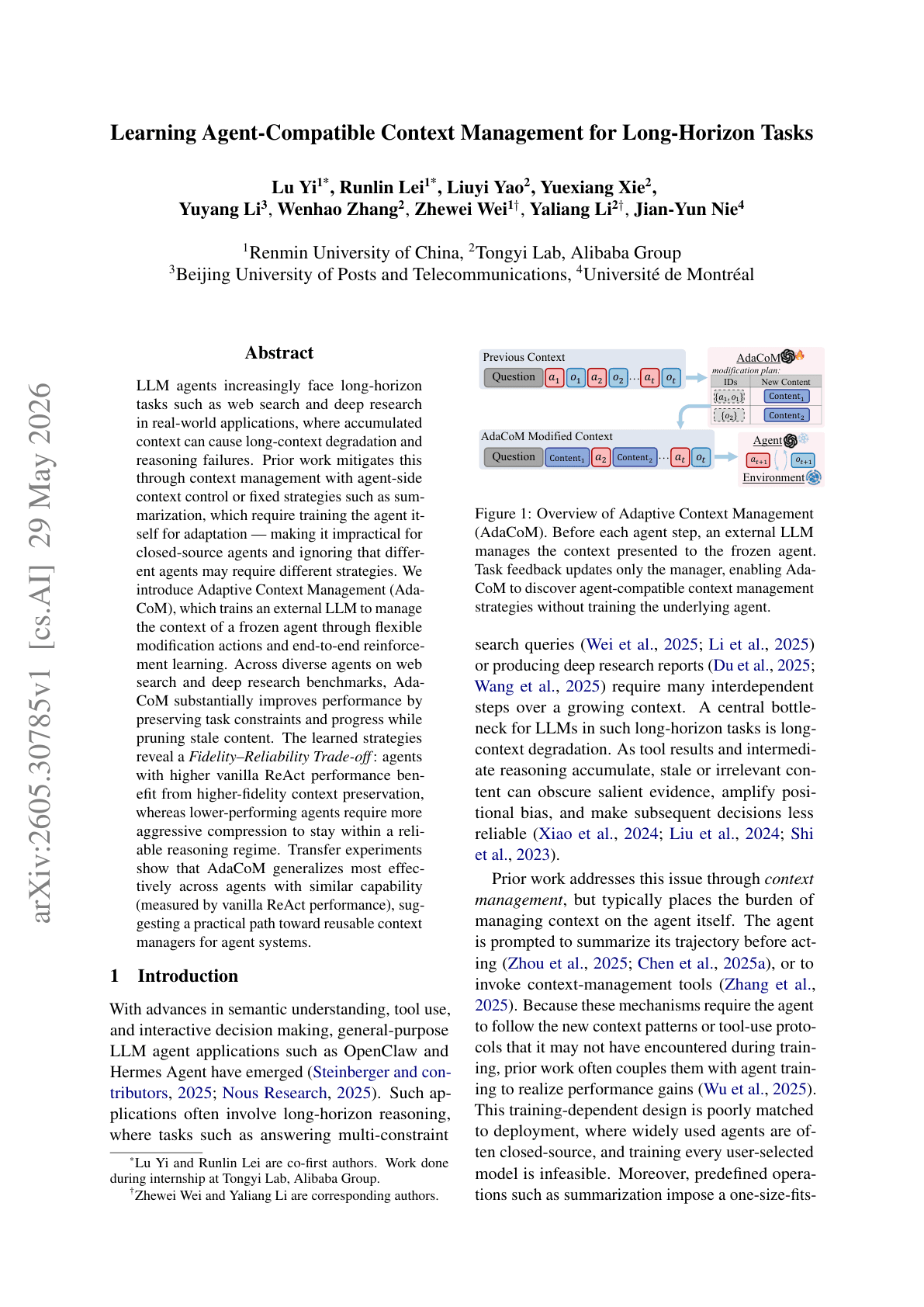
CTXAgent - Self-Controlled Context Management of LLM Agents
Matthias Busch et al. · 2026 - 71
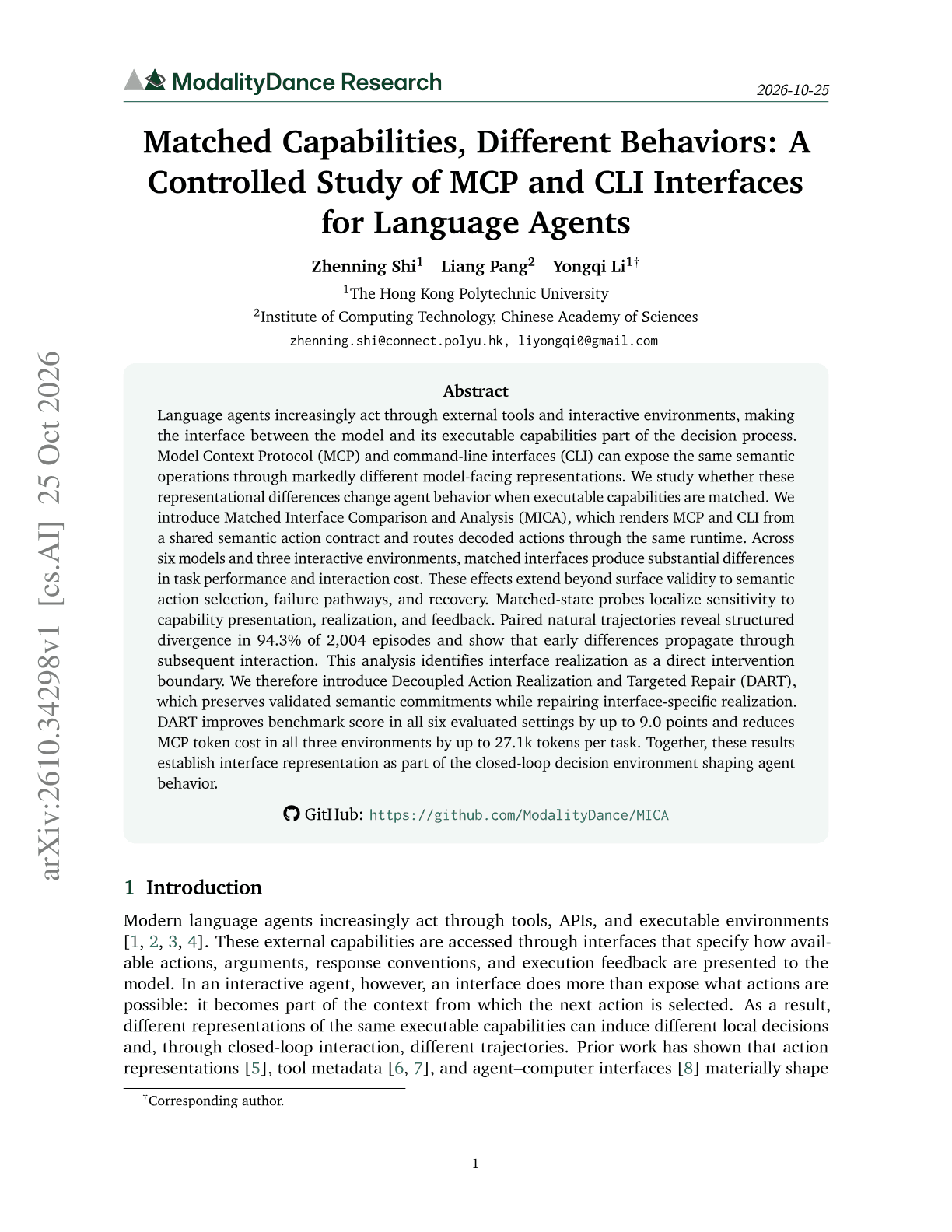
Matched Capabilities, Different Behaviors: A Controlled Study of MCP and CLI Interfaces for Language Agents
Zhenning Shi, Liang Pang, Yongqi Li · 2026 - 72
- 73
- 74
- 75
- 76
- 77
Tool-Calling LLM Agents Under Realistic MCP Faults: Scale Does Not Purchase Fault Tolerance
Antonio Ken Iannillo et al. · 2026 - 78
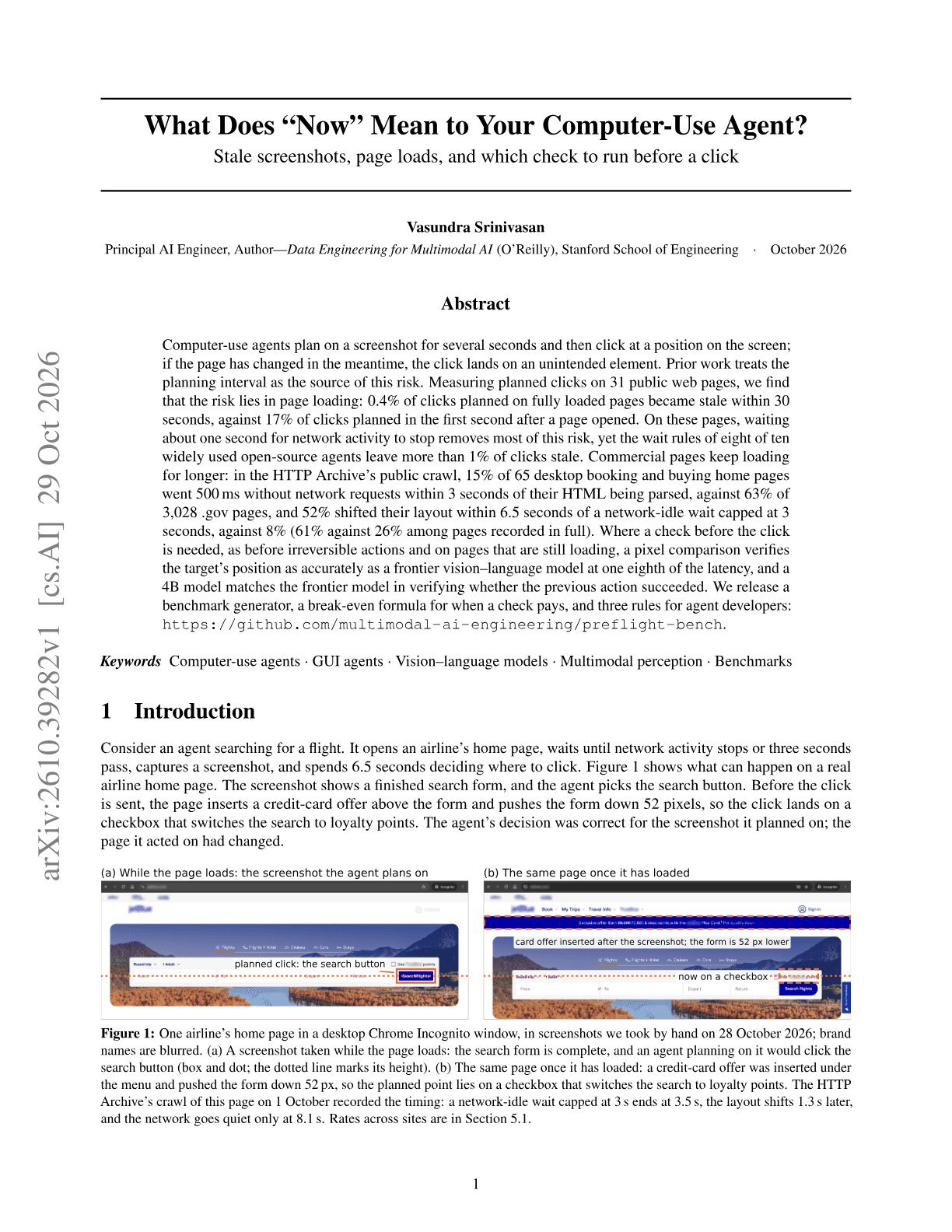
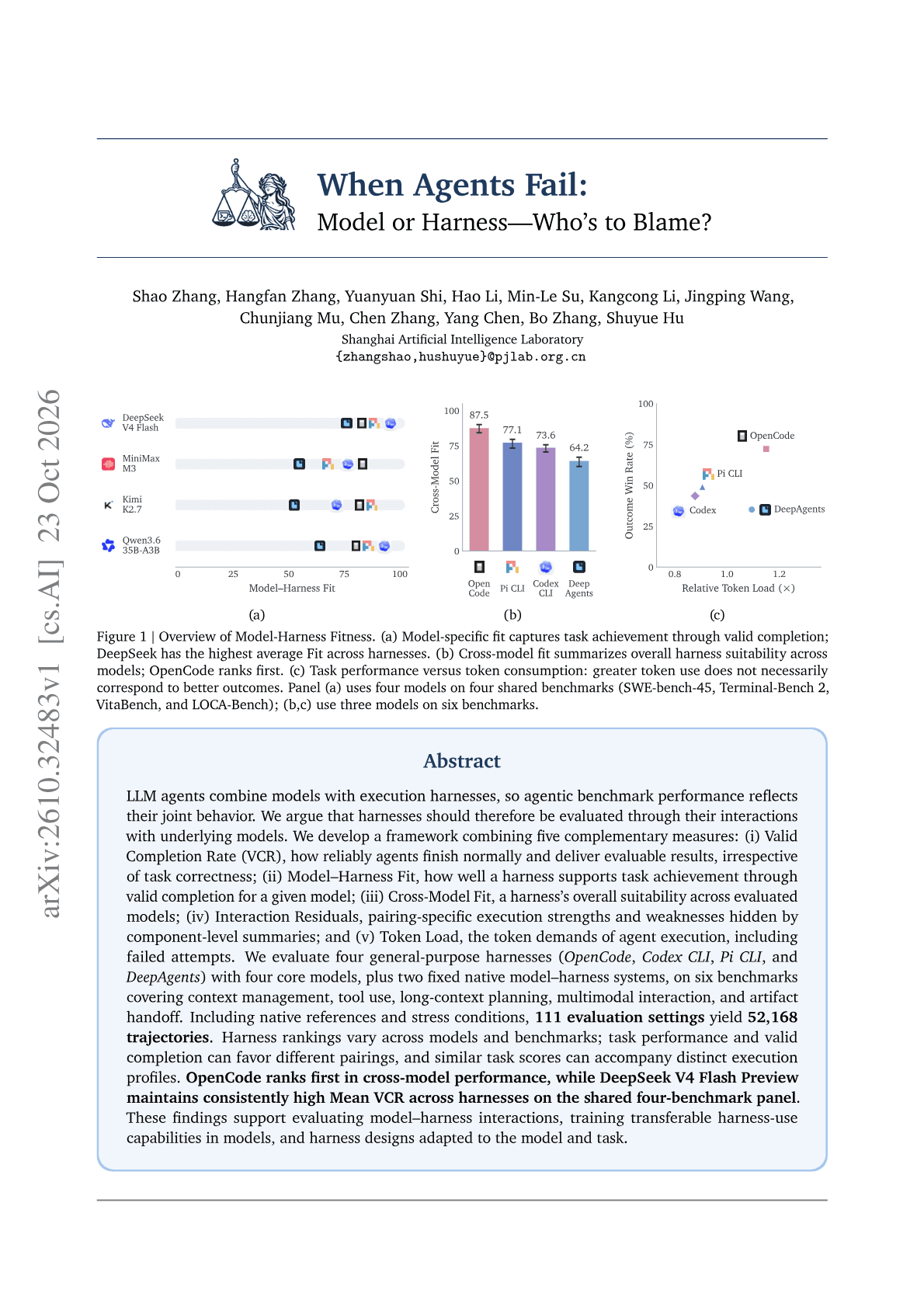
When Agents Fail: Model or Harness--Who's to Blame?
Shao Zhang et al. · 2026 - 79
- 80
- 81
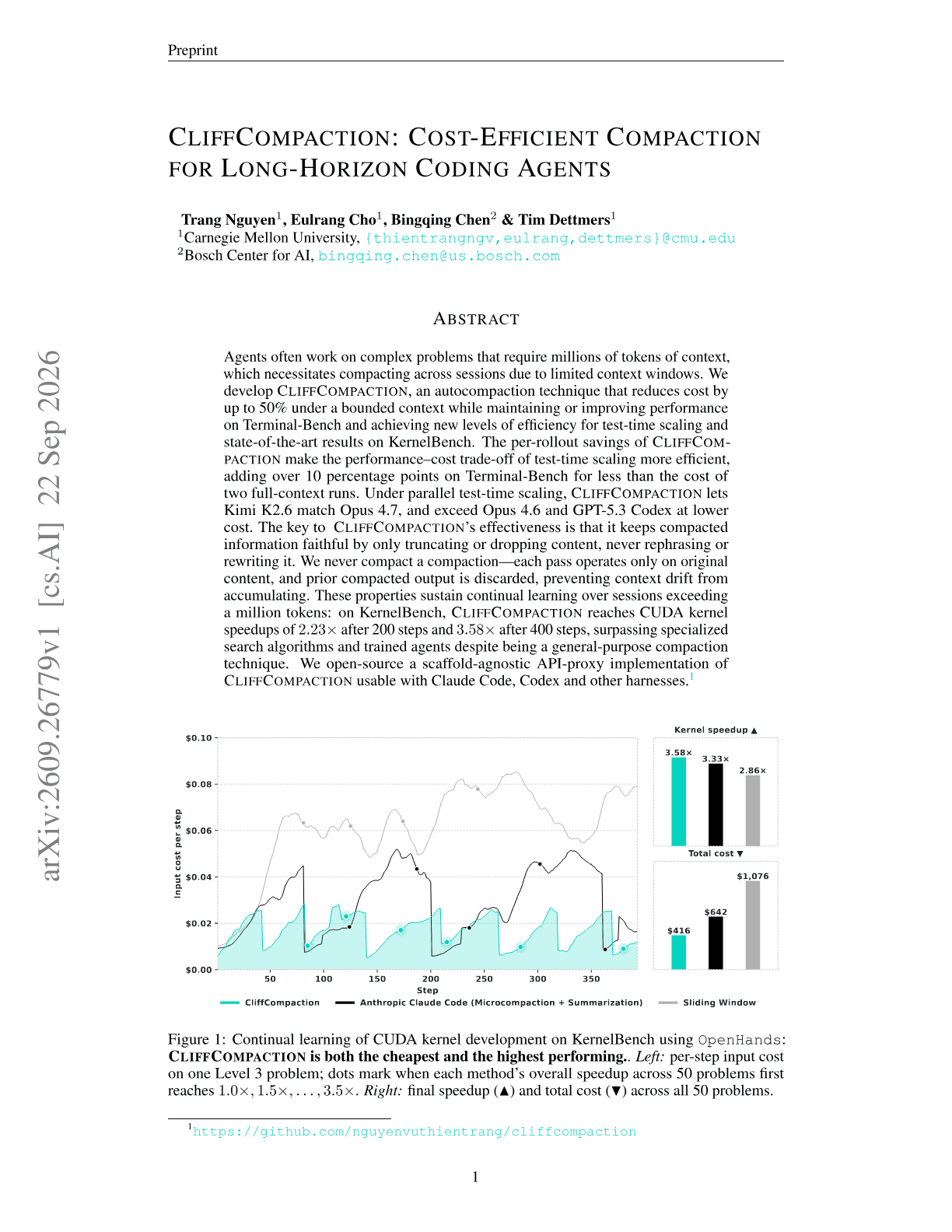
Benchmarks Are Surprisingly Compaction-Friendly
Jeanne Salle et al. · 2026 - 82
- 83
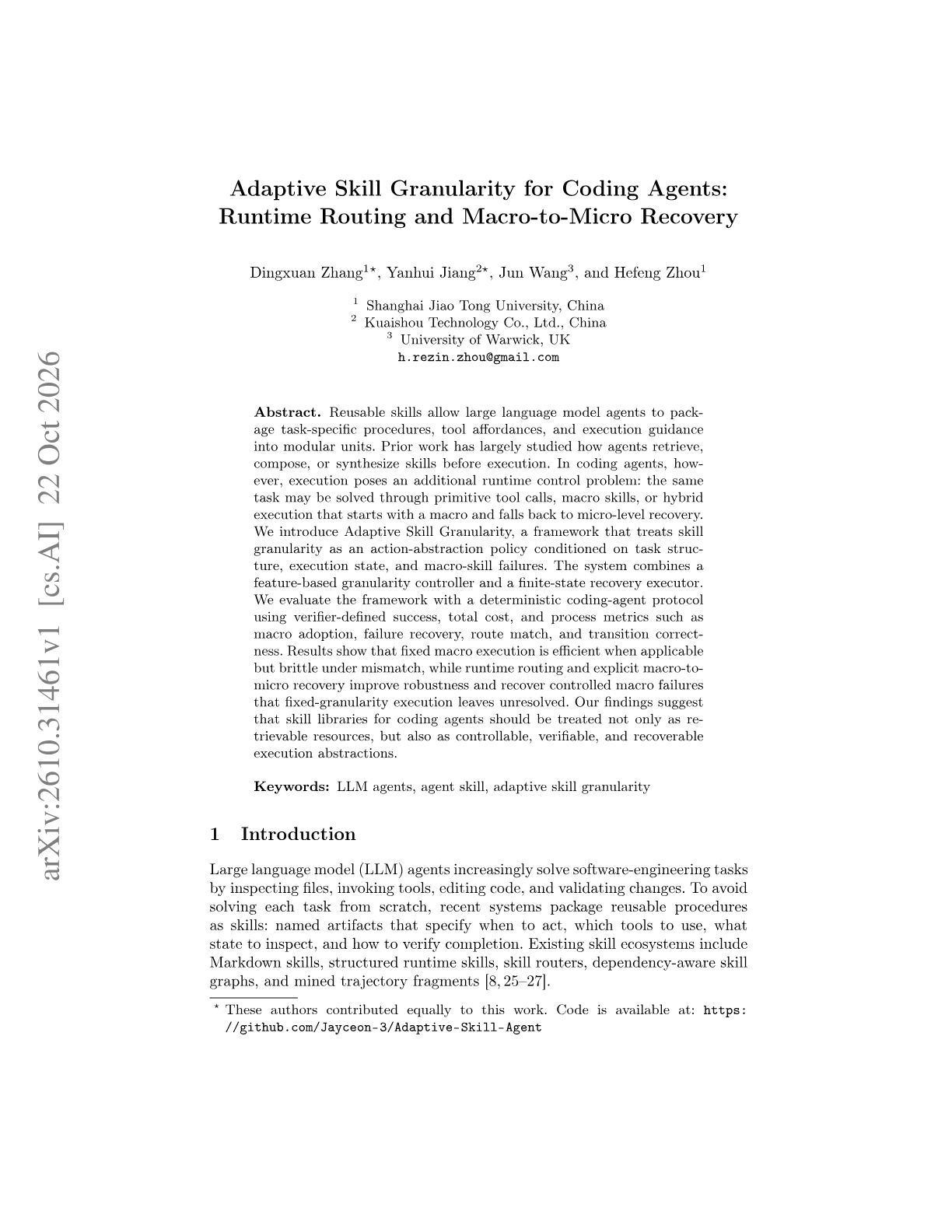
- 84
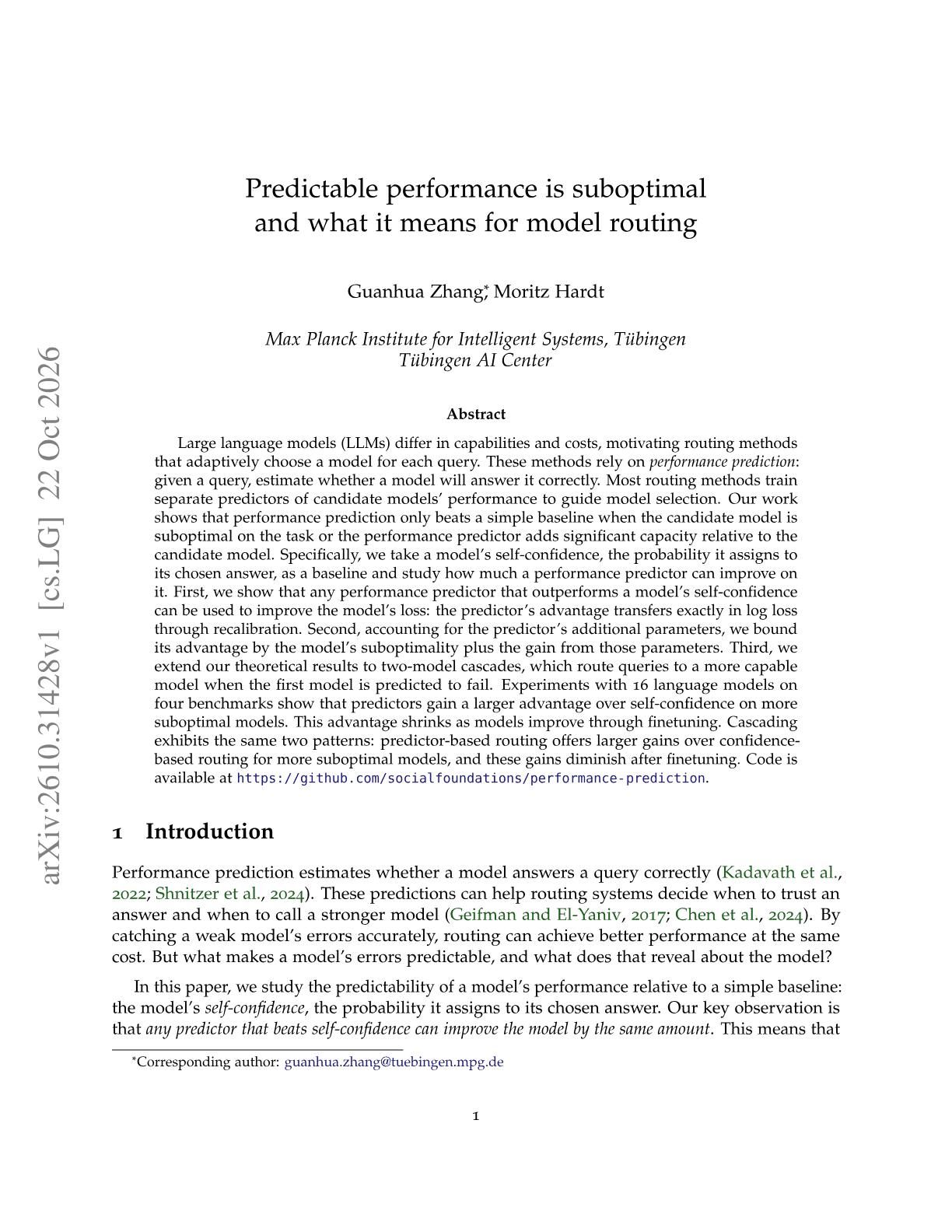
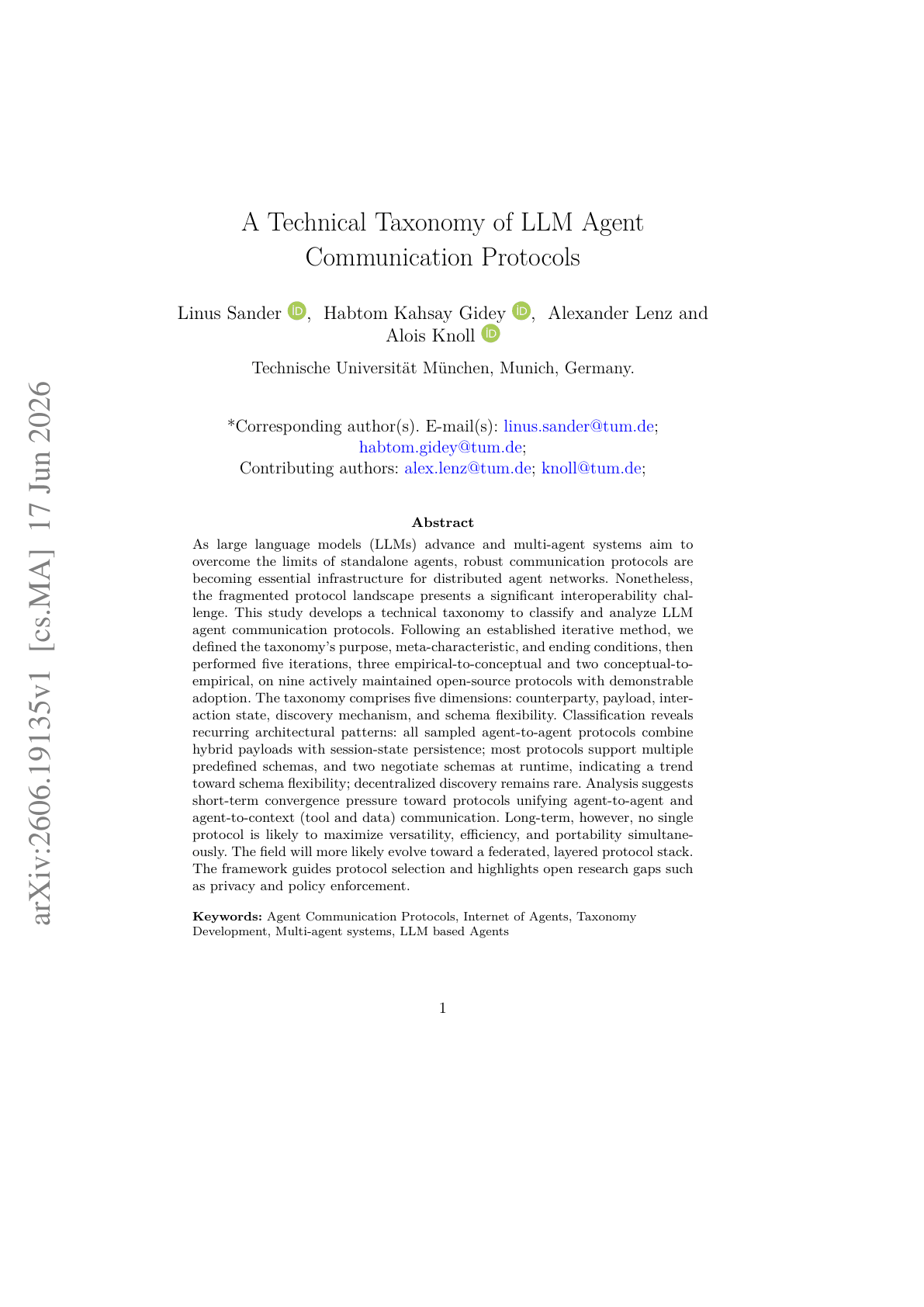
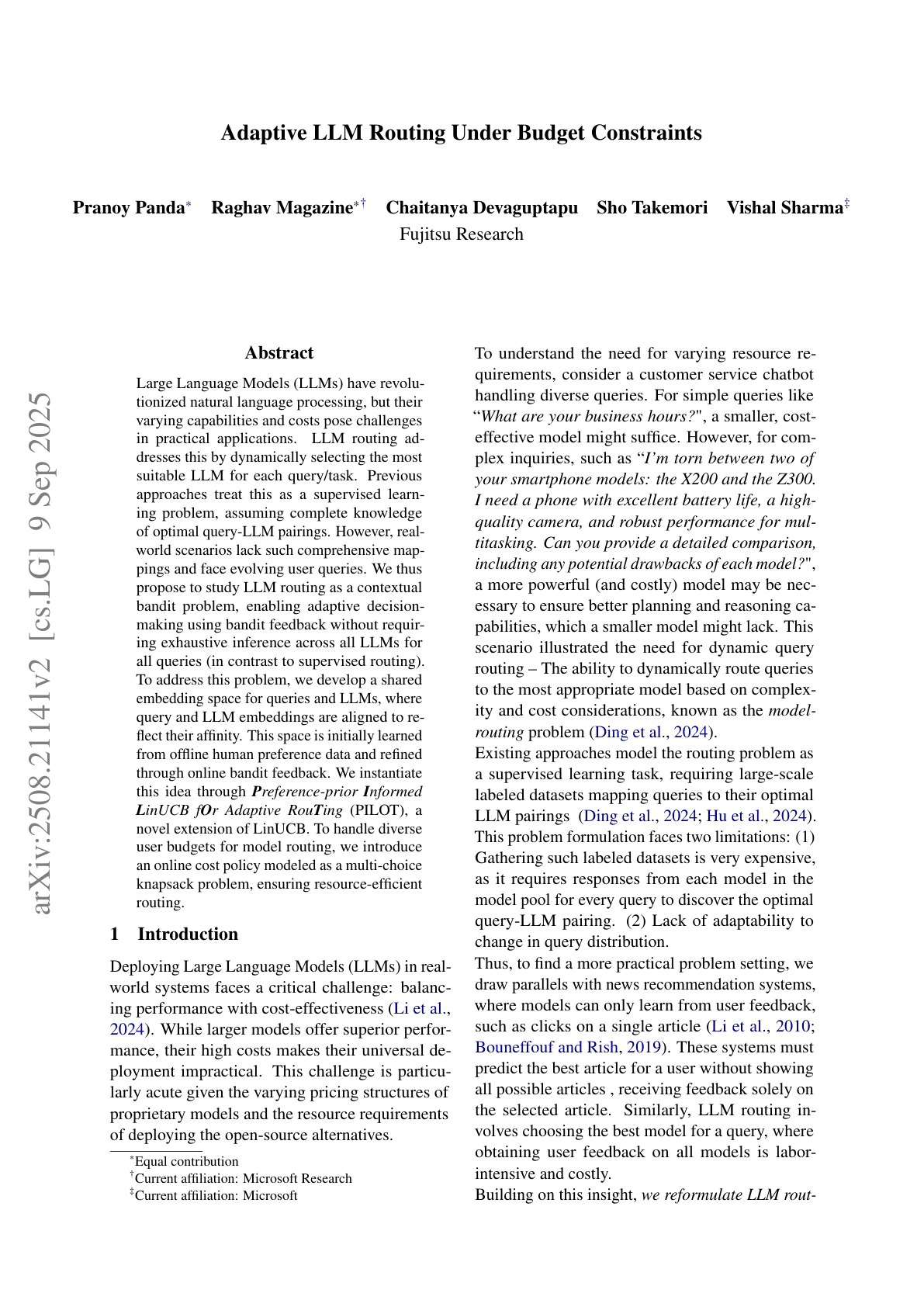
Predictable performance is suboptimal, and what it means for model routing
Guanhua Zhang, Moritz Hardt · 2026 - 85
- 86
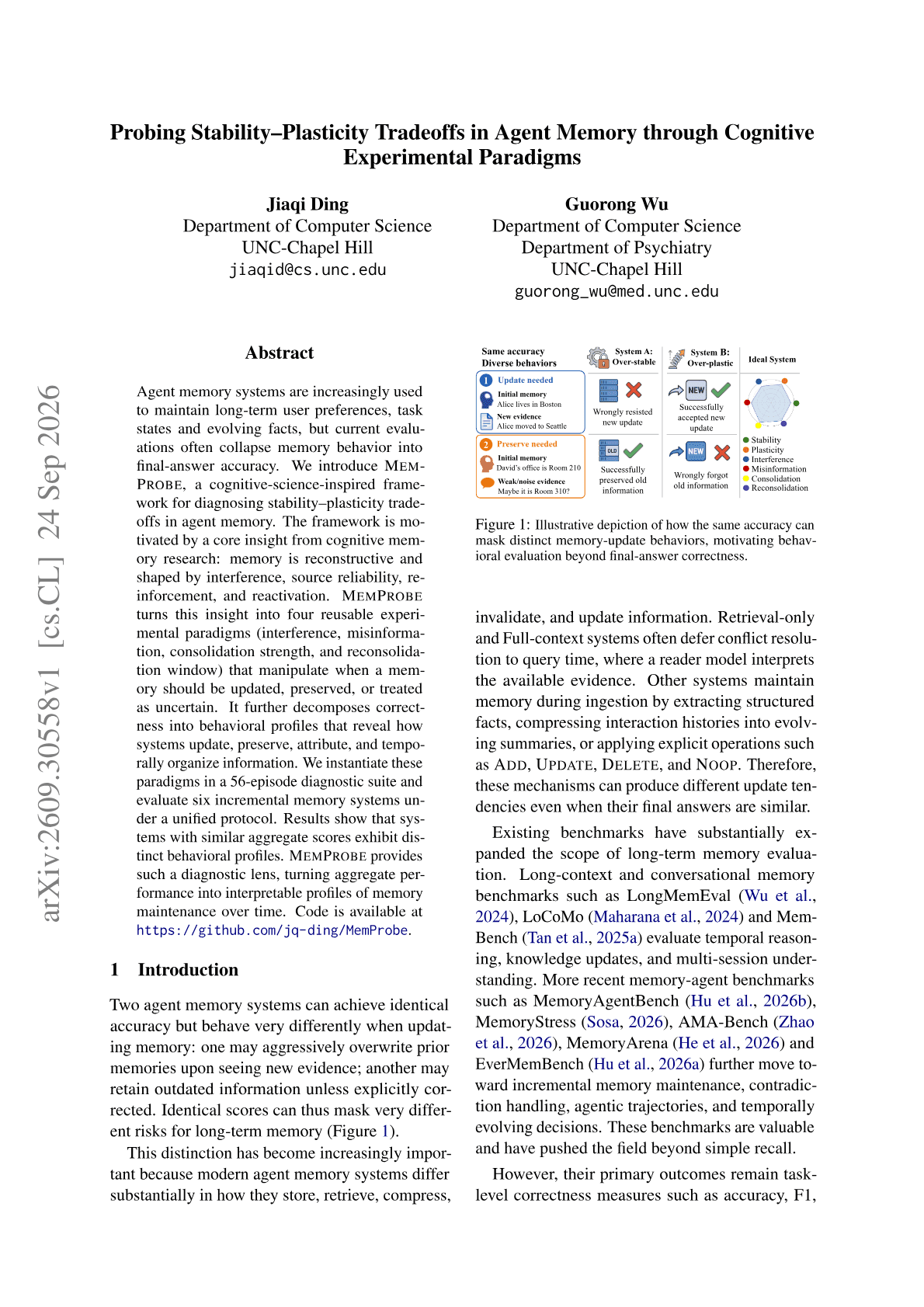
Memory-Aware Reward Modeling: Learning Human Preferences for LLM Memory Use
Yijiang River Dong et al. · 2026 - 87
- 88
- 89
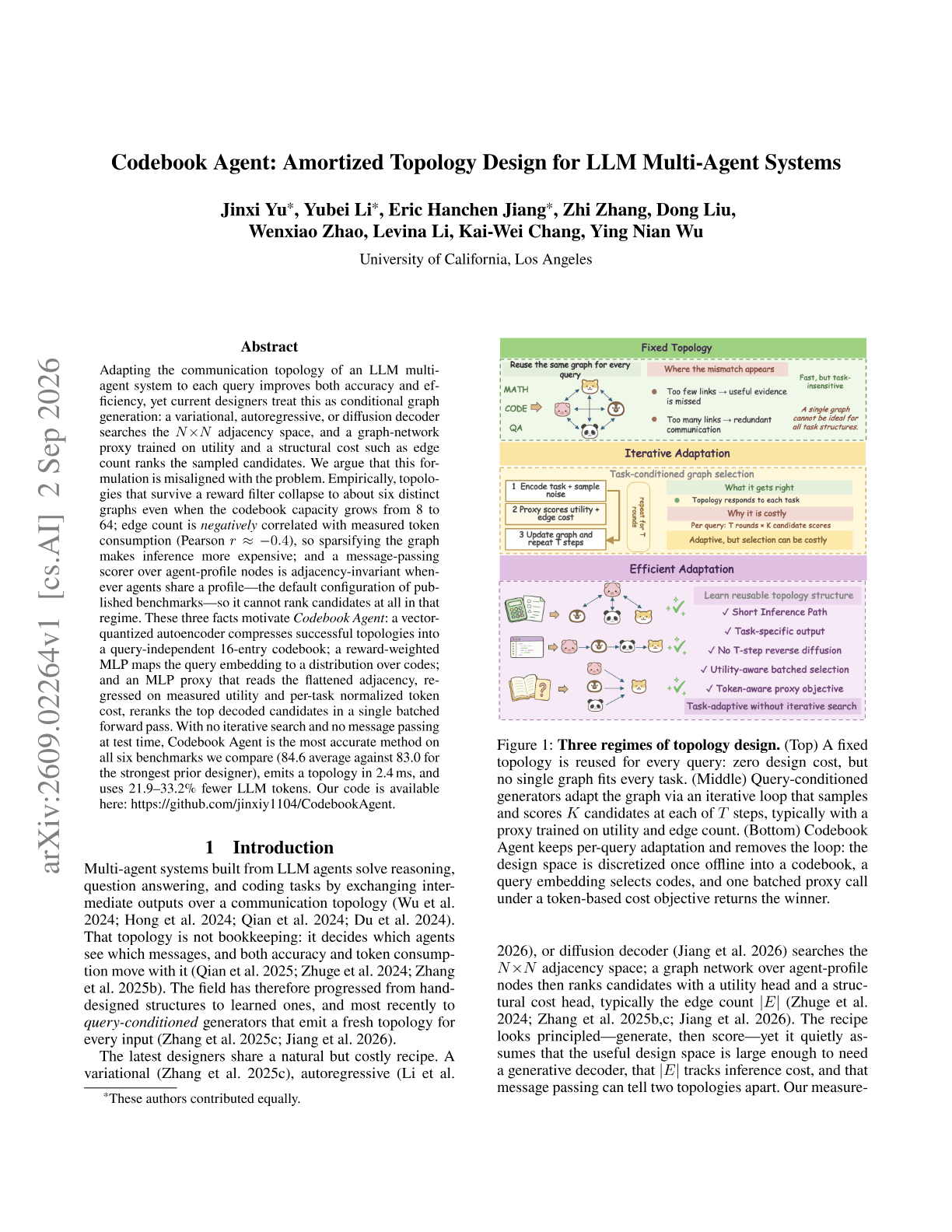
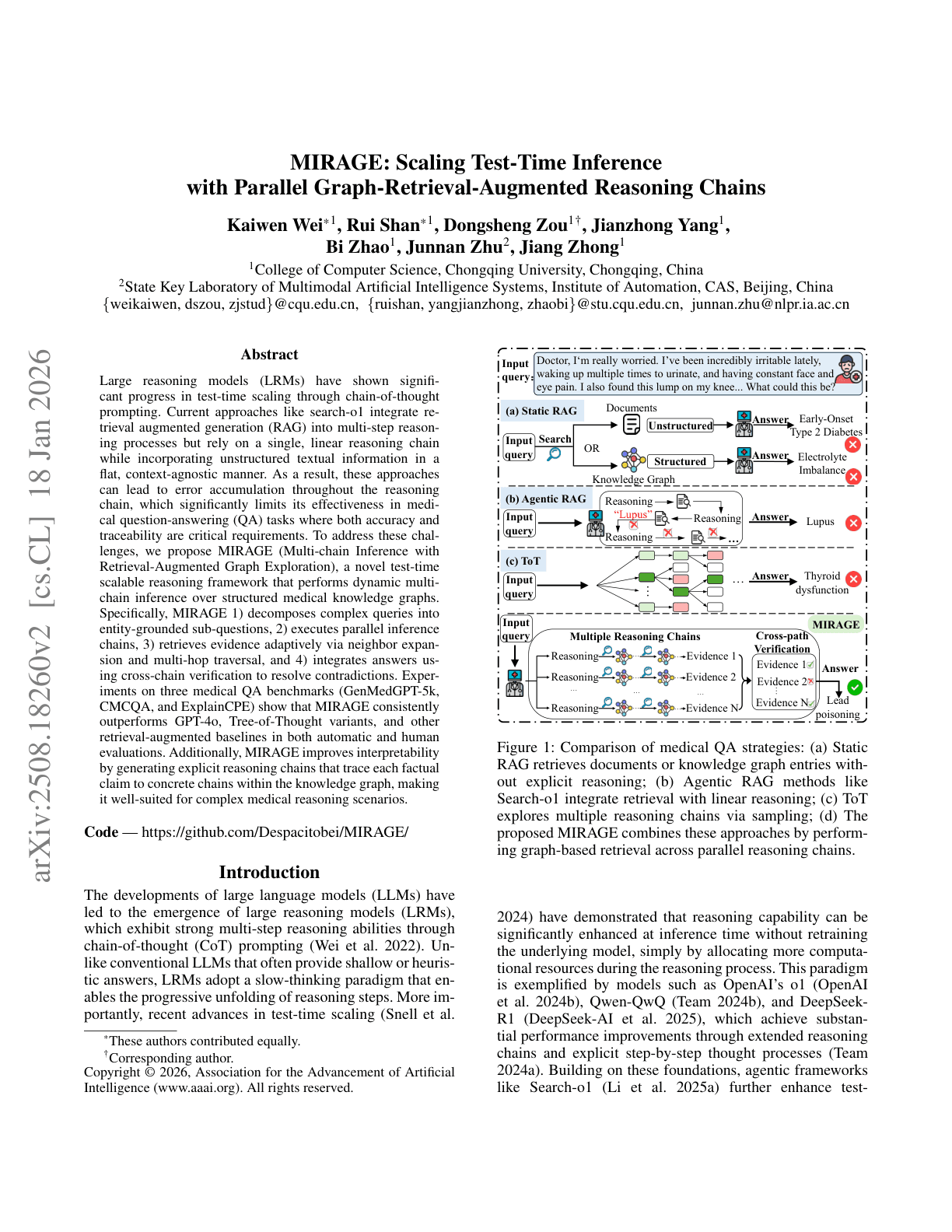
Mining the Design Space of Multi-Agent Workflows
Xavier Cadet et al. · 2026 - 90
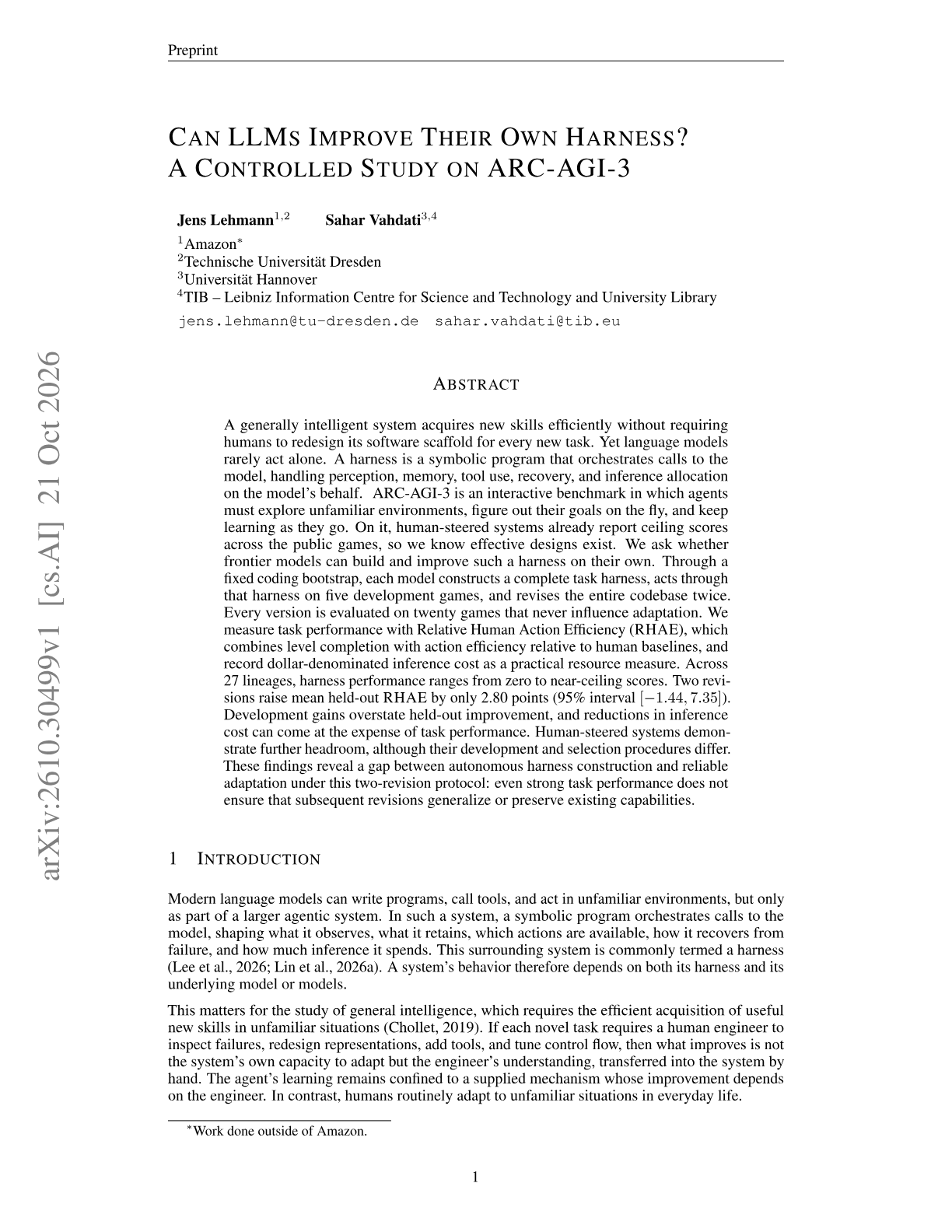
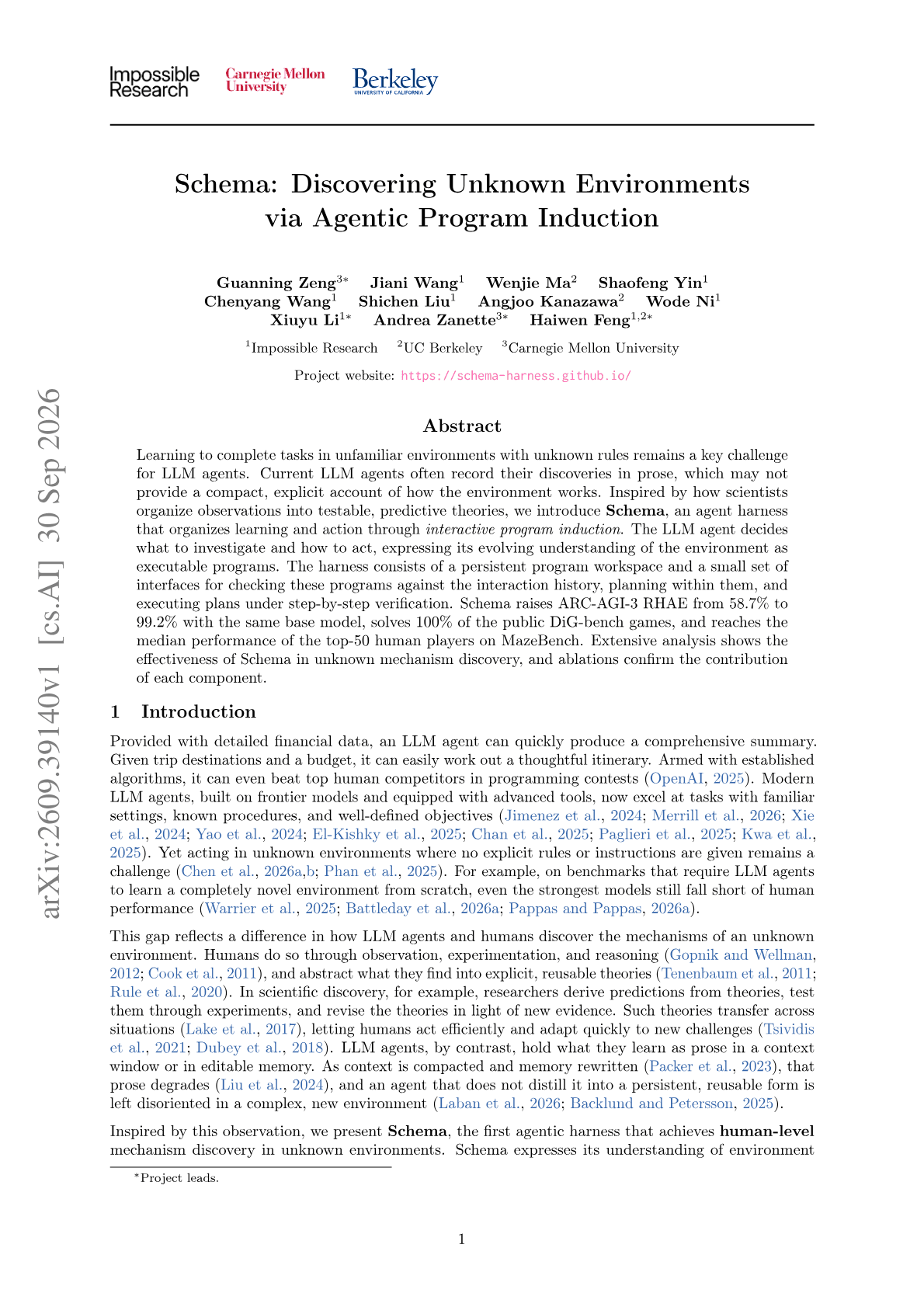
Can LLMs Improve Their Own Harness? A Controlled Study on ARC-AGI-3
Jens Lehmann, Sahar Vahdati · 2026 - 91
- 92
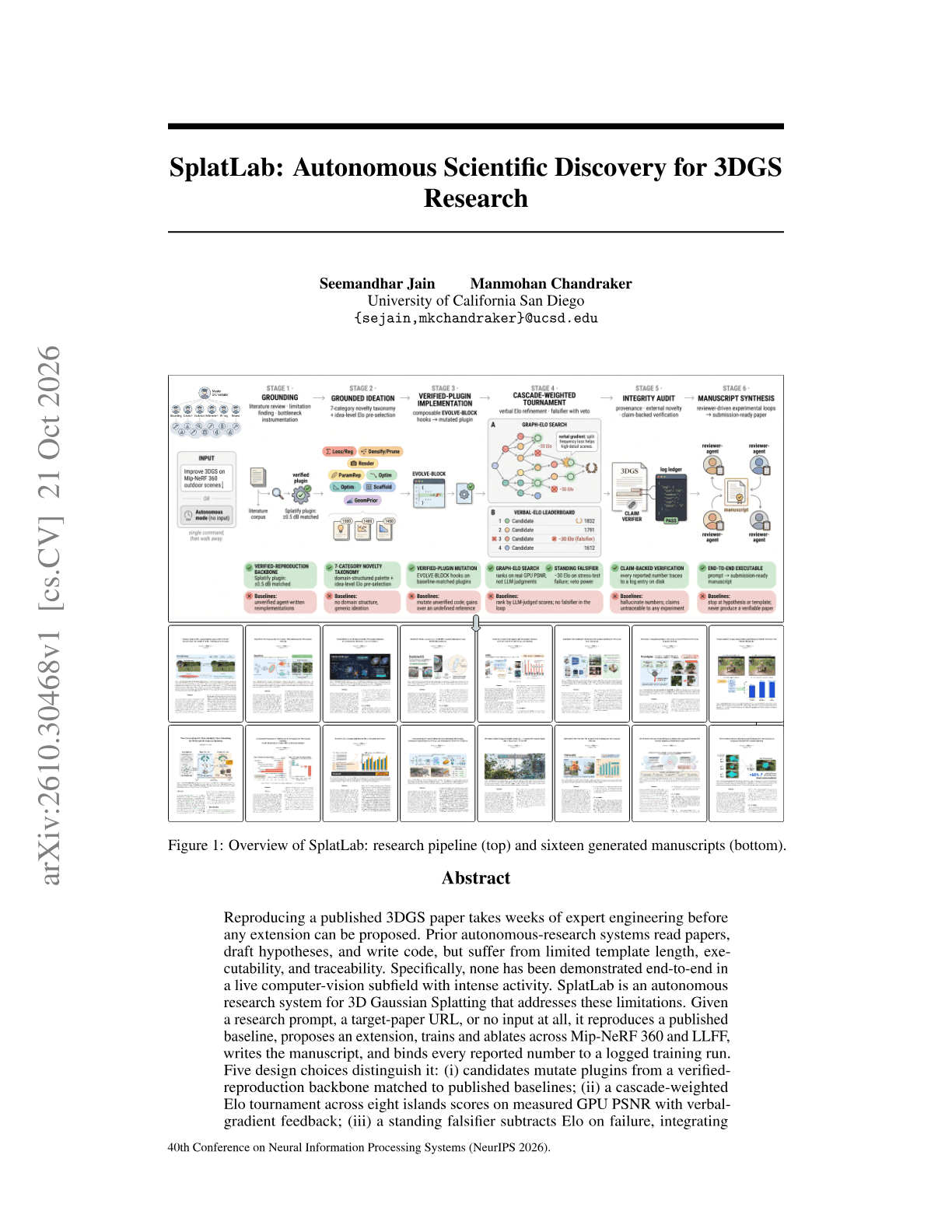
SplatLab: Autonomous Scientific Discovery for 3DGS Research
Seemandhar Jain, Manmohan Chandraker · 2026 - 93
- 94
- 95
- 96
- 97
- 98
- 99
- 100
- 101
- 102
- 103
- 104
More Memory, Worse Agents: Error Reproduction and Anti-Persistence in LLM Agents
Ruhan Wang, Kishan Panaganti, Dongruo Zhou · 2026 - 105
- 106
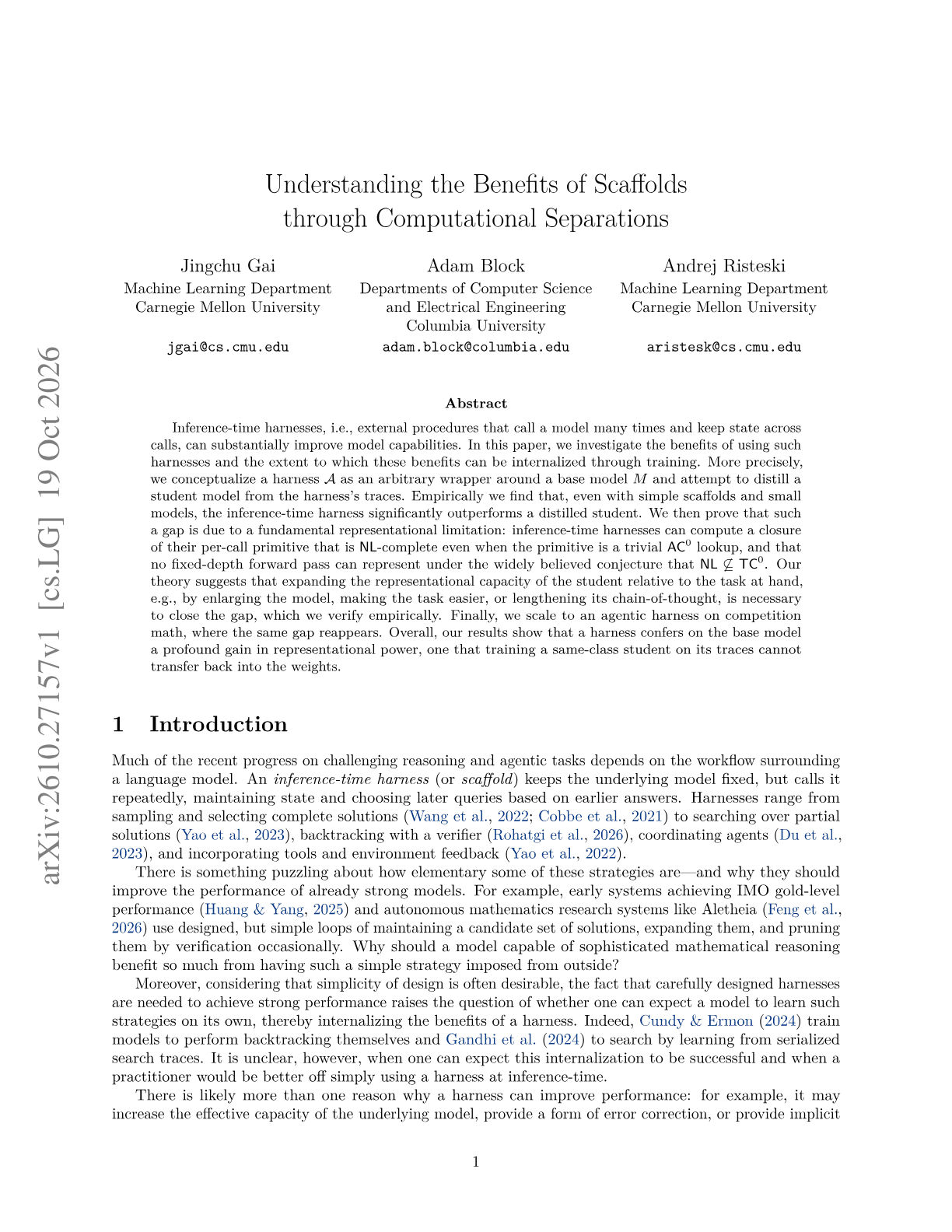
Understanding the Benefits of Scaffolds through Computational Separations
Jingchu Gai, Adam Block, Andrej Risteski · 2026 - 107
- 108
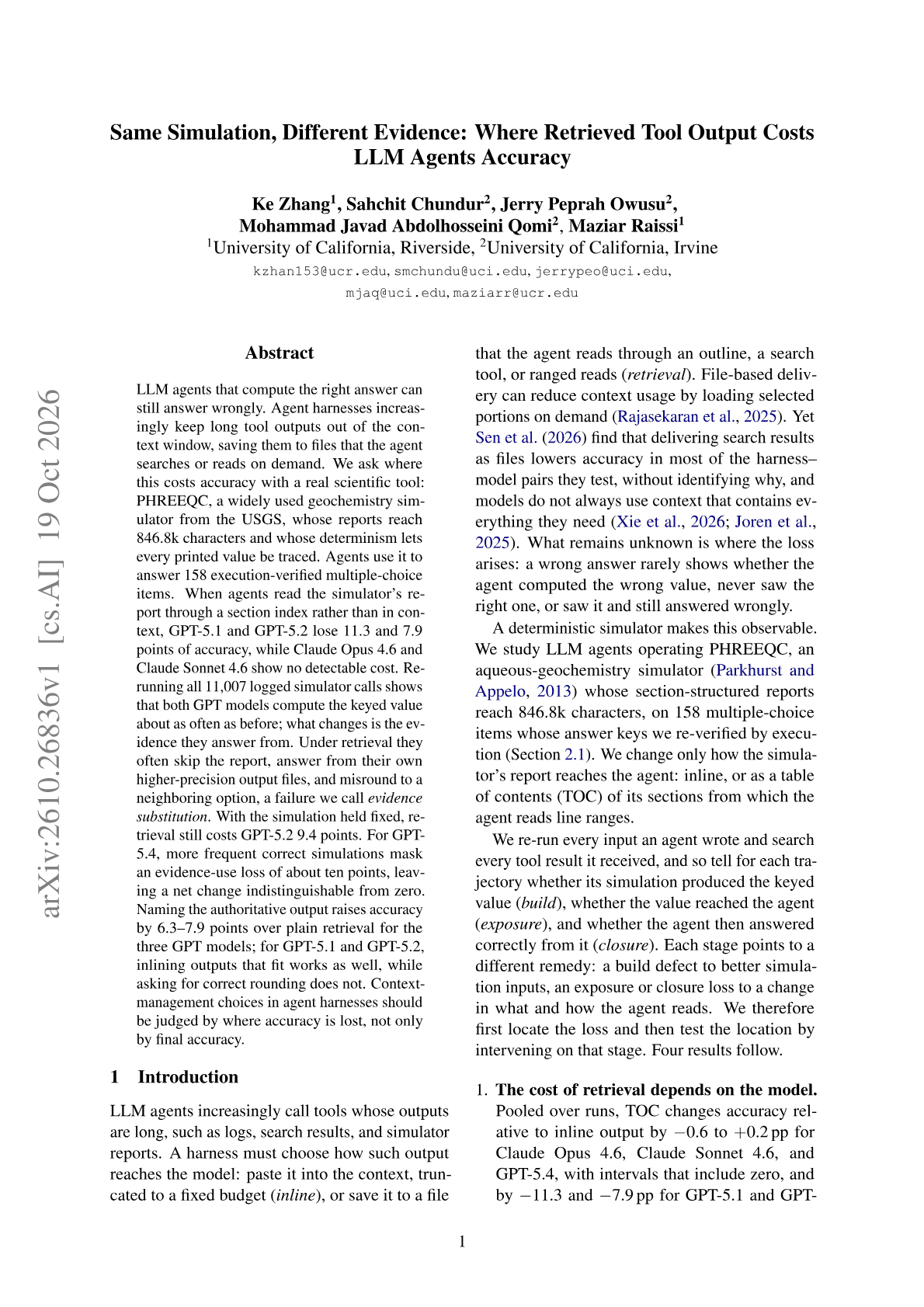
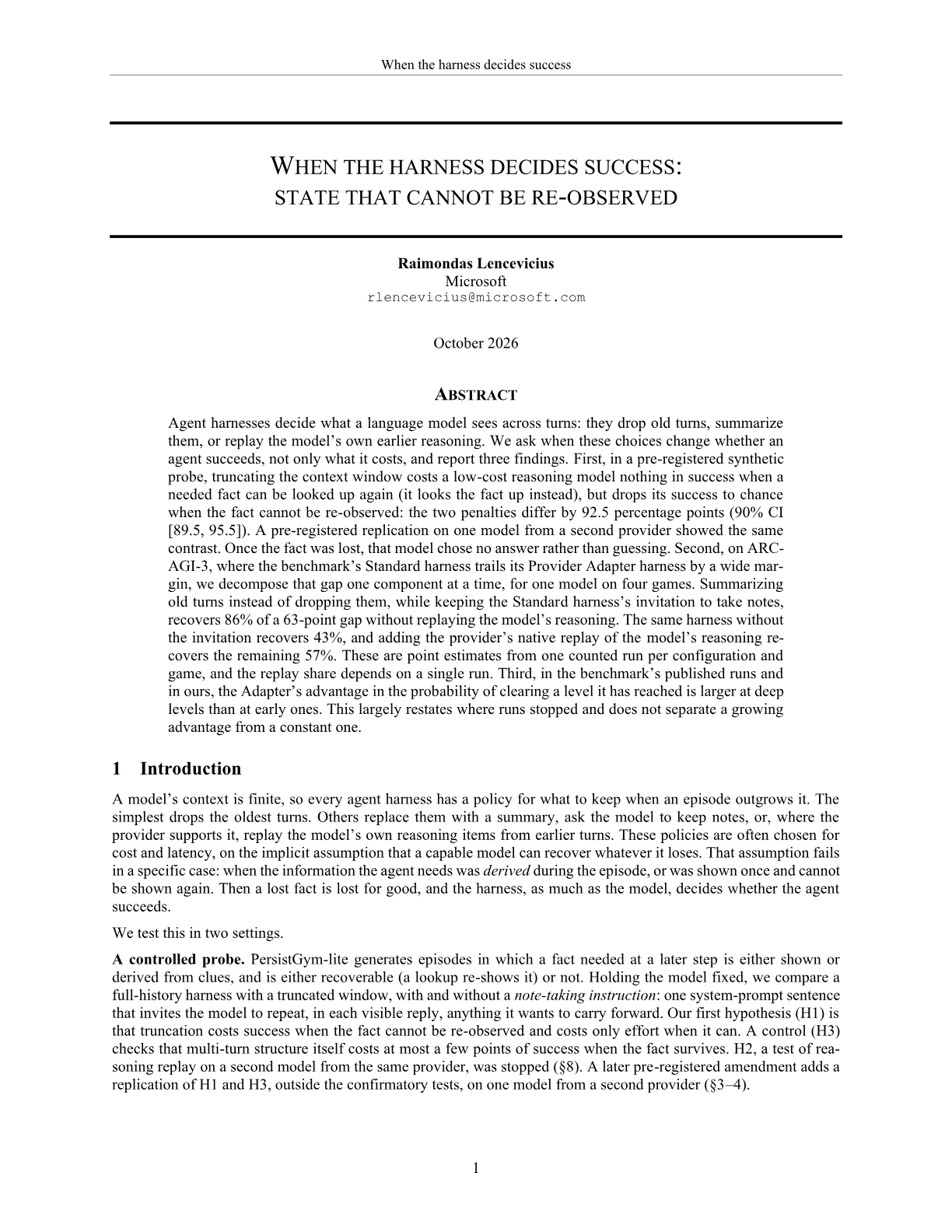
When the harness decides success: state that cannot be re-observed
Raimondas Lencevicius · 2026 - 109
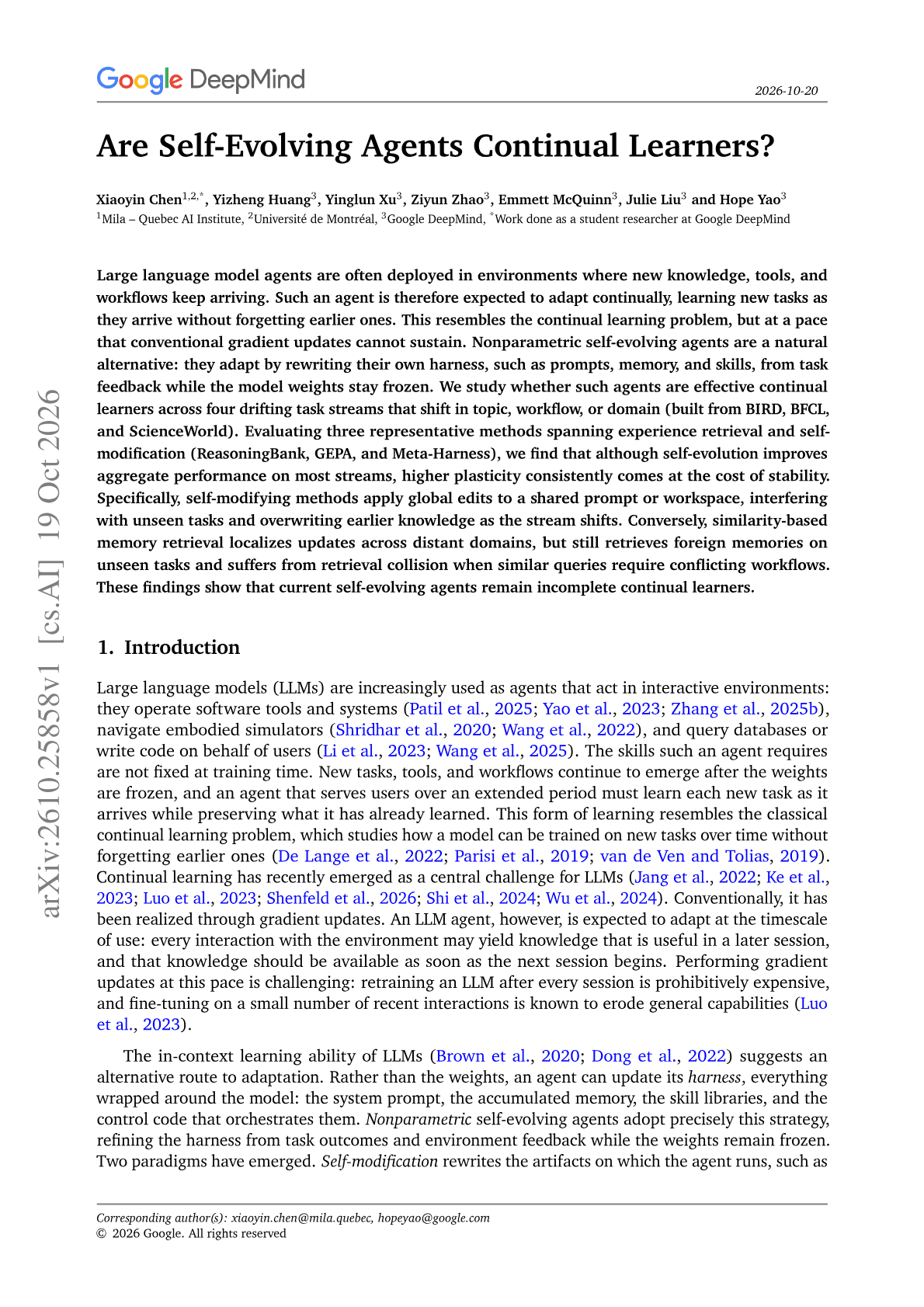
Are Self-Evolving Agents Continual Learners?
Xiaoyin Chen et al. · 2026 - 110
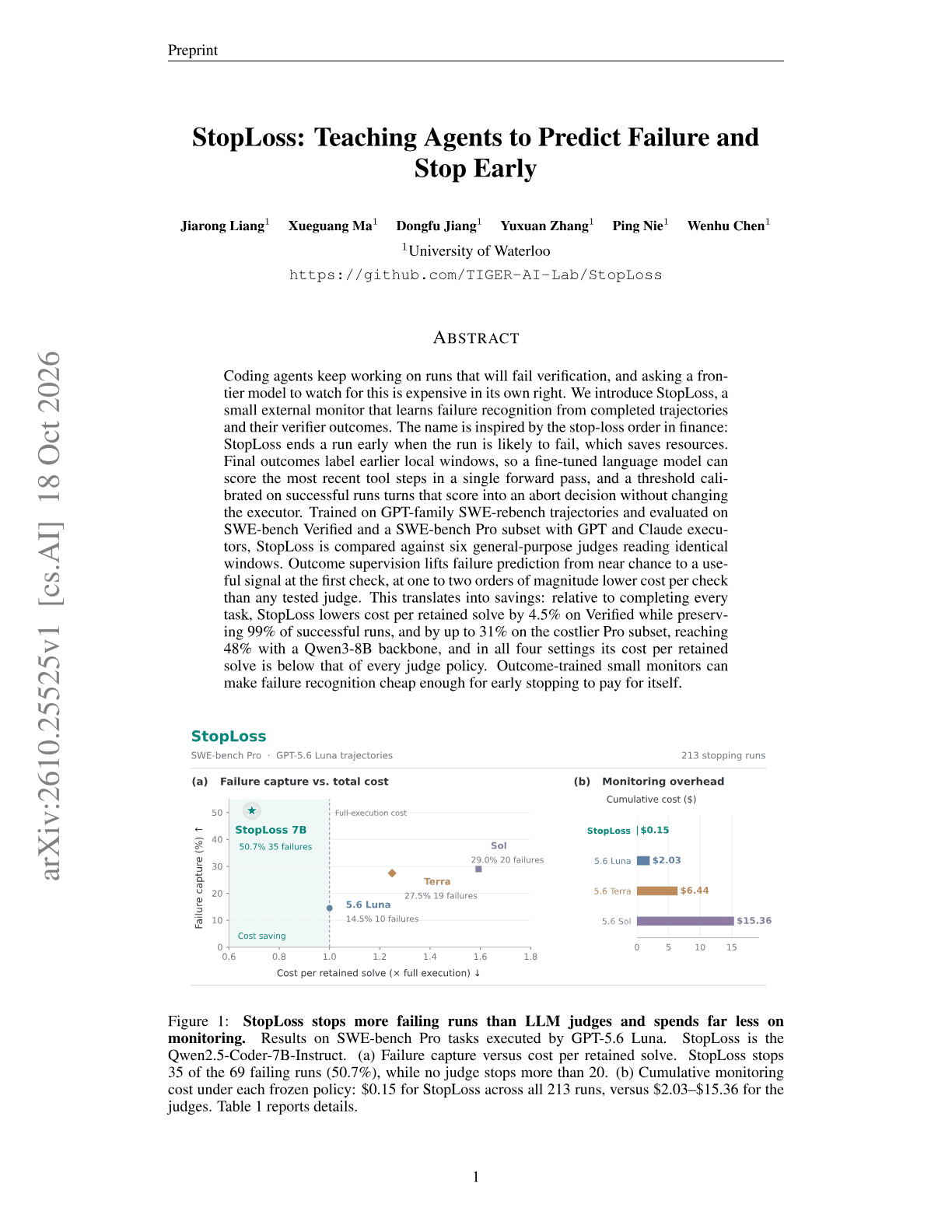
StopLoss: Teaching Agents to Predict Failure and Stop Early
Jiarong Liang et al. · 2026 - 111
- 112
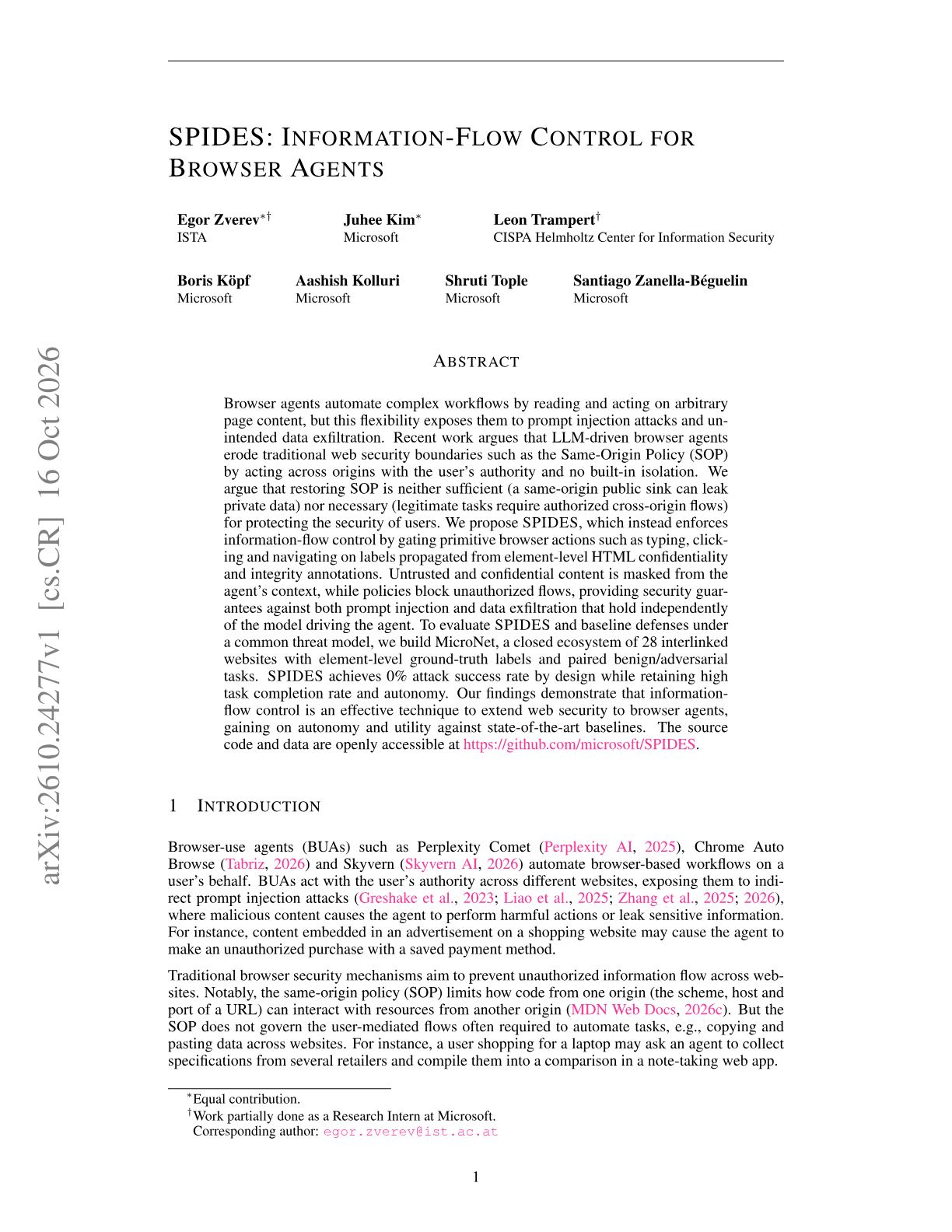
SPIDES: Information-Flow Control for Browser Agents
Egor Zverev et al. · 2026 - 113
- 114
- 115
- 116
- 117
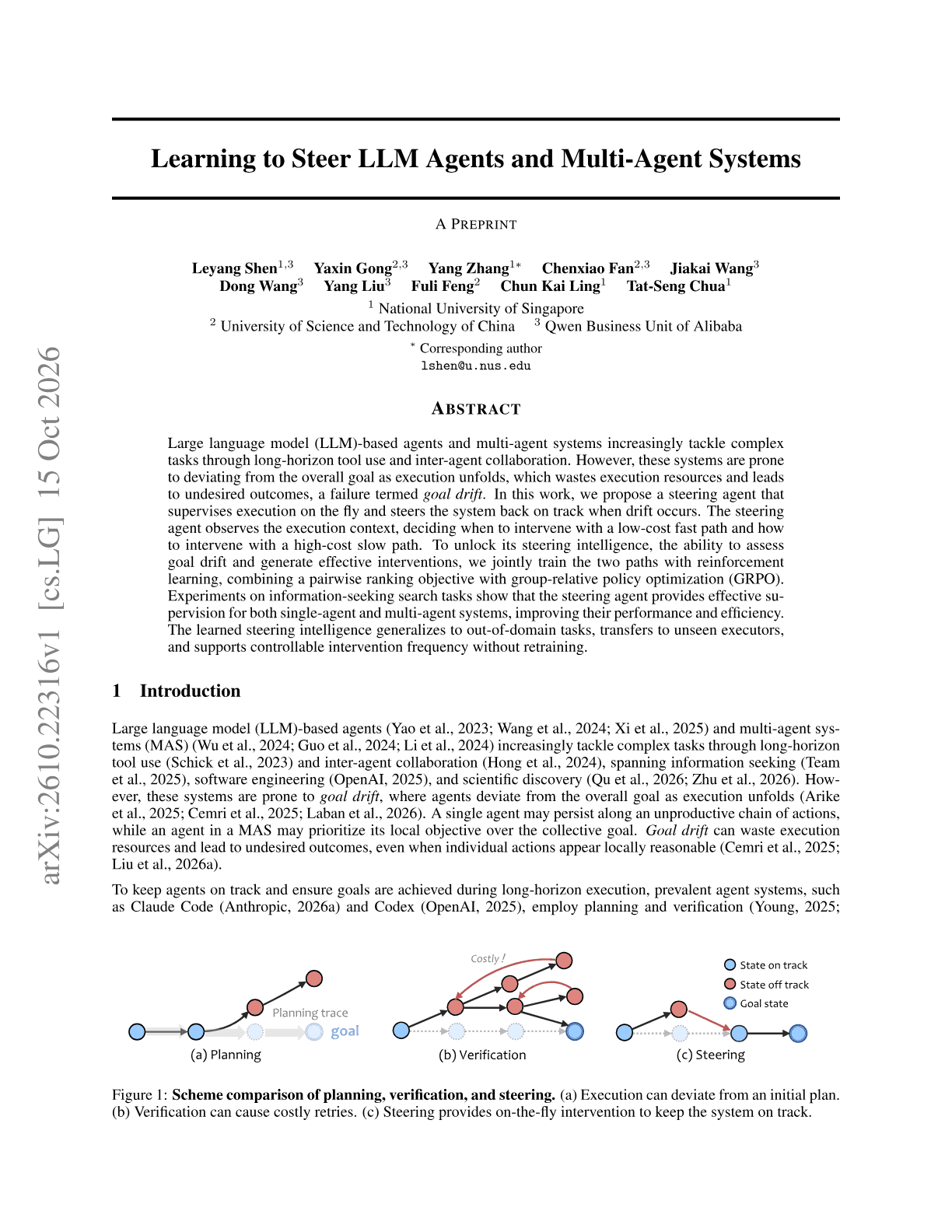
Learning to Steer LLM Agents and Multi-Agent Systems
Leyang Shen et al. · 2026 - 118
- 119
- 120
- 121
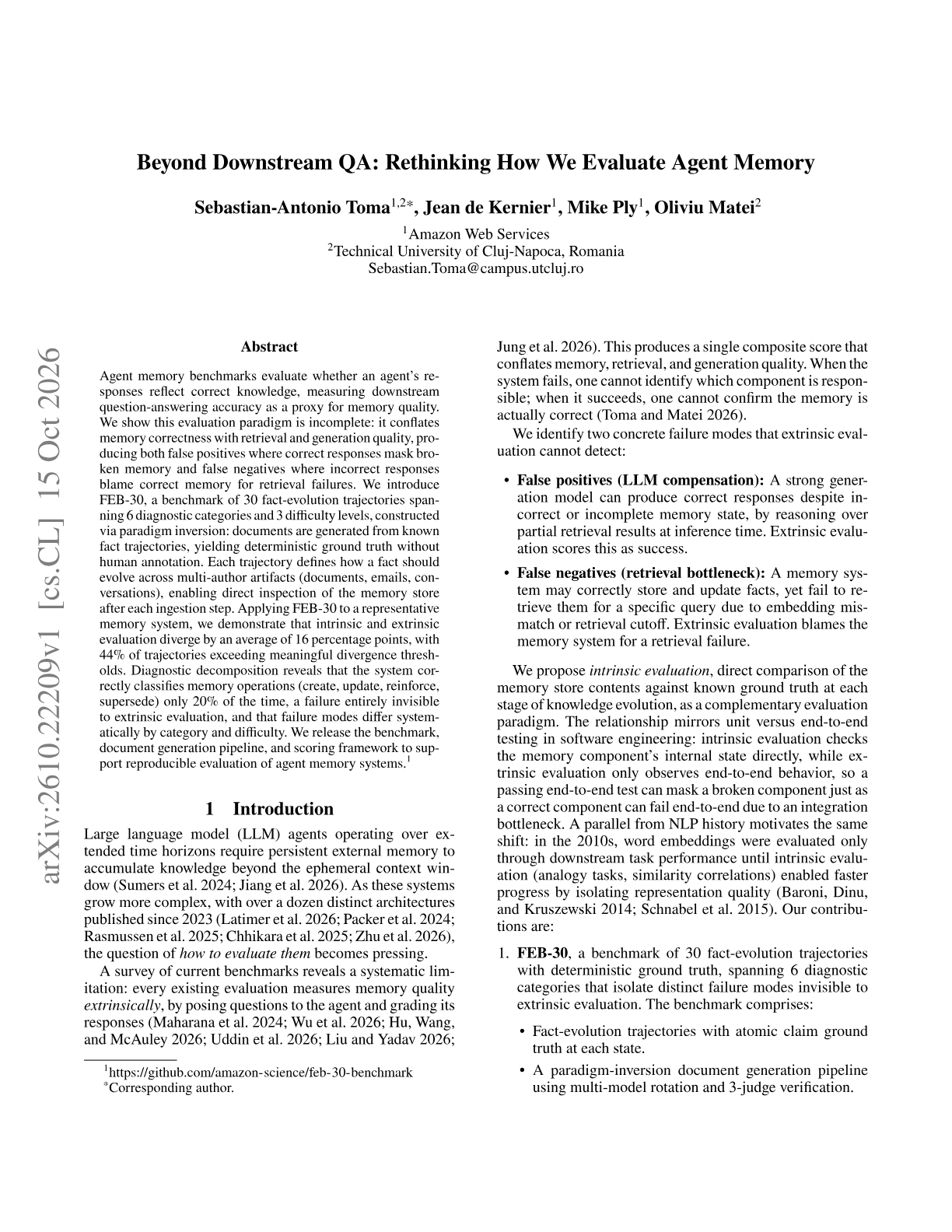
Beyond Downstream QA: Rethinking How We Evaluate Agent Memory
Sebastian-Antonio Toma et al. · 2026 - 122
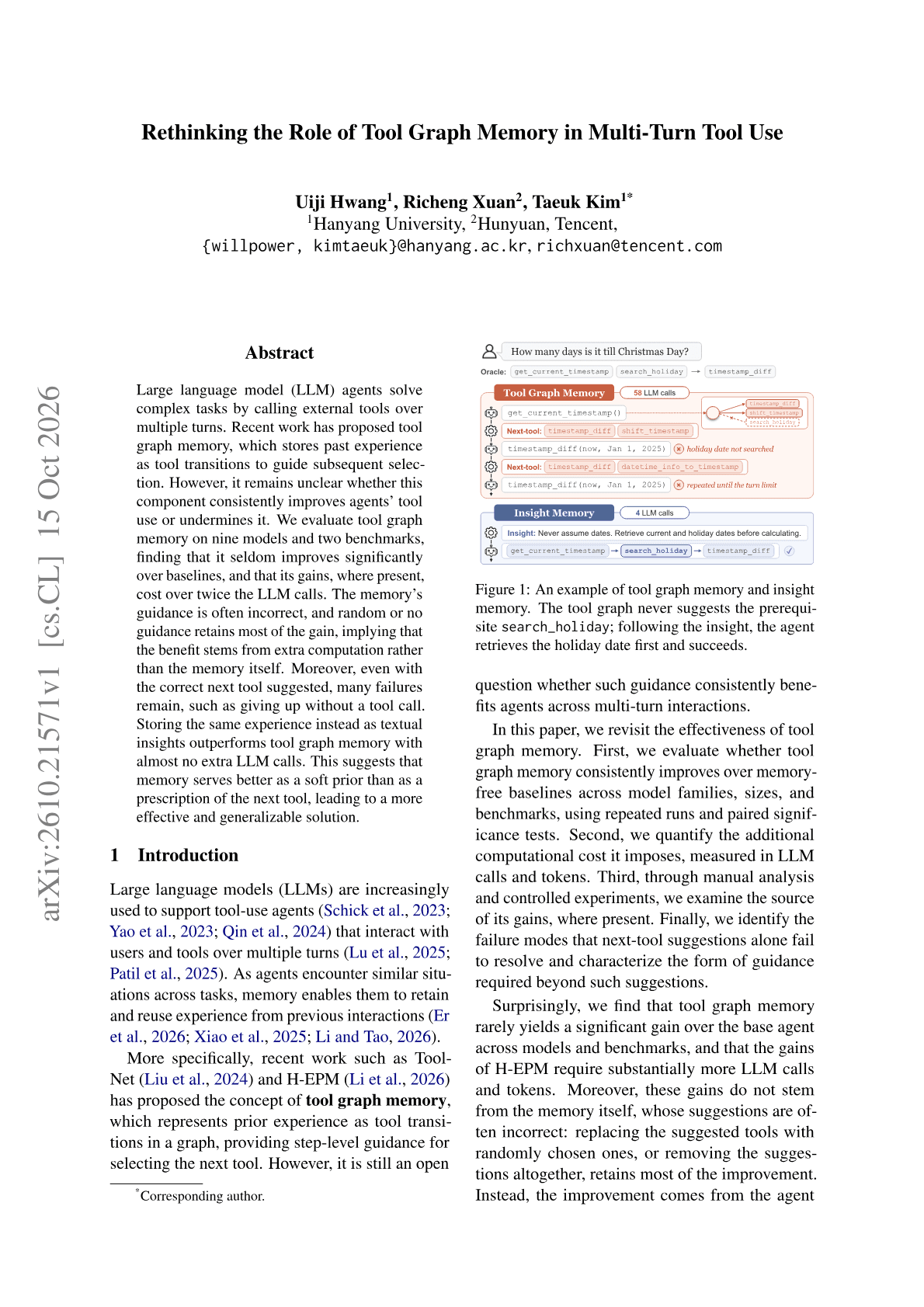
Rethinking the Role of Tool Graph Memory in Multi-Turn Tool Use
Uiji Hwang, Richeng Xuan, Taeuk Kim · 2026 - 123
- 124
- 125
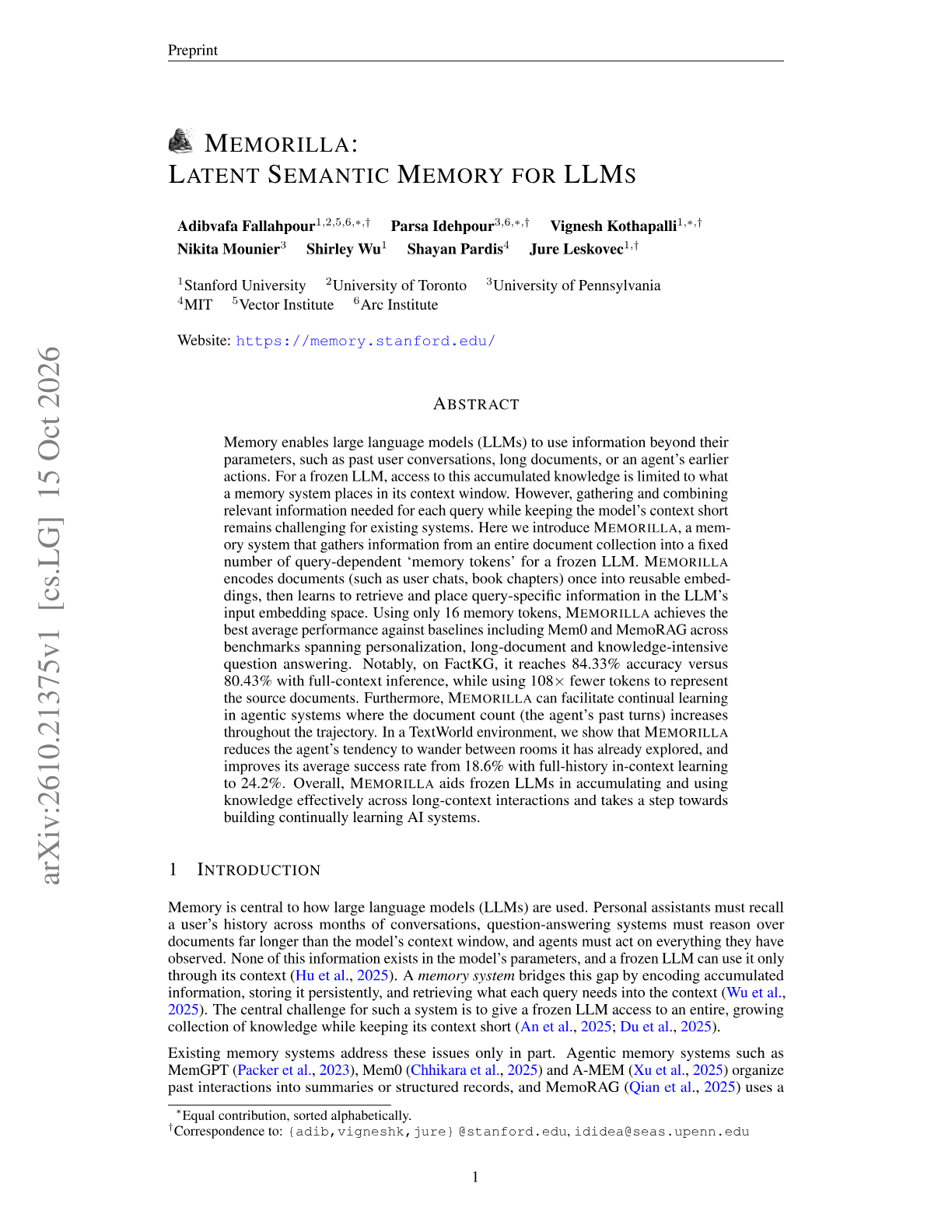
Memorilla: Latent Semantic Memory for LLMs
Adibvafa Fallahpour et al. · 2026 - 126
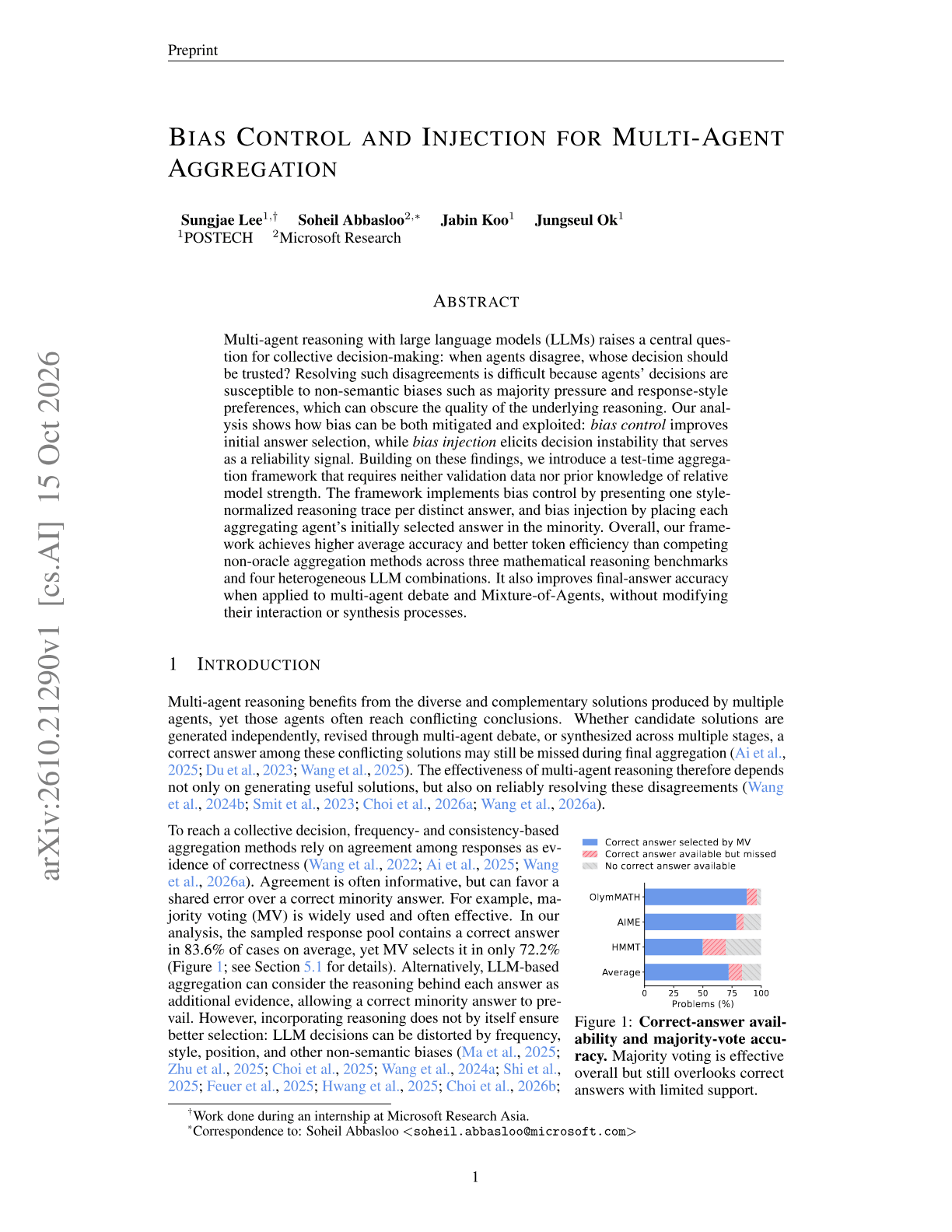
Bias Control and Injection for Multi-Agent Aggregation
Sungjae Lee et al. · 2026 - 127
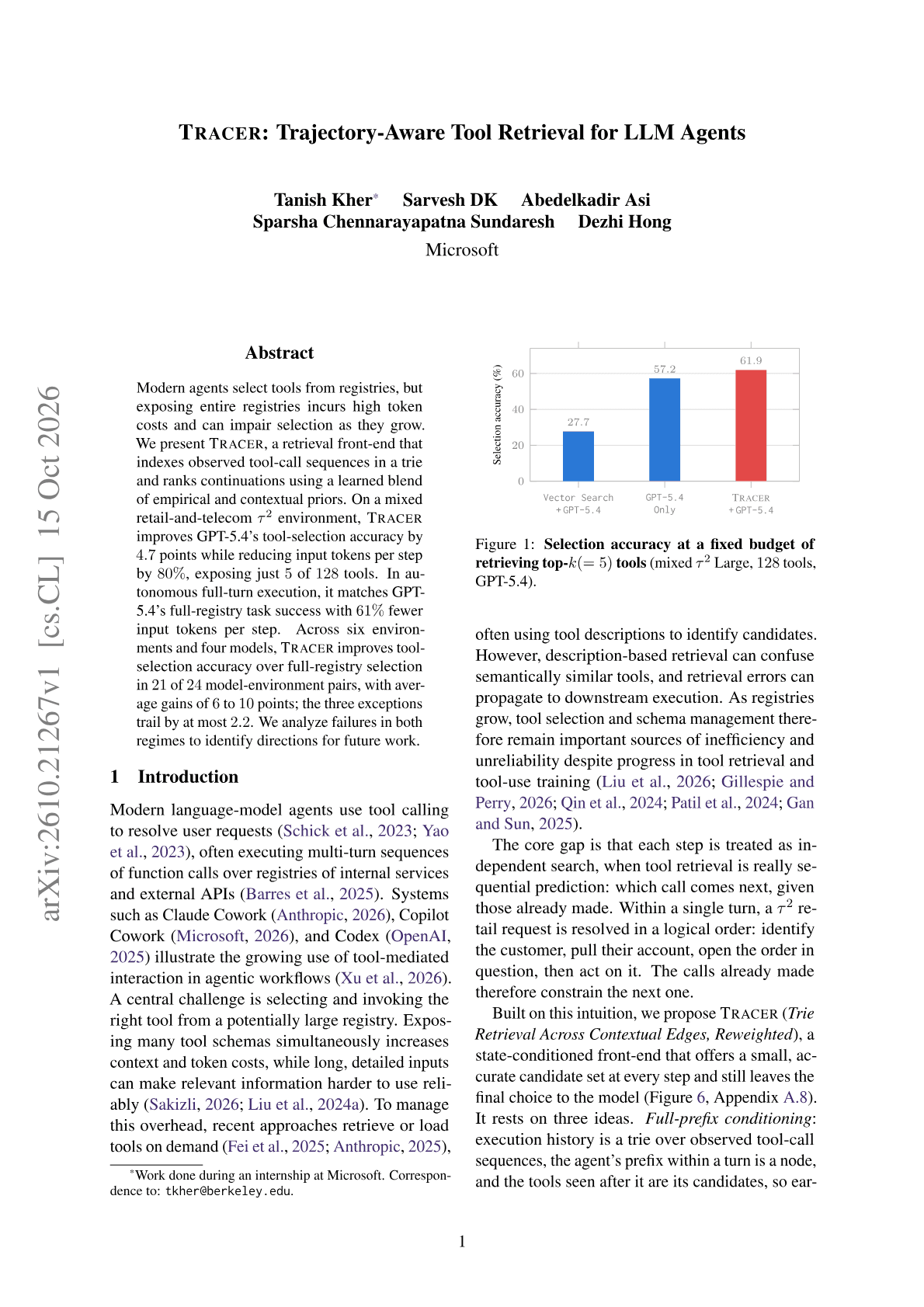
TRACER: Trajectory-Aware Tool Retrieval for LLM Agents
Tanish Kher et al. · 2026 - 128
- 129
- 130
- 131
- 132
- 133
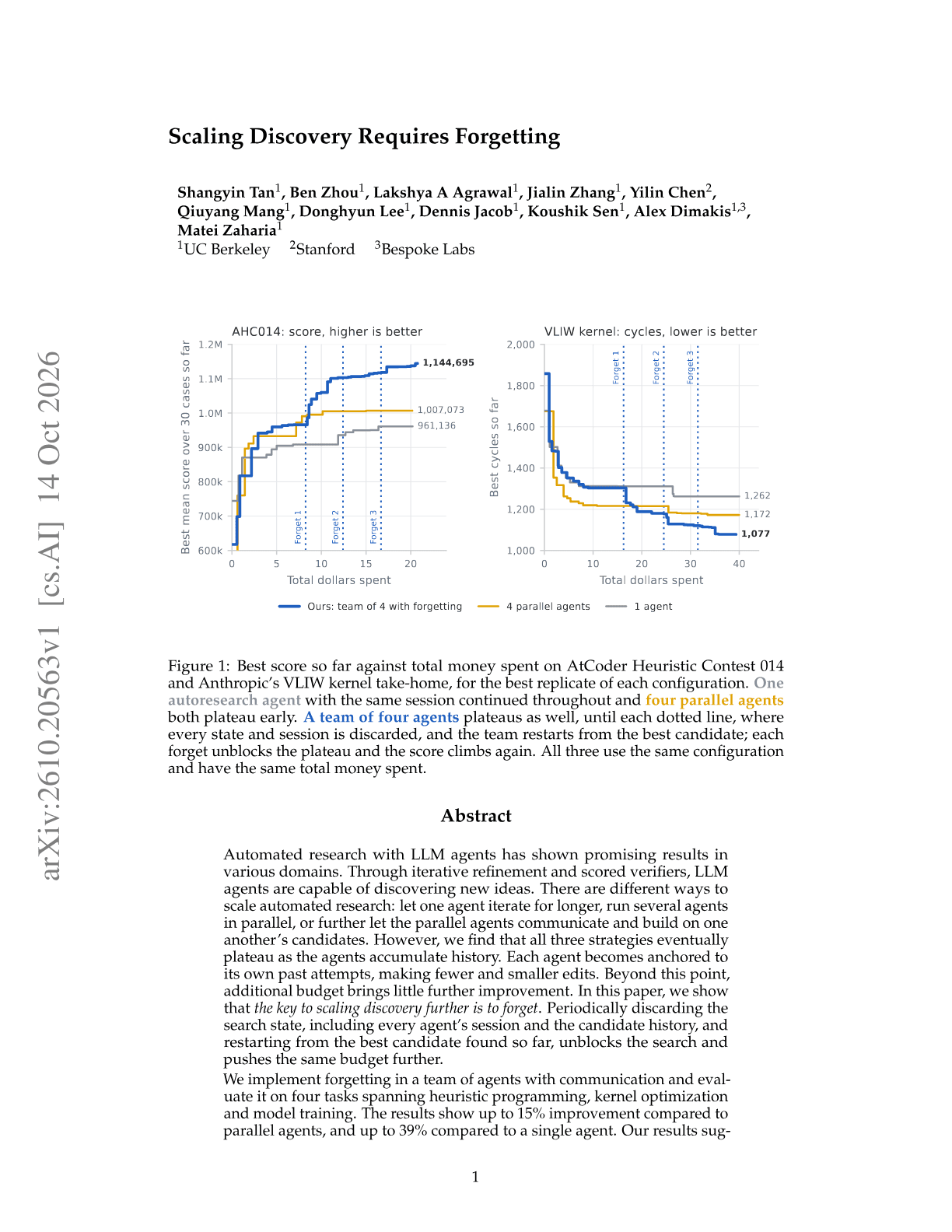
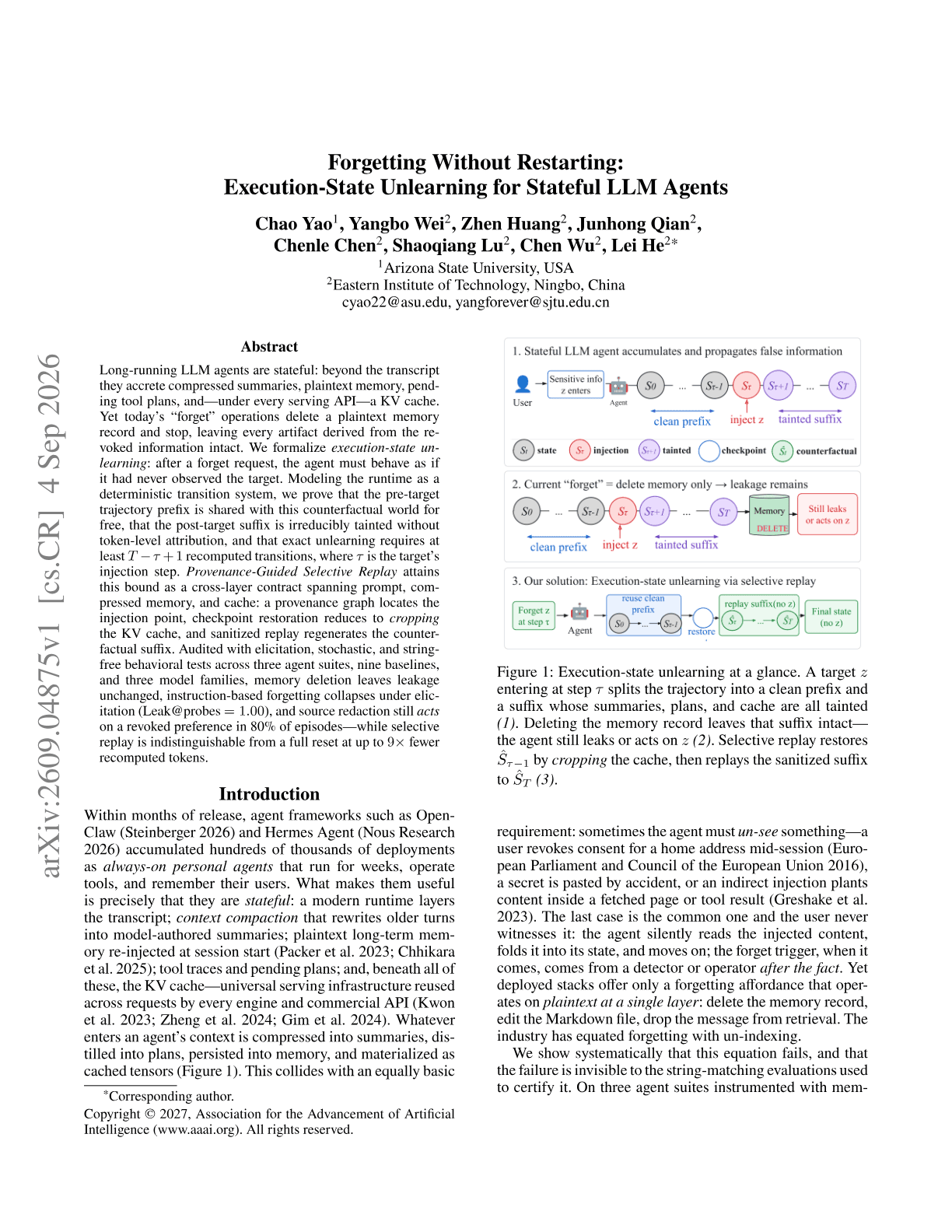
Scaling Discovery Requires Forgetting
Shangyin Tan et al. · 2026 - 134
- 135
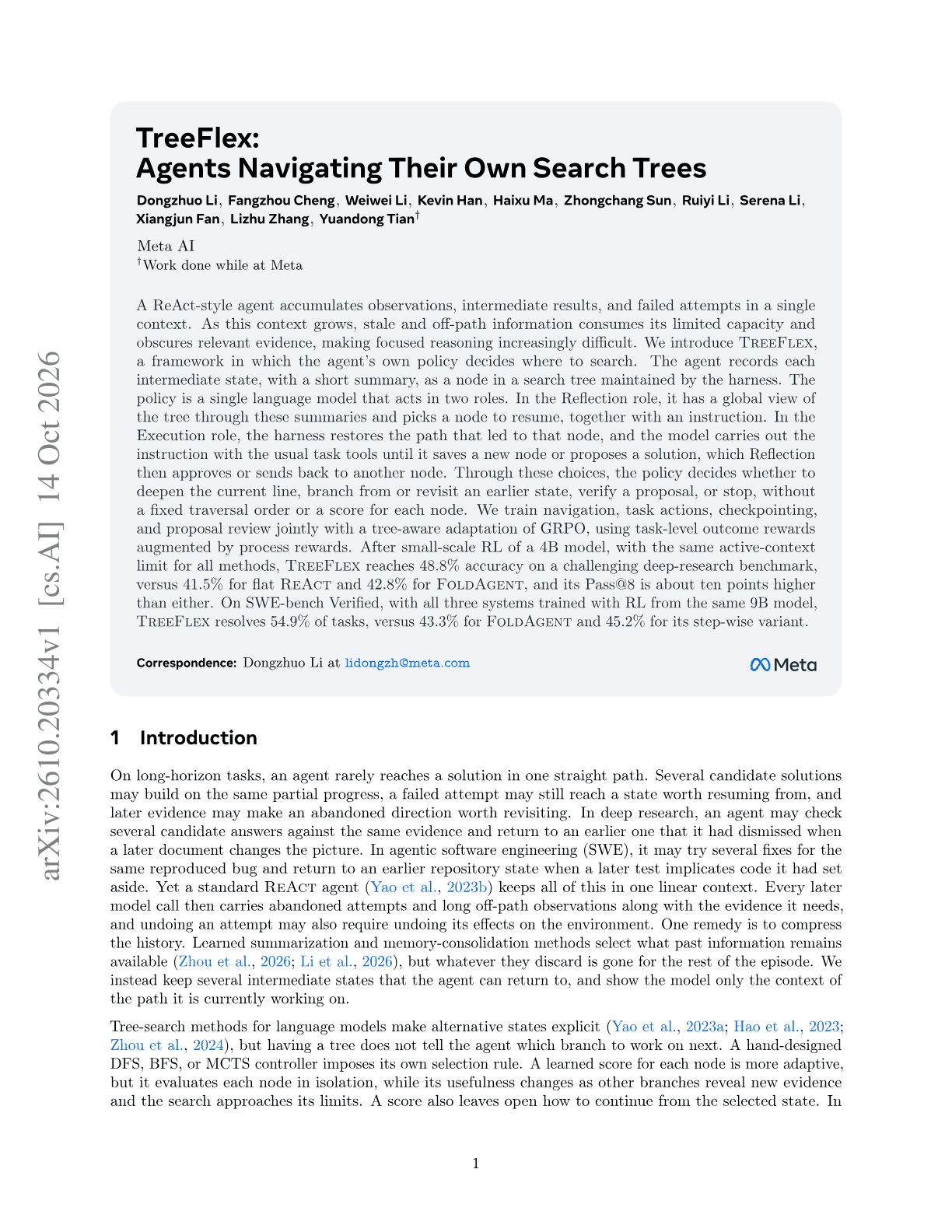
TreeFlex: Agents Navigating Their Own Search Trees
Dongzhuo Li et al. · 2026 - 136
- 137
- 138
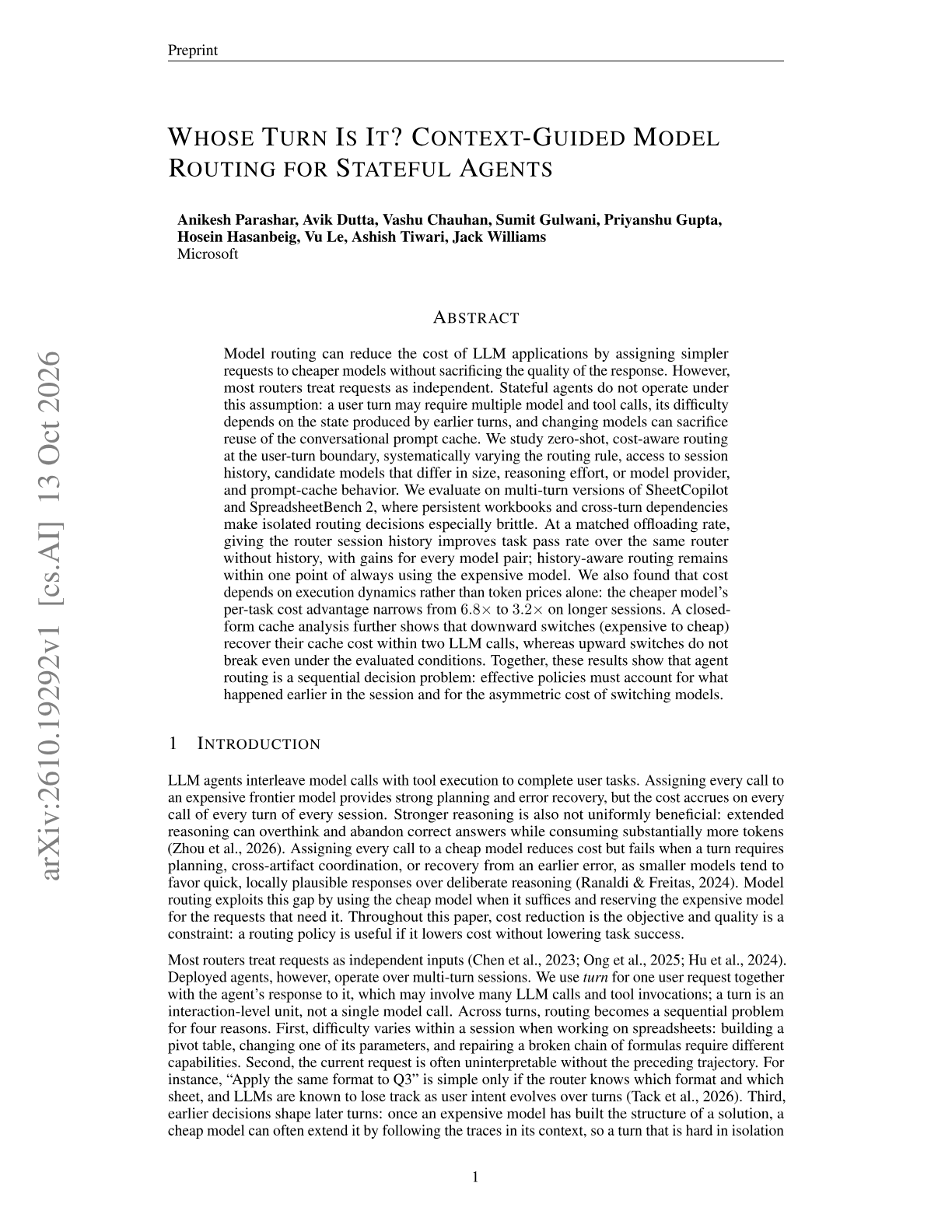
Whose turn is it? Context-guided model routing for stateful agents
Anikesh Parashar et al. · 2026 - 139
- 140
- 141
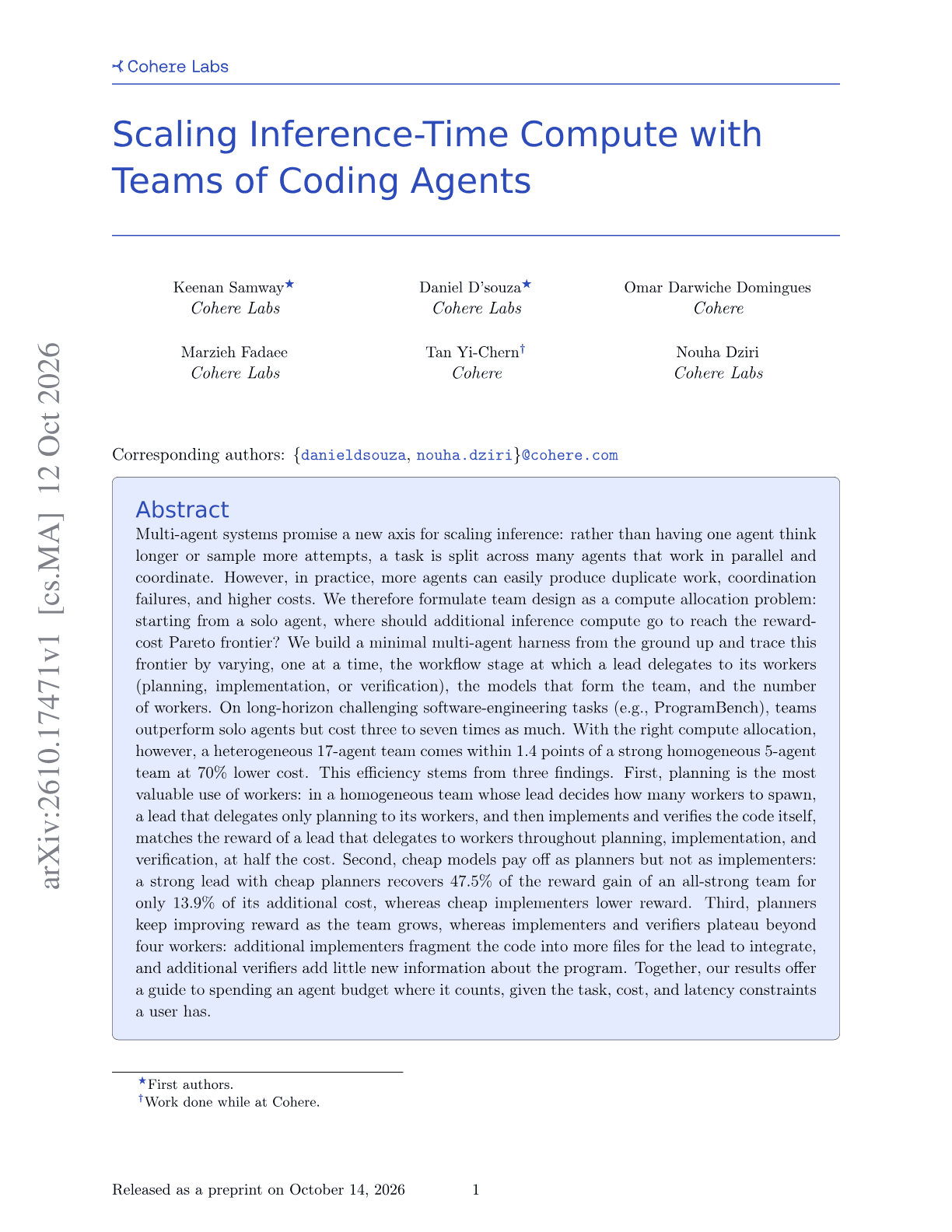
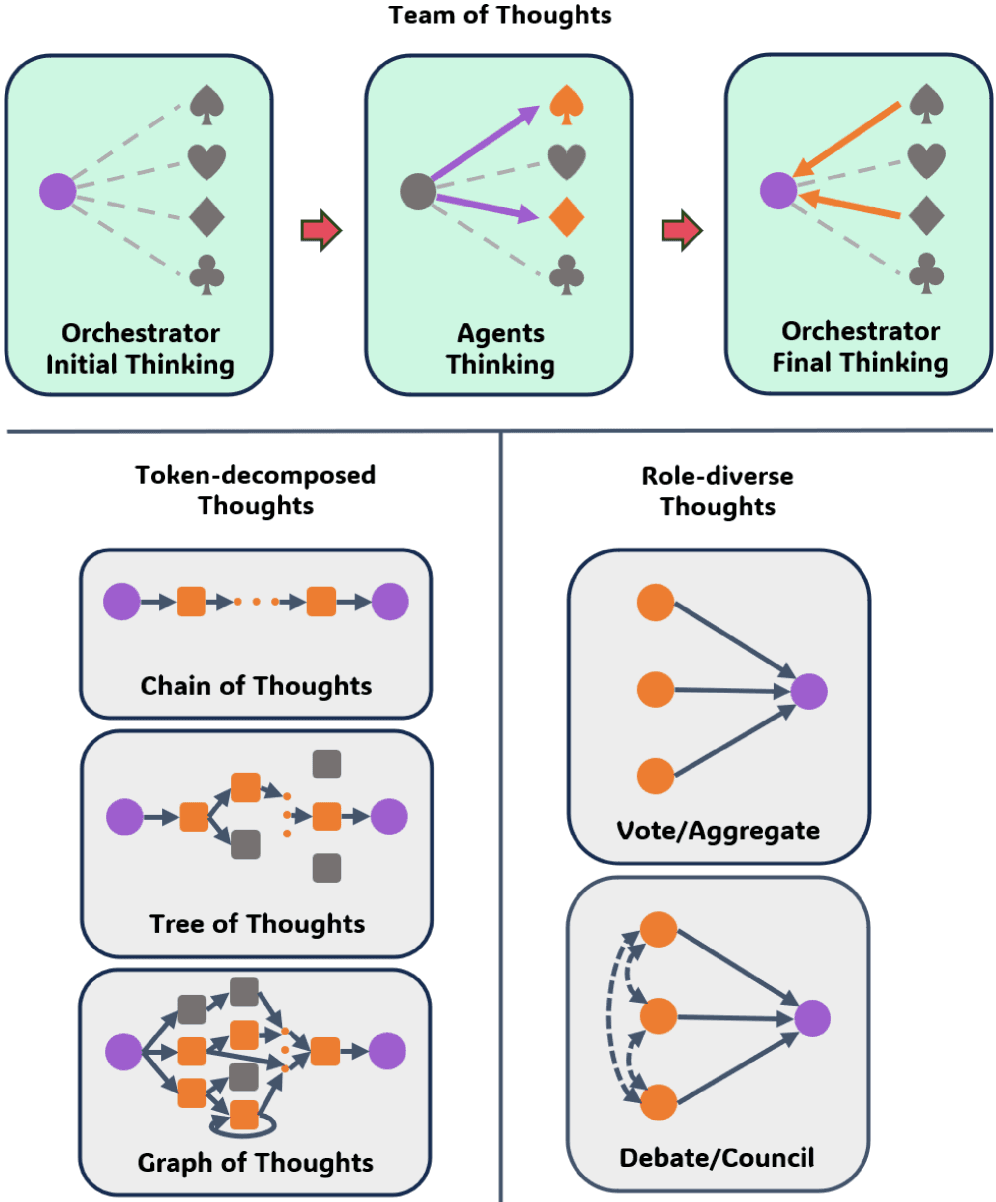
Scaling Inference-Time Compute with Teams of Coding Agents
Keenan Samway et al. · 2026 - 142
- 143
- 144
- 145
- 146
- 147
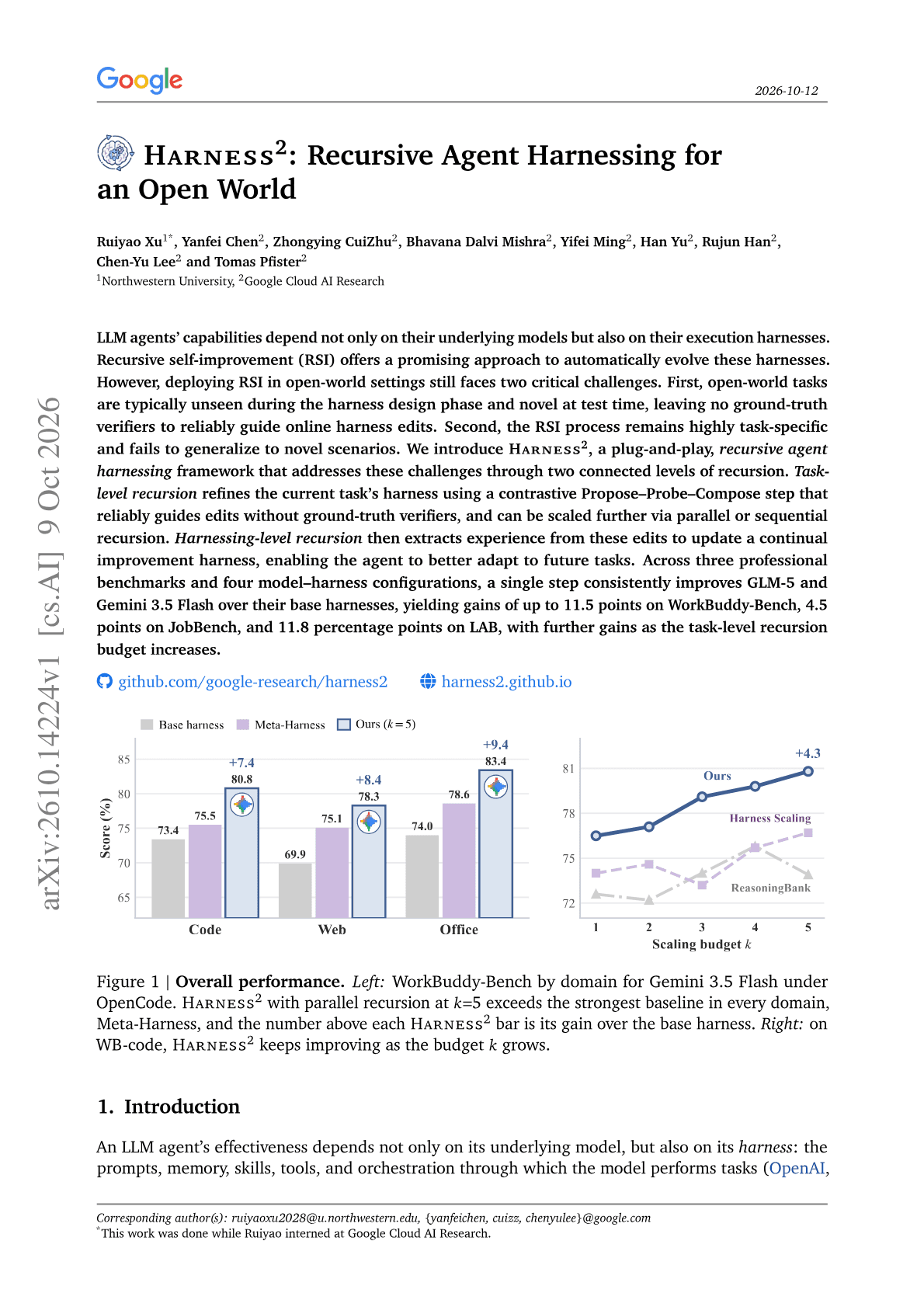
- 148
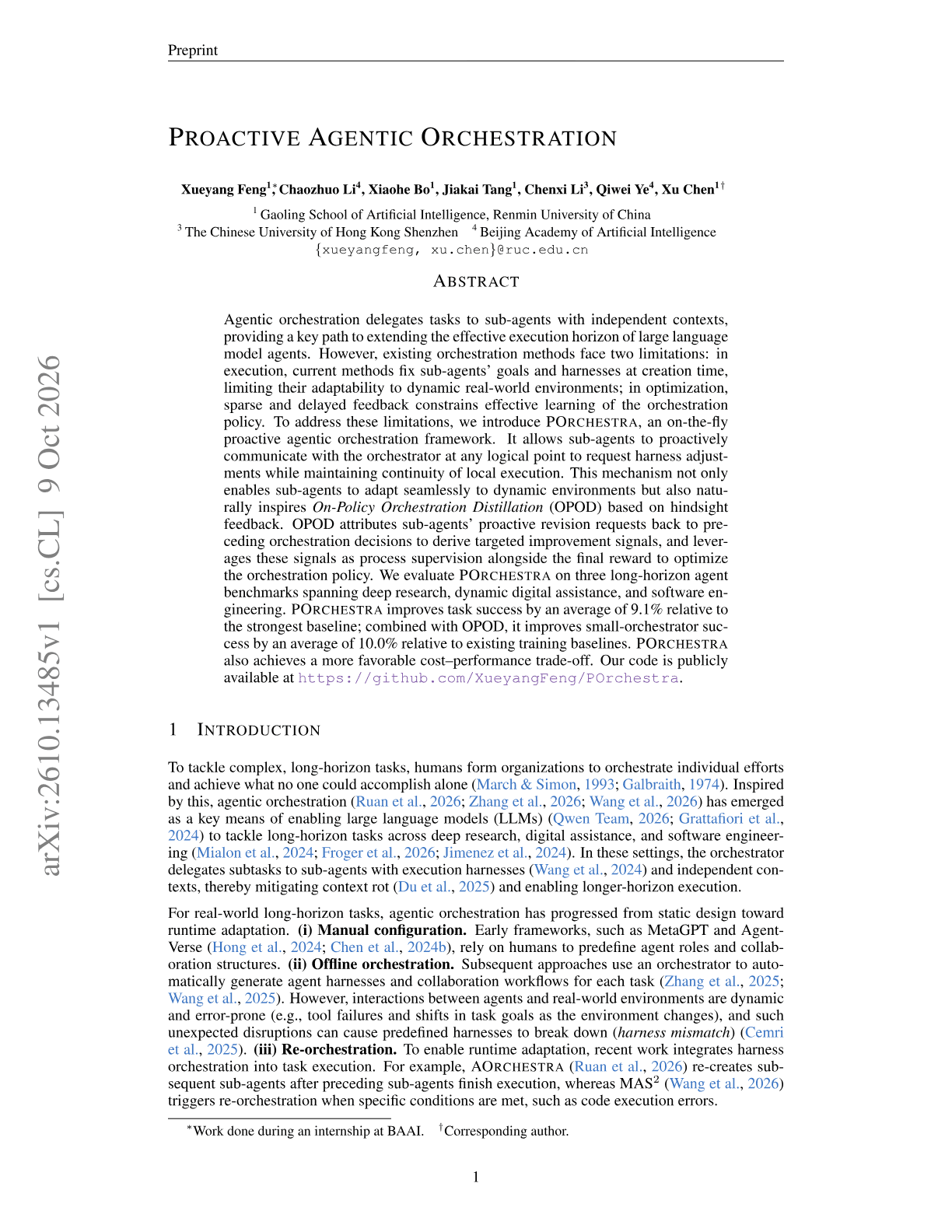
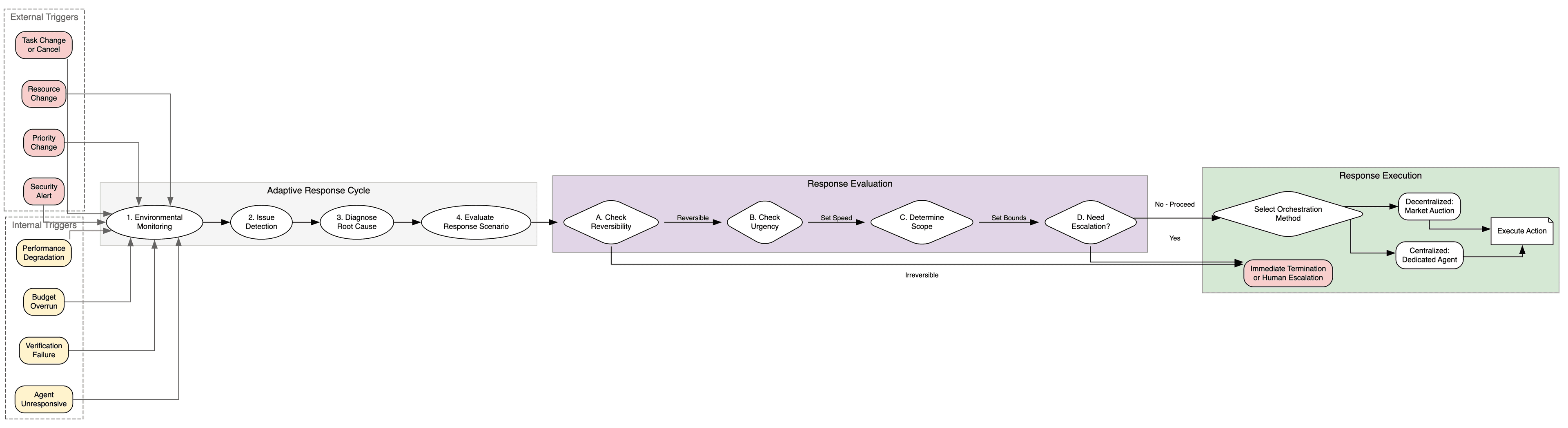
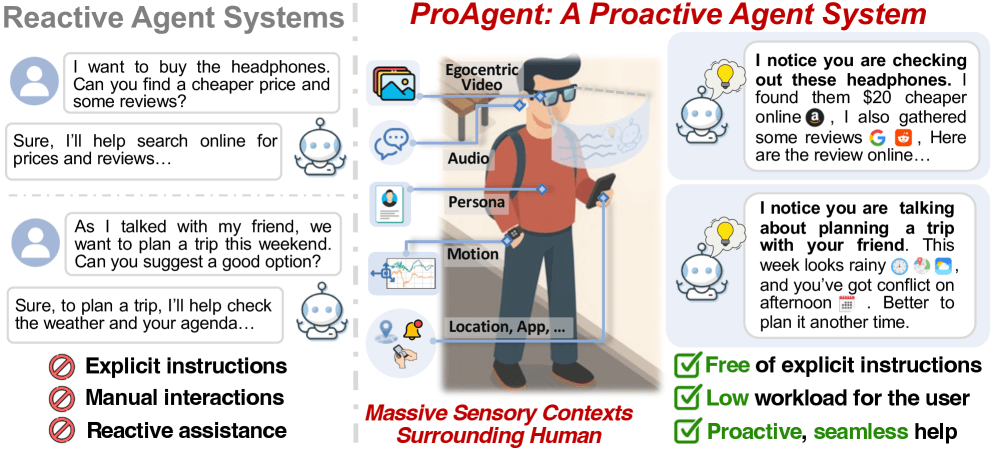
Proactive Agentic Orchestration
Xueyang Feng et al. · 2026 - 149
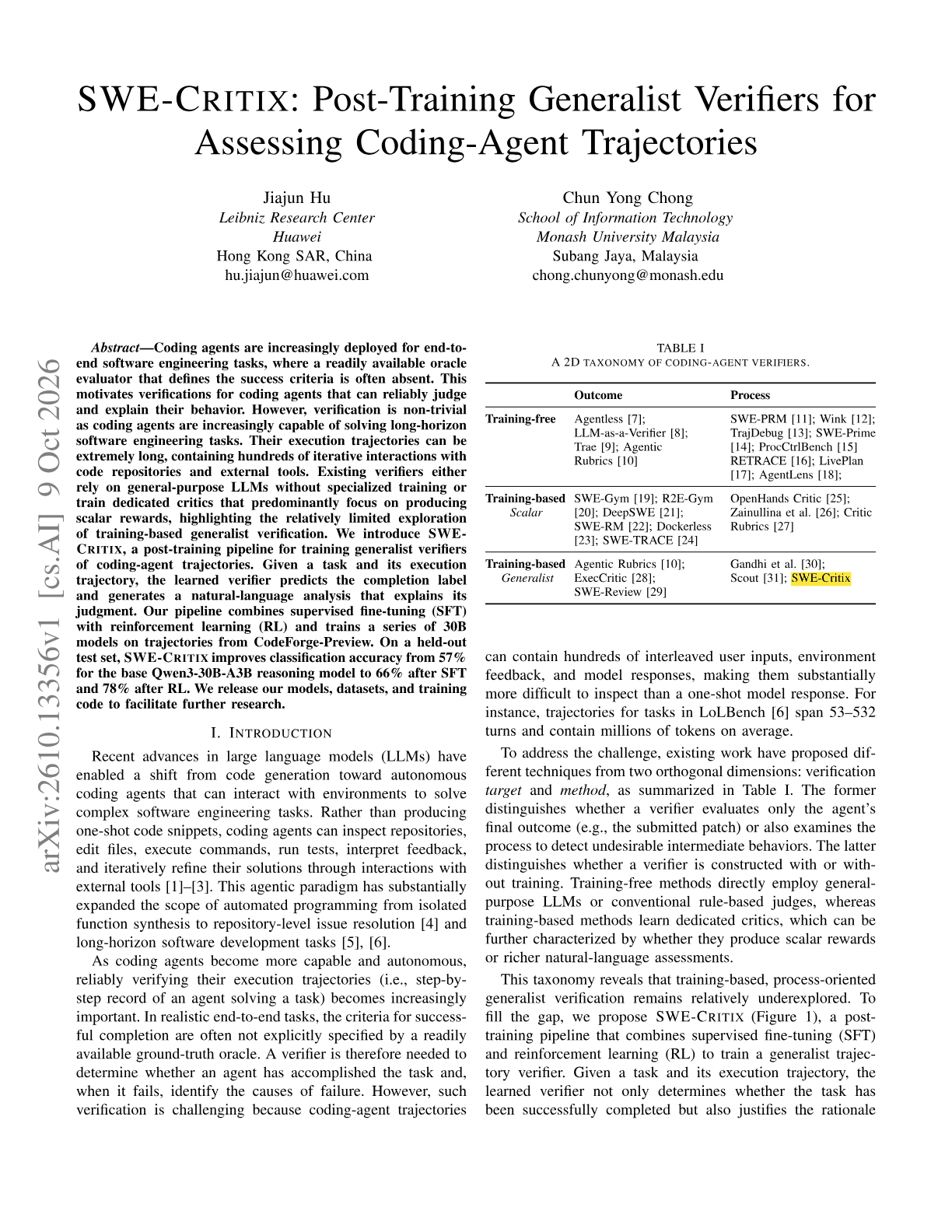
SWE-Critix: Post-Training Generalist Verifiers for Assessing Coding-Agent Trajectories
Jiajun Hu, Chun Yong Chong · 2026 - 150
- 151
- 152
- 153
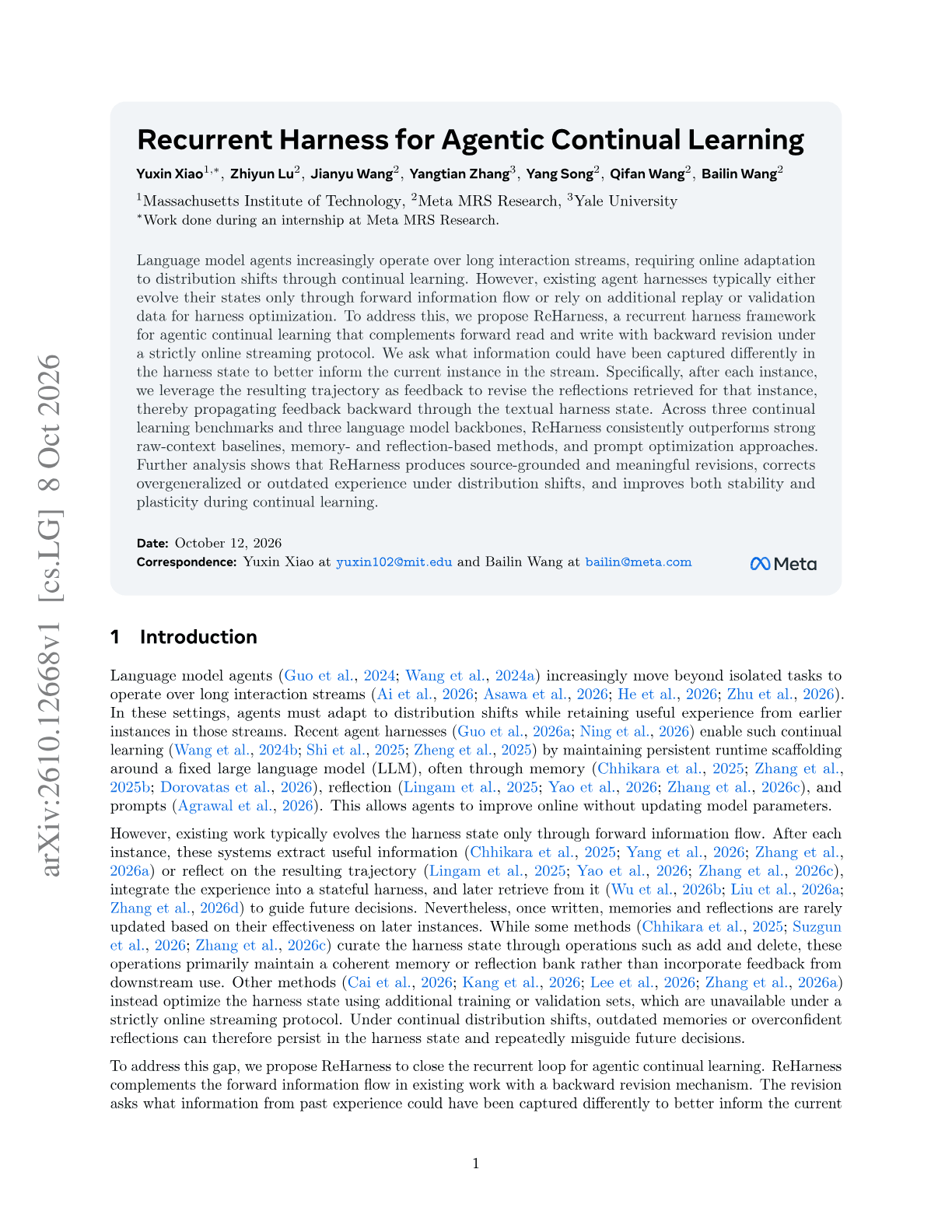
Recurrent Harness for Agentic Continual Learning
Yuxin Xiao et al. · 2026 - 154
- 155
- 156
- 157
- 158
- 159
- 160
- 161
- 162
- 163
- 164
- 165
Secure-CUA: Controlling Untrusted Influence in Computer-Use Agents
Sarthak Choudhary et al. · 2026 - 166
- 167
- 168
- 169
- 170
- 171
SquidAgent: Parallelize Wisely, Coordinate Efficiently
Yexiong Lin et al. · 2026 - 172
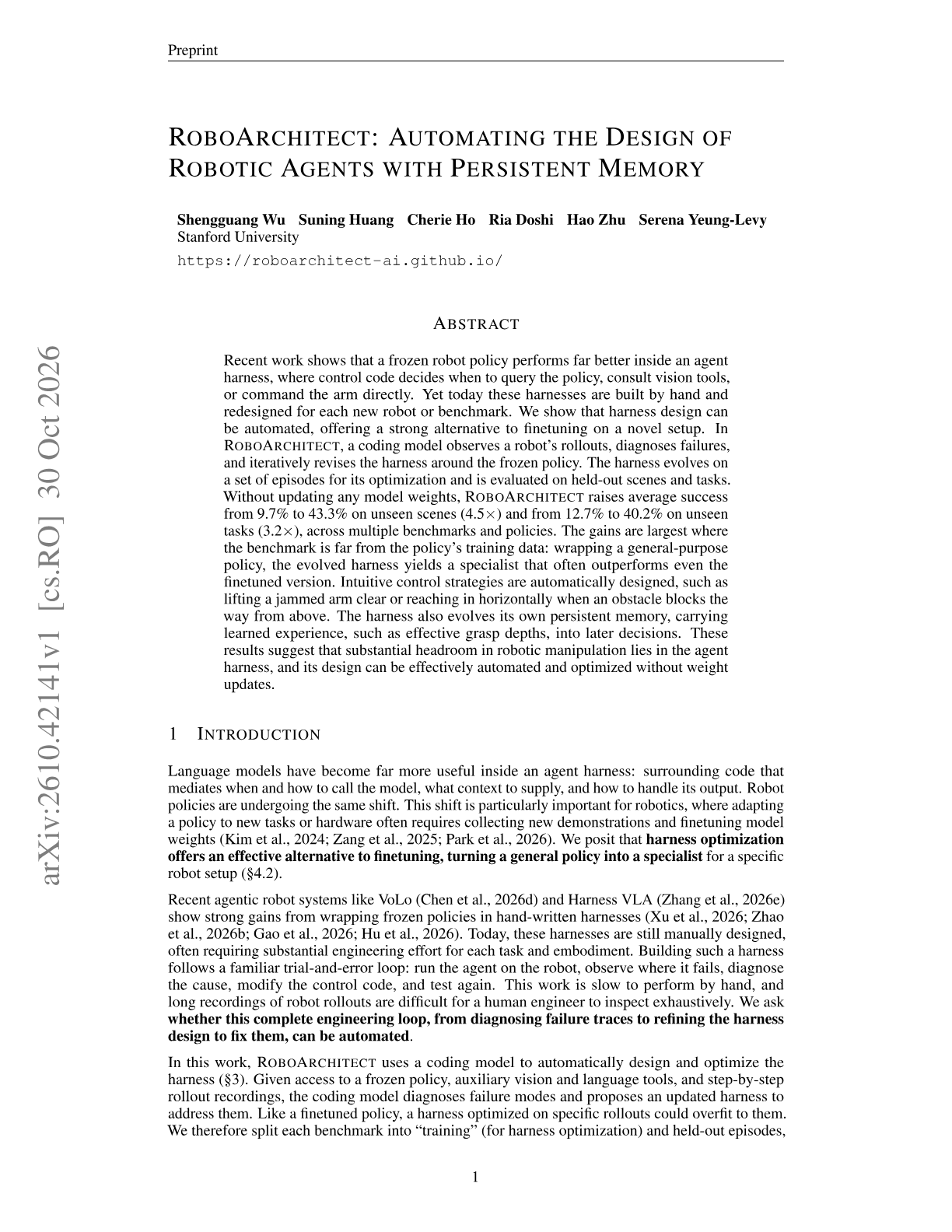
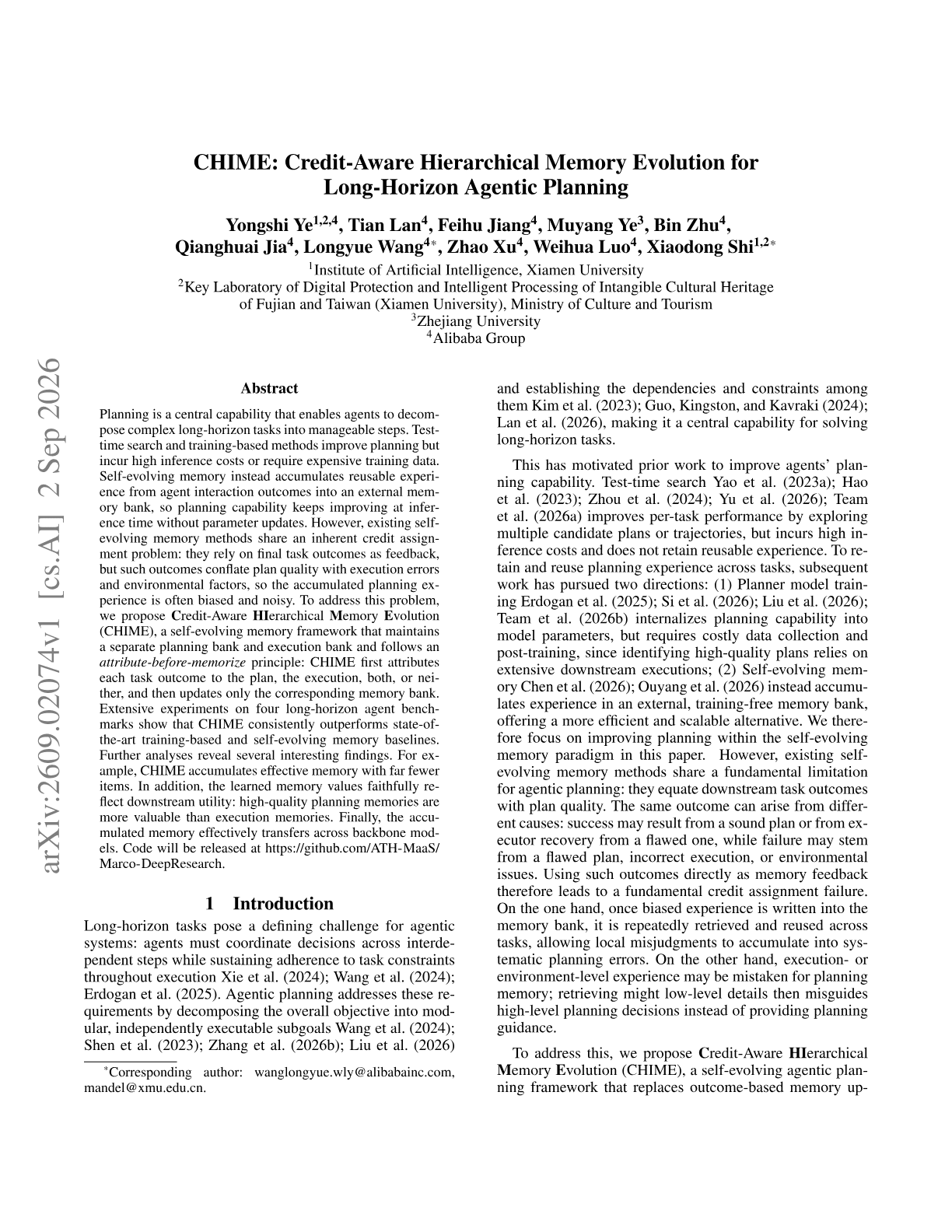
EMHO: EMbodied Agent Harness Optimization via Experience Traces
Hyun Jung Lee et al. · 2026 - 173
When Tools Lie: Reliability of Mathematical Agents Under Corrupted Tool Feedback
Kavienan Jegatheesan, Gayathri Lihinikaduarachchi · 2026 - 174
- 175
- 176
- 177
- 178
- 179
- 180
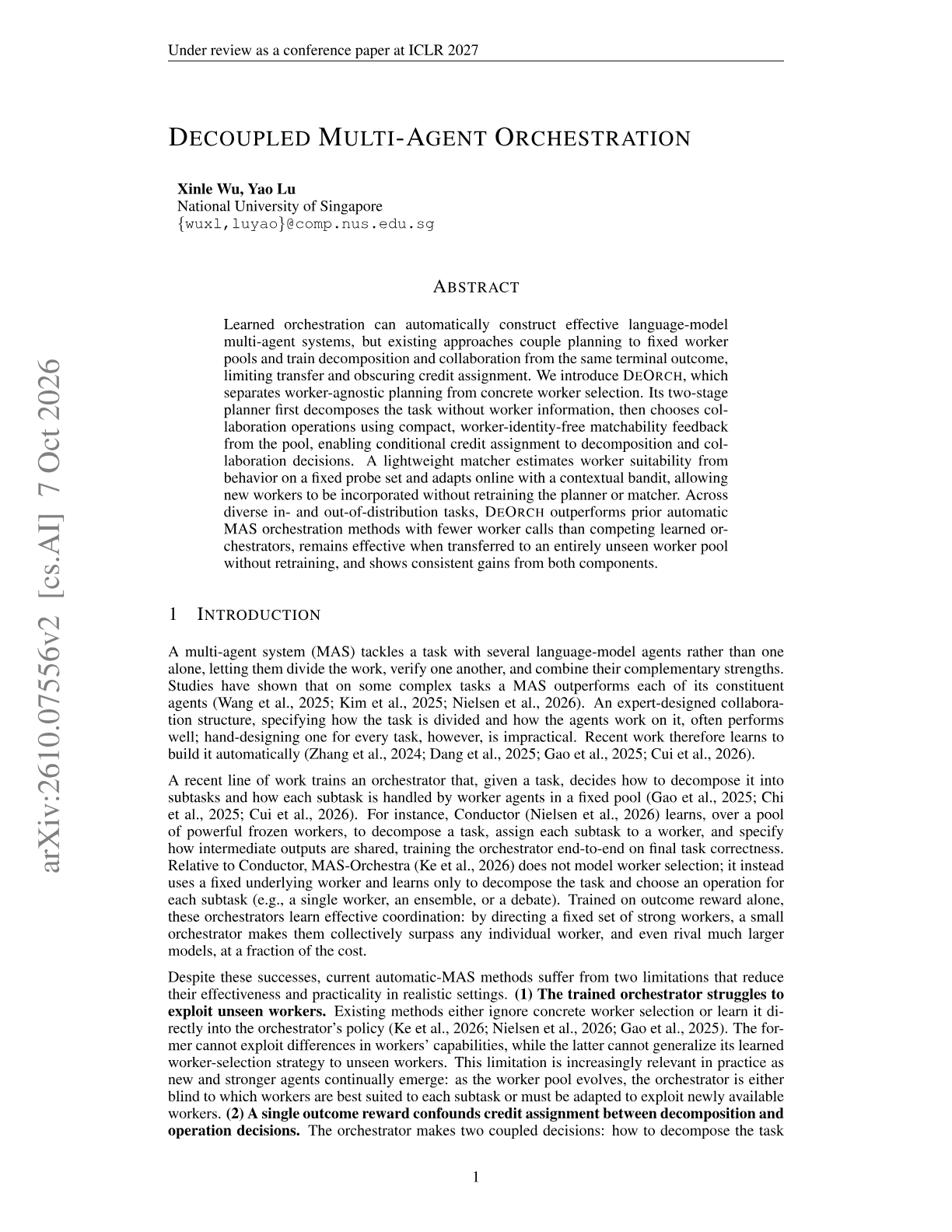
Decoupled Multi-Agent Orchestration
Xinle Wu, Yao Lu · 2026 - 181
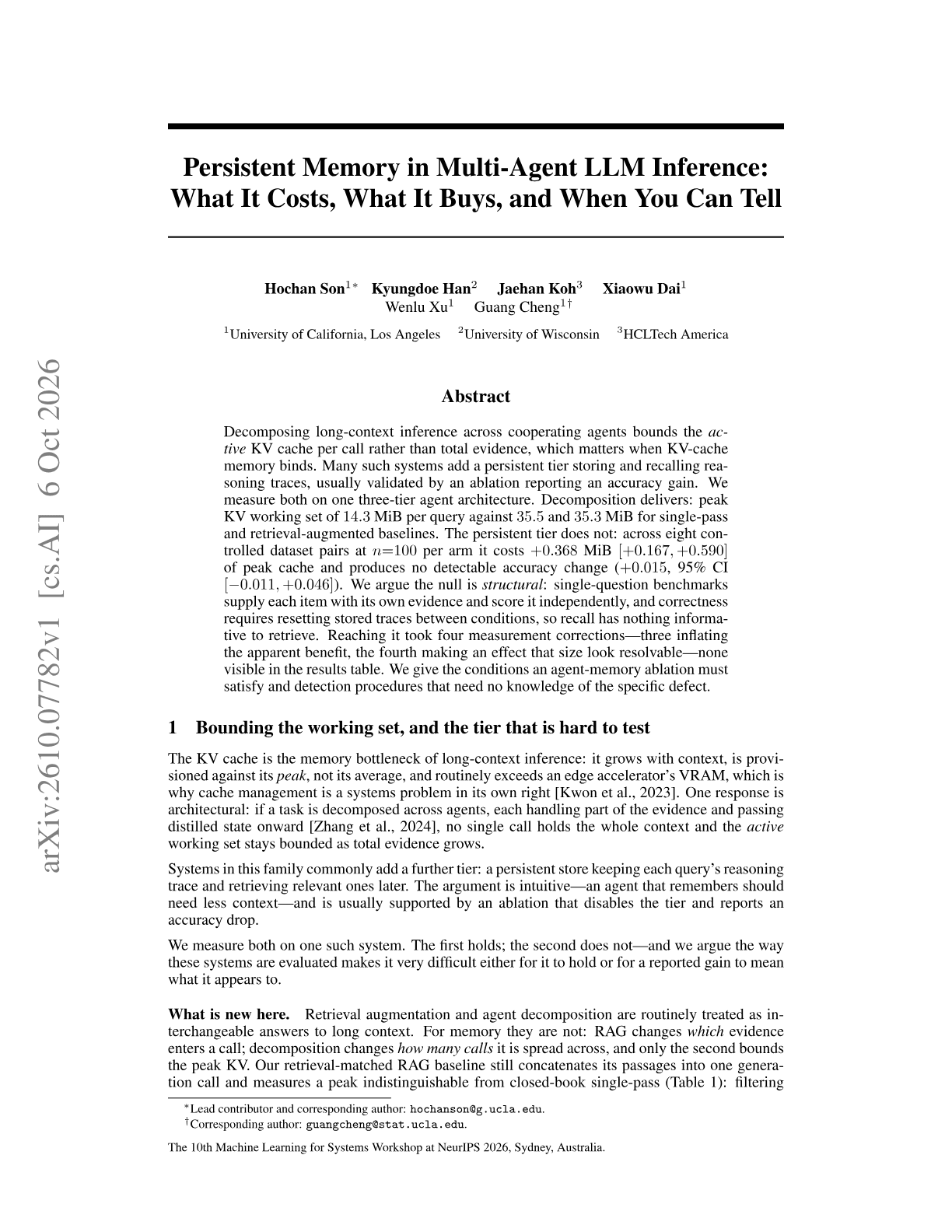
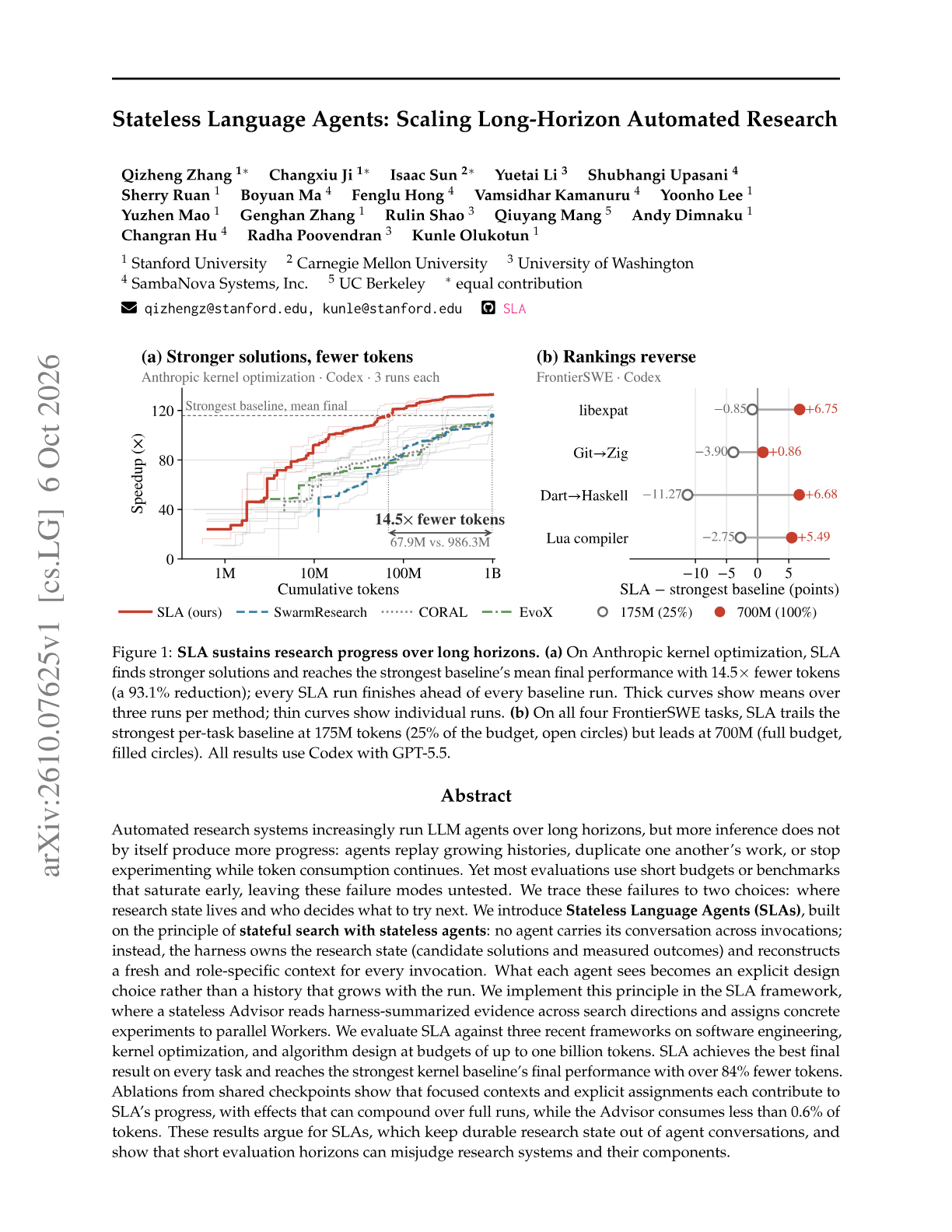
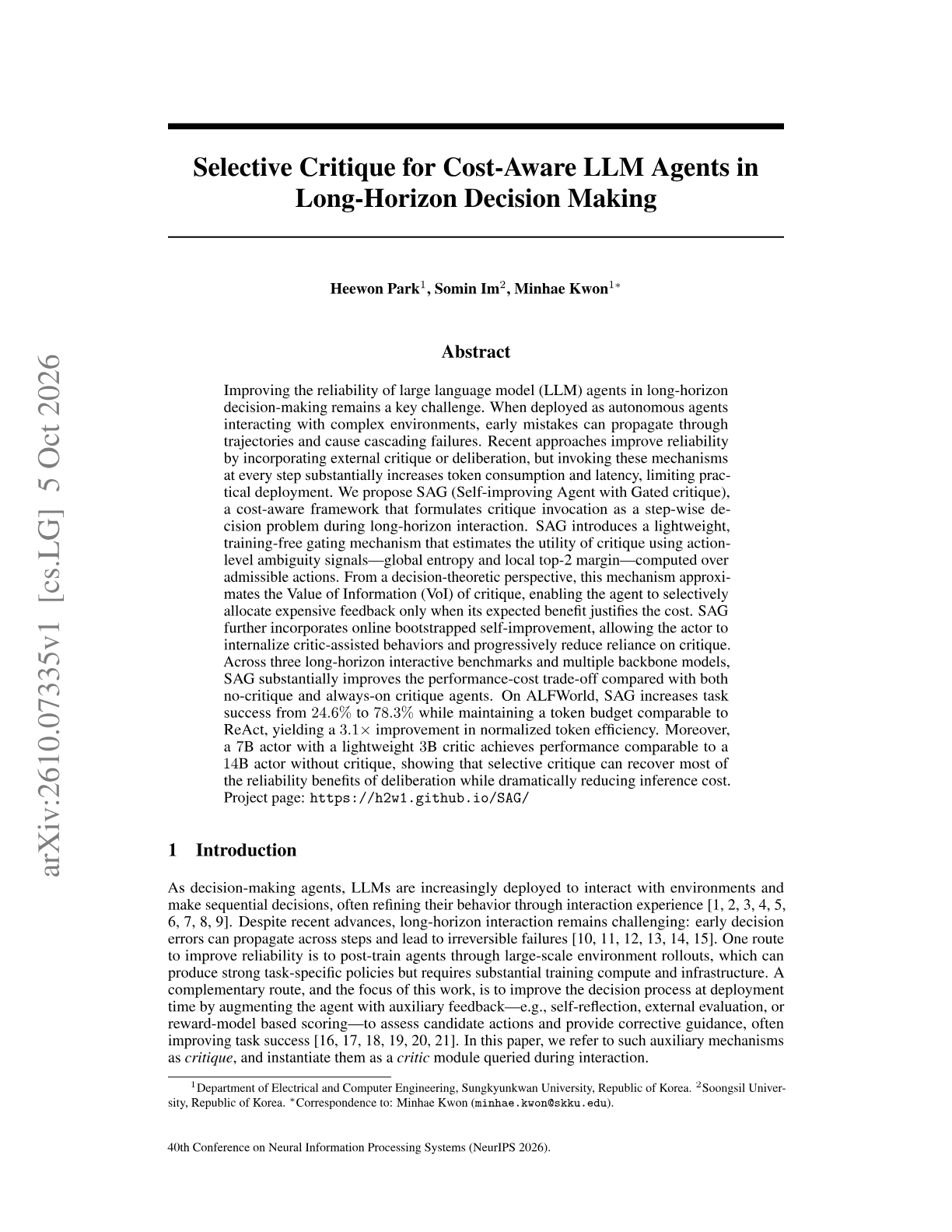
Selective Critique for Cost-Aware LLM Agents in Long-Horizon Decision Making
Heewon Park, Somin Im, Minhae Kwon · 2026 - 182
- 183
- 184
- 185
Back to the Future: Rethinking EDA Infrastructure for Agentic Systems in Chip Design Verification
Je Yang, Ivan Lobov, Thomas Karpati · 2026 - 186
AMBER: Training Long-Horizon Web Agents through Append-Only Memory
Chinmay Savadikar et al. · 2026 - 187
- 188
- 189
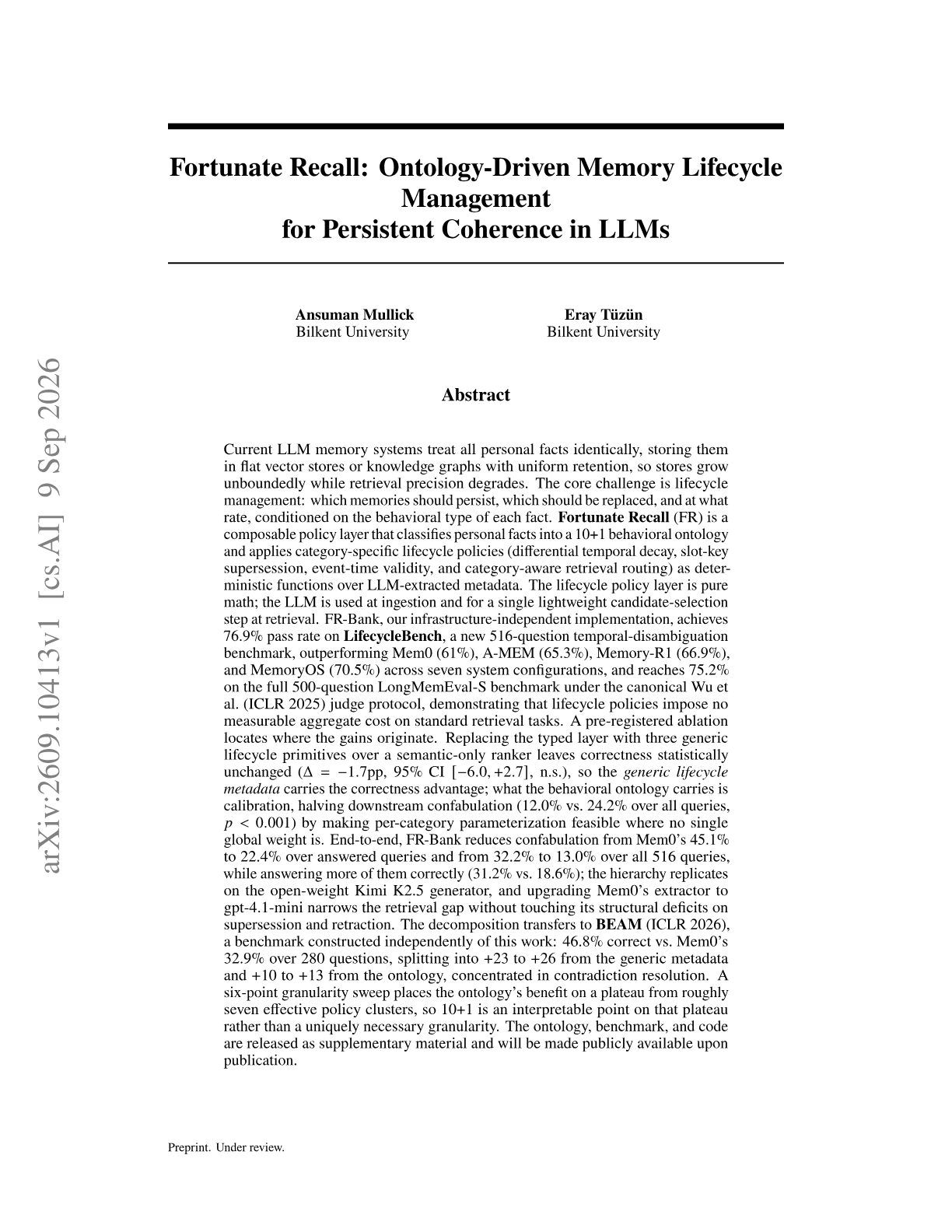
When to Remember, When to Abstain: Category-Conditioned Retention for Reliable Agent Memory
Olukunle Owolabi, Pulkit Gupta, Fei Wang · 2026 - 190
Capability-Driven Self-Evolution of Agent Memory
Yaoqi Chen et al. · 2026 - 191
- 192
Mining Agent Skills from Production Traces
Yue Ran Kang et al. · 2026 - 193
TeleTune: Evolving Agent Skills From Offline Telemetry
Justin Chih-Yao Chen et al. · 2026 - 194
- 195
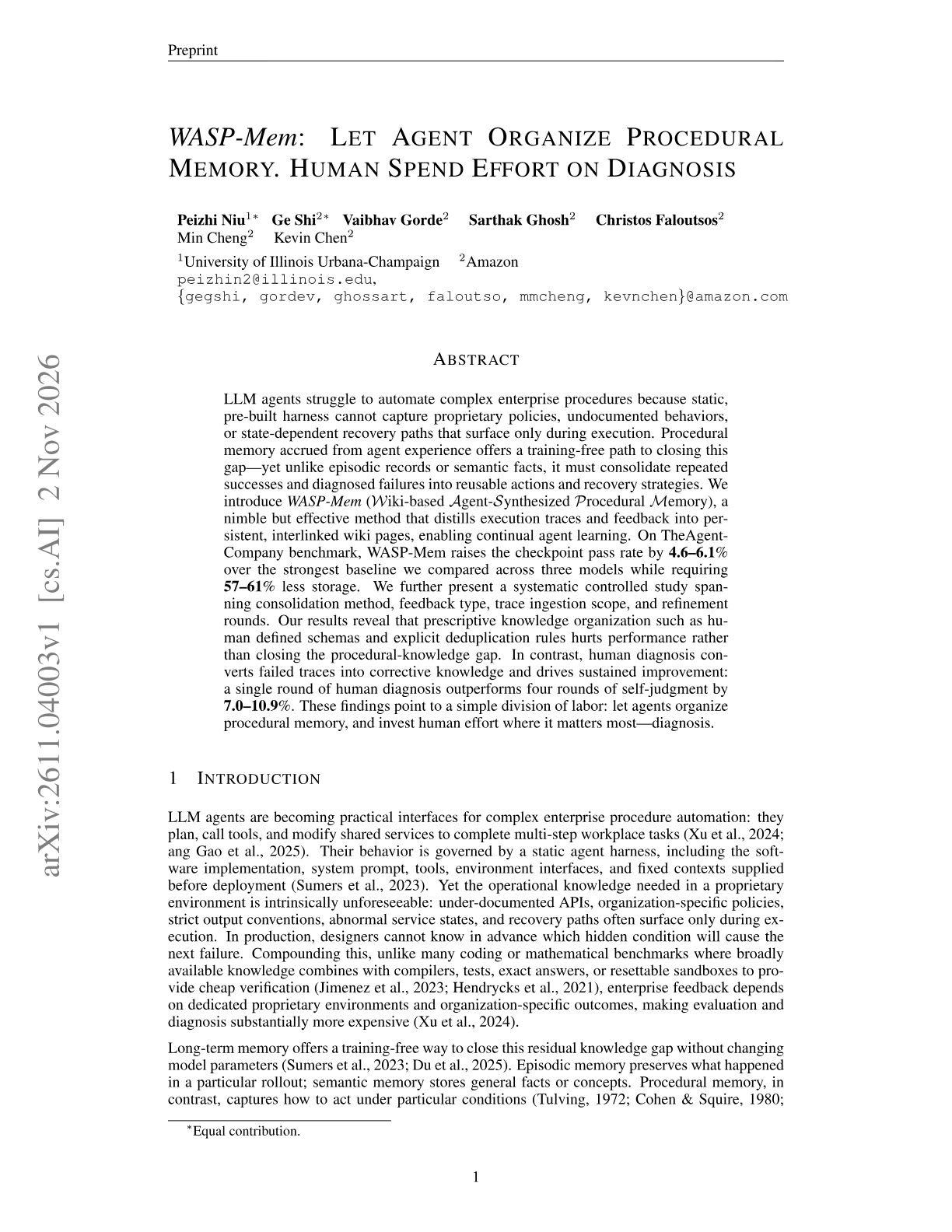
- 196
Causal Improvement Graph for Agentic Harness Optimization
Junjie Zhang et al. · 2026 - 197
- 198
- 199
GitSwarm: Decentralized Compounding Inference
Vedant Shah et al. · 2026 - 200
- 201
- 202
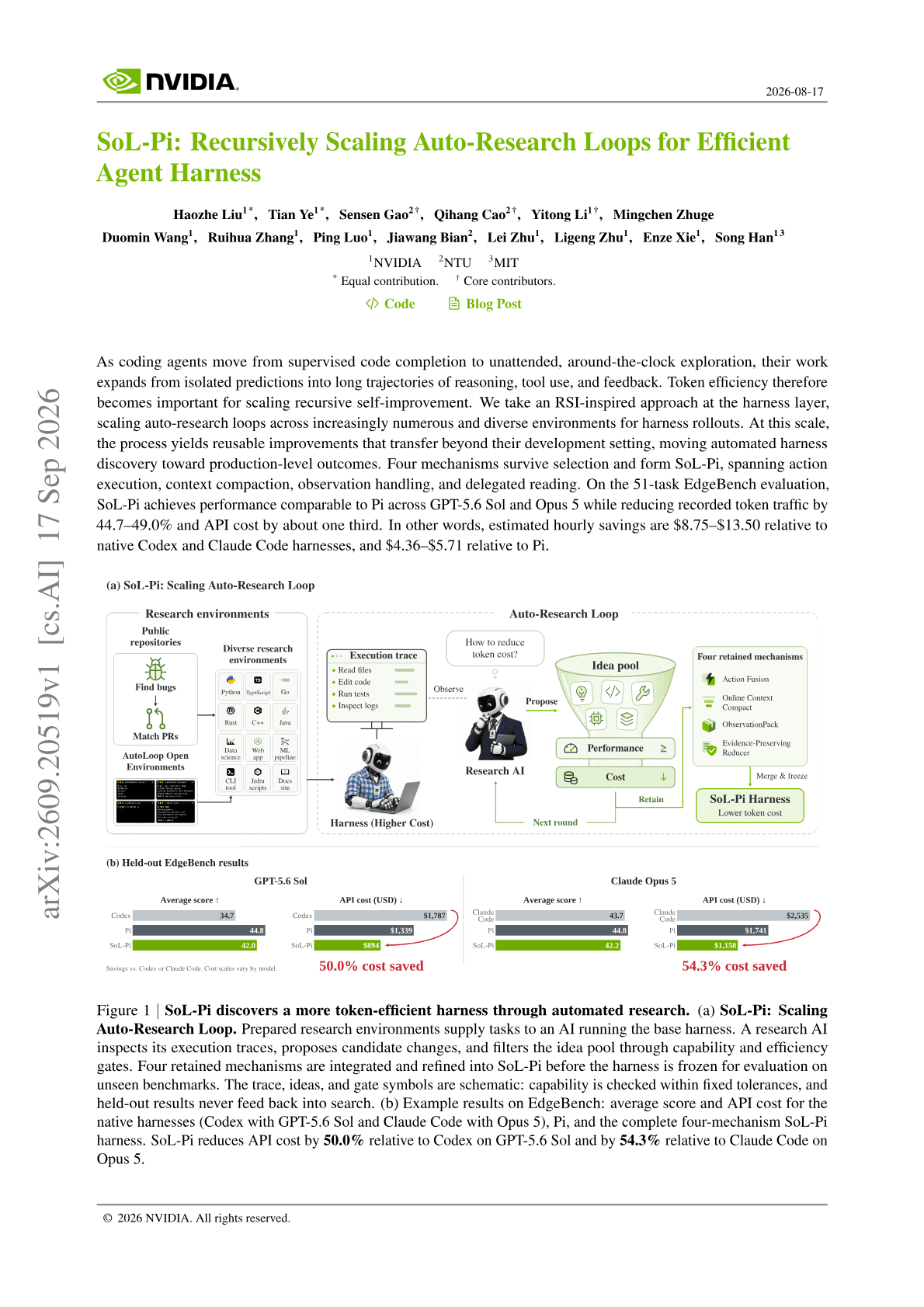
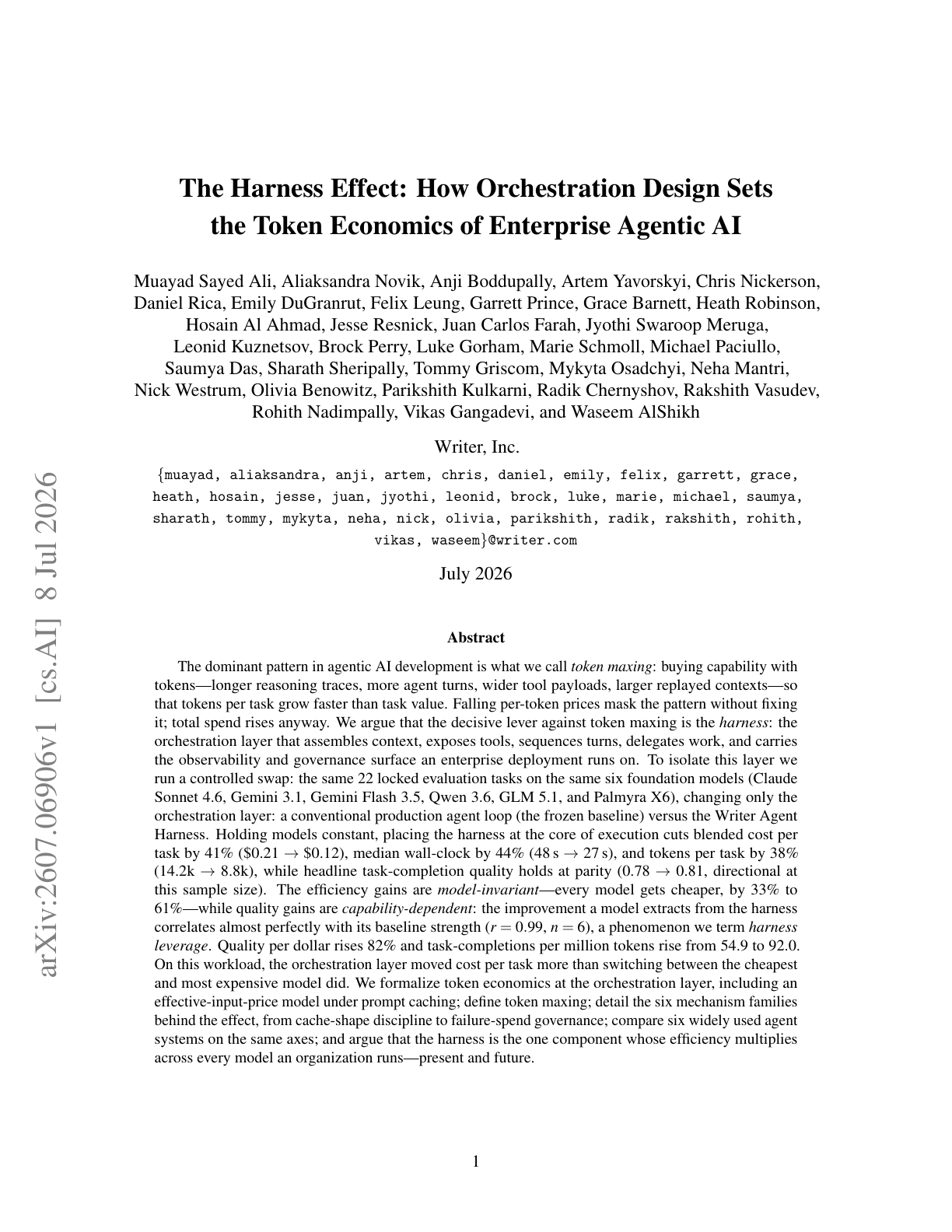
What Does a Harness Buy? Tokens, Mostly
Yangze Liu, Zhongyi Han · 2026 - 203
- 204
SHarP: Saliency-based Pruning of Agent Harnesses
Xinyi Gao et al. · 2026 - 205
- 206
- 207
- 208
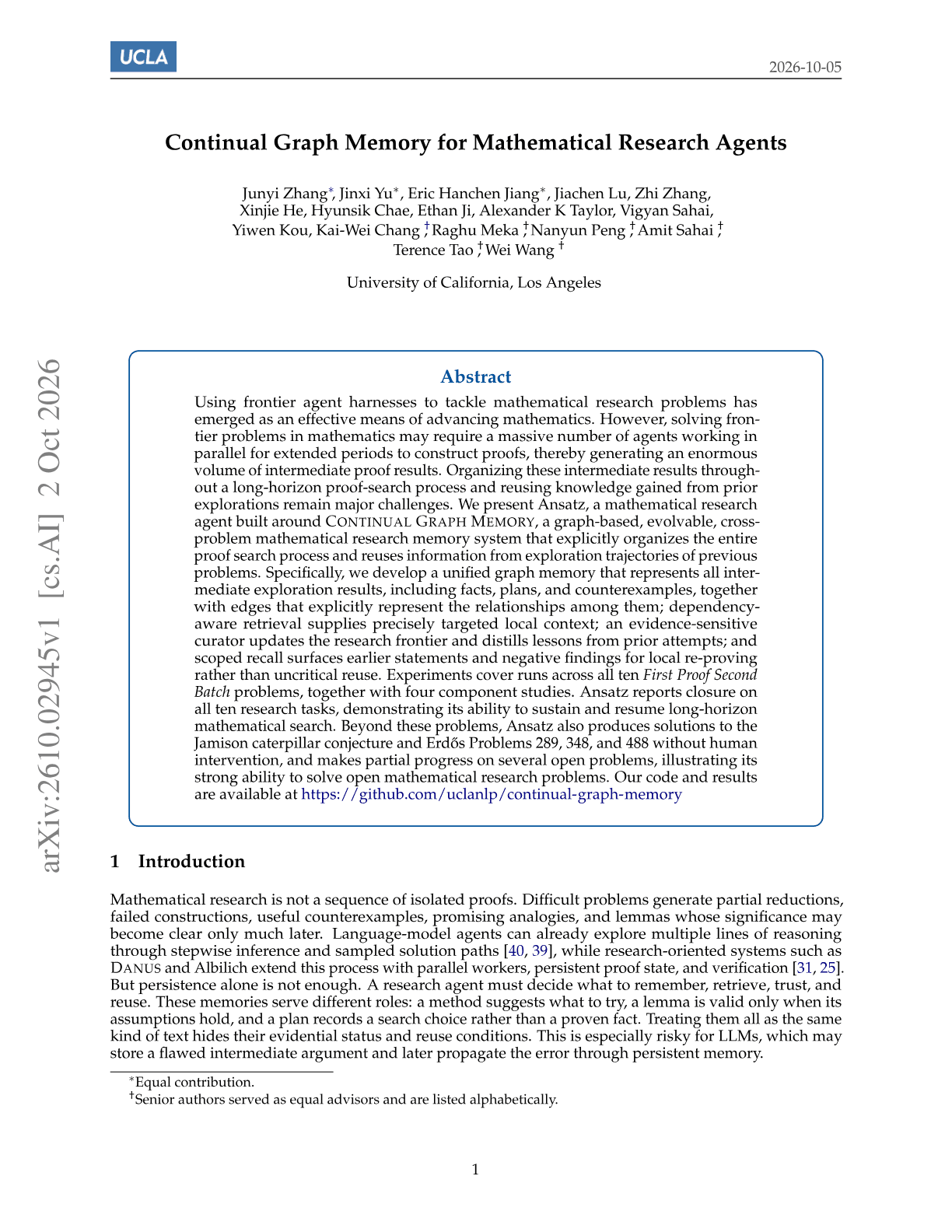
Continual Graph Memory for Mathematical Research Agents
Junyi Zhang et al. · 2026 - 209
- 210
- 211
- 212
- 213
- 214
- 215
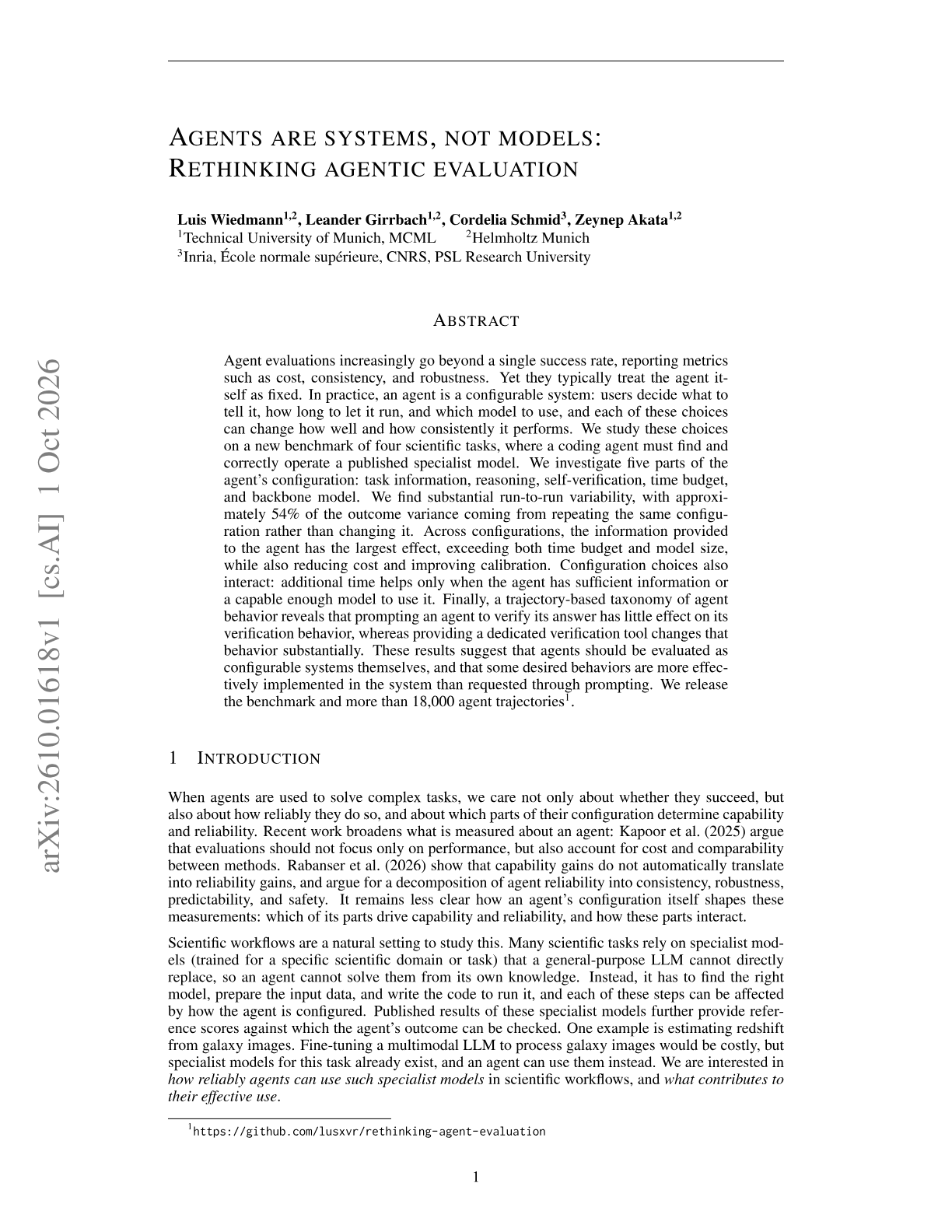
Agents Are Systems, Not Models: Rethinking Agentic Evaluation
Luis Wiedmann et al. · 2026 - 216
- 217
- 218
- 219
- 220
- 221
Sapien: A Stateful Policy Engine for Autonomous AI Agents
Corinn Tiffany et al. · 2026 - 222
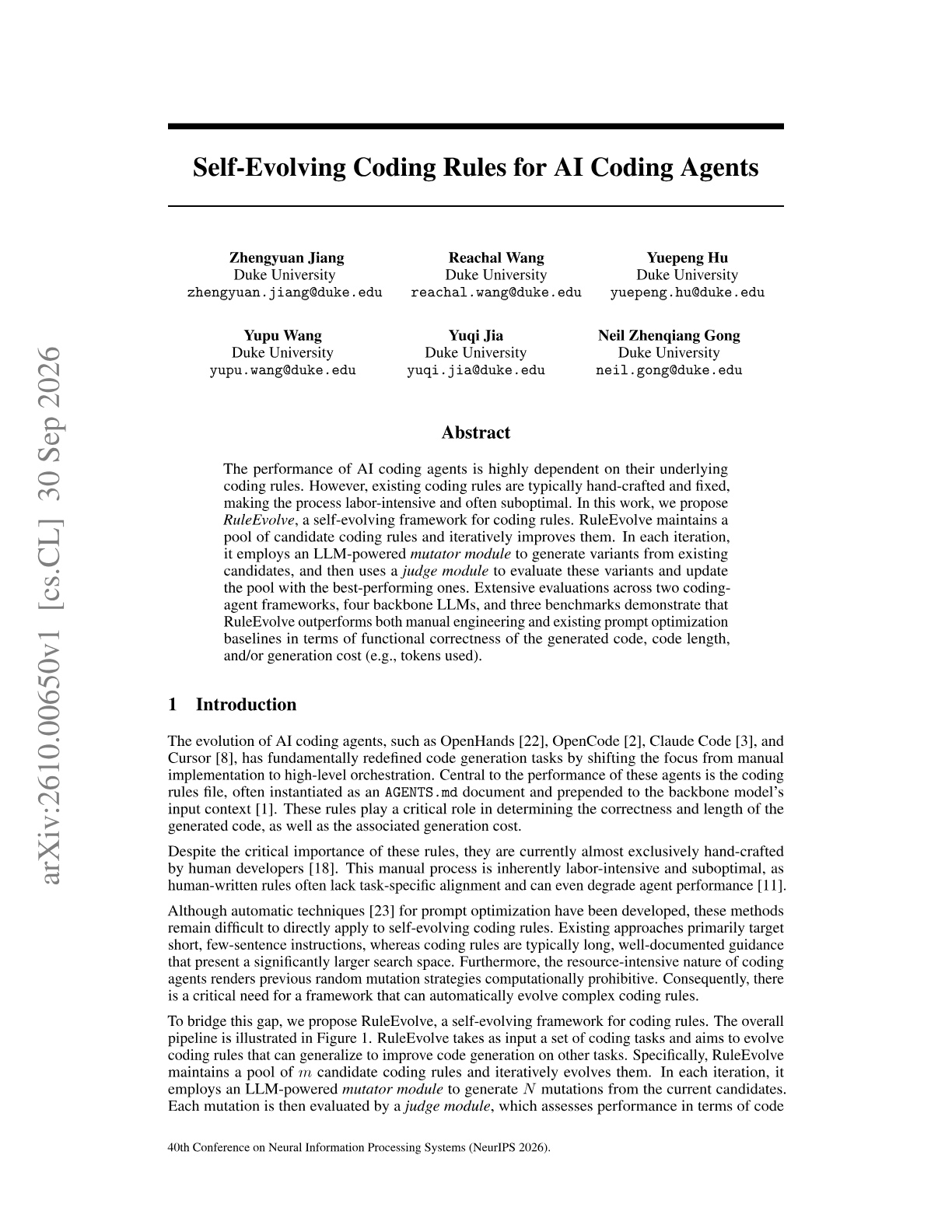
Self-Evolving Coding Rules for AI Coding Agents
Zhengyuan Jiang et al. · 2026 - 223
- 224
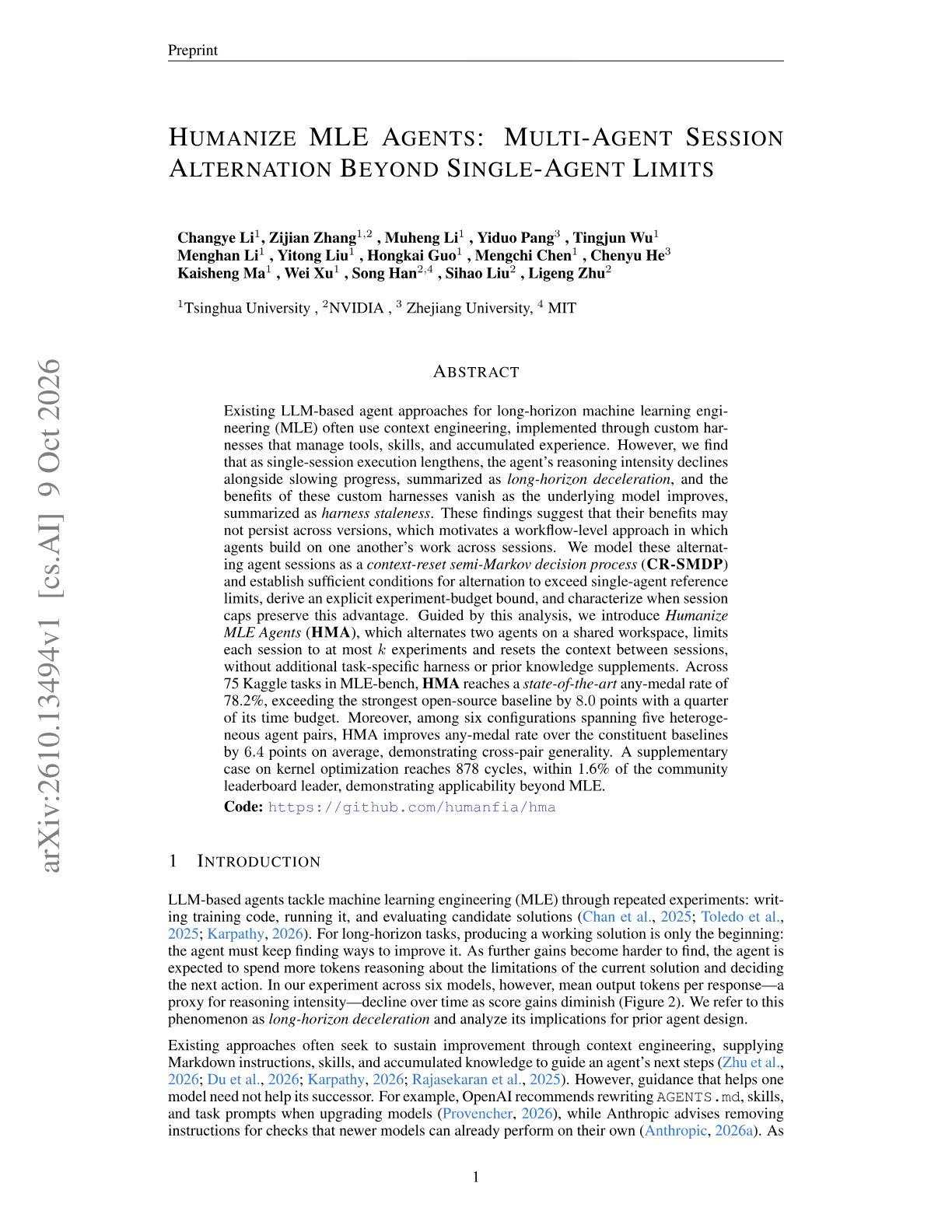
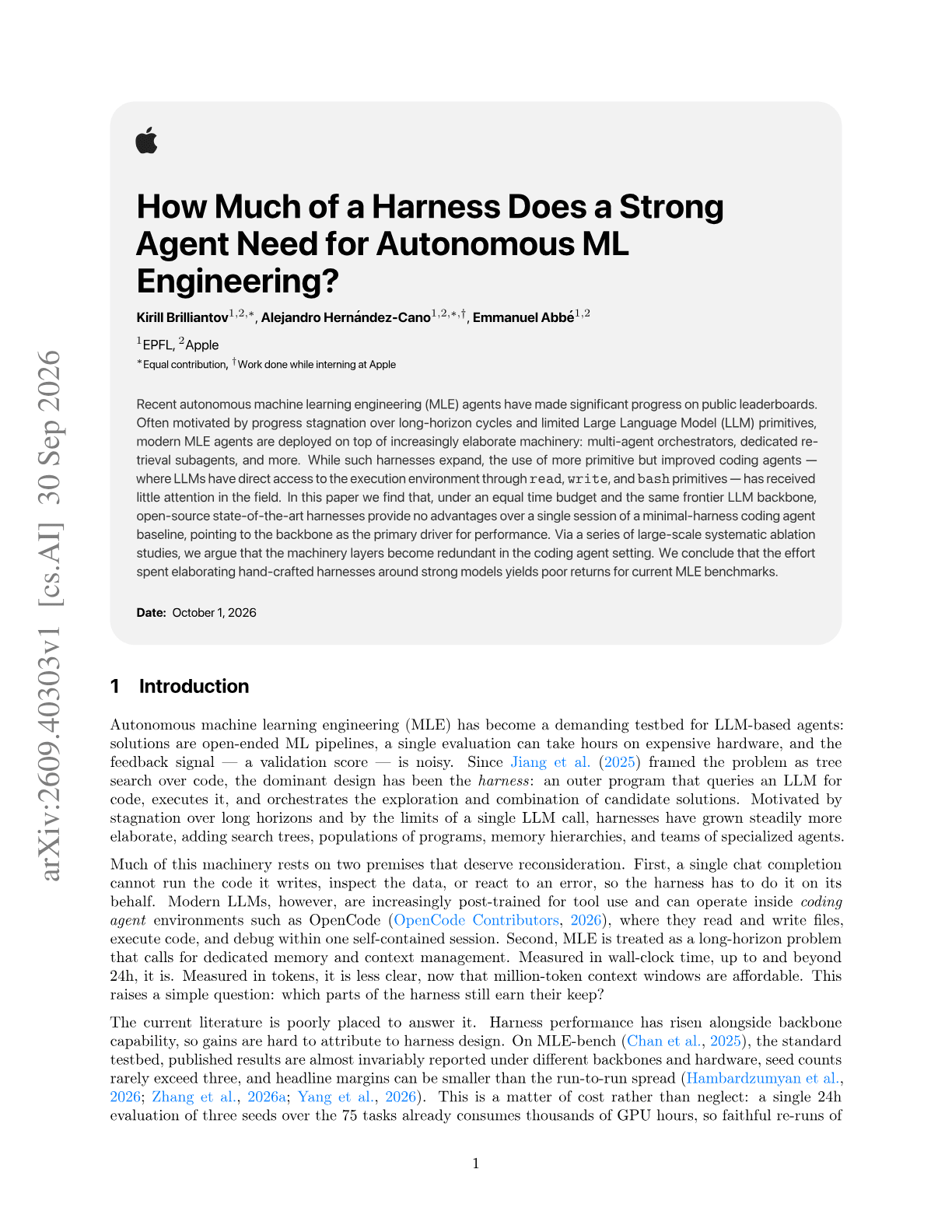
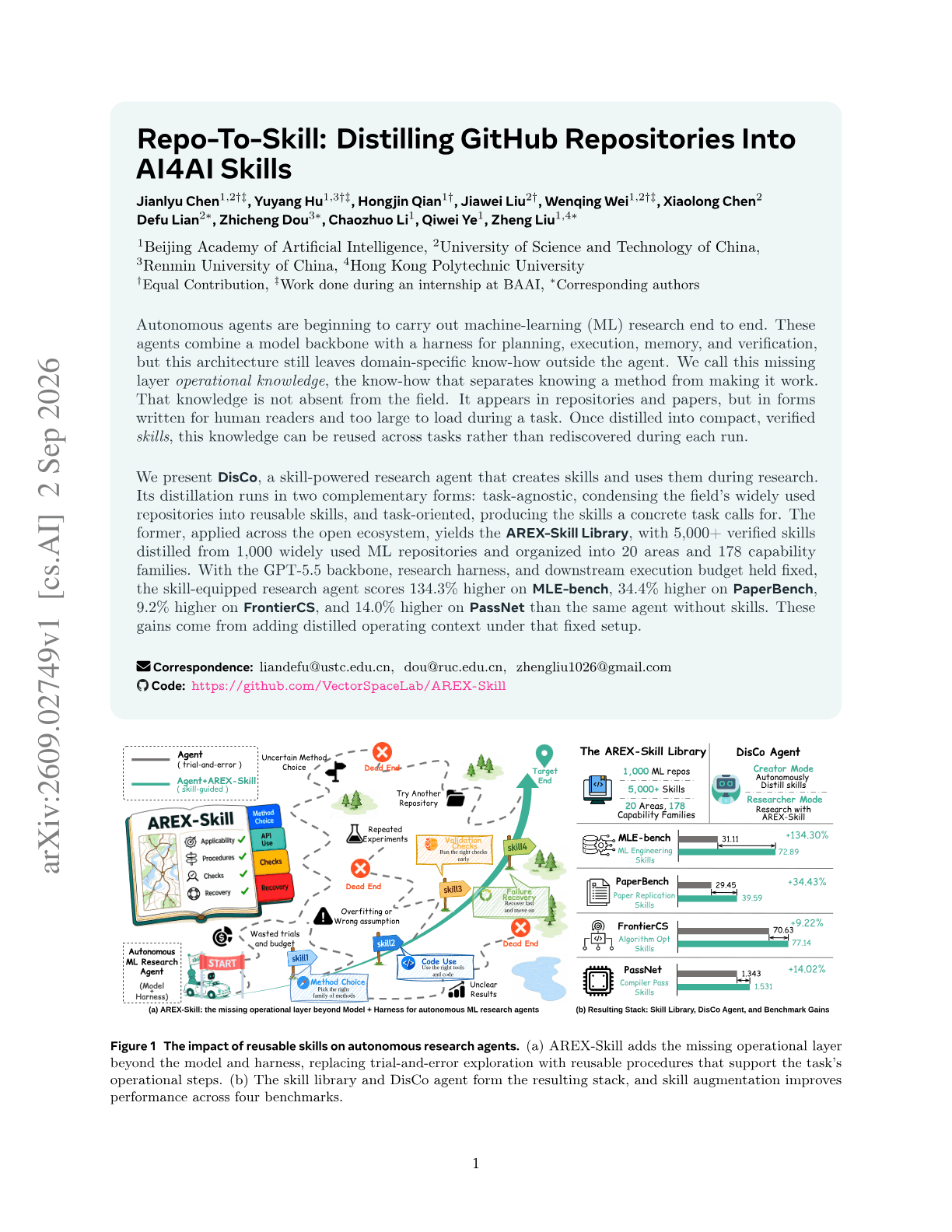
How Much of a Harness Does a Strong Agent Need for Autonomous ML Engineering?
Kirill Brilliantov, Alejandro Hernández-Cano, Emmanuel Abbé · 2026 - 225
- 226
- 227
- 228
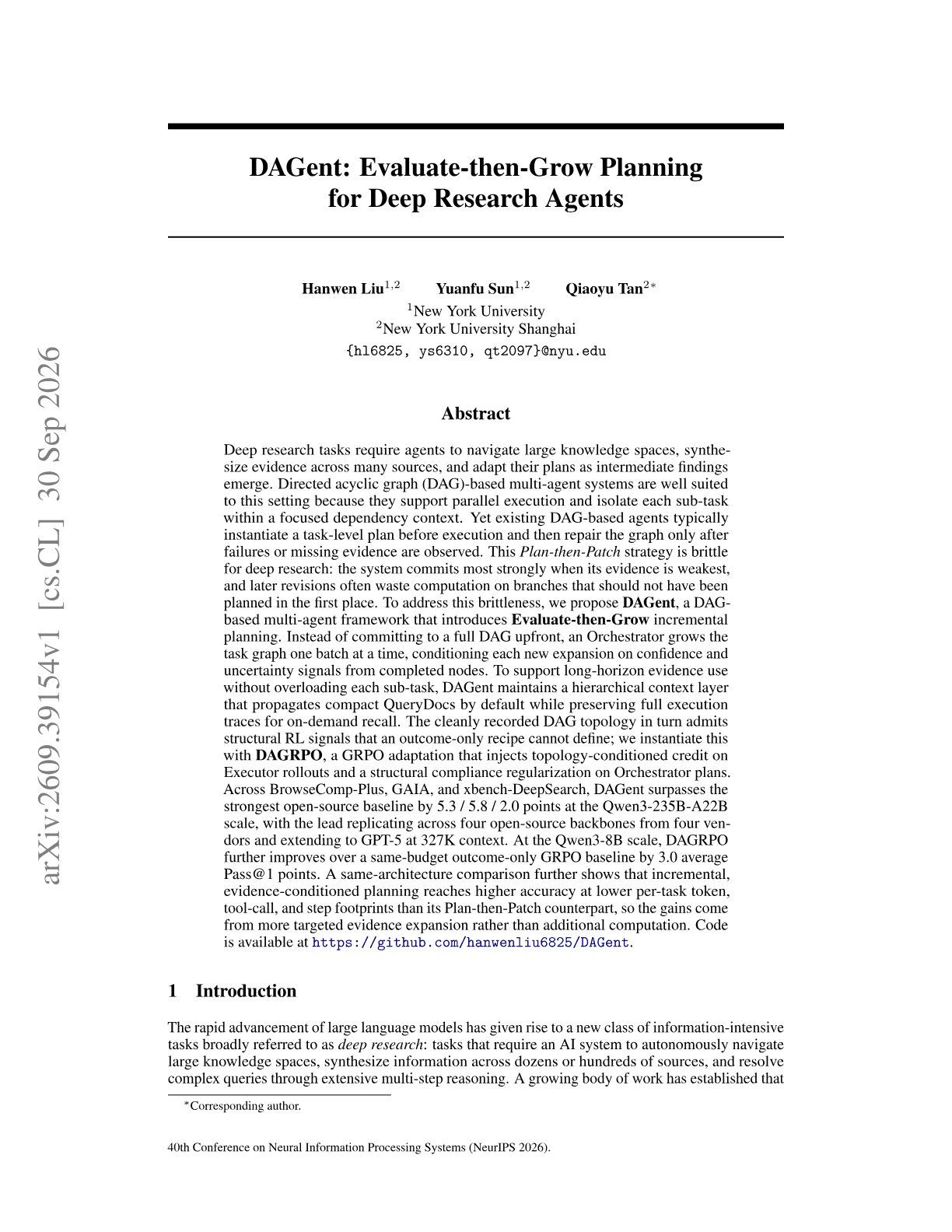
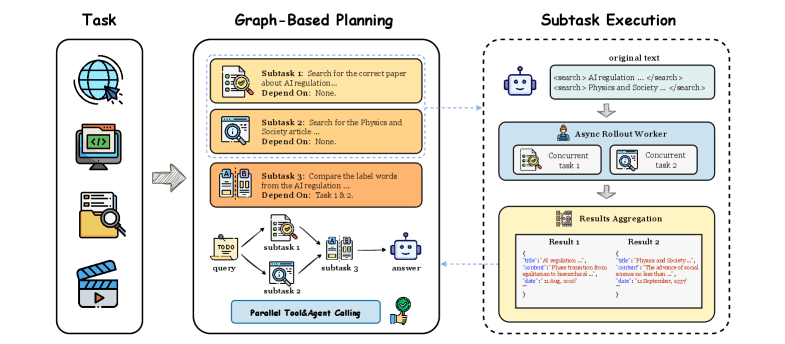
DAGent: Evaluate-then-Grow Planning for Deep Research Agents
Hanwen Liu, Yuanfu Sun, Qiaoyu Tan · 2026 - 229
- 230
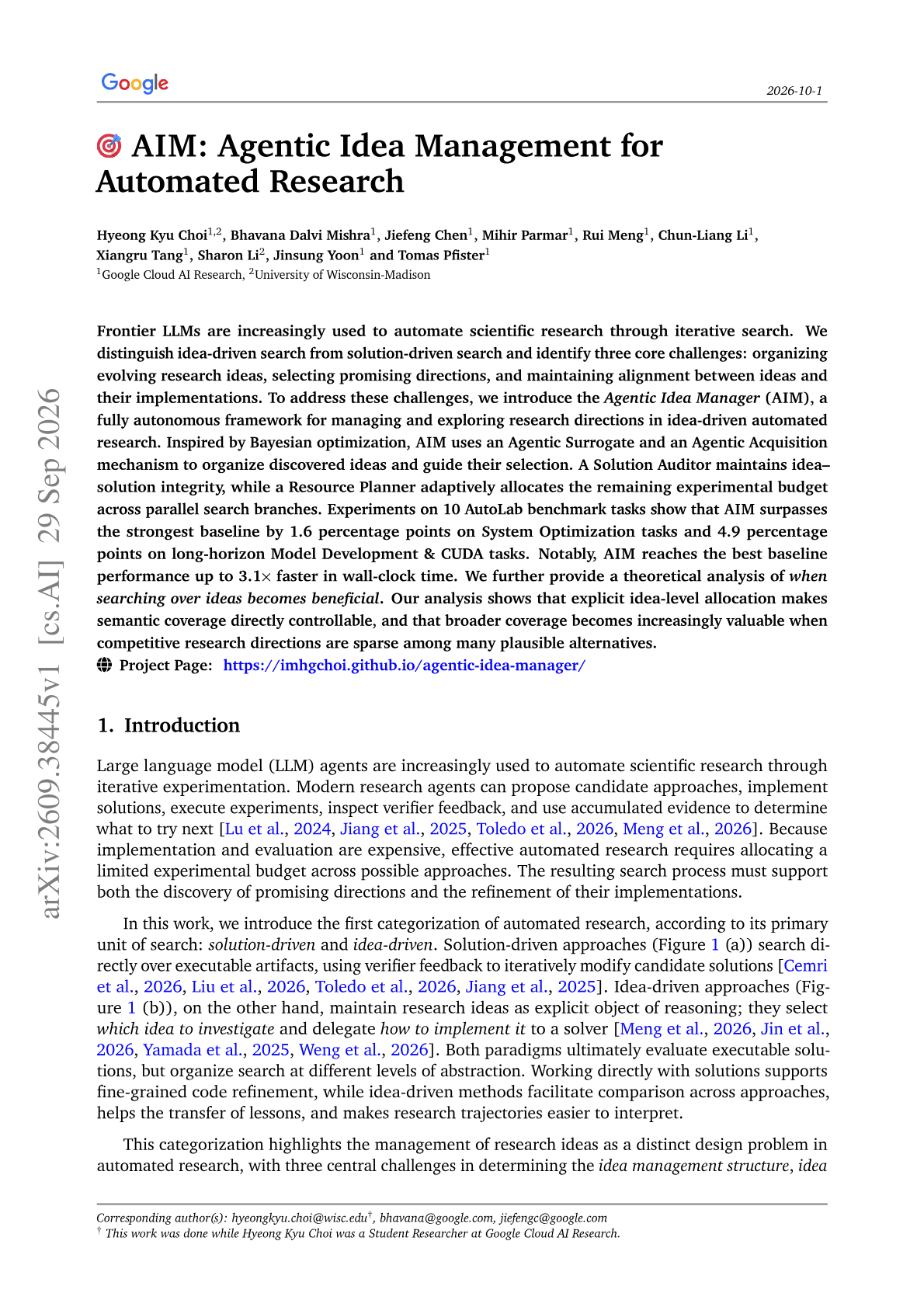
AIM: Agentic Idea Management for Automated Research
Hyeong Kyu Choi et al. · 2026 - 231
- 232
- 233
- 234
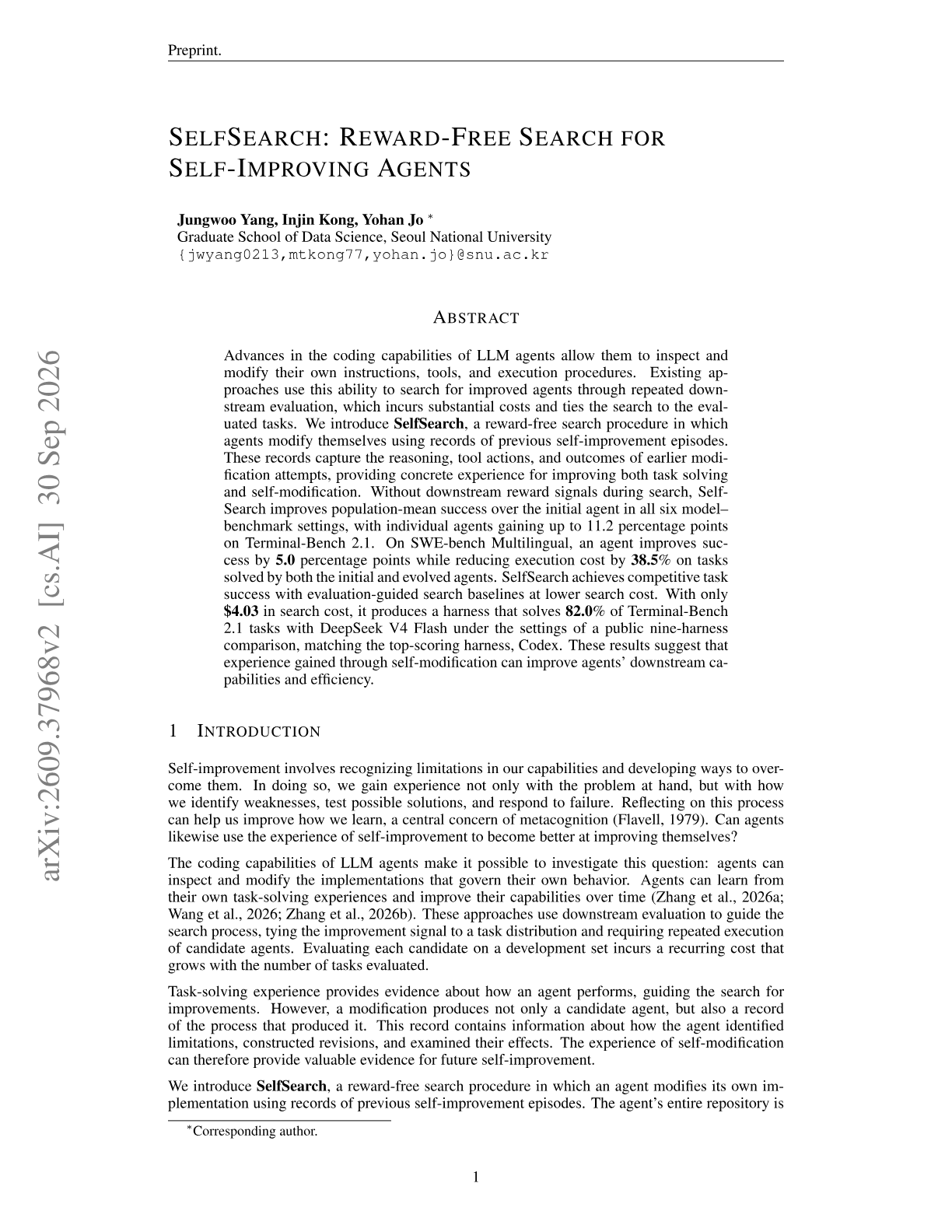
SelfSearch: Reward-Free Search for Self-Improving Agents
Jungwoo Yang, Injin Kong, Yohan Jo · 2026 - 235
- 236
- 237
- 238
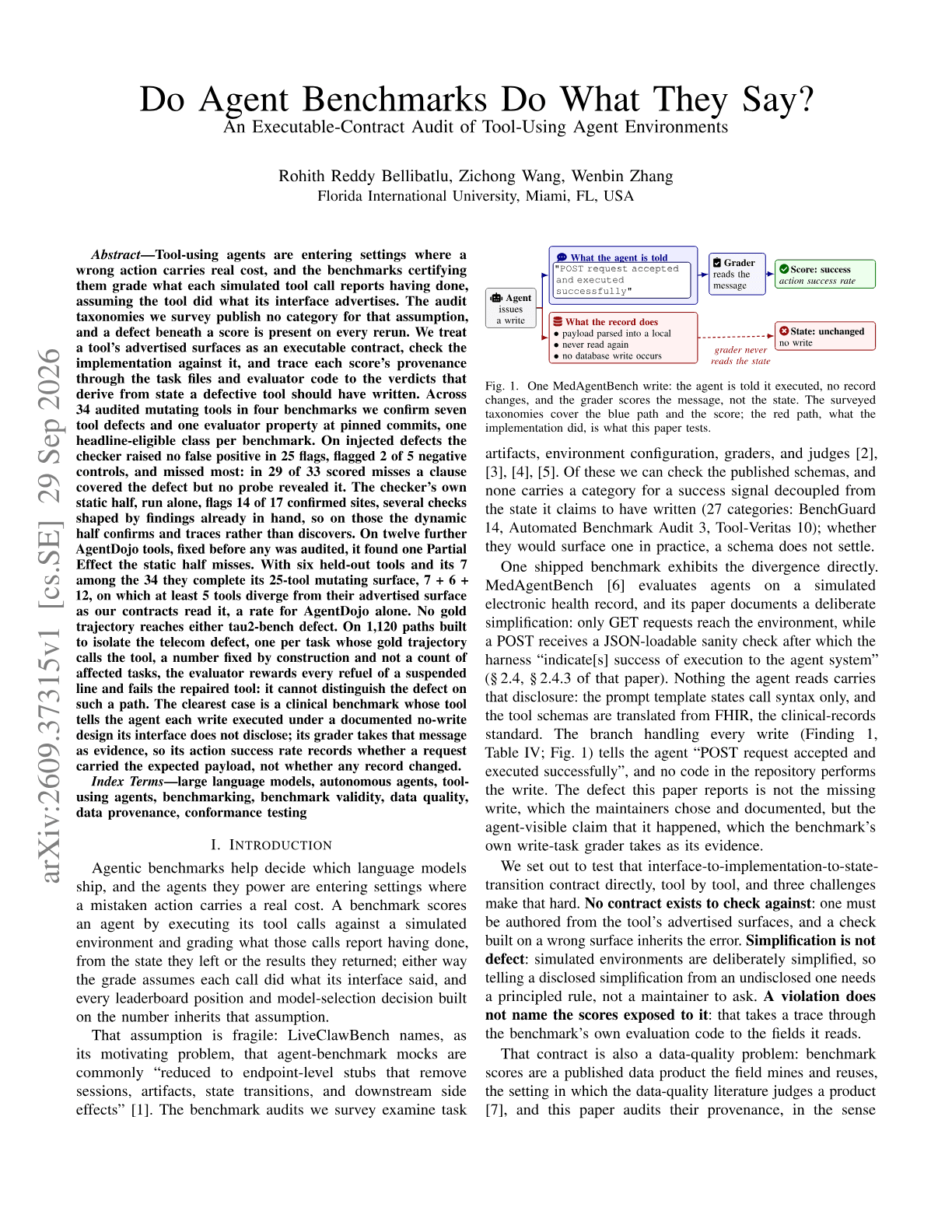
Do Agent Benchmarks Do What They Say? An Executable-Contract Audit of Tool-Using Agent Environments
Rohith Reddy Bellibatlu, Zichong Wang, Wenbin Zhang · 2026 - 239
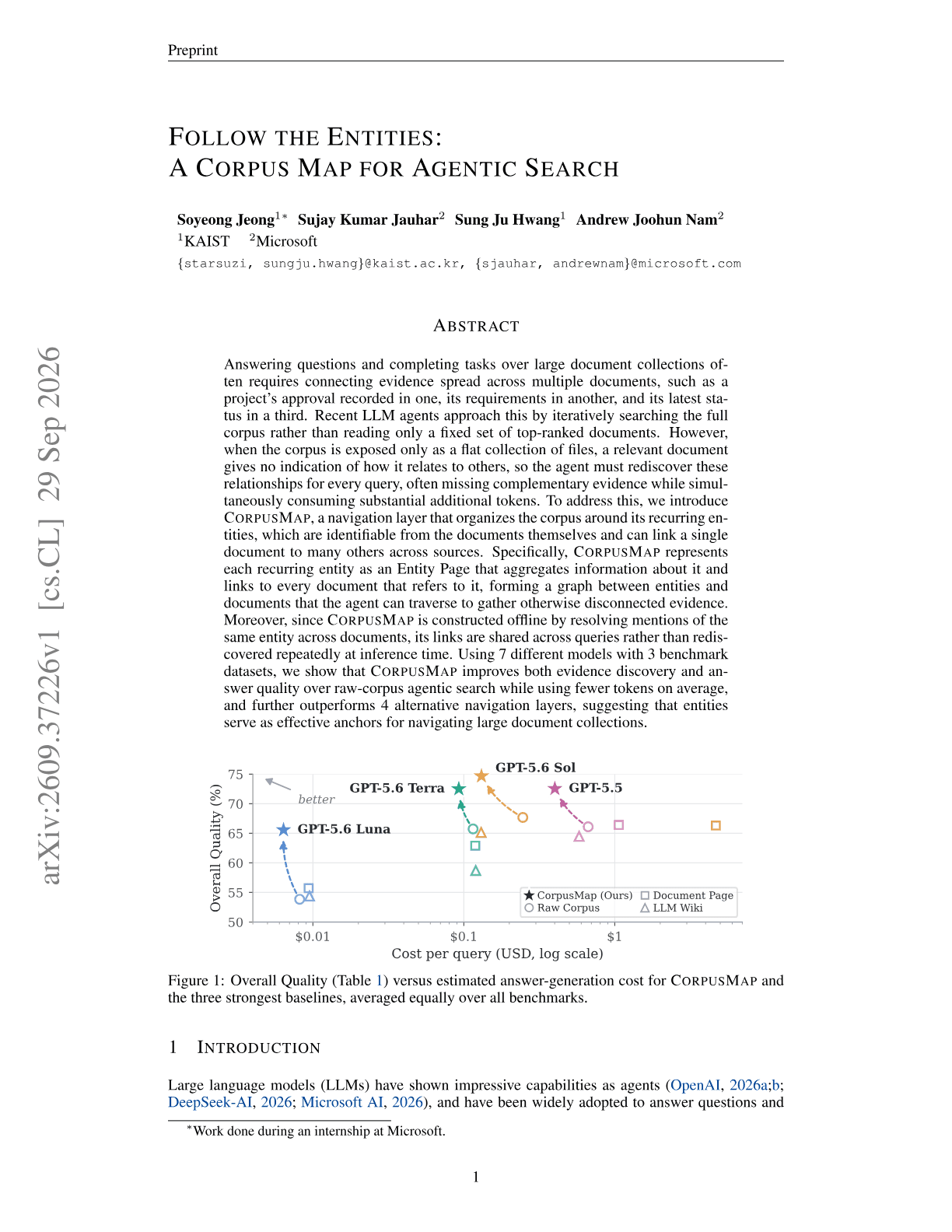
Follow the Entities: A Corpus Map for Agentic Search
Soyeong Jeong et al. · 2026 - 240
- 241
- 242
- 243
- 244
- 245
Engineering Simplicity: Simple Mechanism Interfaces Steer LLM Agents
Kehang Zhu, Anand Shah, David Parkes · 2026 - 246
DeepRewind: Predicting and Repairing Premature Commitments in Deep Research Agents
Amirhossein Abaskohi et al. · 2026 - 247
SCOUT: Synergizing Reasoning and Tool-Use for Computer-Use Safety
Jianxing Chen et al. · 2026 - 248
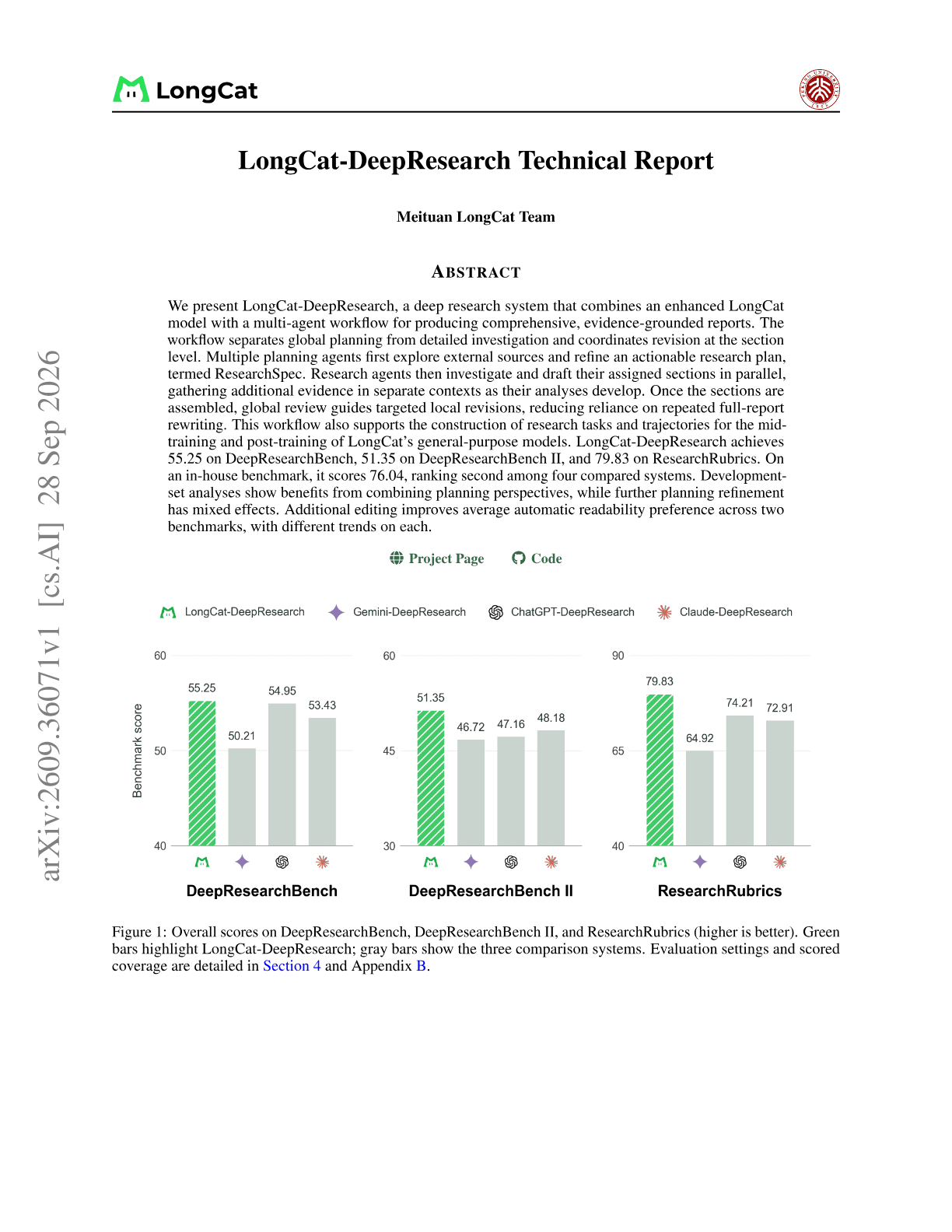
LongCat-DeepResearch Technical Report
Meituan LongCat Team et al. · 2026 - 249
- 250
- 251
- 252
- 253
- 254
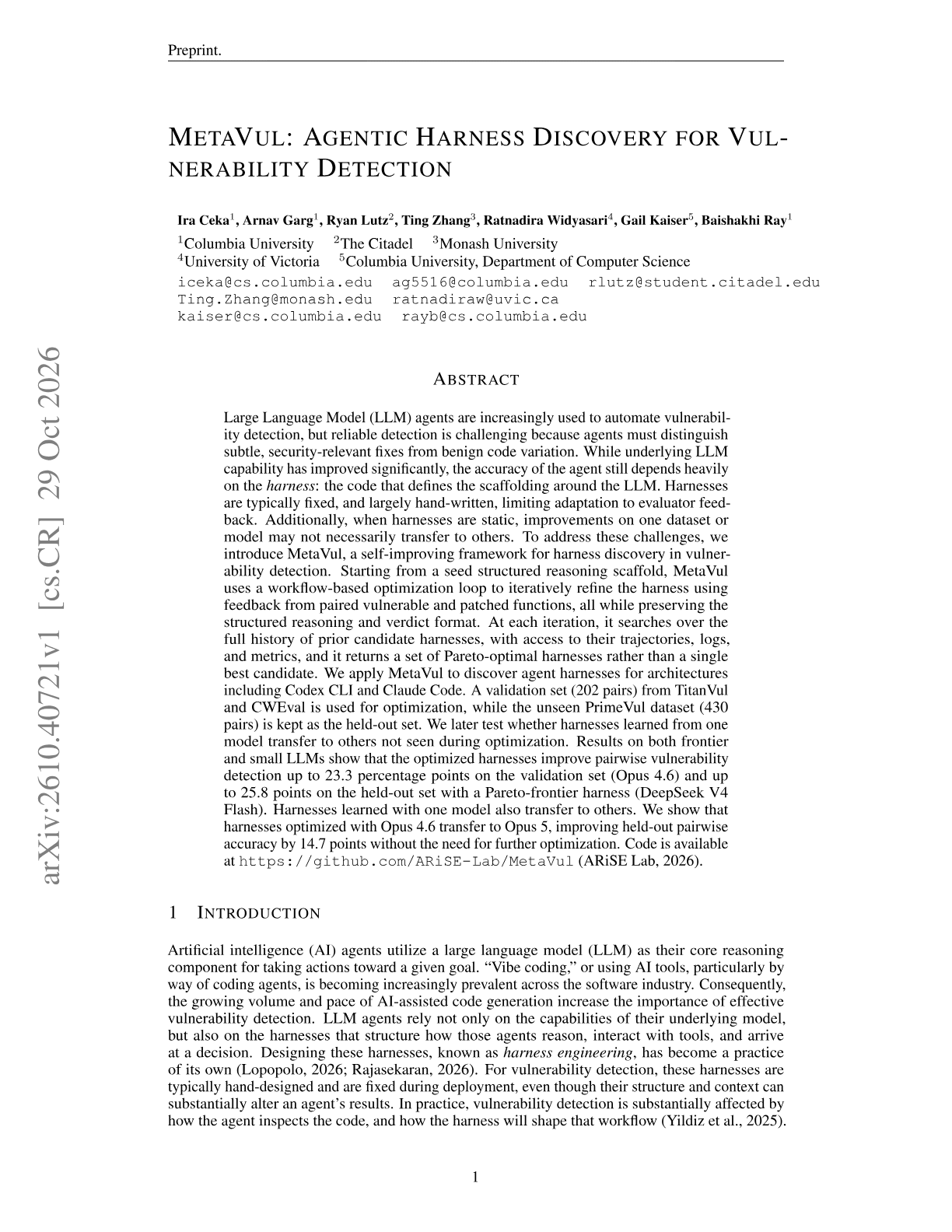
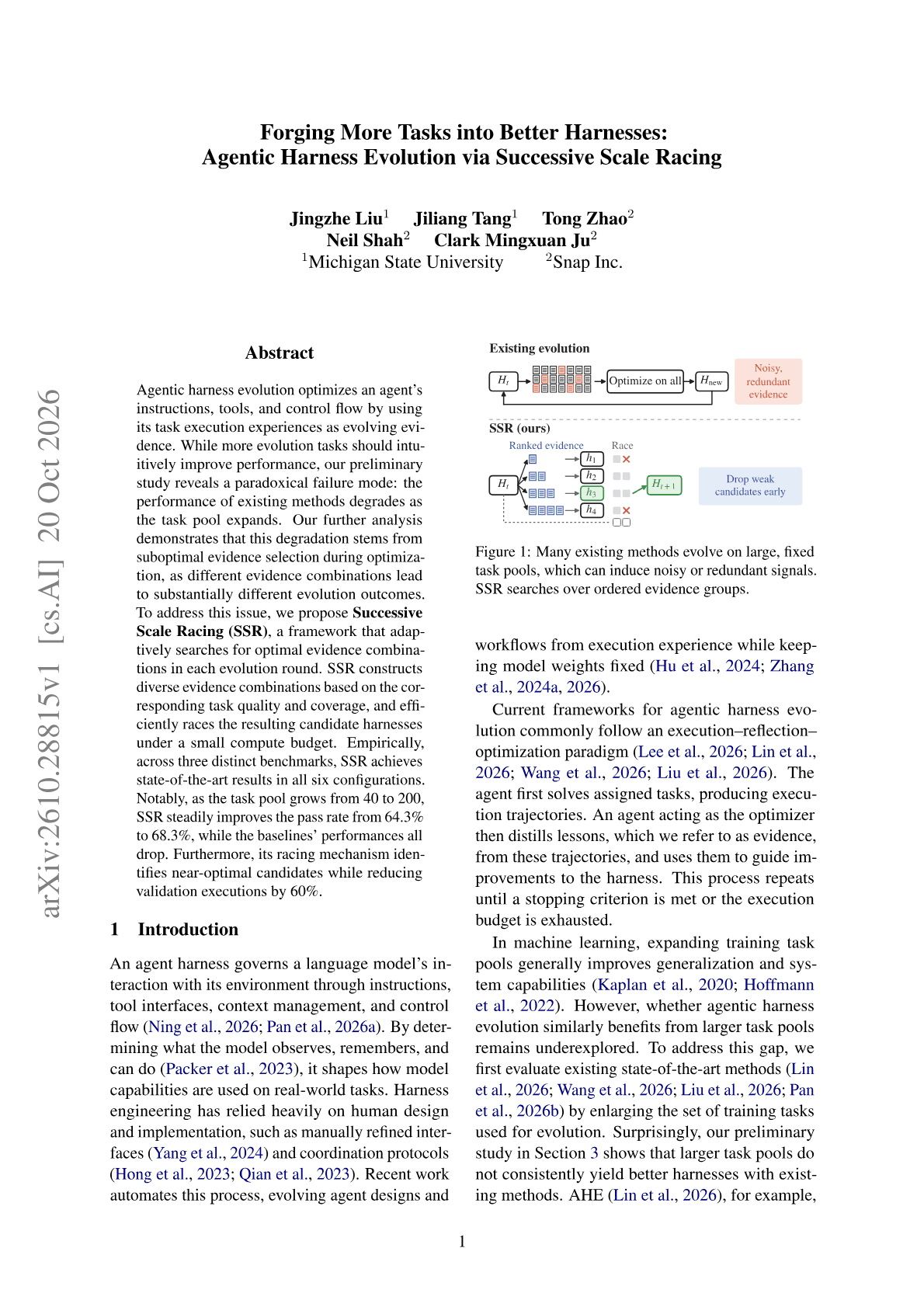
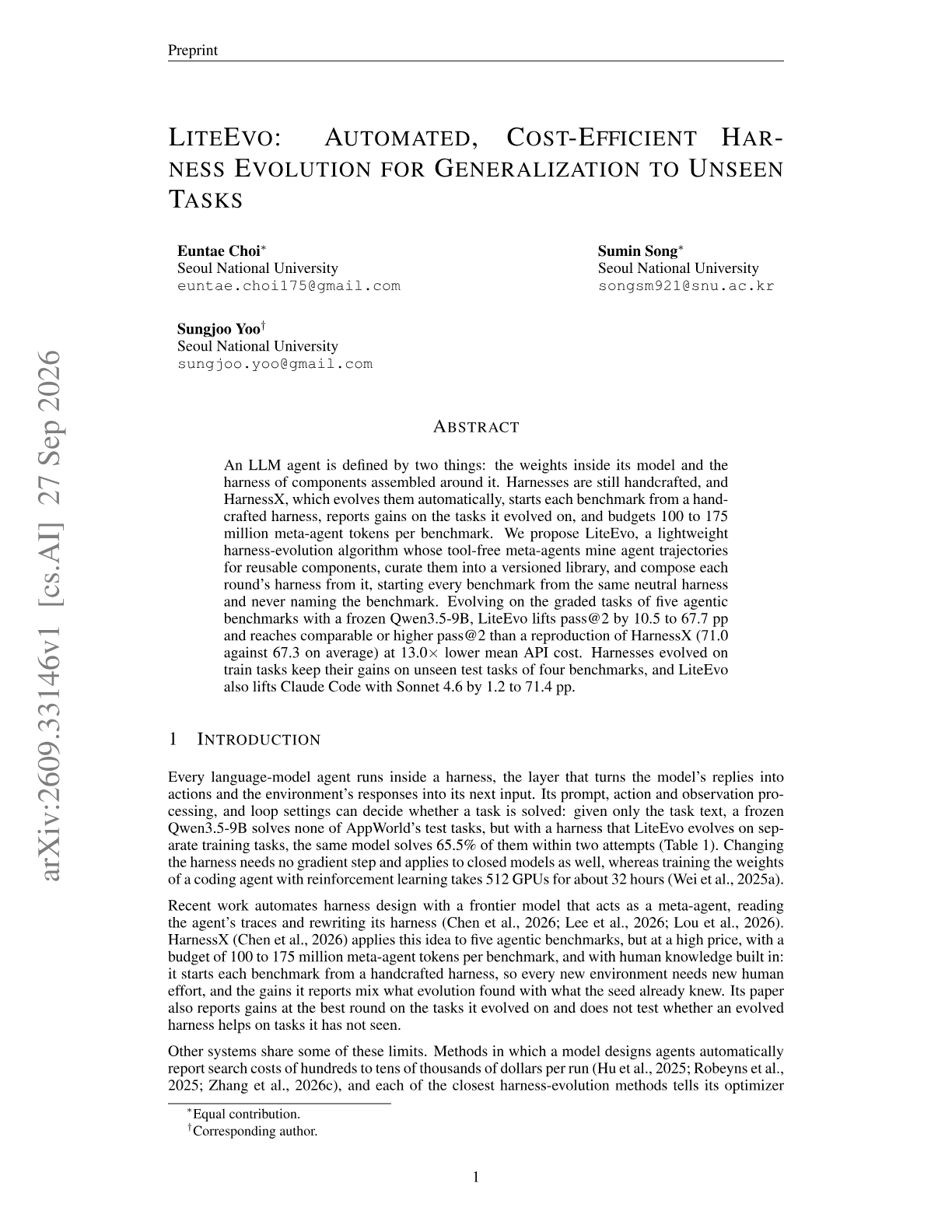
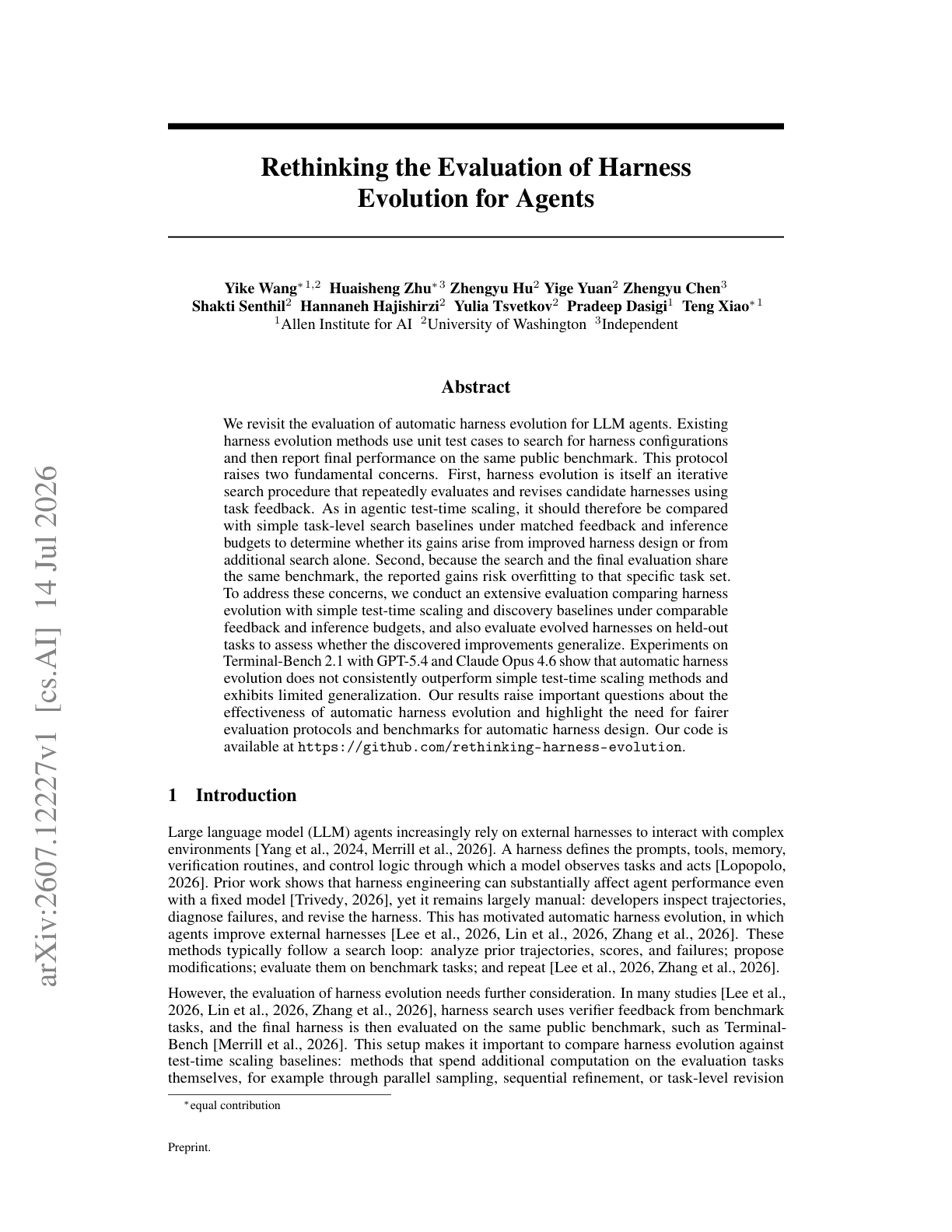
LiteEvo: Automated, Cost-Efficient Harness Evolution for Generalization to Unseen Tasks
Euntae Choi, Sumin Song, Sungjoo Yoo · 2026 - 255
- 256
- 257
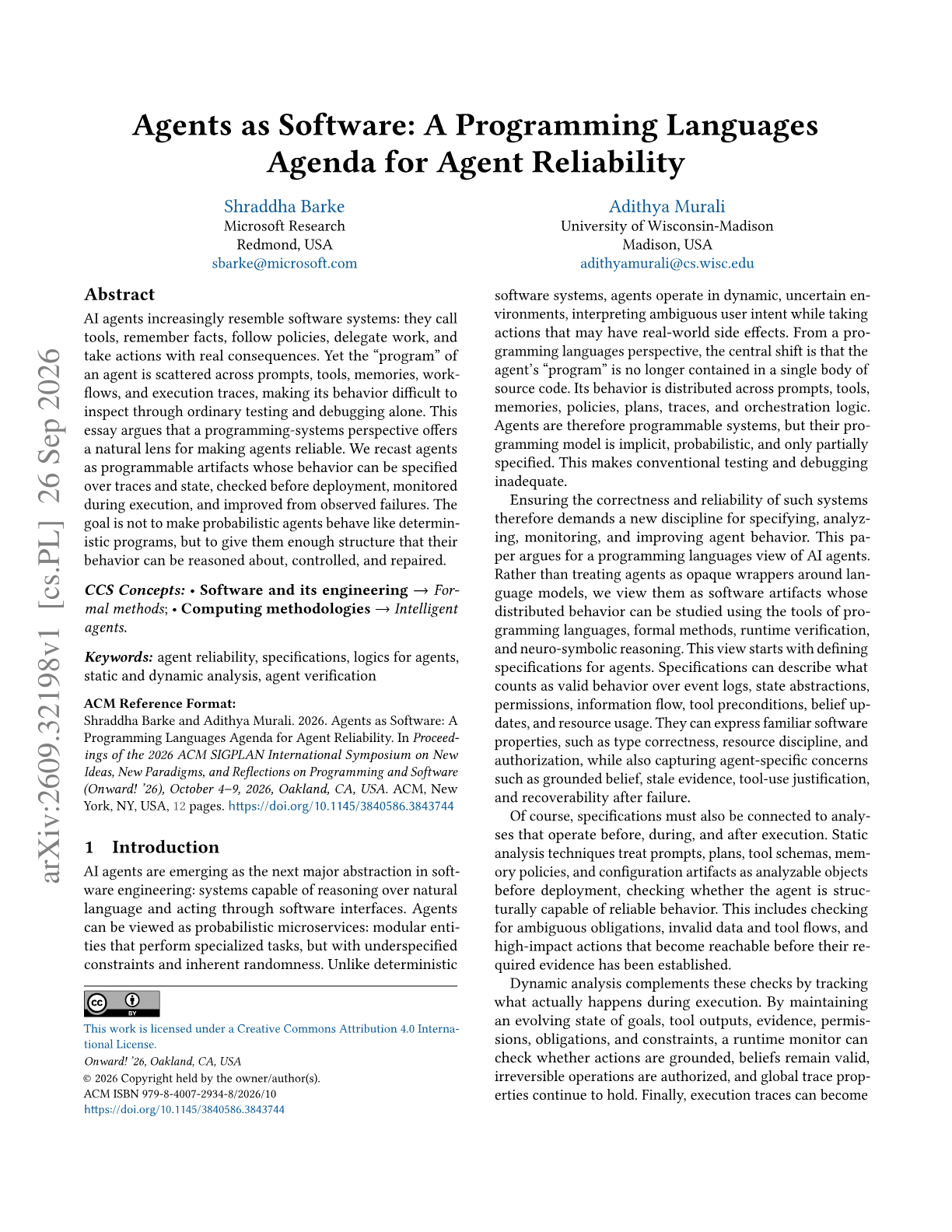
Agents as Software: A Programming Languages Agenda for Agent Reliability
Shraddha Barke, Adithya Murali · 2026 - 258
Compress What You See, Not What You Say: Anchored Context Distillation for Latent-Observation Software Engineering Agents
Zhensheng Zou, Guoqing Wang, Dan Hao · 2026 - 259
- 260
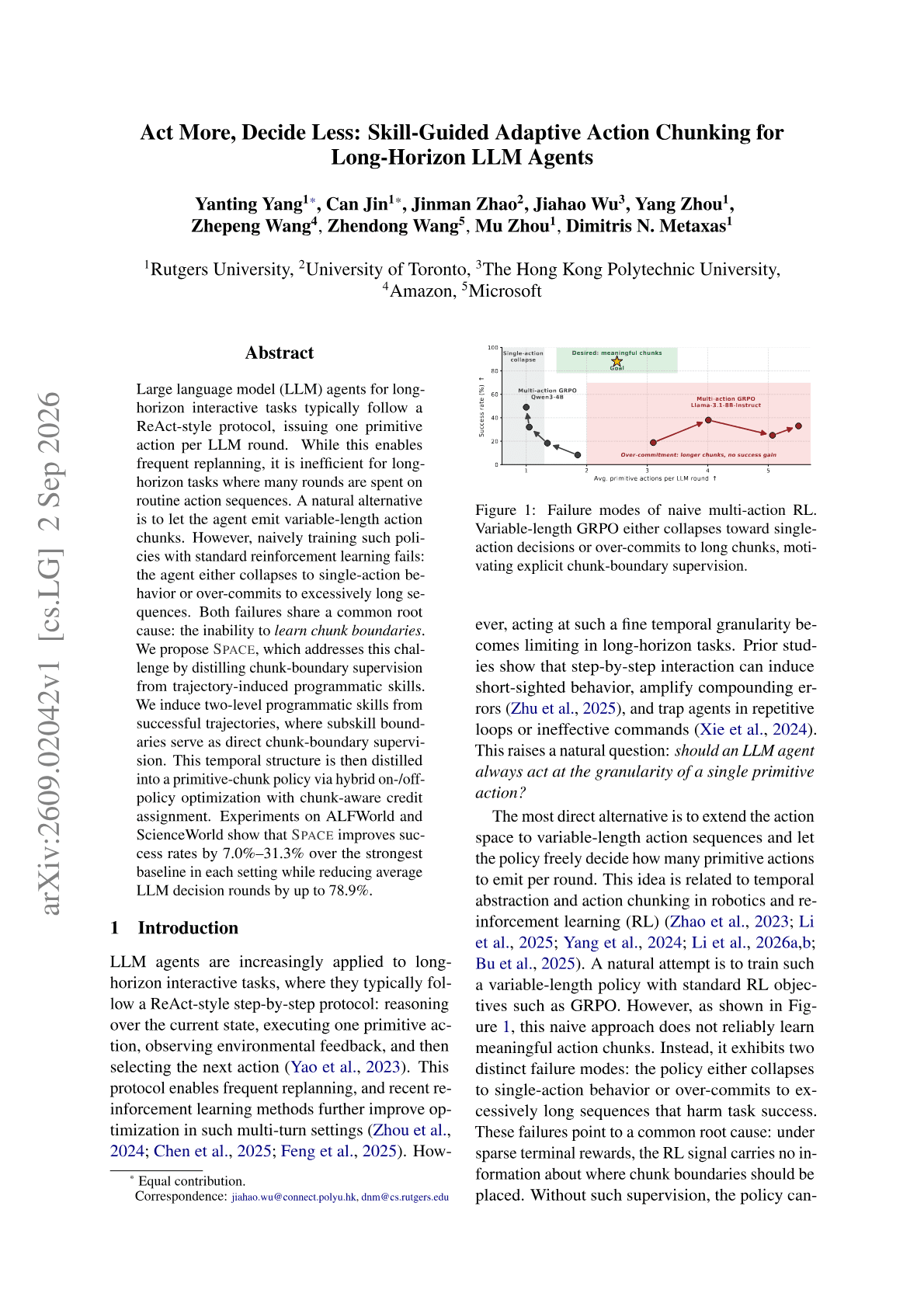
Up and Down the Abstraction Ladder: Code-Based Skills for Language Agents
Bartłomiej Cupiał et al. · 2026 - 261
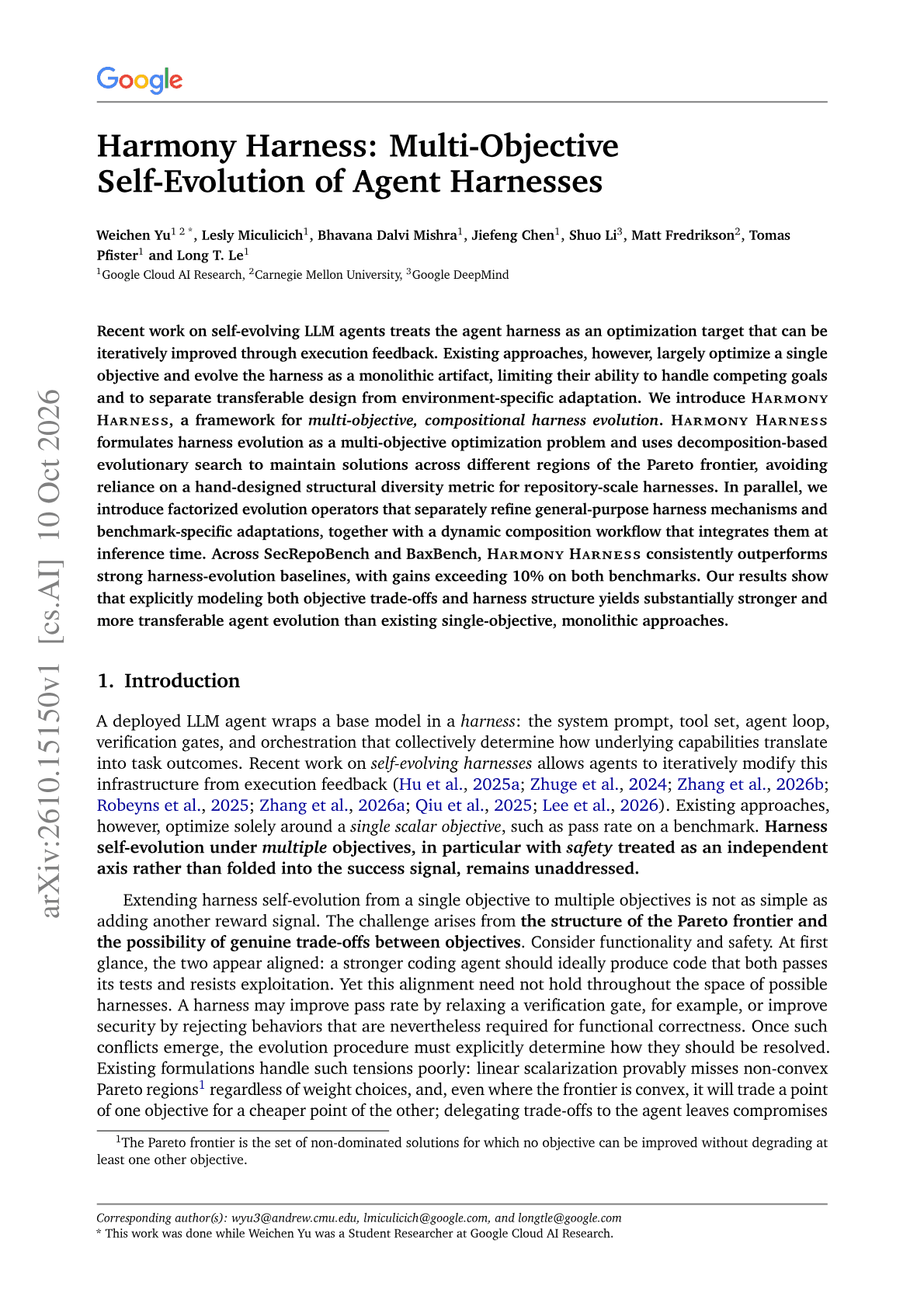
MoMHa: Multi-Objective Optimization of LLM Harnesses over Accuracy, Safety, and Tokens
Subhojyoti Mukherjee, Md Mehrab Tanjim · 2026 - 262
- 263
- 264
- 265
- 266
- 267
- 268
- 269
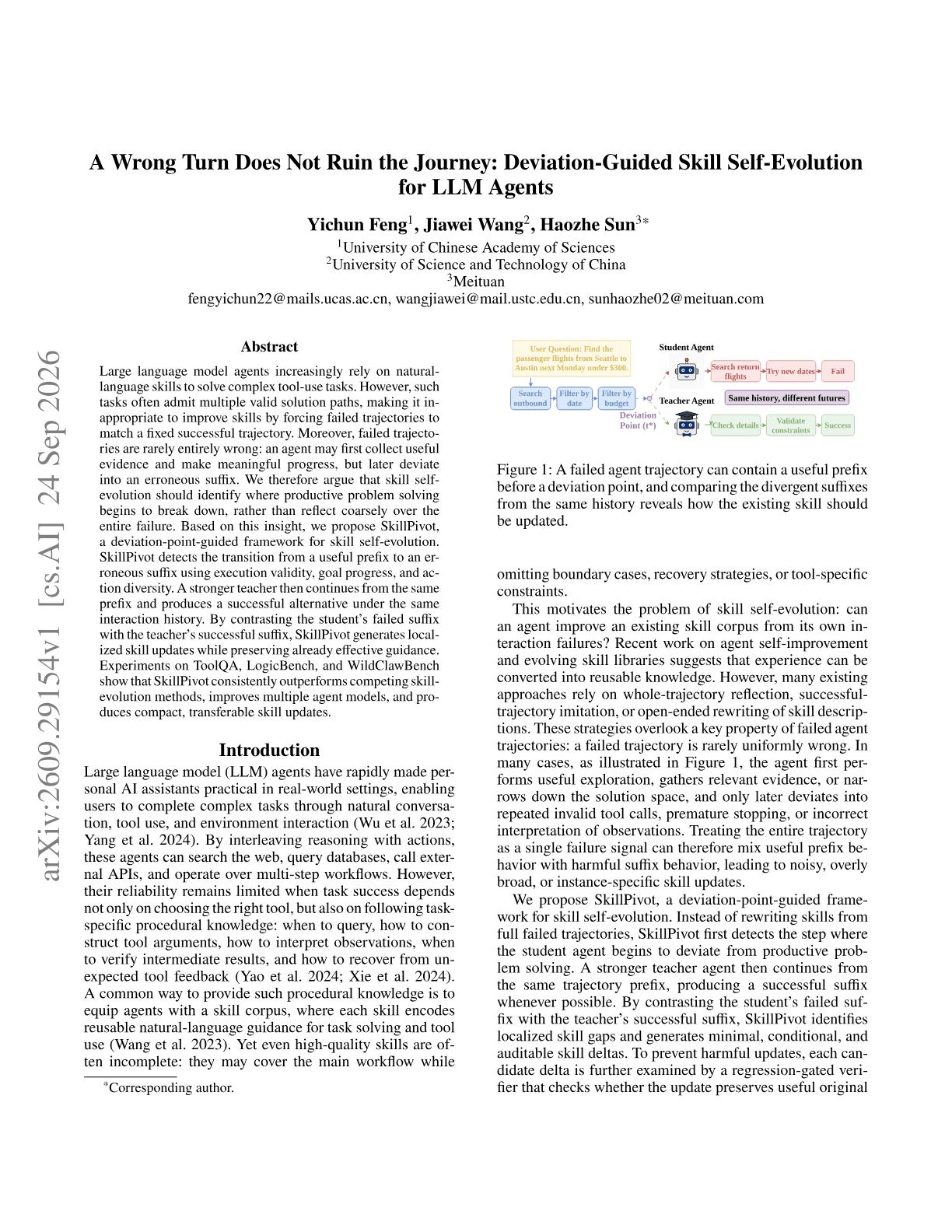
A Wrong Turn Does Not Ruin the Journey: Deviation-Guided Skill Self-Evolution for LLM Agents
Yichun Feng, Jiawei Wang, Haozhe Sun · 2026 - 270
- 271
Control the Harness, Control the Cost: Routing and Governing AI Coding Agents in the Enterprise
Arian Abbasi, Alan Aqrawi, Ted Kwartler · 2026 - 272
- 273
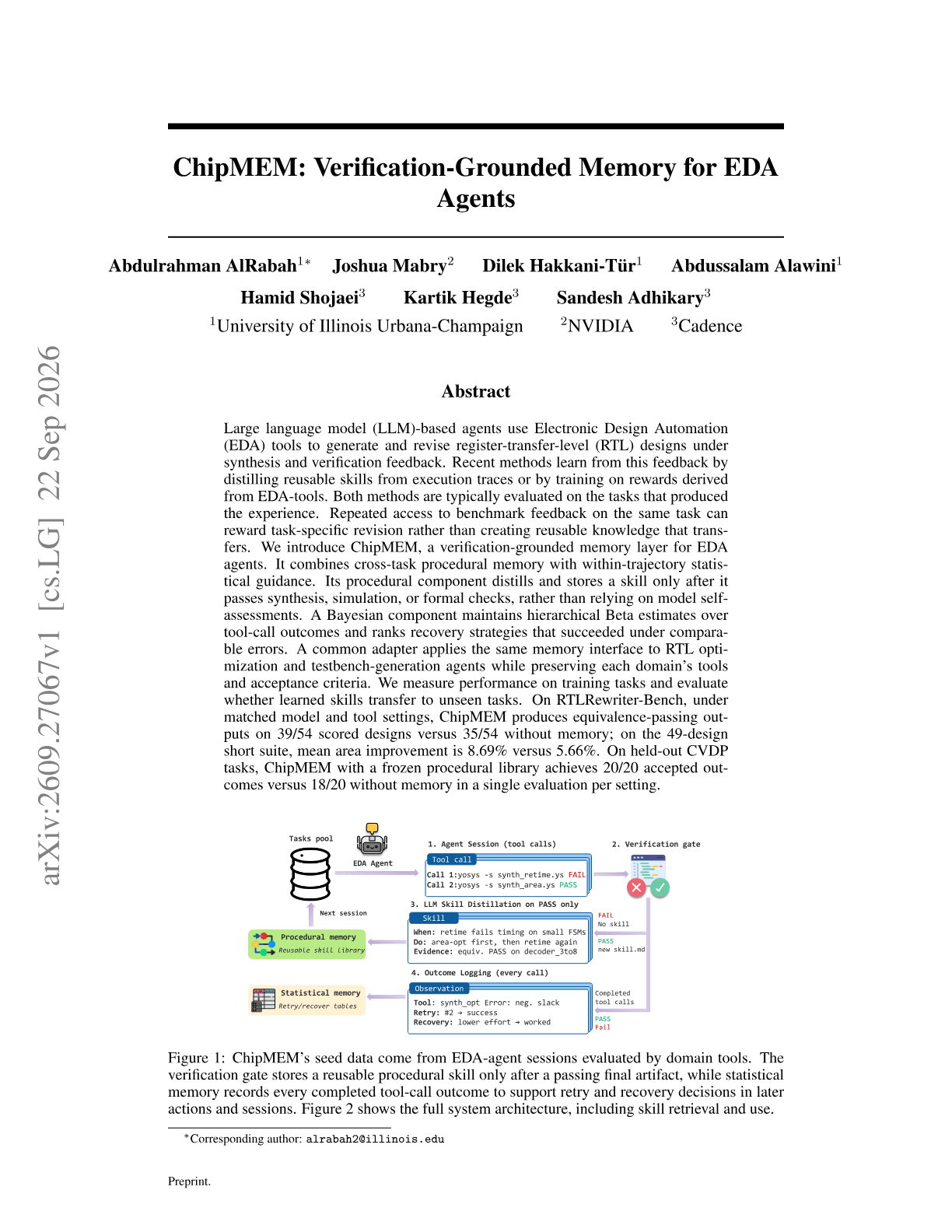
ChipMEM: Verification-Grounded Memory for EDA Agents
Abdulrahman AlRabah et al. · 2026 - 274
- 275
- 276
- 277
- 278
- 279
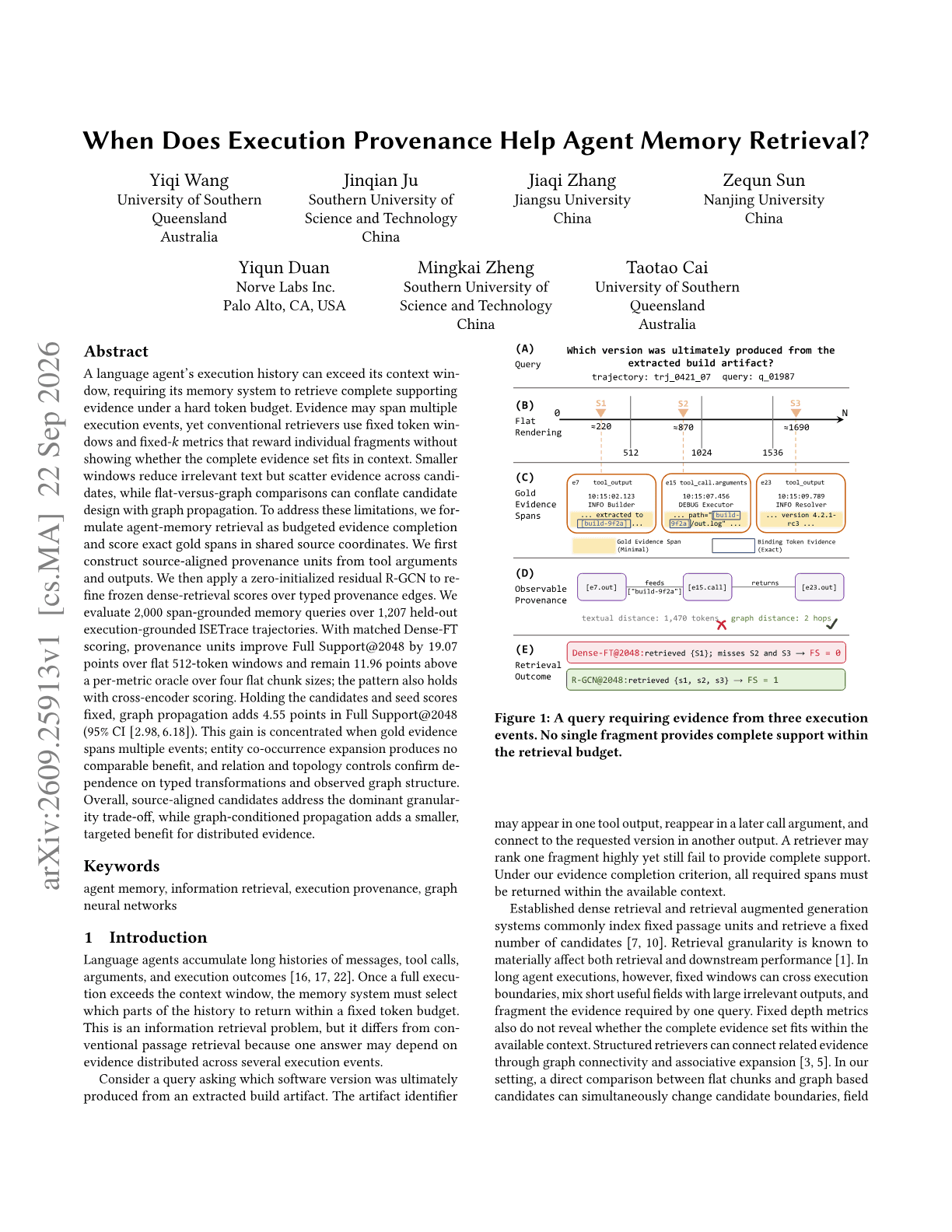
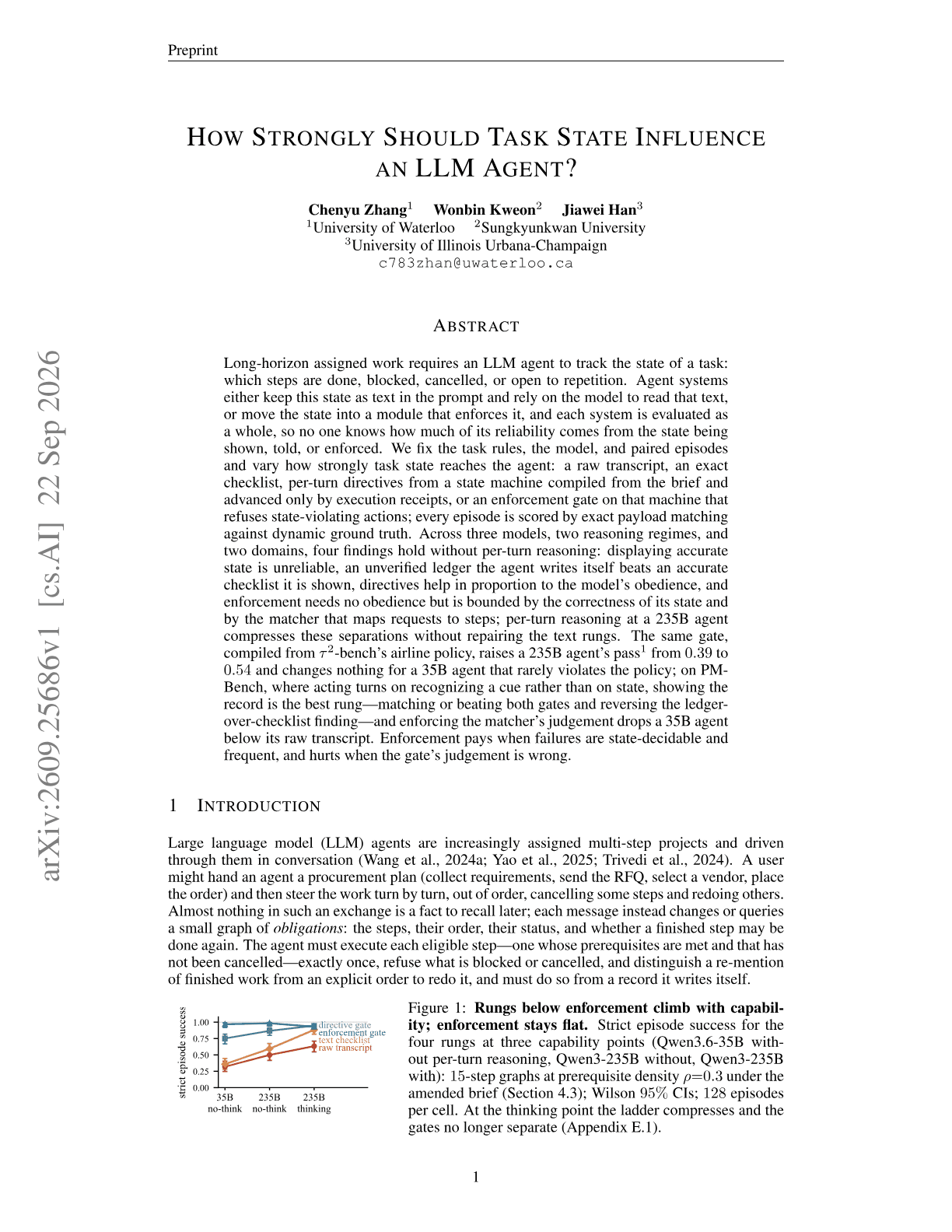
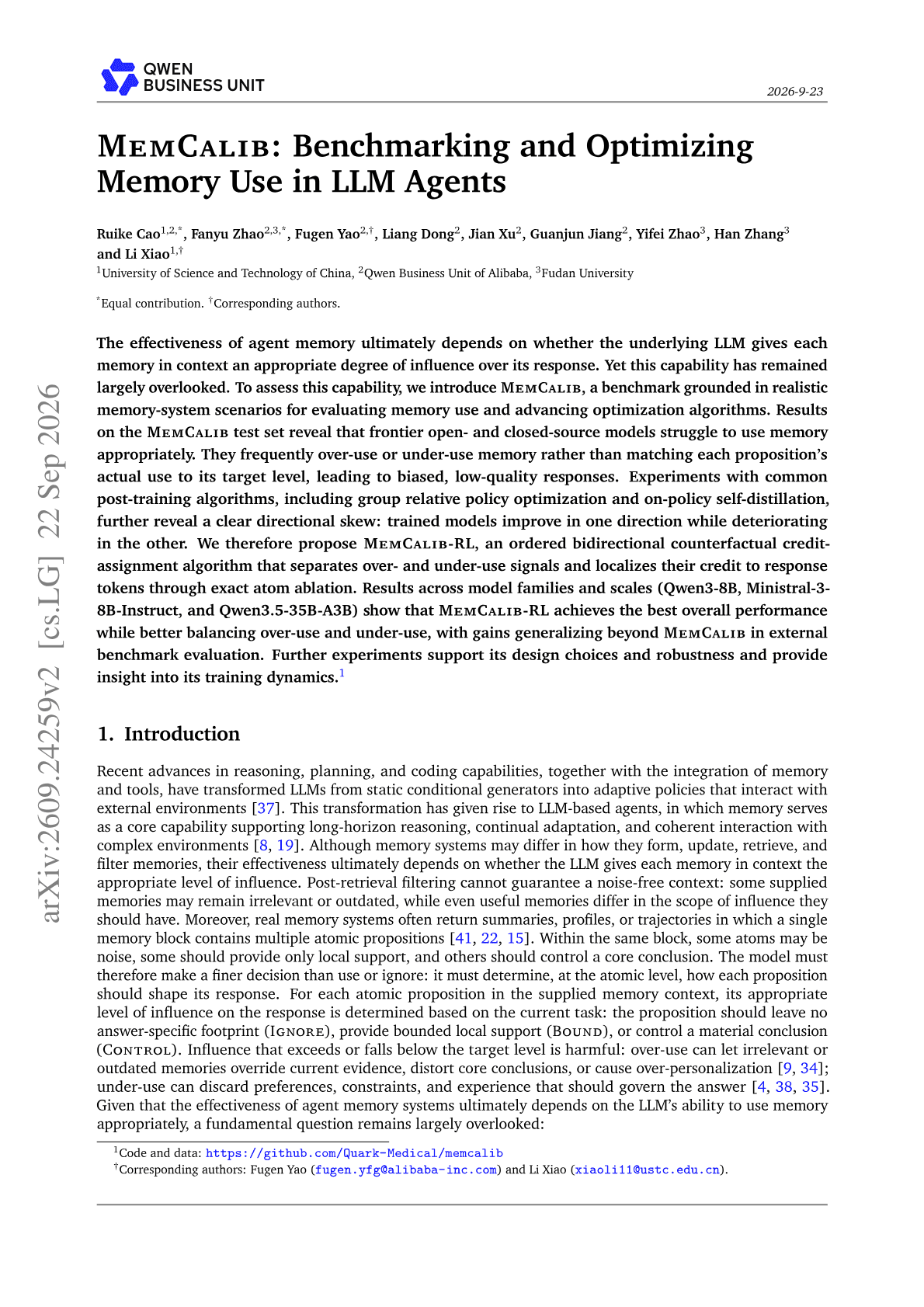
How Strongly Should Task State Influence an LLM Agent?
Chenyu Zhang, Wonbin Kweon, Jiawei Han · 2026 - 280
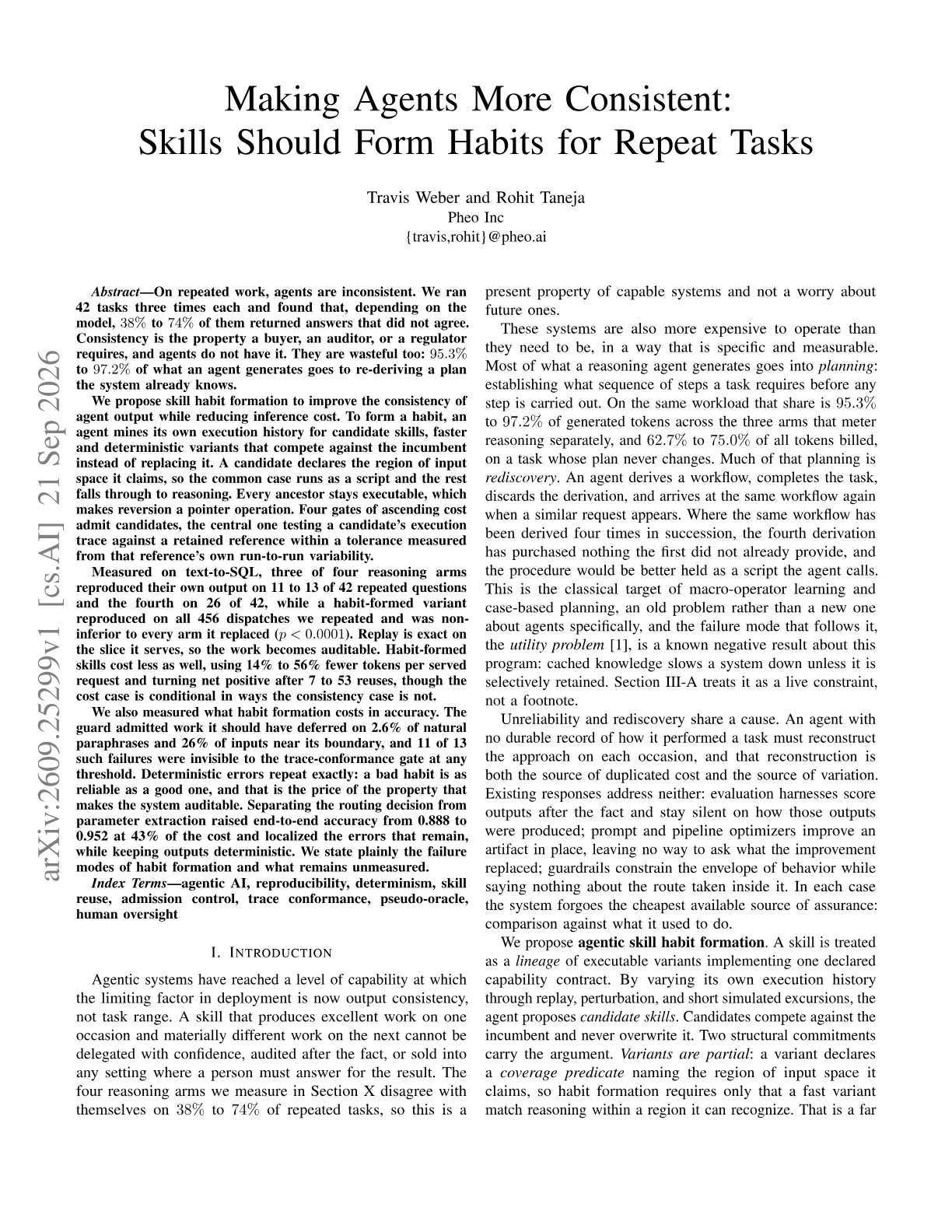
Making Agents More Consistent: Skills Should Form Habits for Repeat Tasks
Travis Weber, Rohit Taneja · 2026 - 281
- 282
- 283
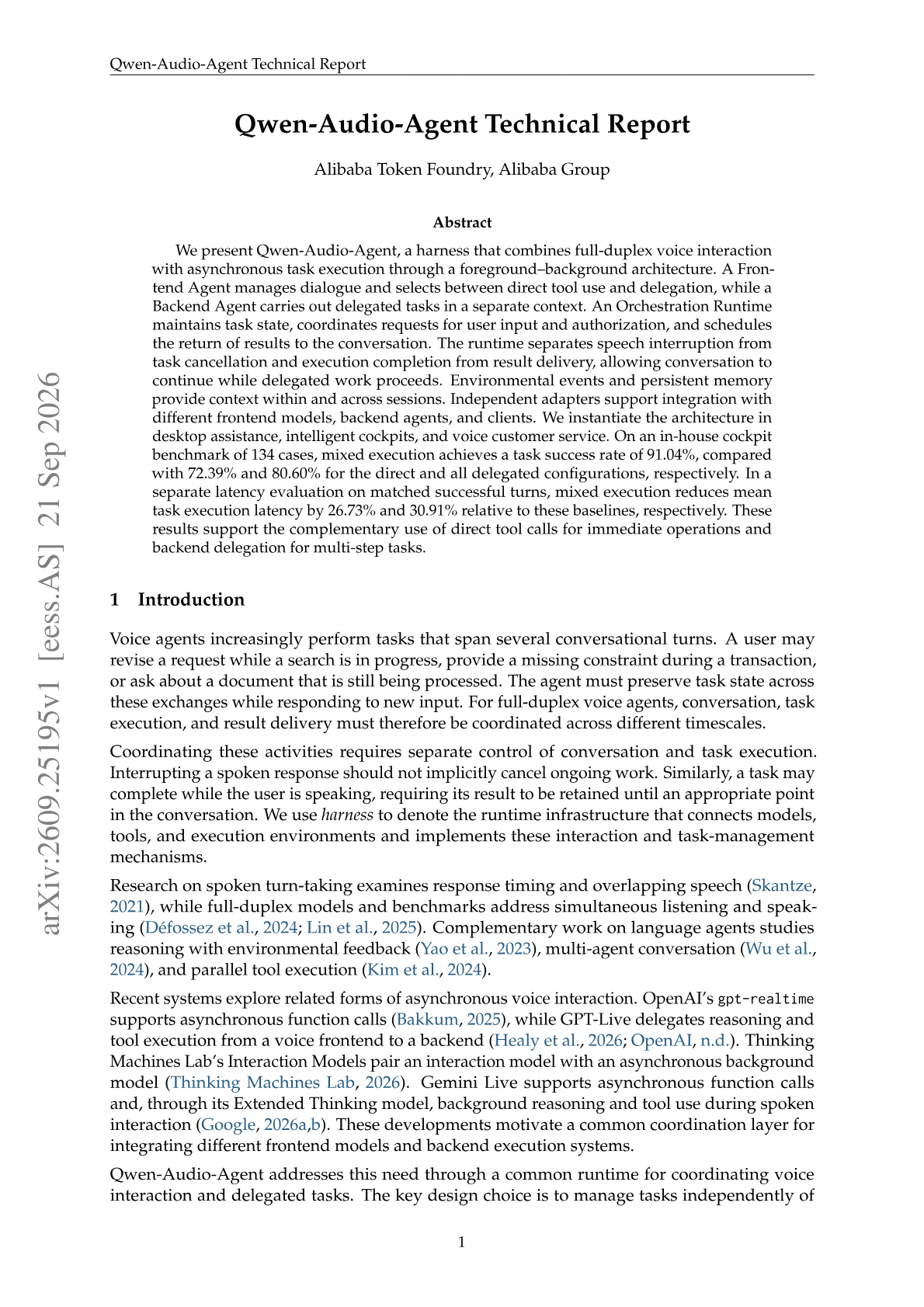
Qwen-Audio-Agent Technical Report
Chong Deng et al. · 2026 - 284
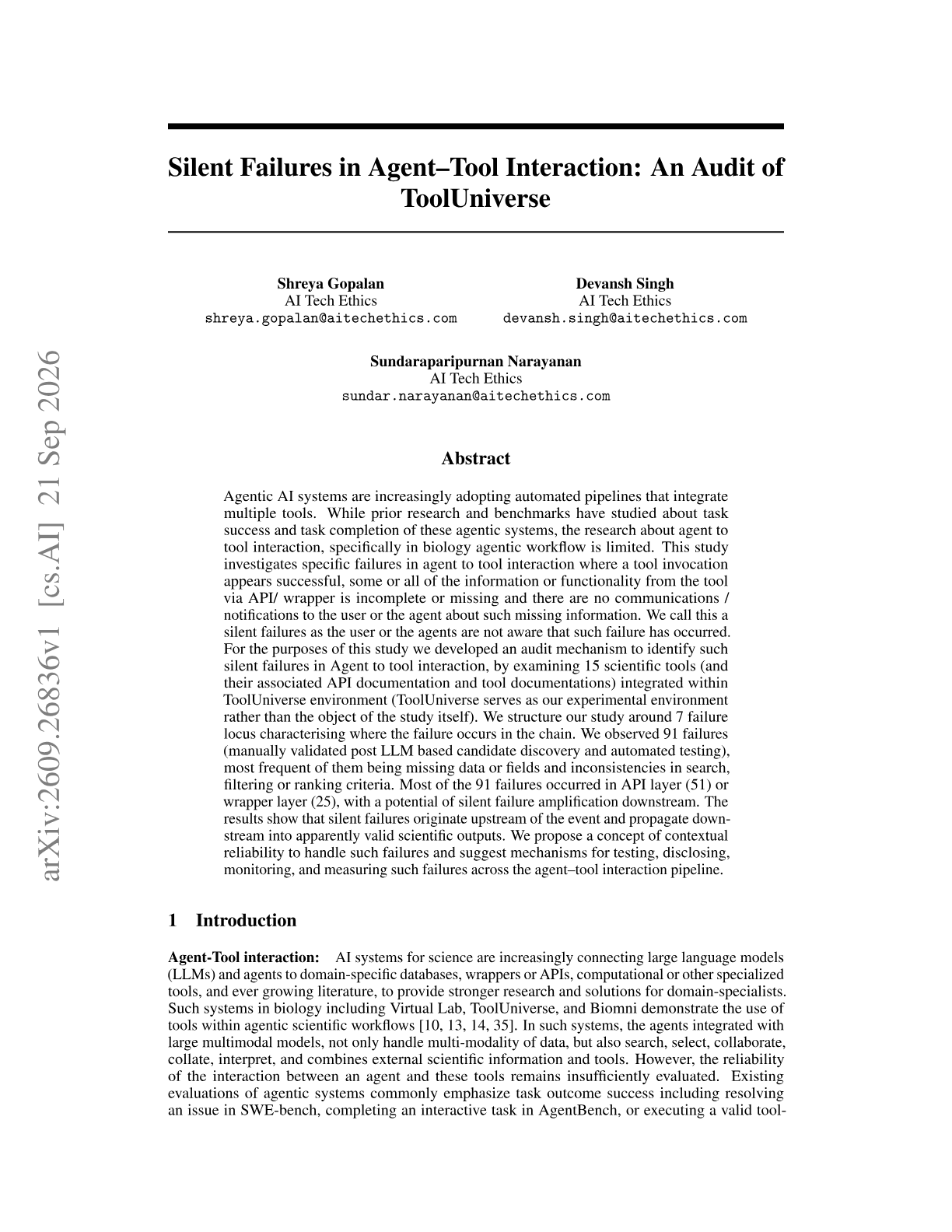
Silent Failures in Agent-Tool Interaction: An Audit of ToolUniverse
Shreya Gopalan, Devansh Singh, Sundaraparipurnan Narayanan · 2026 - 285
- 286
- 287
Jev-Mem: System-One-Controlled Agentic Memory for Efficient AI Agents
Dongming Jiang, Yi Li, Bingzhe Li · 2026 - 288
- 289
- 290
- 291
Propose, Verify, Commit: Evidence-Grounded Memory for Long-Horizon Multi-Actor Conversations
Zihao Lu, Zhihang Yuan, Lei Shi · 2026 - 292
- 293
- 294
- 295
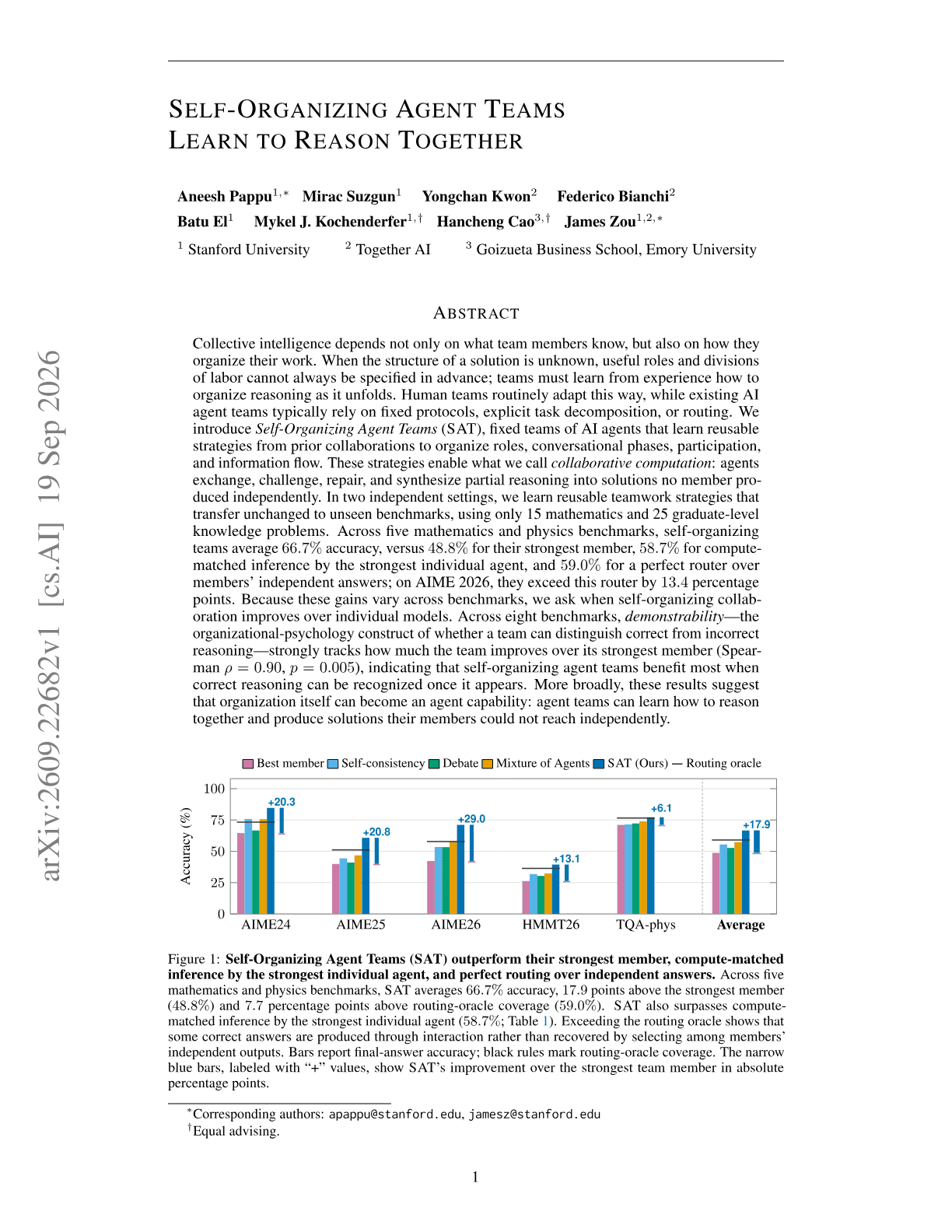
Self-Organizing Agent Teams Learn to Reason Together
Aneesh Pappu et al. · 2026 - 296
- 297
- 298
- 299
- 300
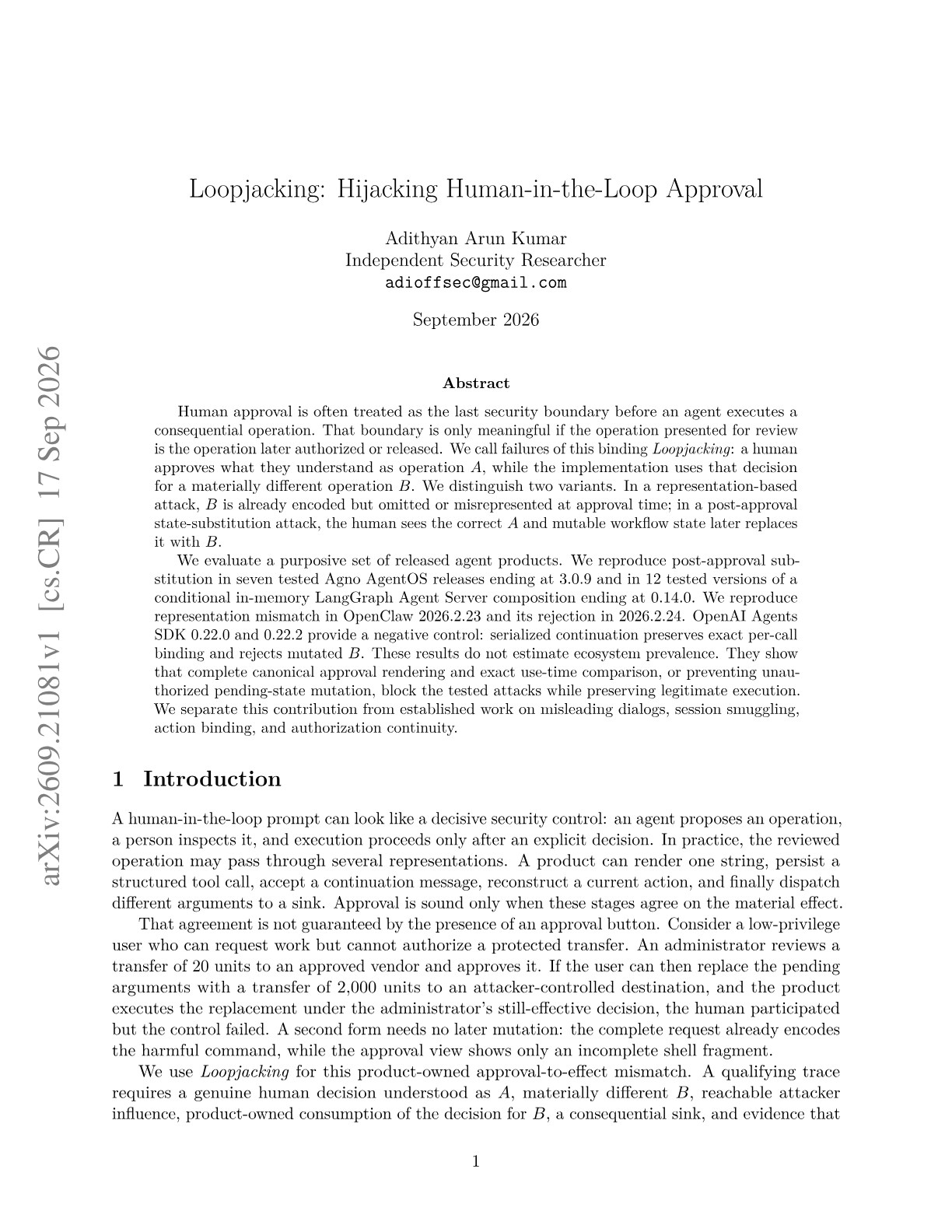
Loopjacking: Hijacking Human-in-the-Loop Approval
Adithyan Arun Kumar · 2026 - 301
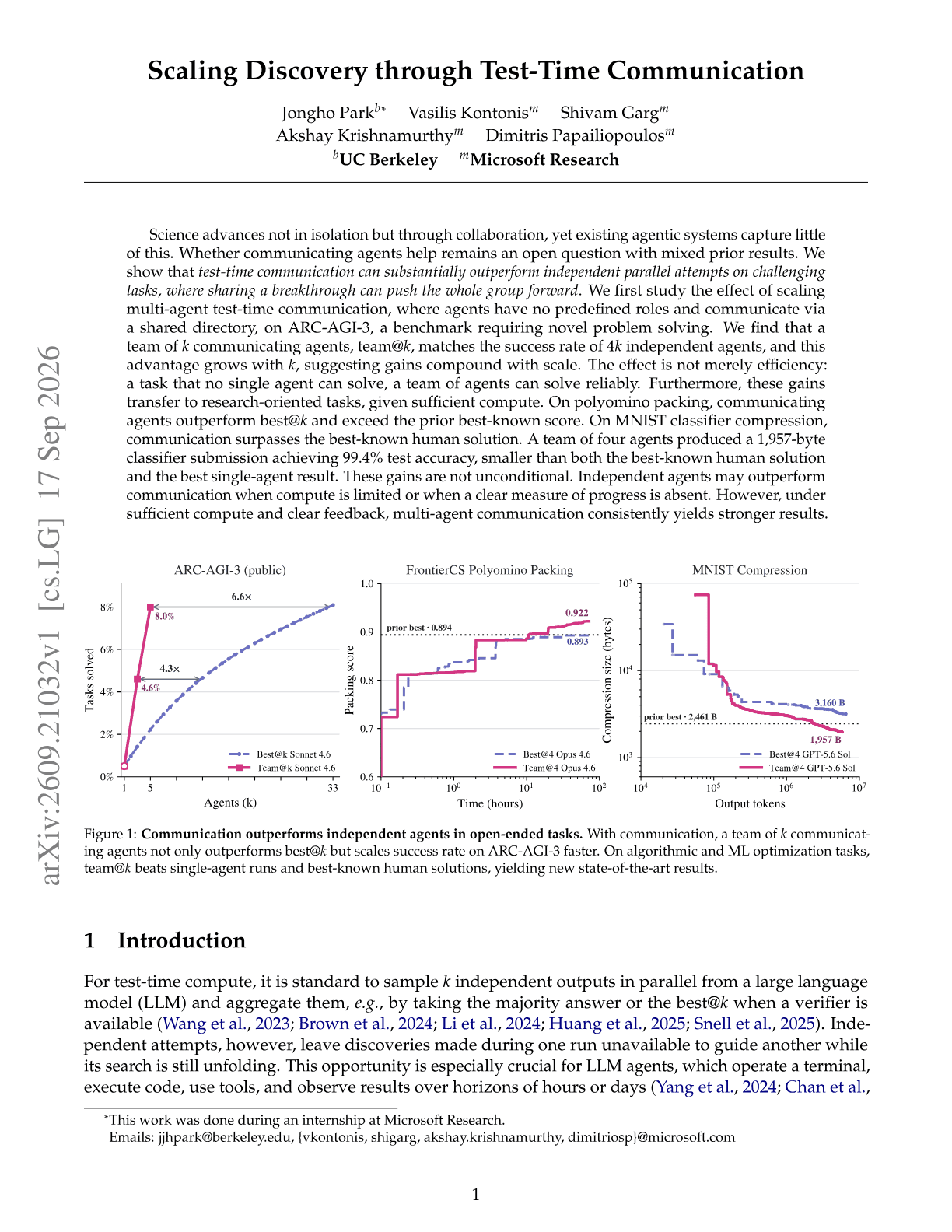
Scaling Discovery through Test-Time Communication
Jongho Park et al. · 2026 - 302
- 303
- 304
- 305
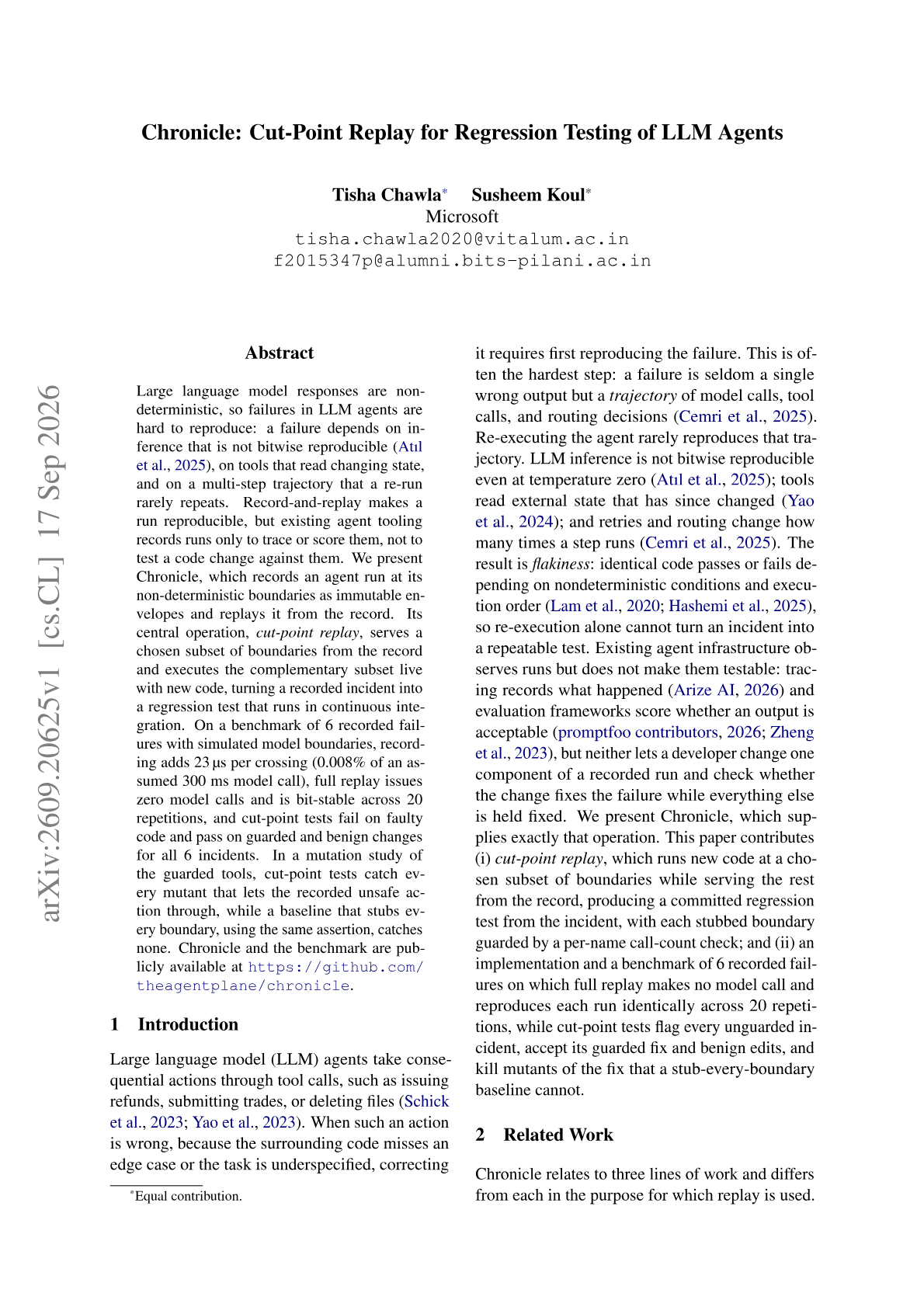
Chronicle: Cut-Point Replay for Regression Testing of LLM Agents
Tisha Chawla, Susheem Koul · 2026 - 306
- 307
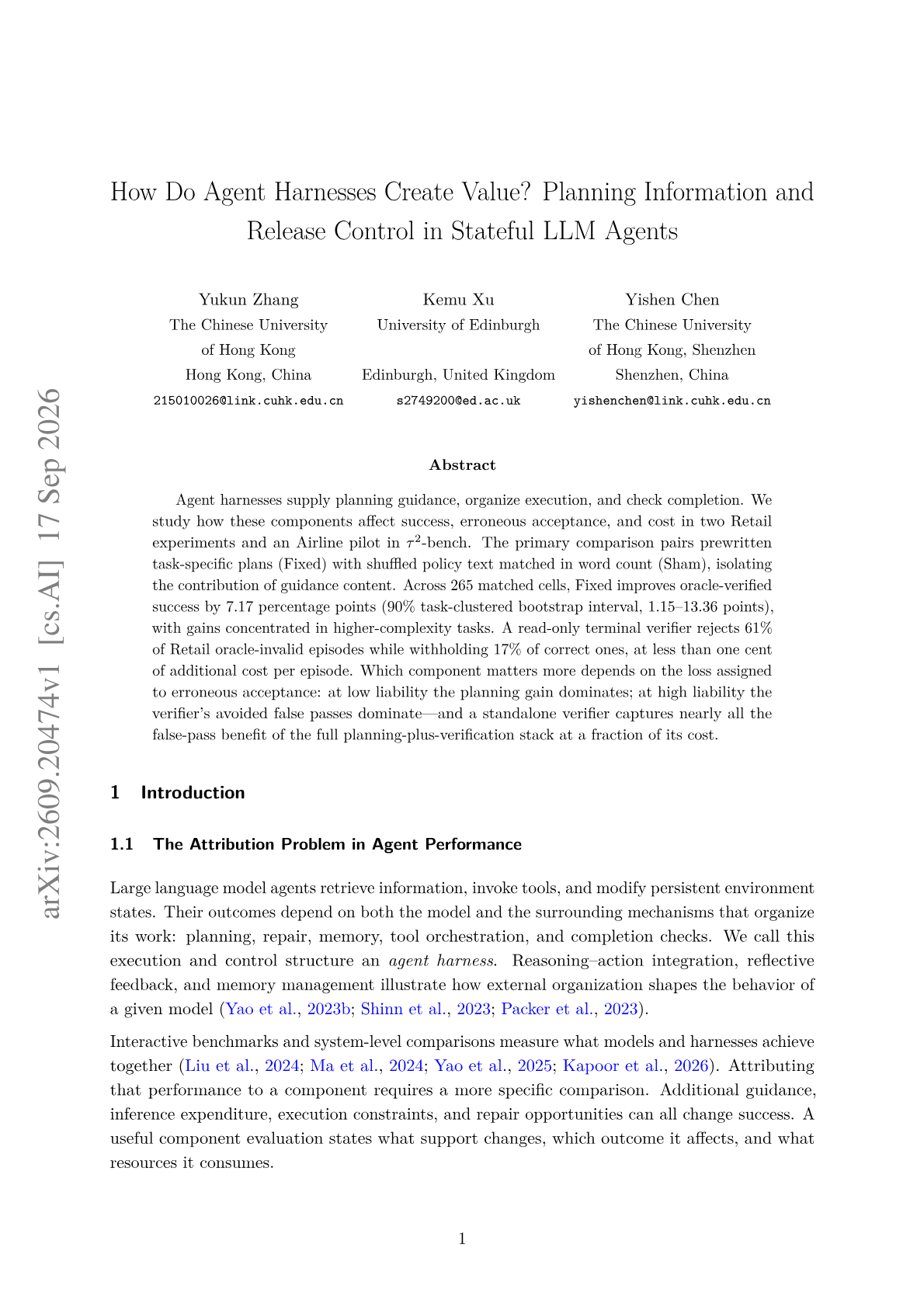
How Do Agent Harnesses Create Value? Planning Information and Release Control in Stateful LLM Agents
Yukun Zhang, Kemu Xu, Yishen Chen · 2026 - 308
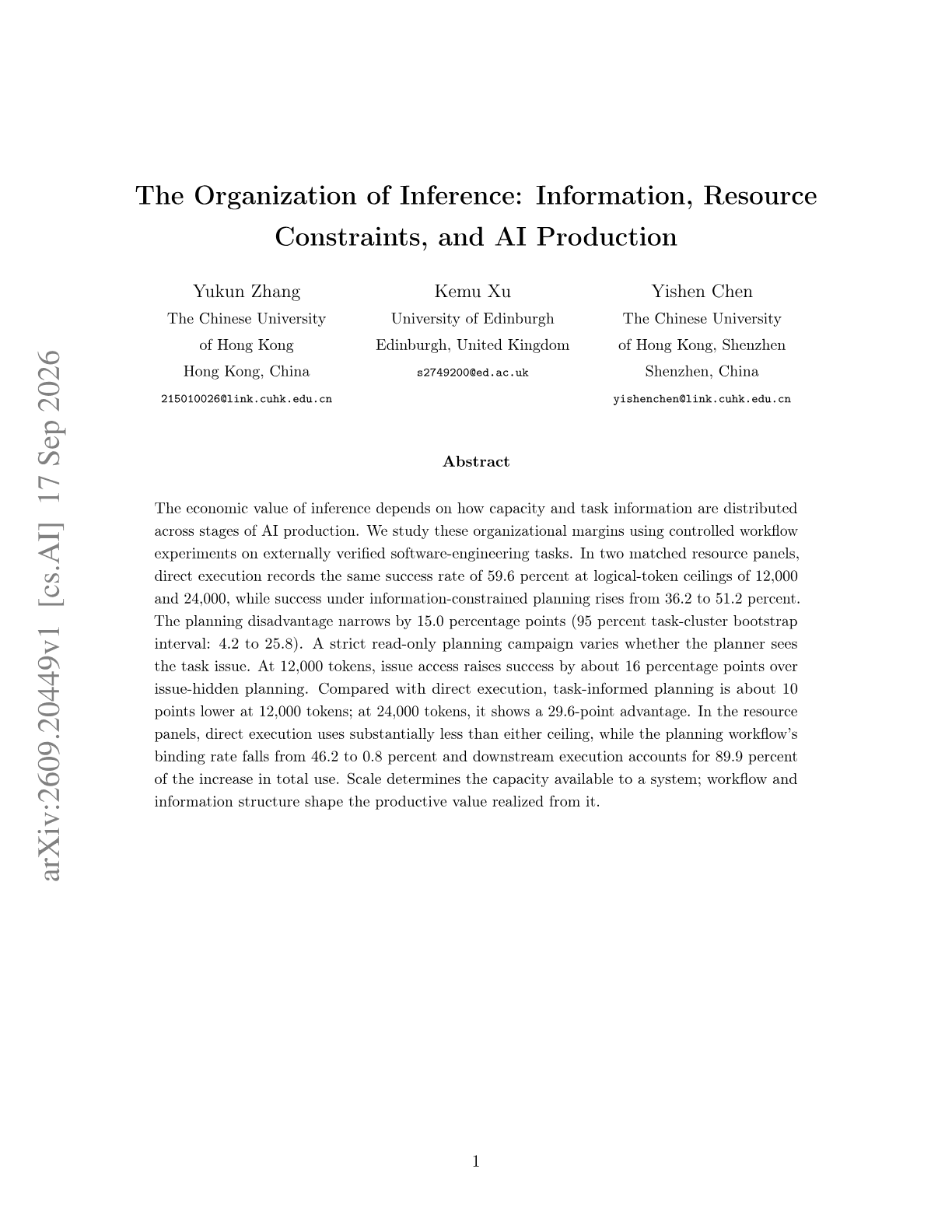
The Organization of Inference: Information, Resource Constraints, and AI Production
Yukun Zhang, Kemu Xu, Yishen Chen · 2026 - 309
- 310
- 311
- 312
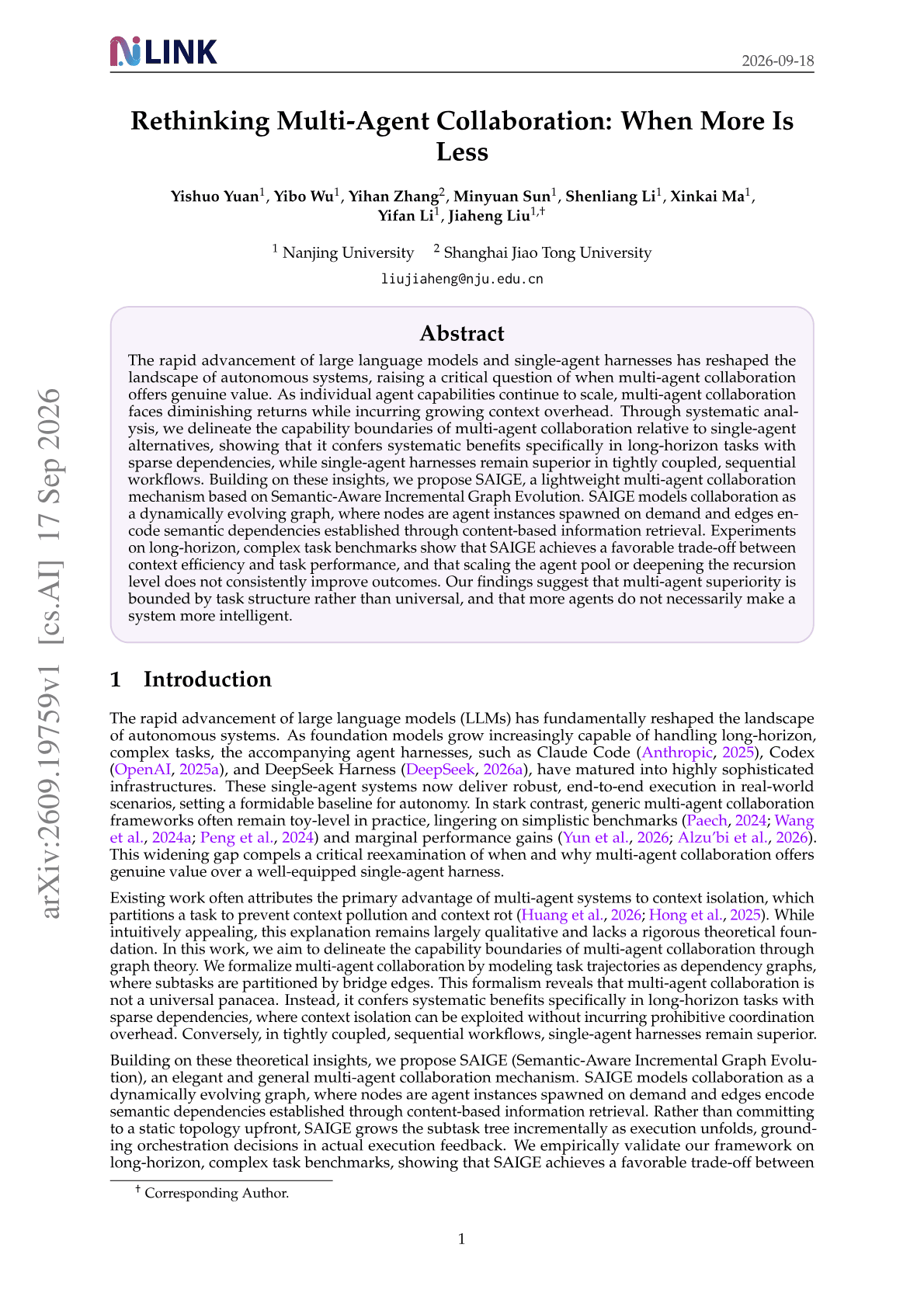
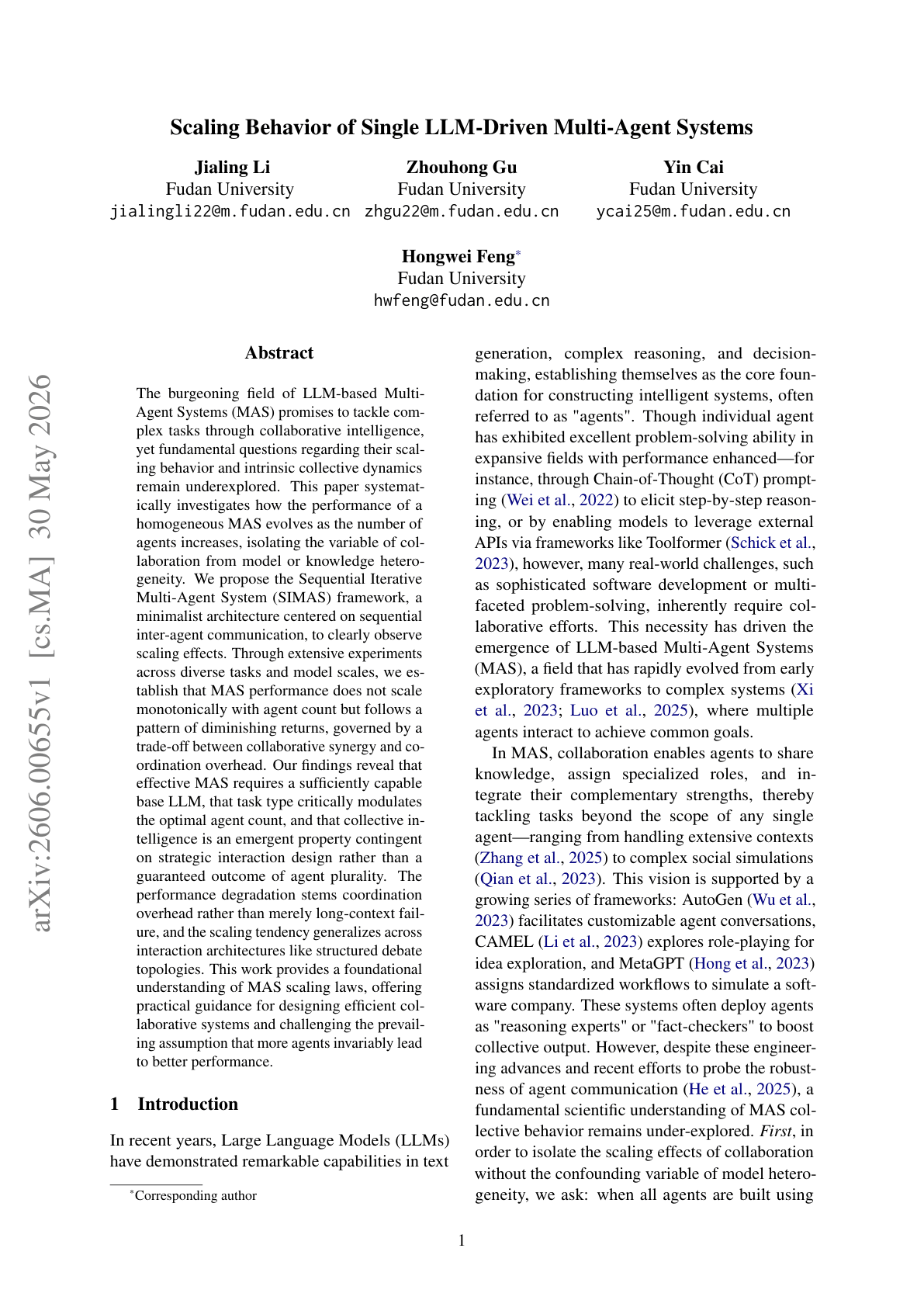
Rethinking Multi-Agent Collaboration: When More Is Less
Yishuo Yuan et al. · 2026 - 313
- 314
- 315
- 316
- 317
- 318
- 319
- 320
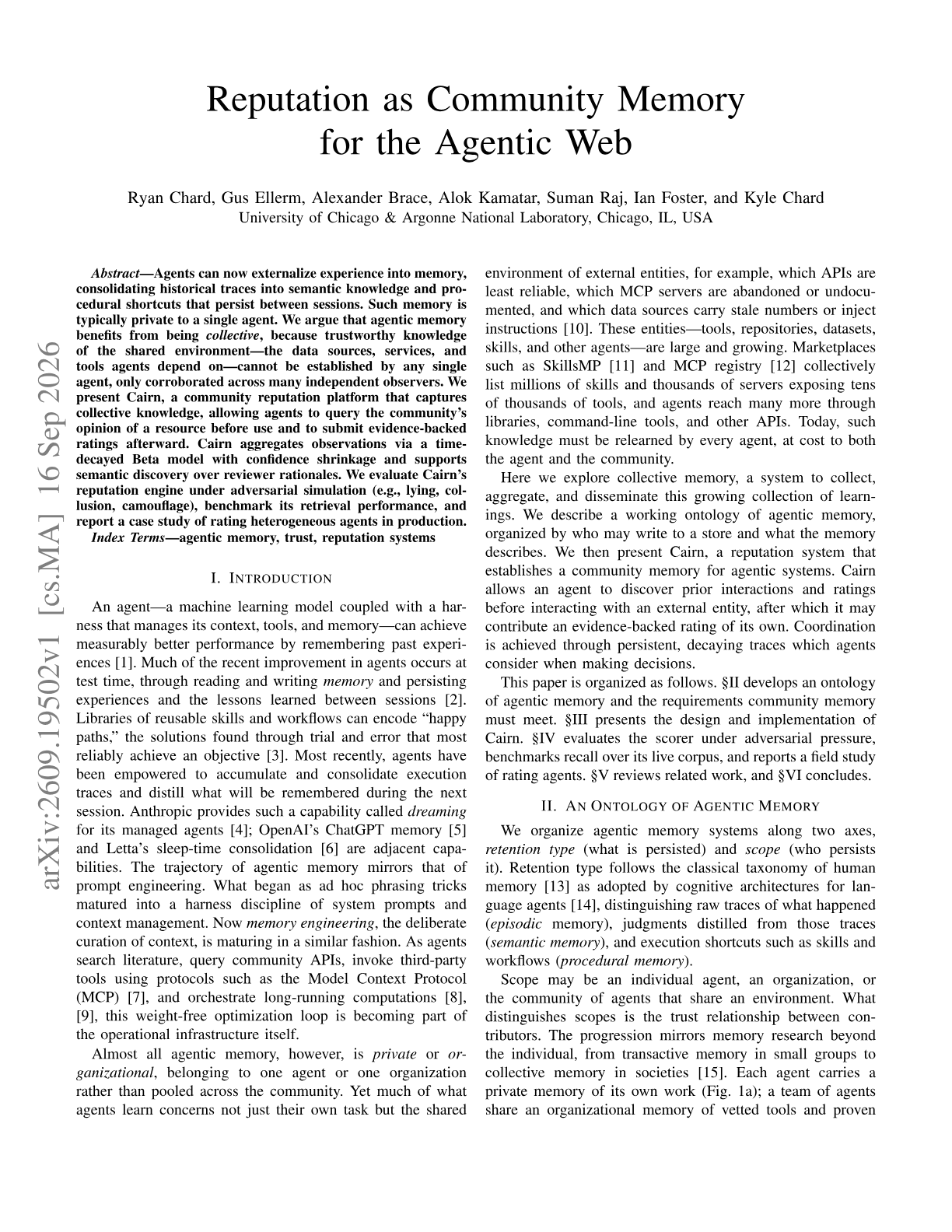
Reputation as Community Memory for the Agentic Web
Ryan Chard et al. · 2026 - 321
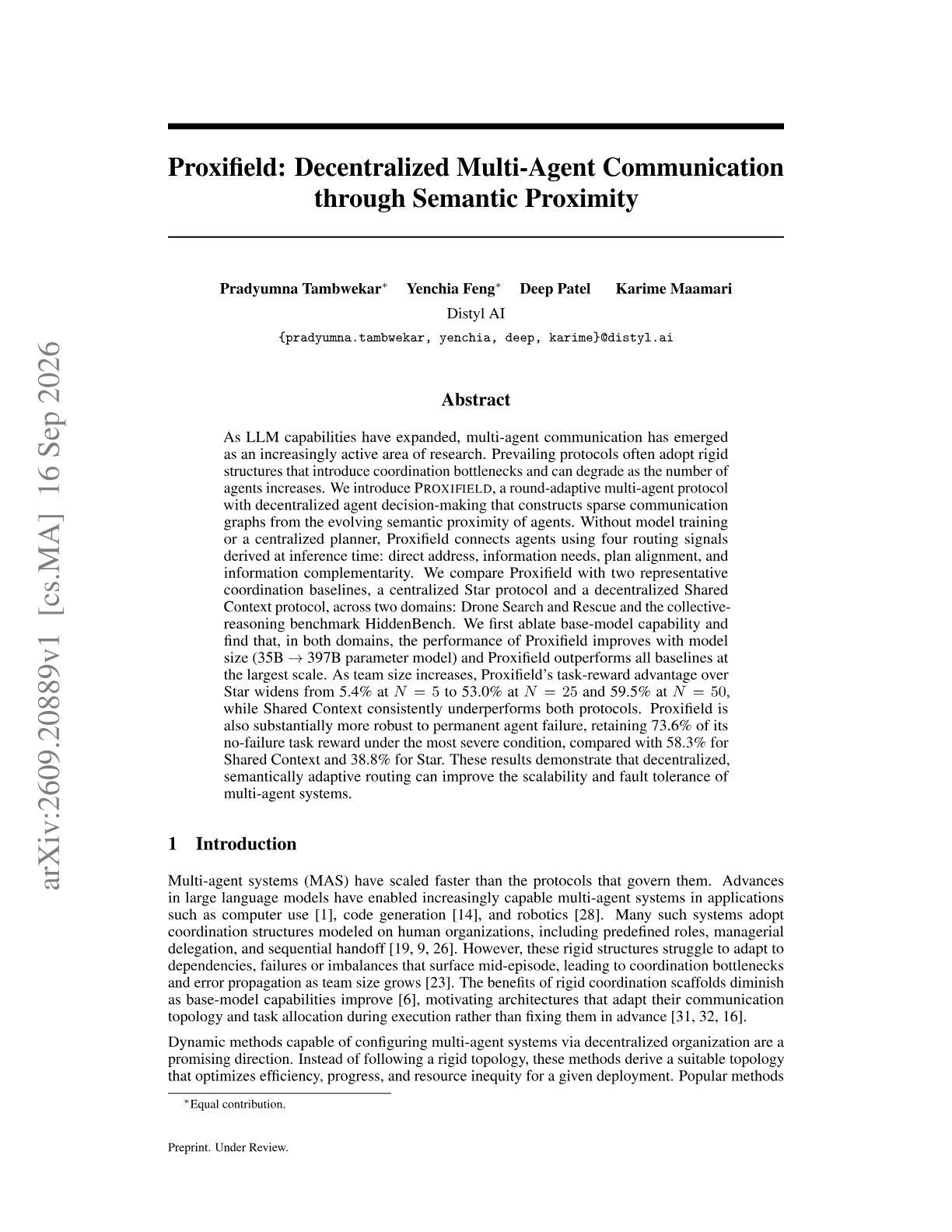
Proxifield: Decentralized Multi-Agent Communication through Semantic Proximity
Pradyumna Tambwekar et al. · 2026 - 322
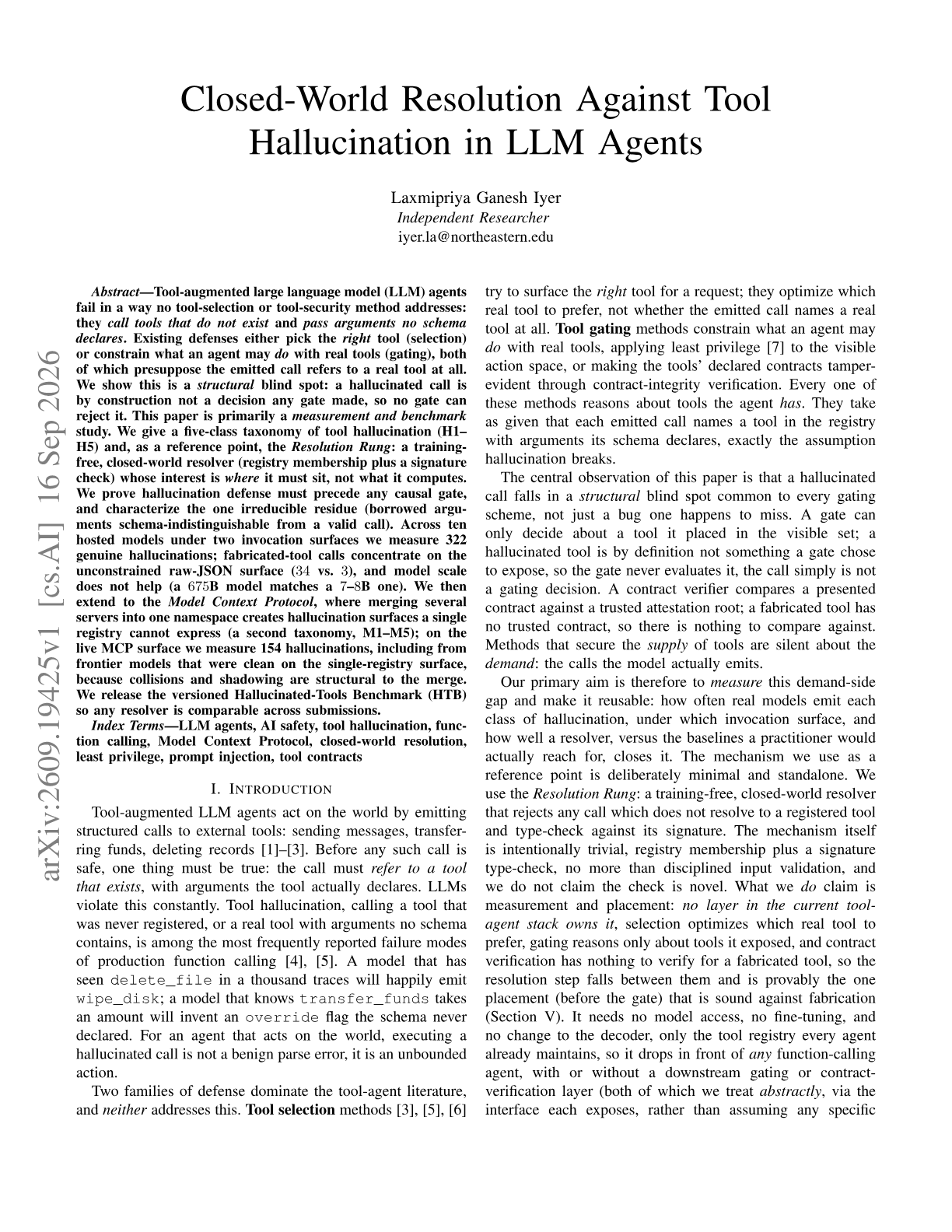
Closed-World Resolution Against Tool Hallucination in LLM Agents
Laxmipriya Ganesh Iyer · 2026 - 323
- 324
- 325
- 326
- 327
- 328
- 329
- 330
- 331
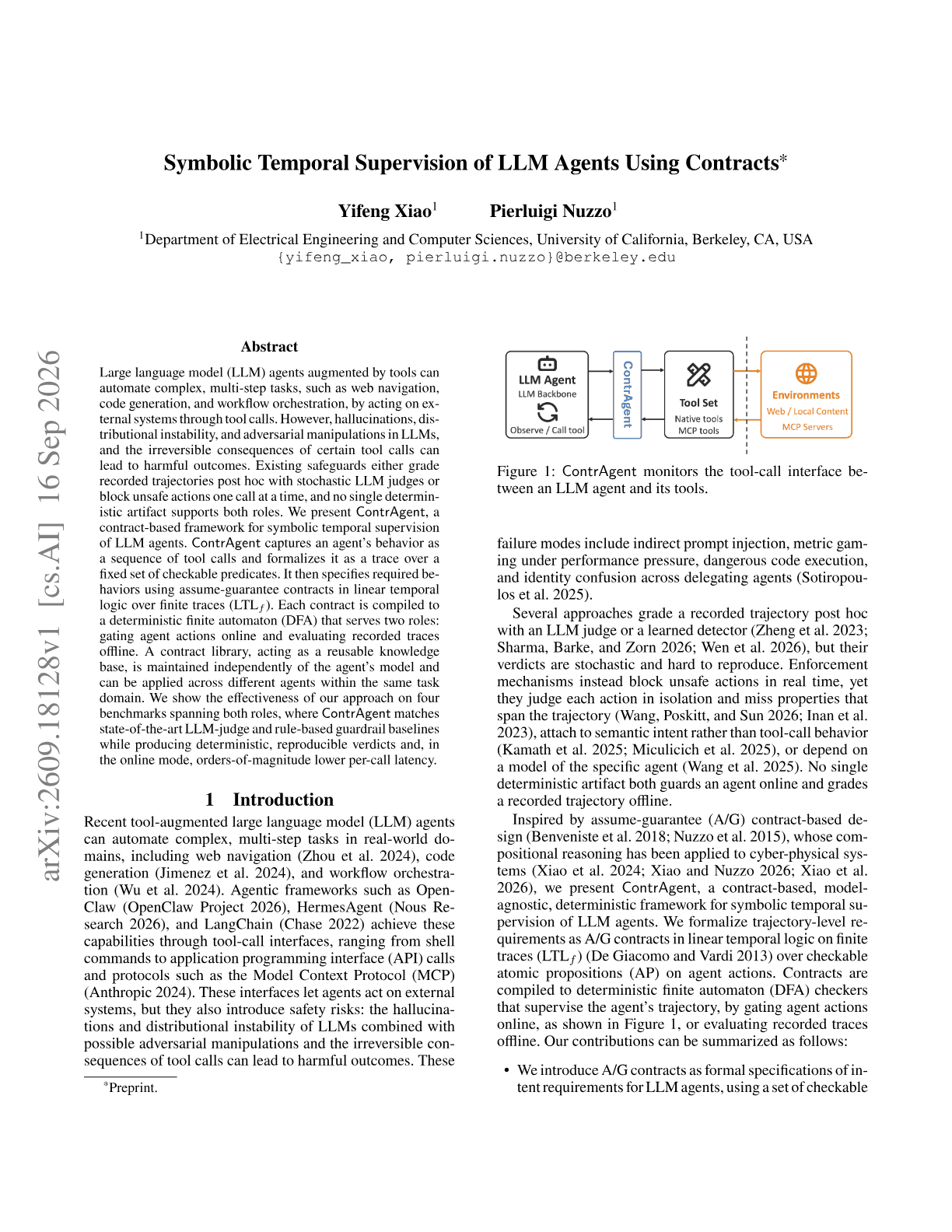
Symbolic Temporal Supervision of LLM Agents Using Contracts
Yifeng Xiao, Pierluigi Nuzzo · 2026 - 332
Designing Agentic AI Workflow Portfolios under Imperfect Selection and Compute Cost
Mojtaba Abdolmaleki, Stefanus Jasin, Boyu Wang · 2026 - 333
Agora: Git as Shared Memory for Collective AutoResearch
Yifan Zhang et al. · 2026 - 334
- 335
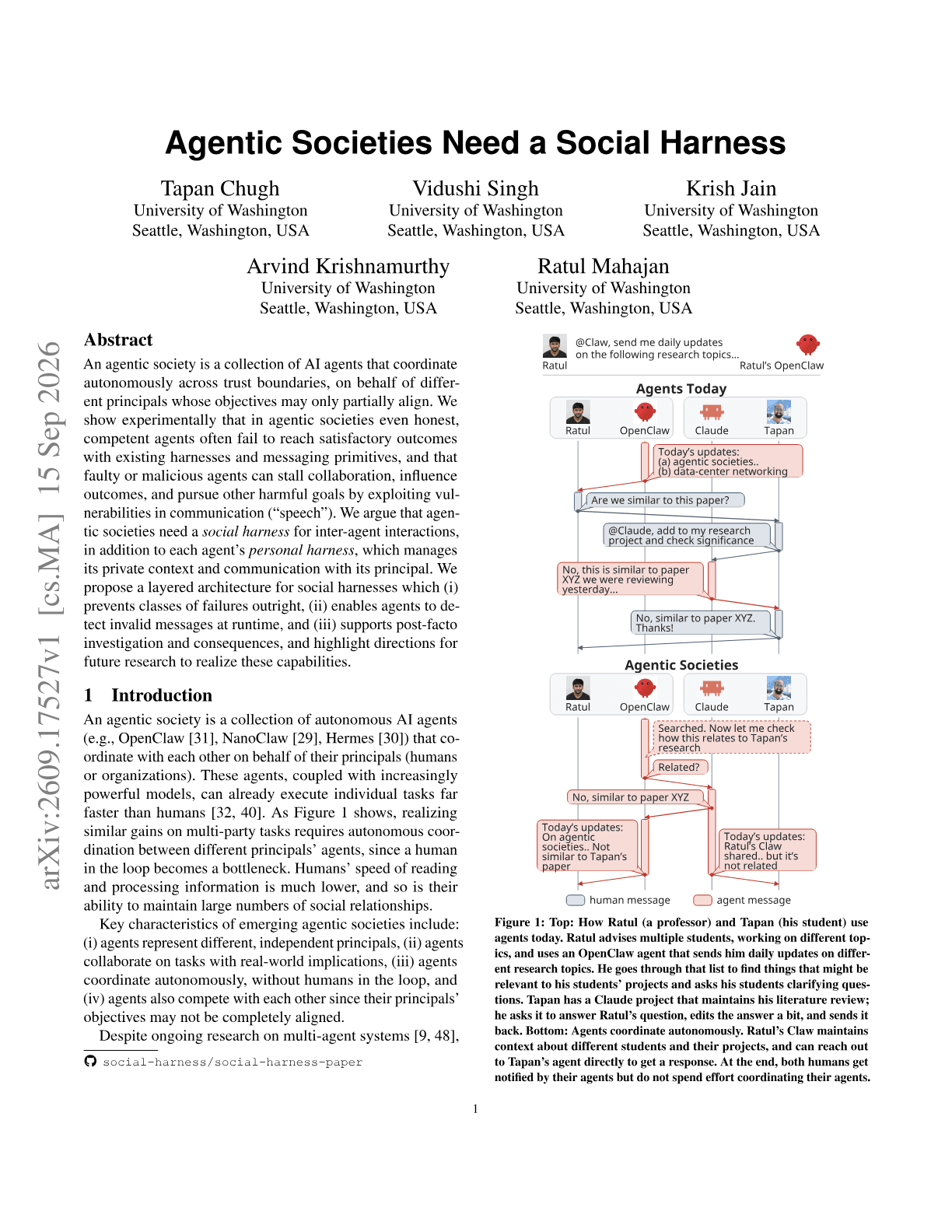
Agentic Societies Need a Social Harness
Tapan Chugh et al. · 2026 - 336
- 337
- 338
Mo' Models, Mo' Problems: How to best select model pools when designing Multi-Agent Systems
Sara Vera Marjanović et al. · 2026 - 339
After the Party: Governing What a Viral Agent-Skill Ecosystem Left Behind
Yunpeng Xiong, Ting Zhang · 2026 - 340
- 341
- 342
- 343
- 344
- 345
- 346
- 347
- 348
- 349
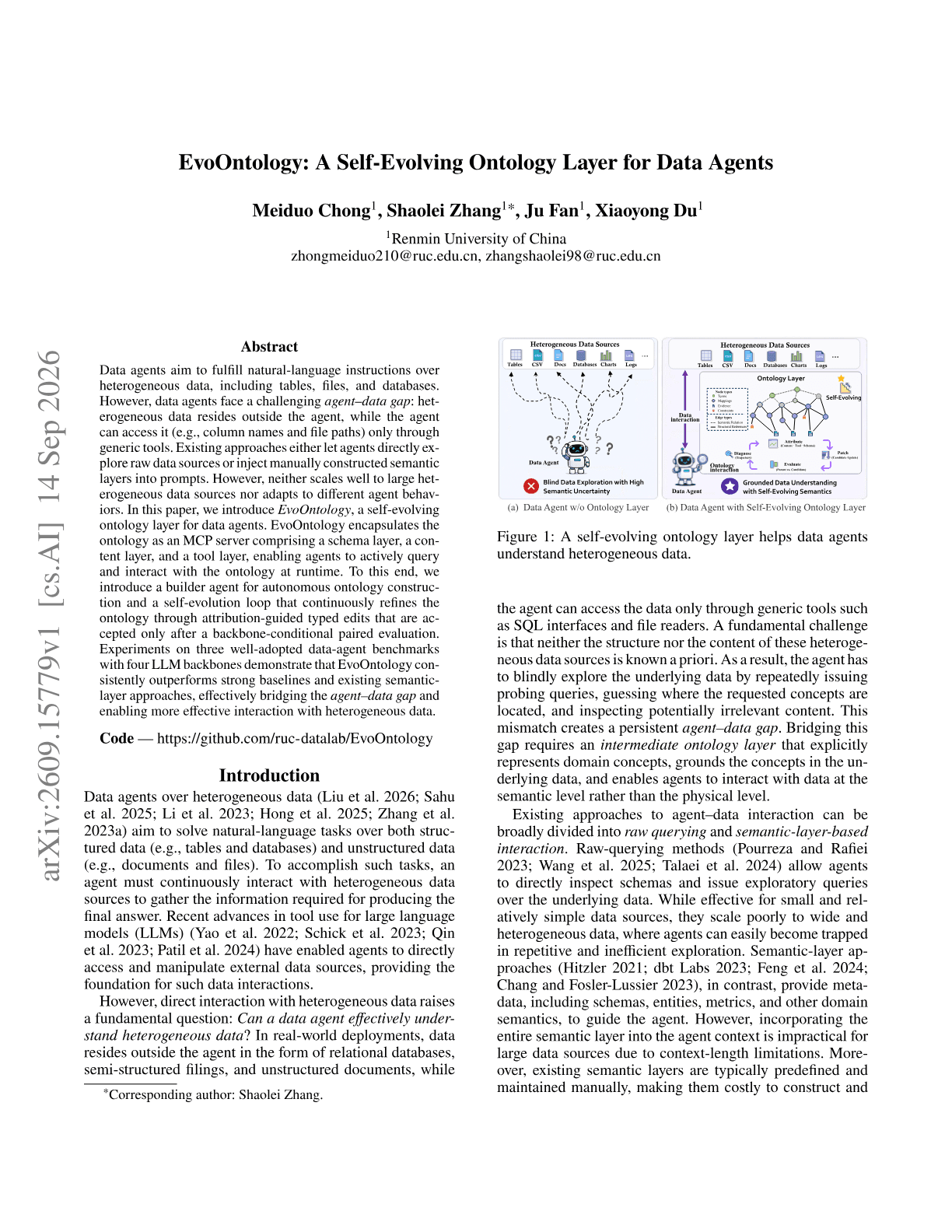
EvoOntology: A Self-Evolving Ontology Layer for Data Agents
Meiduo Chong et al. · 2026 - 350
- 351
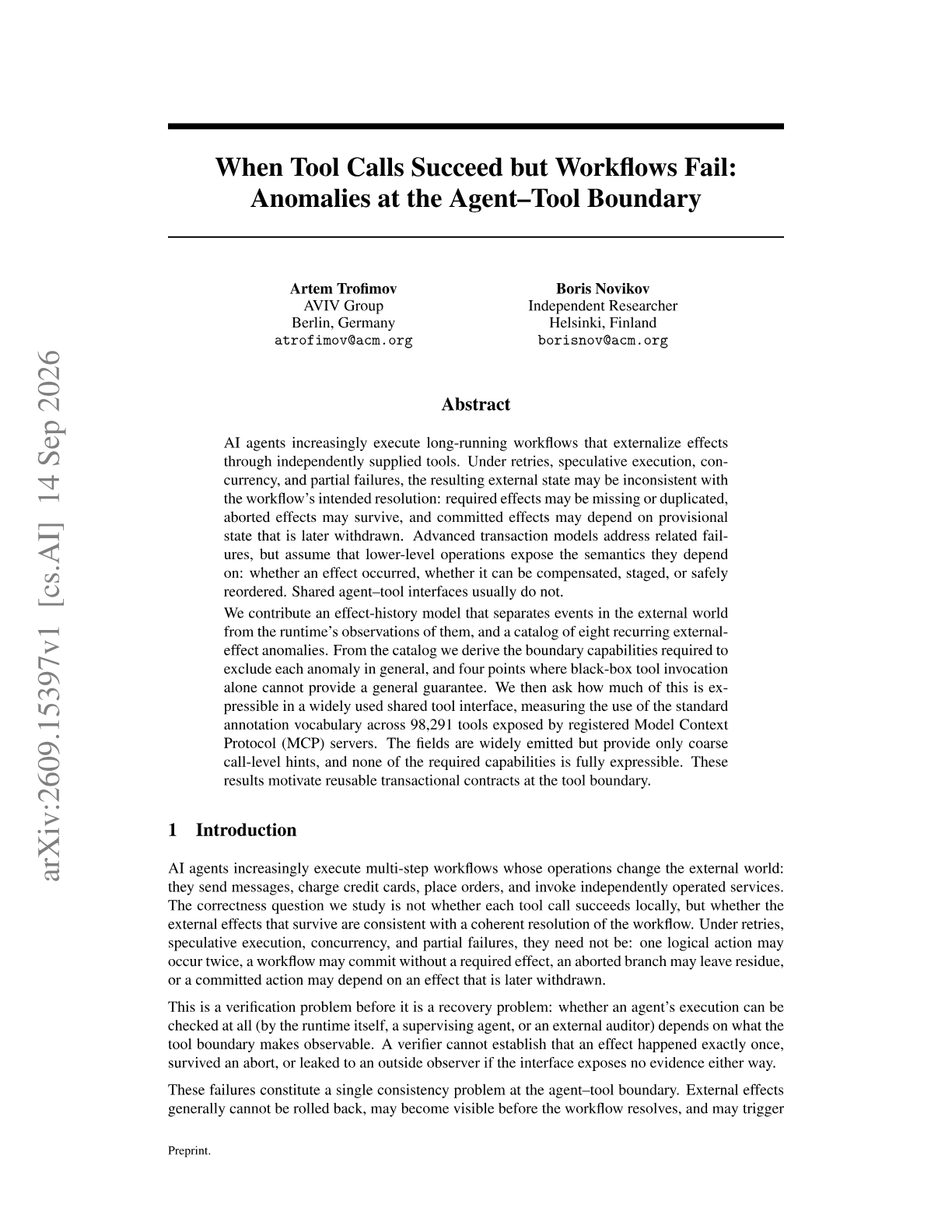
When Tool Calls Succeed but Workflows Fail: Anomalies at the Agent-Tool Boundary
Artem Trofimov, Boris Novikov · 2026 - 352
- 353
- 354
OpenAI4S: Code as Action, Science as Sessions
Gongbo Zhang et al. · 2026 - 355
- 356
- 357
- 358
The Stochastic Deputy: Structural Tenant Isolation for Tool-Using LLM Agents
Mirza Samad Ahmed Baig et al. · 2026 - 359
Loop-Back Authority in LLM Agent Teams: A Paired Experiment on Flat and Hierarchical Coordination
Burak Agachan, Max van Duijn, Amirhossein Zohrehvand · 2026 - 360
- 361
Question's Gambit: The First Move Matters in Agentic Deep Search
Radin Hamidi Rad et al. · 2026 - 362
- 363
- 364
- 365
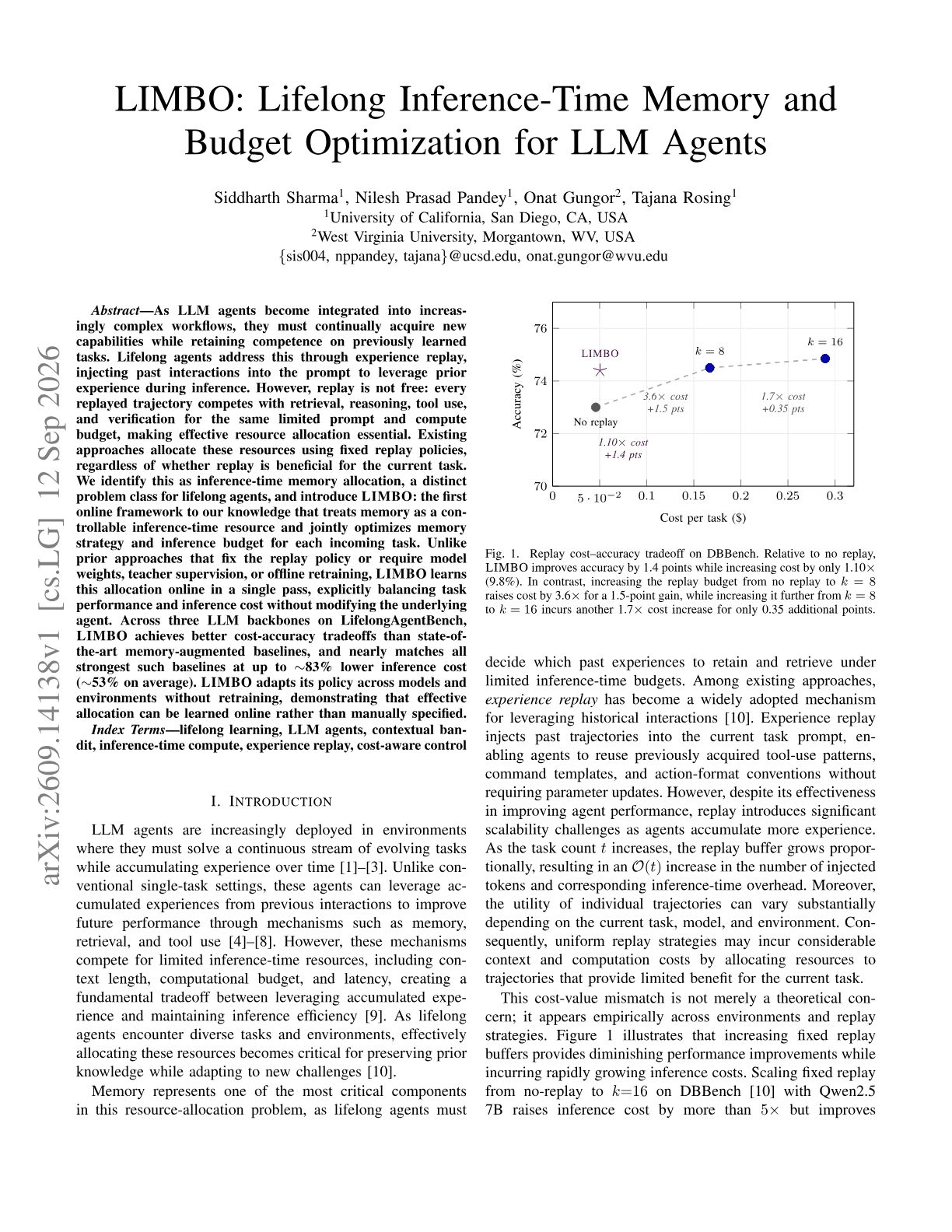
LIMBO: Lifelong Inference-Time Memory and Budget Optimization for LLM Agents
Siddharth Sharma et al. · 2026 - 366
- 367
- 368
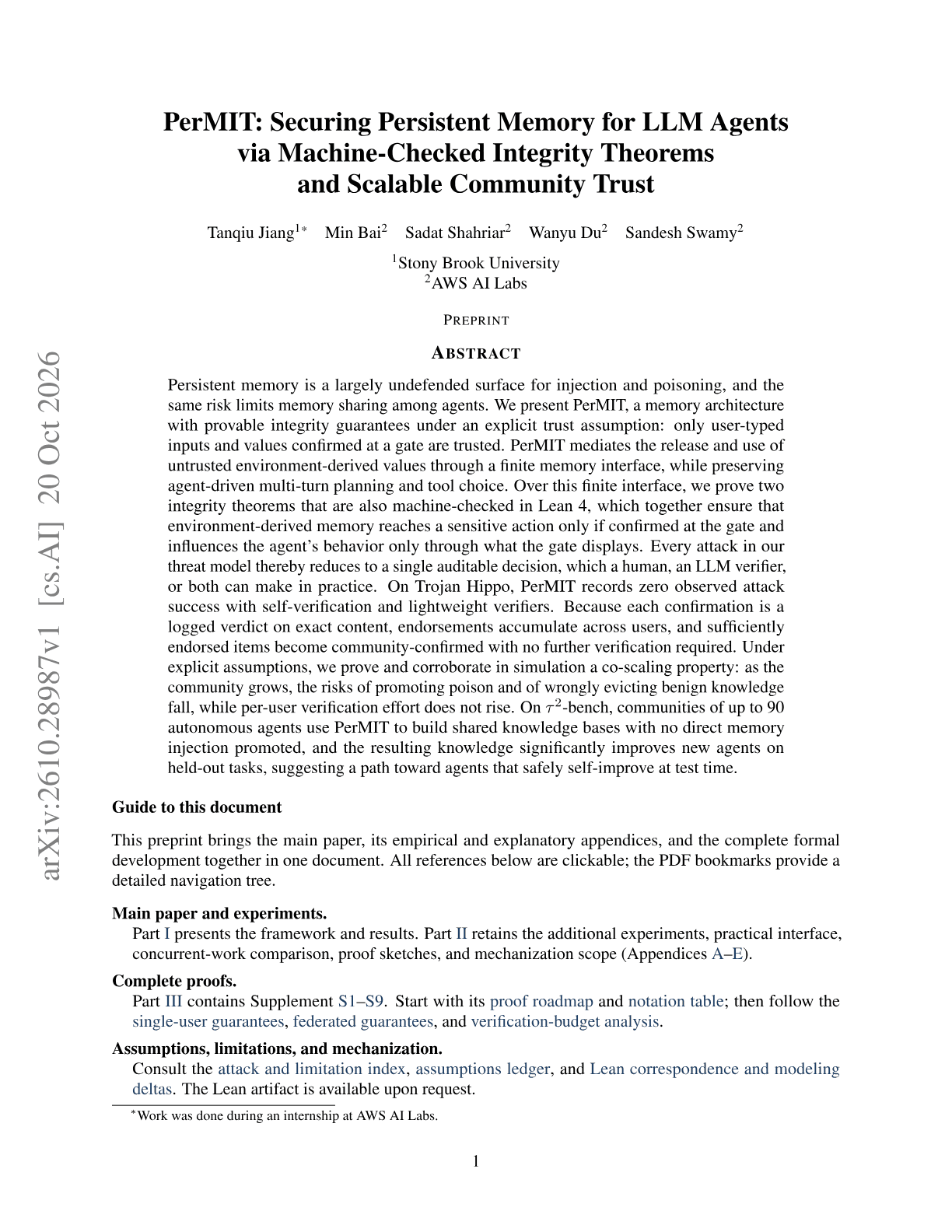
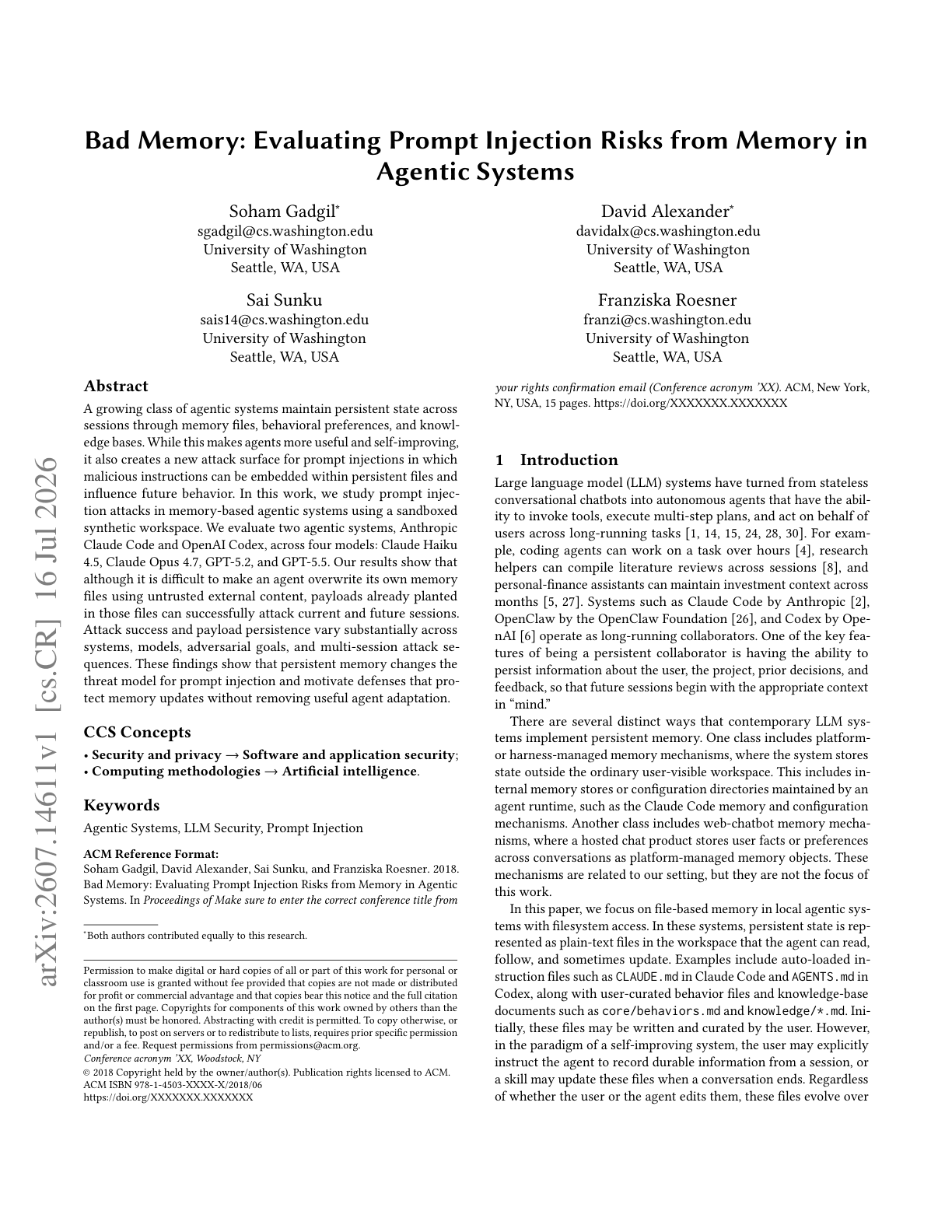
When Malicious Instructions Persist: Persistent Memory Poisoning Attack on Harness-Based Agents
Shuhuai Huang, Jingfeng Zhang, Hong Jia · 2026 - 369
- 370
- 371
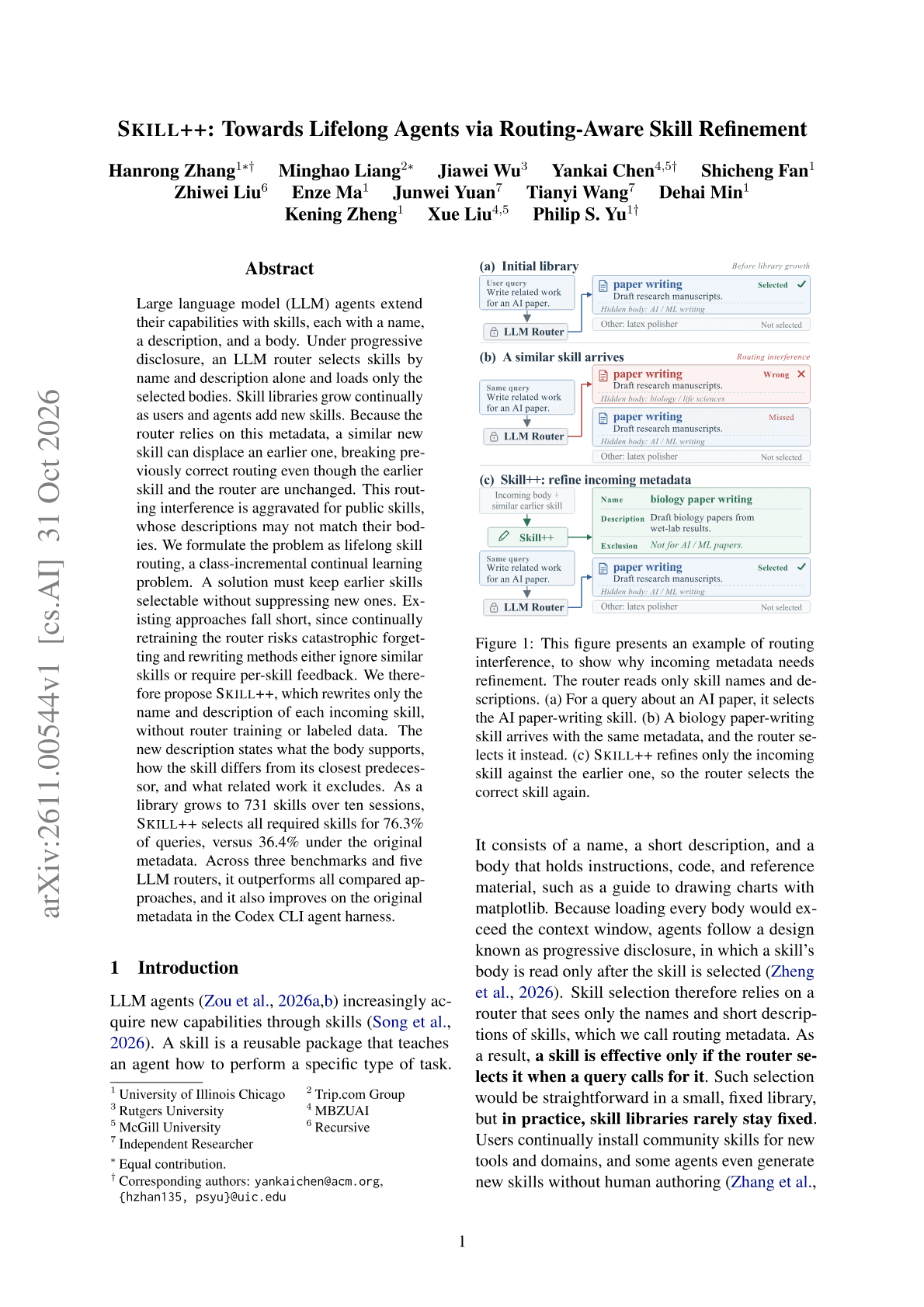
AutoTailor: Automatic, User-Aligned Capability Selection and Adaptation for Web Agents
Xinyun Cao, Adriana Szekeres, Fazle Elahi Faisal · 2026 - 372
Asclepius: An Adaptive Harness for Long-Horizon Clinical Agents
Grace Chang Yuan et al. · 2026 - 373
- 374
- 375
Skill Issue: Lessons from Optimizing Repository SKILLs for Coding Agents
Mykhailo Kozyrev, Andrei Kozyrev, Anton Podkopaev · 2026 - 376
- 377
ORCH: Organizational Principles Enable Collective Intelligence in Embodied AI
Zhengran Ji, Jonathan Hyun, Boyuan Chen · 2026 - 378
- 379
- 380
- 381
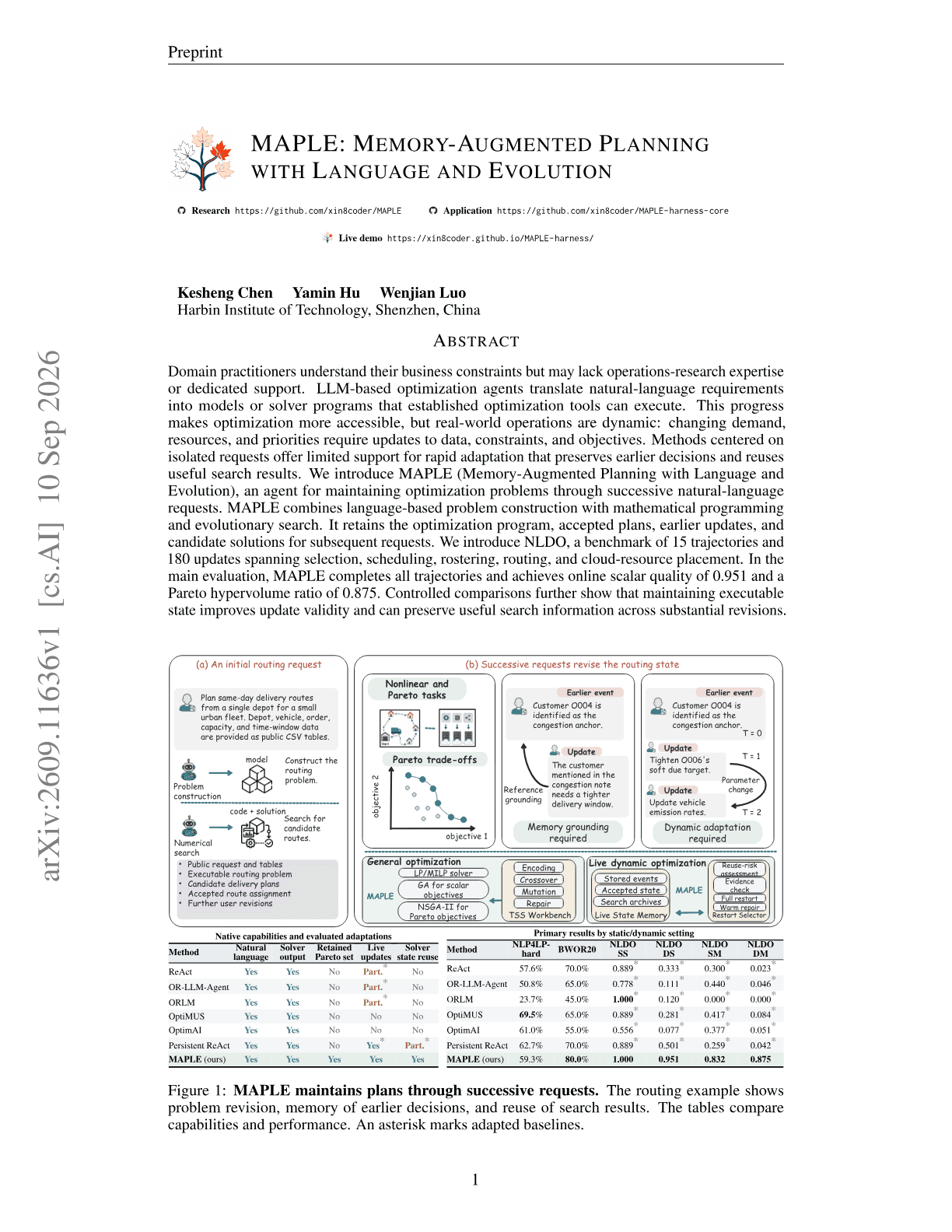
MAPLE: Memory-Augmented Planning with Language and Evolution
Kesheng Chen, Yamin Hu, Wenjian Luo · 2026 - 382
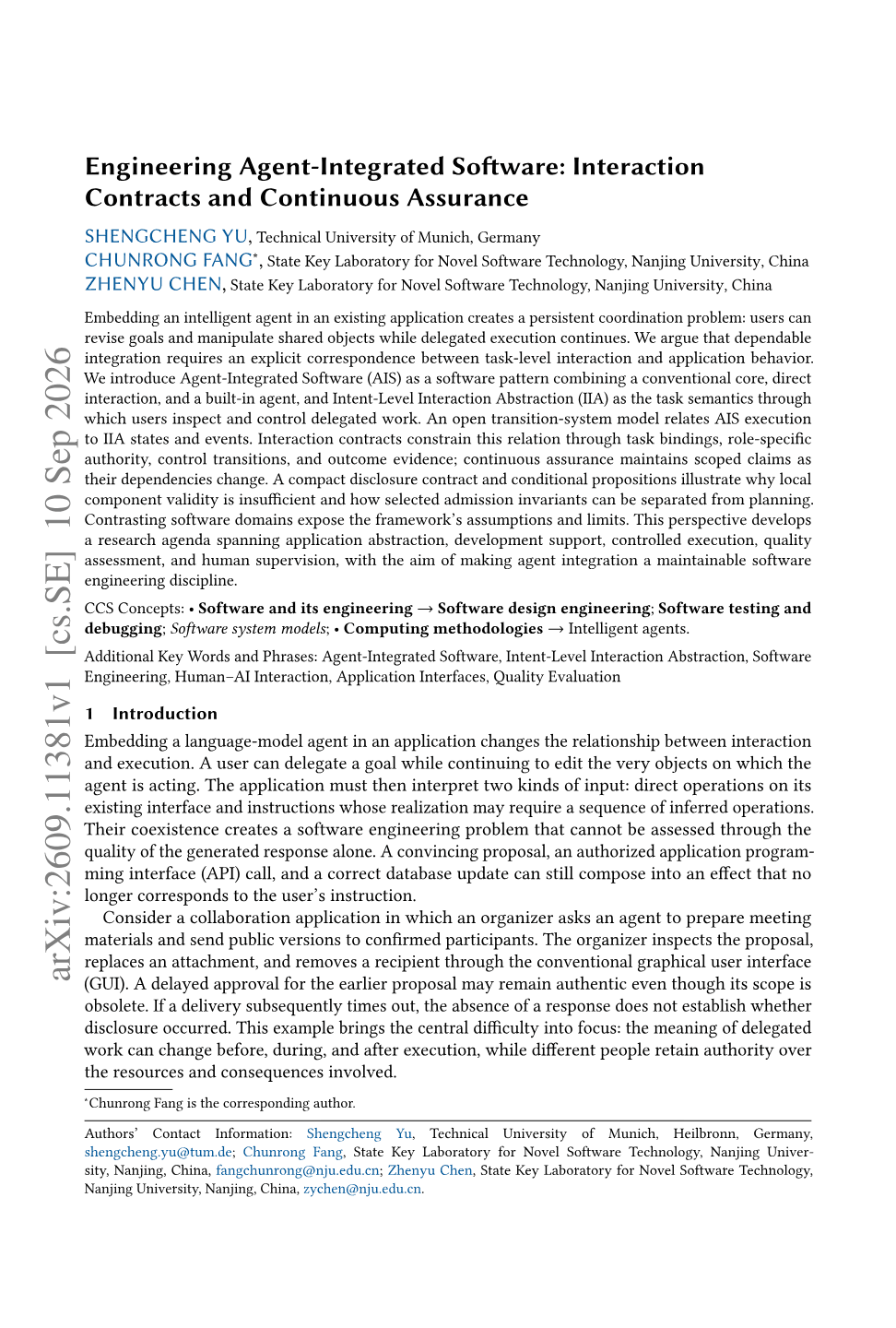
Agent-Integrated Software: Interaction Contracts and Continuous Assurance
Shengcheng Yu, Chunrong Fang, Zhenyu Chen · 2026 - 383
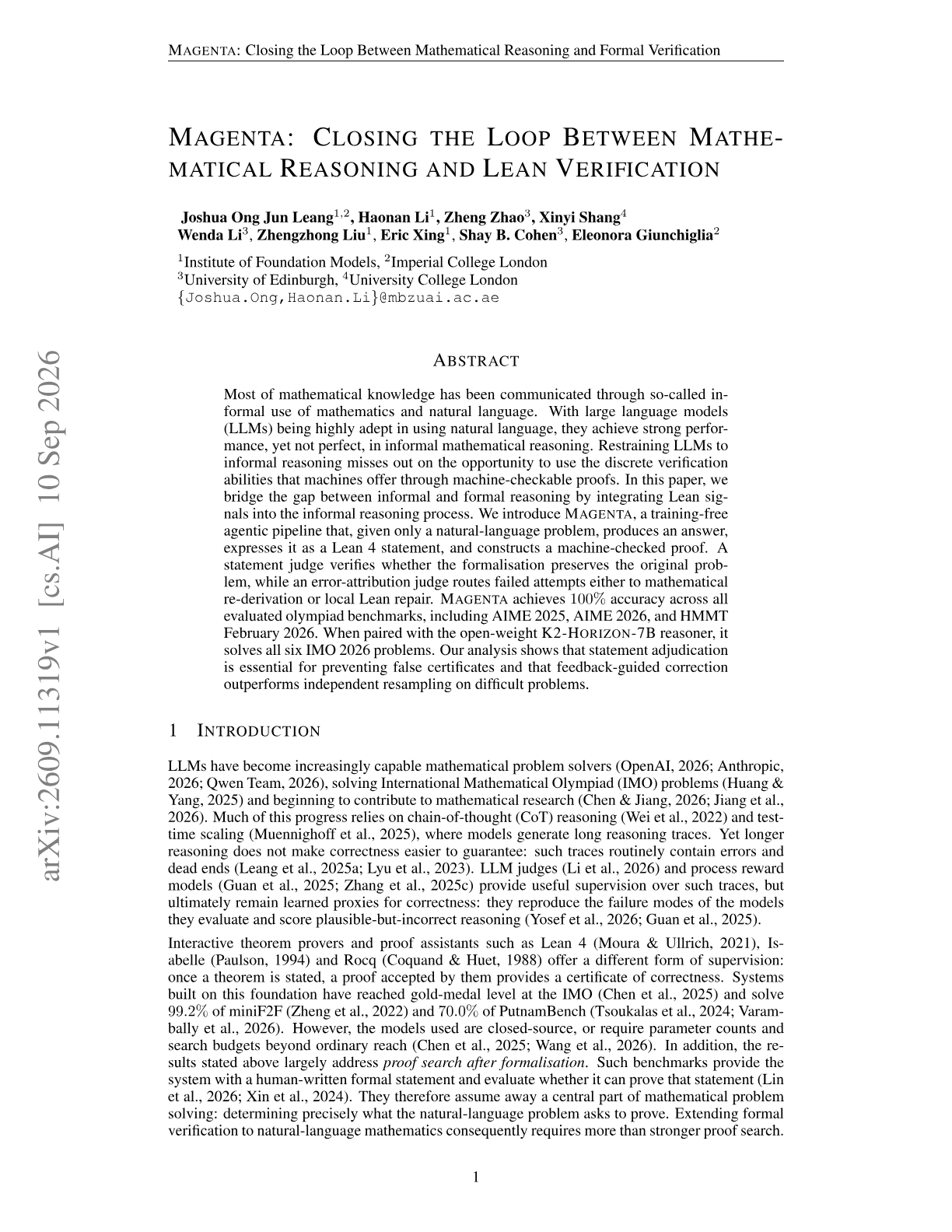
Magenta: Closing the Loop Between Mathematical Reasoning and Lean Verification
Joshua Ong Jun Leang et al. · 2026 - 384
- 385
- 386
- 387
- 388
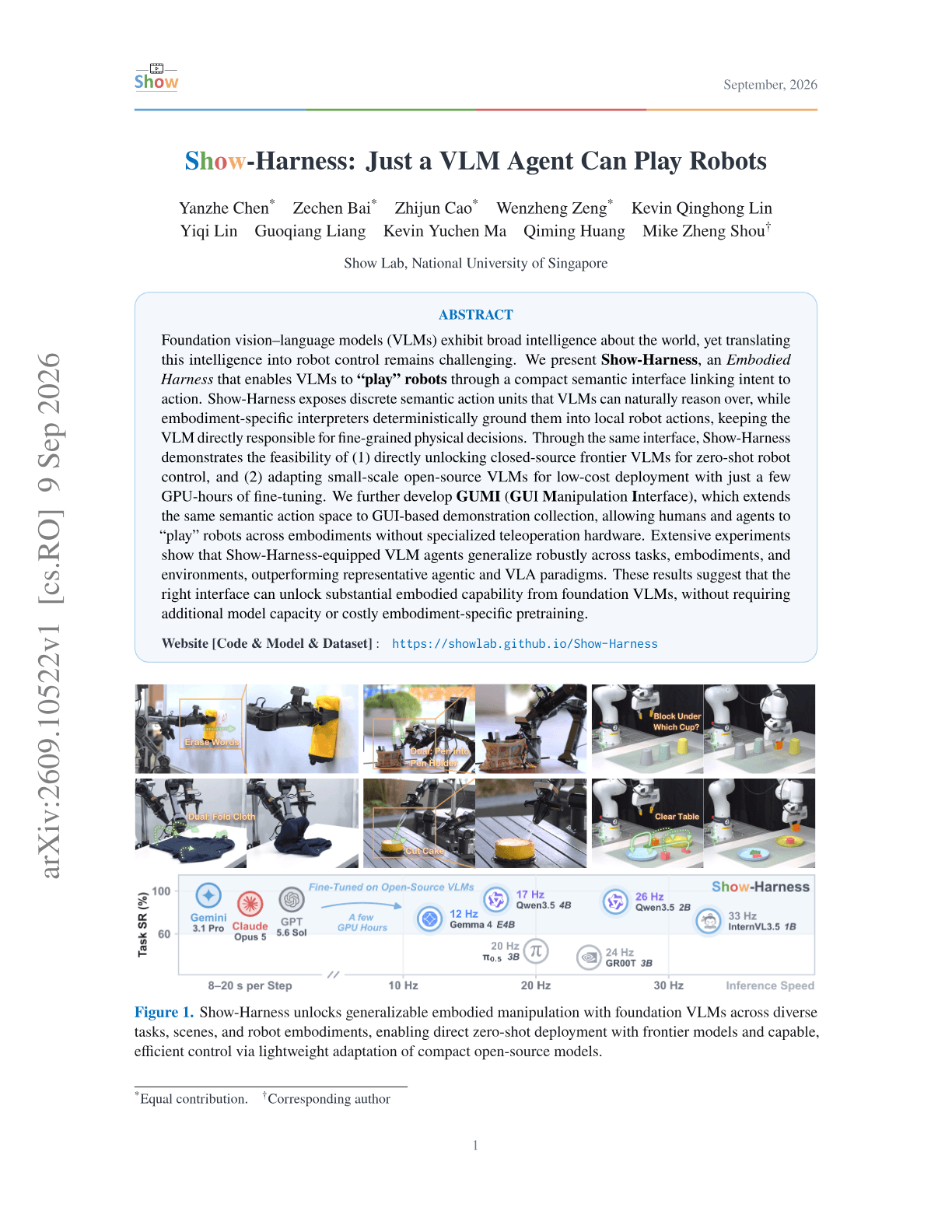
Show-Harness: Just a VLM Agent Can Play Robots
Yanzhe Chen et al. · 2026 - 389
- 390
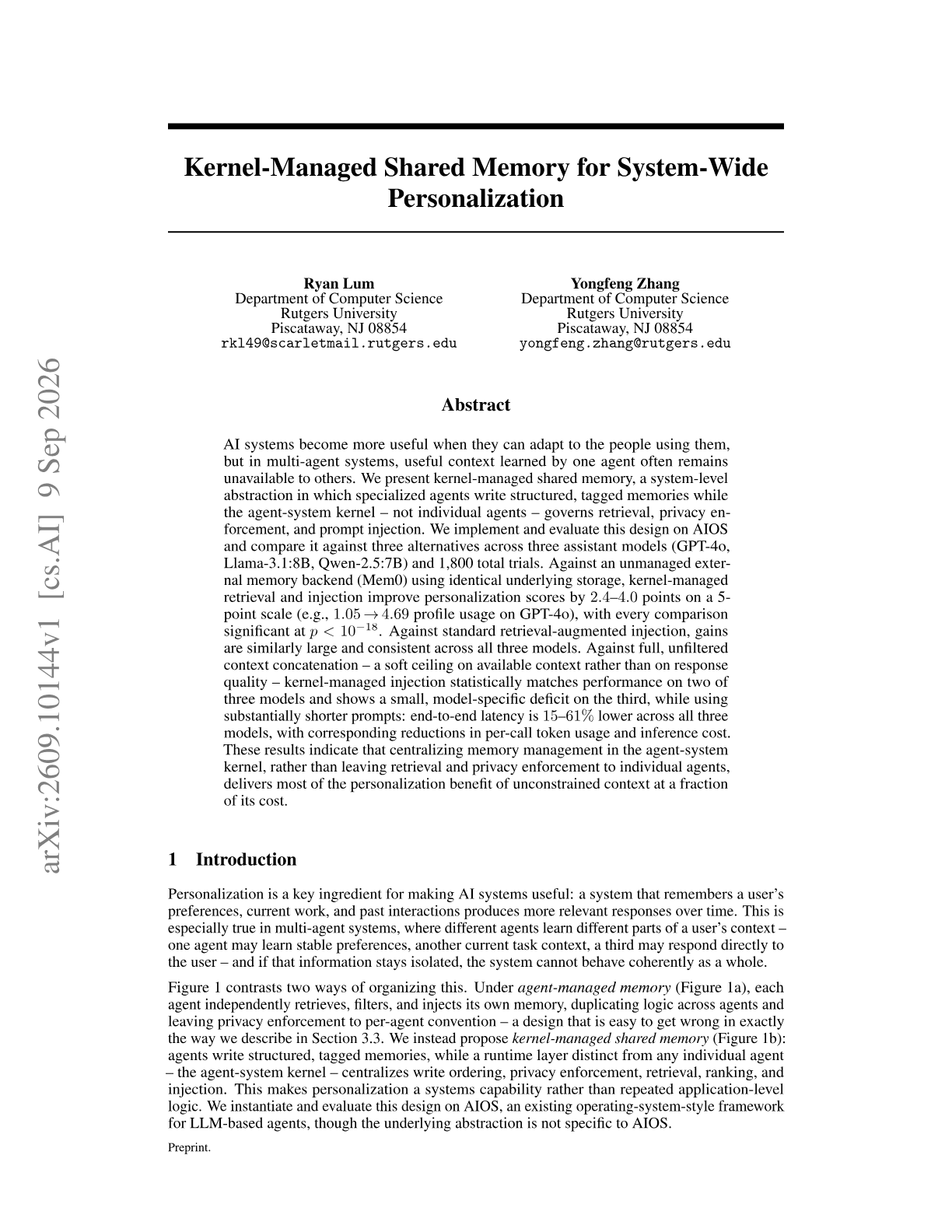
Kernel-Managed Shared Memory for System-Wide Personalization
Ryan Lum, Yongfeng Zhang · 2026 - 391
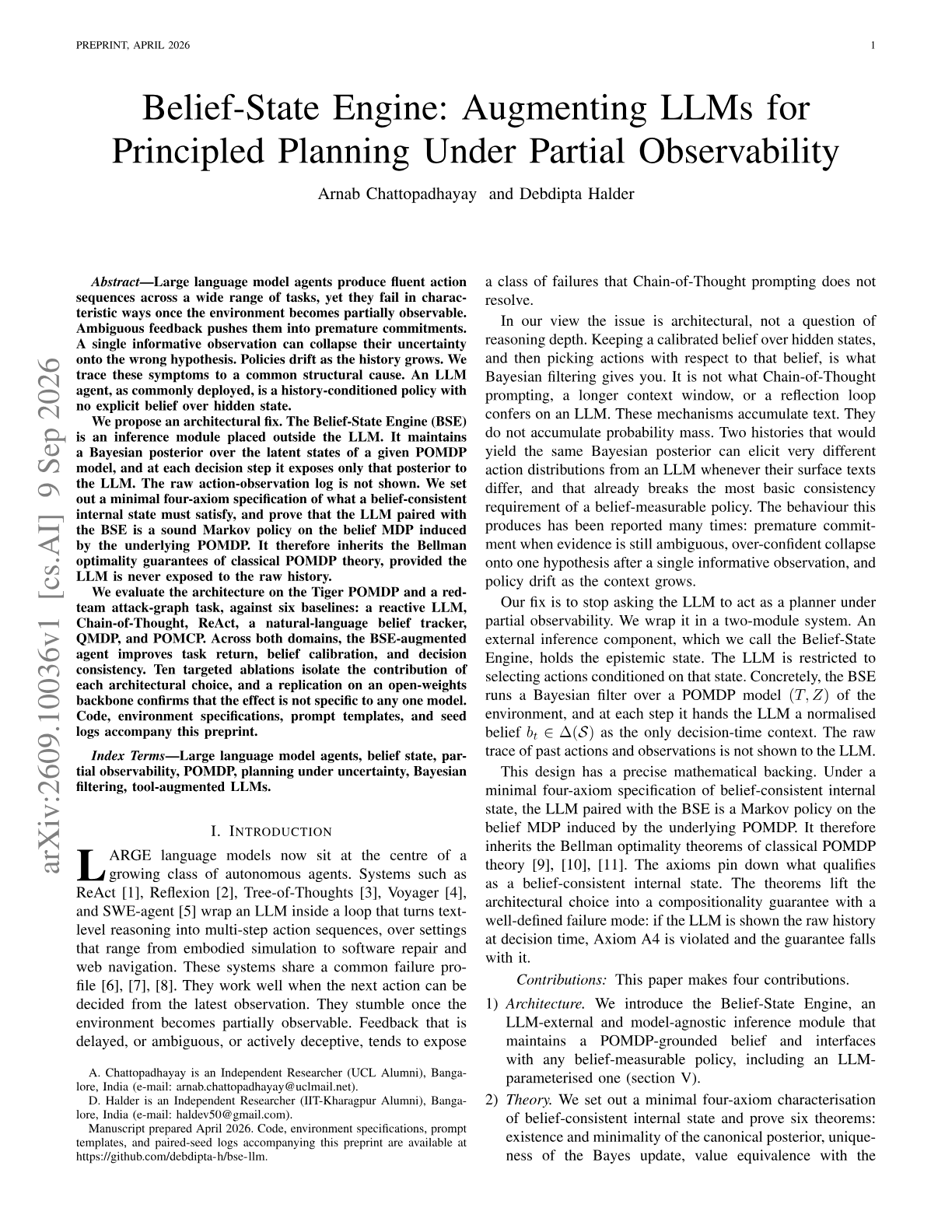
Belief-State Engine: Augmenting LLMs for Principled Planning Under Partial Observability
Arnab Chattopadhayay, Debdipta Halder · 2026 - 392
- 393
- 394
- 395
- 396
- 397
- 398
- 399
- 400
- 401
Closing the Consistency Gap: Self-Evolving Agents That Learn to Stay on Course
Evelyn Duesterwald et al. · 2026 - 402
- 403
- 404
- 405
- 406
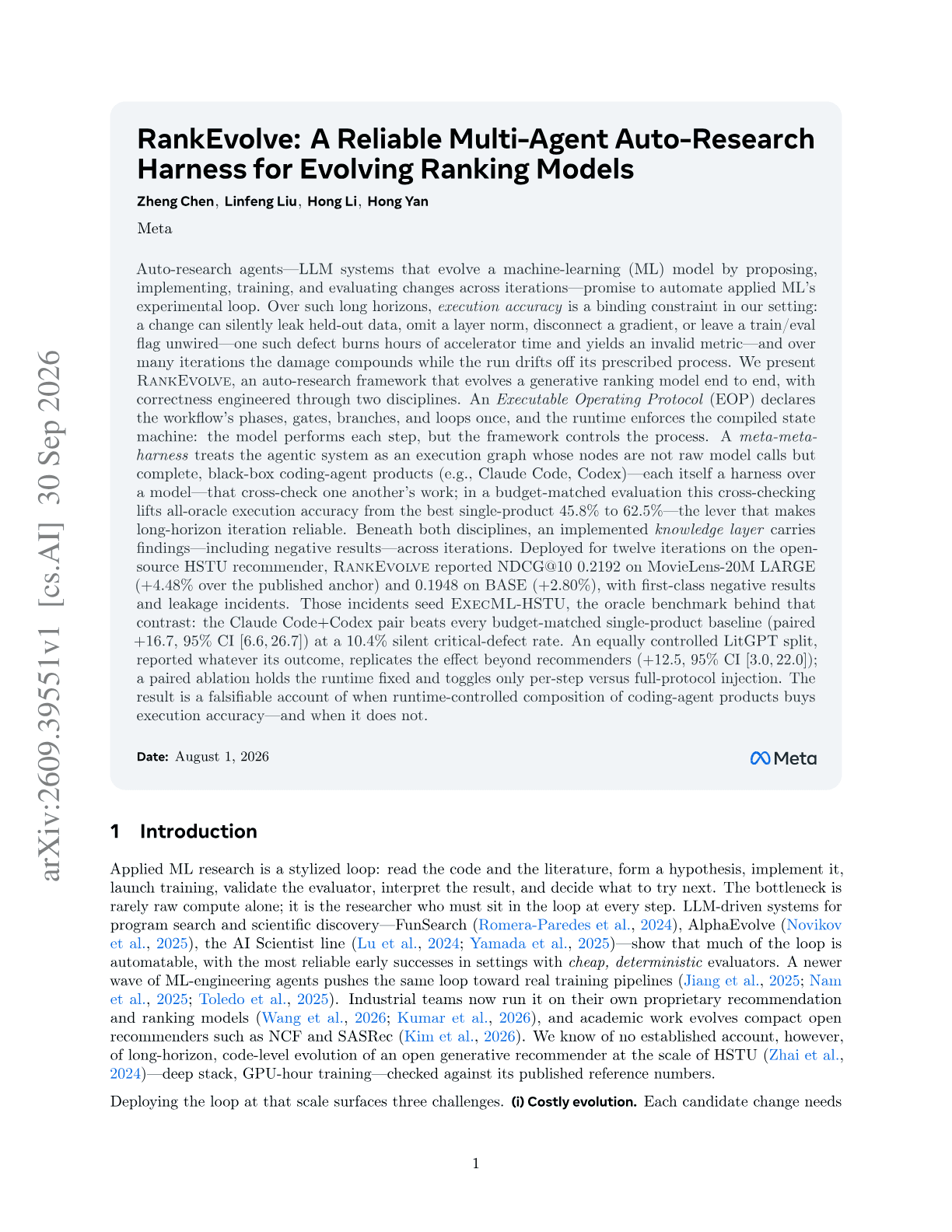
Agentic ML Exploration (A-MLE) for Ads Ranking
Erwin Gao et al. · 2026 - 407
- 408
SkillAlign: Aligning Skill Interfaces for LLM-based Agents
Shuo Ren, Xiaomian Kang, Jiajun Zhang · 2026 - 409
- 410
- 411
- 412
- 413
CONTINUITY: Security-Context Contracts for Composable LLM Agent Controls
Chris Zheng, Geng Yang · 2026 - 414
- 415
- 416
Compact-Memory LLM Agents via Online Max-Member Clustering and Atom-Aware Packing
Jiahe Geng, Jinpeng Wang, Kun Yuan · 2026 - 417
- 418
- 419
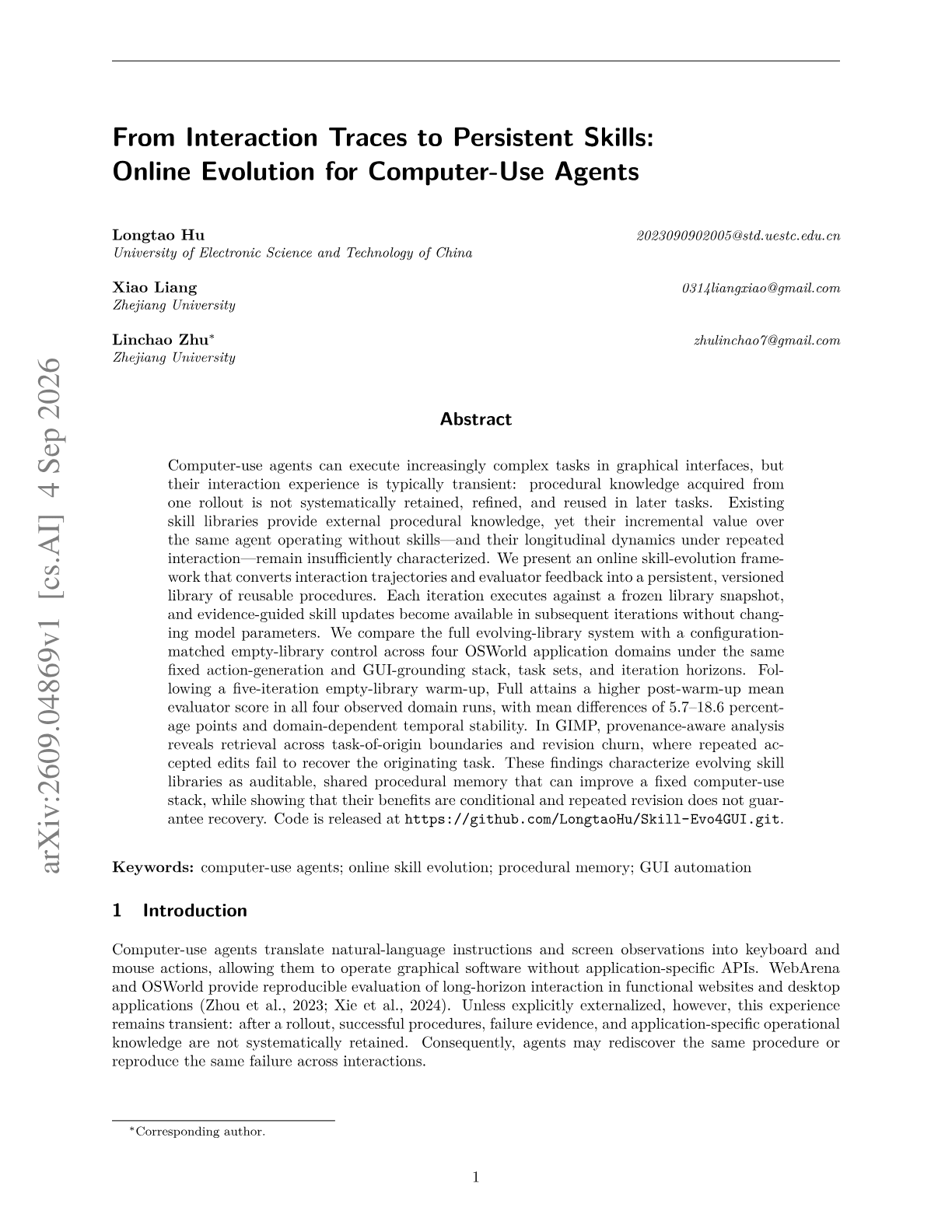
From Interaction Traces to Persistent Skills: Online Evolution for Computer-Use Agents
Longtao Hu, Xiao Liang, Linchao Zhu · 2026 - 420
- 421
- 422
- 423
RuleMem: Active Rule Memory for Long-Term Conversational Agents
Xingyuan Zeng et al. · 2026 - 424
- 425
- 426
SimSkill: A Lifelong Learning AI Agent for Autonomous Mastery of Traffic Simulation
Qi Liu, Qinzheng Wang, Yiming Bie · 2026 - 427
- 428
What Do CAE Simulation Agents Really Need Beyond a Generic Harness?
Jiasheng Shi, Tianhan Zhang · 2026 - 429
- 430
- 431
- 432
- 433
- 434
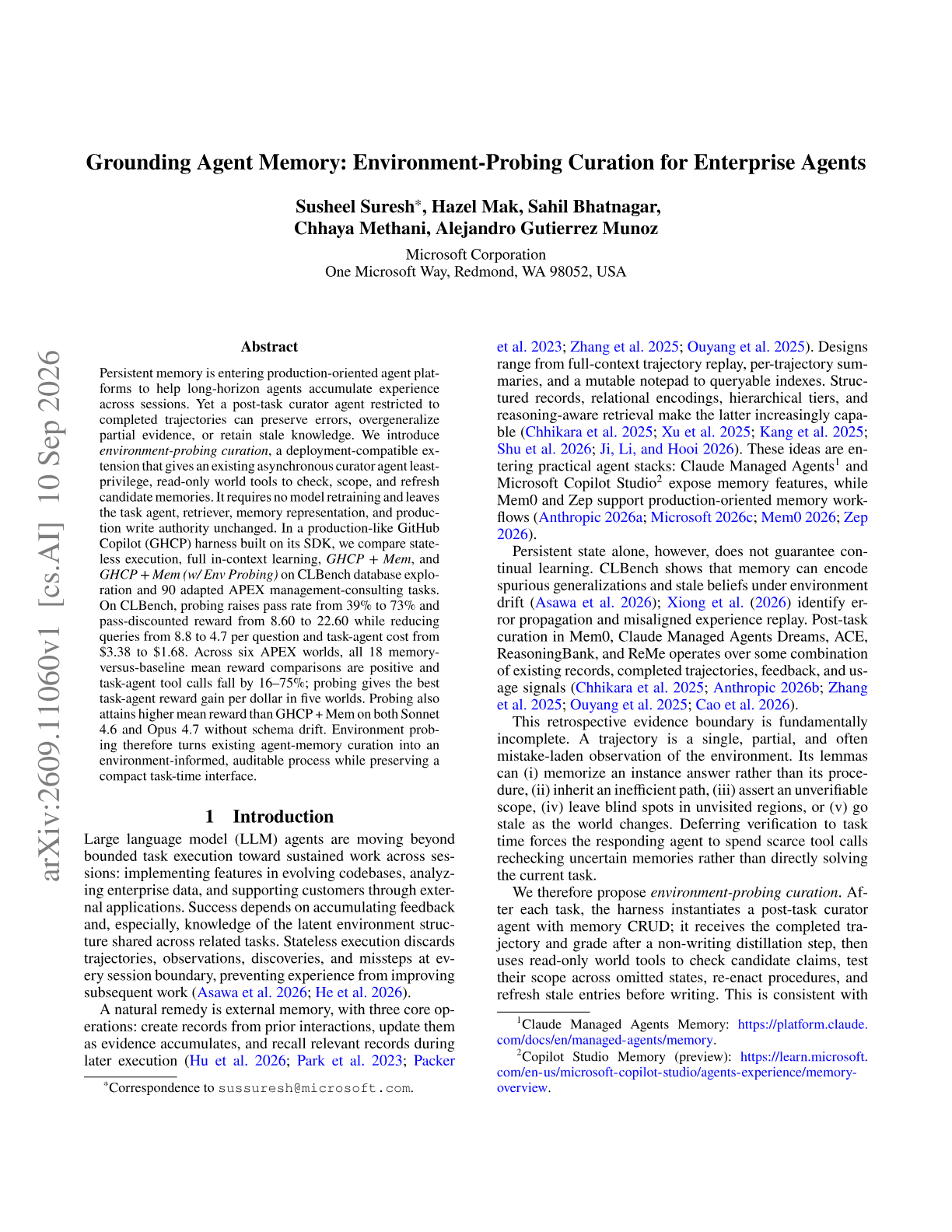
Fresh Memory, Stale Plans: Dependency-Scoped Validation for Distributed LLM-Agent Memory
Evan Chen, Shiqiang Wang, Christopher G. Brinton · 2026 - 435
Speculative Macro Commit for Faster Tool-Using Agents
Zeyu Liu, Souvik Kundu, Peter A. Beerel · 2026 - 436
- 437
- 438
- 439
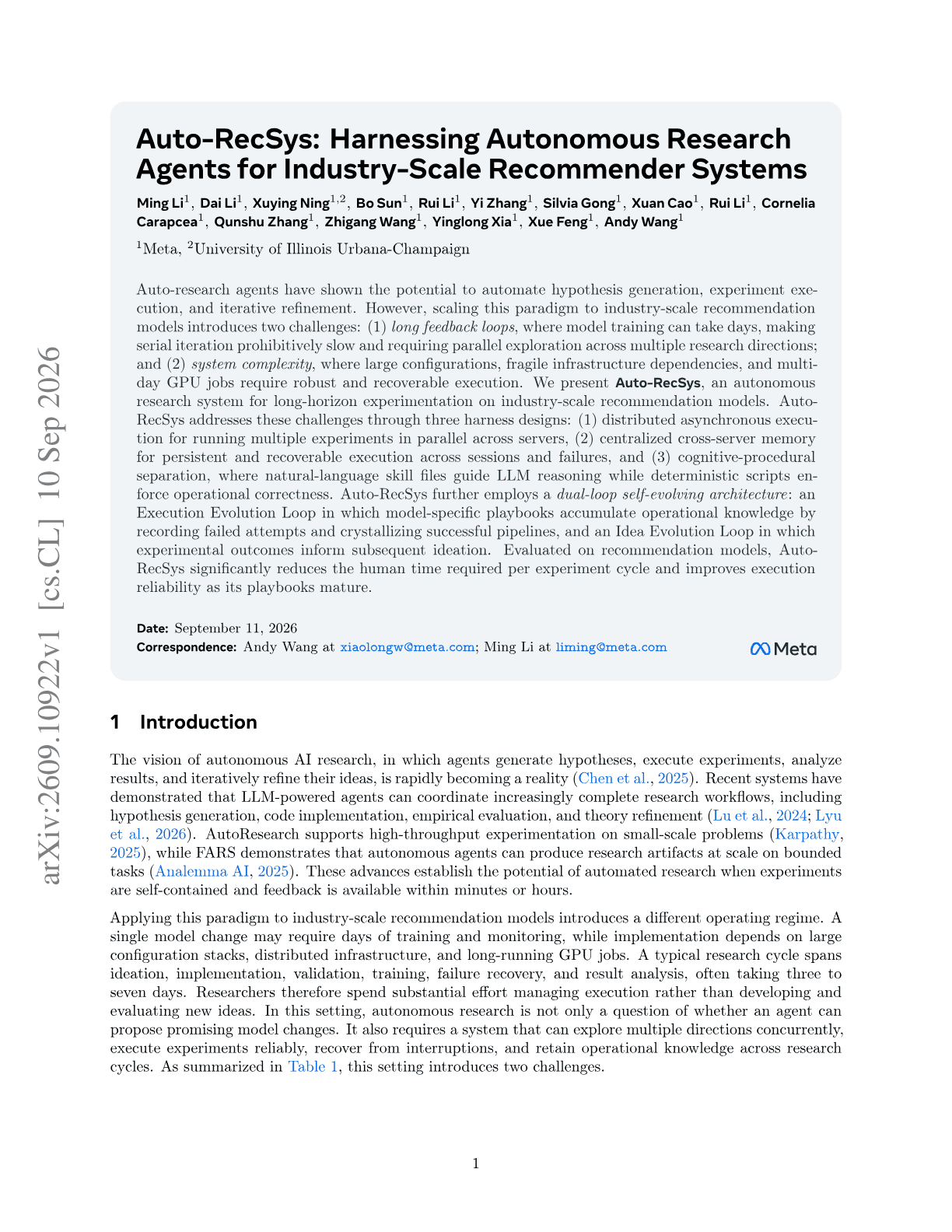
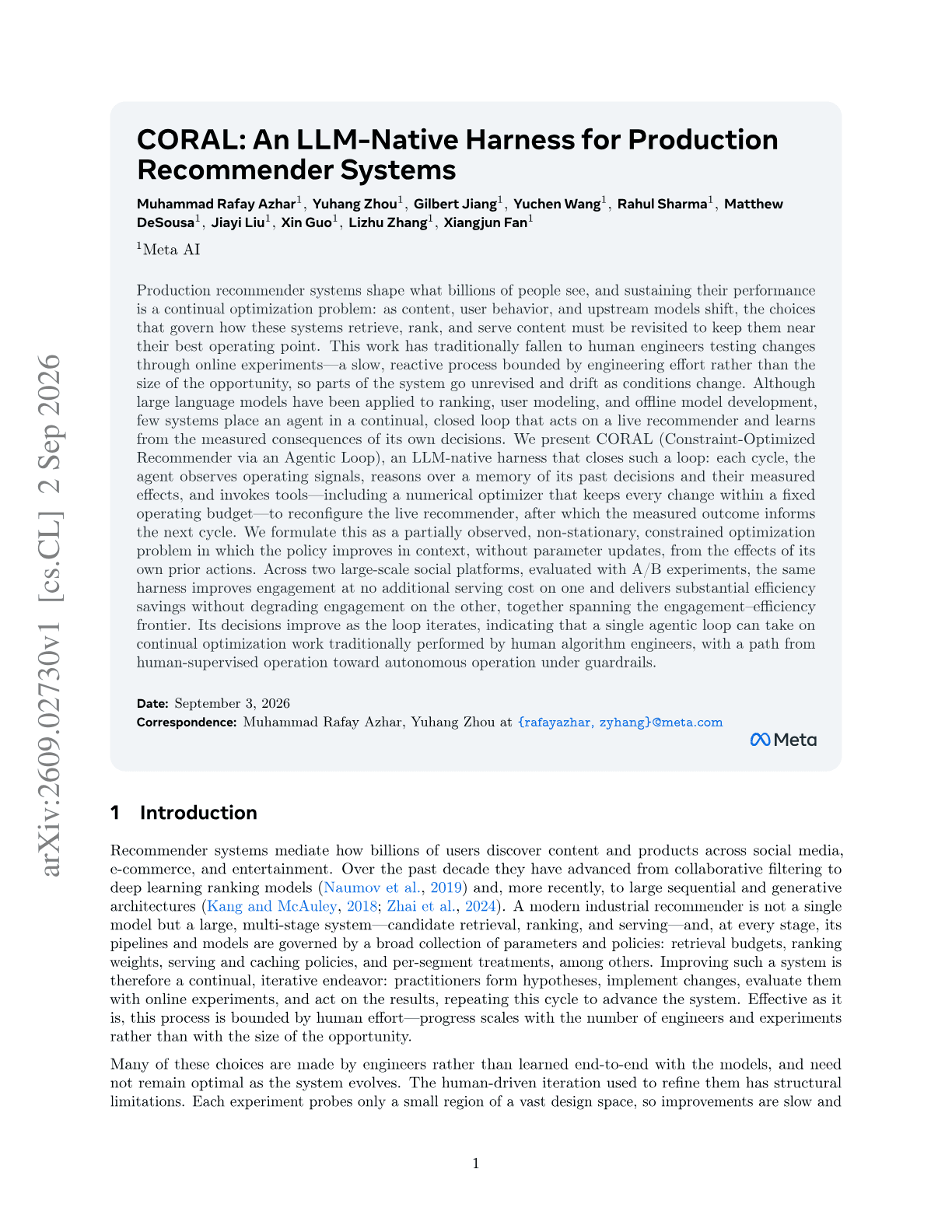
CORAL: An LLM-Native Harness for Production Recommender Systems
Muhammad Rafay Azhar et al. · 2026 - 440
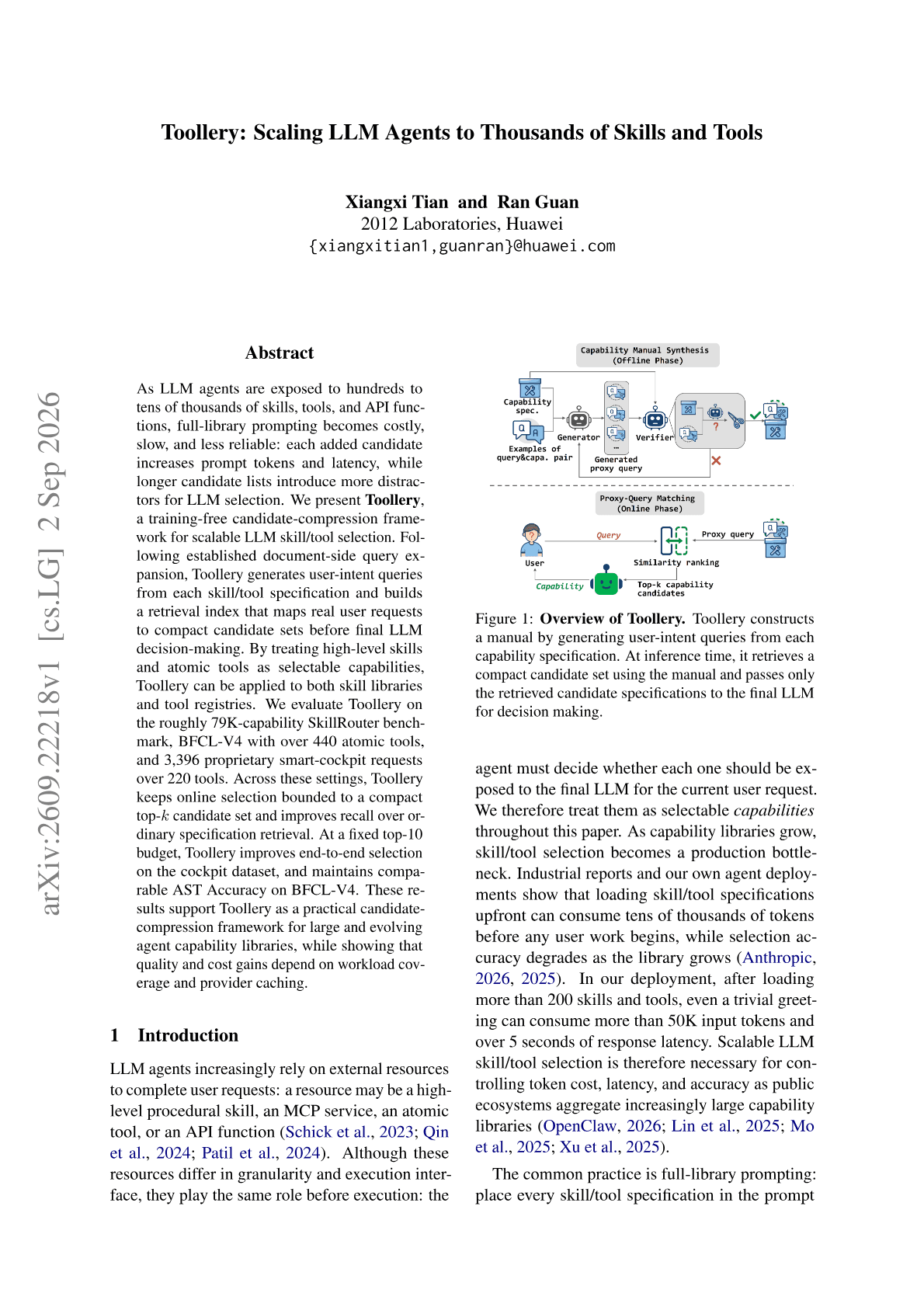
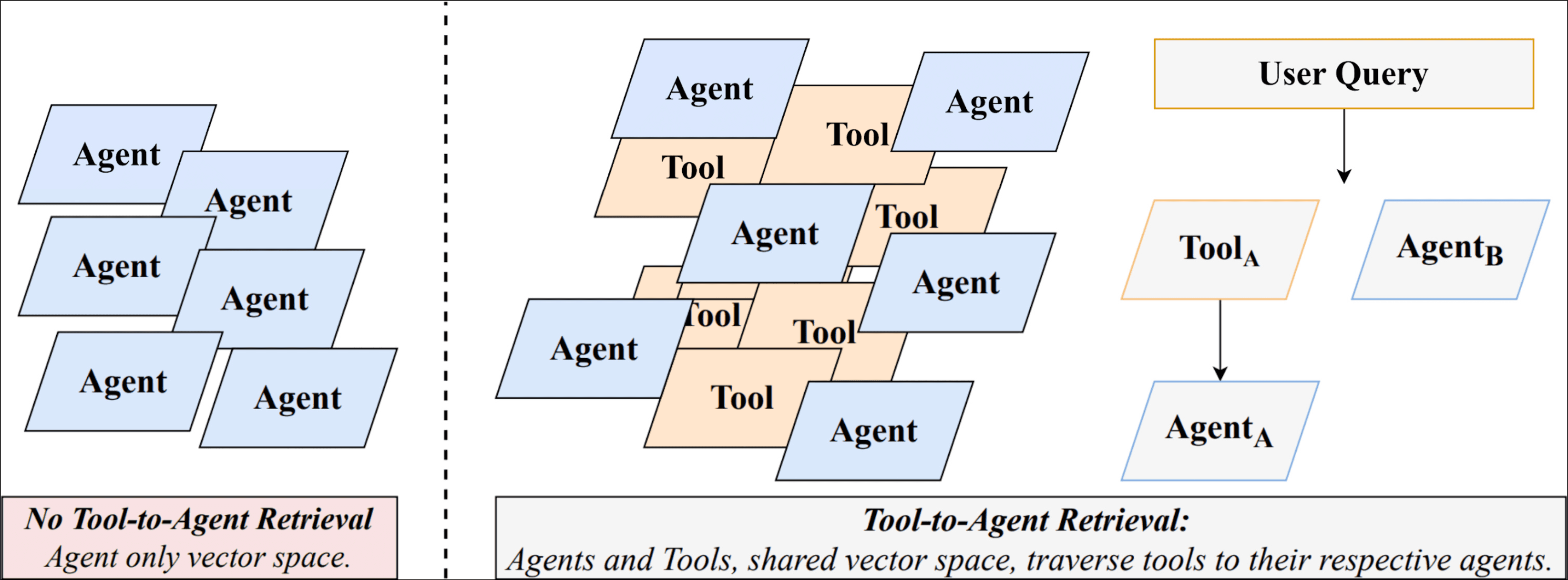
Toollery: Scaling LLM Agents to Thousands of Skills and Tools
Xiangxi Tian, Ran Guan · 2026 - 441
- 442
- 443
- 444
- 445
- 446
- 447
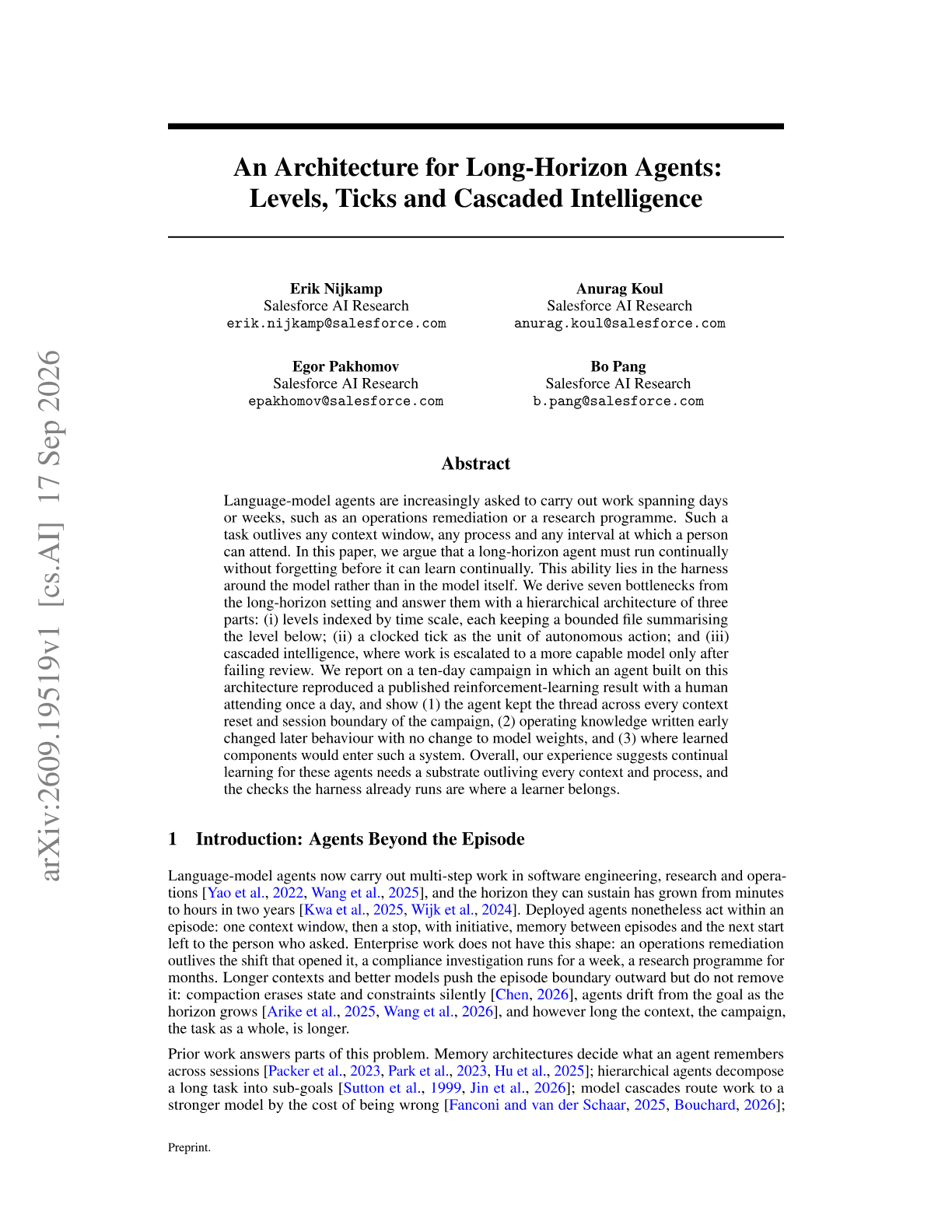
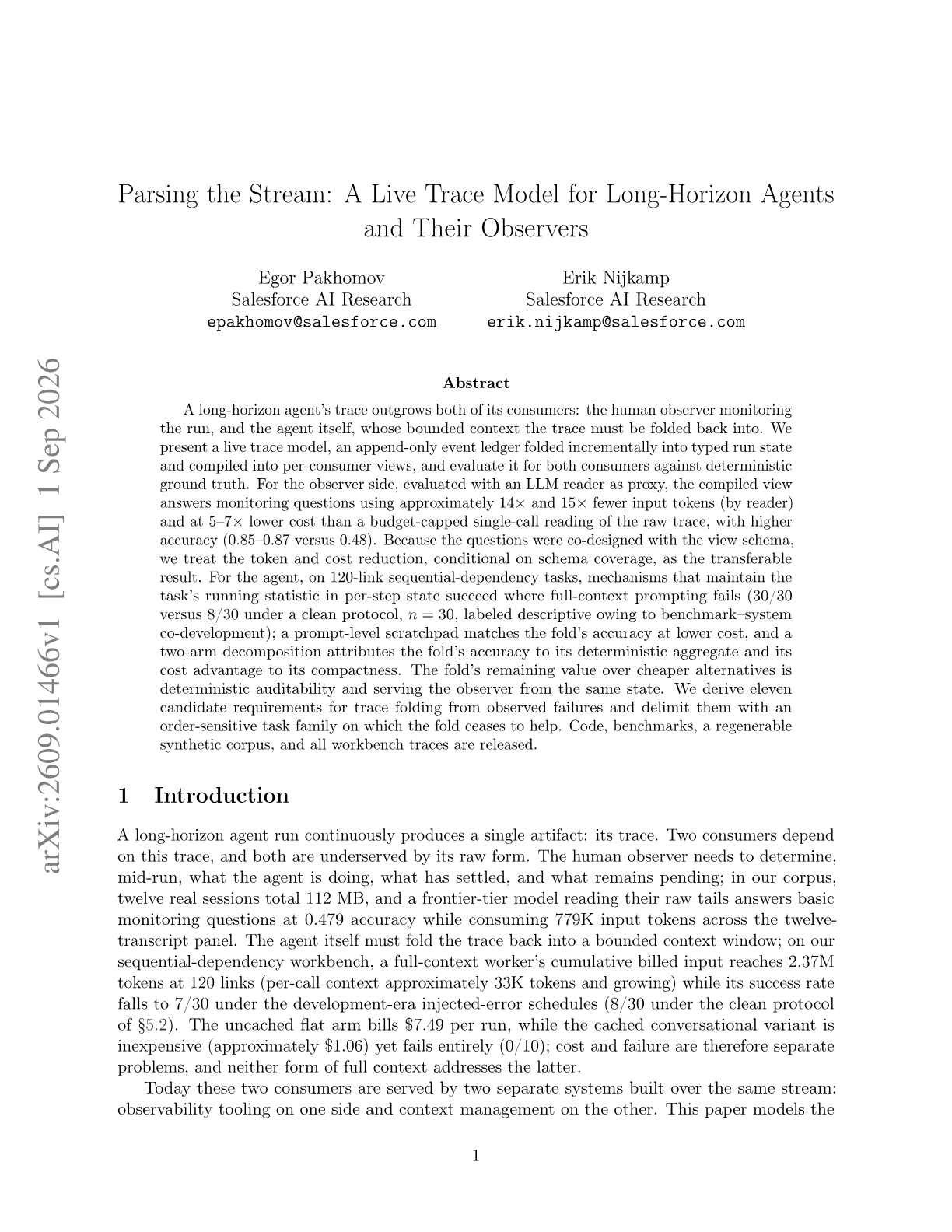
Parsing the Stream: A Live Trace Model for Long-Horizon Agents and Their Observers
Egor Pakhomov, Erik Nijkamp · 2026 - 448
- 449
- 450
- 451
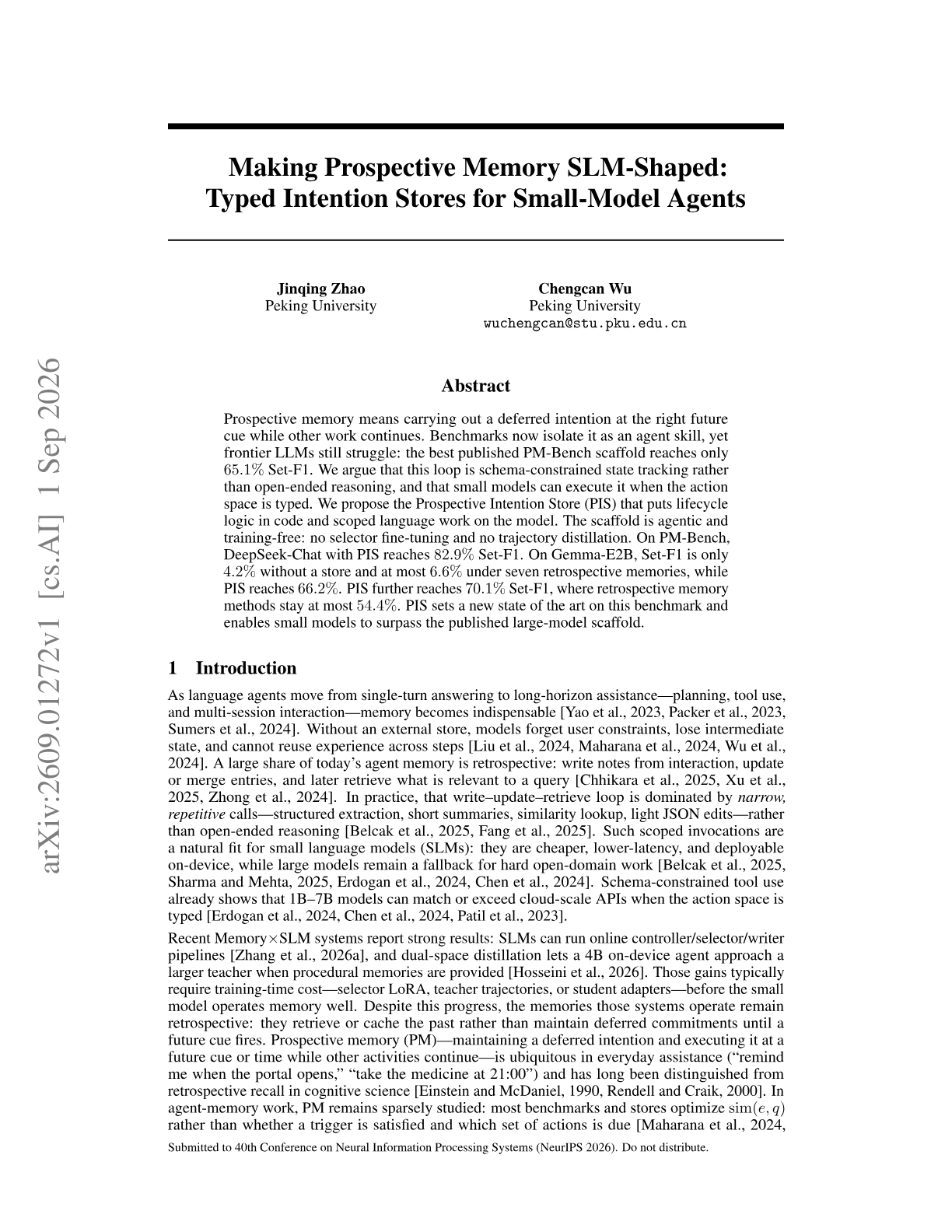
Making Prospective Memory SLM-Shaped: Typed Intention Stores for Small-Model Agents
Jinqing Zhao, Chengcan Wu · 2026 - 452
- 453
- 454
- 455
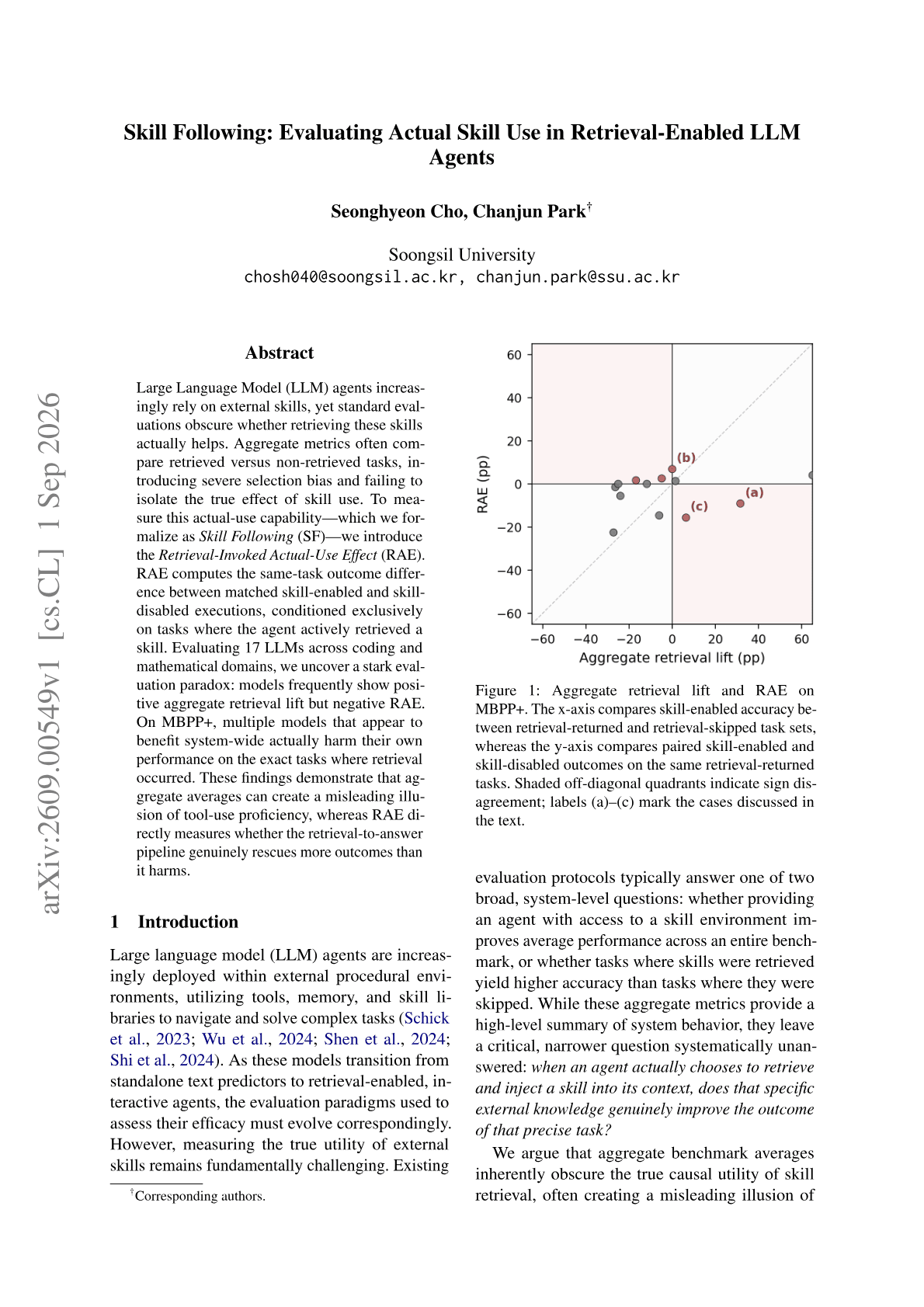
Skill Following: Evaluating Actual Skill Use in Retrieval-Enabled LLM Agents
Seonghyeon Cho, Chanjun Park · 2026 - 456
- 457
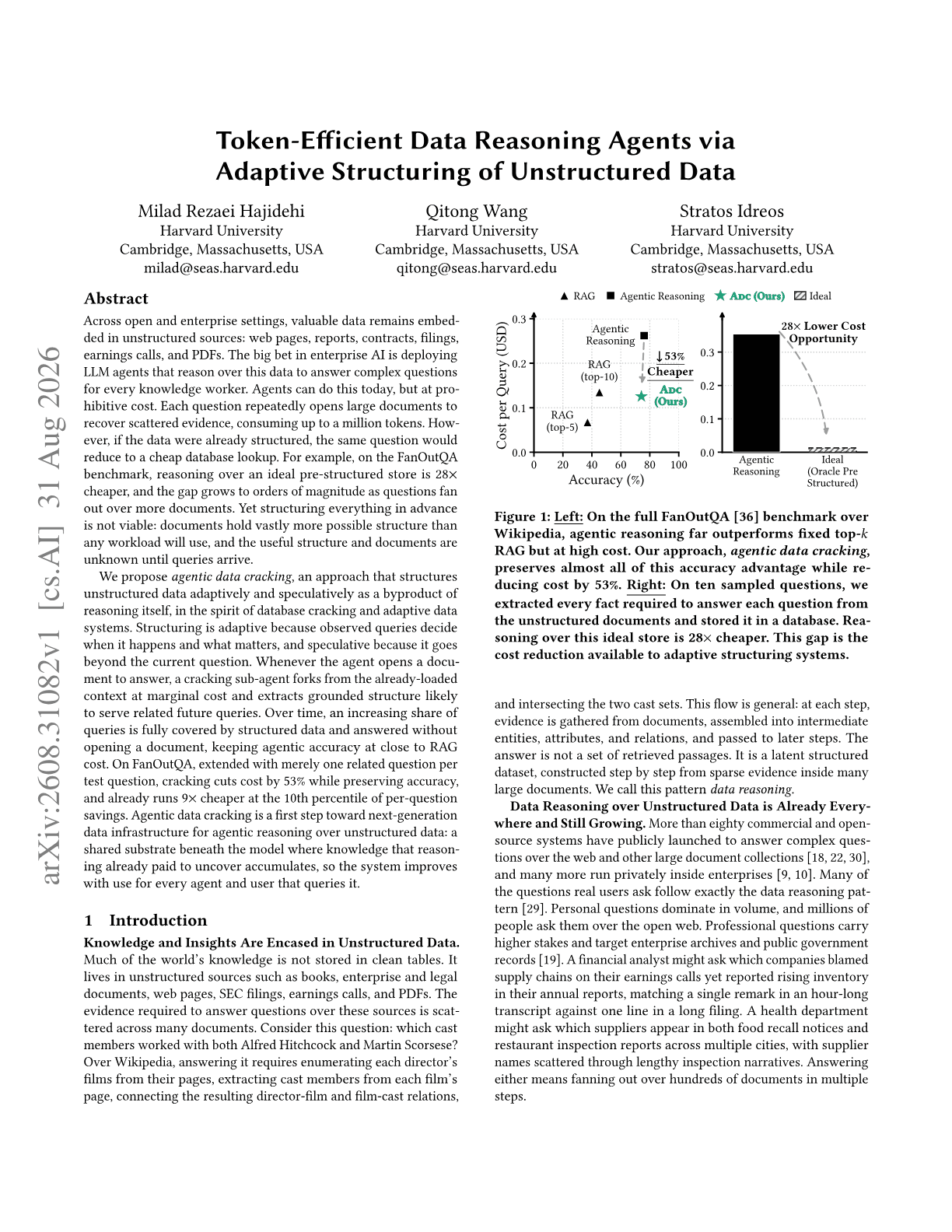
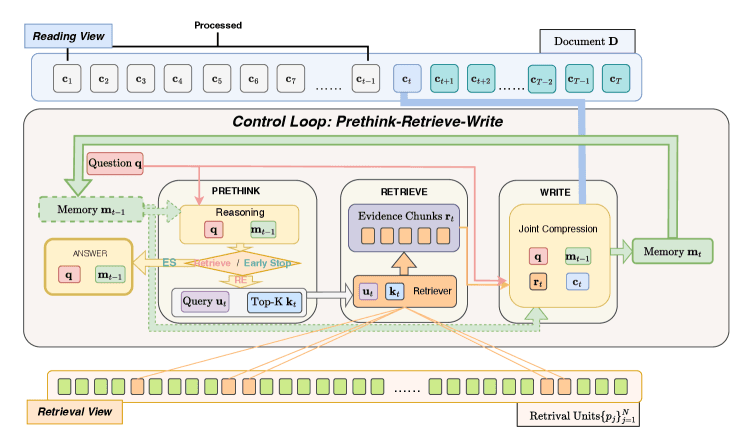
Token-Efficient Data Reasoning Agents via Adaptive Structuring of Unstructured Data
Milad Rezaei Hajidehi, Qitong Wang, Stratos Idreos · 2026 - 458
LOCI: A Locator-Critic with Refinement Loop
Walid Bousselham et al. · 2026 - 459
- 460
Agent Zero Memory: Provenance-Aware Long-Term Memory for LLM Agents
Ming Wu, Pengyuan Zhu · 2026 - 461
- 462
Selective Forgetting: A Graph-Based Memory Framework for Long-Term LLM Agents
Theo Rusu, Sourena Khanzadeh, Manar Alalfi · 2026 - 463
- 464
- 465
- 466
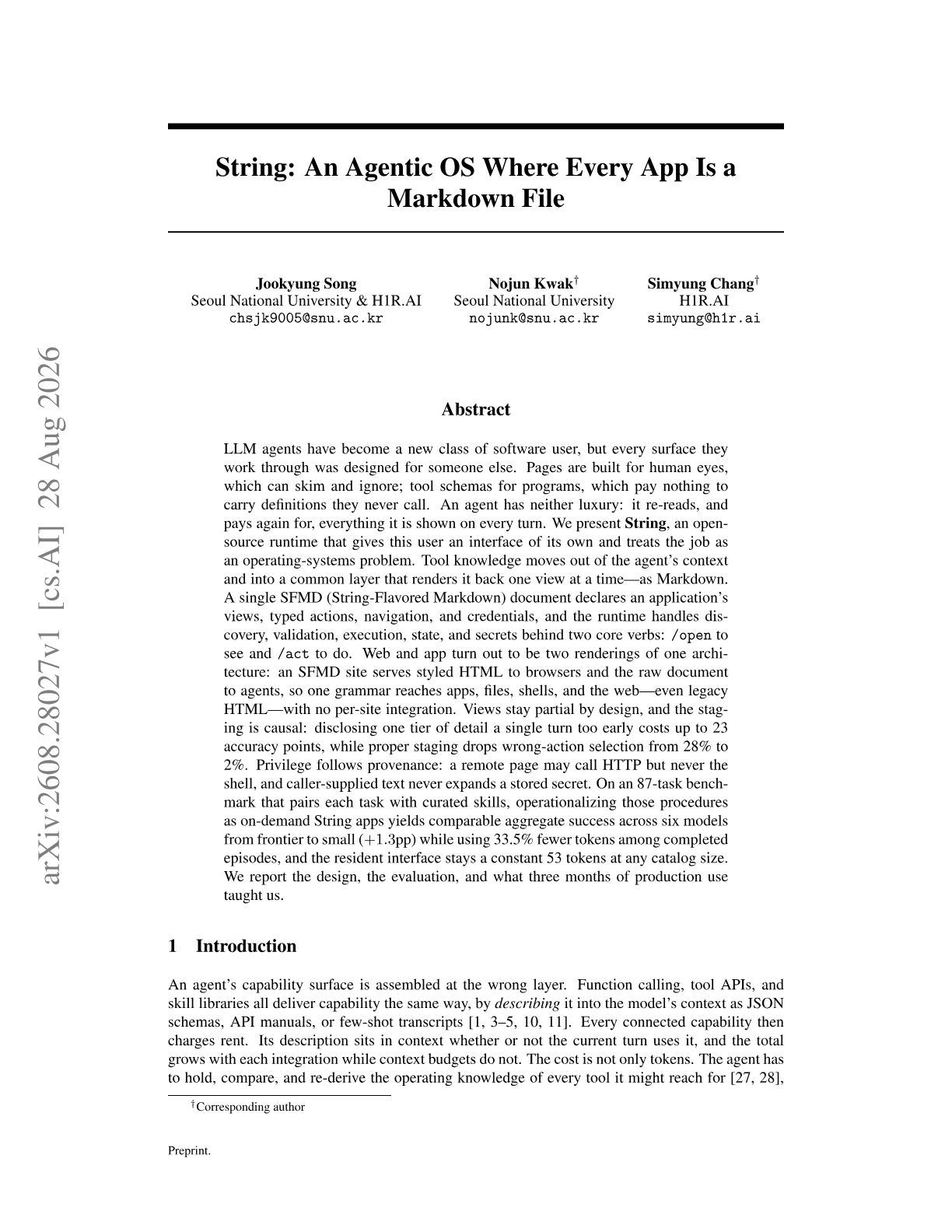
String: An Agentic OS Where Every App Is a Markdown File
Jookyung Song, Nojun Kwak, Simyung Chang · 2026 - 467
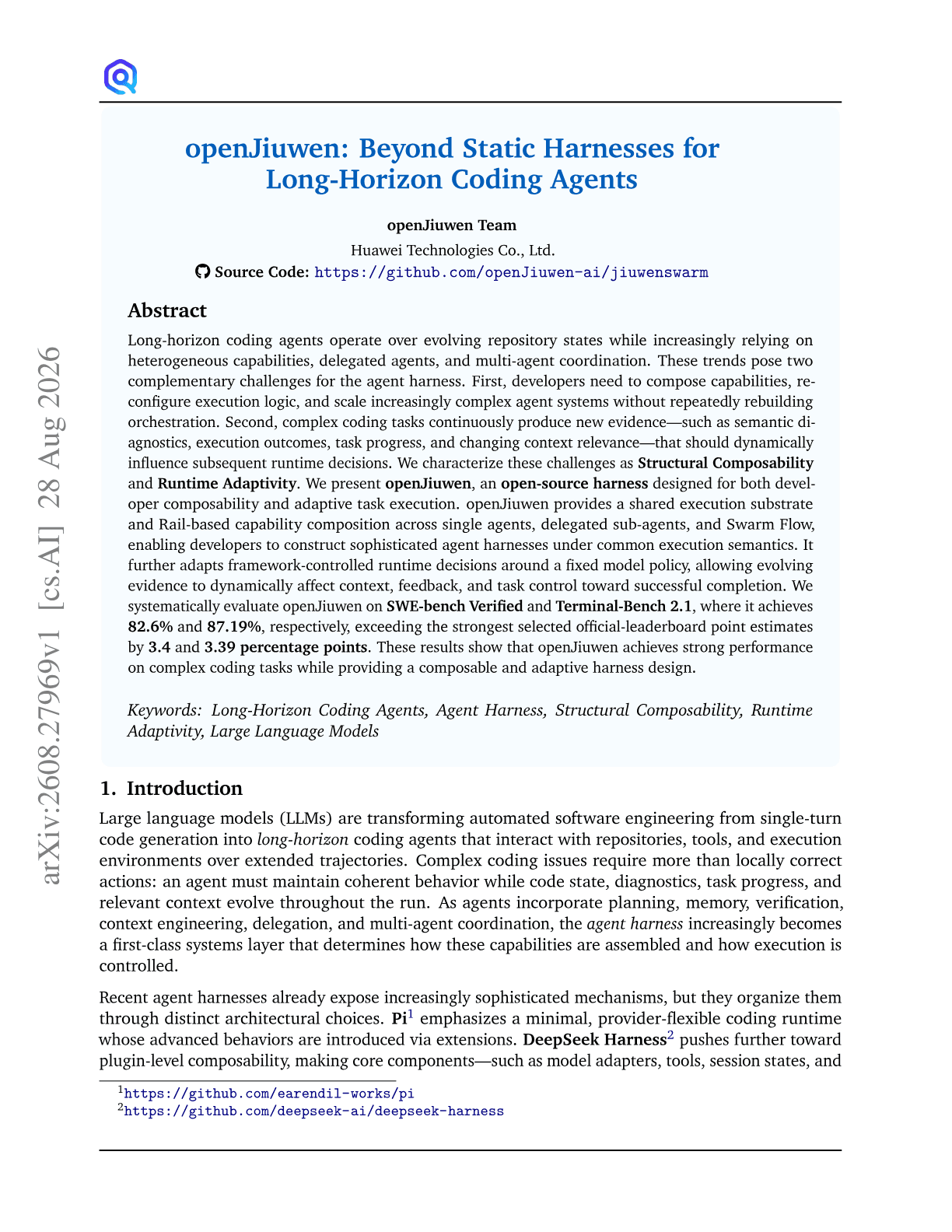
openJiuwen: Beyond Static Harnesses for Long-Horizon Coding Agents
openJiuwen Team et al. · 2026 - 468
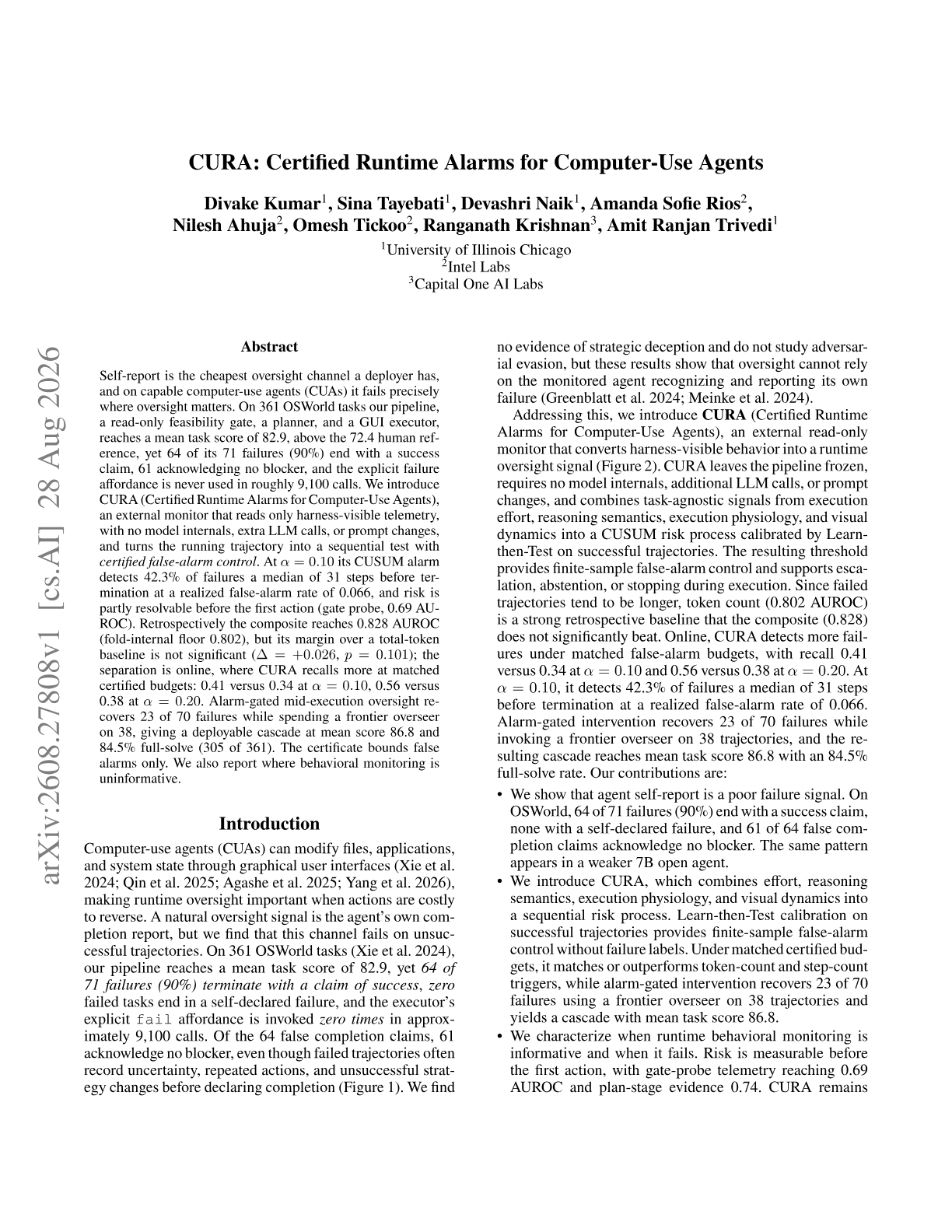
CURA: Certified Runtime Alarms for Computer-Use Agents
Divake Kumar et al. · 2026 - 469
- 470
- 471
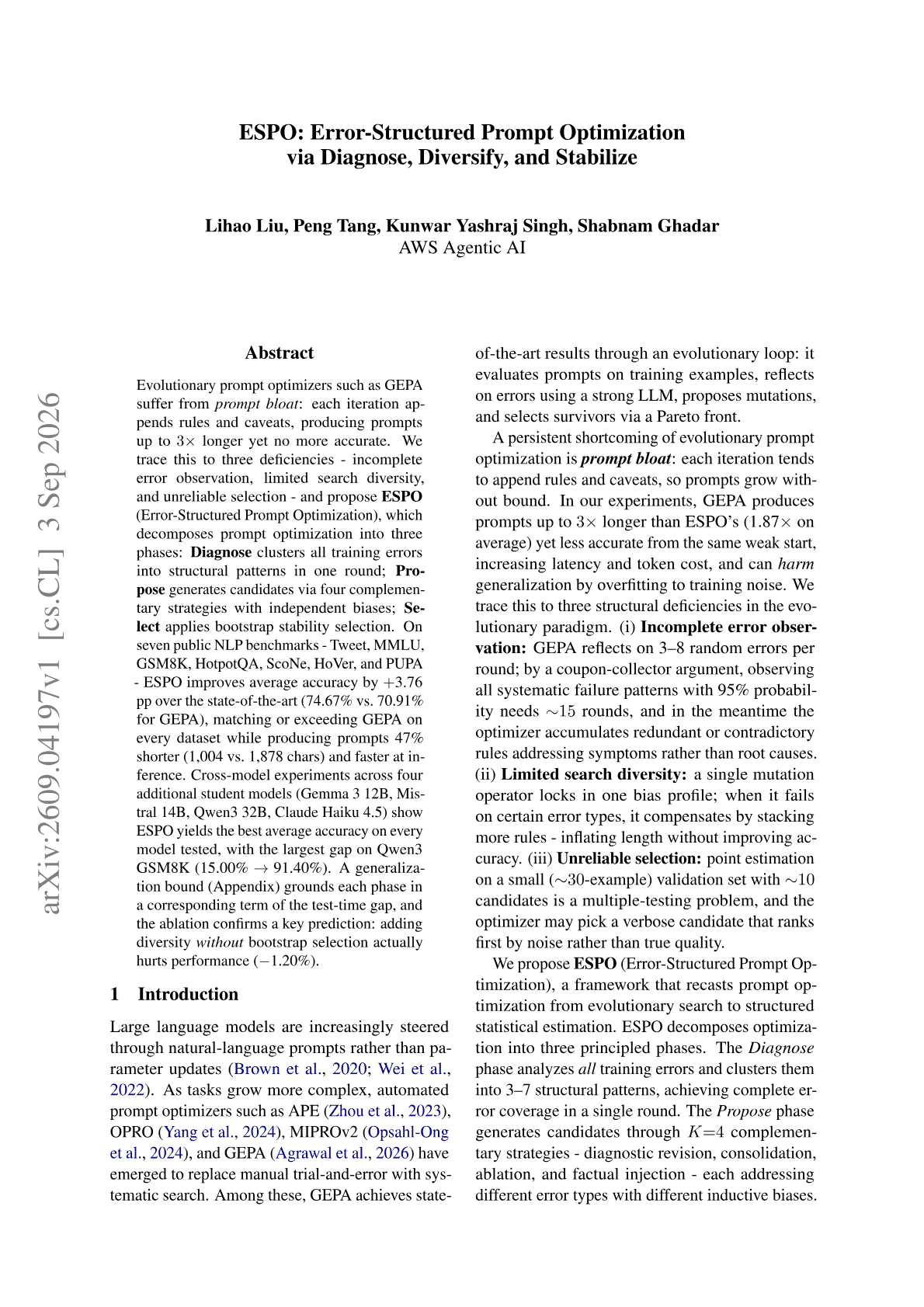
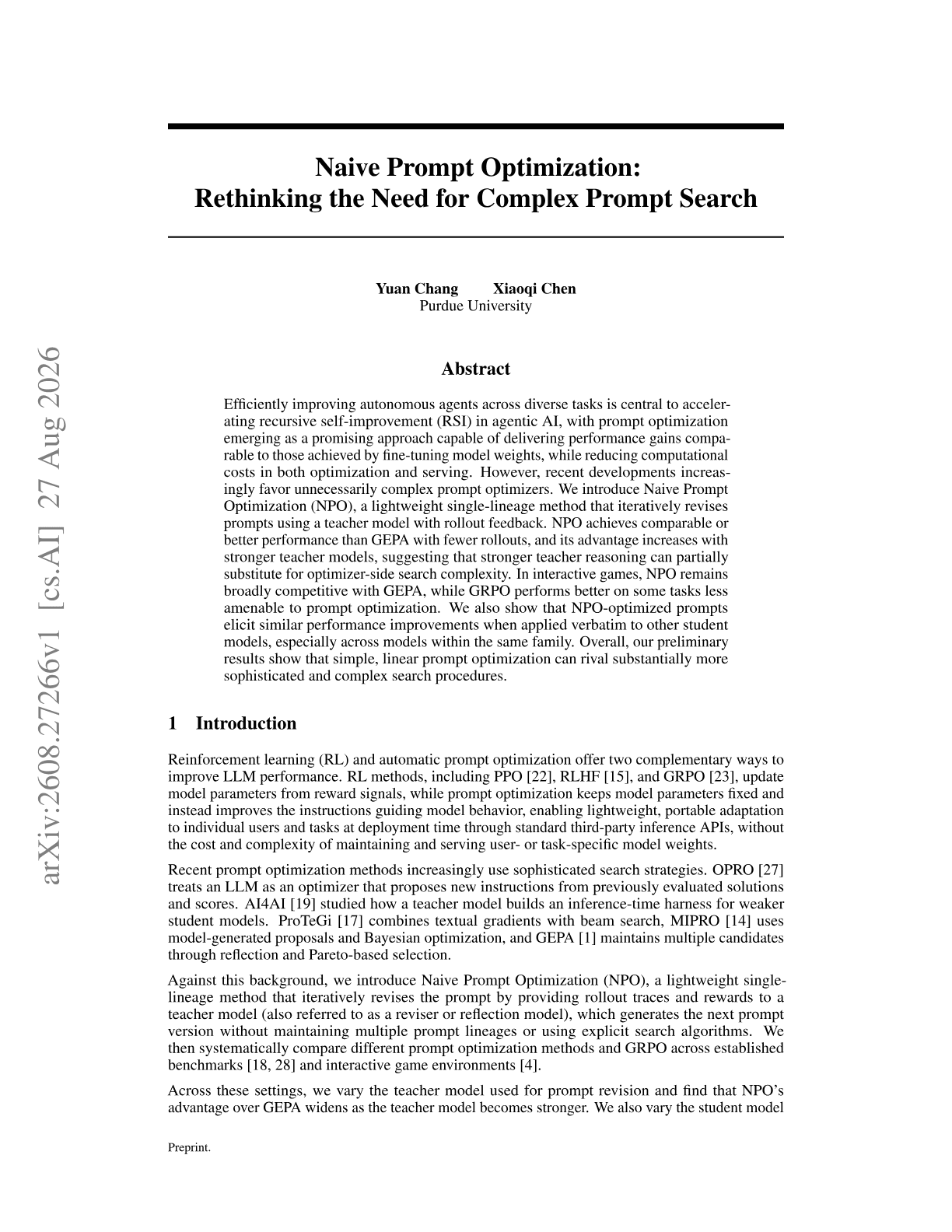
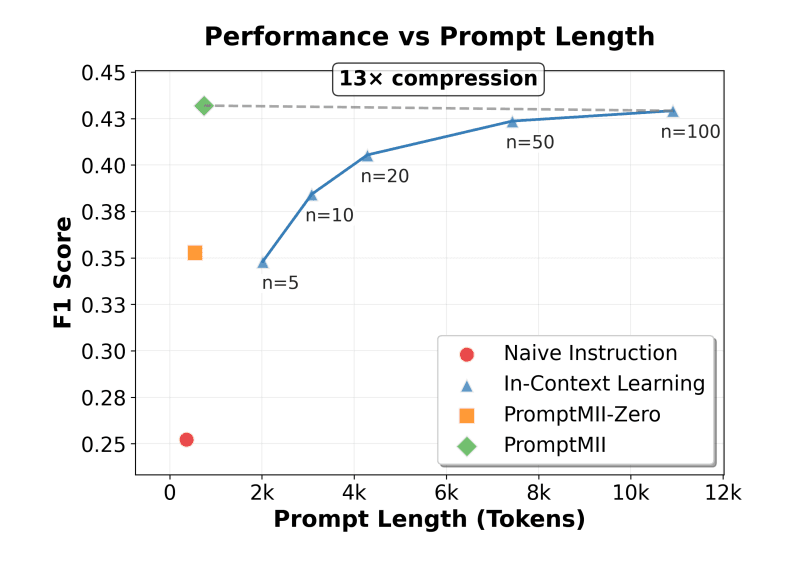
Naive Prompt Optimization: Rethinking the Need for Complex Prompt Search
Yuan Chang, Xiaoqi Chen · 2026 - 472
- 473
- 474
- 475
- 476
SKILL.state: Scalable Long-Horizon Agent Skills
Sanket Badhe, Priyanka Tiwari, Jonghyun Chung · 2026 - 477
- 478
- 479
- 480
- 481
- 482
- 483
- 484
- 485
Paritok-4B: Intent-Conditioned Context Compression for Coding Agents
Jiayu Shi, Luzhuo Chen · 2026 - 486
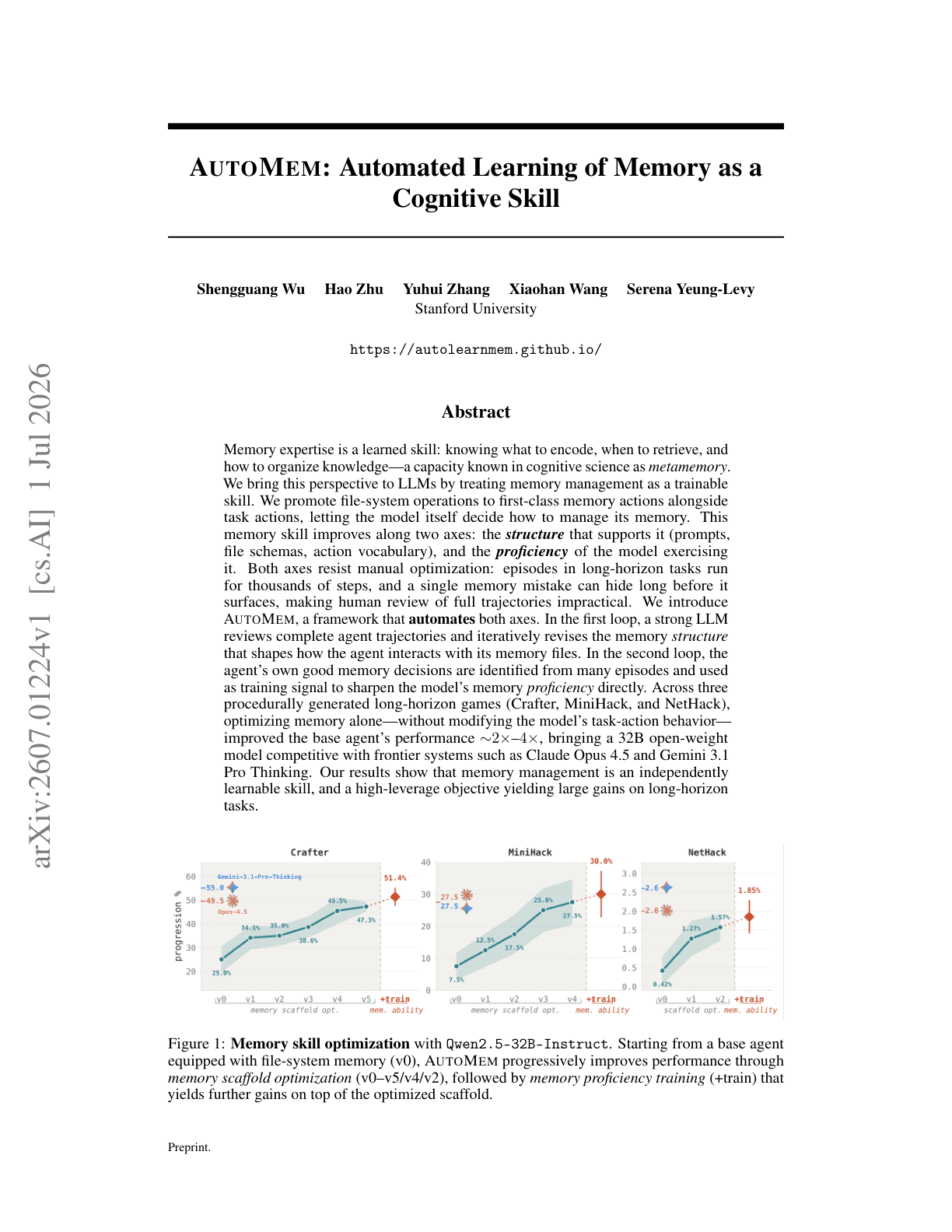
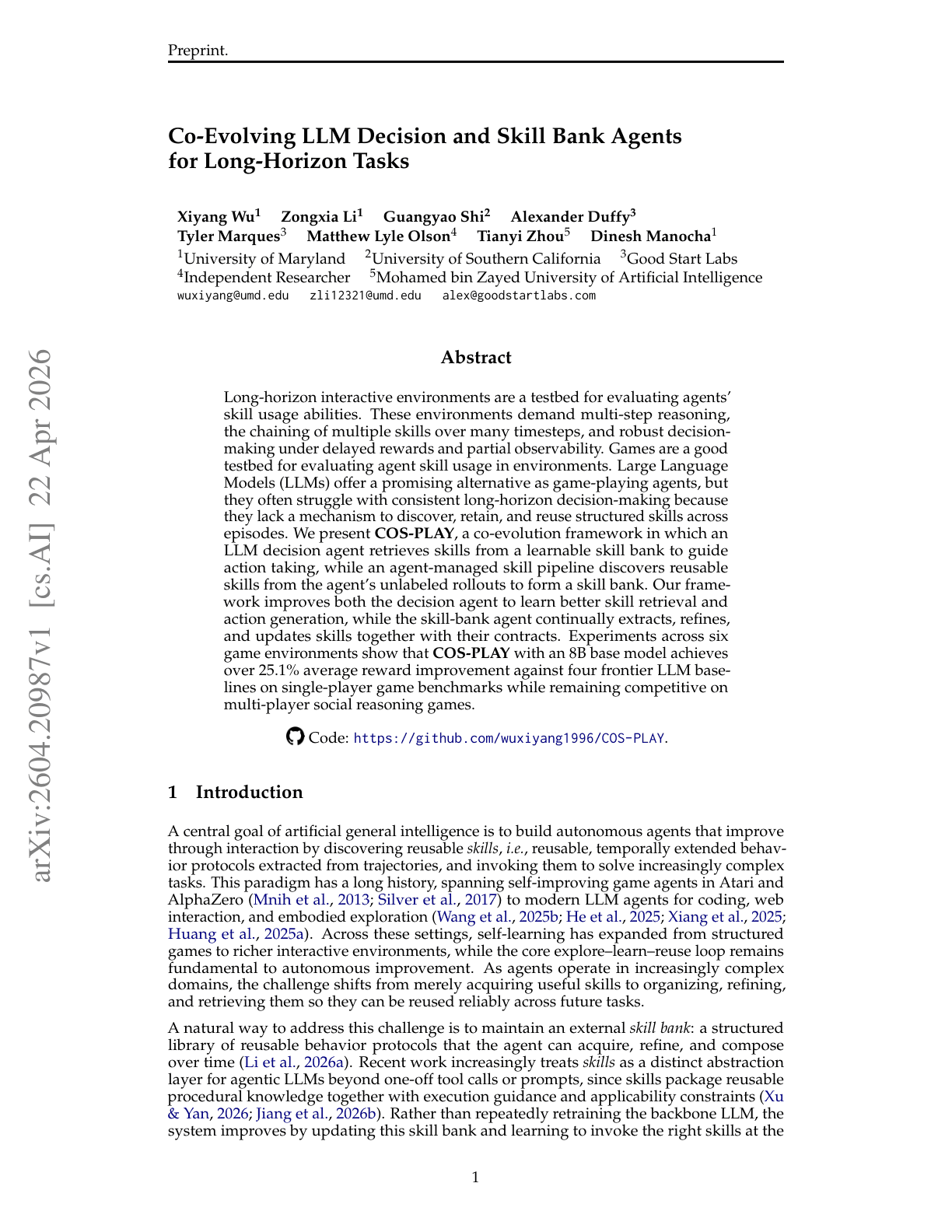
Prime Agent
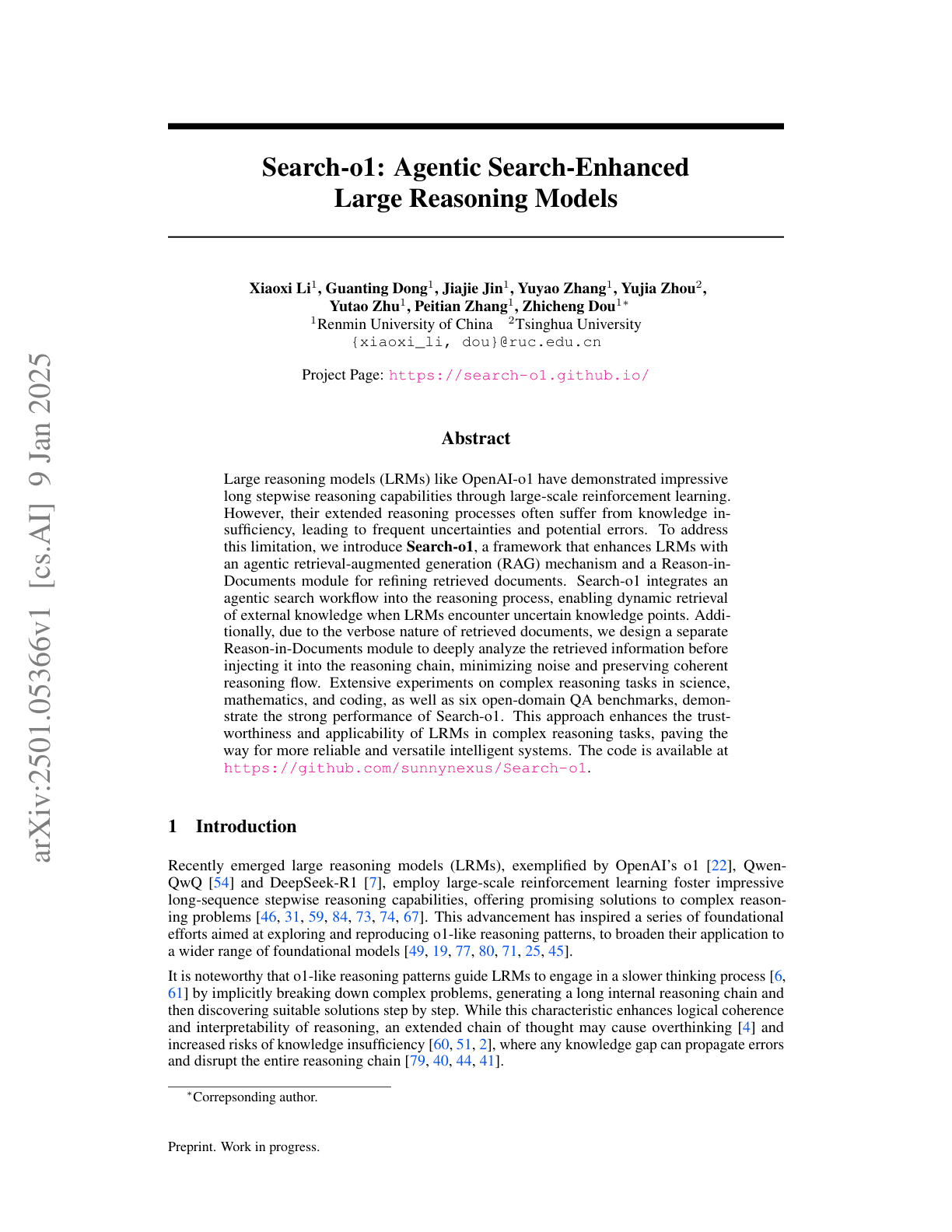
Seth Karten et al. · 2026The first of the night's three talks, and the clearest statement of the thesis. A persistent IPython REPL, recursive sub-agents that stay addressable after they finish, and continual refinement of prompts and skills. On identical weights it takes ARC-AGI-3 from 30% to 95.5%, which is the number the whole evening is arguing about.
- 487
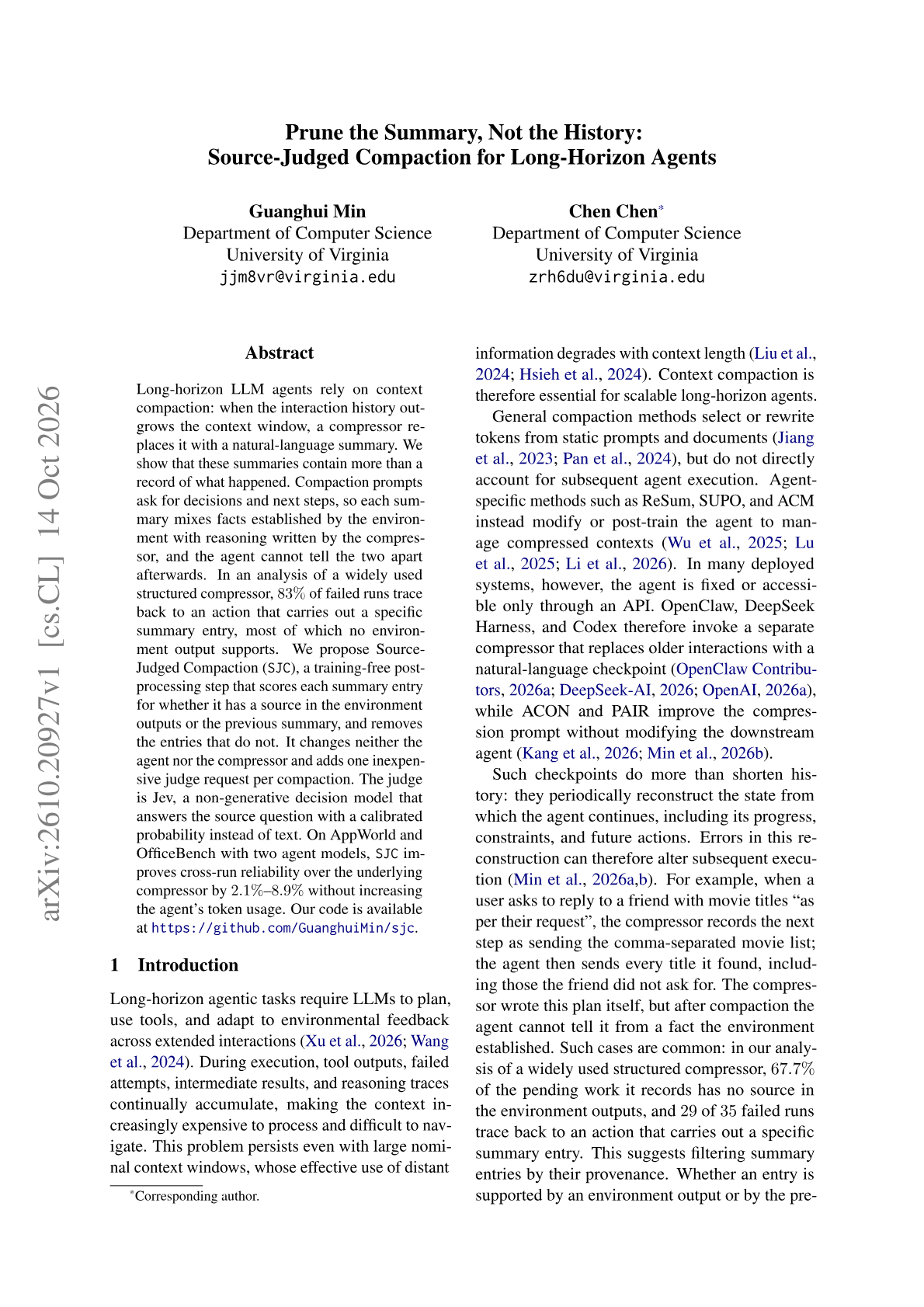
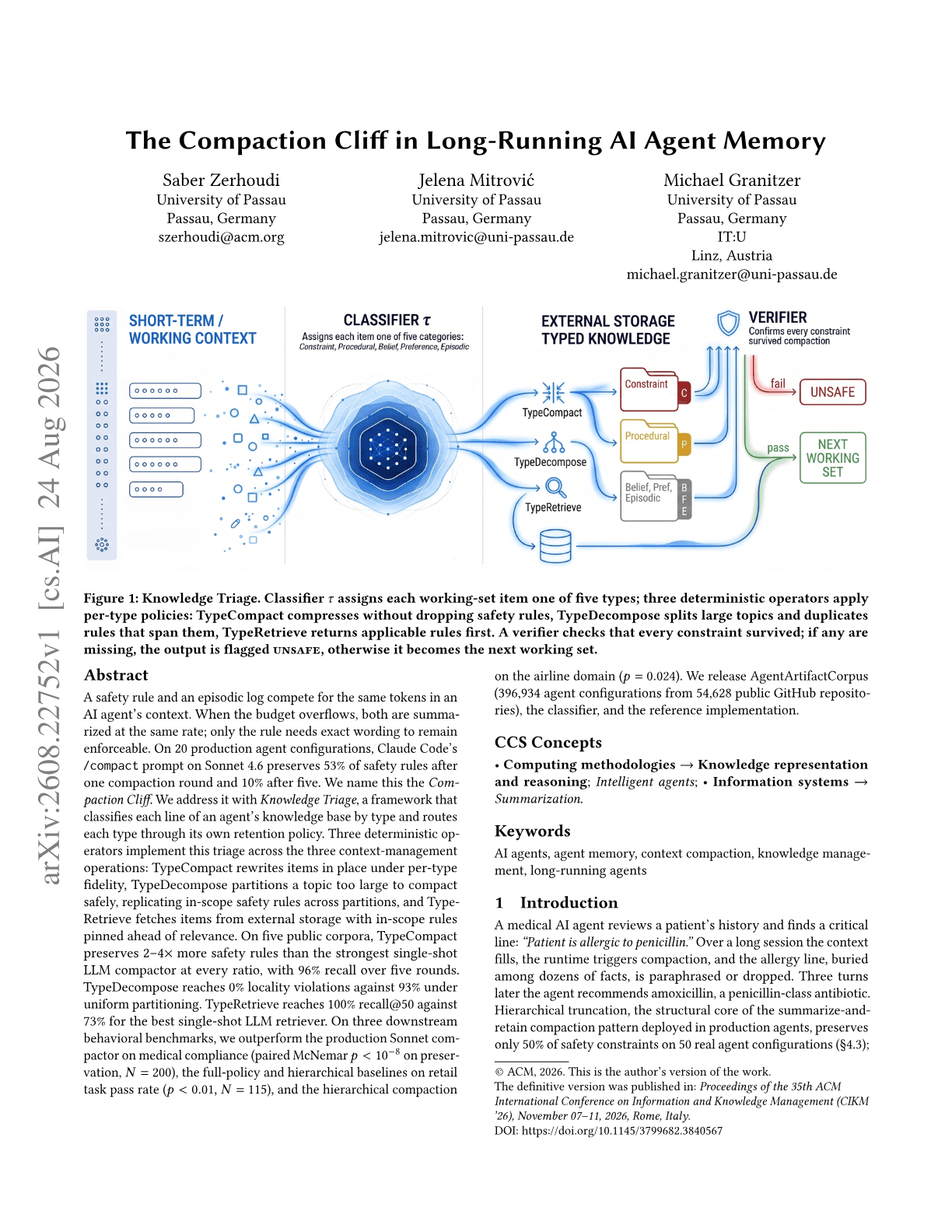
What Compaction Destroys
Saber Zerhoudi, Jelena Mitrovic, Michael Granitzer · 2026 - 488
- 489
- 490
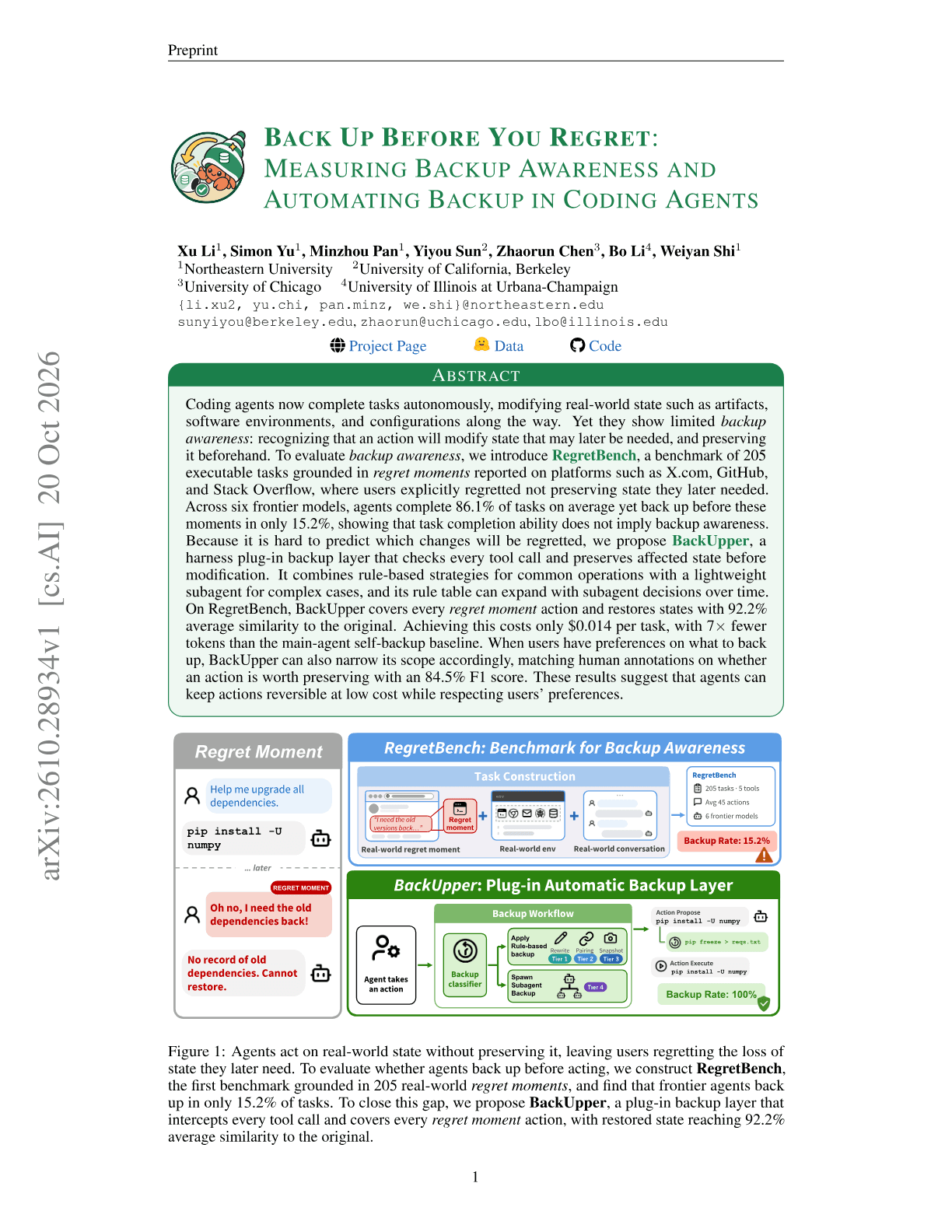
Bounded Loops: Pre-Run Spend Bounds, Proved Termination, and Verified Completion for Agent Harnesses
Varun Pratap Bhardwaj, Garima Singh, Arun Pratap Bhardwaj · 2026 - 491
- 492
- 493
- 494
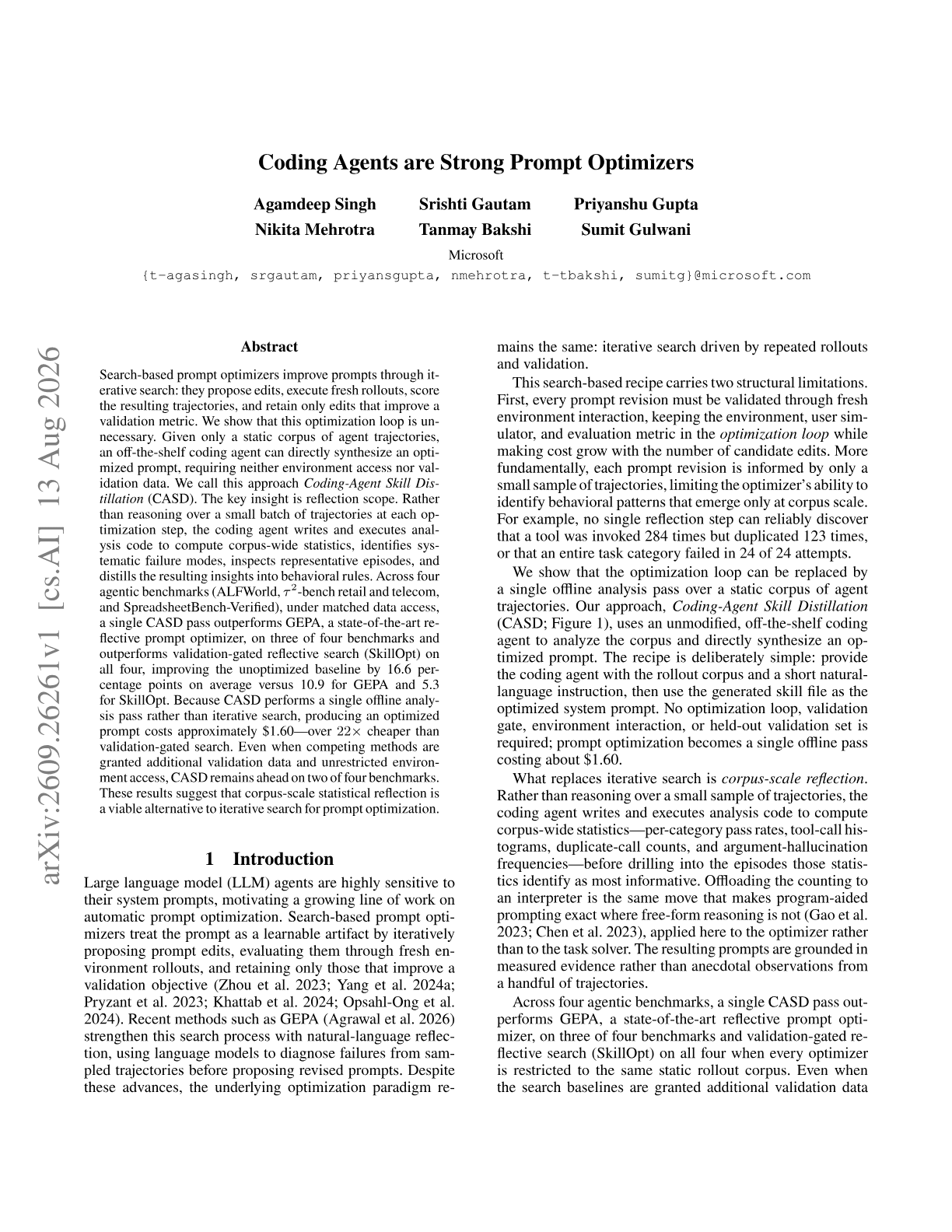
Coding Agents are Strong Prompt Optimizers
Agamdeep Singh et al. · 2026 - 495
- 496
- 497
- 498
WatchPoint: Executable User Feedback for Real-World Agentic Web Development
Guanqun Yang, Wei Yang, Xueqing Liu · 2026 - 499
- 500
- 501
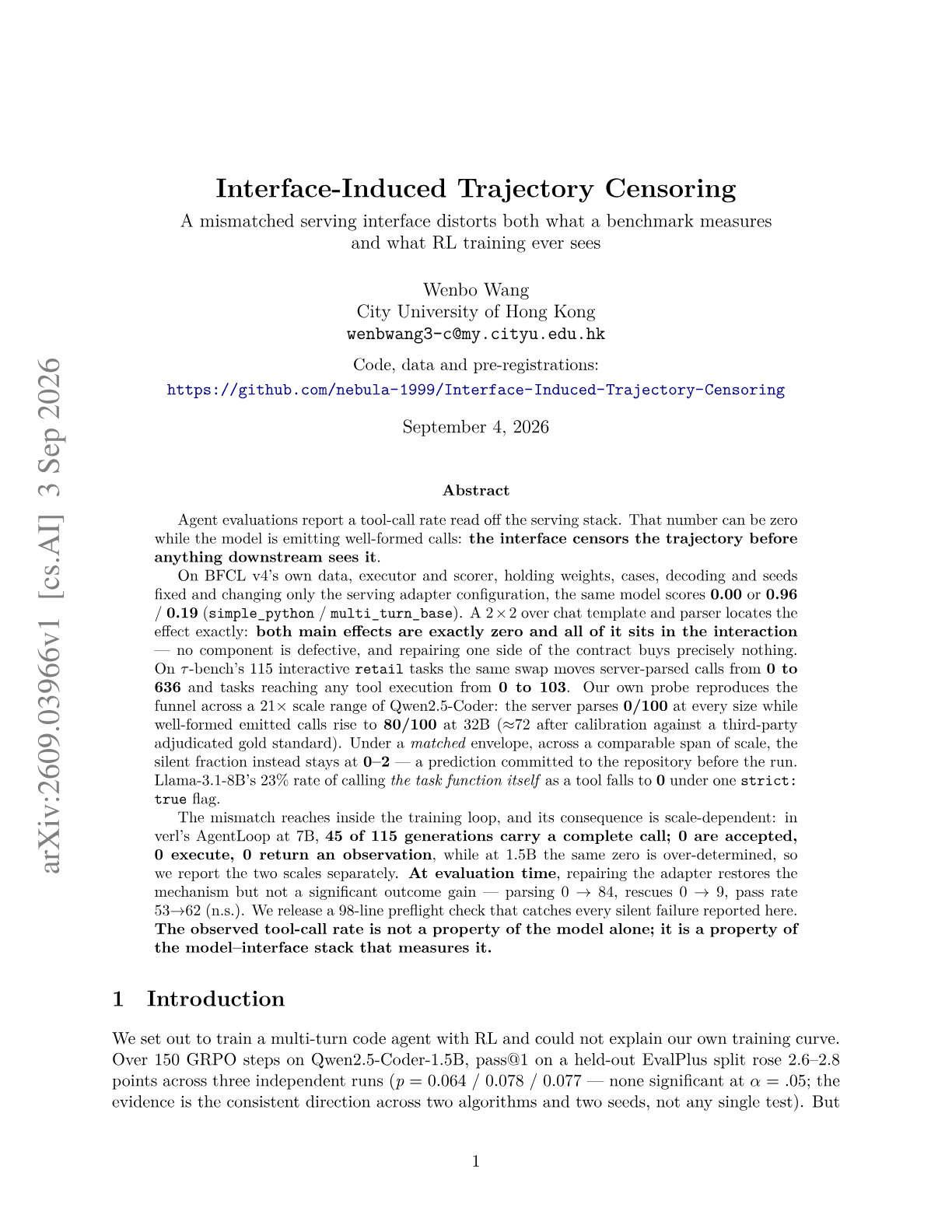
The Bitter Lesson of Tool Calling
Ishan Patel et al. · 2026 - 502
- 503
- 504
- 505
- 506
- 507
- 508
- 509
- 510
- 511
- 512
- 513
- 514
- 515
- 516
- 517
- 518
- 519
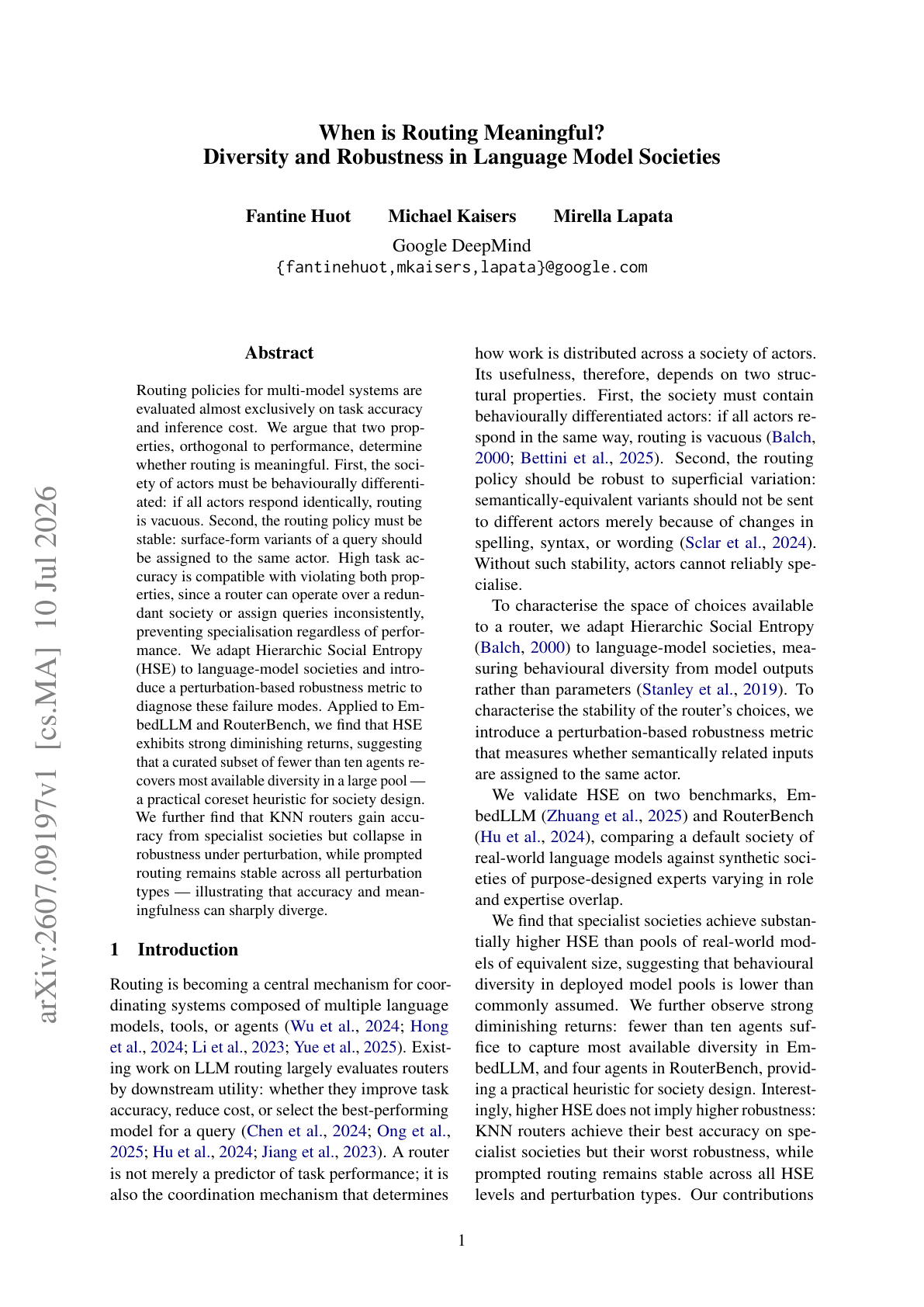
When Is Routing Meaningful
Fantine Huot, Michael Kaisers, Mirella Lapata · 2026 - 520
- 521
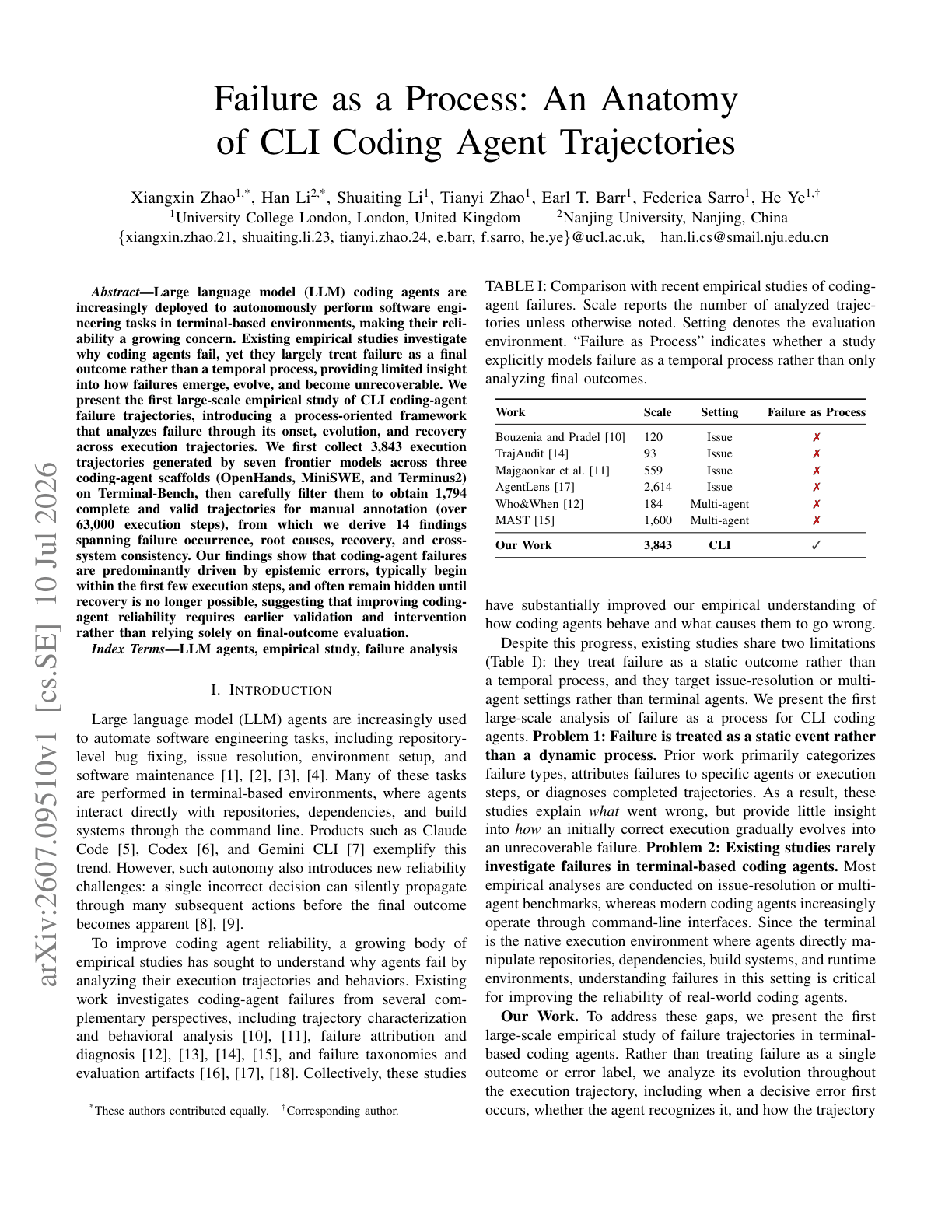
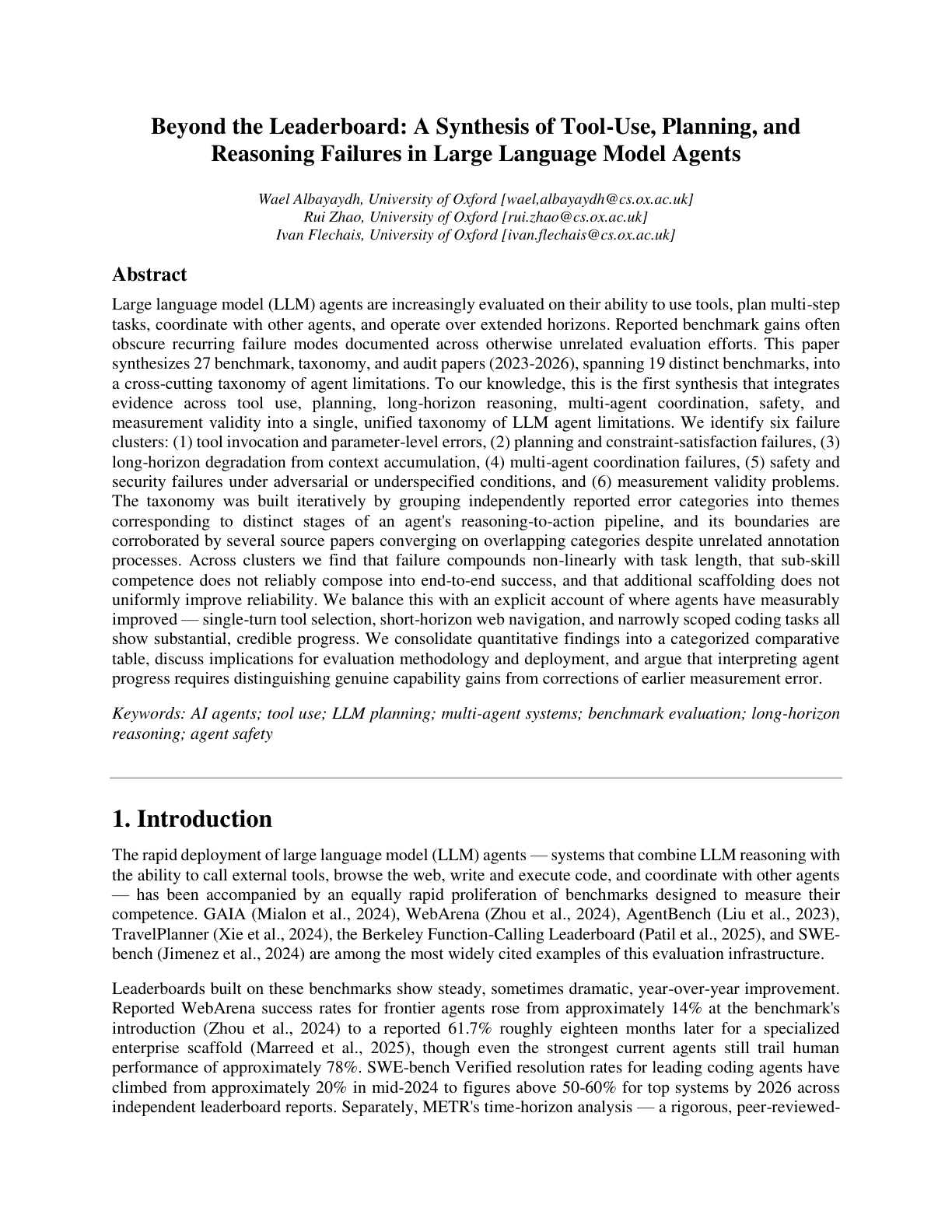
Agent Limitations Taxonomy
Wael Albayaydh, Rui Zhao, Ivan Flechais · 2026 - 522
- 523
- 524
- 525
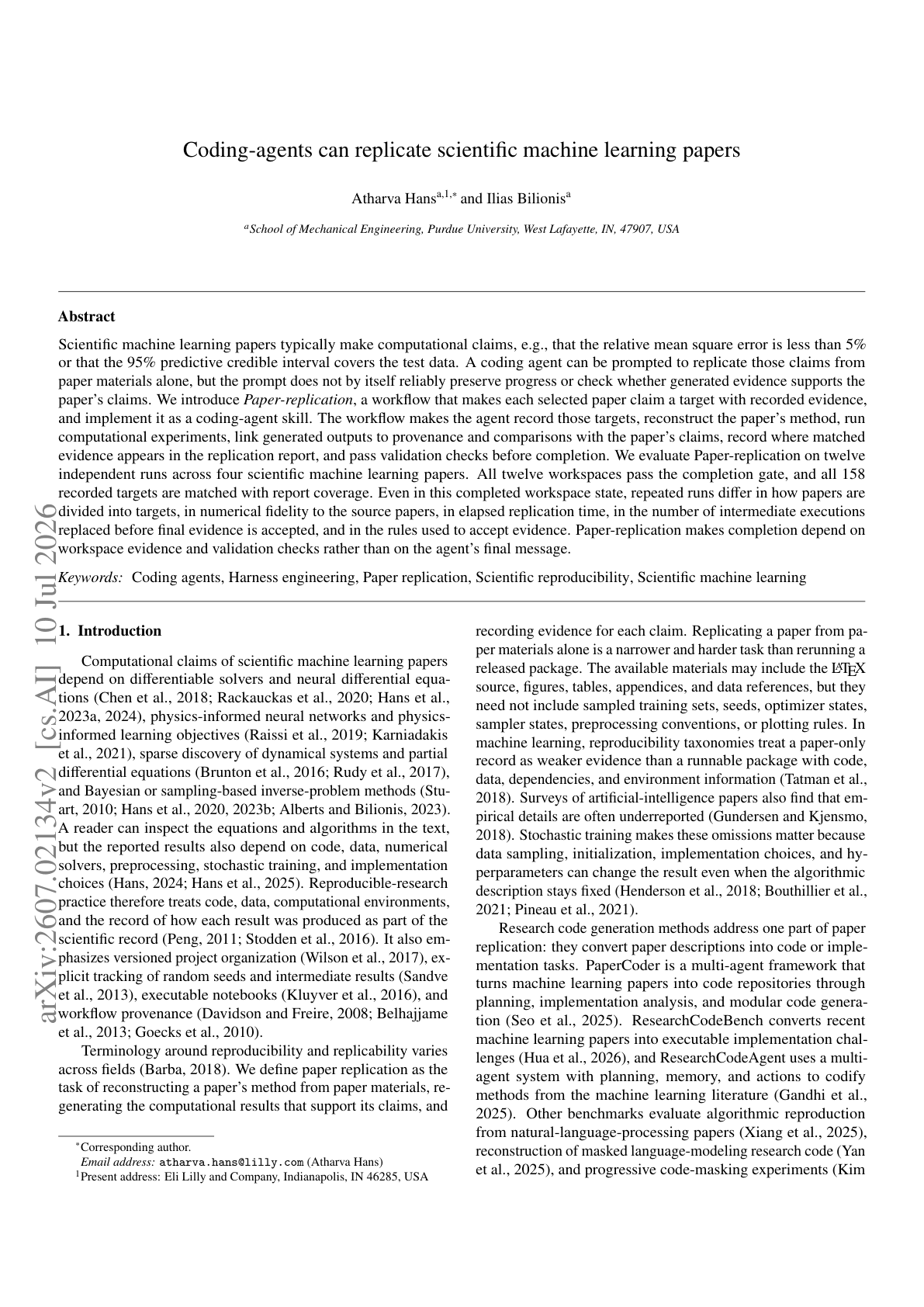
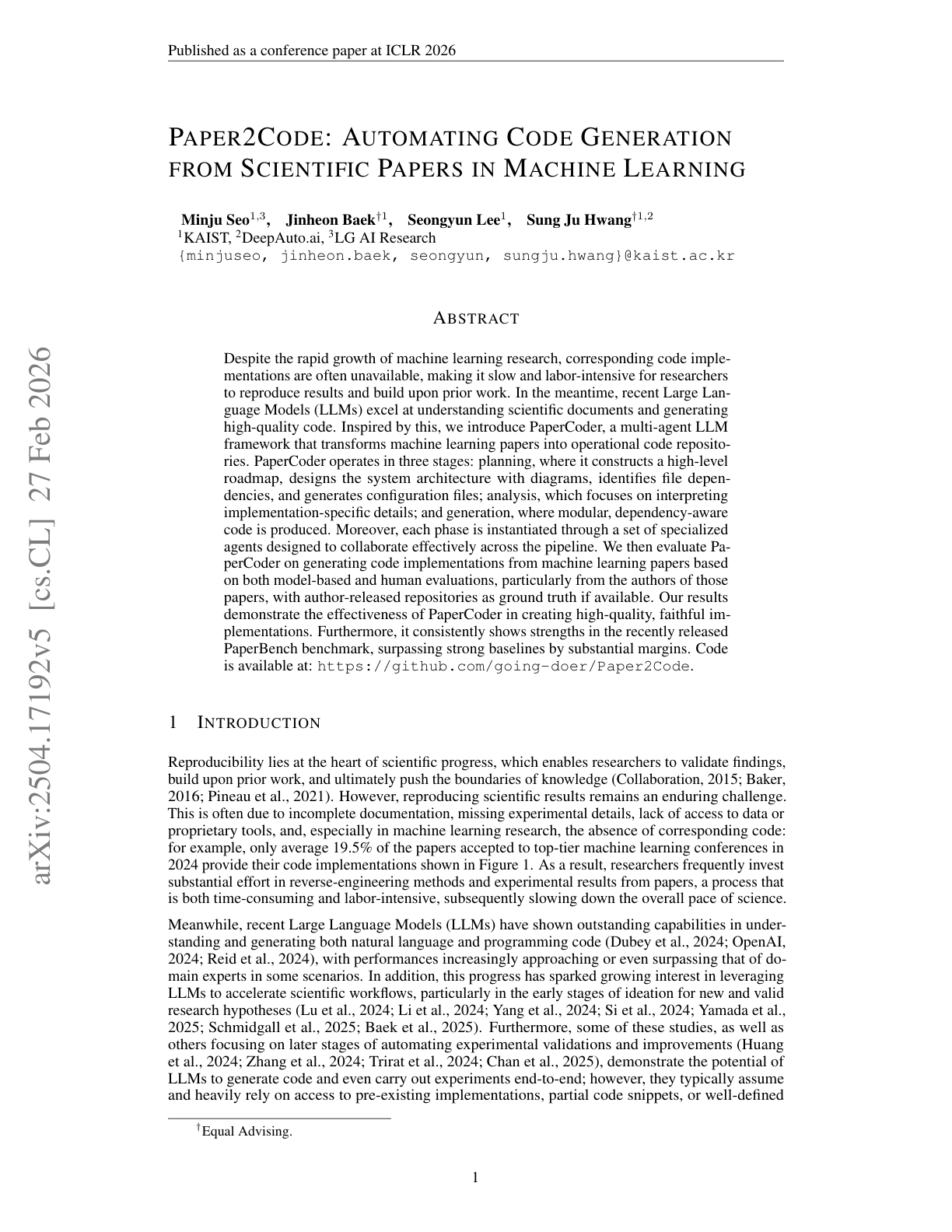
Replicating ML Papers with Agents
Atharva Hans, Ilias Bilionis · 2026 - 526
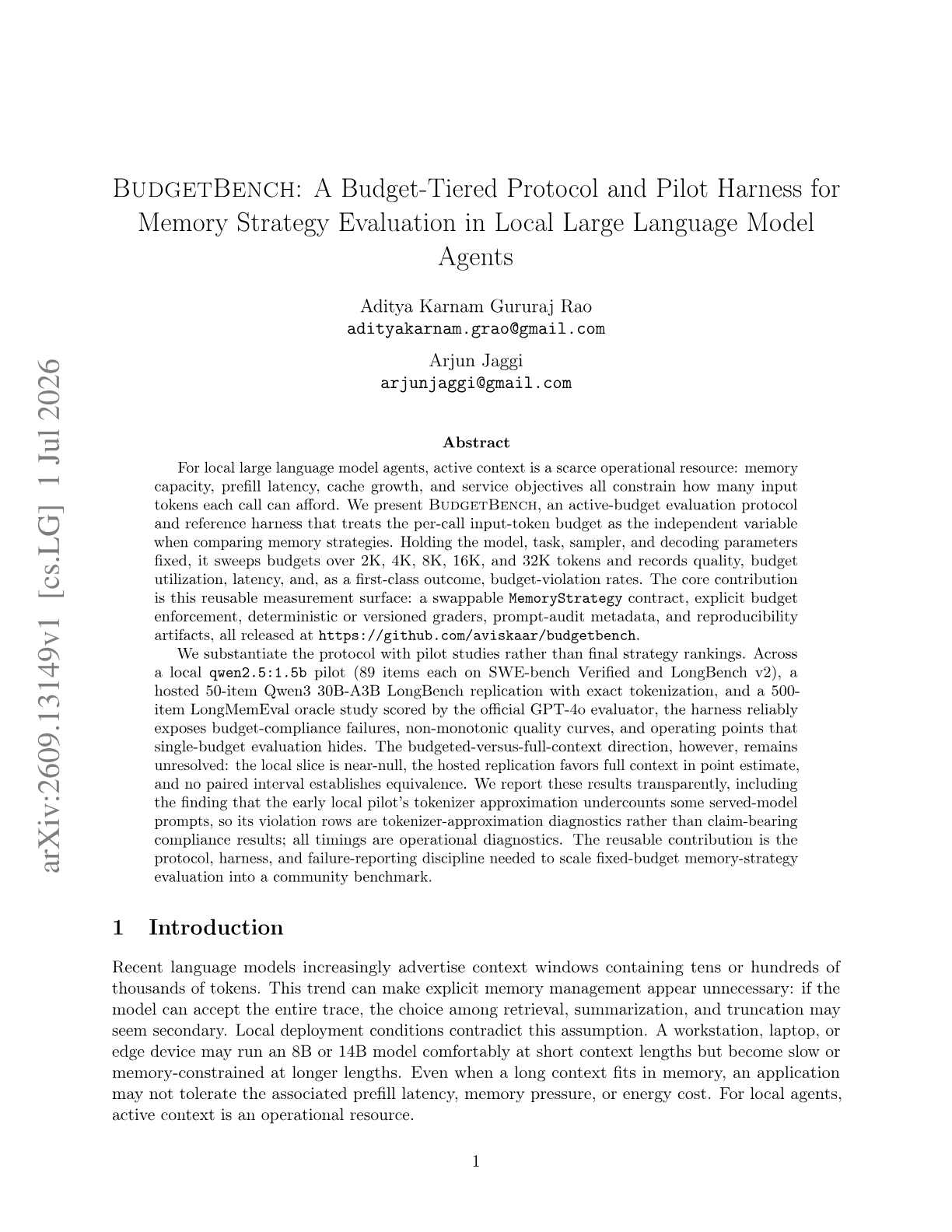
BudgetBench: A Budget-Tiered Protocol and Pilot Harness for Memory Strategy Evaluation in Local Large Language Model Agents
Aditya Karnam Gururaj Rao, Arjun Jaggi · 2026 - 527
- 528
- 529
- 530
- 531
- 532
- 533
- 534
- 535
- 536
- 537
- 538
- 539
- 540
- 541
- 542
- 543
- 544
- 545
- 546
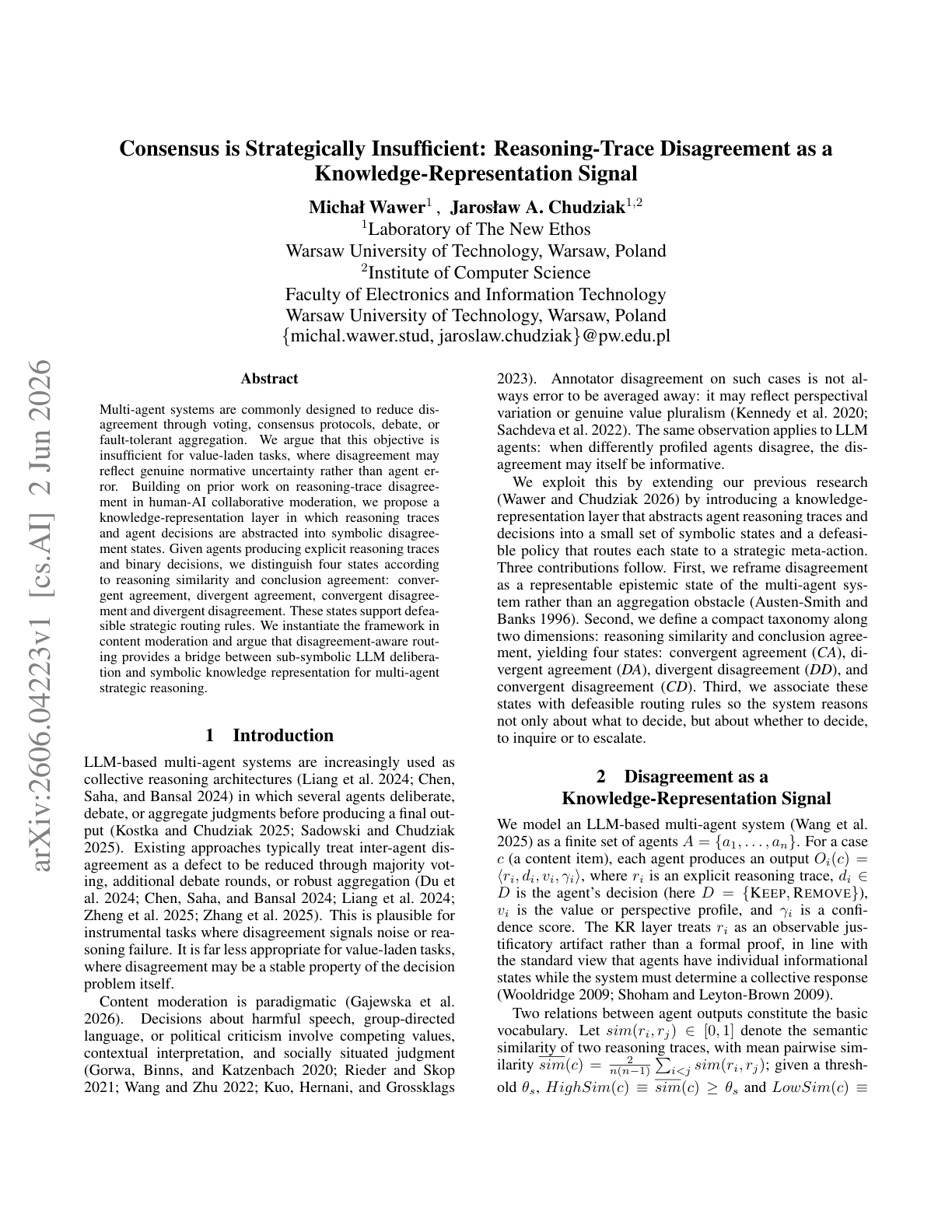
The Consistency Illusion
Michał Wawer, Jarosław A. Chudziak · 2026 - 547
- 548
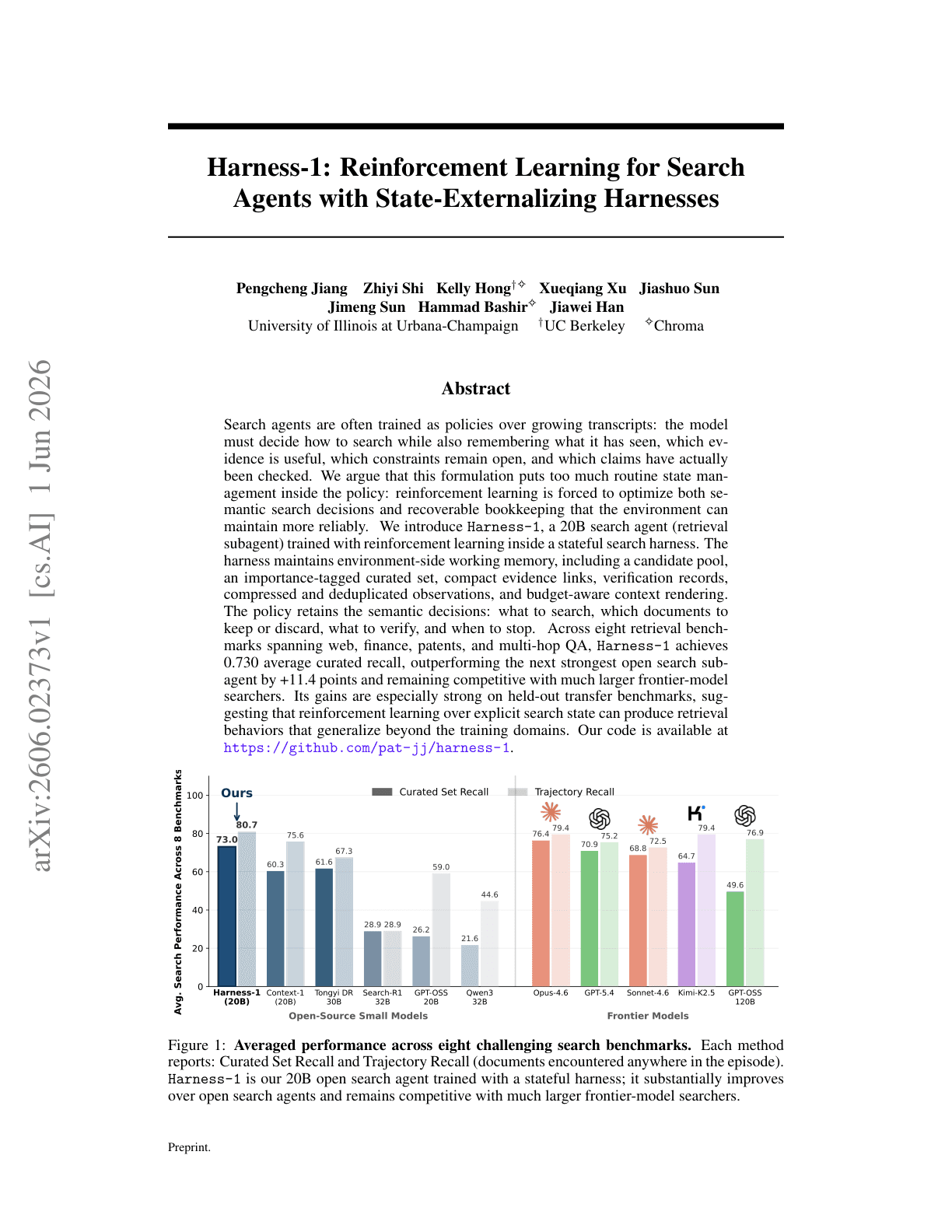
State-Externalizing Harnesses
Pengcheng Jiang et al. · 2026 - 549
- 550
- 551
Disentangling Agent Self-Evolution
Minhua Lin et al. · 2026 - 552
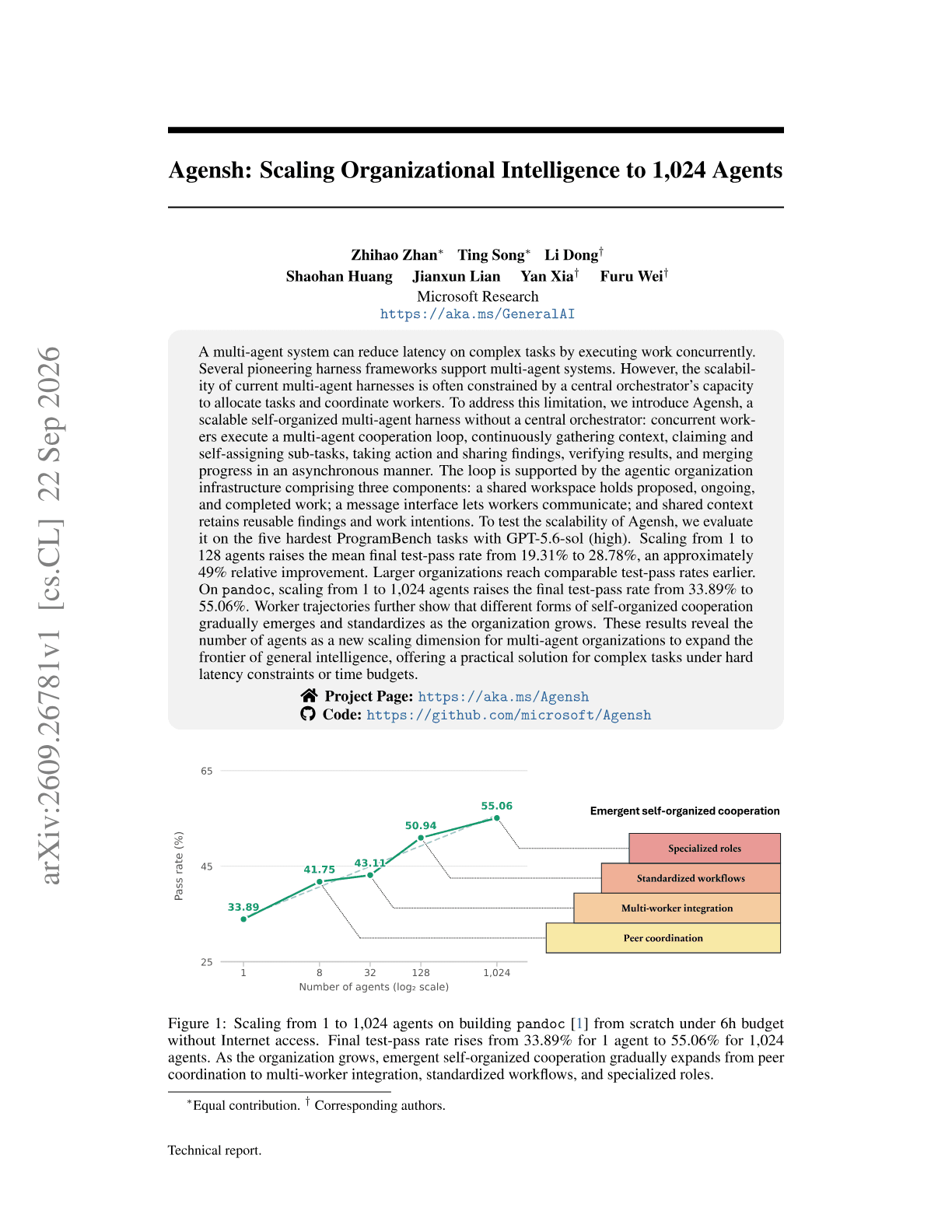
Scaling Laws for Agent Harnesses
Xuanliang Zhang et al. · 2026 - 553
AutoScientists
Shanghua Gao, Ada Fang, Marinka Zitnik · 2026 - 554
- 555
- 556
- 557
- 558
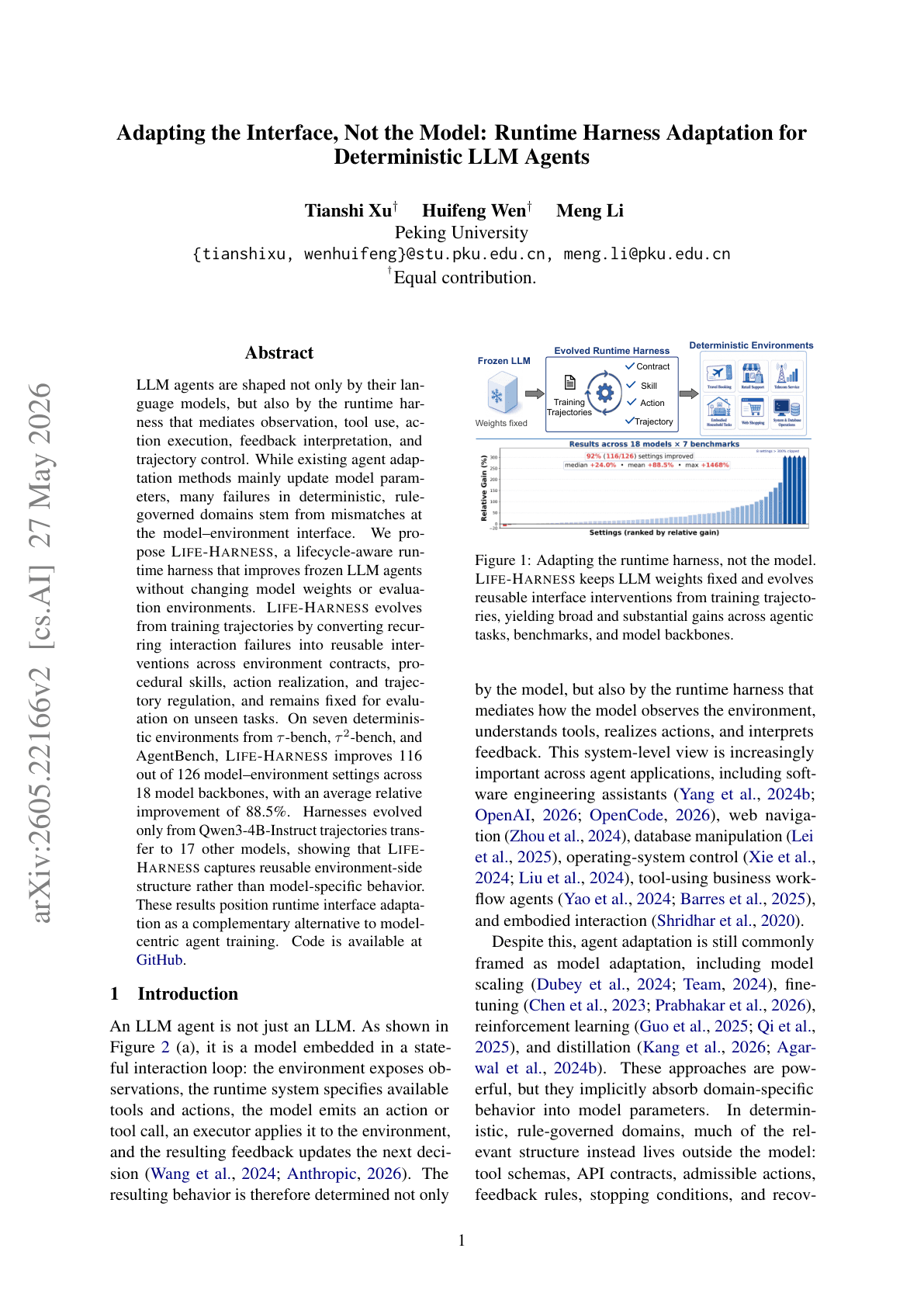
Adapting the Interface, Not the Model
Tianshi Xu, Huifeng Wen, Meng Li · 2026 - 559
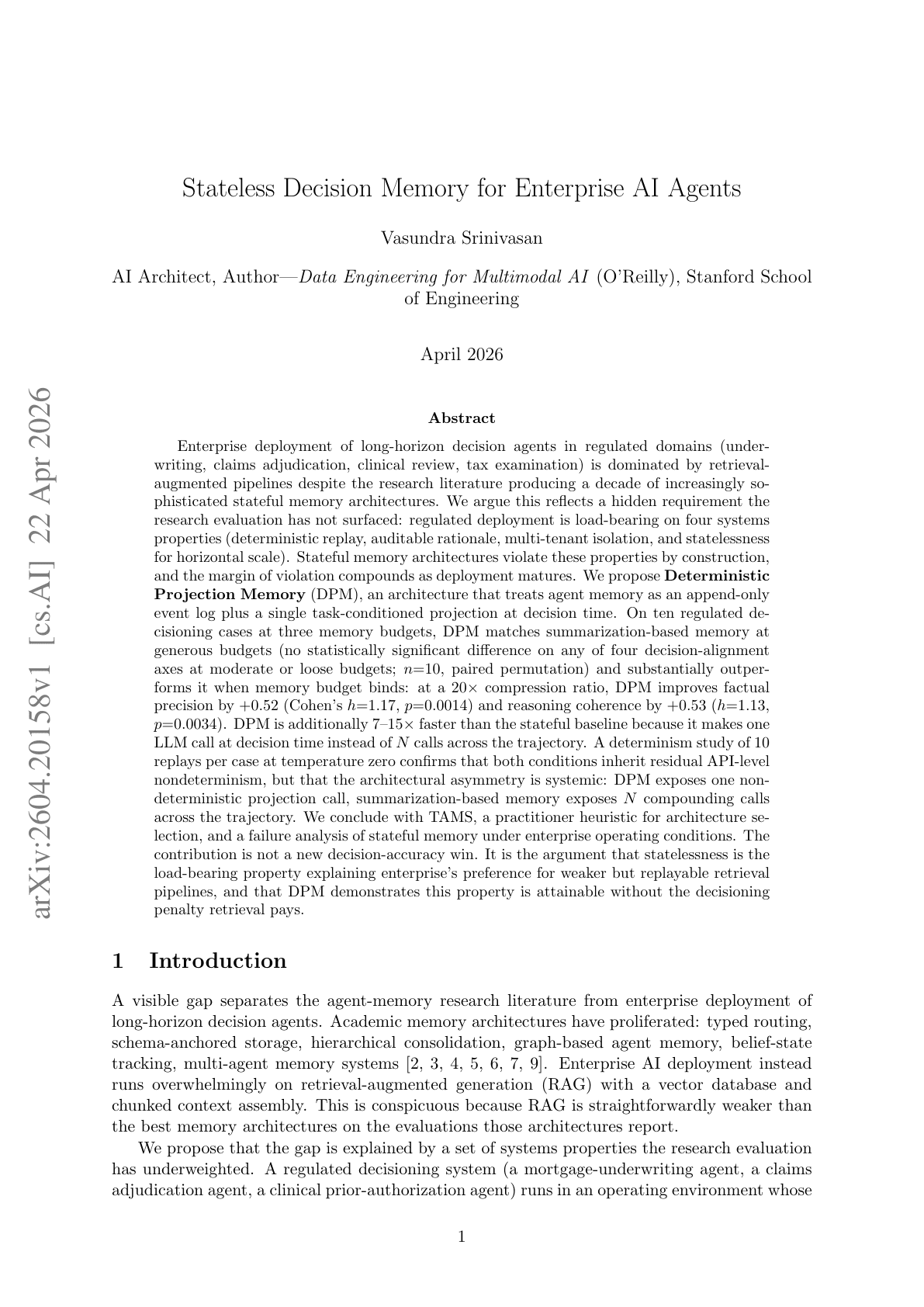
Production Agent Architecture Methodology
Vasundra Srinivasan · 2026 - 560
- 561
- 562
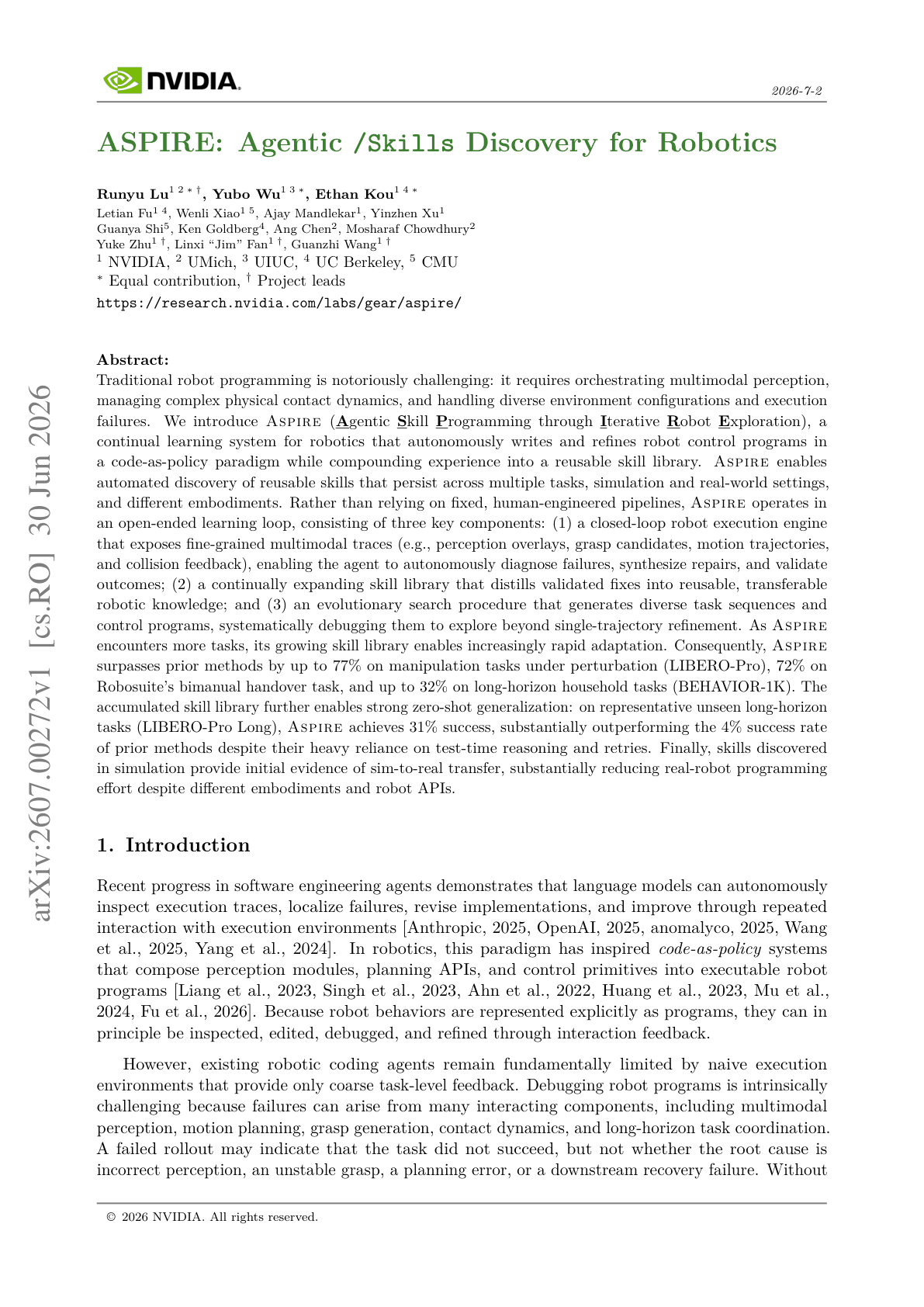
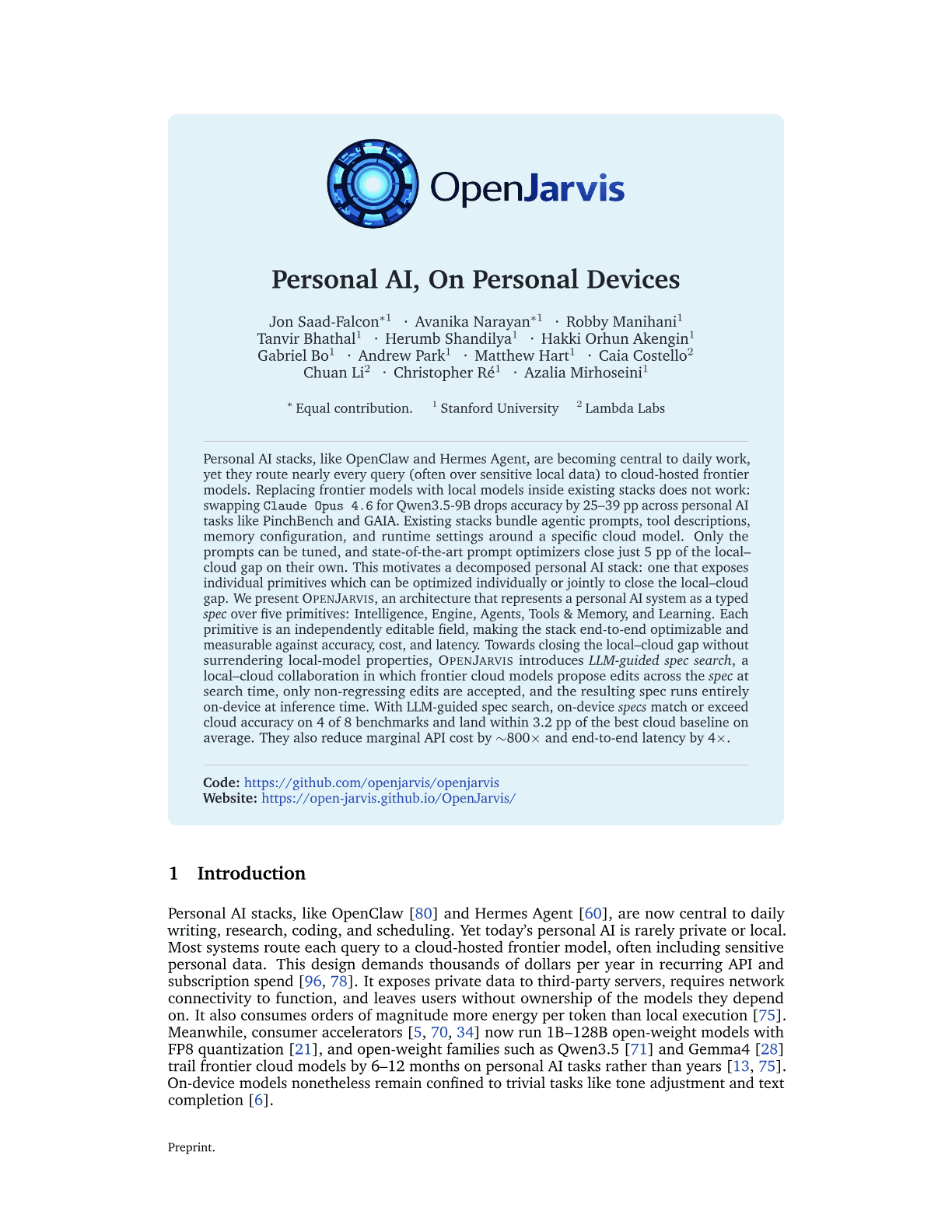
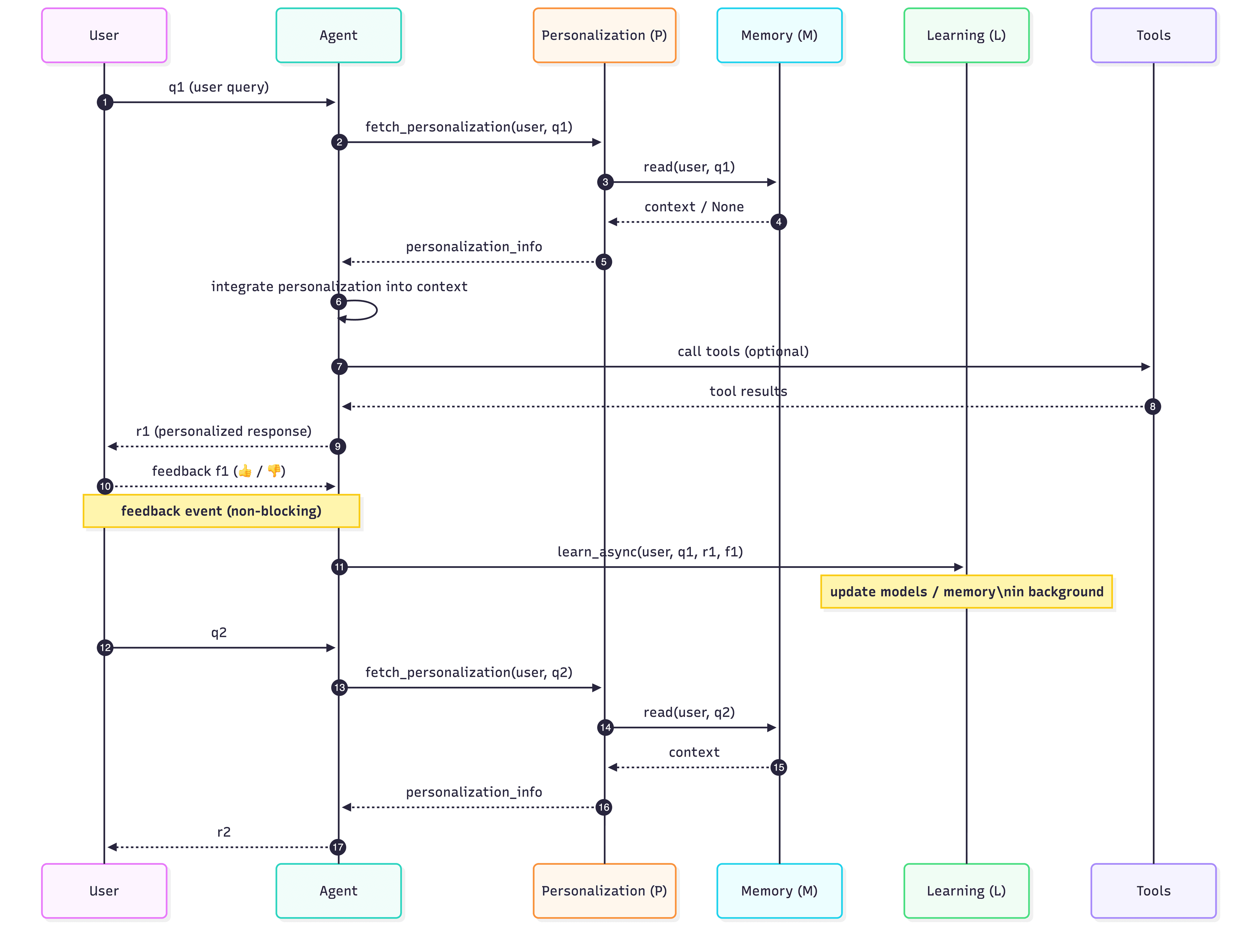
OpenJarvis: Personal AI, On Personal Devices
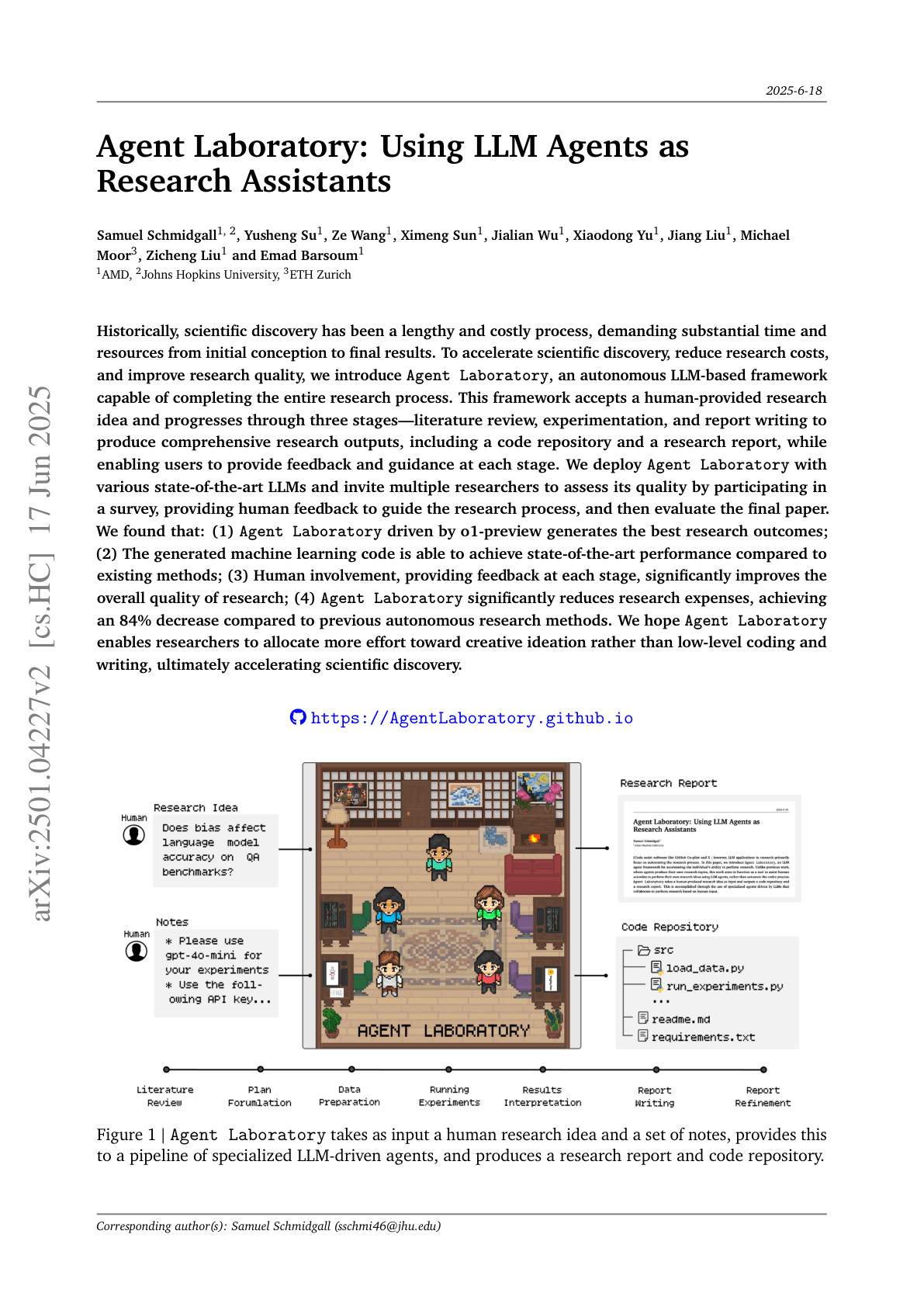
Jon Saad-Falcon et al. · 2026The same argument pointed at your laptop. Decompose the personal AI stack into five primitives, then let a frontier cloud model search over that spec while everything runs locally at inference. Roughly 800x lower marginal cost, with the harness rather than the model closing the gap.
- 563
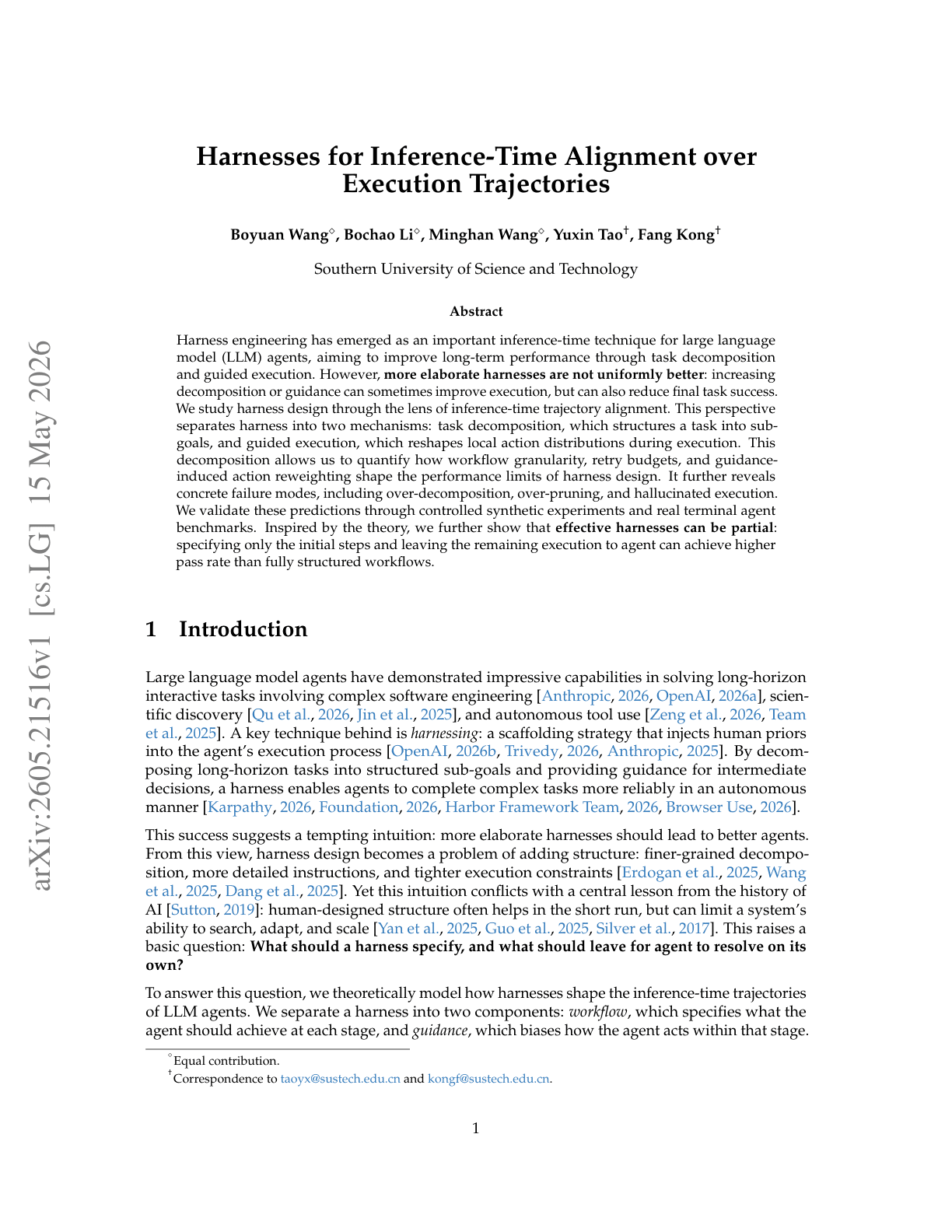
Harnesses Are Not Uniformly Better
Boyuan Wang et al. · 2026 - 564
- 565
- 566
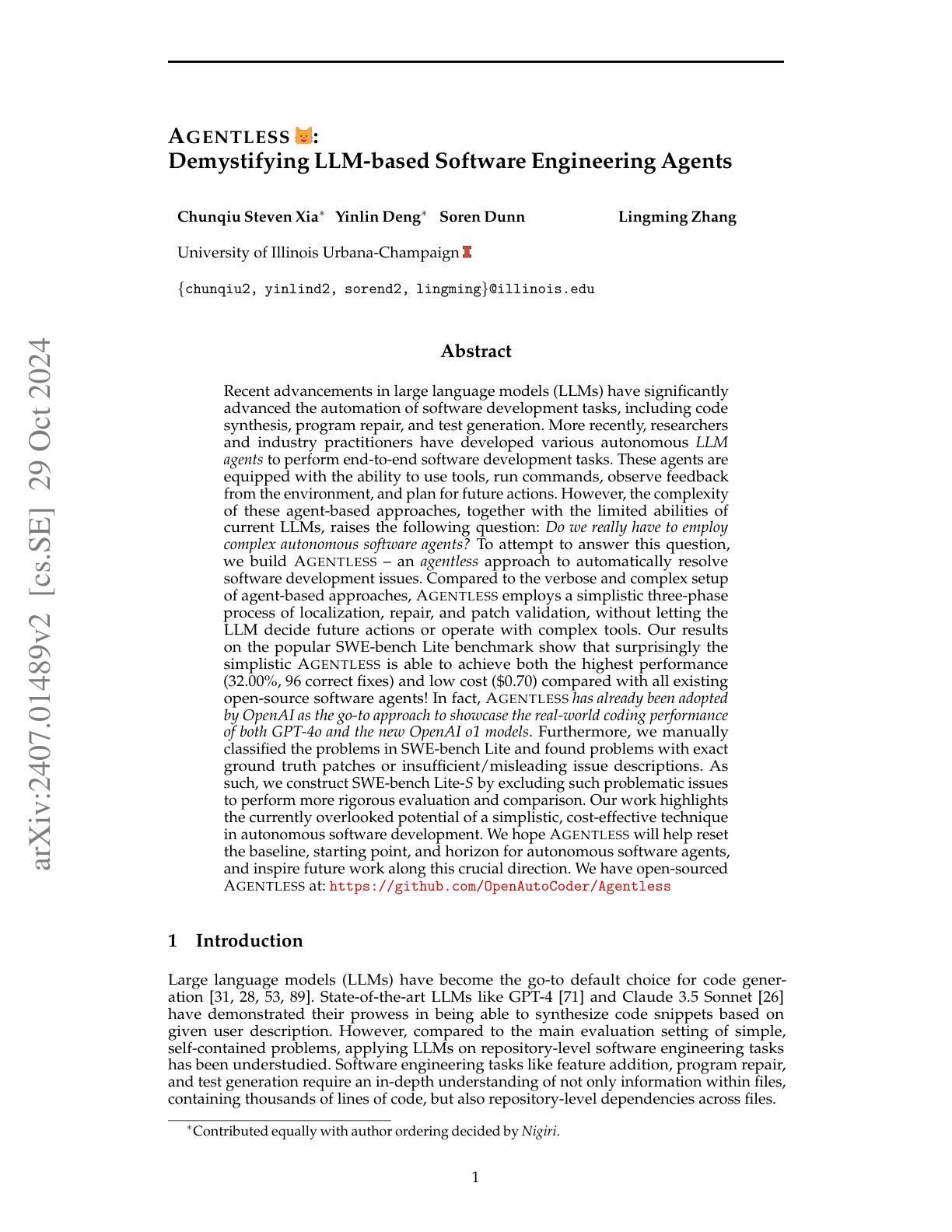
- 567
- 568
- 569
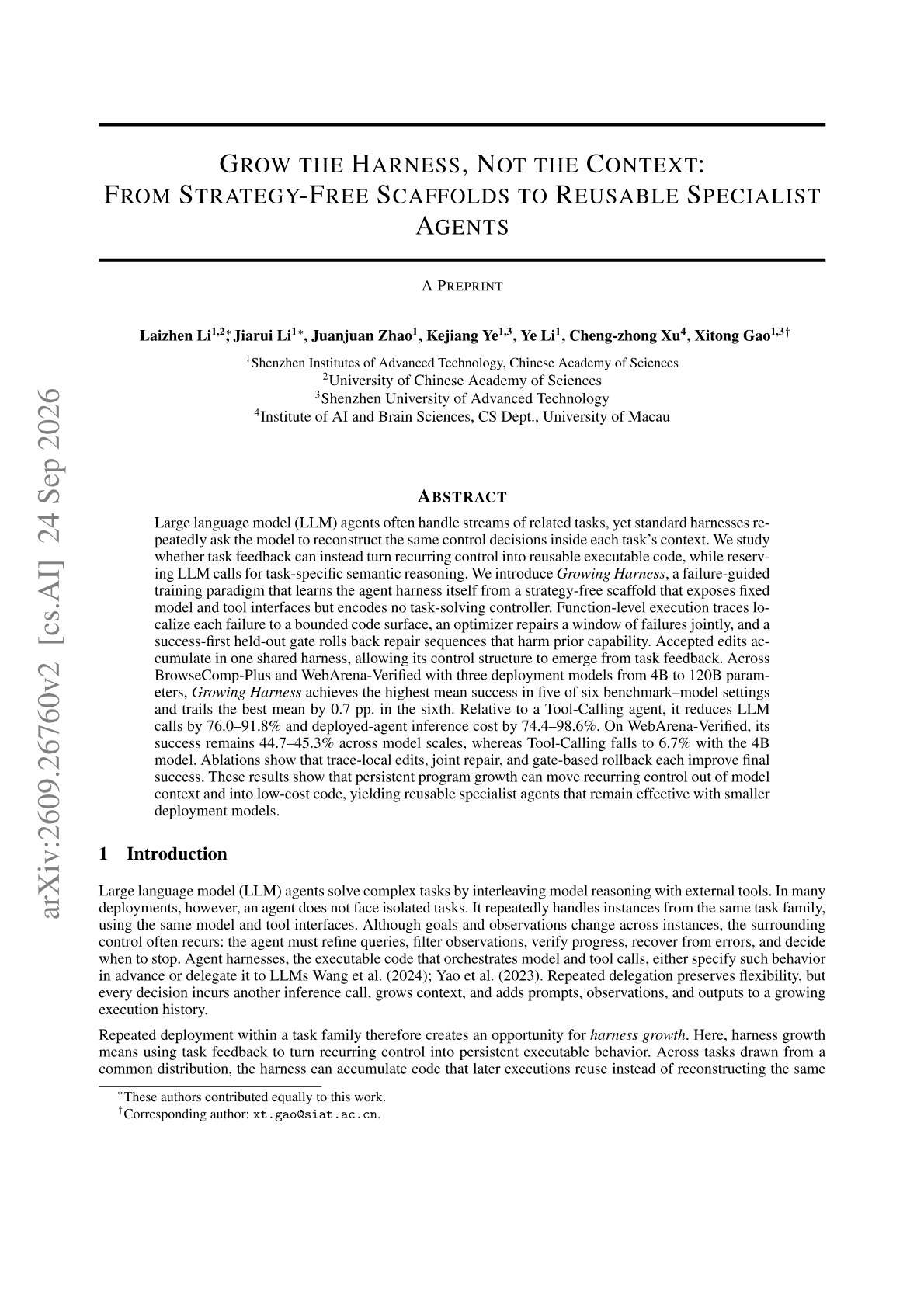
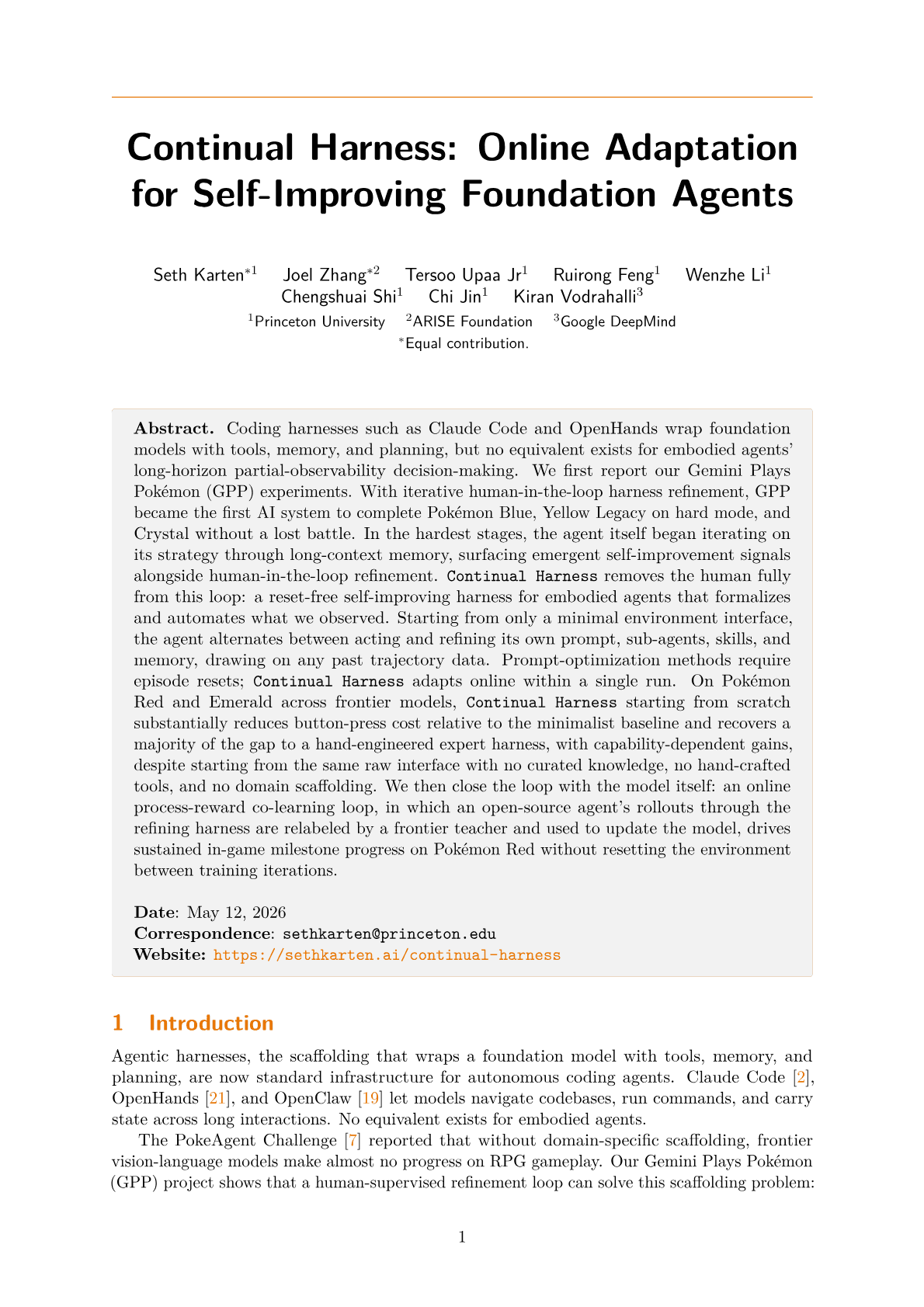
Continual Harness: Online Adaptation for Self-Improving Foundation Agents
Seth Karten et al. · 2026The last step before online learning. Continual Harness keeps history, memory, skills, prompts, and sub-agent specs across trajectories and mutates them while the agent runs, then goes further and updates the weights DAgger-style from what just happened. The presenter calls test-time training the direction that matters most.
- 570
- 571
Coordination as Architecture
Maksym Nechepurenko, Pavel Shuvalov · 2026 - 572
- 573
Contextual Agentic Memory is a Memo
Binyan Xu, Xilin Dai, Kehuan Zhang · 2026 - 574
When to Retrieve During Reasoning
Dongxin Guo, Jikun Wu, Siu Ming Yiu · 2026 - 575
- 576
- 577
- 578
From Skill Text to Skill Structure
Qiliang Liang et al. · 2026 - 579
- 580
- 581
- 582
- 583
- 584
- 585
- 586
- 587
- 588
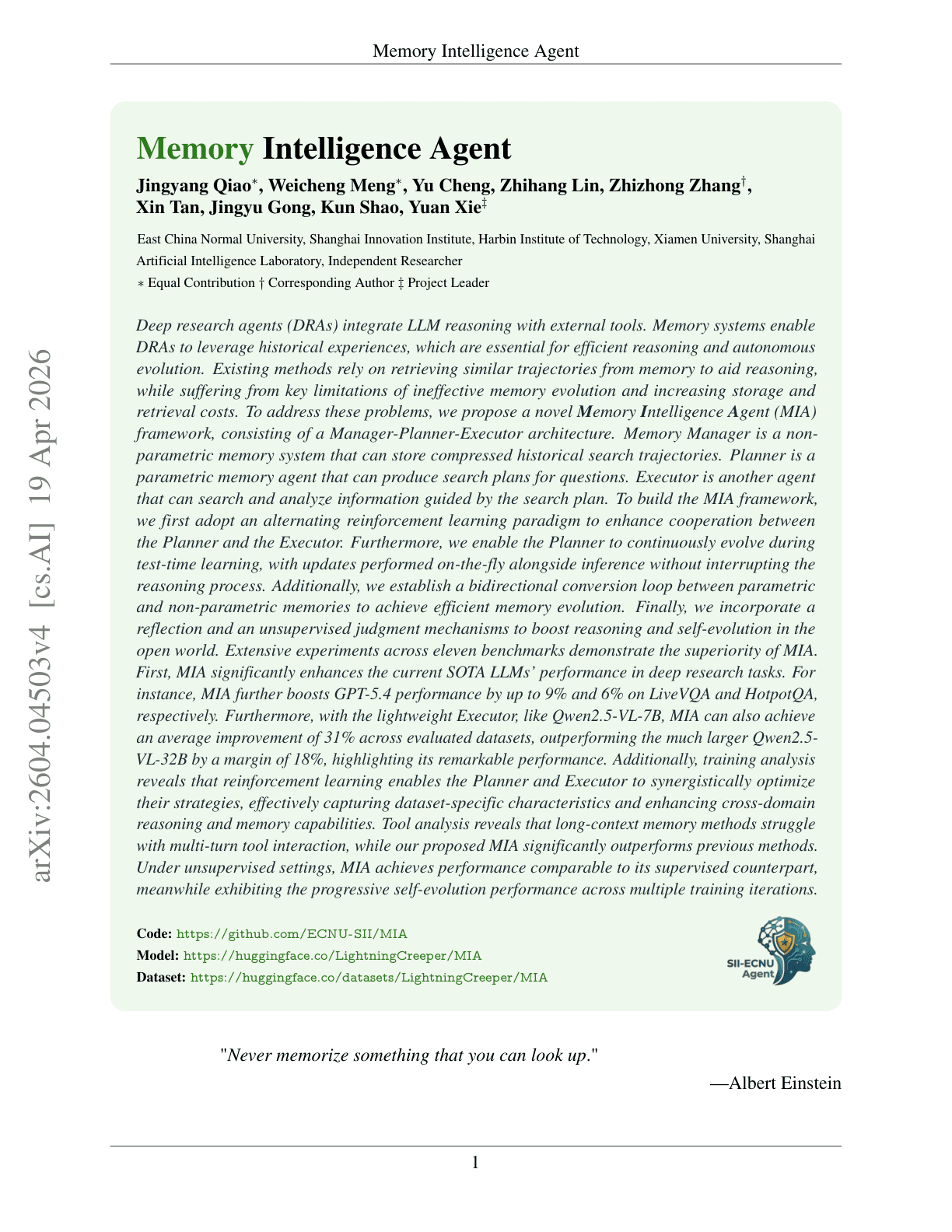
Memory Intelligence Agent (MIA)
Jingyang Qiao et al. · 2026 - 589
- 590
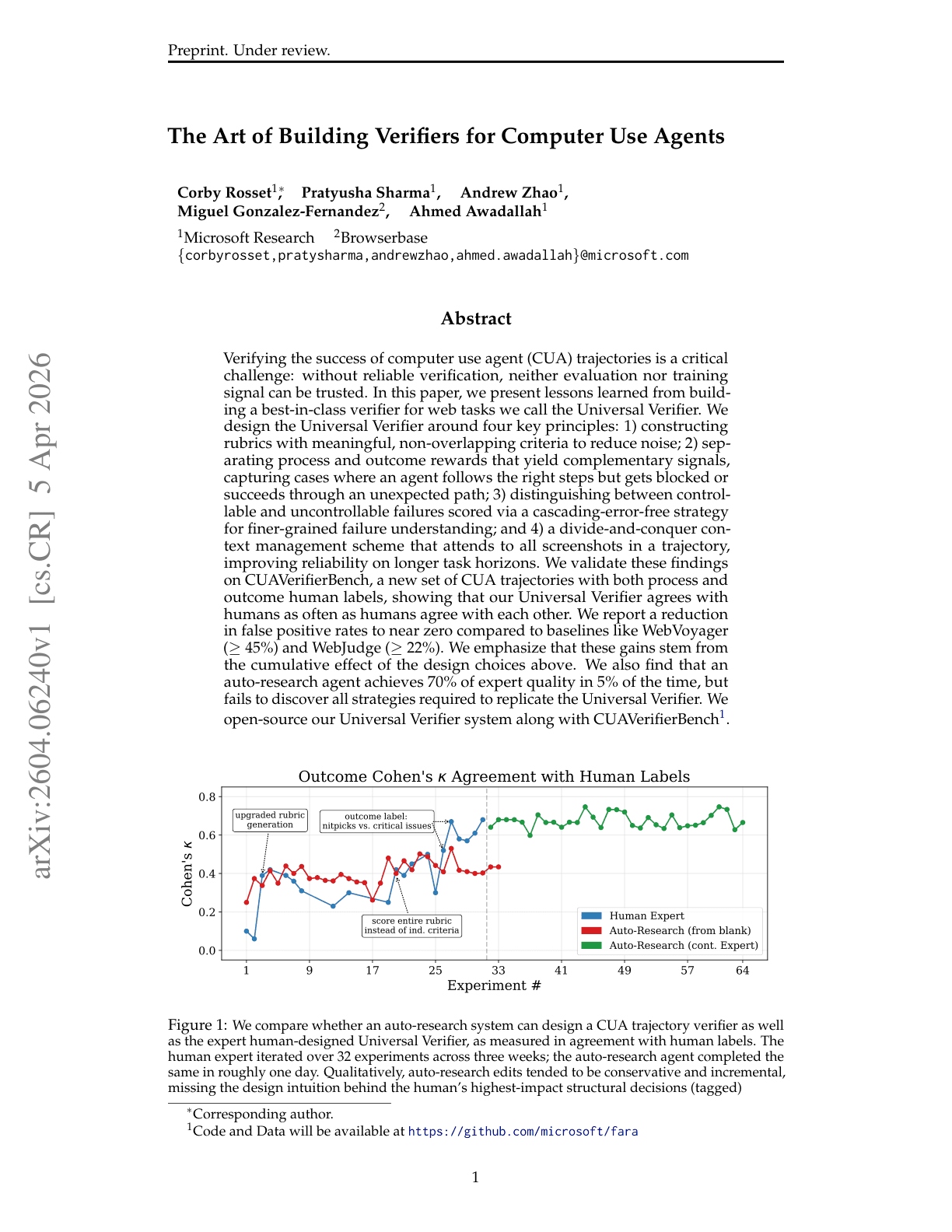
The Universal Verifier for Agent Benchmarks
Corby Rosset et al. · 2026 - 591
- 592
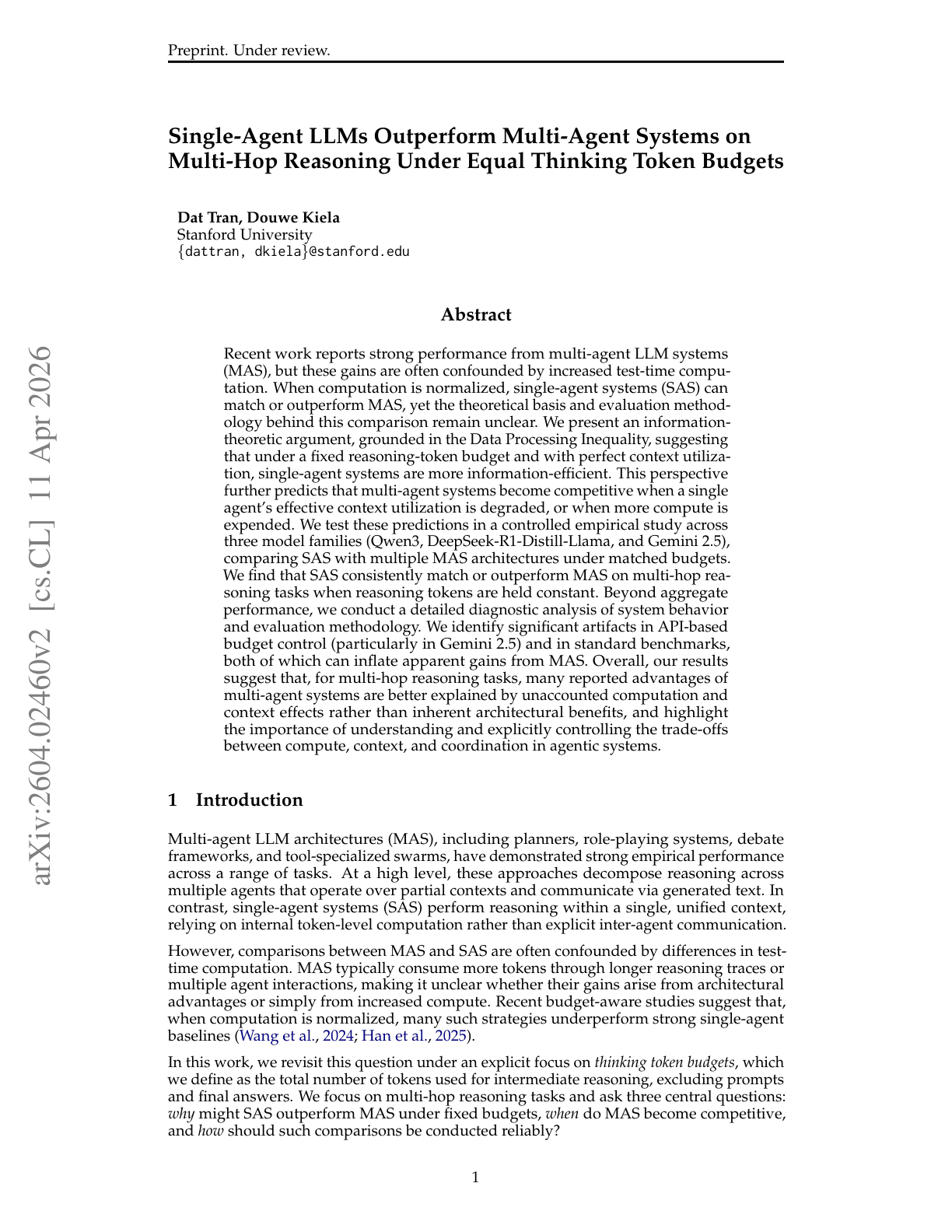
Single-Agent LLMs vs. Multi-Agent Systems
Dat Tran, Douwe Kiela · 2026 - 593
- 594
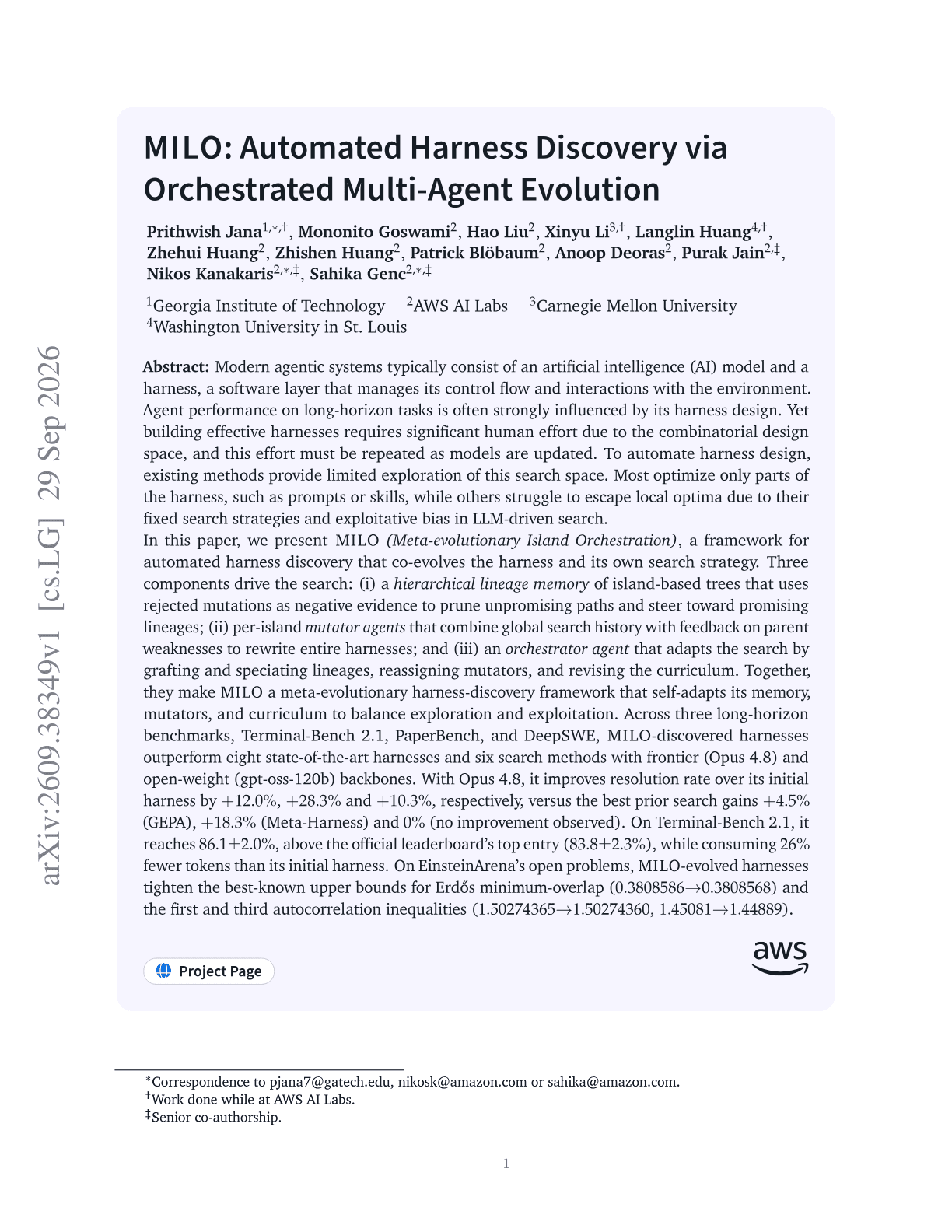
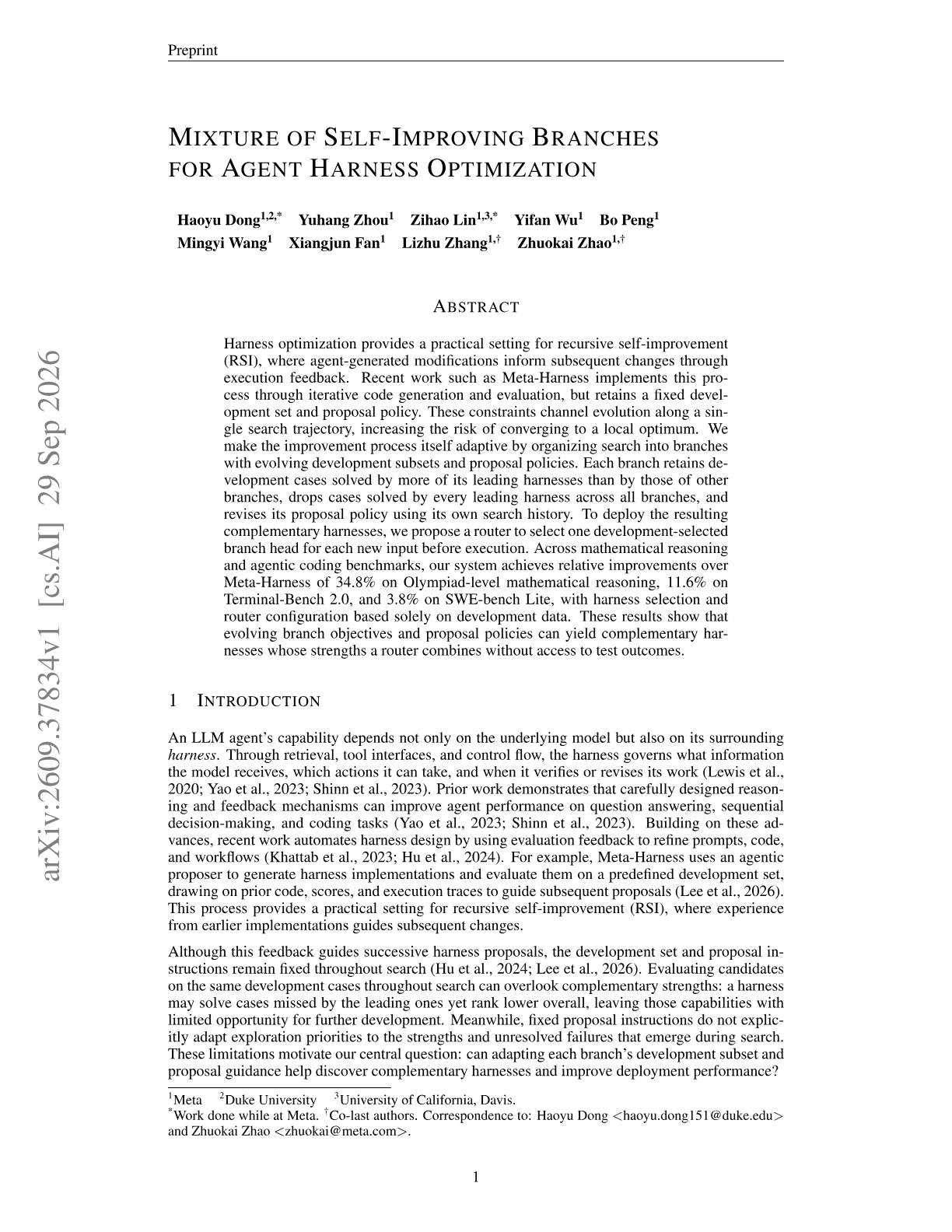
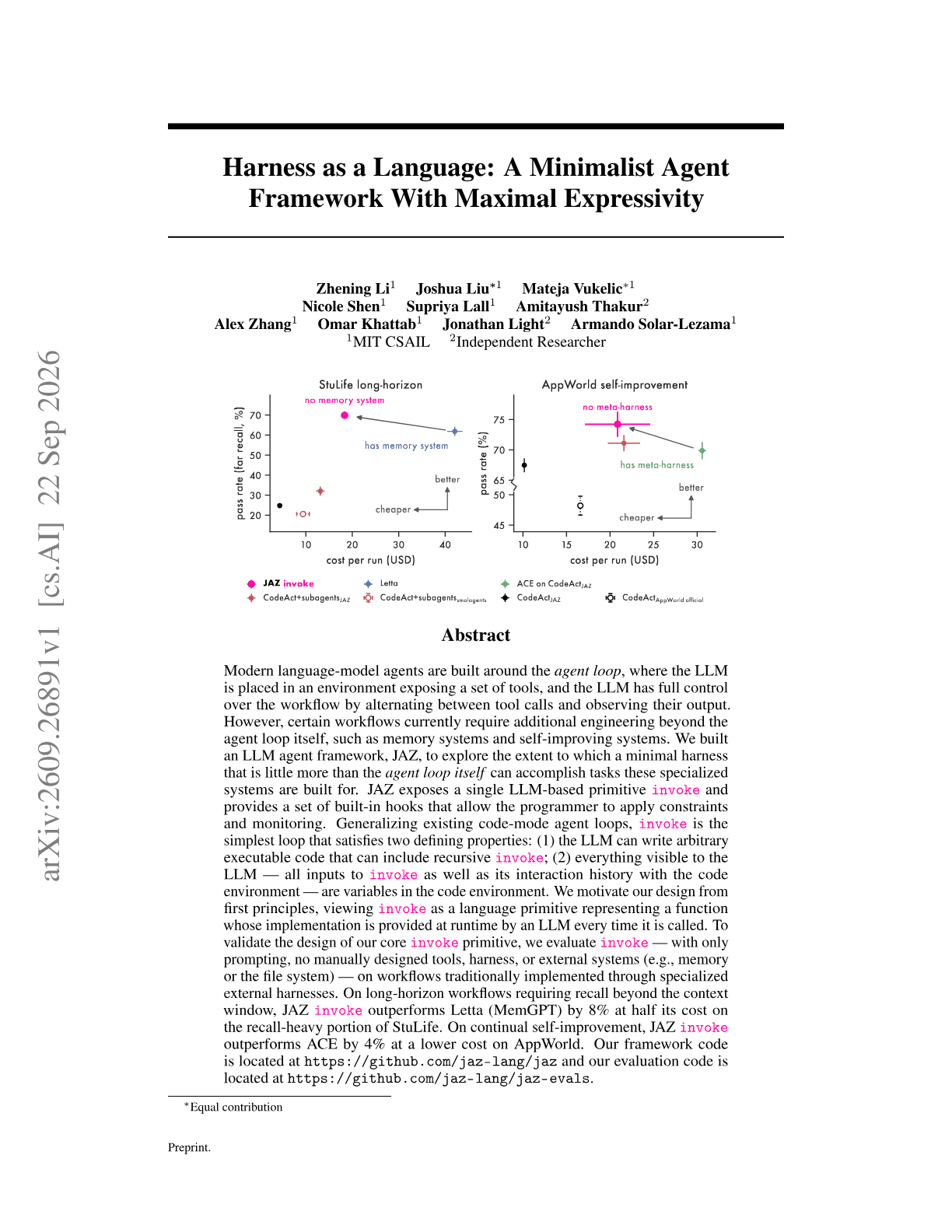
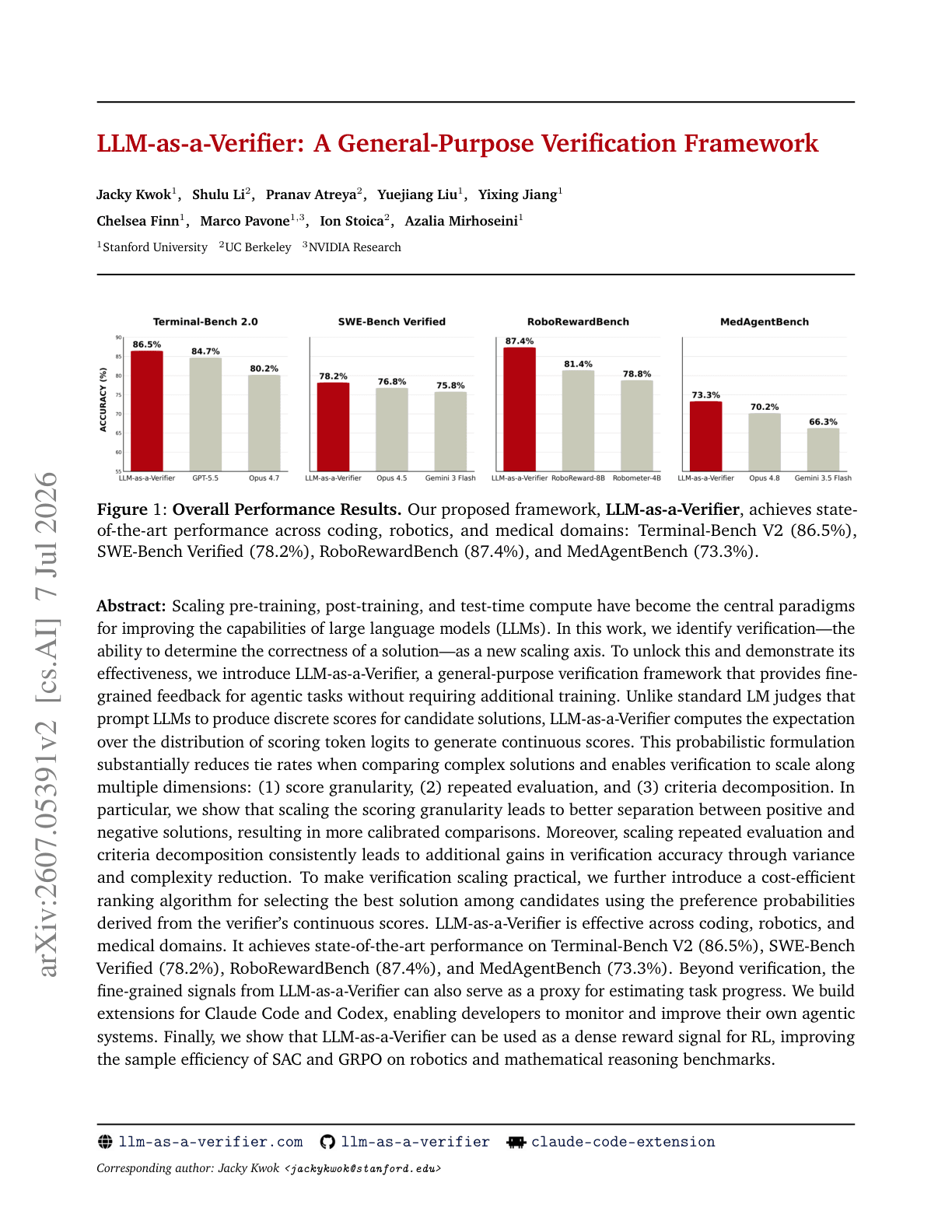
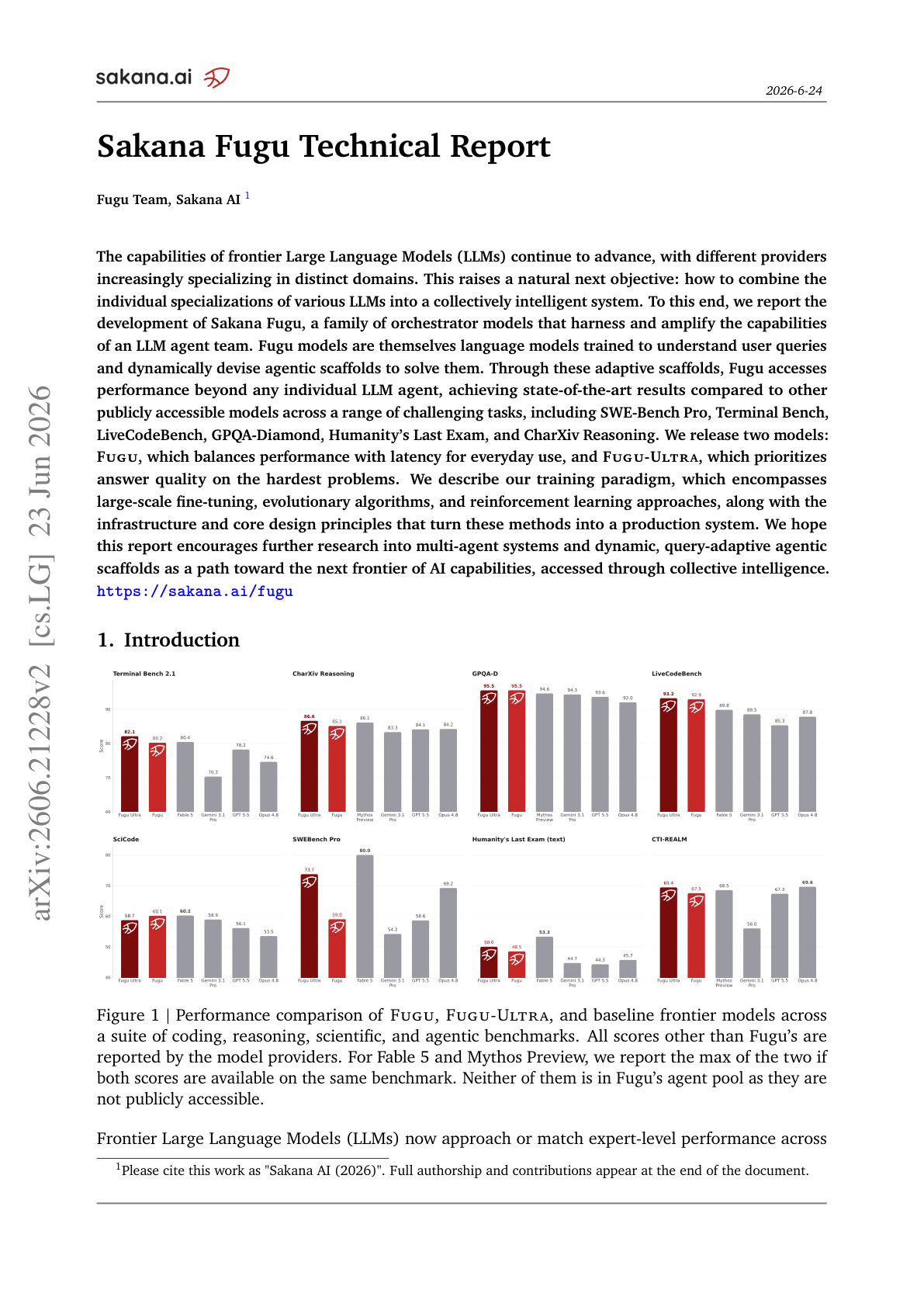
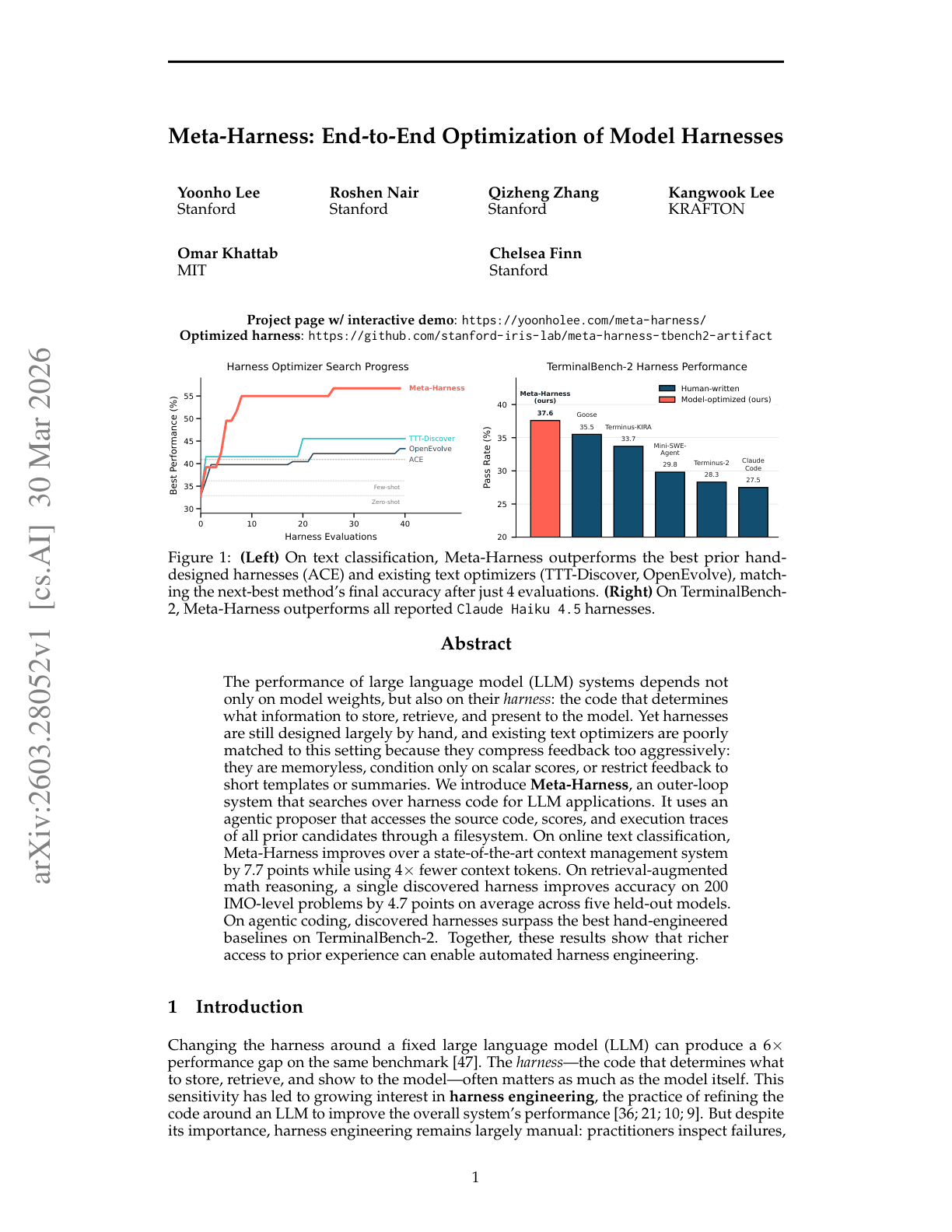
Meta-Harness: End-to-End Optimization of Model Harnesses
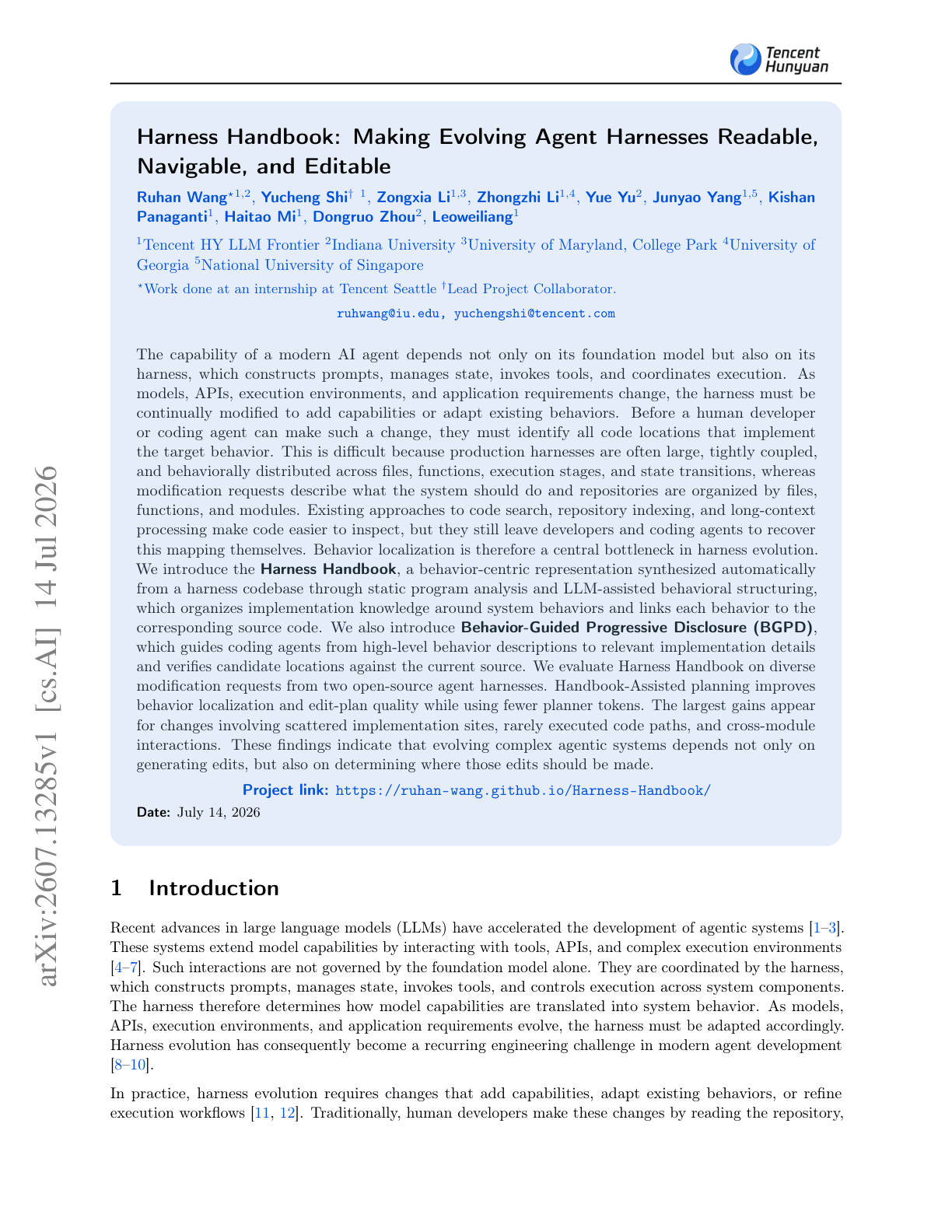
Yoonho Lee et al. · 2026The meta harness: a harness whose job is producing harnesses. A coding agent is handed the full search history, source, traces, and scores, and rewrites the retrieval, memory, and prompt-assembly code around a fixed model. State of the art on Terminal-Bench 2 without touching the weights.
- 595
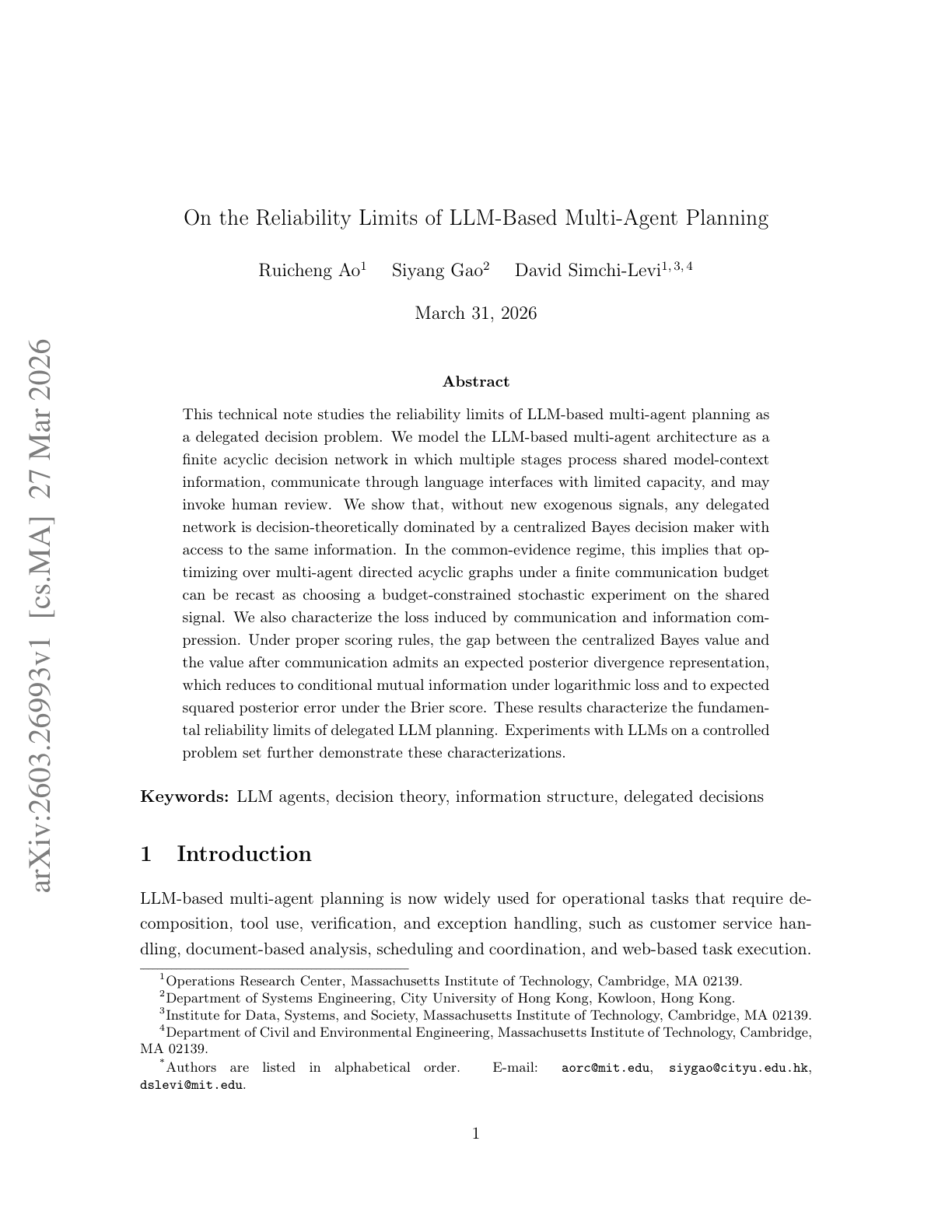
On the Reliability Limits of LLM-Based Multi-Agent Planning
Ruicheng Ao, Siyang Gao, David Simchi-Levi · 2026 - 596
- 597
- 598
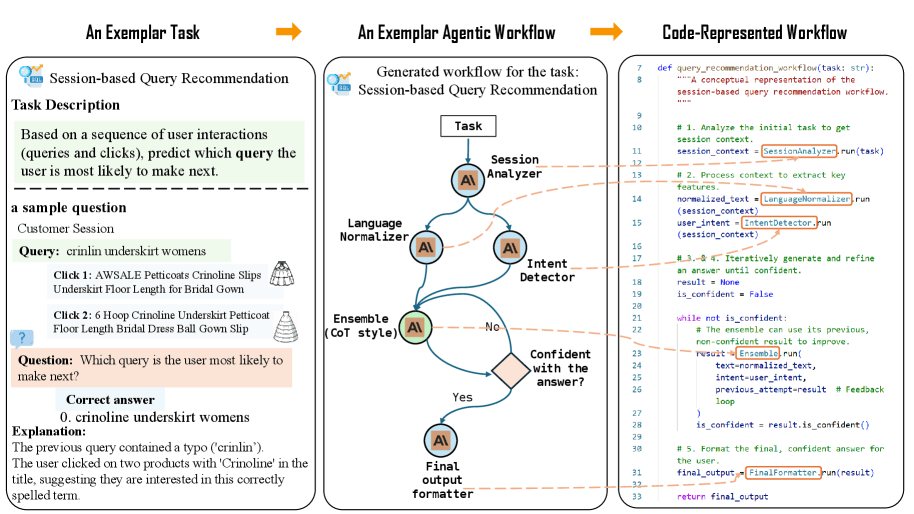
Workflow Optimization for LLM Agents
Ling Yue et al. · 2026 - 599
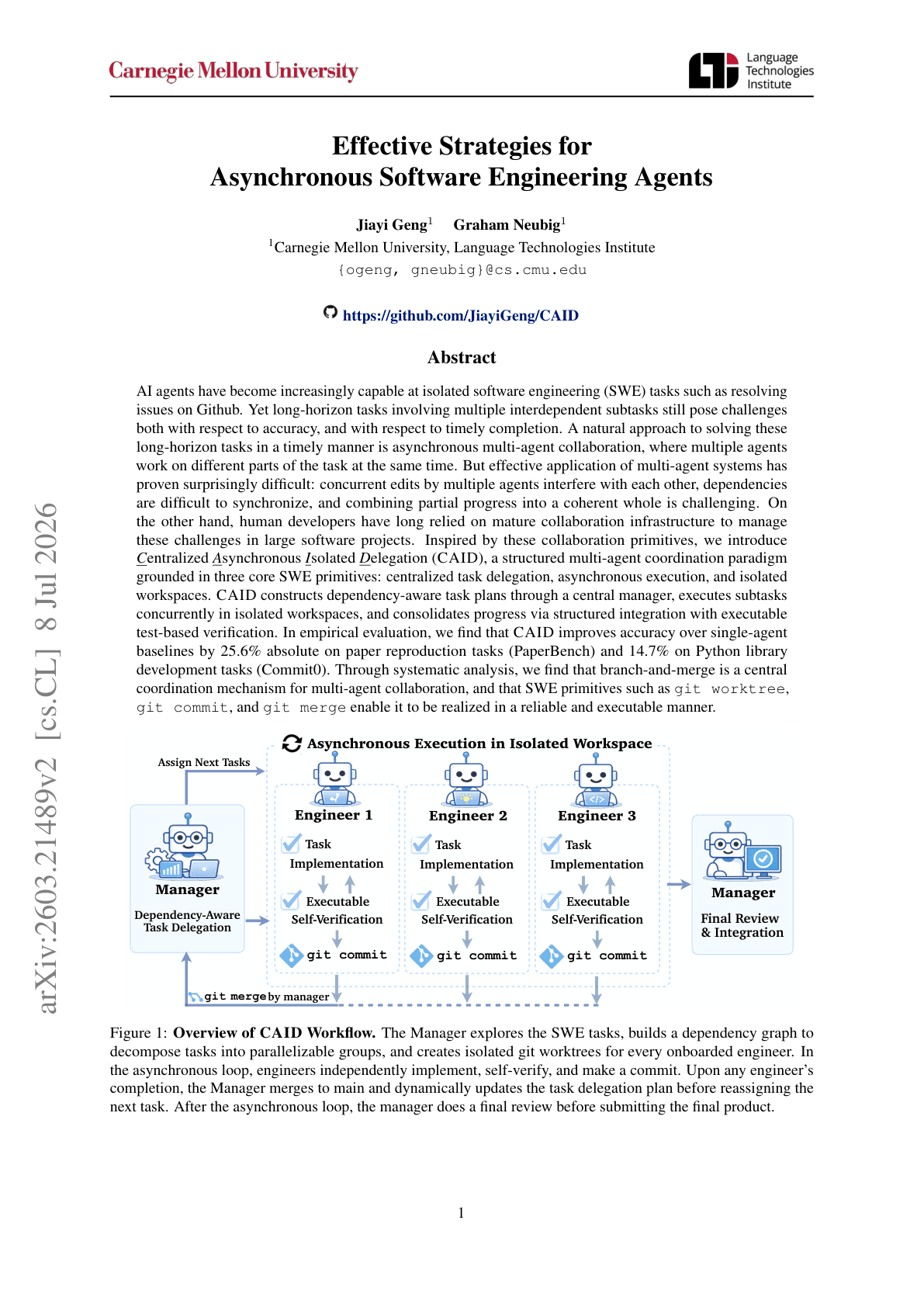
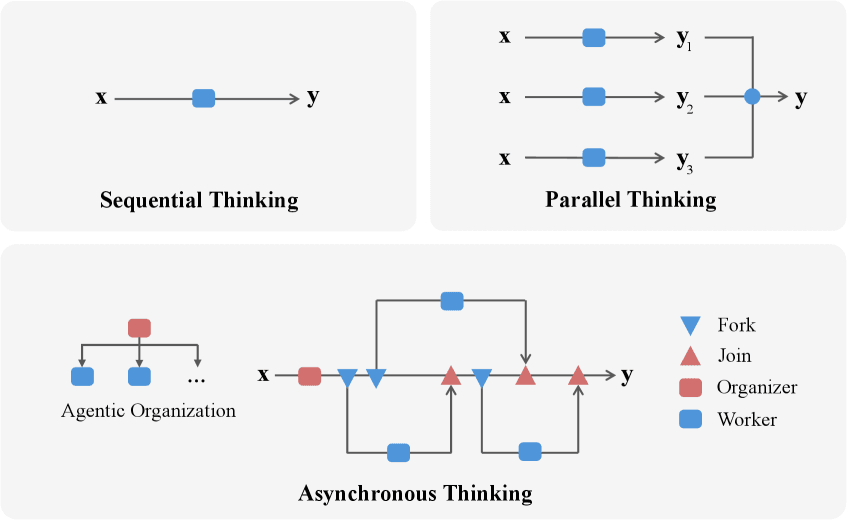
Asynchronous Software Engineering Agents
Jiayi Geng, Graham Neubig · 2026 - 600
- 601
- 602
- 603
- 604
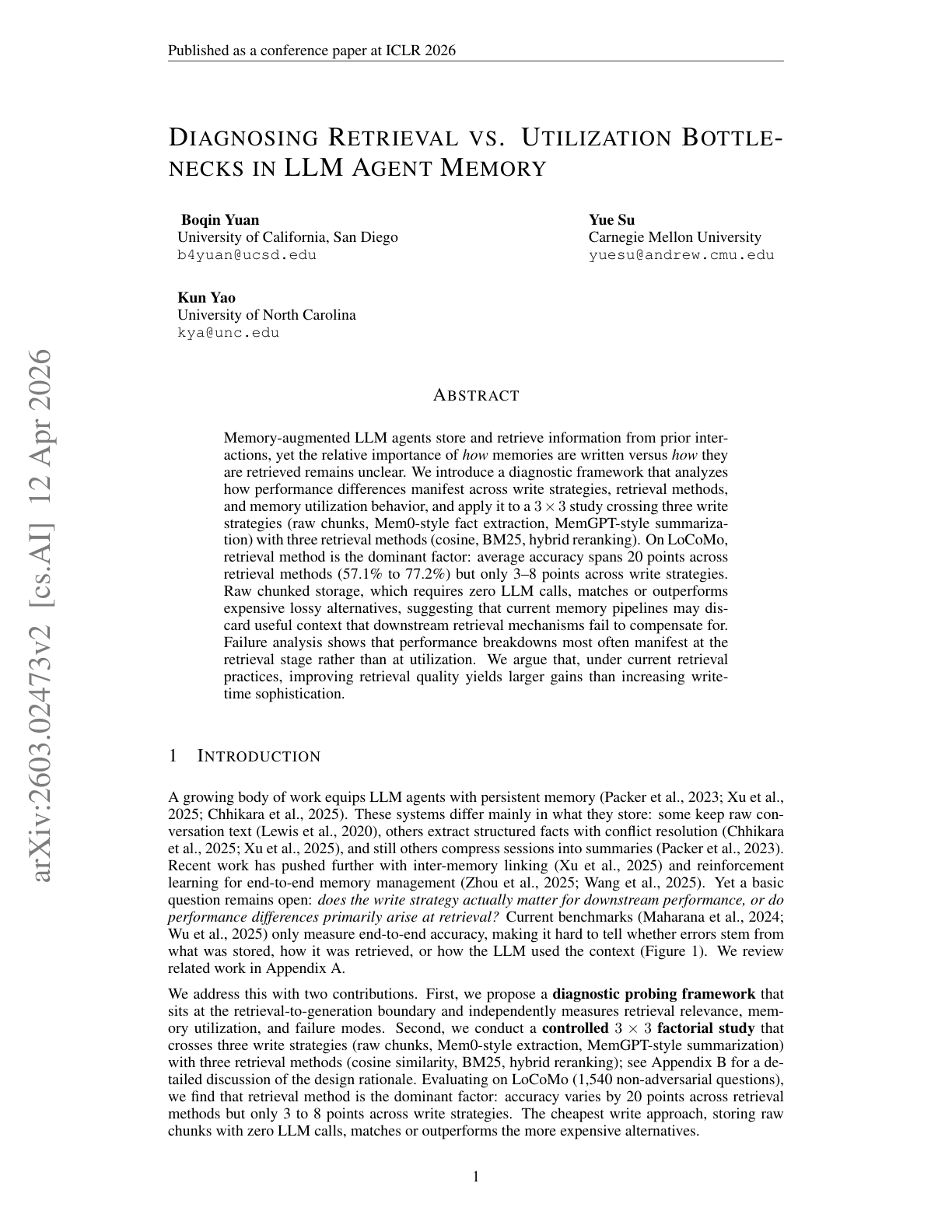
Diagnosing Agent Memory
Boqin Yuan, Yue Su, Kun Yao · 2026 - 605
- 606
- 607
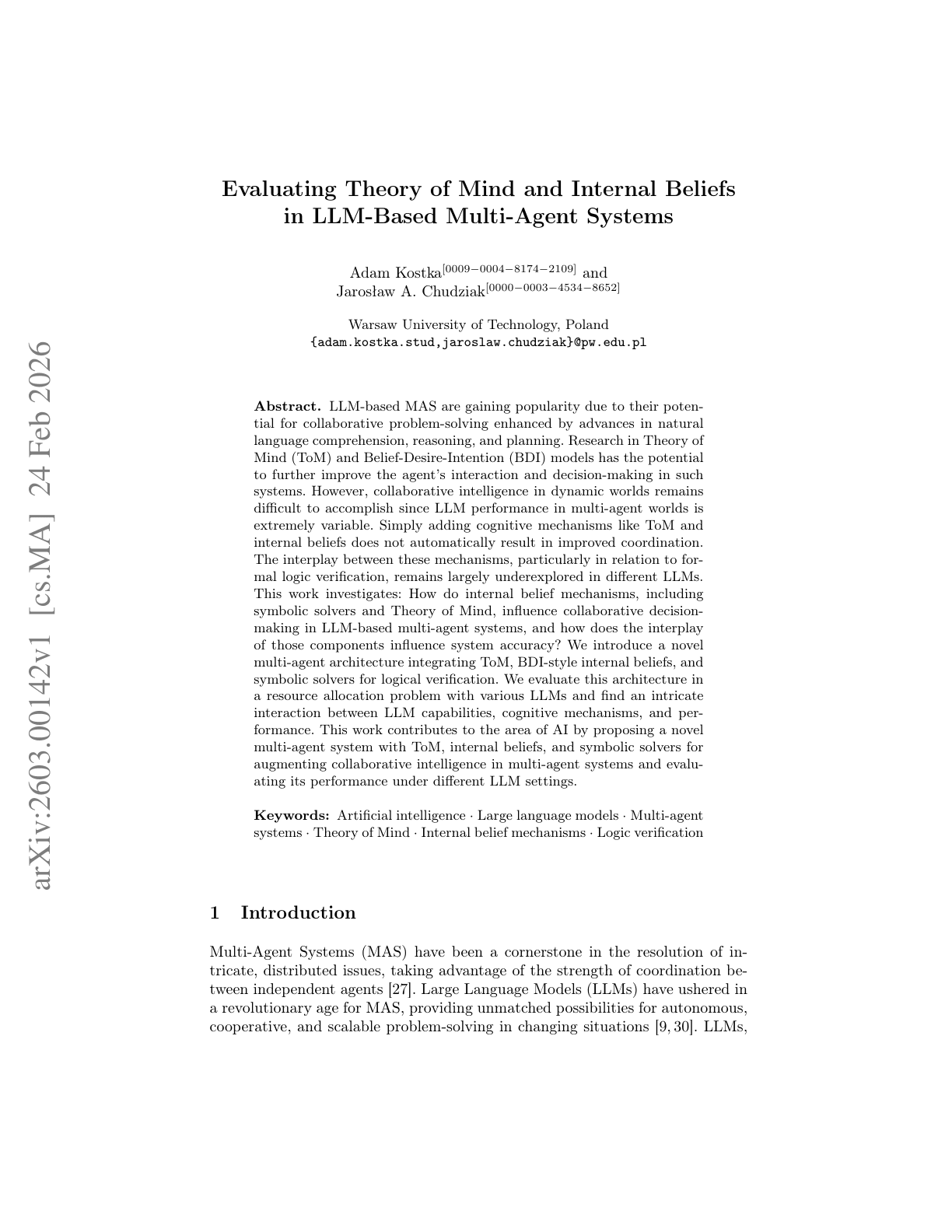
Theory of Mind in Multi-Agent LLMs
Adam Kostka, Jarosław A. Chudziak · 2026 - 608
- 609
- 610
Learning to Rewrite Tool Descriptions
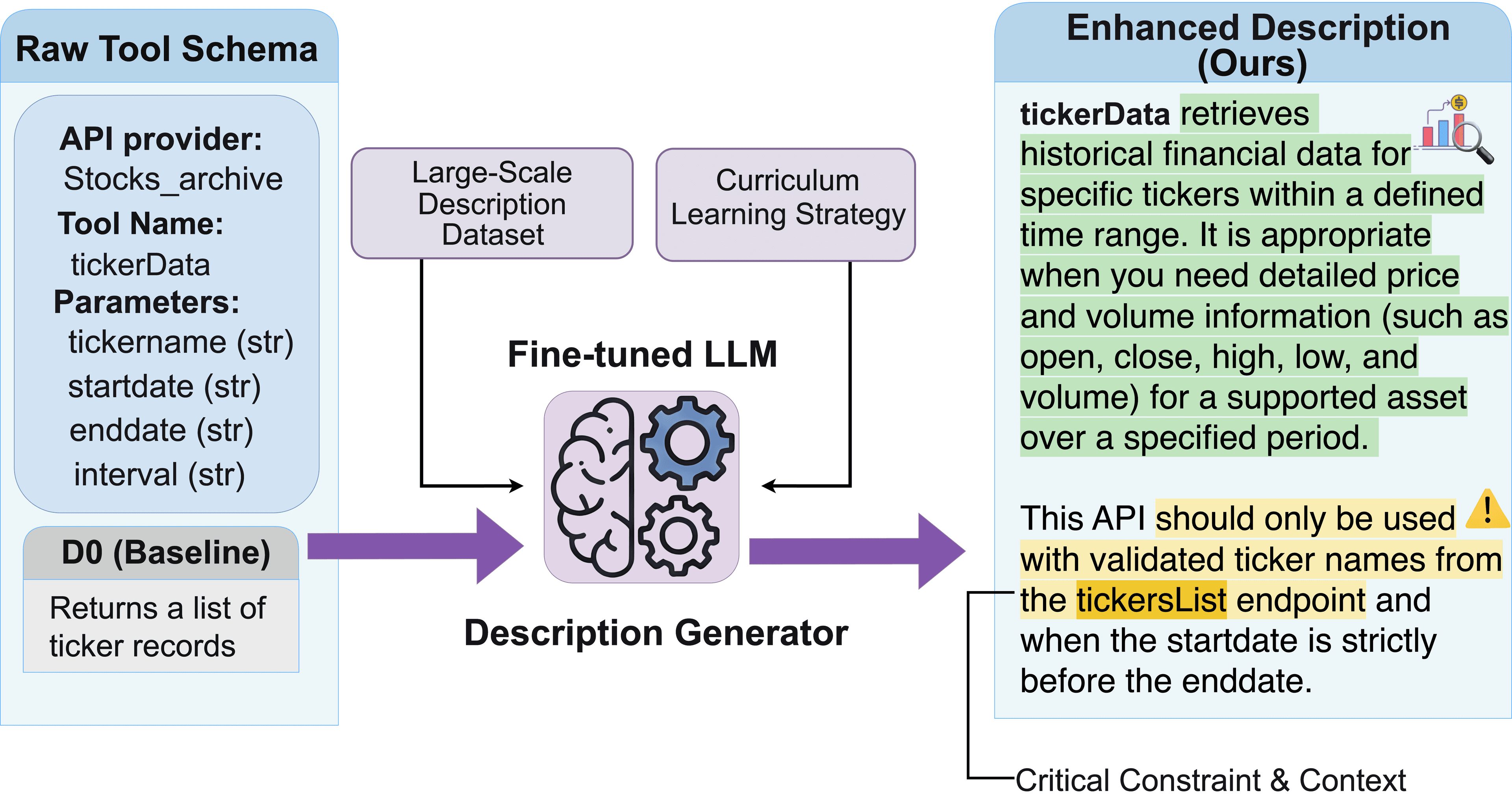
Ruocheng Guo et al. · 2026 - 611
- 612
- 613
- 614
- 615
- 616
- 617
Intelligent AI Delegation
Nenad Tomašev, Matija Franklin, Simon Osindero · 2026 - 618
- 619
- 620
- 621
- 622
- 623
- 624
- 625
- 626
- 627
- 628
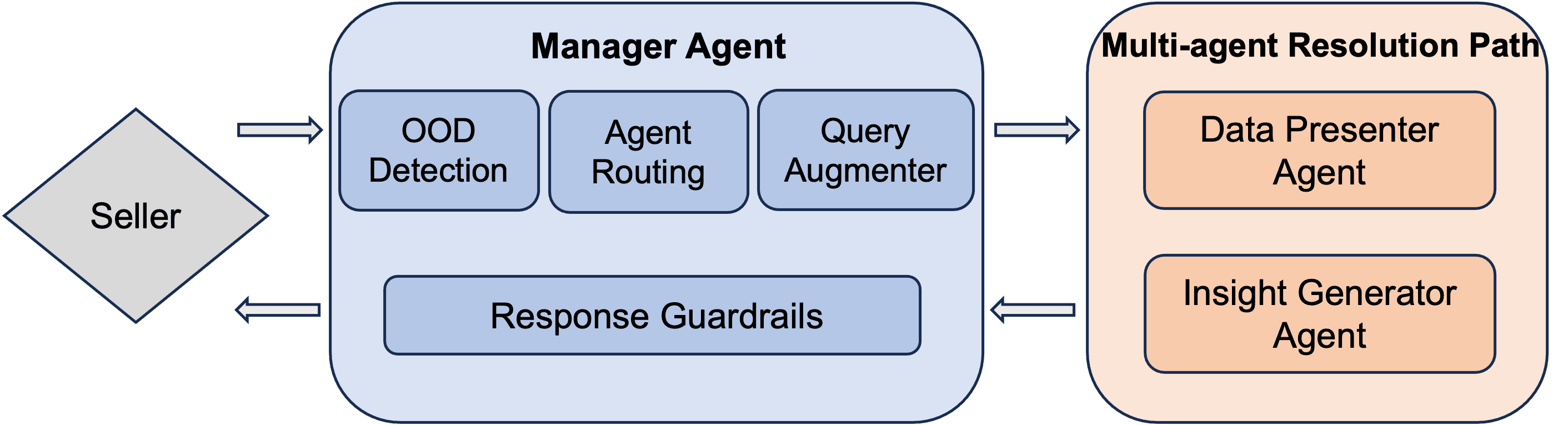
Insight Agents: Multi-Agent System for Data Insights
Jincheng Bai et al. · 2026 - 629
- 630
Team of Rivals: Orchestrating Reliable AI Agents
Gopal Vijayaraghavan et al. · 2026 - 631
- 632
Self-Correcting Multi-Agent LLM for Physics Simulation
Donggeun Park, Hyeonbin Moon, Seunghwa Ryu · 2026 - 633
- 634
Memory Control for Long-Horizon Agents
Fouad Bousetouane · 2026 - 635
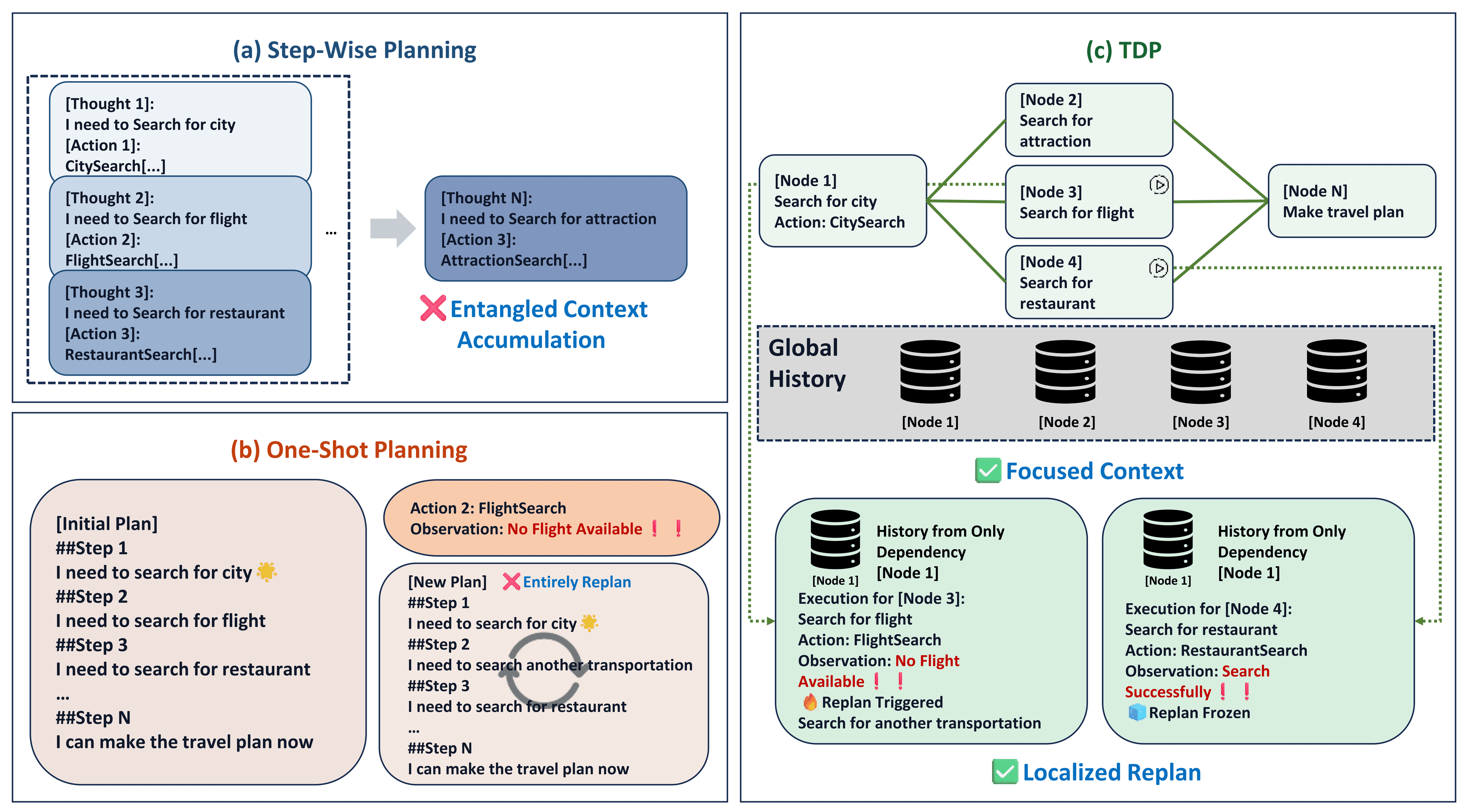
Task-Decoupled Planning for Long-Horizon Agents
Yunfan Li et al. · 2026 - 636
- 637
- 638
Efficient Lifelong Memory for LLM Agents
Jiaqi Liu et al. · 2026 - 639
- 640
Recursive Language Models
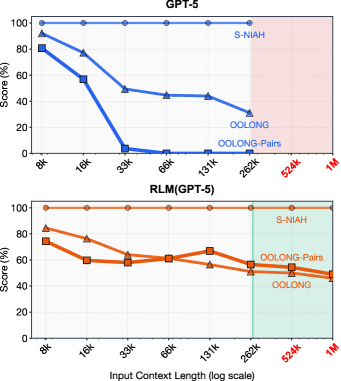
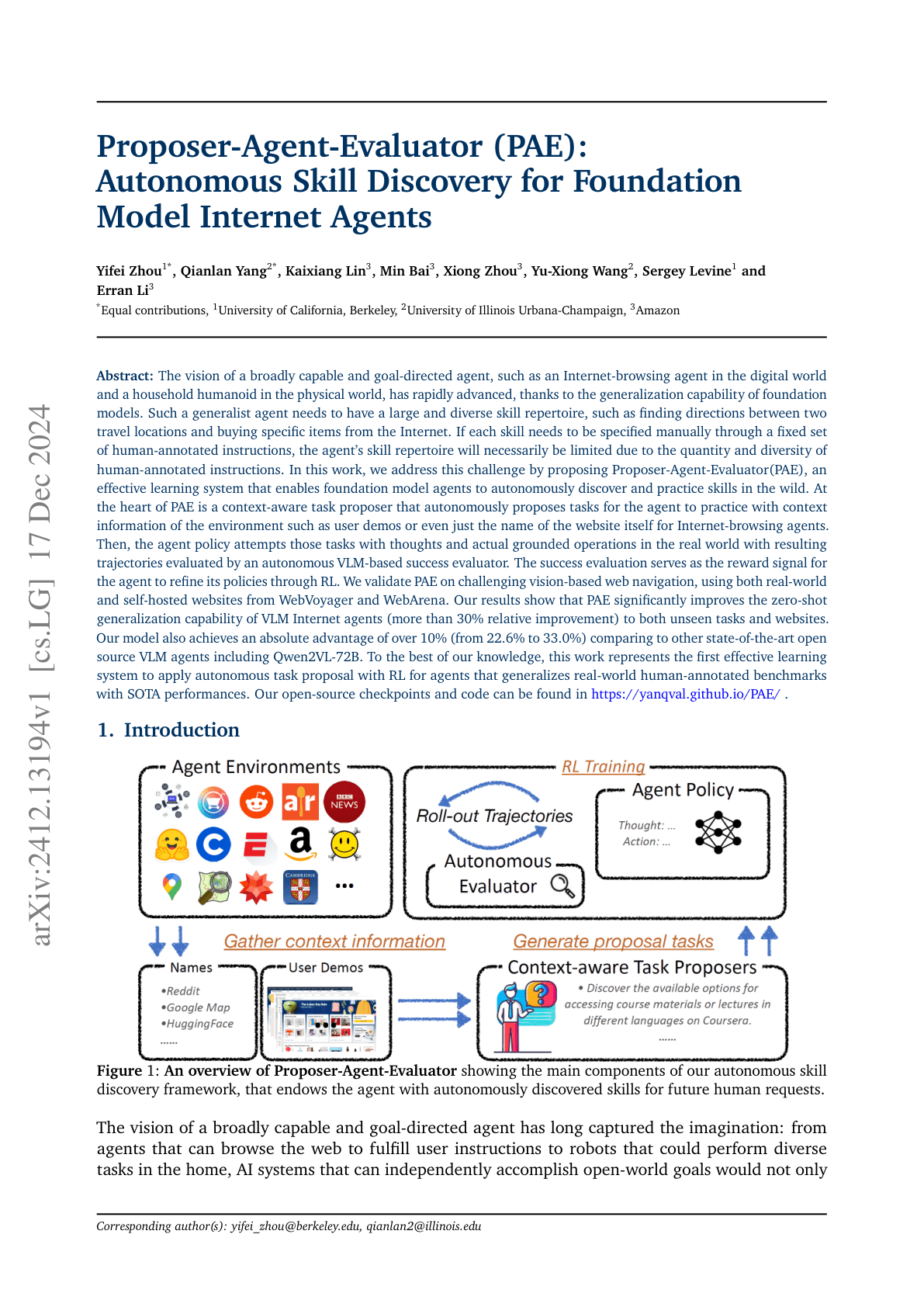
Alex L. Zhang, Tim Kraska, Omar Khattab · 2025The recursion that closes out the static era. An LLM call inside a REPL can issue further LLM calls over slices of a document too big to read, so context stops being a wall and becomes a resource you program against. Prime Agent is built directly on this abstraction.
- 641
- 642
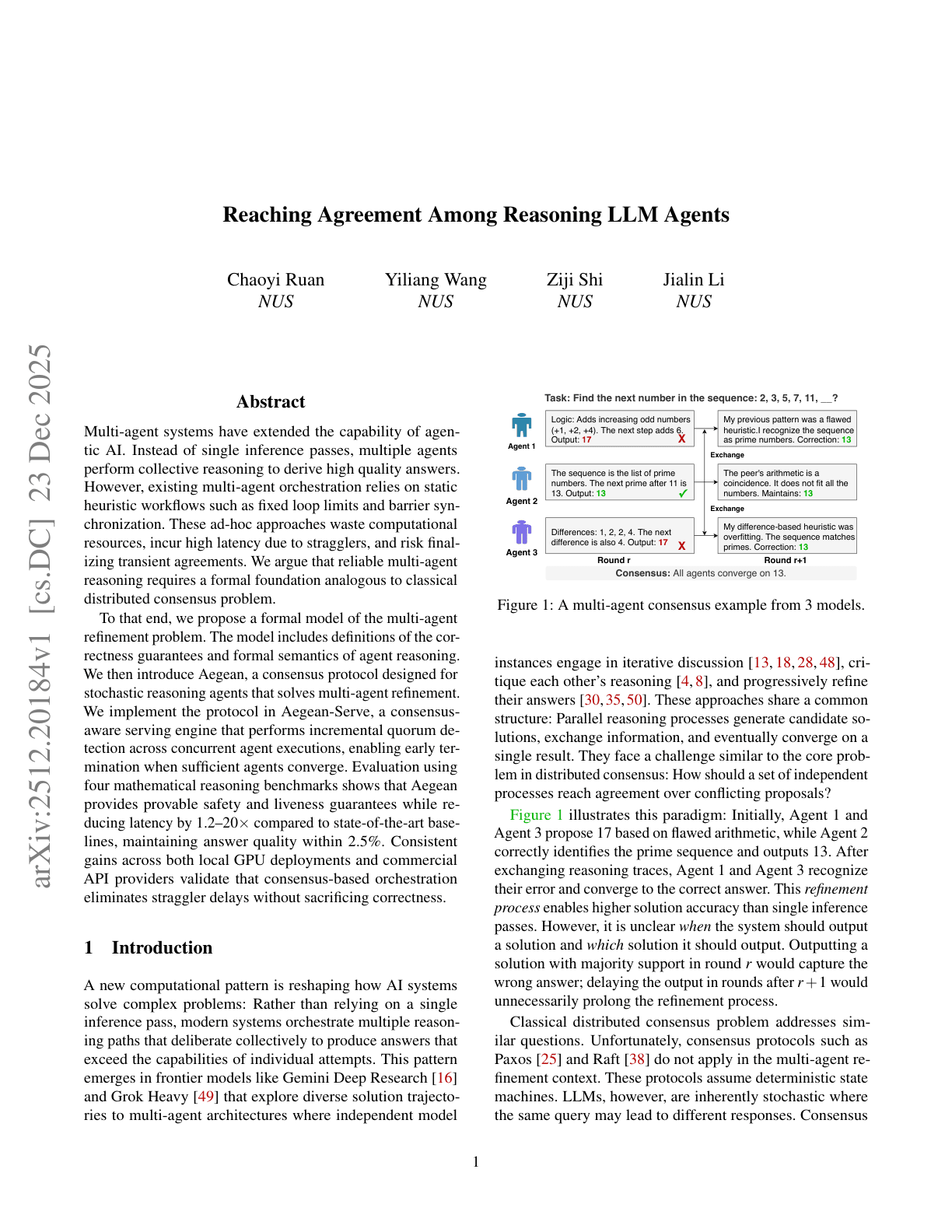
Reaching Agreement Among LLM Agents
Chaoyi Ruan et al. · 2025 - 643
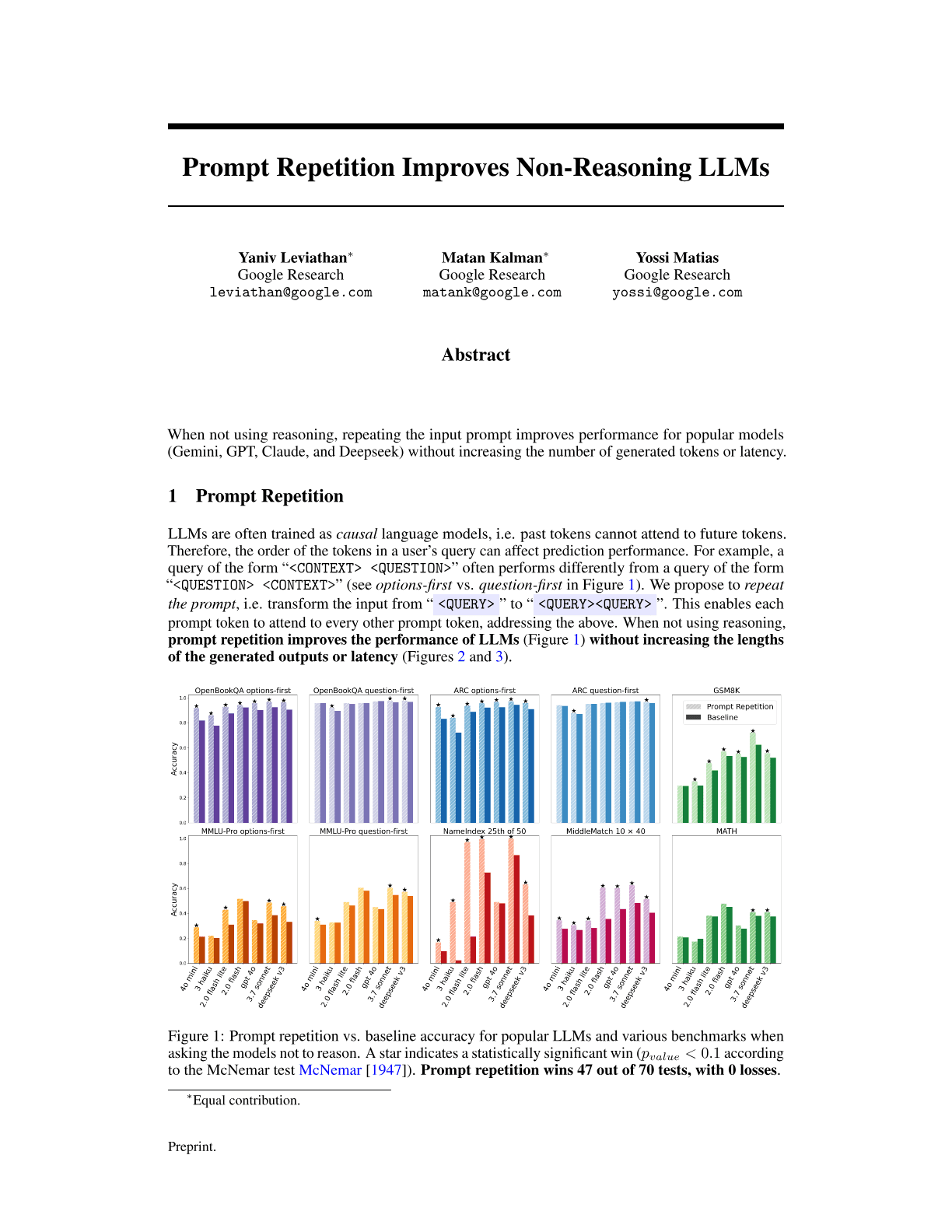
Prompt Repetition Improves Non-Reasoning LLMs
Yaniv Leviathan, Matan Kalman, Yossi Matias · 2025 - 644
- 645
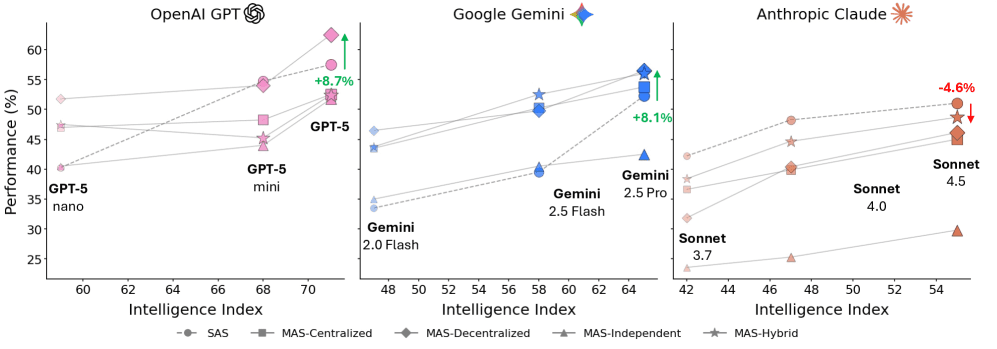
Towards a Science of Scaling Agent Systems
Yubin Kim et al. · 2025 - 646
- 647
- 648
- 649
- 650
- 651
Multi-Agent Collaboration for Multimodal LLMs
James Y. Huang et al. · 2025 - 652
- 653
- 654
- 655
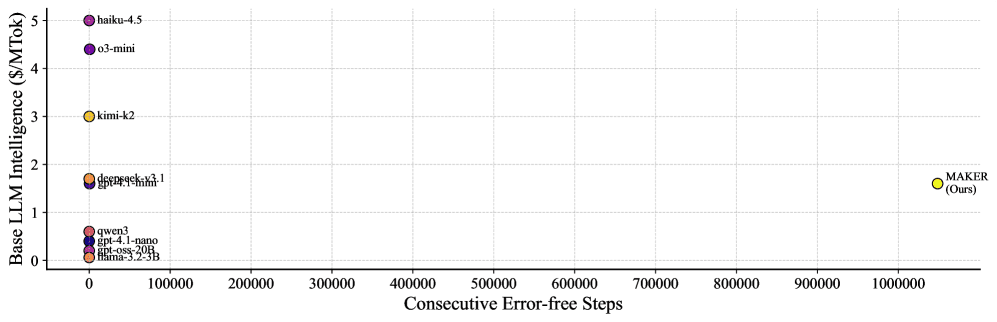
MAKER: Solving Million-Step LLM Tasks
Elliot Meyerson et al. · 2025 - 656
Unlocking the Power of Multi-Agent LLM for Reasoning
Zhiwei Zhang et al. · 2025 - 657
- 658
- 659
- 660
- 661
- 662
- 663
- 664
- 665
- 666
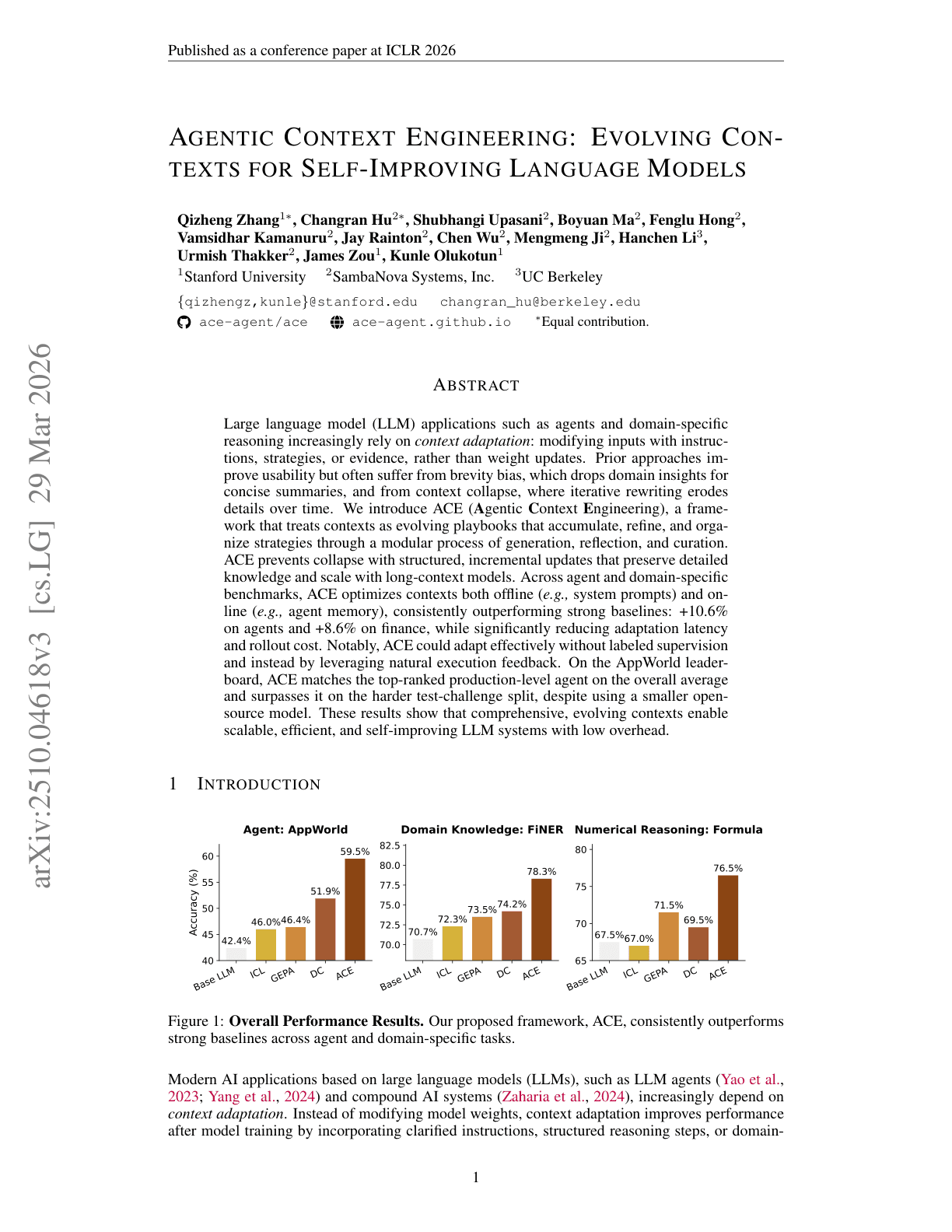
Agentic Context Engineering (ACE)
Qizheng Zhang et al. · 2025 - 667
- 668
- 669
- 670
- 671
Universal Deep Research
Peter Belcak, Pavlo Molchanov · 2025 - 672
- 673
- 674
- 675
- 676
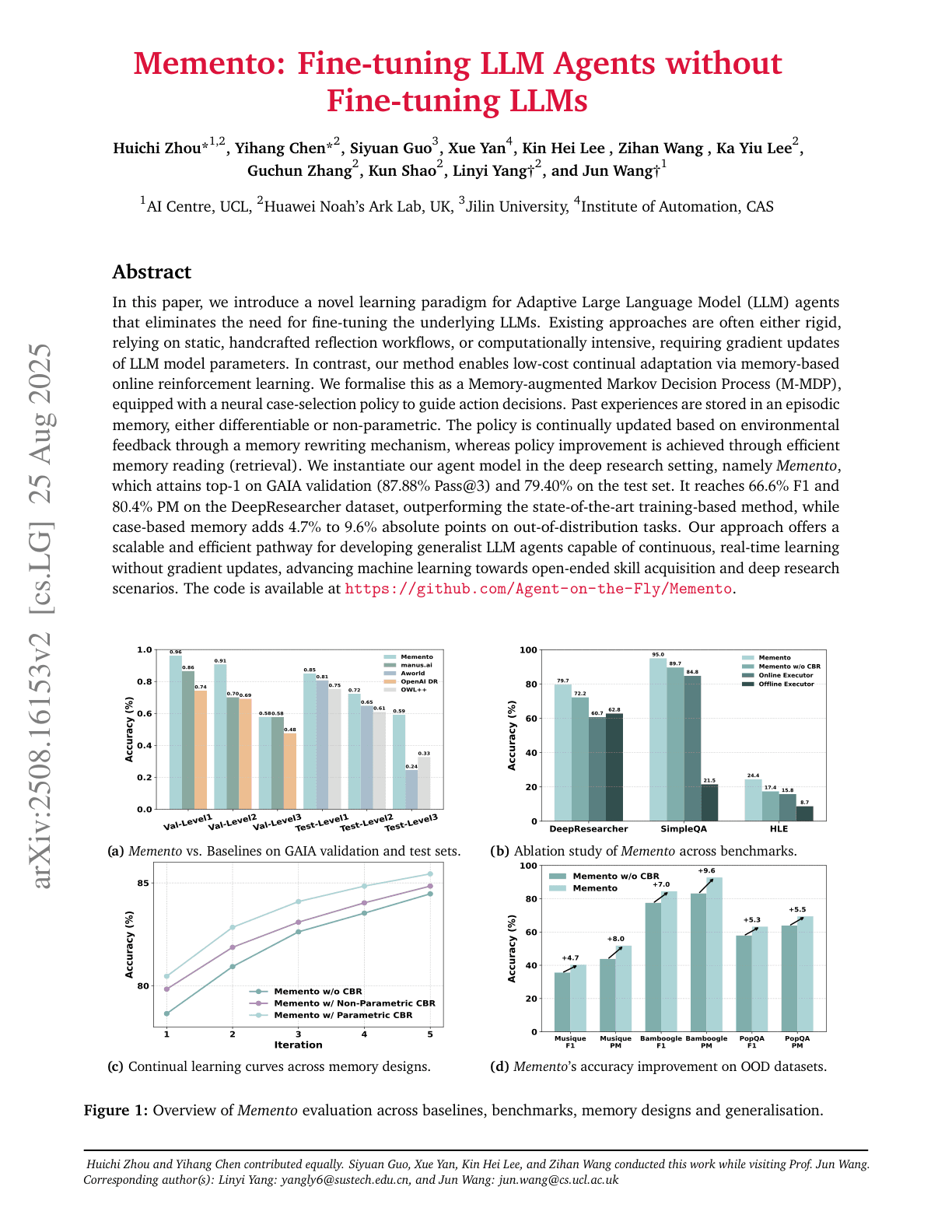
Fine-tuning LLM Agents without Fine-tuning LLMs
Huichi Zhou et al. · 2025 - 677
- 678
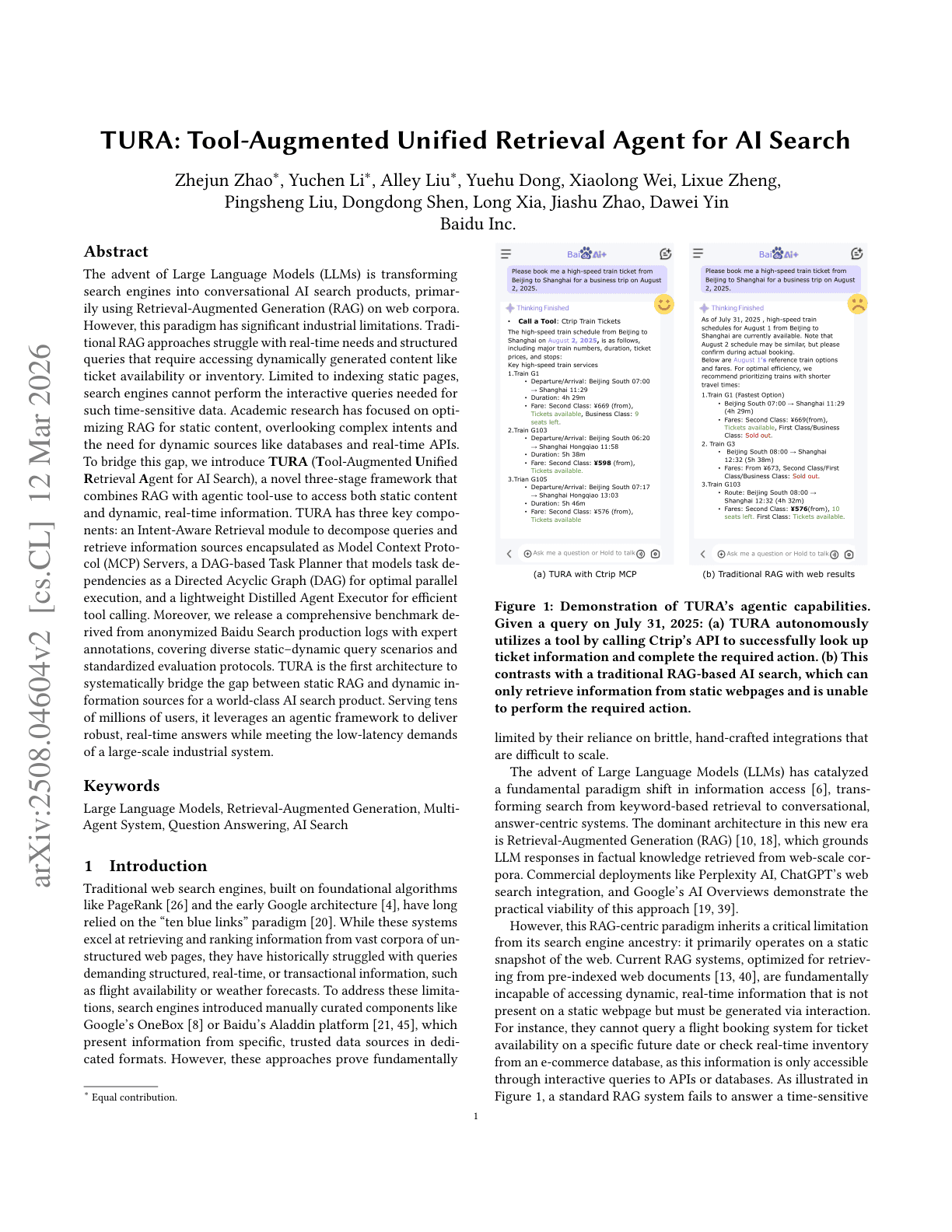
Tool-Augmented Unified Retrieval Agent for AI Search
Zhejun Zhao et al. · 2025 - 679
- 680
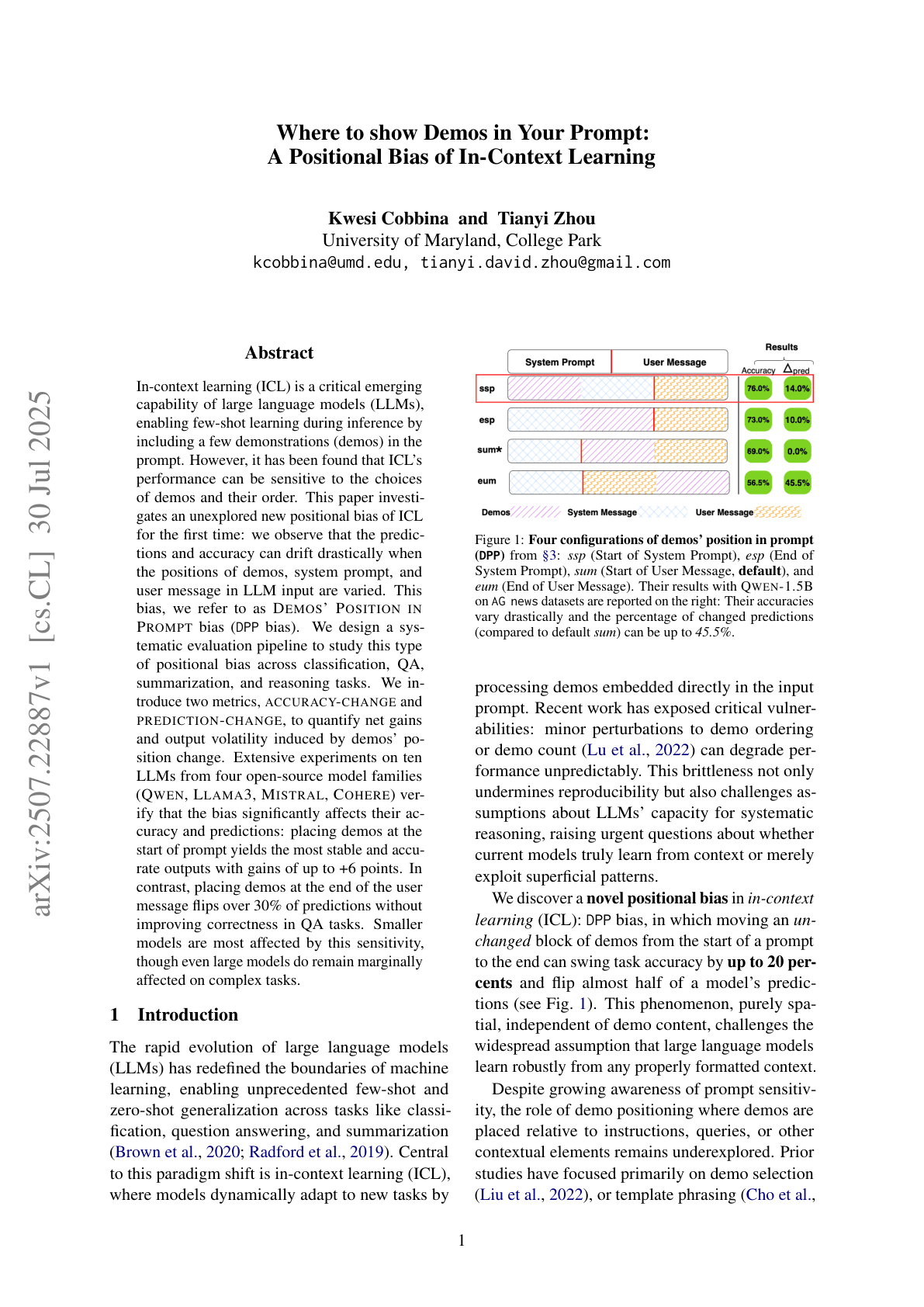
Where to show demos in your prompt?
Kwesi Cobbina, Tianyi Zhou · 2025 - 681
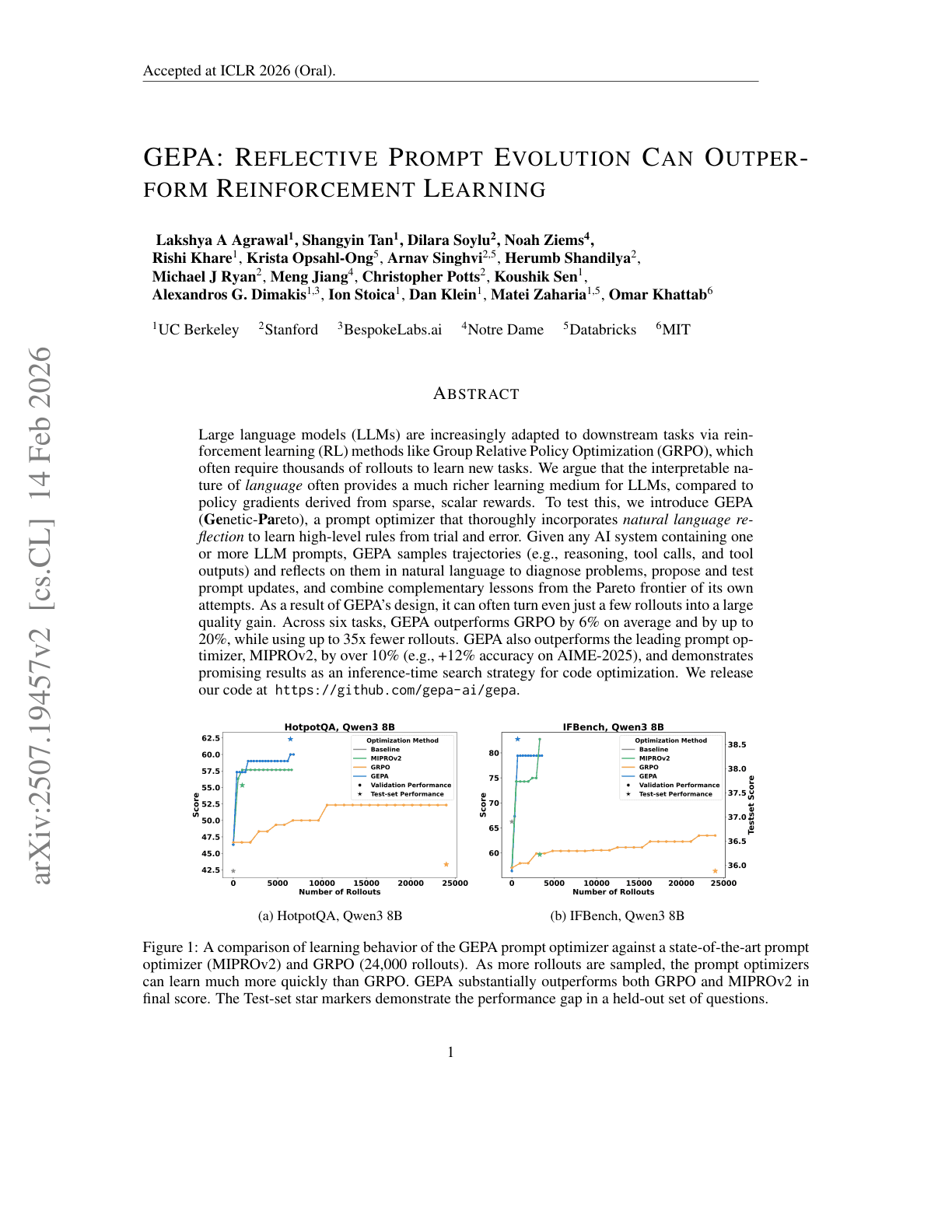
GEPA: Reflective Prompt Evolution Can Outperform Reinforcement Learning
Lakshya A Agrawal et al. · 2025The optimiser the OpenJarvis talk reaches for. GEPA reads its own failed traces in natural language and mutates the prompt from what it saw, beating reinforcement learning at a fraction of the rollouts. Reflexion's idea, with a proper search loop around it.
- 682
- 683
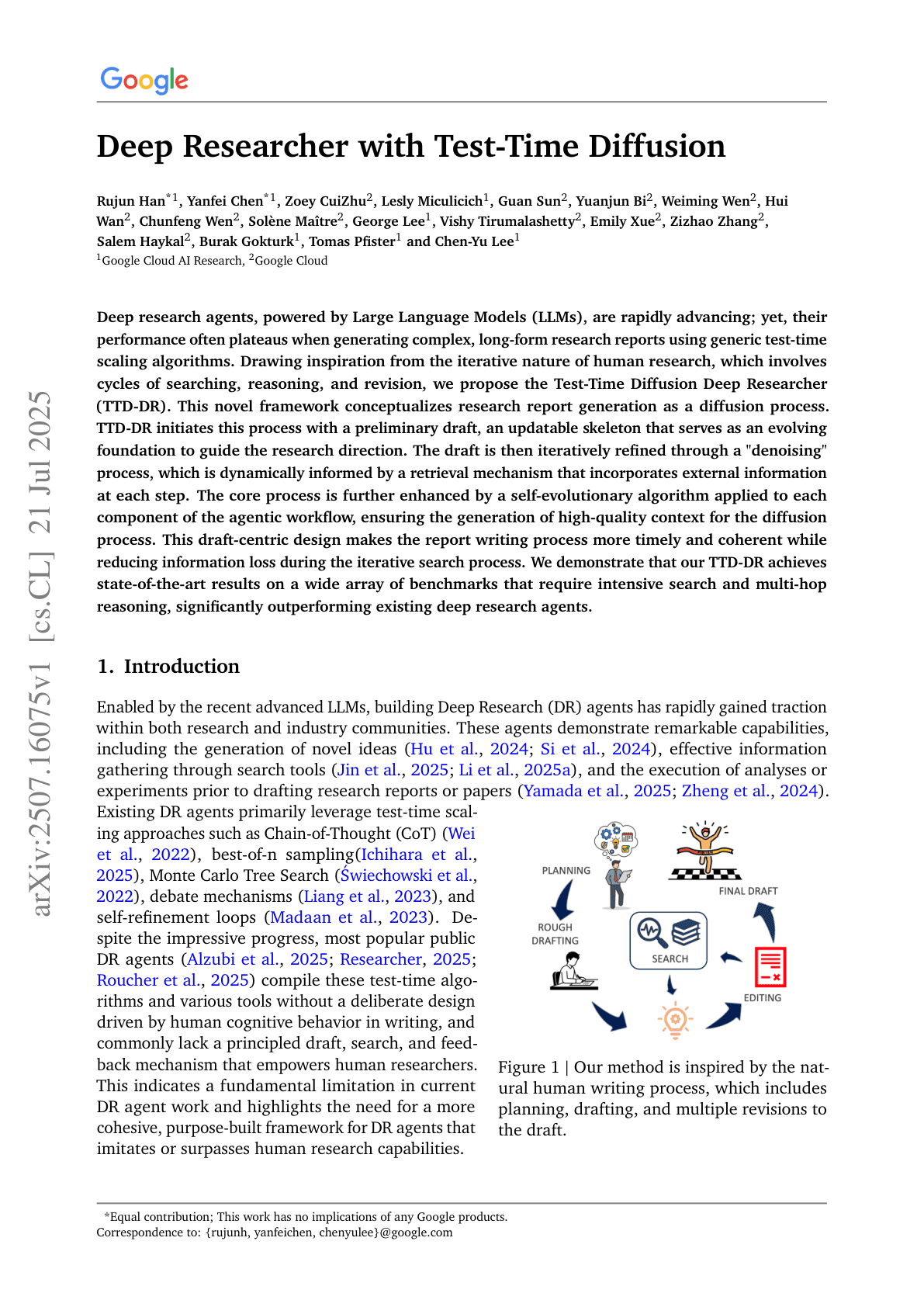
Deep Researcher with Test-Time Diffusion
Rujun Han et al. · 2025 - 684
- 685
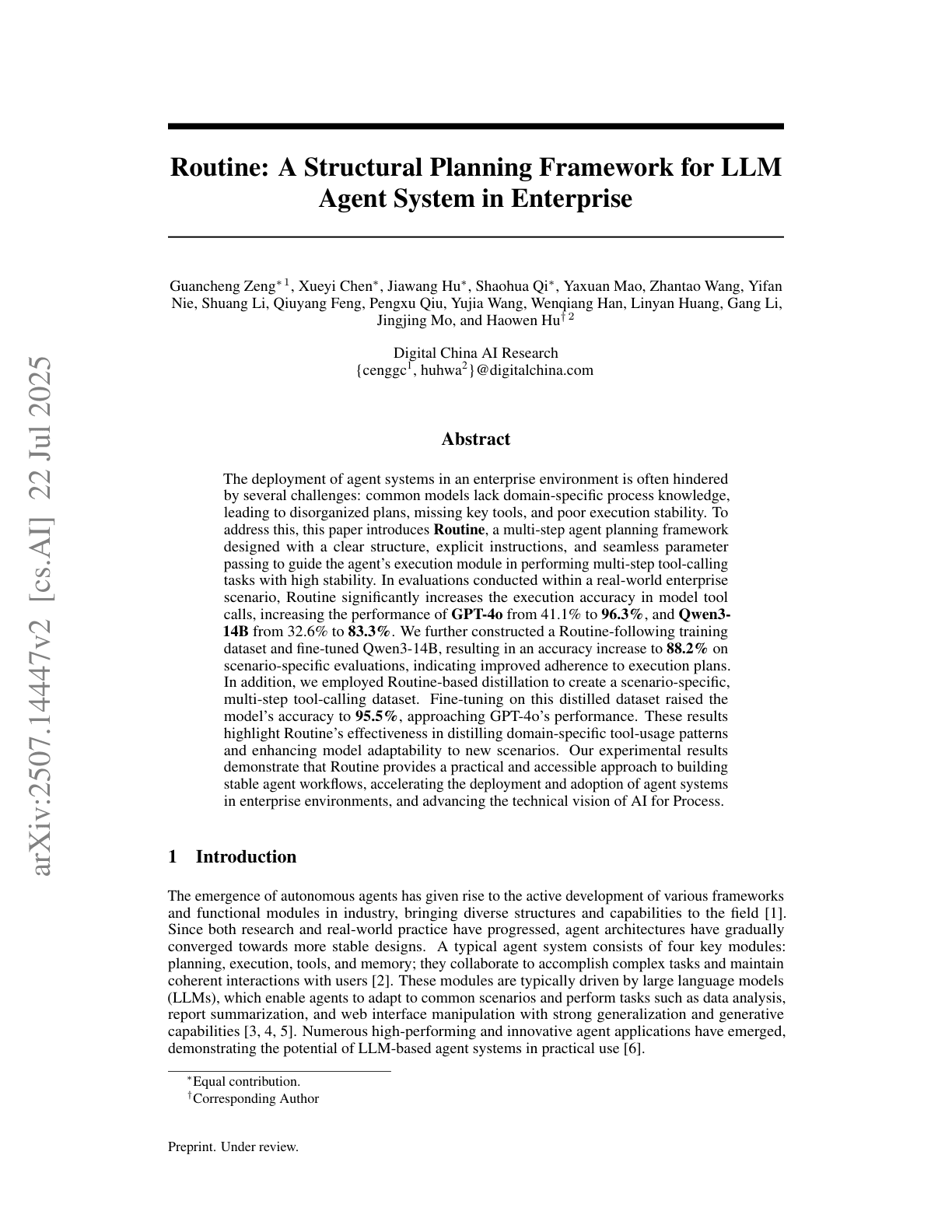
Structural Planning for LLM Agents
Guancheng Zeng et al. · 2025 - 686
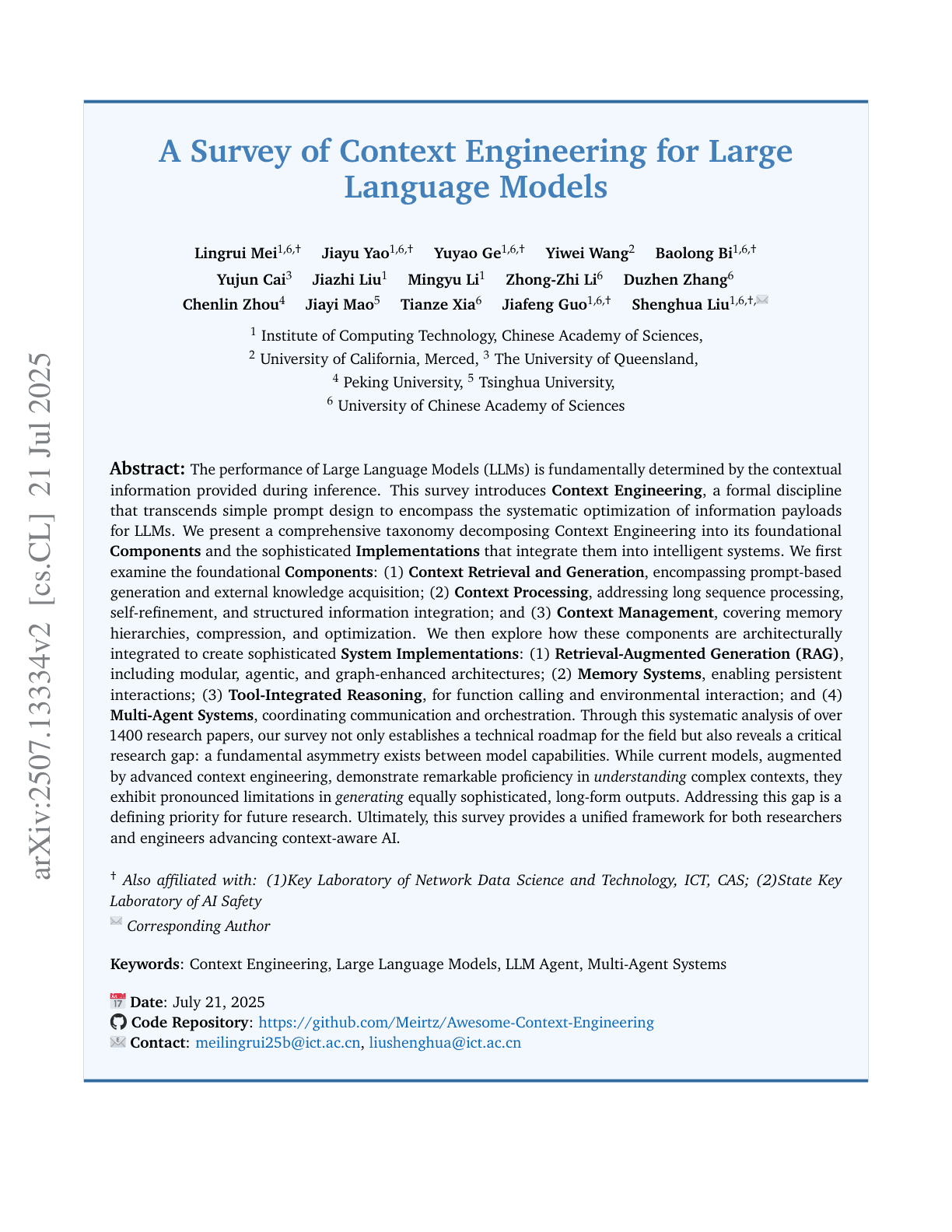
A Survey of Context Engineering for LLMs
Lingrui Mei et al. · 2025 - 687
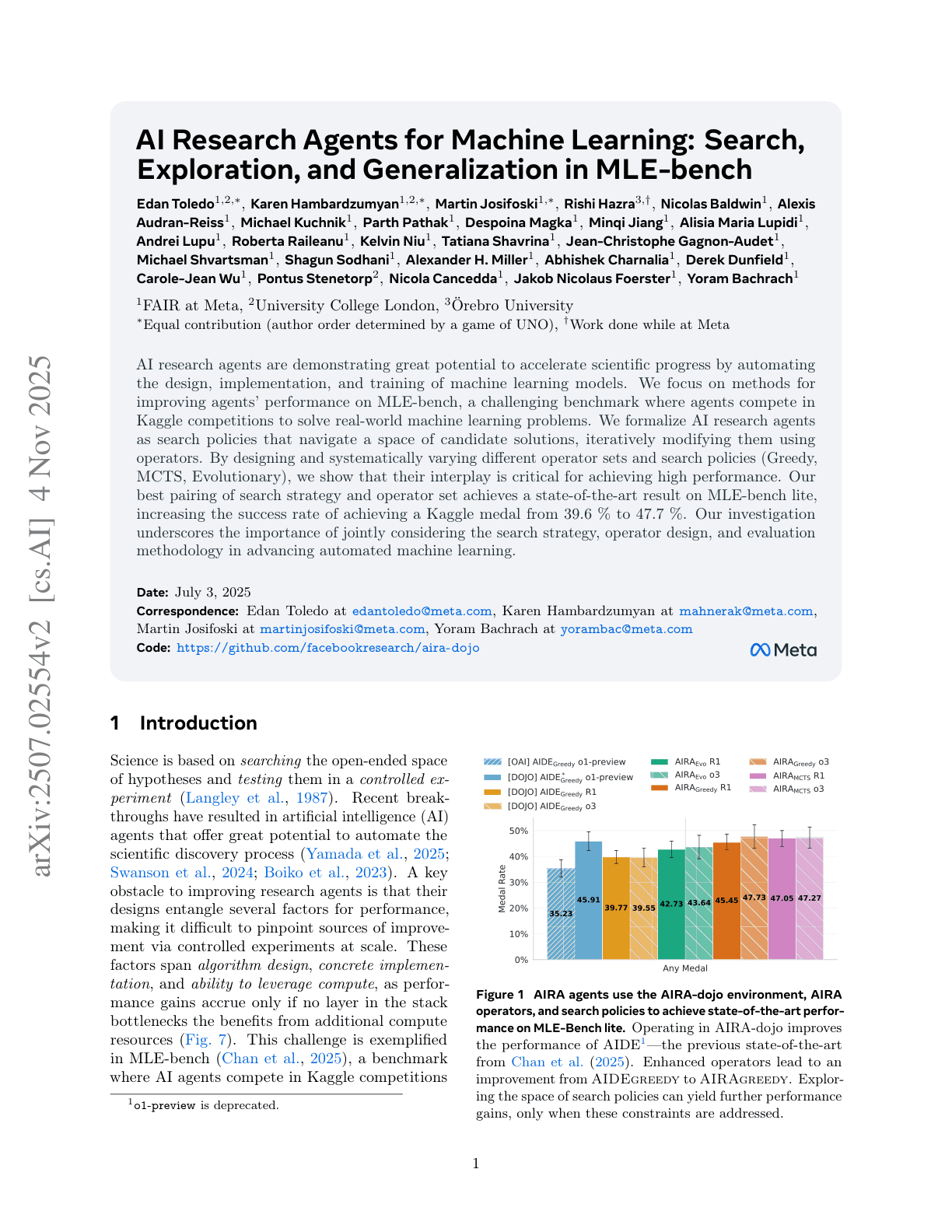
AI Research Agents for Machine Learning
Edan Toledo et al. · 2025 - 688
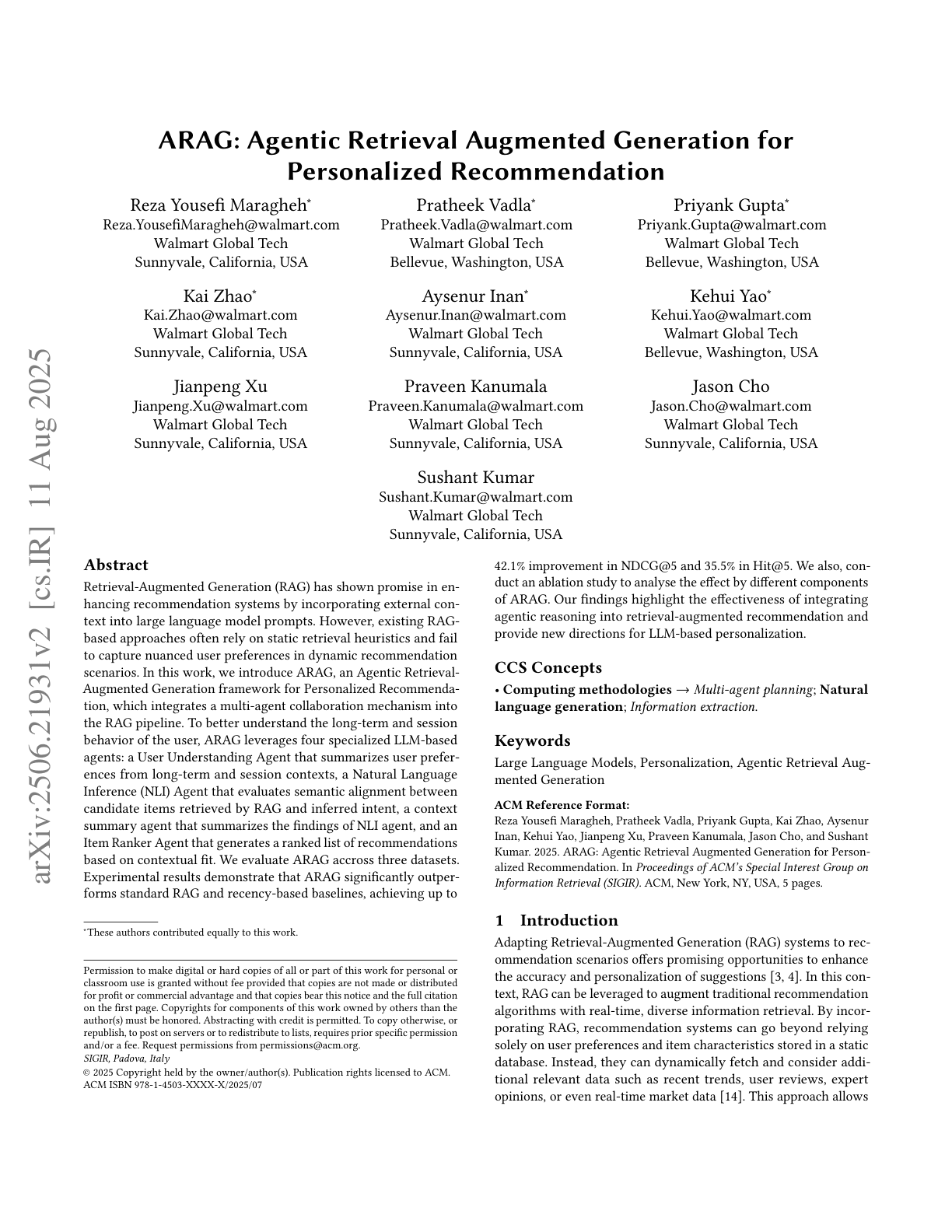
Agentic RAG for Personalized Recommendation
Reza Yousefi Maragheh et al. · 2025 - 689
- 690
- 691
- 692
AlphaEvolve: A coding agent for scientific and algorithmic discovery
Alexander Novikov et al. · 2025 - 693
- 694
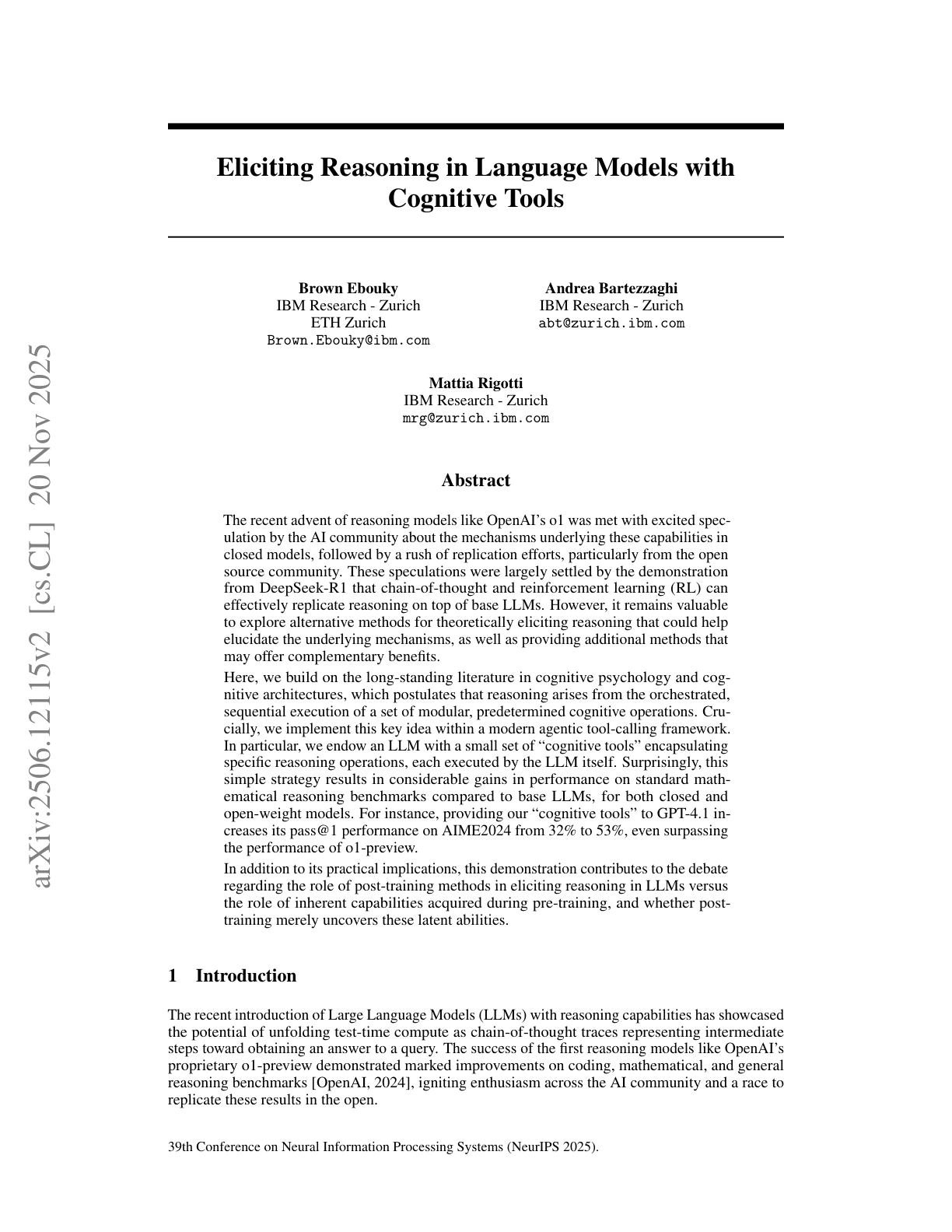
Eliciting Reasoning with Cognitive Tools
Brown Ebouky, Andrea Bartezzaghi, Mattia Rigotti · 2025 - 695
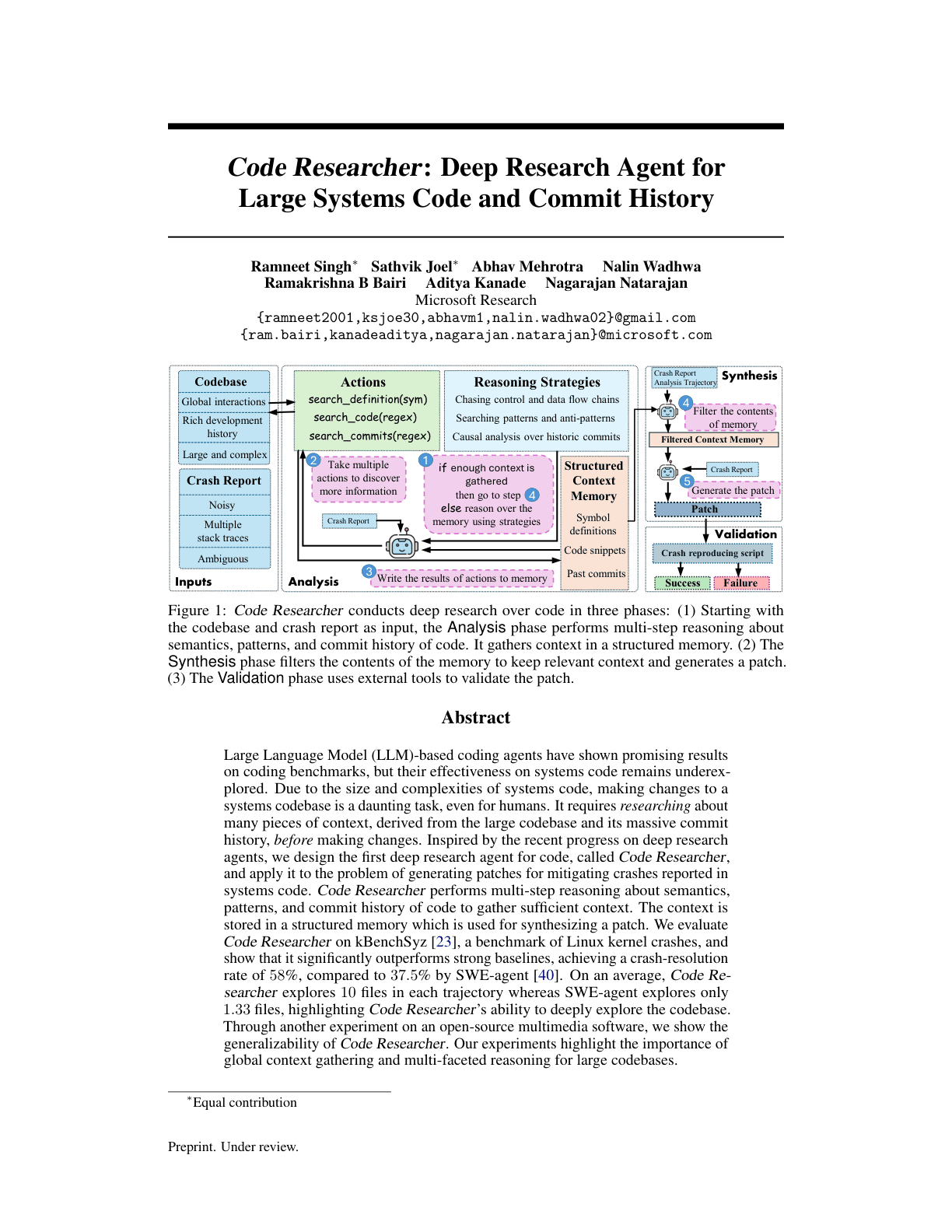
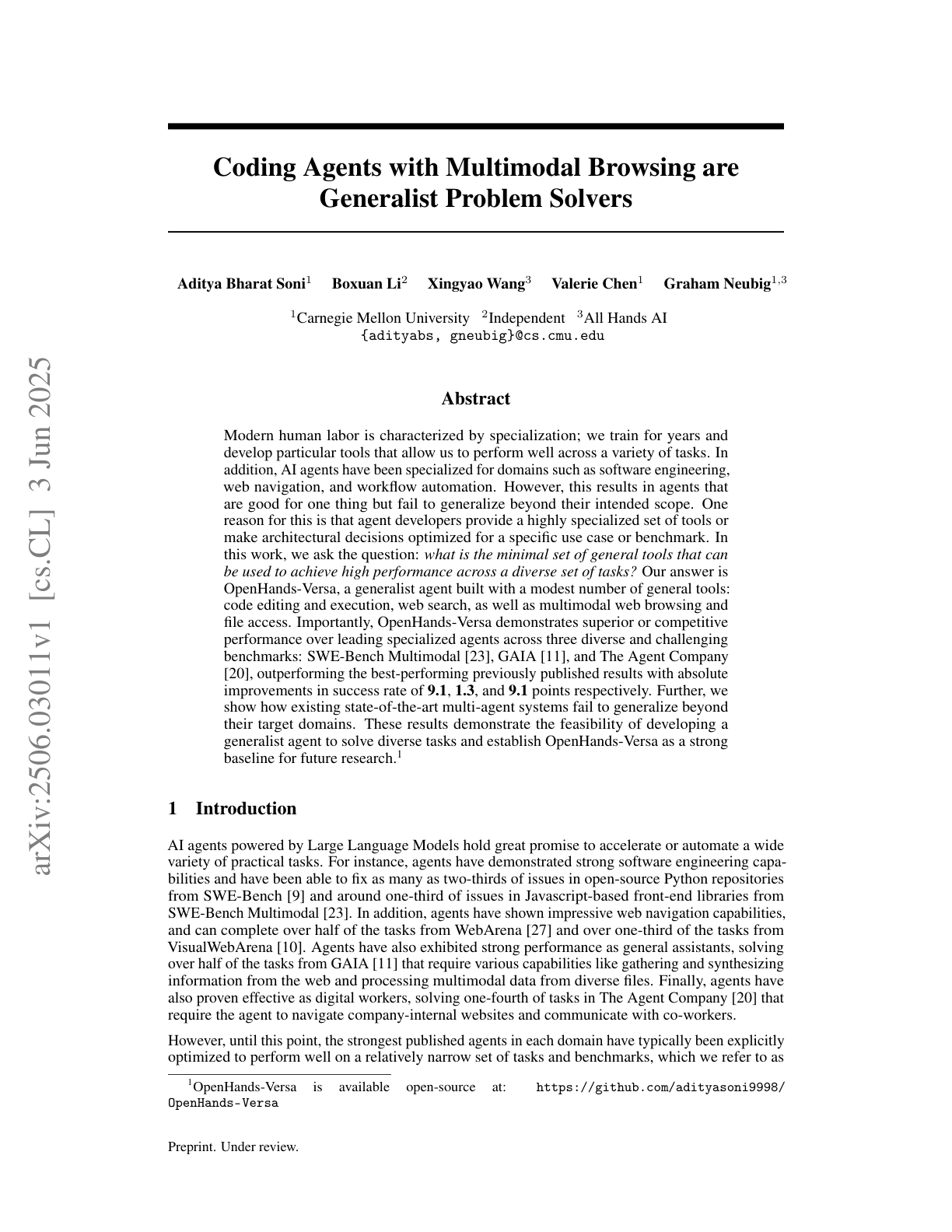
Coding Agents with Multimodal Browsing
Aditya Bharat Soni et al. · 2025 - 696
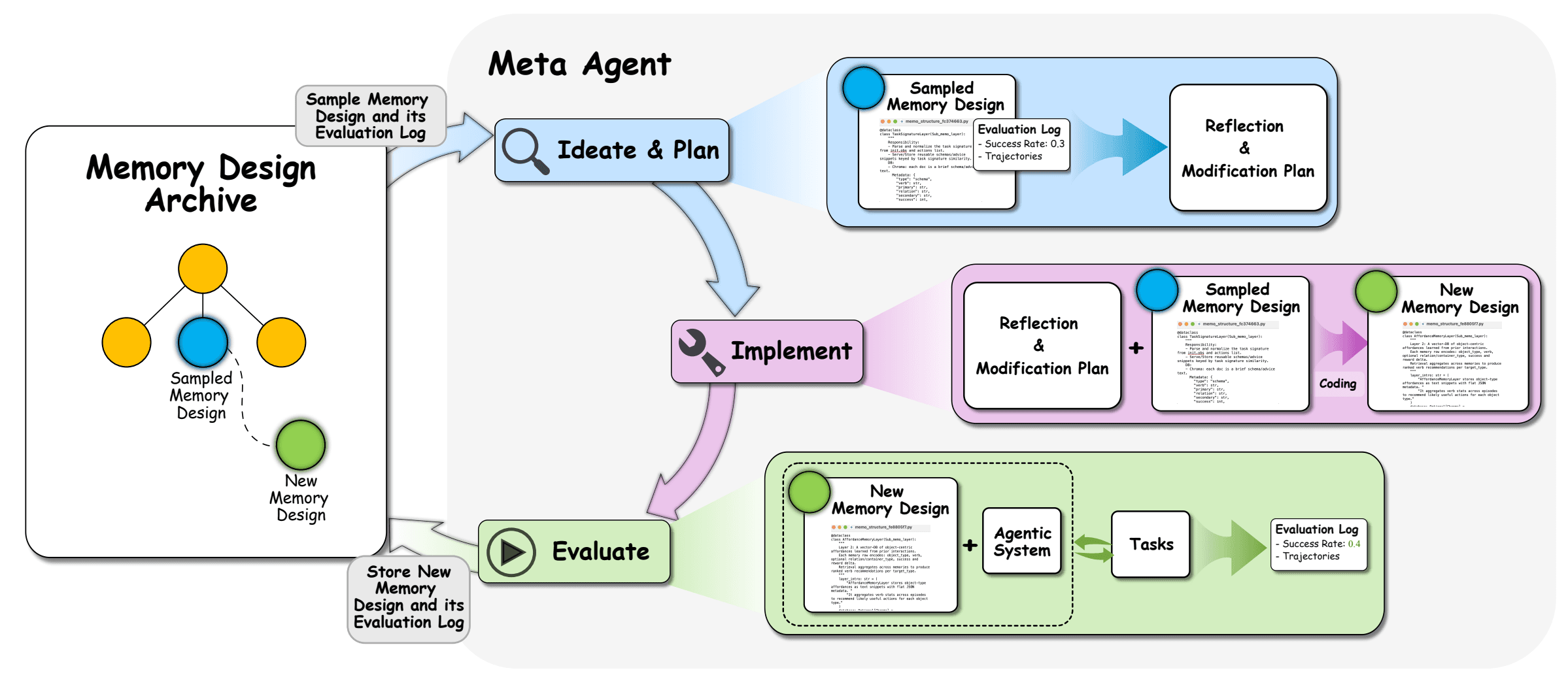
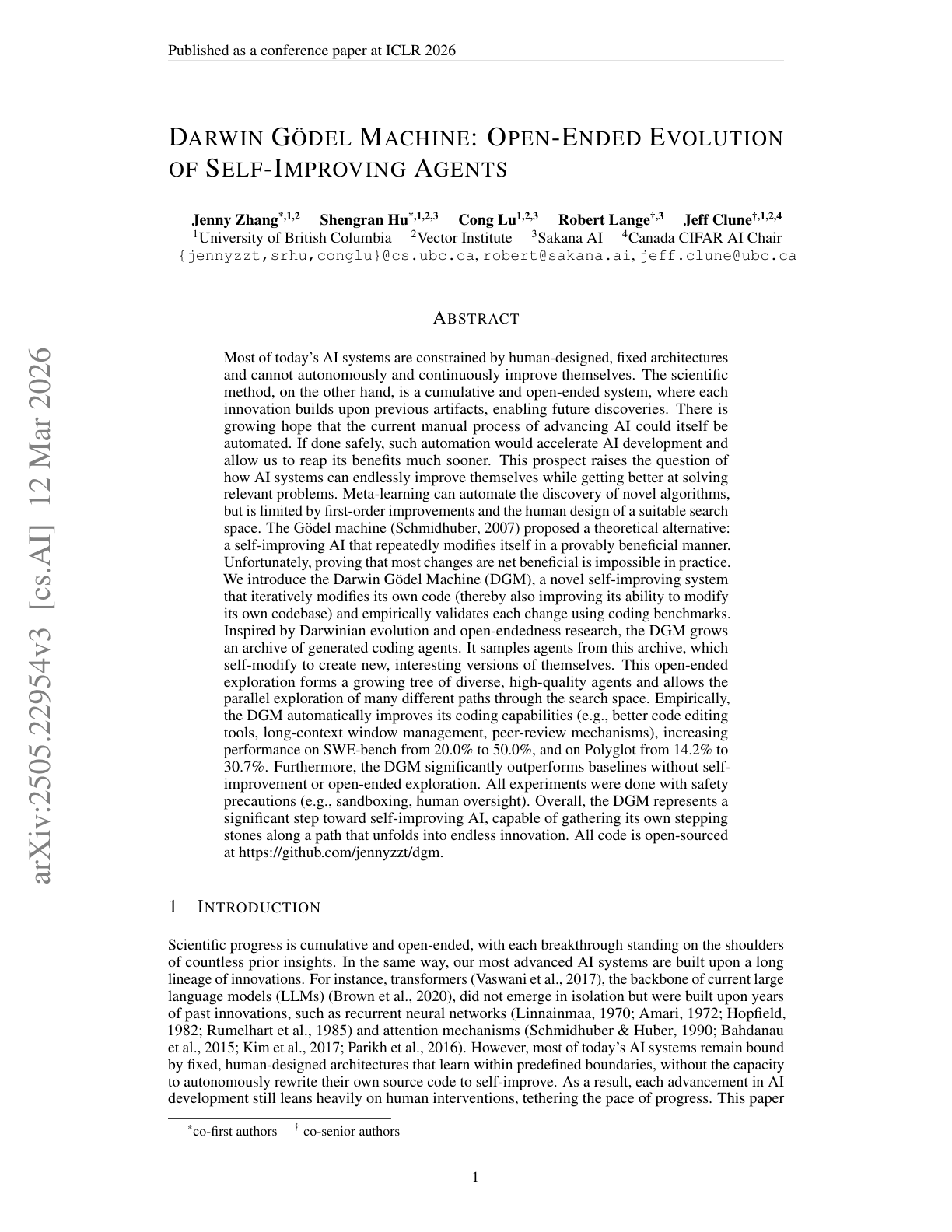
Darwin Godel Machine: Open-Ended Evolution of Self-Improving Agents
Jenny Zhang et al. · 2025Now the harness code itself is the thing being edited. Agents sample from an archive of their own ancestors, rewrite their own scaffolding, get scored on coding benchmarks, and go back into the archive. Empirical validation replaces the original Gödel machine's proof requirement.
- 697
- 698
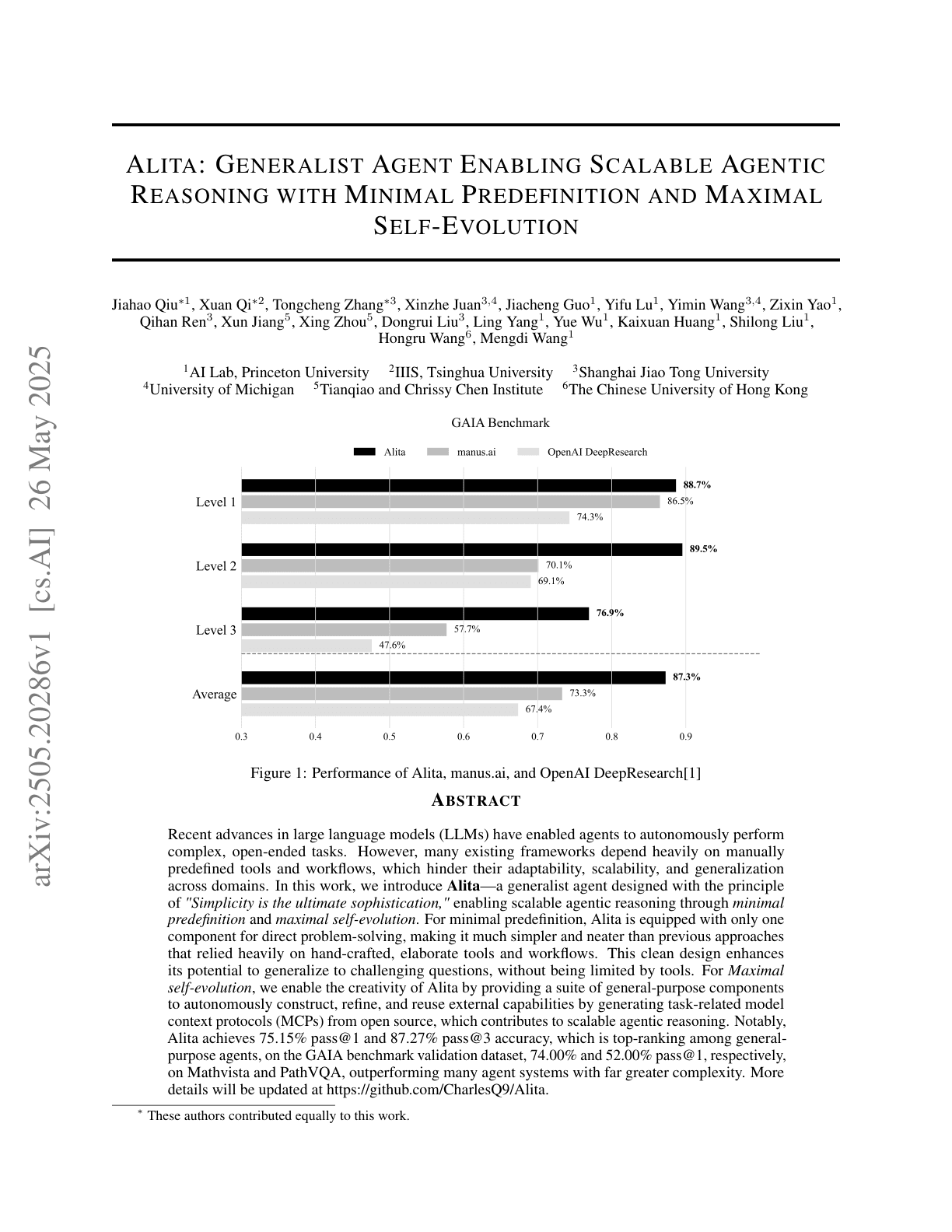
Generalist Agent Enabling Scalable Agentic Reasoning
Jiahao Qiu et al. · 2025 - 699
- 700
AI Agents vs. Agentic AI
Ranjan Sapkota, Konstantinos I. Roumeliotis, Manoj Karkee · 2025 - 701
- 702
- 703
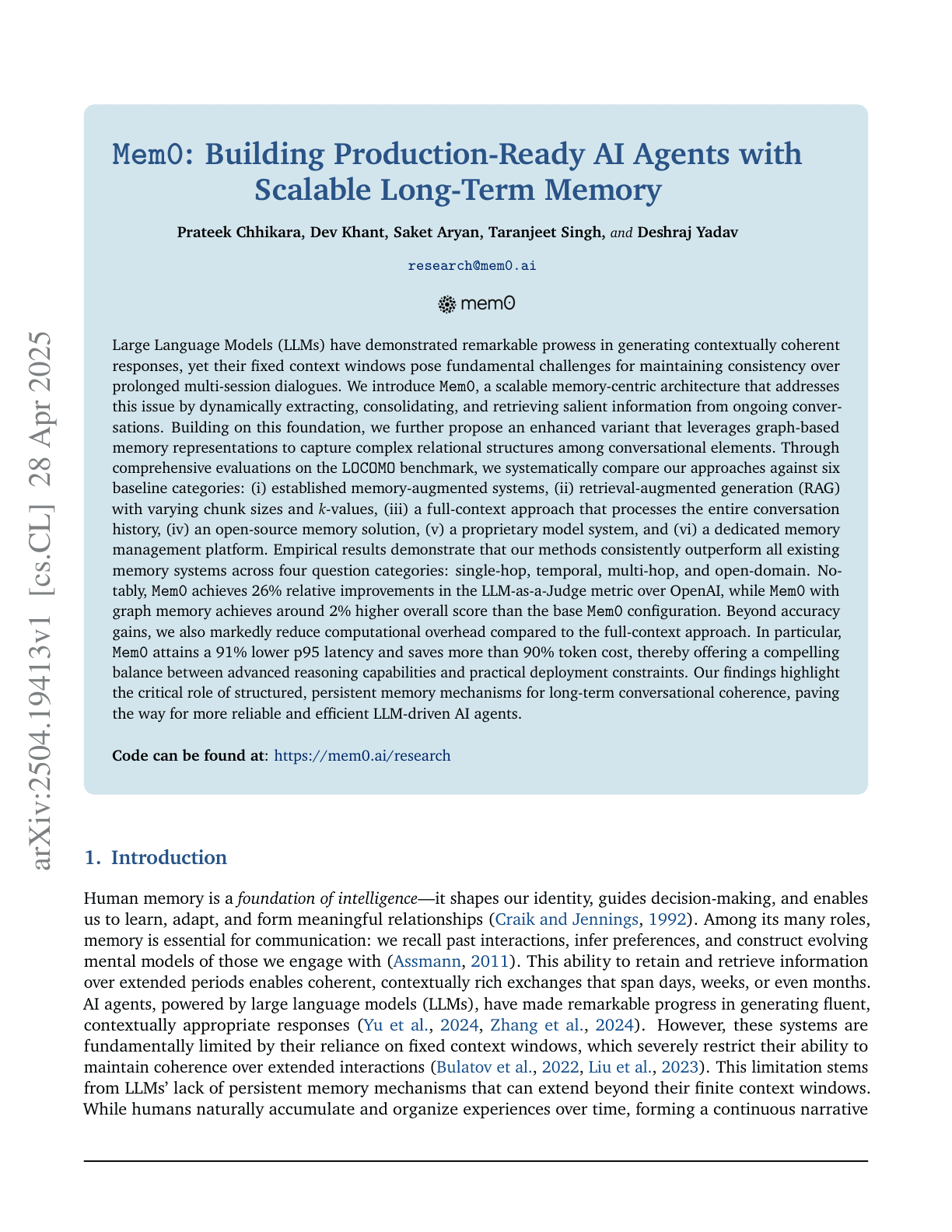
Building Production-Ready AI Agents with Scalable Long-Term Memory
Prateek Chhikara et al. · 2025 - 704
- 705
- 706
A Self-Improving Coding Agent
Maxime Robeyns, Martin Szummer, Laurence Aitchison · 2025 - 707
- 708
- 709
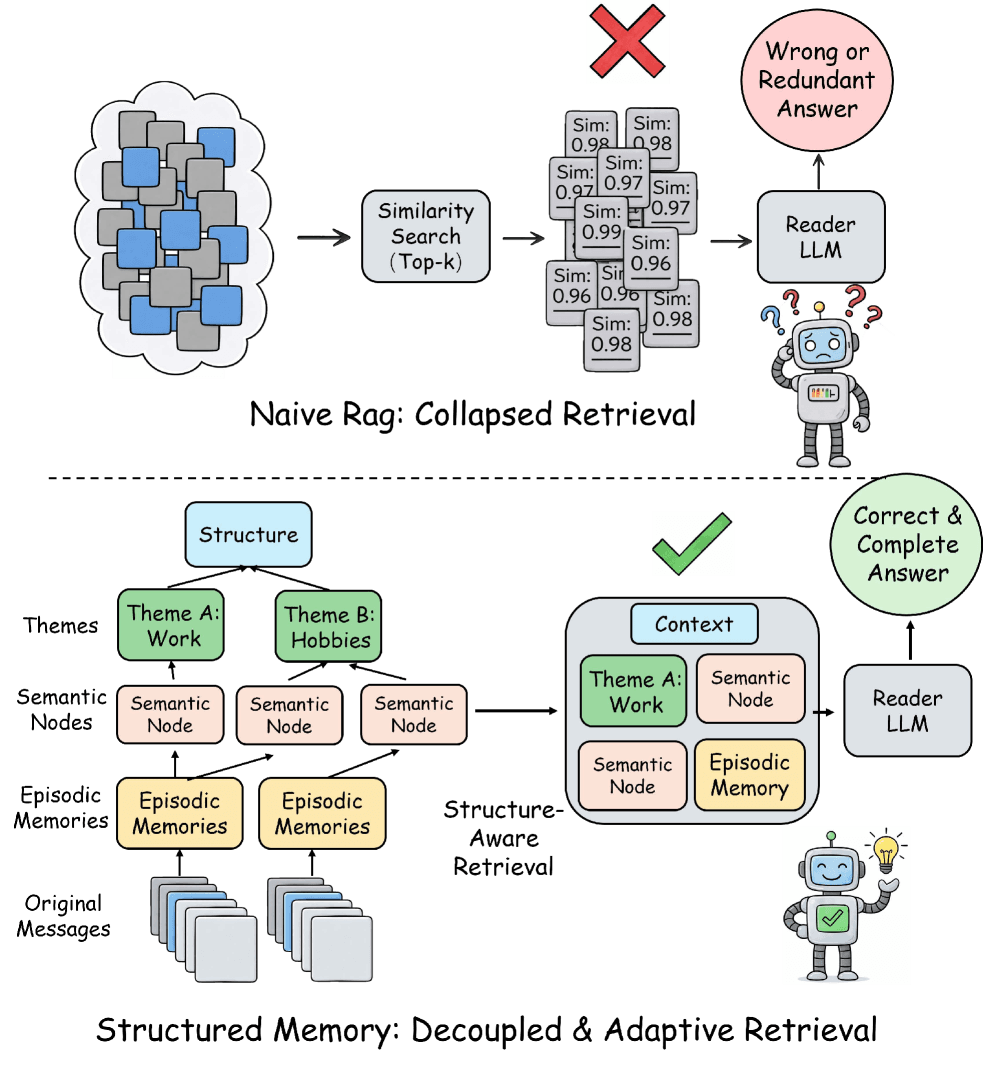
Structured Memory Augmentation for Smarter LLM Agents
Rana Salama et al. · 2025 - 710
- 711
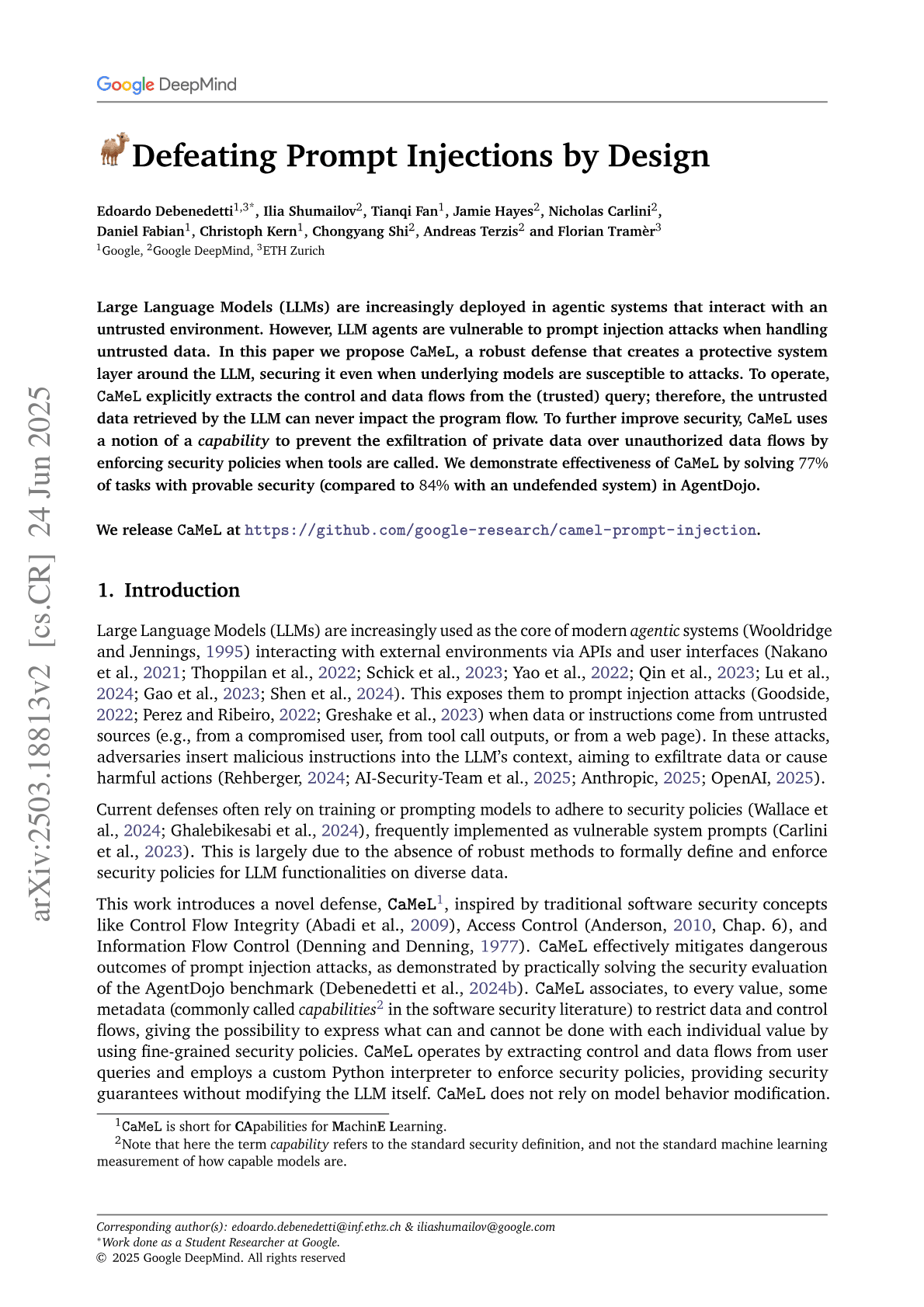
Defeating Prompt Injections by Design
Edoardo Debenedetti et al. · 2025 - 712
- 713
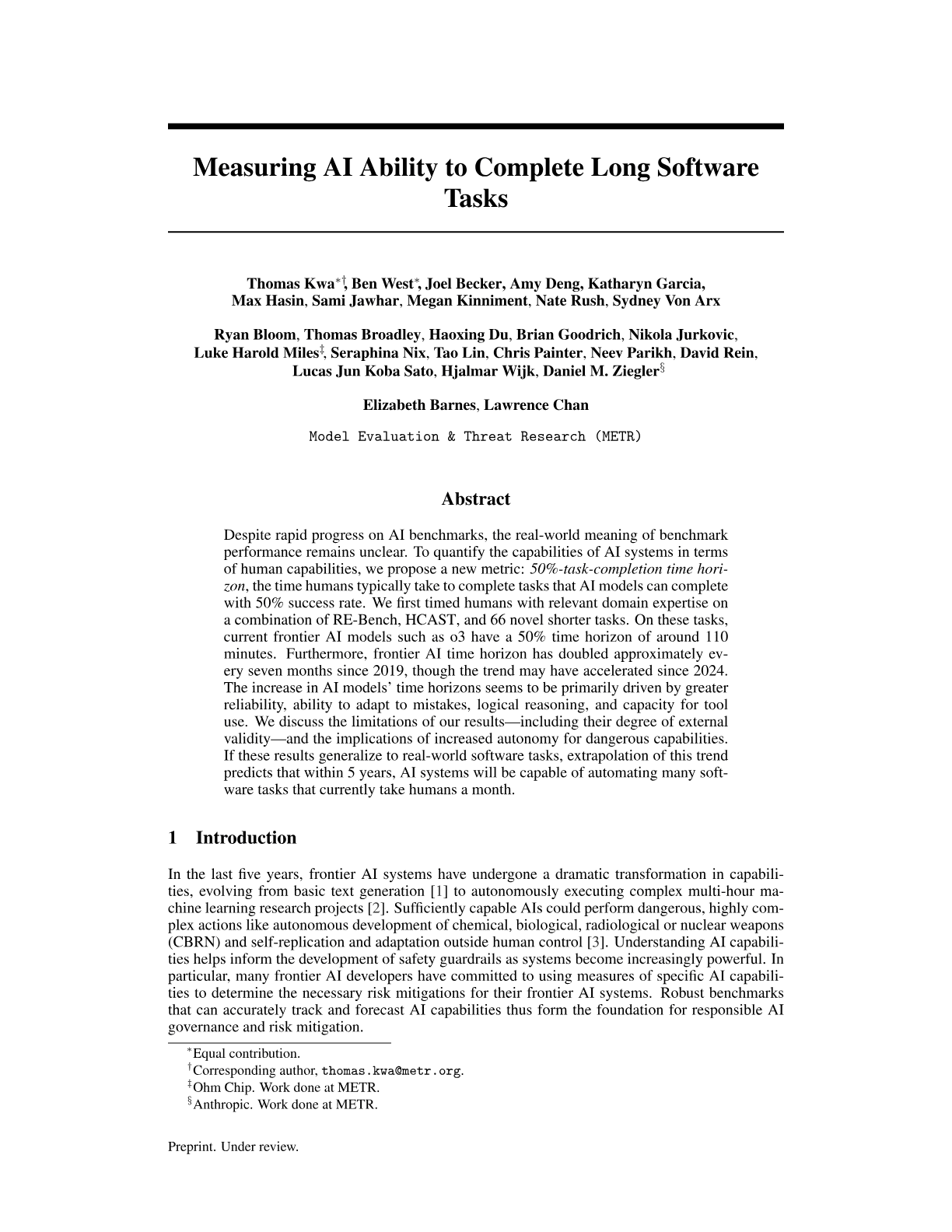
Measuring AI Ability to Complete Long Software Tasks
Thomas Kwa et al. · 2025The trend line the talk opens on. Measuring capability as the length of task a system completes, rather than a single-turn score, is what makes harness progress visible at all: the static-harness era and the self-improving era are two slopes on this chart.
- 714
- 715
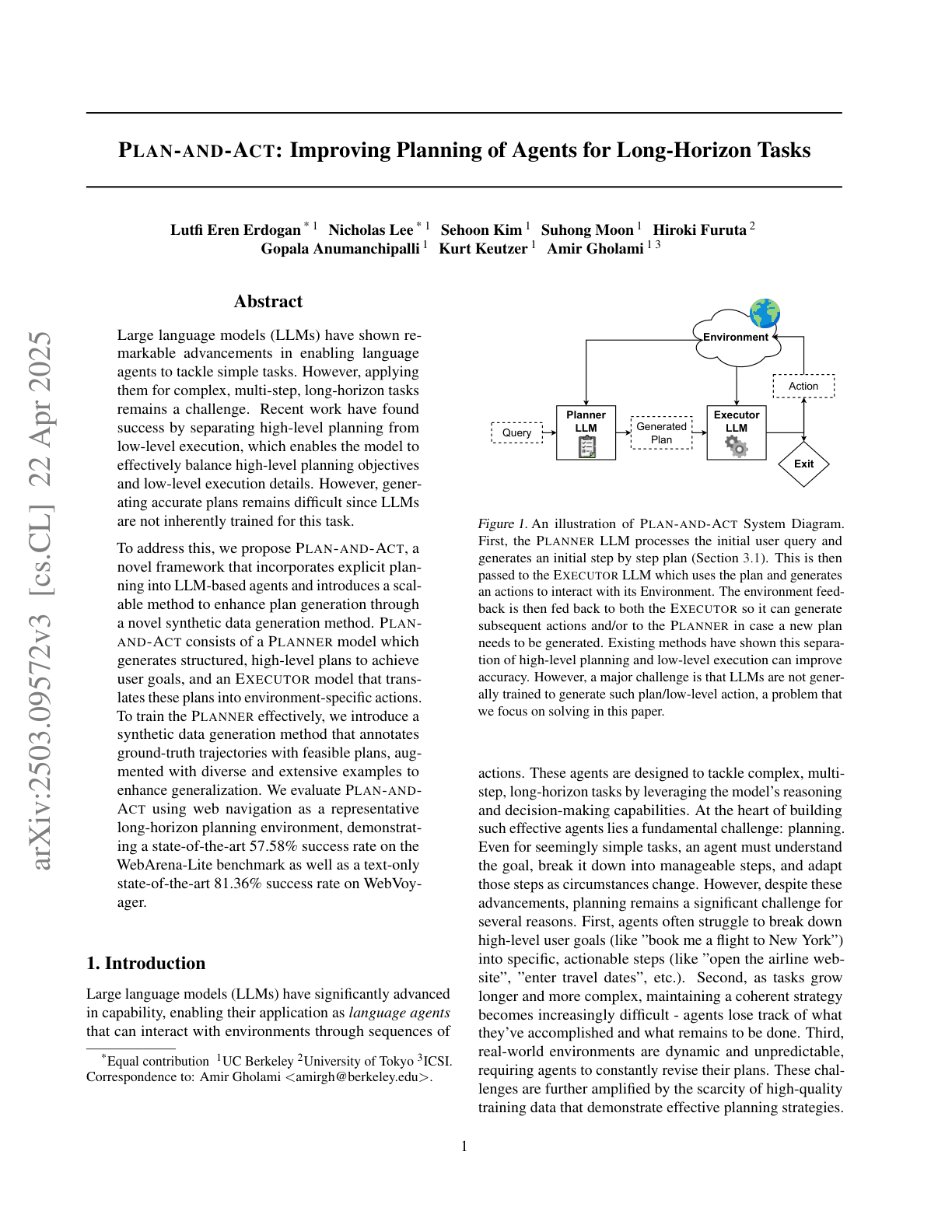
Improving Planning of Agents for Long-Horizon Tasks
Lutfi Eren Erdogan et al. · 2025 - 716
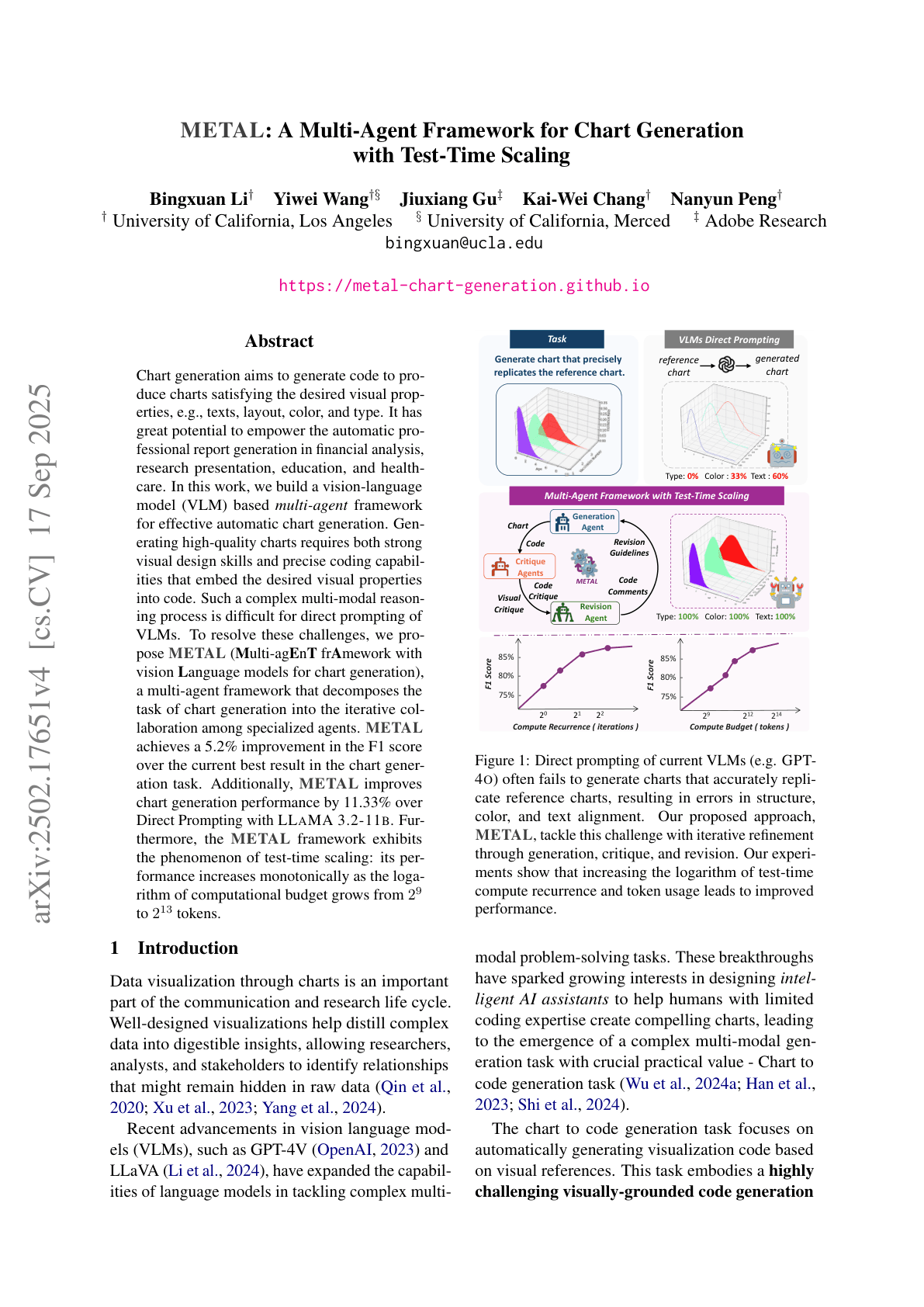
A Multi-Agent Framework for Chart Generation
Bingxuan Li et al. · 2025 - 717
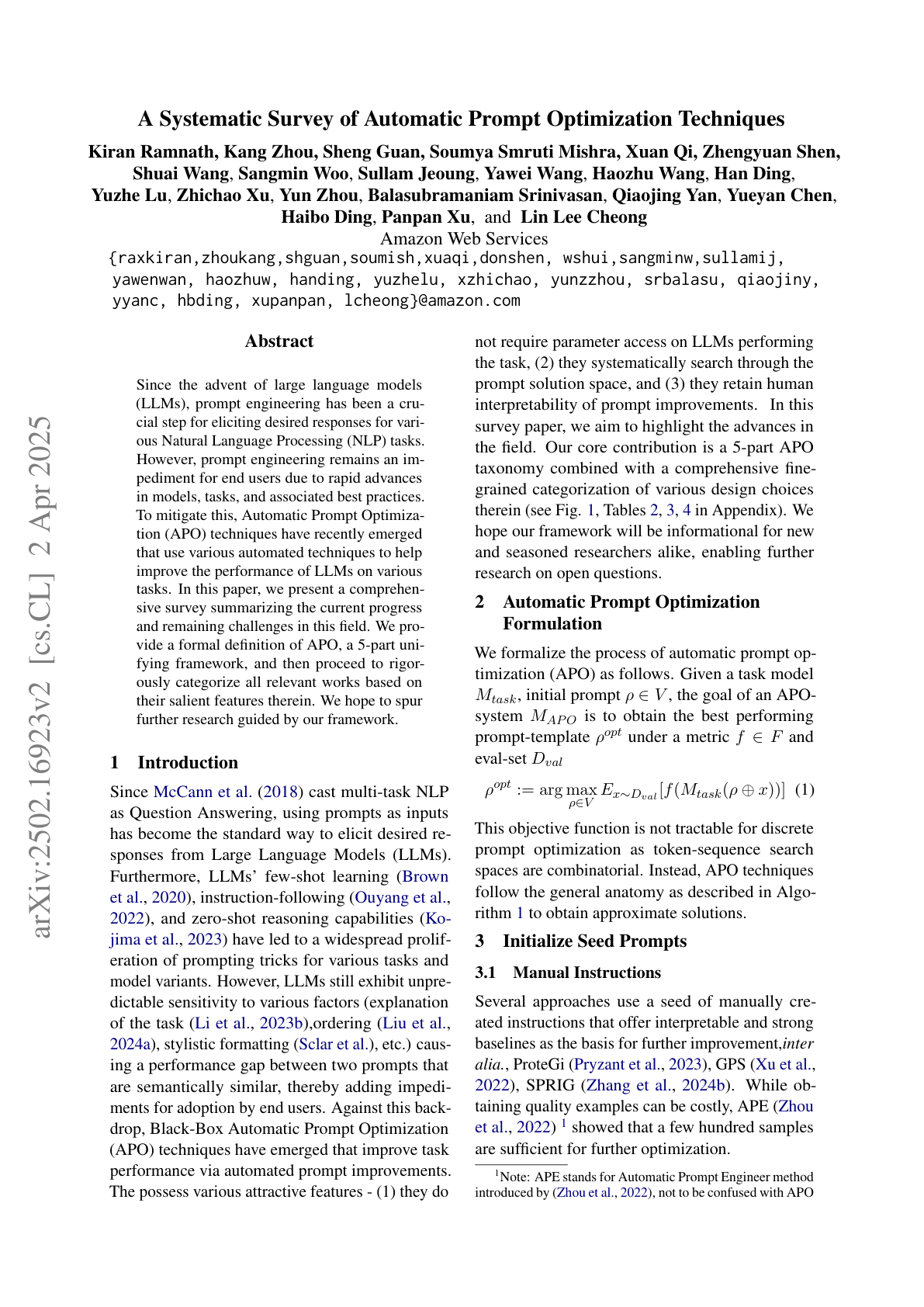
A Systematic Survey of Prompt Optimization
Kiran Ramnath et al. · 2025 - 718
- 719
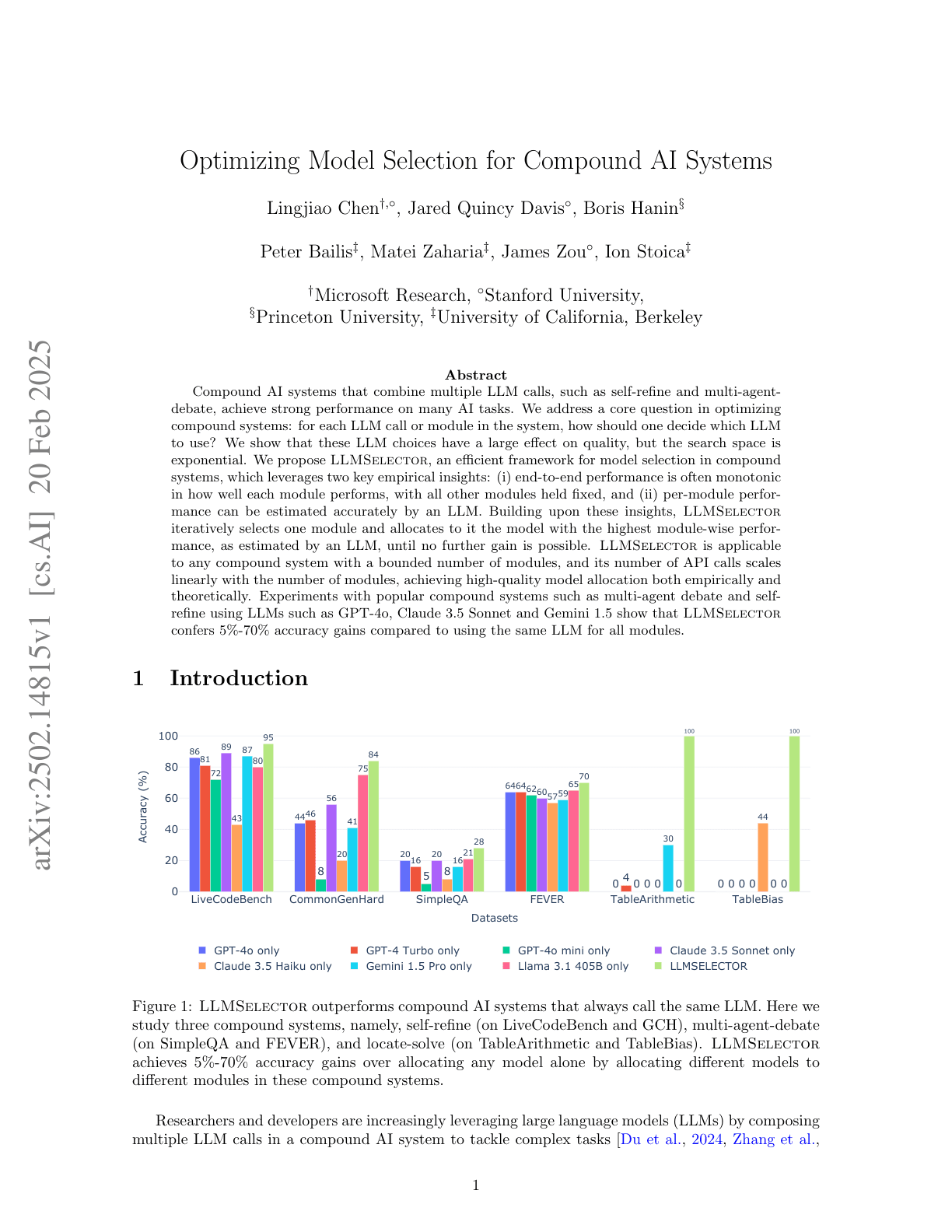
Optimizing Model Selection for Compound AI
Lingjiao Chen et al. · 2025 - 720
- 721
MaAS: Multi-agent Architecture Search (Agentic Supernet)
Guibin Zhang et al. · 2025 - 722
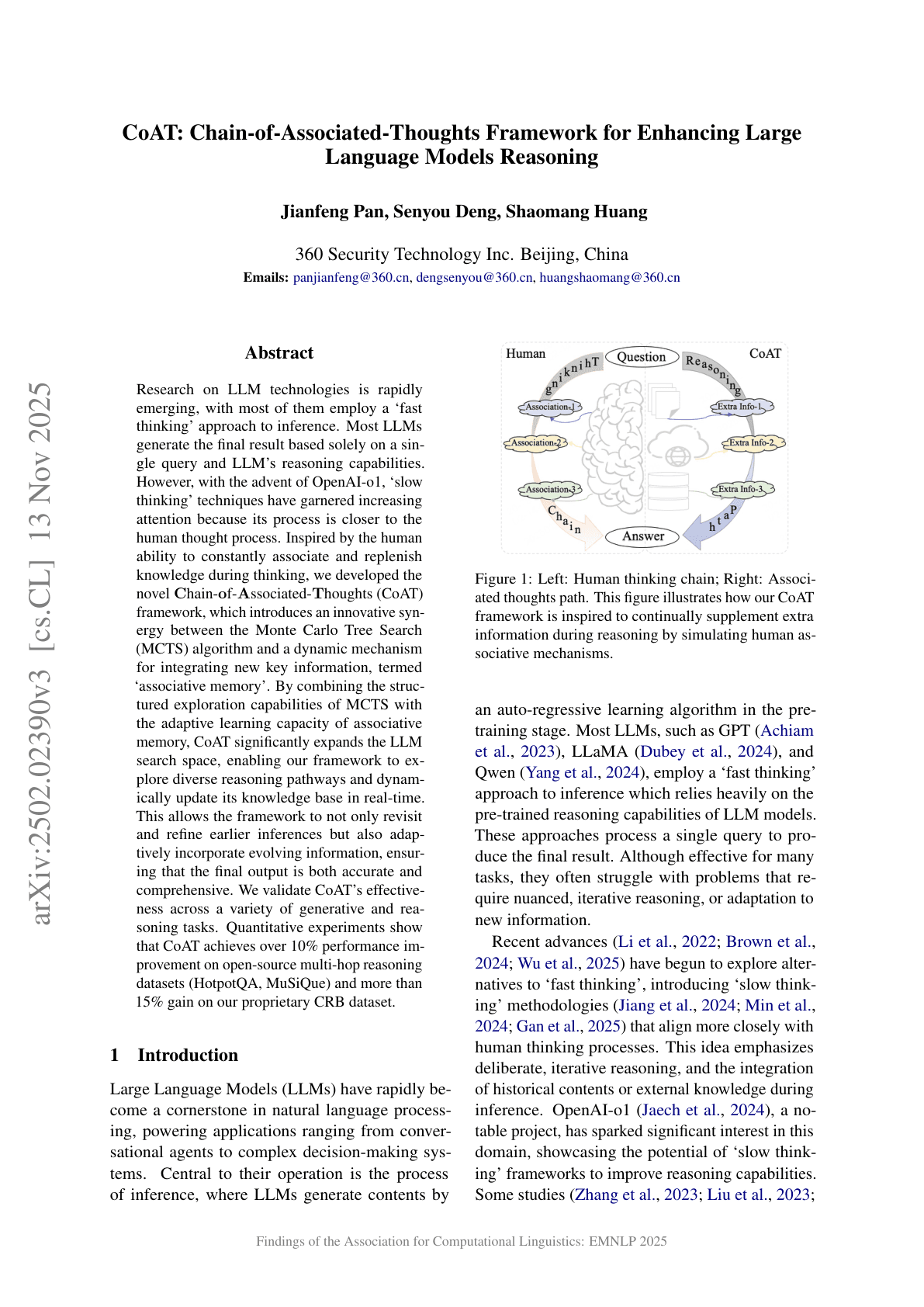
CoAT: Chain-of-Associated-Thoughts for LLM Reasoning
Jianfeng Pan, Senyou Deng, Shaomang Huang · 2025 - 723
- 724
- 725
- 726
- 727
- 728
- 729
- 730
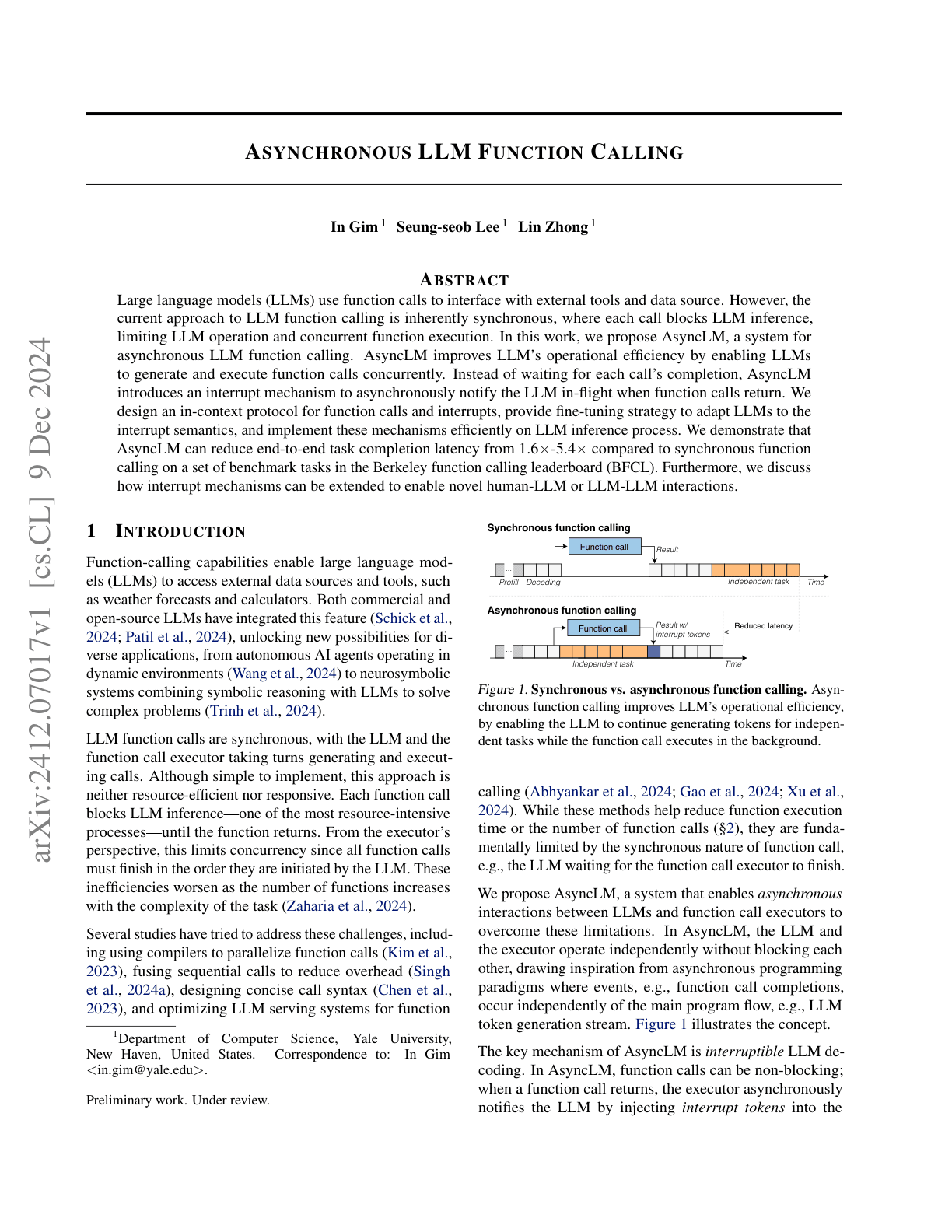
Asynchronous Function Calling
In Gim, Seung-seob Lee, Lin Zhong · 2024 - 731
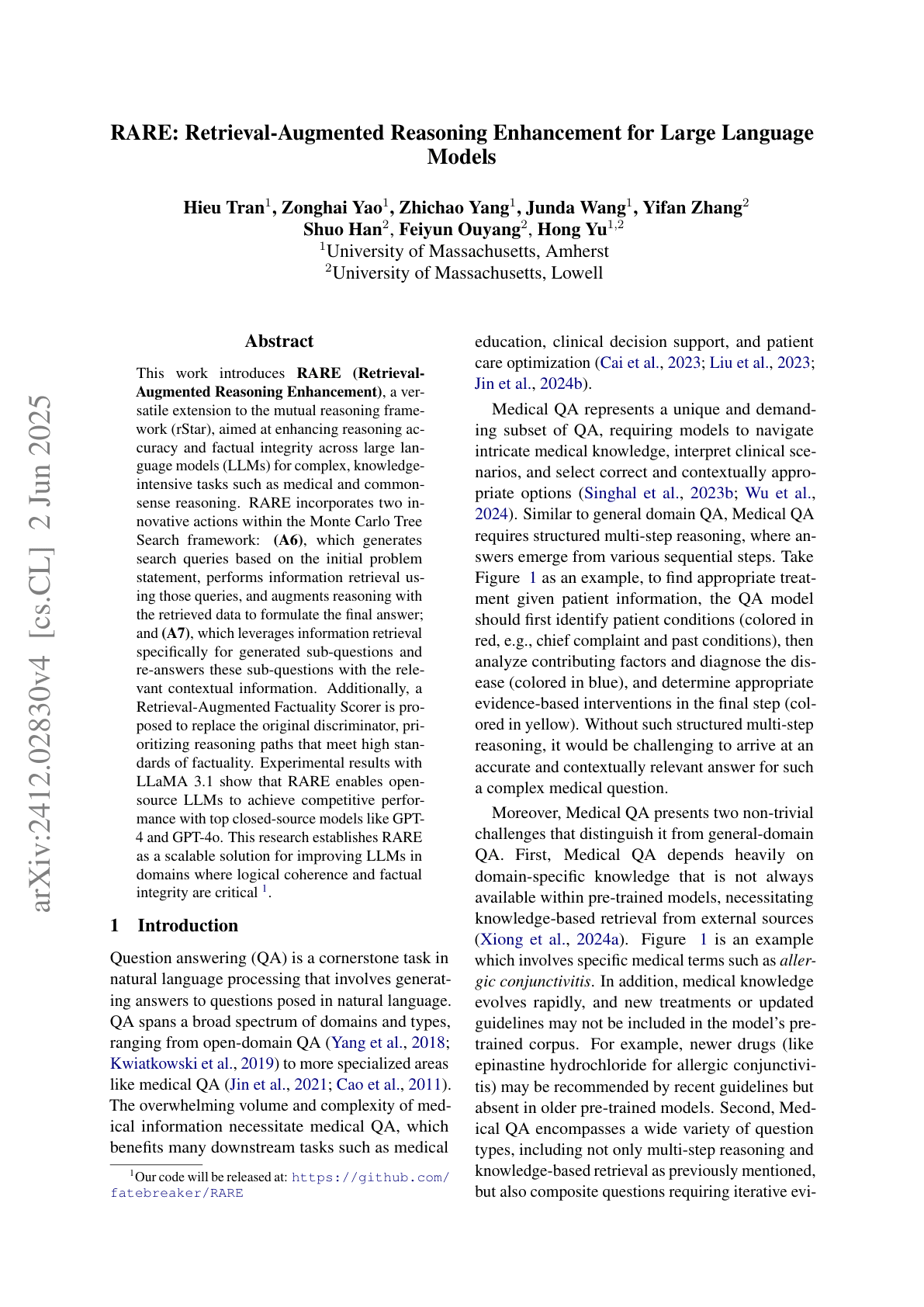
Retrieval-Augmented Reasoning for LLMs
Hieu Tran et al. · 2024 - 732
- 733
- 734
- 735
- 736
- 737
- 738
- 739
- 740
The Role of Prompting and External Tools in Hallucination Rates of LLMs
Liam Barkley, Brink van der Merwe · 2024 - 741
Automating Agentic Workflow Generation
Jiayi Zhang et al. · 2024 - 742
- 743
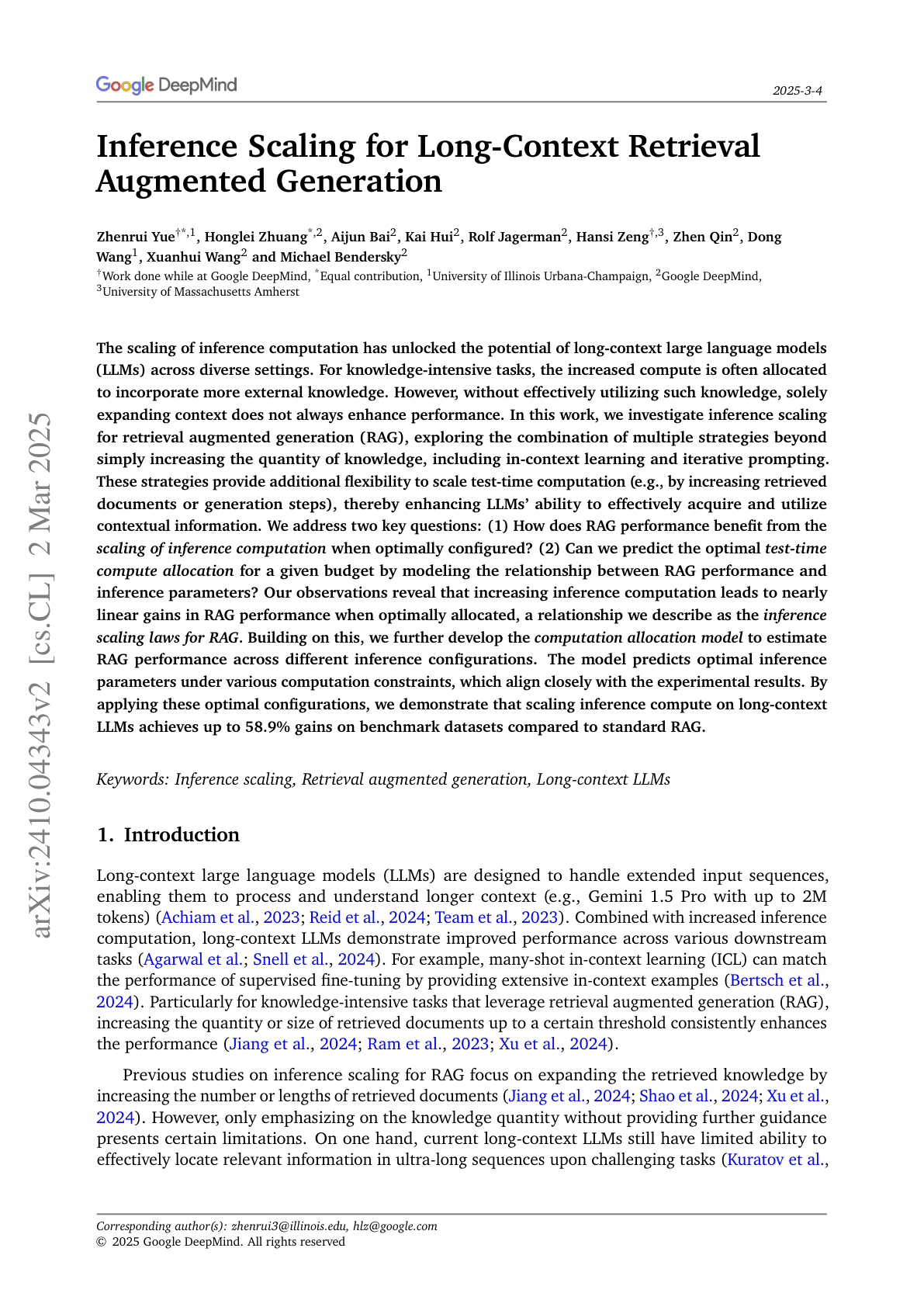
Inference Scaling for Long-Context RAG
Zhenrui Yue et al. · 2024 - 744
- 745
- 746
- 747
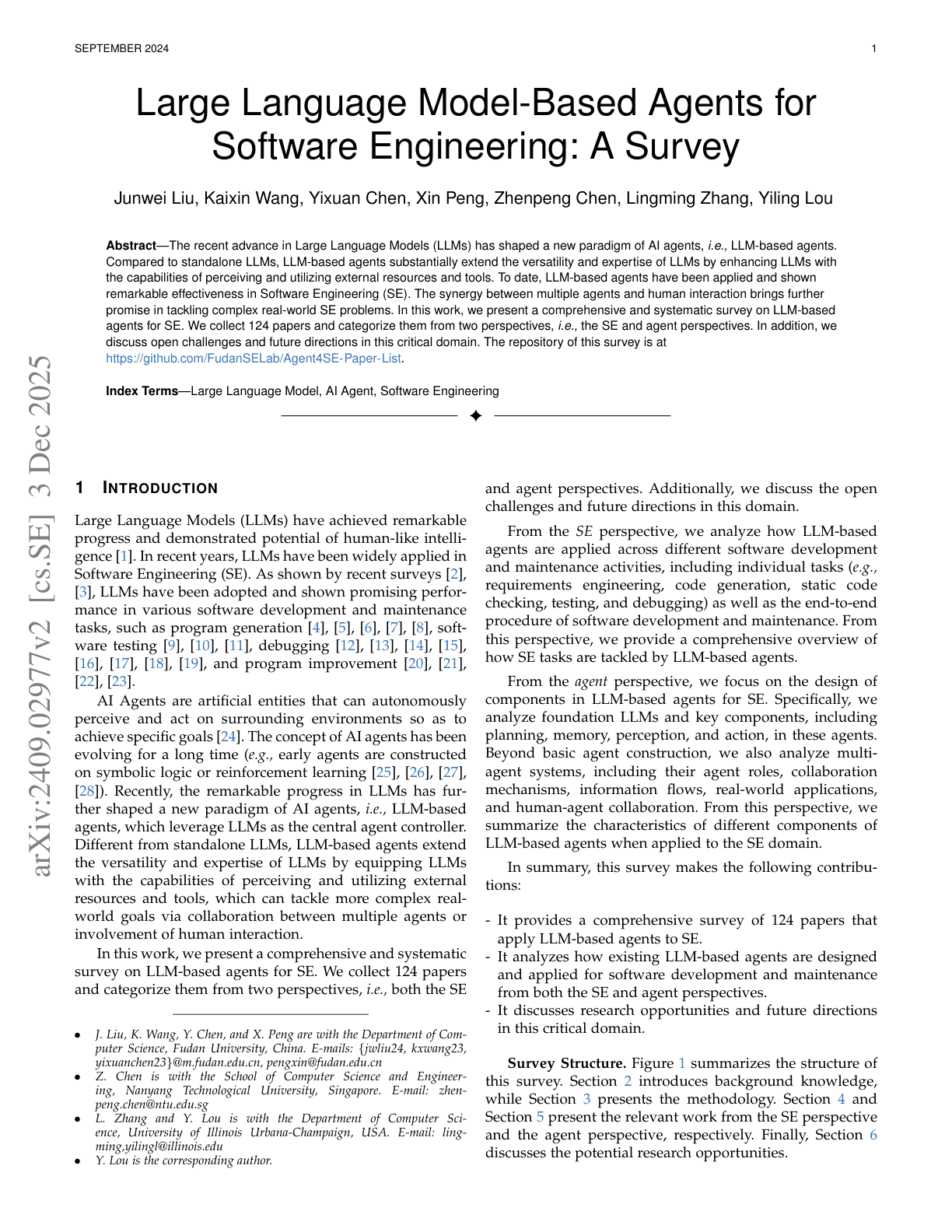
LLM-Based Agents for Software Engineering
Junwei Liu et al. · 2024 - 748
Persuasion Games with LLMs
Ganesh Prasath Ramani et al. · 2024 - 749
- 750
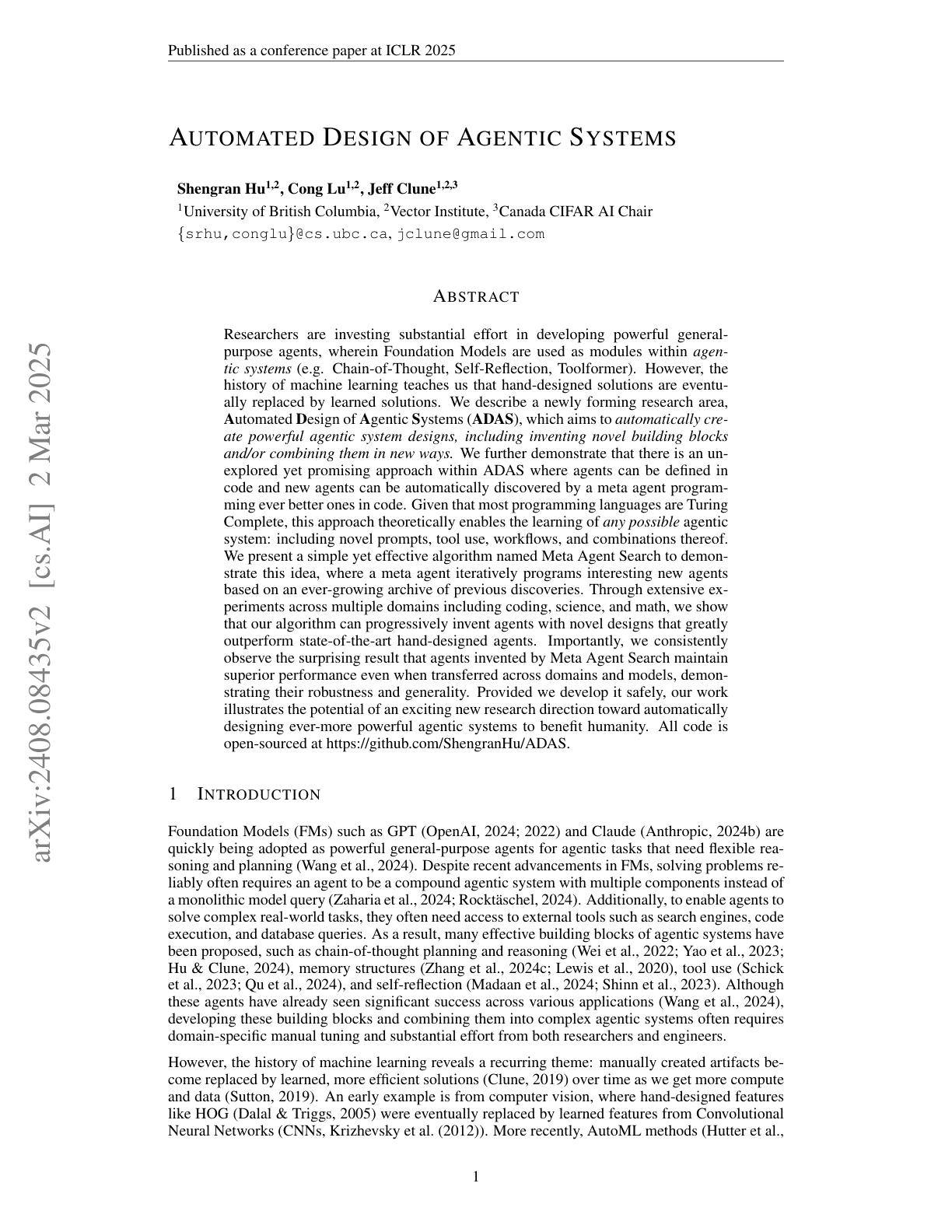
Automate Design of Agentic Systems
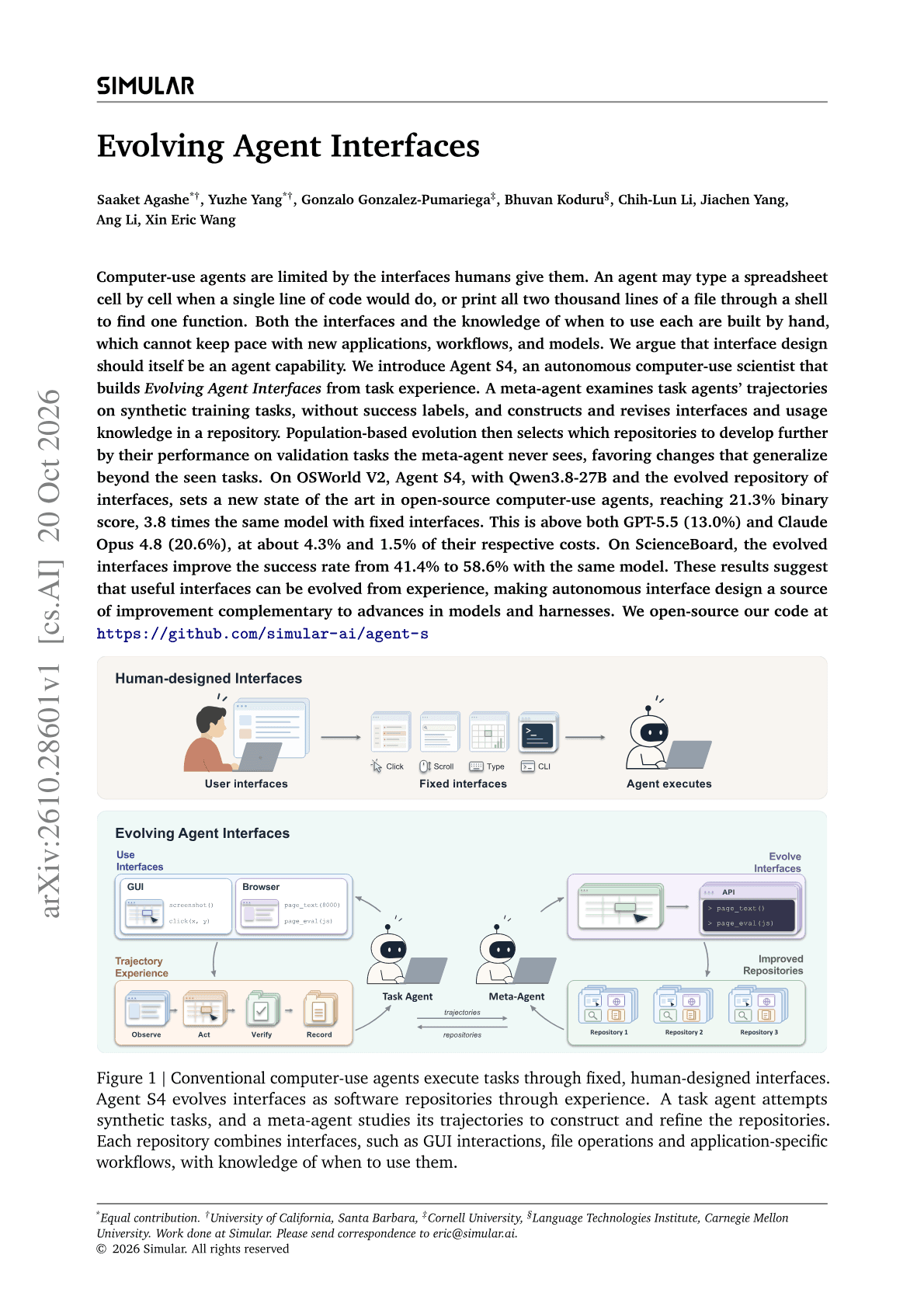
Shengran Hu, Cong Lu, Jeff Clune · 2024 - 751
- 752
- 753
- 754
- 755
- 756
- 757
As Generative Models Improve, People Adapt Their Prompts
Eaman Jahani et al. · 2024 - 758
- 759
- 760
- 761
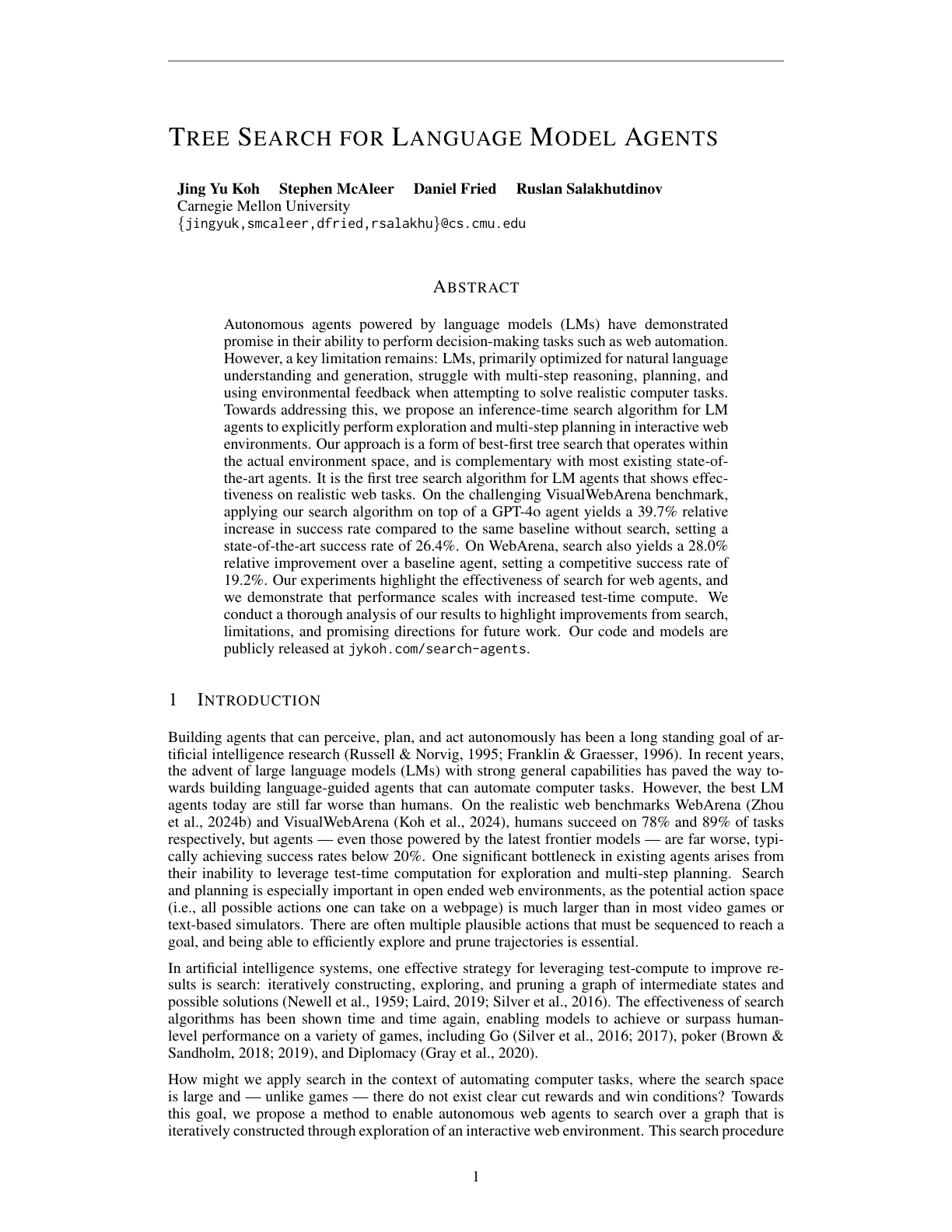
Tree Search for Language Model Agents
Jing Yu Koh et al. · 2024 - 762
- 763
- 764
- 765
- 766
- 767
Emerging AI Agent Architectures
Tula Masterman et al. · 2024 - 768
- 769
What Are Tools Anyway? A Survey of Tool Use in LLMs
Zhiruo Wang et al. · 2024 - 770
- 771
- 772
- 773
- 774
- 775
- 776
Executable Code Actions Elicit Better LLM Agents
Xingyao Wang et al. · 2024 - 777
The Power of Noise: Redefining Retrieval in RAG
Florin Cuconasu et al. · 2024 - 778
LLM-based Multi-Agent Systems Survey
Taicheng Guo et al. · 2024 - 779
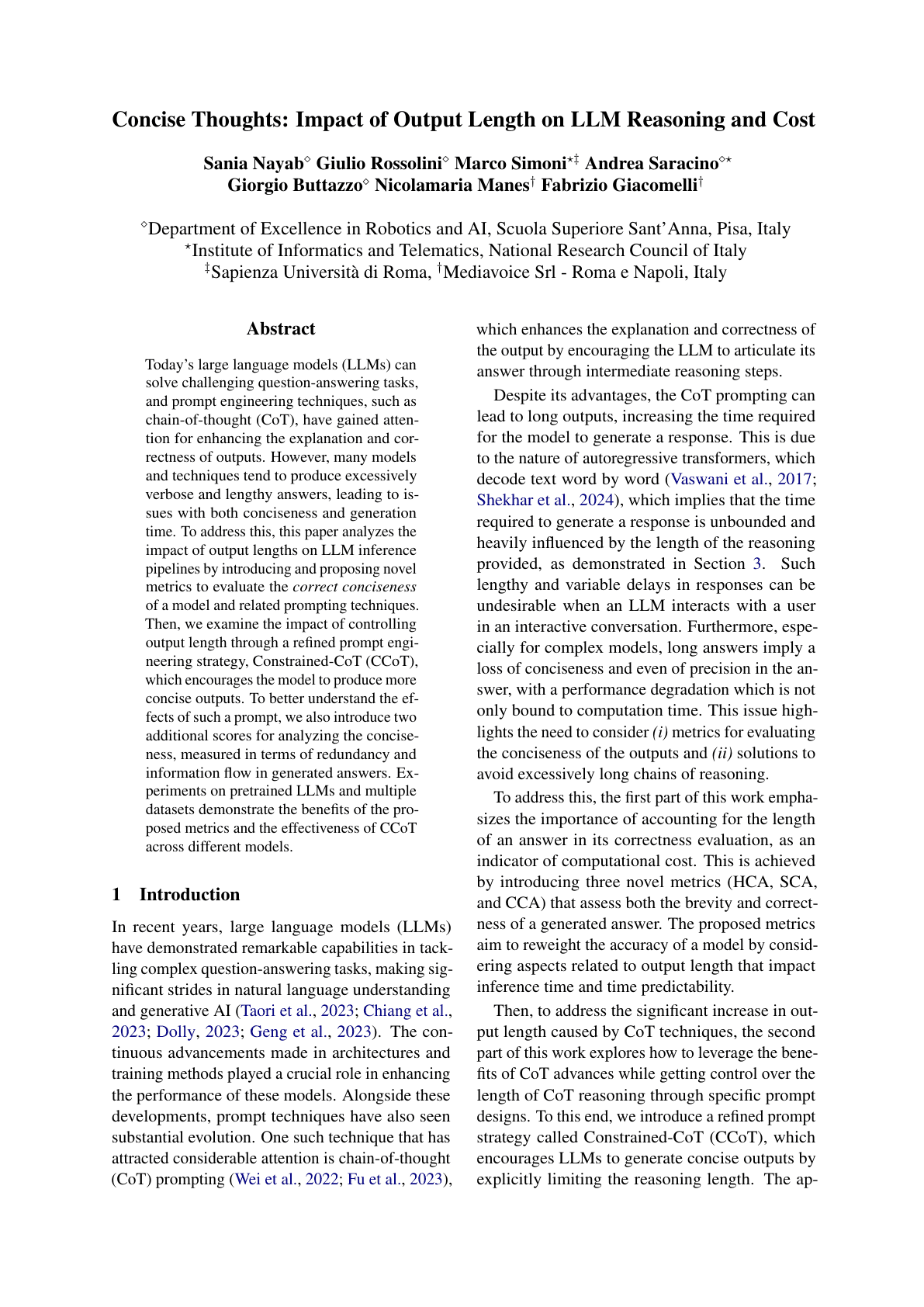
The Benefits of a Concise Chain of Thought on Problem-Solving in Large Language Models
Matthew Renze, Erhan Guven · 2024 - 780
- 781
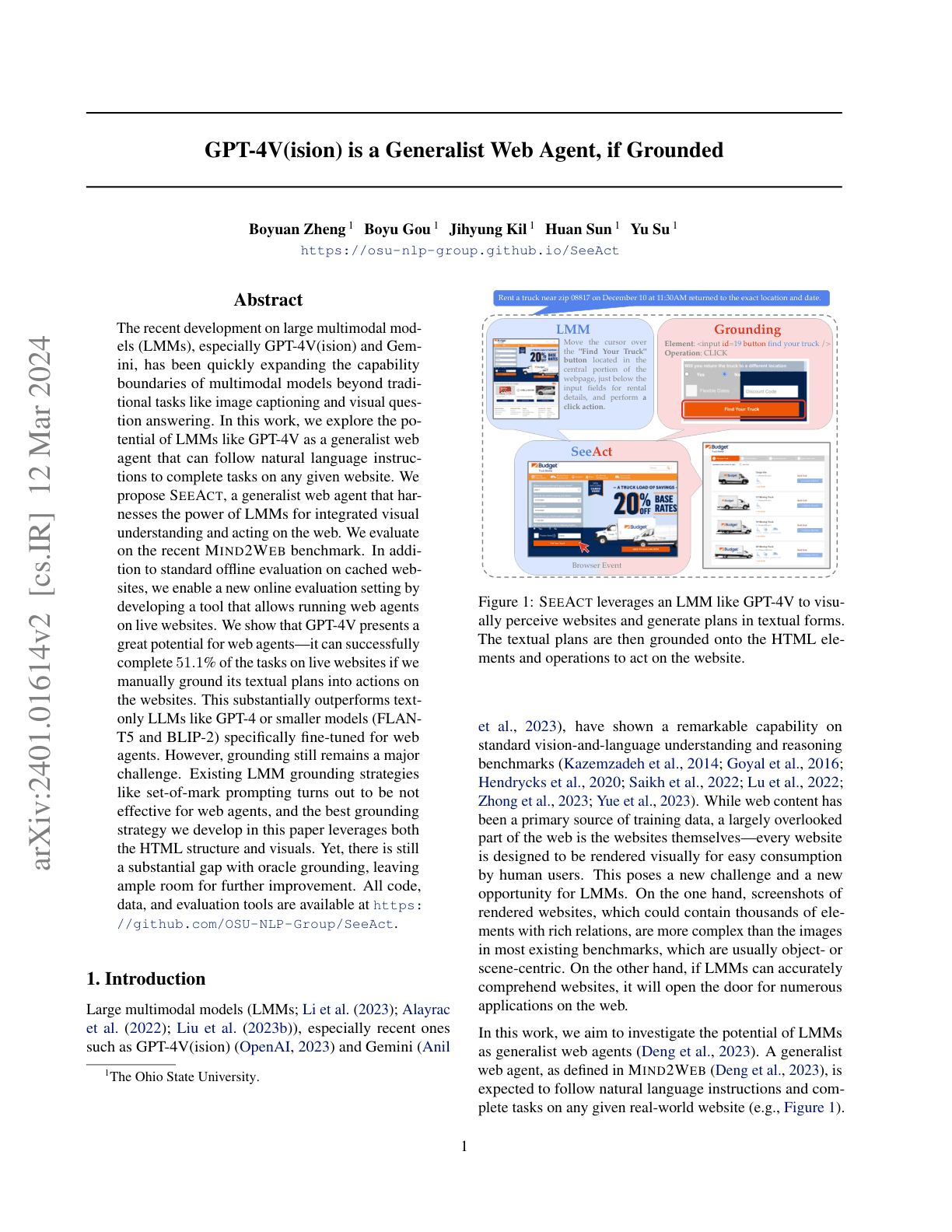
SeeAct (GPT-4V as Generalist Web Agent)
Boyuan Zheng et al. · 2024 - 782
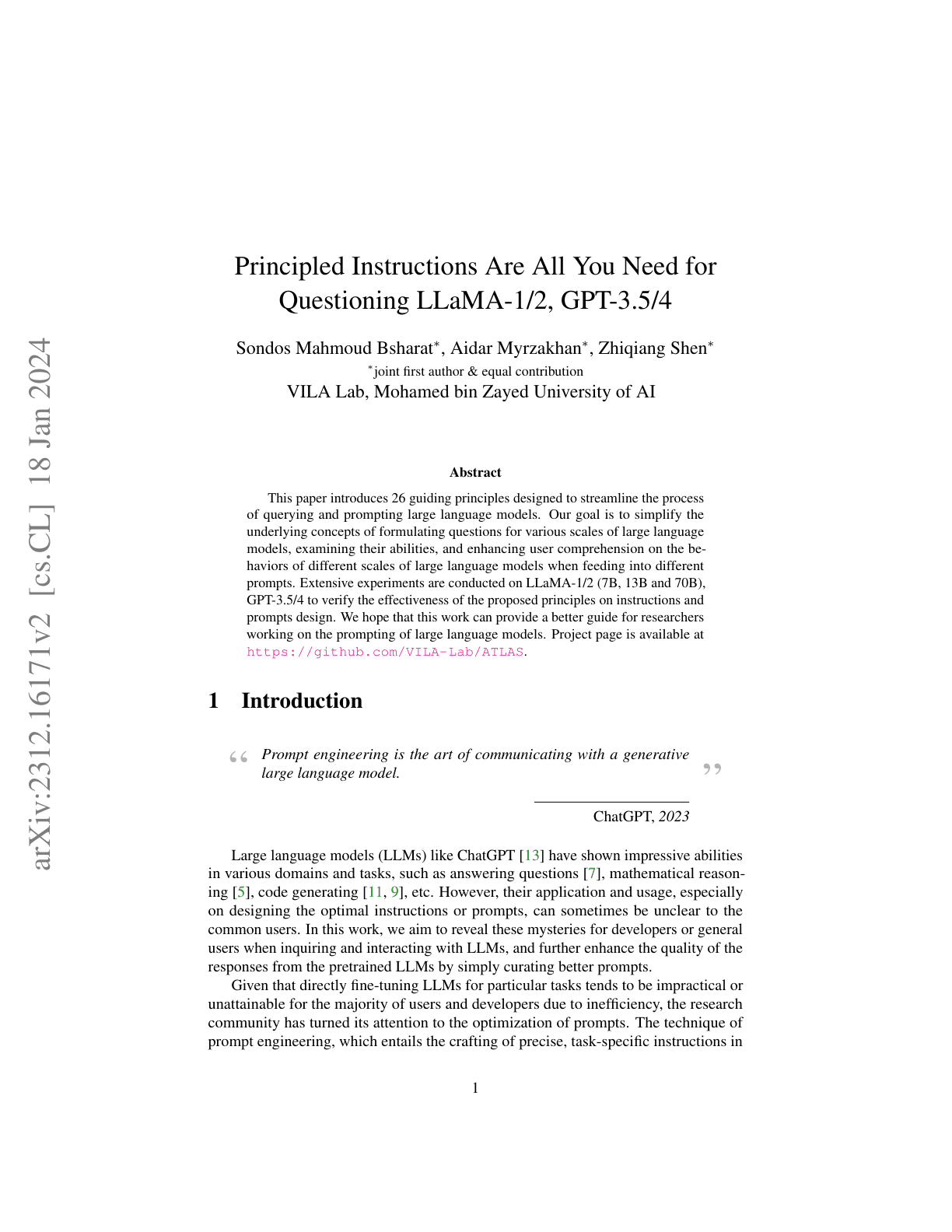
Principled Instructions Are All You Need
Sondos Mahmoud Bsharat, Aidar Myrzakhan, Zhiqiang Shen · 2023 - 783
- 784
- 785
- 786
- 787
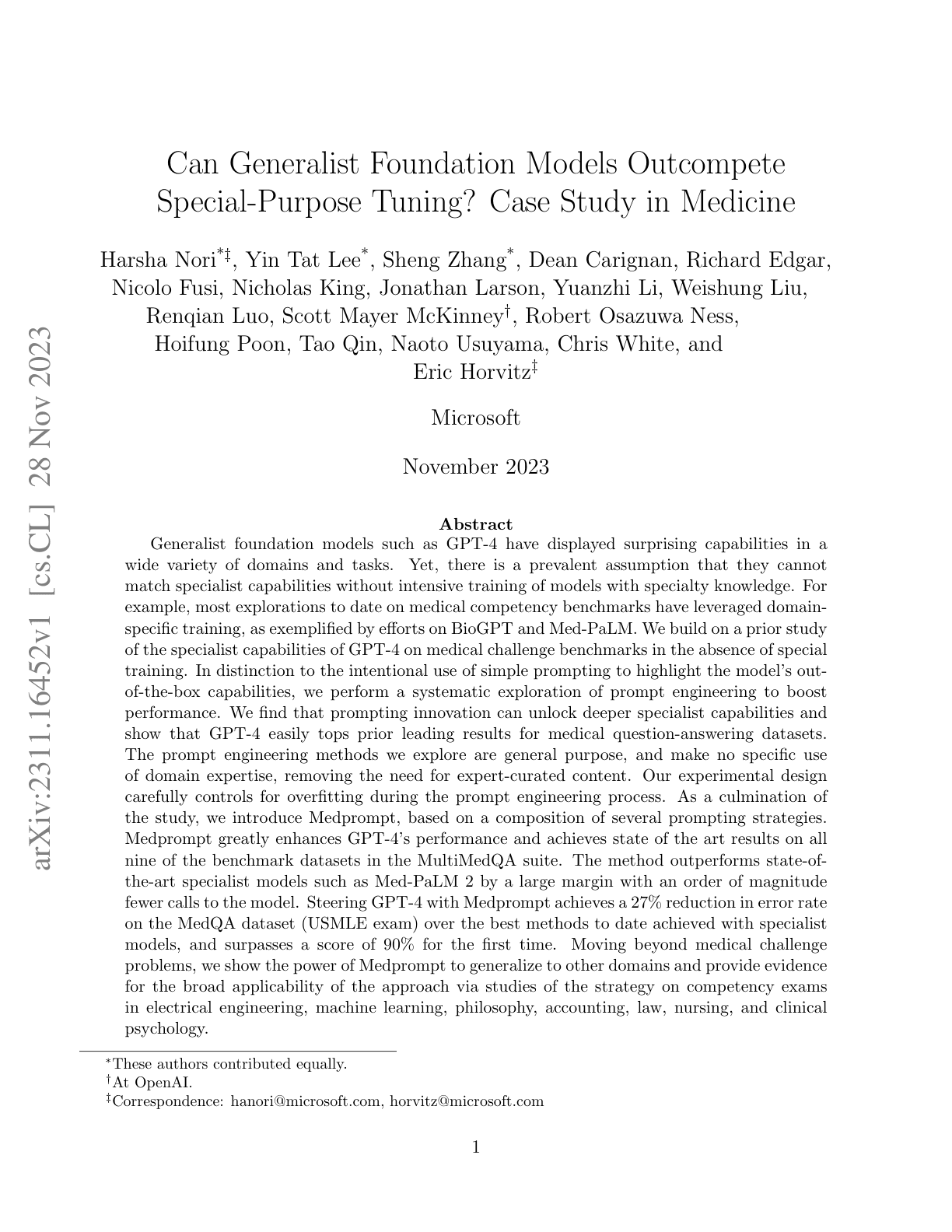
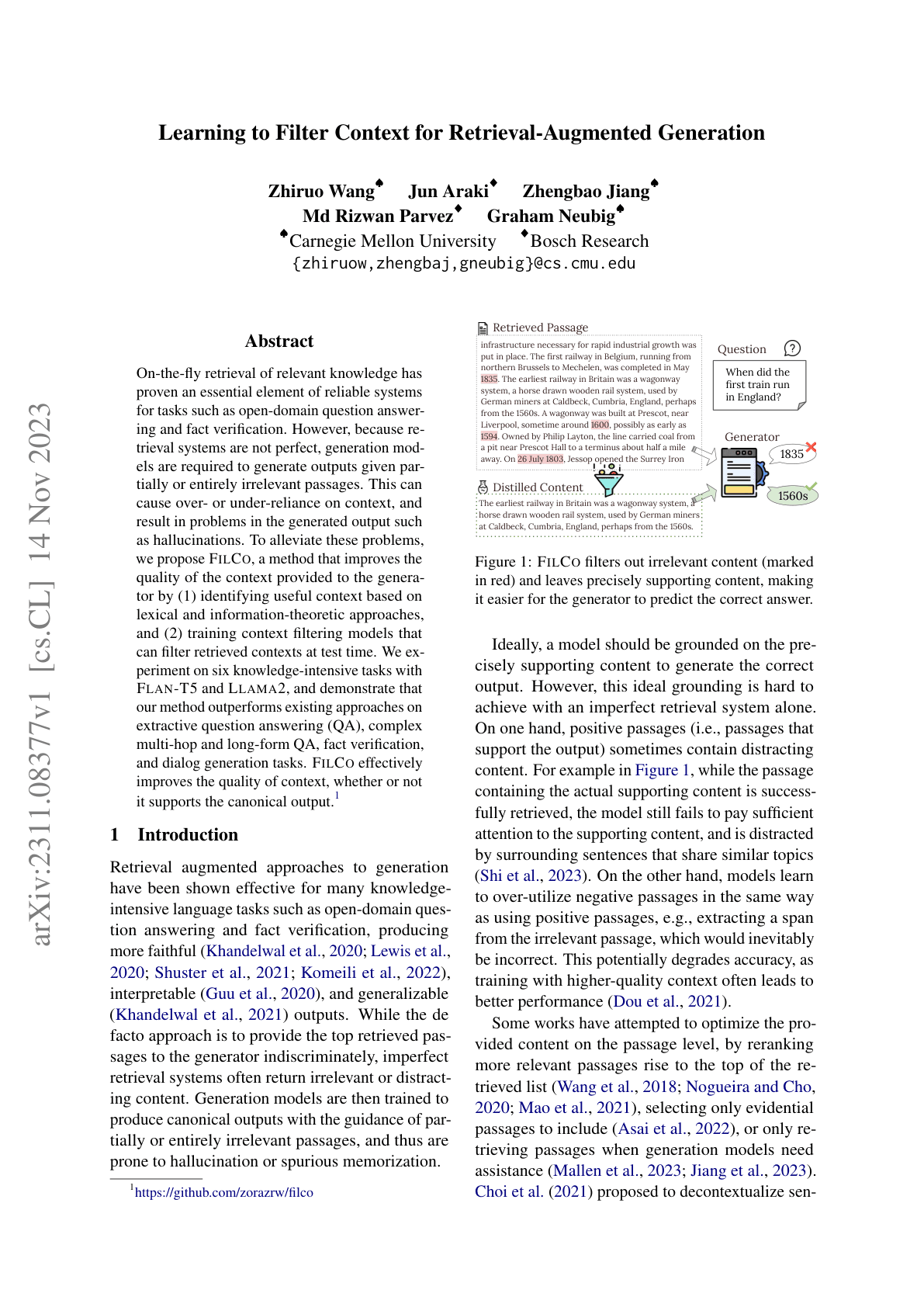
Learning to Filter Context for RAG (FILCO)
Zhiruo Wang et al. · 2023 - 788
- 789
- 790
- 791
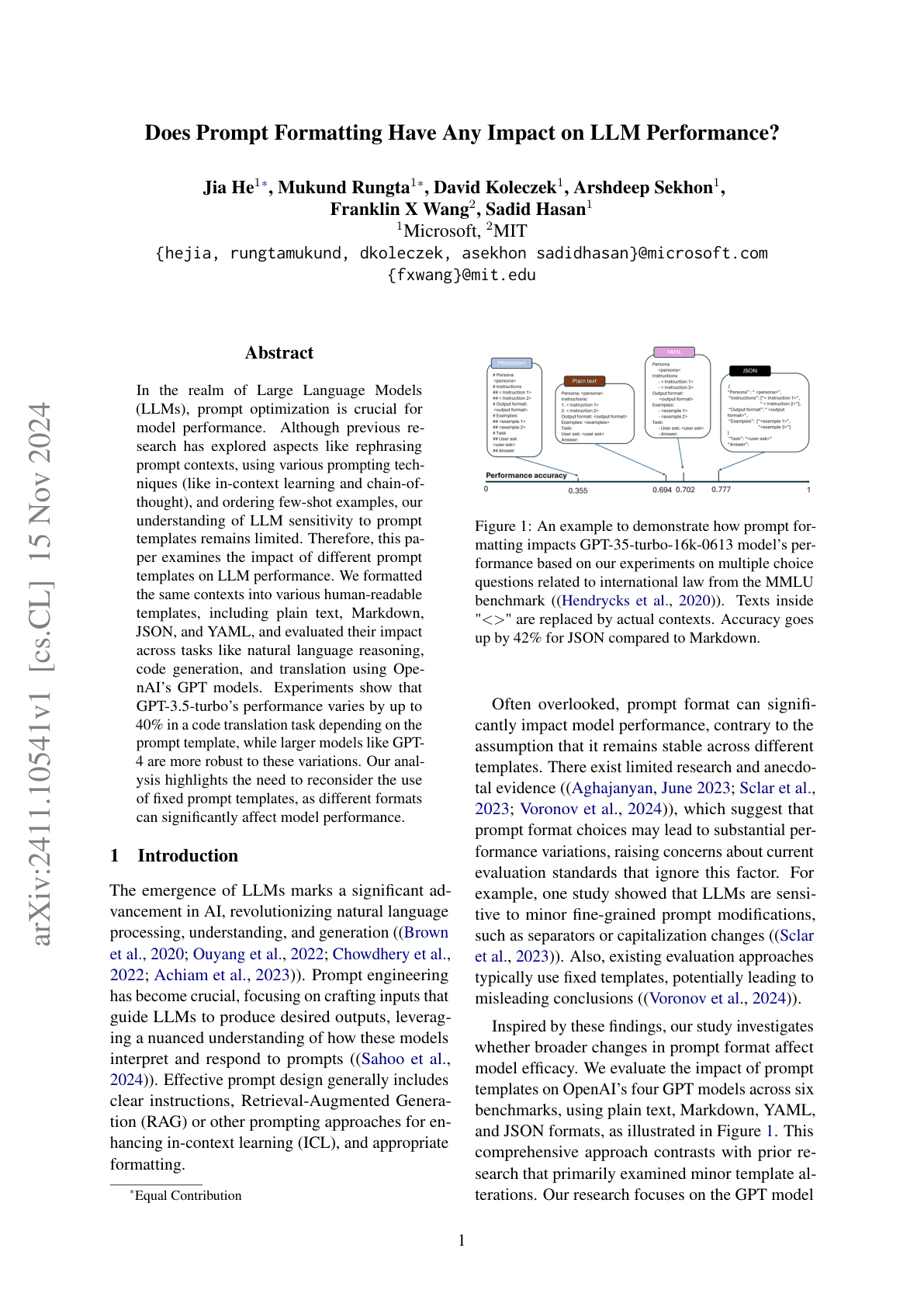
Quantifying Prompt-Format Sensitivity
Melanie Sclar et al. · 2023 - 792
- 793
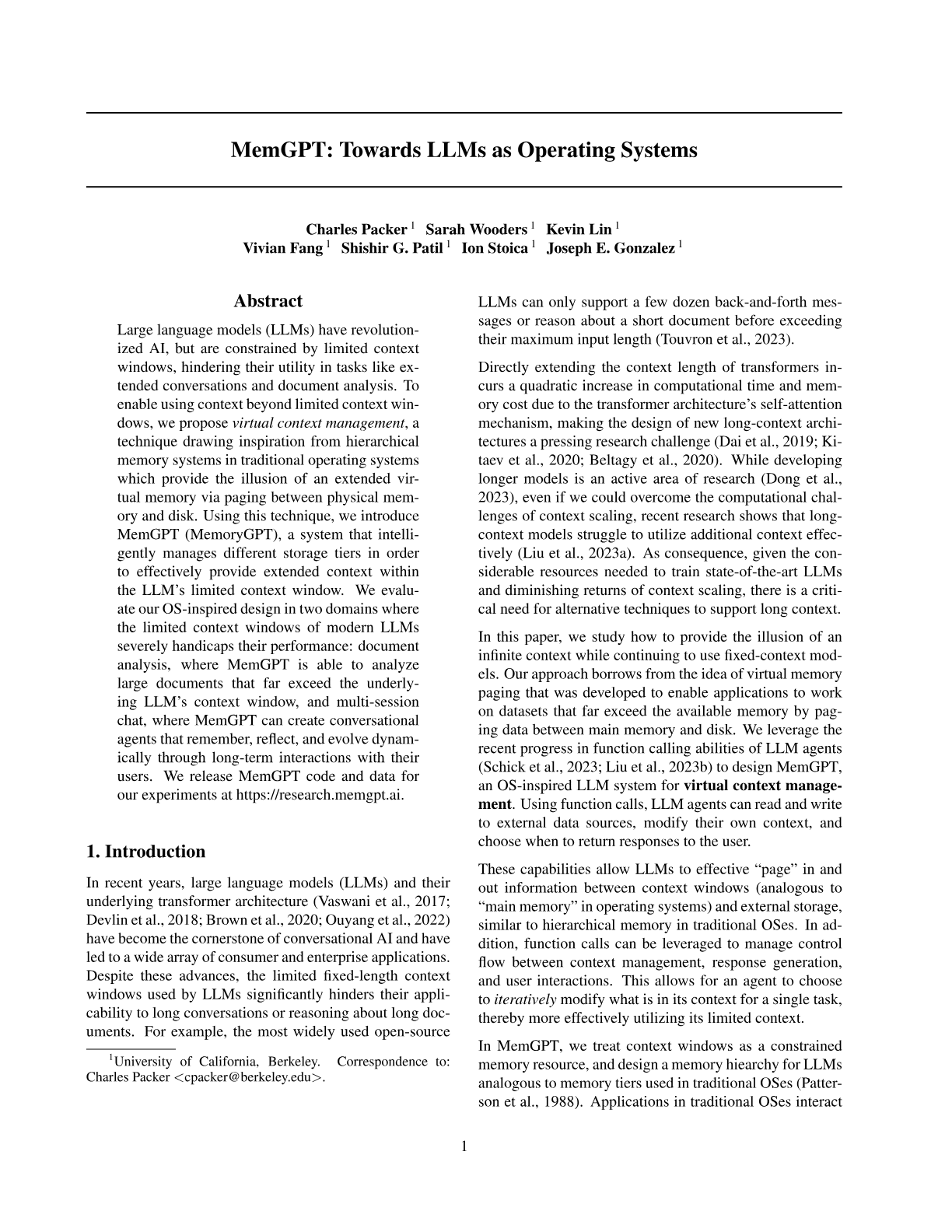
MemGPT: Towards LLMs as Operating Systems
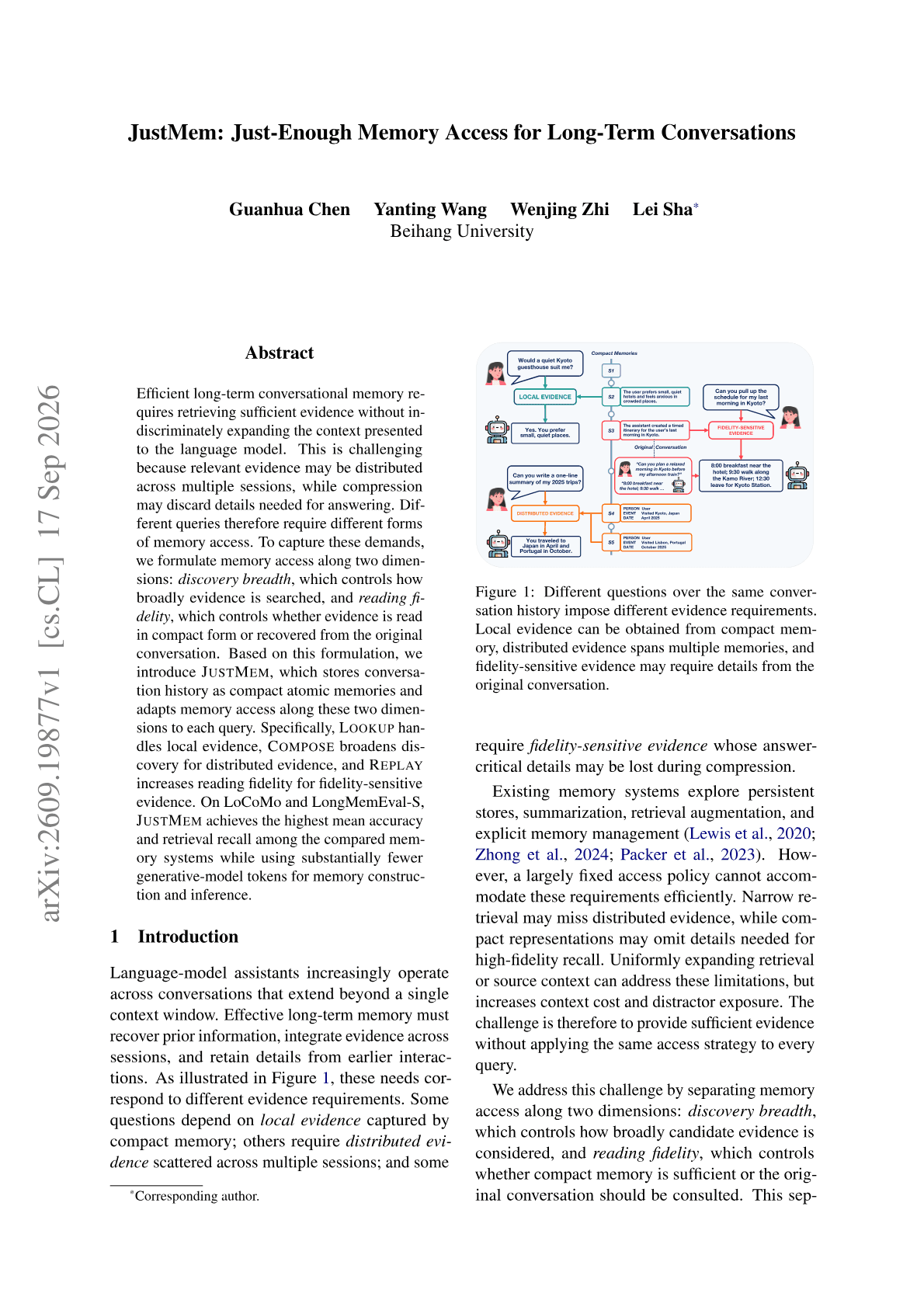
Charles Packer et al. · 2023Before this, context could only be appended to. MemGPT gives the model create, read, update, and delete over a carved-out region of its own context, which is the move that turns a transcript into managed state.
- 794
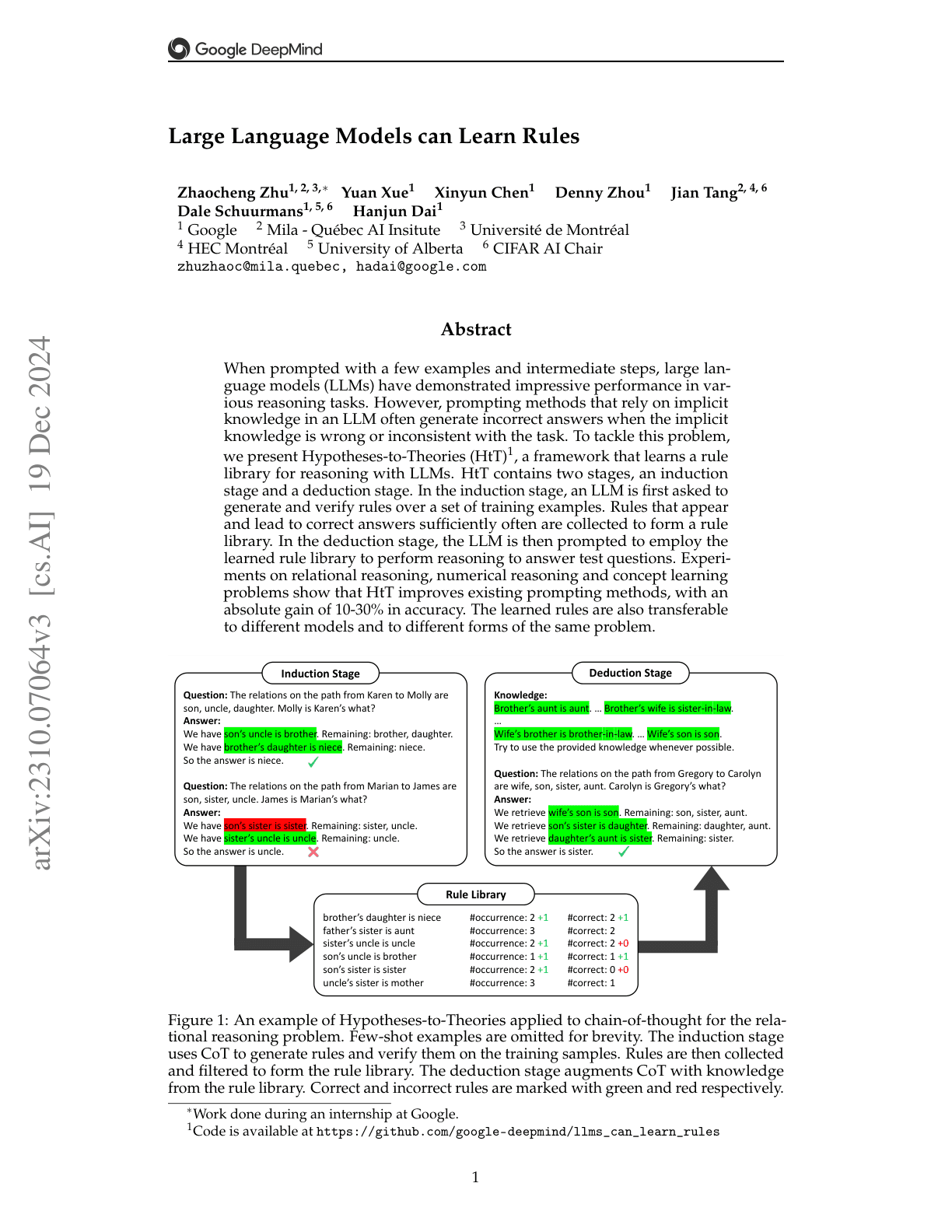
Hypothesis Search (LLMs Can Learn Rules)
Zhaocheng Zhu et al. · 2023 - 795
- 796
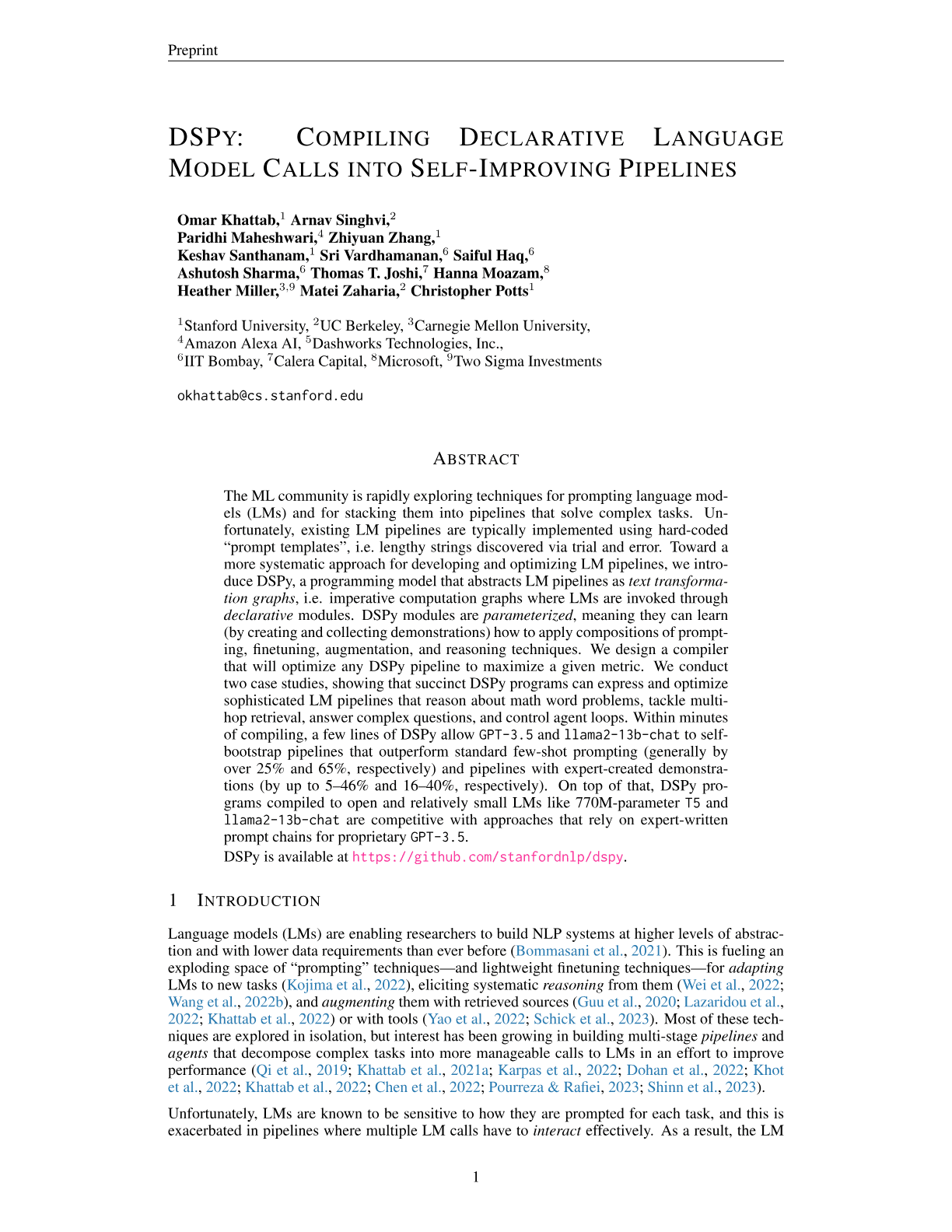
DSPy: Compiling Declarative Language Model Calls into Self-Improving Pipelines
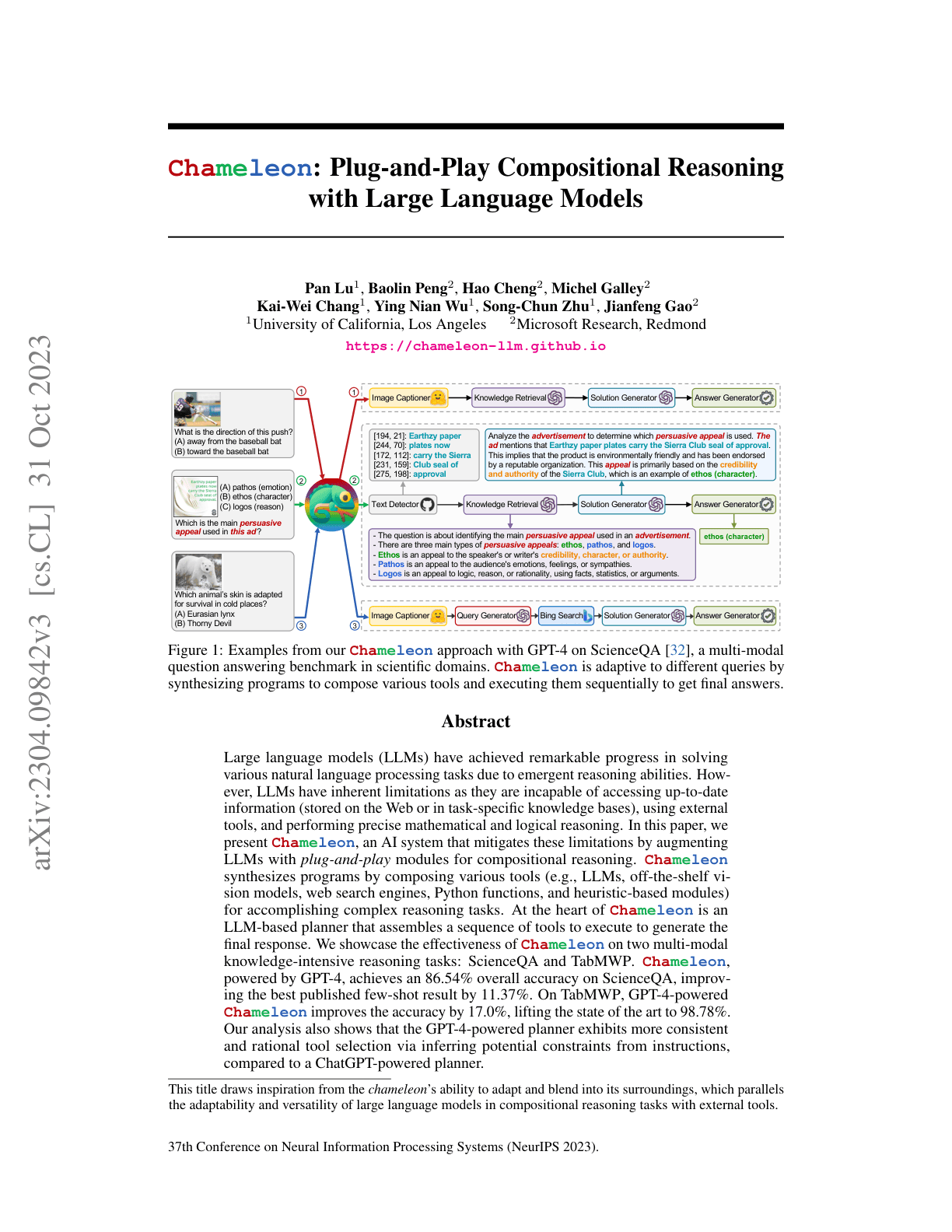
Omar Khattab et al. · 2023The first entry where the harness stops being hand-written. You cannot backpropagate through a prompt, so DSPy searches over prompts against a small train set instead, and the system prompt becomes an optimised artifact rather than an author's guess.
- 797
- 798
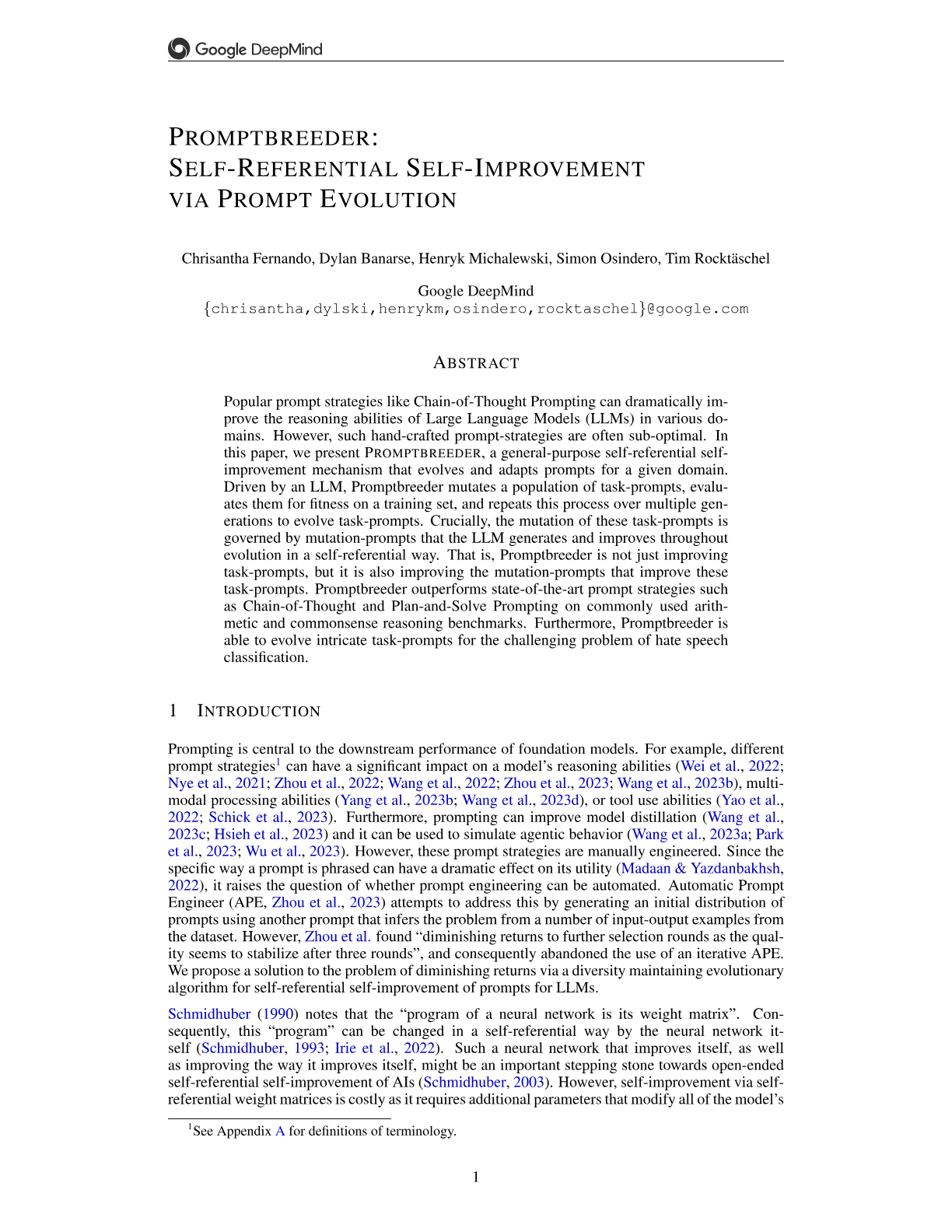
Promptbreeder: Self-Referential Self-Improvement Via Prompt Evolution
Chrisantha Fernando et al. · 2023 - 799
- 800
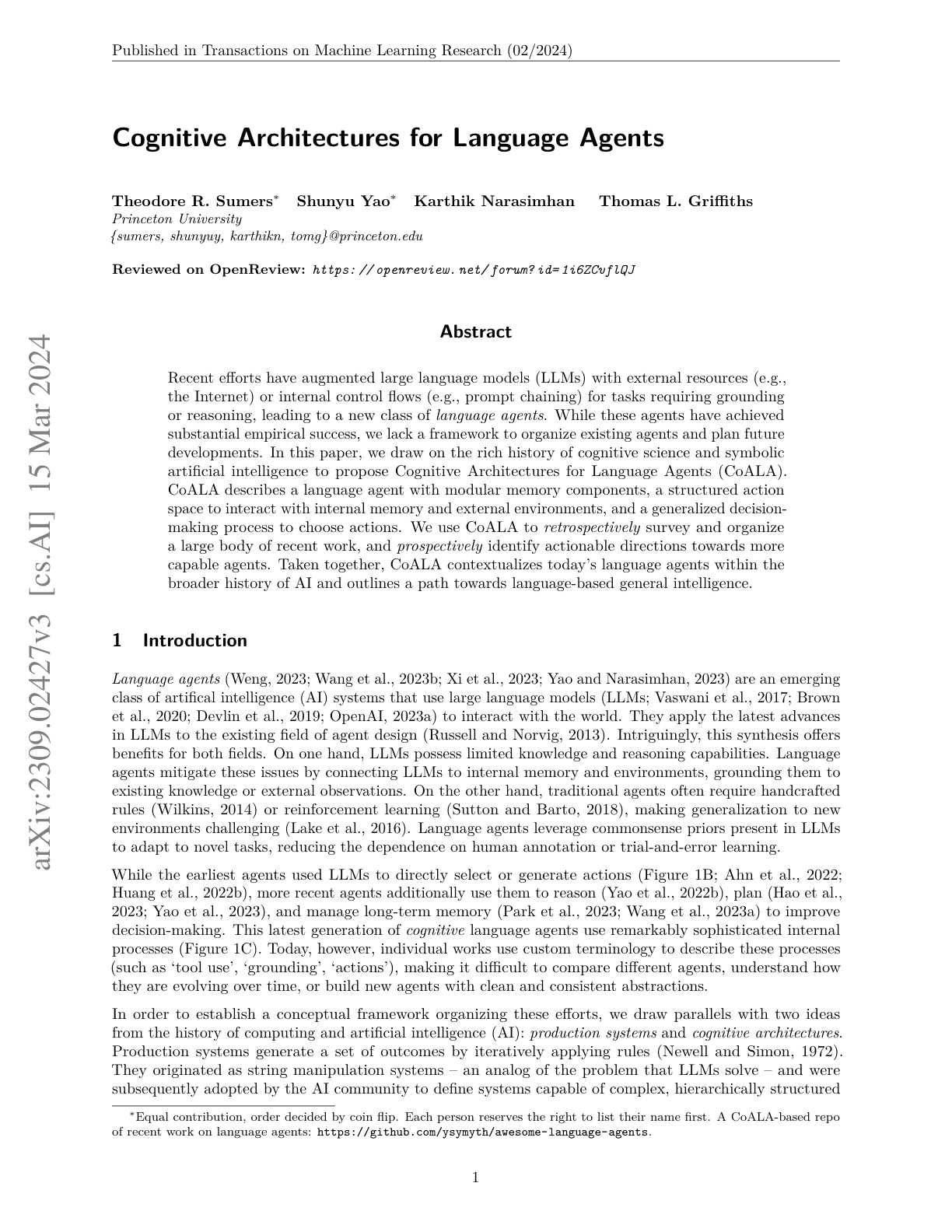
Cognitive Architectures for Language Agents (CoALA)
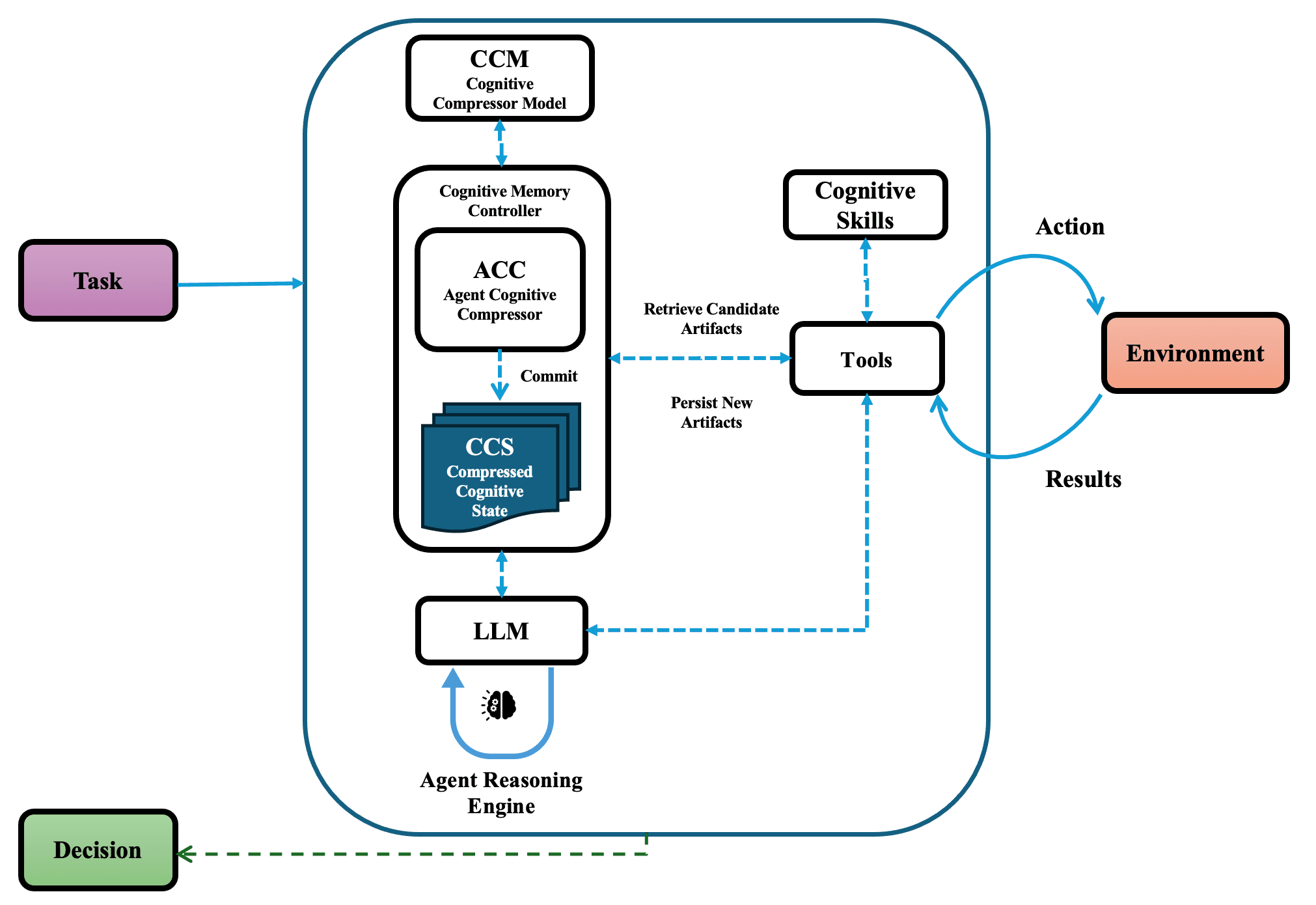
Theodore R. Sumers et al. · 2023 - 801
- 802
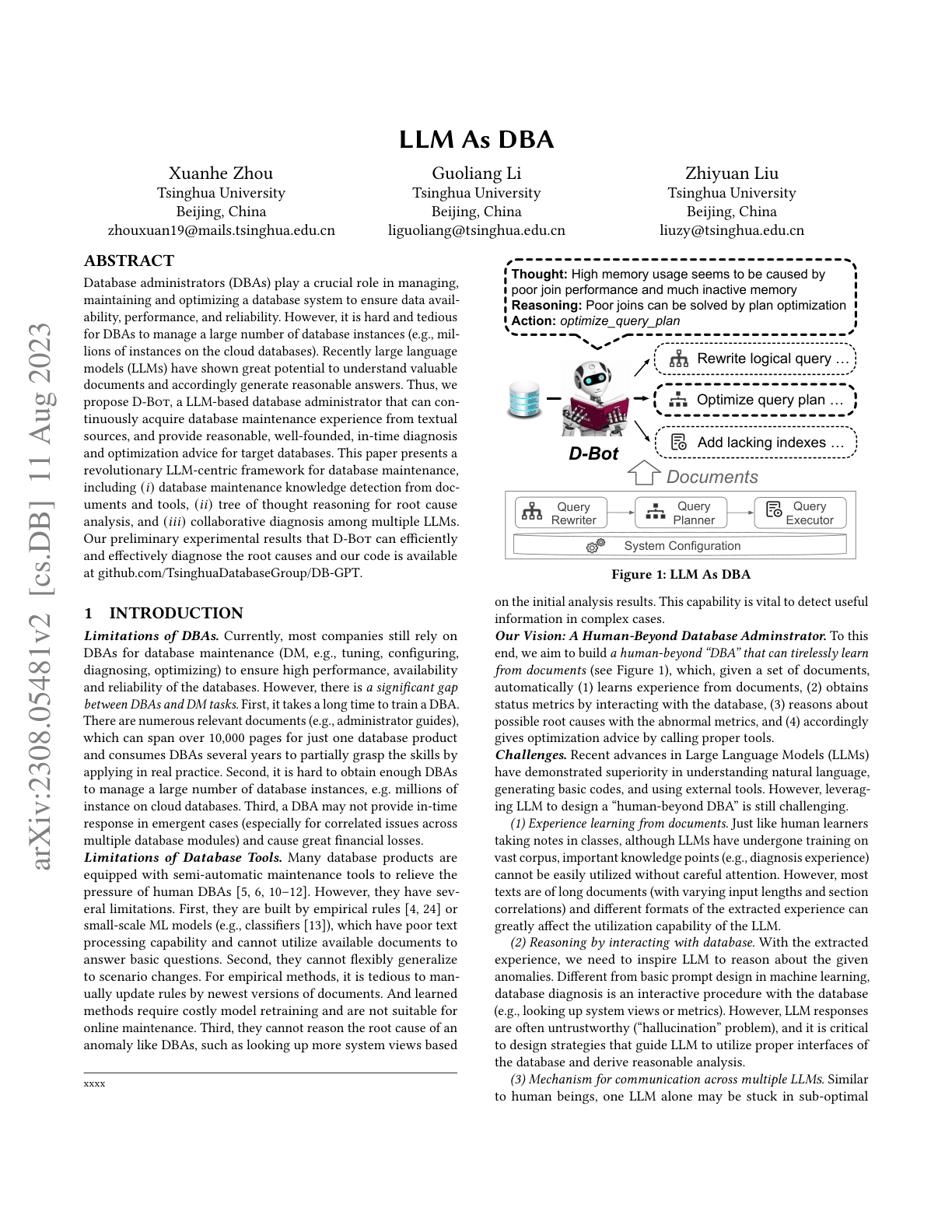
D-Bot (LLMs as Database Administrators)
Xuanhe Zhou, Guoliang Li, Zhiyuan Liu · 2023 - 803
- 804
- 805
- 806
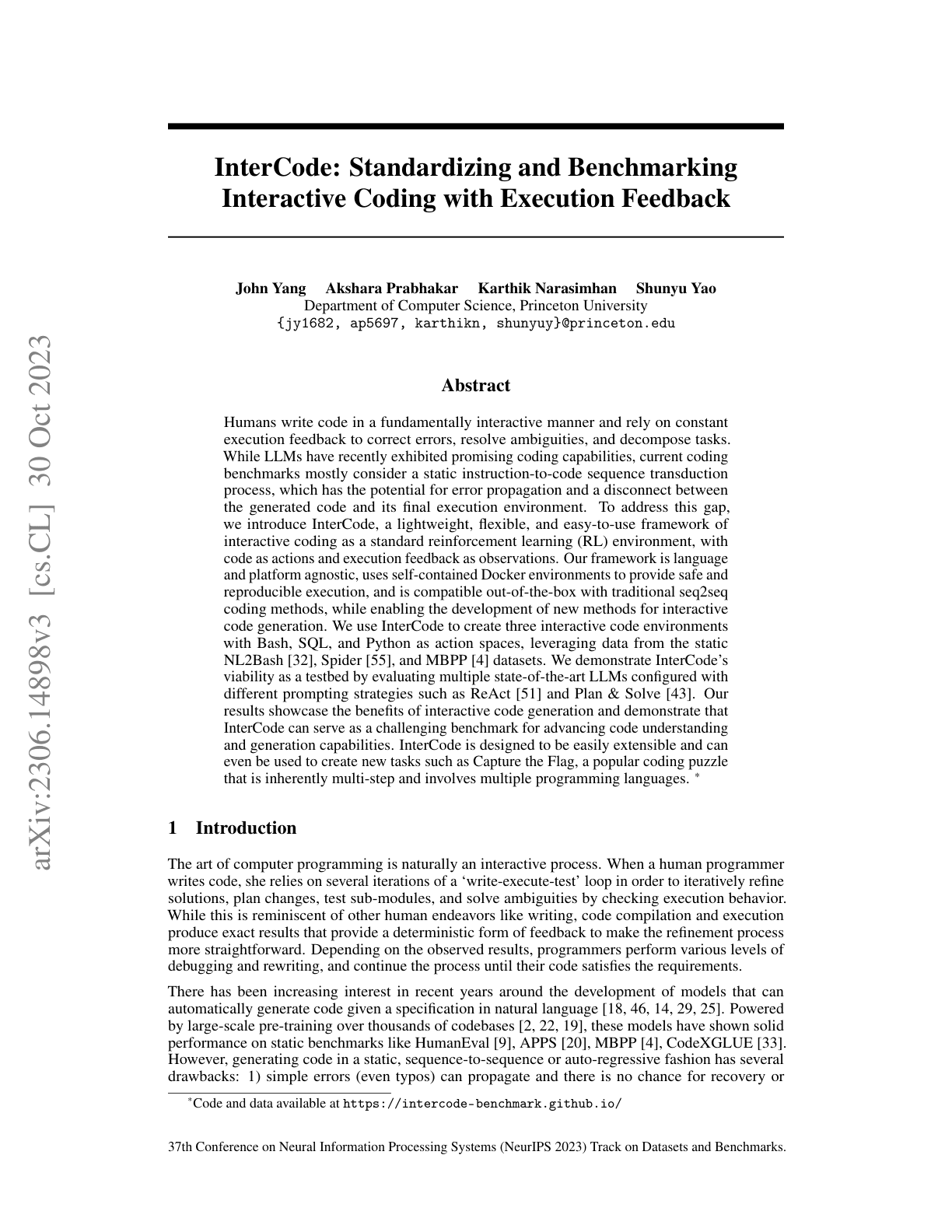
InterCode: Standardizing and Benchmarking Interactive Coding with Execution Feedback
John Yang et al. · 2023Once the action is code, the tool list stops being finite. InterCode makes the interactive coding loop a standard environment with execution feedback, which is the direct ancestor of the persistent REPL that Prime Agent builds its whole design on.
- 807
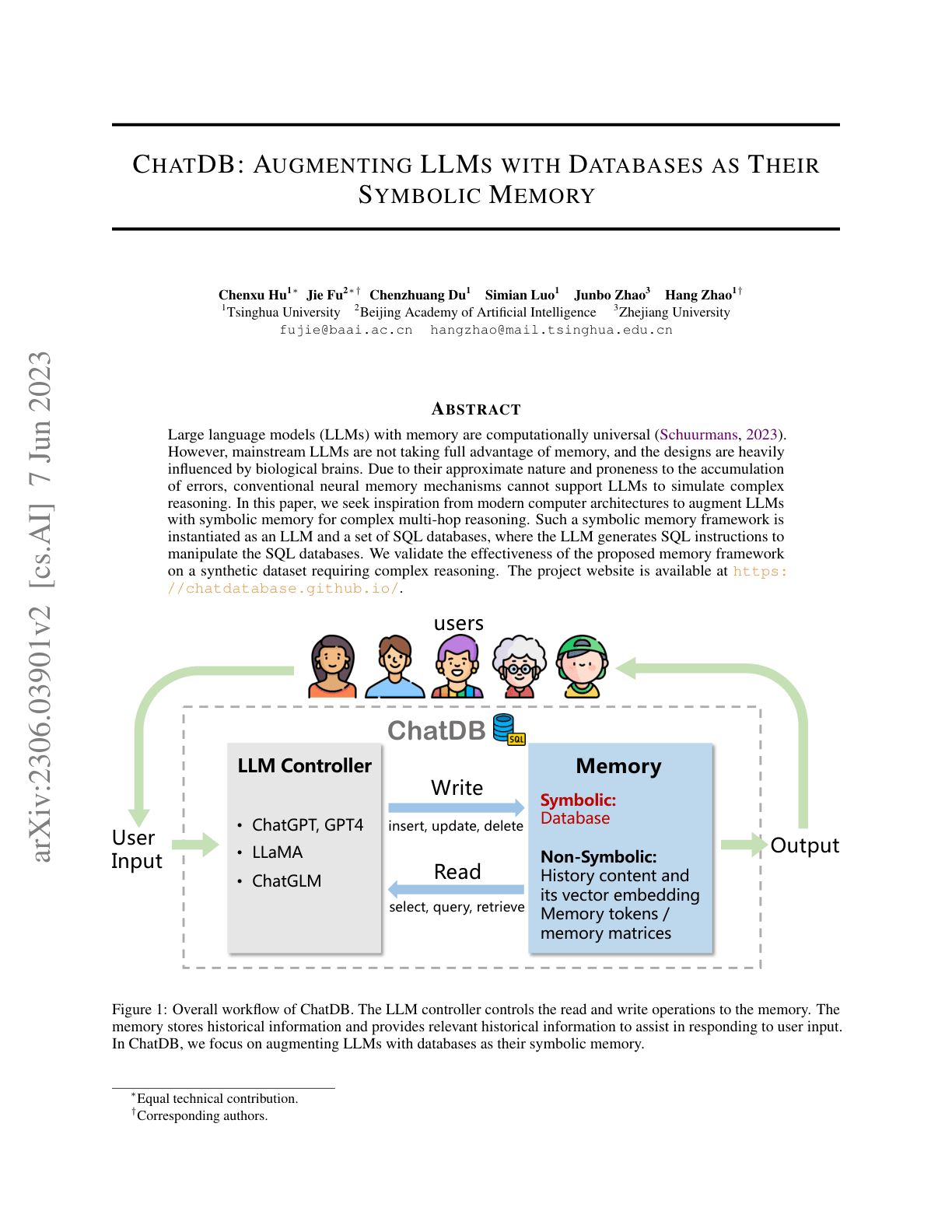
Augmenting LLMs with Databases (ChatDB)
Chenxu Hu et al. · 2023 - 808
Multi-Agent Collaboration: Harnessing the Power of Intelligent LLM Agents
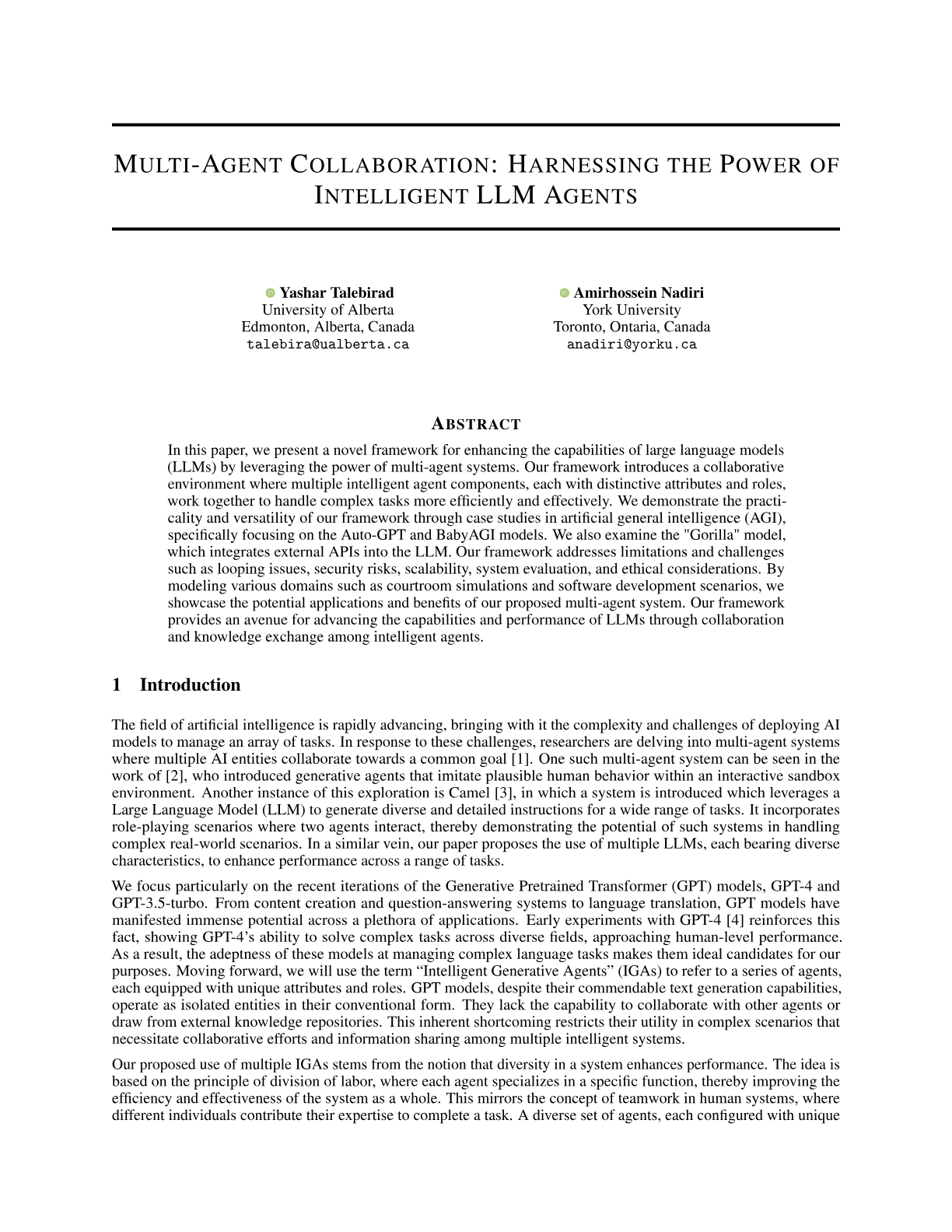
Yashar Talebirad, Amirhossein Nadiri · 2023Spawning another agent becomes just another tool call. The framing here, agents with roles that persist and can be addressed, is what makes sub-agents an addressable resource rather than a one-shot fan-out.
- 809
Voyager: An Open-Ended Embodied Agent with Large Language Models
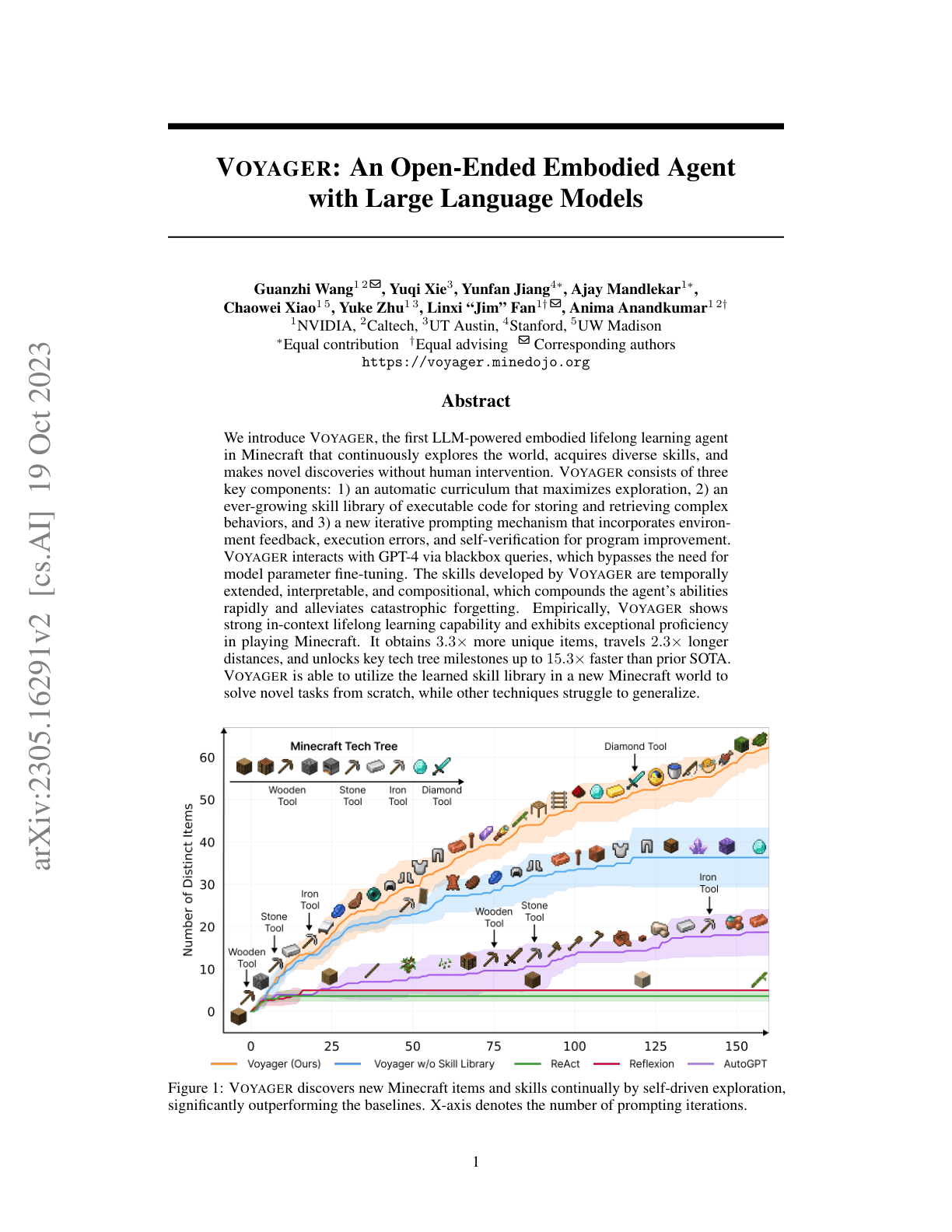
Guanzhi Wang et al. · 2023Where skills come from. Voyager chains tools into a routine, verifies it worked in Minecraft, and writes it back to a library the agent searches later. Read the skill library section and you are reading the design of the SKILLS.md sitting in your repo today.
- 810
- 811
- 812
- 813
- 814
ChemCrow: Augmenting LLMs with Chemistry Tools
Andres M Bran et al. · 2023 - 815
Self-Refine: Iterative Refinement with Self-Feedback
Aman Madaan et al. · 2023The cheapest feedback loop there is: the same model grades its own draft and rewrites it, with no extra training and no environment. This is the internal evaluator in the slide's diagram, the branch that never leaves the harness.
- 816
Reflexion: Language Agents with Verbal Reinforcement Learning
Noah Shinn et al. · 2023Take the real reward signal from the environment and write it back into the context as words. Reflexion is where a failed episode stops being wasted, which is the seed of everything in the self-improving half of this list.
- 817
Toolformer: Language Models Can Teach Themselves to Use Tools
Timo Schick et al. · 2023Where tool calling comes from. Instead of computing five minus three in the weights, the model emits a call and the harness runs it. Declare the tools in the system prompt and the action space is suddenly whatever you are willing to execute.
- 818
- 819
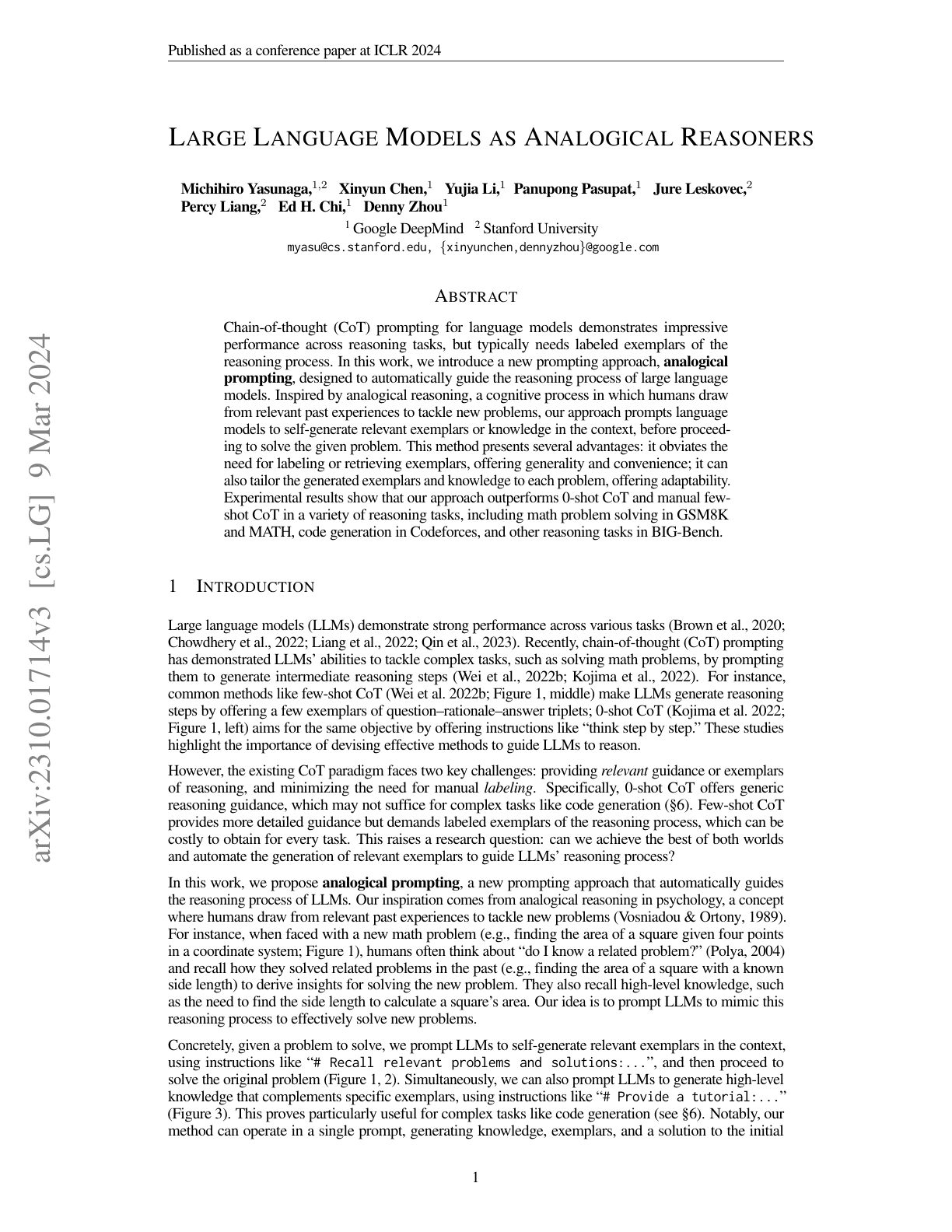
ReAct: Synergizing Reasoning and Acting in Language Models
Shunyu Yao et al. · 2022Interleave a thought and an action instead of choosing between them. ReAct is the shape almost every agent loop still has, and the talk's point is that models now do this natively, so a modern harness should stop imposing it.
- 820
Large Language Models are Zero-Shot Reasoners
Takeshi Kojima et al. · 2022 - 821
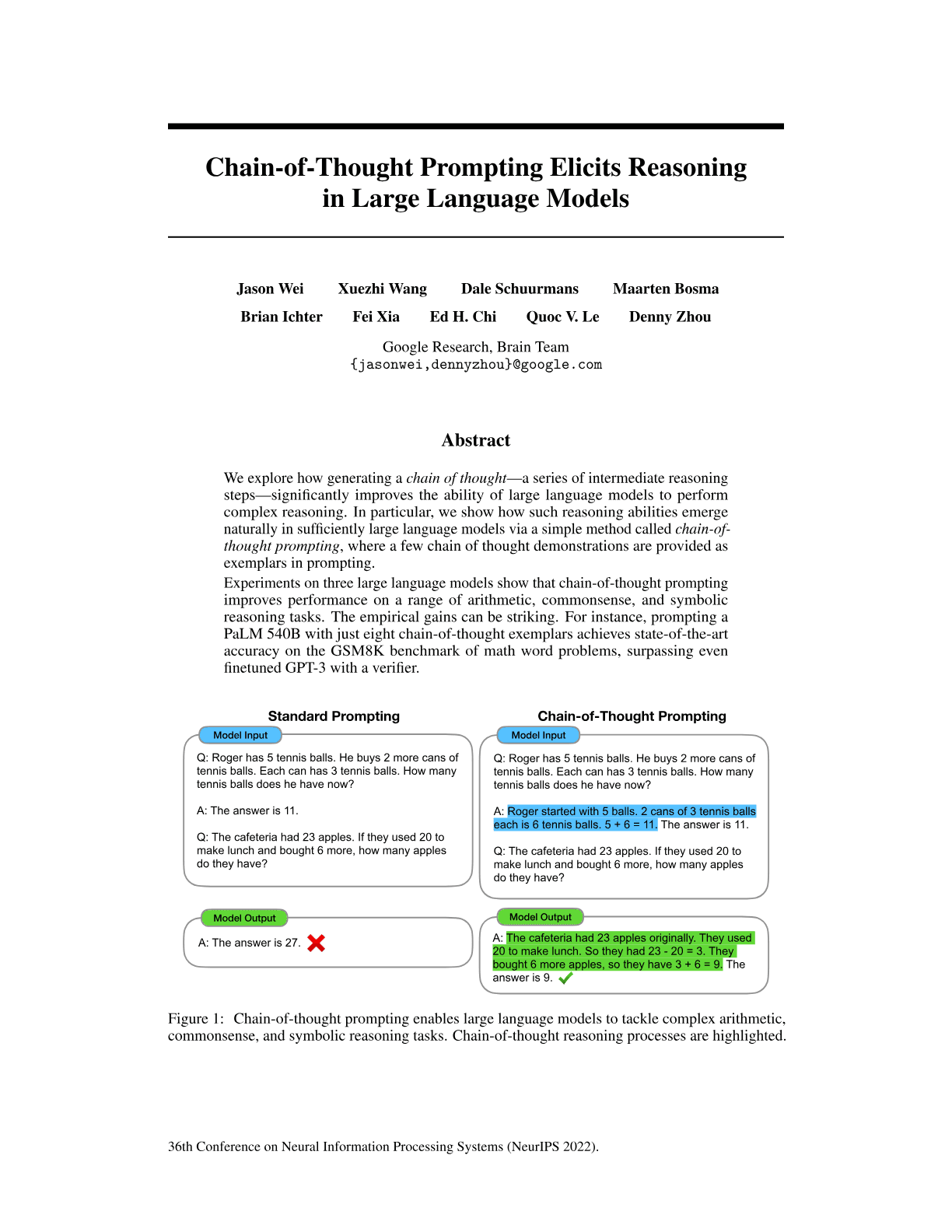
Chain-of-Thought Prompting Elicits Reasoning in Large Language Models
Jason Wei et al. · 2022Smear the computation over more tokens instead of demanding the answer in one. This is the first output-space intervention in the lineage, and the reason every harness since budgets tokens rather than calls.
- 822
- 823
WebGPT: Browser-assisted question-answering with human feedback
Reiichiro Nakano et al. · 2021The first time the loop reached outside itself. WebGPT gives a model a browser and human feedback on how it used one, which turns retrieval from a preprocessing step into an action the model chooses to take.
- 824
Language Models are Few-Shot Learners
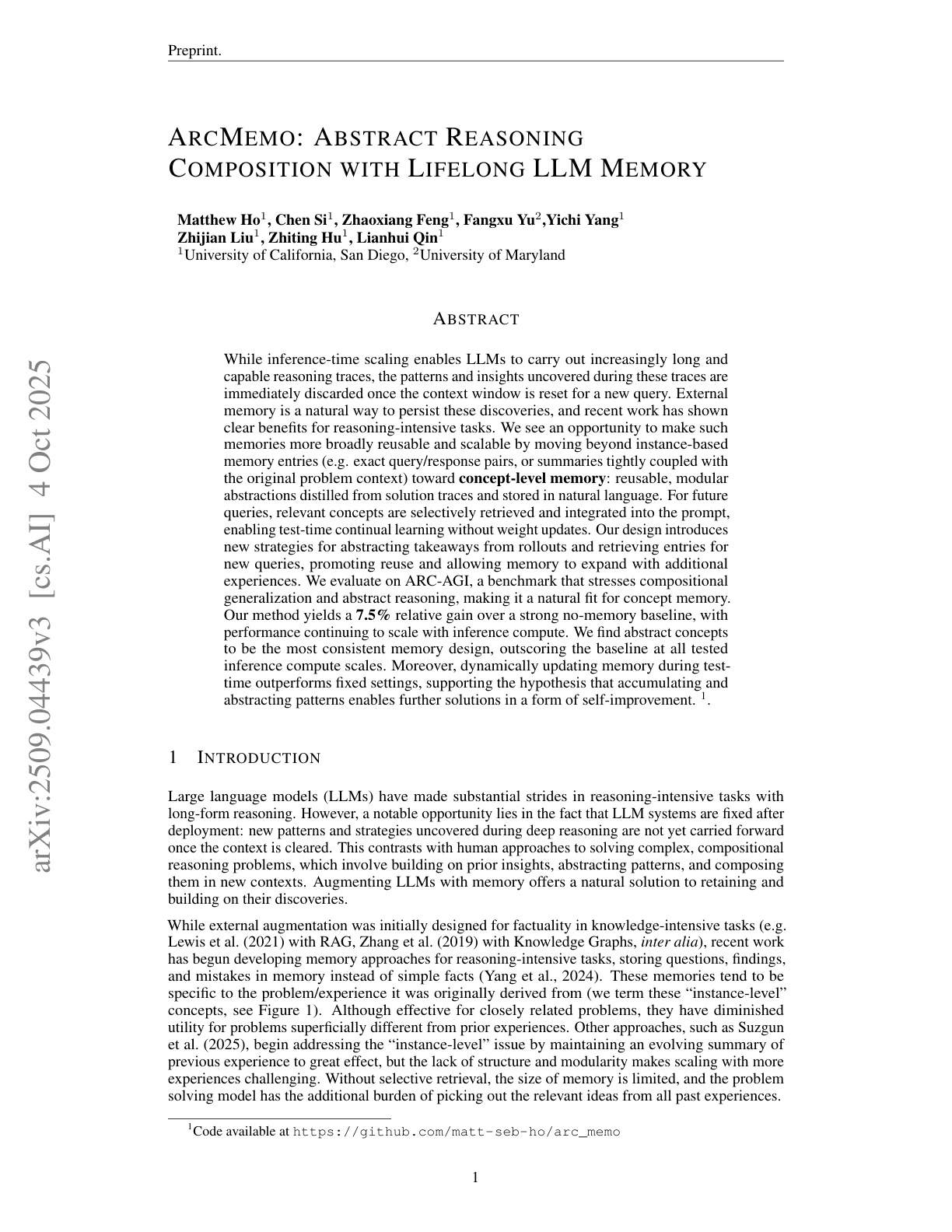
Tom B. Brown et al. · 2020The first thing anyone ever put in a harness. Nothing about the loop changes here: you simply paste solved examples above the question and accuracy moves. That makes the context window the first place a system designer can spend effort, and every technique further down this list is a descendant of that realisation.
- 825
Language Models are Unsupervised Multitask Learners
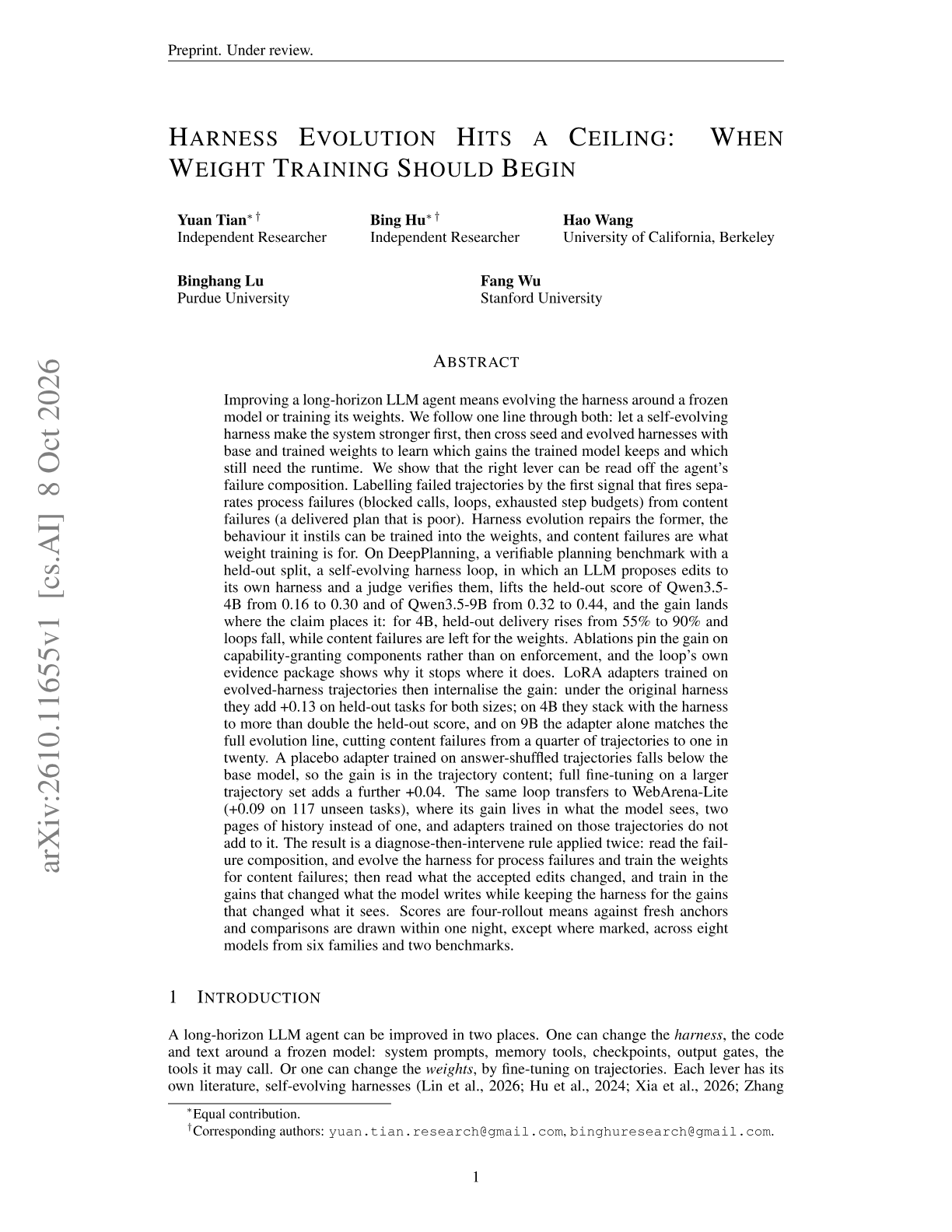
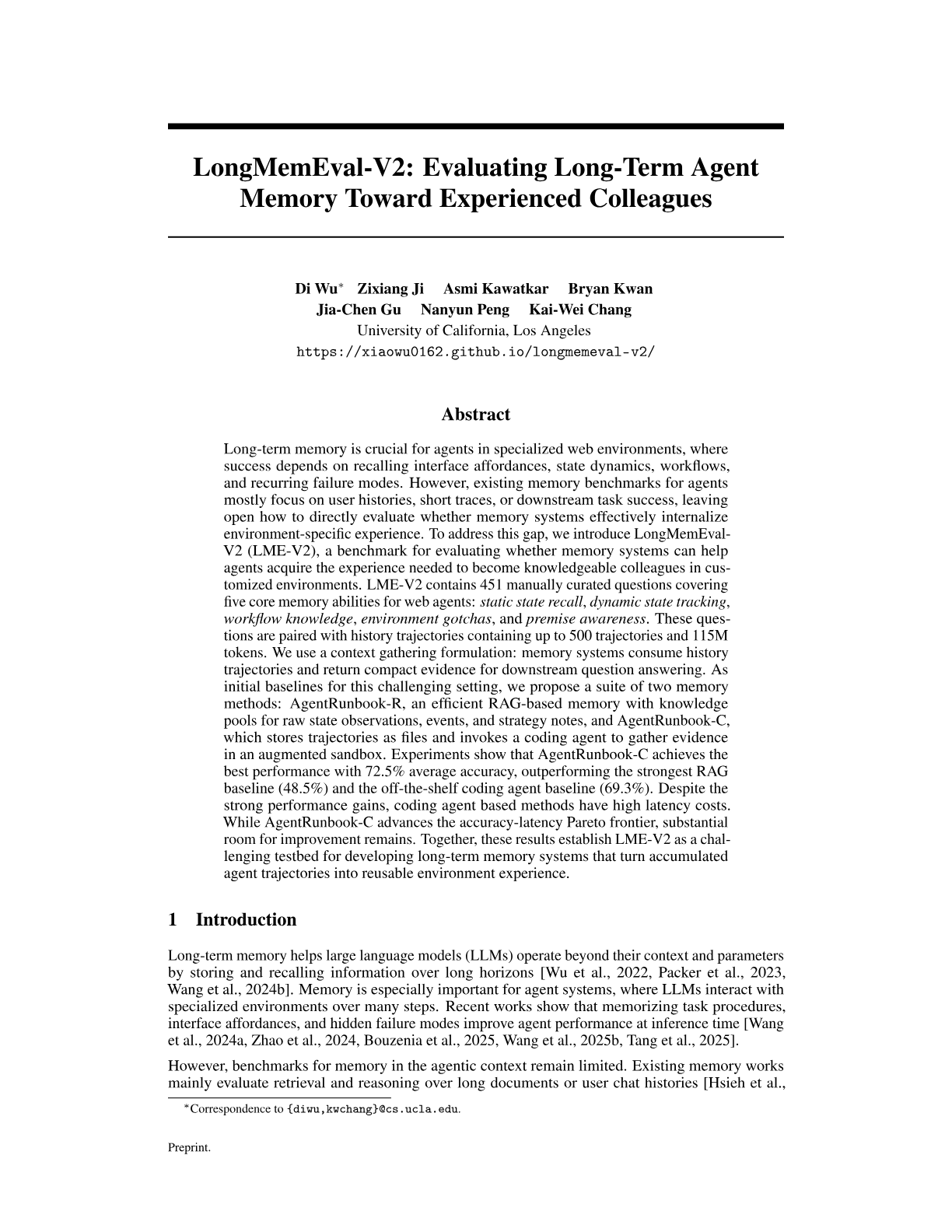
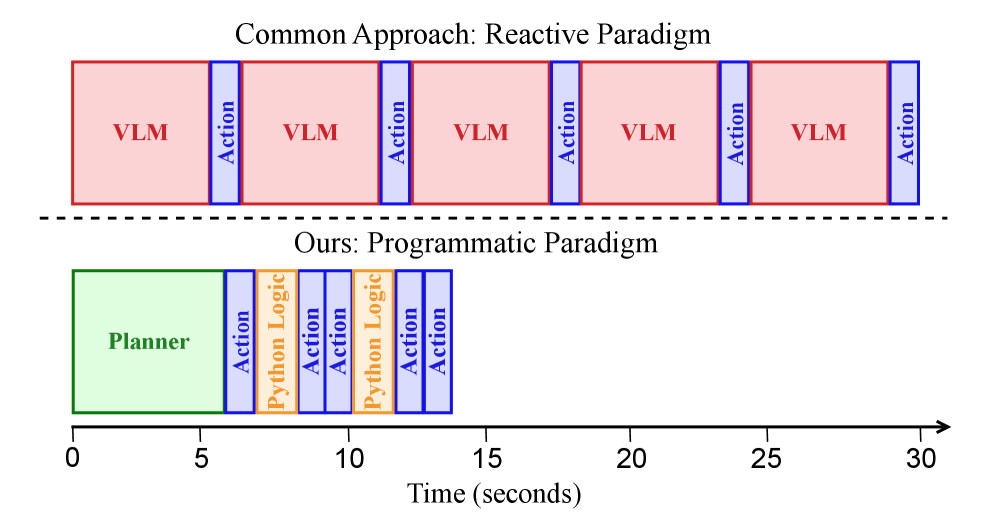
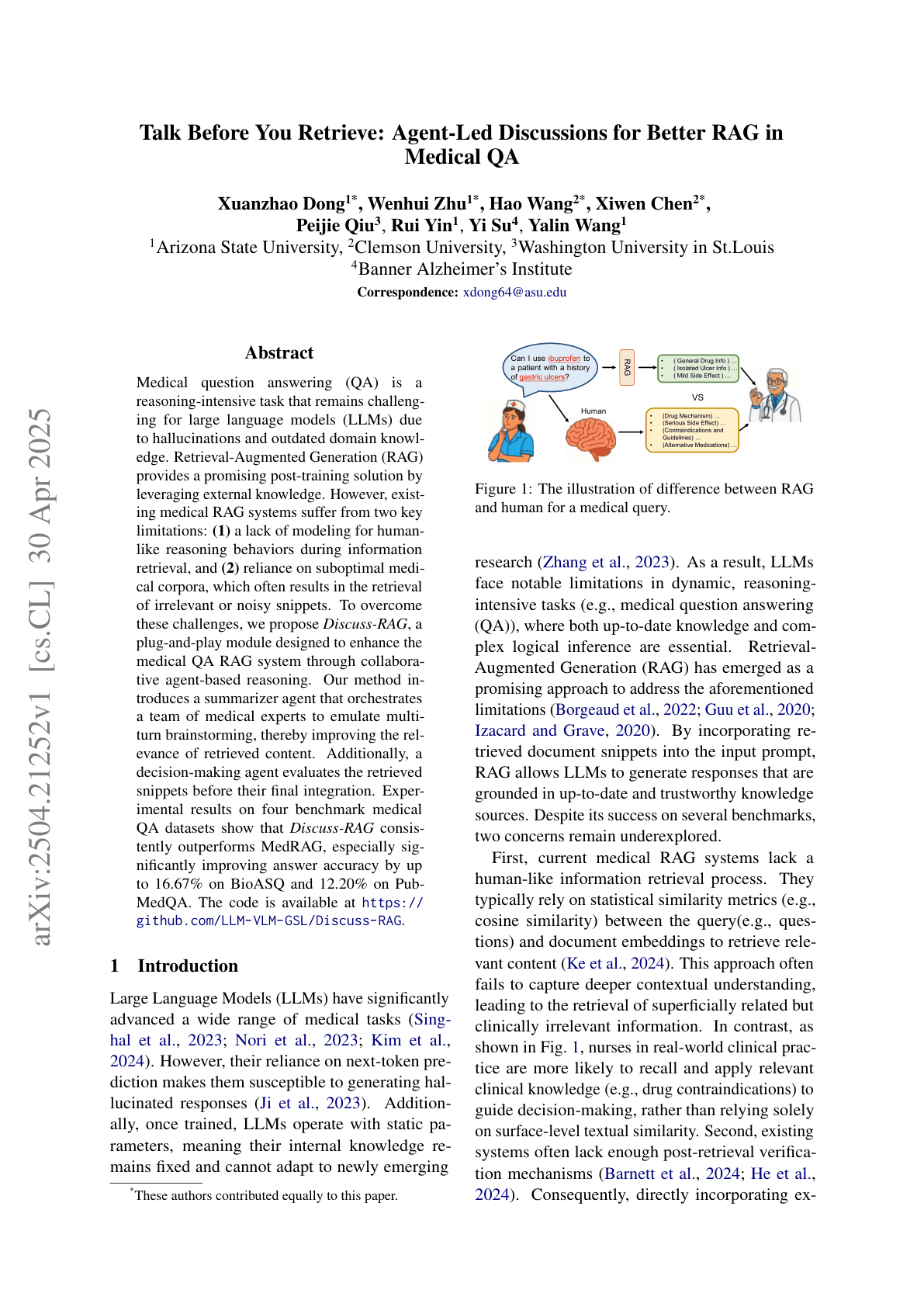
Alec Radford et al. · 2019The V0 harness, and the baseline every later entry is measured against. There is no tool calling here, no skills, no memory: a while-not-EOS loop, top-p sampling, and an environment that scores whatever comes after the delimiter. The talk opens the history here precisely because so little is present, which makes the next six years legible as one move repeated, giving the loop something new it is allowed to do.

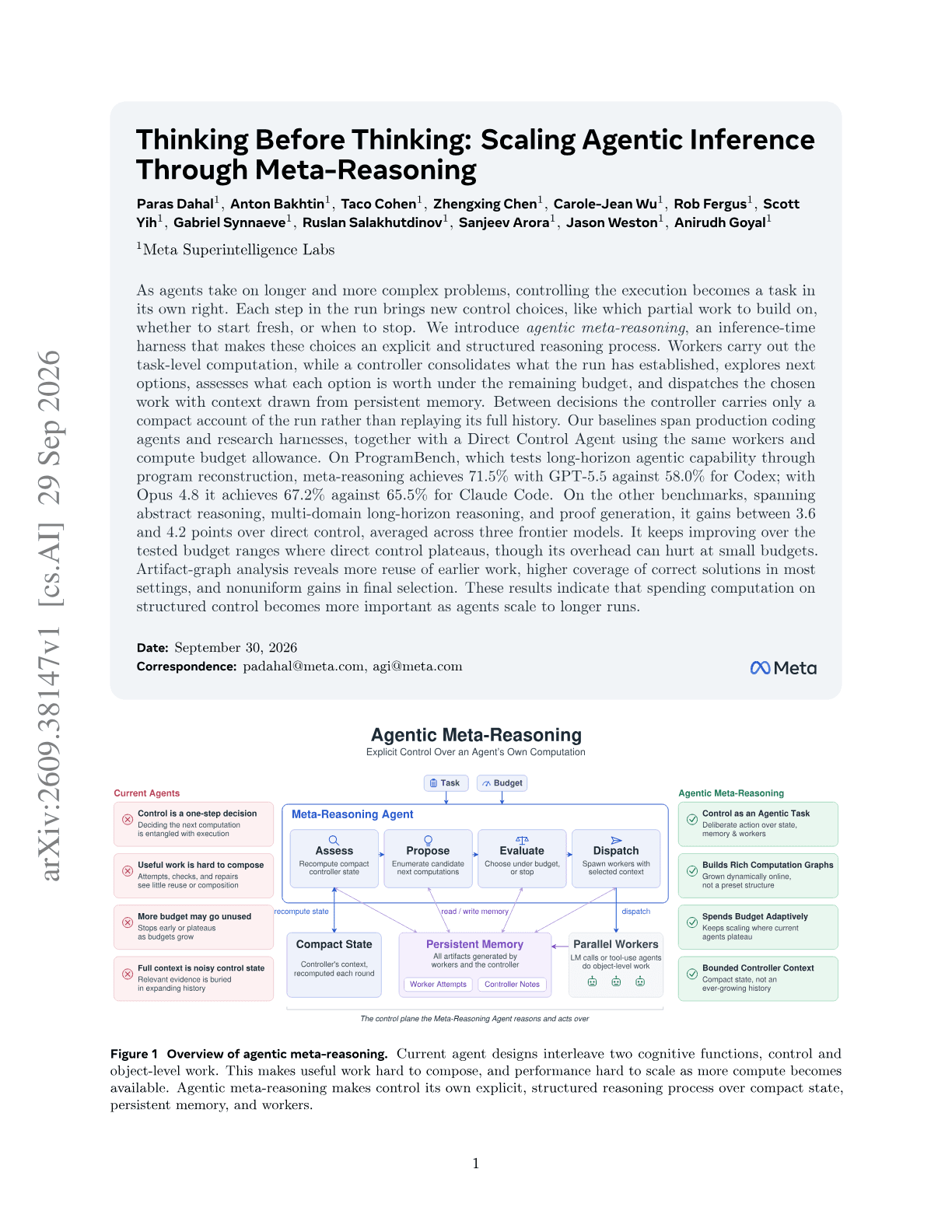
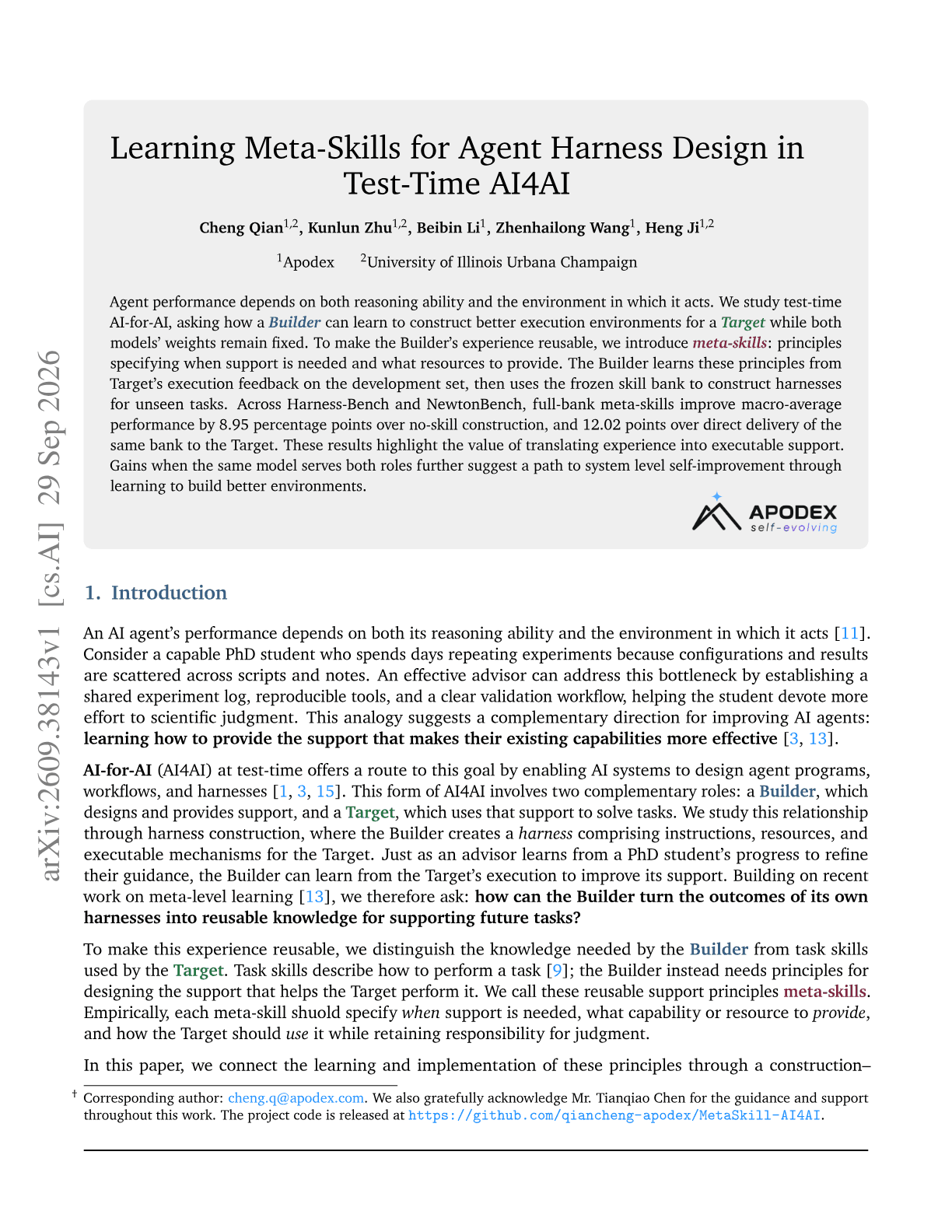
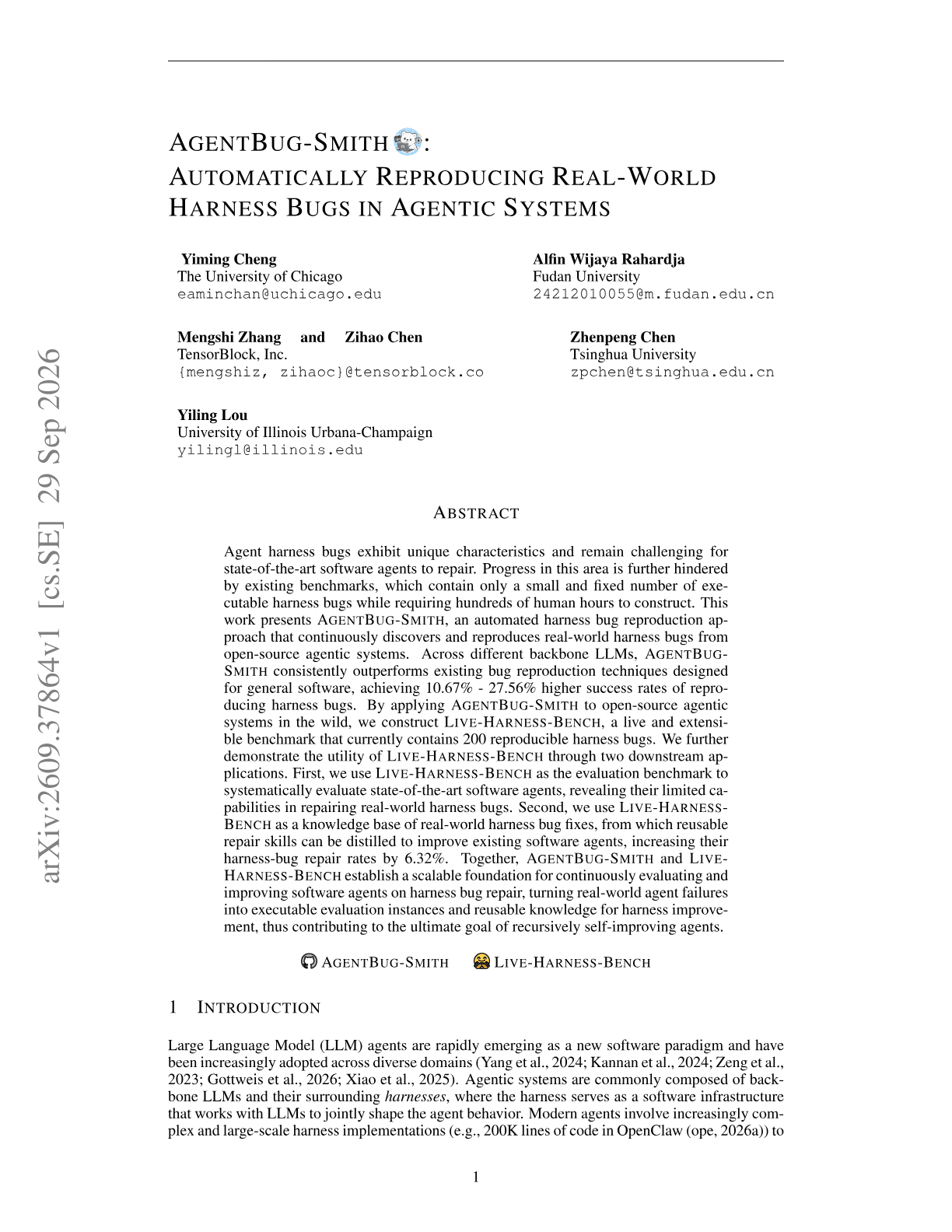
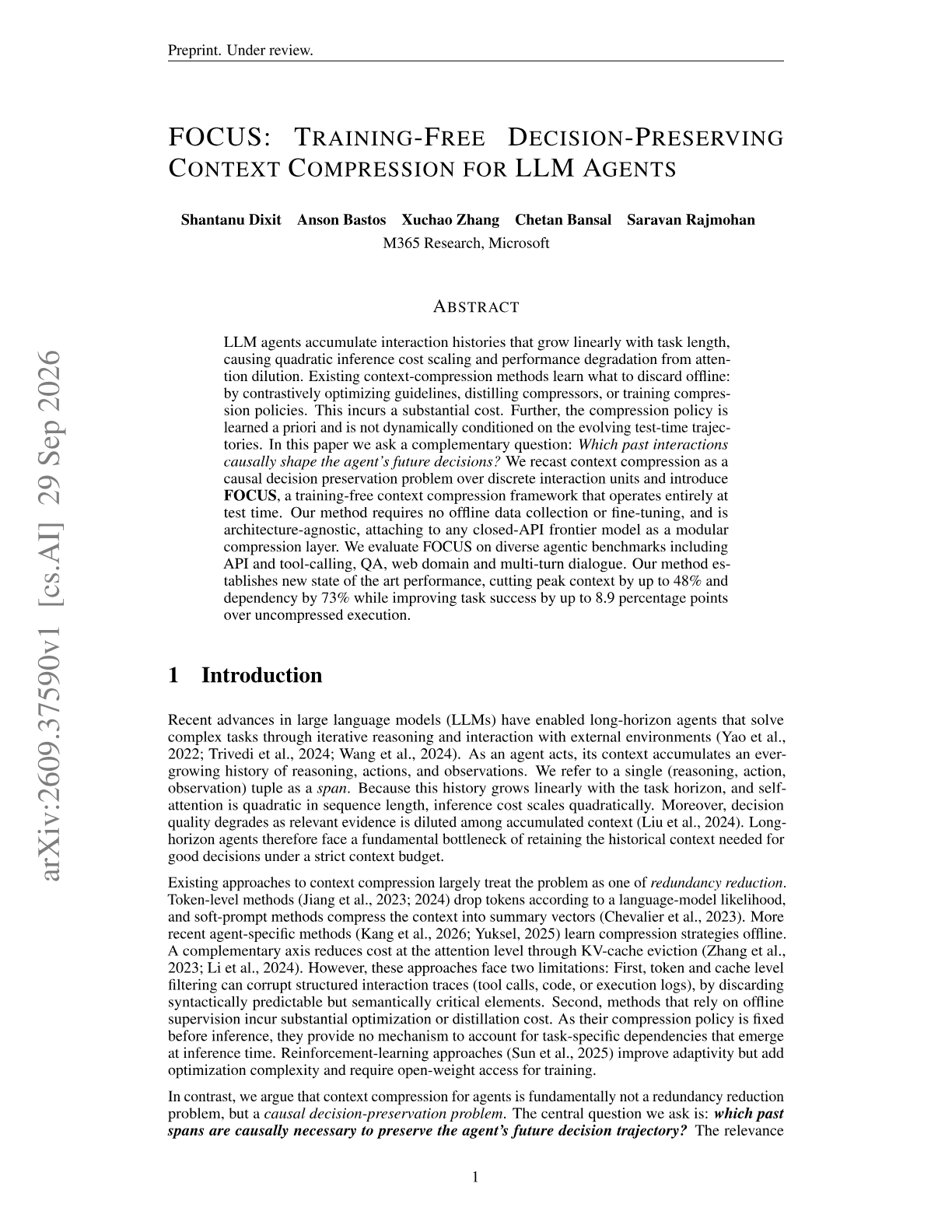
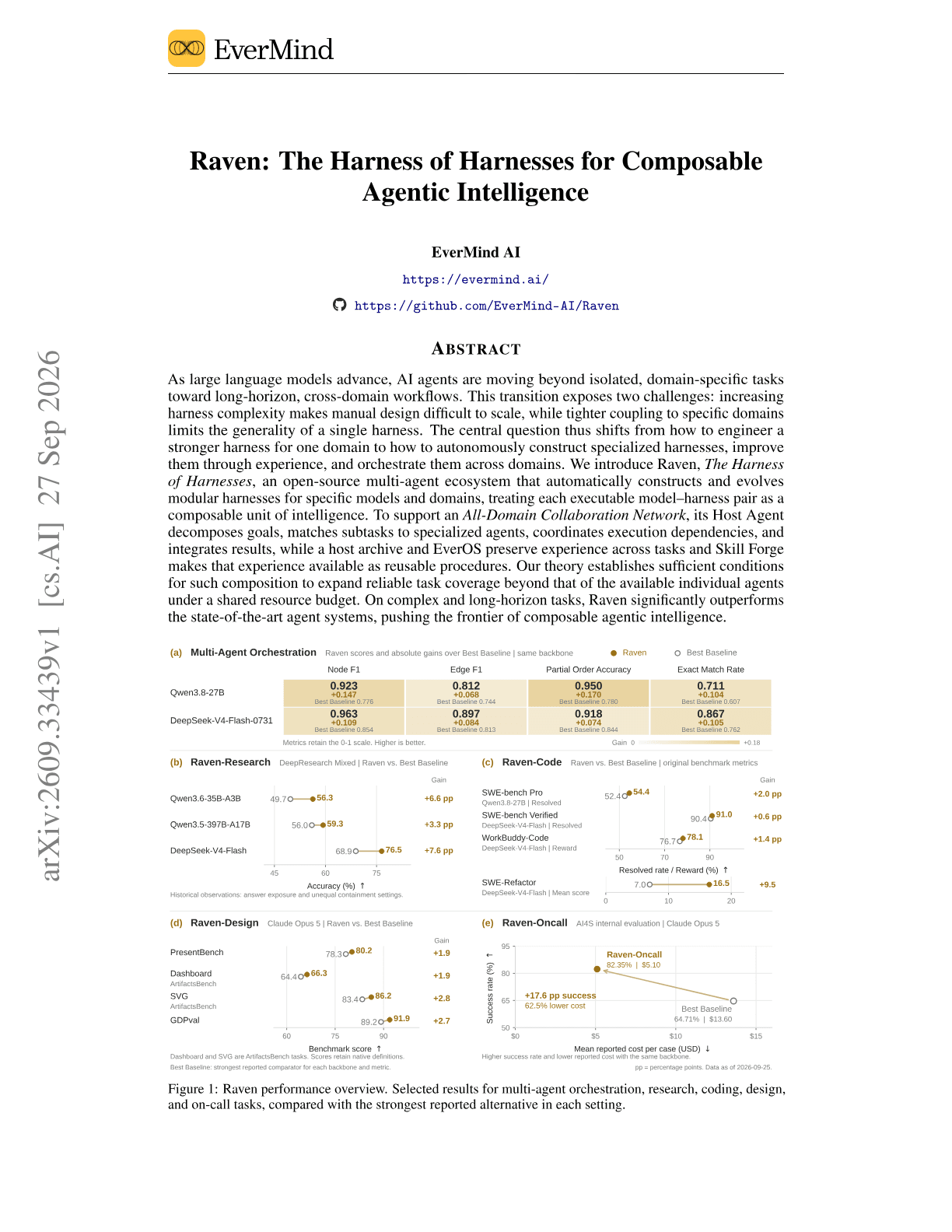
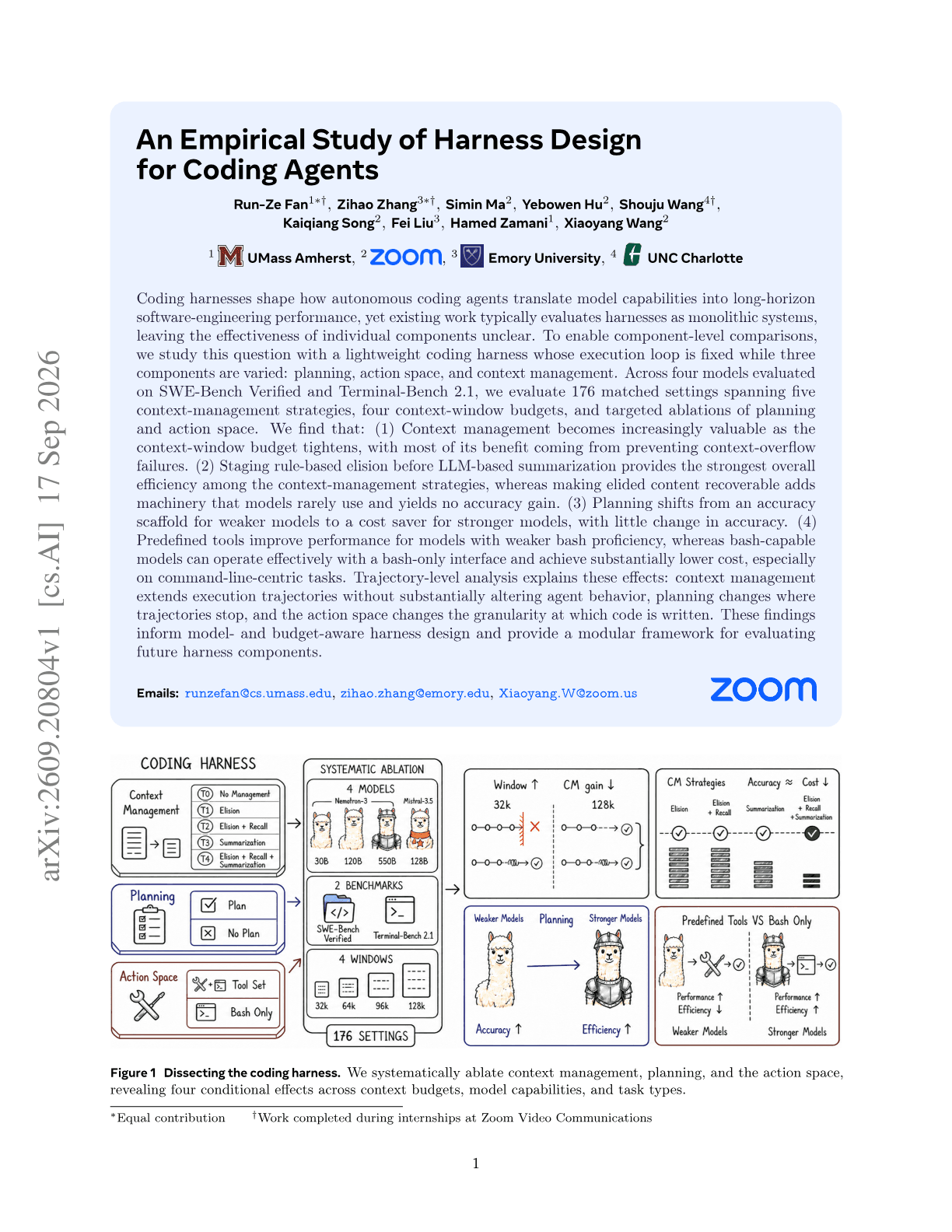
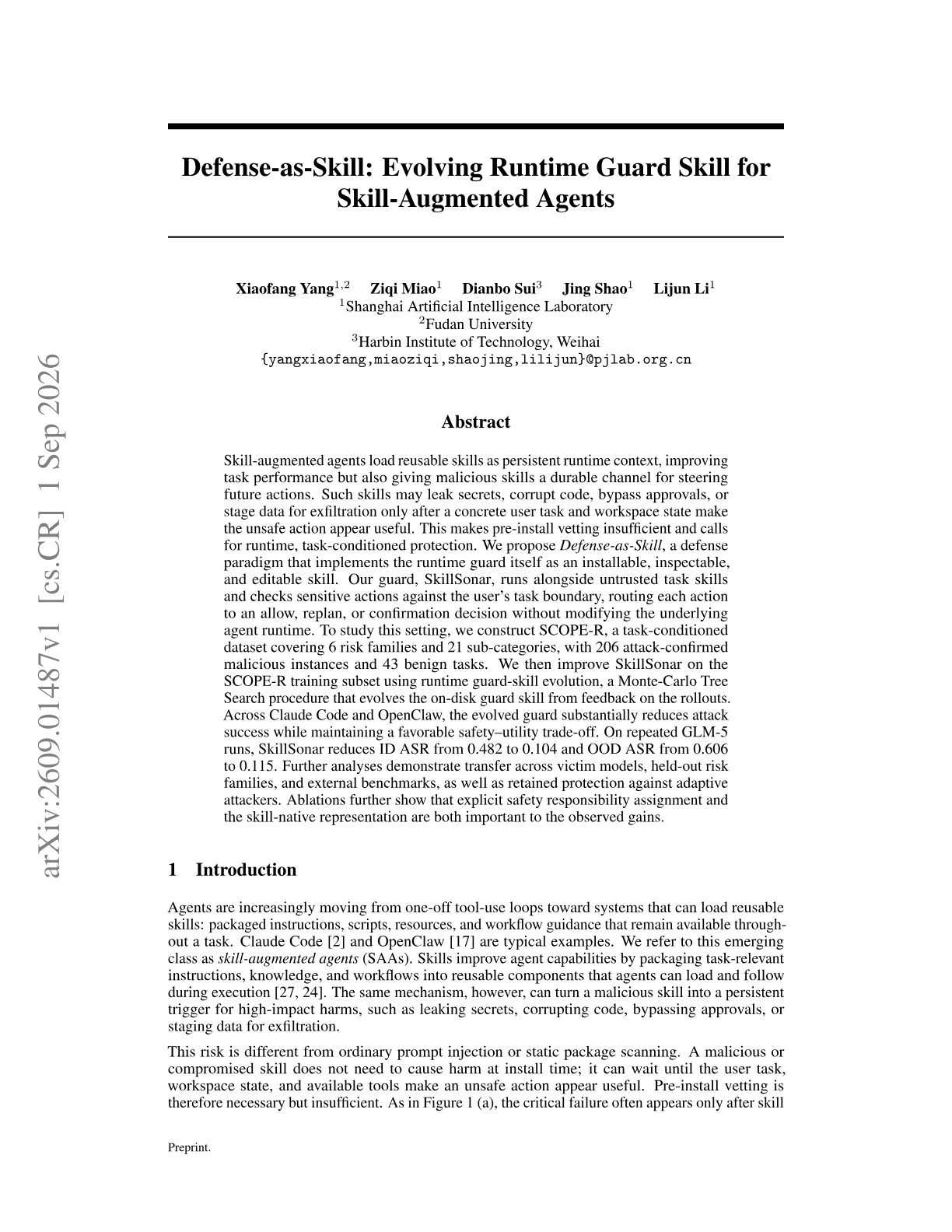
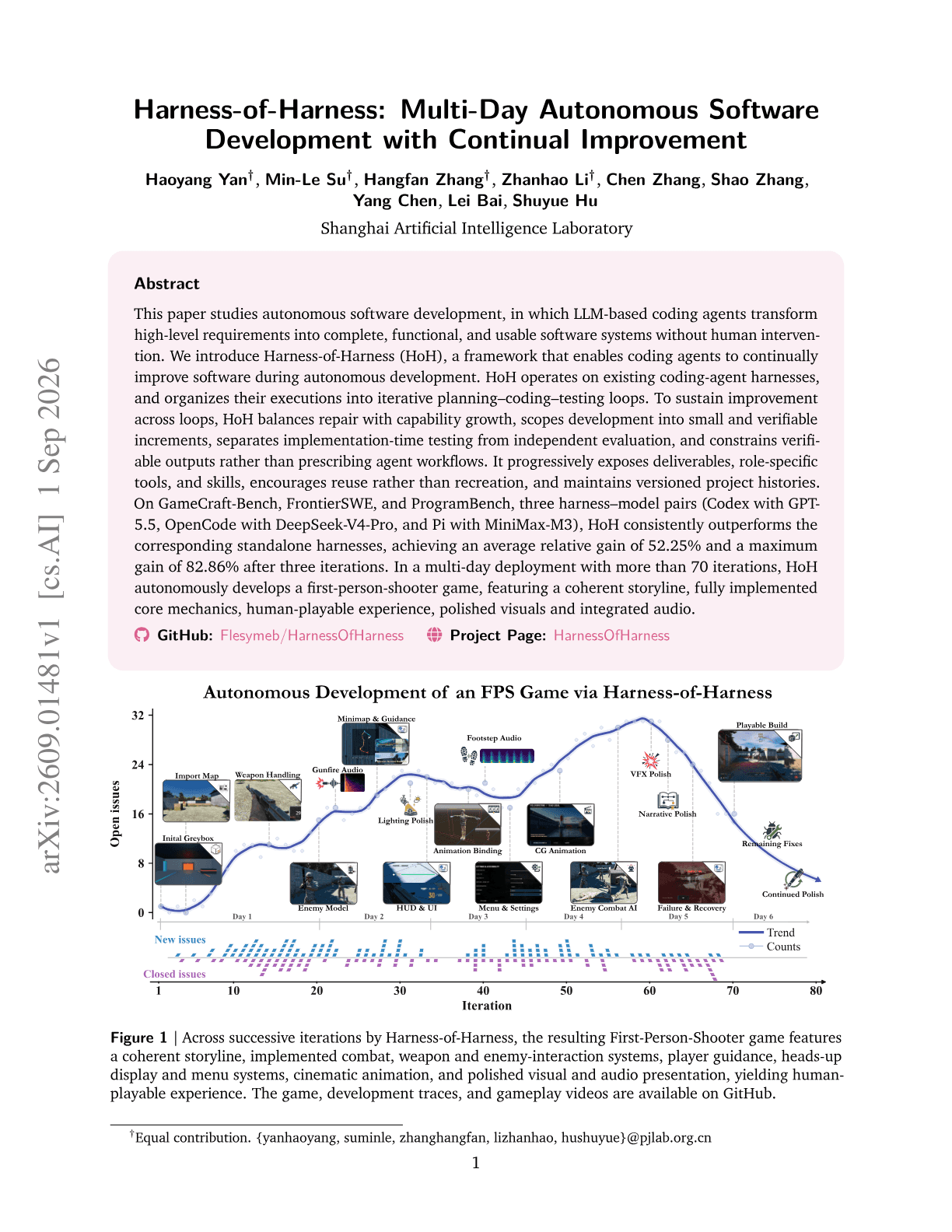
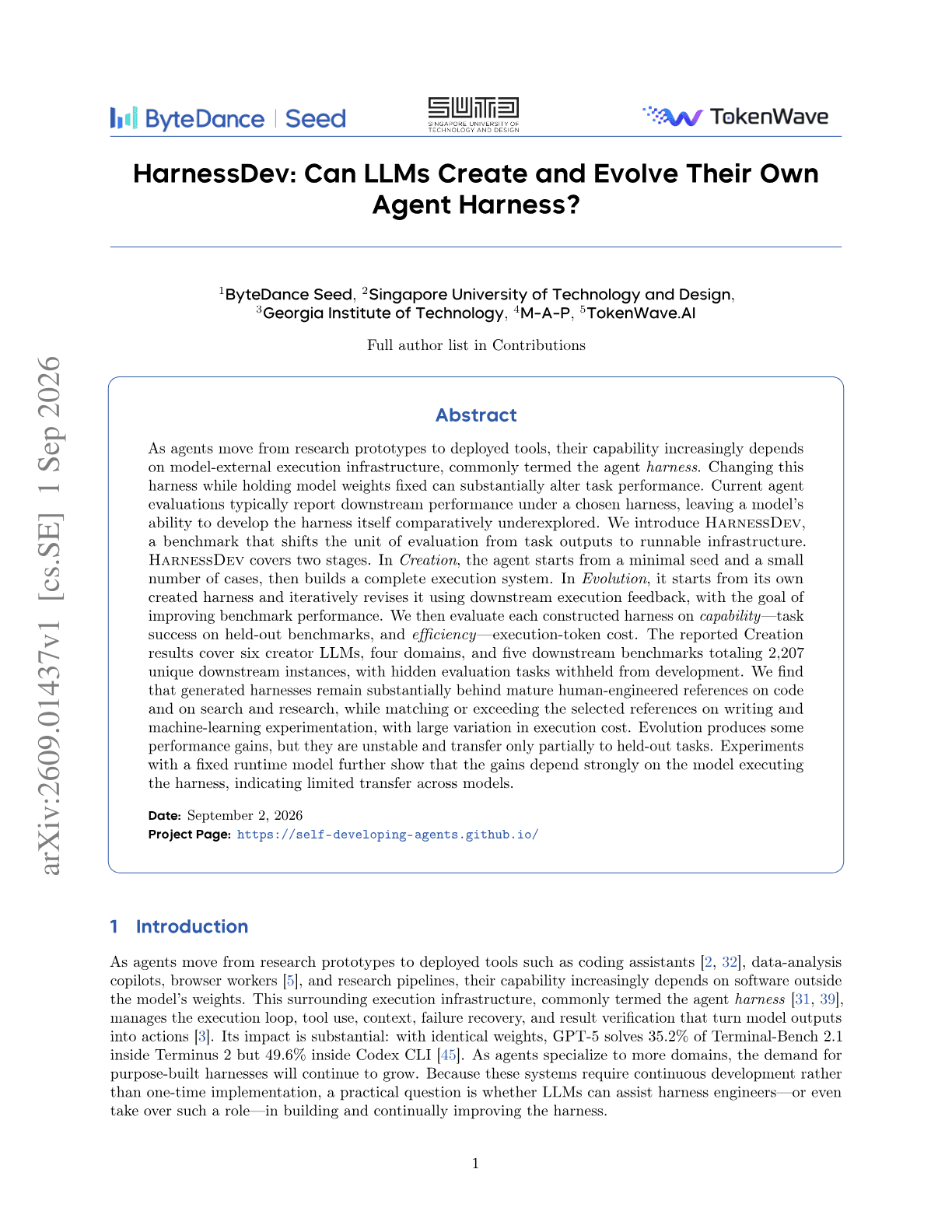
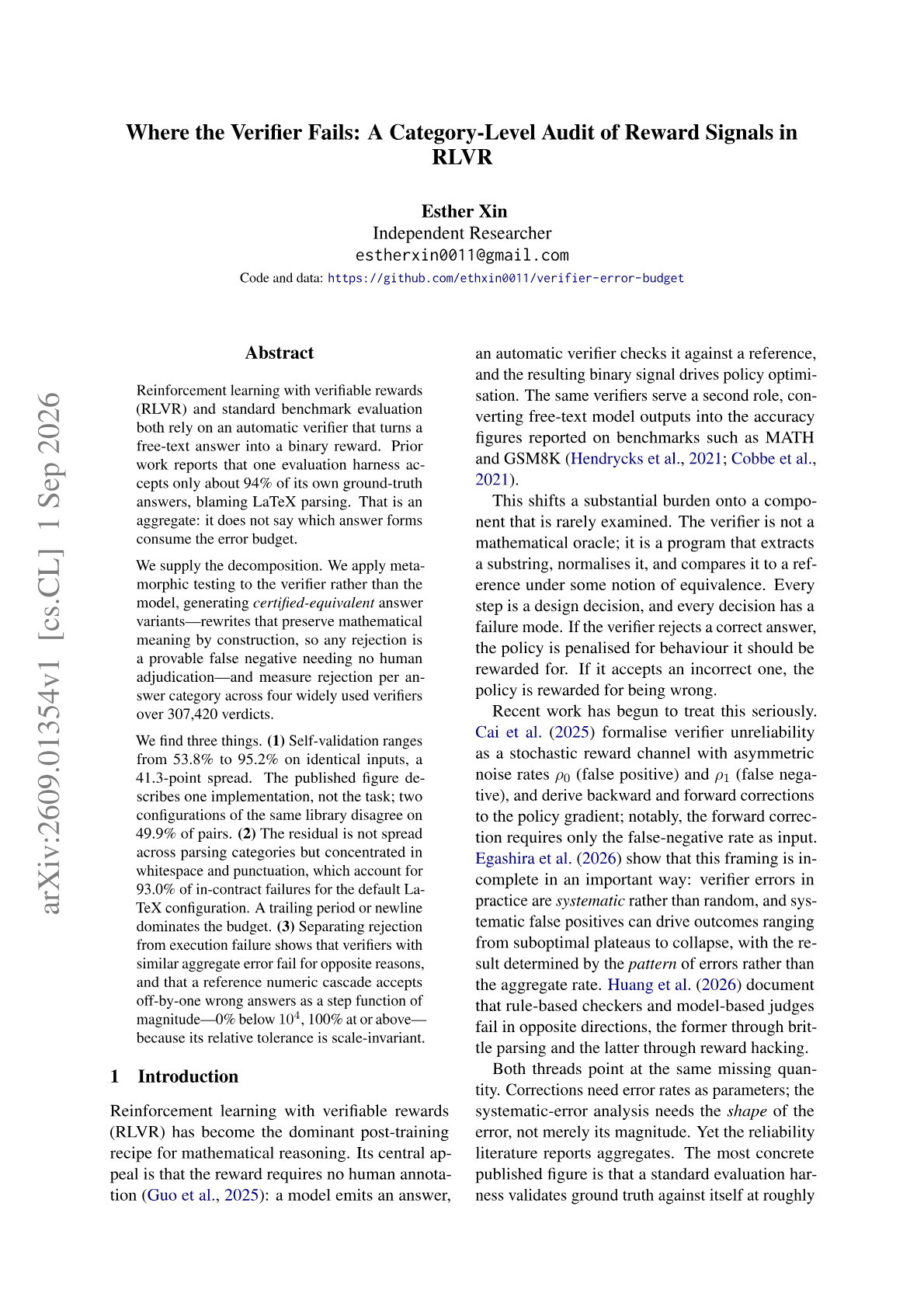
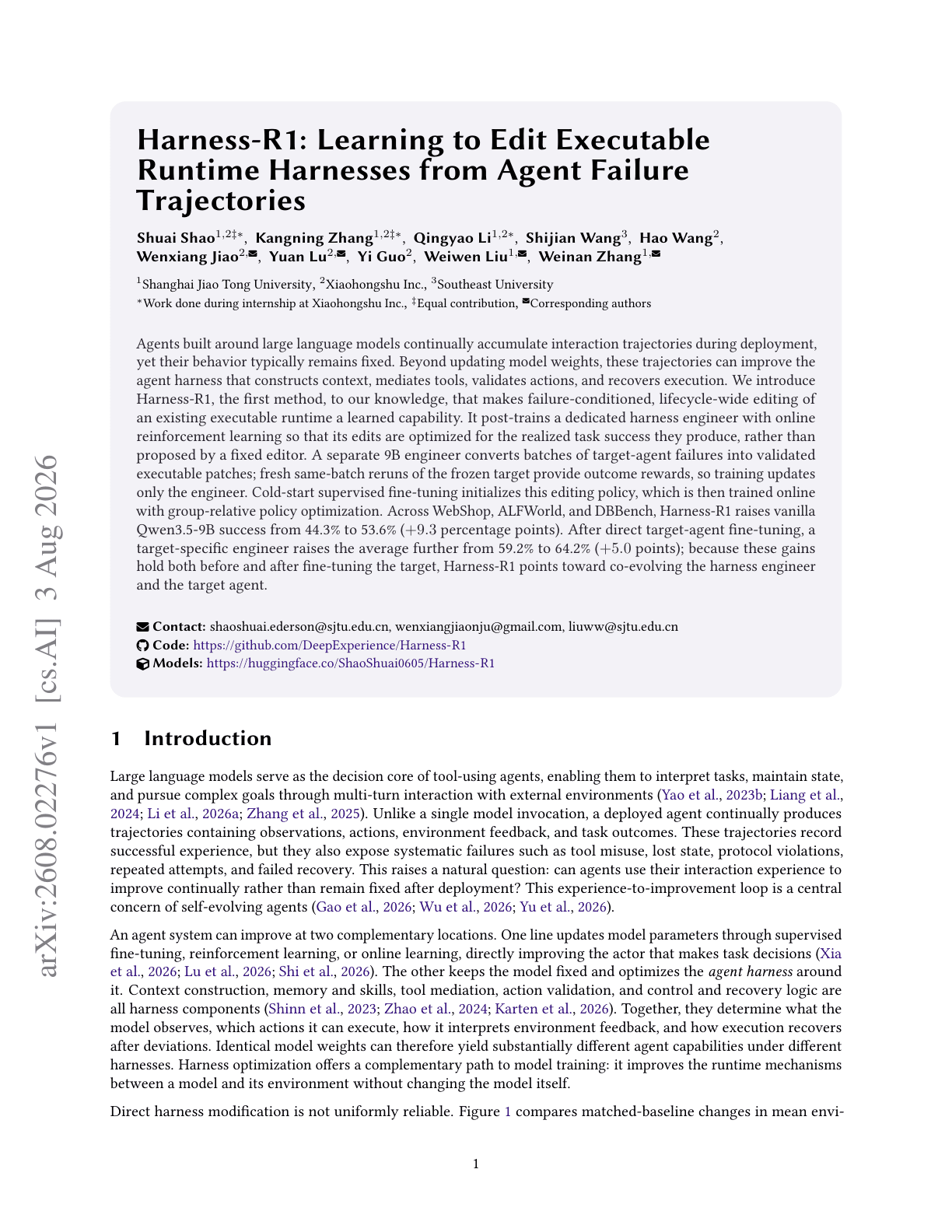
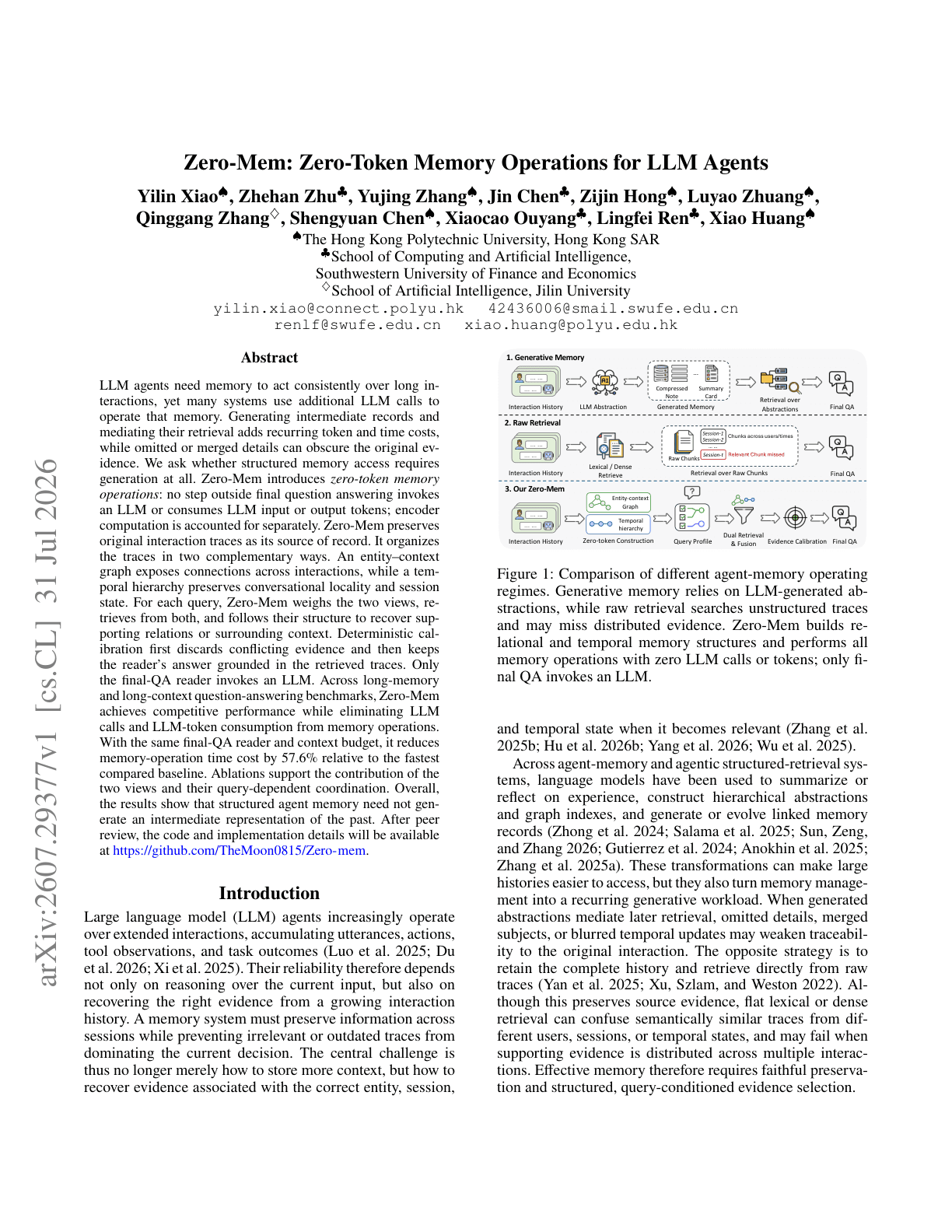

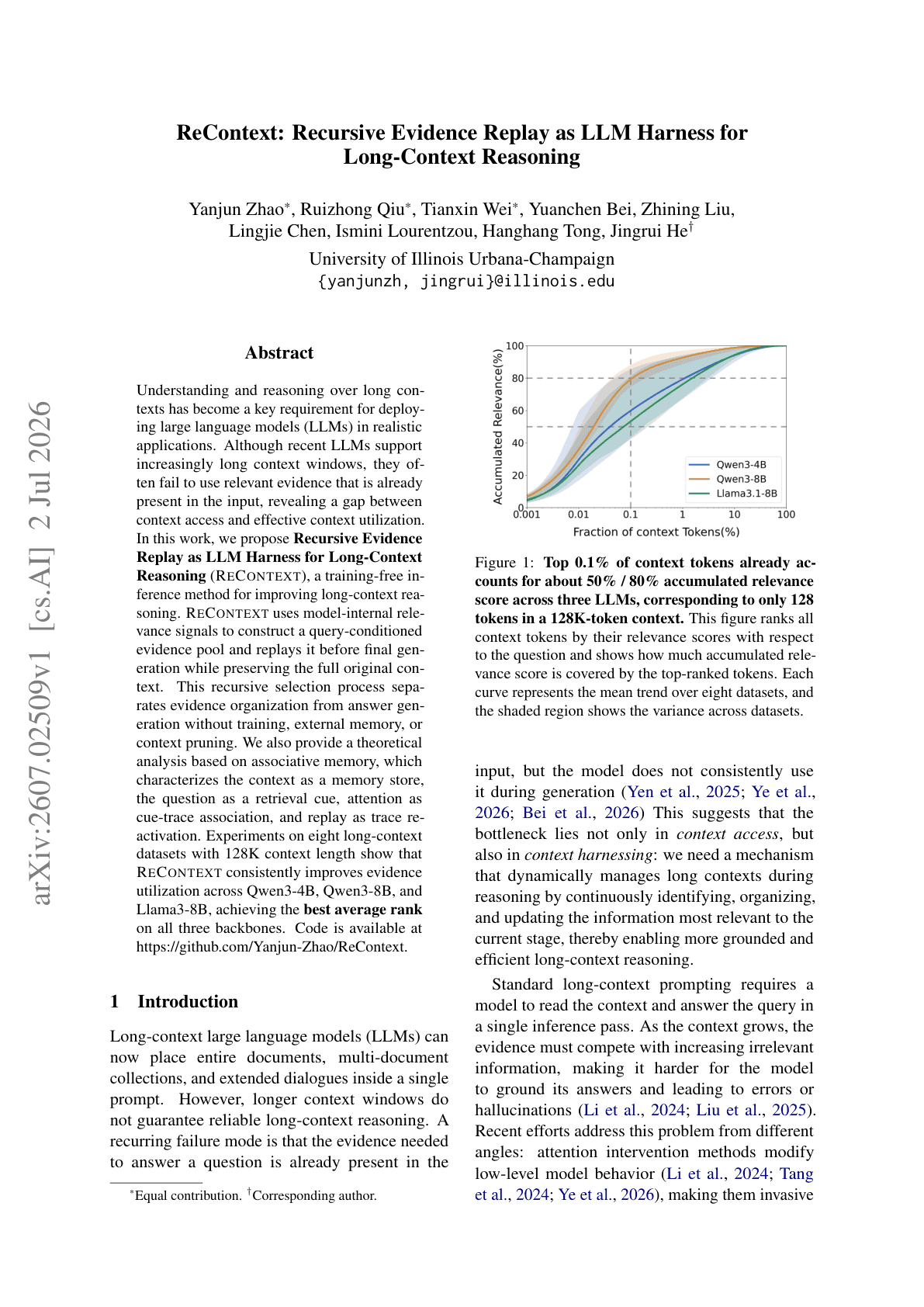
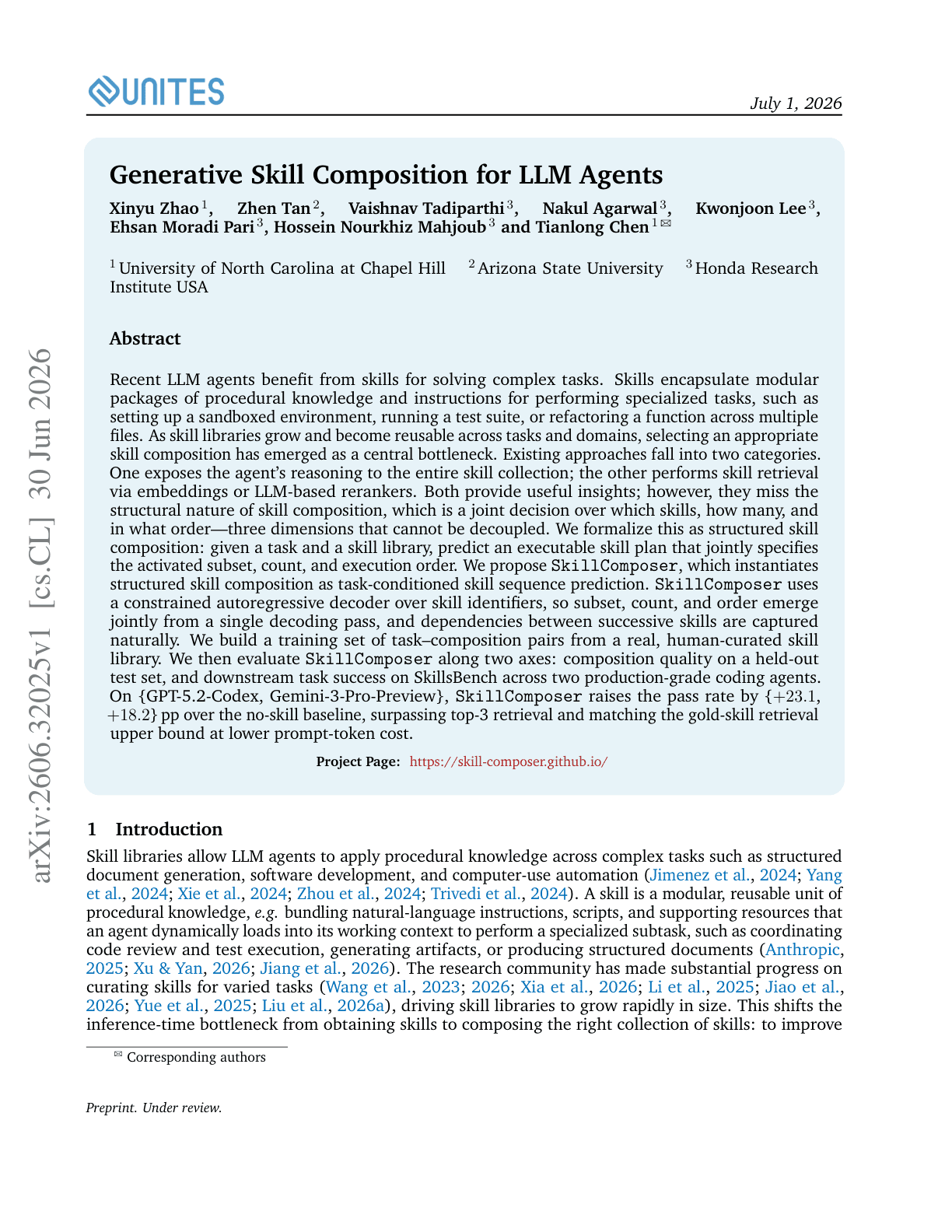
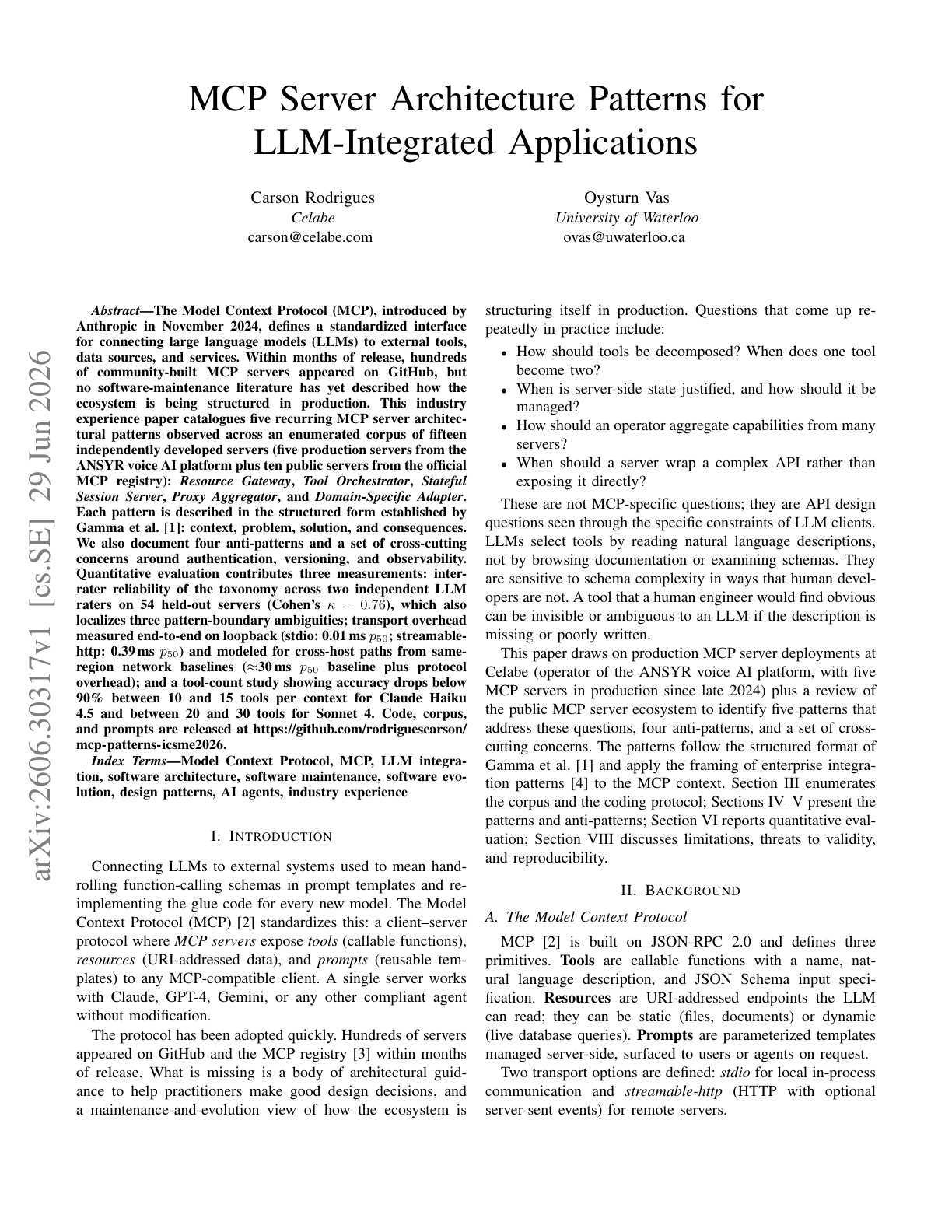
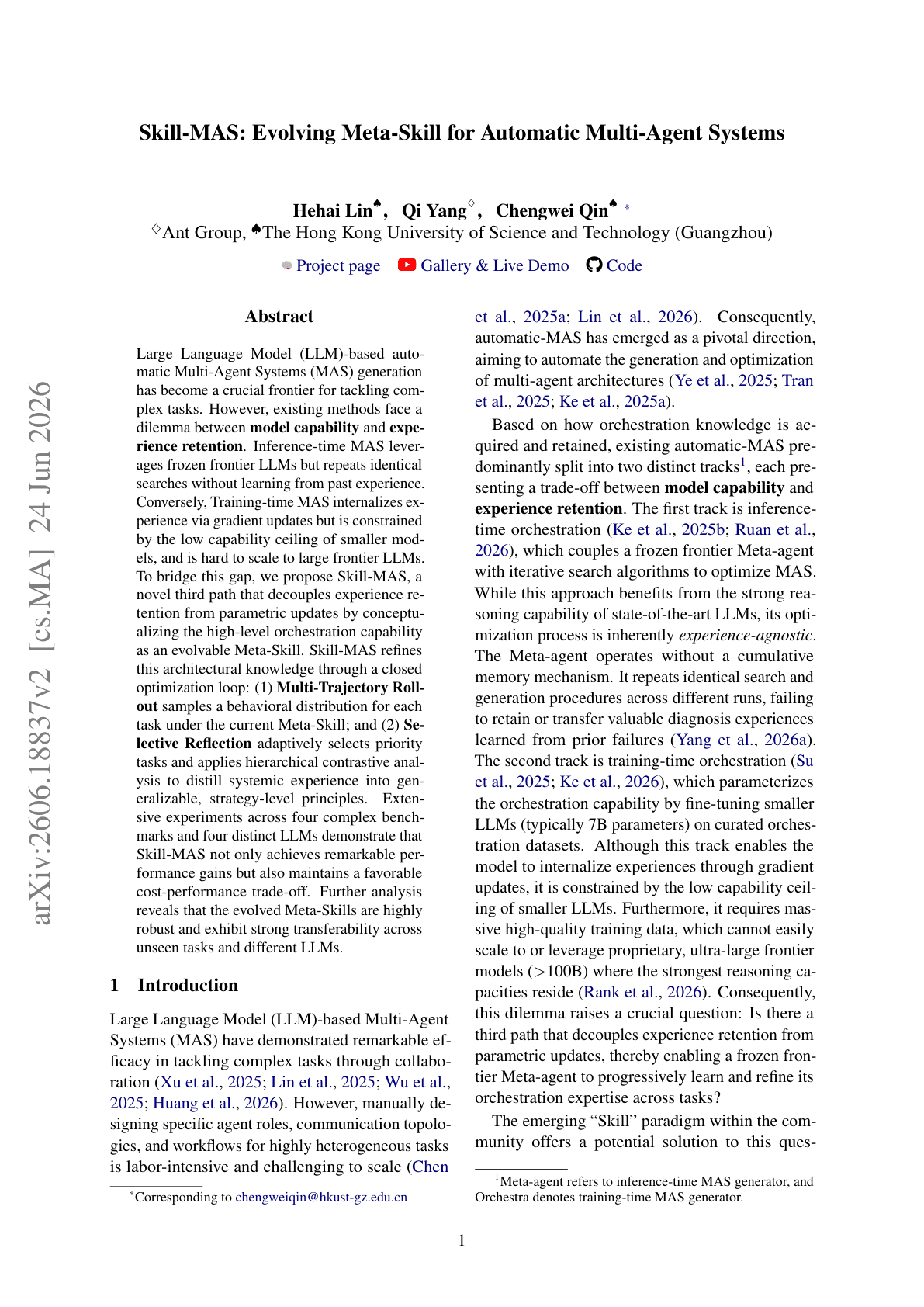
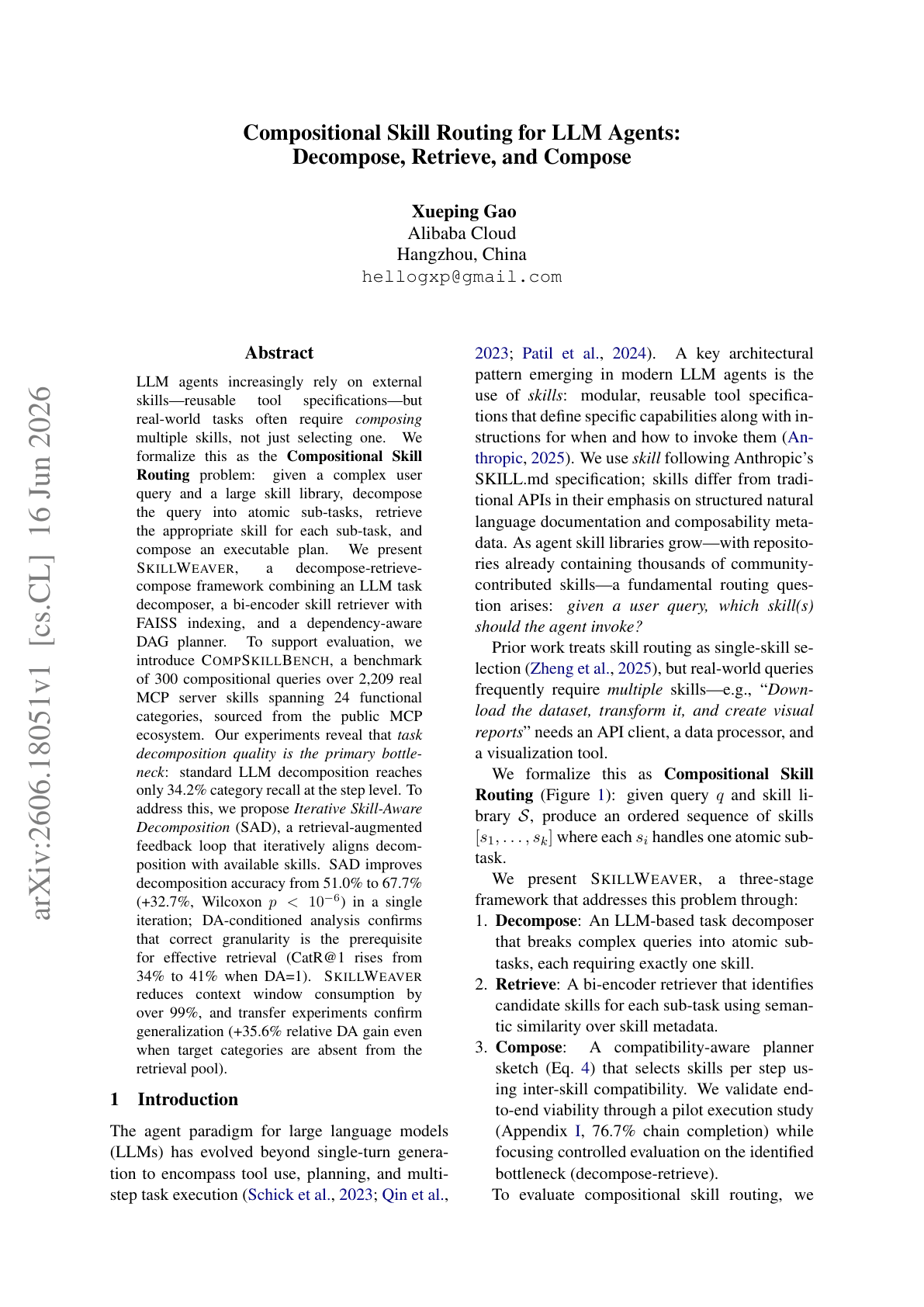
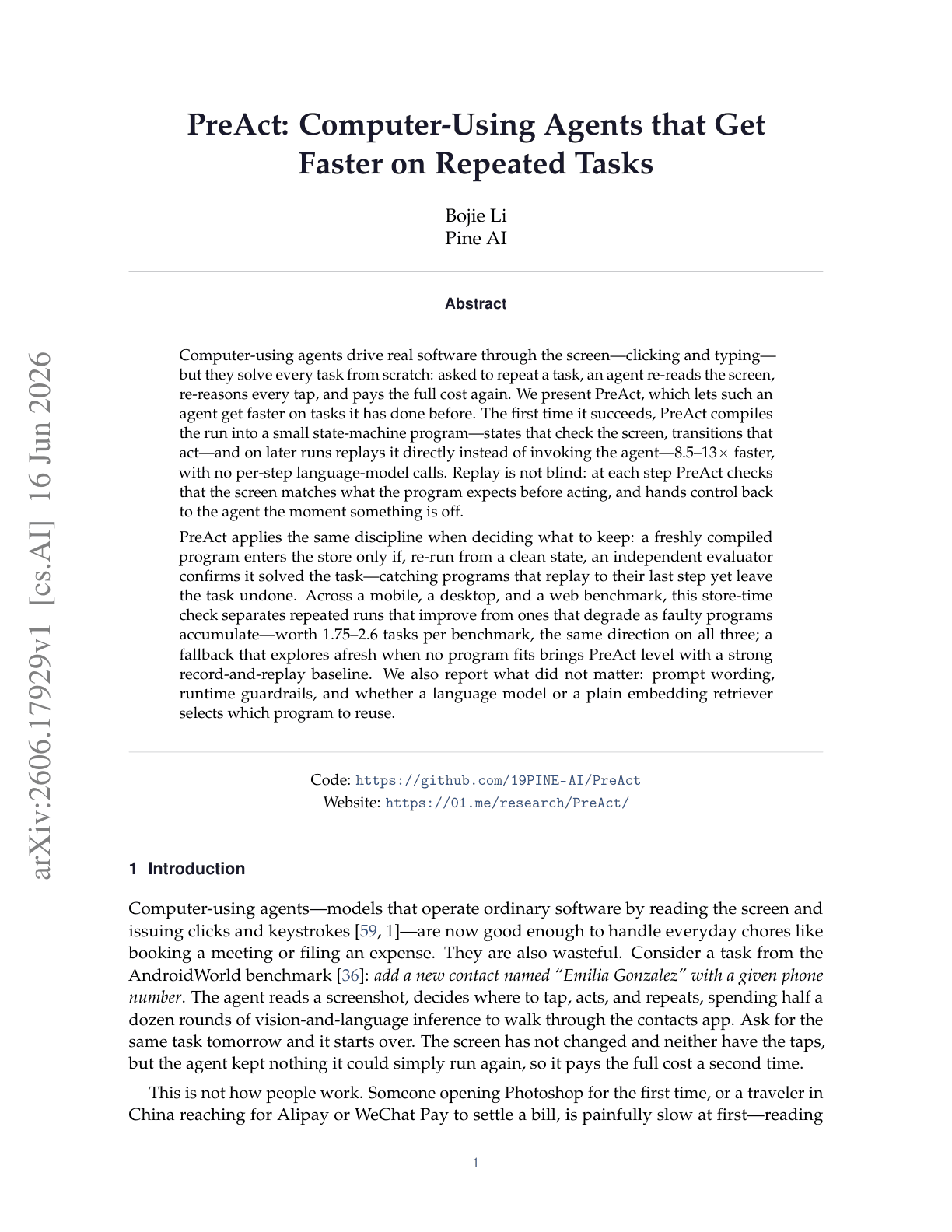
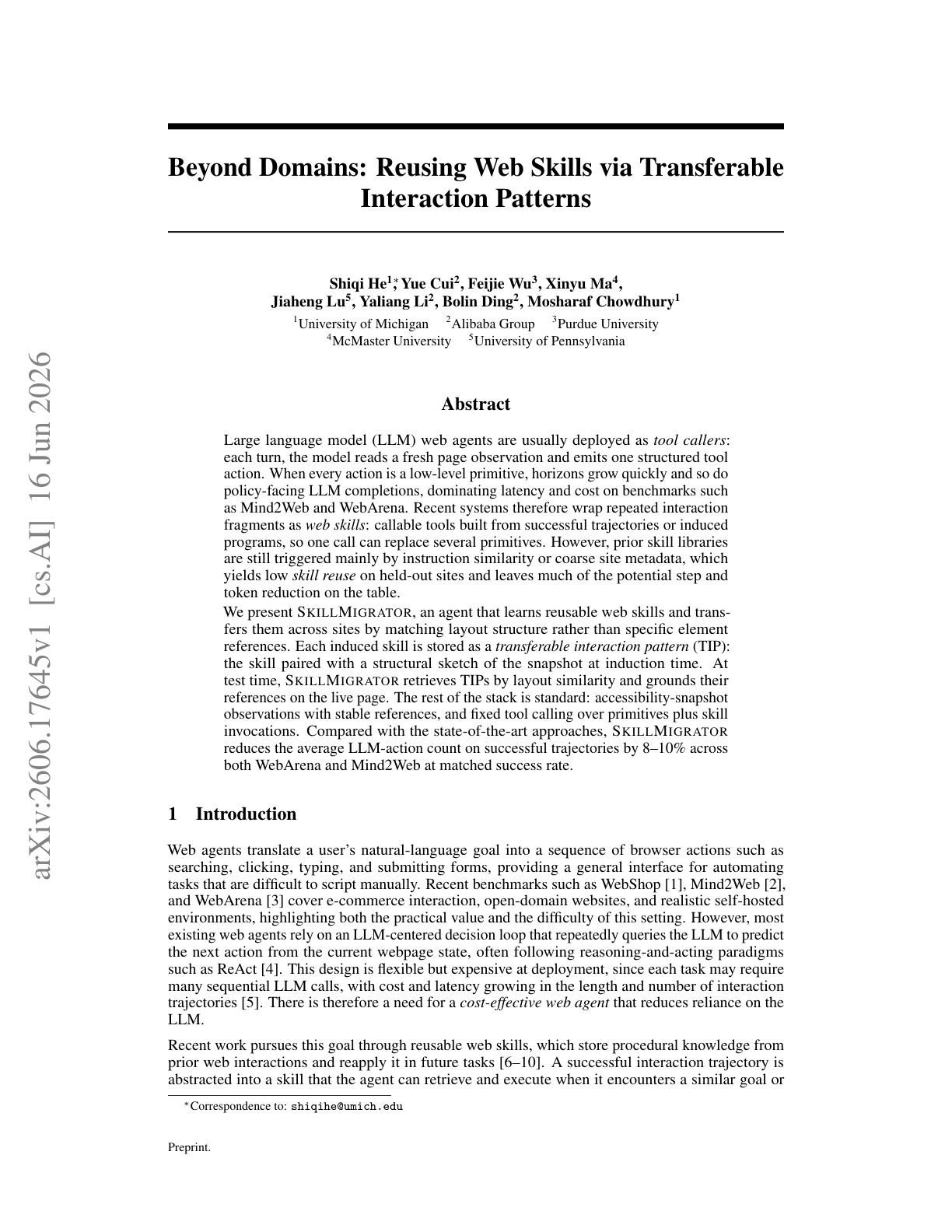






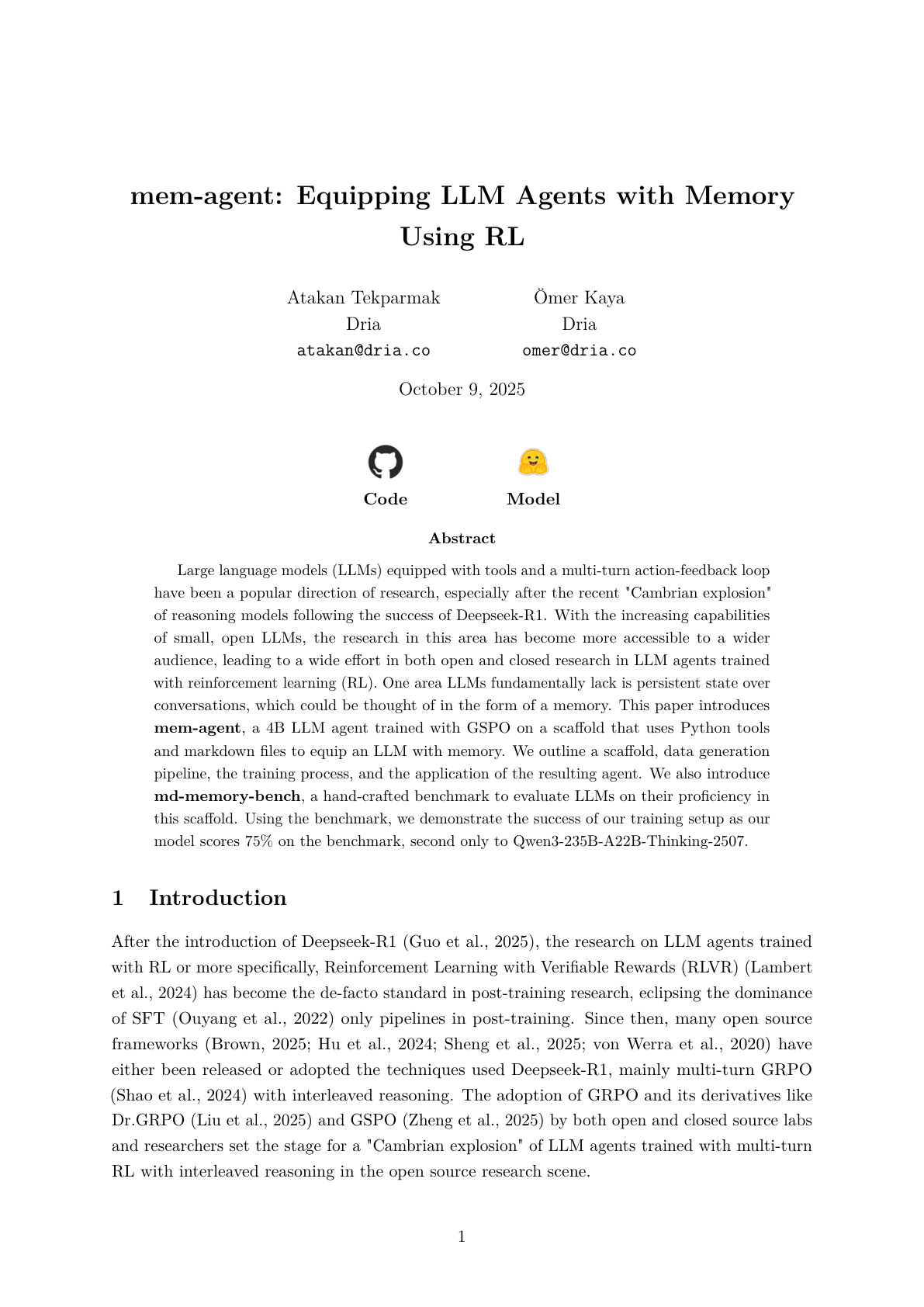

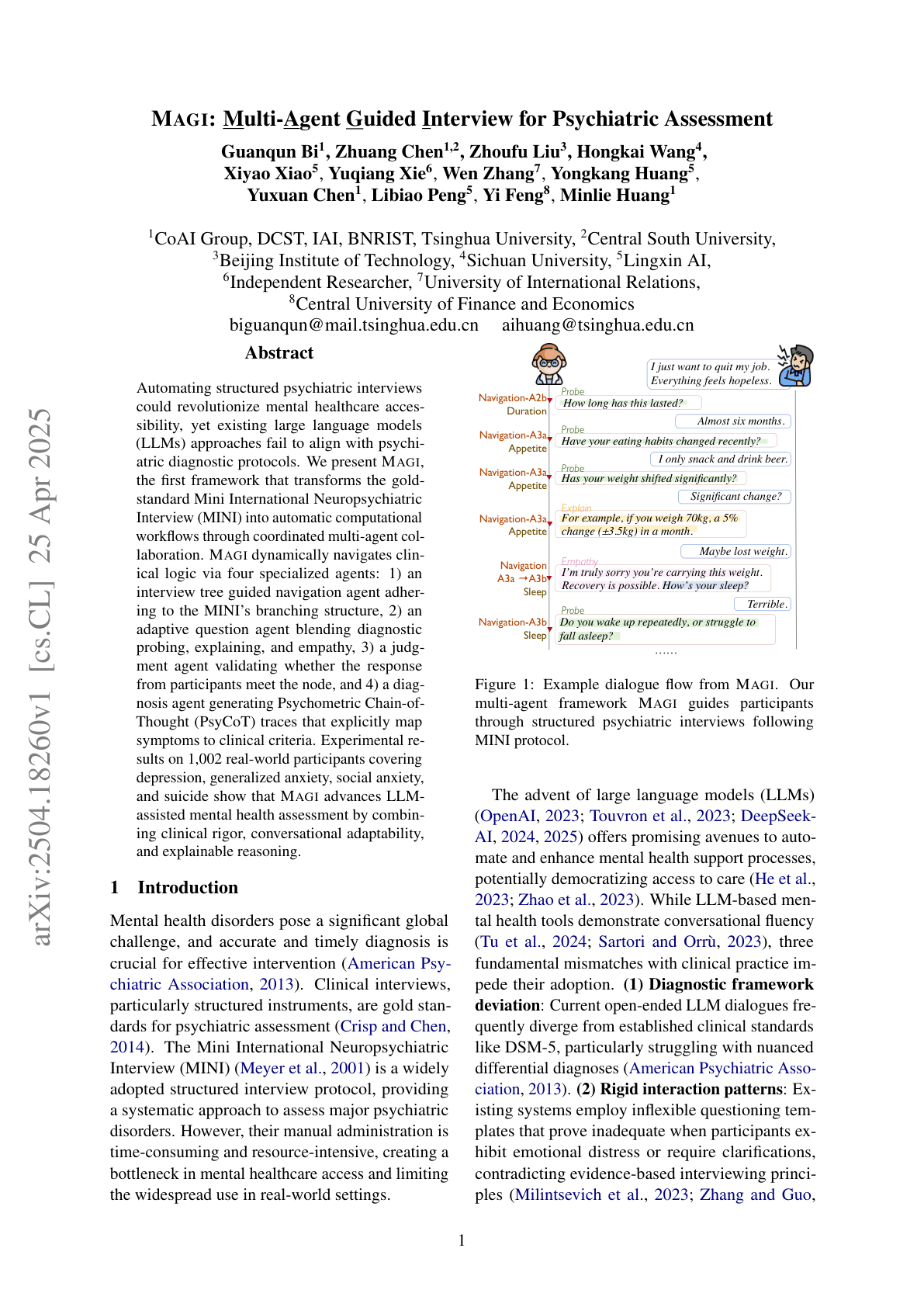
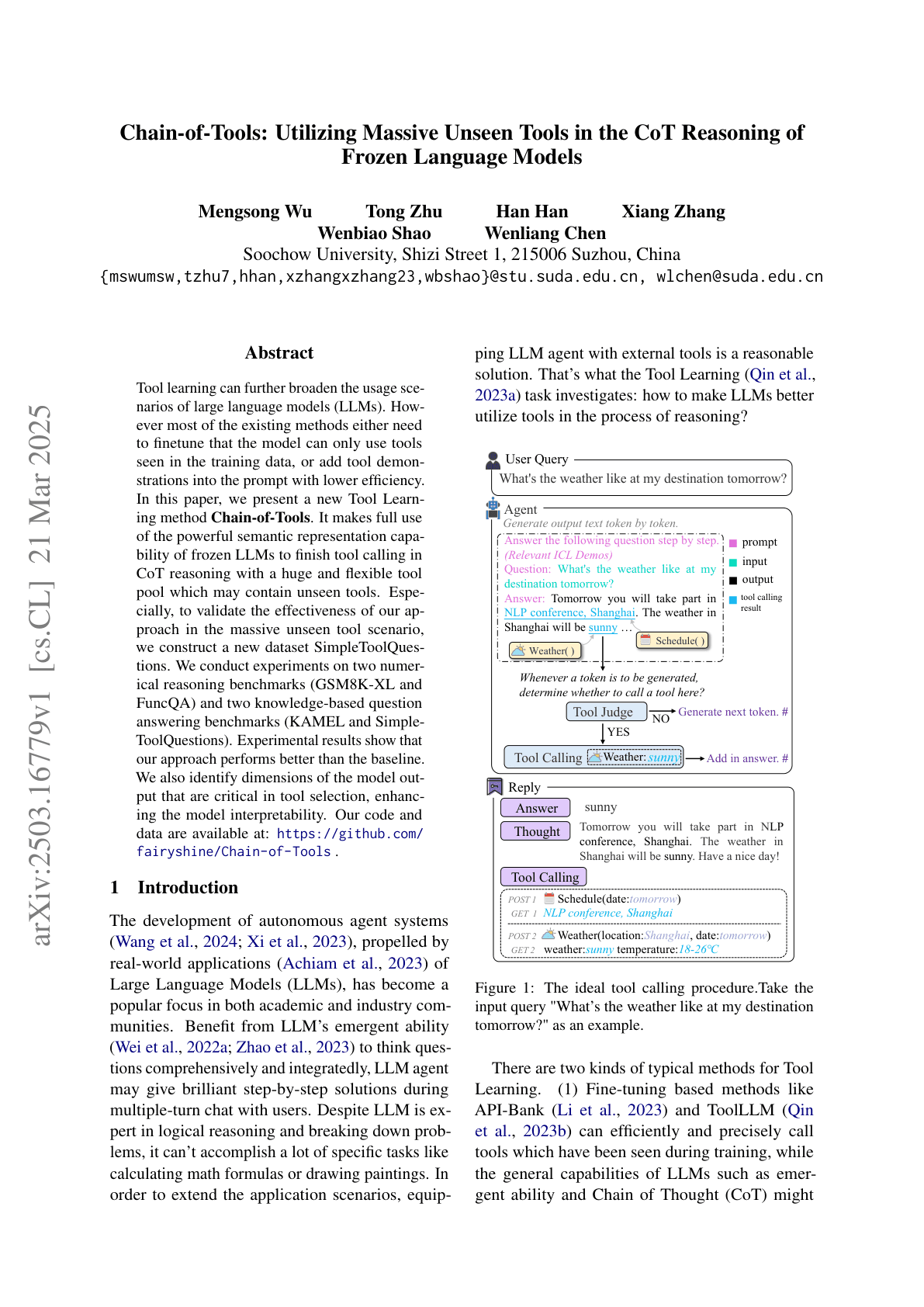
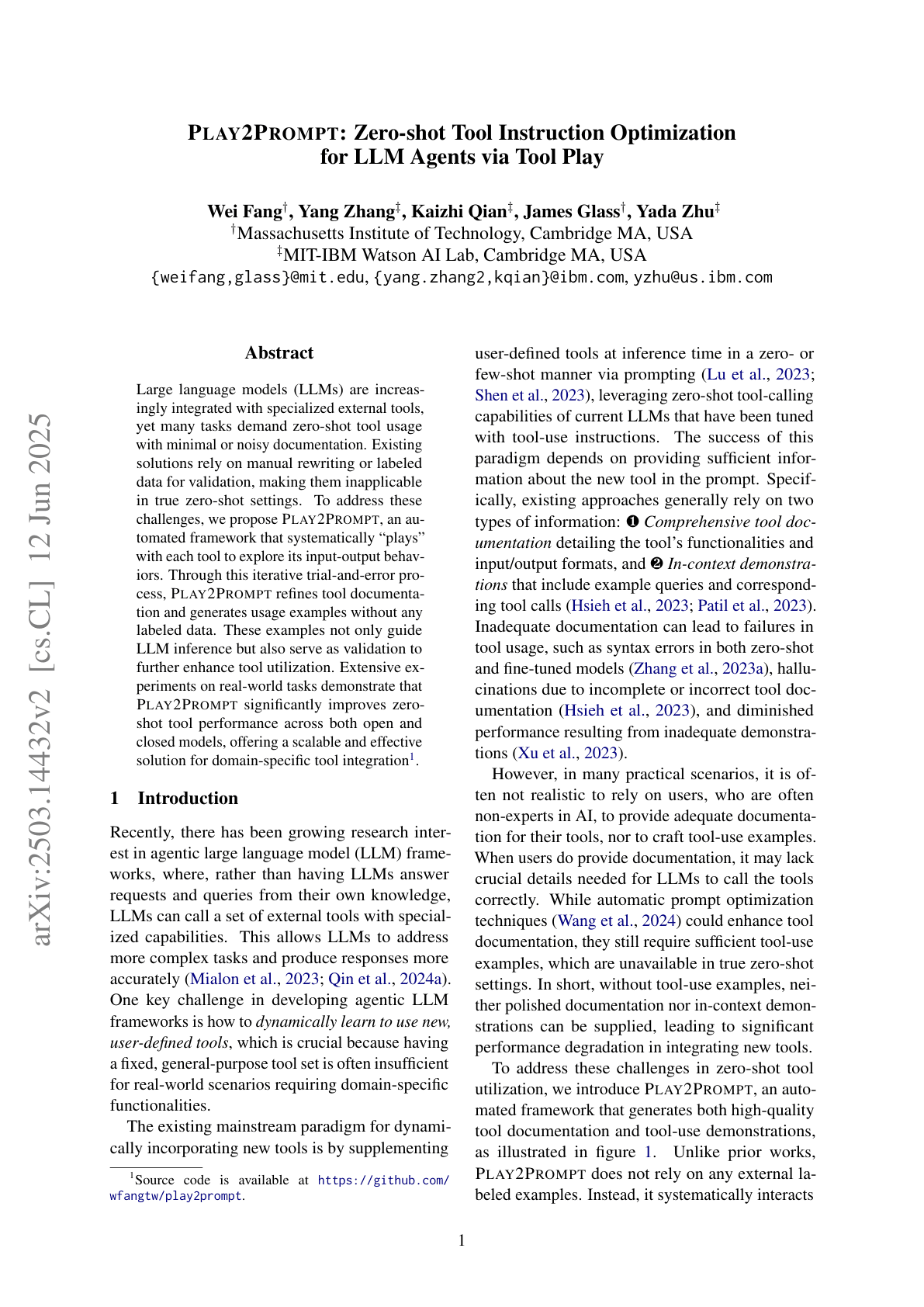


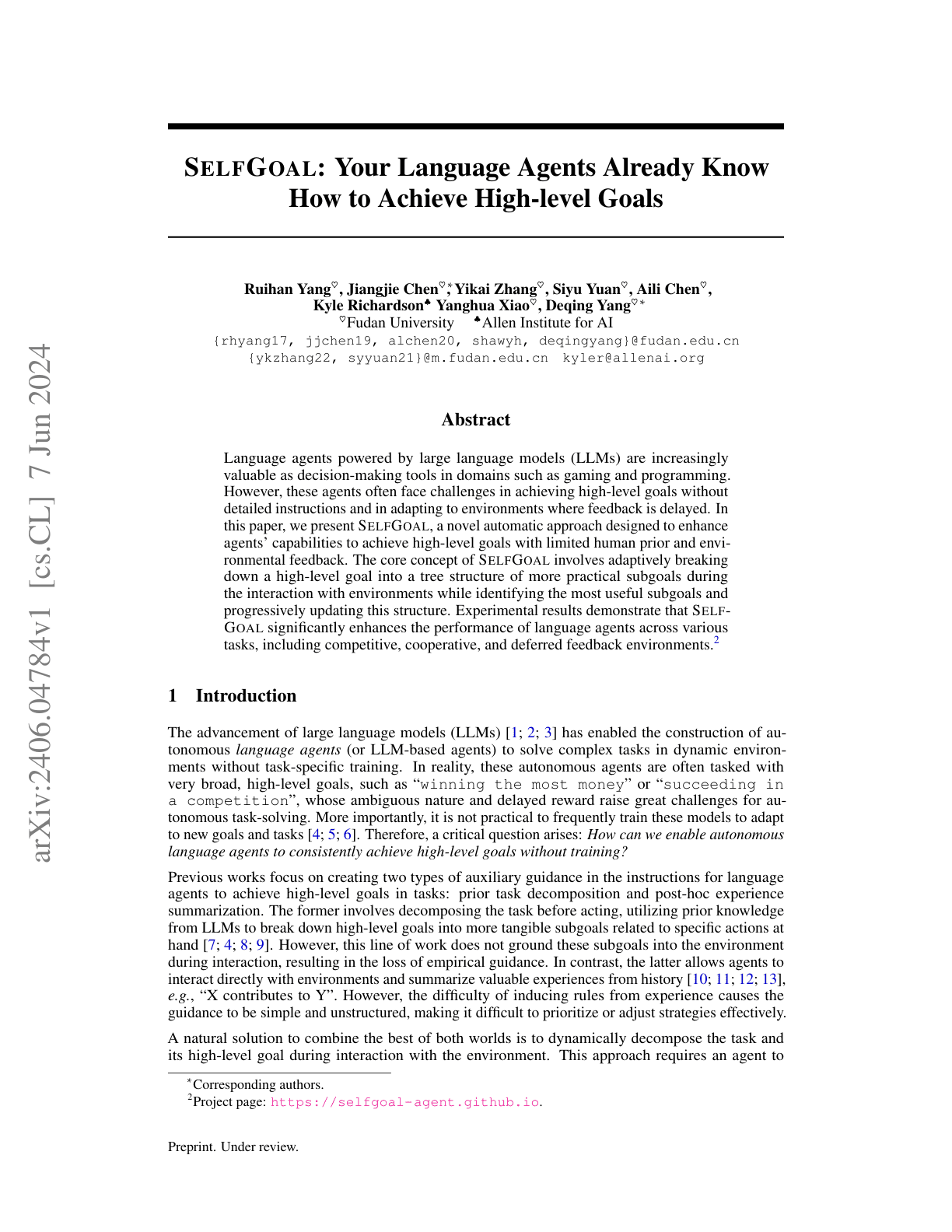
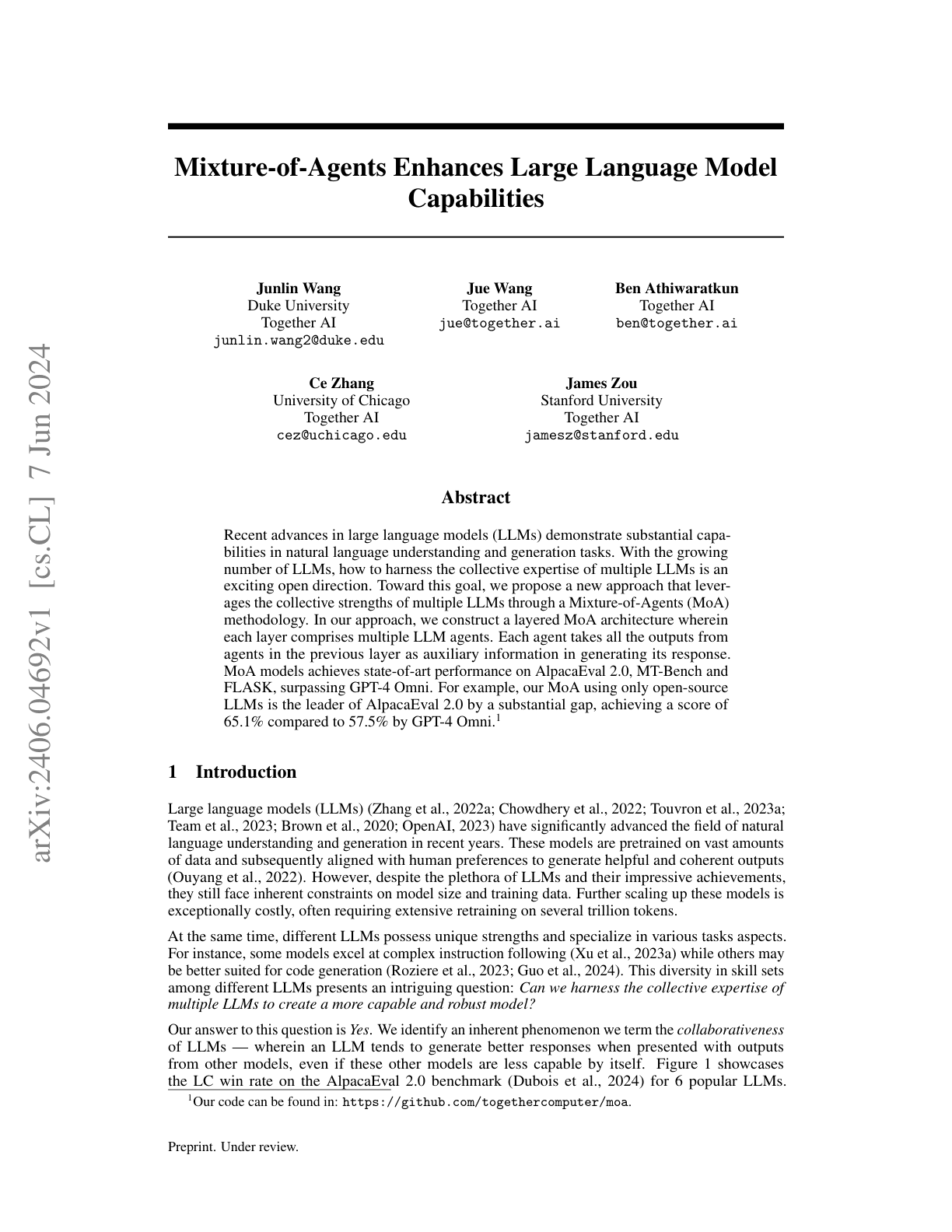
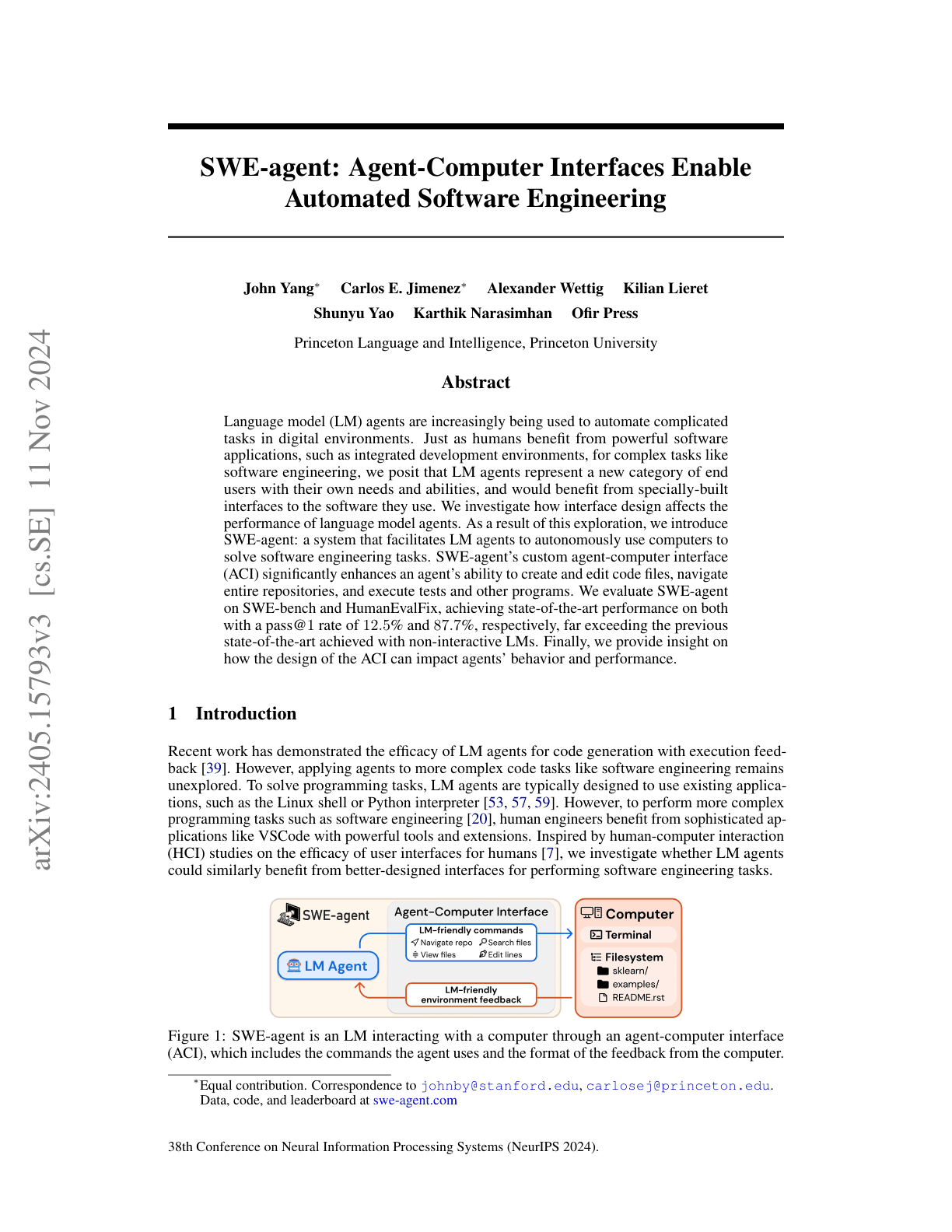
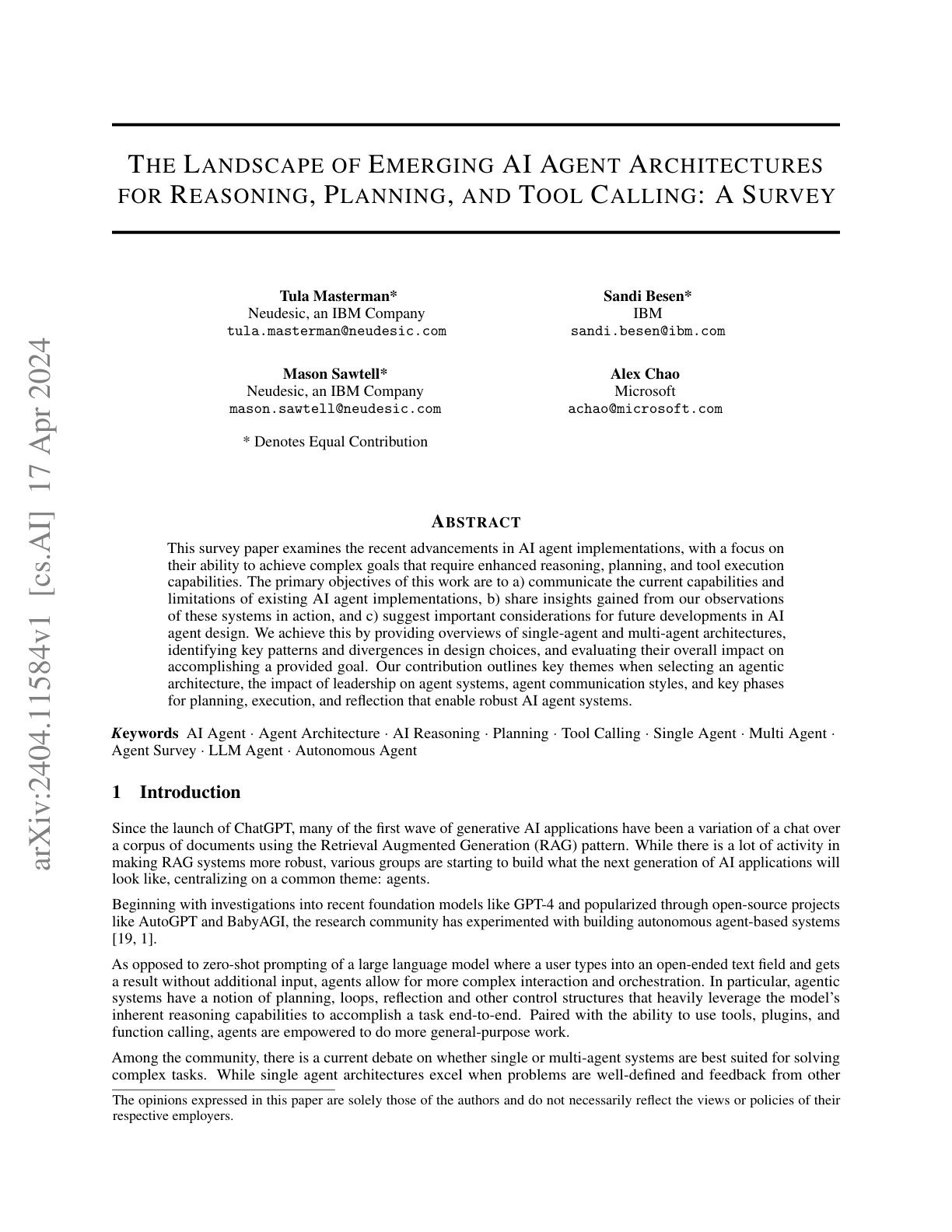
How harnesses are measured
Benchmark task sets, model configurations, compared harnesses and source links.